




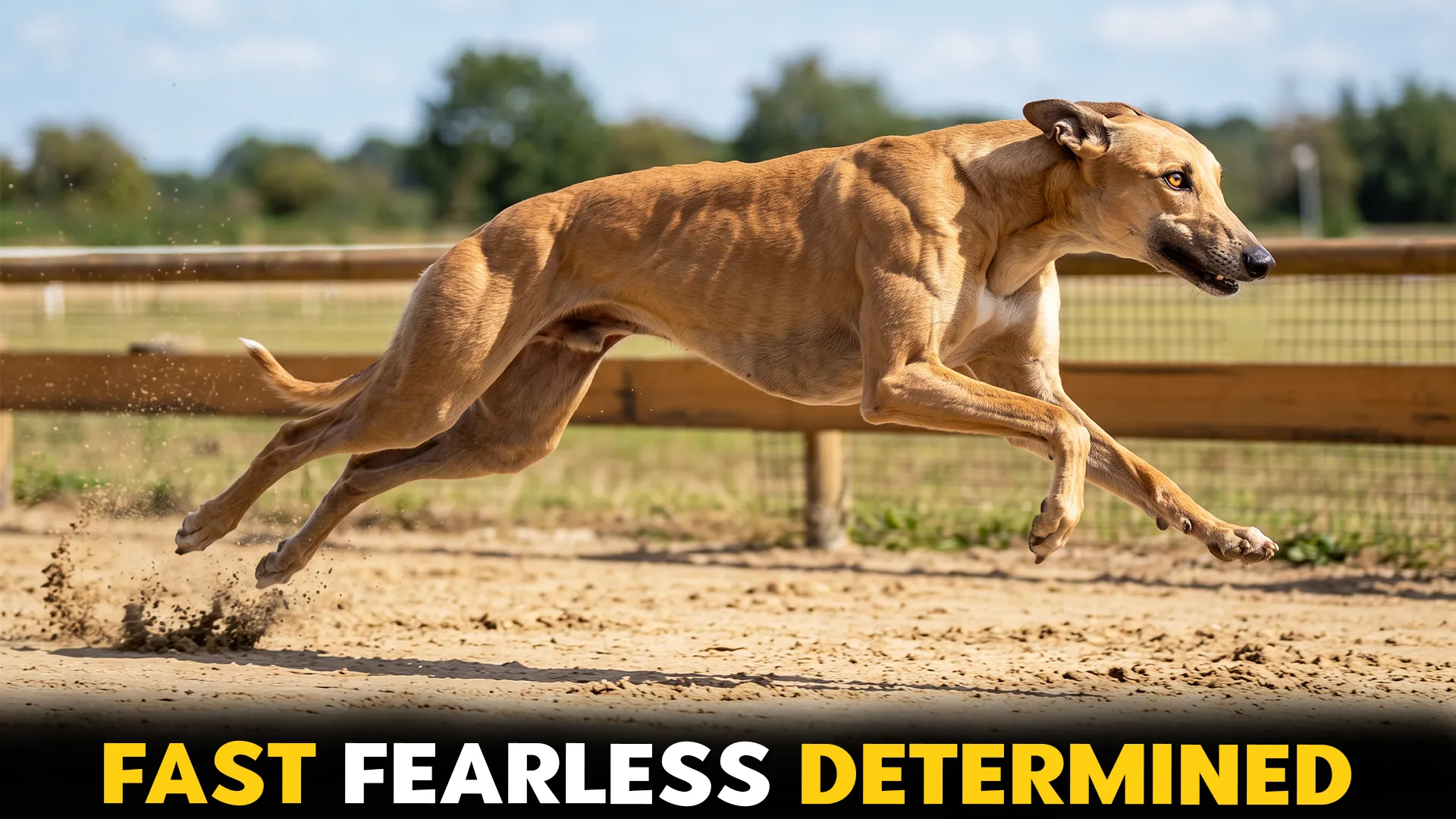
The walk had been calm until a small animal burst from the bushes without warning. In an instant, the dog shifted from relaxed companion to focused pursuer, completely absorbed by the movement ahead.
It happened so quickly that the leash became the only thing preventing a full chase. Moments like these leave many owners wondering where that sudden determination comes from. The answer often lies in a powerful prey drive that has been part of certain dogs for generations.
It shapes how they respond to motion, how they approach outdoor environments, and why they remain so alert even during ordinary walks. This instinct is neither unusual nor unexpected for the right breed, but understanding it makes a significant difference when choosing a canine companion.
In this guide, you’ll meet remarkable dog breeds with high prey drive and discover the instincts, strengths, and behaviors that make them unforgettable companions.
Key Takeaways
A rabbit darts across the path, and within seconds, an ordinary walk turns into a test of strength, focus, and quick reactions.
Greyhounds can spot movement from remarkable distances, while the Pharaoh Hound has something even more unusual. It actually blushes when excited.
From dogs once trusted to hunt lions to breeds that have been chasing game since ancient times, every one of them has a story worth knowing.
By the final breed, you’ll understand why these instincts still shape everything from daily walks to life at home.
Remarkable Dog Breeds with High Prey Drive
1. Greyhound
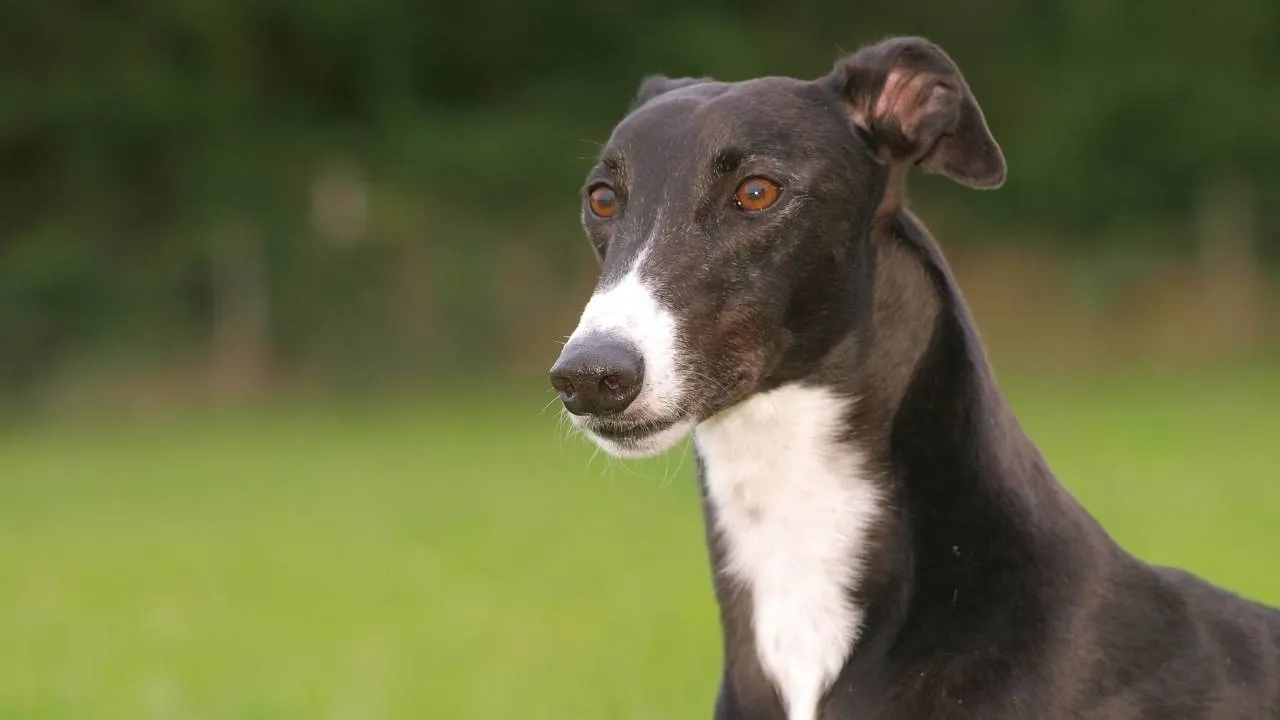
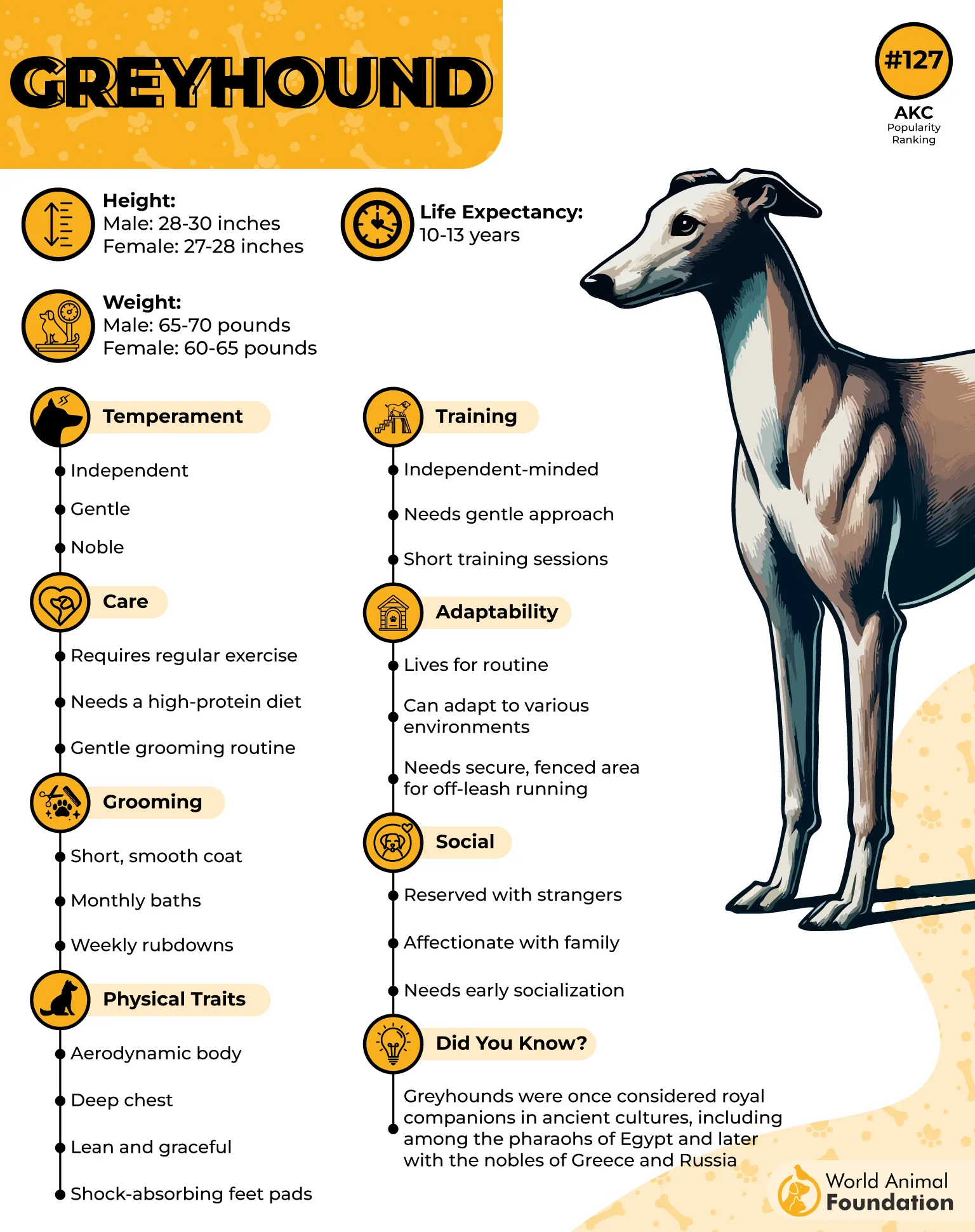
The Greyhound tracks movement with remarkable eyesight instead of relying on scent, making split-second visual reactions a defining part of its hunting style. Its slim frame and distinctive “inverted S” shape create the balance and flexibility needed for rapid bursts of speed across open ground.
Driven by Sight
Fast-moving animals can quickly capture this breed’s attention, which is why secure surroundings matter during outdoor activities. Routine exercise and opportunities to use both body and mind help direct that instinct into appropriate outlets.
The following details make this breed more remarkable:
Celebrated by artists for thousands of years
Favored by royalty across different eras
Classified as a true sighthound
Thoughtful Handling
Greyhounds’ strong chasing instinct makes careful planning important around cats and other small pets that may trigger pursuit. Leashed walks and securely enclosed spaces provide safer options, while socialization helps improve responses to everyday distractions over time, as PetMD suggested.
2. Rhodesian Ridgeback
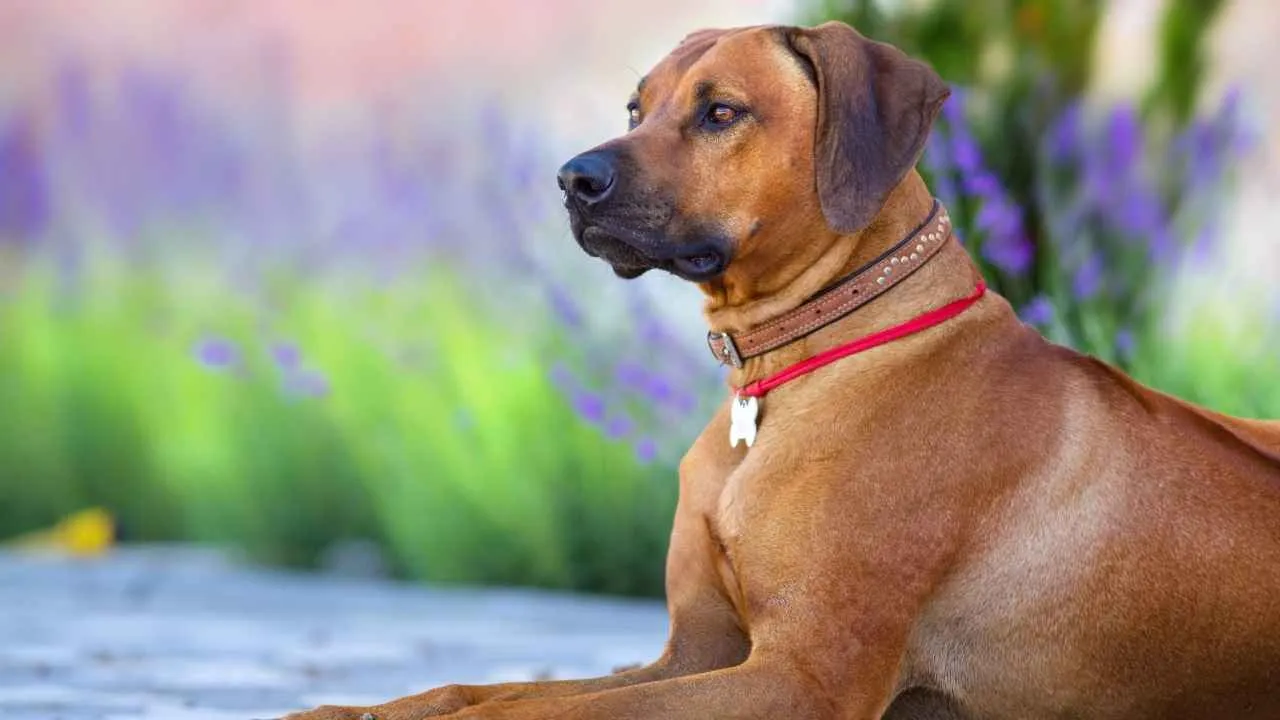
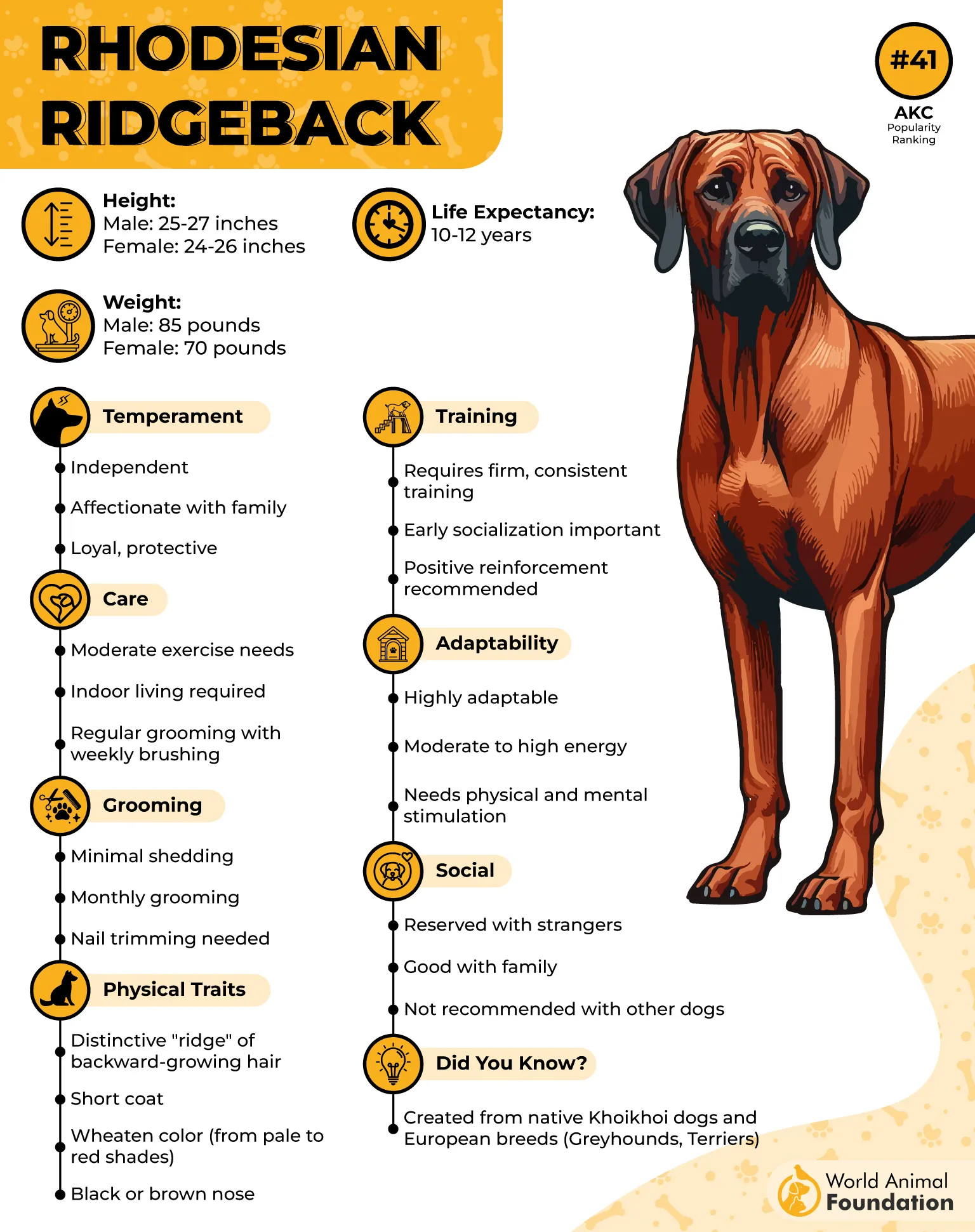
Rhodesian Ridgeback is immediately recognized by the narrow strip of hair running along the spine in the opposite direction from the rest of its coat. Behind that distinctive feature is a muscular, athletic dog that was once relied upon to locate and pressure formidable game, including lions.
Instinct in Action
Their determined hunting instincts explain why smaller household animals may not always be the best companions. Early socialization helps encourage smoother introductions with other dogs while giving this confident breed clear expectations from the start.
The more of this breed include:
Requires at least 45 minutes of daily exercise
Excels in tracking, agility, and field events
Positive reinforcement supports lifelong obedience
Curiosity Needs Direction
Rhodesian Ridgeback learns quickly and often channels that sharp mind into whatever captures its interest, including unattended food left on countertops.
According to the AKC, meaningful mental enrichment helps reduce boredom, which can otherwise lead to chewing or other unwanted habits during quiet hours.
3. Weimaraner
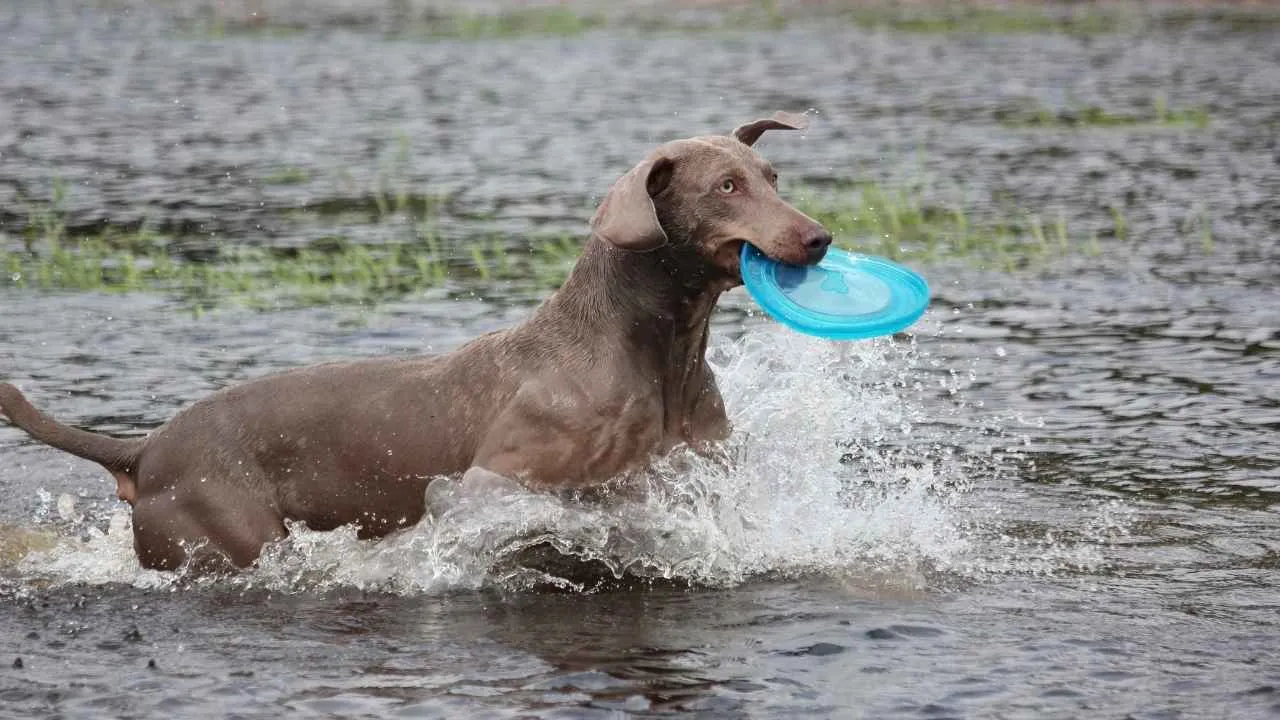
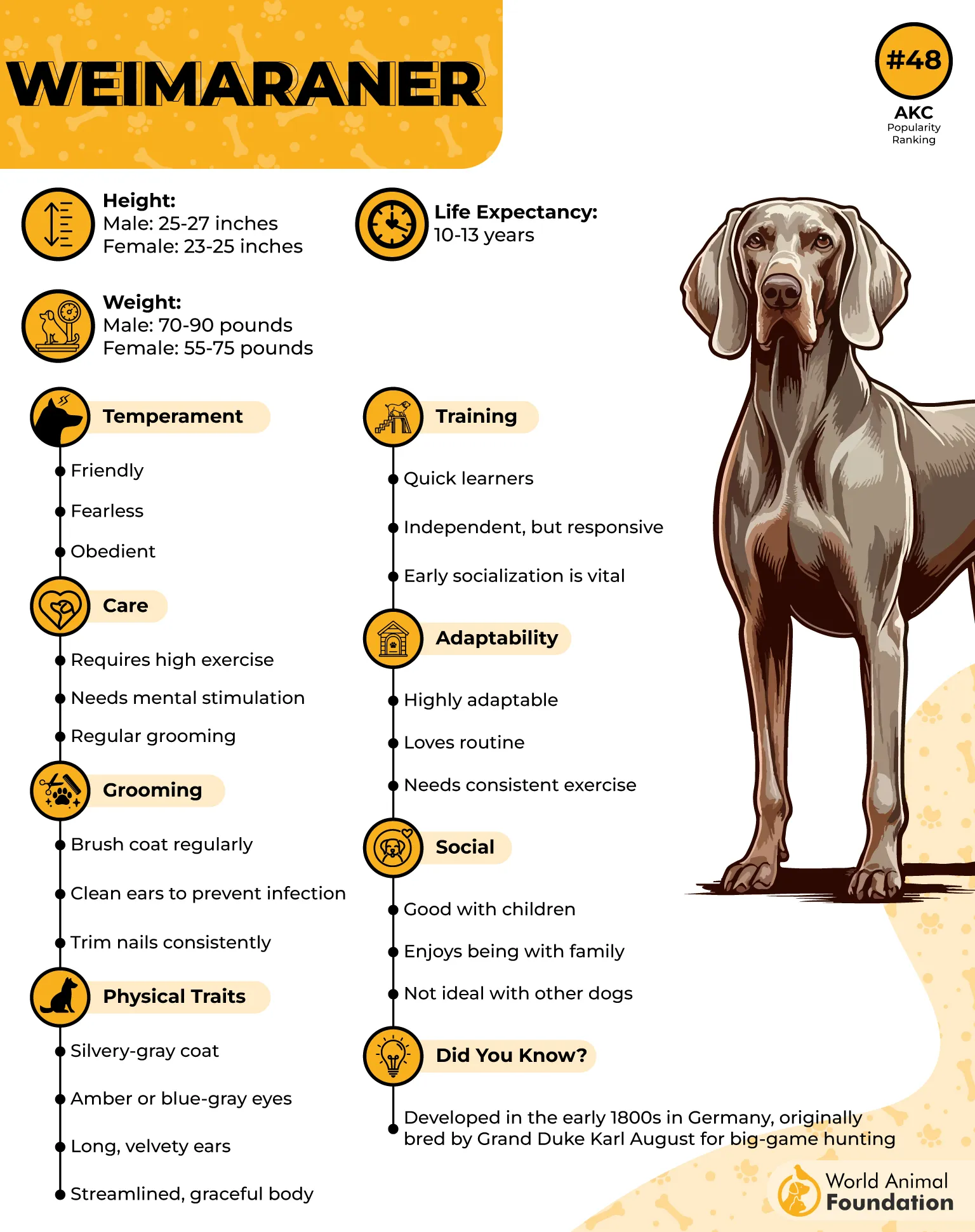
Weimaraner was bred during the 19th century, when German nobles combined different dogs to produce a hunter with exceptional tracking ability, speed, courage, and durability. Those carefully selected qualities continue to influence the breed’s strong instinct to notice and pursue fast-moving animals.
Always Looking Ahead
This high prey drive breed pairs sharp intelligence with an energetic working style, so daily life feels most rewarding when both physical activity and problem-solving are part of the routine. Without enough to do, curiosity can quickly shift toward mischief around the house.
A few interesting details add another perspective:
Reached the United States in the late 1920s
Chosen by President Eisenhower and Grace Kelly
Long muzzle makes countertop snacks easy to reach
Life Around Other Pets
Weimaraners generally get along well with other dogs after proper socialization, but cats and small mammals can trigger their natural chasing instinct. A spacious fenced yard also provides a safer place to explore without wandering beyond the property.
4. Beagle
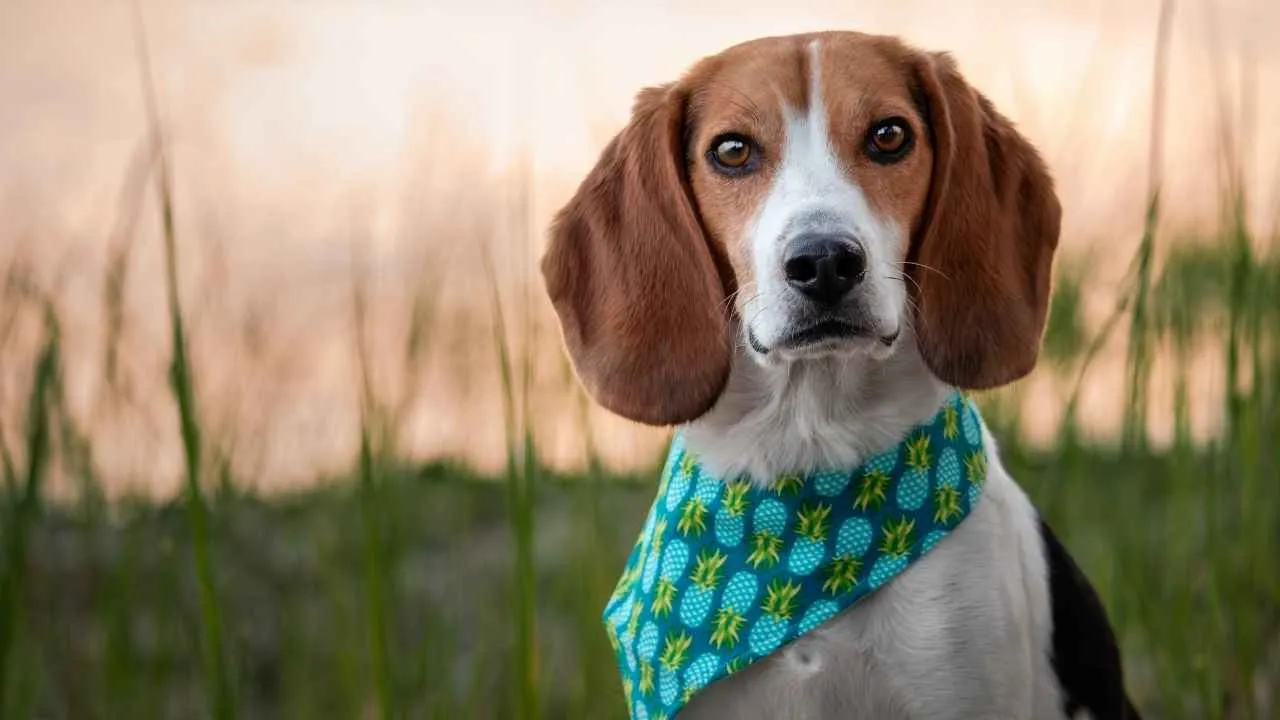
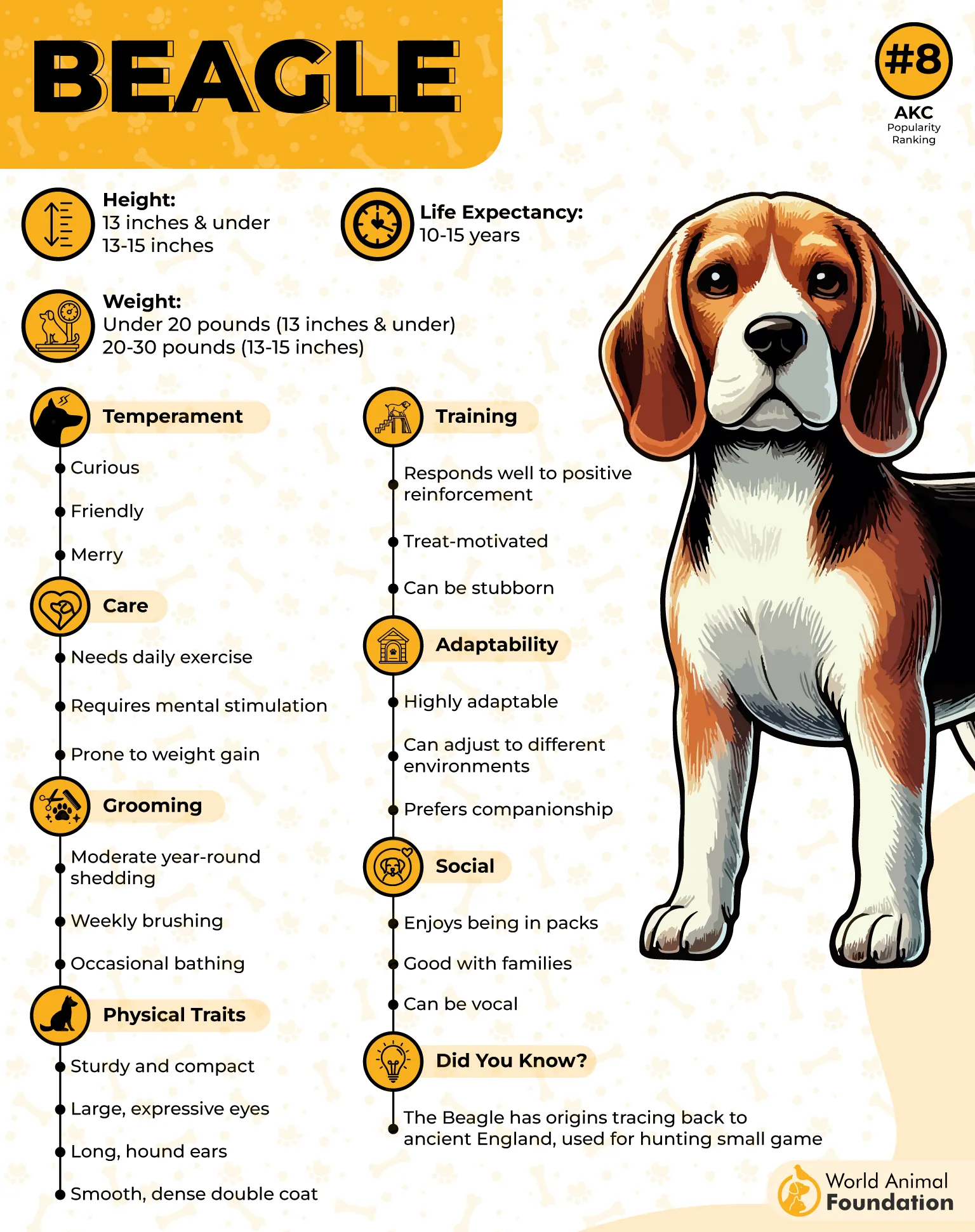
Beagles built their reputation in England by tracking foxes, hares, and rabbits, where an exceptional nose mattered more than speed alone. Even today, a fresh scent can completely redirect this breed’s attention, making scent trails almost impossible to ignore once discovered.
Driven to Follow
That remarkable sense of smell explains why Beagles can trail an interesting scent for remarkable distances without losing focus, as noted by Omlet. Outdoor adventures call for a secure lead or enclosed space because curiosity often wins over recall commands.
There’s more to discover:
Commonly hunted in organized packs
Preferred for traditional mock hunts in the UK
Distinctive baying follows fresh scent detection
Instinct Takes Over
Other animals close to a Beagle’s size or smaller can quickly trigger its natural chasing response, which makes thoughtful management around smaller pets especially important. Keeping potential prey nearby but out of reach may leave this determined breed visibly frustrated as the urge to pursue remains strong.
5. Pharaoh Hound
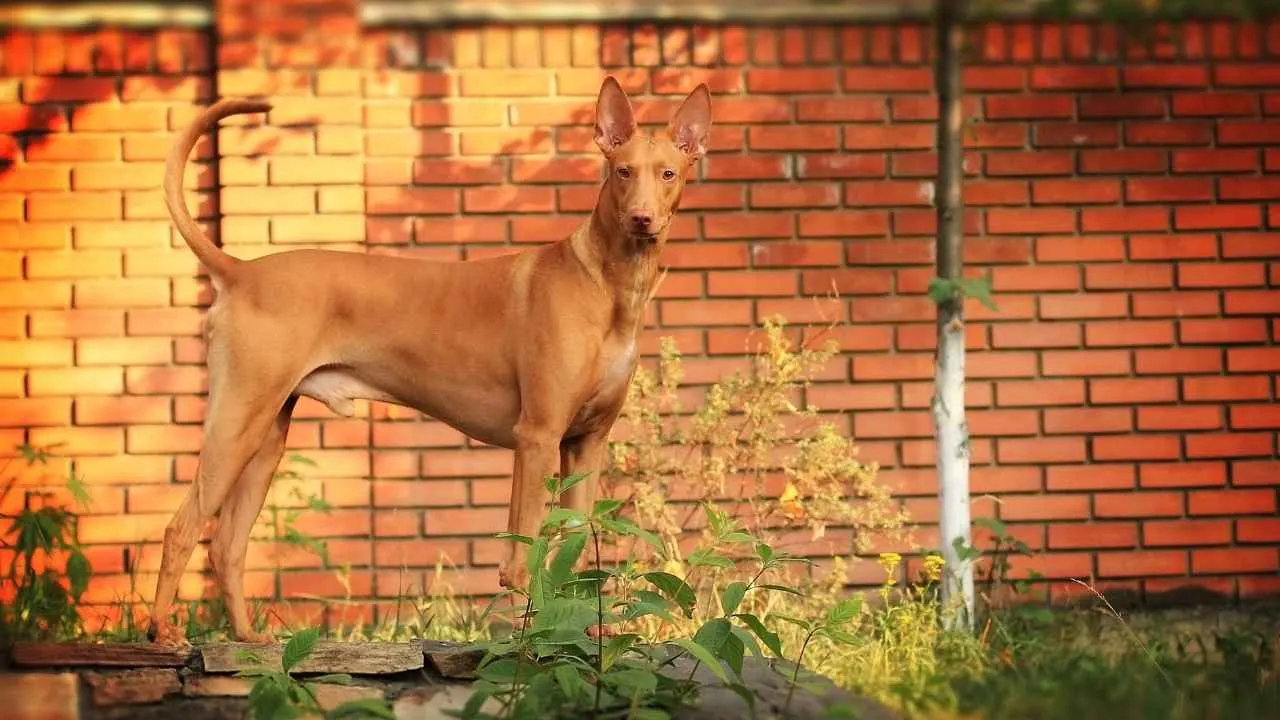
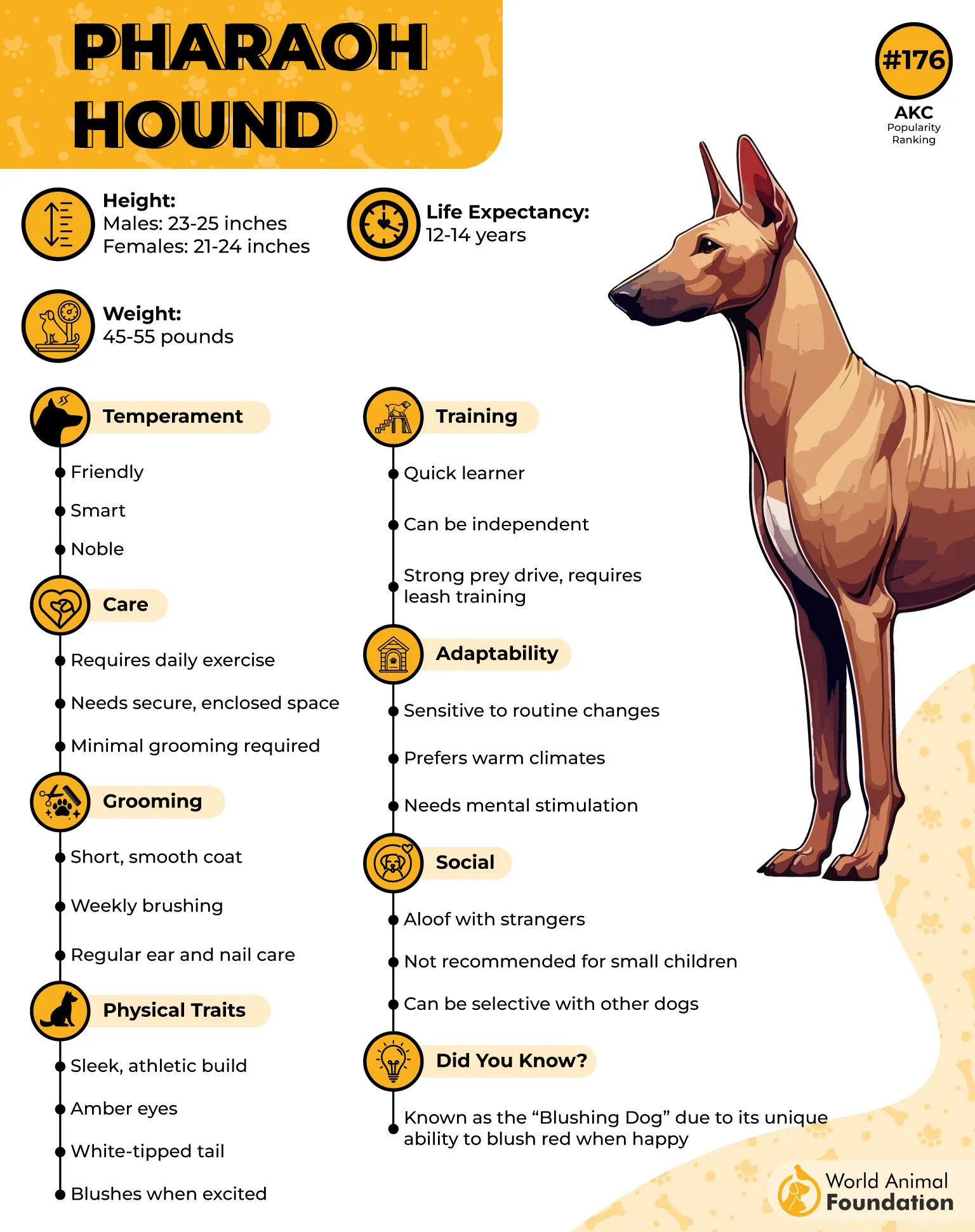
Pharaoh Hound catches attention with an elegant appearance often compared to the ancient Egyptian god Anubis, but its most unusual feature appears during moments of excitement. This breed can actually blush, with its nose and ears taking on a rosy tone that few other dogs display.
Eyes Fixed Ahead
They rely on vision to spot fast-moving animals, making sudden movement difficult to ignore once it catches the dog’s attention. Secure outdoor spaces and a leash become especially important because this instinct can take over in an instant.
These fascinating details deserve a closer look:
The breed club recommends a 6-foot fence
Can become quite vocal during play
Excels in dock diving and Frisbee®
Independent Thinker
Pharaoh Hound approaches training with an independent mindset, so patience and positive reinforcement produce better results than rushed sessions. Quiet surroundings also make a difference, since something as simple as a passing squirrel can quickly steal its attention.
6. Afghan Hound
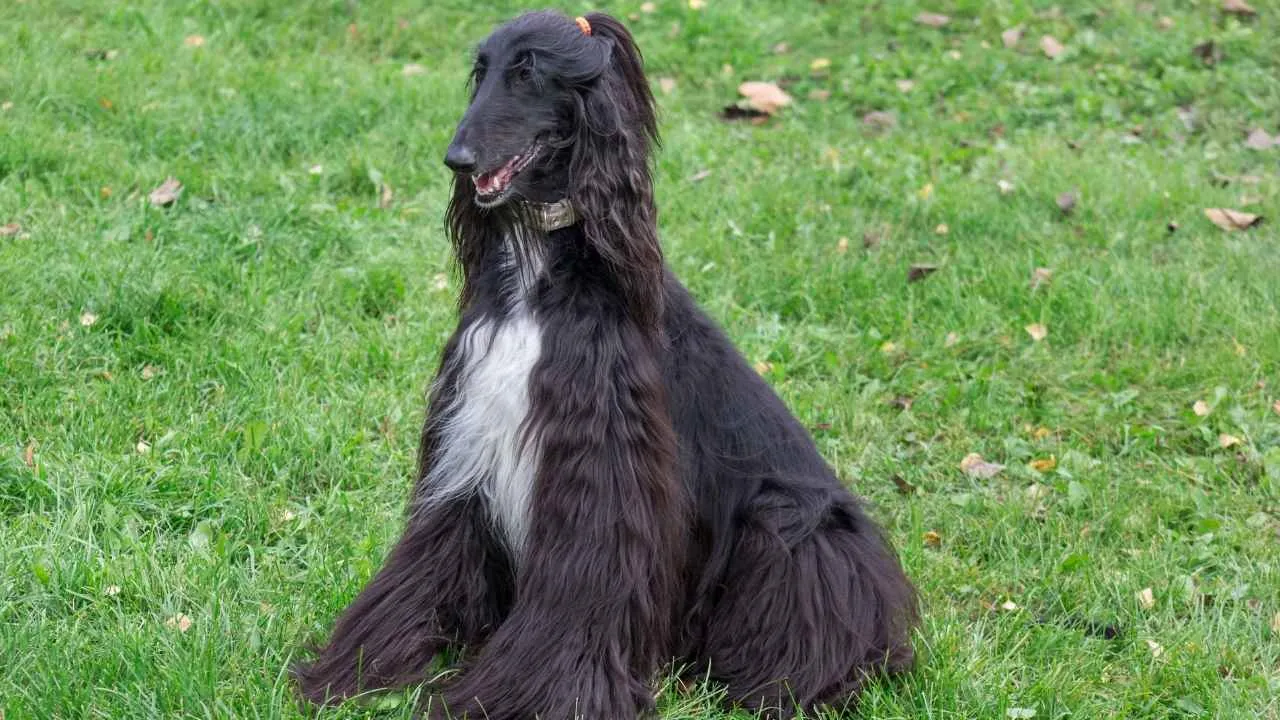
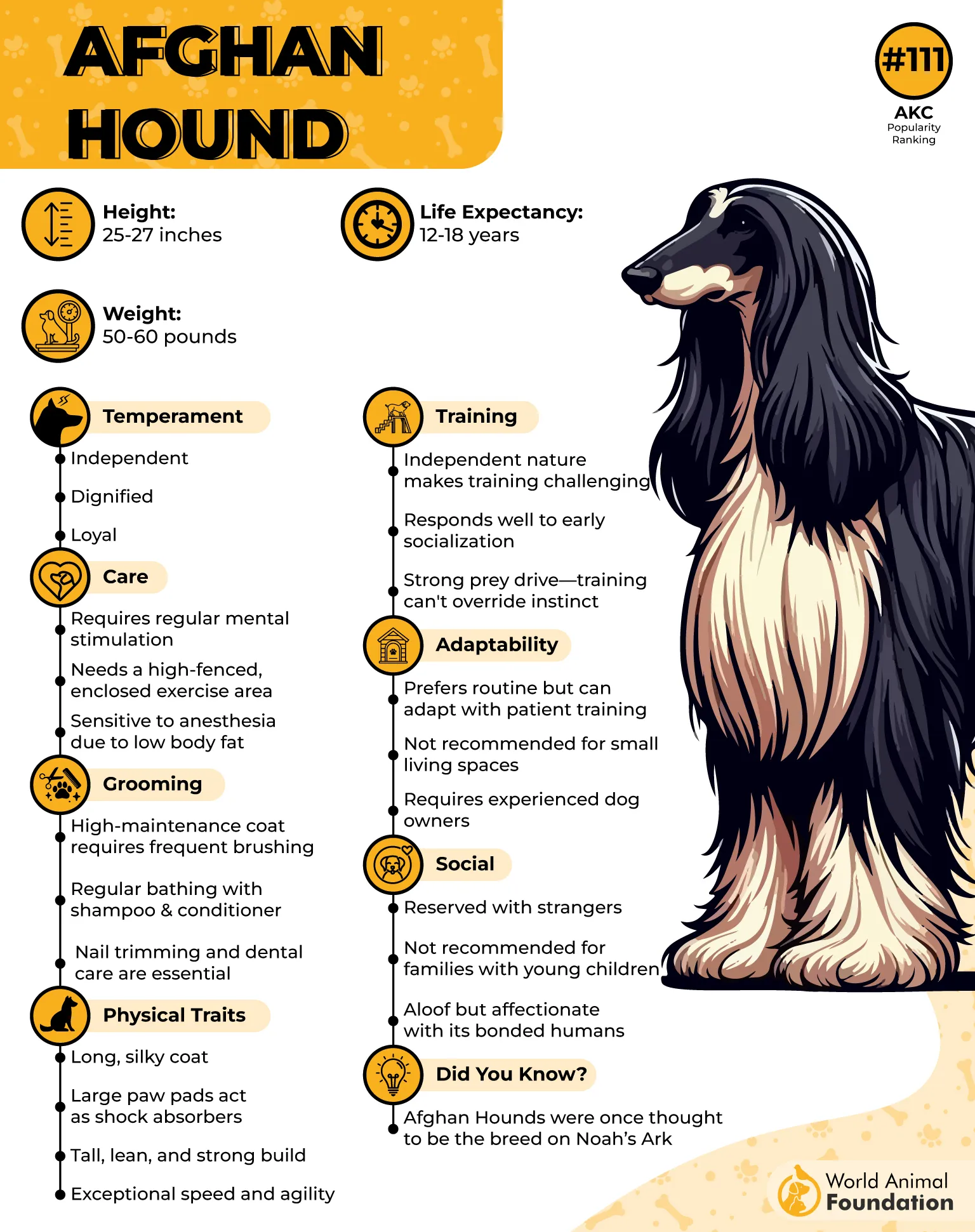
Afghan Hound depends on sharp eyesight and remarkable speed to pursue small game, making it a classic sighthound with quick reactions in open terrain. That natural ability also explains why lure coursing remains most closely associated with this elegant breed.
Independent by Nature
This high-energy breed approaches life with a self-reliant mindset, so steady, patient training plays an important role in everyday life. Daily walks or jogging sessions help provide a healthy outlet for a dog that was selected to hunt on its own.
Here’s what you can experience with this breed daily:
Excels in lure coursing events
A high jumper that needs secure fencing
Generally quiet with minimal barking
Watch the Surroundings
Afghan Hounds can quickly lock onto squirrels, rabbits, and other fast-moving animals, making fenced areas and leashed outings the safest choice. Introducing household cats and other pets from a young age helps encourage calm, appropriate responses as the dog matures.
7. Saluki
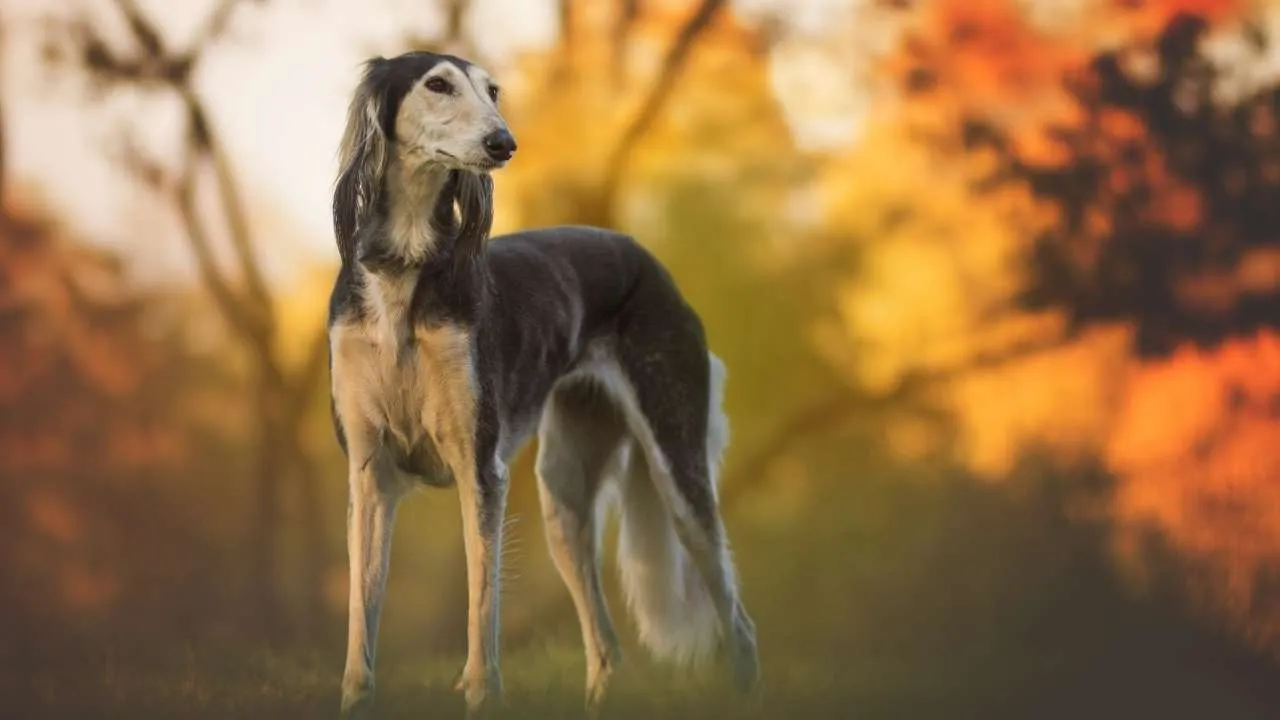
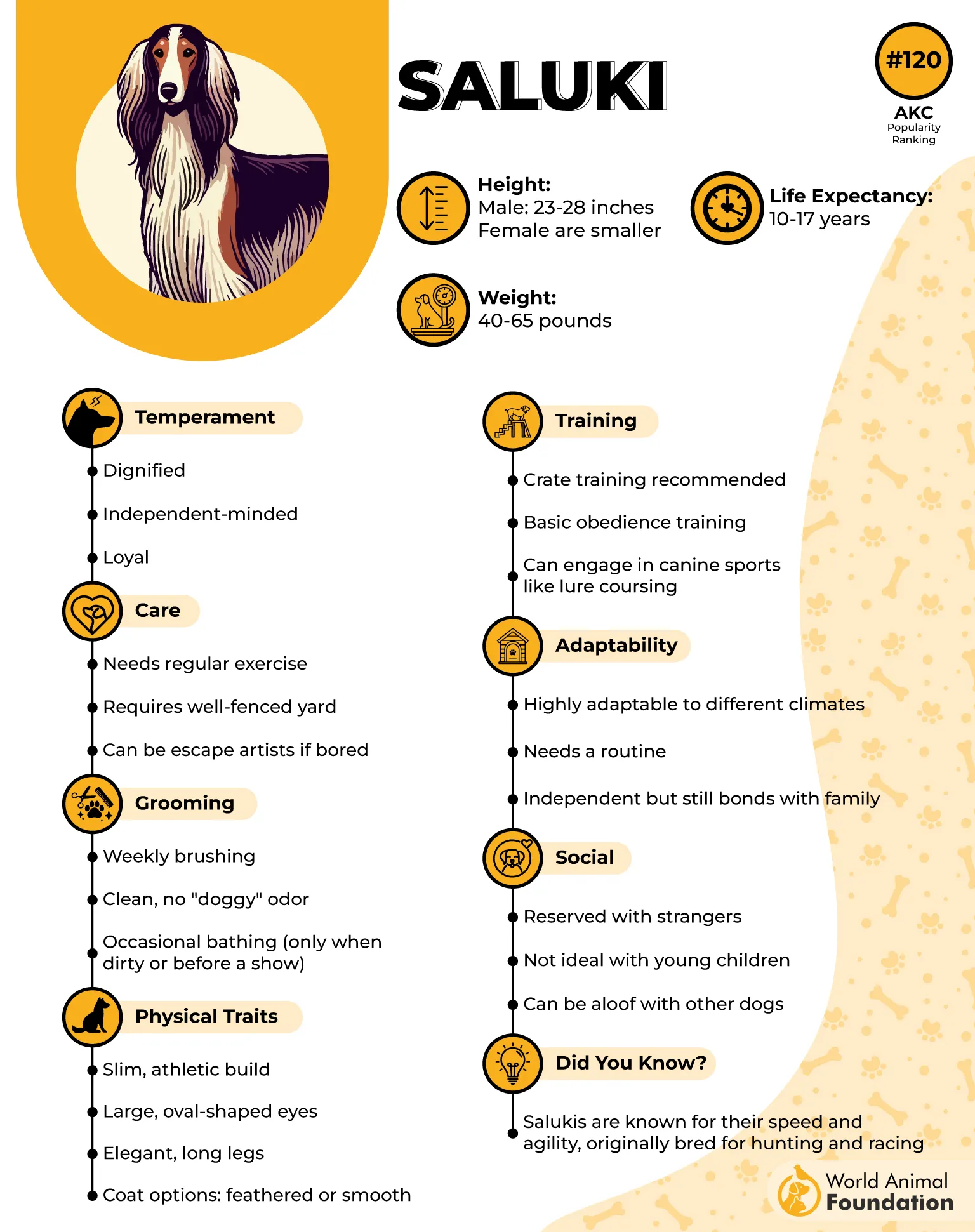
Saluki has been pursuing game since at least 329 BCE, making it one of the oldest hunting breeds still recognized today. Its graceful yet powerful build also made this dog highly valued by Egyptian royalty, where some were even mummified alongside pharaohs for the afterlife.
Built to Chase
Long, powerful legs give the Saluki the speed needed for fast pursuits, and this athletic breed benefits from around two hours of daily activity. Sprinting, jogging, dog sports, and time inside a securely fenced yard all provide productive ways to channel that energy.
Another side of this hunting breed includes:
Gives its attention freely to familiar people
Their independent personality needs consistent training
They are best suited for older children rather than younger kids
Instinct Never Rests
Salukis’ hunting instincts make cats, guinea pigs, and other small pets potential chase targets, even after early socialization with other dogs. Long hours alone can also lead to separation anxiety because this breed prefers spending much of its time close to its family.
Conclusion
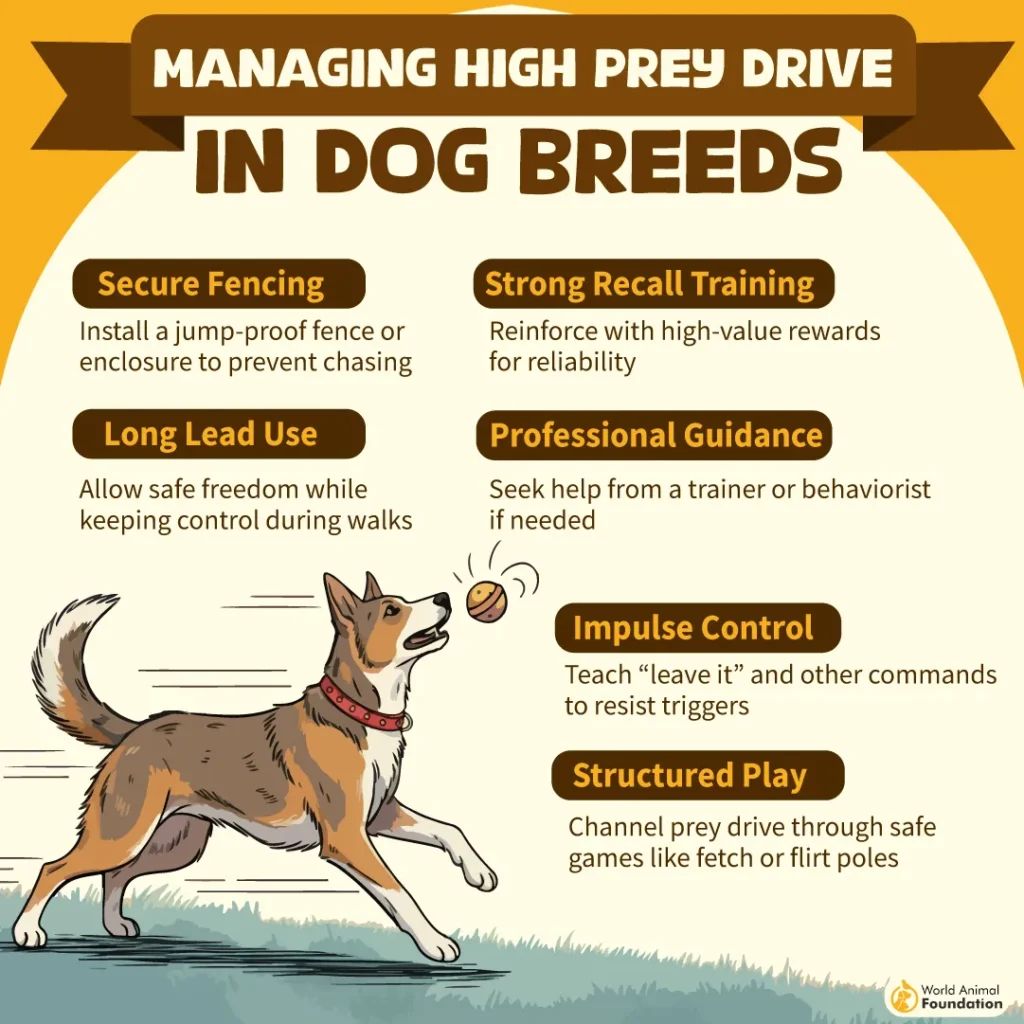
Strong prey drive is not a flaw but an instinct shaped through generations of purposeful work. Understanding the behavior of a high prey drive dog and its natural prey instincts helps owners make better choices about training, exercise, secure environments, and everyday routines.
With patience, early guidance, and the right outlets, these determined companions can become rewarding partners that thrive alongside active families.
Their sharp focus, athletic ability, and remarkable awareness continue to impress people who appreciate working instincts instead of trying to suppress them. Providing regular mental stimulation while selecting a dog whose natural tendencies match your lifestyle creates a safer, happier experience for everyone and builds a partnership based on trust, understanding, and mutual respect every day.
