




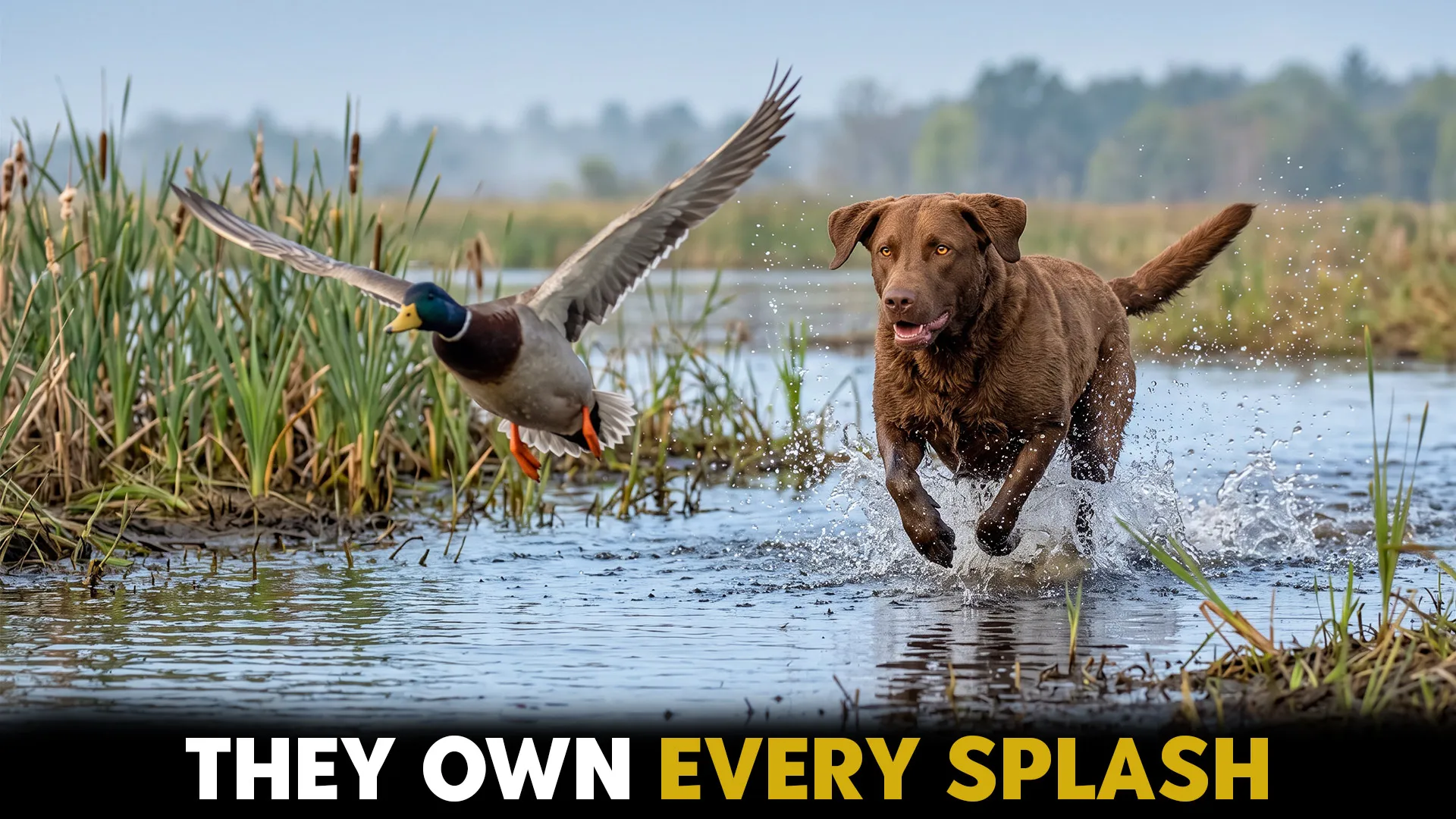
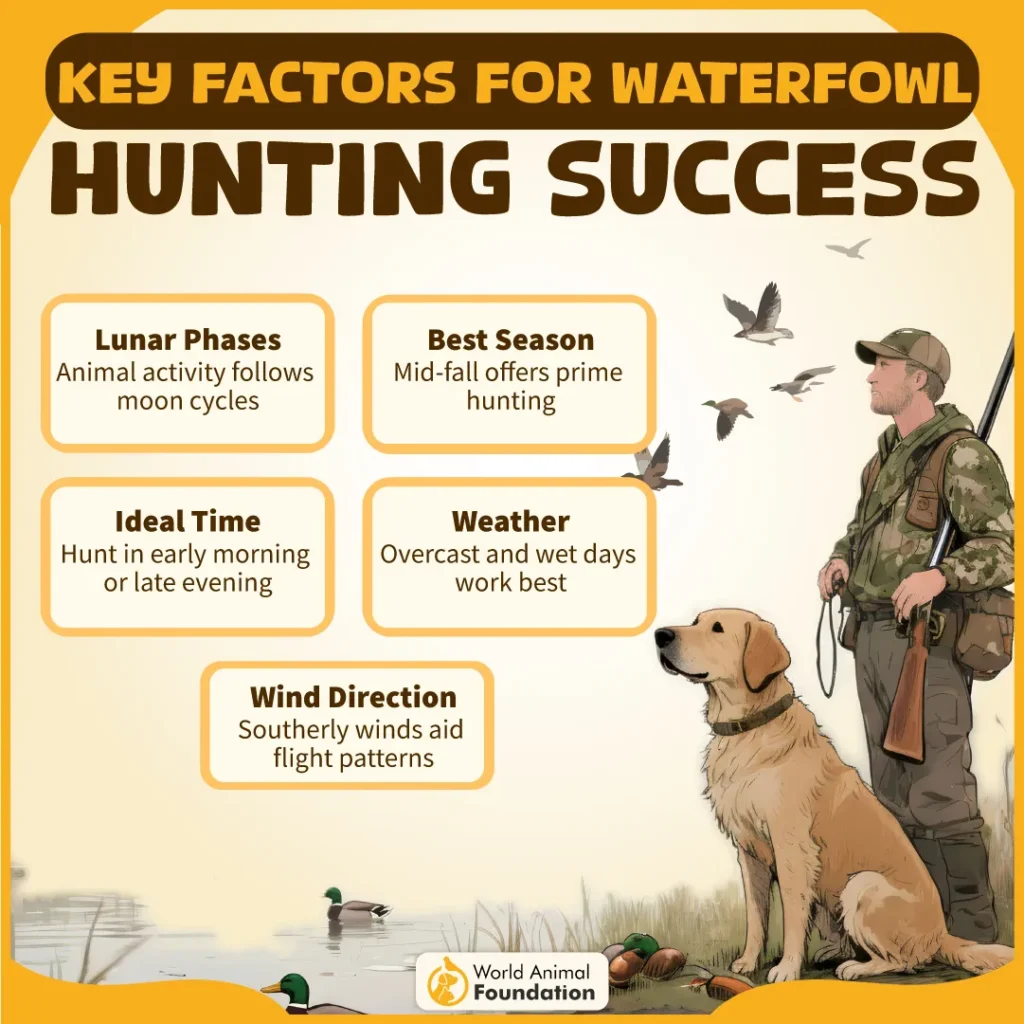
Waterfowl hunting places unusual demands on a working dog. Retrieving a duck or goose from cold water requires confidence, stamina, a willingness to enter difficult conditions, and the ability to work closely with a hunter. A capable dog must also remain attentive in a blind, follow direction, and carry downed birds carefully without damaging them.
Different breeds approach this work in their own way. Retrievers are particularly recognized for recovering birds from ponds, marshes, rivers, and lakes, while spaniels can combine flushing ability with effective retrieving. Some versatile hunting breeds also bring pointing and tracking skills that can be valuable in mixed environments.
Choosing the right breed depends on the type of hunting, terrain, weather, and training involved. Even dogs with strong natural abilities need structured conditioning, obedience work, water exposure, and careful introduction to gunfire.
Remarkable Dog Breeds That Excel at Waterfowl Hunting
1. Nova Scotia Duck Tolling Retriever
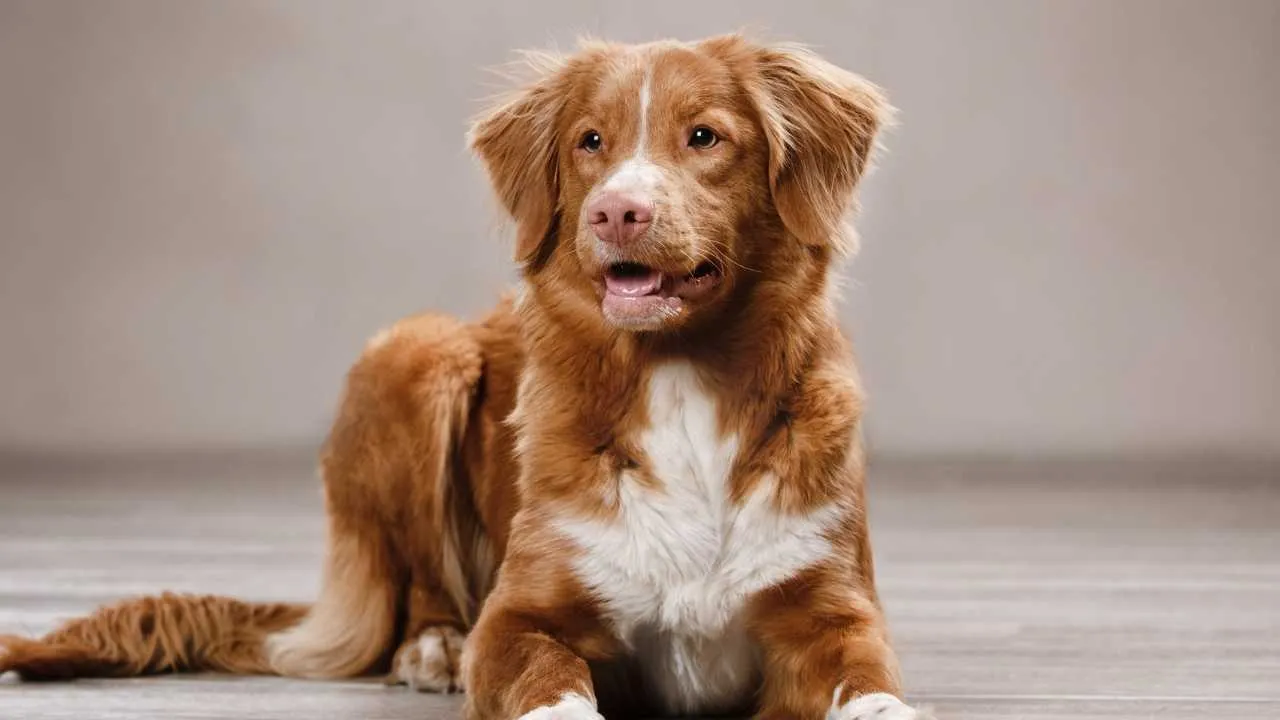
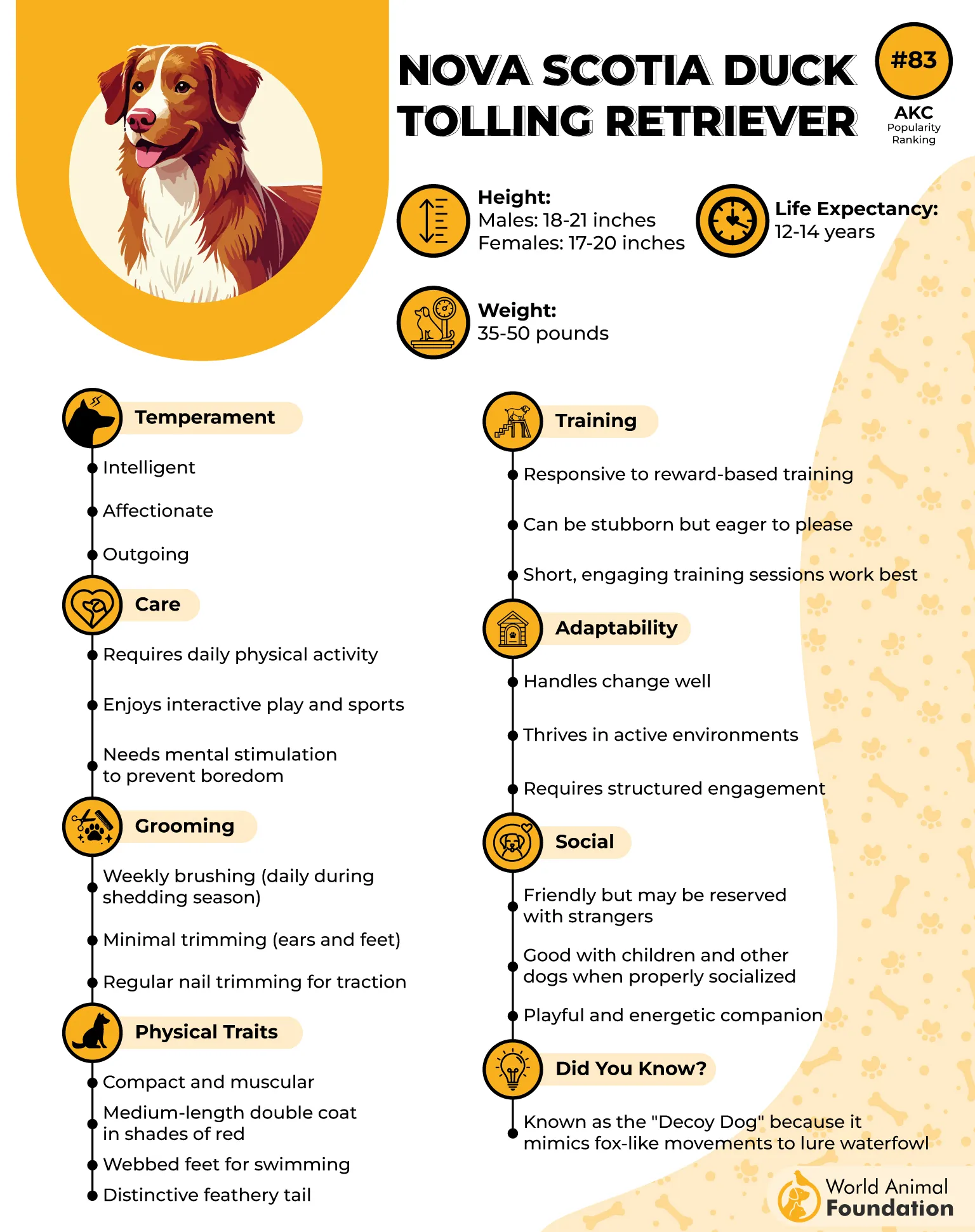
The Nova Scotia Duck Tolling Retriever was developed in Canada’s Maritime Provinces to assist hunters with waterfowl. The breed’s unusual name reflects its traditional tolling behavior, in which its movements along the shoreline could attract the curiosity of ducks and bring them within range.
Tollers are medium-sized dogs with dense, water-resistant coats and an energetic working style. Their combination of retrieving ability, intelligence, and enthusiasm makes them particularly interesting for hunters who want a compact but capable field companion.
Build Endurance for Cold-Water Work
Nova Scotia Duck Tolling Retrievers need regular physical activity and mental challenges to maintain their working condition. Swimming, retrieving drills, controlled running, and obedience exercises can develop the stamina required for demanding days outdoors.
Water exposure should be introduced gradually, particularly with young dogs. A dog that learns to enter water confidently and return reliably can become much more dependable during actual hunting situations.
A Purpose-Built Partner for Waterfowl
The Toller combines a natural interest in retrieving with a distinctive history connected specifically to duck hunting. Its willingness to work around water and remain engaged with its handler can make it an effective partner in wetlands and along shorelines.
Its energetic personality also means hunters should provide enough structure to keep excitement under control. Reliable steadiness and delivery training help transform natural enthusiasm into useful field performance.
2. American Water Spaniel
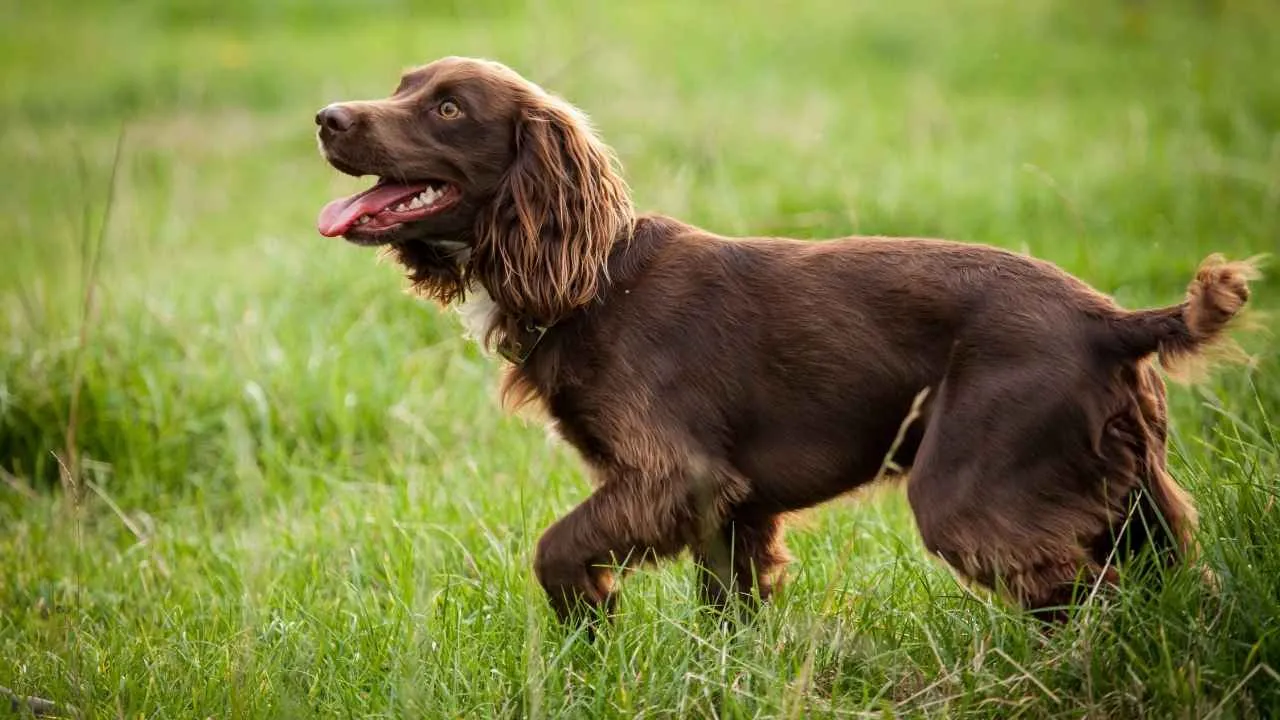
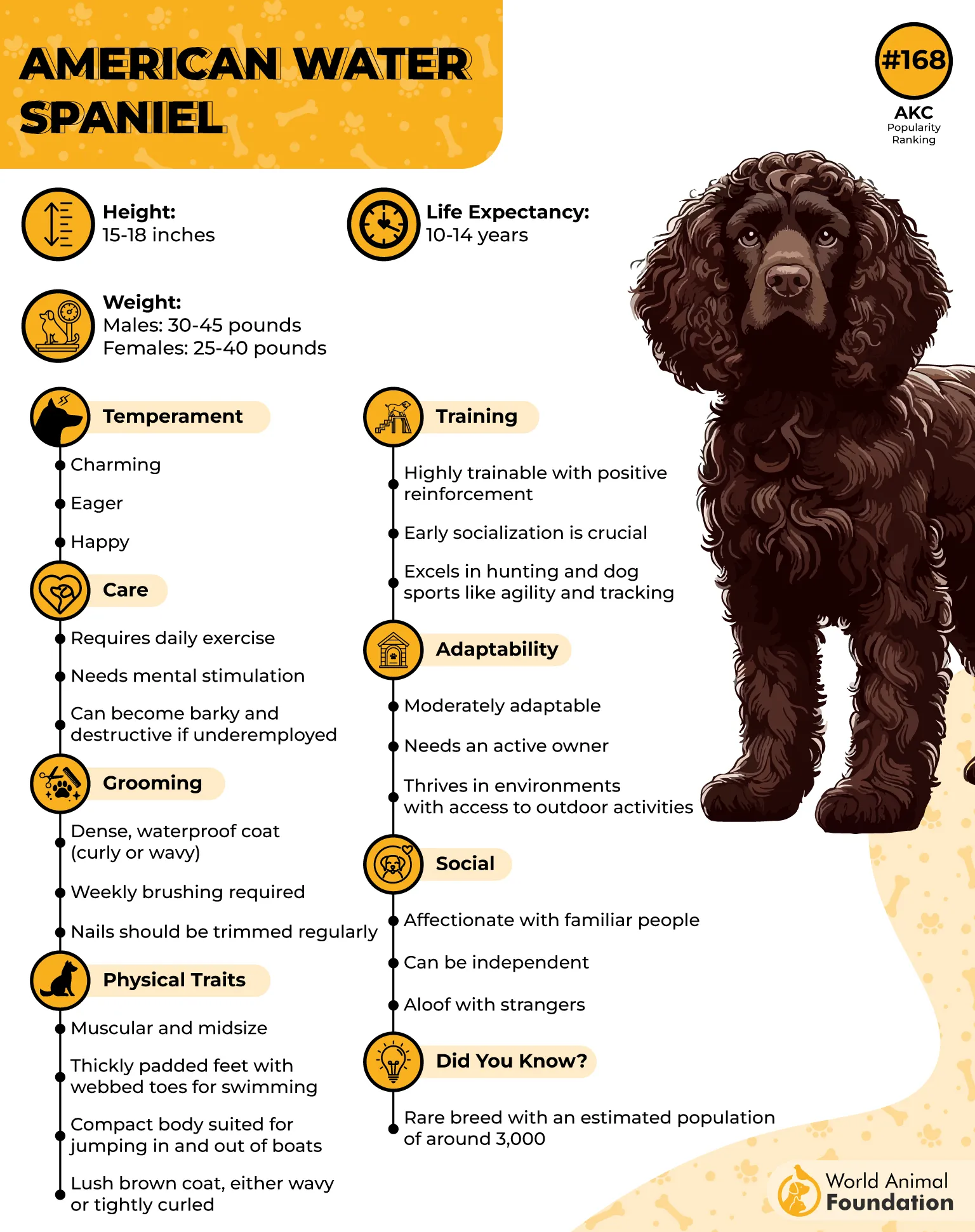
The American Water Spaniel was developed in the United States as a versatile hunting dog capable of working in both water and land environments. Its origins are associated with the Great Lakes region, where hunters valued a compact dog that could retrieve birds and assist with other types of game.
The breed has a curly or wavy coat that offers protection during wet work, while its moderate size makes it practical for hunters who prefer a dog that can handle smaller boats and tight terrain.
Maintain a Fit and Responsive Field Dog
American Water Spaniels benefit from regular swimming, retrieving exercises, walks, and activities that challenge their minds. Their training should combine physical conditioning with commands that reinforce steadiness and responsiveness.
Repeated retrieves can teach the dog to mark falling birds and return directly to the handler. Practice in different environments can also prepare the dog for changing water conditions and unfamiliar hunting locations.
Versatility Makes Them Useful in Wetlands
This breed’s ability to work around water is one of its defining strengths. It can retrieve downed birds while also functioning effectively on land, giving hunters a versatile companion rather than a dog limited to one particular task.
Its manageable size and willingness to cooperate can be advantageous in marshes, ponds, and smaller waterways. With proper training, the American Water Spaniel can transition smoothly between flushing, searching, and retrieving duties.
3. Boykin Spaniel
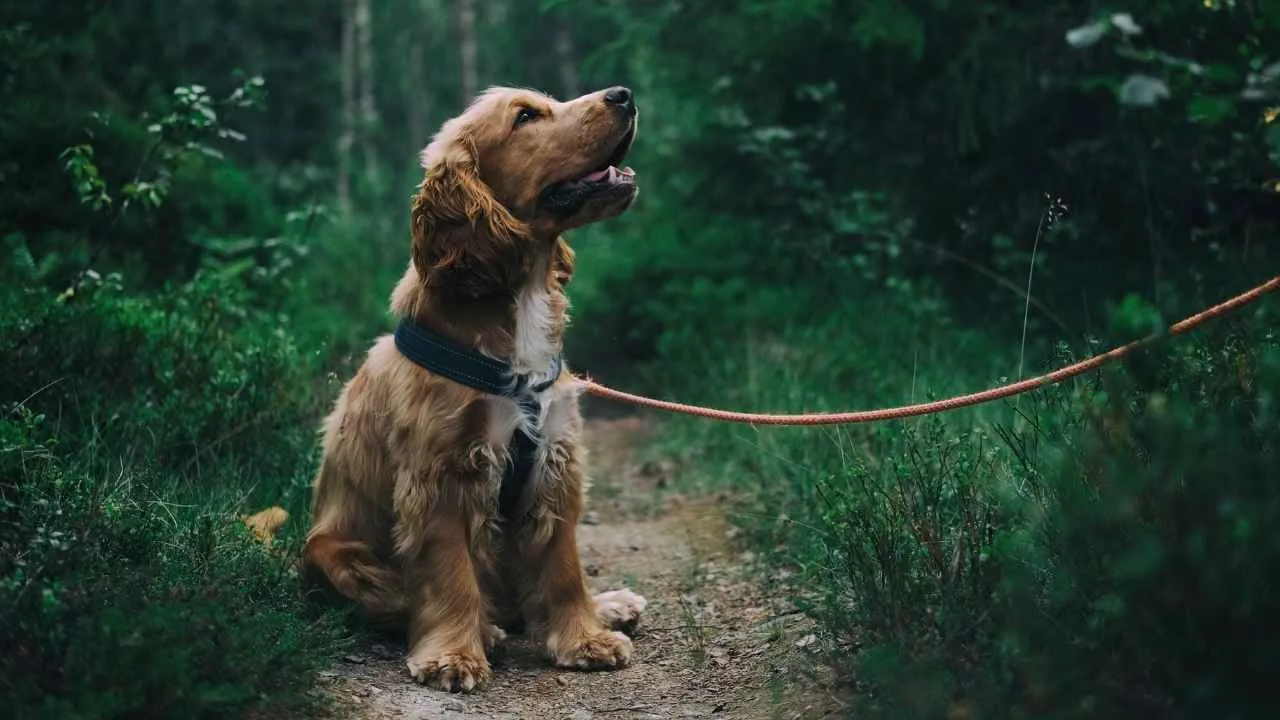
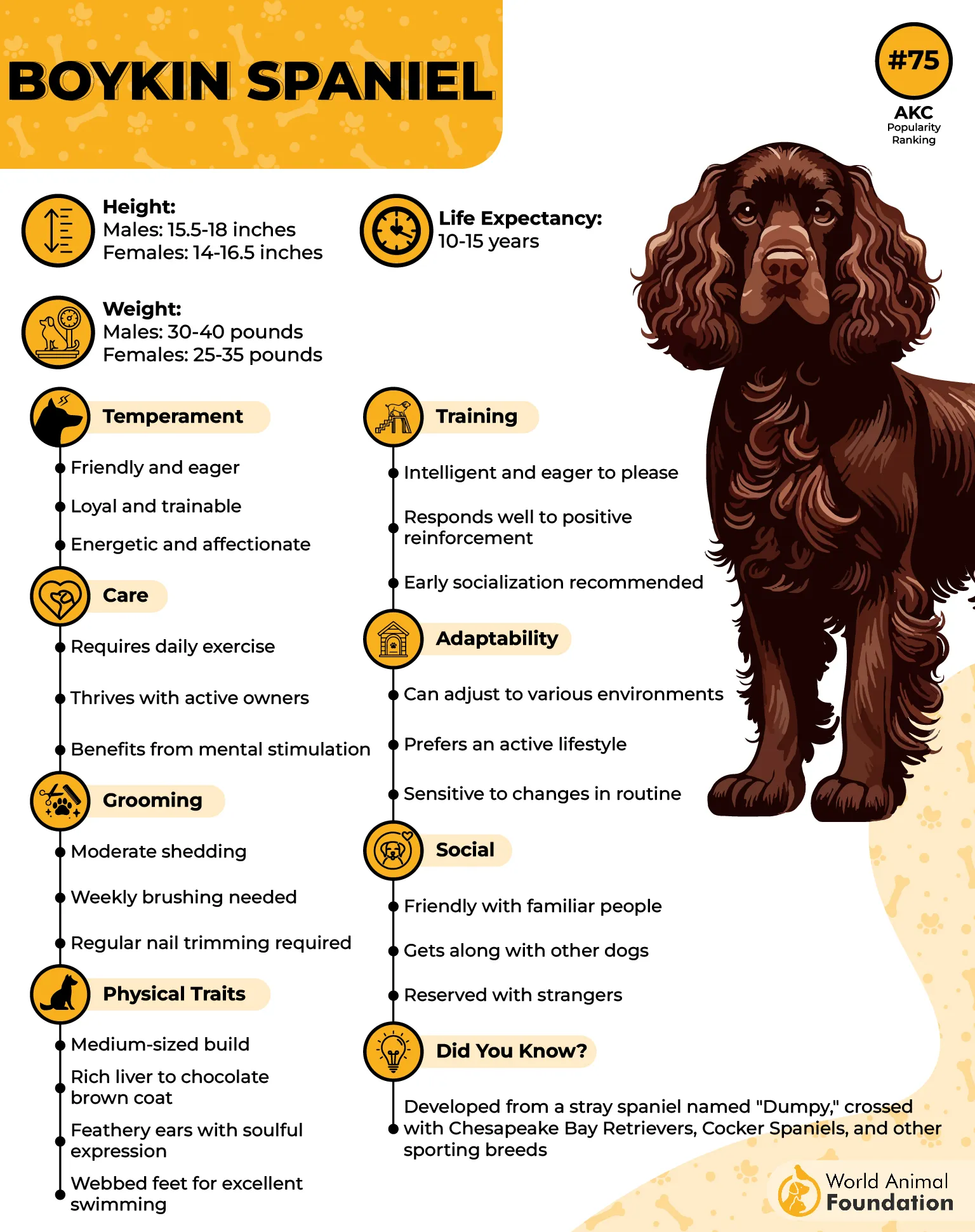
The Boykin Spaniel originated in South Carolina and was developed as a practical hunting dog for retrieving wild turkeys and waterfowl. Its compact frame made it especially useful for working from small boats in the state’s waterways and swamps.
The breed’s brown coat, athletic build, and eagerness to work reflect its sporting background. Boykins are also known for their strong connection with their handlers, making cooperation an important part of their field character.
Keep Their Energy Directed Toward the Hunt
Boykin Spaniels require regular exercise and purposeful activities. Retrieving games, swimming, field drills, and obedience sessions can help develop both their physical ability and concentration.
Hunters should gradually expose young dogs to different terrain, water temperatures, and retrieving conditions. Teaching a reliable recall and controlled delivery is especially important when working around water.
Compact Strength for Marsh and Boat Work
The Boykin’s moderate size can be particularly useful for hunters navigating narrow waterways or using small boats. Its enthusiasm for water and retrieving can allow it to work efficiently without the bulk of a much larger dog.
Its natural eagerness should be balanced with steadiness. A trained Boykin can remain focused on its handler, mark a fallen bird, and complete a retrieve without turning every outing into uncontrolled play.
4. Chesapeake Bay Retriever
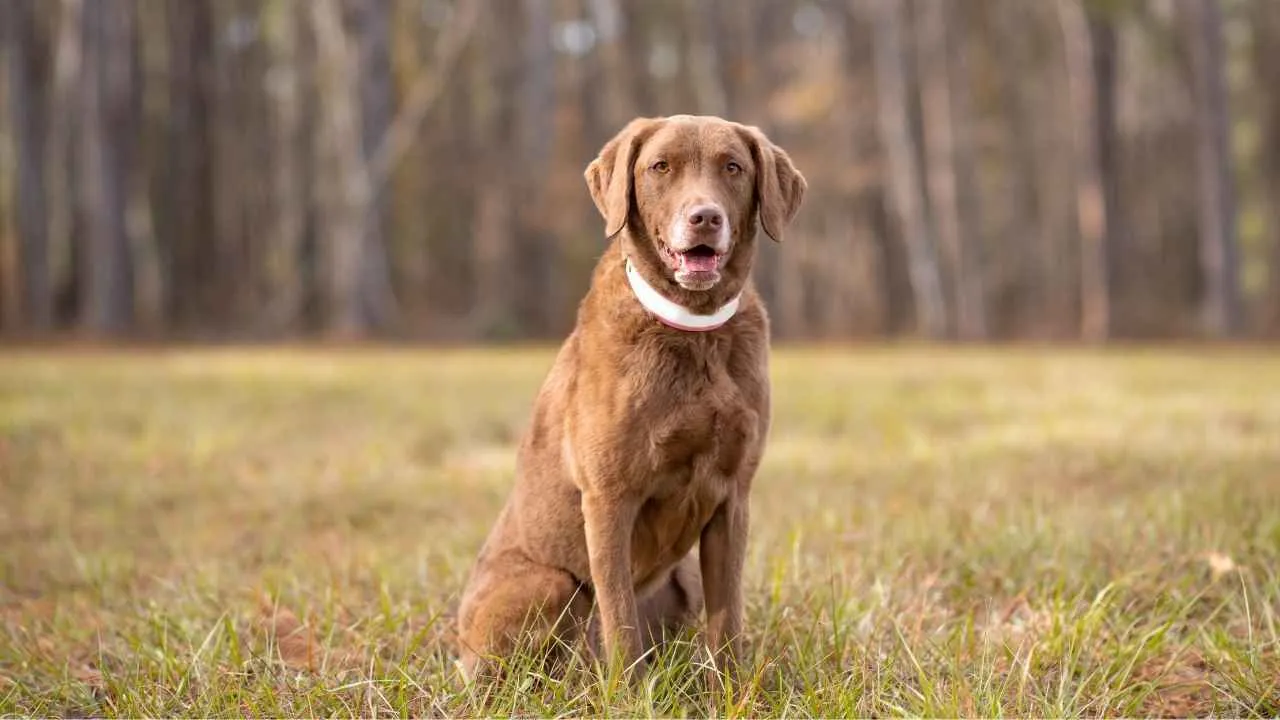
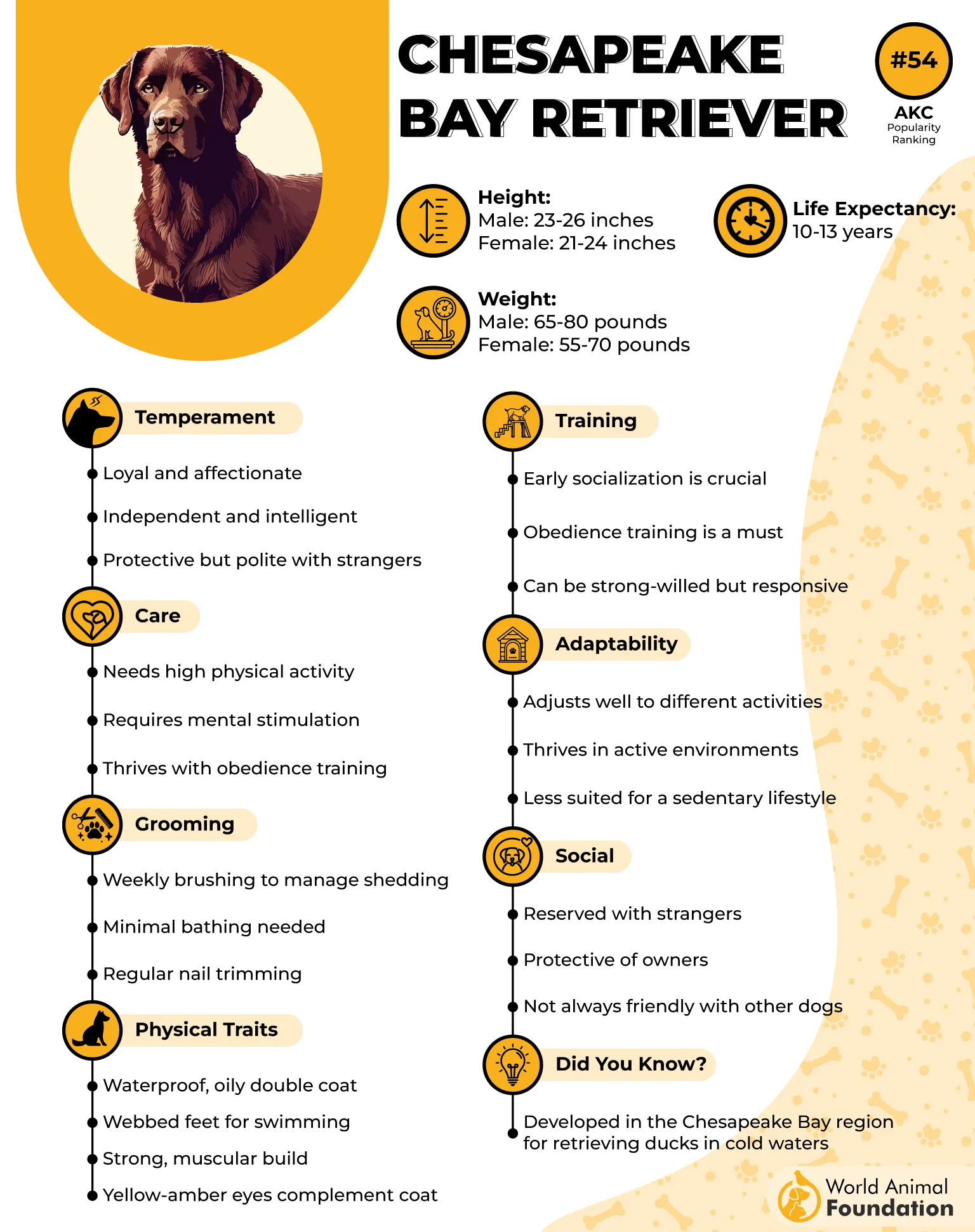
The Chesapeake Bay Retriever was developed along the Chesapeake Bay in the United States, where it became valued for retrieving large numbers of waterfowl under demanding weather conditions, as per Hill’s Pet.
The breed’s muscular body, dense double coat, and strong swimming ability reflect those requirements. Chesapeakes are known for determination and independence, qualities that can be valuable during difficult retrieves.
Condition Them for Demanding Water Conditions
Chesapeake Bay Retrievers need consistent physical conditioning to maintain their strength and endurance. Swimming, land retrieves, controlled running, and obedience exercises can prepare them for demanding hunting sessions.
Handlers should also pay attention to water safety. Cold temperatures, strong currents, fatigue, and long retrieves can place considerable demands on even a powerful dog, so experience and judgment are essential.
Built for Difficult Retrieves
Few qualities are more important in a waterfowl dog than the willingness to enter challenging water. The Chesapeake’s history helped shape a dog capable of working in cold conditions and retrieving birds through rough environments.
Its determination can be an advantage when a bird falls far from shore or conditions become uncomfortable. Because the breed can also be independent-minded, firm but fair training is important for keeping its natural confidence under reliable control.
5. Golden Retriever
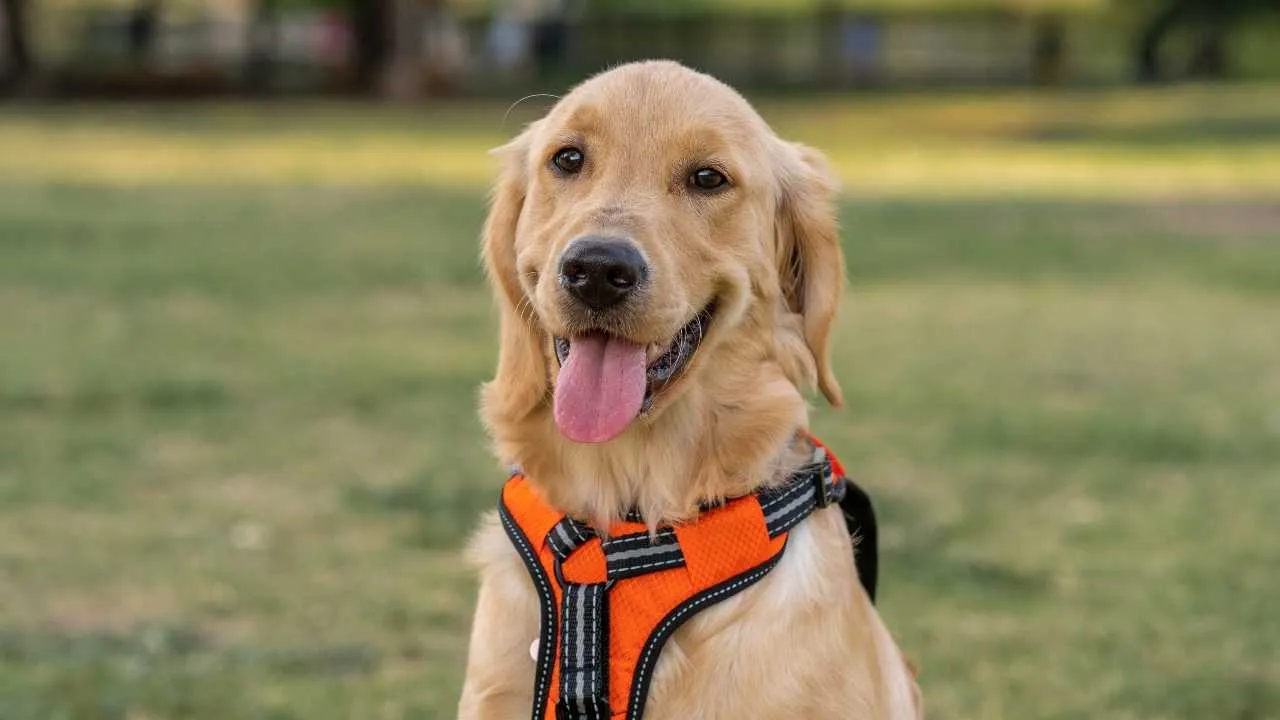
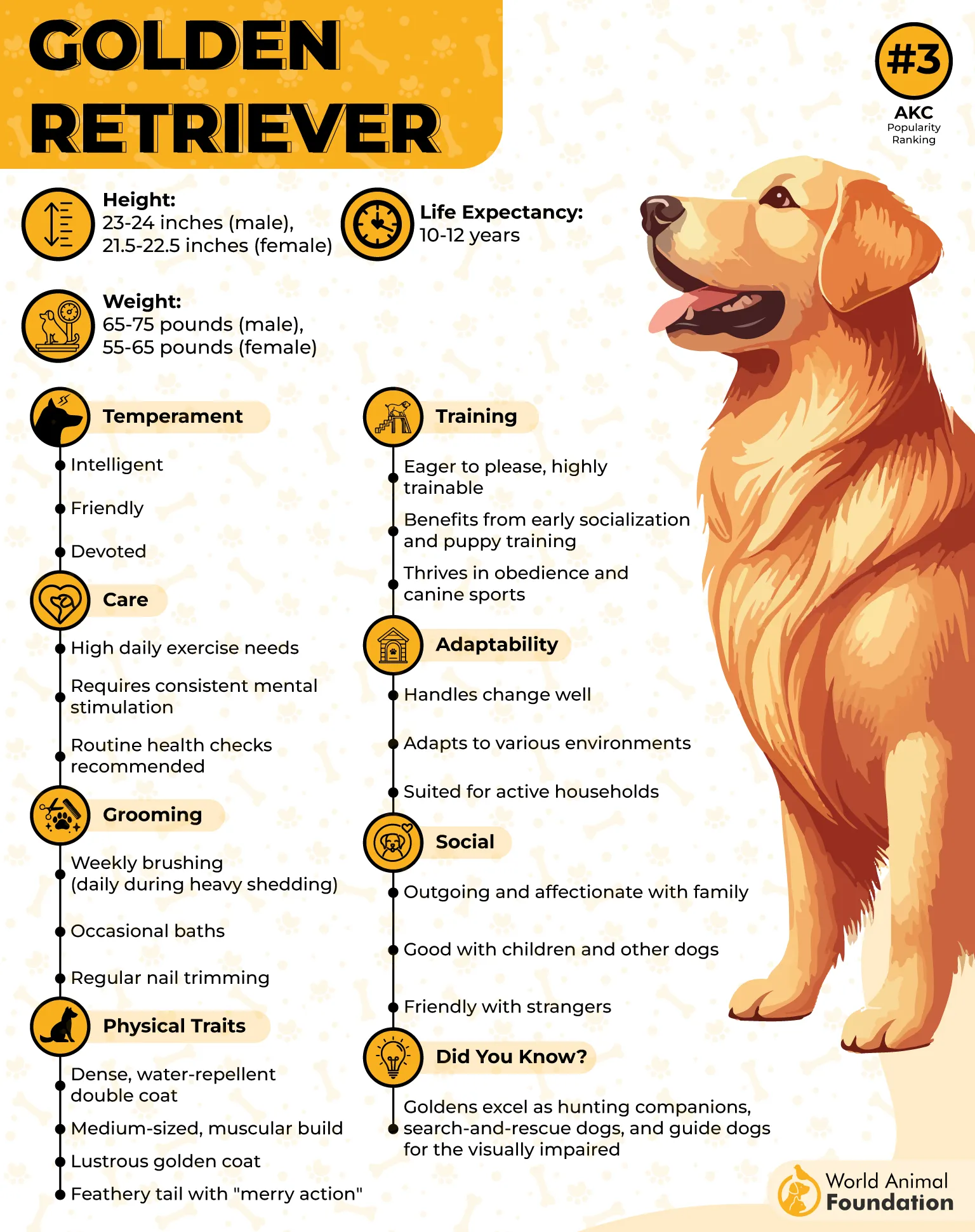
Golden Retrievers originated in Scotland and were developed as gundogs for retrieving shot game, as per the AKC. Their breeding emphasized a soft mouth, cooperation with hunters, stamina, and an ability to work across different types of terrain.
Their water-loving tendencies and people-oriented personalities have helped make them popular sporting companions. The breed is also known for being highly responsive to training, which is particularly valuable when precise retrieving behavior is required.
Combine Exercise With Structured Retrieving
Golden Retrievers need regular activity to remain fit and mentally satisfied. Swimming, retrieving drills, obedience work, and field exercises can help develop the skills needed for hunting.
Training should progress from simple retrieves to more challenging exercises involving distance, cover, distractions, and changing terrain. The dog should learn to wait for direction rather than immediately rushing toward every object that moves.
A Natural Retriever With a Gentle Delivery
Goldens were specifically developed for retrieving game, making controlled recovery one of their strongest working qualities. Their soft mouths can help them carry birds carefully when appropriate training reinforces a gentle pickup.
Their cooperative nature can also make them enjoyable partners in the field. A well-trained Golden can mark a fall, locate the bird, return to its handler, and deliver it reliably.
6. German Shorthaired Pointer
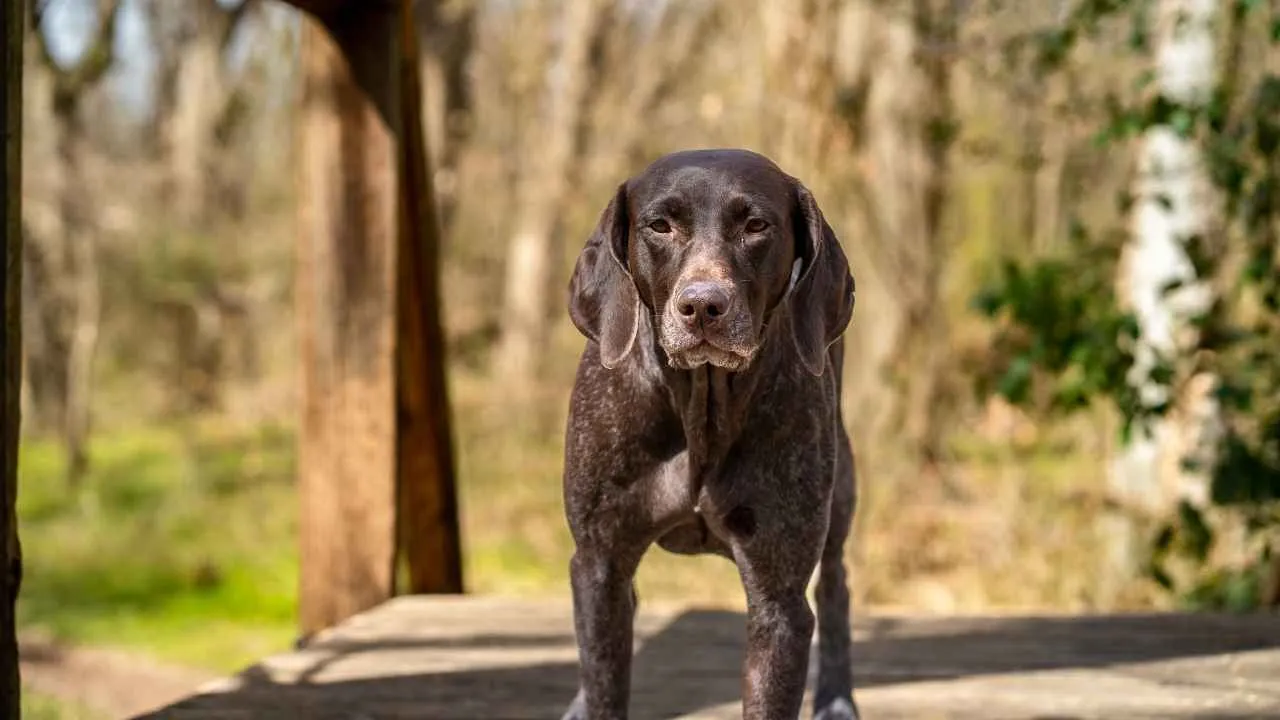
German Shorthaired Pointers originated in Germany as versatile hunting dogs capable of pointing, tracking, and retrieving game. Their athletic construction allows them to cover considerable ground, while their intelligence supports work that requires close cooperation with a hunter.
Although they are commonly associated with upland birds, their retrieving abilities also make them useful for waterfowl work. Their short coat does not provide the same insulation as the dense coats of many dedicated retrievers, so conditions should be considered carefully.
Develop Their Athletic Ability With Purposeful Training
German Shorthaired Pointers require substantial physical activity and mental engagement. Running, swimming in suitable conditions, field exercises, retrieving games, and obedience training can help satisfy their considerable working drive, as per Purina.
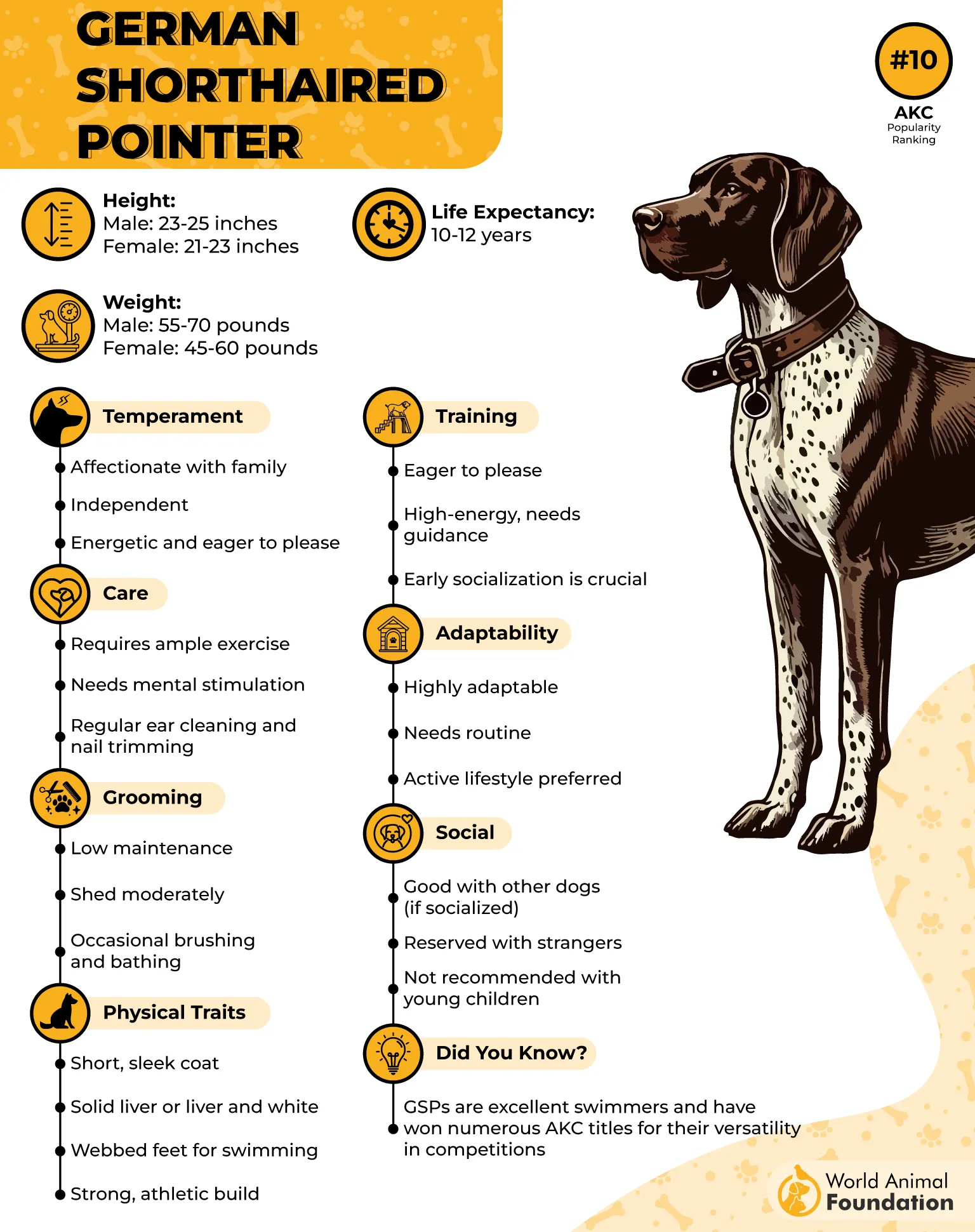
Training should emphasize steadiness and responsiveness because these dogs can become highly enthusiastic when they are working. A strong recall and reliable stop or wait behavior are particularly useful near water.
A Versatile Hunter Beyond Simple Retrieval
The German Shorthaired Pointer brings more than retrieving ability to a waterfowl outing. Its background as a versatile hunting dog gives it skills related to searching, locating, pointing, and recovering game.
This flexibility can appeal to hunters who pursue different types of birds throughout the season. With appropriate preparation and suitable weather conditions, a trained GSP can transition between field and water tasks effectively.
7. Labrador Retriever
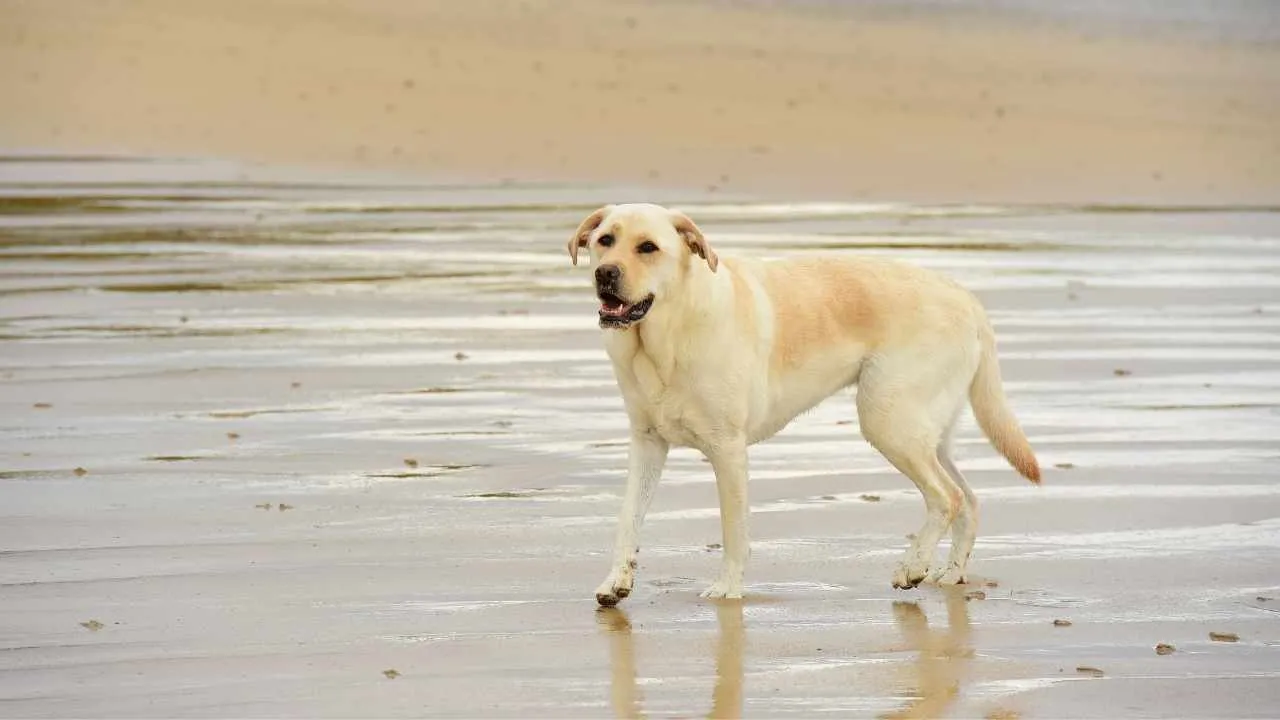
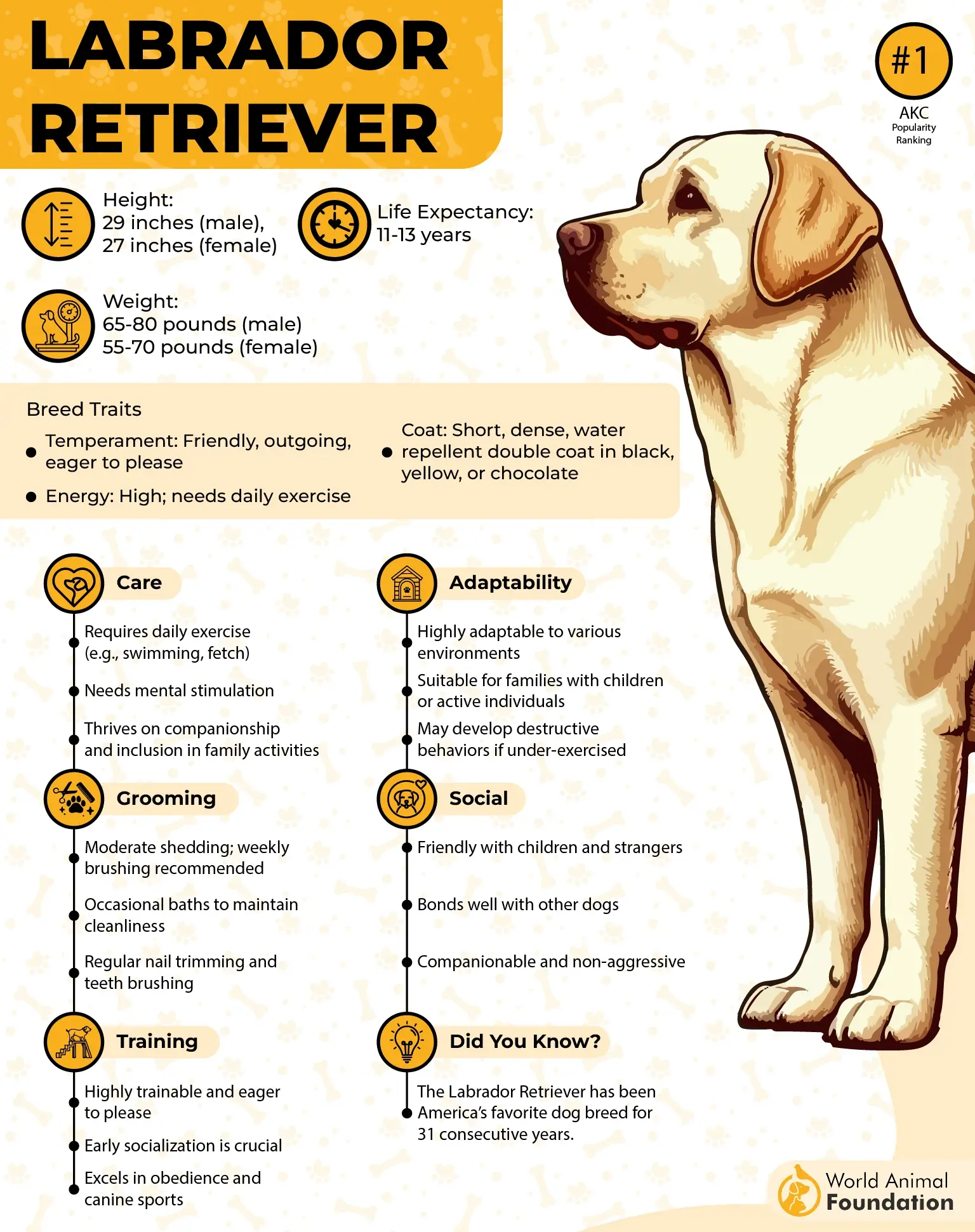
Labrador Retrievers have roots in Newfoundland, where early dogs associated with fishermen helped retrieve objects and nets from the water. The type was later developed in Britain into a dependable sporting retriever valued for its swimming ability and willingness to work.
Their dense coats, strong tails, athletic bodies, and eager working attitudes make them particularly well suited to retrieving in aquatic environments. Labradors are also highly popular as family dogs, but their sporting capabilities remain an important part of their heritage.
Develop Steadiness Alongside Physical Fitness
Labradors benefit from regular swimming, retrieving, running, and obedience exercises. Conditioning should build endurance without overworking young dogs whose joints are still developing.
Field training should gradually introduce distractions such as gunfire, decoys, other hunters, and multiple fallen birds. The water dog should learn to remain composed until released to retrieve.
A Dependable Waterfowl Retriever
The Labrador’s combination of swimming ability, retrieving instinct, trainability, and enthusiasm has made it one of the most recognized waterfowl dogs. Its dense coat provides useful protection during wet work, while its strong build supports repeated retrieves.
A trained Labrador can remain focused in a blind, mark a falling bird, enter the water on command, and return with the retrieve. That balance of athletic ability and cooperation makes it a particularly dependable choice for hunters.
Conclusion
Each of the above dog breeds brings valuable qualities to waterfowl hunting. Some have specialized histories tied closely to retrieving ducks, while others offer broader hunting abilities that can be useful across different environments.
The best choice depends on the hunter’s needs. A compact Boykin Spaniel may suit someone working from a small boat, while a Chesapeake Bay Retriever may be better suited to demanding cold-water conditions.
A German Shorthaired Pointer can appeal to someone seeking versatility, while Golden and Labrador Retrievers offer well-established retrieving capabilities.
Regardless of breed, field success depends on more than instinct. Conditioning, obedience, steadiness, water confidence, gunfire exposure, and careful handling all contribute to a reliable hunting partner. When those qualities are developed patiently, a well-bred and properly trained dog can become an invaluable part of a successful waterfowl hunting team.
