




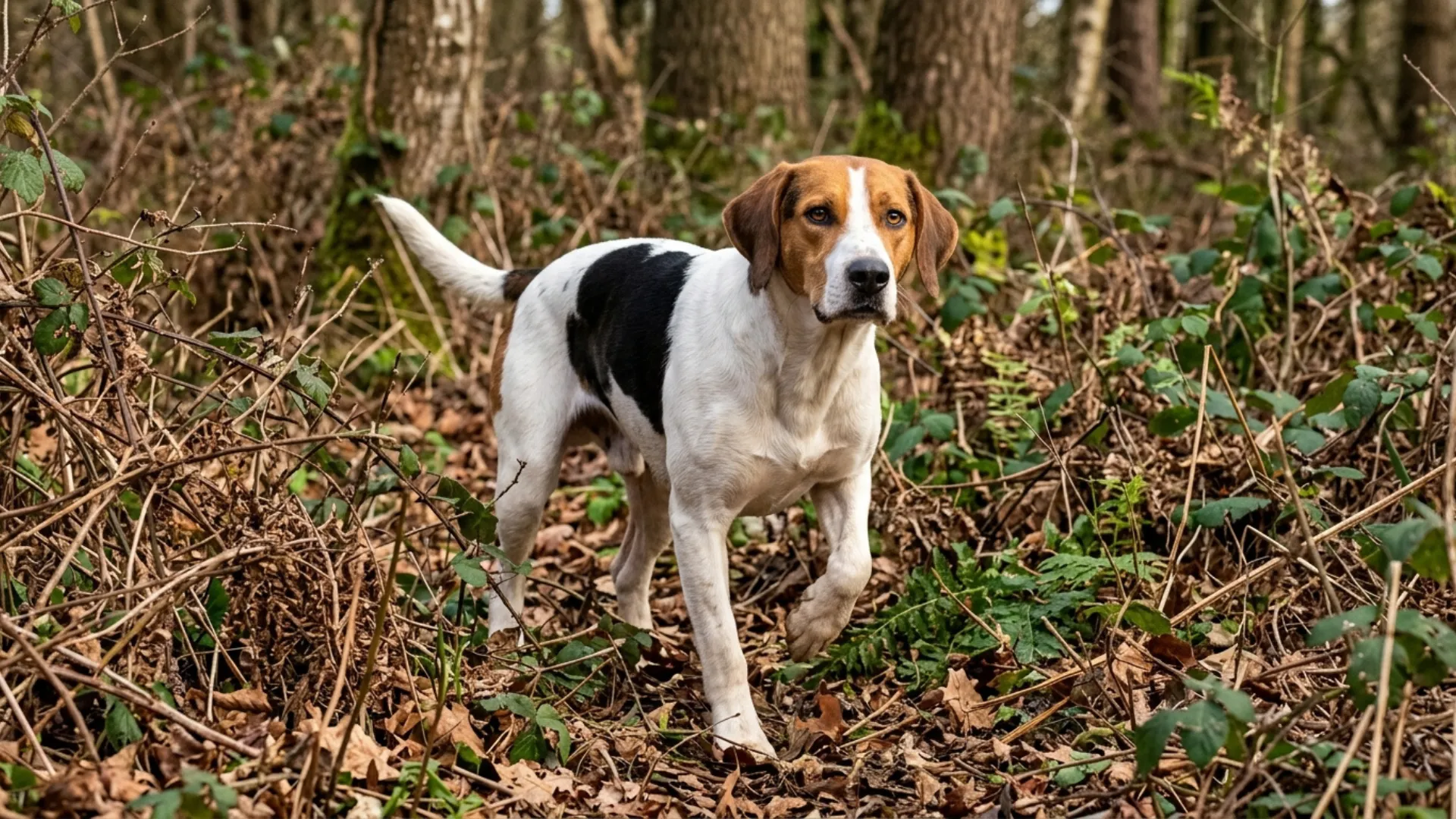
Rabbit and hare hunting asks more from a dog than speed alone. The work can involve picking up a faint ground scent, following a twisting trail, searching dense cover, keeping pace across rough country, and staying focused when the quarry changes direction.
Hares can be especially challenging because they may run in circles, retrace their path, and leave confusing scent trails that put a dog’s tracking ability to the test. Rabbit hunting can also demand a different mix of skills depending on the terrain and the incredible method of hunting.
Some dogs rely heavily on scent, while others combine scent with sharp eyesight and quick pursuit. Stamina matters too, since a useful hunting companion may need to work for extended periods without losing the trail. Obedience and recall remain important alongside natural ability in the field.
The right qualities matter on a demanding hunting day outdoors. The top-winning breeds ahead bring those qualities together well in demanding field conditions.
Key Takeaways
- Rabbit and hare trails can be tricky, with scent paths that twist, circle back, and disappear into dense cover, creating an uncomfortable situation for hunters.
- Beagles handle this challenge with a nose built for the job, while their deep bay helps hunters follow the chase when the dog vanishes from sight.
- Harriers and Drevers take the pursuit further with stamina, close-to-ground scent work, and a strong instinct for working difficult terrain, much like dogs used for bird hunting.
- Further down the list, you’ll find hounds with surprisingly different ways of keeping a rabbit or hare moving.
Remarkable Dog Breeds for Rabbit and Hare Hunting
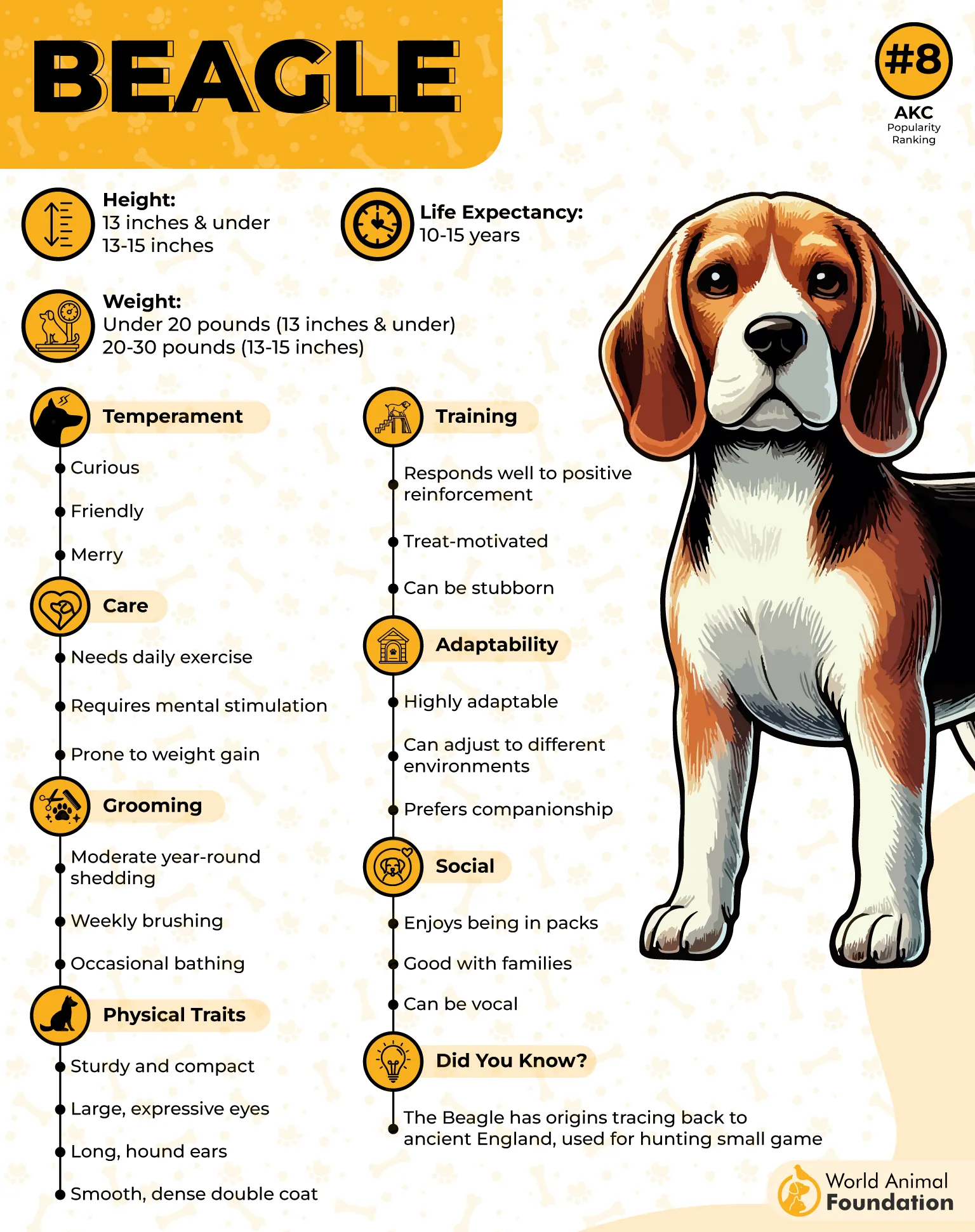
1. Beagle
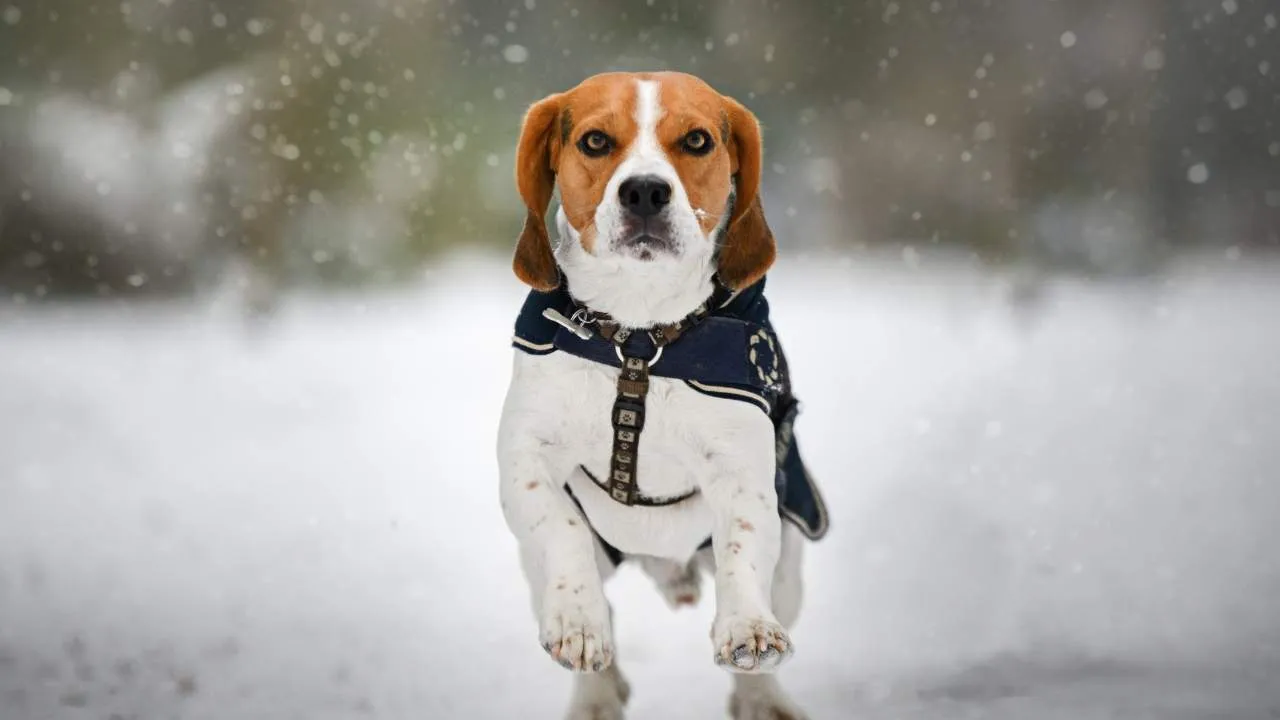
Beagle dates back to 14th-century England, when hare hunting was already a popular sport and small hounds were used in the countryside. By the late 1800s, the breed had reached the familiar form associated with fox, hare, and rabbit hunting in organized packs.
Reading the Cover
Beagles were sent into thickets and dense cover to locate rabbits and snowshoe hares, relying on scent rather than sight to find them. Once a trail was picked up, its prolonged baying helped hunters and other hounds follow the chase through difficult cover.
The field work also involves an important consideration:
- Tracking collars help locate dogs in dense cover
- Bells can make a hound easier to find
- Shooting lanes help reduce firearm-related risks
Working Solo
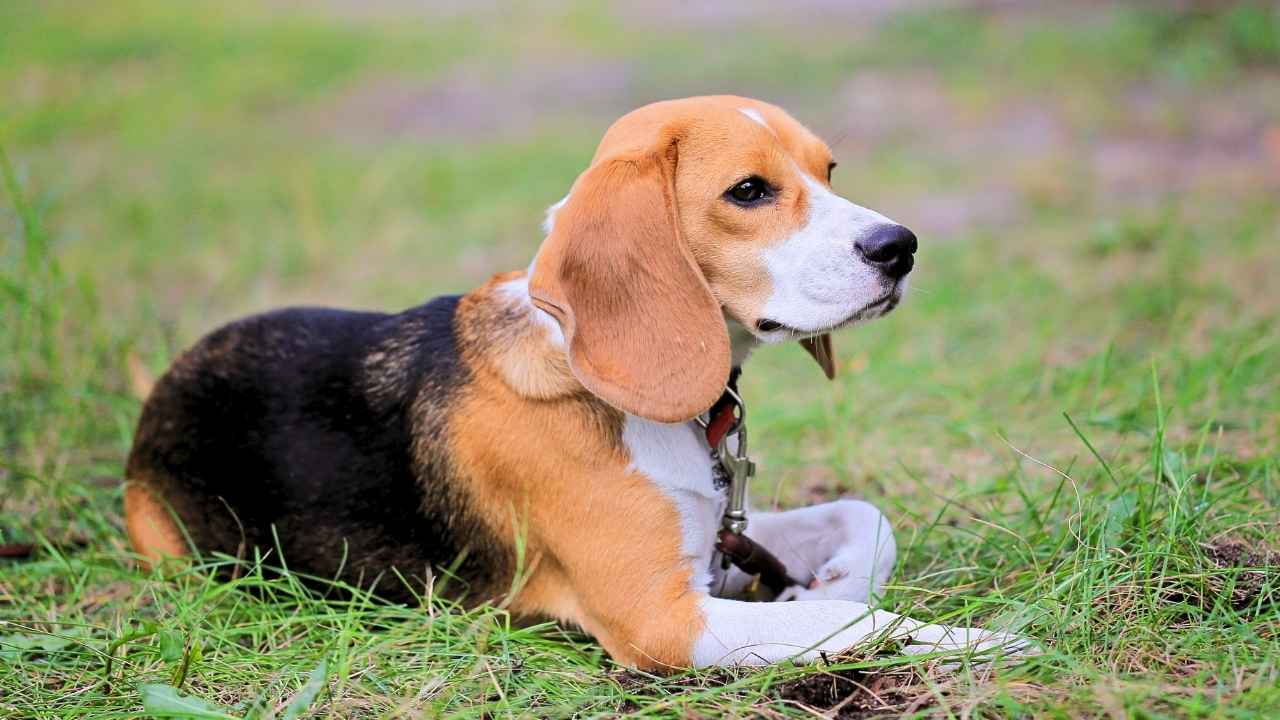
This wonderful breed was traditionally used in packs, yet a well-trained individual can work independently in the field, as Project Upland noted. Solo work can encourage the dog to search cover without depending on another hound, while multiple dogs can cover more ground and combine different scenting abilities.
2. Harrier
Harrier began in medieval England as a pack hound bred specifically for pursuing hare, with its medium build sitting between the smaller Beagle and larger English Foxhound. Early hunters relied on these dogs to follow small game across the countryside on foot.
A Nose Built for the Chase
They follow ground scent with exceptional patience, using their long pendulous ears to help funnel odors toward their nose while trailing. Its deep chest, strong legs, and efficient gait support hours of steady running across rough British terrain, as per Showsight Magazine.
The following points reflect more on the breed profile:
- Rings out a distinctive bay while tracking
- Uses scent rather than sight to follow quarry
- Has tough feet suited to rugged fields
Born for the Pack
Harrier was well-bred to hunt cooperatively with other hounds, giving it a naturally sociable temperament around canine companions. That group-oriented nature can also make multi-dog households a better fit than homes where it would spend most of its time alone.
3. Drever
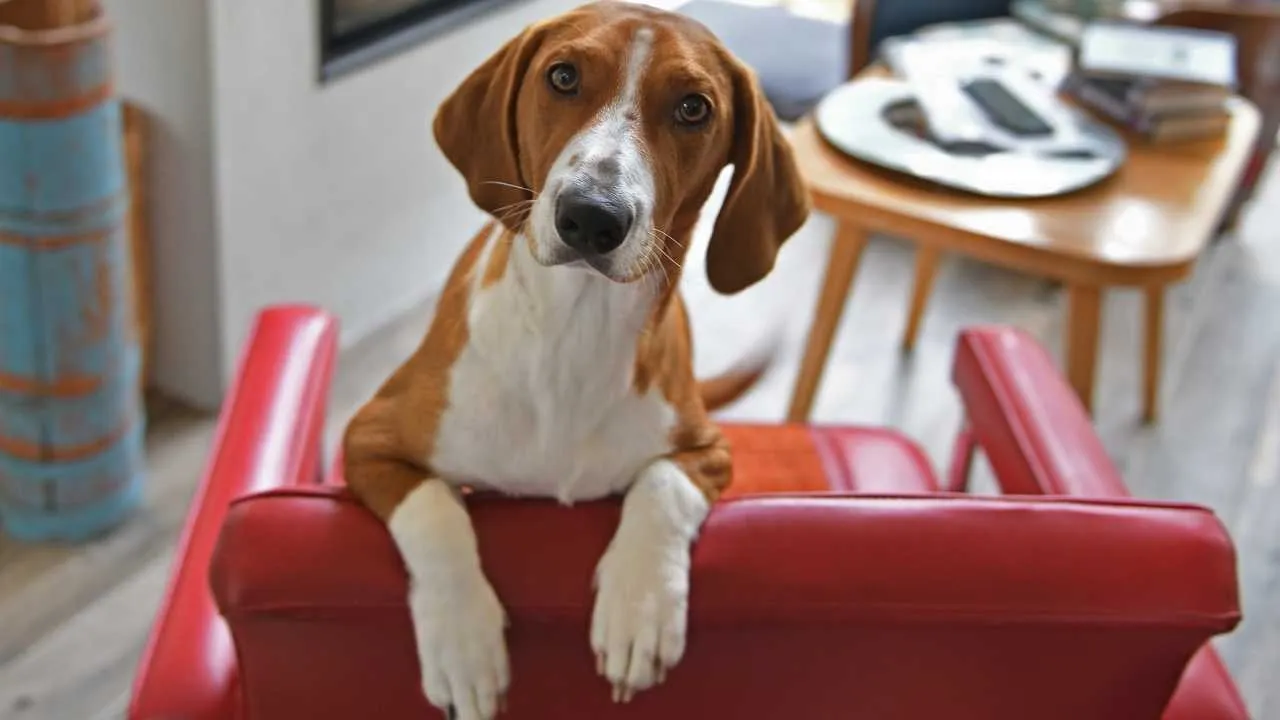
Drever descended from the Westphalian Dachsbracke, a German hound brought into Sweden around 1910. The Swedish variety was given the name Drever in 1947, followed by official recognition as a Swedish breed in 1953 and its development as a distinct local breed.
Close to the Trail
Drever was shaped for rabbit and hare work, using its low-slung body to keep its sensitive nose close to scent through dense brush and difficult ground. Its measured pace keeps game moving steadily rather than sending it racing unpredictably across the landscape.
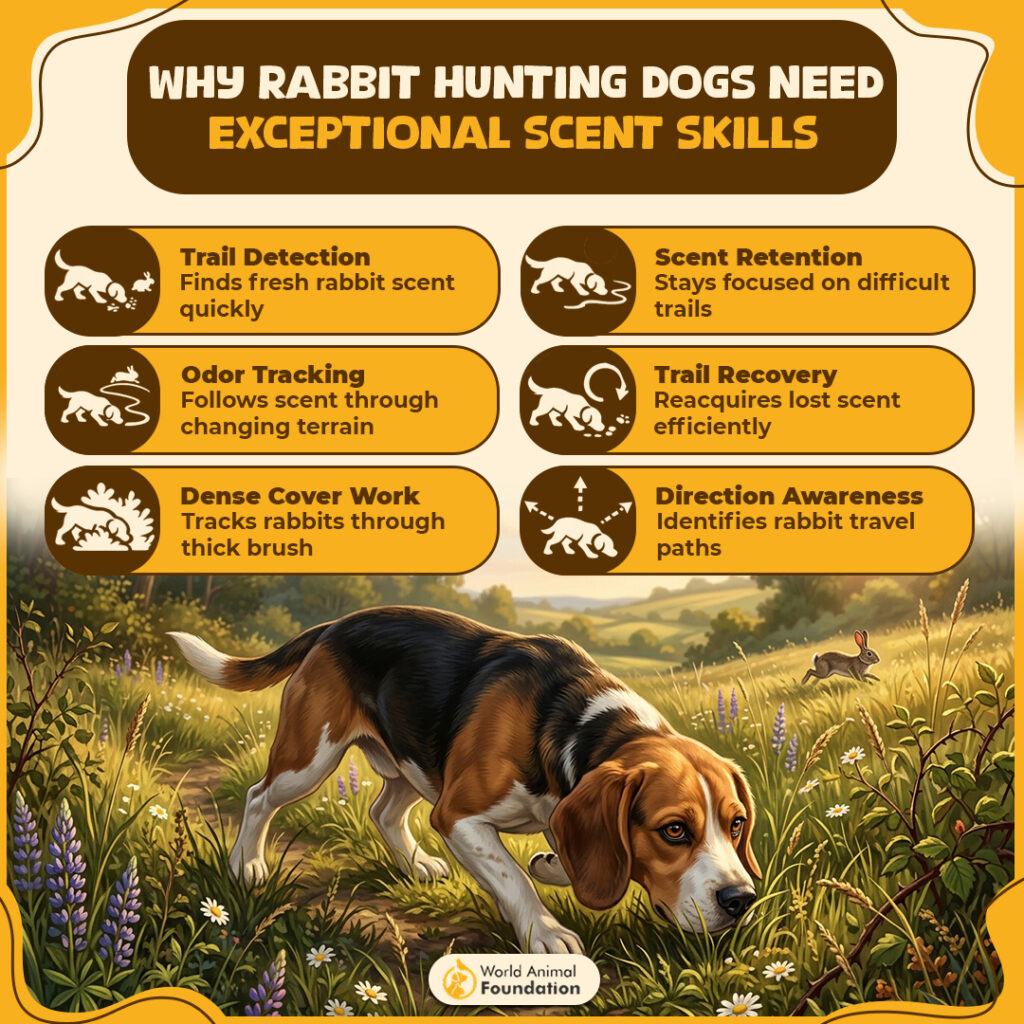
These character traits make its hunting style easier to picture:
- Large nasal surface for scent detection
- Side-to-side casting after losing a trail
- Strong problem-solving in dense thickets
A Voice in the Woods
These exceptional hunters use a loud, clear bay while tracking, giving hunters a reliable way to locate the dog through thick woodland even when it cannot be seen. Its vocal rhythm can continue along a hot scent trail, helping the hunter follow the pursuit from a safe distance.
4. Petit Basset Griffon Vendéen
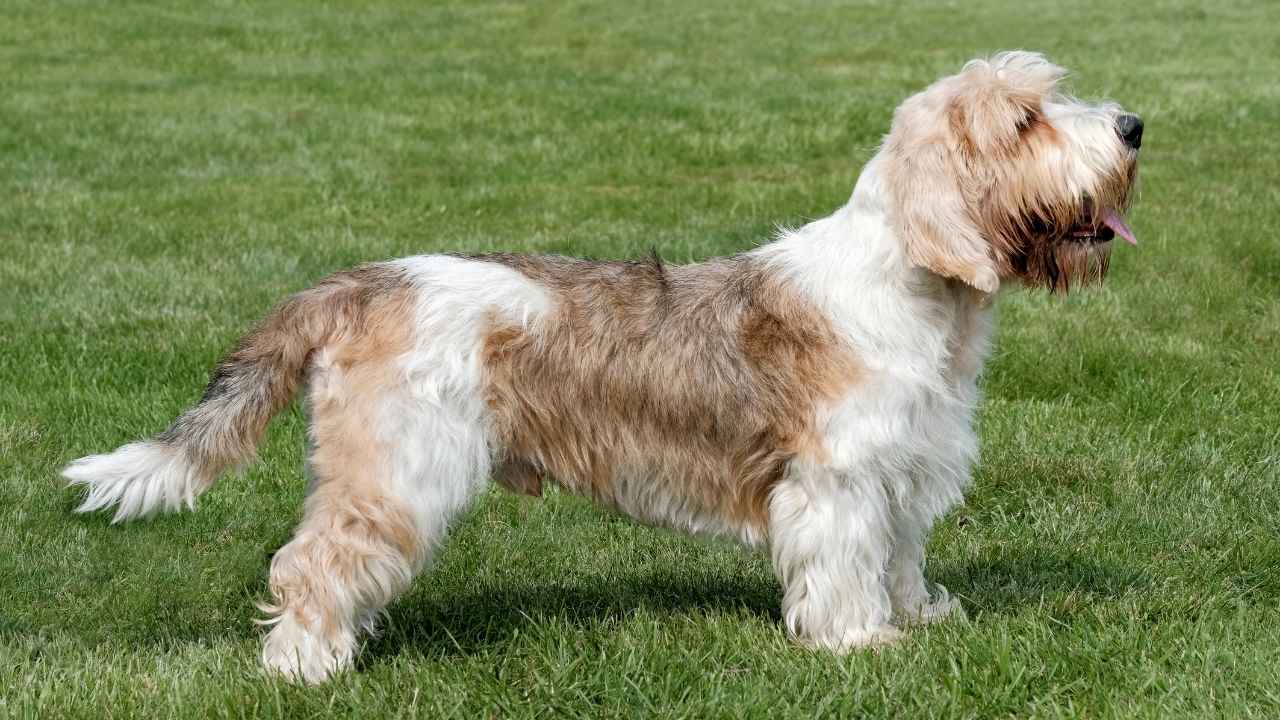
Petit Basset Griffon Vendéen originated in France’s Vendée region and descended from the larger Grand Griffon Vendéen. During the 19th century, breeders selected for a shorter-legged hound suited to pursuing small game through the region’s difficult vegetation.
Made for Dense Cover
They were shaped for thick coastal brush, rocks, and briars where taller dogs may struggle to work efficiently, as reported by WebMD. Its low build allowed hunters to follow on foot while the hound searched through dense undergrowth.
These characteristics explain how it handles that kind of ground:
- Wiry coat guards against thorns
- Short legs suit rough undergrowth
- Strong stamina supports lengthy hunts
Nose Leads the Way
Petit Basset Griffon Vendéen relies heavily on scent to locate and follow rabbits and hares, using its powerful nose rather than depending primarily on sight. Its hunting style can be bold, independent, and vocal, particularly when working alongside other dogs and handlers.
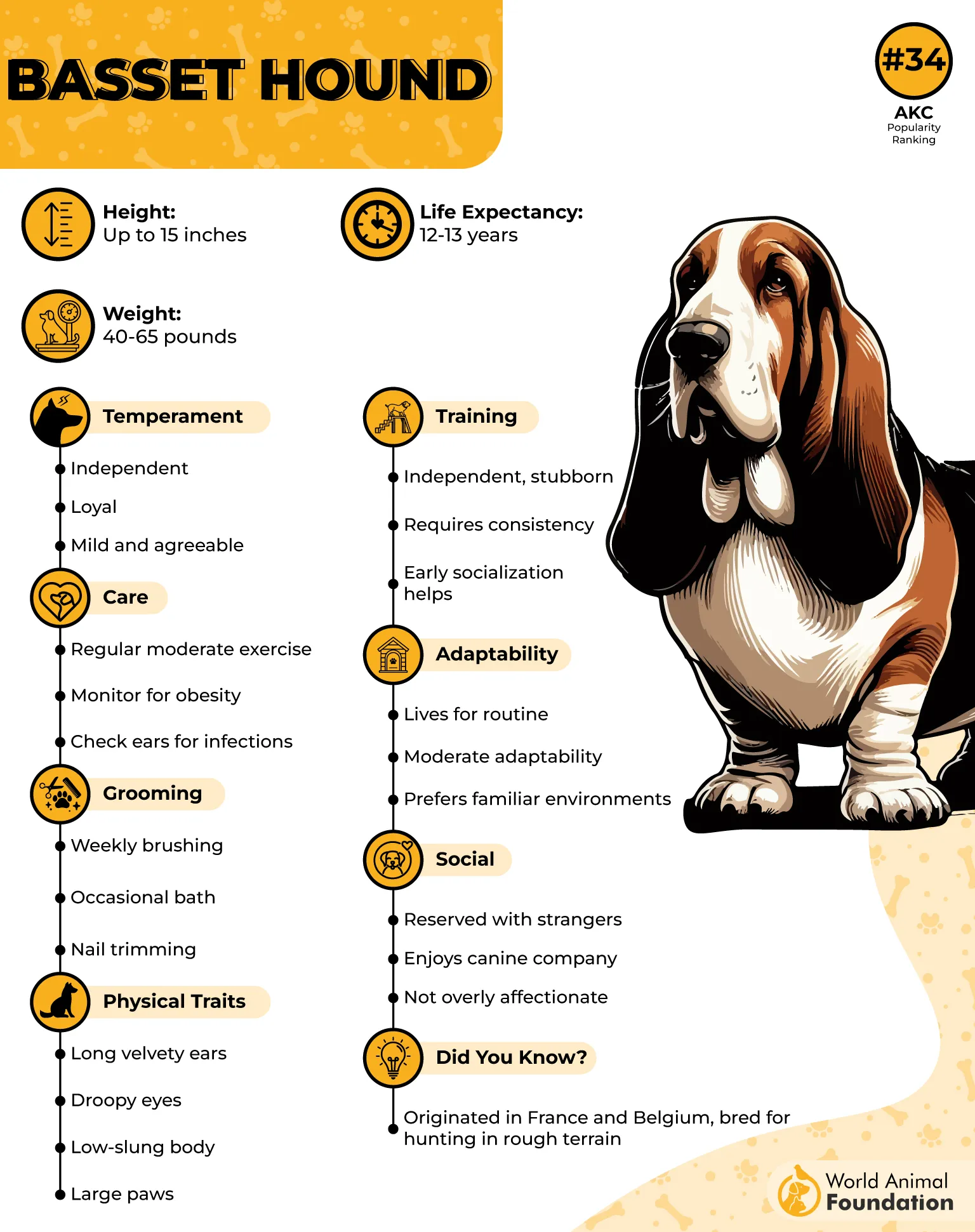
5. Basset Hound
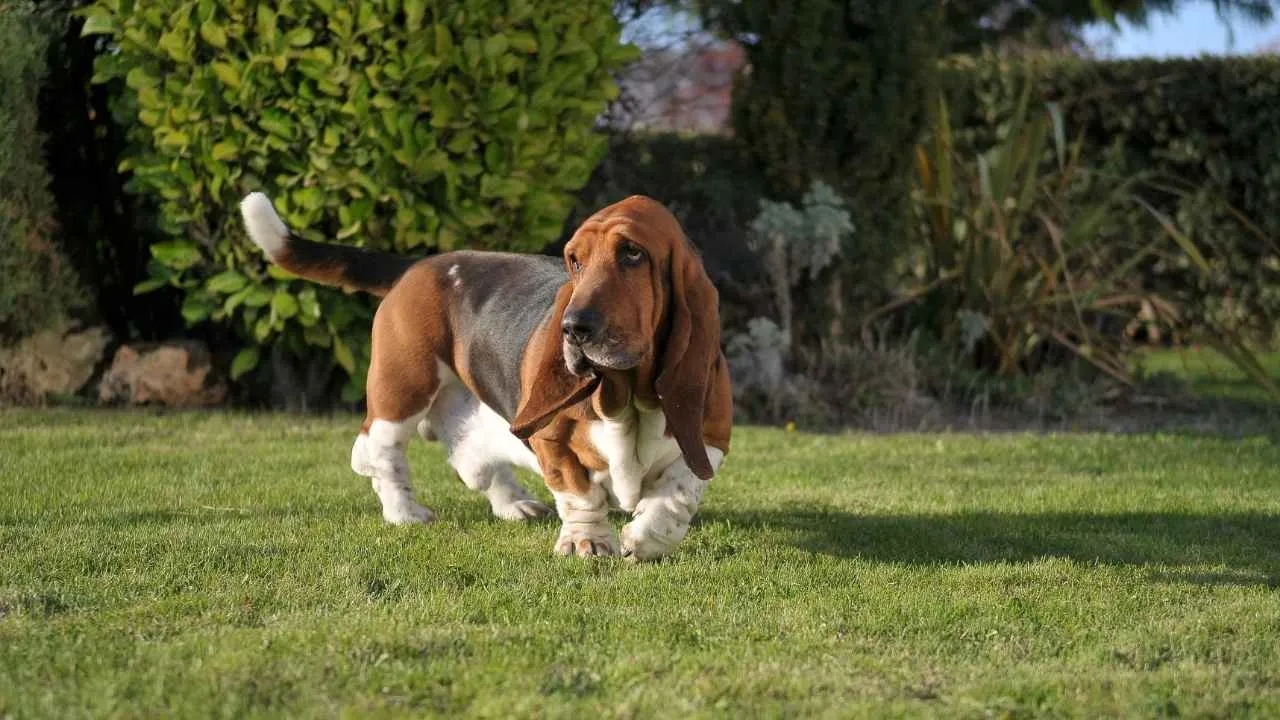
Basset Hound developed in France as a rabbit and hare hunter, with its name coming from the French word bas, meaning low or short. During the late 1800s and early 1900s, Bloodhound crosses increased the breed’s size, while Britain welcomed it later in the 19th century.
Close to the Scent
Basset Hound’s short legs keep its nose remarkably close to the ground, helping it follow rabbit and hare trails through dense underbrush. Its sturdy frame also allows it to work through briars and bushes where a taller hound would have more difficulty.
Three details make its field work especially distinctive:
- Scent ability ranks just behind the Bloodhound
- Can follow fresh and cold trails
- Handles brush that horses cannot easily enter
A Deliberate Pursuit
This hound breed follows trails at a slow, deliberate pace, allowing hunters on foot to keep up with the pack during a steady pursuit. Its heavy-boned build gives it the endurance needed when a rabbit changes direction or suddenly disappears into thick cover.
6. Finnish Hound
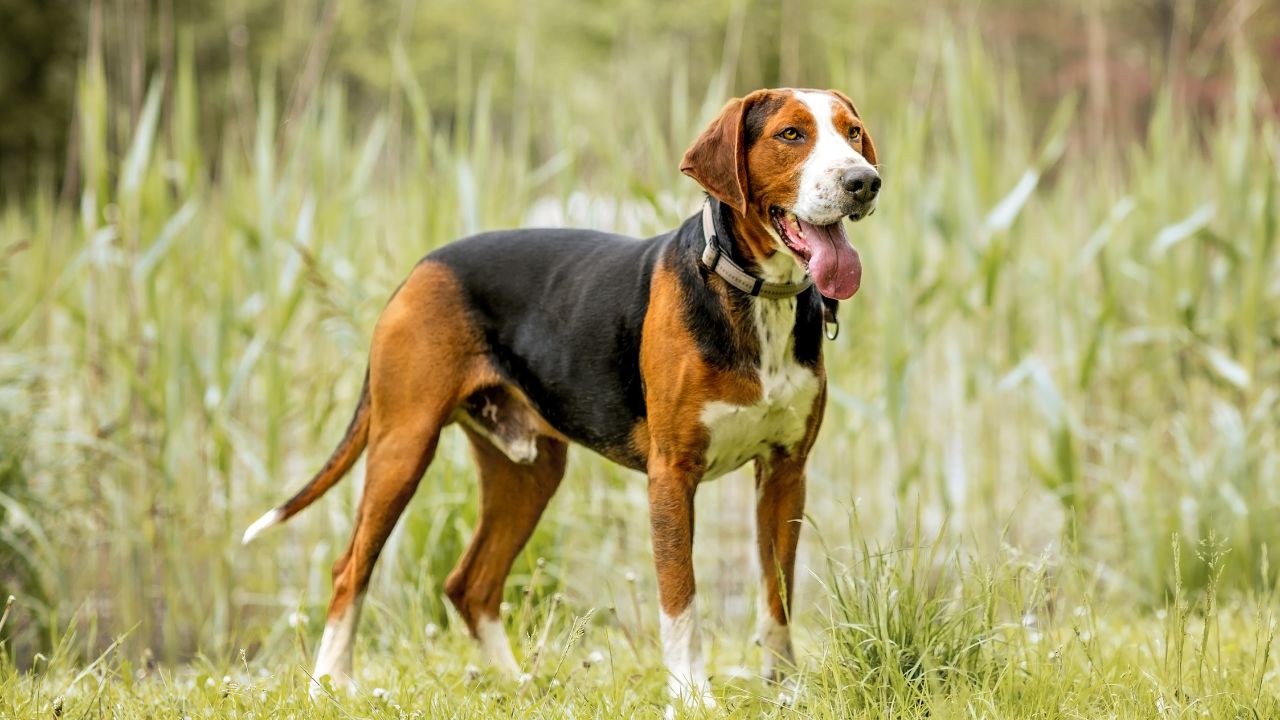
Finnish Hound emerged alongside the Suomen Kennelklubi in 1889, when Finnish breeders began selecting dogs with hunting qualities suited to the country’s landscape.
The group used three dogs in its first show, grew to eight the following year, and began setting standards for color and temperament by 1893.
Built for the Chase
Finnish Hound works independently, using its nose to pick up ground or air scent before pursuing small game with a deep, resonant bark. Its stamina is suited to long pursuits in cold northern conditions, where a chase can continue for hours.
Its hunting instincts shape daily life too.
- Needs active outlets for its energy
- Highly intelligent and high-spirited
- Benefits from early training and socialization
Quieter at Home
This all-round companion can be gentle, friendly, and affectionate with their family after getting sufficient activity throughout the day. Its calmer indoor behavior makes sense alongside the breed’s demanding working nature, particularly when its outdoor needs have been met.
7. Serbian Hound
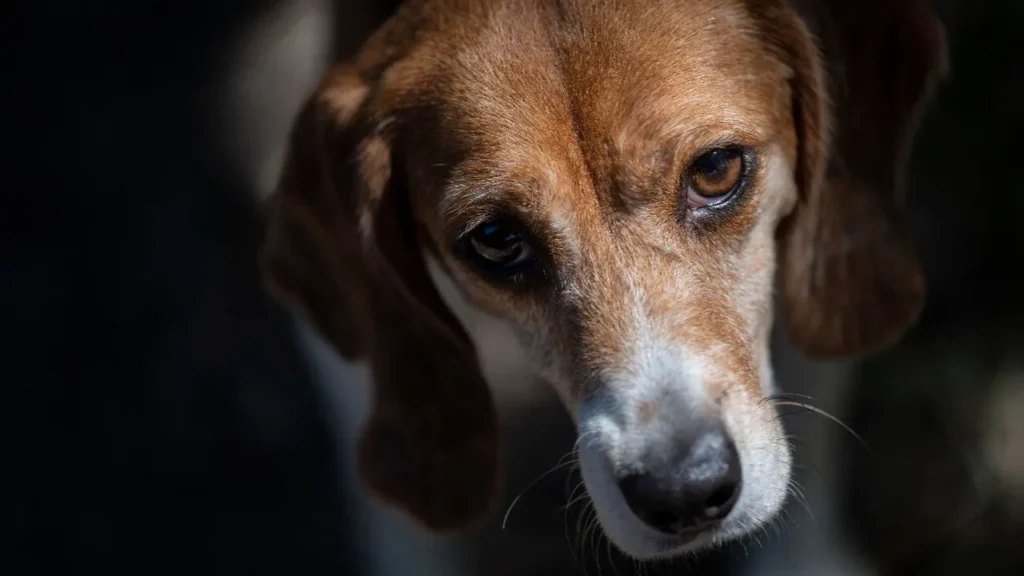
Serbian Hound has an old but poorly documented story, with some accounts placing its origins as far back as 1000 BC through dogs brought by Phoenician traders.
The first written description generally linked to the breed appeared in the 11th century, when it was still called the Balkan Hound.
A Nose for the Chase
They use their highly developed sense of smell to follow the winding paths of hares and rabbits through challenging terrain. Once a scent is picked up, its deep, booming bay helps a hunter locate the dog through thick brush and deep valleys without needing to see it.
The chase depends on more than scent alone:
- Deep valleys can hide the dog from view
- Its bay can reach a high-pitched bellow
- Pursuit can continue until the quarry is driven toward the hunter
A Quieter Side
Once hunting activity ends, the Serbian Hound can be calm, affectionate, and patient with children in the home. That softer temperament sits alongside its intense working nature, creating a noticeable shift between time spent hunting and time spent with family.
Conclusion
Rabbit and hare hunting can put a dog’s abilities to the test. Scent work, stamina, persistence, and a strong prey drive all matter when game changes direction or disappears from view. Some hunting companions can track small animals closely, while others can search and pursue more independently, using their versatile hunting abilities across different hunting spots.
A strong voice can help hunters keep track of a dog in dense woodland or deep valleys. Training remains important, particularly for recall and safe handling around firearms and wild animals. Before heading into the field, consider the terrain, hunting method, fitness, and desire to hunt. The right companion can make demanding hunts productive.
