




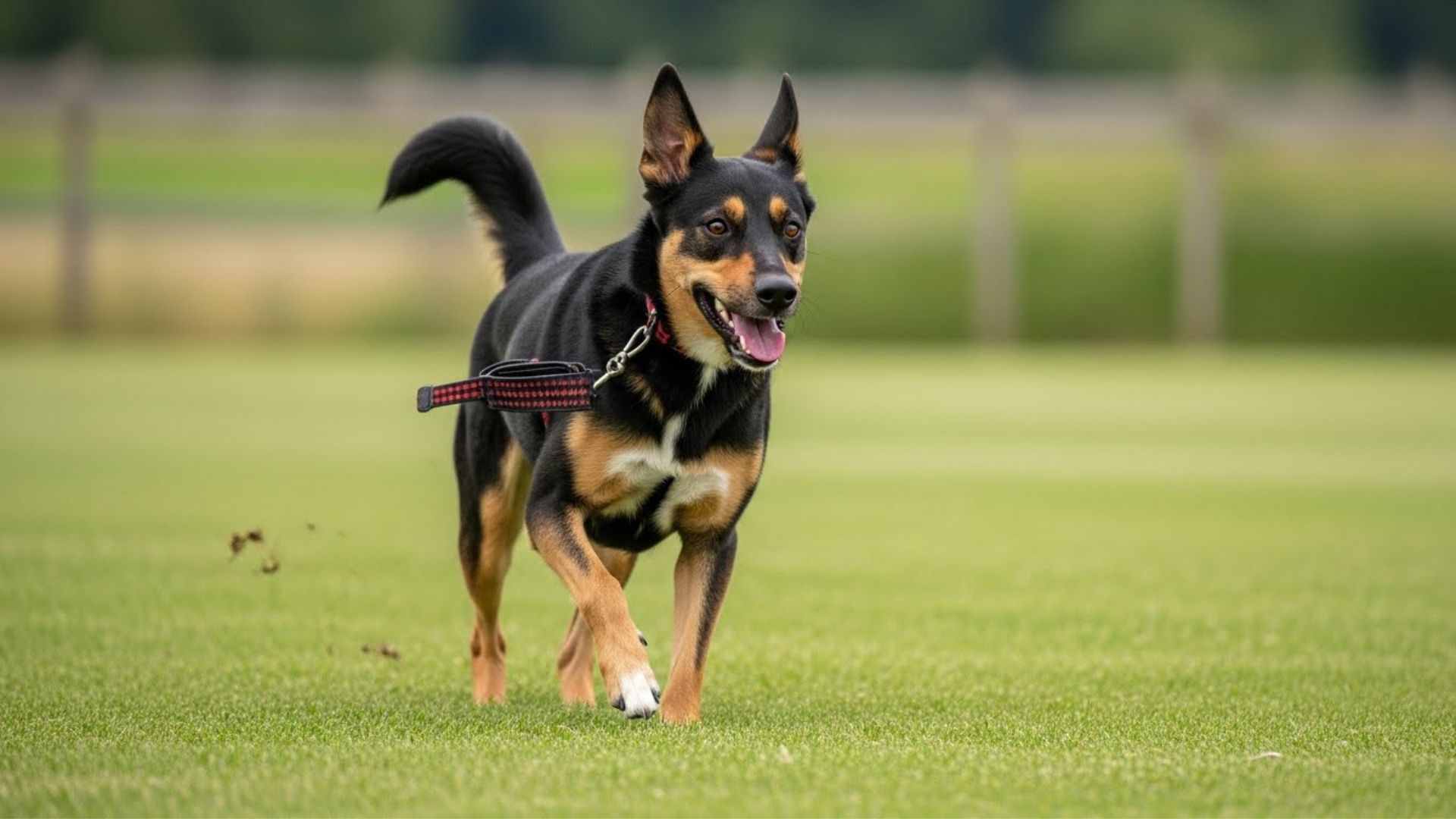
Power in a dog is not just about muscle or size. It is the quiet confidence of a breed built to pull, guard, herd, or work all day and still look at you like, “So… what’s next?” In this guide, we’re meeting remarkable dog breeds known for their impressive strength and serious get-it-done energy.
These dogs are designed for demanding roles, and they tend to thrive with consistent training, clear routines, and sufficient daily activity to prevent them from inventing their own “projects” at home. If you’re drawn to capable canines with confidence and character, you’re about to meet some unforgettable contenders.
Fun Fact
Dogs have a unique shoulder blade setup that enables them to extend their stride and pull efficiently, which is one reason working breeds can be such talented movers.
Remarkable Dog Breeds Exhibiting Exceptional Power
1. Kangal
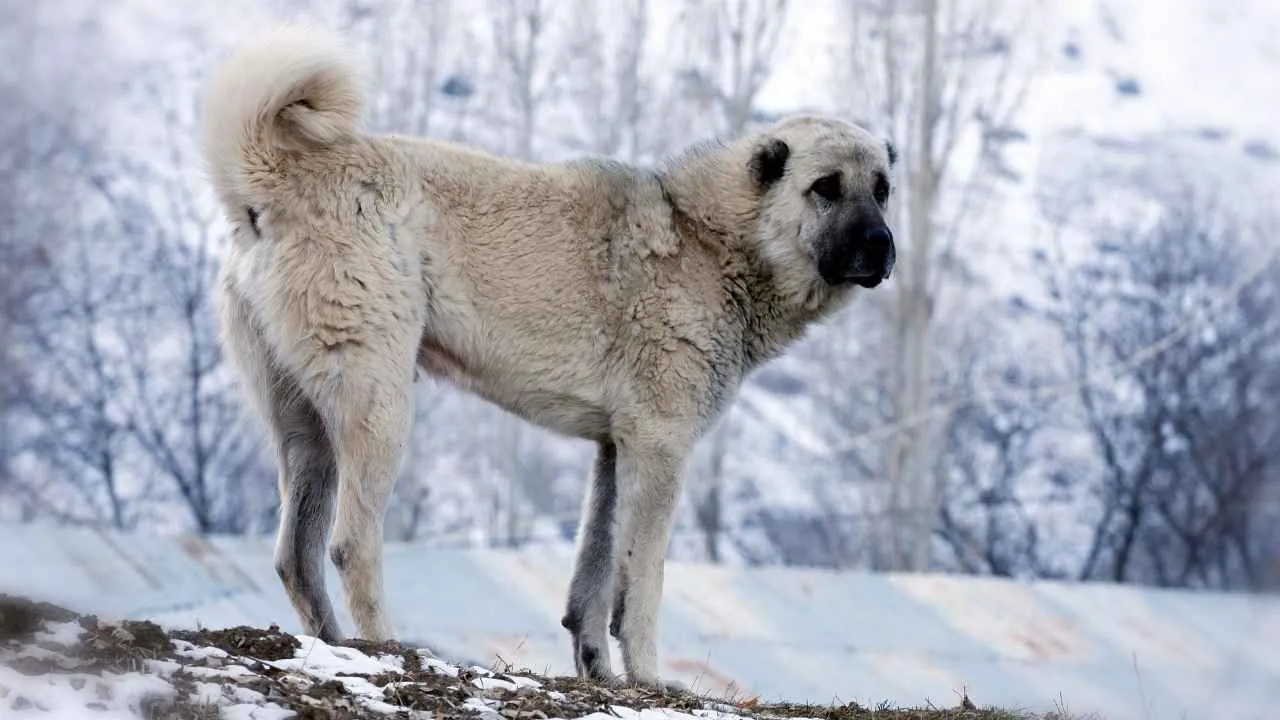
The Kangal Shepherd Dog is a livestock guardian with roots in Turkey, bred to watch over animals when serious predators show up. It’s celebrated for its intense loyalty and protective nature. In the field, courage and calm focus are part of the job description.
At home, this breed is typically gentle with its family and steady in everyday life. When something feels “off,” the Kangal can flip from relaxed to fearless in a heartbeat. That mix of composure and readiness is a big part of its reputation.
Kangals are also described as intelligent and trainable, so they respond well to clear rules and confident handling. Firm, consistent training helps their guarding instincts stay pointed in the right direction. Space to roam and a purpose to follow keep this dog at its best.
Fun Fact
Many Kangals are known for a striking dark facial mask that gives them a memorable “I mean business” look. It’s a classic feature often seen when they’re pictured doing their traditional work around livestock.
2. German Shepherd
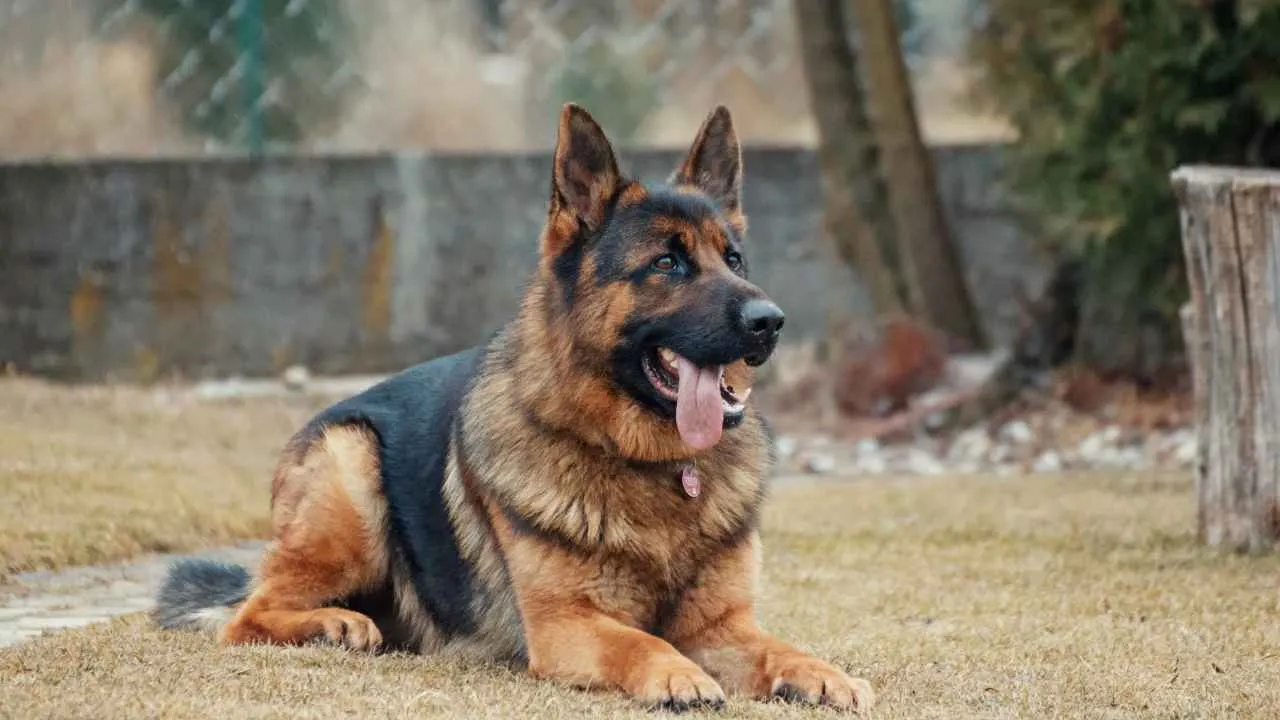
German Shepherds pair sharp intelligence with a strong, athletic frame, which is why they’re trusted in demanding work. They’ve been used as police dogs and in rescue work, plus security roles that require steady focus. It’s a classic working-dog combination: think fast, move well.
As per the AKC, they also need daily physical and mental stimulation to stay happy. Regular activity helps keep that energy pointed in a good direction. They can develop undesirable behaviors if they don’t get enough daily exercise.
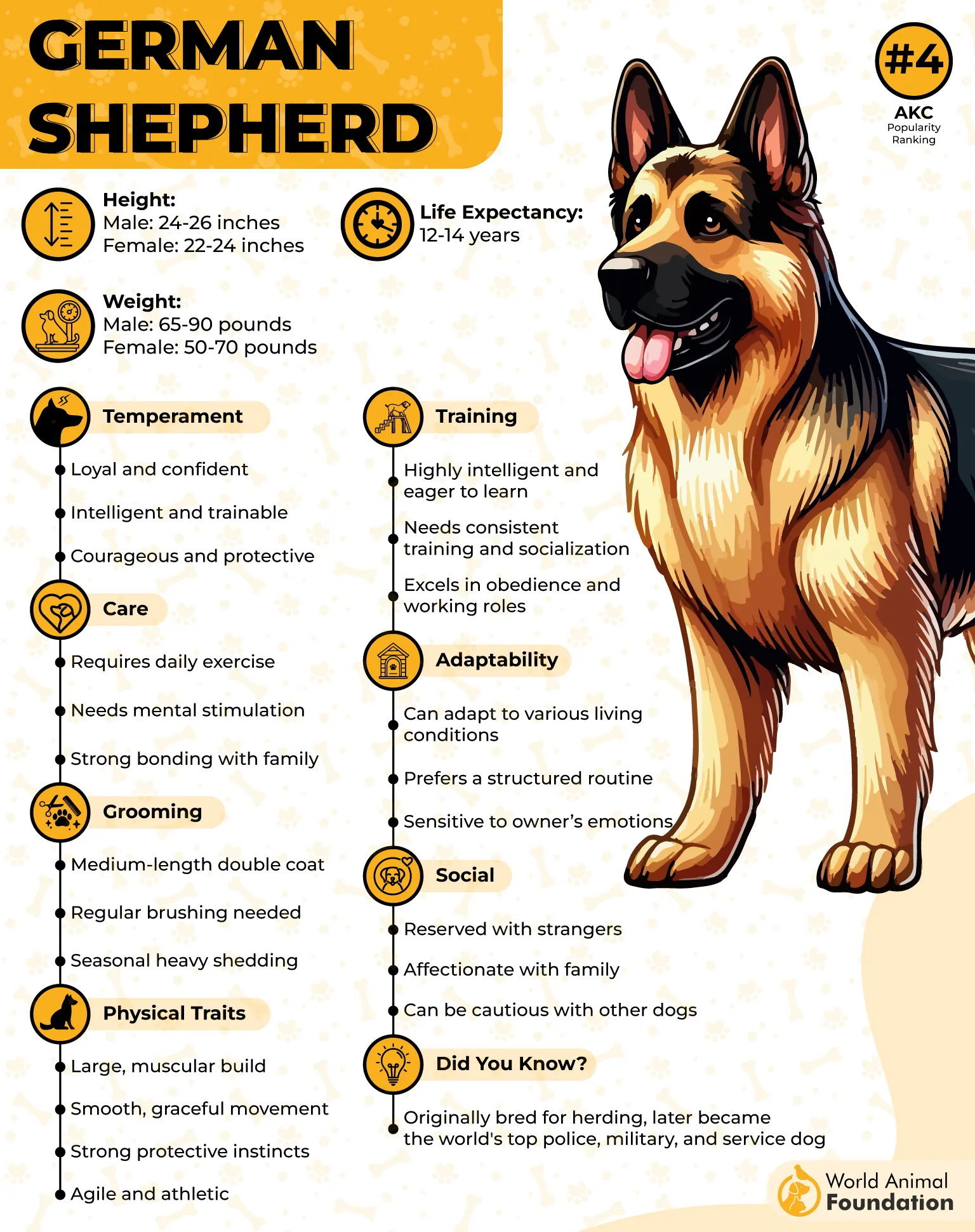
At home, they tend to bond closely with their people and show real devotion to the family. With proper socialization, they can be gentle, obedient, and versatile in day-to-day life. Their trainability is a big part of what makes them a reliable working companion.
Fun Fact
German Shepherds have also served as war dogs and have taken on guard-dog duties in addition to their other roles. That broad range of work is one reason they’re often described as among the most versatile working dogs.
3. Cane Corso
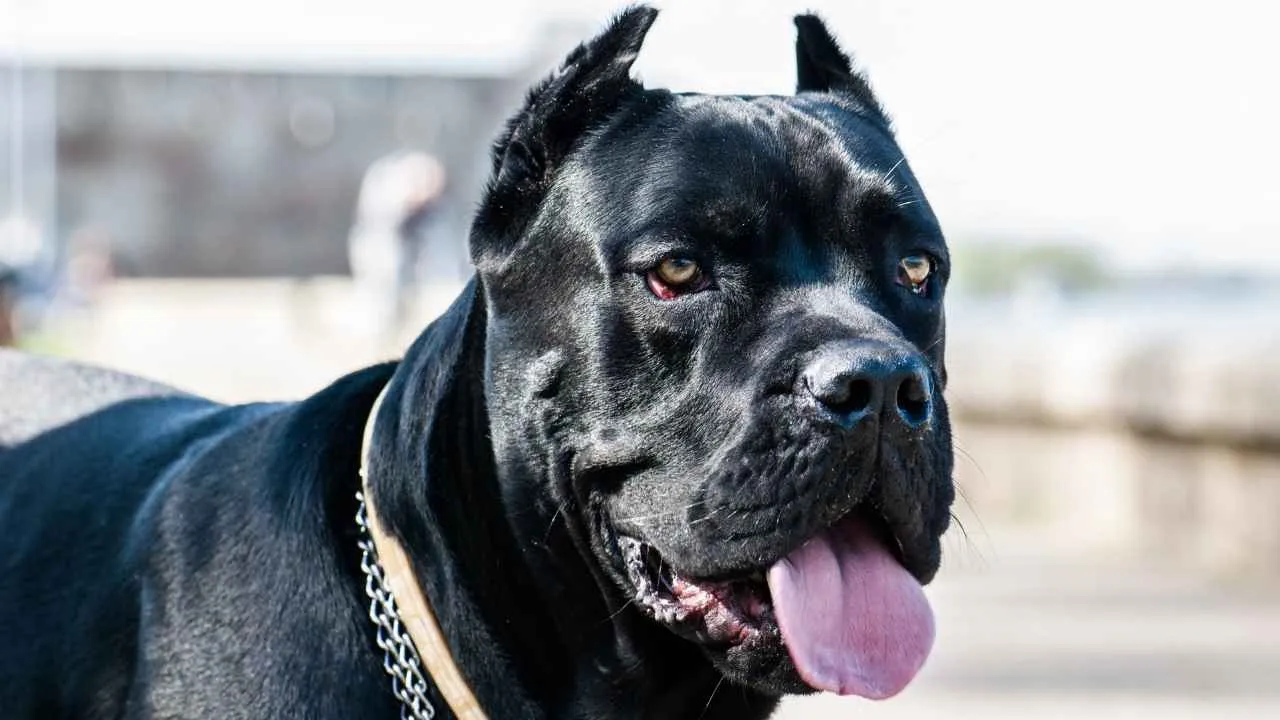
The Cane Corso is a mastiff-type dog known for a muscular build and powerful bite. This breed was developed in Italy for guarding and hunting, and it tends to thrive with structure. Clear training and routines help it settle into its role.
Cane Corsos have been described as versatile farm dogs that can drive livestock and guard farms and pastures. PetMD notes that the Cane Corso has deep roots as a protector, and many can also fit well into family life as devoted, loyal companions.
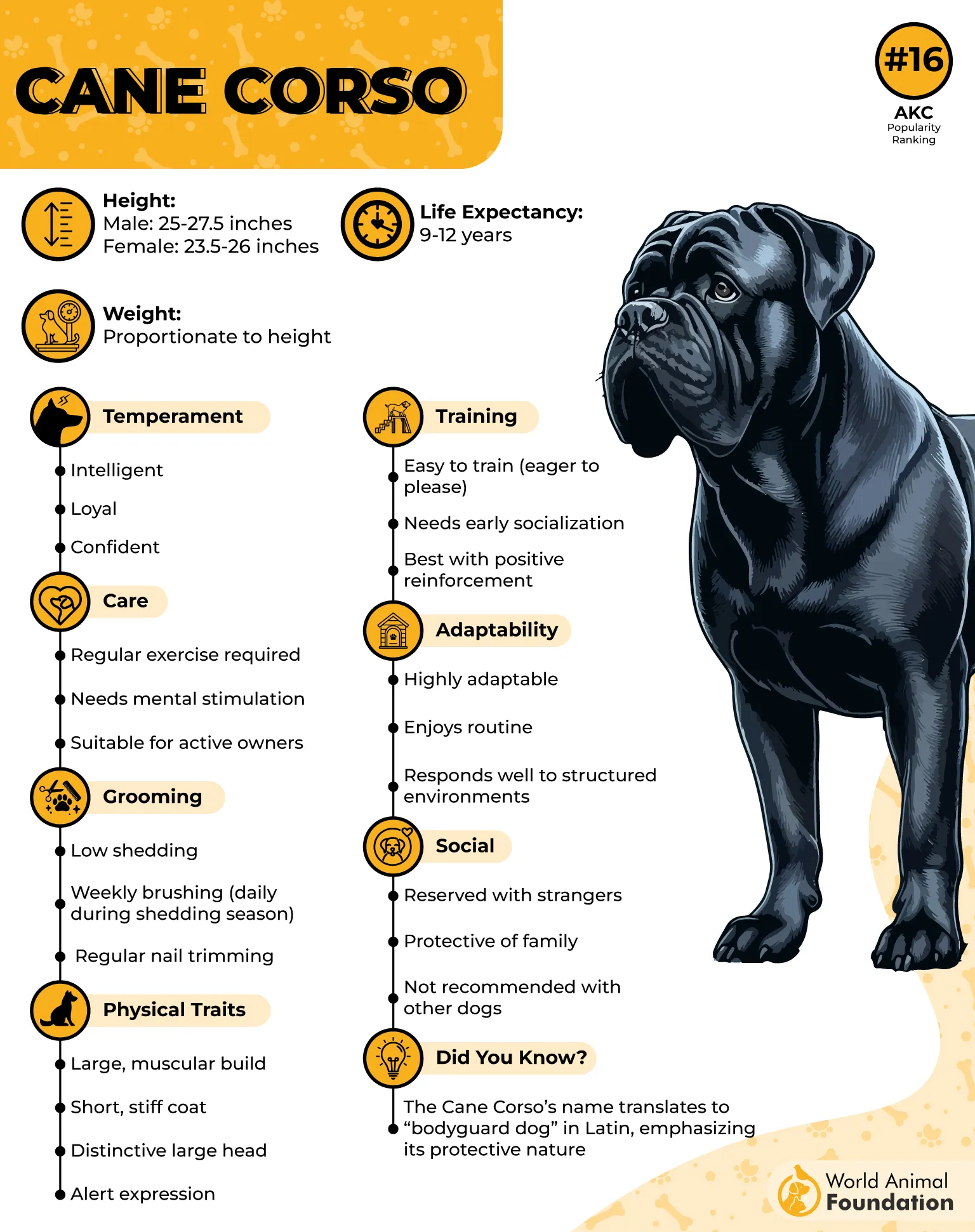
They are intelligent and easily trained, with a docile streak around their people. Give them calm leadership, and they usually look like they’ve got everything under control.
Fun Fact
In their early history, Cane Corsos were described as dogs of conquest. Later, they were used for jobs such as boar hunting, which helped shape their confident, work-ready attitude.
4. Rottweiler
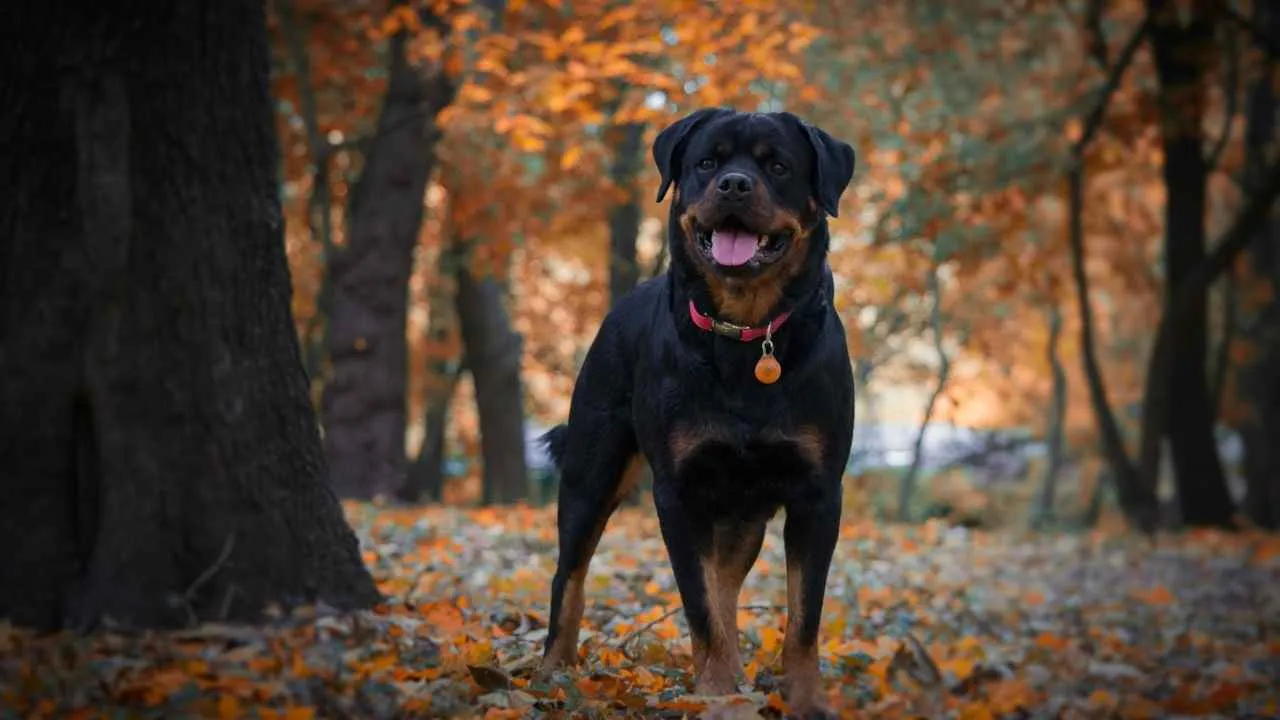
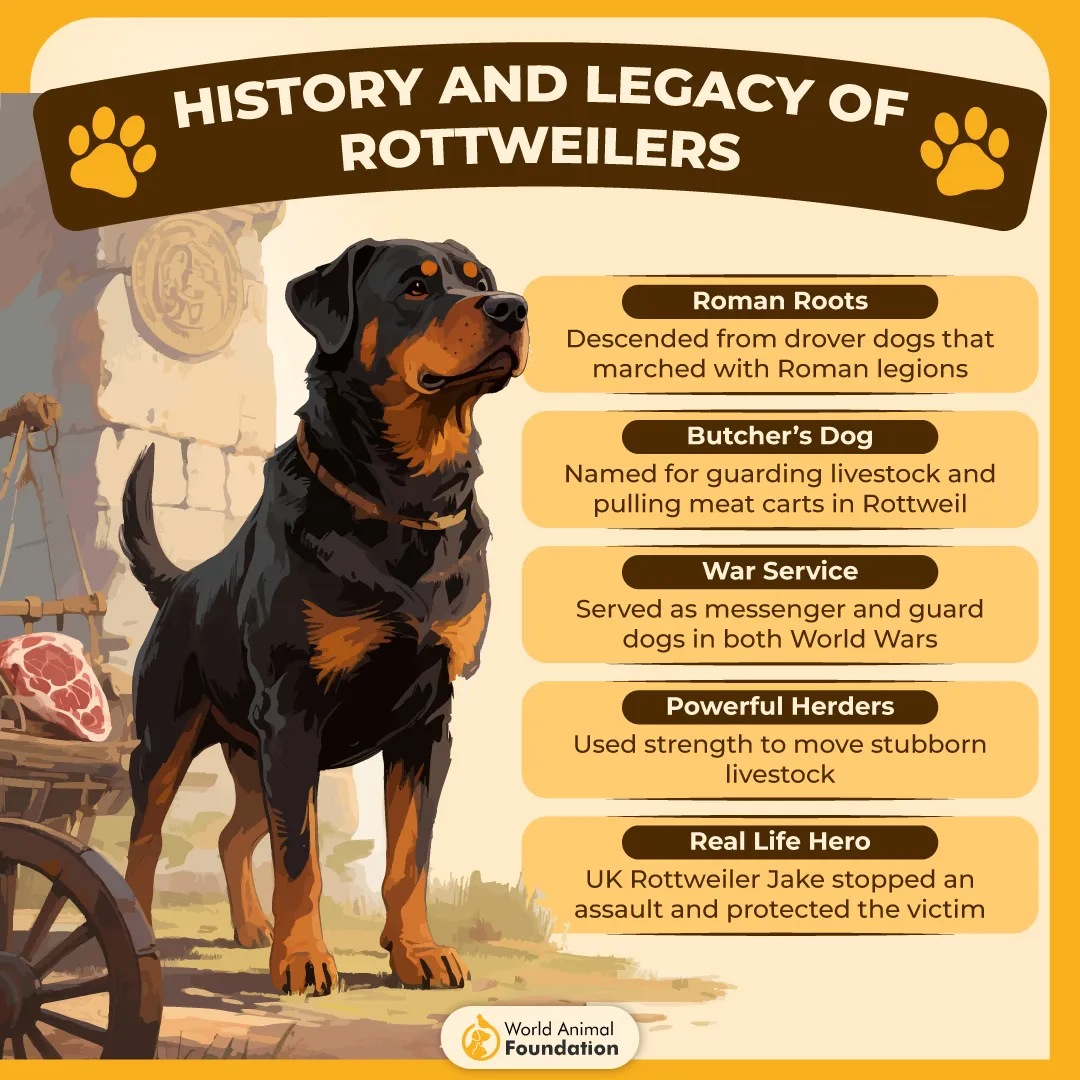
A Rottweiler is a large dog with a broad chest and a confident look. They’re very alert and tend to notice what’s happening around them. With proper training and care, they can be loving, loyal, and dependable companions.
As WebMD notes, keeping your Rottweiler mentally engaged through regular activity can support their overall well-being, including long walks and outdoor play. If you enjoy hikes and exploring outside, a Rottweiler will happily tag along for the adventure.
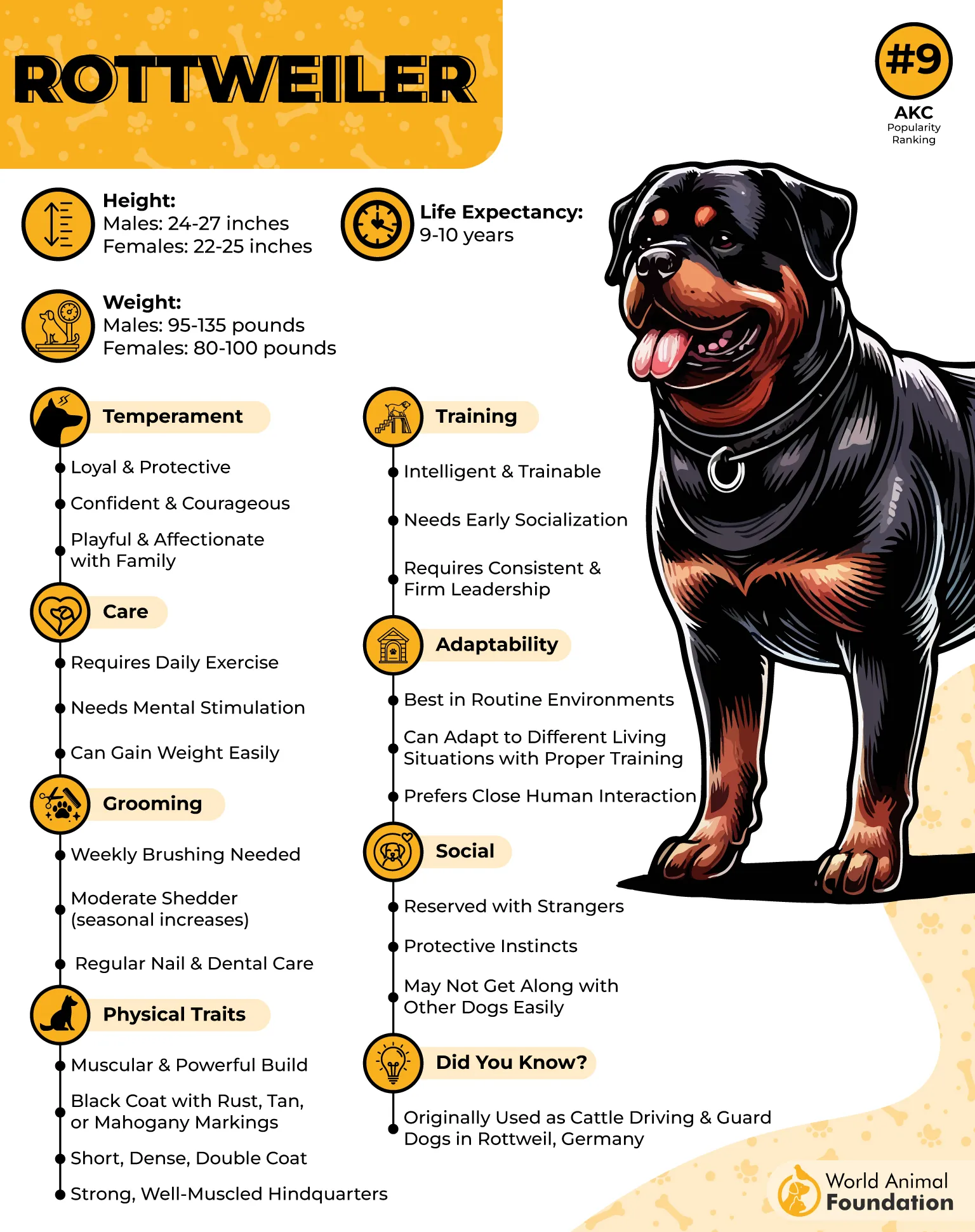
Rottweilers were bred to herd livestock and were also used for pulling carts. Their strength and size helped them transition into guard-dog work as people found more uses for a steady, capable worker. That working background often shows up as a “give me something to do” attitude.
Fun Fact
Rottweilers once accompanied butchers to markets as money carriers, using a neck pouch for safekeeping. It’s a charming reminder that this tough-looking dog has had some very practical day jobs.
5. Siberian Husky
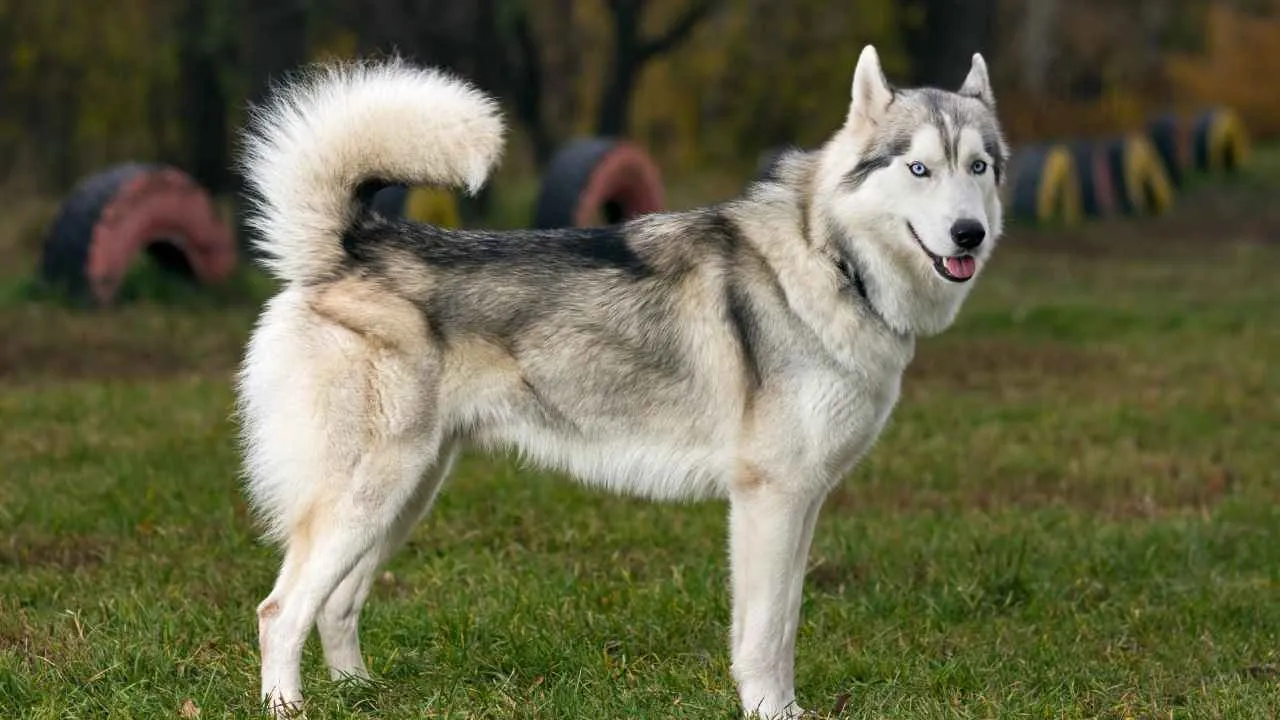
Siberian Huskies do best when they have room to move and something to think about, not just a couch to decorate with fur. They’re often a great match for active families, including homes with children, because they like being involved. A quiet, sedentary routine can leave this breed bored and looking for entertainment.
Training needs to start early and stay consistent, because Huskies are smart and can be strong-willed. Early Socialization with people and other animals is important, plus leash training so they don’t take themselves on surprise adventures. They’re also famously vocal and may howl, “sing,” and bark, which can be tricky if your neighbors prefer silence.
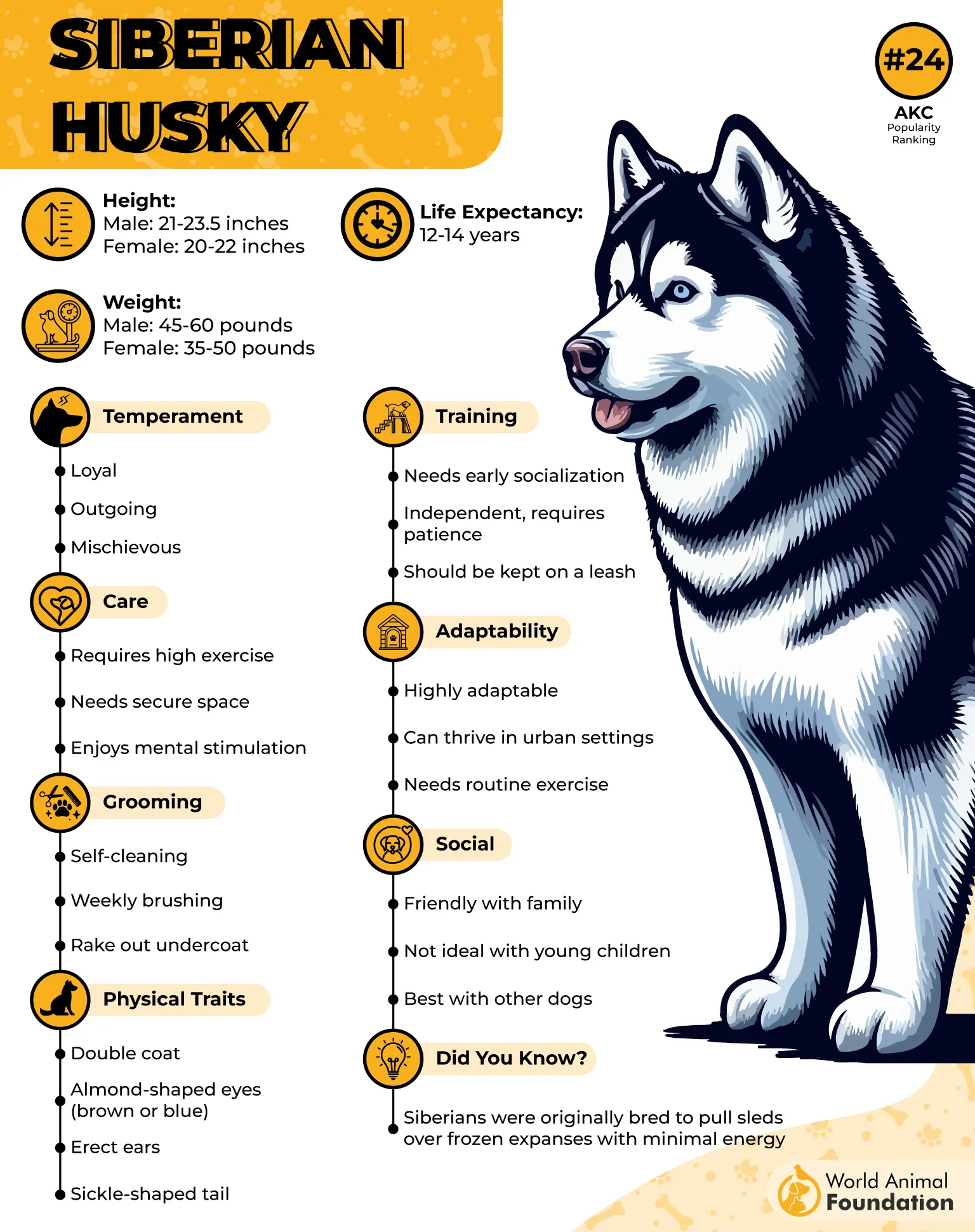
Health-wise, Huskies can deal with inherited eye conditions, thyroid issues, and hip problems, so staying alert to vision or mobility changes matters. Their thick double coat sheds heavily at times, and regular brushing helps keep the fluff from winning. A complete, life-stage-appropriate diet and scheduled meals can help prevent overeating.
Fun Fact
If you ever meet a dog that looks like a “mini Husky,” it might actually be an Alaskan Klee Kai. That breed is described as being descended from a small gray-and-white Siberian Husky.
6. Mastiff
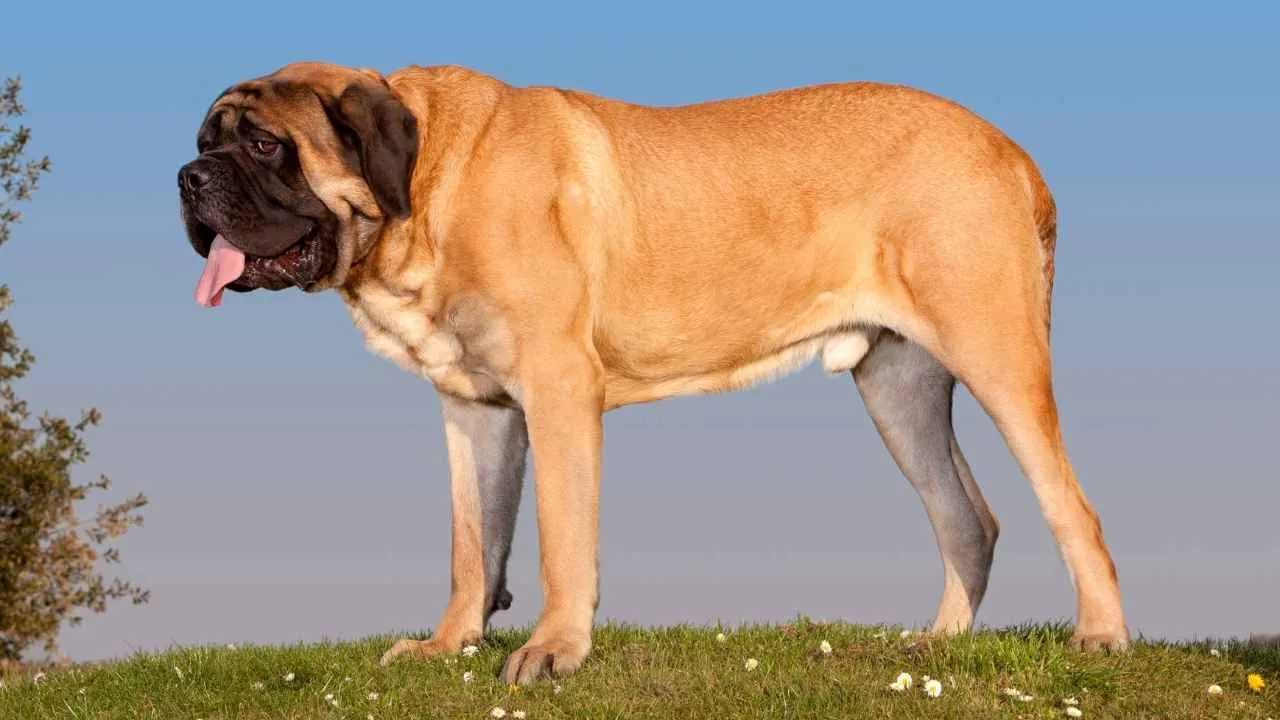
The Mastiff has a big presence and an even greater sense of calm. This breed is often gentle and steady with the people it loves, but it doesn’t hand out trust to strangers right away. One look at that classic dark mask and you can tell it’s the kind of dog that takes “home security” personally.
Mastiffs usually do best with gentle training and early socialization, because a dog this big needs good manners. They can learn fast and often want to please, but long, repetitive lessons can make them lose interest. It’s also important to know the signs of bloat, since it can be a serious emergency.
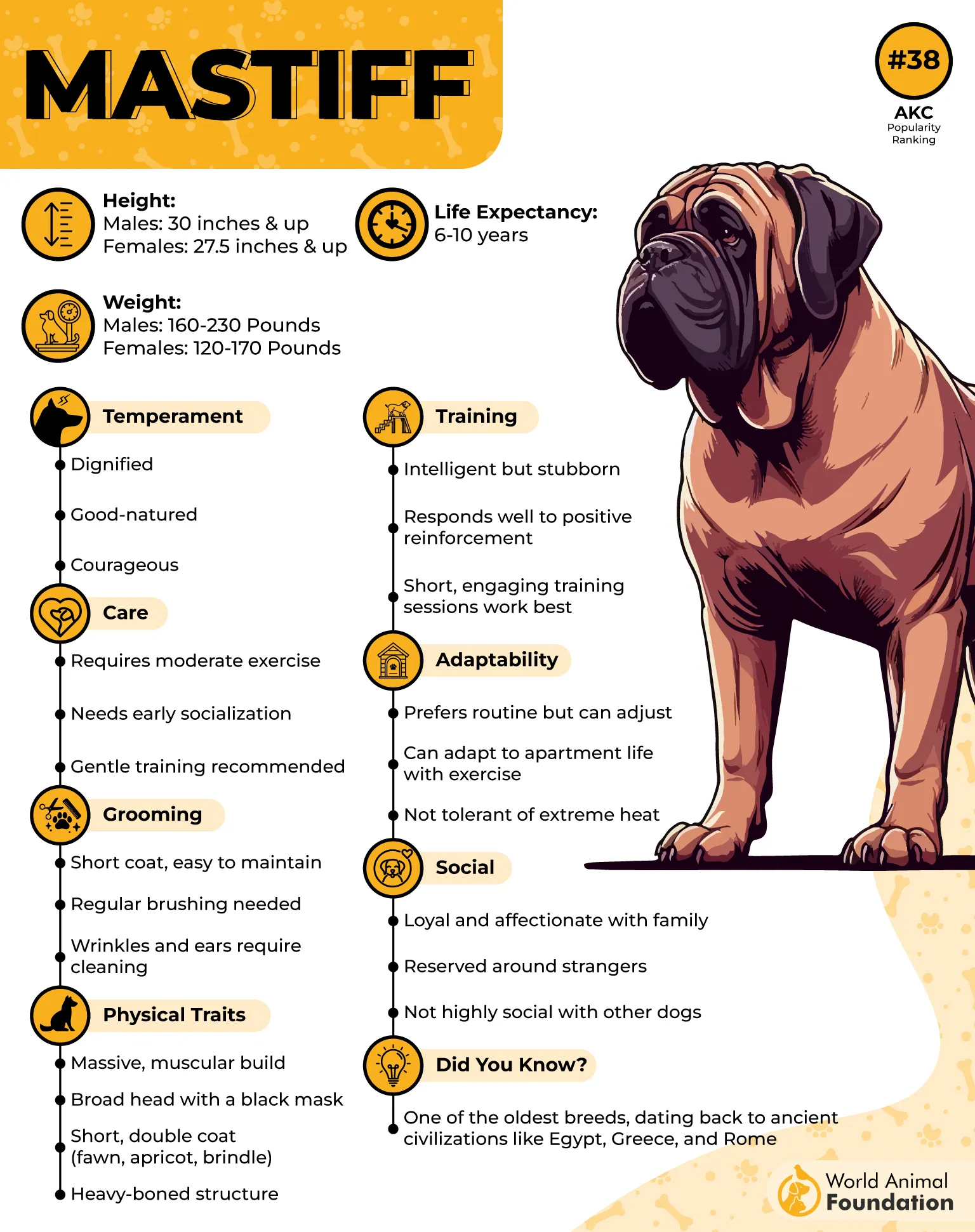
Their care routine is simple: brush the short coat, and regularly check and clean the ears and facial wrinkles. They don’t need intense workouts, and daily walks plus some relaxed play are often enough. Also, drool happens, so keeping a towel handy is just part of Mastiff life.
Fun Fact
Mastiffs are known for making strong eye contact, and they’re described as excellent at reading human expressions and body language. If a training session gets too repetitive, some will simply lie down and act like the class is over.
7. Doberman Pinscher
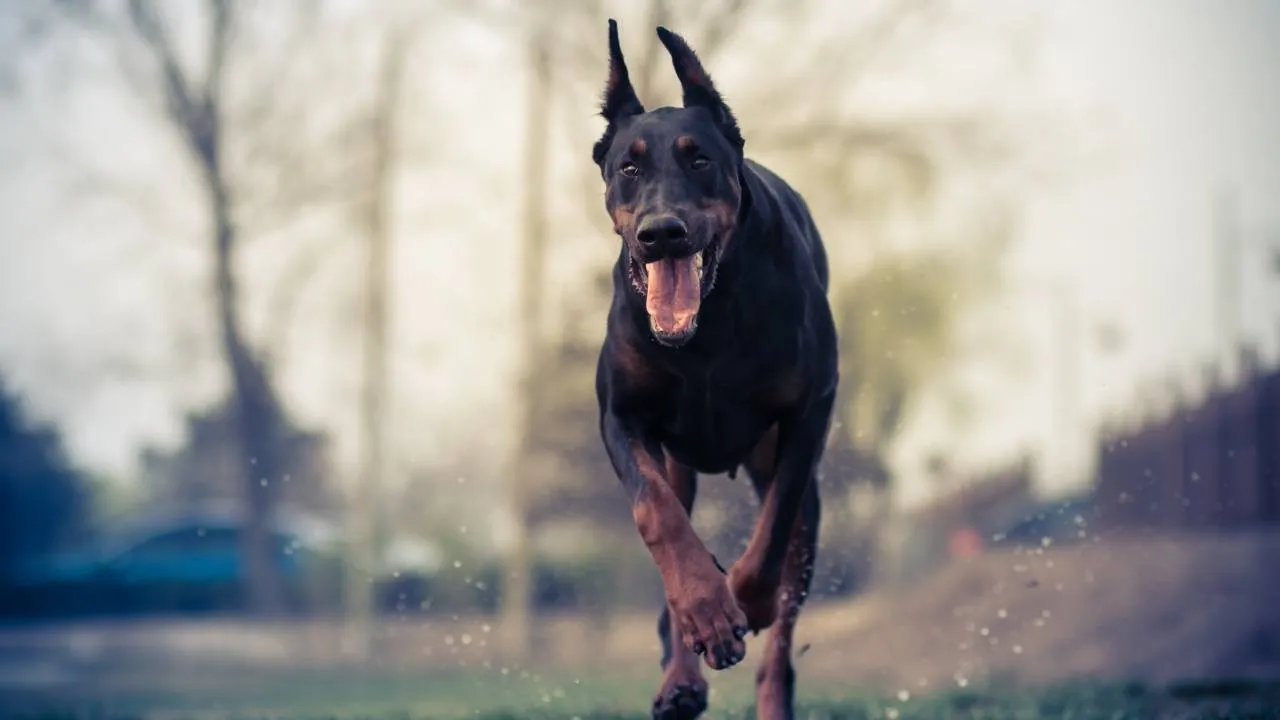
The Doberman Pinscher has a clean, athletic look and a reputation for being brave and devoted. They’re often chosen for demanding roles like guarding and police work because they stay alert and focused. In a home setting, that same loyalty can make them deeply attached companions.
Dobermans can be steady in many everyday situations, especially when they’re given clear routines and time with their people. On walks and in public spaces, keeping them on a leash is often recommended. Some may react strongly if they think their family is under threat.
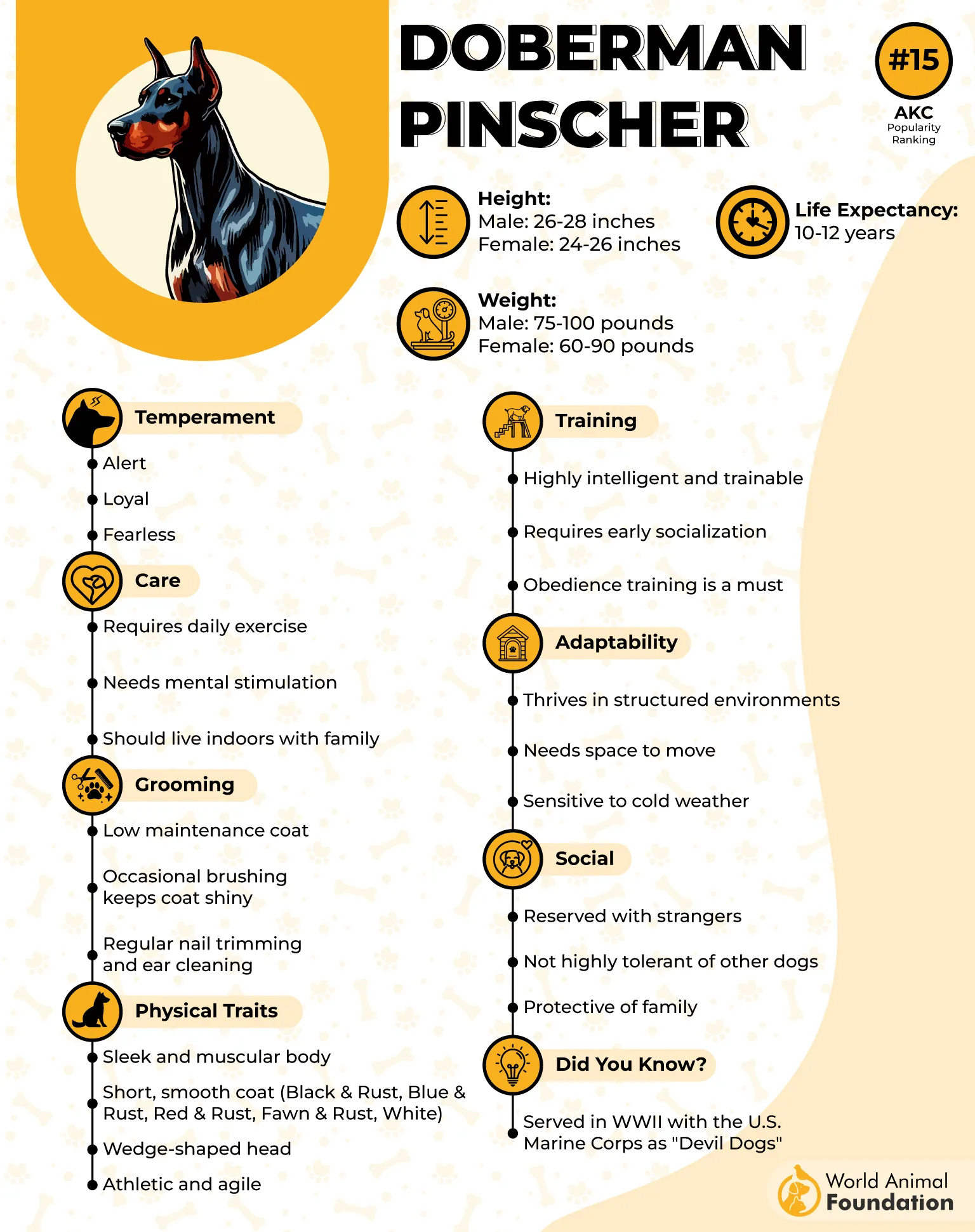
This is an active, hardworking breed that does best with regular exercise and daily outlets for energy. Grooming is refreshingly simple thanks to their short, smooth coat. Routine veterinary care matters too, since Dobermans can face inherited health issues, including heart disease and bloat.
Fun Fact
The breed was developed in Germany by Karl Friedrich Louis Dobermann, who wanted a medium-sized companion and guard dog. He also ran the local dog pound, which gave him access to many dogs for his breeding program.
Conclusion
The strongest dog breeds stand out in the canine world for physical strength and endurance, but what owners remember most is the canine companionship. Many were originally bred for demanding tasks, and they tend to thrive with obedience training, positive reinforcement, and enough physical activity to match their high energy.
For dog lovers and families seeking ideal companions, the best match is usually about lifestyle: active individuals often do best with powerful dogs that have boundless energy, plus a calm demeanor at home and strong bonds with their cherished family members.
Other breeds that you can explore, such as Australian Cattle Dogs, Border Collies, Caucasian Shepherd Dog, Jack Russell Terrier, and Australian Shepherd, also bring exceptional intelligence and unwavering loyalty to active lifestyle homes.
