




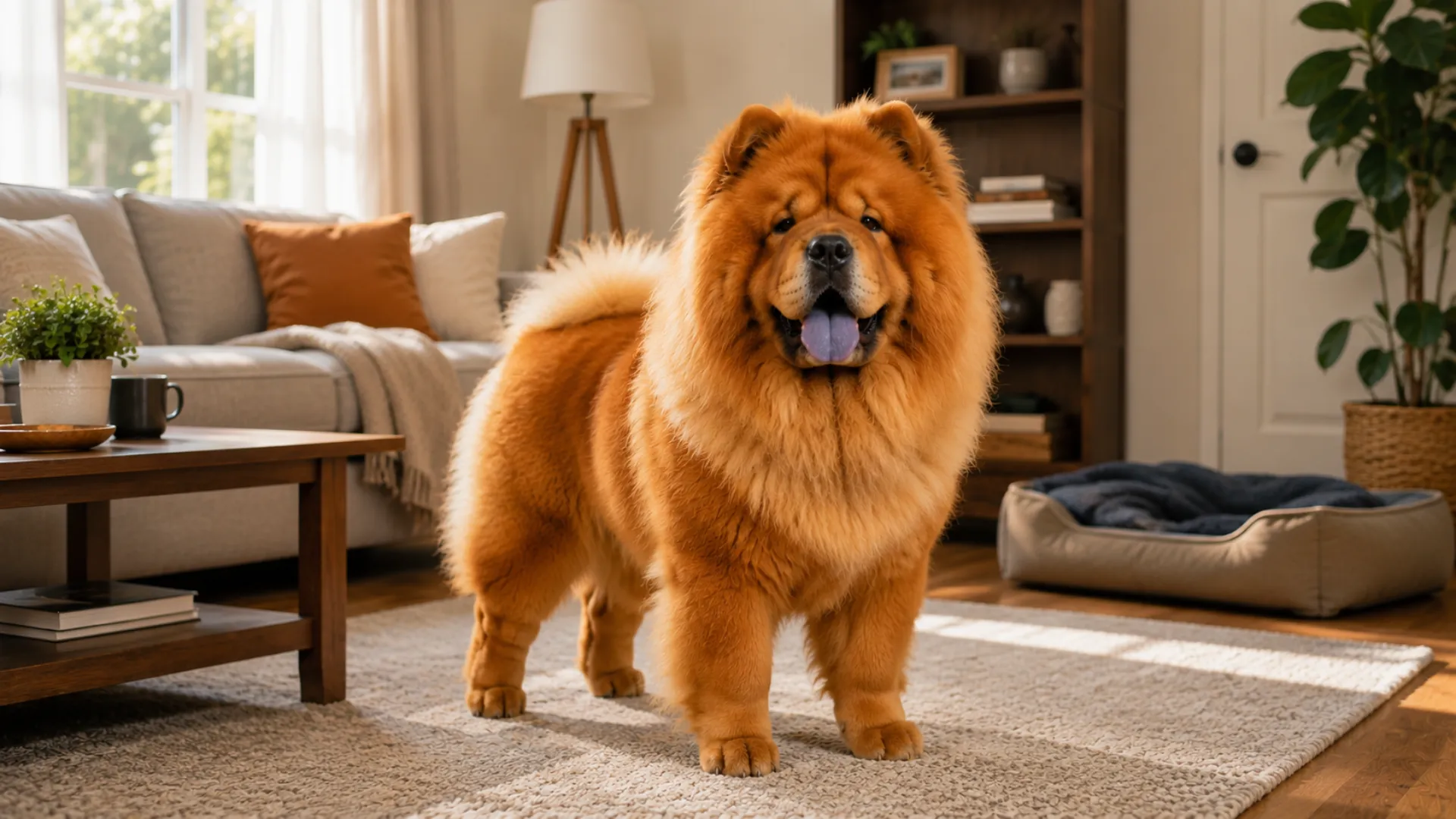
Think owning a dog is impossible because you’re away for most of the day? You might be surprised to learn that some breeds handle alone time far better than others. While every dog craves companionship, certain breeds are naturally calmer, more self-reliant, and less likely to get stressed when left in a safe, enriching environment for reasonable stretches of time. That makes them a great fit for professionals, students, and families with busy, structured routines.
Choosing one of these breeds isn’t about finding a pet you can ignore; it’s about picking a companion whose temperament actually matches your lifestyle. With regular physical activity, engaging toys, and plenty of attention once you’re home, these dogs can absolutely thrive even with a packed schedule.
Read on to explore the breeds that balance independence with loyalty, making them dependable companions for owners who simply can’t be home all day.
Reliable Dog Breeds You Can Leave at Home All Day
1. Basenji
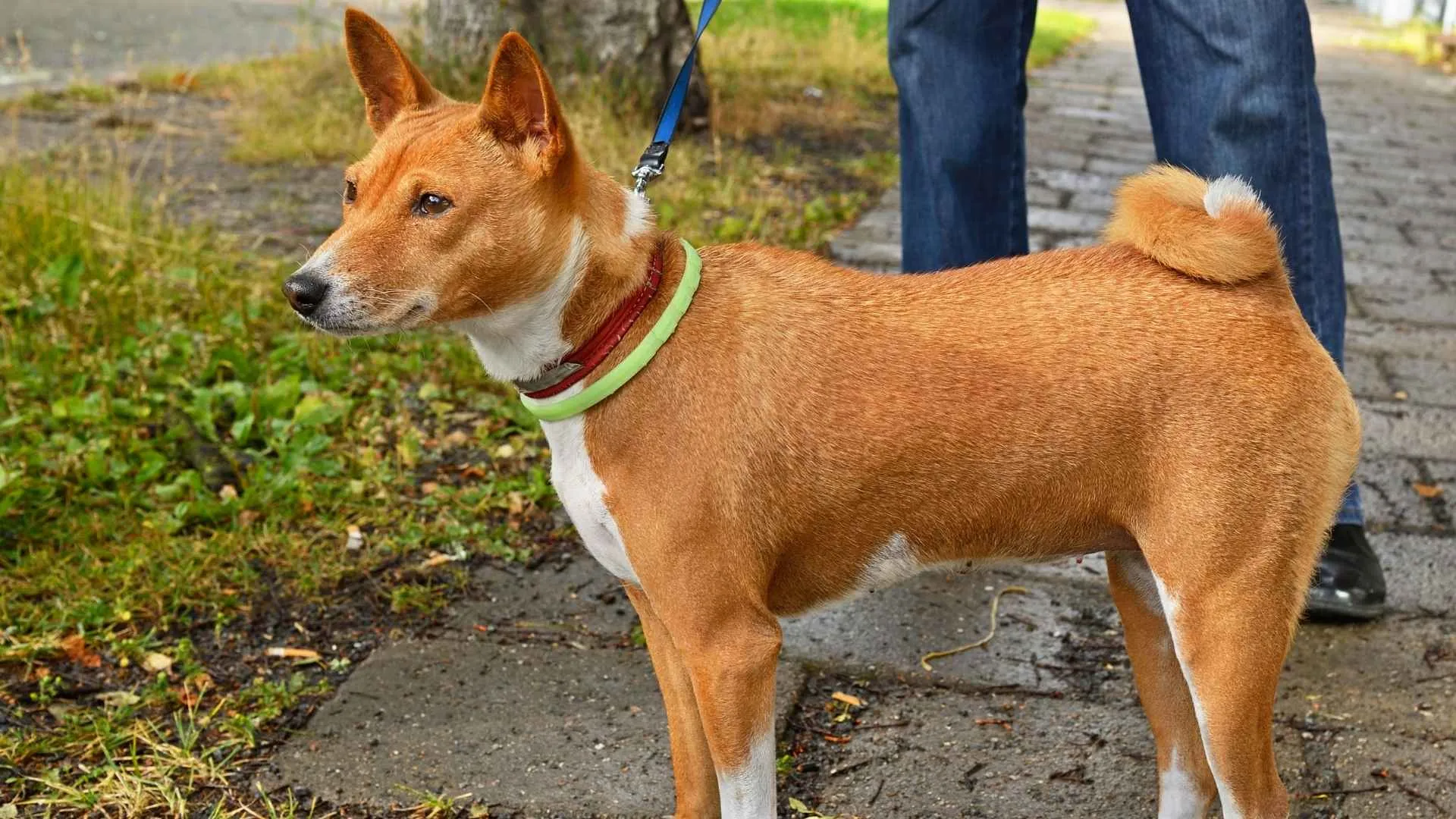
Hailing from Central Africa, the Basenji was originally bred as a hunting companion, helping owners drive game. They’re often called the “barkless dog” thanks to a unique larynx that keeps them from barking the way most breeds do. Being naturally independent, Basenjis are quite comfortable spending hours alone and can be left to their own devices while you’re out.
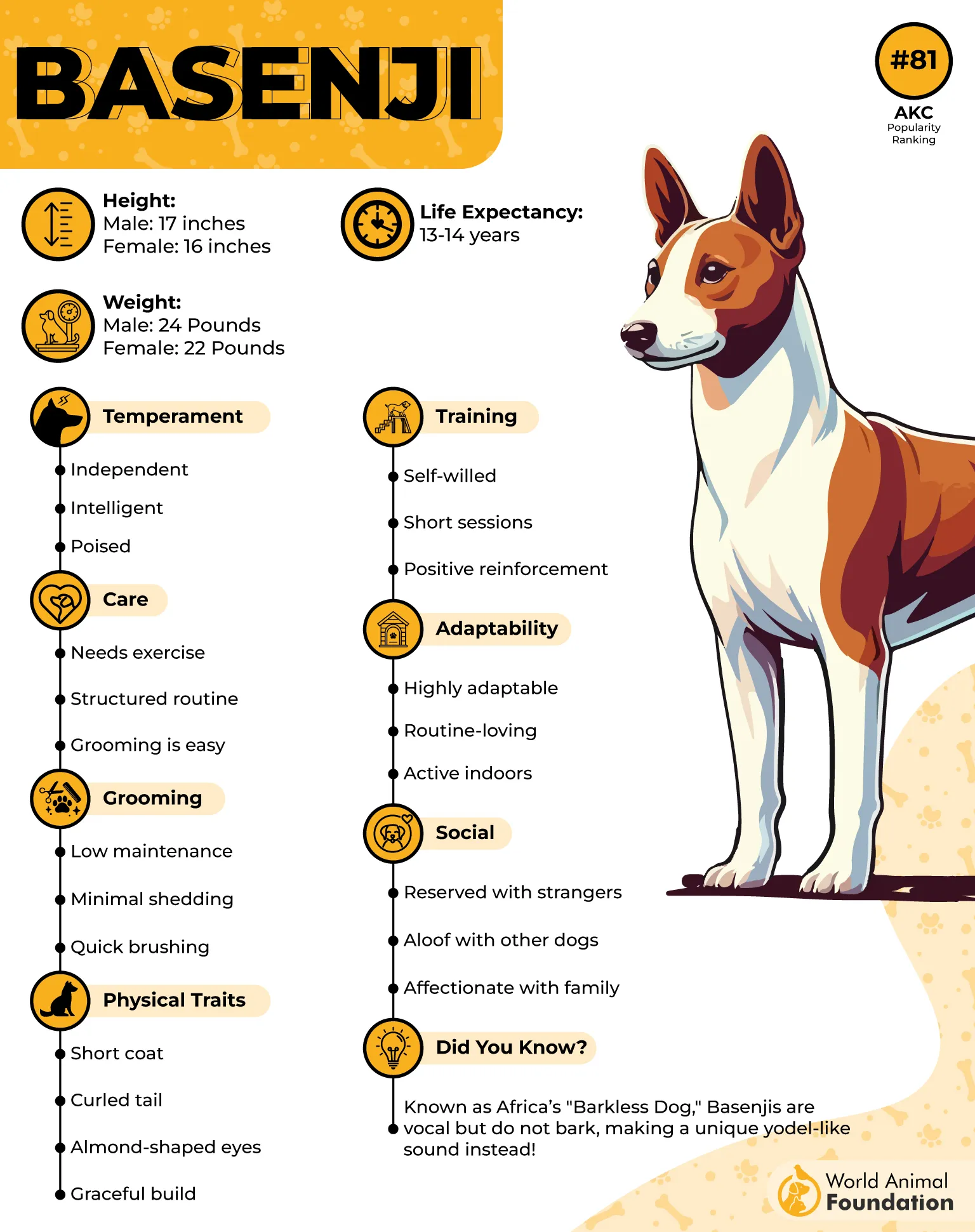
Their almost cat-like independence also shows up in how they groom themselves and stay a bit wary around strangers. That strong-willed streak can be managed with consistent, upbeat training, though it does mean this breed isn’t the best fit for first-time owners.
Thanks to their high energy levels, Basenjis need plenty of daily exercise and mental stimulation. When raised alongside kids, cats, or other dogs, they tend to get along with everyone just fine. And despite their independent streak, Basenjis actually do well in apartments too, given their small size and naturally tidy habits.
2. Chow Chow
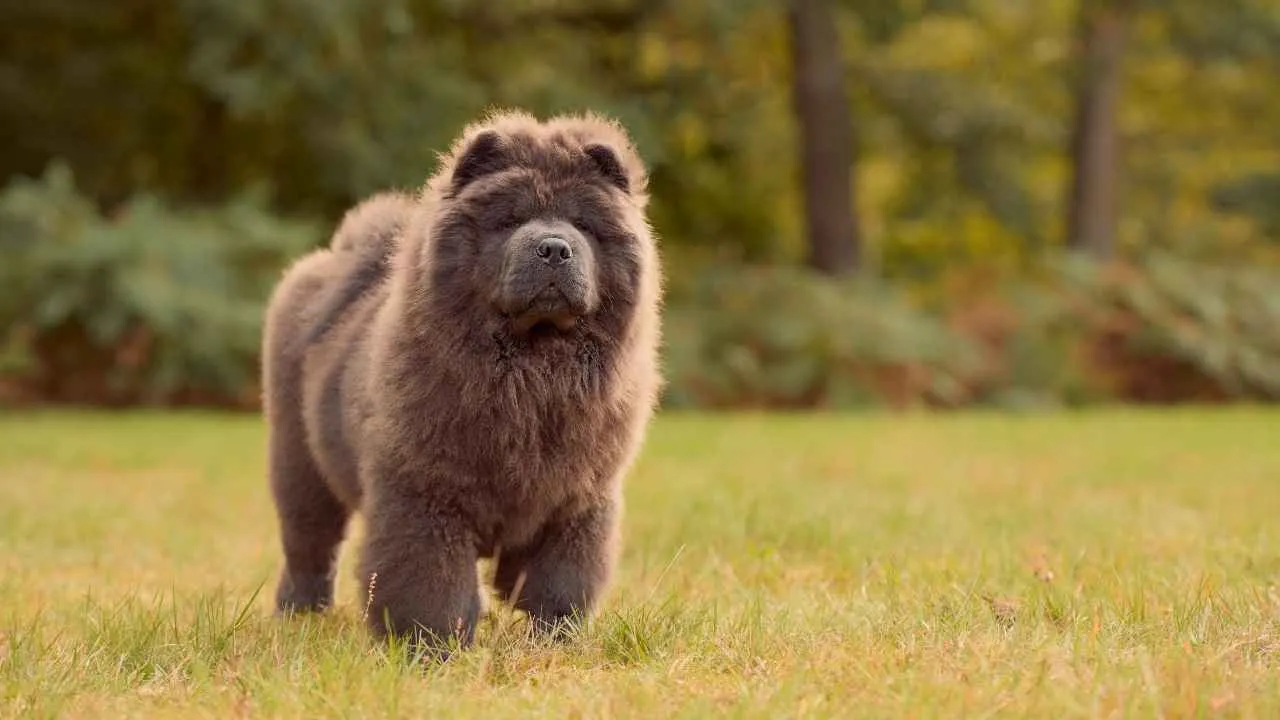
Originally bred in China, the Chow Chow is an all-purpose working dog of medium size, known for its muscular build, almond-shaped eyes, and that famous blue-black tongue. They carry themselves with a calm, self-contained attitude, which is exactly why they rank among the more independent dog breeds.
Chow Chows tend to prefer quiet living environments and usually bond most closely with just one person in the family, making them wonderful, loyal companions overall. Historically used as guard dogs, they still carry that protective streak and alert disposition to this day.
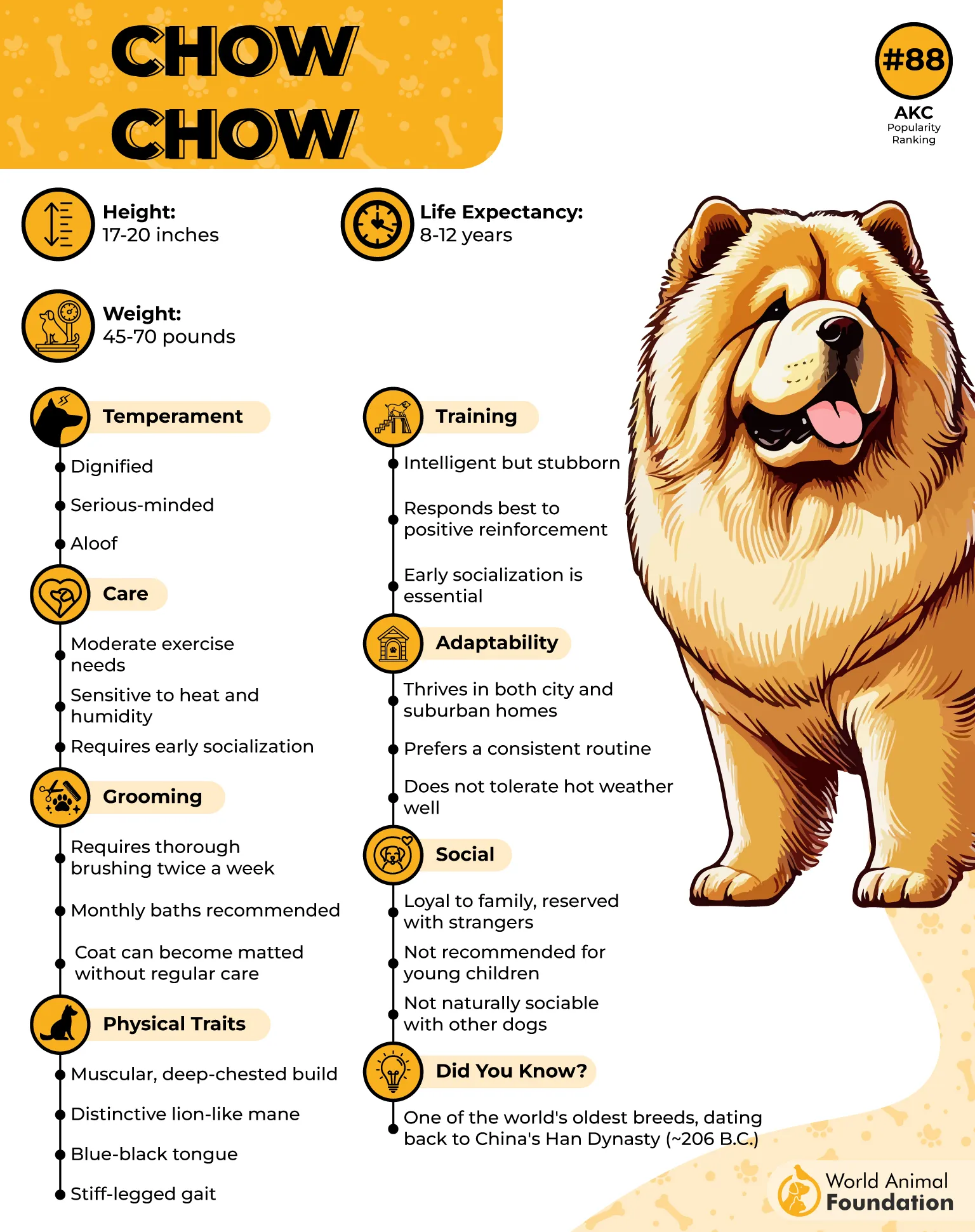
Not big fans of socializing, Chow Chows are perfectly happy with their own solo time. That makes them a solid choice for busy owners who are away for long stretches, since they can handle being home alone without much fuss and likely won’t even notice you’re gone as much as other breeds would. Exercise needs are moderate, too; just some short daily walks will do the trick.
3. Chinese Shar Pei
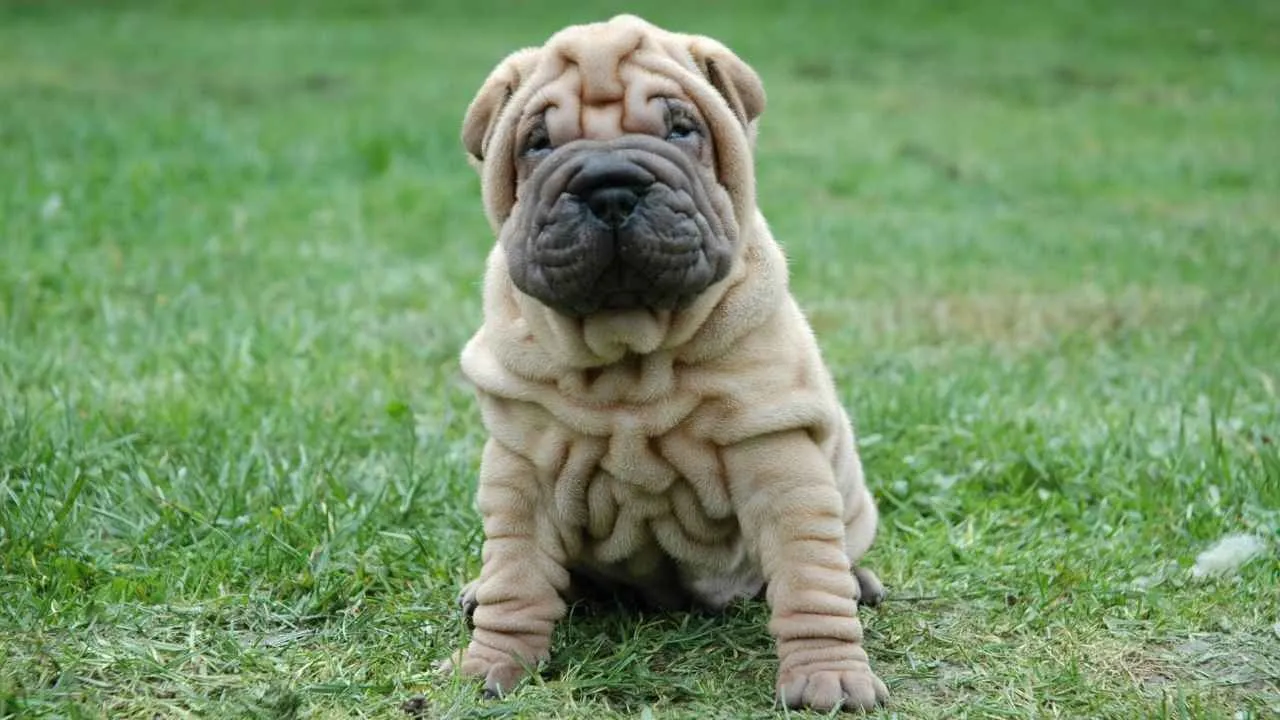
Known for not being an overly affectionate breed, the Chinese Shar-Pei is independent and calm, tending to stay reserved around strangers. Training can be a bit of a challenge, too, as this breed often shows a stubborn streak.
Historically, Shar-Peis were working dogs used for hunting, guarding, and herding in China. These days, they’re considered a great match for busy households, since they’re comfortable with their own space and can handle being left alone for long periods without developing separation anxiety.
Their manageable size and low exercise needs also make them a good fit for apartment living, though regular physical and mental stimulation still goes a long way in keeping destructive behaviors at bay. Shar-Peis are deeply devoted to their families and often make excellent watchdogs, even without any formal training.
4. Shiba Inu
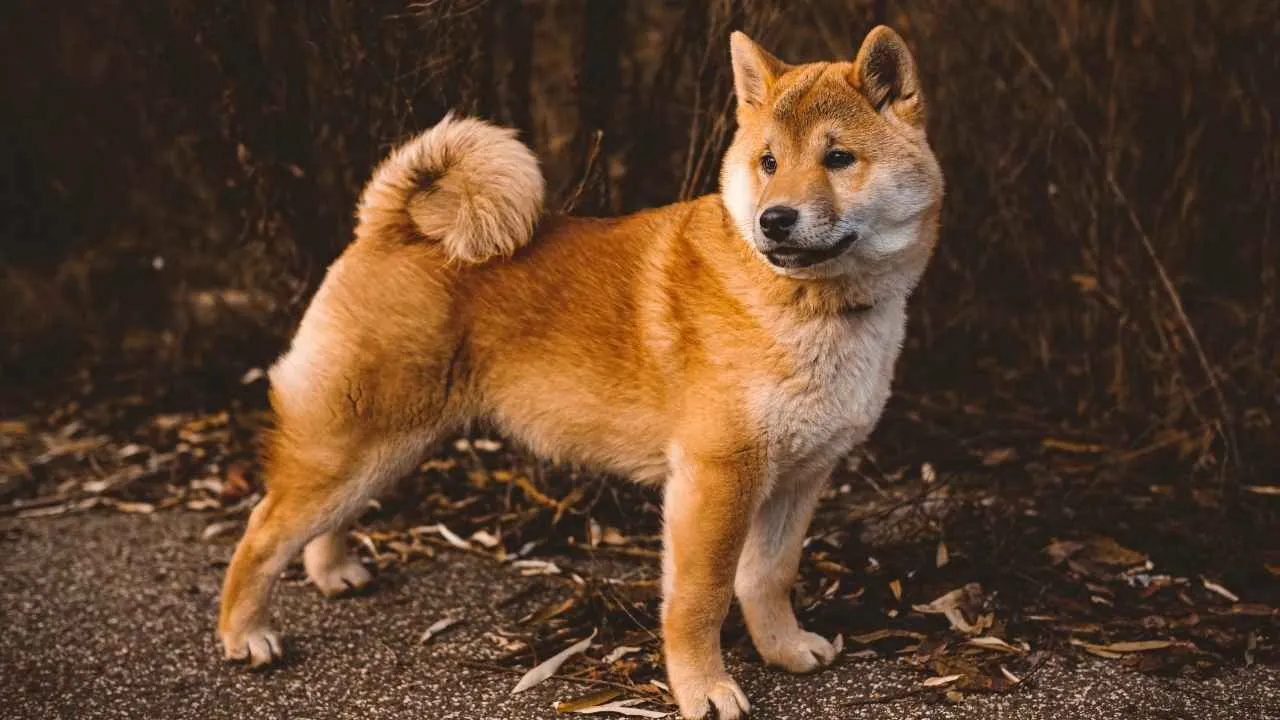
The Shiba Inu is anything but your typical dog. Depending on their age and any underlying health conditions, these dogs can handle alone time fairly well; puppies can usually manage 2-3 hours, while adults are often comfortable on their own for up to 8 hours. Originally, the breed was developed for hunting in the mountainous regions of Japan.
If you’re someone who’s away from home for long stretches, just make sure their exercise needs are met before you head out, and leave them with some toys or treats to stay mentally engaged. Without regular exercise, Shiba Inus can start developing behaviors you probably won’t love.
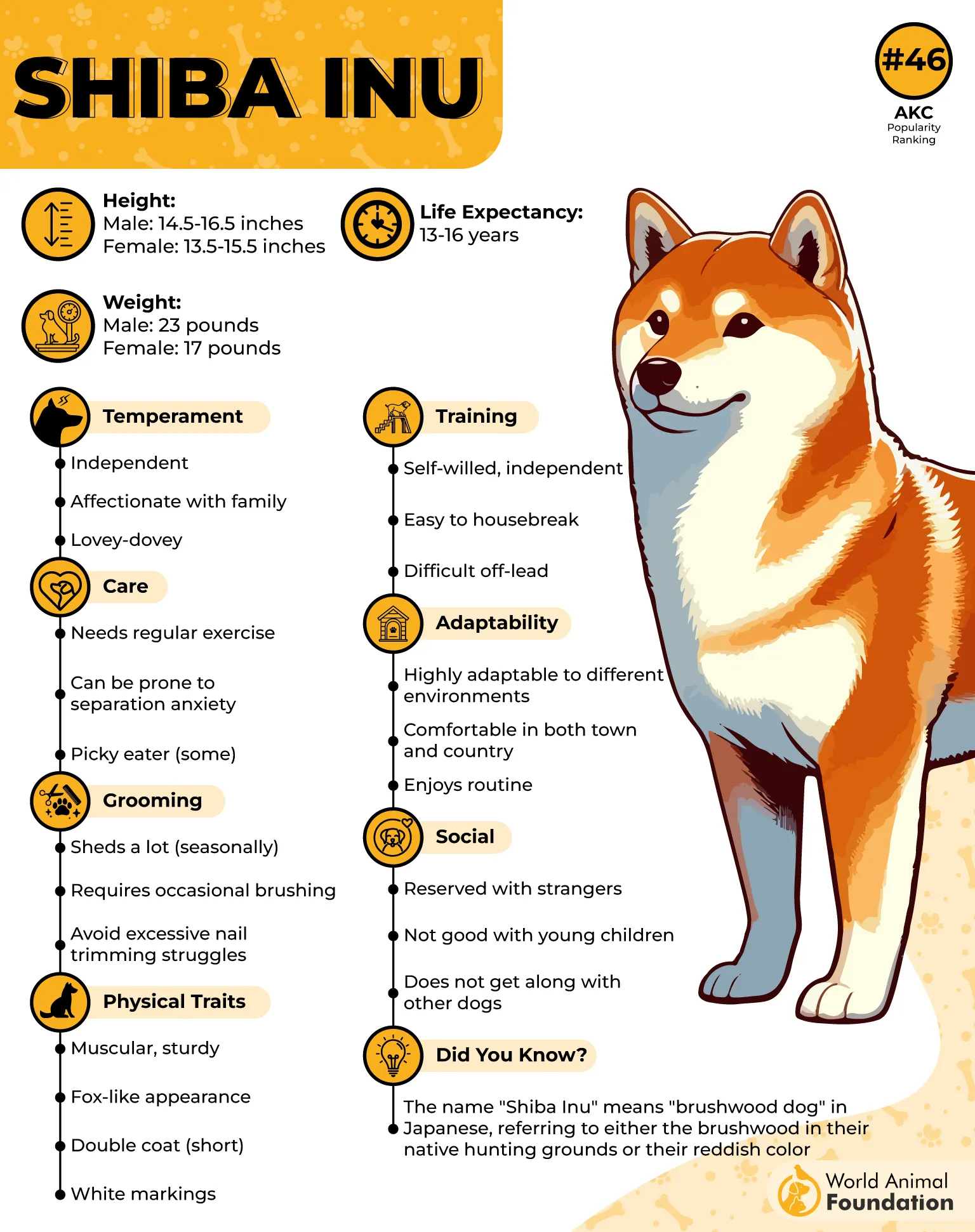
They’re intelligent, loyal dogs that bond closely with their families and show affection in their own quiet way. That said, training does require plenty of patience and consistency, which is why it’s not usually recommended for first-time dog owners.
Shiba Inus are generally quiet dogs, but don’t be surprised if they let out a bark or two when something catches their attention.
5. Greyhound
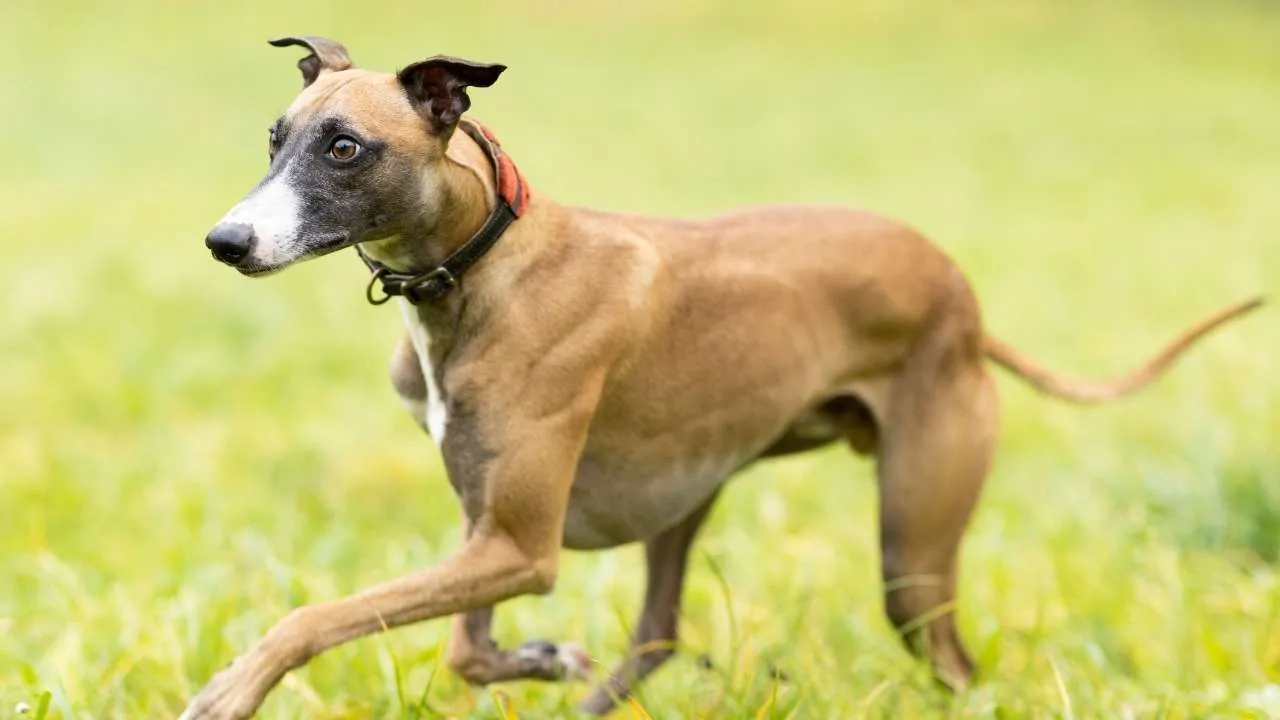
The fastest dog breed on the planet, Greyhounds can hit speeds of up to 45 miles per hour, yet surprisingly, they’re mostly content being total couch potatoes. They genuinely love their sleep and lounging time and can handle being alone for several hours, just make sure to give them some good attention before you head out the door.
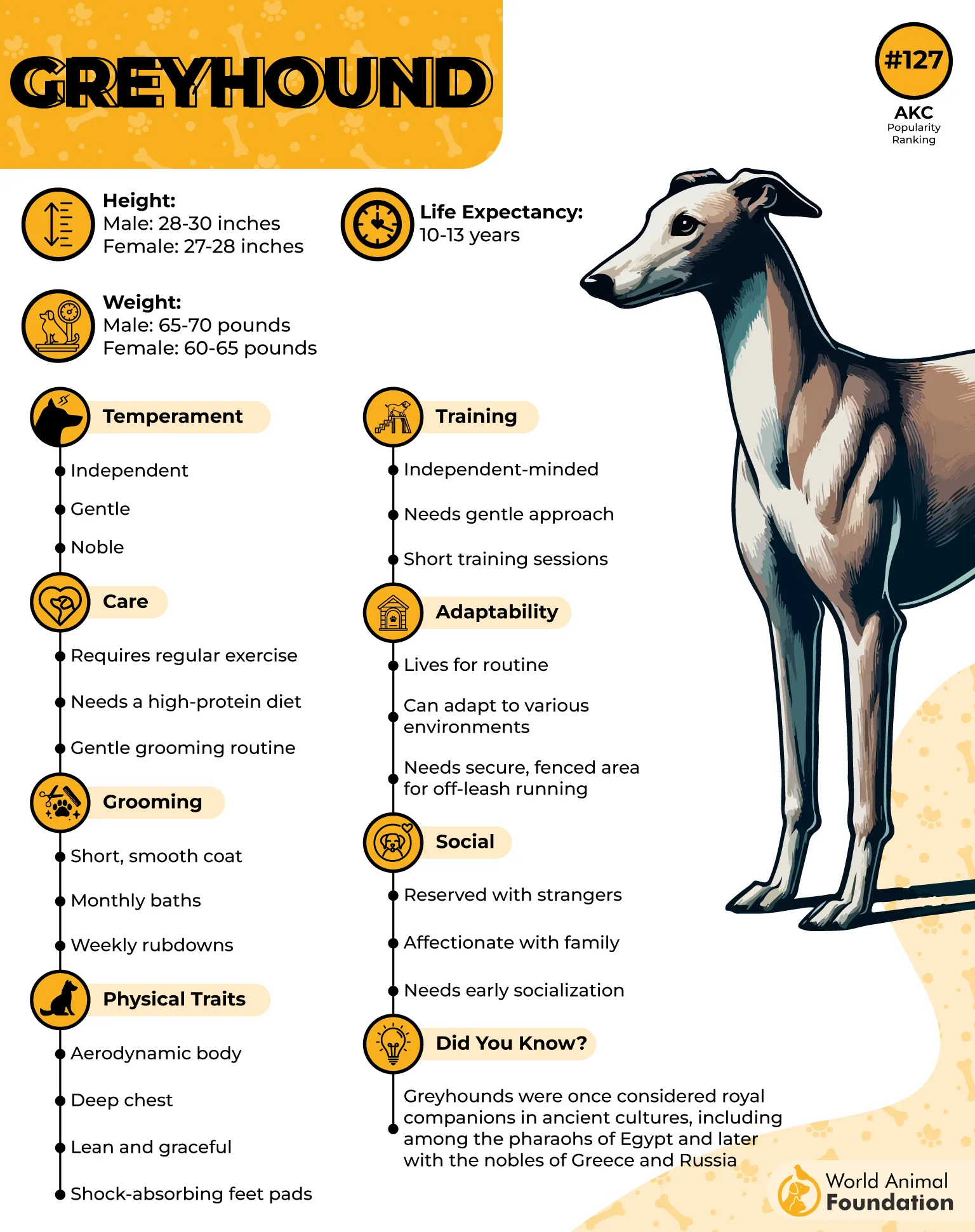
Greyhounds are affectionate dogs that form deep bonds with their families. It’s best for owners to skip the overly emotional goodbyes, since that can actually trigger anxiety in them, especially in puppies. These natural-born sprinters do have bursts of high energy, but the good news is that it can usually be worked off with just a few minutes of solid running.
Being a large breed, Greyhounds need a securely fenced area to really stretch their legs; otherwise, they’re just as happy relaxing on the sofa, as Purina points out. With proper socialization and training, they tend to get along well with kids, though interactions with small children should still be supervised given their size.
6. Afghan Hound
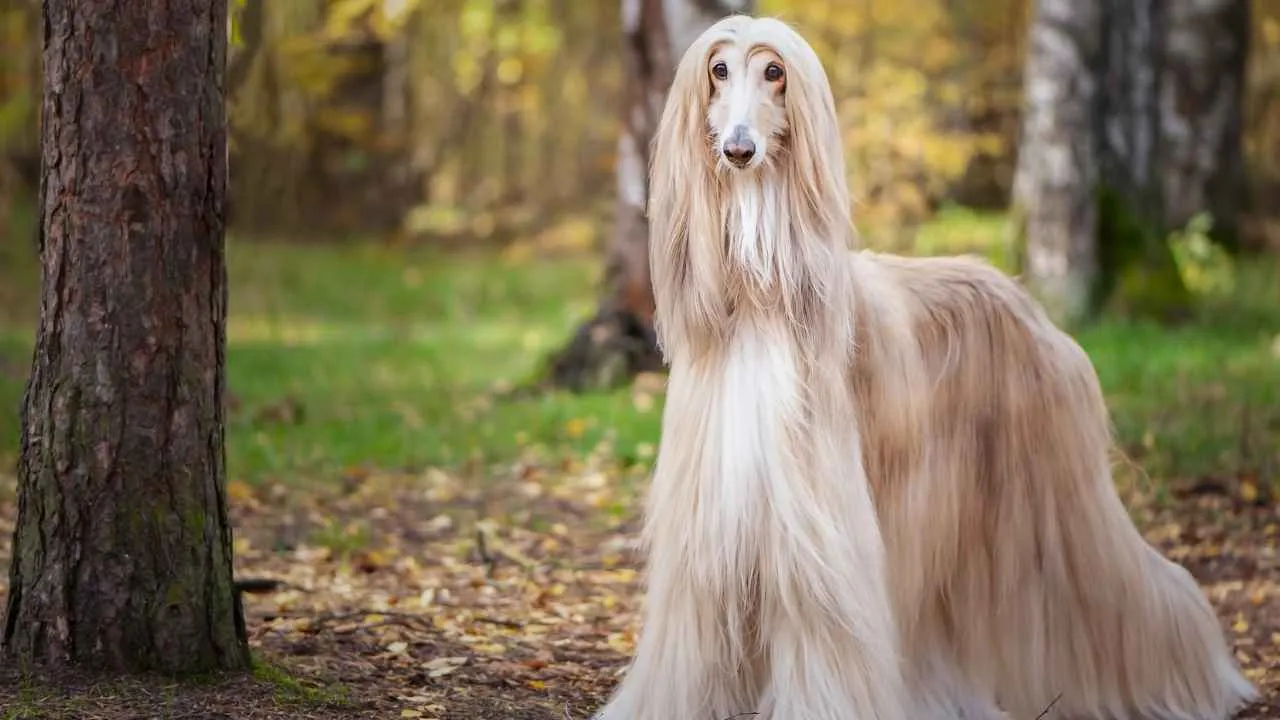
Nicknamed “Affies,” Afghan Hounds are instantly recognizable thanks to their long, silky coats, easily earning them a spot among the most beautiful dog breeds out there. That graceful appearance is matched by an equally strong, independent personality.
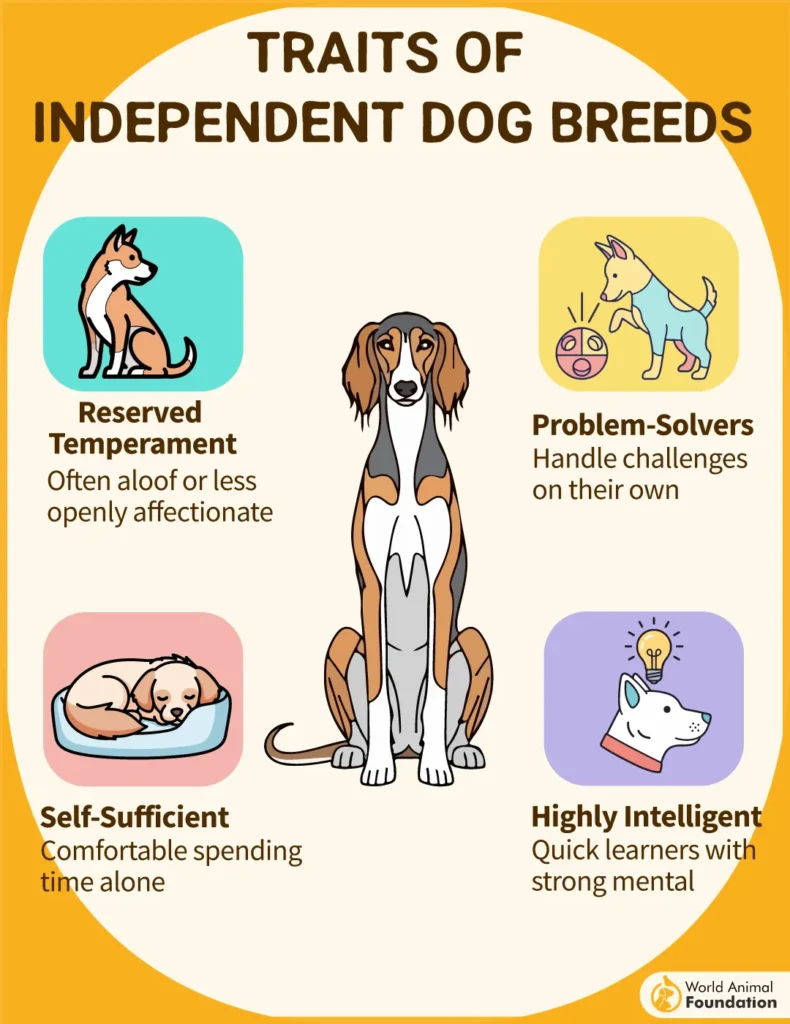
Afghan Hounds tend to be aloof around strangers, though interestingly, they don’t really have much of a guarding instinct when it comes to protecting their owners, according to Orvis. As long as their exercise and mental stimulation needs are met daily, they can be left alone, just not for overly long stretches.
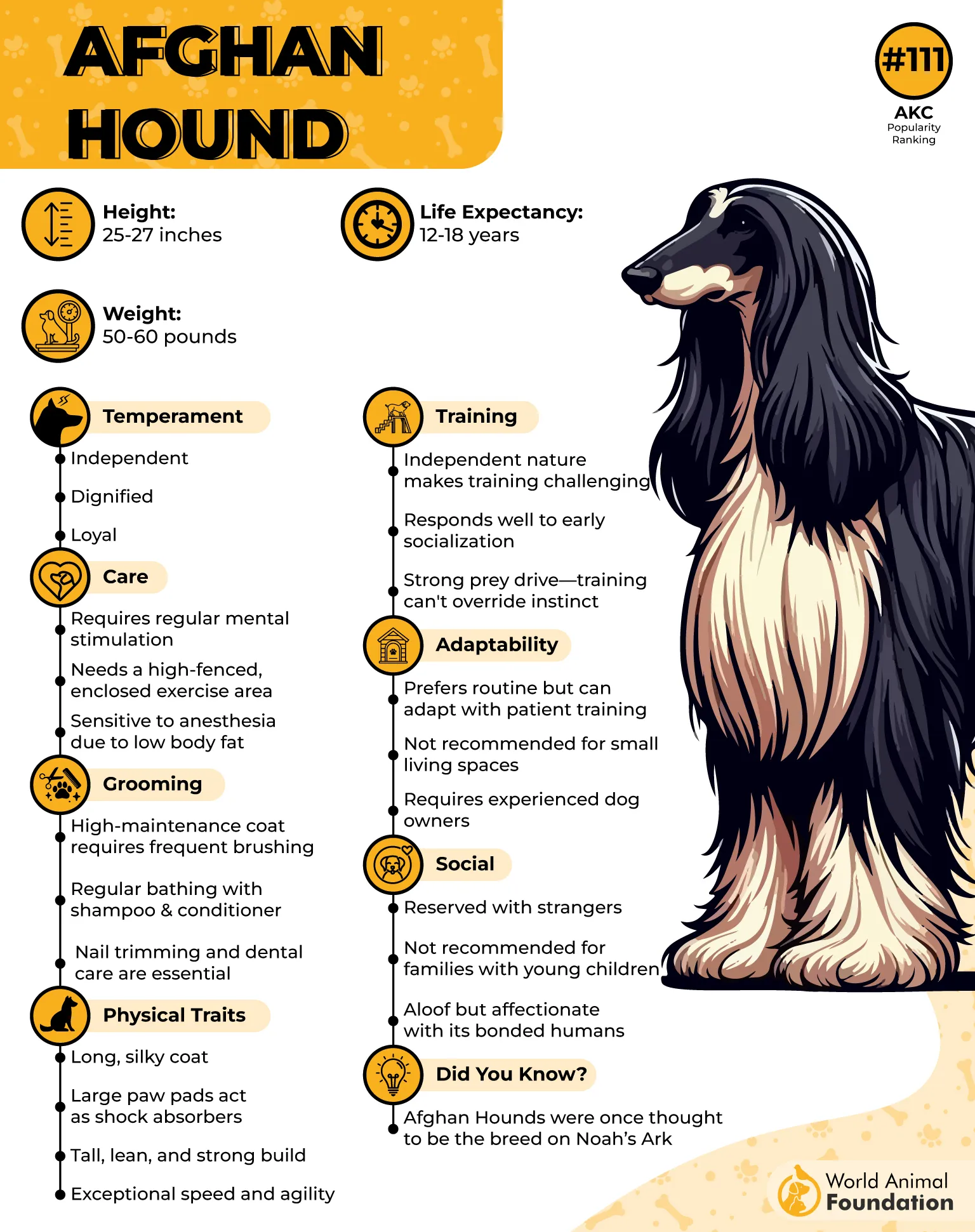
Because of their strong prey drive, Afghan Hounds aren’t the best match for homes with small furry pets like rabbits or cats. Crate training is especially important if started early as puppies, as it helps keep them safe and settled when left alone. Generally speaking, these dogs can handle around 4 to 6 hours of alone time.
7. Akita
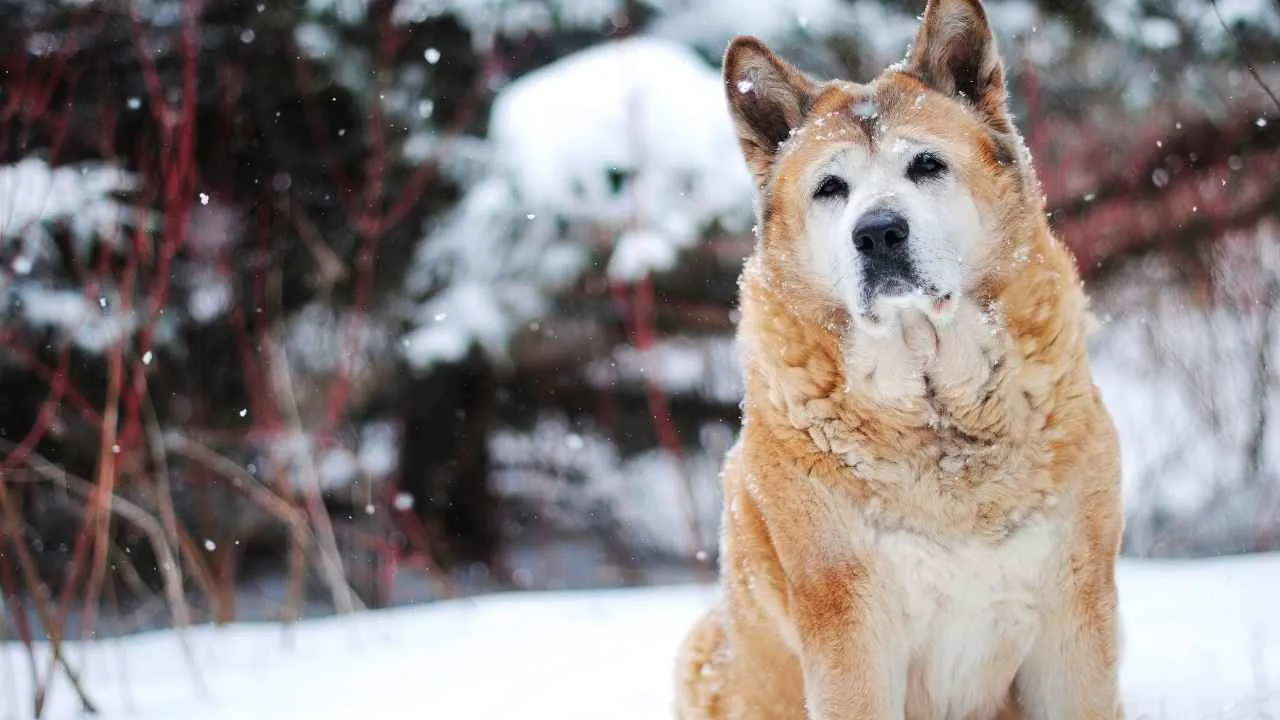
Strong and powerful, Akitas can typically manage up to 8 hours alone once they hit around 12 months of age. That said, they can turn destructive if left without enough mental stimulation for long stretches, which is really just a reflection of how closely bonded they are to their families.
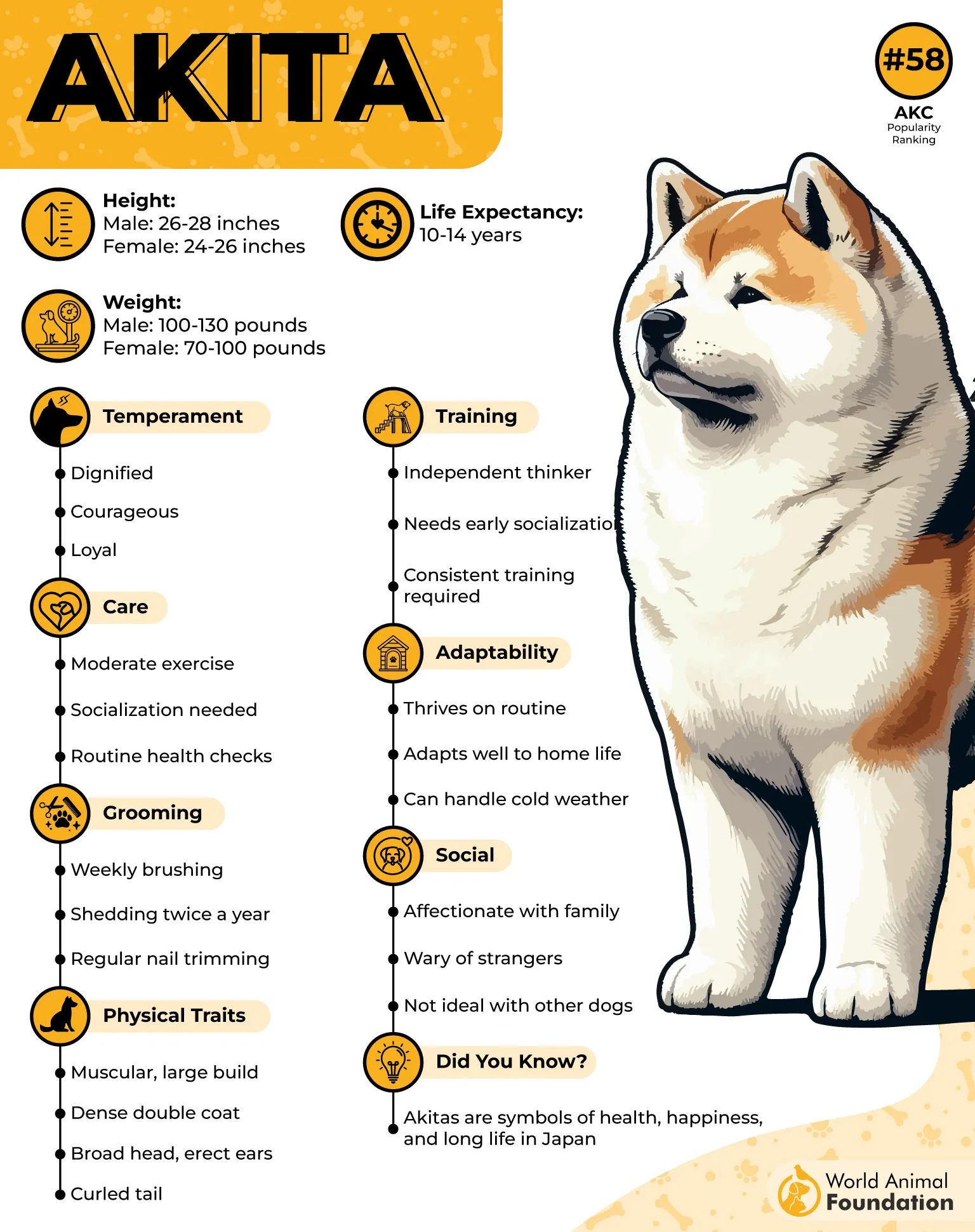
Akitas tend to suit experienced dog owners best, ones who appreciate a bit of independence paired with an occasionally goofy personality. They’re sometimes even called the “cats of the dog world,” since they share quite a few feline-like traits. With their naturally protective streak, they also make excellent guard dogs.
Despite their generally calm, composed nature, Akitas can accidentally knock small children over just due to their size and strength, so supervision around kids is a must. They can also get a bit aggressive around other dogs and generally don’t do well sharing a home with other pets.
8. Great Pyrenees
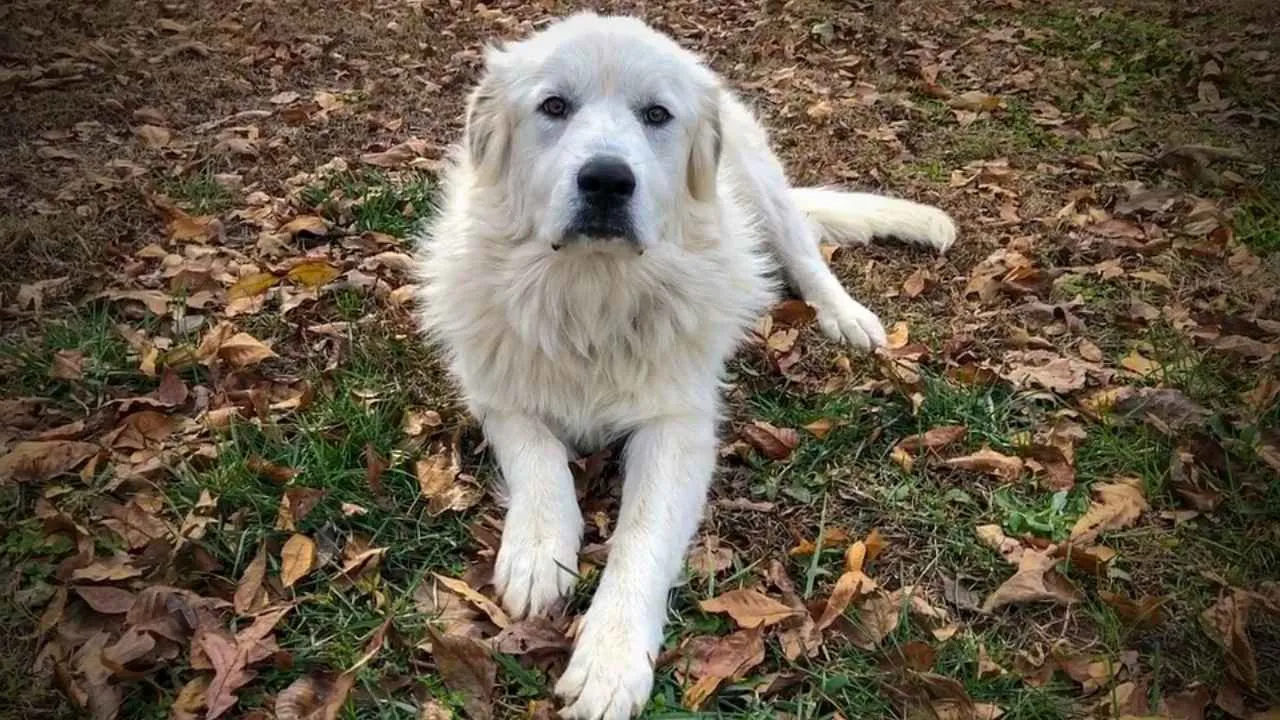
These imposing dogs have a natural, built-in instinct to protect their loved ones, whether that’s family members, small animals, or children. Great Pyrenees don’t demand constant attention and can typically be left home alone for up to 8 hours a day, though it’s still important to give them some physical and mental enrichment.
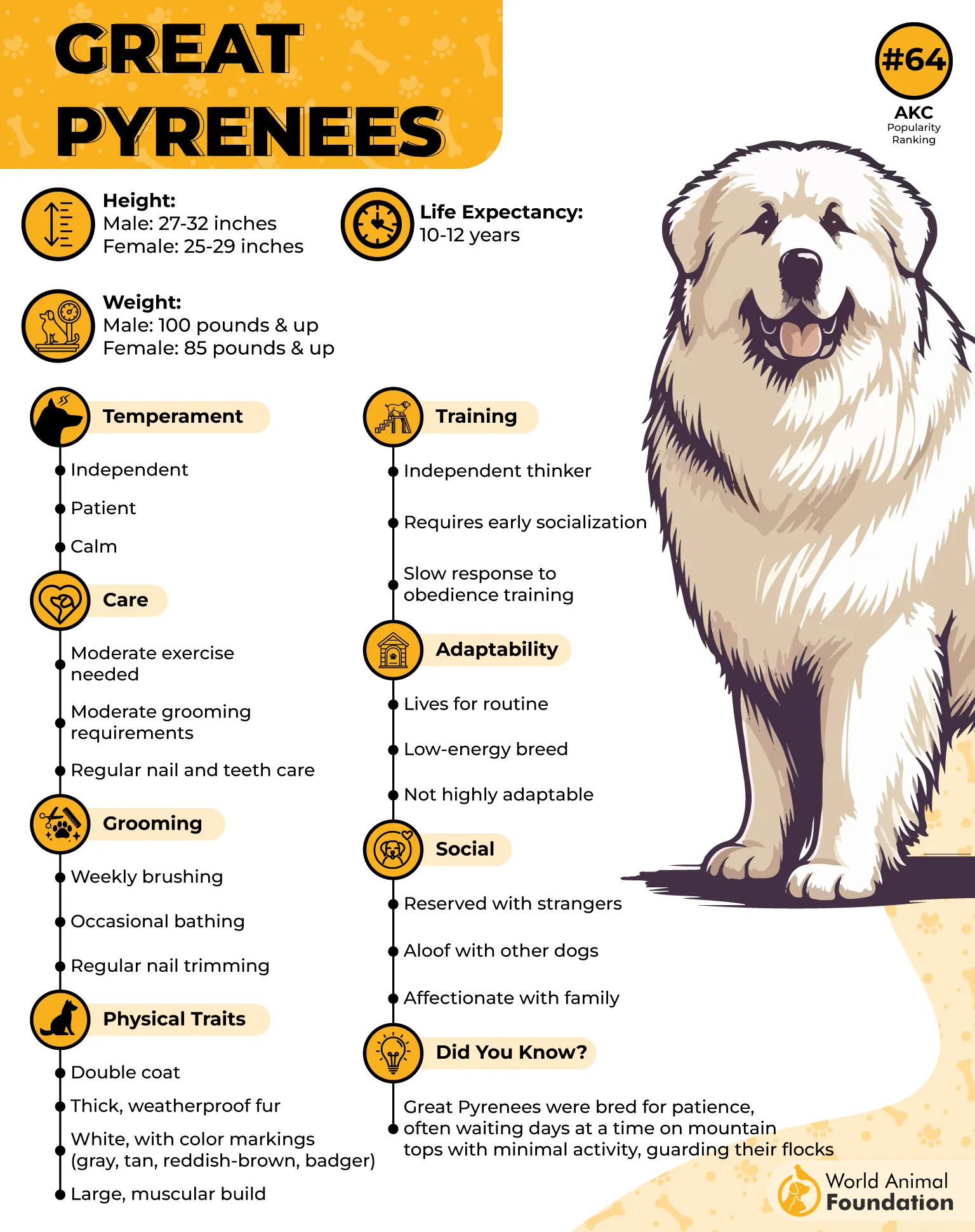
Despite their sheer size, they don’t actually need a ton of movement and are considered a low-energy breed, mostly because they conserve their energy for guarding duty. They also tend to be natural night-watchers, which explains why they’re often happy snoozing the day away.
According to PetMD, Great Pyrenees actually have a slightly longer life expectancy than many other large breeds. With the right breeder and the right environment, their average lifespan usually falls somewhere between 10 and 12 years.
9. Central Asian Shepherd Dog
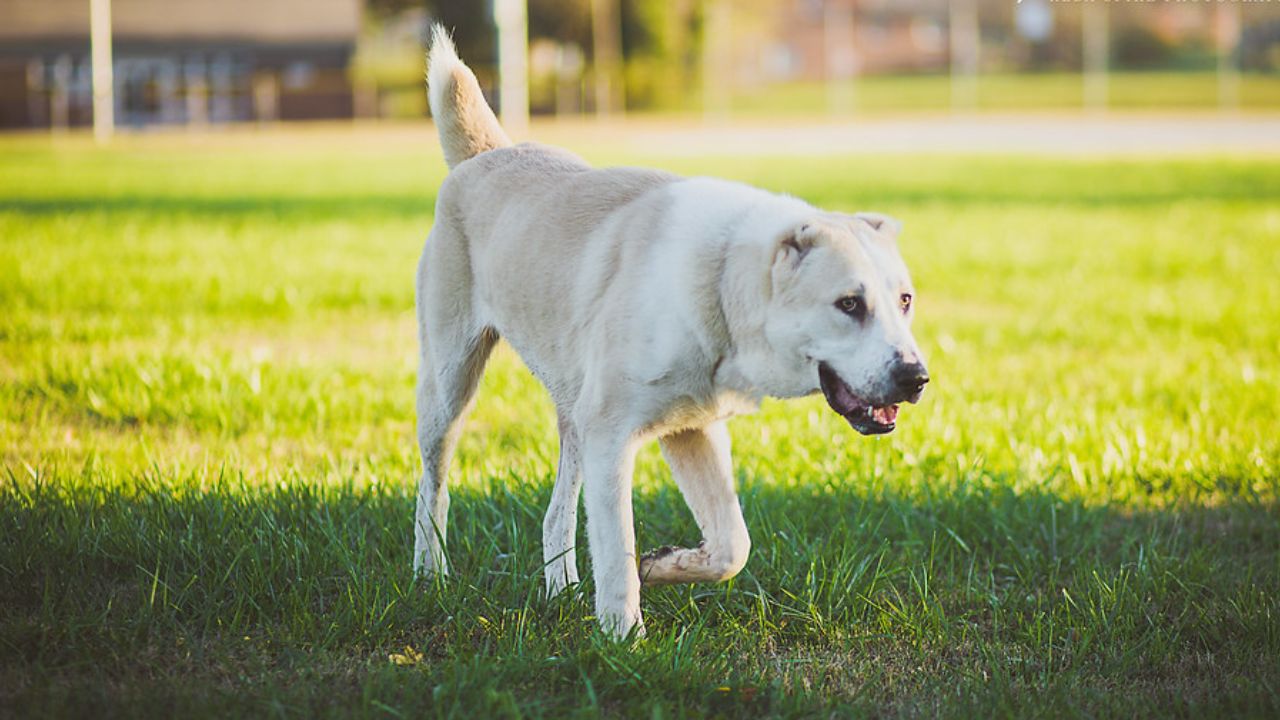
As their imposing build already suggests, Central Asian Shepherd dogs aren’t for everyone. They’re far more in their element herding and guarding livestock than lounging around as a typical family pet, which is why city living usually isn’t the best fit. These dogs are natural independent thinkers and are genuinely comfortable spending time alone.
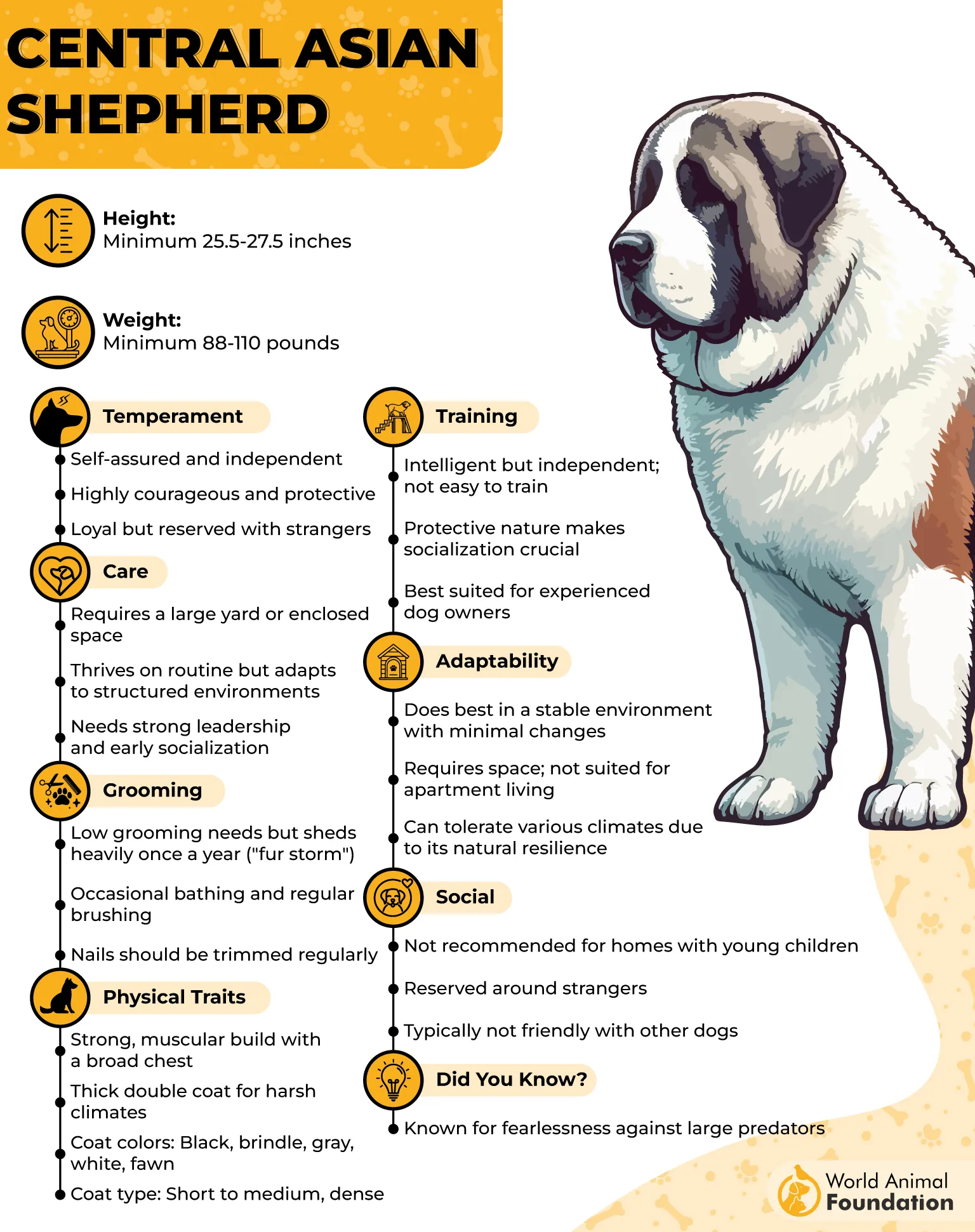
Training a Central Asian Shepherd takes plenty of patience, consistency, and confident leadership. And while they’re generally calm by nature, their wariness around strangers and strong guarding instincts can sometimes tip over into aggression.
They don’t need constant attention, but they can become destructive if left alone for too long. Exercise needs aren’t as intense as you might expect for such a large breed, but daily walks and a securely fenced yard are still essential for keeping them happy and well-adjusted.
10. Tibetan Mastiff
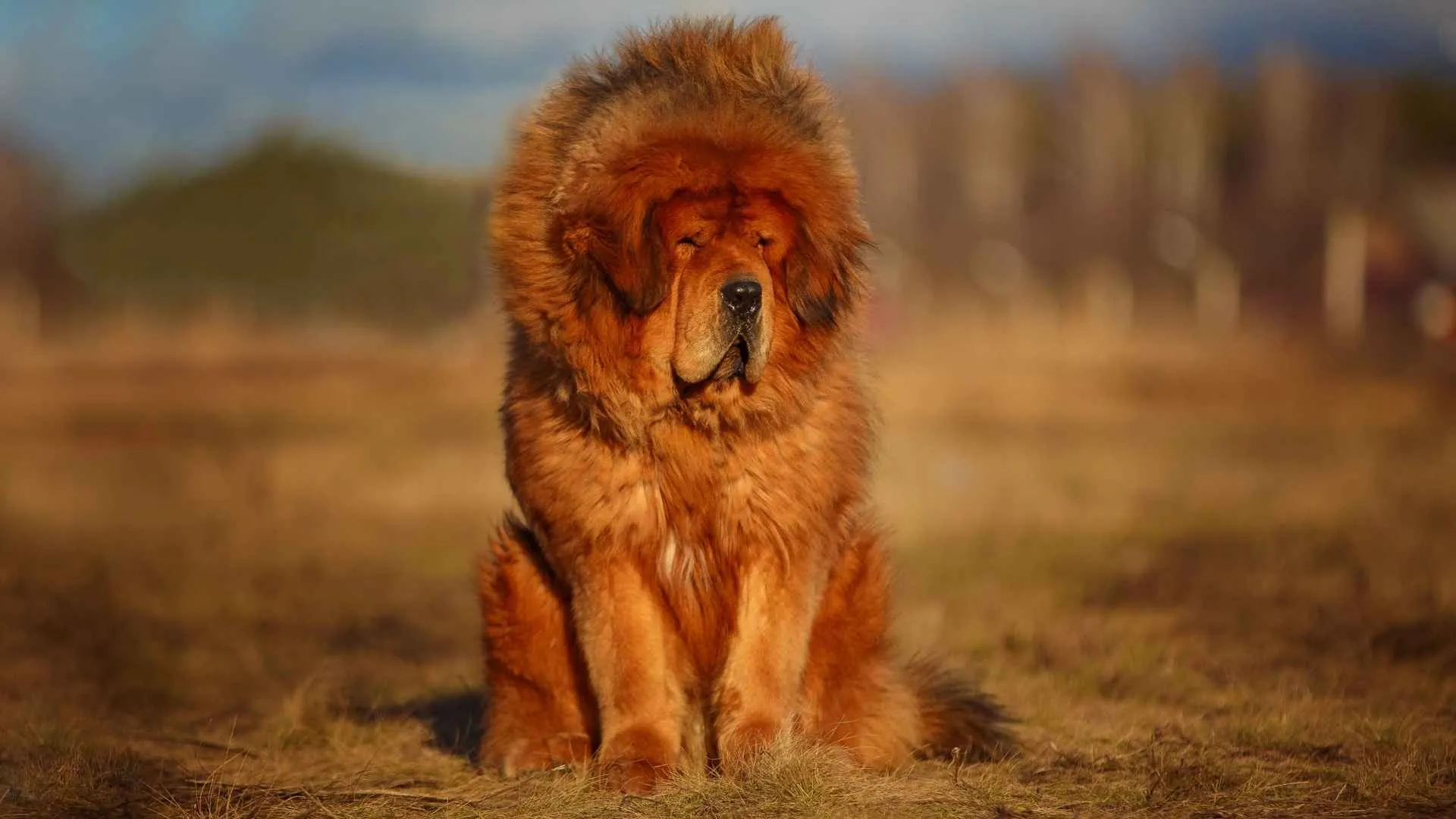
While you’re off at work, these nocturnal guardians can typically tolerate being left alone for around 8 hours. Tibetan Mastiffs are known for their thick, heavy coats, strong protective instincts, and independent nature, often earning them nicknames like ‘gentle giants’ or ‘lion of all dog breeds.’
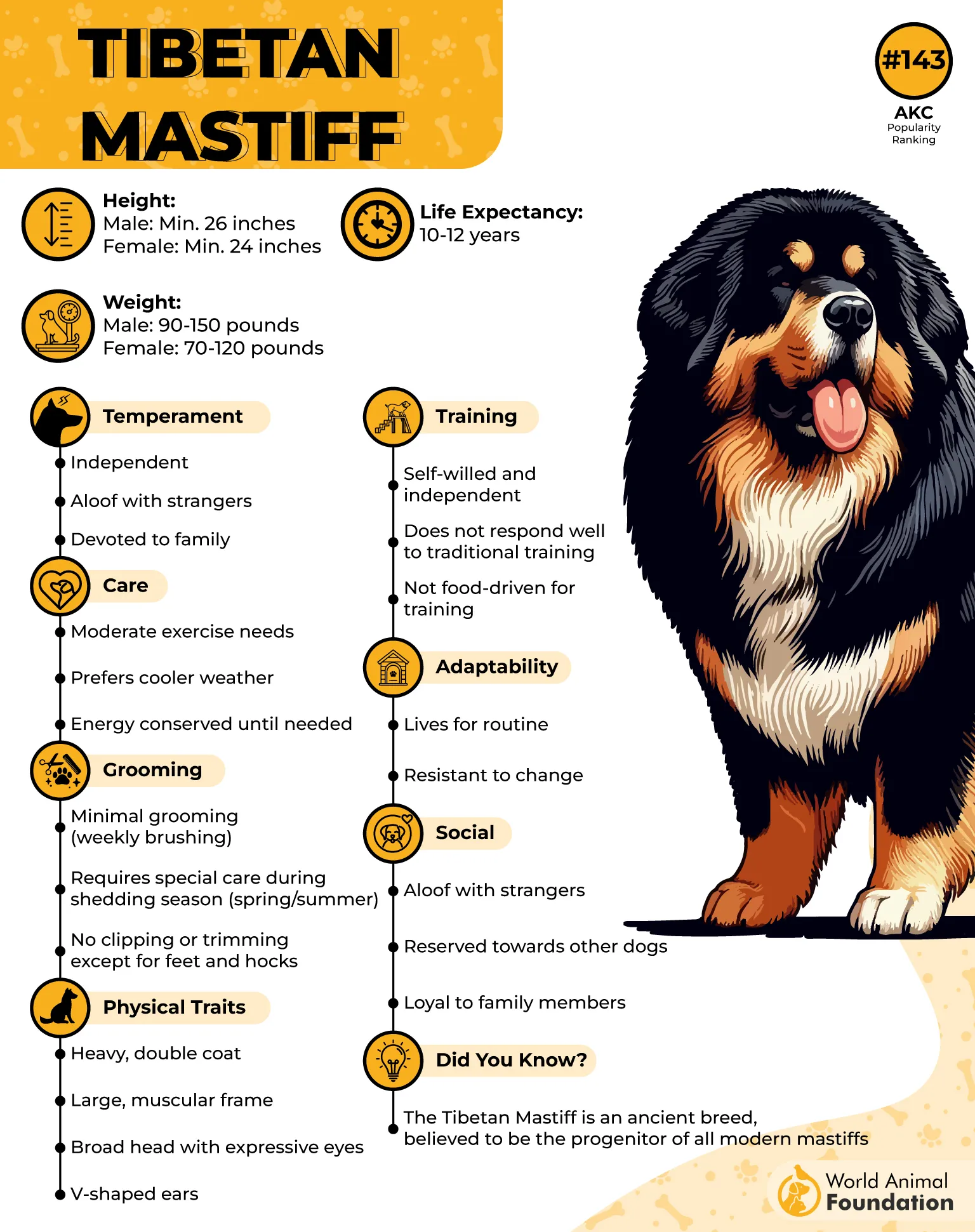
For Tibetan Mastiffs, being alone isn’t really a big deal, but long stretches of it can lead to boredom, and boredom often turns into destructive behavior. Their independent streak can also make training a bit tricky, since they don’t always feel like following every command right away.
That said, Tibetan Mastiffs are calm and genuinely affectionate with their families. They tend to be more active at night, staying watchful outdoors while keeping things quiet indoors. They generally prefer relaxed walks over intense exercise and do best in cooler climates, making them a great fit for laid-back households looking for a devoted, low-fuss companion.
Conclusion
Finding the best dog breed that handles solitude well isn’t really about convenience; it’s about making a responsible match for your lifestyle. The breeds highlighted above are generally more comfortable spending longer stretches on their own, as long as their physical and emotional needs are consistently met.
Interactive toys, regular walks, and predictable routines can make a real difference in keeping boredom at bay.
