




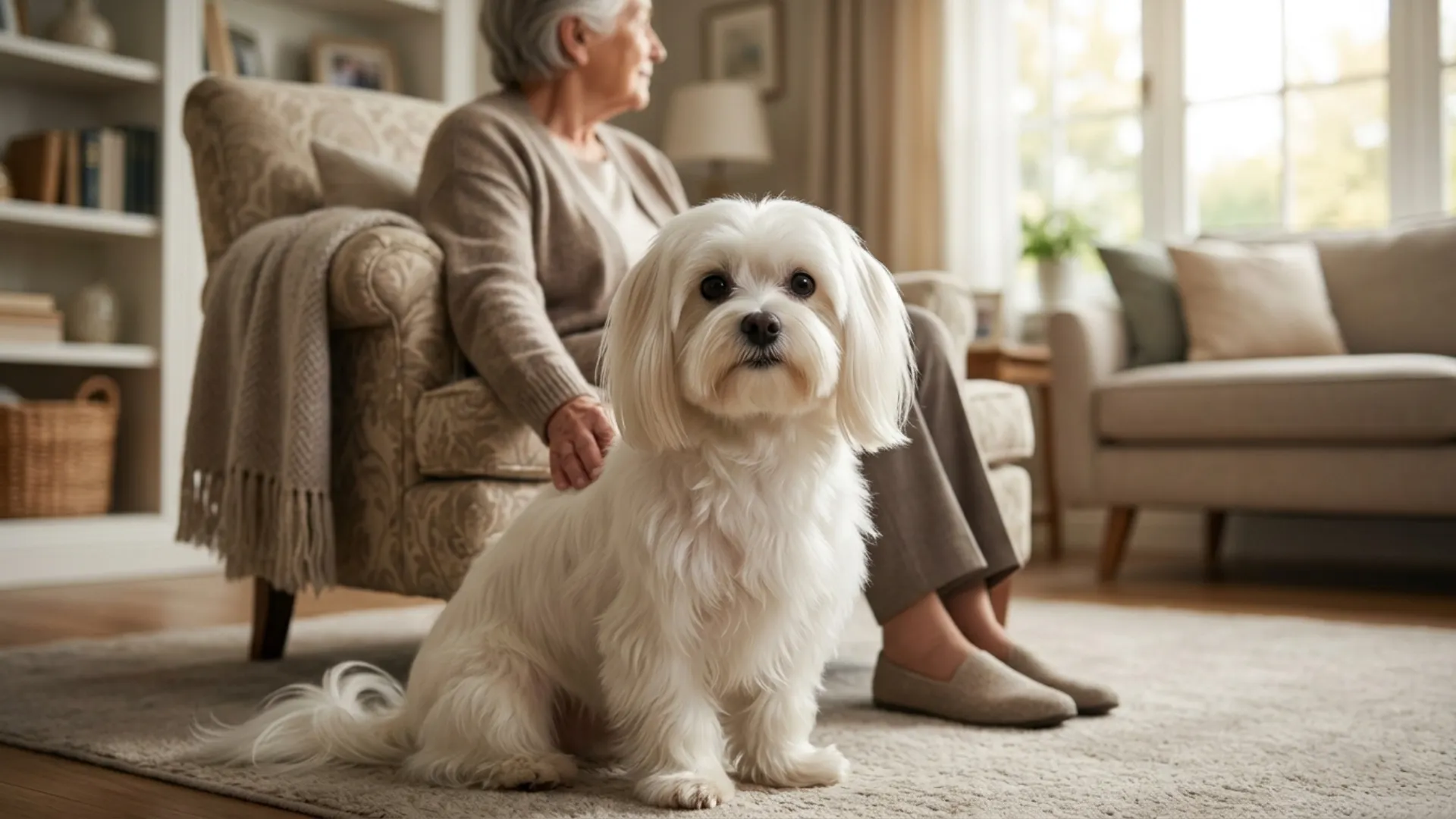
A dog can bring more to a senior household than affection and companionship. The simple routines of feeding, walking, playing, and caring for a pet can add movement, purpose, social interaction, and emotional comfort to everyday life.
For older adults, that companionship may also help ease loneliness and encourage a more active routine. Dogs can naturally create opportunities to connect with neighbors and other people, while their presence can offer a reassuring sense of comfort at home.
Some specially trained service dogs can even assist older adults with mobility, medical needs, or greater independence, although these dogs are different from ordinary pets. Still, not every senior family has the same needs, energy levels, or lifestyle.
That makes temperament, size, activity requirements, and individual care needs important considerations. The following seven reliable dog breeds offer qualities that may make them suitable companions for senior families seeking affection, companionship, and a watchful presence.
Key Takeaways
The right dog can provide senior families with loyal companionship and a reassuring presence.
Temperament is just as important as breed when selecting a dog for older households.
Smaller breeds can be practical for seniors because they are generally easier to manage physically.
Alert breeds can help make families aware of unfamiliar people or activity around the home.
Dogs with moderate exercise needs may fit more comfortably into a senior family’s daily routine.
Reliable Dog Breeds to Watch Over Senior Families
1. Havanese
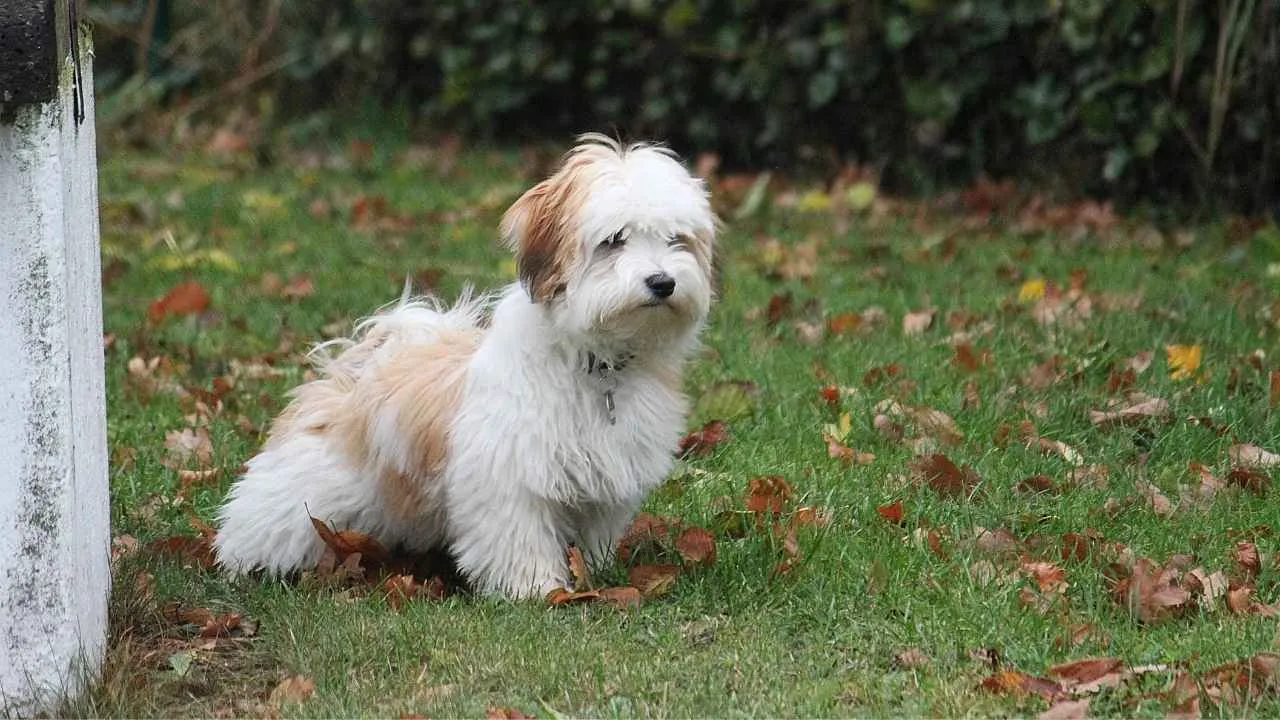
Small in size but full of personality, the Havanese is a lively, affectionate companion that enjoys being at the heart of family life.
As a Toy breed, it does not require extensive exercise, making its activity needs manageable for households that prefer a gentler routine.
Despite its delicate-looking appearance, the Havanese is sturdy enough to enjoy lively play and is known for being intelligent and easy to train with positive methods.
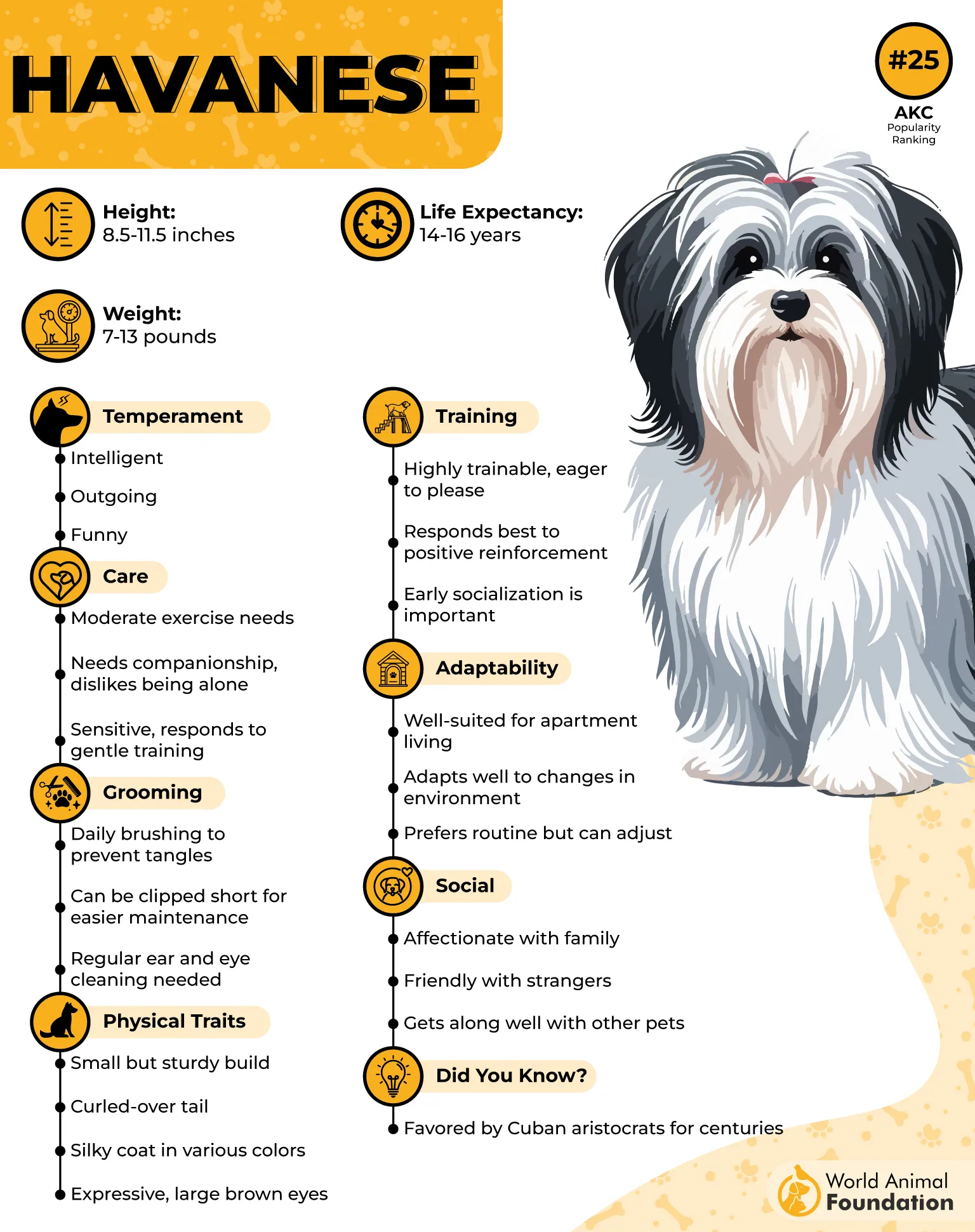
Its friendly nature and ability to bond closely with people can make it a cheerful presence in a senior household, particularly when properly socialised from puppyhood.
Around 30 minutes of daily exercise, whether through a brisk walk or playful activity, can help meet its needs, according to the American Kennel Club.
However, its long, silky coat requires daily grooming to prevent mats and tangles.
Prospective owners should also be aware of breed-related health concerns, including patellar luxation, eye disorders, and portosystemic shunt, and consider health screening when choosing a puppy.
2. Pomeranian
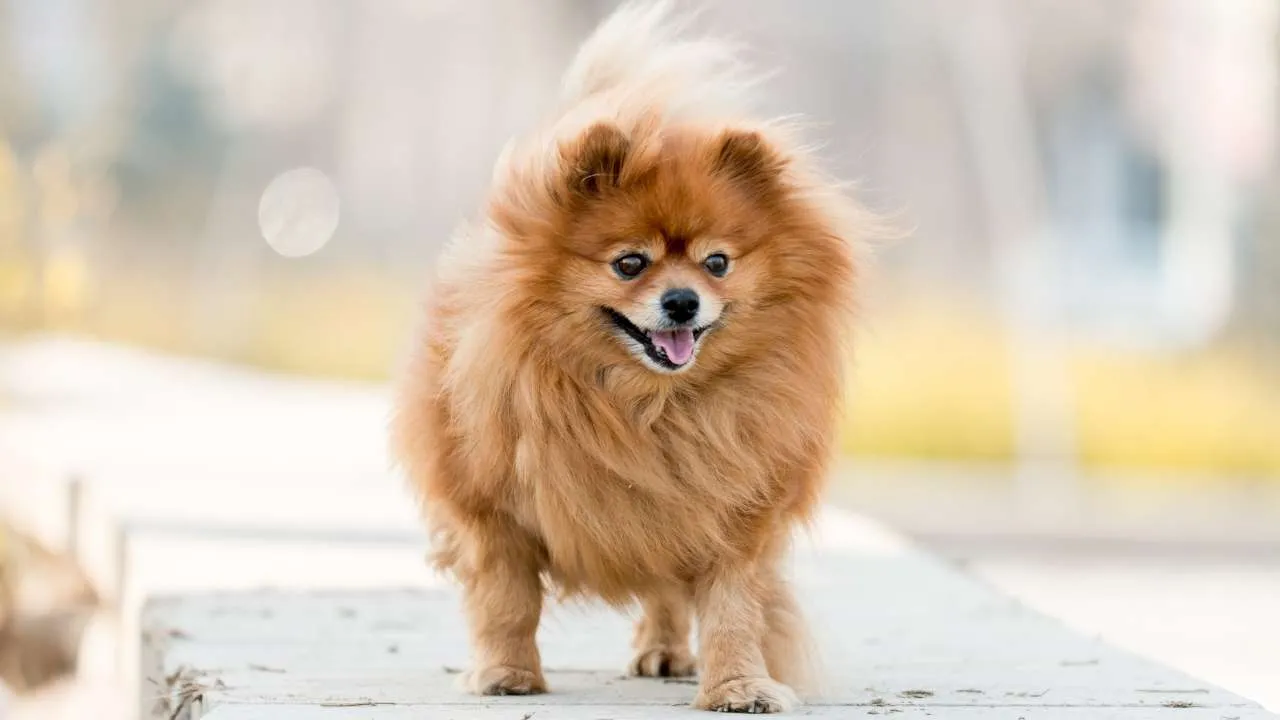
Small in stature but overflowing with personality, the Pomeranian is a lively and alert companion that can bring plenty of character to a senior household.
These clever little dogs are affectionate, loyal, playful, and naturally watchful, often taking their role as watchdog seriously.
Their energetic nature means they are not simply couch companions, but their exercise needs are relatively low, with around 30 minutes of daily activity recommended.
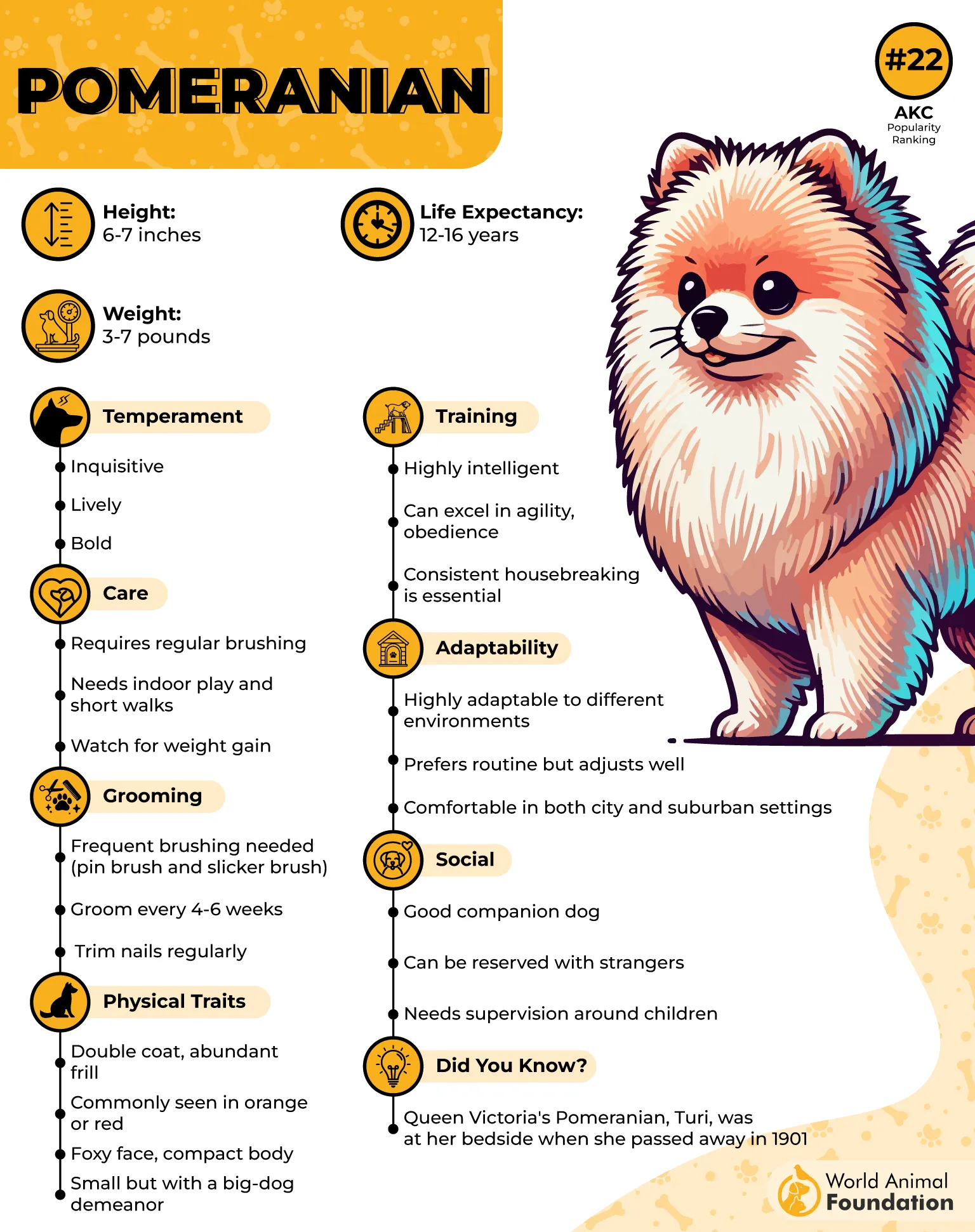
Pomeranians also enjoy mental stimulation and thrive when they can spend plenty of time with their owners, making companionship an important part of their routine.
Their adaptability means they can live comfortably in different environments, including flats, although their tendency to bark can require consistent training.
They respond well to positive reinforcement and early socialisation.
Their thick, fluffy coat needs regular grooming, while prospective owners should also be aware of health concerns, including patellar luxation, eye problems, dental issues, and tracheal collapse.
3. Clumber Spaniel
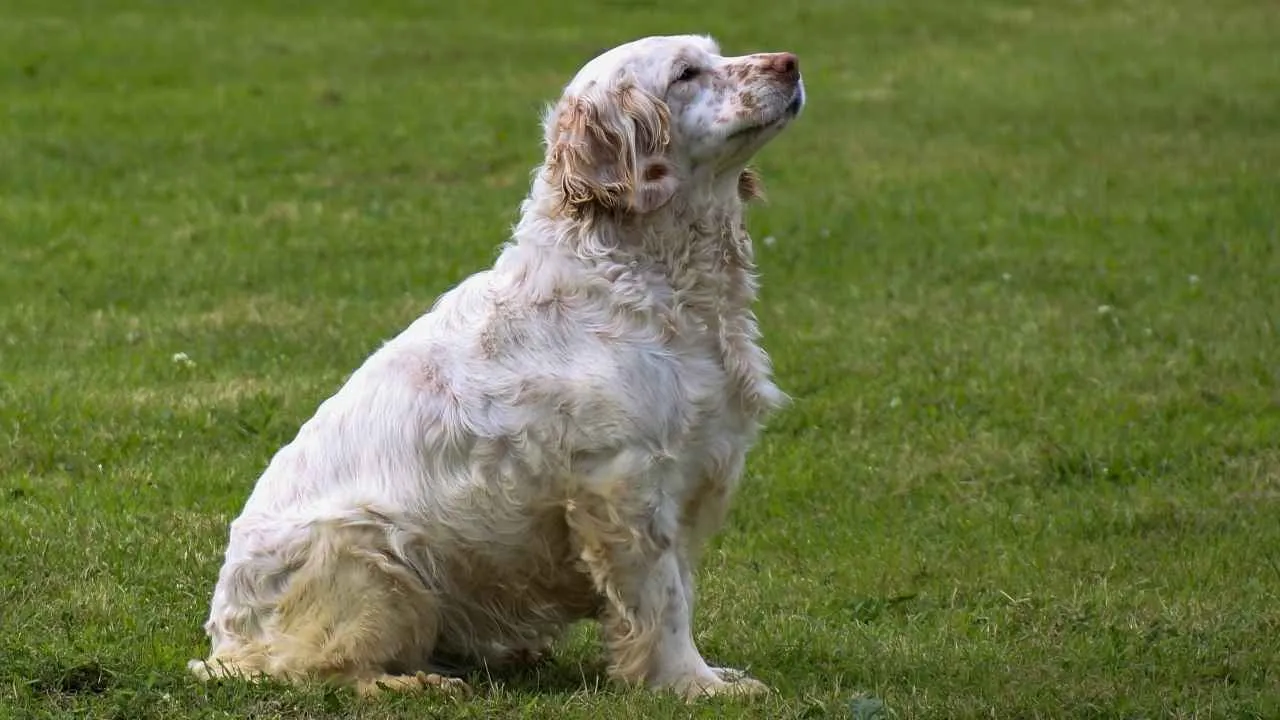
With its sturdy build, gentle temperament, and unhurried approach to life, the Clumber Spaniel can bring a reassuring presence to a senior family.
Although it has shorter legs, this is a substantial breed, heavier than many other Spaniels and generally steadier in nature.
Good-natured, affectionate, and devoted, the Clumber enjoys being part of family life and can be equally content relaxing at home or following an interesting scent outdoors.
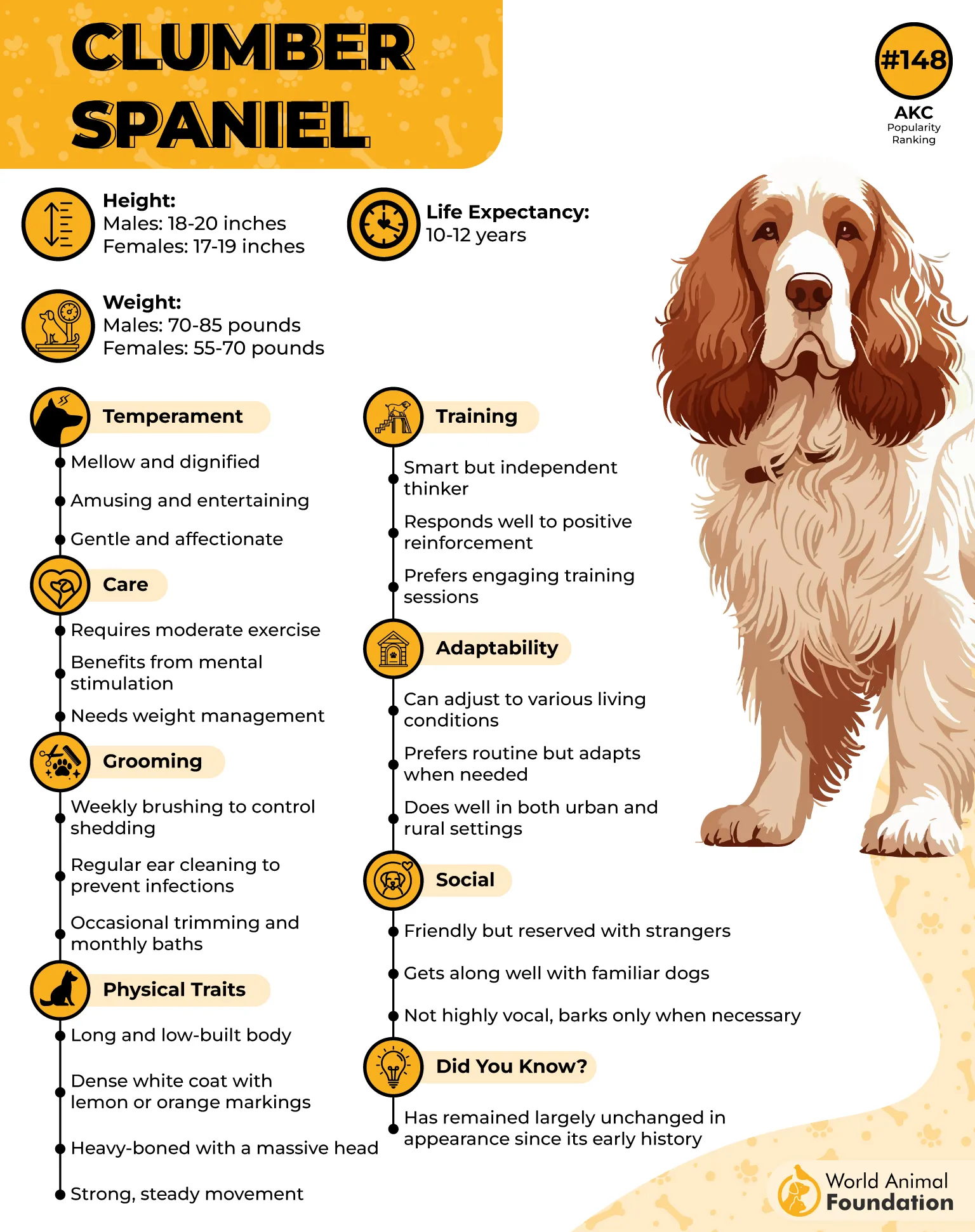
It enjoys gentle walks and needs around one to two hours of daily walking, with opportunities to use its impressive nose, as stated by Purina.
Training and a reliable recall are important because its scenting ability can lead it away when off-leash.
Its long, silky coat needs regular brushing, while owners should be prepared for shedding, drooling, and muddy paws.
Because of its considerable weight, care is also needed around frail or unsteady family members and smaller pets. Overall, its calm, dependable character can make it a comforting companion for mature households.
4. French Bulldog
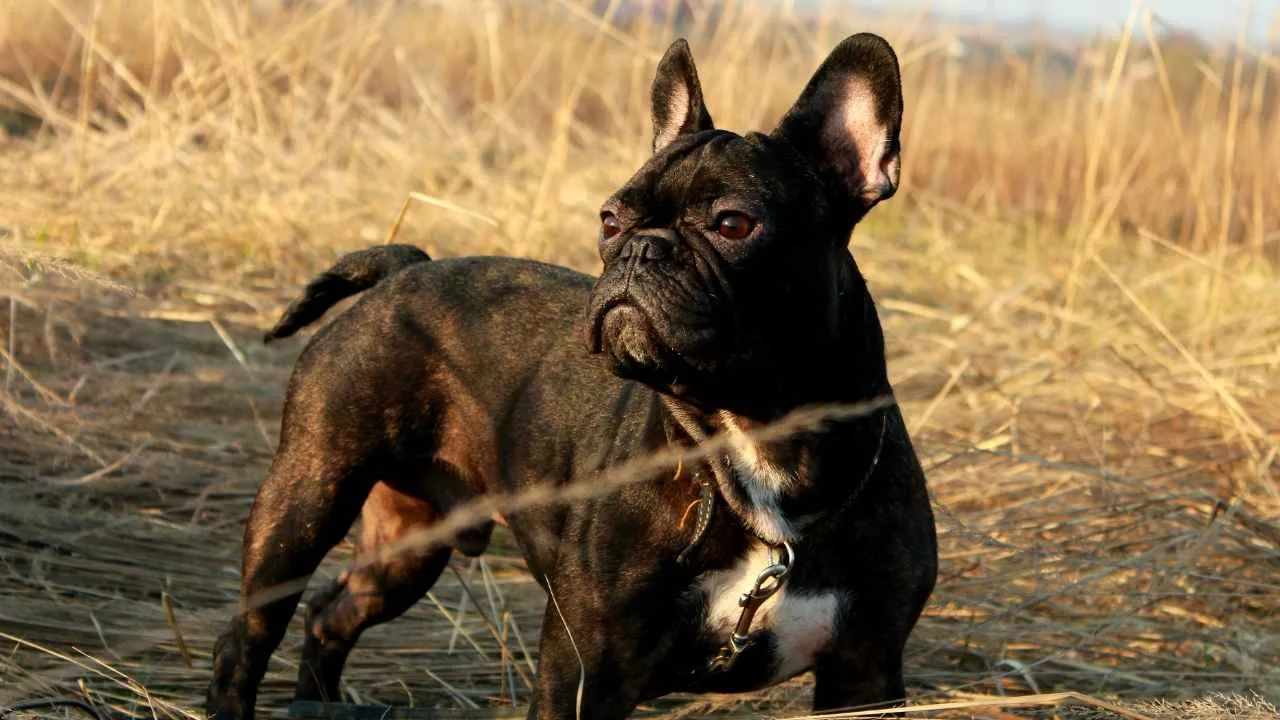
Compact, affectionate, and naturally entertaining, the French Bulldog can bring plenty of warmth and companionship to a senior family.
Known for their distinctive bat-like ears and easy-going personalities, Frenchies tend to form strong bonds with their owners and enjoy being close to the people they love.
Their low to moderate energy level means they generally do not need extensive exercise, with around 30 minutes of daily activity through gentle walks or indoor play.
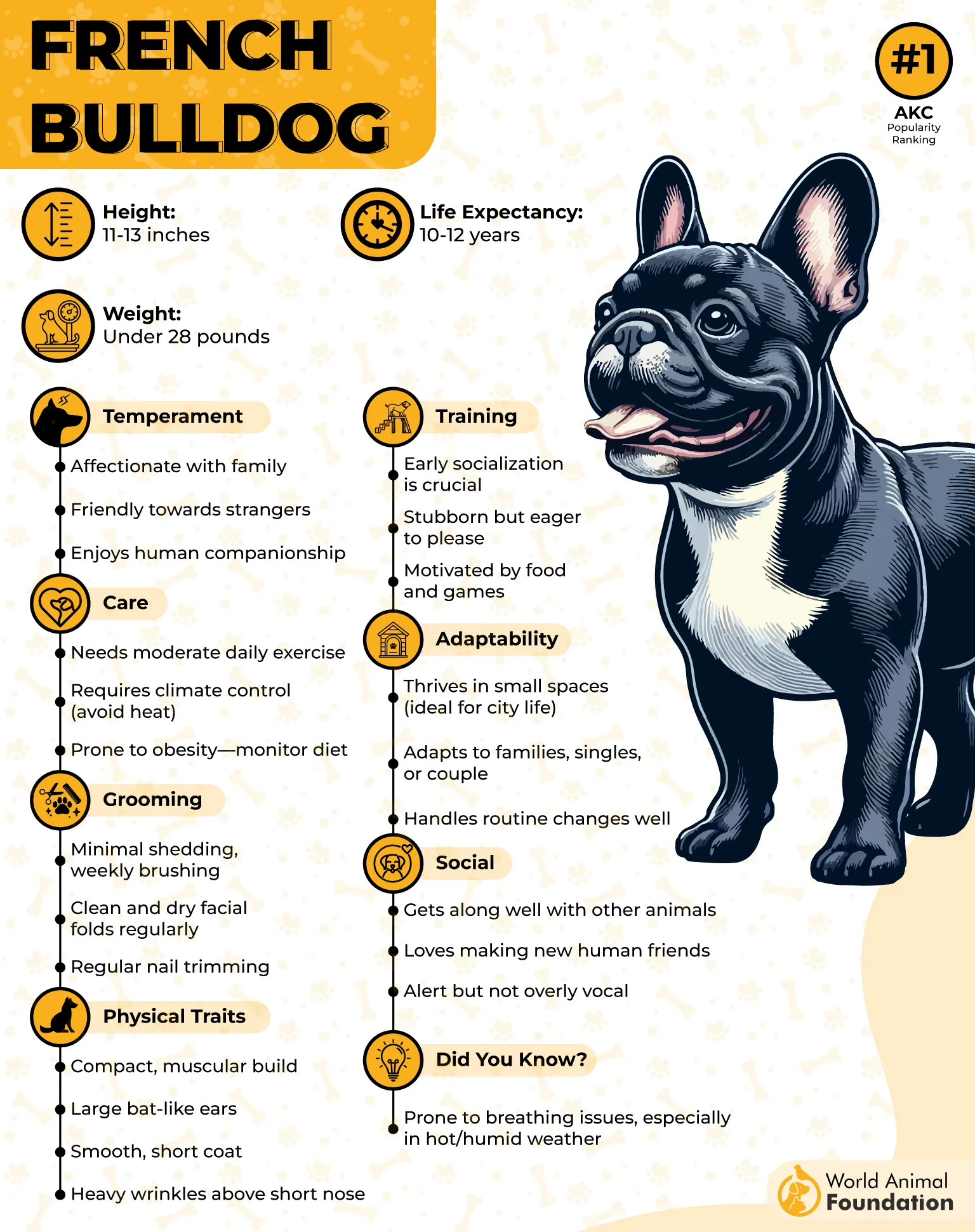
They can adapt well to apartment living and are typically friendly with children and other pets when properly introduced.
Intelligent but sometimes stubborn, they respond best to consistent, positive training and engaging sessions. Their short coat is relatively easy to maintain, although their facial folds need regular cleaning and attention.
French Bulldogs are sensitive to heat and should avoid intense activity in hot weather.
Prospective owners should also be aware of health concerns such as breathing difficulties, skin allergies, ear infections, IVDD, and heat sensitivity when considering this faithful companion.
5. Pug
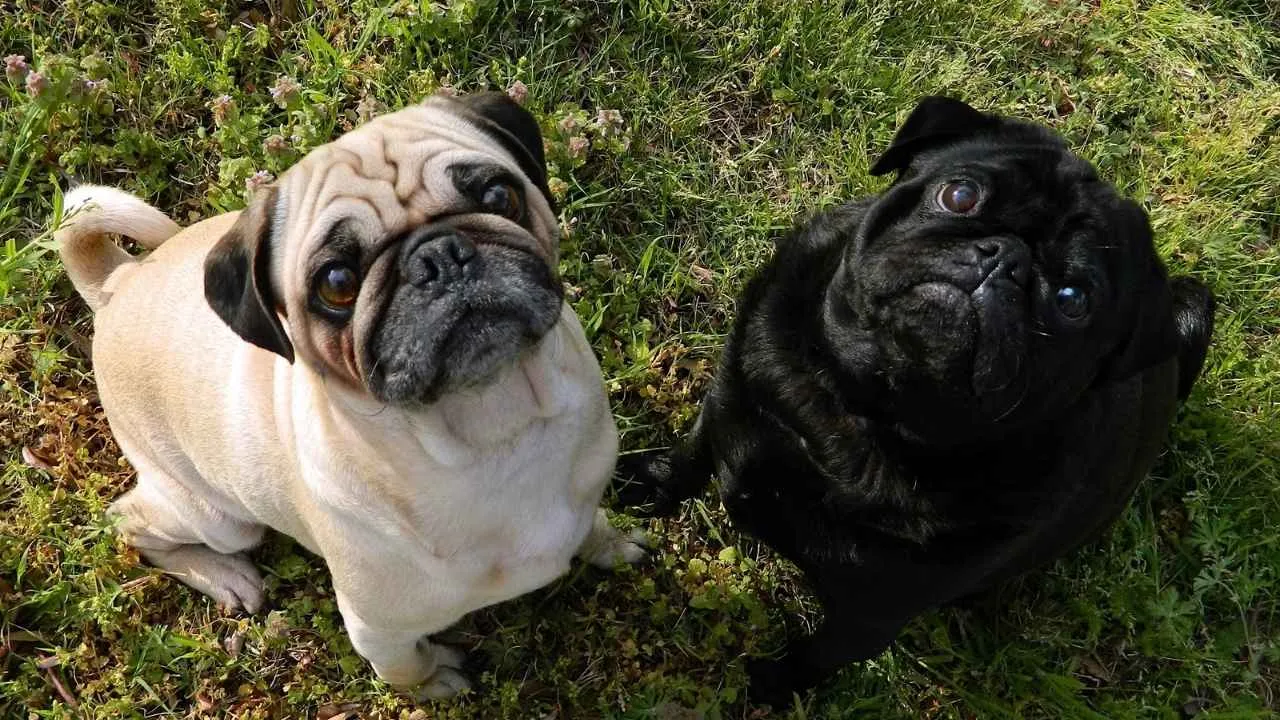
With their expressive eyes, wrinkled faces, and unmistakably curled tails, Pugs have a way of bringing warmth and laughter into everyday life.
Small but sturdy, these affectionate dogs are naturally sociable, playful, and deeply devoted to their families.
They enjoy being close to their people, whether that means joining in a game or settling comfortably beside them.
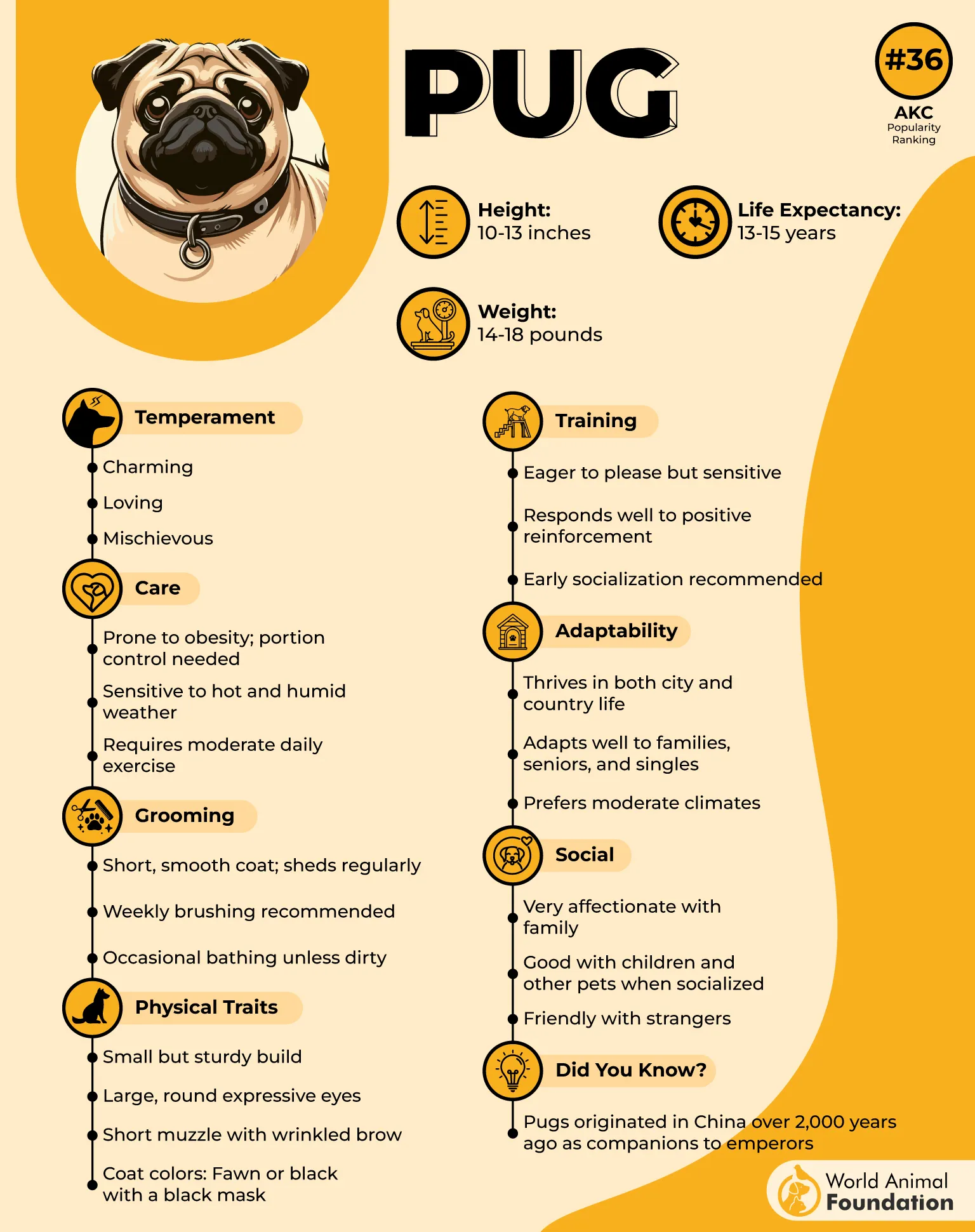
Their moderate energy levels make regular walks and playtime important, although their flat faces mean they can struggle with breathing, overheating, and strenuous activity.
Pugs can also be stubborn, so patient, consistent training and positive reinforcement work best. Their short, smooth coats are relatively easy to groom, though their facial wrinkles need regular attention, as explained by Orvis.
For senior families, their devoted, people-focused nature can make them engaging companions, while their alertness also gives them a protective instinct around their home and loved ones.

However, prospective owners should consider health concerns including respiratory problems, obesity, joint conditions, and dental disease.
6. Japanese Chin
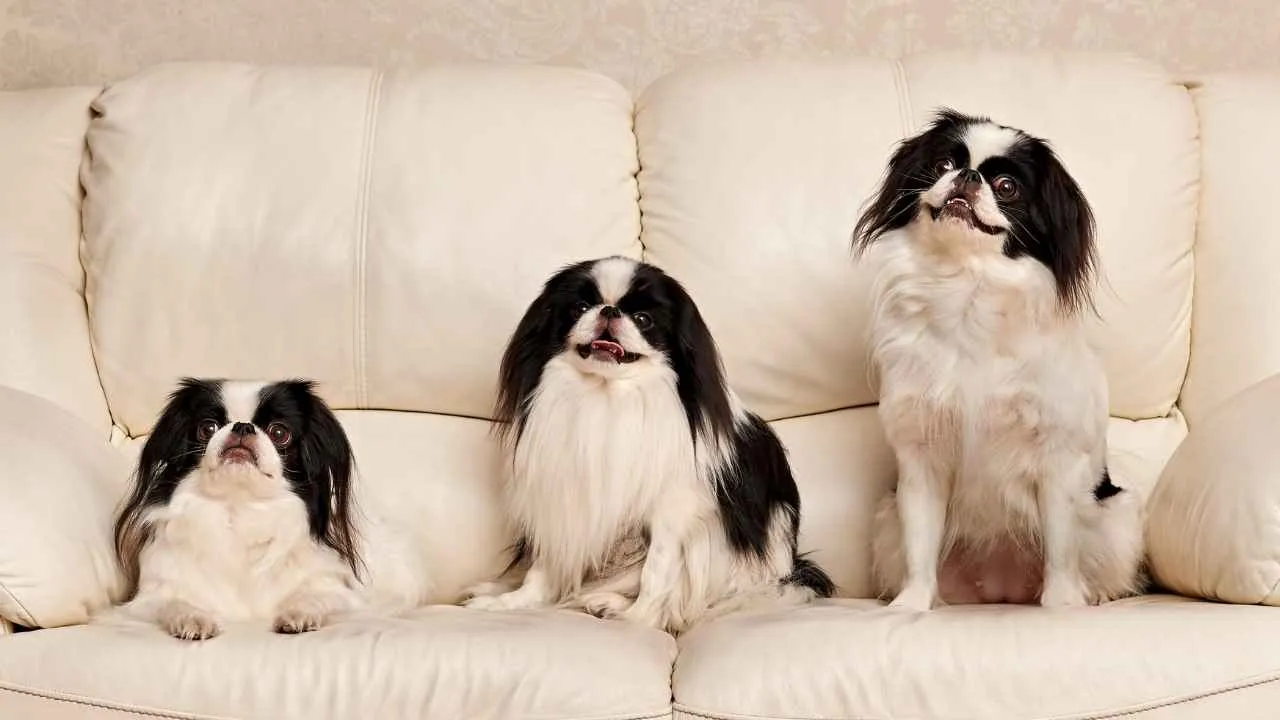
The Japanese Chin may be tiny, but its personality is anything but small. With its elegant coat, expressive eyes, and almost cat-like mannerisms, this charming companion brings a gentle liveliness to the home.
Warm-hearted and loyal with familiar people, the breed can be reserved around strangers, yet its alert nature makes it attentive to what is happening around the household.
Japanese Chins are active enough to enjoy leisurely walks and play but do not require extensive exercise, making them comfortable in apartments and quieter homes.

Their sensitivity means they respond best to patient, positive training rather than harsh methods, while regular companionship is important because they can struggle when left alone for too long.
For senior families, their compact size, manageable exercise needs, and devoted nature can make them appealing companions.
With thoughtful care, socialization, grooming, and attention to its health needs, the Japanese Chin can bring affection, amusement, and a reassuring presence to everyday life.
7. Maltese
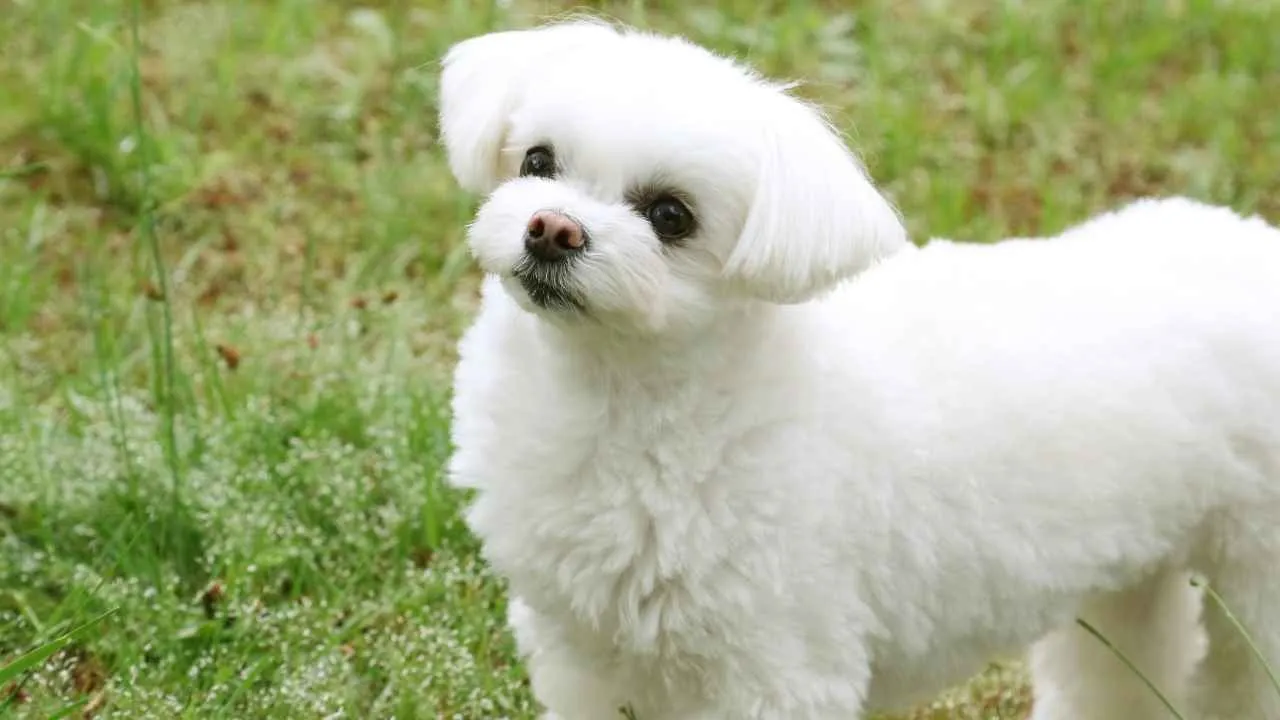
Small, elegant, and deeply devoted, the Maltese brings a surprising amount of personality to its tiny frame.
Beneath its silky white coat is a playful, affectionate companion that enjoys staying close to the people it loves.
Maltese dogs are also naturally alert, often acting as little watchdogs despite their delicate appearance.
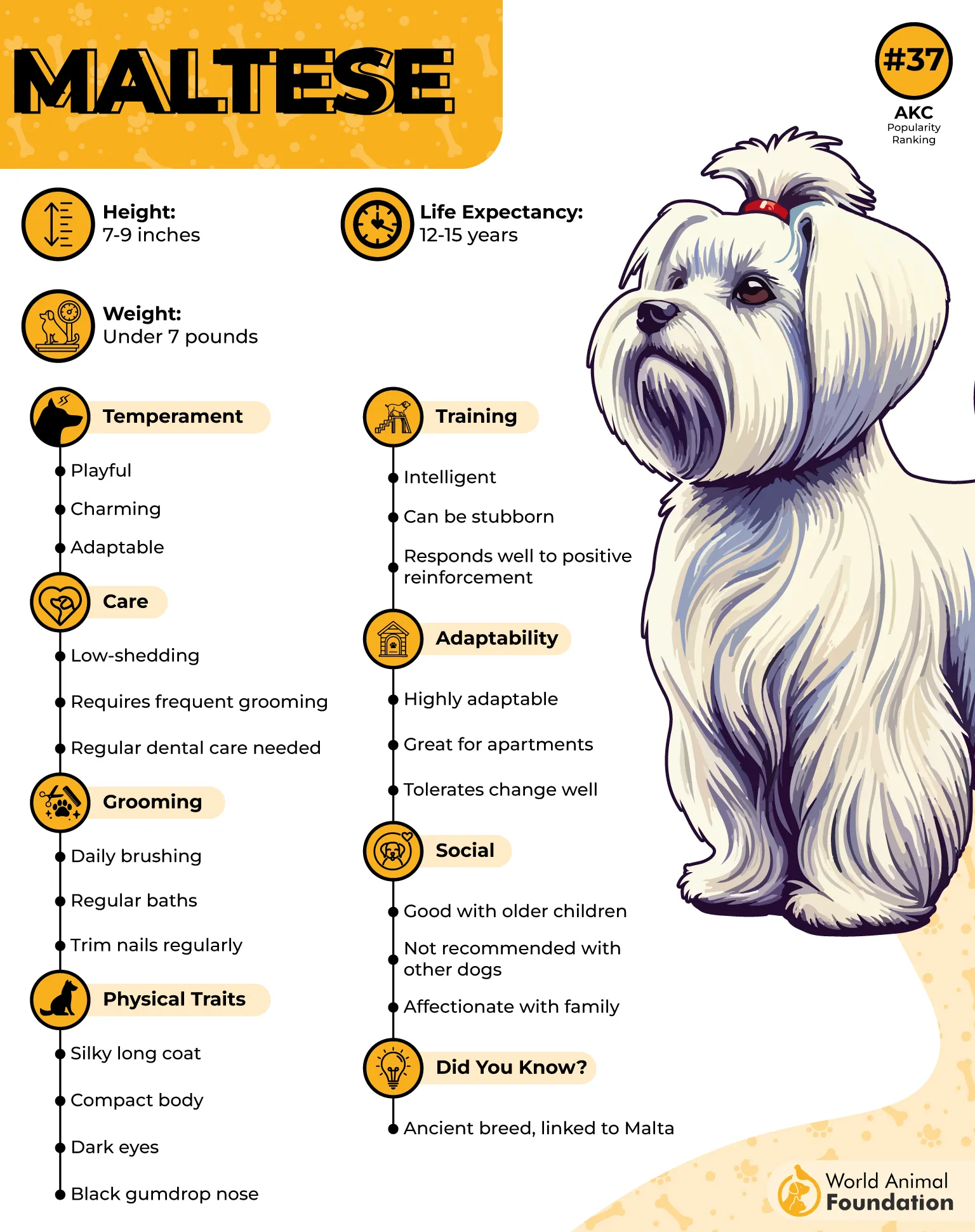
They may bark when something catches their attention, but their generally friendly nature means they can quickly warm up once they know someone is safe.
For senior families, their compact size and modest exercise needs can make everyday companionship easier to manage, according to Bark.co. A short walk, some playtime, or simply curling up together on the couch can keep a Maltese content.
They can live comfortably indoors without needing a large backyard, although they still benefit from regular activity and mental stimulation.
Their devotion can make them especially comforting companions, while consistent training helps manage their occasional stubbornness. With regular grooming and routine health care, the Maltese can be a lively, loving presence in a senior household.
Conclusion
For senior families, the right dog can offer far more than companionship; it can bring warmth, routine, comfort, and a reassuring presence to everyday life.
The breeds featured here each have qualities that can make them dependable additions to a household, whether it is their alert nature, affectionate personality, manageable exercise needs, or strong attachment to their people.
Still, no breed should be expected to act as a substitute for professional security or care. A dog’s individual temperament, training, health, and ability to fit comfortably into the family’s lifestyle matter just as much as its breed.
Seniors should consider how much exercise, grooming, training, and daily attention they can realistically provide before bringing a dog home.
With thoughtful matching and responsible care, the right companion can become a cherished part of the family, offering steady companionship, moments of laughter, and the simple comfort of having a loyal friend close by.
