




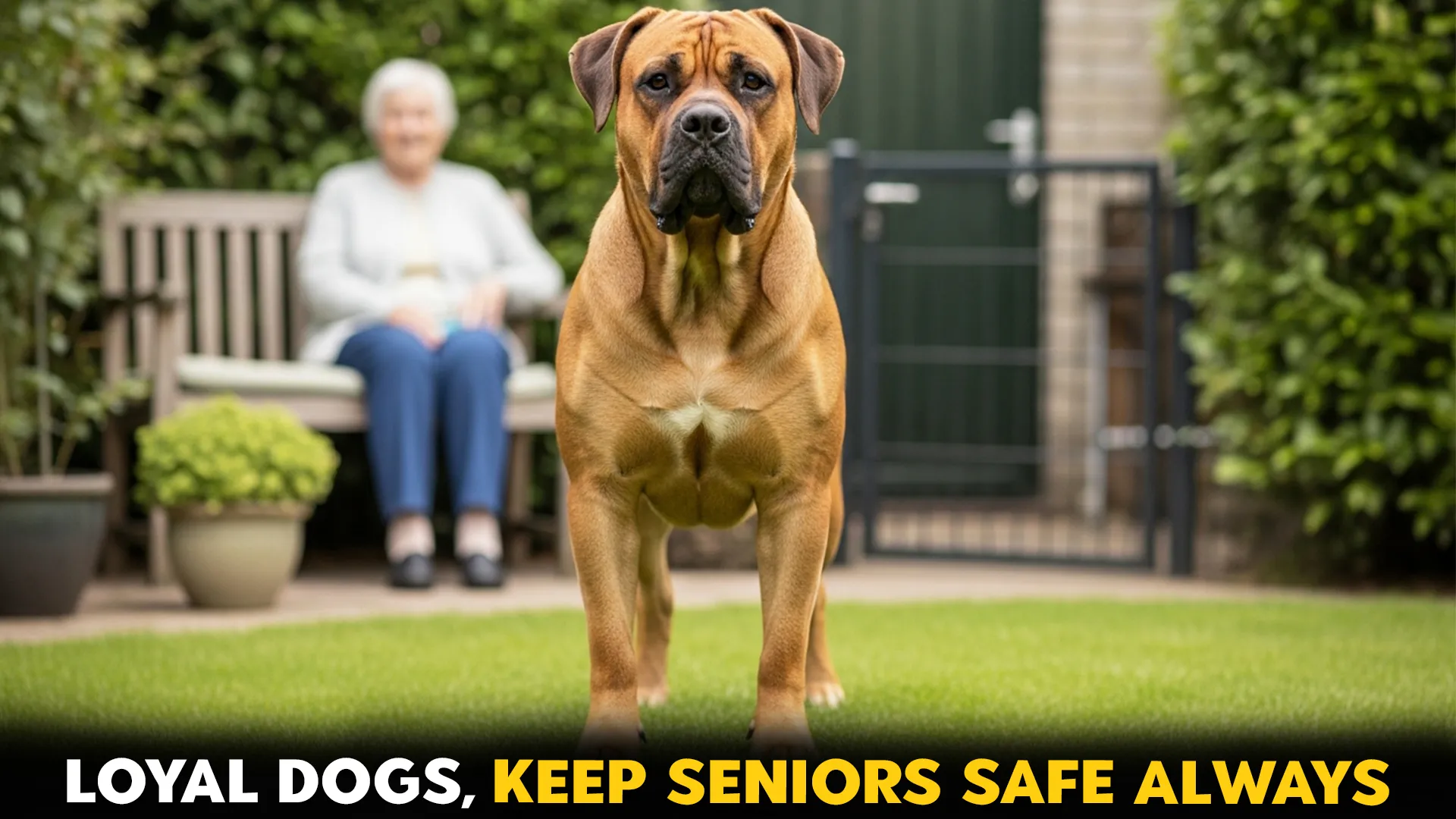
Feeling safe at home shouldn’t get harder with age—it should get smarter. As routines slow down and more time is spent at home, safety, comfort, and companionship begin to matter in a deeper way.
That’s where a protection dog can make a real difference—not just as security, but as a calm, dependable presence that brings both confidence and peace of mind.
A well-trained protection dog doesn’t just react to danger—it often prevents it. Homes with dogs are widely known to be less likely targets for intruders, simply because their presence alone can deter threats. Unlike alarms or cameras, a dog responds instantly, without delay.
There’s also a benefit many don’t expect: companionship. A dog doesn’t just protect your home—it fills it with life, routine, and connection. For seniors, especially those spending more time alone, pet ownership can be incredibly valuable.
In this article, we will take a look at some of the best dog breeds for seniors that provide both protection and companionship.
Key Takeaways
Safety at home feels easier with a calm, loyal protector by your side
The right dog should match your pace, not overwhelm it
Rottweiler, Mastiff, and Rhodesian Ridgeback each bring strong but different protection styles
The best choice is the one that gives both security and everyday comfort
Reliable Dog Breeds that Protect Seniors with Ease
1. Boerboel
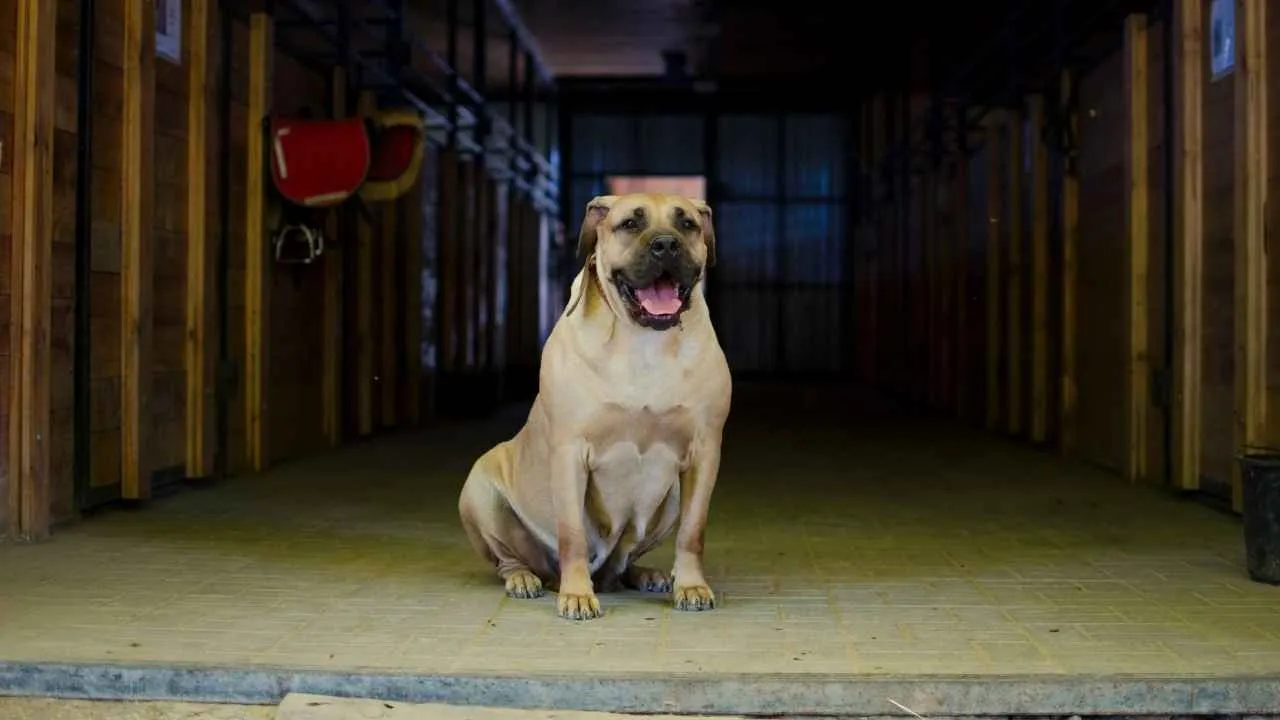
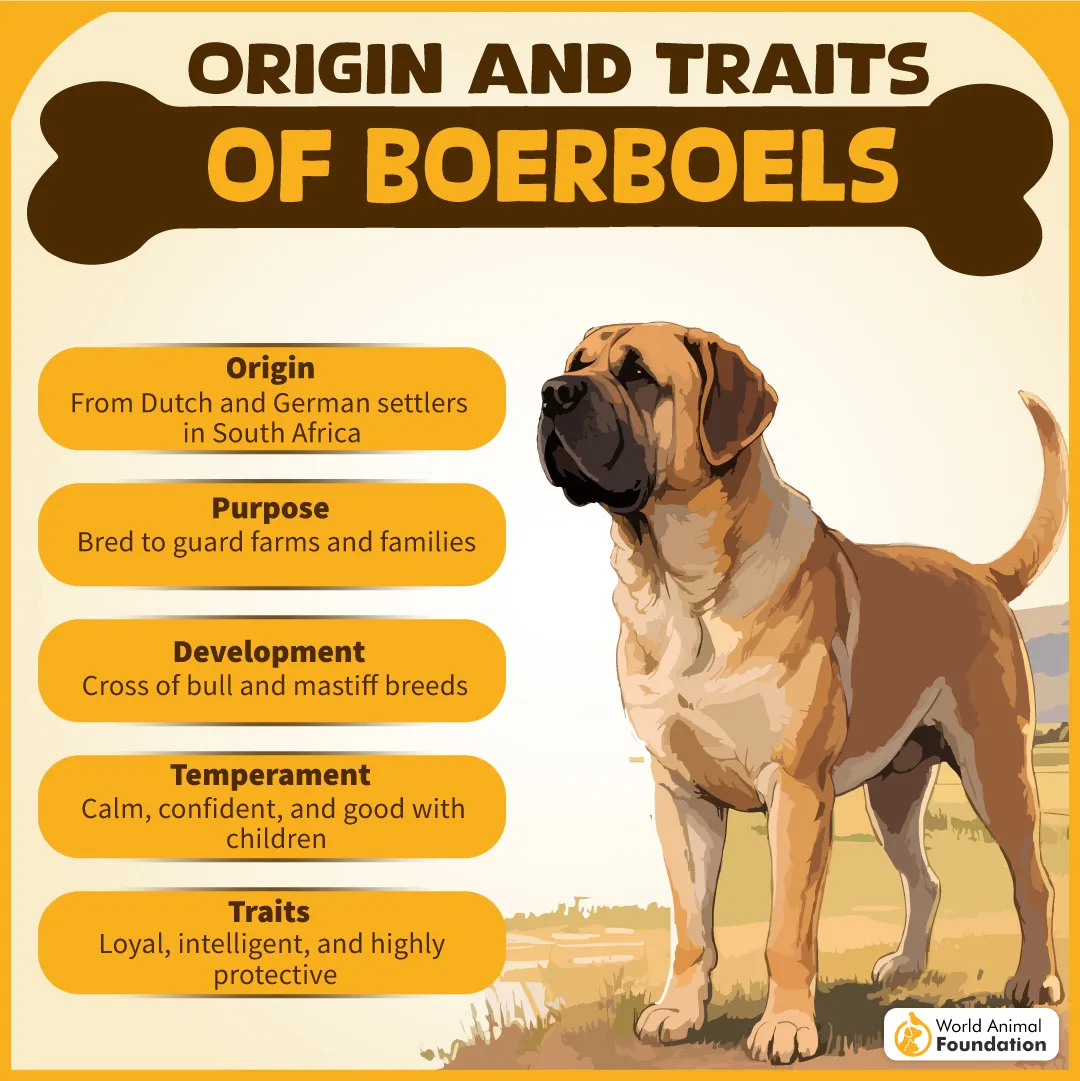
The Boerboel is a natural protector, originally bred to guard remote South African farms from serious predators like hyenas and lions. That history shows in its calm confidence and strong guarding instincts. This breed is deeply devoted to its family and naturally watchful of strangers.
Despite its intimidating presence, it is affectionate at home and forms strong bonds, especially with the people it trusts.
Temperament & Daily Life
Boerboels are intelligent, loyal, and eager to please, but they also have a dominant and independent side. They are loving with family members, including children, and can be playful and energetic. At home, they are generally calm, which can suit a quieter lifestyle.
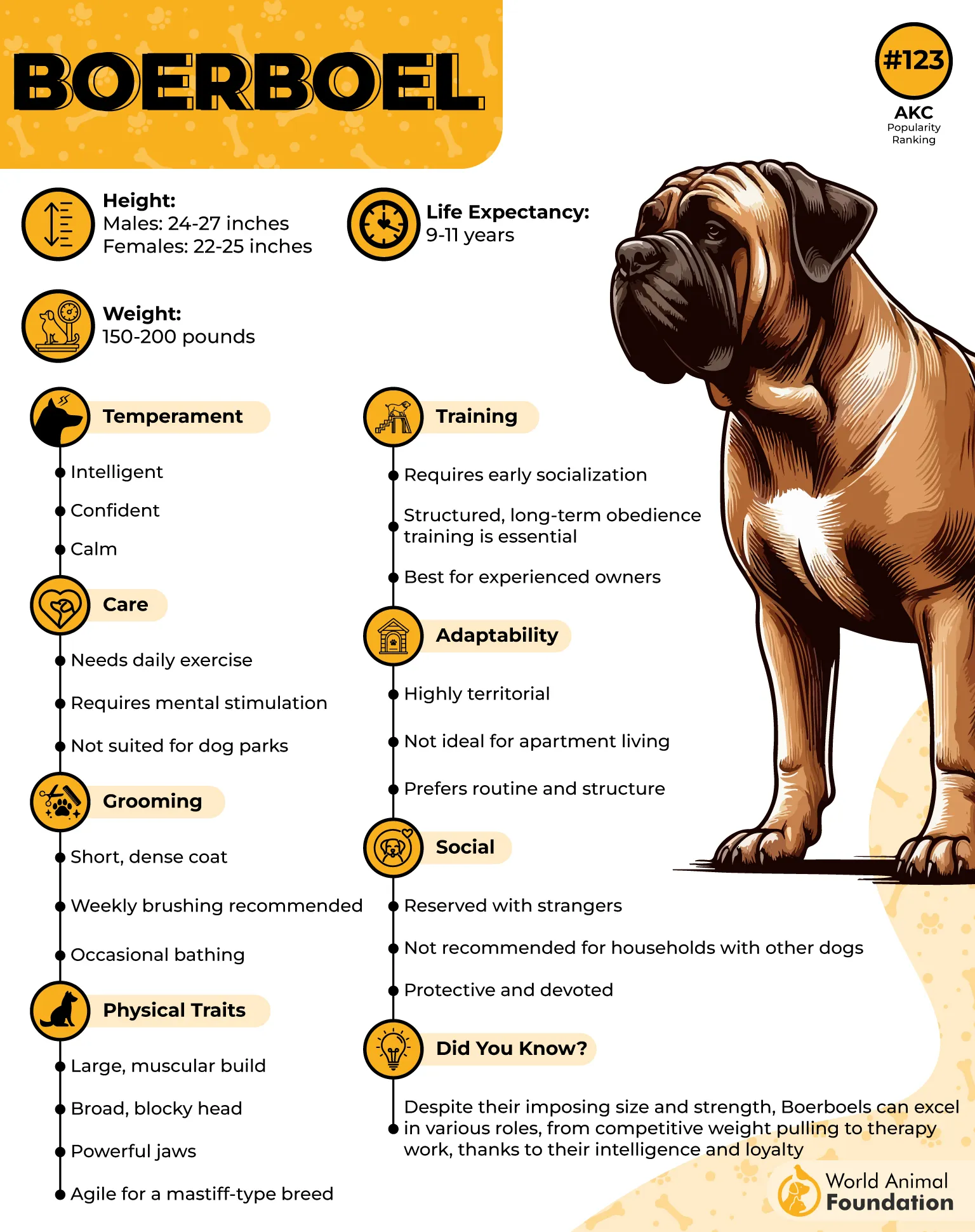
However, they still need daily physical activity and mental stimulation, such as walks, playtime, or puzzle games. If their needs are not met, they may become destructive or overly territorial.
Things Seniors Should Consider
This breed requires early training and consistent socialization to stay well-balanced. Without it, their strong protective instincts can turn into stubborn or territorial behavior. Boerboels need clear boundaries and a confident handler, which may be challenging for first-time or less active owners.
They also need space to move and do best in homes where strangers are properly introduced. While they are highly trainable and devoted, they are best suited for seniors who can manage a strong, smart breed and provide structure and routine.
2. Newfoundland
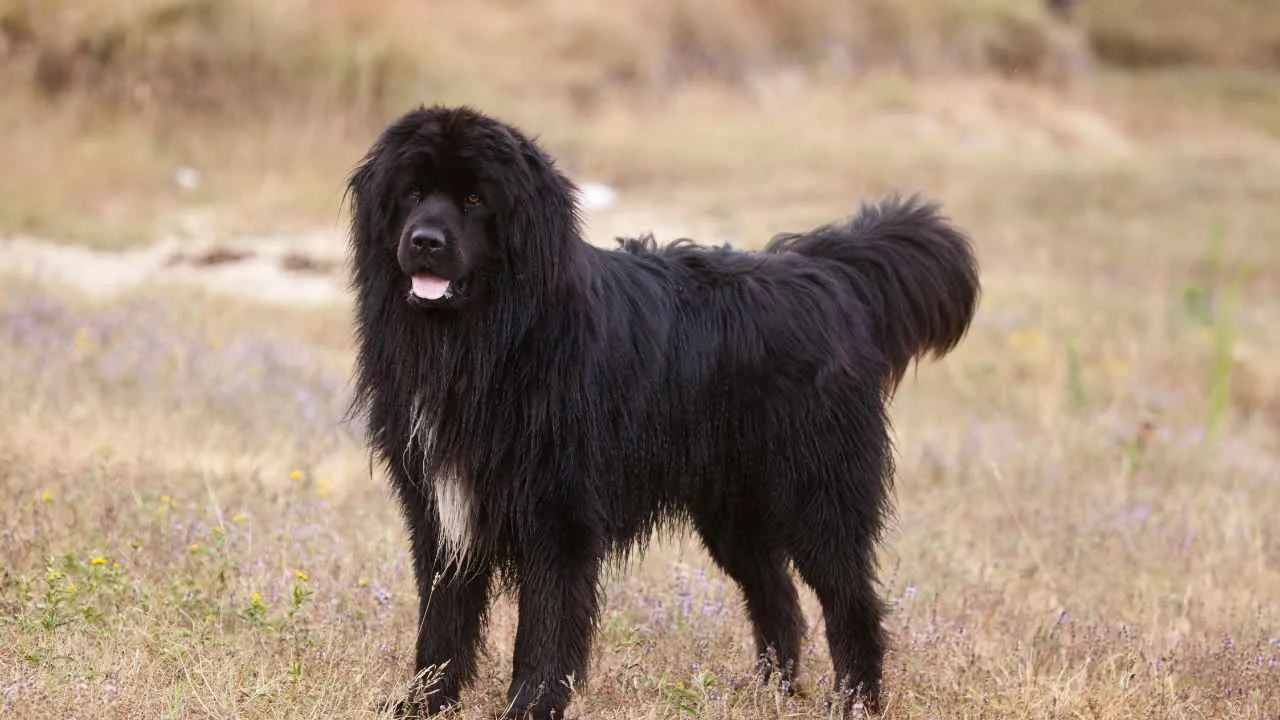
The Newfoundland dog is known as a true gentle giant. Originally bred in Canada to assist fishermen and perform water rescues, this breed combines strength with an incredibly calm and kind nature.
Despite its powerful build, the Newfoundland is famously sweet-tempered and watchful, making it a reassuring presence at home—especially for seniors who value both safety and peace.

Temperament & Daily Life
Newfoundlands are friendly, patient, and naturally protective without being aggressive. They are known for their soft, trusting personality and get along well with children, other animals, and family members.
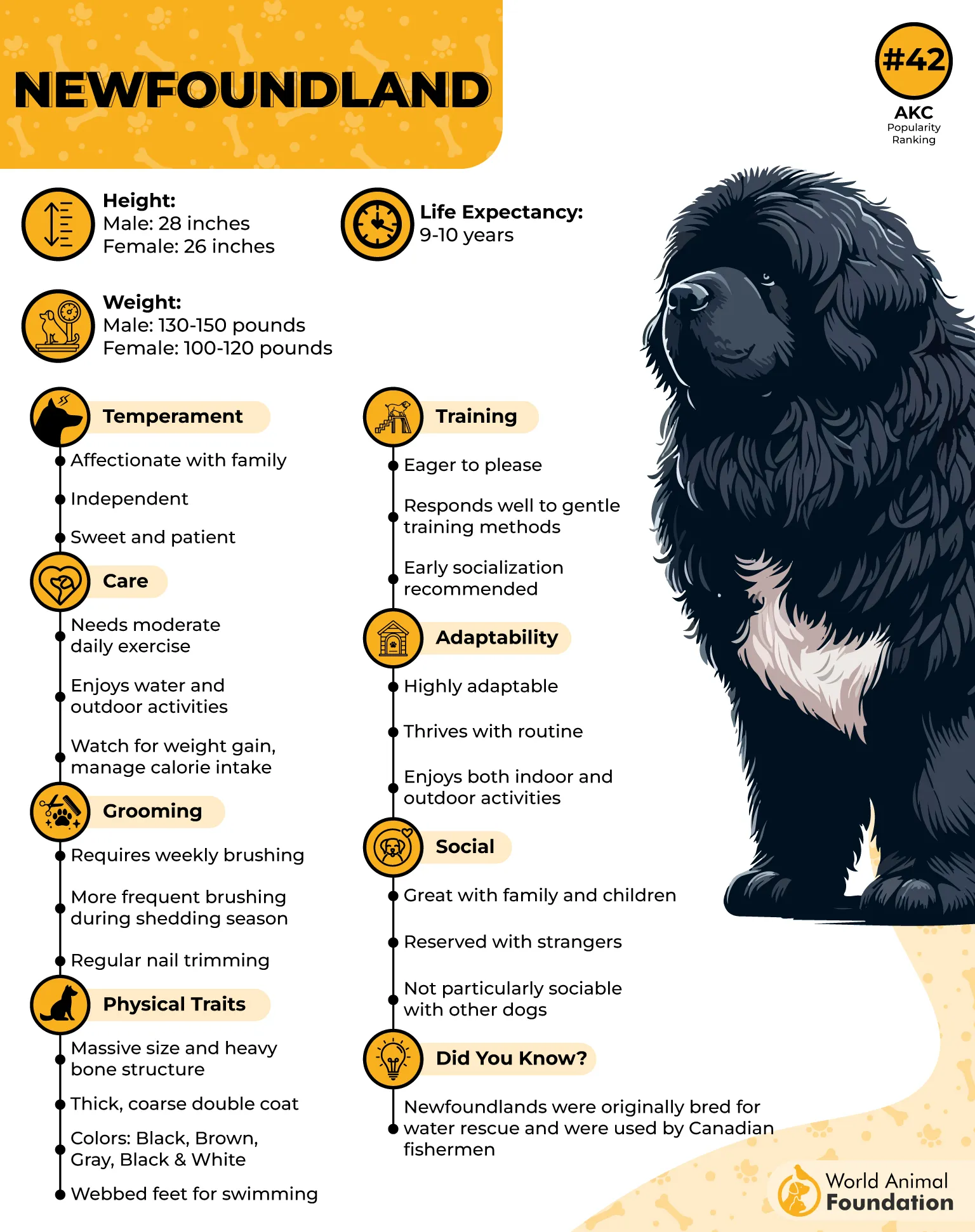
Their calm nature means they don’t need excessive exercise, but they still benefit from long walks, light activity, or even swimming. However, they can develop separation anxiety if left alone too often, as mentioned by PetMD.
Things Seniors Should Consider
While they are gentle and trainable, Newfoundlands grow quickly and can become physically strong, which makes early training essential. They may pull on the leash or accidentally knock someone over due to their size.
Positive reinforcement works best, as they respond well to gentle guidance. Seniors should also consider space, as this breed does best in larger homes. With proper training, attention, and vet visits, they offer a rare mix of calm protection, loyalty, and emotional comfort.
3. Great Pyrenees
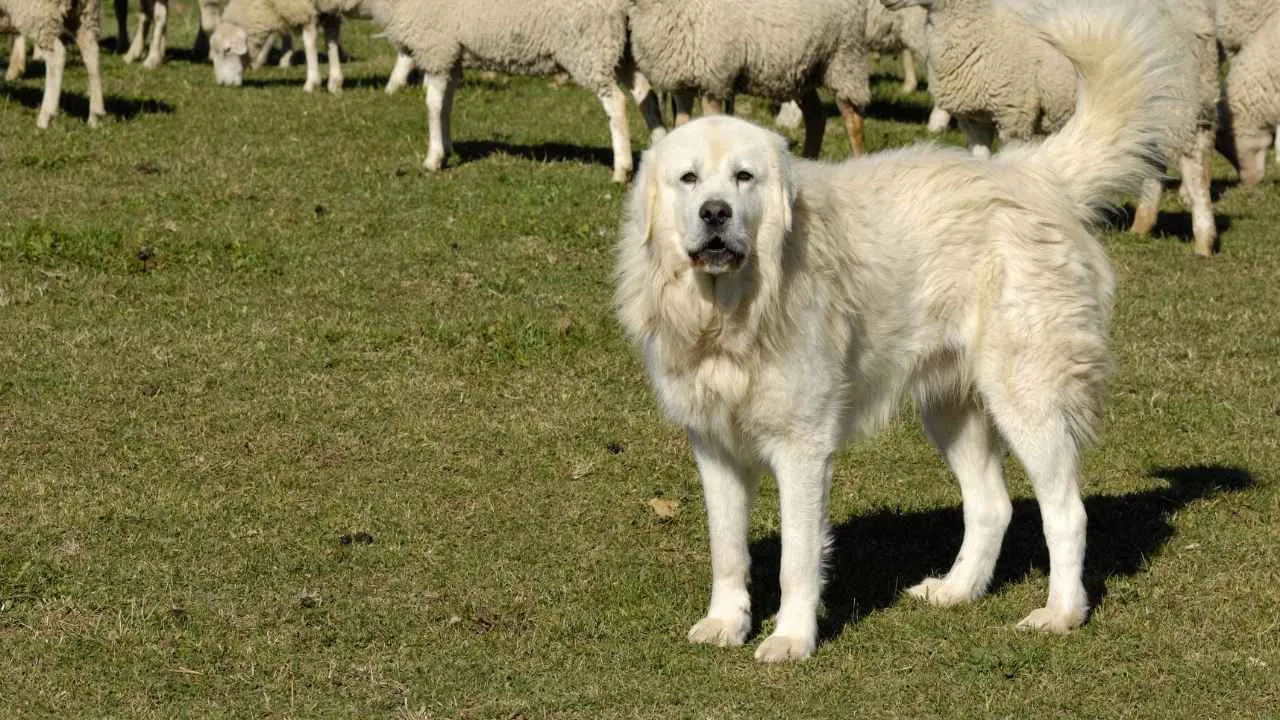
The Great Pyrenees was bred to protect livestock in harsh mountain regions, guarding against predators like wolves and bears. This history shaped a dog that is both powerful and deeply reliable. Today, they are known as calm, watchful companions who quietly protect their home and family.
Their natural alertness means they can quickly respond if something feels off, while still maintaining a peaceful presence most of the time.
Temperament & Daily Life
Great Pyrenees dogs are gentle, affectionate, and devoted to their families. They are especially calm indoors and enjoy a predictable, quiet routine, which suits a slower-paced lifestyle. They are not highly active and don’t need intense exercise, though they do enjoy some outdoor time.
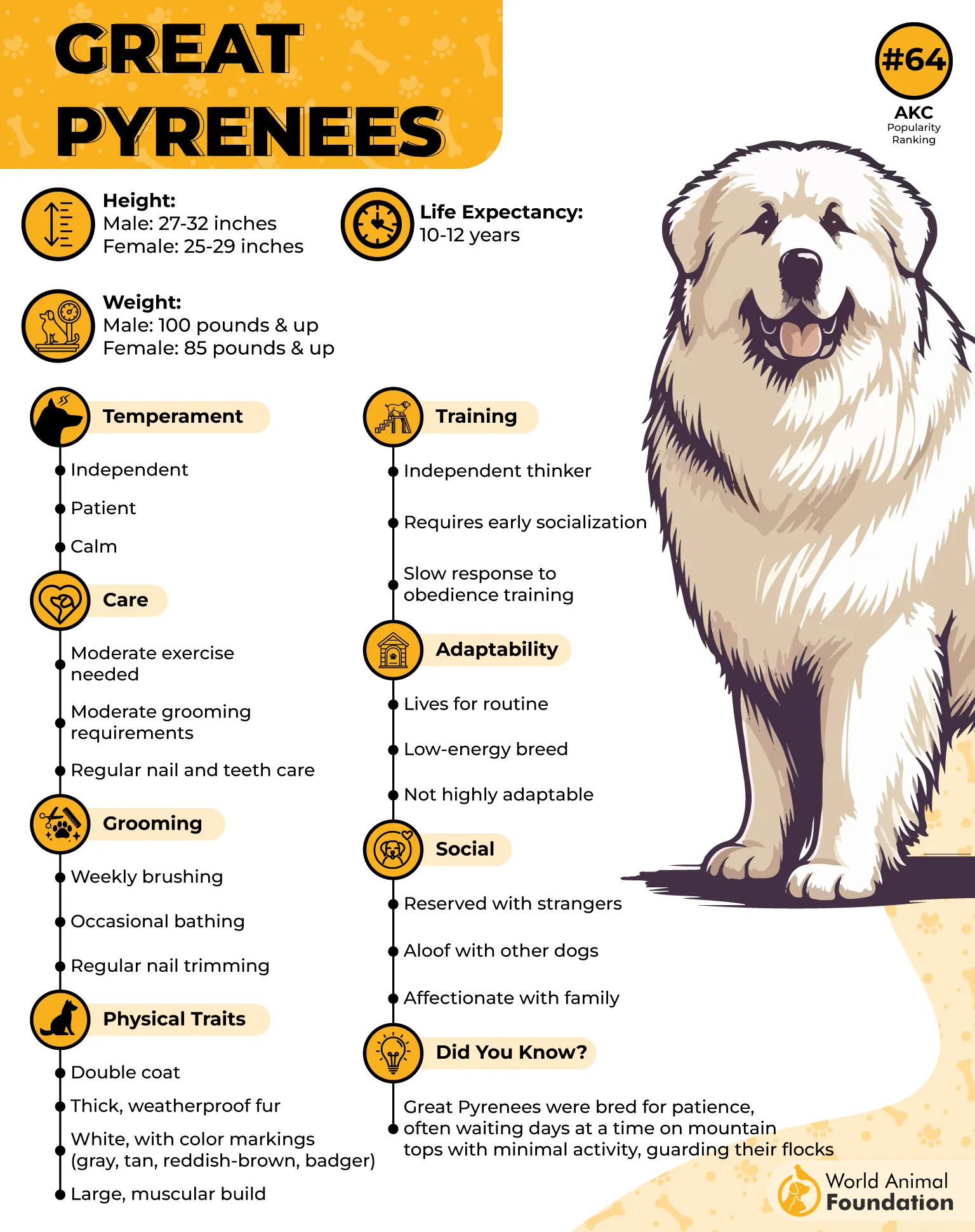
Their independent nature means they like having space and may spend time on their own. They are also known to bark to alert their owners, which makes them excellent guard dogs.
Things Seniors Should Consider
This breed’s independence can make training a bit challenging, so patience and consistency are important. Early socialization helps prevent excessive protectiveness and makes them more comfortable around new people.
They do best in homes with secure outdoor space, as they may wander if not contained. Grooming is manageable with regular brushing, despite their thick coat.
For seniors who prefer a calm, low-energy dog with natural instincts to protect, the Great Pyrenees can be a dependable and reassuring companion.
4. Saint Bernard
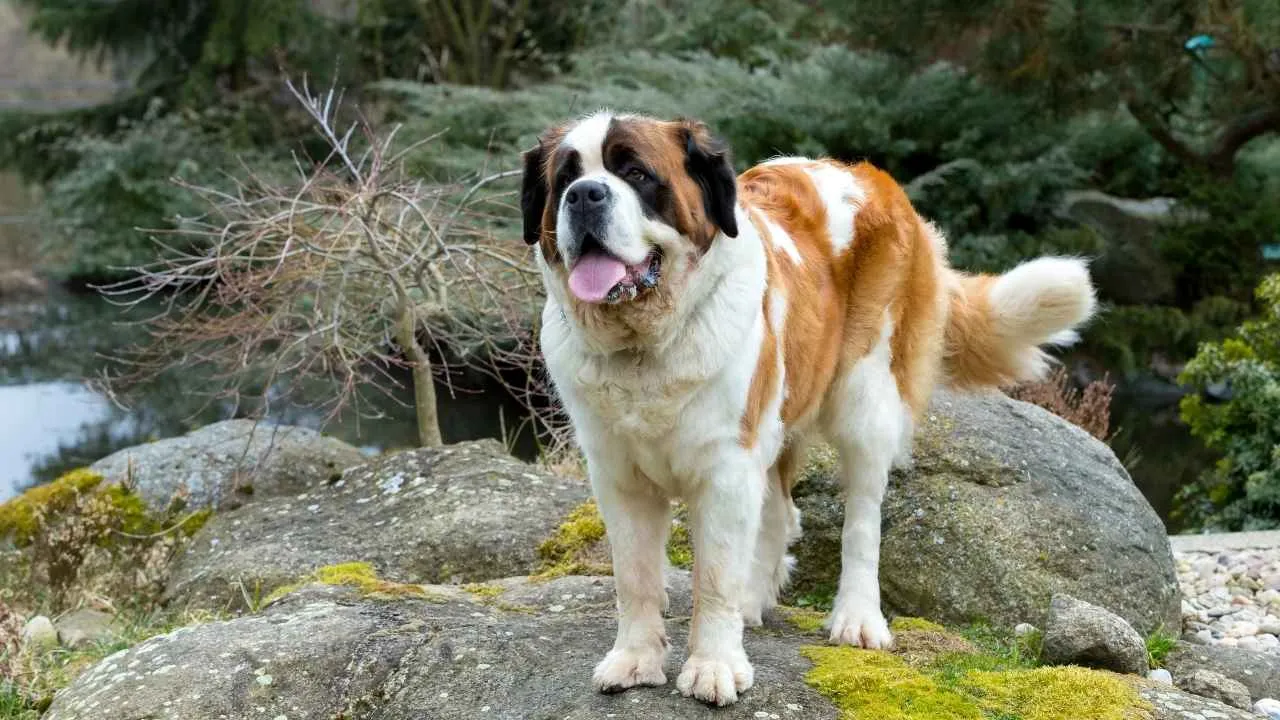
The Saint Bernard is famous for its rescue history in the Swiss Alps, where it helped locate people buried in snow. That legacy still shows today in its calm, watchful nature. Despite its massive size, this large breed is incredibly gentle with a friendly demeanor.
It forms strong bonds with its family and will step in to protect them if needed, making it both a comforting and reliable presence for seniors.
Temperament & Daily Life
Saint Bernards are loving, patient, and easygoing. They are known for being especially gentle with children and tolerant in family settings. Their calm nature means they don’t need intense exercise—just moderate daily activity like short walks.
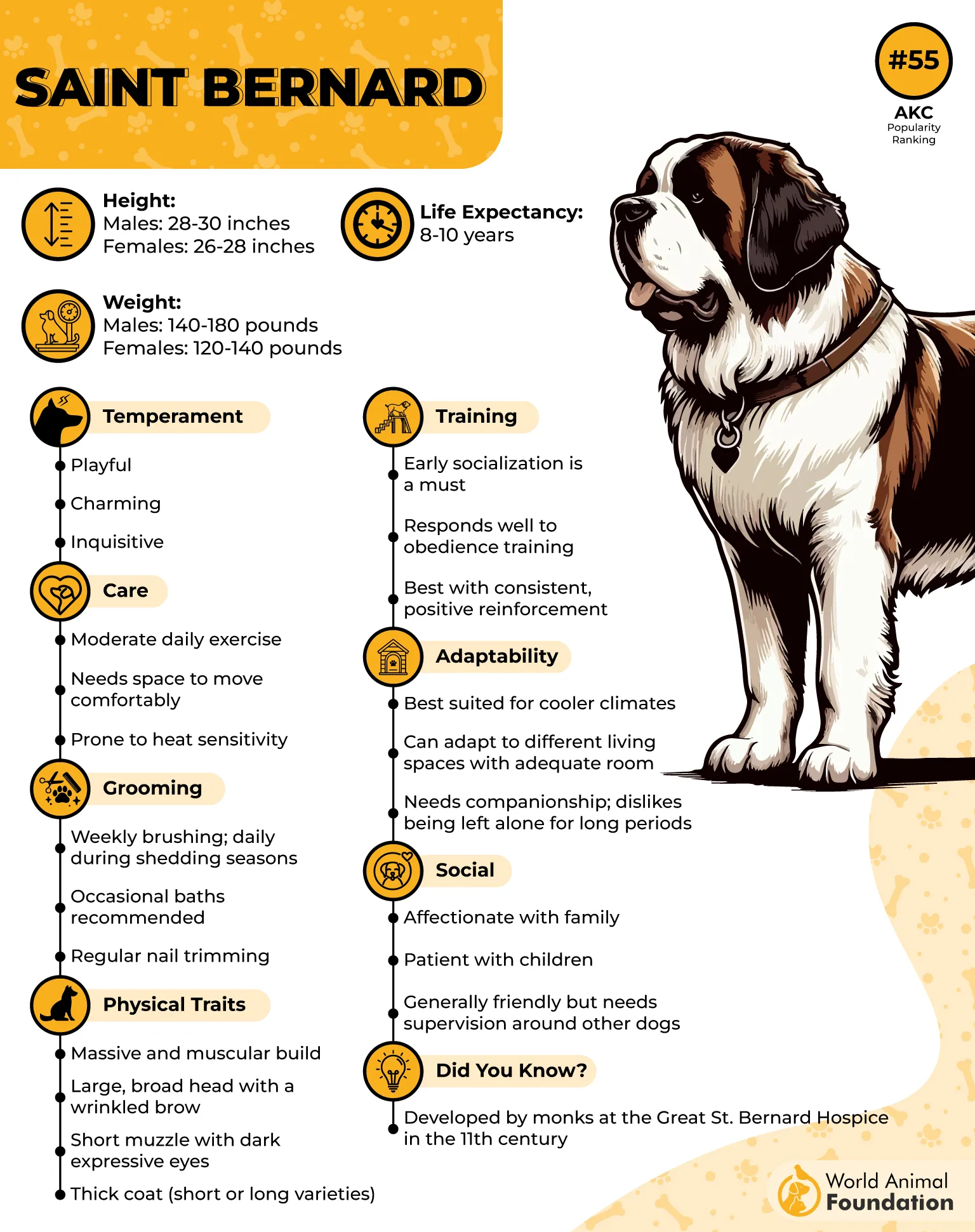
They enjoy being around people and can become unhappy if left alone for too long. While they are not big barkers, they are naturally alert and aware of their surroundings.
Things Seniors Should Consider
According to Hill’s Pet, this breed is eager to please, which makes training easier, but early training is still important due to its large size. They can take time to fully mature and may be a bit stubborn at times.
Occasional professional grooming helps manage seasonal shedding, and care should be taken not to overfeed them, as extra weight can strain their joints.
They also tend to drool and need space to move comfortably. For older adults who want a calm, affectionate dog with natural protective instincts, the Saint Bernard can be a dependable and wonderful companion.
5. Rhodesian Ridgeback

The Rhodesian Ridgeback is known for its courage, strength, and signature ridge of hair along its back. Originally bred in Africa to track and corner large predators like lions, this breed carries a natural guarding instinct and fearless attitude.
Today, it is a loyal companion that bonds deeply with its family and stays alert to anything unusual, making it an excellent watchdog in the right home.
Temperament & Daily Life
Rhodesian Ridgebacks are intelligent, independent, and highly loyal. WebMD says that they are affectionate with their owners but can be reserved or cautious around strangers. Unlike some guard dogs, they are not excessive barkers, but their protective nature is always present.
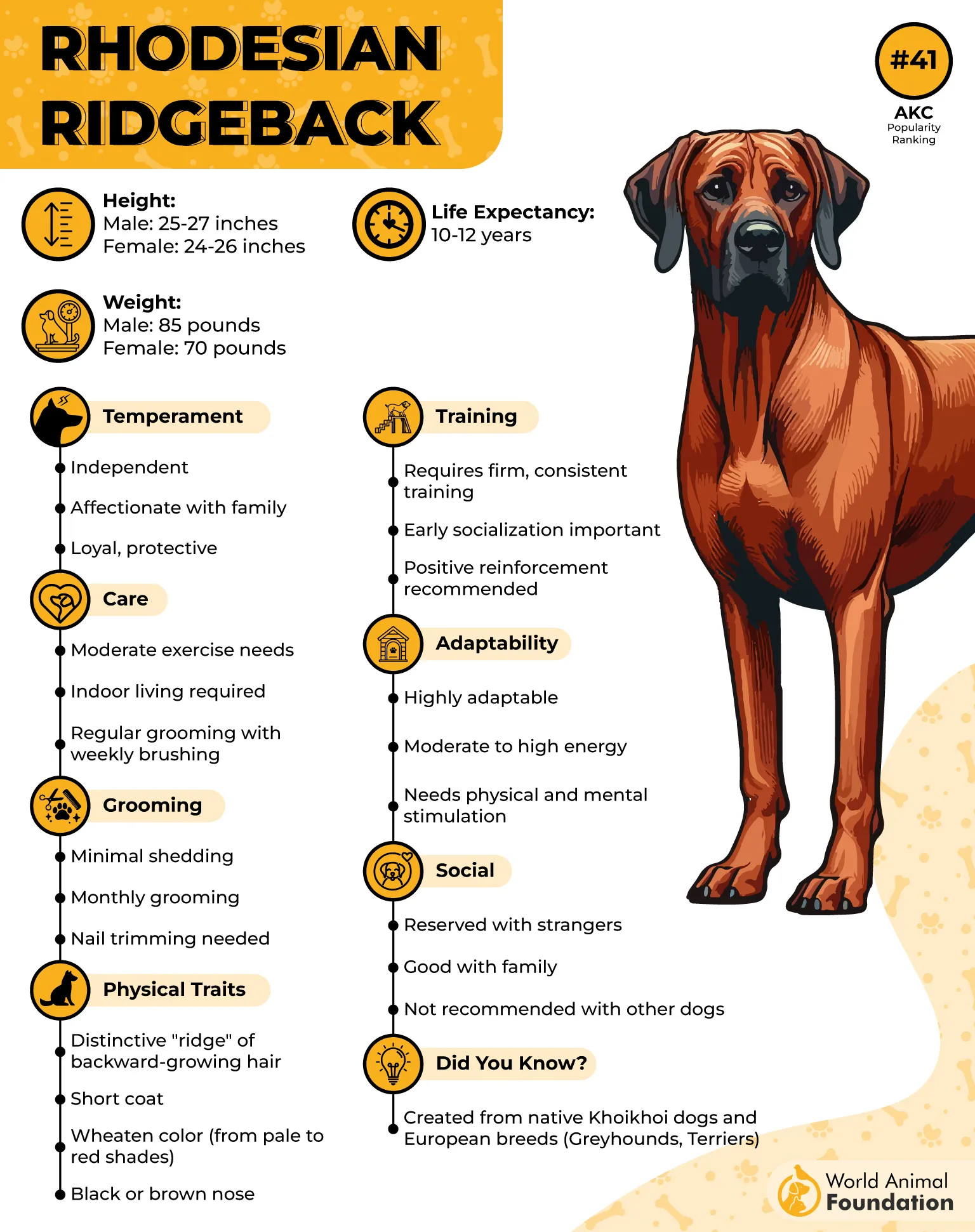
They are an athletic and energetic breed, needing regular exercise and mental stimulation to stay balanced. With proper socialization, they can do well with children and become loving family companions.
Things Seniors Should Consider
This breed requires consistent training and early socialization due to its strong-willed and independent nature. It is best suited for experienced owners who can provide firm but fair guidance. Ridgebacks also need daily activity and space, which may be challenging for less active seniors.
Their strong prey drive and protective instincts mean they need careful handling in new situations. For seniors who are active and confident with dogs, the Rhodesian Ridgeback can offer both loyal companionship and dependable protection.
6. Mastiff

The Mastiff dog is one of the oldest and most powerful guardian breeds in history. With roots going back thousands of years, these dogs were used as protectors and hunters, and that instinct still remains strong today.
Despite their imposing presence, Mastiffs are known for their calm, patient nature and deep loyalty. They are naturally watchful and will quickly become alert if something feels off, making them one of the best guard dogs.
Temperament & Daily Life
Mastiffs are gentle, affectionate, and surprisingly low-energy. They enjoy a relaxed, “couch potato” lifestyle and don’t require intense exercise, which can suit a slower routine. They are loving with their families and generally get along well with other pets when raised together.
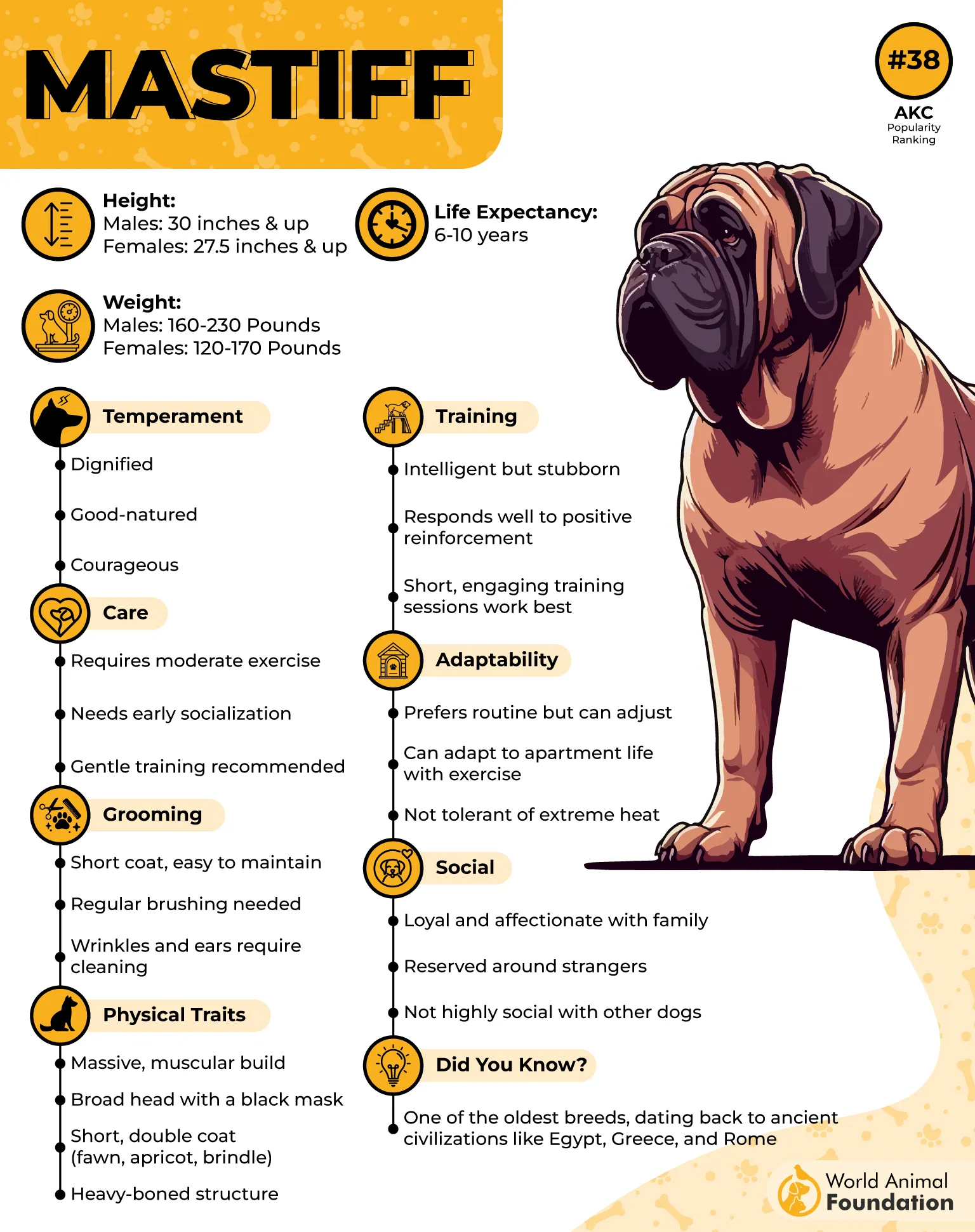
While they are quiet and don’t bark much, they are naturally cautious around strangers and will step into protection mode when needed.
Things Seniors Should Consider
This breed needs early training and socialization to manage its natural guarding instincts and ensure balanced behavior around new people. Mastiffs are eager to please and respond well to positive reinforcement, but training should be consistent.
Seniors should also be prepared for drooling, light regular grooming, and the space required for such a large dog. While they are calm and loyal, their sheer size means they are best suited for seniors who can confidently handle a powerful yet gentle companion.
7. Rottweiler
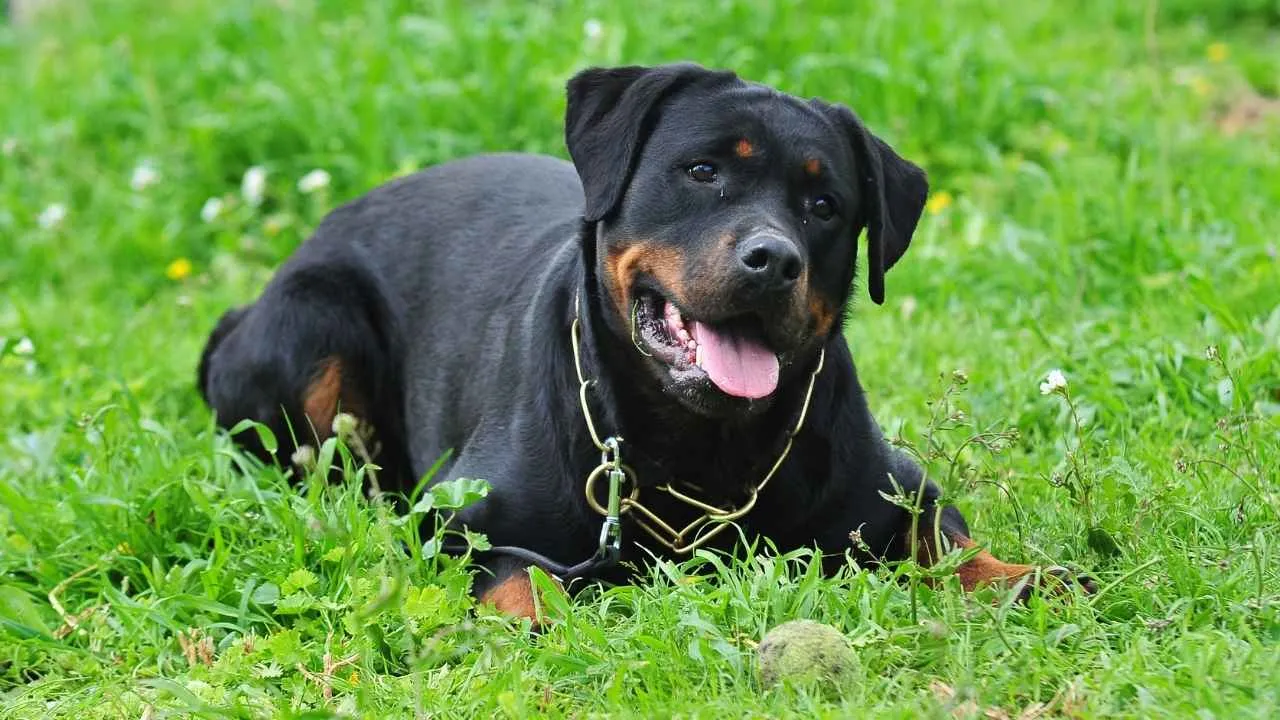
The Rottweiler is known for its strength, confidence, and natural guarding instincts. Originally bred for herding and later used in roles like police work and search-and-rescue, this breed is both capable and dependable.
Despite its tough image, a well-raised Rottweiler is calm, affectionate, and extremely loyal to its family, making it a strong yet reliable protector for seniors.
Temperament & Daily Life
Rottweilers are intelligent, steady, and family-oriented. They often stay close to their owners and enjoy companionship, which can be comforting for seniors. While they are generally calm and quiet, they remain alert and watchful of their surroundings.
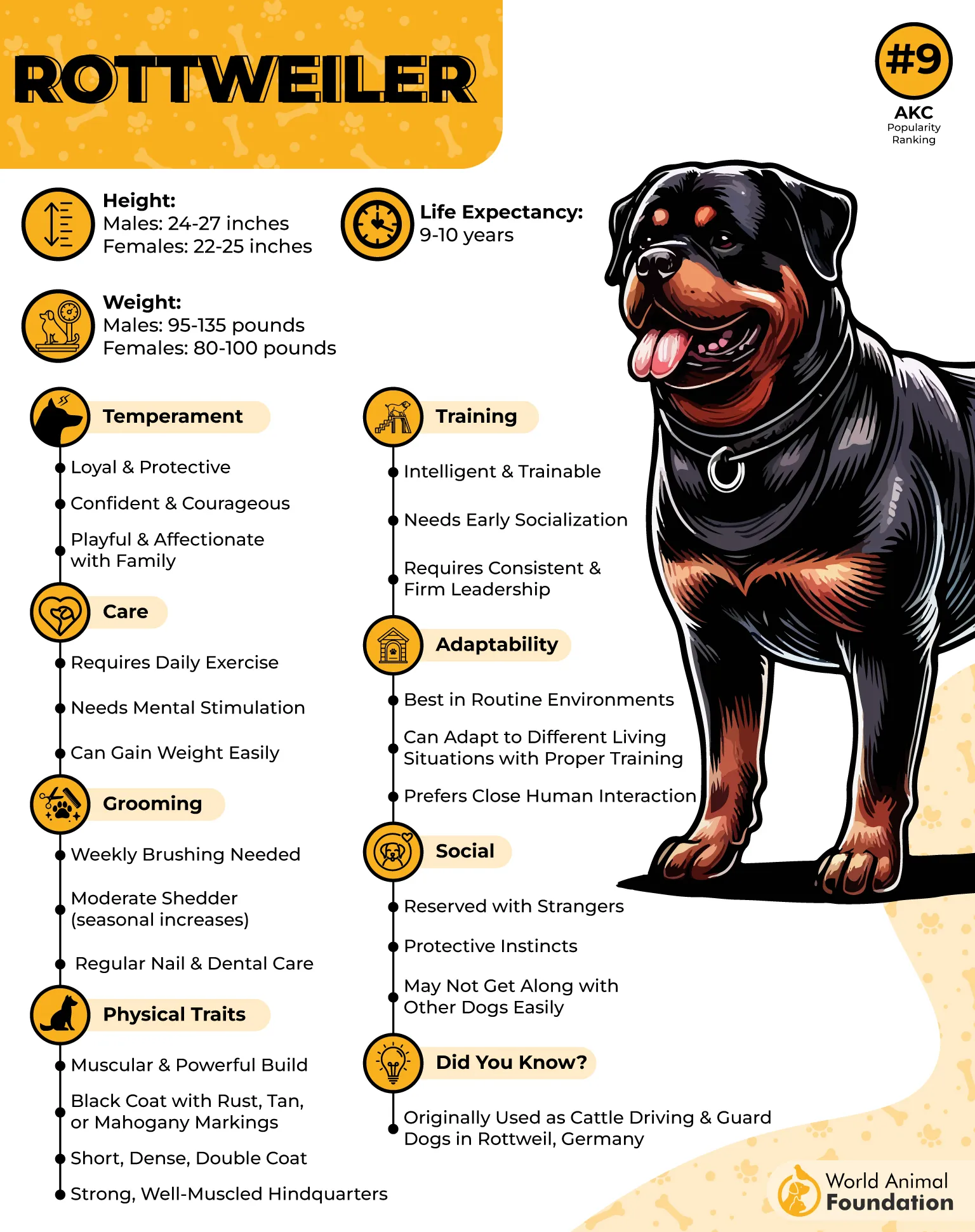
They are also playful and can be gentle with children and other pets when properly trained. However, this active breed needs daily exercise and mental stimulation to stay balanced and avoid boredom.
Things Seniors Should Consider
Early training and consistent socialization are essential to shape their protective instincts in a positive way. Rottweilers learn quickly and respond well to positive reinforcement, but they do need structure and routine.
Their strength and energy levels may require a more active and confident owner. For seniors who can provide regular exercise and firm guidance, this breed offers a powerful mix of loyalty, protection, and companionship.
Conclusion
Choosing the right breed for your golden years isn’t about going for the strongest or most intimidating option—it’s about finding a dog that fits your lifestyle with ease. The best choices combine calm demeanor, manageable energy levels, and natural protective instincts.
If you’re considering bringing one into your life, take your time. Think about your routine, space, how much training or activity you can realistically provide, and the commitment involved.
A great match can become more than protection—it can be your steady companion, your source of routine, and your quiet reassurance every single day.
