




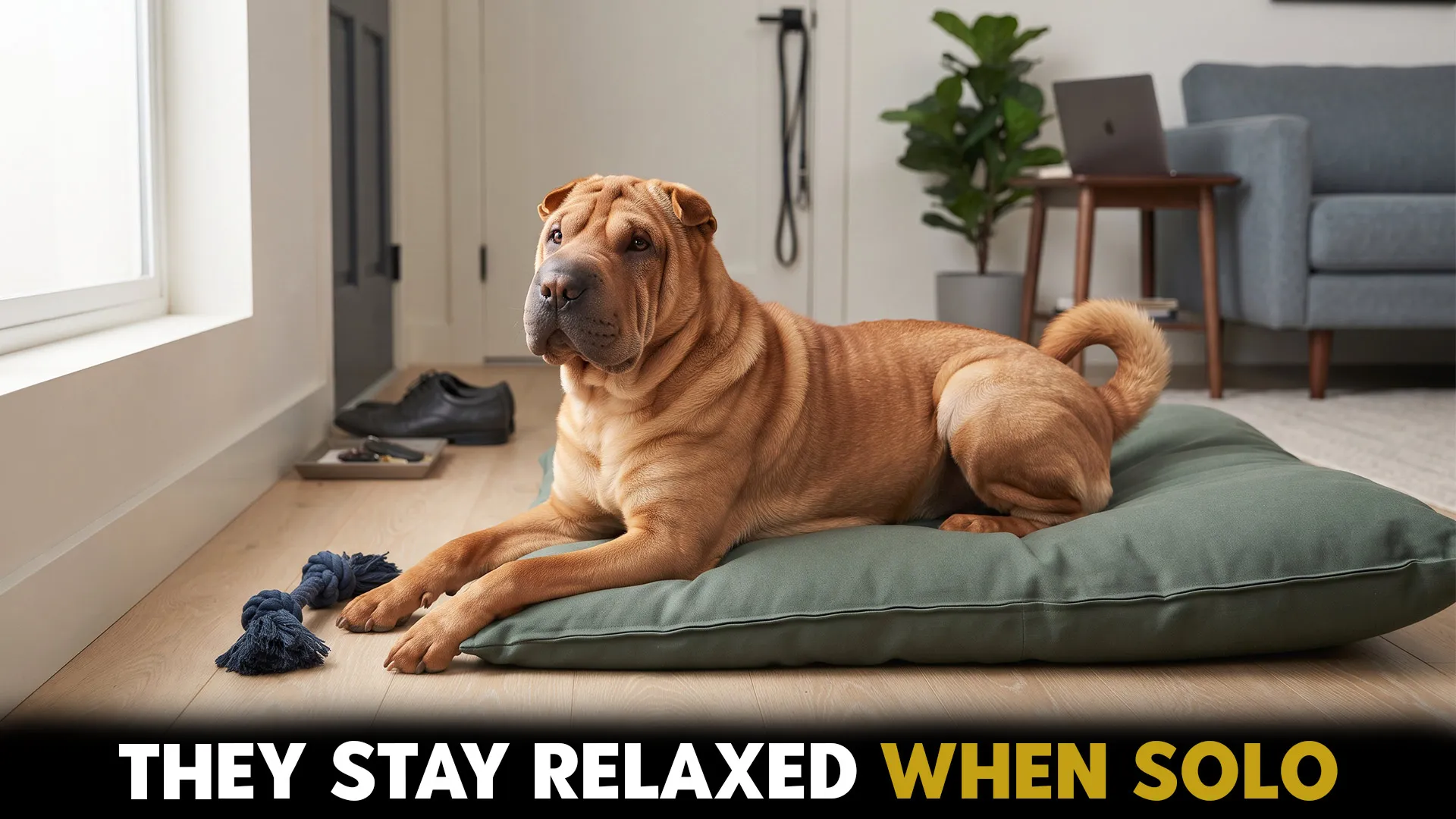
Here’s a fact that might surprise you: Fox News reported that 20 to 40 percent of dogs referred to animal behavior practices in North America are diagnosed with separation anxiety. That number should make you rethink whatever “independent dog breed” list you’ve been trusting.
Not every calm-looking dog handles solitude well, and not every high-energy one falls apart the moment you leave. Independence and comfort with being alone are two completely different things.
So how do you actually tell the difference before you commit to a dog? Keep reading, because the answer starts with understanding what “good alone” really means.
Reliable Dog Breeds That Can Stay Home Solo
1. Basset Hound
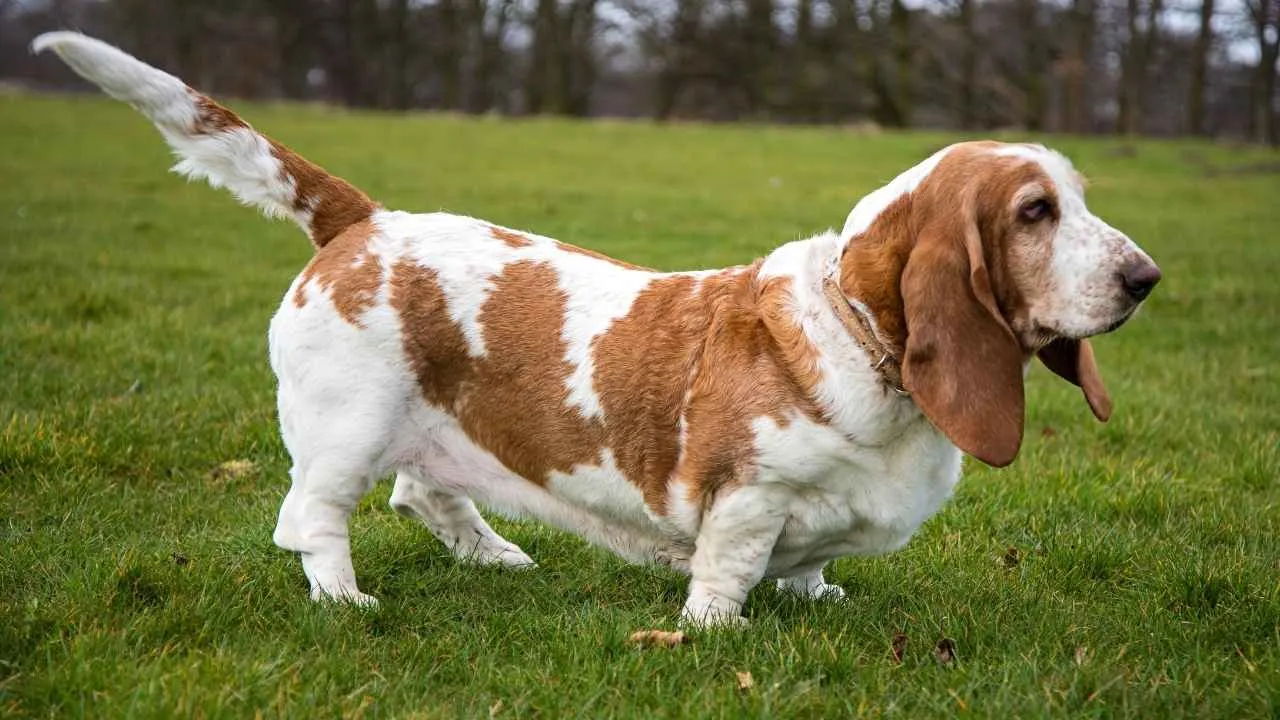
Basset Hounds look like they invented napping. With their droopy eyes, floppy ears, and relaxed attitude, they seem like the perfect laid-back dog. Orvis warns that Basset Hounds can usually stay home alone for a few hours, but these sweet pups are more attached to their people than they may appear and can become lonely when left alone for too long.
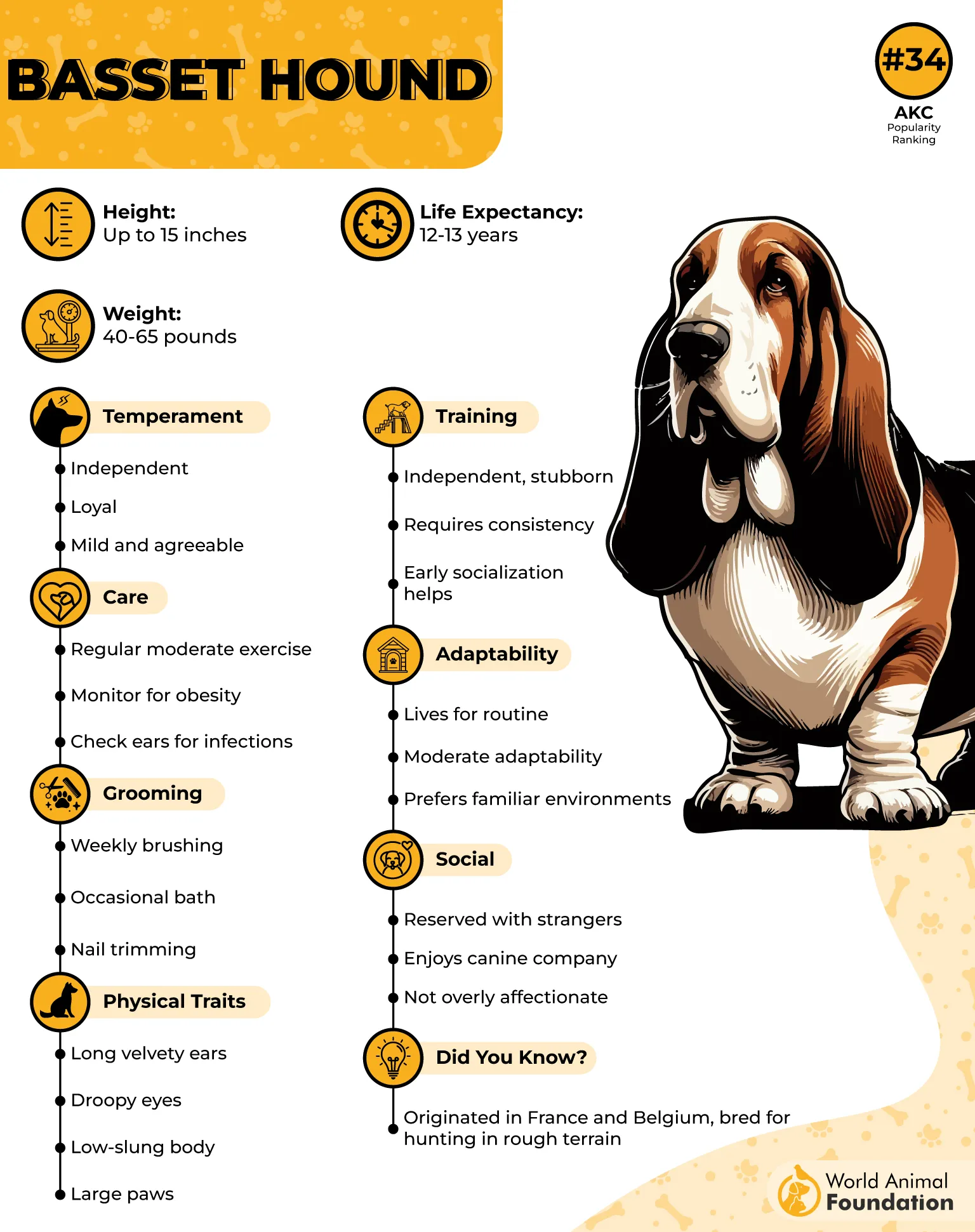
Training for alone time: start with short, ten-minute departures and build up slowly, rewarding calm over whining
Puppy-to-adult tips: normalize solo naps early — a pup who never practiced alone struggles more as an adult
Most Bassets handle a few hours a day just fine, not a full workday. Push past that window, and the baying starts.
Overcoming separation anxiety: leave a worn t-shirt nearby for scent comfort
Overcoming separation anxiety: offer a frozen chew toy to occupy that famous nose
Myth: lazy dogs handle solitude best. Bassets prove otherwise. Keep water topped up, meals on schedule, and a camera running to catch early signs of anxiety.
2. Greyhound
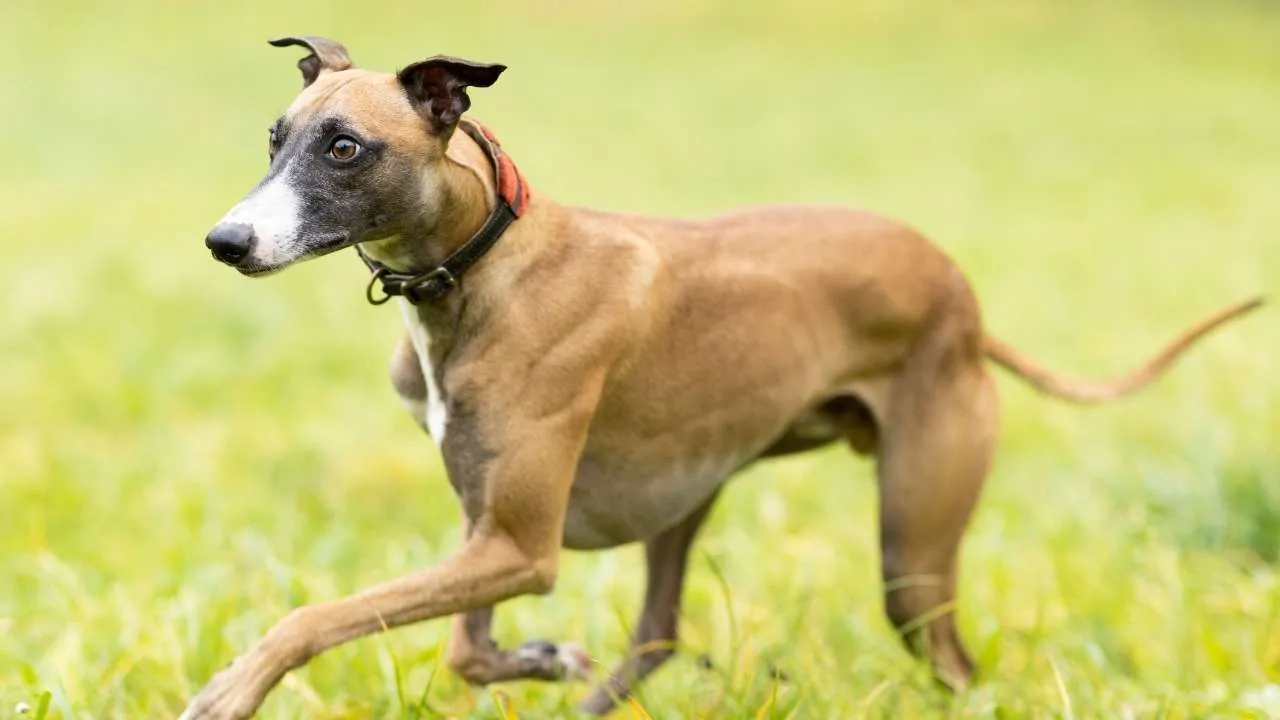
Fastest dog breed, laziest attitude. AKC describes the Greyhound as gentle and sweet-tempered, with an independent spirit built for solo sprinting — the same trait that makes home-alone time feel natural to them.
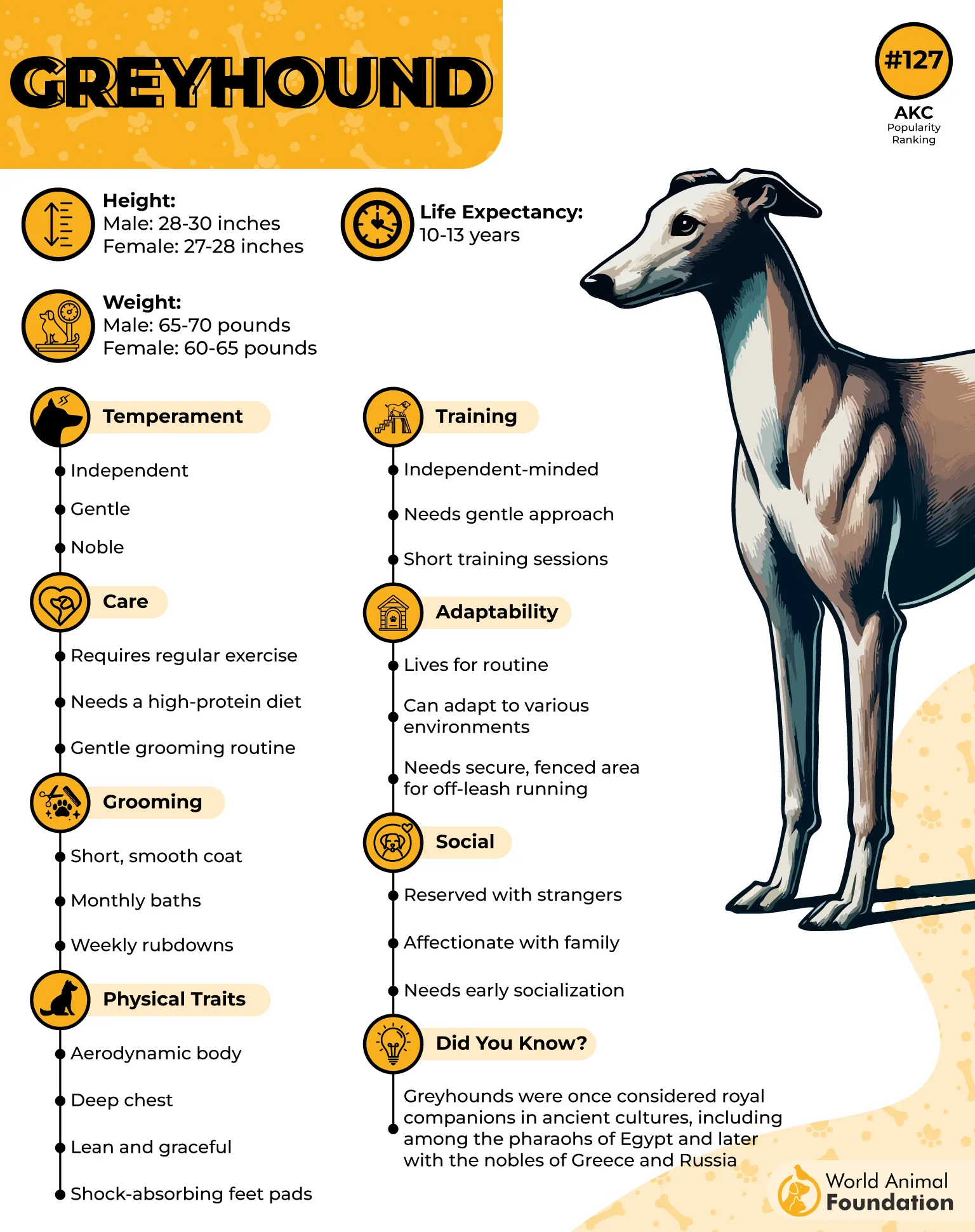
Training for alone time: use a large crate with water and a soft bed
Puppy-to-adult tips: ex-racers may need re-training for home life; puppies need shorter, gentler practice first
A tired, well-exercised adult dog manages a solid stretch of hours a day without fuss. Skip the walk first, though, and boredom turns destructive fast.
Overcoming separation anxiety: tire them out with a brisk walk or short sprint beforehand
Overcoming separation anxiety: keep goodbyes and hellos low-key, no big fuss either way.
Myth: built for speed means built for chaos. Wrong — most nap most of the day. Double-check the fence, leave fresh water, and peek in on a camera if you’re out long.
3. Chinese Shar-Pei
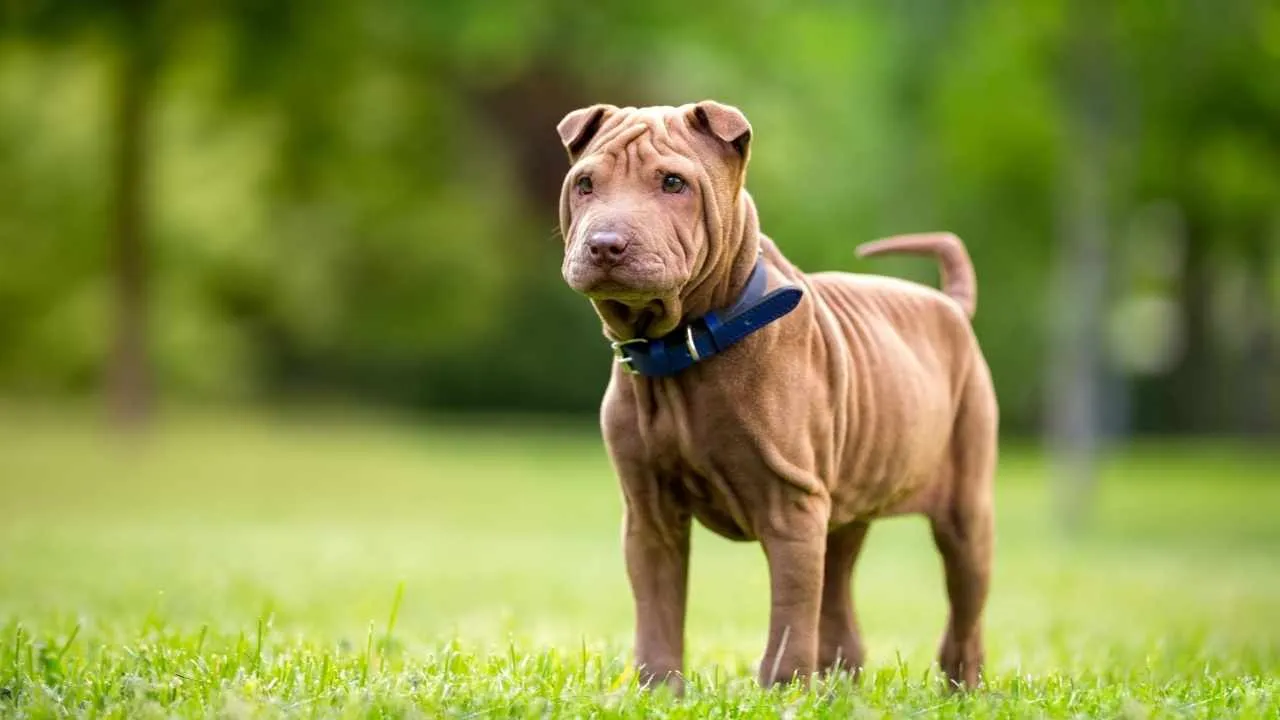
Shar-Peis wear independence in every wrinkle. VCA describes them as independent and stubborn, rebelling against forceful training methods. That same stubborn streak often means solo time isn’t a problem once they respect you.
Training for alone time: use reward-based methods only; earn their trust first, obedience follows
Puppy-to-adult tips: socialize early and often — an unsocialized adult is a much bigger handful, alone or not
They should not be left alone for the entire day or long work shifts: cap alone time at a few hours, especially in hot weather.
Overcoming separation anxiety: keep the home calm and cool, since stress and heat both trigger flare-ups.
Overcoming separation anxiety: build up solo time gradually, never in one big jump
Myth: aloof means unaffectionate. Not true: Shar-Peis crave people more than other dogs’ company. Keep the room temperature steady, water full, and skip long summer stretches outside alone.
4. Lhasa Apso
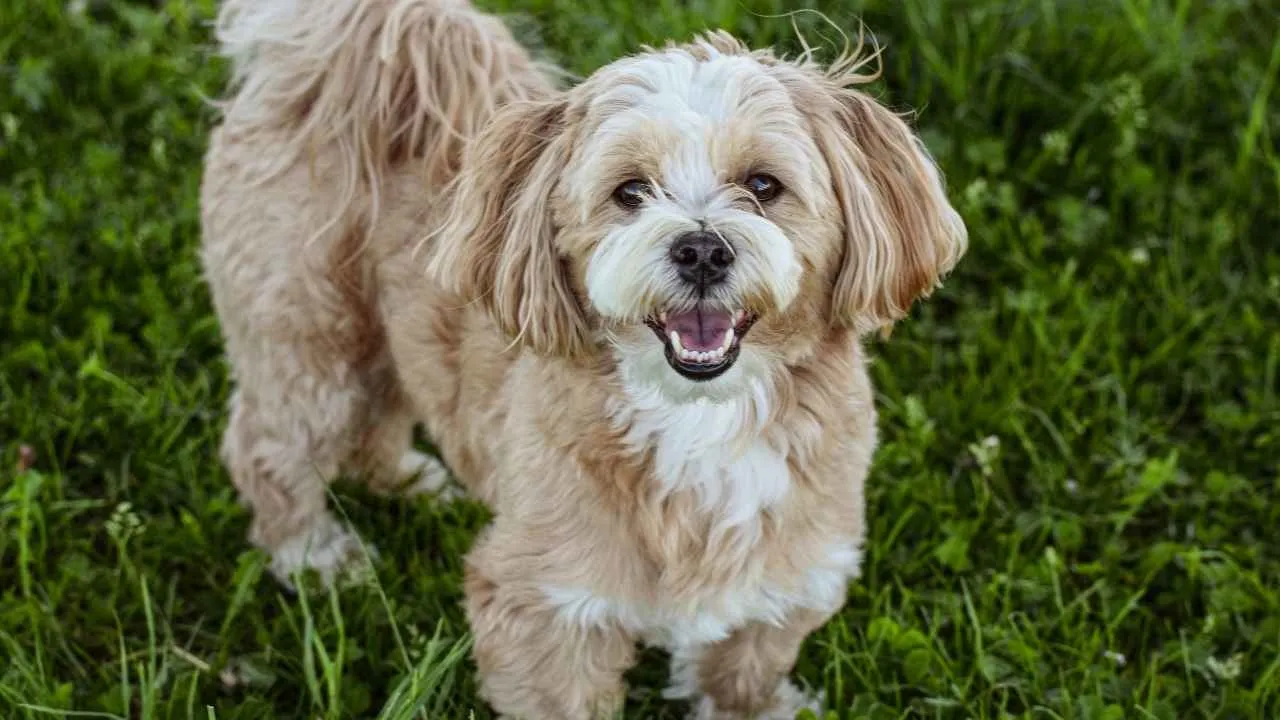
Lhasa Apsos were bred to watch, not cuddle nonstop. Hill’s Pet notes they’re intelligent but a bit stubborn and independent, so training is a must. Handy fact: that same independence makes solo hours less of a big deal.
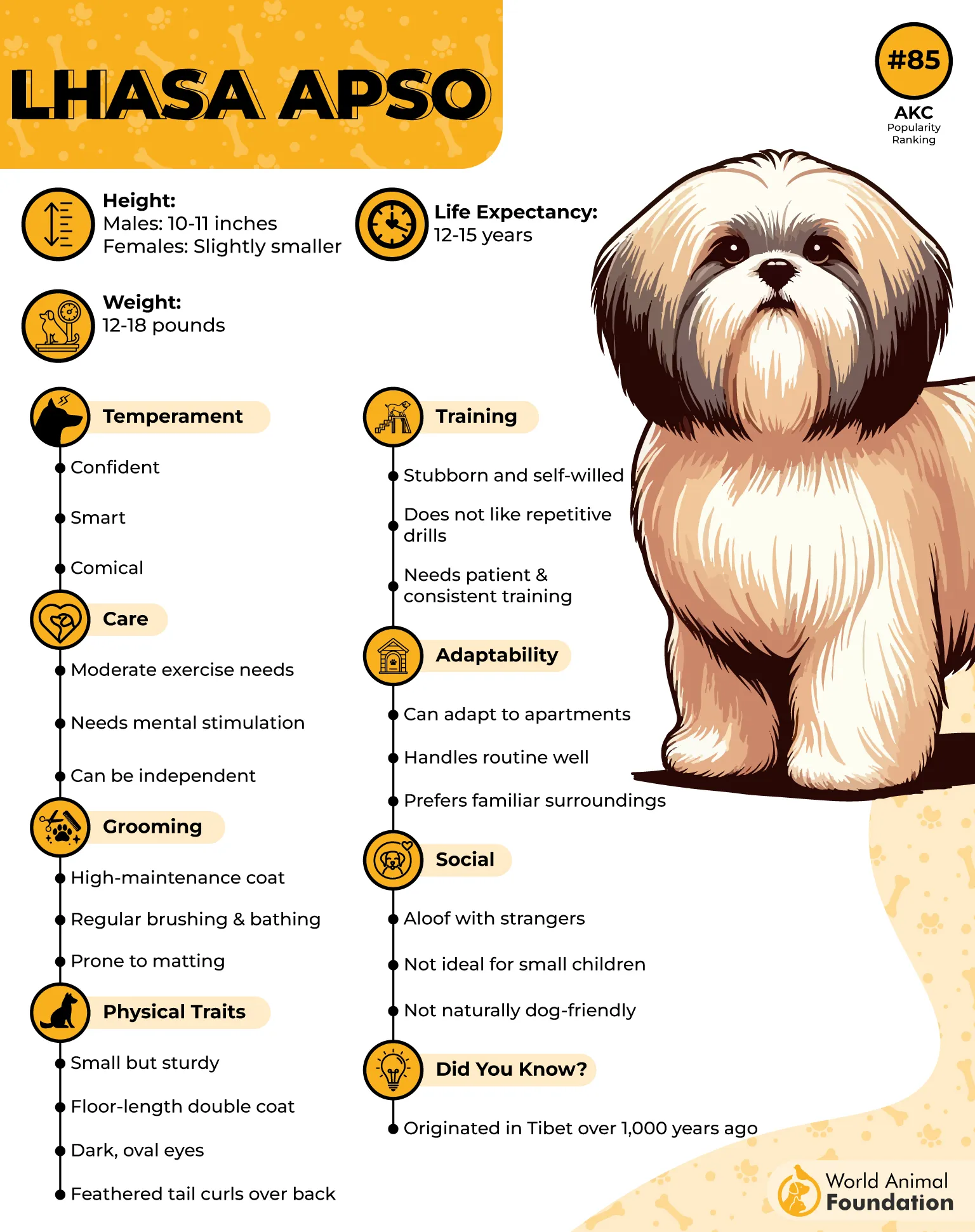
Training for alone time: short, reward-heavy sessions work best with a firm but patient hand
Puppy-to-adult tips: socialize with people and animals early — it shapes how relaxed they’ll be later
A well-adjusted Lhasa can hold down the house for a few hours happily. Push much further and even this little watchdog gets restless.
Overcoming separation anxiety: give them a small fenced space to patrol and self-entertain
Overcoming separation anxiety: stick to a consistent daily routine, since surprises stress this breed out
Myth: small dogs are always needy. Lhasa Apsos laugh at that. Watch their loud alarm bark around deliveries, keep food and water accessible, and never skip the walk before leaving.
5. Chow Chow
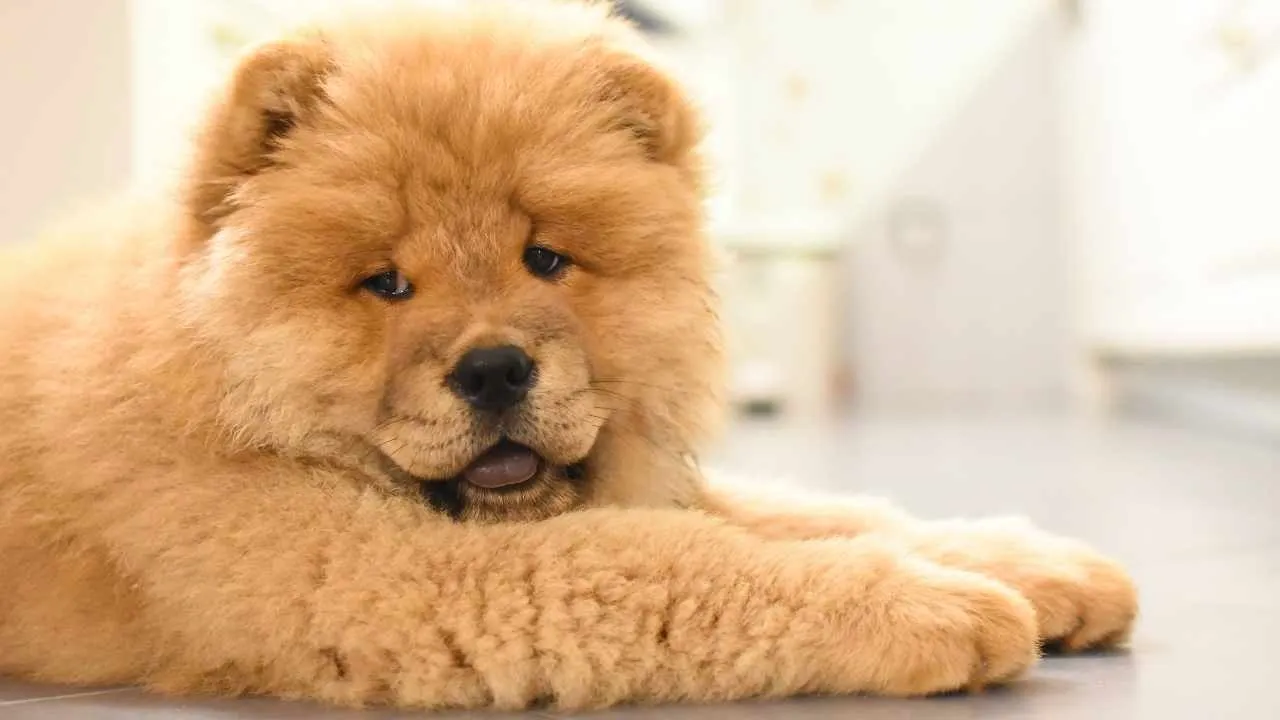
Chow Chows run on cat energy. PetMD calls the Chow independently minded, appreciating when their space and boundaries are respected — a trait that makes solo time feel natural rather than stressful.
Training for alone time: respect their boundaries early; a Chow who trusts you handles solo hours calmly
Puppy-to-adult tips: socialize young, since an under-socialized adult is far more stubborn to train later
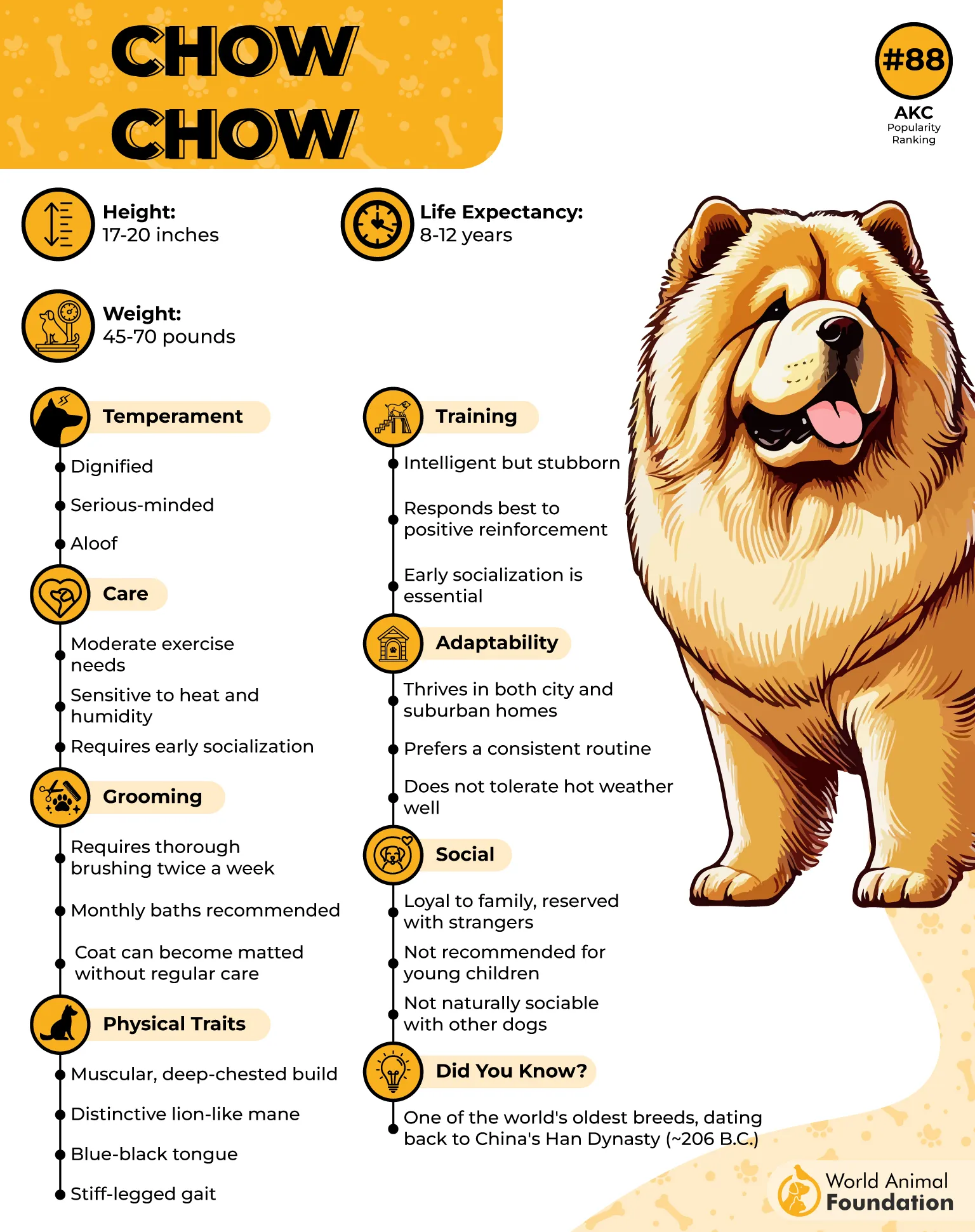
Chows generally settle into a full workday of alone time without much fuss, as long as exercise happened first.
Overcoming separation anxiety: keep pre-departure exercise short but consistent; two brief walks beat one long one.
Overcoming separation anxiety: avoid emotional goodbyes, since Chows read calm energy, not drama
Myth: aloof means unhappy. Not so: Chows just love quietly. Watch for overheating in their thick coat, keep water cool and full, and check in midday if you can.
6. Shiba Inu
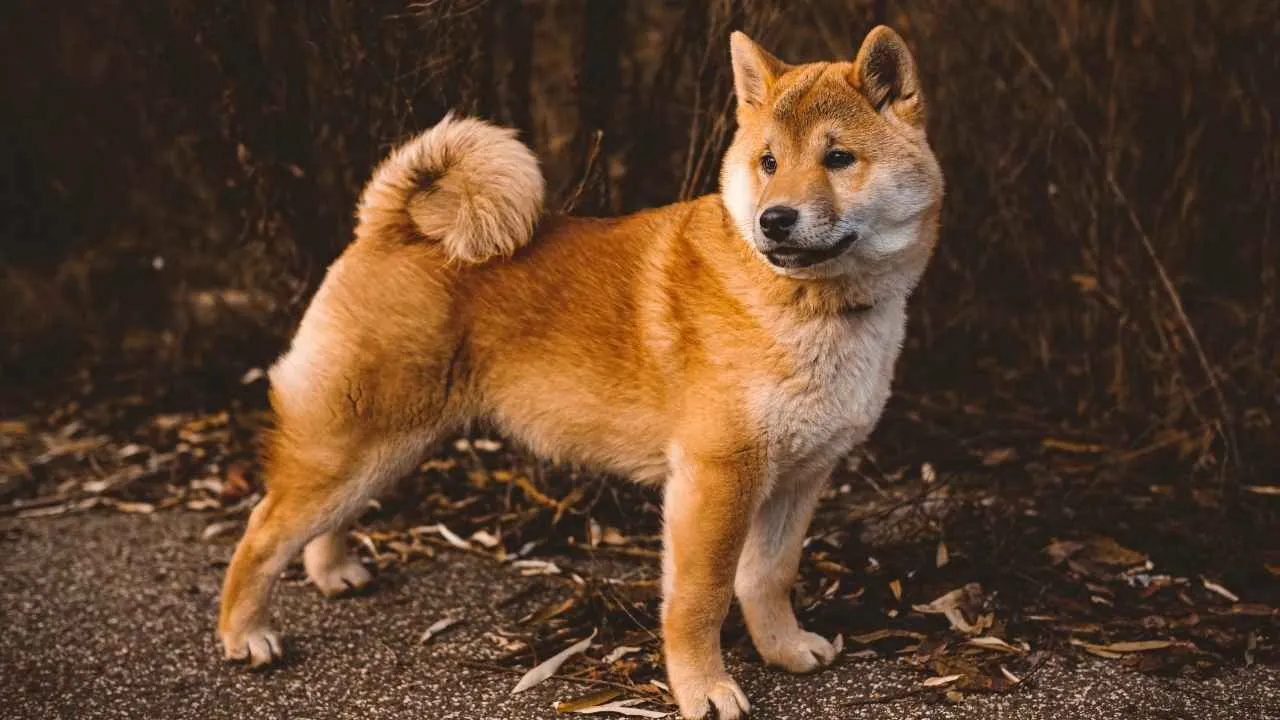
Shiba Inus wear confidence like a coat. This independent guard dog breed genuinely enjoys quiet solo time and often prefers being the only pet in the house. Confidence isn’t the same as anxiety-proof, though — an anxious Shiba can turn into a serious escape artist.
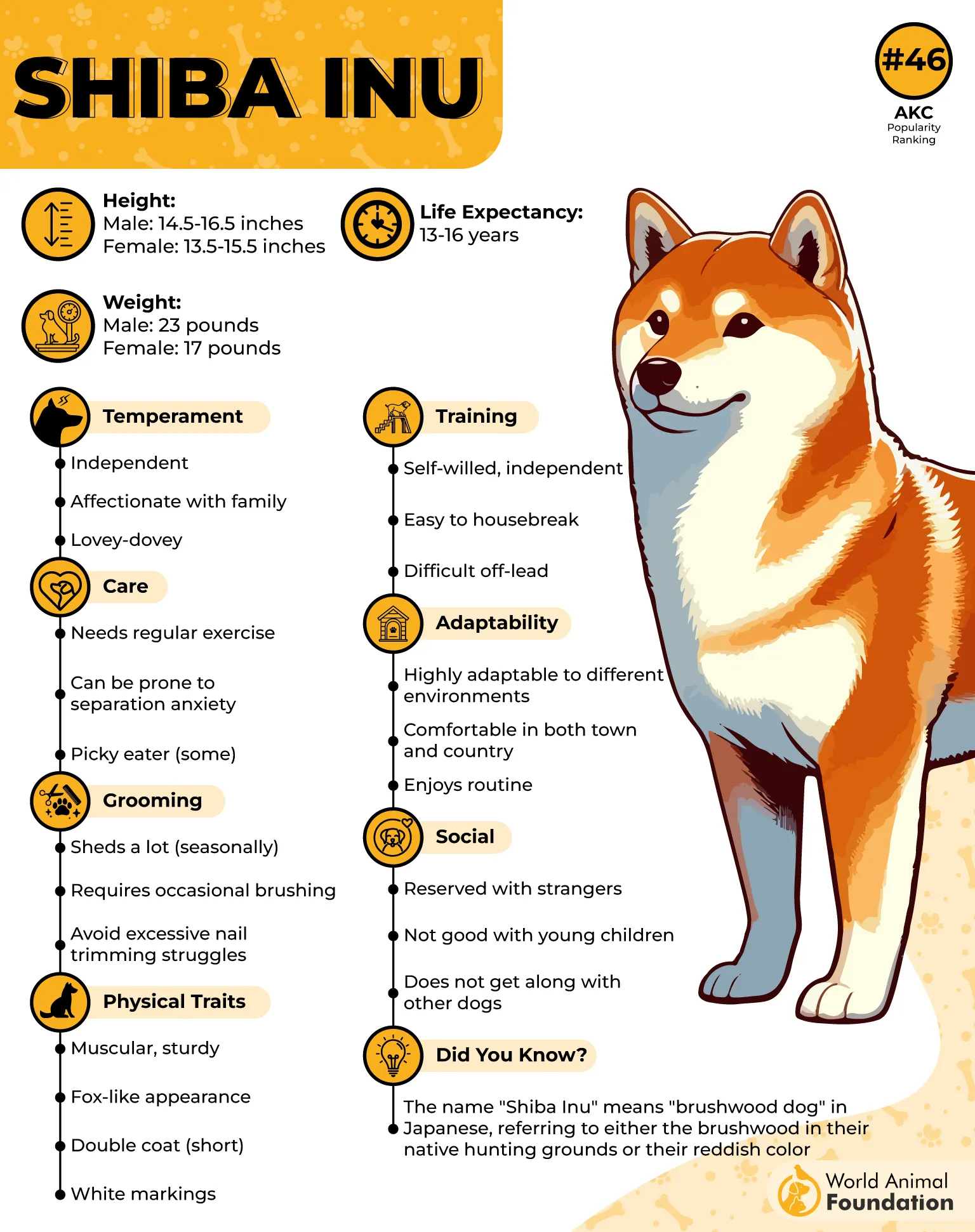
Training for alone time: crate train early and keep departures low-key, since routine builds real comfort
Puppy-to-adult tips: a puppy needs short, frequent breaks; a trained adult dog can handle several hours once ready
A trained adult typically manages several hours a day without trouble. Puppies need far shorter stretches, so plan around age before leaving anyone home alone.
Overcoming separation anxiety: watch for whining at your keys or coat, an early warning sign
Overcoming separation anxiety: offer a puzzle toy to redirect nervous energy into something productive
Myth: independent always means anxiety-proof. Not quite — some Shibas dig and chew when stressed. Keep water full, toys rotated, and check in by camera if solo time stretches long.
7. Basenji
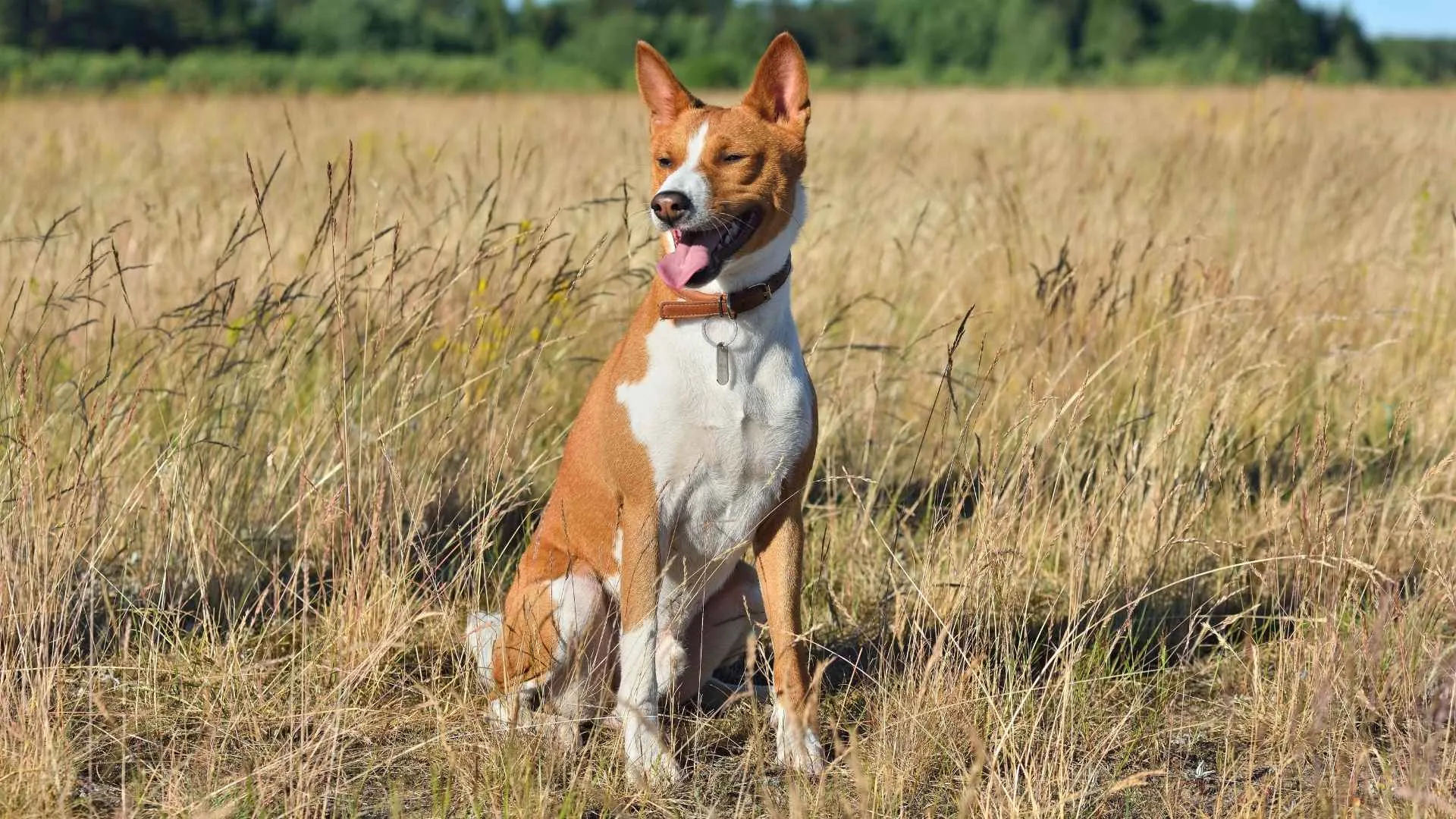
Meet the basenji, the original barkless dog. Originally bred for silent hunting in Central Africa, this breed looks independent on paper, but don’t be fooled — Basenjis actually prefer keeping their humans in sight at all times.
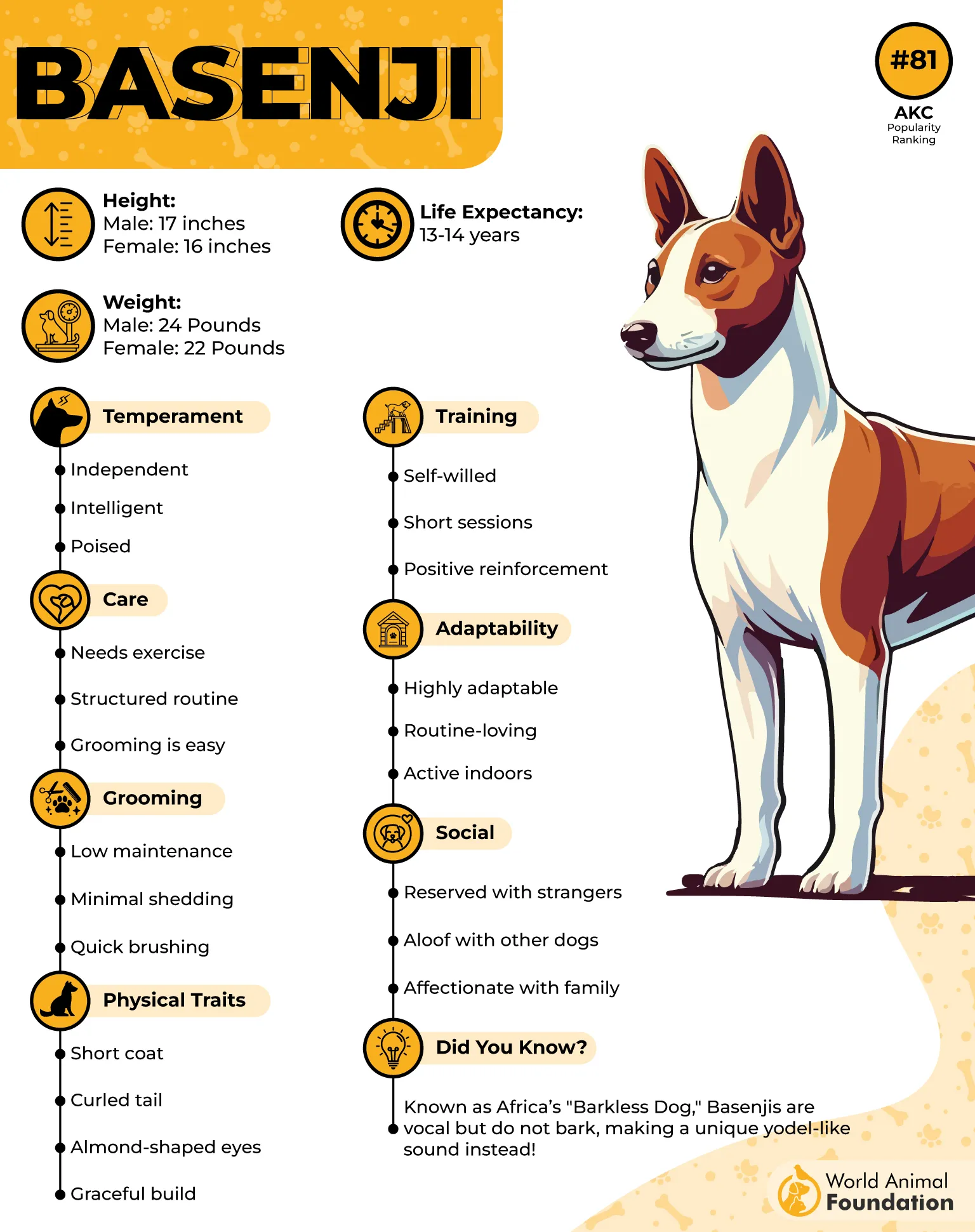
Training for alone time: keep goodbyes calm and boring; dramatic exits only feed anxiety
Puppy-to-adult tips: a new puppy needs weeks to settle in before facing any real alone time
Basenjis handle short stretches just fine, but push past a few hours, and the noise complaints start. This is not a breed built for long periods home alone.
Overcoming separation anxiety: pair departures with a high-value treat that only appears when you leave
Overcoming separation anxiety: build duration slowly, from seconds to minutes to longer solo time
Myth: independent means happy alone. Basenjis prove that wrong — they’re escape artists when bored. Secure every exit, keep food and water accessible, and never assume a closed door is enough.
8. Akita
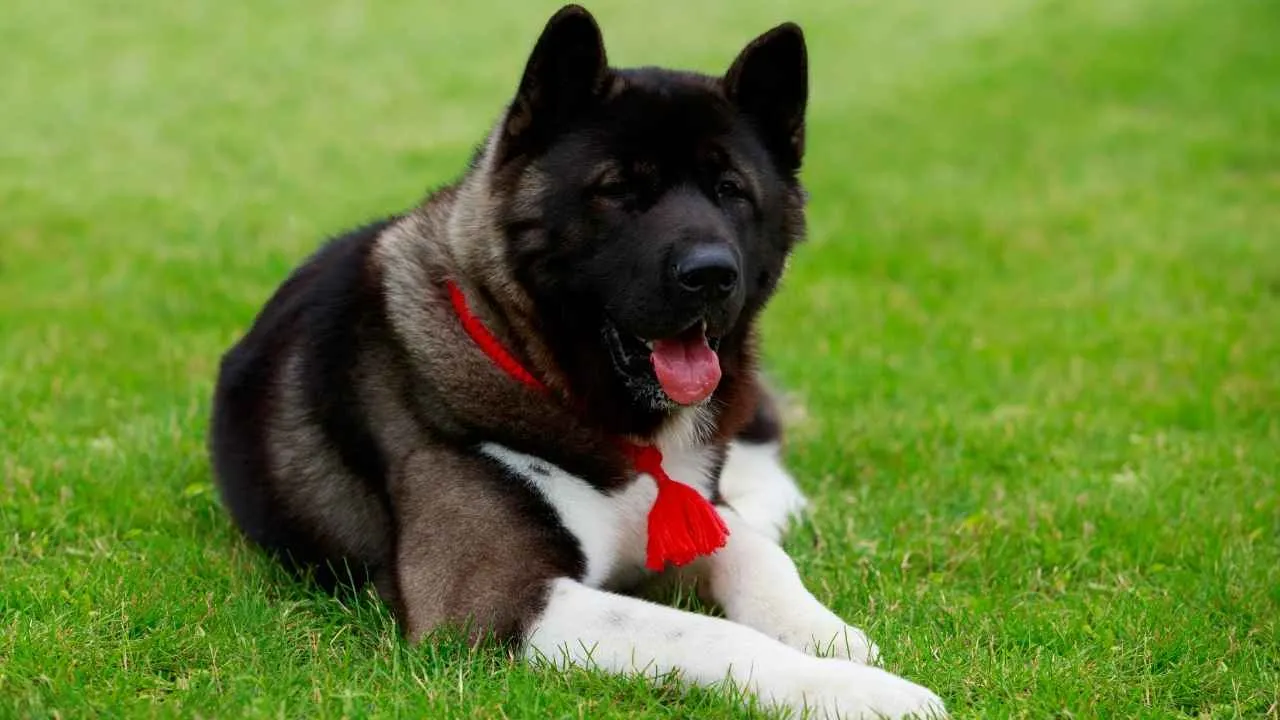
Akitas are the strong, silent type — a dignified guardian breed built to work and watch alone rather than in packs. That same guarding instinct makes them naturally comfortable with solo time, once properly trained.
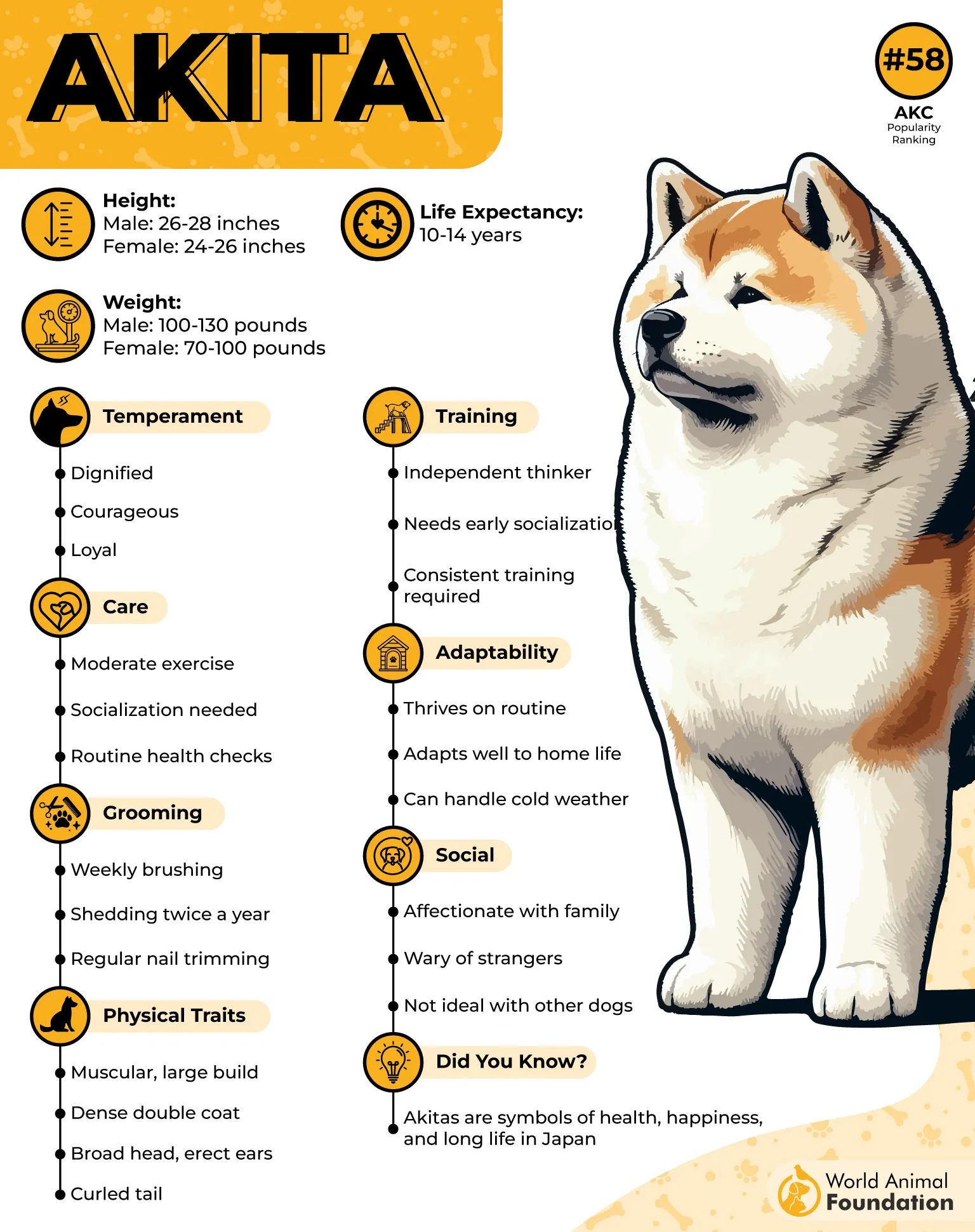
Training for alone time: short daily sessions build confidence, and clear house boundaries matter
Puppy-to-adult tips: socialize before four months old, since a poorly socialized adult struggles more with everything, including solitude
A trained adult Akita can typically manage hours a day on their own. Puppies and rescued dogs, though, often need much shorter windows to start.
Overcoming separation anxiety: watch for agitation the moment you grab your keys, an early tell
Overcoming separation anxiety: keep departures matter-of-fact, with zero dramatic goodbyes.
Myth: big, independent guard dog breeds never get anxious. Wrong — loyalty runs deep here too. Keep a secure yard, fresh water, and steady house rules for real security while you’re away.
9. Irish Wolfhound
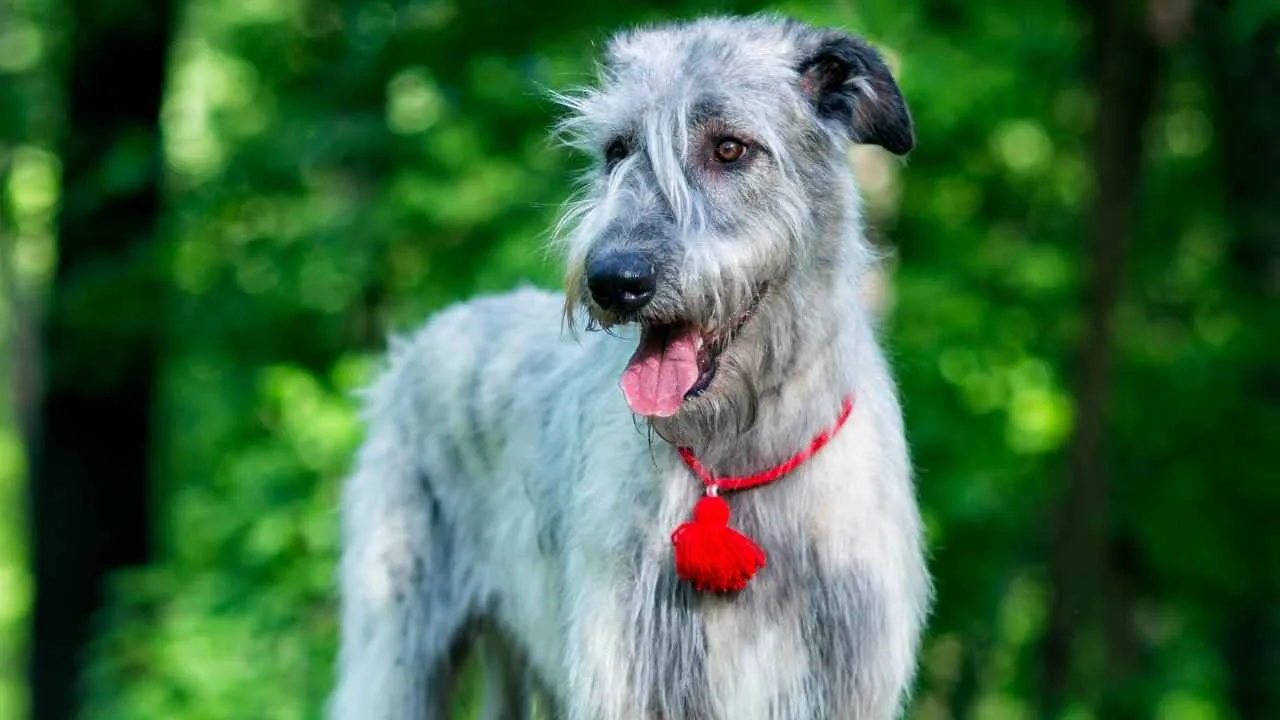
Irish Wolfhounds are giant, gentle, and about as far from independent as this list gets. This calm companion breed craves closeness, so solo time is genuinely tough on them, unlike most other breeds here.
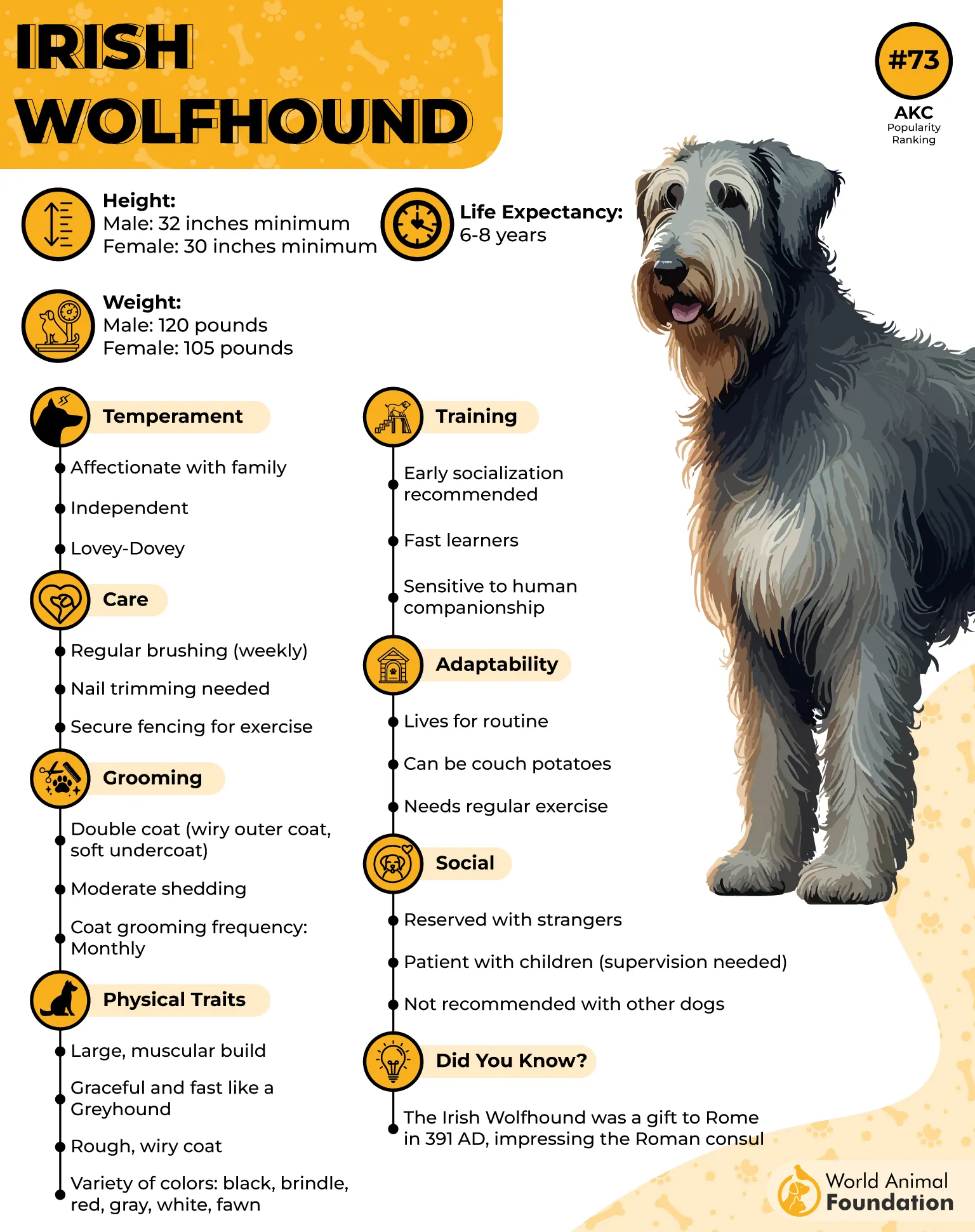
Training for alone time: short, positive sessions work best, since repetition bores them fast
Puppy-to-adult tips: early, low-key socialization matters more here, given their sheer size as an adult dog
Keep alone time short and predictable. Long stretches home alone can genuinely lower their mood, making this the one entry that needs real caution.
Overcoming separation anxiety: ease into longer absences slowly, starting with just minutes
Overcoming separation anxiety: provide plenty of physical exercise before any solo stretch
Myth: calm always means comfortable alone. Not with this gentle giant. Watch for low energy or destructive behavior, keep water and space open, and never leave them for a full workday.
Conclusion
Every breed on this list proves the same point: an independent dog breed is not automatically one that’s comfortable being left alone. Temperament, training, and your actual daily schedule decide that far more than any breed guide ever could.
So this week, run your own test: leave for fifteen minutes, then thirty, then an hour, and record your dog on camera each time. Watch how they actually behave, then use that footage, not this list, to decide how many hours a day they can realistically handle alone.
