





Bringing home your first dog is an exciting milestone for any new dog parent, but choosing the right breed can feel overwhelming for a dog parent. Some dogs are known for their sociable nature, responsiveness to training, and ability to adapt to different households, making them promising companions for new pet parents.
Still, not all dogs suit first-time owners equally. Certain breeds have more manageable grooming, exercise, training, and healthcare needs, so choosing the right dog for your routine, experience, and living space can make all the difference in dog ownership.
Explore 10 of the best dog breeds and discover their distinctive qualities to help you compare dog breeds for first-time owners and make an informed choice for a rewarding life together.
Top Reliable Dog Breeds for New Dog Parents
1. French Bulldog
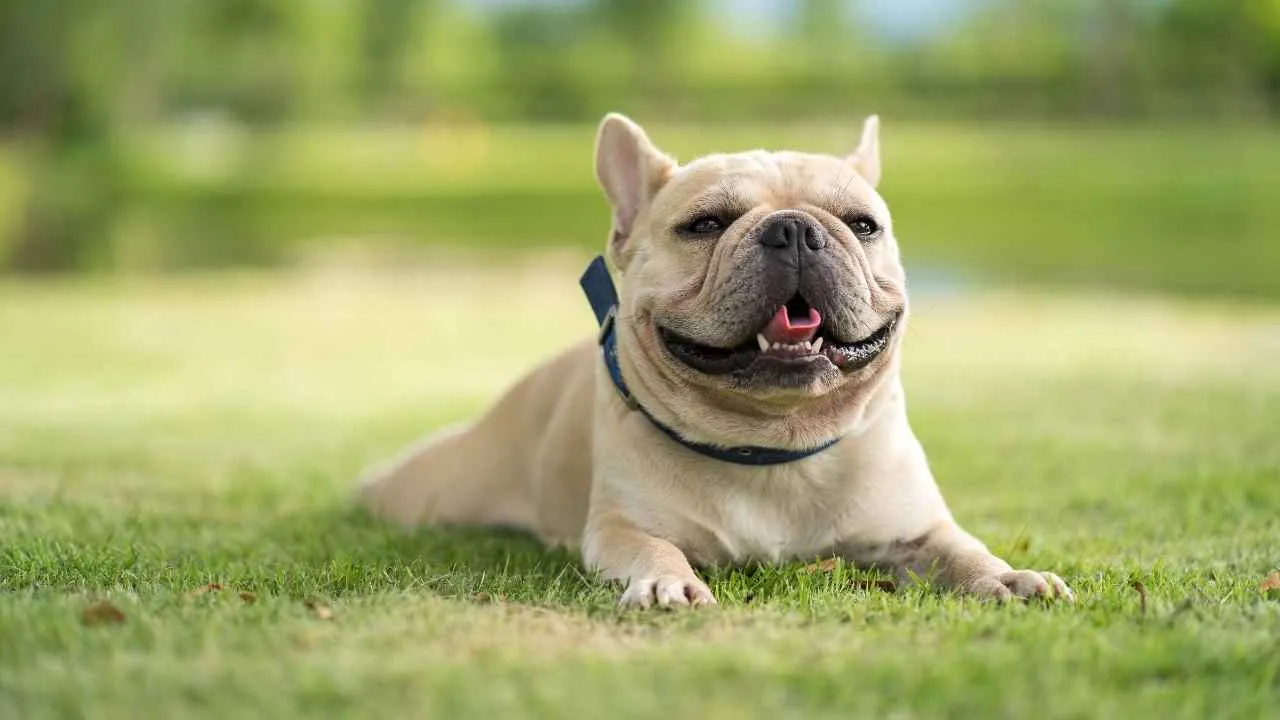
French Bulldogs are charming, compact companions known for their playful personalities and adaptability, and they are often recommended for first-time dog owners because of their compact size and adaptable nature. Their muscular bodies, smooth coats, and expressive faces make them recognizable, while their affectionate nature appeals to first-time dog parents.
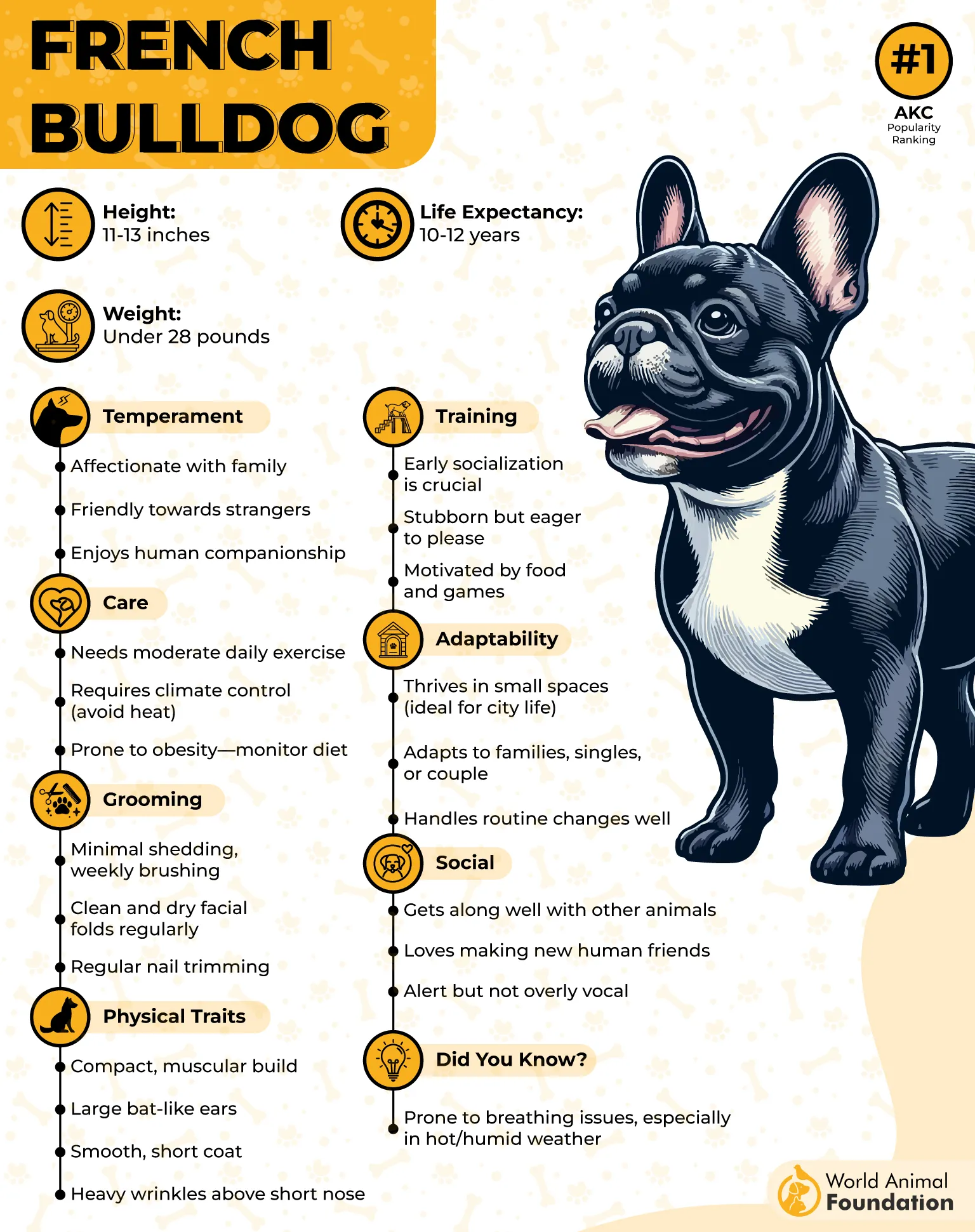
These sociable dogs enjoy meeting people and can get along with children and other pets when properly introduced. They form close family bonds, so long periods alone may leave them unsettled. Early socialization and reward-based training help manage their occasional stubbornness and can help new owners build confidence.
Frenchies generally thrive with short daily walks and indoor play, and compared with more active breeds, they do well with minimal exercise. Their flat faces can cause breathing difficulties, so strenuous activity in hot or humid weather should be avoided.
Routine wrinkle cleaning is also an important part of care for first-time dog owners. Their modest exercise needs make them well suited to apartment living.
How This Breed Stands Out
Easygoing indoor companion: Adaptable, affectionate, and comfortable with moderate exercise.
Distinctive bat-shaped ears: Large, upright ears give this breed its signature appearance.
2. Dachshund

Dachshunds are small dogs with long bodies, short legs, and lively personalities. Originally bred to hunt, they combine courage and alertness with a distinctive appearance. Their watchful nature makes them effective little watchdogs despite their compact size.
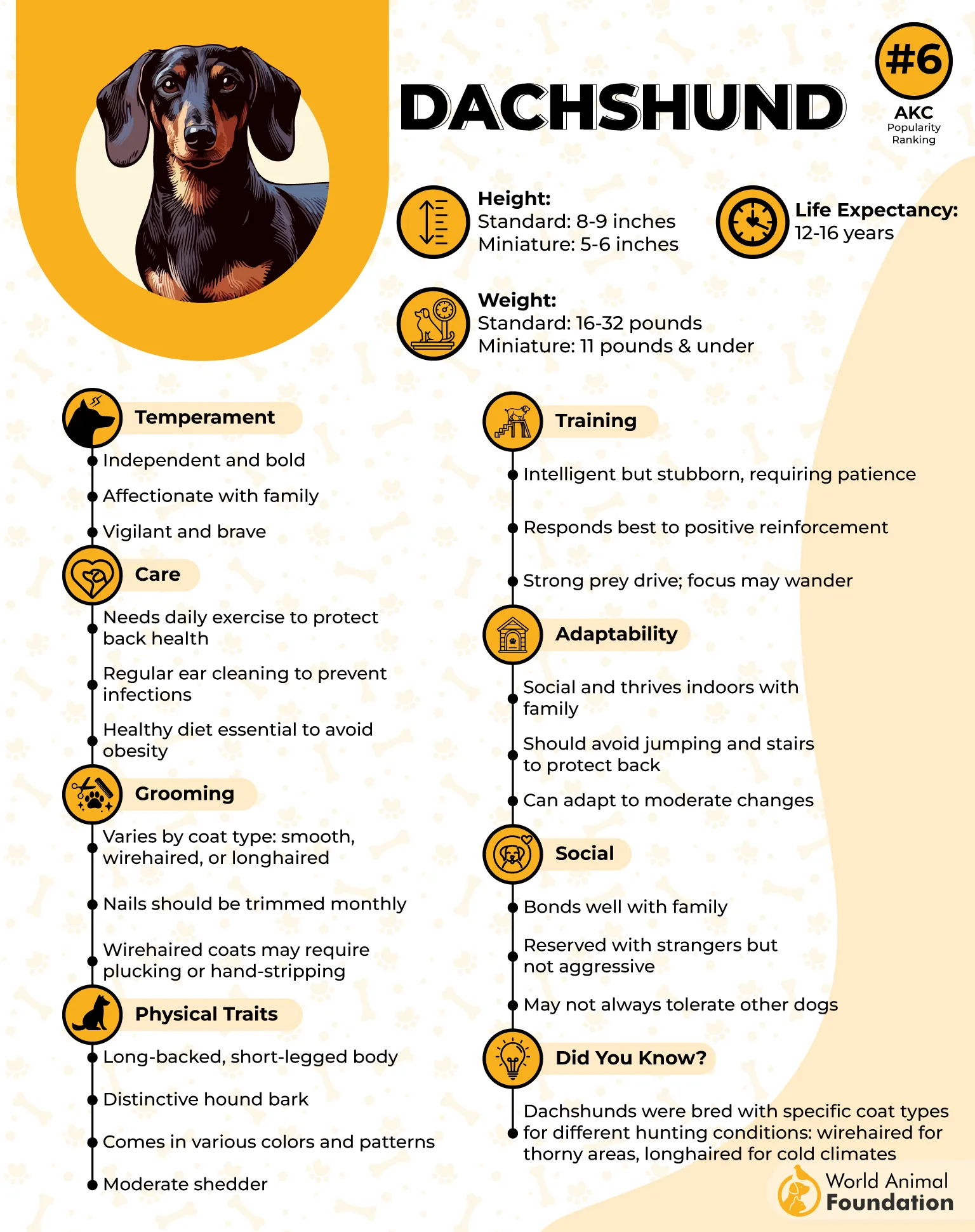
Affectionate and loyal, Dachshunds enjoy staying close to their families. However, their independent streak can make training challenging, so patience and reward-based methods work best. Their strong sense of smell keeps them curious, while early socialization encourages polite behavior around people and other pets.
Daily walks and scent-based games help keep these clever dogs active and mentally engaged. Because their long backs are vulnerable to injury, owners should limit jumping on and off furniture and avoid repeated stair climbing. Their modest size can suit apartment living, although barking may require training.
How This Breed Stands Out
Compact, apartment-friendly size: Their small stature makes them suitable for many indoor living spaces.
Curious scent-tracking instincts: A keen nose and hunting heritage make exploring smells especially rewarding.
3. Beagle
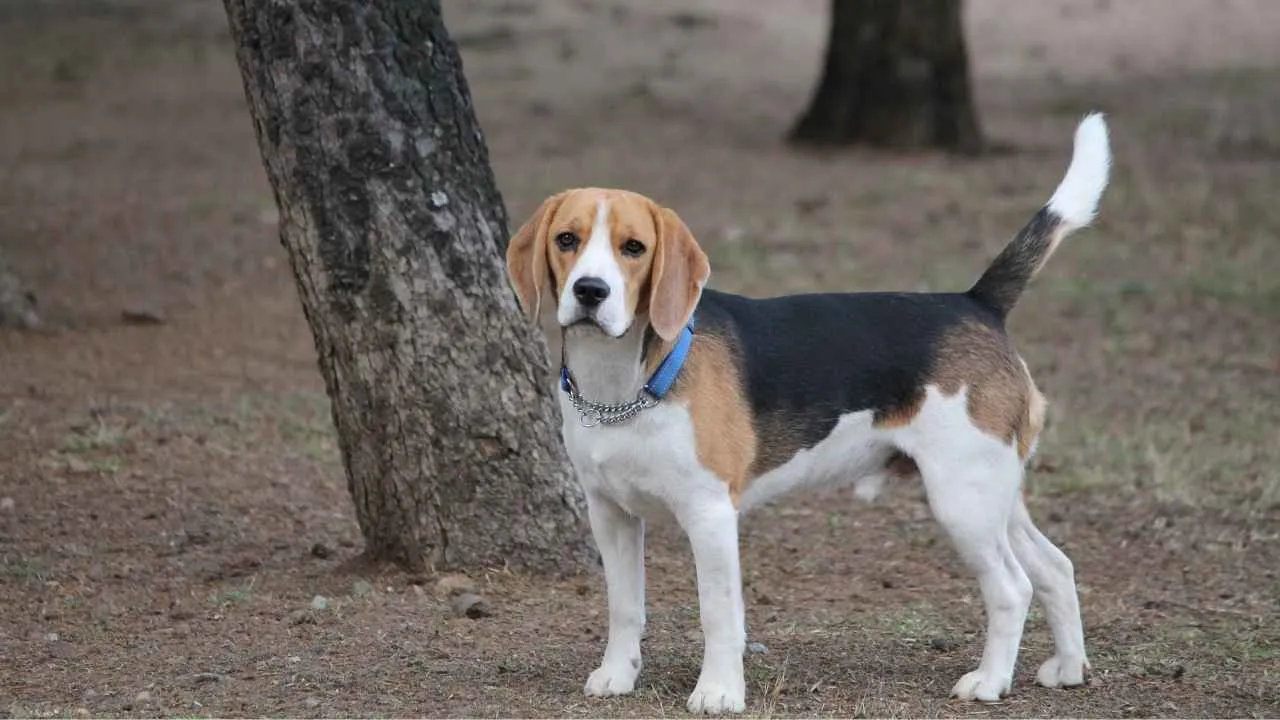
Beagles are cheerful, curious small- to medium-sized dogs with an outgoing nature that makes them appealing to active families. Originally bred for hunting, they have a keen sense of smell and love exploring their surroundings. Their friendly personalities often help them fit into busy households.
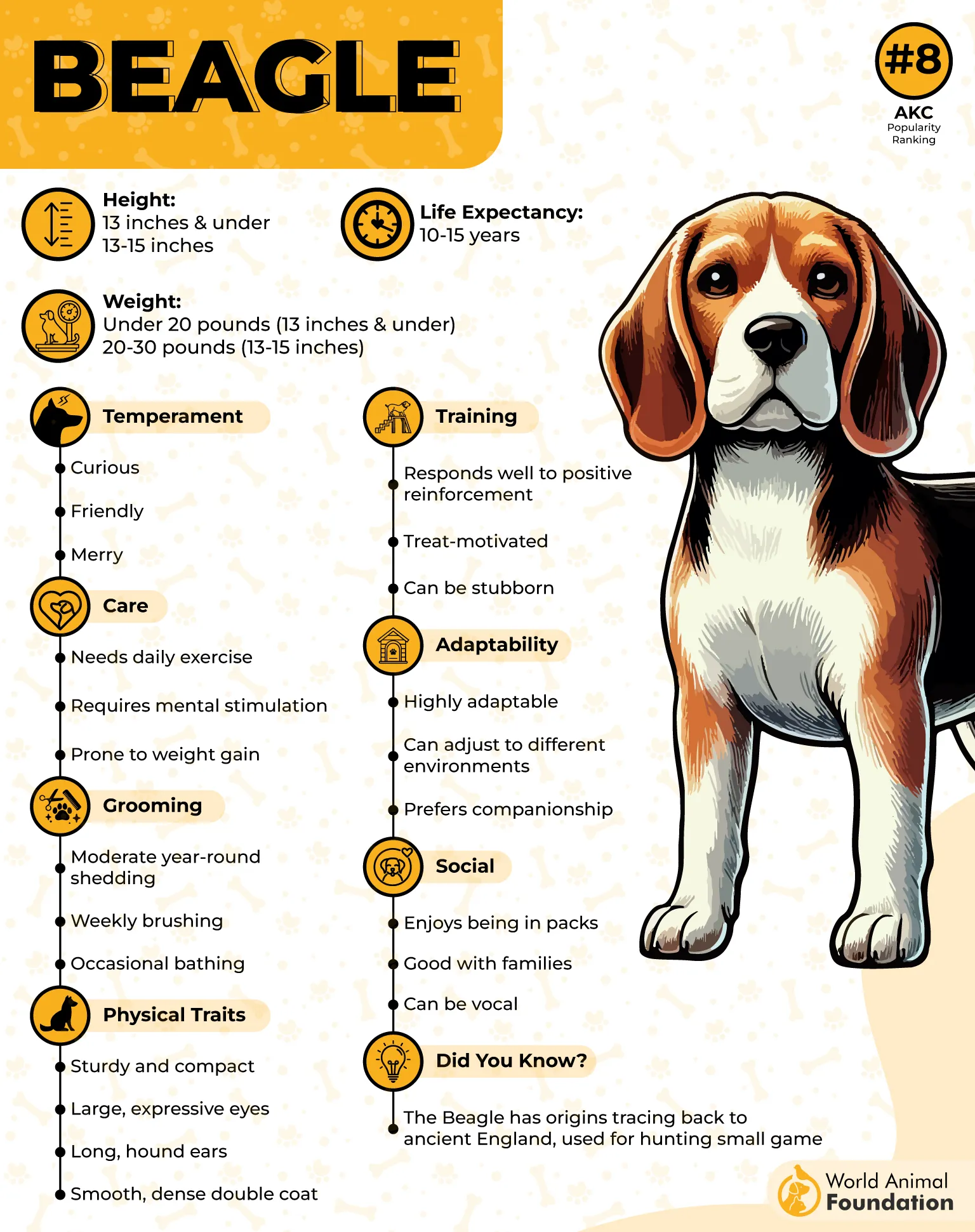
Sociable and affectionate, Beagles generally enjoy spending time with children and other dogs. They thrive on companionship, so long periods alone may leave them unhappy. Early training helps manage their tendency to bark, chew, or follow intriguing scents without hesitation.

These energetic dogs need daily exercise and engaging activities, such as scent games and tracking exercises. Proper exercise, along with consistent training, helps keep a Beagle well-adjusted. Their noses can lead them astray, so leashes and secure outdoor spaces are important. Regular brushing also helps maintain their short coat.
How This Breed Stands Out
Cheerful, sociable temperament: Their friendly nature suits lively homes with plenty of interaction.
Expressive baying and scent-led curiosity: Their distinctive vocalizations and powerful noses reflect their hunting heritage.
4. Pug

Pugs are charming, playful companions known for their round eyes, wrinkled faces, and expressive looks. Their amusing antics, love of attention, and sweet temperament make them entertaining additions to homes, especially for first-time dog parents.
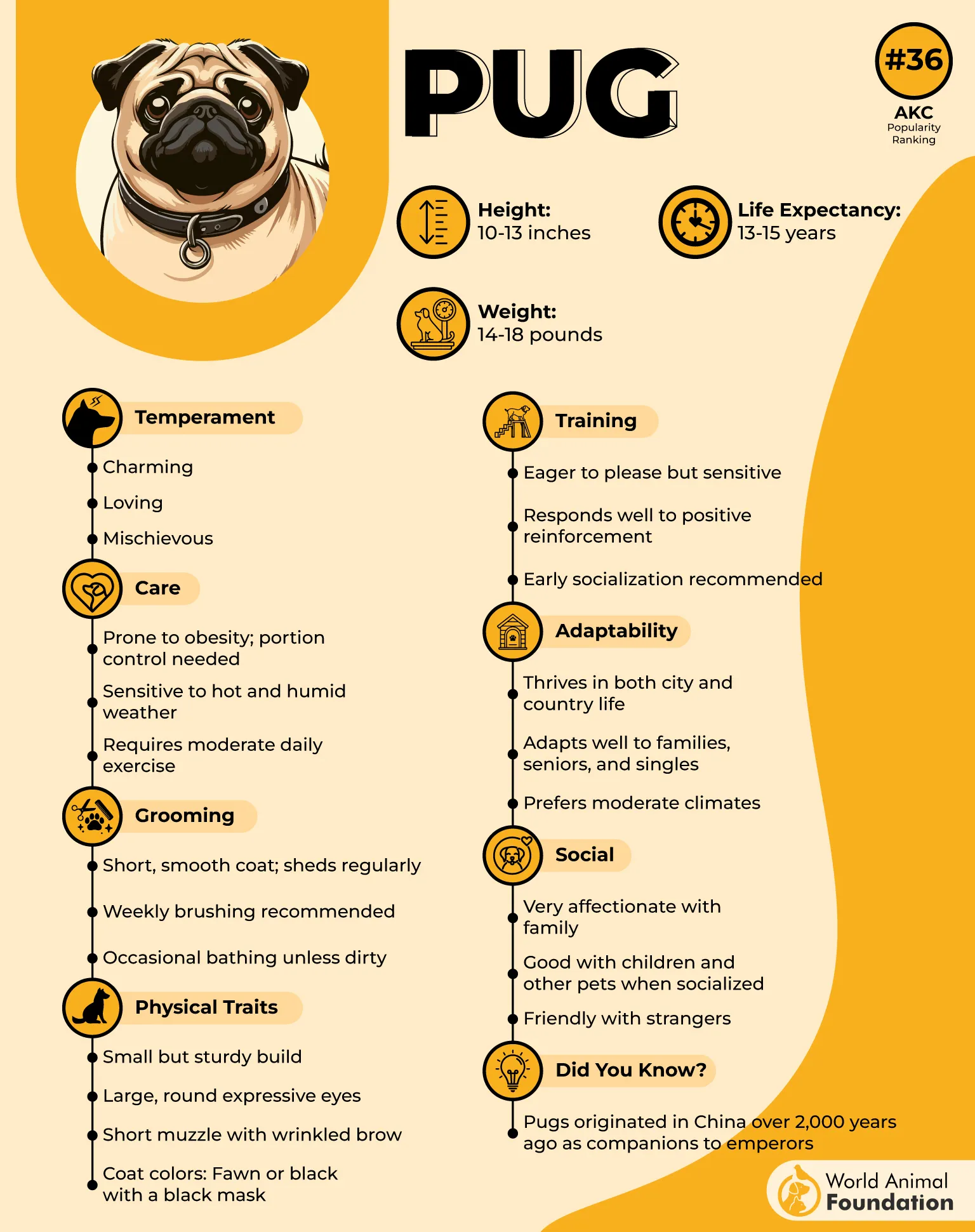
These affectionate dogs enjoy being around their families and generally get along well with children and other pets when introduced properly. They prefer companionship over being left alone for long periods and are usually happy with moderate daily walks and indoor play.
Although their short coat is relatively easy to maintain, Pugs shed throughout the year, so regular grooming helps remove loose hair and keep their coat tidy. Their facial folds also need regular cleaning. Because their short muzzles can cause breathing difficulties, avoid strenuous activity and take extra care in hot or humid weather.
How This Breed Stands Out
Comical, attention-seeking personality: Their playful antics and expressive faces keep families entertained, while their affectionate nature makes them eager for company.
Minimal coat-grooming needs: Their short coat requires little styling, although regular brushing helps control shedding and facial folds need cleaning.
5. Chihuahua
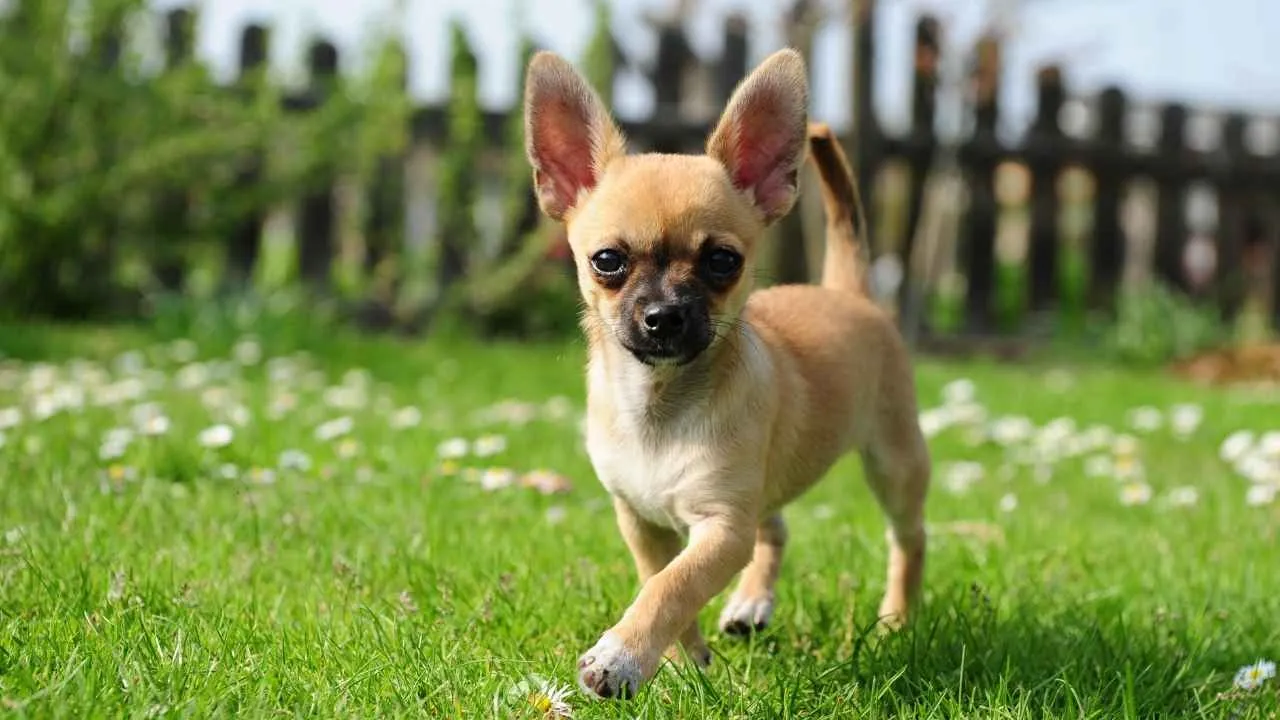
Chihuahuas may be tiny, but their bold personalities make them hard to overlook. These lively dogs enjoy games, exploring their surroundings, and curling up on a familiar lap. Their compact size also makes them convenient companions for city living and outings.
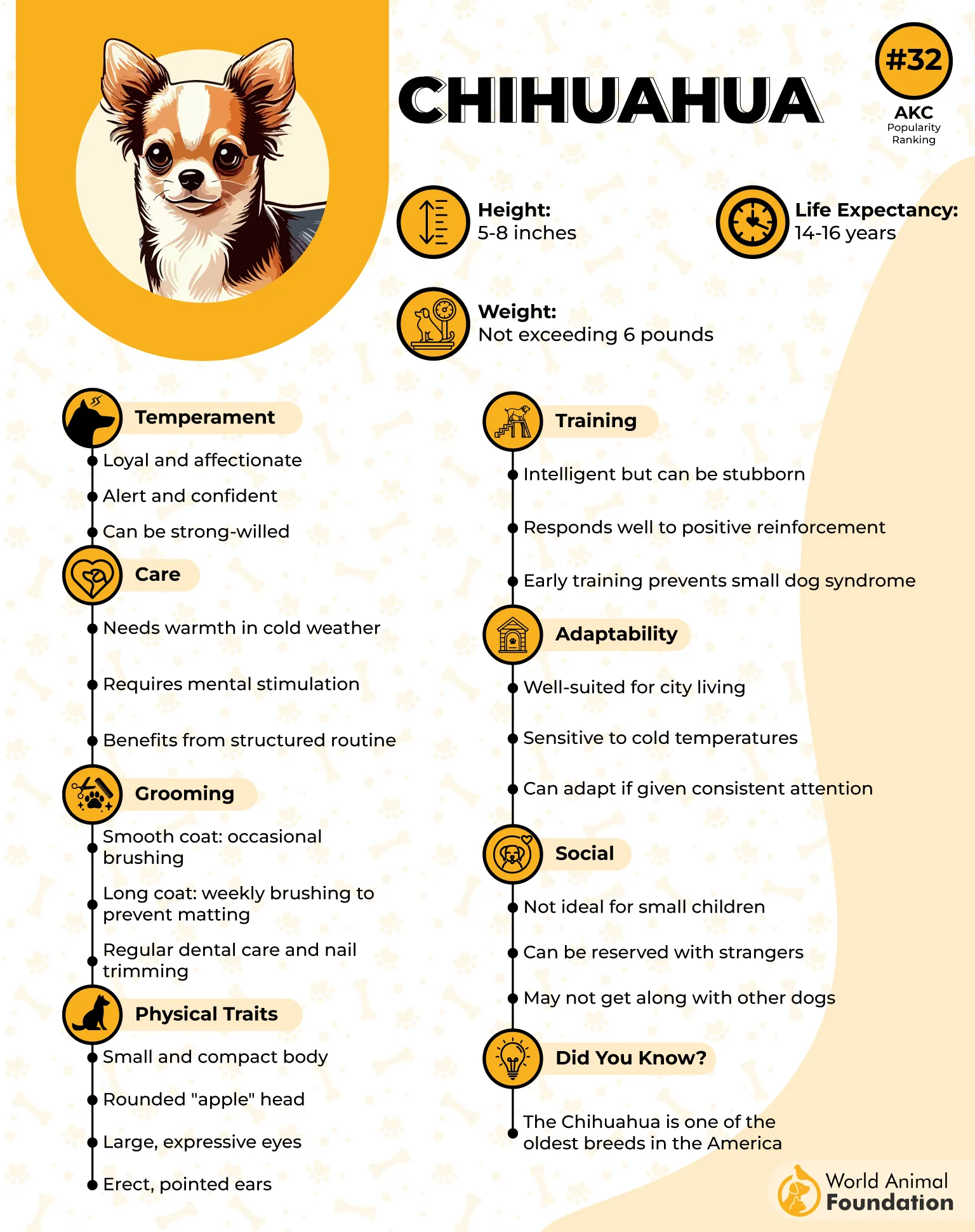
Despite their small stature, Chihuahuas benefit from gentle daily walks and opportunities to play independently. Early socialization and positive training help curb excessive barking and encourage polite behavior around unfamiliar people and pets. Because they are delicate, they should be handled carefully around young children.
Their grooming needs depend on coat type. Smooth-coated Chihuahuas generally need occasional brushing, while long-haired varieties require more frequent brushing to prevent tangles. Regular nail trimming, dental care, and ear checks also help maintain their well-being.
How This Breed Stands Out
Tiny, portable companion: Their petite build makes them easy to take along on errands and suitable for smaller homes.
Strong attachment to favorite people: Chihuahuas thrive on close companionship and love snuggling with the people they trust.
6. Shih Tzu
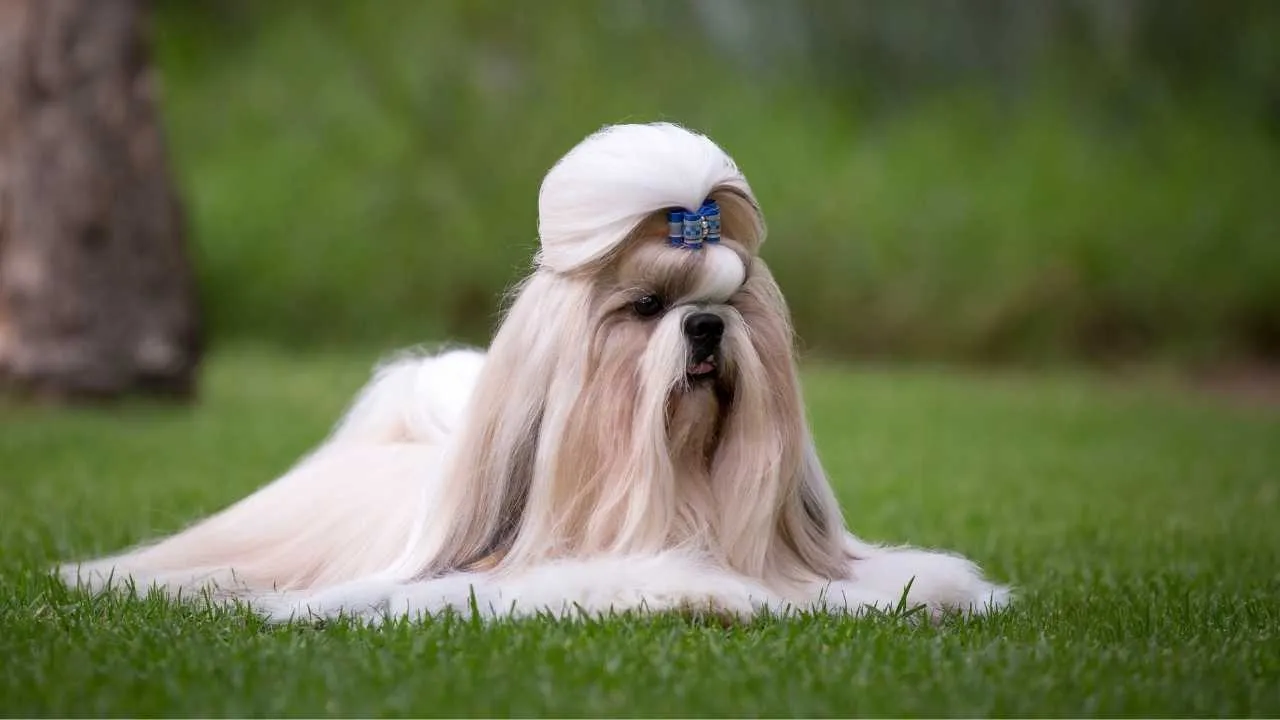
Shih Tzus were bred as cherished lap dogs, and their affectionate, cheerful nature remains a defining trait. These little companions enjoy being close to their families and often happily settle beside their owners rather than seeking constant outdoor adventure.
According to Orvis, these dogs are watchful and may bark when unfamiliar people arrive, but they typically welcome guests with friendly and well-mannered behavior.
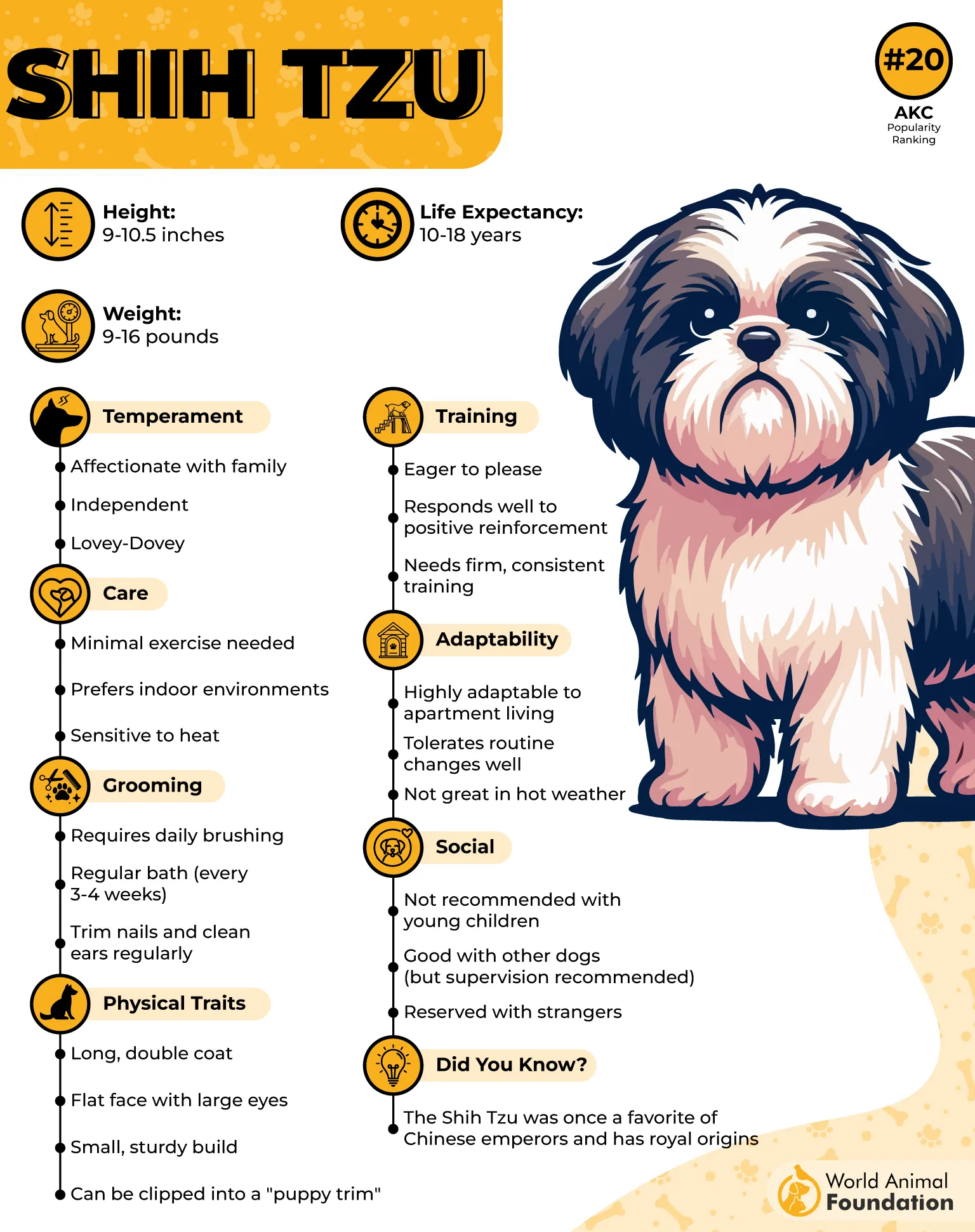
Their modest exercise needs make them well suited to apartments and smaller homes. Play sessions and short walks can keep them active, while early socialization helps them feel more comfortable around unfamiliar people. Although they often enjoy children, gentle handling is important because rough play can overwhelm them.
A Shih Tzu’s long, beautiful coat needs frequent brushing to prevent tangles and maintain its appearance. They shed relatively little, but grooming still requires commitment. Consistent, positive training is also worthwhile, as these charming dogs can sometimes be determined when they want their own way.
How This Breed Stands Out
Adaptable indoor lifestyle: Their small size and moderate activity needs suit apartment living and homes without large yards.
Affectionate lap-dog heritage: Shih Tzus love close companionship and are happiest spending relaxing time with their favorite people.
7. Greyhound
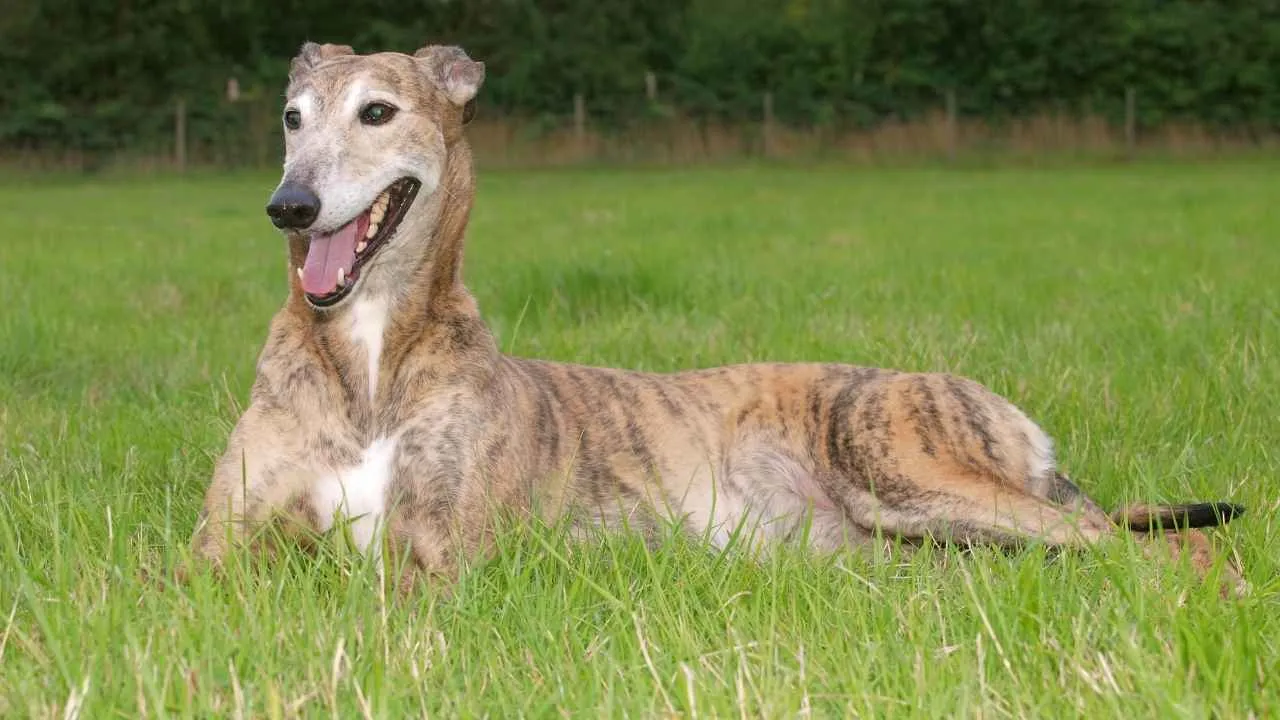
Despite their athletic build and reputation for speed, Greyhounds are often calm, gentle dogs with a calm demeanor that enjoy lounging indoors. They tend to appreciate peaceful surroundings and form affectionate bonds with their families, making them appealing companions for quieter households.

Their exercise needs are usually manageable with regular walks and safe opportunities to sprint in a securely fenced area. Although they are large dogs, they often settle well at home once they have had that outlet.
Because their strong chasing instincts can put smaller animals at risk, careful introductions and secure leash handling are essential. Retired racing Greyhounds may also need patience as they adjust to home routines.
For some first-time owners, a rescue dog or adult dog with known home behavior can be a practical option. They can also suit first-time owners who want a gentle medium-to-large companion that relaxes indoors after exercise.
Grooming is straightforward thanks to their short, smooth coat, which needs little more than occasional brushing. These sensitive dogs respond best to gentle, consistent training rather than harsh corrections. A calm home and a predictable routine can help them settle comfortably into family life.
How This Breed Stands Out
Surprisingly relaxed at home: After suitable exercise, Greyhounds often prefer resting on the sofa to constant activity.
Short, low-maintenance coat: Their sleek fur requires minimal grooming compared with longer-coated breeds.
8. Cavalier King Charles Spaniel
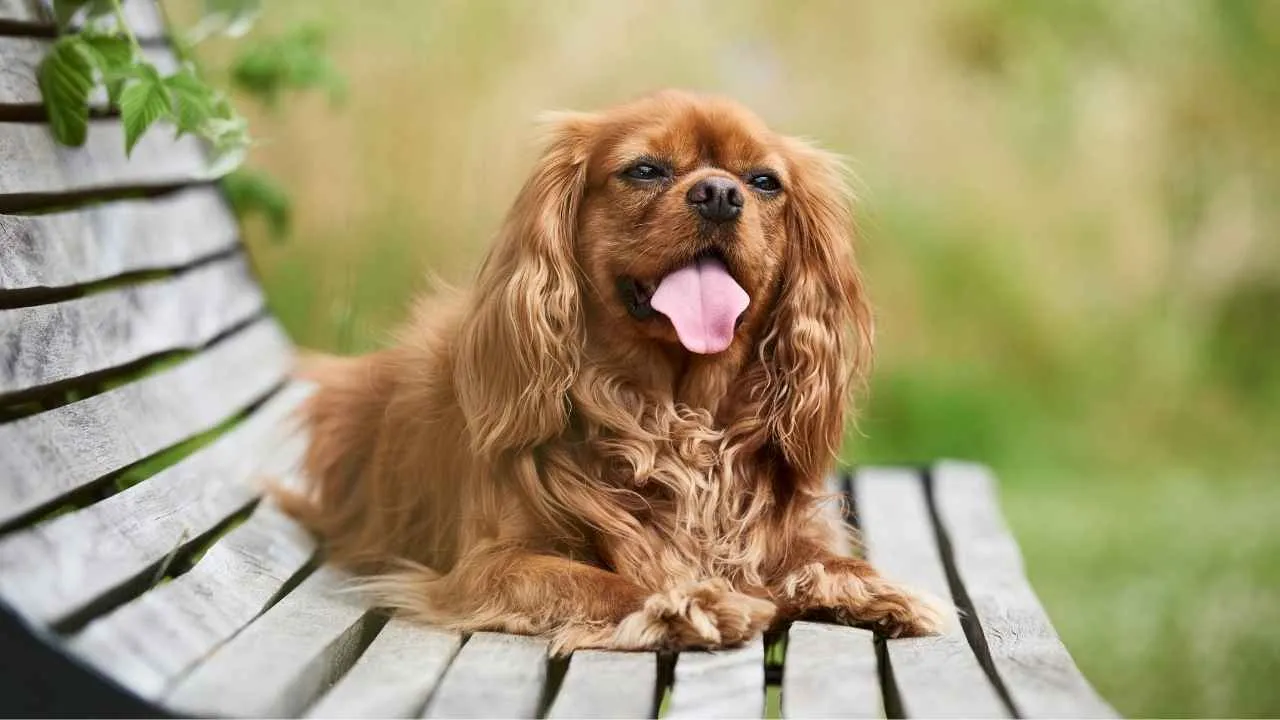
Cavalier King Charles Spaniels are affectionate, people-oriented dogs that thrive on companionship. With their gentle nature and adaptable personality, they can fit into various households, often enjoying quiet cuddles just as much as playtime with their families
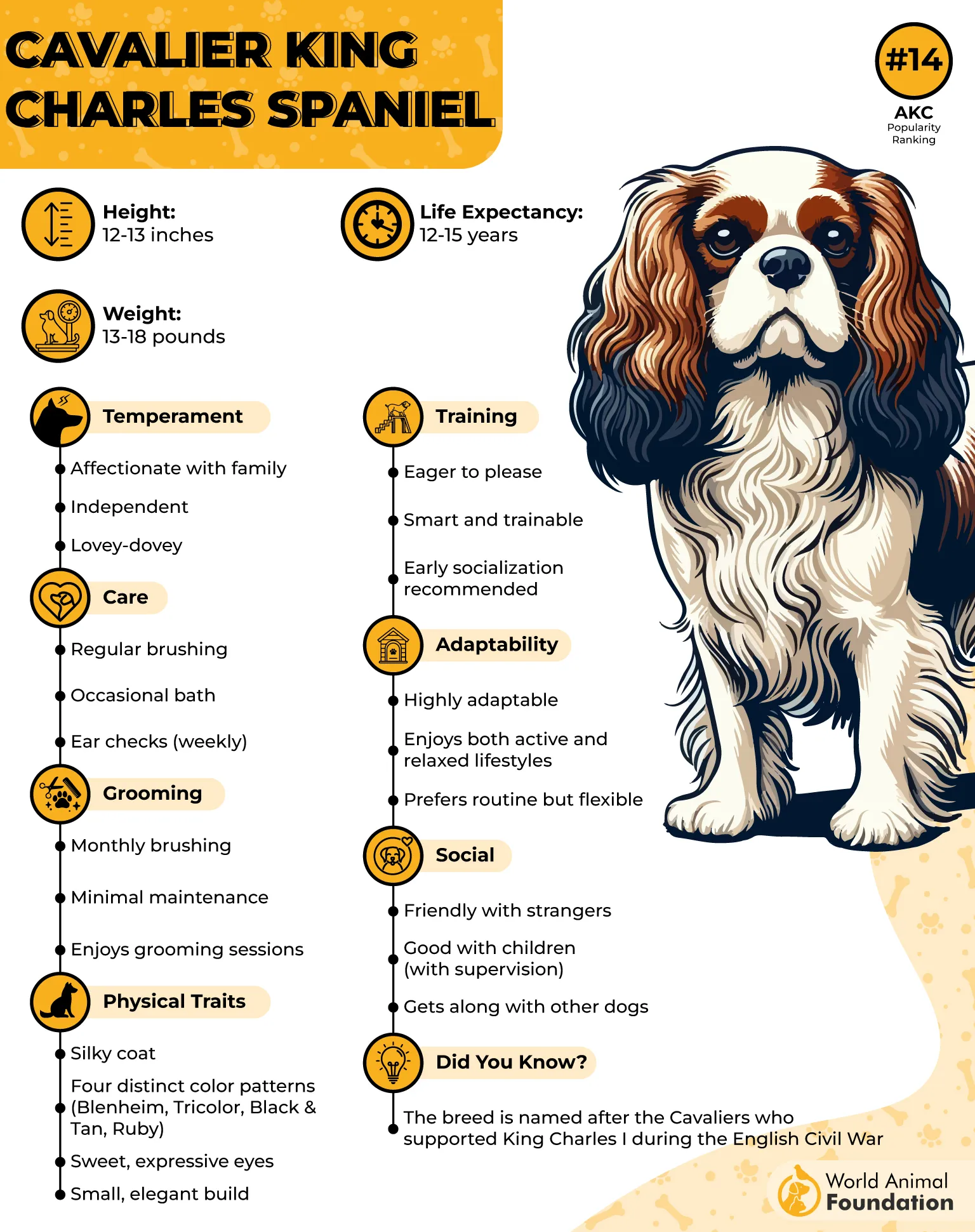
Intelligent and responsive, Cavaliers usually learn basic commands readily and can get along with children and other pets when properly socialized. They still need daily walks, interactive play, and mental stimulation to stay content. Since they form strong attachments, they may struggle when left alone for extended periods.
Their silky coat features soft, feathered hair around the ears, legs, and tail, giving them an elegant appearance. Regular brushing helps prevent tangles and keeps their coat neat. A secure outdoor space is useful, as their curious nature may tempt them to wander while exploring.
How This Breed Stands Out
Eager-to-please temperament: Their affectionate, trainable nature makes them responsive companions for first-time owners.
Gentle, feathered appearance: Long, silky ears and delicate feathering give Cavaliers their distinctive, elegant look.
9. Boston Terrier
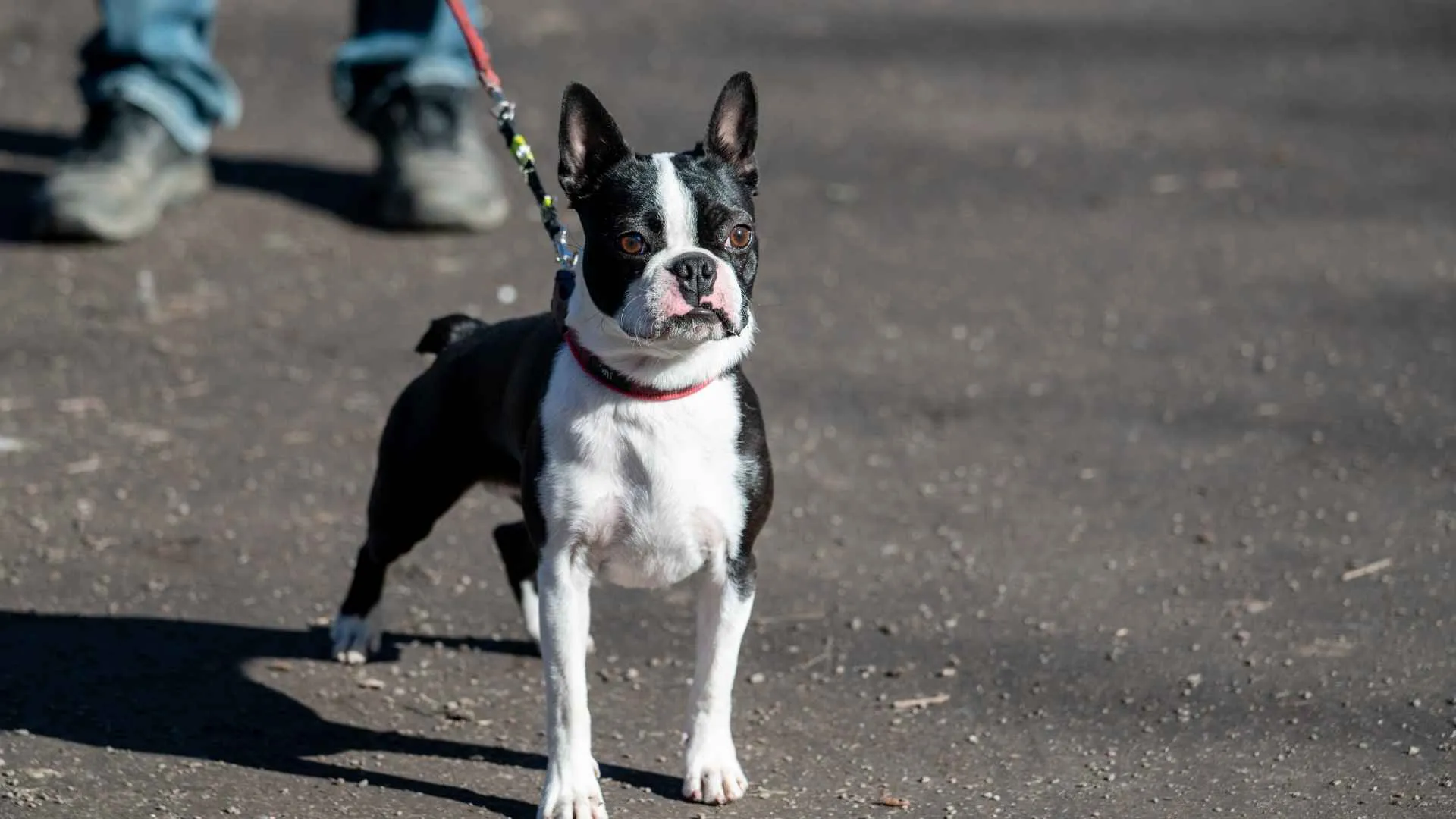
Often called the “American Gentleman,” the Boston Terrier is instantly recognizable by its neat, tuxedo-like markings and bright, expressive eyes. This compact dog has a cheerful, comical nature and enjoys being involved in everyday family activities.
According to Purina, although this distinctive-looking breed was initially developed for fighting, it eventually became a beloved companion in homes around the world.
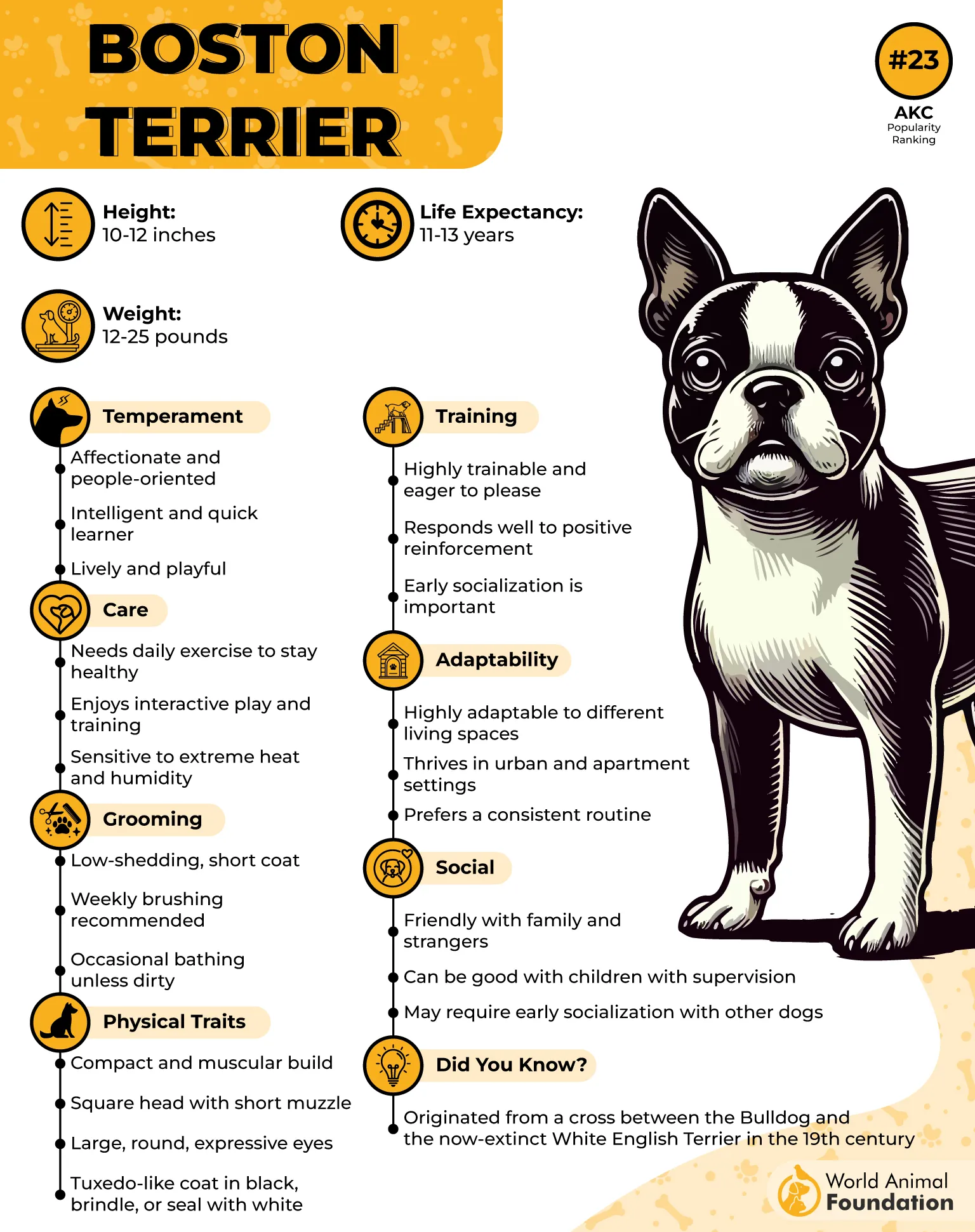
Bostons are affectionate, intelligent, and eager to interact with their people. They usually respond well to positive training, while early socialization helps them behave comfortably around children, cats, and other dogs. Their moderate energy levels can be managed with daily walks, interactive games, and short play sessions.
Their short coat is easy to maintain, requiring only occasional brushing. However, their shortened muzzle can make strenuous exercise difficult, particularly in hot or humid weather. They also enjoy close companionship, so long periods alone may leave them bored or frustrated.
How This Breed Stands Out
Tuxedo-like coat markings: Their distinctive white-and-dark coat gives them a naturally dressed-up appearance.
Playful personality in a compact frame: These sturdy little dogs combine an entertaining temperament with a portable size suited to many homes.
10. Basset Hound
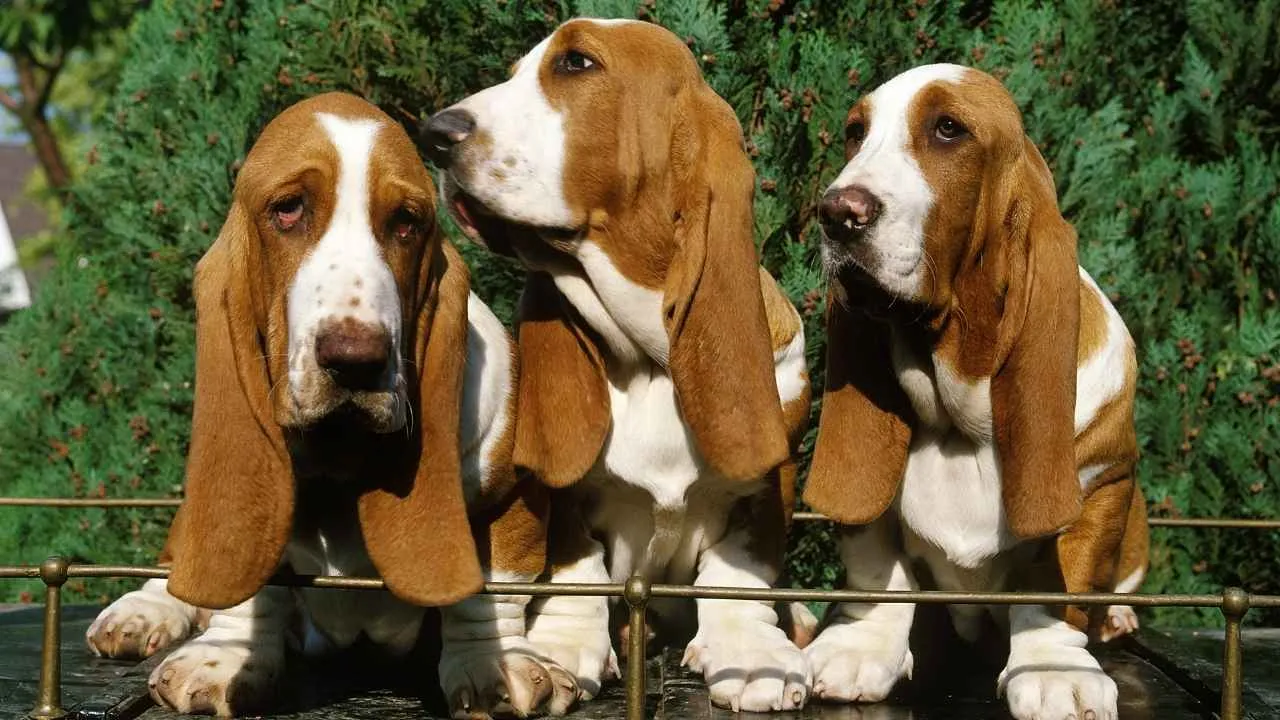
With droopy ears, soulful eyes, and a sturdy, low-set body, Basset Hounds have a distinctive appearance matched by their easygoing temperament. They are generally patient, sociable dogs that enjoy family company and often get along well with children.
According to Omlet, their strong tracking instincts can make training difficult, but using food rewards can help improve their response, although progress may be slow.
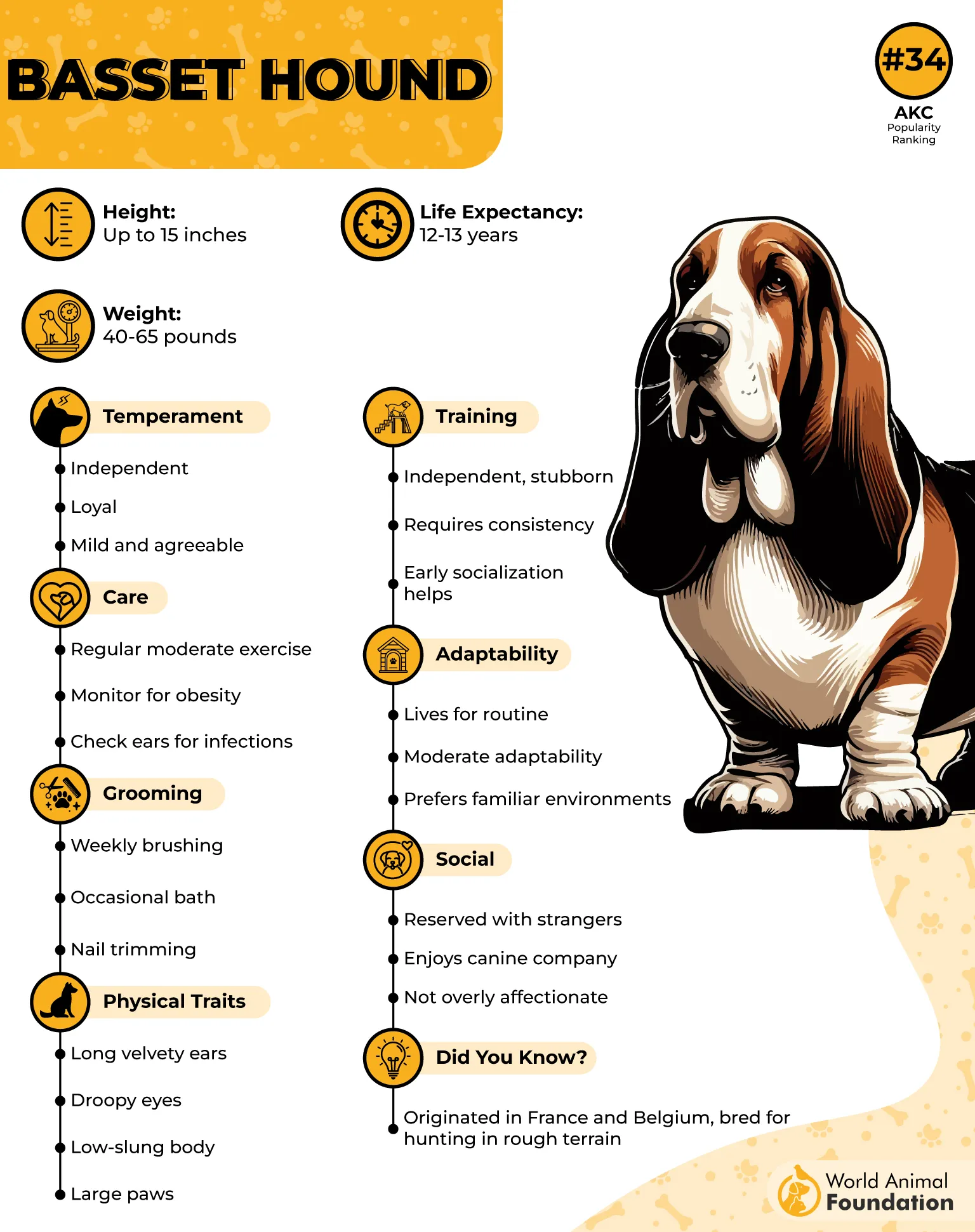
Although they are not particularly high-energy, Bassets still need daily walks and moderate activity to maintain a healthy weight. Their powerful noses can lead them on unexpected adventures, so keep them leashed outdoors and use a secure yard. These hounds can also be vocal, which may be challenging in noise-sensitive households.
Training requires patience because Basset Hounds can be independent when following an interesting scent. Short, reward-based sessions and consistent routines can encourage cooperation. Their long ears also need regular checks and cleaning to help prevent infections.
How This Breed Stands Out
Patient, laid-back demeanor: Their relaxed nature and generally gentle behavior suit families seeking a calmer companion.
Remarkable scent-tracking ability: Their exceptional nose makes sniffing games and scent-based activities especially engaging.
Conclusion
Choosing a reliable dog breed can make the transition into pet parenthood more enjoyable and rewarding. The right companion should fit your lifestyle, living space, activity level, and ability to provide consistent care.
From the affectionate French Bulldog and playful Boston Terrier to the sociable Beagle and gentle Cavalier King Charles Spaniel, each breed offers unique qualities. Some thrive in cozy apartments, while others enjoy outdoor adventures, scent games, or regular family activities.
However, even easygoing dogs need proper training, daily exercise, grooming, veterinary care, and plenty of affection. Understanding a breed’s personality and specific needs helps create a healthier, happier relationship.
Ultimately, the best dog for new parents is one whose temperament and care requirements match their household. With patience, responsible ownership, and a loving environment, you can build a lasting bond with your new furry companion.
