




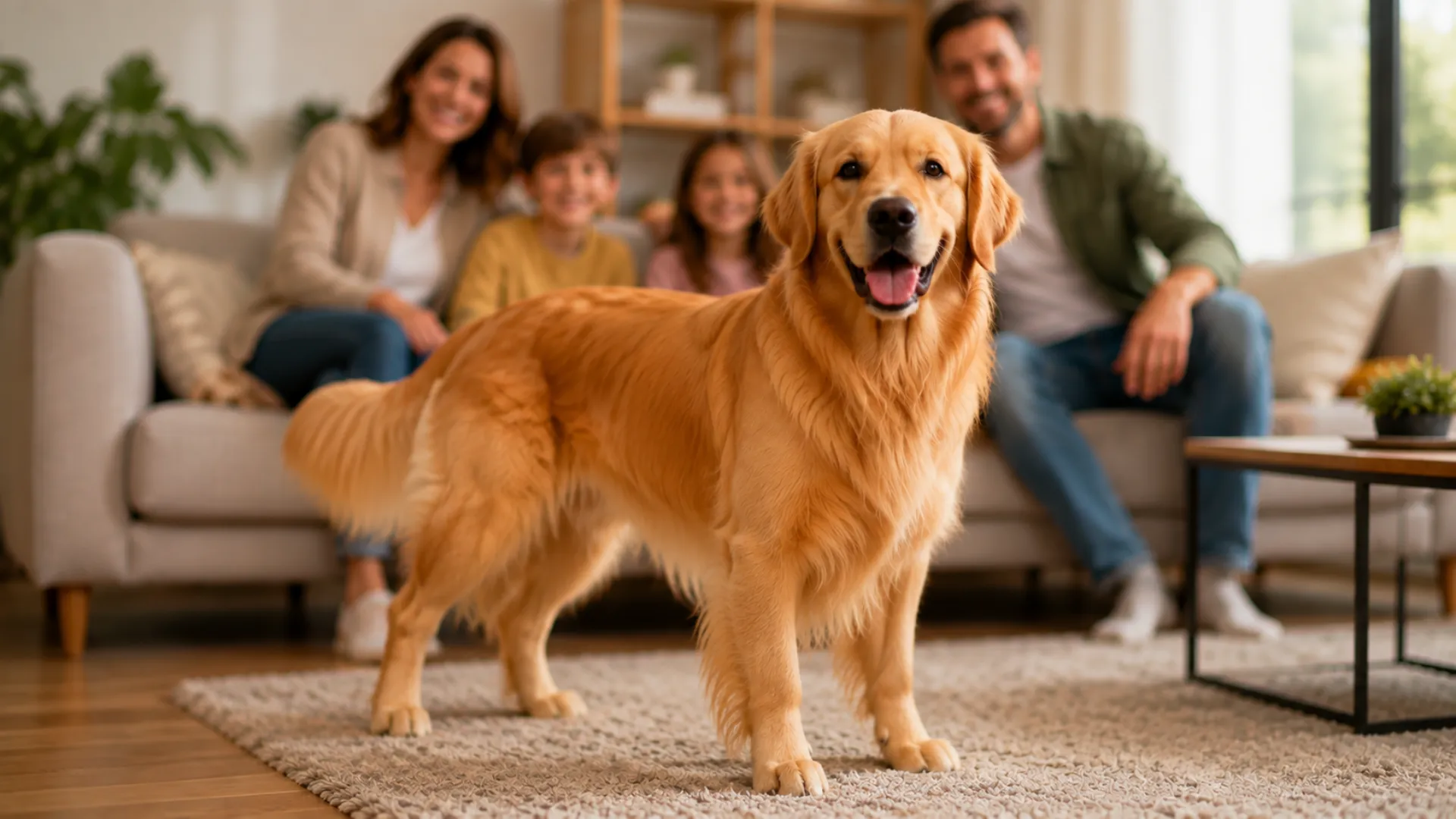
Bringing a dog home for the first time is exciting, but it can also feel a little overwhelming. You may wonder which dog will fit your family, routine, home, and experience level. Choosing the right companion from the start can make dog ownership much easier and more rewarding.
The best choice is about more than appearance or popularity. Consider a dog’s temperament, energy level, size, training needs, and grooming requirements, along with your family’s lifestyle. Remember, every dog is an individual, so personality matters too.
The good news is that first-time owners have plenty of wonderful options. With patience, training, socialization, and daily care, you can build a strong bond with your new companion. Let’s explore the 10 best dog breeds that could be a great fit for your family.
Reliable Dog Breeds for First-Time Pet Families
1. Labrador Retriever
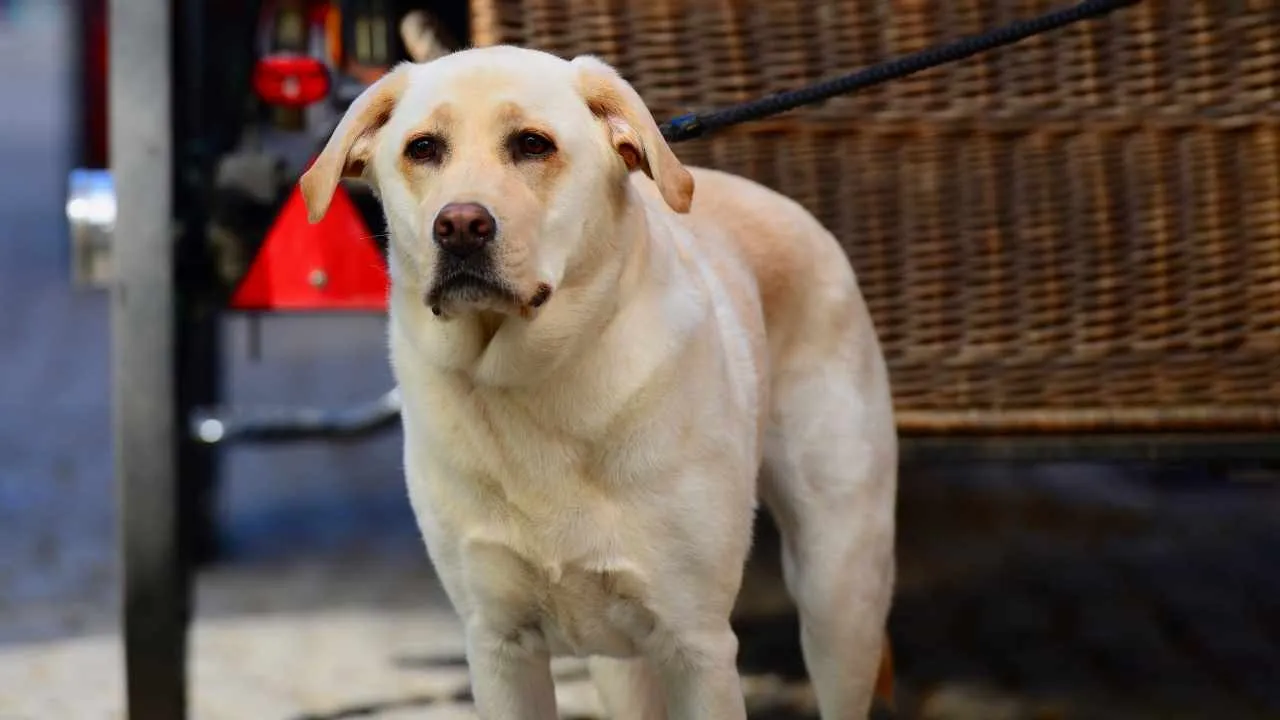
The Labrador Retriever is a medium-to-large dog breed known for its strong, athletic build, short dense coat, and distinctive otter-like tail. Originally developed in Newfoundland and later refined in Britain, this breed was traditionally used for retrieving game and assisting fishermen.
Today, Labradors are among the most widely recognized dog breeds and are valued for their versatility as working and companion dogs.
Personality & Activity Needs
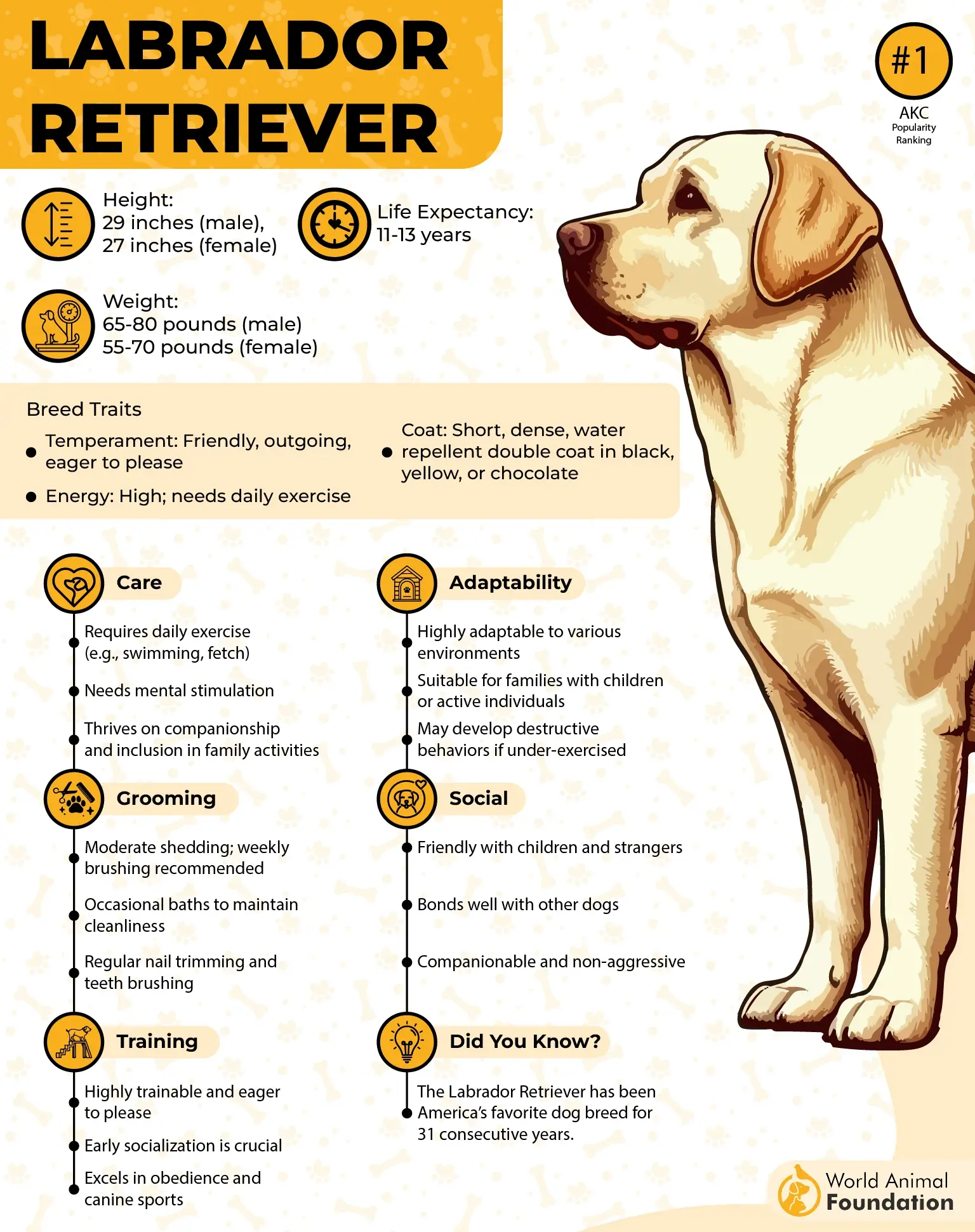
Labs are active working dogs that love having a job to do. They enjoy swimming, hiking, retrieving, and training. Their webbed feet, water-resistant double coat, and sturdy “otter” tail reflect their retrieving background.
Their short, dense coat is easy to care for with regular brushing, although they can shed heavily during shedding seasons.
Training & Family Life
Their eagerness to please can make Labs fairly easy to train, but early obedience training is important. Young Labs can be excitable and may jump, chew, dig, mouth people, or pull on the leash.
They also need regular exercise and mental stimulation, as boredom can lead to destructive behavior.
2. Golden Retriever
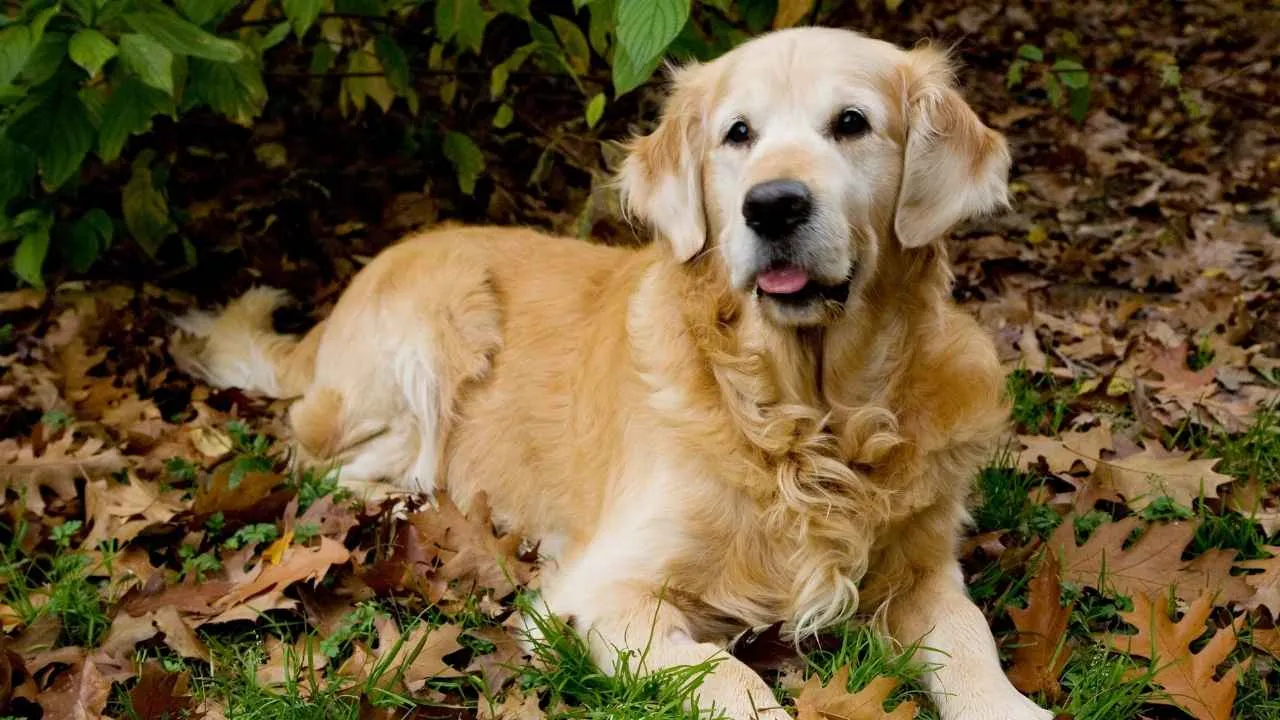
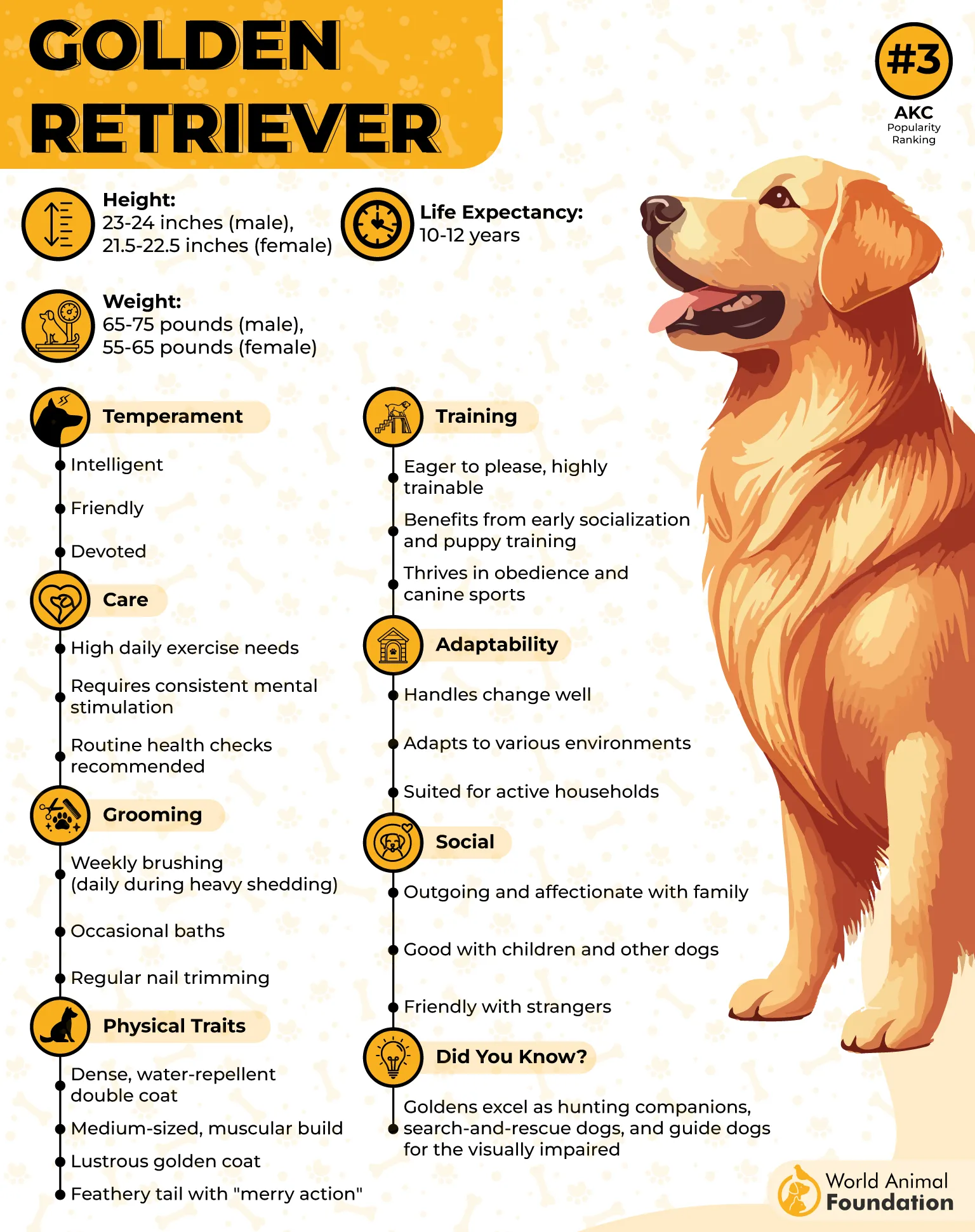
If you want a dog that brings warmth, energy, and plenty of personality to family life, Golden Retrievers are hard to overlook.
They are friendly, loyal, affectionate, and naturally social. Their cheerful nature makes them great family companions, and they can do well with children and other pets when properly socialized, according to the American Kennel Club.
Temperament & Family Life
Golden Retrievers are bright and eager to please, which makes them generally easy to train. They enjoy spending time with their people and love games such as fetch, along with walks, running, swimming, and other outdoor activities.
Their intelligence also helps them succeed as guide, therapy, and search-and-rescue dogs. Their playful, sometimes goofy behavior can bring plenty of fun to family life.
Care & Training Needs
Goldens are active dogs that need regular exercise, training, and attention. Their thick double coats are water-resistant but shed heavily and can become matted around the ears and hind legs, so regular brushing is important.
Novice owners should also be aware of potential health concerns, including cancer, eye and heart problems, hip dysplasia, hypothyroidism, and skin allergies.
3. Cavalier King Charles Spaniel

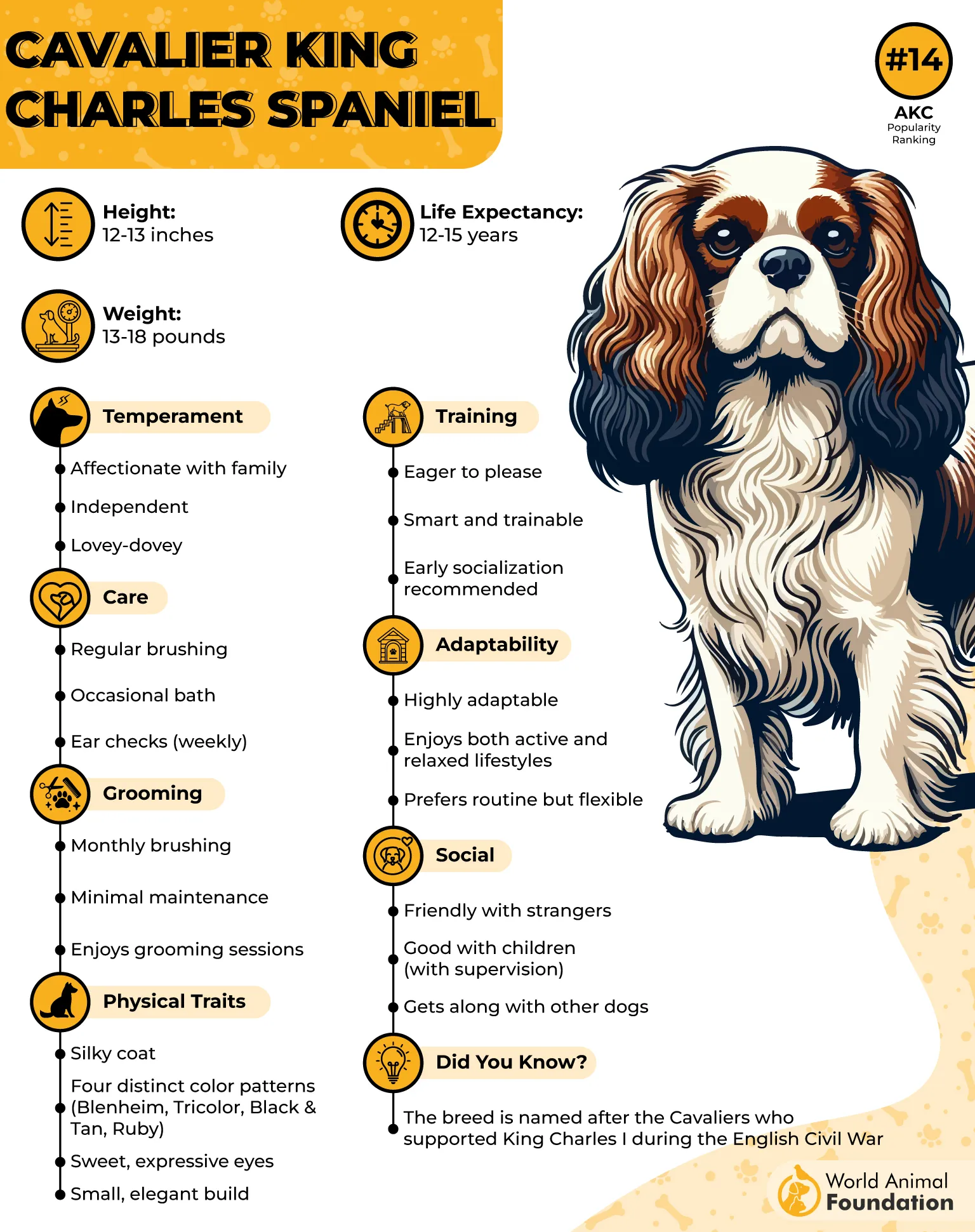
The Cavalier King Charles Spaniel is a small, elegant companion breed known for its silky coat, expressive eyes, and distinctive feathered ears. Originating in the United Kingdom, the breed has a long association with royalty and was traditionally bred as a companion dog.
Temperament & Daily Life
Cavaliers are playful, intelligent, and eager to please, so they are generally easy to train with positive reinforcement. They have moderate exercise needs and enjoy daily walks, playtime, retrieving, swimming, and activities such as obedience and agility.
They thrive on human companionship, though, and should not be left alone for long periods. Their friendly nature also means they are better suited as companions than watchdogs.
Grooming & Care
Their long, silky coats come in four main patterns: Blenheim, ruby, black and tan, and tricolor. Regular brushing helps keep the coat healthy and prevents tangles, while occasional bathing and trimming may be needed.
First-time owners should also be aware that Cavaliers can be prone to inherited health concerns, including mitral valve heart disease, syringomyelia, eye problems, hip dysplasia, and middle ear infections.
4. Toy Poodle
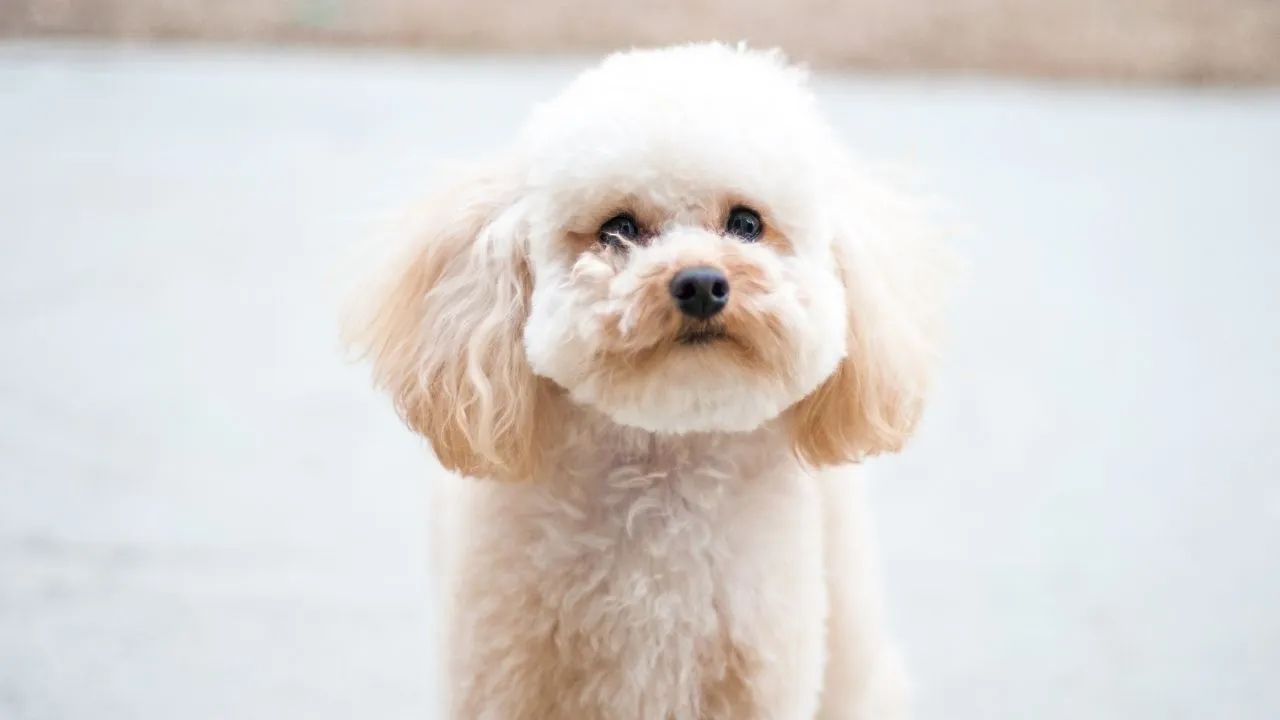
Tiny, intelligent, and affectionate, Toy Poodles can be a great choice for families and individuals looking for a lively companion.
They are eager to please, quick to learn, and usually get along well with children and other pets when properly socialized. Because of their tiny size, however, young children should be supervised around them.
Temperament & Daily Life
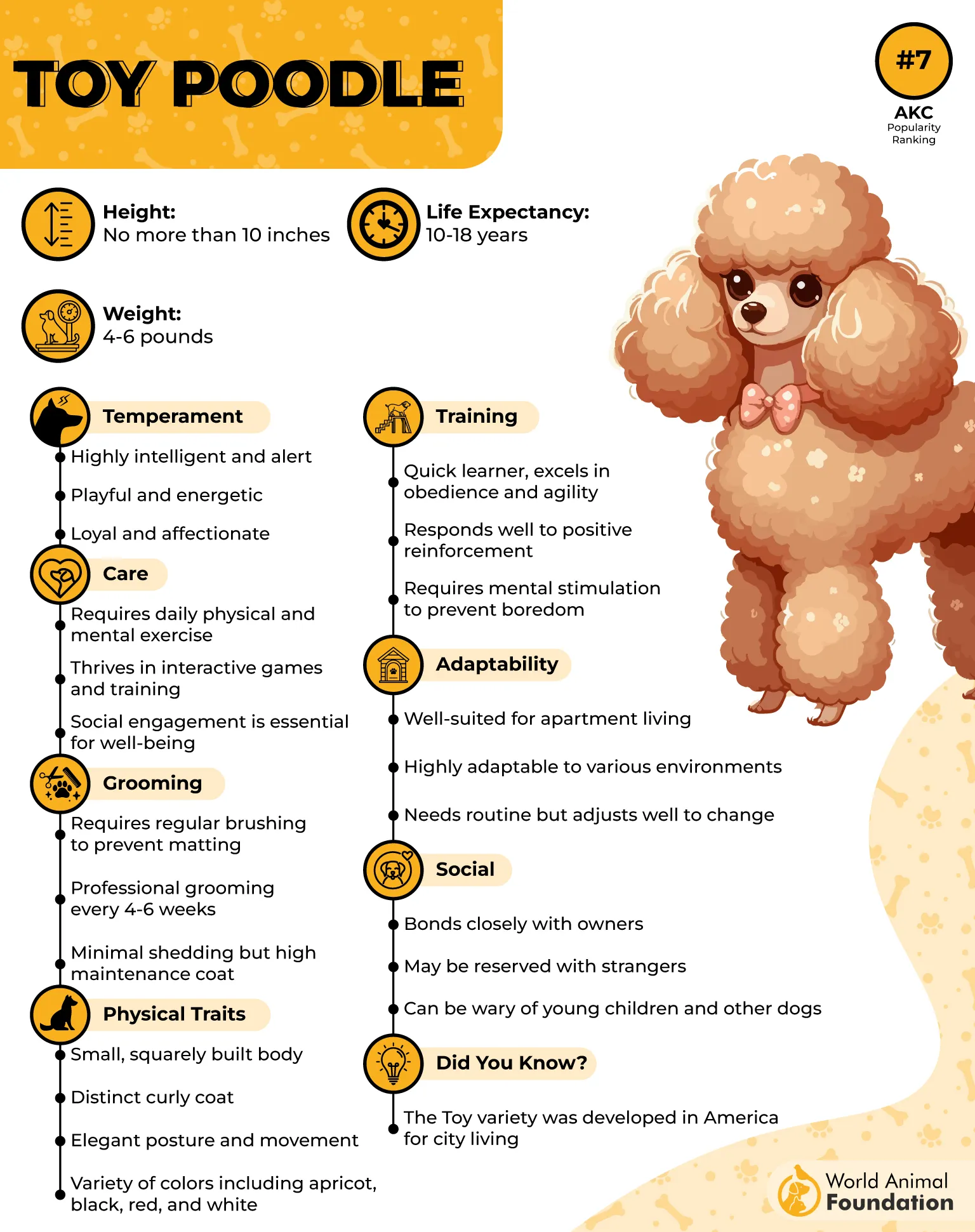
Toy Poodles are playful, energetic, and highly trainable. They enjoy daily walks, playtime, puzzle toys, and training activities that keep their minds busy.
They bond closely with their families and may struggle when left alone for long periods. Their intelligence can also make them prone to barking or destructive behavior when bored.
Grooming & Care
Their curly, low-shedding coats require daily brushing to prevent mats and professional grooming every four to six weeks. Regular bathing, eye cleaning, and ear care are also important.
Although generally healthy, Toy Poodles can develop certain inherited health problems, so routine veterinary care is essential. With proper grooming, stimulation, and companionship, they can be delightful family pets.
5. Bichon Frise
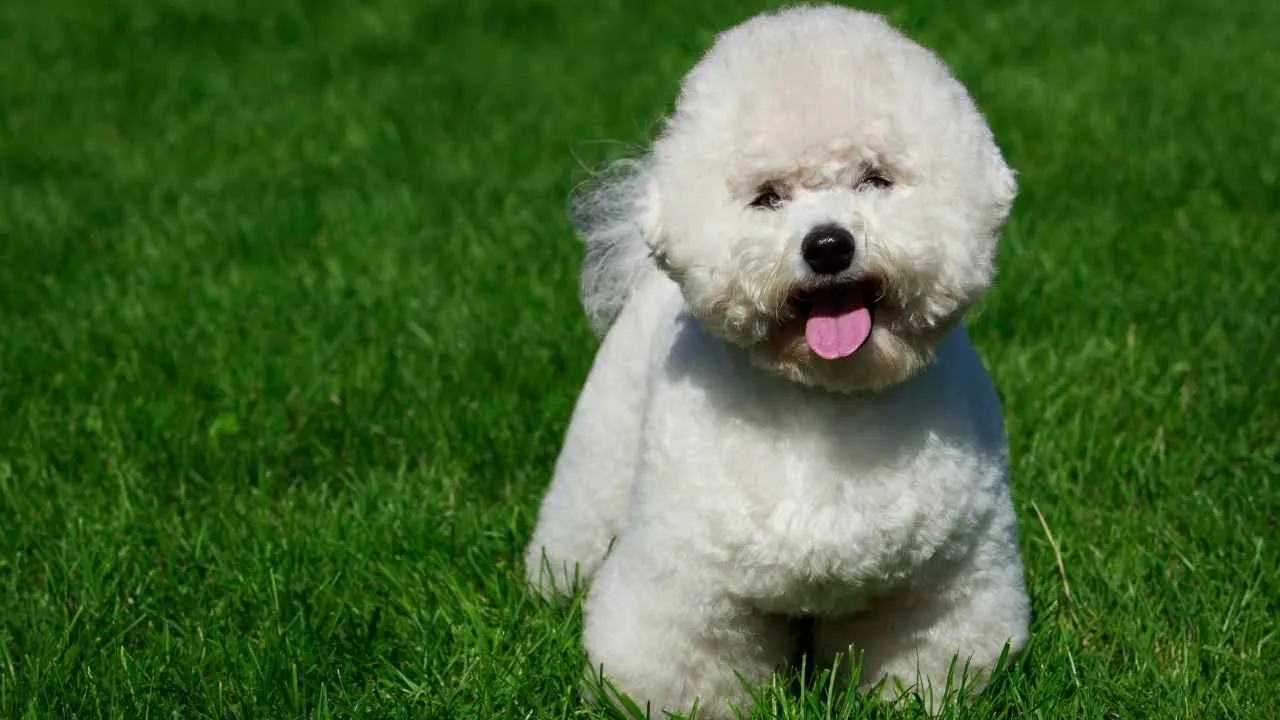
Bichon Frises are small companion dogs known for their friendly personalities and fluffy white coats. They tend to form strong bonds with their families and usually enjoy meeting children, other pets, and new people.
Their compact size and adaptable nature also make them a good choice for apartment living,
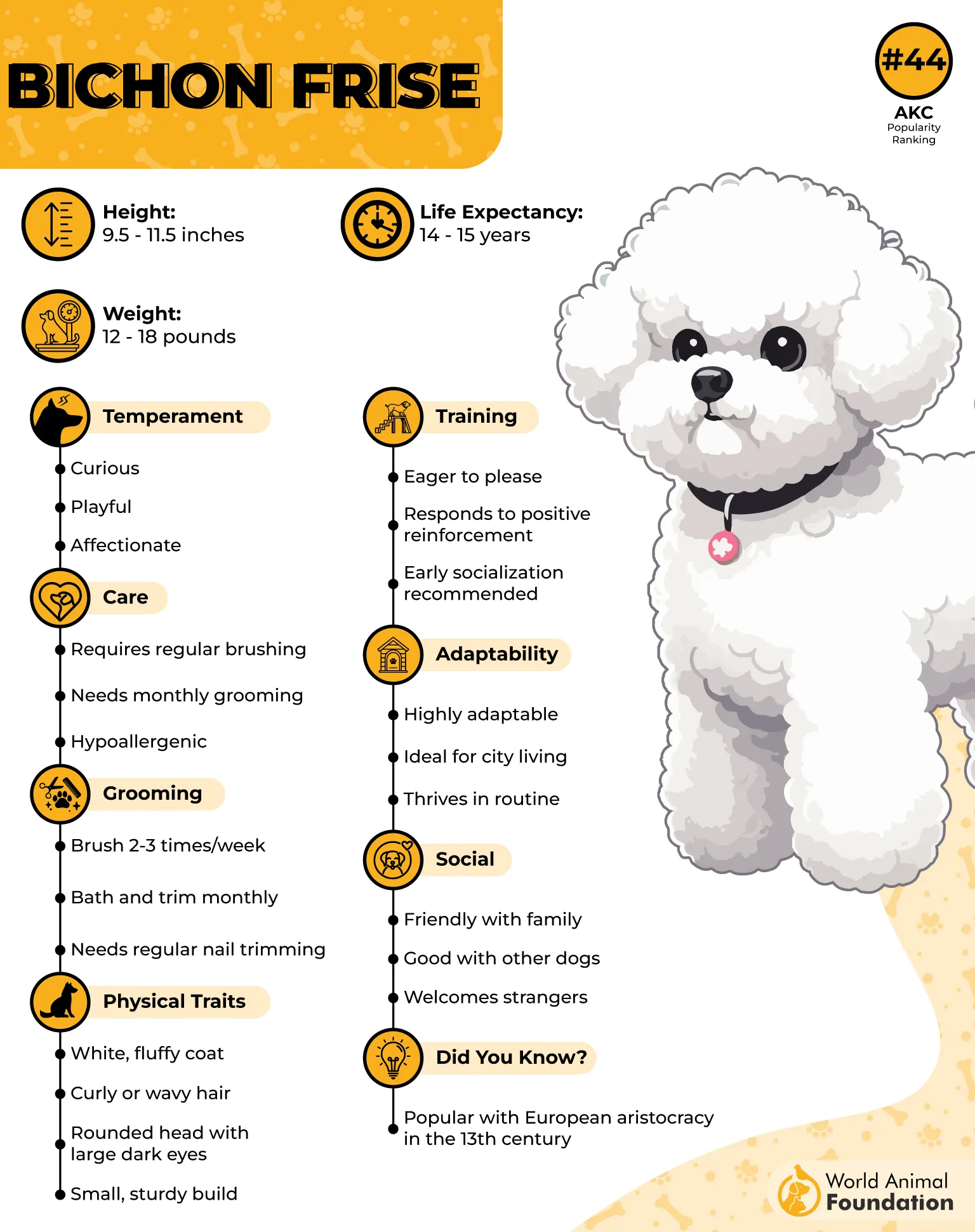
Temperament & Daily Life
Bichons are intelligent, eager to please, and generally easy to train with positive reinforcement. They enjoy daily walks, playtime, learning tricks, and spending time with their families.
They are social dogs that need plenty of attention and may develop unwanted behaviors if left alone for long periods.
Grooming & Care
Bichons have a soft, curly white coat that sheds minimally but requires regular care. Daily brushing helps prevent mats, while professional grooming and bathing are usually needed regularly.
They can also be prone to dental disease, eye problems, bladder stones, and diabetes, so routine veterinary care is important.
6. Pug

The Pug is a small companion dog recognized for its distinctive wrinkled face, short muzzle, curled tail, and compact build. Originally bred in China, the breed has a long history as a treasured companion and later became popular among European royalty.
Today, Pugs are easily recognized by their expressive features and charming appearance, making them one of the most familiar small dog breeds.
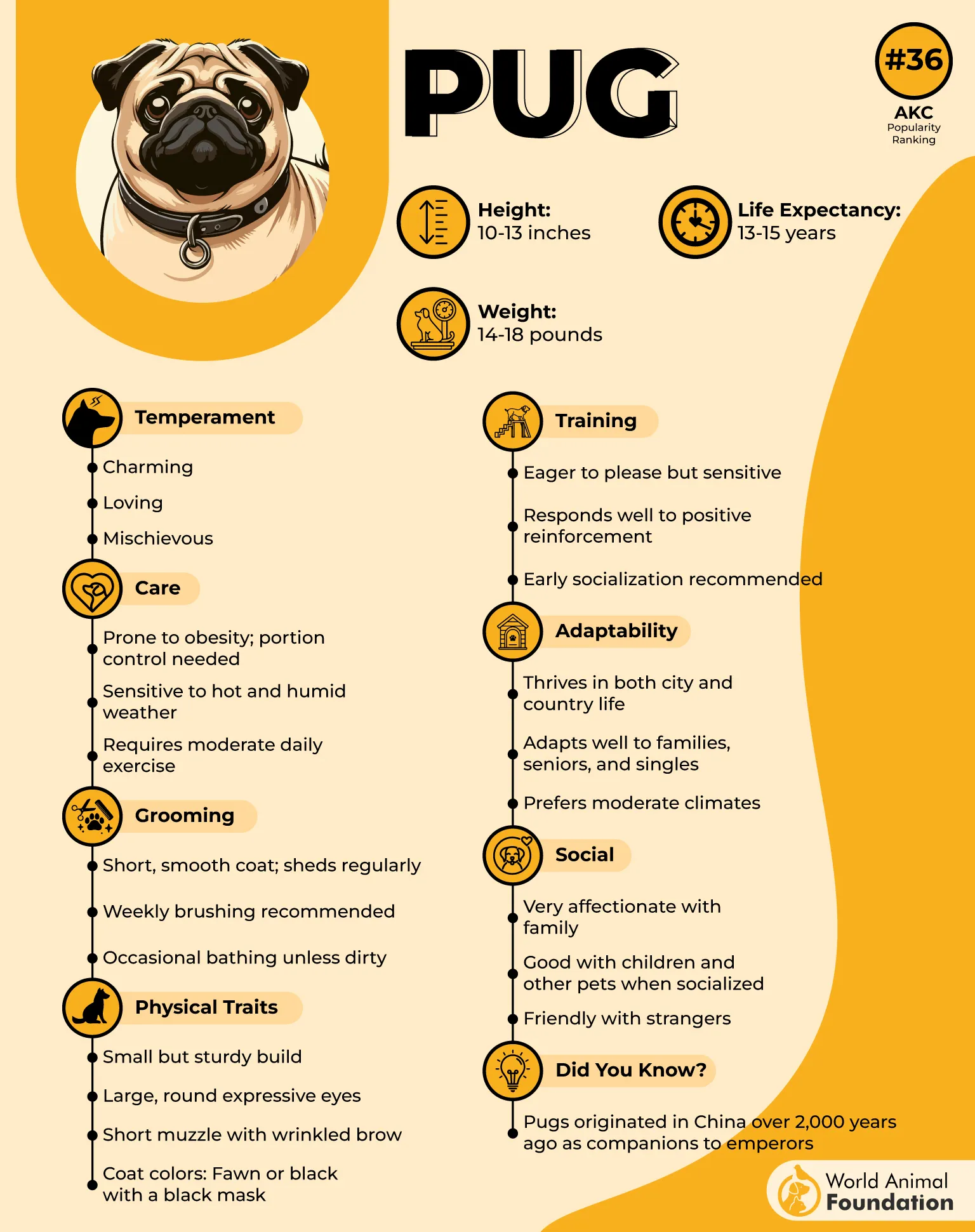
Temperament & Daily Life
Pugs are friendly, social, and generally easy to train, although they can be a little stubborn. They have moderate exercise needs and enjoy short walks, gentle play, and spending time with their families.
Because of their flat faces, they can struggle with breathing and overheating, so exercise should be gentle, especially in hot or humid weather, as mentioned by Britannica.
Grooming & Care
Pugs have short, glossy coats in colors such as fawn and black and need only weekly brushing and occasional bathing. Their facial wrinkles should be cleaned and dried regularly to help prevent skin infections.
First-time families should also be aware of health concerns such as breathing problems, obesity, hip dysplasia, and eye injuries. Regular veterinary care, a healthy diet, and careful exercise can help keep these affectionate companions comfortable.
7. Havanese
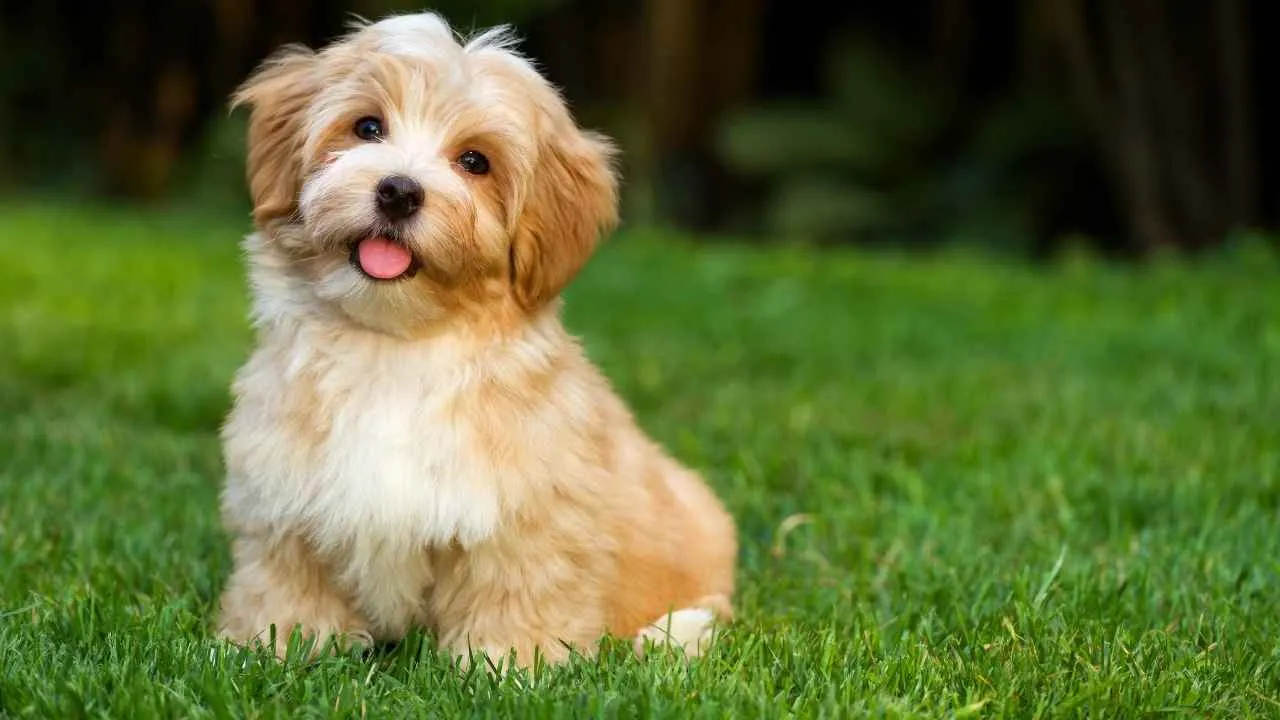
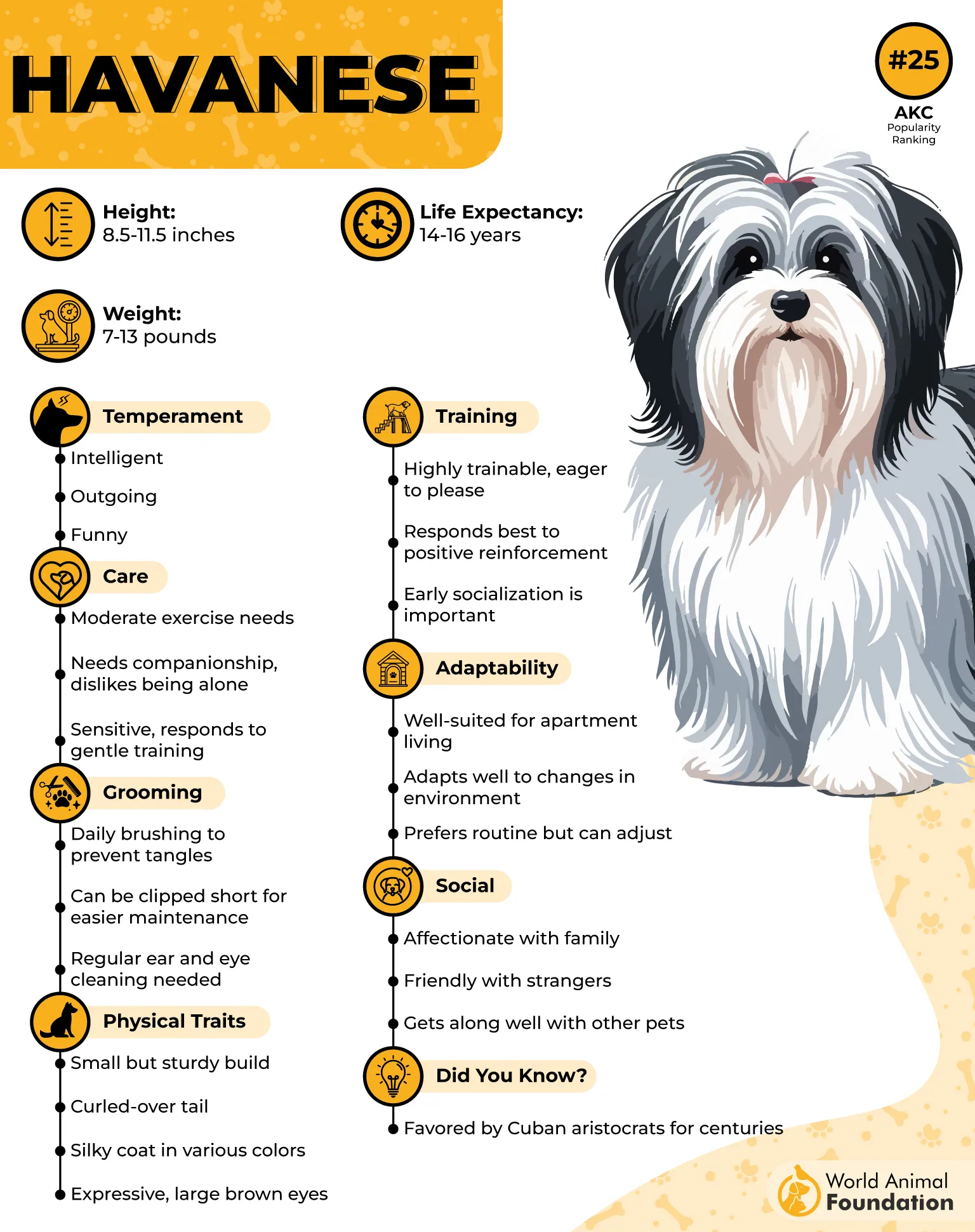
Havanese are known for their playful nature, intelligence, and gentle approach to family life. They often enjoy being involved in whatever their people are doing, whether that means playing indoors, going for a walk, or simply relaxing together.
With their adaptable personality and compact size, Havanese can fit comfortably into a variety of homes.
Temperament & Daily Life
Havanese are playful, active, and eager to learn, making them relatively easy to train with positive reinforcement. They enjoy daily walks, games, tricks, and activities such as agility.
PetMD mentions that they form strong bonds with their families, though, and may develop separation anxiety if left alone for long periods. They can also bark excessively without proper training.
Grooming & Care
Their long, silky coats can be straight or wavy and come in many colors and combinations. Regular brushing, ideally several times a week or daily, helps prevent tangles and mats.
Havanese also need routine exercise, socialization, and attention to stay happy and well-adjusted. With consistent care and companionship, they can be one of the best family dogs, especially for new owners.
8. Bolognese
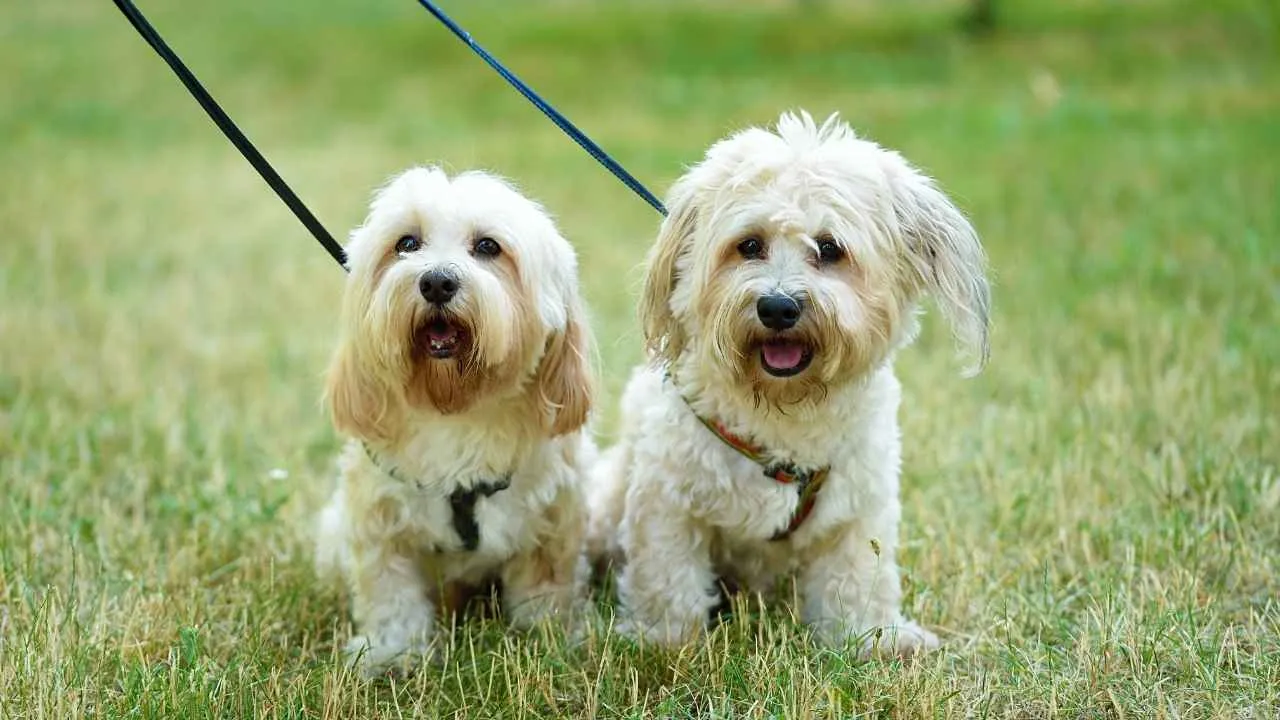
The Bolognese is a small Italian dog breed known for its distinctive fluffy white coat and long history as a companion dog. Originating in Bologna, Italy, the breed has been associated with European nobility for centuries and was traditionally valued as a treasured companion.
Today, the Bolognese remains a relatively uncommon breed, admired for its charming appearance and elegant, compact build.
Temperament & Daily Life
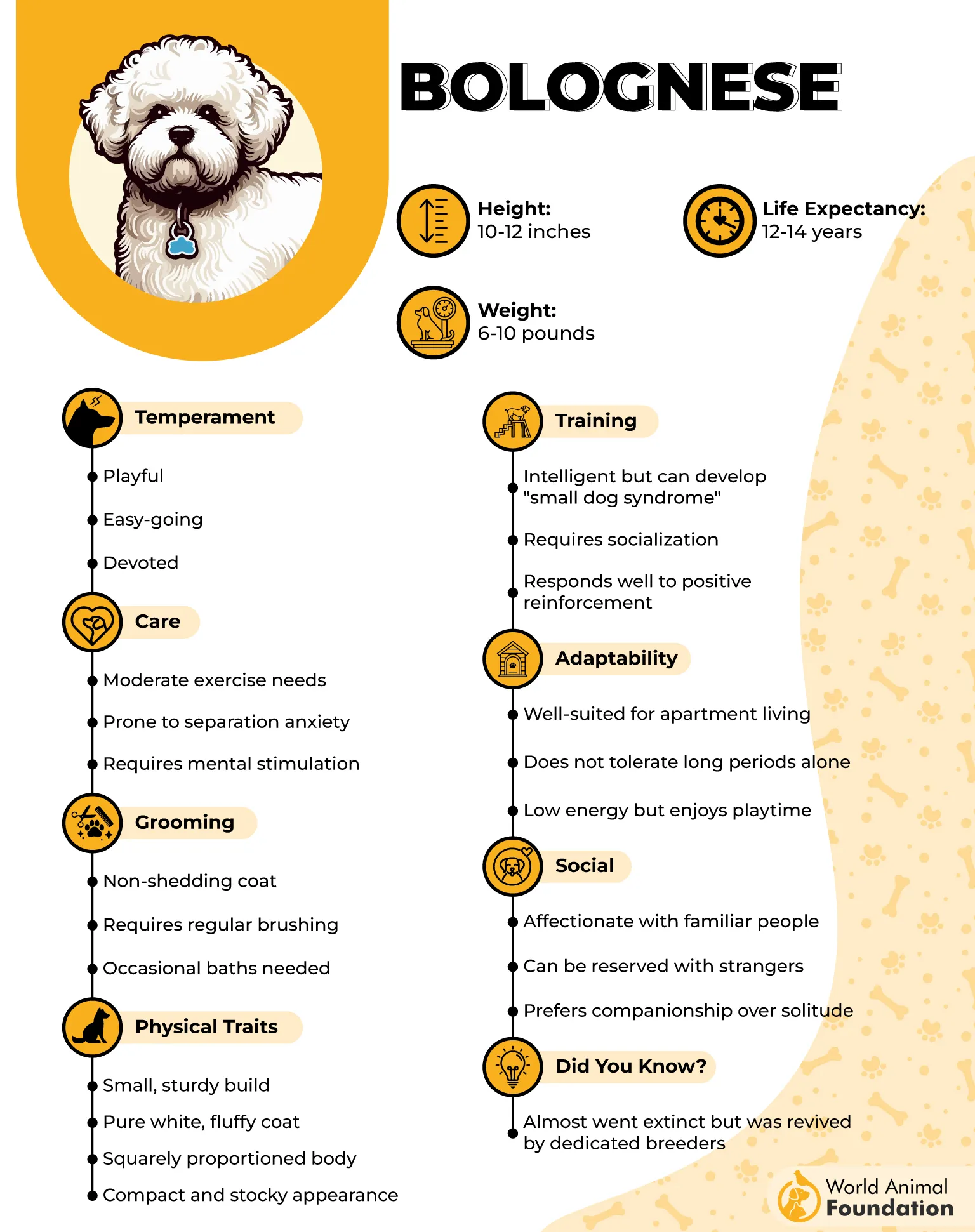
Bolognese are intelligent, attentive, and eager to please, making them relatively easy to train with consistent positive reinforcement. They enjoy moderate daily walks, indoor play, obedience training, and plenty of time with their families.
These dogs form strong bonds with their owners and dislike being left alone for long periods. They can be reserved around strangers and may bark at unfamiliar people or sounds, especially without early socialization.
Grooming & Care
Their fluffy, white, low-shedding coats are long and wavy and require regular brushing to prevent tangles and mats.
Brushing every two or three days is recommended, while shorter haircuts can make daily maintenance easier. Bolognese also benefit from regular dental care, routine exercise, and attention to their weight.
9. French Bulldog
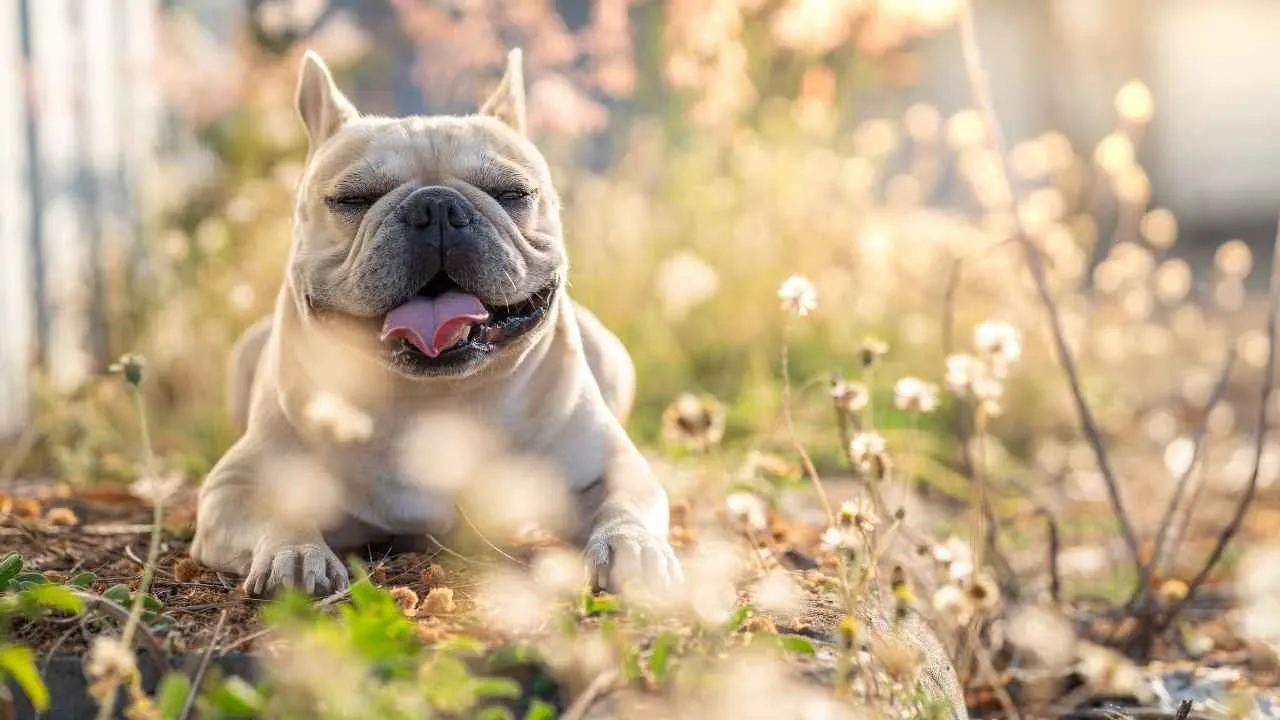
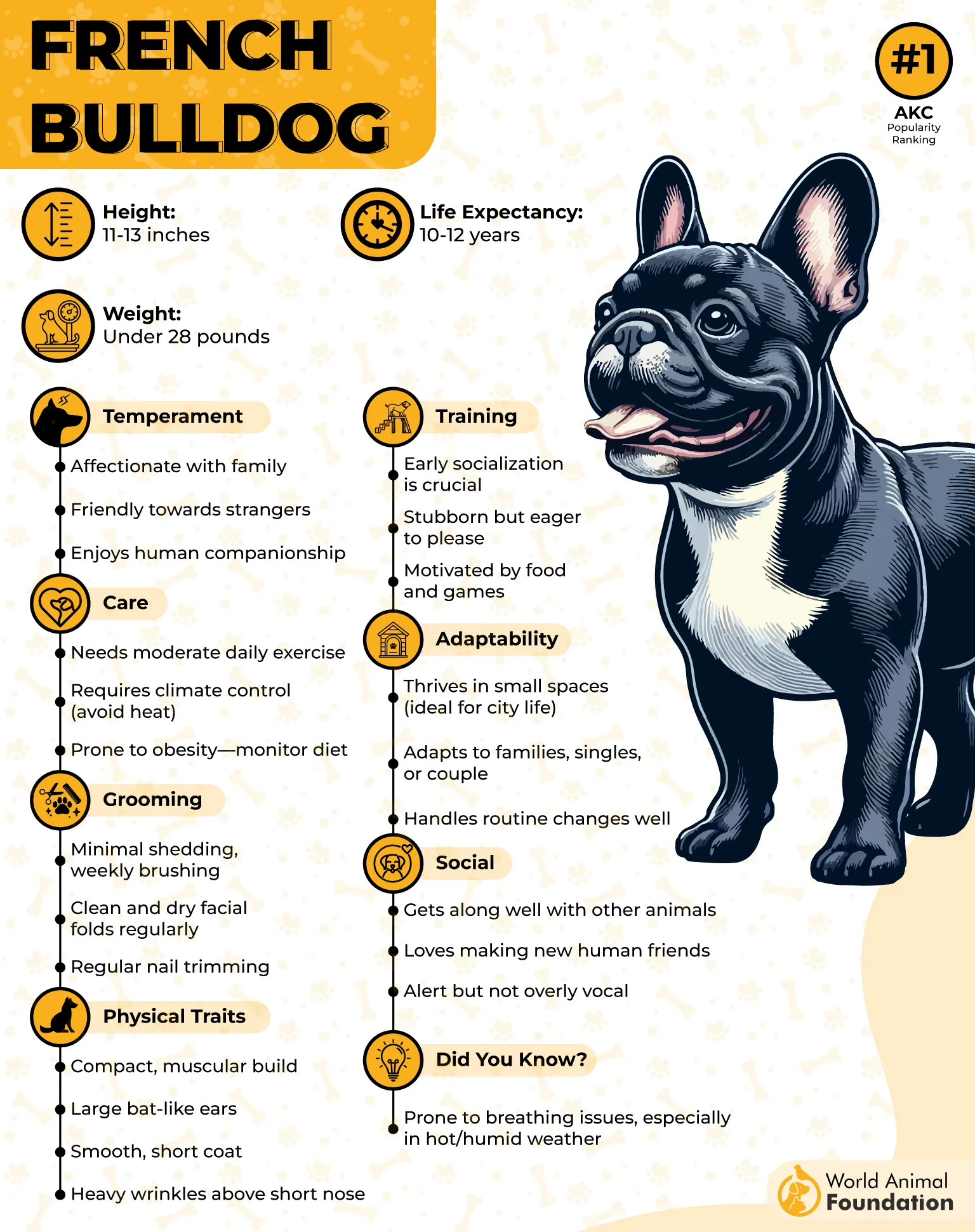
The French Bulldog is a small dog breed known for its distinctive bat-like ears, compact build, and short, smooth coat.
Developed in France in the late 19th century, the breed has a long history as a companion dog. Today, French Bulldogs are widely recognized for their unique appearance and popularity as household pets.
Temperament & Daily Life
French Bulldogs are loving, people-oriented, and usually quite laid-back, although they can be playful and strong-willed at times. They enjoy short walks, indoor play, training, and puzzle games rather than long or intense exercise.
Positive, reward-based training works well, especially when started early and paired with consistent boundaries. Because they form strong bonds with their families, they can struggle when left alone for long periods and may develop separation anxiety.
Grooming & Care
Their short coat is relatively easy to maintain and generally needs only weekly brushing, but their facial wrinkles require regular cleaning and thorough drying to help prevent skin problems.
French Bulldogs also need careful weight management and should be protected from hot weather because their flat-faced anatomy can make breathing and cooling themselves difficult.
10. Whippet
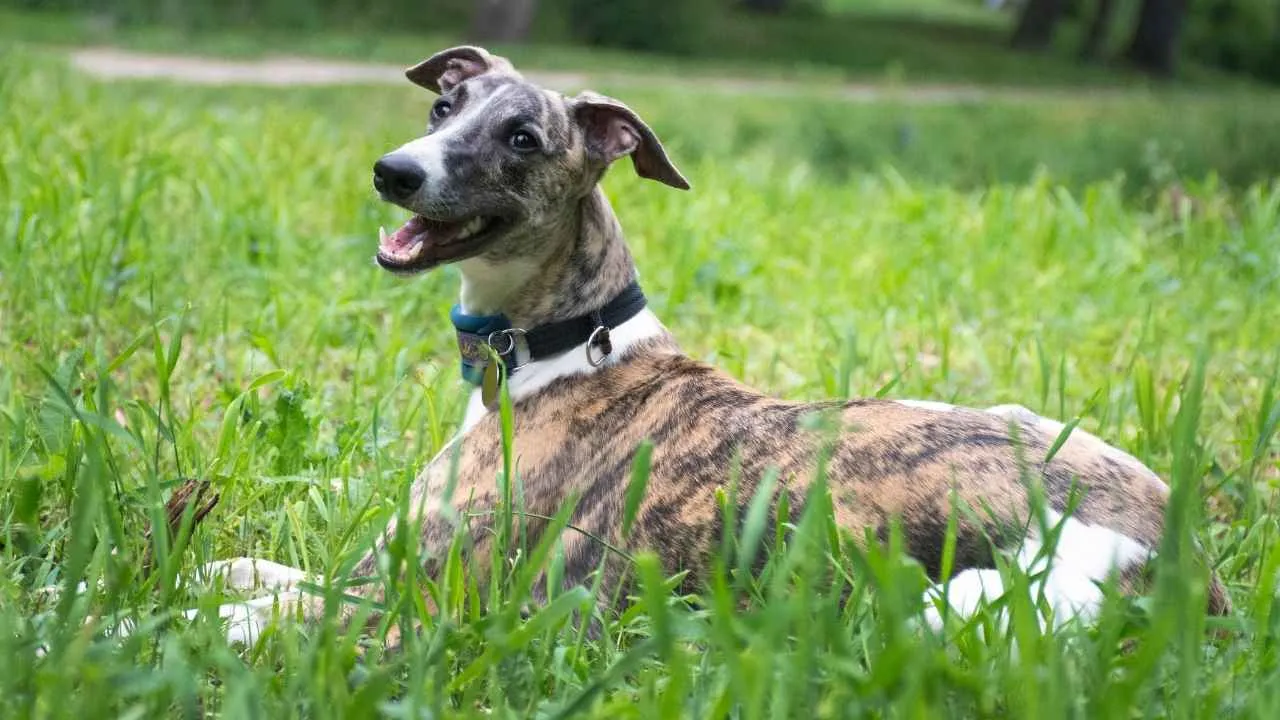
The Whippet is a medium-sized dog breed recognized for its slender, muscular build, long legs, deep chest, and graceful appearance. Originating in Northern England, the breed was developed for speed and became well known for its ability to sprint and chase.
Often described as a smaller relative of the Greyhound, the Whippet combines an athletic build with an elegant appearance. Its distinctive body shape, impressive speed, and long history as a working and companion breed have made it a well-known member of the hound group.
Temperament & Daily Life
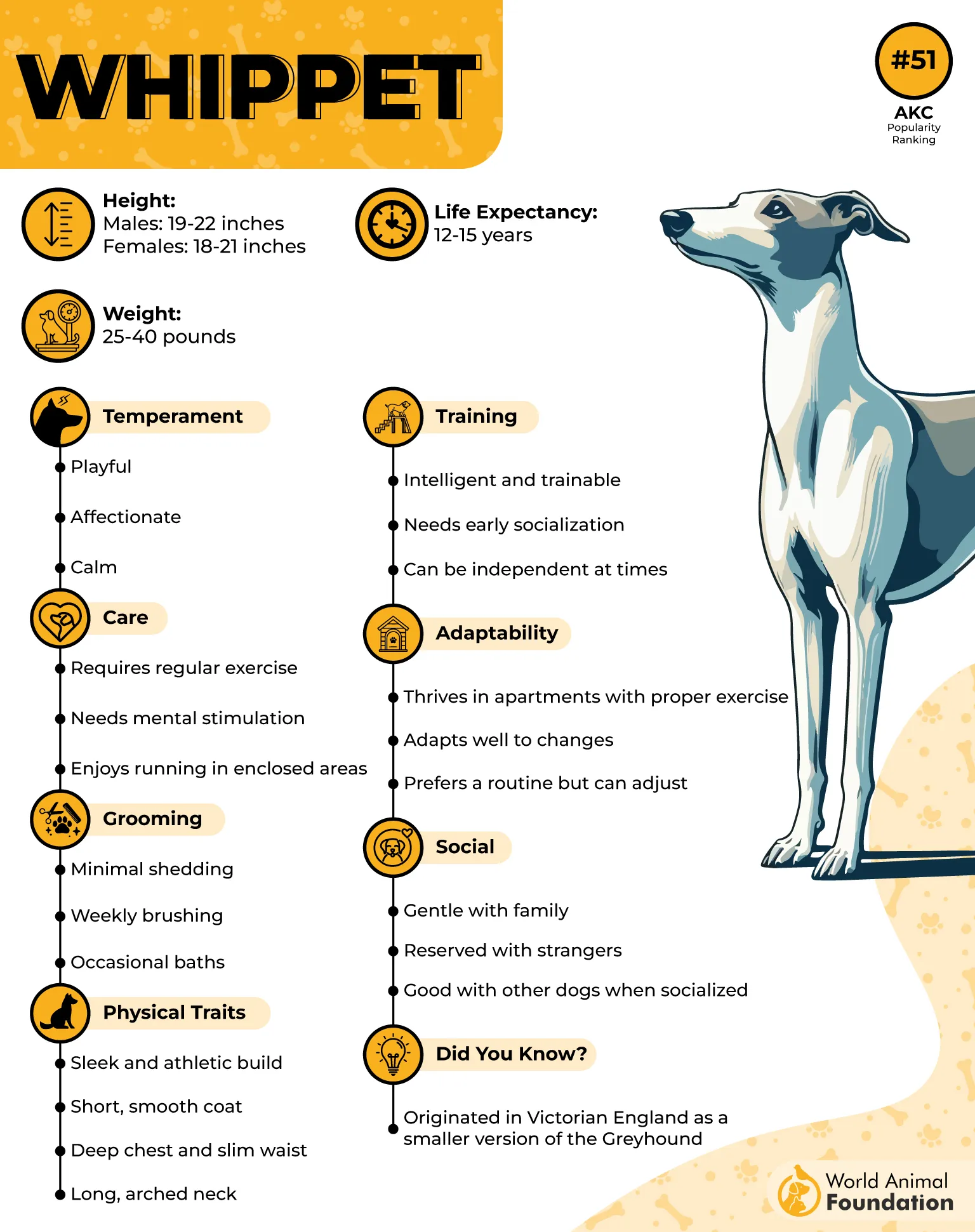
Whippets are playful, intelligent, and energetic, with a strong instinct to chase. They enjoy daily walks, running, agility, lure coursing, and other activities that let them stretch their legs and use their minds.
Despite their athletic side, they are generally quiet and calm indoors and can adapt to apartments or larger homes as long as they have safe opportunities to exercise.
Because they have a strong prey drive, they should be kept on a leash or in a secure, tall fenced area outdoors.
Grooming & Care
Whippets have a short, fine, low-maintenance coat that requires only occasional or weekly brushing. Their thin skin and coat offer little protection from cold weather, so they may need a warm coat or sweater during chilly or wet conditions.
They are generally healthy dogs, but pet owners should be aware of issues such as mitral valve disease, gastric dilatation-volvulus, lacerations, von Willebrand disease, and inherited deafness.
Conclusion
Choosing the right dog breed comes down to more than size or appearance. Havanese, Bolognese, Bichon Frise, Pug, French Bulldog, and Whippet each have their own exercise, grooming, training, companionship, and care needs.
Understanding these differences can help you find a four-legged friend that fits naturally into your home and daily routine.
Before bringing a dog home, take time to consider the breed’s lifestyle, grooming requirements, potential health concerns, and need for attention. The best companion is not simply the one you find cutest, but the one whose needs you can consistently meet.
With the right match and responsible care, any of these breeds can become a cherished part of the family.
