




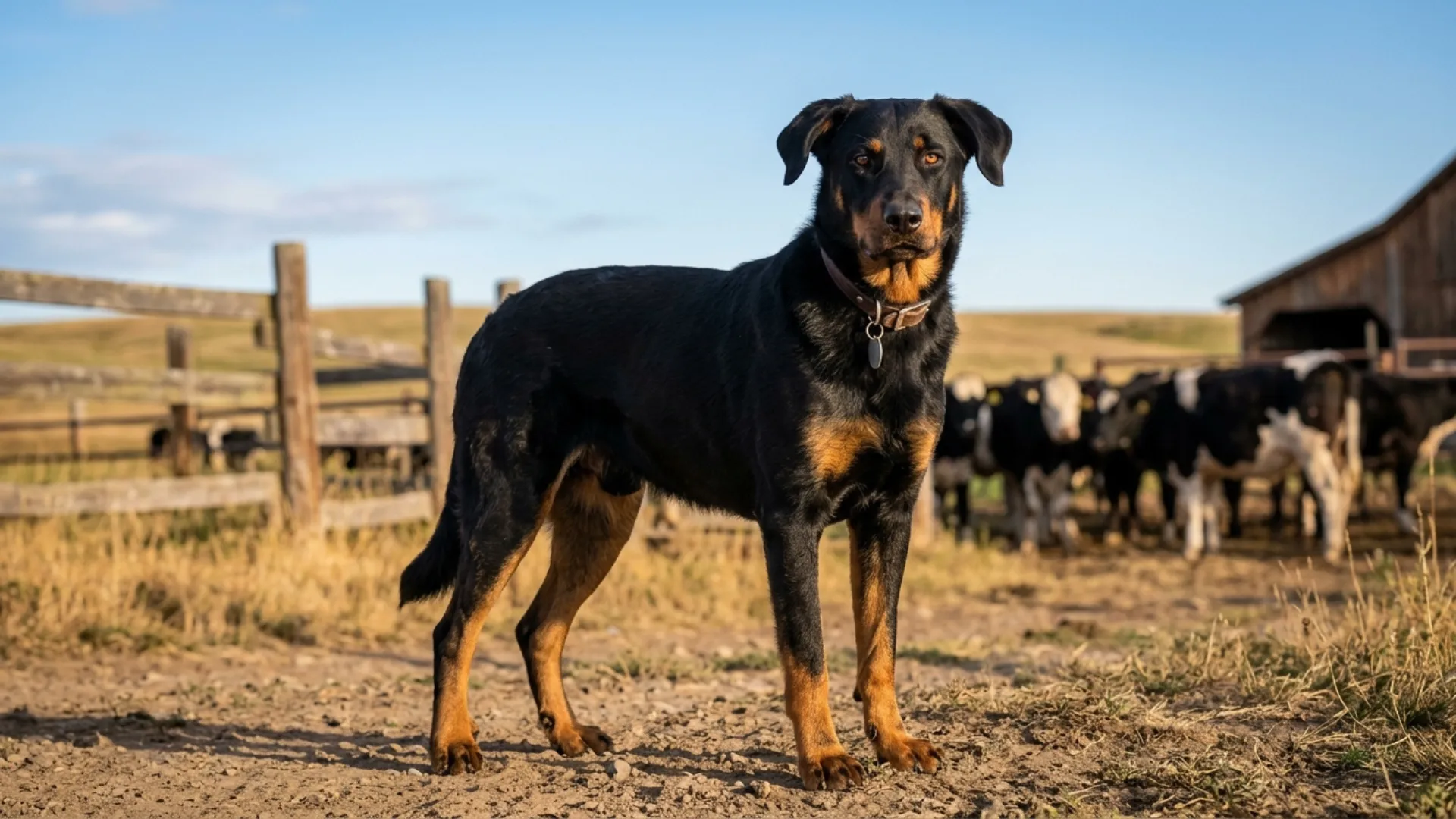
Managing cattle across open pastures and rugged ranchland takes more than human effort. Skilled working dogs help move livestock, control wandering animals, and respond quickly to changing situations, making them valuable partners in demanding agricultural environments.
Different breeds bring unique strengths to ranch work, from driving cattle forward to guiding herds with precision and confidence. Their trainability, endurance, and determination help them perform these tasks effectively.
Explore seven dependable dog breeds suited to cattle herding and ranch life, and discover the qualities that make each one a capable working companion.
Reliable Herding Dog Breeds for Cattle Herding and Ranch Life
1. Bouvier des Flandres
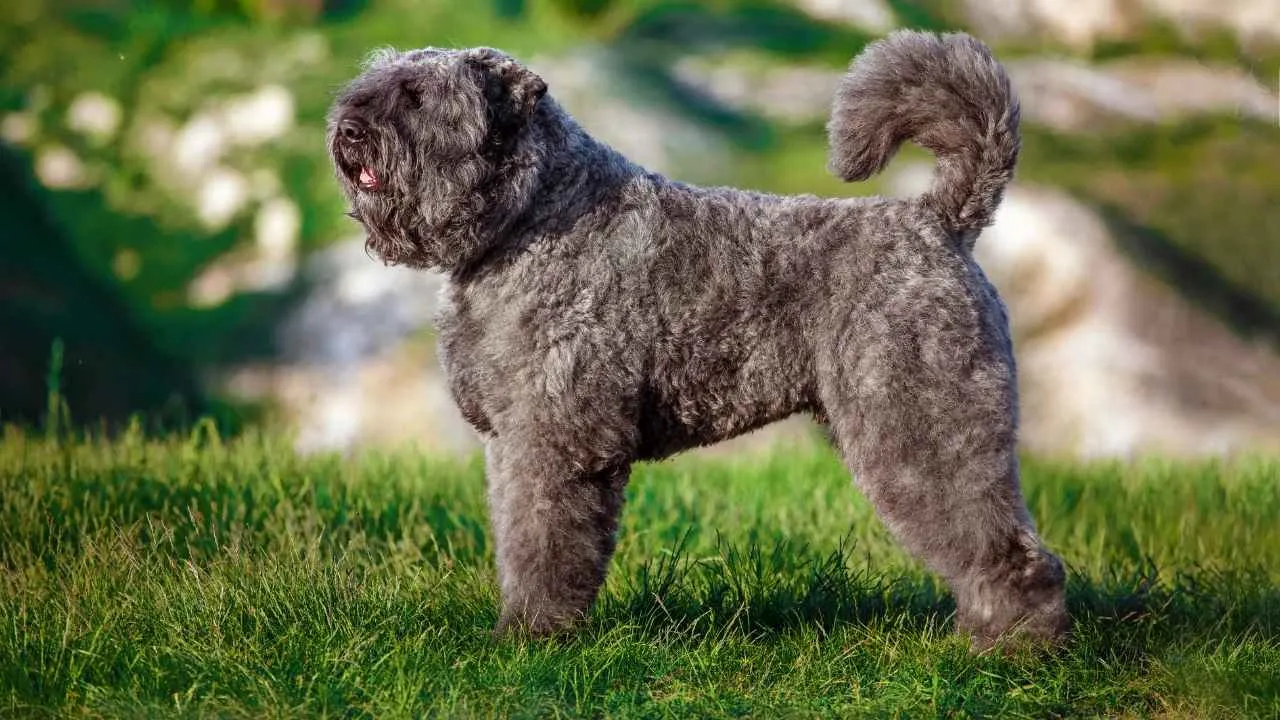
Originating in Belgium, the Bouvier des Flandres was developed as a versatile farm dog, valued for its strength, agility, and confidence. Its sturdy frame and distinctive shaggy coat, complete with a prominent beard, give it a rugged appearance suited to traditional ranch work.
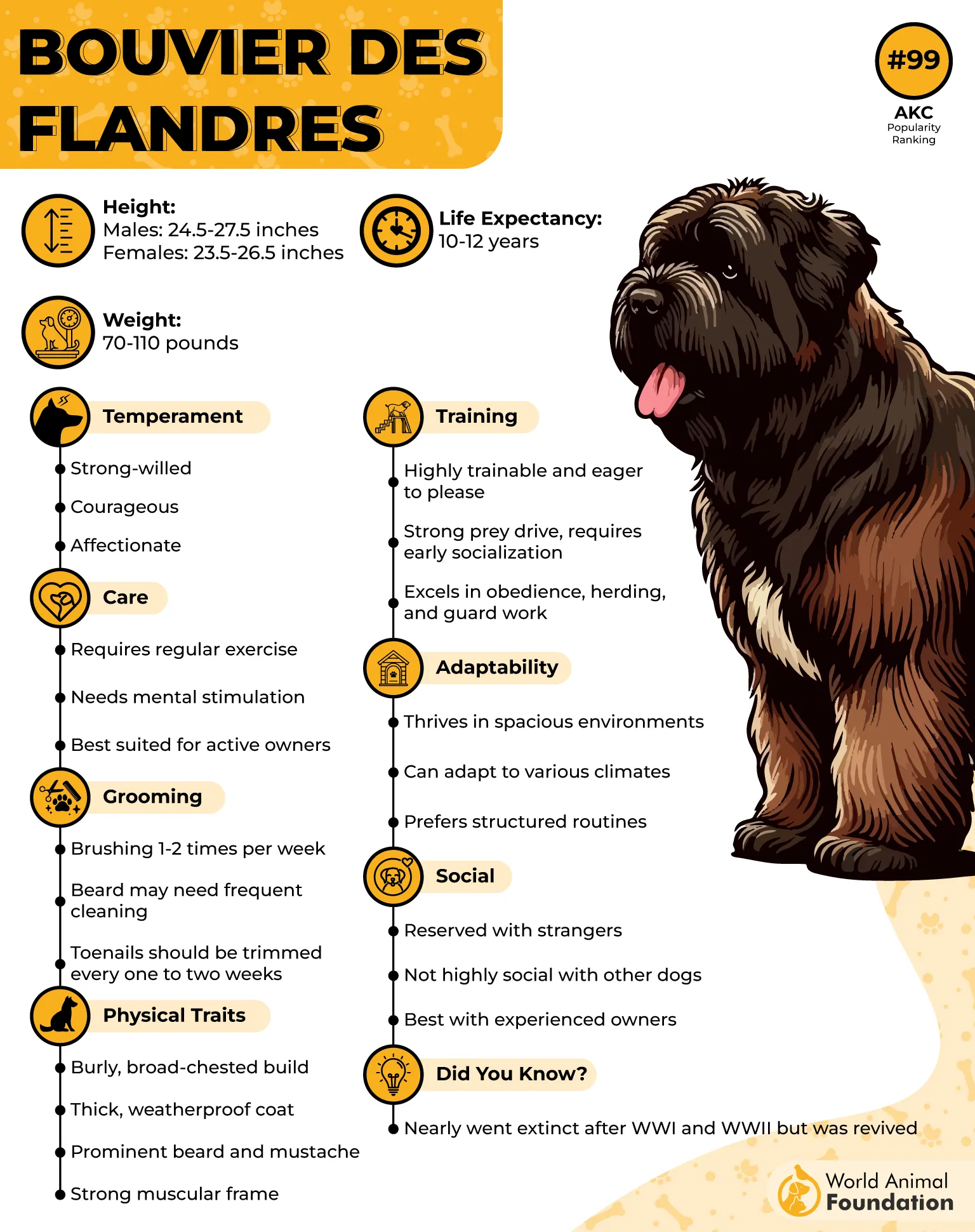
This breed has a history of herding cattle and assisting with everyday farm duties. Naturally steady and protective, it can also help safeguard livestock and property. Despite its composed temperament, the Bouvier needs regular physical activity and benefits from active owners who can provide ample exercise.
Bouvier des Flandres dogs enjoy family companionship but require consistent coat maintenance. Their long, thick fur needs frequent grooming to prevent tangles, while daily activity helps keep these hardworking dogs fit and engaged.
According to AKC, these determined dogs thrive with owners who can provide sufficient time, space, and commitment to meet the needs of a highly capable working breed.
How This Breed Stands Out
Powerful, rugged build developed for demanding farm work: Strength and agility support its traditional cattle-herding duties.
Naturally protective instincts help guard livestock and property: Its confident, watchful nature suits life on a working farm.
2. Beauceron
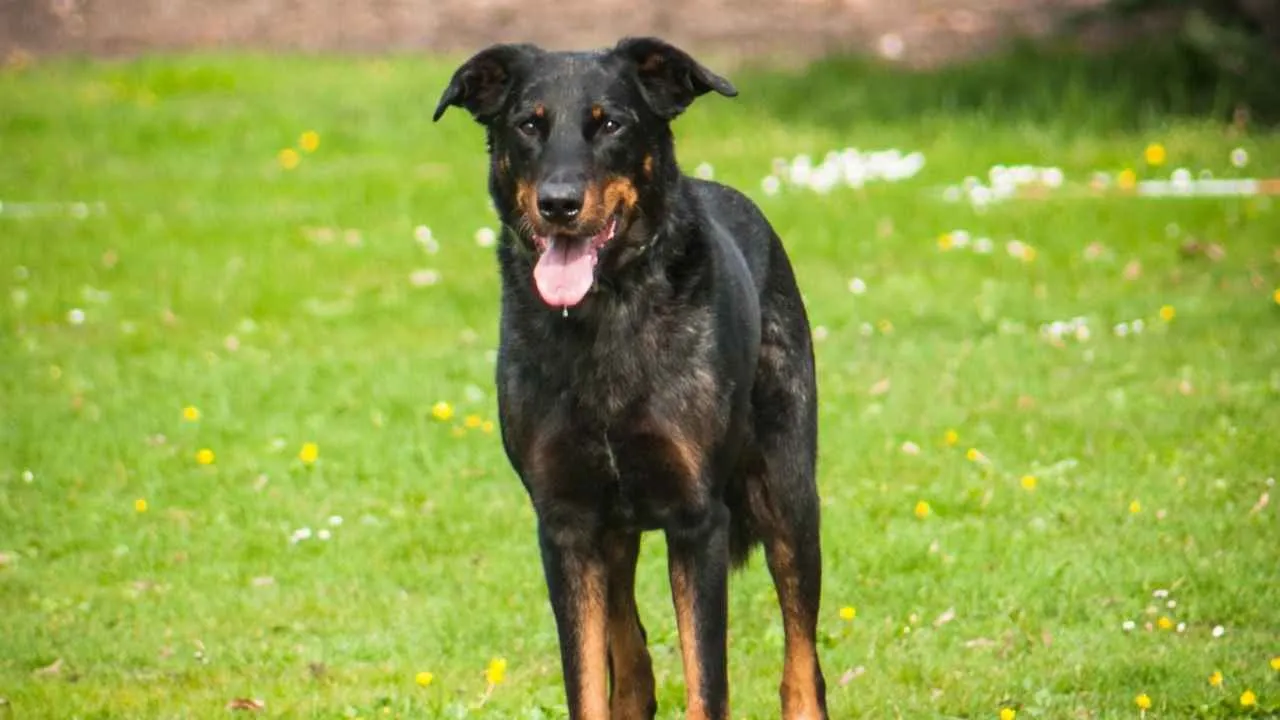
Named after the La Beauce region of France, the Beauceron is a large, muscular sheepdog historically valued for managing both sheep and cattle. Its well-proportioned physique and impressive athleticism reflect its background as a hardworking farm companion.
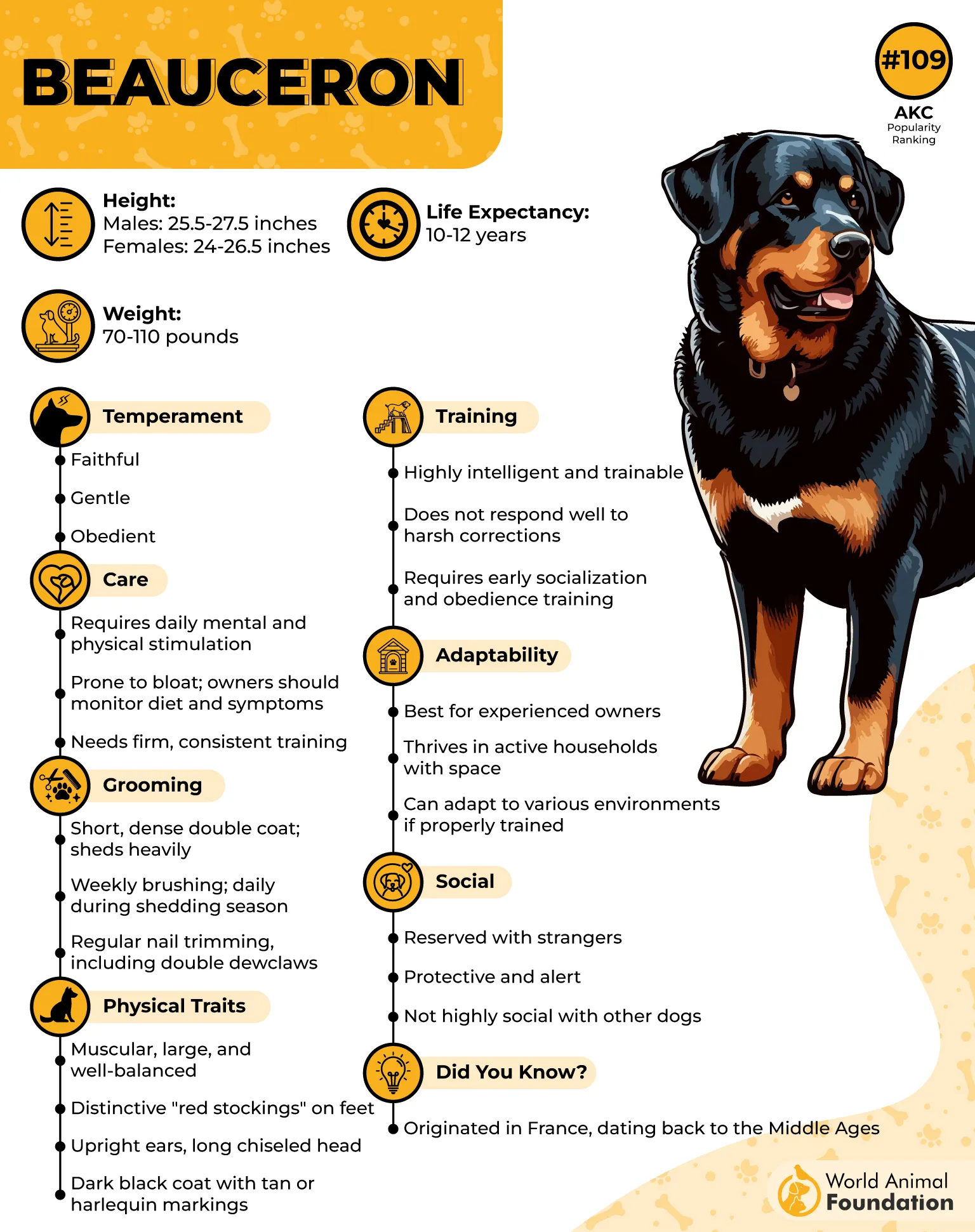
With a strong natural herding instinct, this breed can help move and control livestock across extensive pastures. Its intelligence allows it to learn demanding tasks, while its energy and stamina support long periods of activity. However, its tendency to herd people or other animals makes early training and clear boundaries important.
According to Orvis, Beaucerons bark fiercely when unfamiliar people enter their territory and use their imposing appearance and protective instincts to guard their owners, readily placing themselves between their families and potential threats. They can also be reserved with strangers while remaining deeply loyal at home.
Beaucerons are best suited to experienced owners who can provide structured training, consistent positive reinforcement, and plenty of exercise.
As a larger herding breed, they can be prone to hip and elbow dysplasia, so attentive weight and joint management matters. One distinctive physical feature is their double dewclaws on the hind legs, which contribute to their recognizable appearance.
How This Breed Stands Out
Strong herding drive supports moving and controlling large flocks: Its instincts help it manage sheep and cattle efficiently.
High intelligence and stamina suit long days across expansive ranches: Athleticism and quick learning support demanding farm responsibilities.
3. Bergamasco Sheepdog
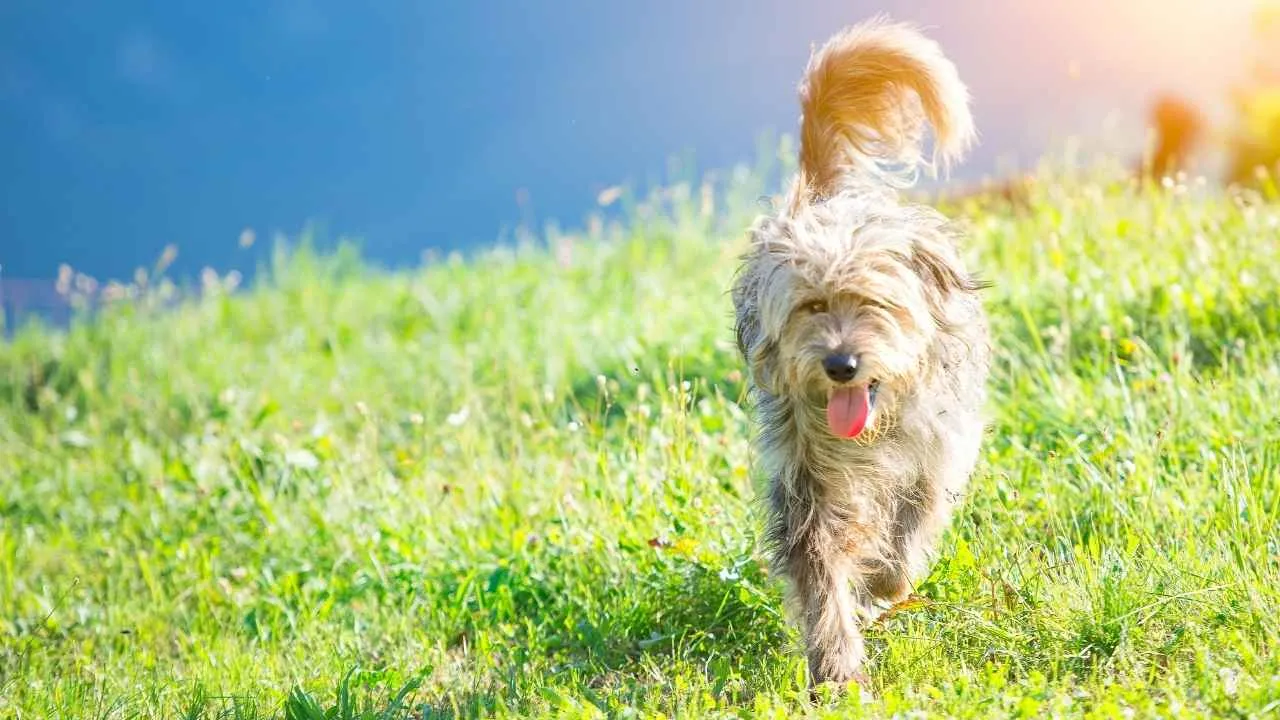
Originating in the Italian Alps, the Bergamasco Sheepdog was bred to herd and protect sheep in demanding mountain conditions. Beneath its distinctive coat lies a sturdy, muscular shepherd with a calm, watchful temperament and strong devotion to its family.
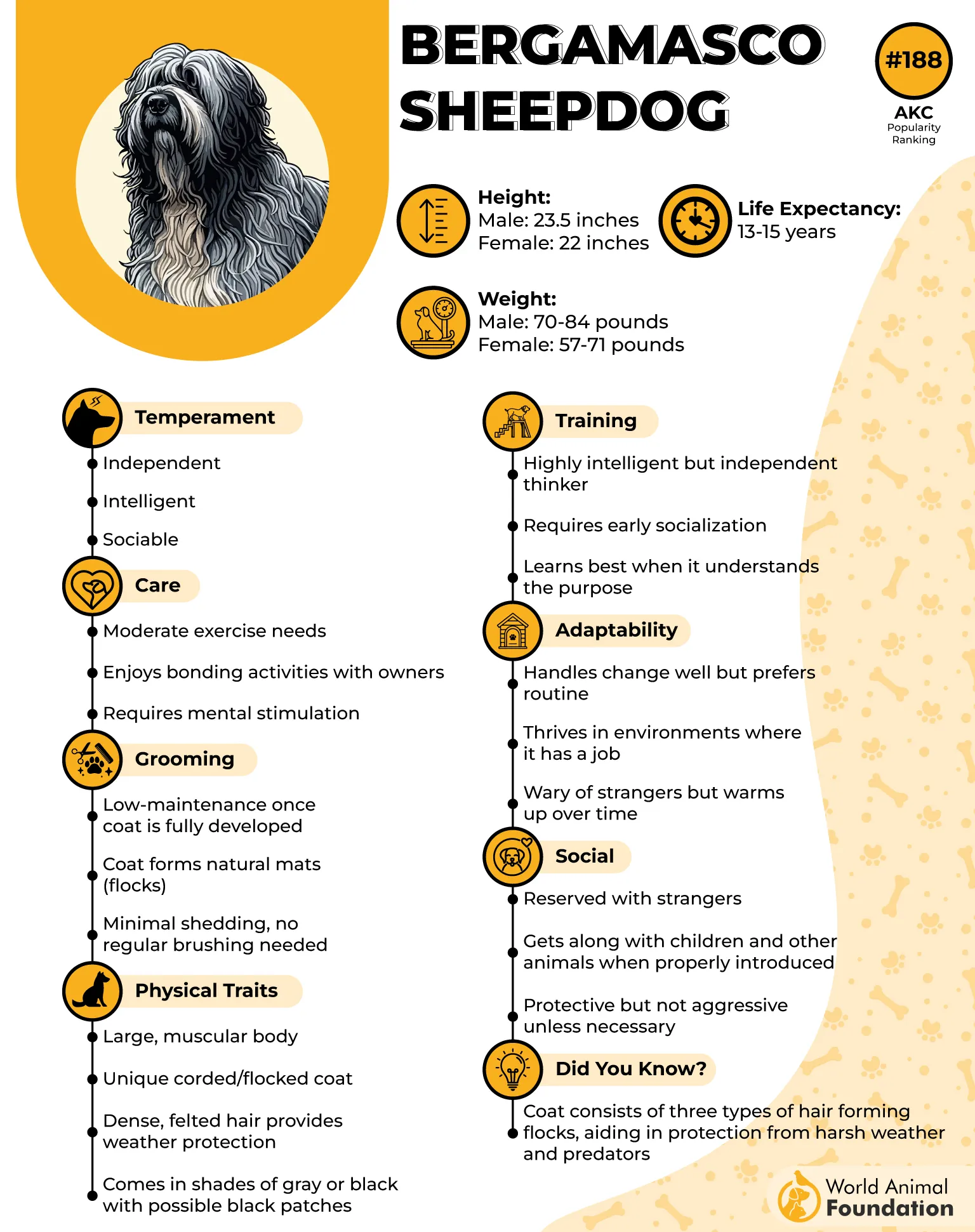
According to PetMD, the Bergamasco Sheepdog is best known for its distinctive, shaggy coat, which is often considered one of the most heavily coated among dog breeds.
Its unusual coat consists of three hair textures that naturally form felted mats, helping shield the dog from harsh weather and potential threats. Beyond physical protection, the Bergamasco brings intelligence, patience, and independent thinking to livestock work, allowing it to assess situations rather than rely solely on constant direction.
Although generally composed, this breed benefits from daily exercise, mental challenges, and early socialization. It bonds closely with its handlers and responds best when training builds understanding and cooperation.
How This Breed Stands Out
Distinctive felted coat offers protection in changing weather: Its naturally formed mats help insulate the dog against cold mountain conditions.
Independent problem-solving ability supports work with livestock: Intelligence and self-reliance help it make decisions while guarding and herding animals.
4. Briard
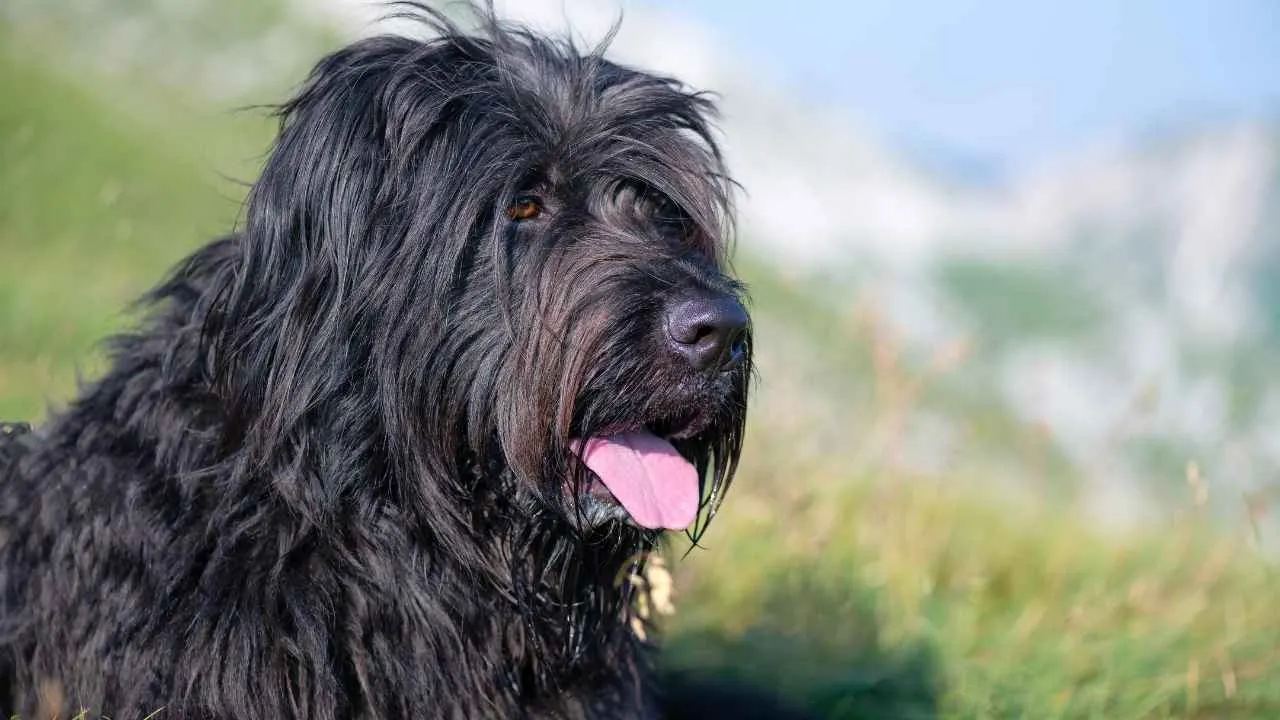
Originating in France’s Brie region, the Briard is an intelligent, athletic sheepdog traditionally valued for both herding flocks and protecting livestock. Its long, shaggy coat and distinctive fringe give it a recognizable appearance, while its working background reflects versatility and endurance.
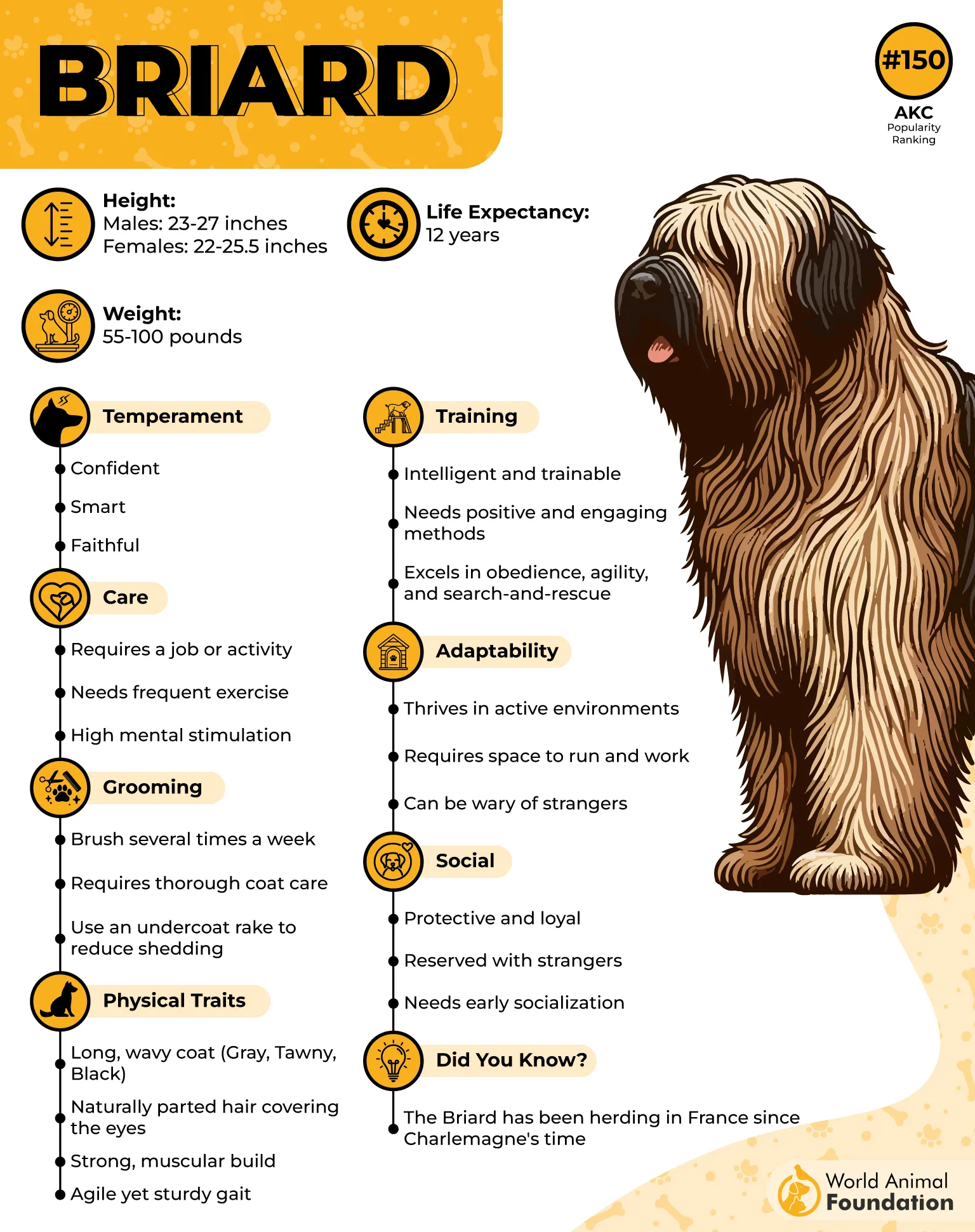
For generations, Briards played an important role on French farms, guiding sheep and working closely with their handlers. Their alertness helps them keep track of livestock, while their agility and responsiveness support movement across pastures. Although affectionate and good-natured with their families, they remain capable, focused workers in the field.
Briards thrive with active owners who can provide regular exercise, purposeful training, and consistent grooming. Their long coats require dedicated maintenance, and their intelligence benefits from activities that keep them mentally engaged.
How This Breed Stands Out
Alert, watchful nature helps monitor scattered livestock: Its traditional guardian instincts support awareness of animals and surroundings.
Agile movement and quick responsiveness aid flock management: Athleticism and close cooperation with handlers help guide sheep efficiently.
5. Entlebucher Mountain Dog
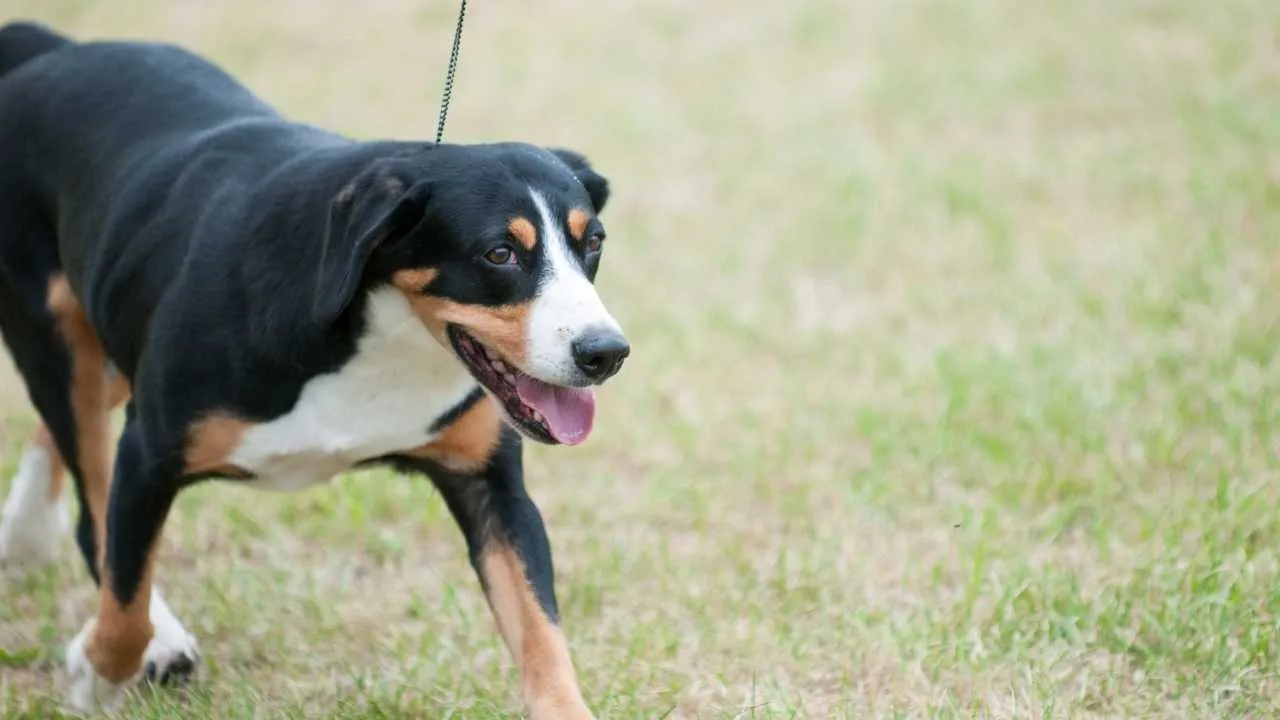
The smallest member of Switzerland’s four Sennenhund breeds, the Entlebucher Mountain Dog was developed to drive cattle through challenging Alpine terrain. Its compact, muscular body combines strength with agility, while its cheerful expression has earned it the nickname “laughing dog.”
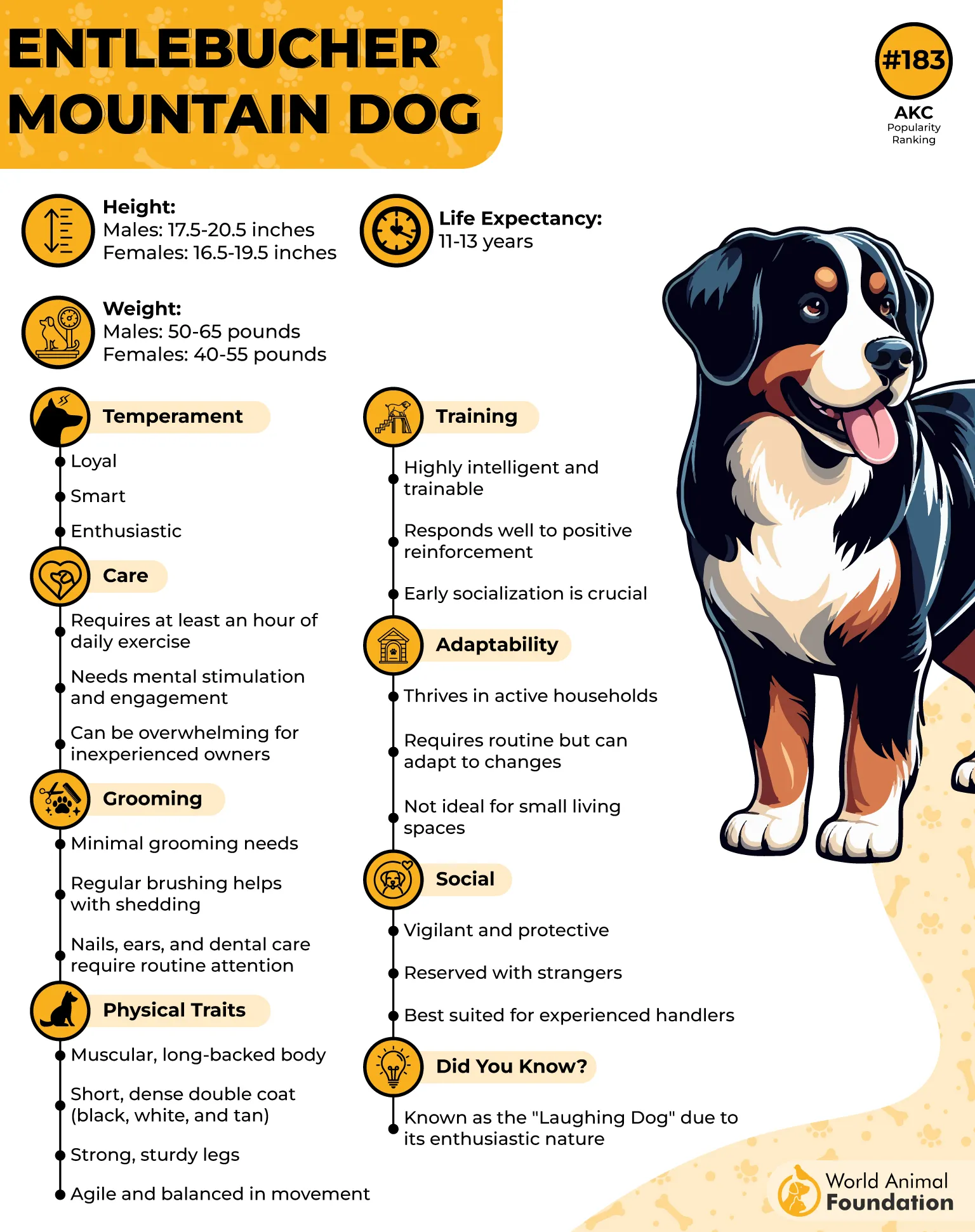
Despite its smaller size, this confident herder is hardworking and energetic. Entlebuchers enjoy staying active and can use their persistence and vocal nature to encourage cattle to move. Their intelligence also makes mental challenges and purposeful training important parts of daily life.
These dogs form close attachments to their families and thrive when included in regular activities. Early socialization helps them become more comfortable around unfamiliar people, while regular exercise keeps their active minds and bodies engaged.
How This Breed Stands Out
Compact, muscular body suits agile cattle-driving work: Its sturdy build supports movement across uneven mountain pastures.
Energetic, vocal herding style helps move stubborn animals: Its drive and alert vocalizations can help encourage cattle in the desired direction.
6. Old English Sheepdog
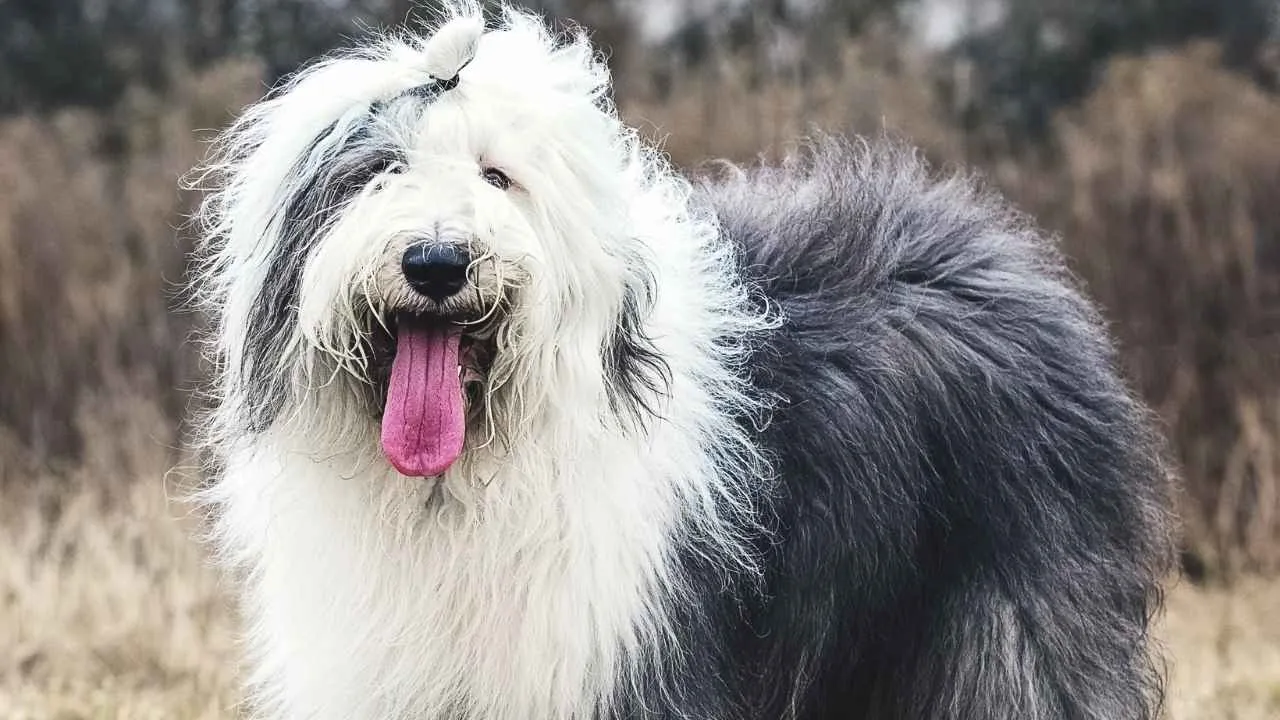
Developed in England during the nineteenth century, the Old English Sheepdog was traditionally used to drive cattle to market and move livestock over long distances. Over the years, the loving breed was developed for droving cattle across many miles, which helps explain its endurance. Its large, powerful frame and thick, shaggy double coat reflect its history as a hardworking outdoor dog.
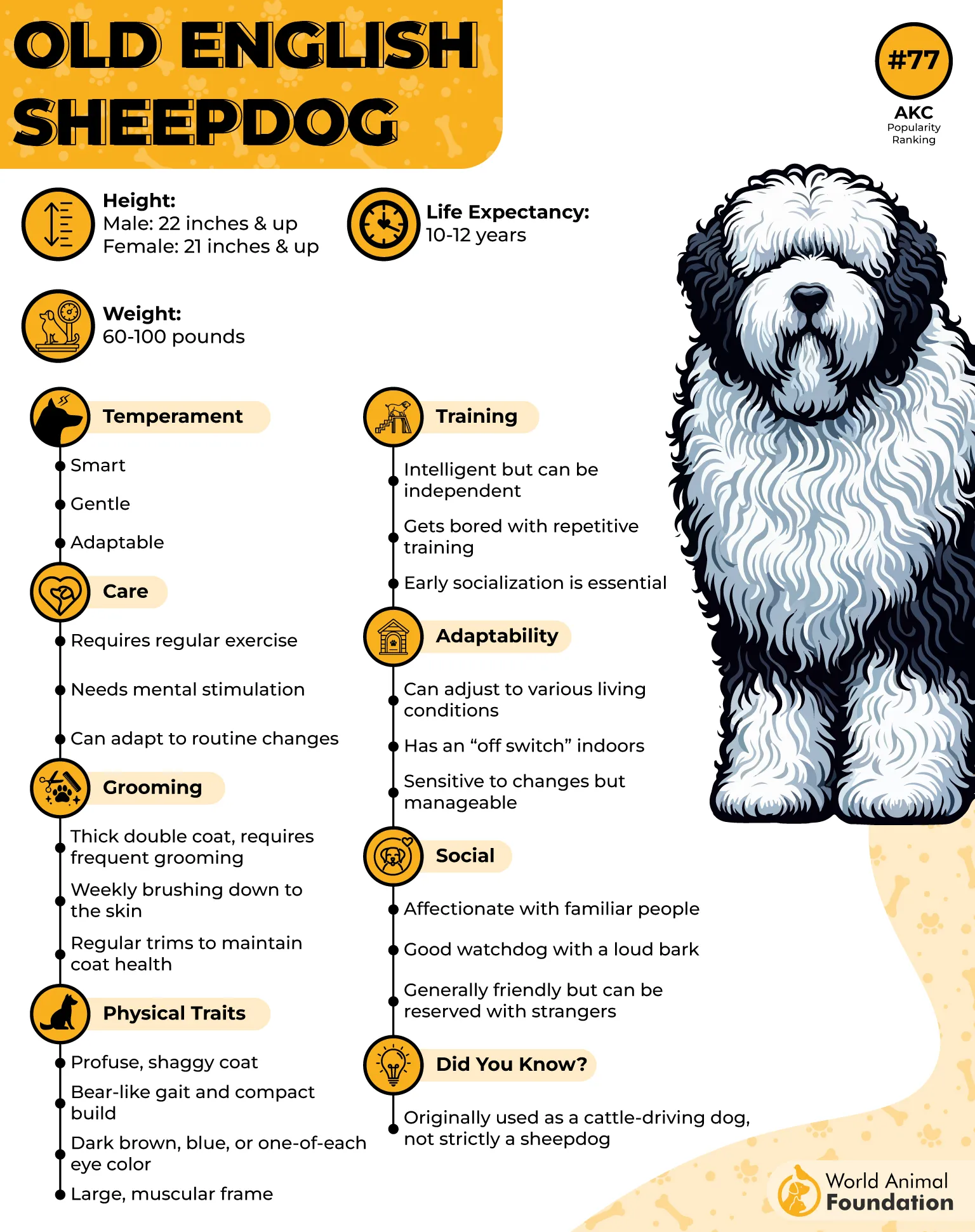
Beneath its fluffy appearance lies a sturdy worker known for stamina and steady movement. This breed can handle demanding droving duties, while its purposeful gait helps it cover ground alongside livestock. Regular activity, including walks and play, is important to keep it physically fit and mentally engaged.
Old English Sheepdogs are also affectionate and playful companions. Their dense coats require frequent brushing to prevent tangles, and they benefit from consistent training and daily exercise to channel their energy constructively.
How This Breed Stands Out
Shaggy double coat offers protection during outdoor work: Its thick covering provides insulation in changing weather conditions.
Strong, purposeful movement reflects its traditional droving heritage: A kind, steady temperament, stamina, and an efficient gait suit long days moving cattle toward market.
7. Polish Lowland Sheepdog
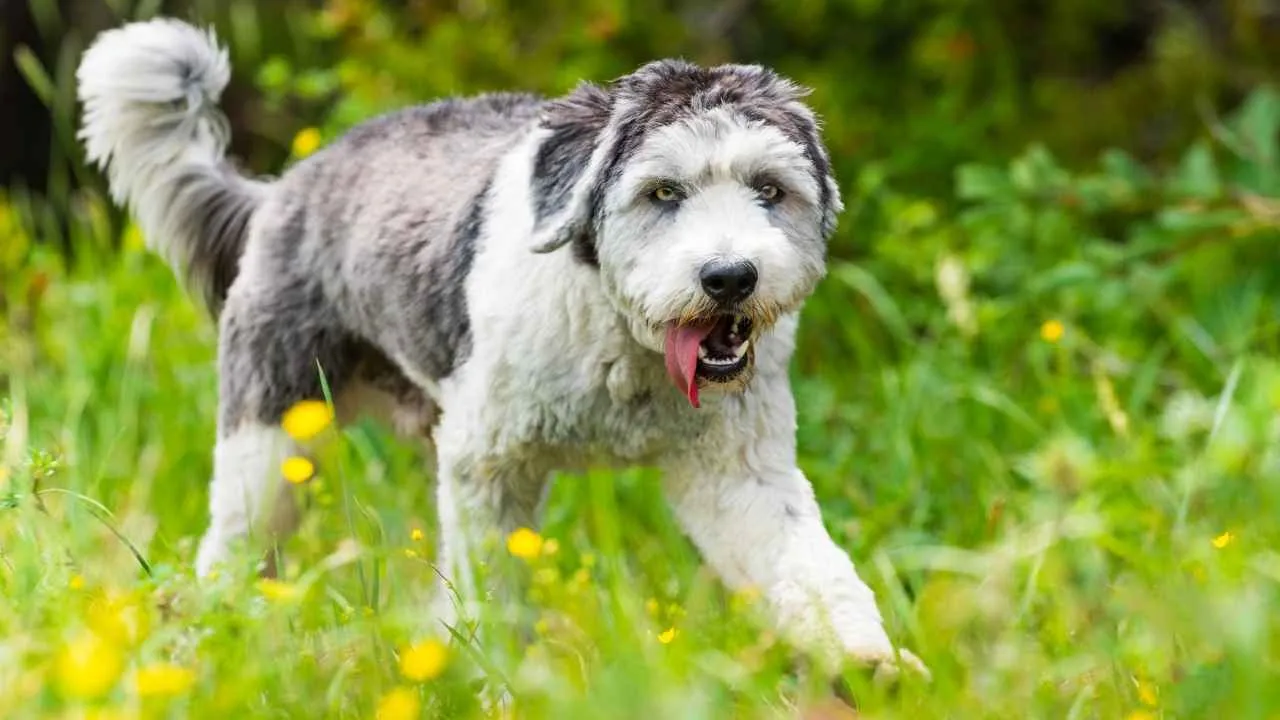
The Polish Lowland Sheepdog, often called the PON, is a sturdy, shaggy-coated herding breed from Poland. Traditionally used to manage livestock and guard property, it combines a compact, muscular body with a confident, watchful temperament. Its long facial hair often falls over its eyes, giving it a distinctive appearance.
Clever and observant, this breed can monitor flock movements while making independent decisions during herding work. Its lively nature and strong working instincts help it stay engaged, but its headstrong personality calls for patient, consistent training and early socialization.
PONs need plenty of daily exercise and mental stimulation to channel their energy productively. Their thick double coat also requires frequent brushing to prevent tangles, making regular grooming an important part of their care.
How This Breed Stands Out
Shaggy facial coat gives it a recognizable appearance: Long hair around the face creates the breed’s signature look.
Keen observation and independent thinking support flock supervision: Intelligence and self-confidence help it monitor livestock while working with its handler.
Conclusion
Choosing a reliable dog for cattle herding and ranch life means considering strength, intelligence, stamina, and natural livestock instincts. Breeds like the Bouvier des Flandres and Beauceron bring powerful builds and protective qualities to demanding farm work.
The Bergamasco Sheepdog offers independent thinking and a weather-resistant coat, while the Briard combines alertness with agility. The Entlebucher Mountain Dog contributes energetic cattle-driving skills, and the Old English Sheepdog reflects a long history of moving livestock over considerable distances.
For smaller herding work, the Polish Lowland Sheepdog brings keen observation, confidence, and a distinctive shaggy coat. Each breed offers different strengths suited to particular ranch environments and responsibilities.
Regardless of breed, proper training, early socialization from 3 to 14 weeks, and positive exposure to a range of environments help shape well-adjusted adult herding dogs, while regular exercise and consistent care are essential. Understanding a dog’s temperament and working abilities helps ranchers choose a dependable partner for managing livestock and protecting their property.
