




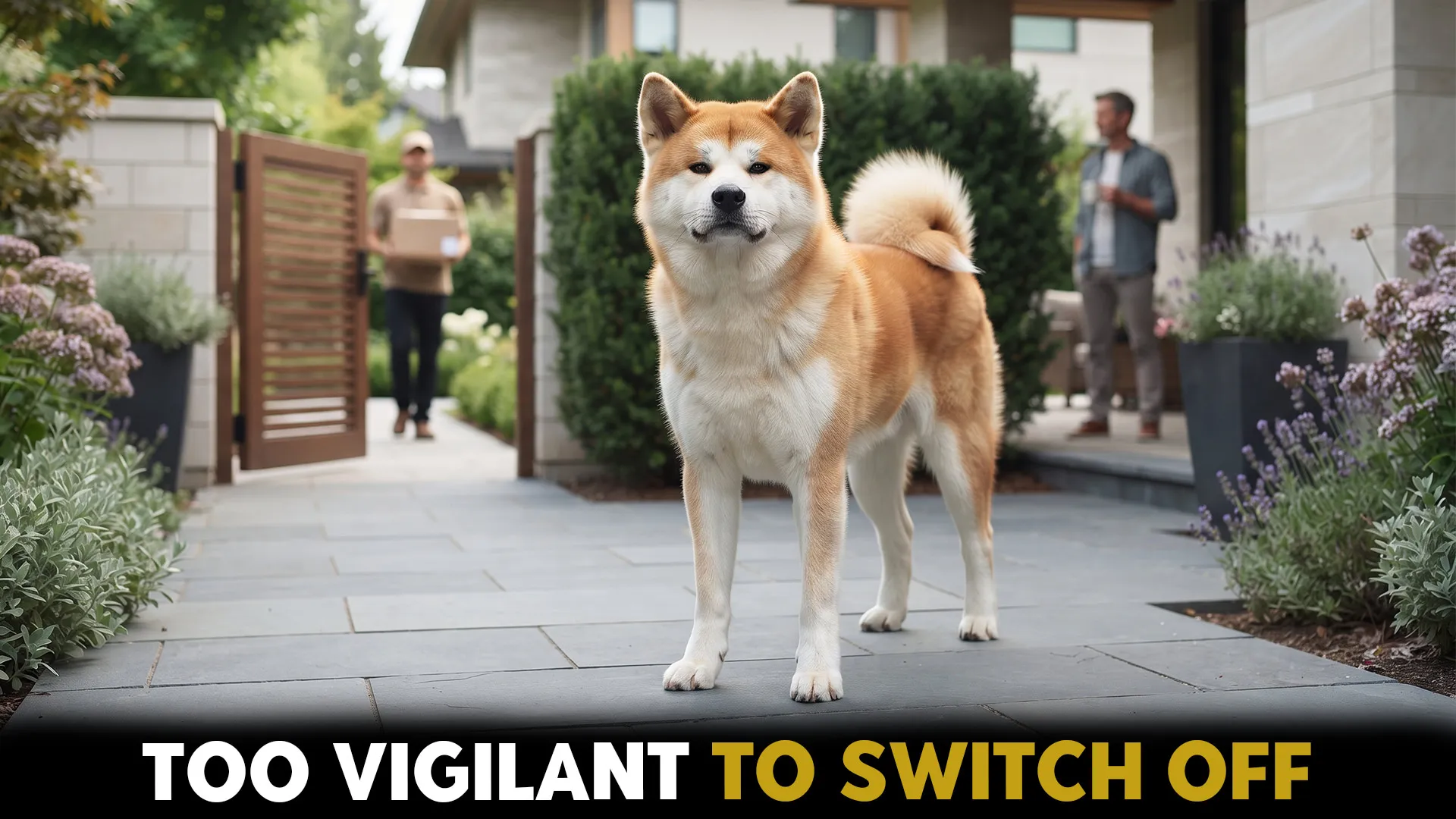
True security does not come from a dog that barks at every passing shadow, but from one that knows exactly when to pay attention. The best guard dog breeds combine natural awareness, physical presence, and a calm, reliable temperament that gives you complete peace of mind.
While a large breed offers an immediate visual deterrent, raw strength means very little without control. Dependable protection relies on instinct, clear-headed confidence, and early training. A well-socialized guardian understands the difference between a welcome guest and an actual threat, staying completely calm until action is required.
These seven breeds range from independent working dogs to people-oriented guardians, each bringing a unique set of instincts and physical traits to home defense. Here is how their temperaments compare and what you need to know to choose the right protector for your home.
Reliable Dog Breeds That Act as Excellent Home Security
1. Anatolian Shepherd Dog
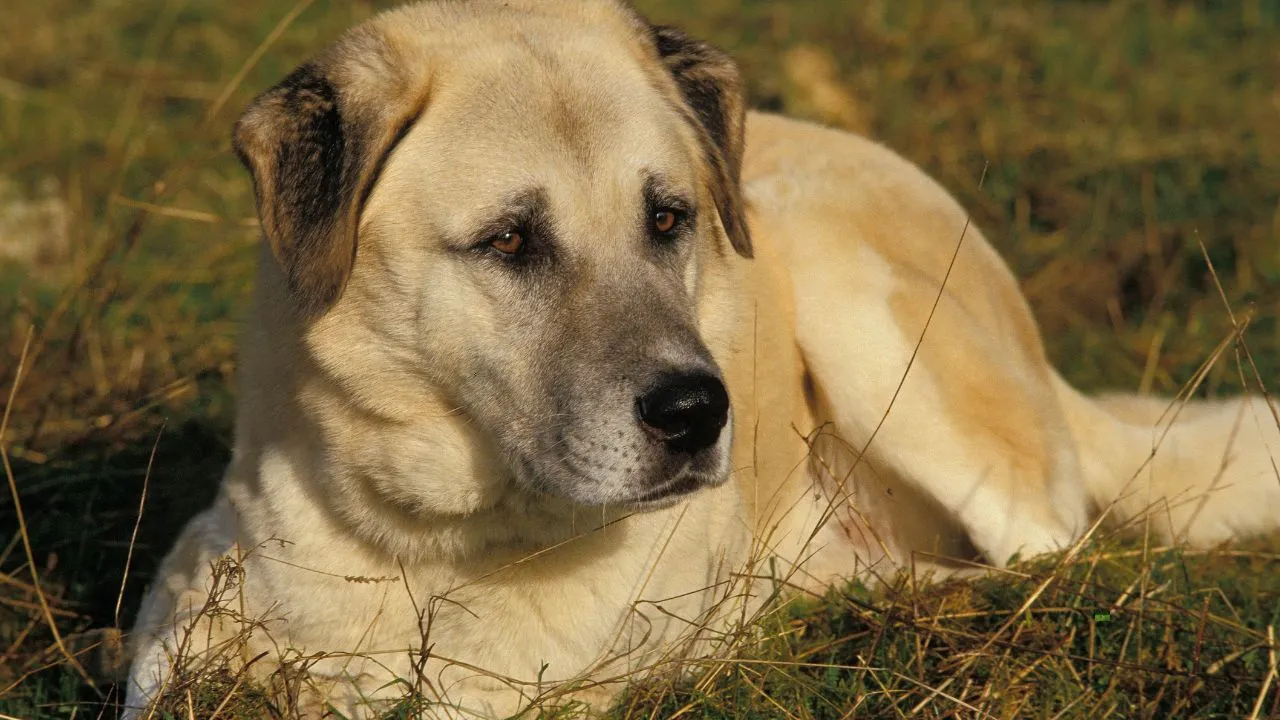
An unfamiliar sound across the property can bring an Anatolian Shepherd to full attention in seconds. One moment, this impressive guardian is resting in the shade; the next, those alert eyes are tracking a distant sound that everyone else completely missed.
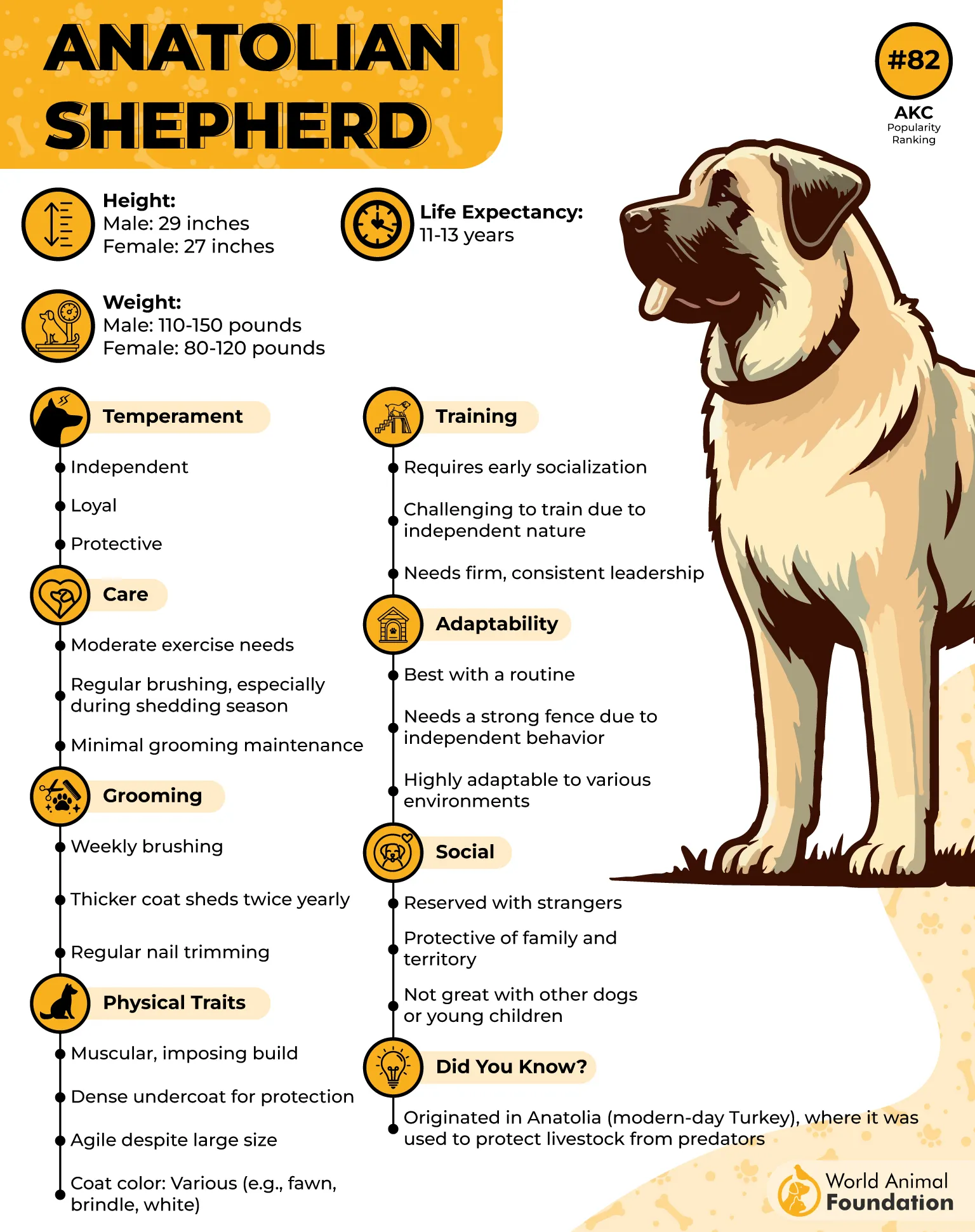
Originally developed in Turkey for livestock protection, the Anatolian Shepherd carries strong guarding instincts and an independent working mindset. Protecting flocks required the breed to assess danger without waiting for a human to issue instructions. That history still influences the breed’s reserved attitude toward strangers and strong territorial awareness.
A deep, loud bark can announce something unfamiliar, but the breed does not need to create chaos to make an impression. Its substantial frame, confidence, and alert nature already provide plenty of deterrence.
Purina says that life with an Anatolian requires early training, secure fencing, and sensible socialization. Owners should introduce the dog to people, animals, sounds, and everyday situations from a young age so the dog can distinguish normal household activity from genuine concerns.
This independent guardian also needs regular exercise and room to move. With experienced handling, the Anatolian can settle into family life as a devoted, watchful companion.
2. Akita
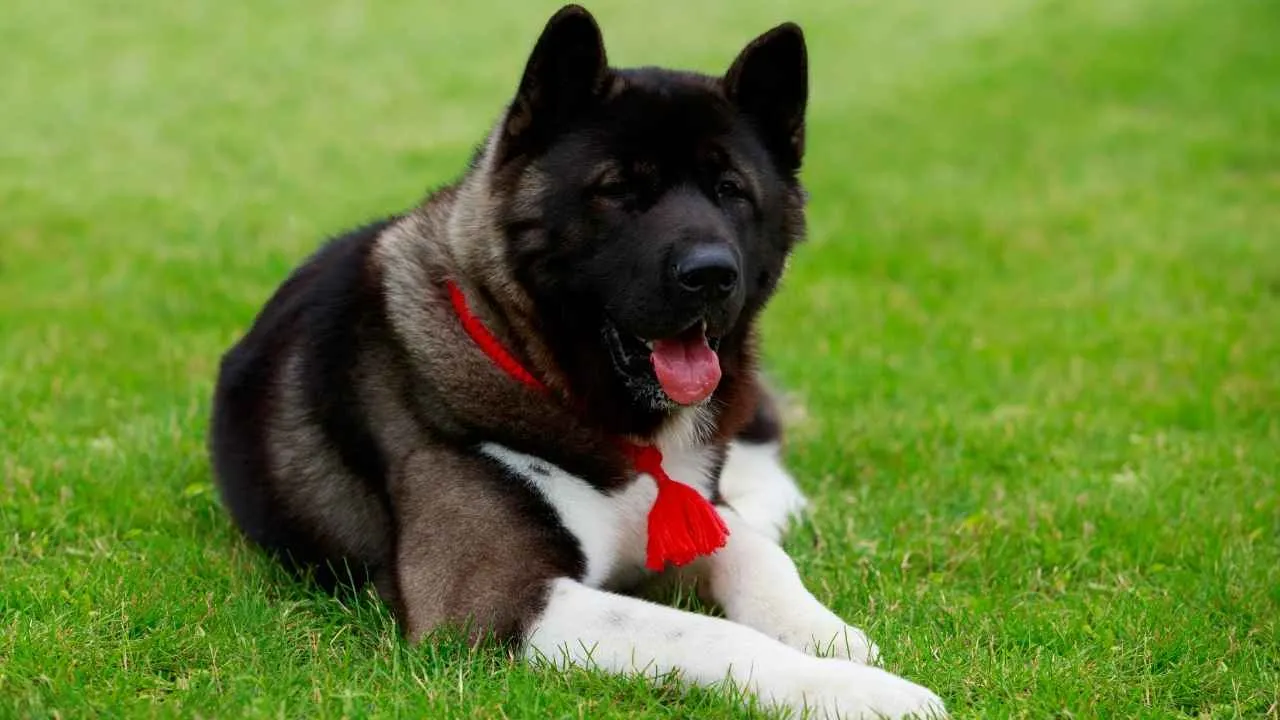
Quiet confidence is part of the Akita’s charm, especially when an unfamiliar visitor approaches the home. This Japanese guardian does not need to turn the house into a noisy security station to command attention.
The Japanese Akita has a dignified, reserved personality and a natural wariness around unfamiliar people. Courage, alertness, and responsiveness add substance to that quiet confidence. The breed’s imposing appearance can also make an approaching stranger think twice before stepping onto the property.
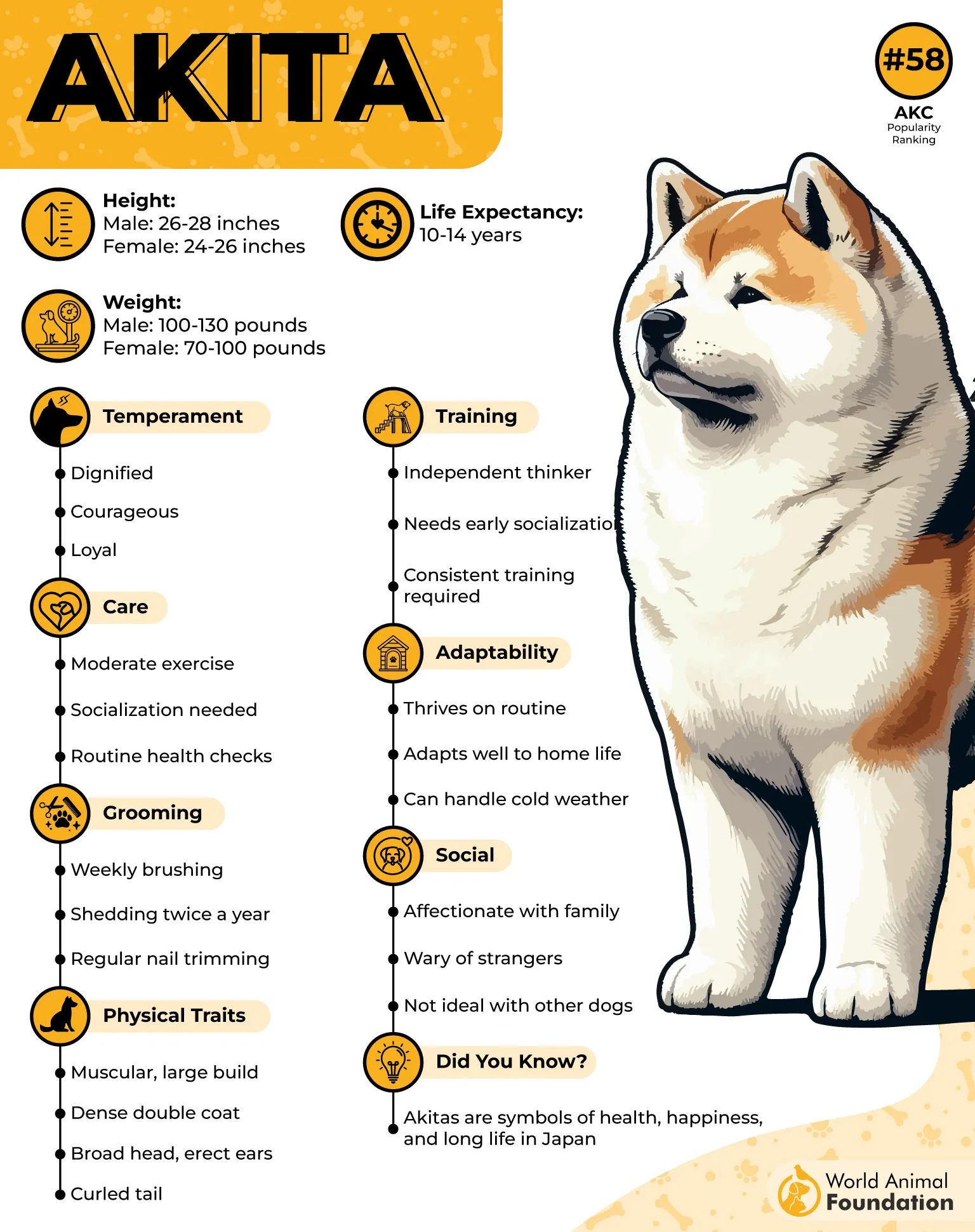
At home, affection runs much deeper than the serious expression suggests. Akitas can form strong bonds with their immediate family and show unwavering devotion to the people they trust. Their independent streak calls for an owner who appreciates a dog with its own opinions.

Careful socialization matters, particularly around other dogs. Clear boundaries, obedience training, and calm introductions help an Akita understand which people and situations belong to everyday life.
This is a breed that benefits from confident leadership rather than harsh handling. Give an Akita structure, respect, and meaningful interaction, and that dignified watchfulness can become a reassuring part of the household.
3. Tibetan Mastiff
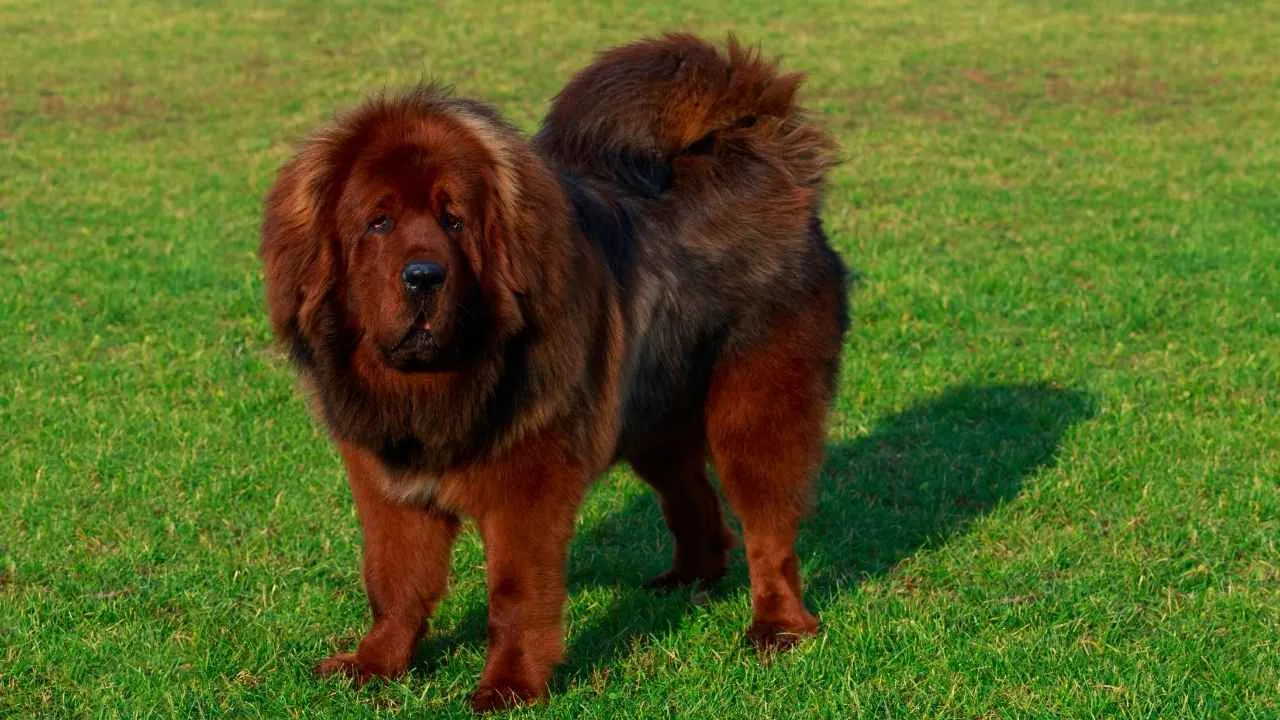
Nighttime suits the Tibetan Mastiff’s watchful nature, especially when every unfamiliar sound deserves investigation. These enormous guardians have the physical presence to make a quiet property feel considerably more secure.
For centuries, the Tibetan Mastiff helped protect livestock, homes, and settlements around the Himalayan region. Their independent nature developed through work that demanded patience, courage, and careful observation. A stranger approaching the property can quickly attract serious attention.
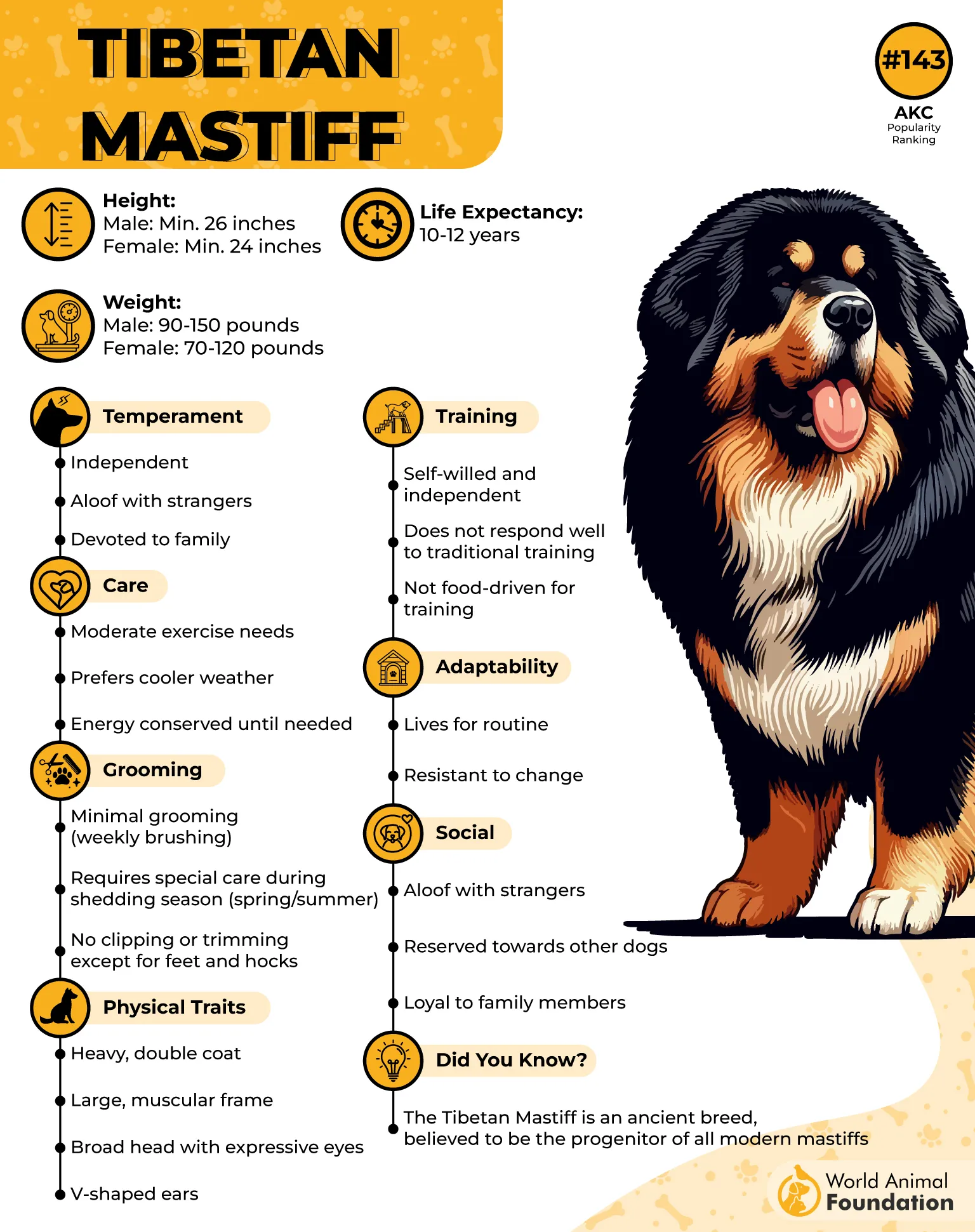
The breed’s substantial size creates immediate visual deterrence, but the real story lies in its temperament. Tibetan Mastiffs tend to remain reserved around unfamiliar people and can display strong territorial behavior. They are not dogs that need encouragement to take their surroundings seriously.
That independence also makes training an important responsibility. Structured training, early socialization, and secure boundaries help establish predictable household behavior. Owners should teach calm responses to visitors, delivery workers, neighbors, children, and other animals.
A thick coat protects this rugged guardian in harsh climates, so the breed handles cold weather better than many short-coated dogs. Plenty of space, thoughtful management, and experienced ownership allow this imposing companion to channel its protective instincts without unnecessary drama.
4. Cane Corso
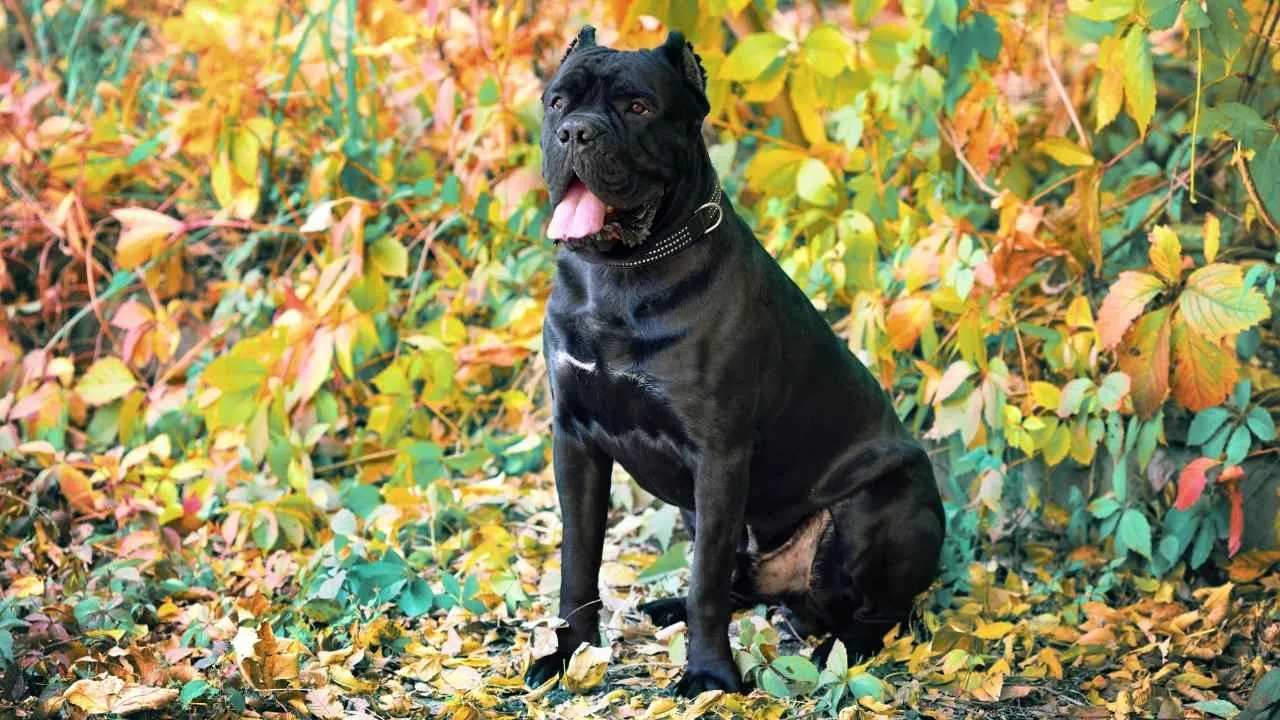
A sleeping Cane Corso can look completely at ease until a strange sound catches its attention. Suddenly, those relaxed moments disappear, and the household guardian is paying very close attention.
The Cane Corso has a history rooted in guarding property and working alongside people. Its powerful muscular build, confidence, and awareness create a formidable presence around a home. A Corso does not need exaggerated behavior to make visitors notice that someone serious lives there.
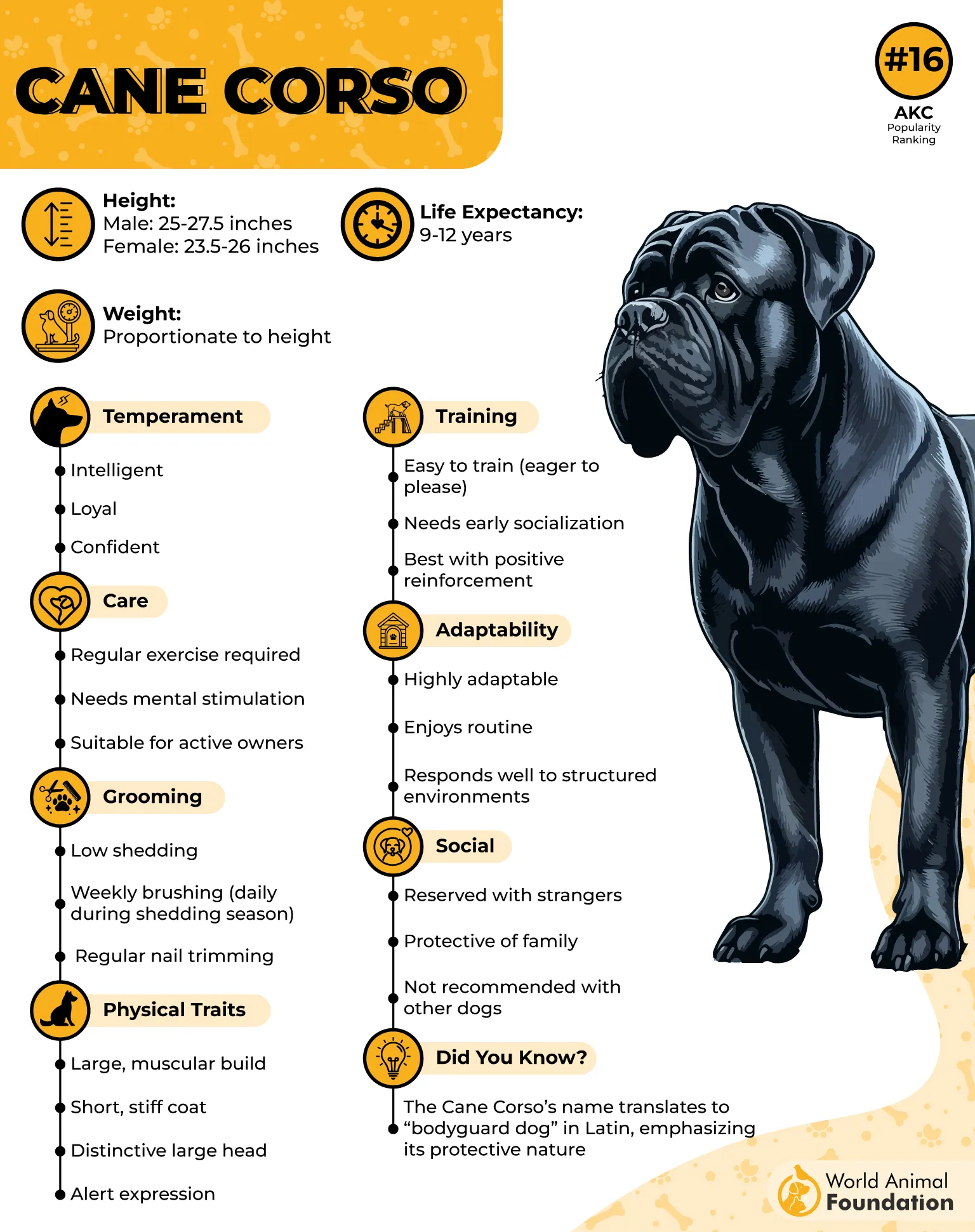
The loving side is just as important. These dogs can become deeply attached to their households and show strong loyalty toward the people they trust. That combination makes appropriate socialization essential, especially when guests, children, or other pets share the home.
Training should begin early and remain consistent. Obedience training, controlled introductions, physical activity, and mental stimulation help direct the breed’s considerable strength into manageable behavior.
A Cane Corso also needs an owner who can set clear rules without relying on intimidation. Strong protective instincts become far easier to manage when the dog understands exactly what its handler expects.
With thoughtful ownership, this imposing Italian guardian can switch beautifully between affectionate couch companion and attentive home watchdog.
5. Rottweiler
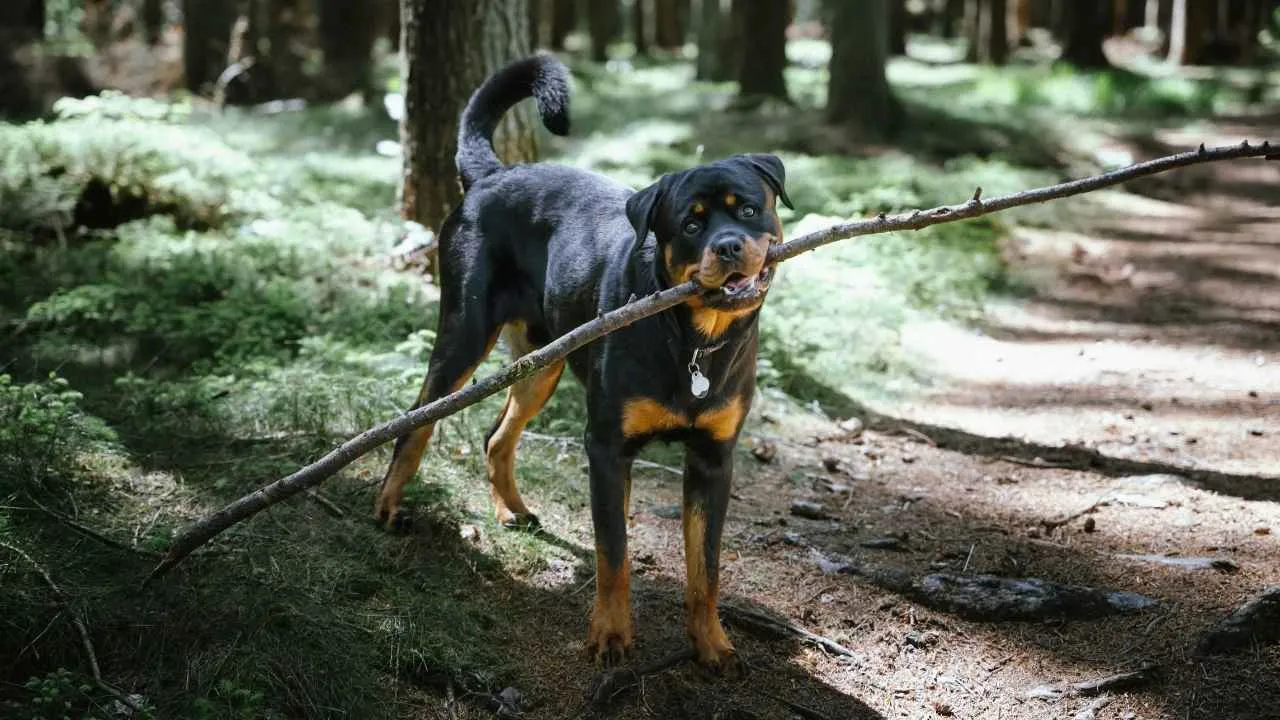
A Rottweiler can switch from affectionate family companion to focused observer in a heartbeat. That quick change from relaxed household buddy to serious watcher says plenty about the breed’s working heritage.
The Rottweiler has a long working history and combines confidence, intelligence, courage, and physical strength. Its imposing presence can help deter intruders, but reliable home security depends on much more than appearance.
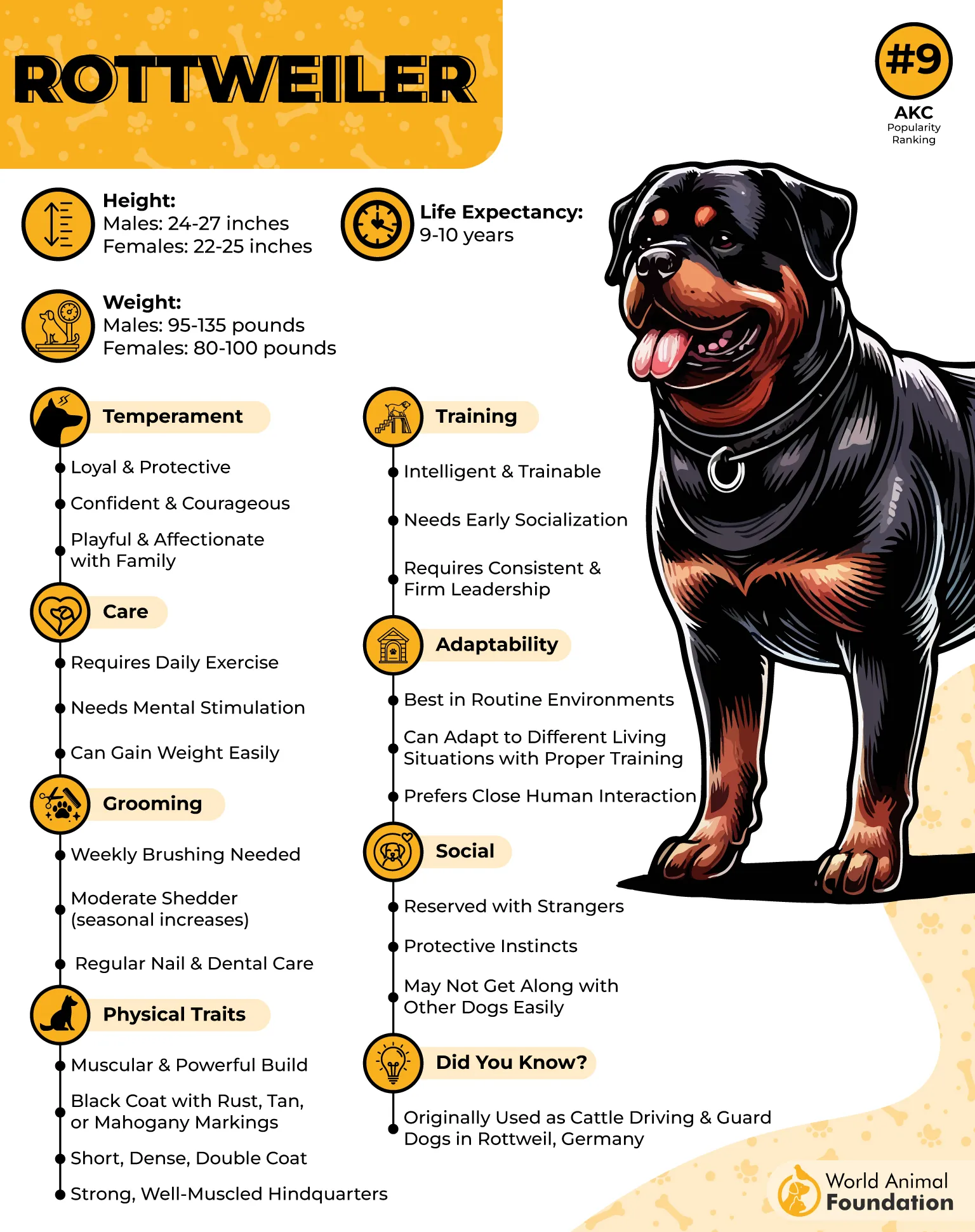
A well-socialized Rottweiler can be deeply devoted to its household and appropriately reserved around strangers. The breed’s protective tendencies need direction, especially in busy homes where visitors come and go. Teach the dog how to greet people calmly in normal and threatening situations.
Consistent training and controlled social experiences should begin early. These protective dogs also need physical activity and plenty of mental stimulation to stay content. Greencross Vets states that puzzle games, obedience exercises, scent work, and purposeful walks can give that busy brain something productive to do.
This powerful companion suits experienced owners who are prepared to provide structure. With the right guidance, a Rottweiler can become a highly effective guardian without losing the affectionate personality that makes life with one so rewarding.
6. Dogue de Bordeaux
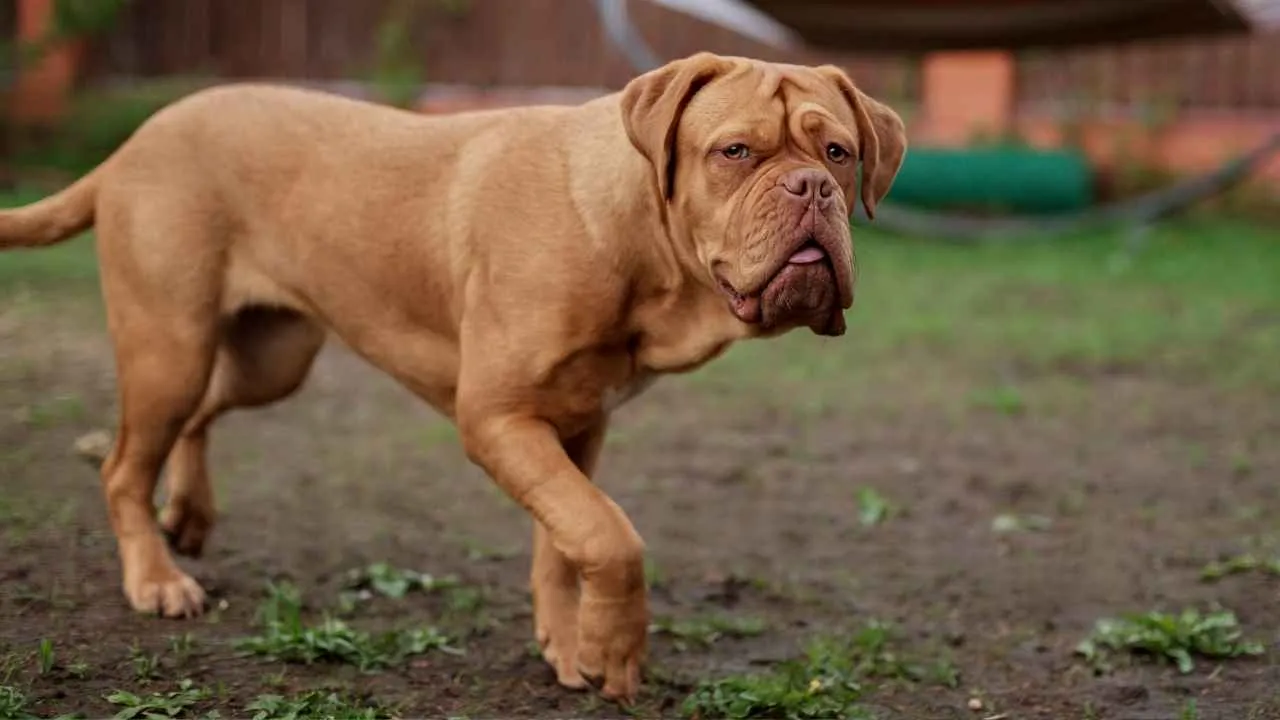
The Dogue de Bordeaux does not need frantic barking to make its presence known. This French mastiff can spend plenty of time relaxing, then quietly focus when something unfamiliar enters its world.
Historically associated with guarding and working duties, these big dogs combine enormous physical presence with a comparatively calm temperament. Their large head, sturdy body, and size create an obvious visual deterrent before the dog even makes a sound.
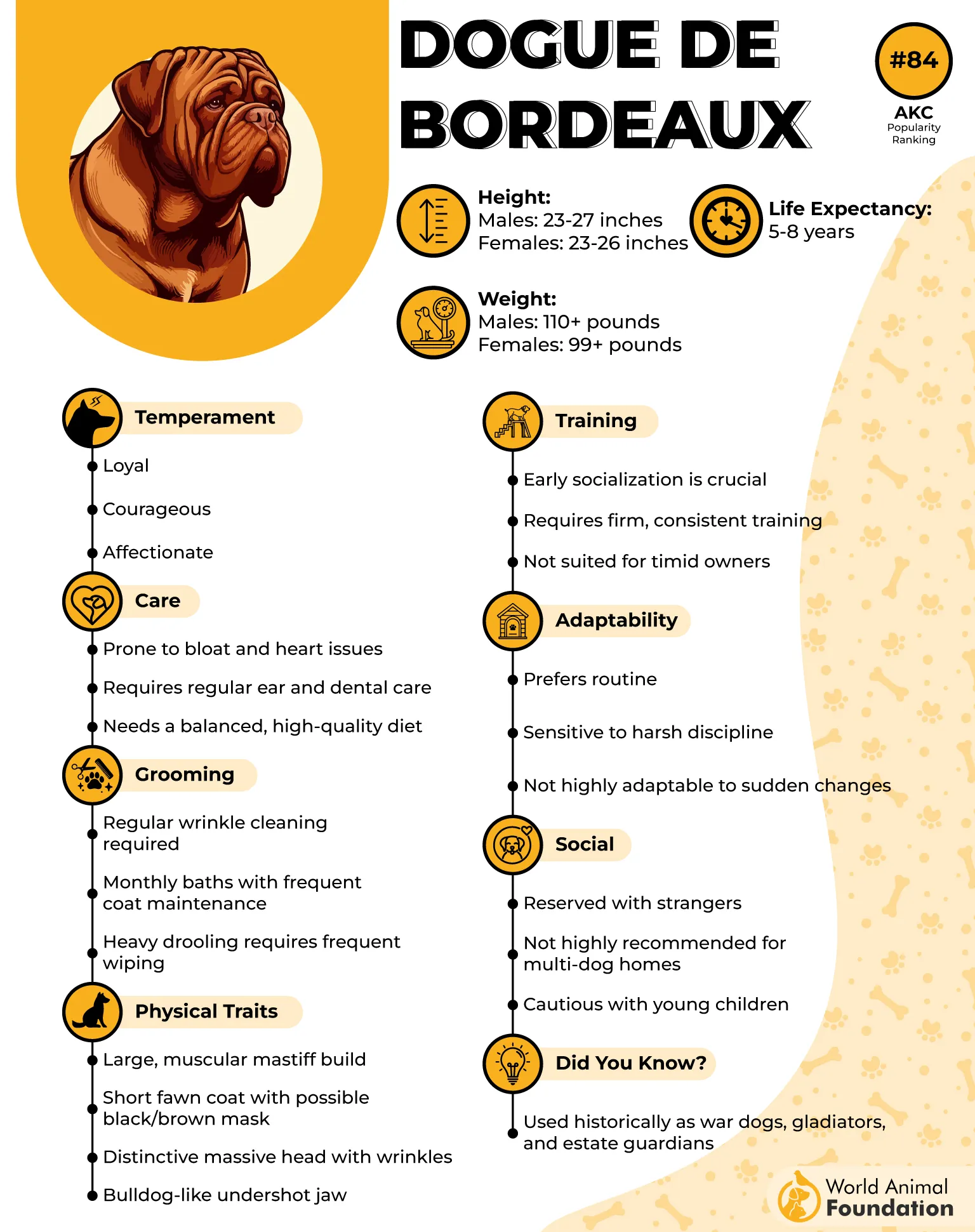
Orvis adds that their intimidating appearance hides a softer family side. Dogues form deep attachments to their people and enjoy close companionship. They are not simply property guardians parked outside; they can be affectionate members of the household.
Early socialization helps the dog become comfortable around visitors, household activity, children, and other animals. Because the breed grows into a very powerful adult, proper training should start early, with calm manners reinforced consistently.
This is not a dog for casual ownership. Owners need enough confidence and physical control to manage a massive companion responsibly. Give a Dogue clear boundaries and steady guidance, and its calm presence and naturally protective nature add reassurance without turning the home into a constant alarm zone.
7. Dogo Argentino
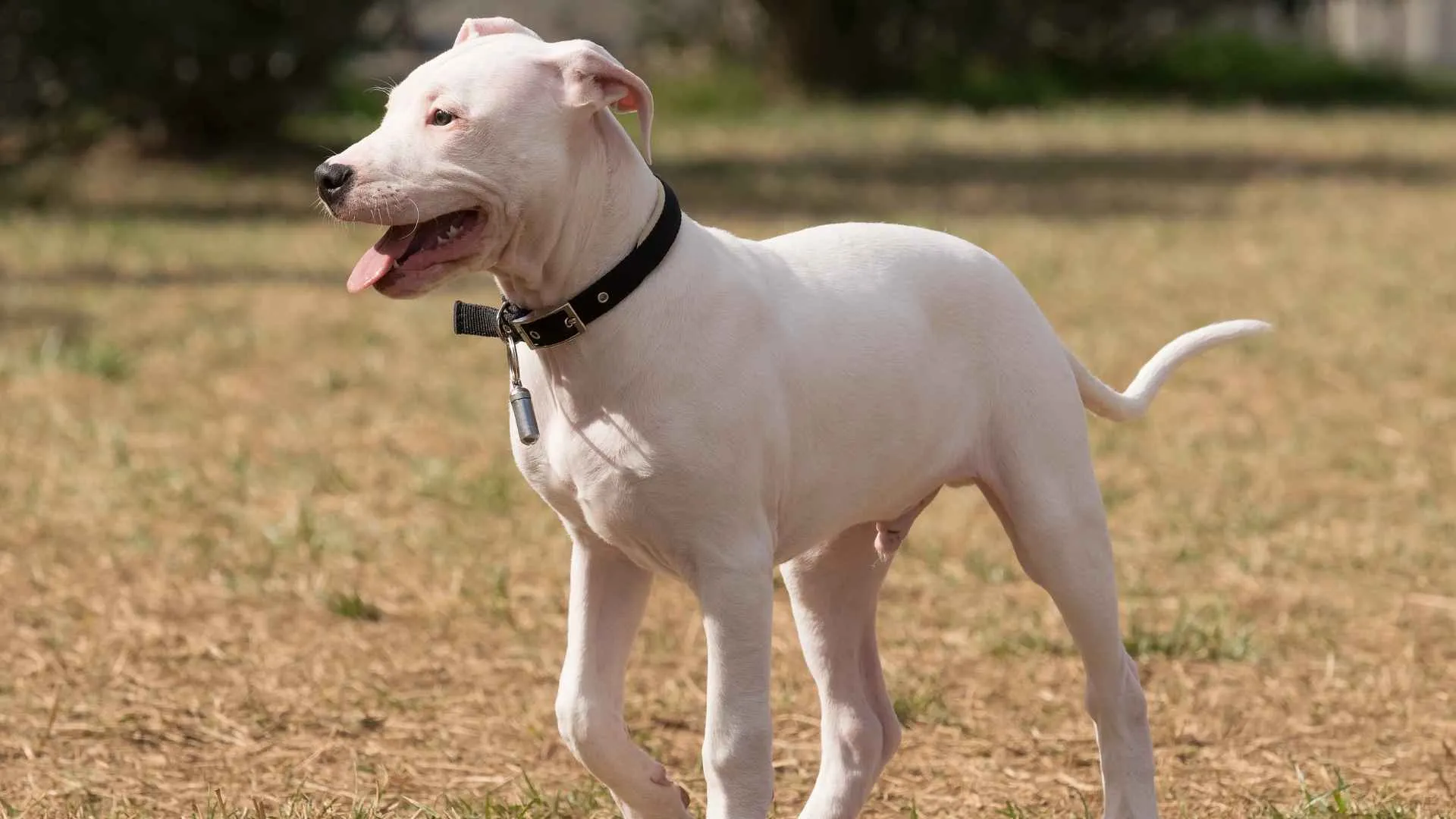
Energy and determination run deep in the Dogo Argentino, thanks to a history built around demanding work. Athletic, muscular, and intensely focused, this Argentine powerhouse brings a working-dog attitude that needs a productive outlet.
This versatile working dog was developed for big-game hunting, a demanding purpose that called for courage, stamina, strength, and determination. Those qualities still shape the modern Dogo’s behavior. A strong instinct to investigate movement and unusual activity can contribute to its role as a household guardian.
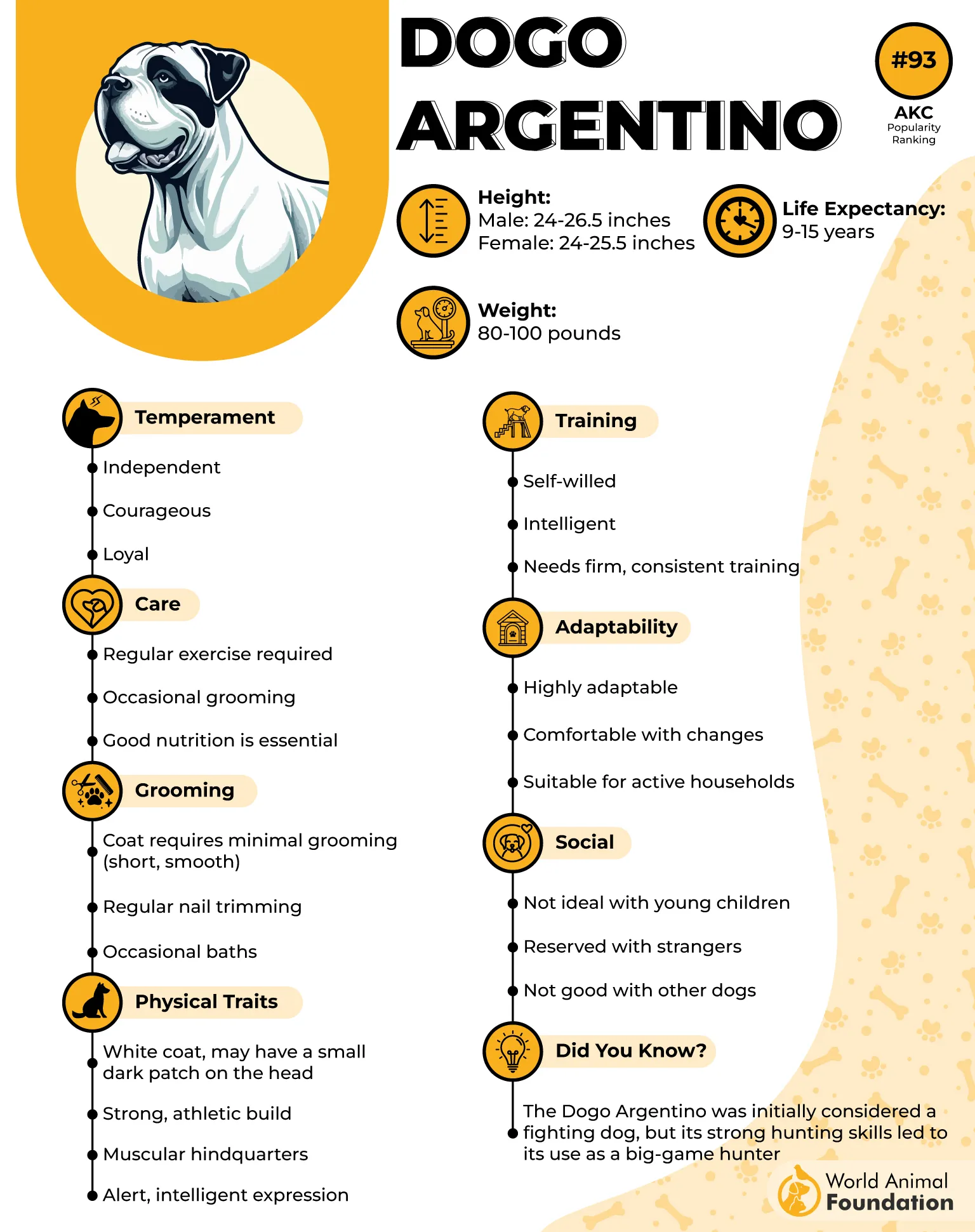
That does not mean every unfamiliar person should trigger a dramatic reaction. A well-raised Dogo needs clear boundaries and careful social exposure. Teaching calm responses from an early age around visitors, children, other pets, and unfamiliar environments helps create reliable behavior.
This large dog breed also needs plenty of exercise and mental stimulation. Long walks alone rarely satisfy such an athletic dog. Structured activities, training games, scent work, and appropriate physical challenges can help burn energy and keep that sharp mind occupied.
PetMD mentions that a Dogo can become incredibly loyal to its household, creating a strong relationship with its people. Its size, strength, and hunting heritage make experienced ownership important, but thoughtful guidance can turn those intense qualities into controlled confidence.
Conclusion
Choosing the right security dog comes down to understanding a long-term commitment. Pure instinct sets the baseline, but daily consistency, structured boundaries, and dedicated leadership determine how effectively that instinct serves your home. A reliable guardian is built over time through steady routines, clear communication, and mutual respect.
Before bringing a powerhouse breed into your routine, evaluate your real-world capacity for physical management, mental engagement, and ongoing social exposures. When training aligns with natural canine drives, you gain far more than an effective deterrent. You secure a calm, vigilant presence that seamlessly integrates into your daily life.
