




Some dogs treat training like a high-stakes mission. Others? They show up with a wag, a yawn, and a “sure, why not” attitude.
If you’ve ever wished for a dog that listens without turning every session into chaos, you’re in the right place. Calm, easygoing pups tend to take things in stride. They are less likely to get worked up, more open to learning, and honestly, a lot more fun to teach.
Of course, every dog has its own personality, and even the chillest companion still needs time, patience, and a few well-earned treats. But some breeds just make the whole process feel smoother.
Let’s meet the ones that turn training into a surprisingly relaxed experience.
Did you know?
Dogs do not all learn the same way. Some breeds adjust quickly when rules change, while others prefer sticking to what they first learned and keep trying it again and again. What looks like stubbornness can actually be your dog following their natural learning style.
Relaxed Dog Breeds You’ll Love to Train
1. Cavalier King Charles Spaniel
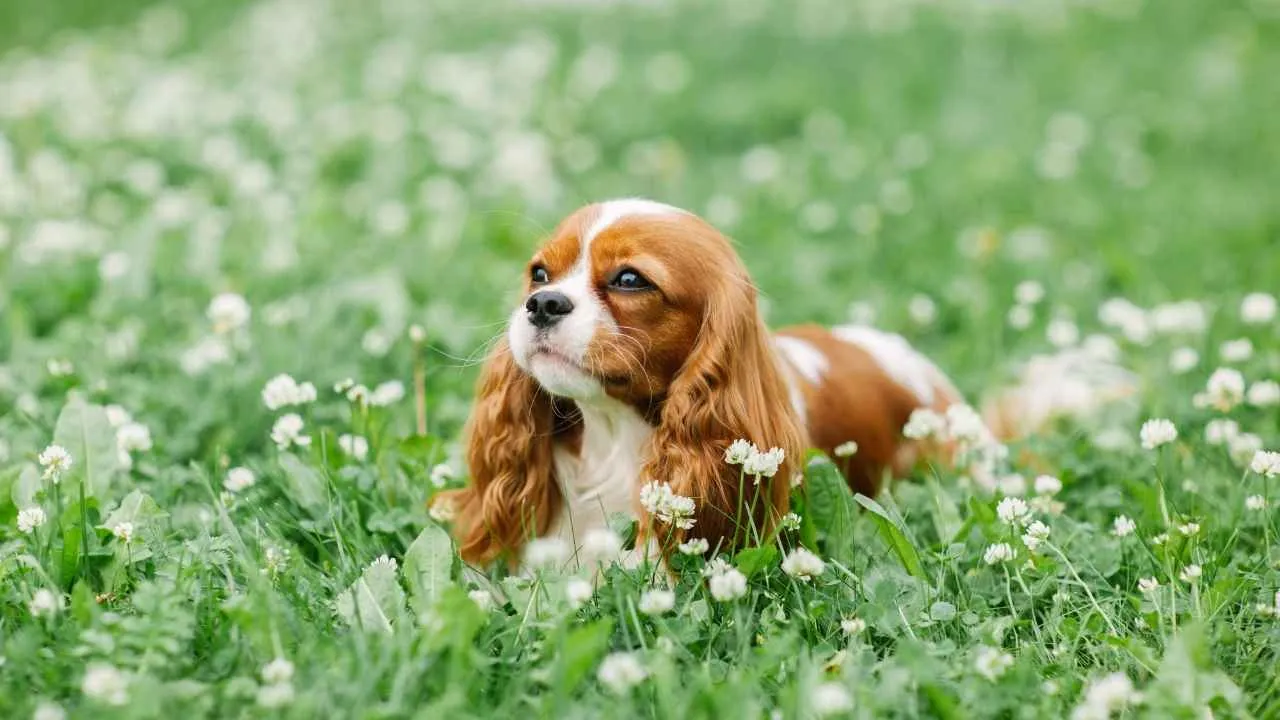
There is always that one dog who acts like your personal cheerleader, and the Cavalier fits that role perfectly. This lap dog picks up on your vibe, stays close, and somehow turns training time into something that feels more like bonding than actual work.
This toy breed is eager to please and naturally tuned in to its people, which makes learning new cues feel less like a task and more like a shared activity. Short, fun sessions keep it engaged, and it tends to catch on quickly when rewards and encouragement are involved.
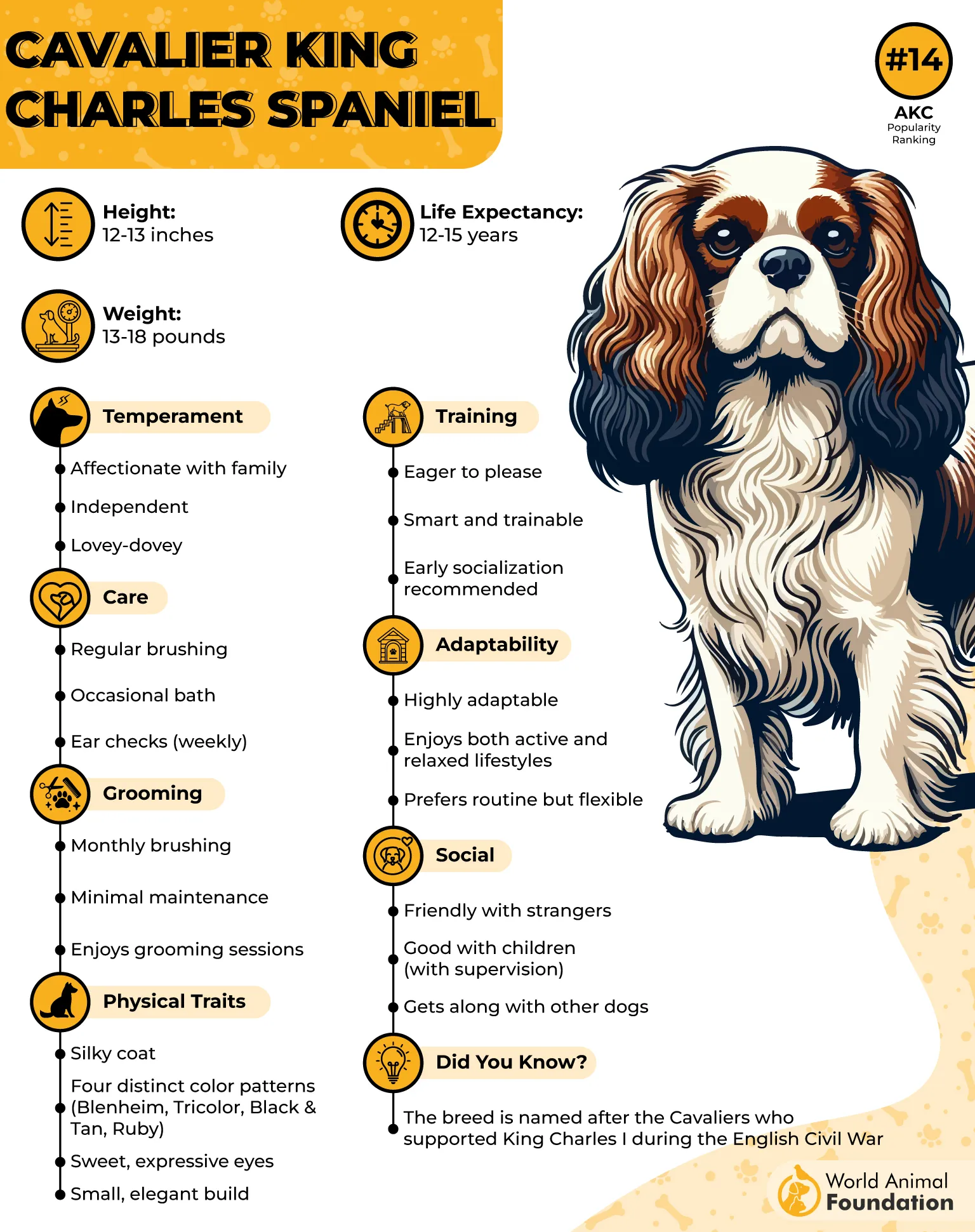
Life with Cavaliers feels warm and easygoing. These companion dogs are patient, gentle, and comfortable around children and other pets, often settling happily beside their family after a bit of playtime. That calm, affectionate presence makes them lovely everyday companions.
Training Tips For This Breed
Keep sessions playful and brief to match their attention span
Use praise and rewards to maintain their enthusiasm
2. Clumber Spaniel
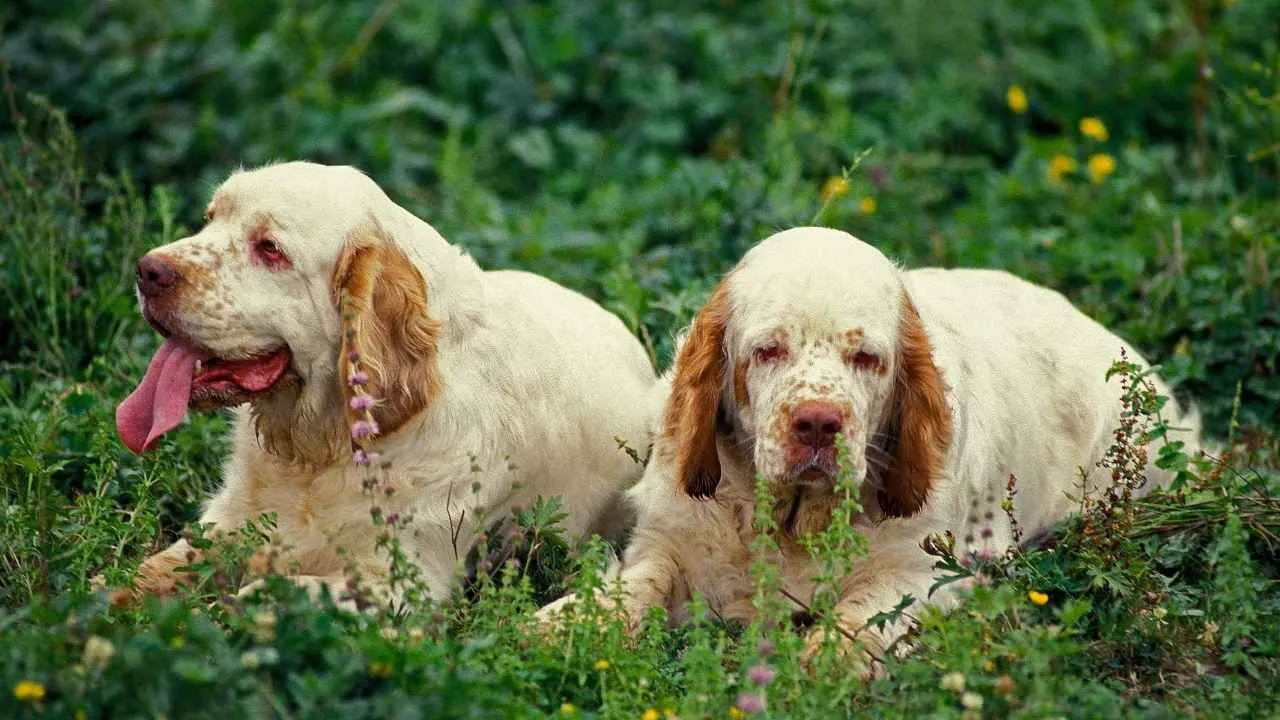
This is the dog that strolls into the room like it owns the place but still manages to be everyone’s favorite. The Clumber Spaniel has a mellow, slightly goofy charm that makes training feel less like a drill and more like a casual hangout.
The Clumber Spaniels carry a calm and steady personality, yet they are not lazy by any means. They enjoy activity in their own unhurried style and are relatively low-energy dogs, balancing relaxed home behavior with occasional bursts of enthusiasm when something interesting catches their attention.
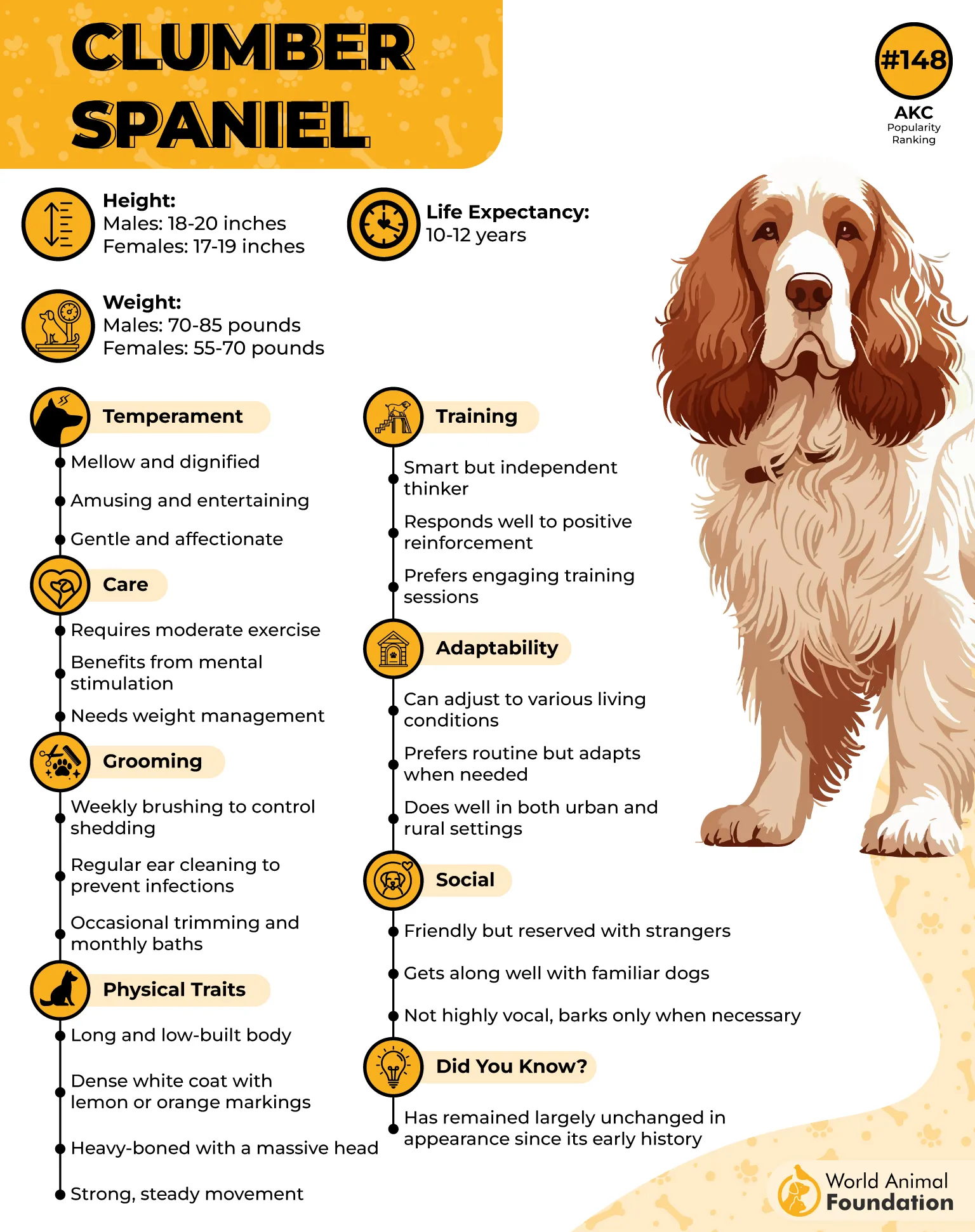
As noted by PetMD, Clumber Spaniels respond best to positive reinforcement and short, engaging sessions. They are sensitive souls, so harsh corrections do not work well. Mixing in variety and a bit of mental stimulation keeps them interested and happily learning.
Training Tips For This Breed
Keep a steady routine so they know what to expect
Use gentle guidance rather than strict corrections
3. Irish Wolfhound
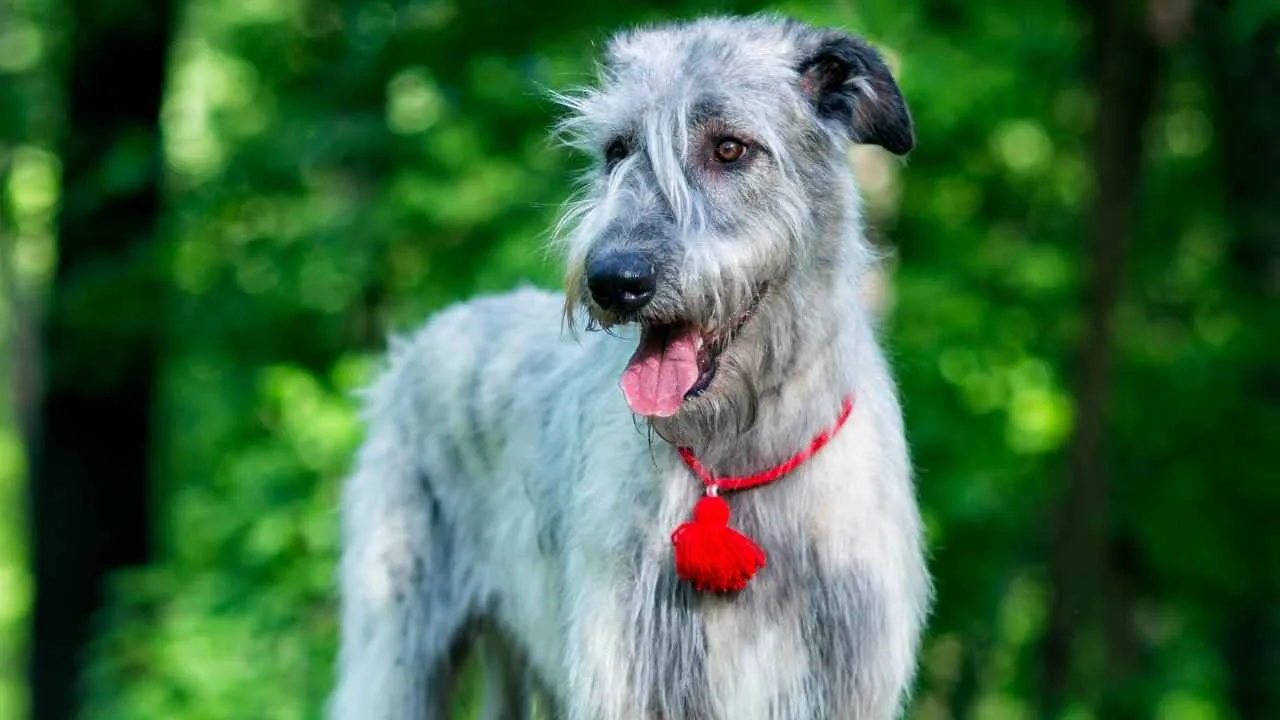
Some dogs bounce into training sessions like caffeine on four legs. The Irish Wolfhound walks in with quiet confidence, takes a look around, and calmly decides it is ready to cooperate. That relaxed mindset changes everything.
The Irish Wolfhounds hold the title as the tallest dog breed recognized by the AKC, yet their personality is surprisingly serene. Their gentle nature often makes them agreeable companions who are more about peaceful presence than constant action.
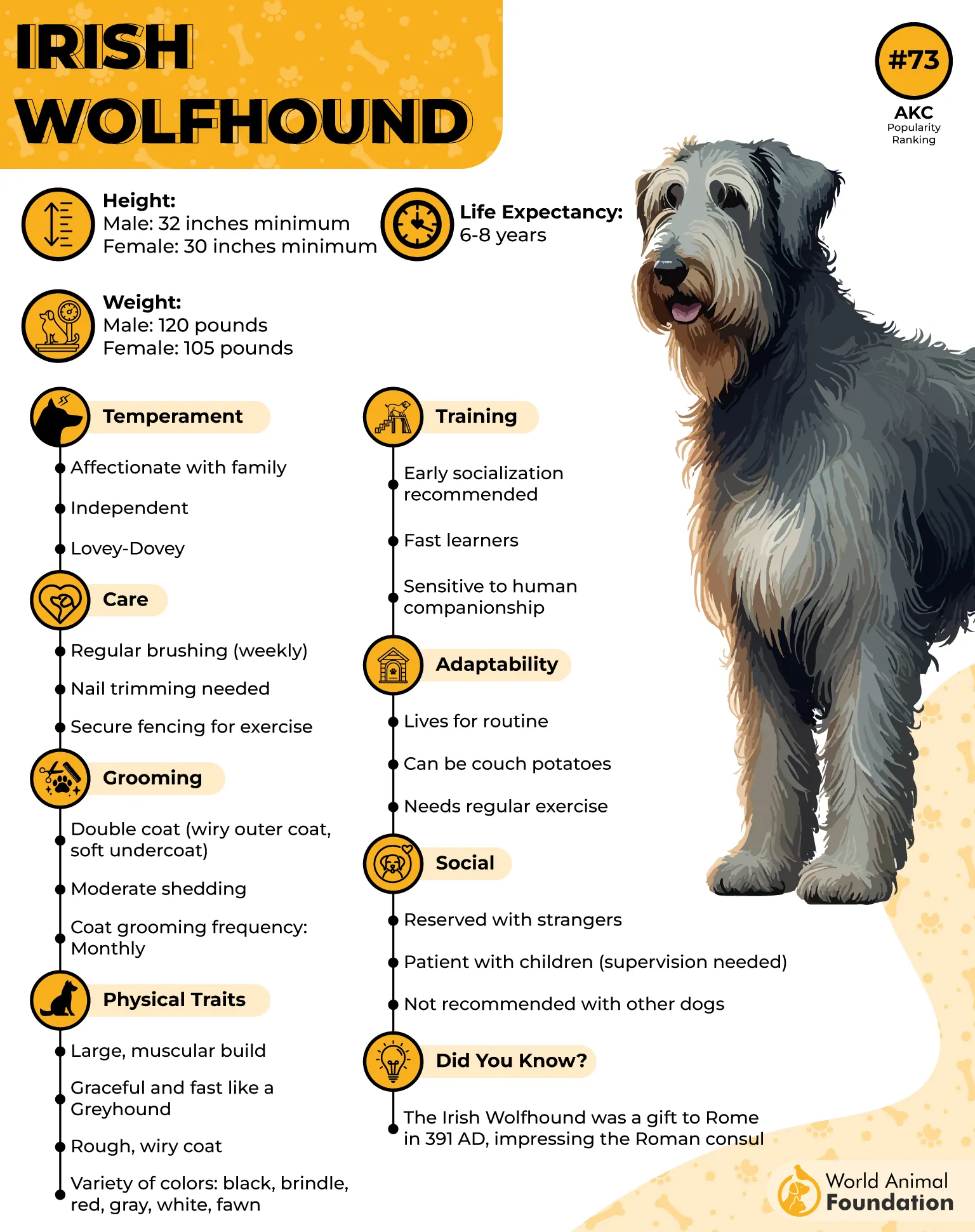
Their loyalty runs deep, and they form strong connections with their people. With patience and consistent guidance, these gentle giants learn well and stay devoted, often responding best to calm encouragement rather than pressure or overly intense training approaches.
Training Tips For This Breed
Keep sessions calm and structured to match their temperament
Focus on building trust through consistent routines
4. Newfoundland
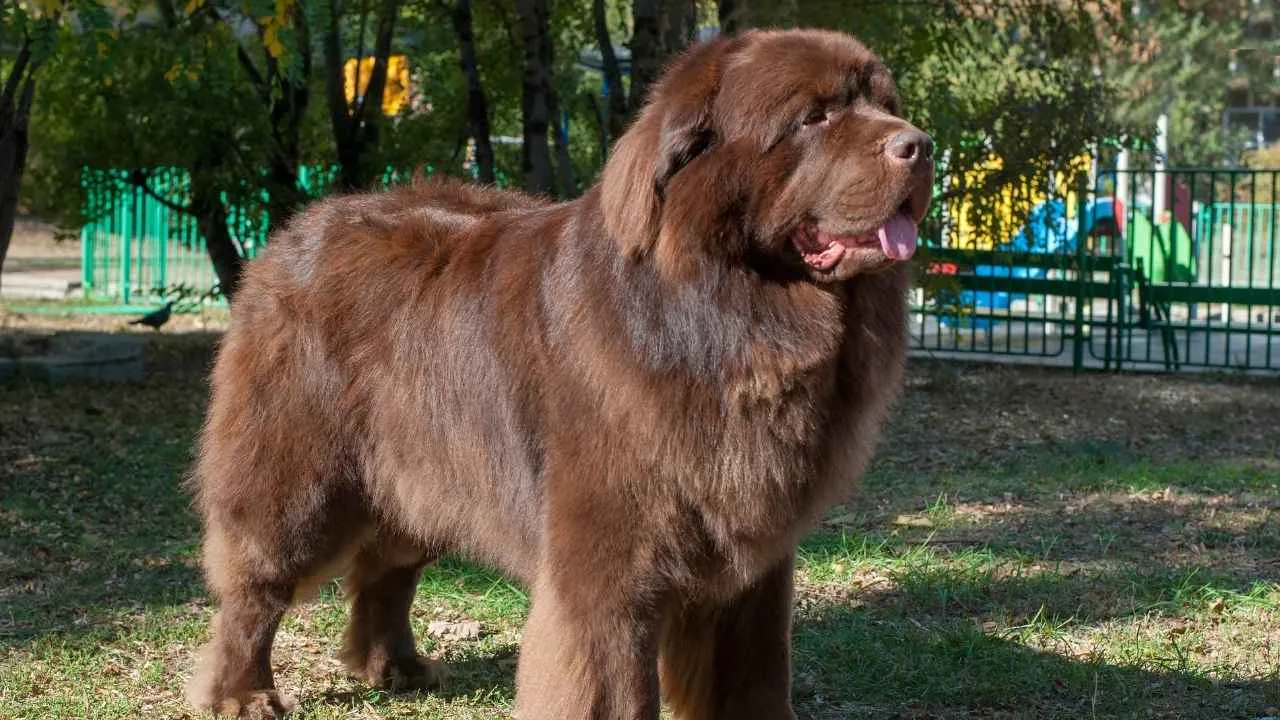
If a dog could double as a giant, fluffy life coach, it would be the Newfoundland. It brings this steady, calm demeanor into training sessions that somehow make everything feel less chaotic and more manageable right away.
Around children and other pets, Newfoundlands are famously gentle and patient. Their easygoing nature helps them fit into busy households without adding extra stress, and they tend to get along well with everyone they meet.
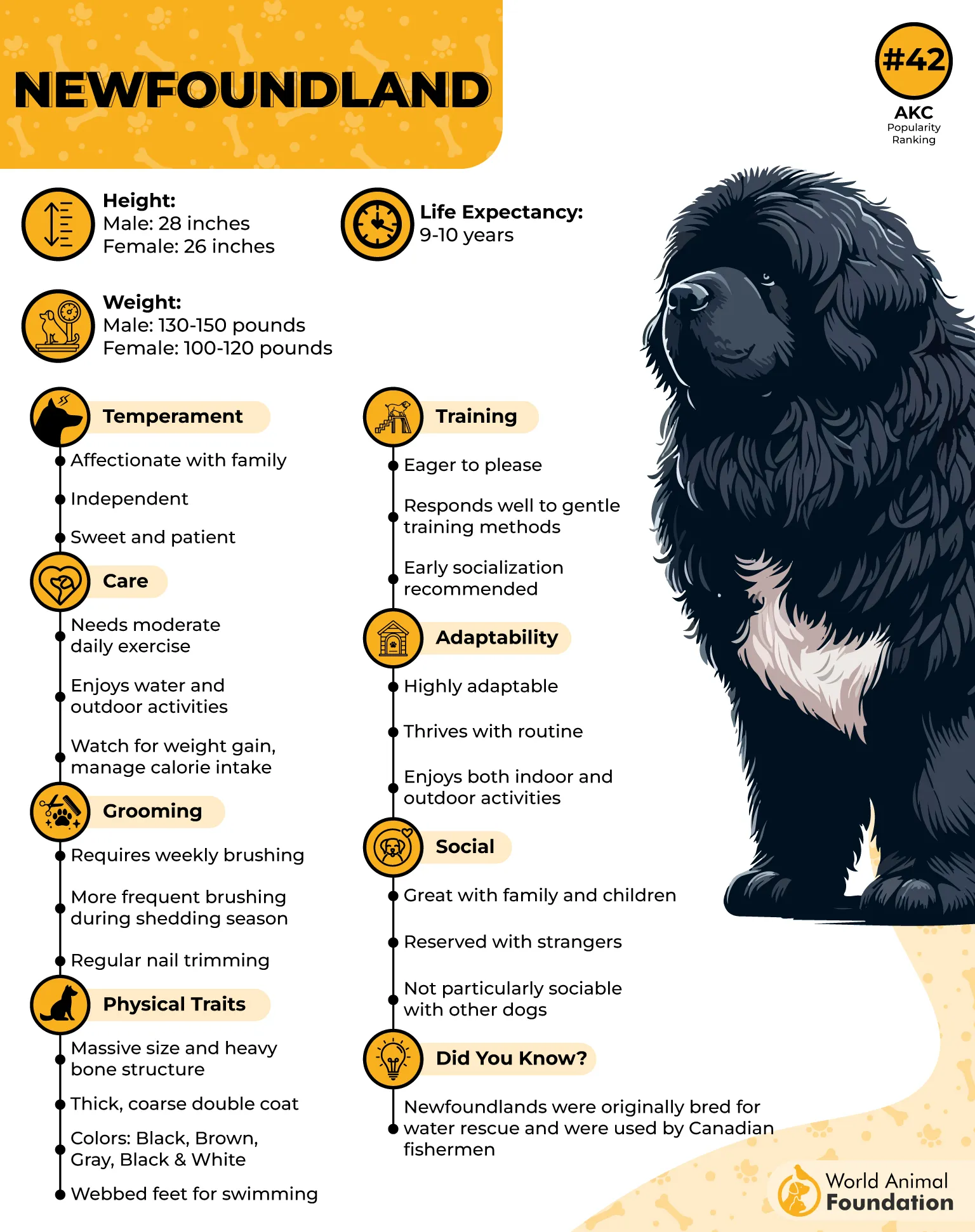
These calm dogs can be a good match for first-time owners who are ready for their size. With consistent, reward-based guidance and early obedience work, these smart dogs learn well, though they may occasionally show a strong-willed streak.
Training Tips For This Breed
Begin obedience work early, before they grow too strong
Stay consistent so they do not develop selective listening
5. Pug
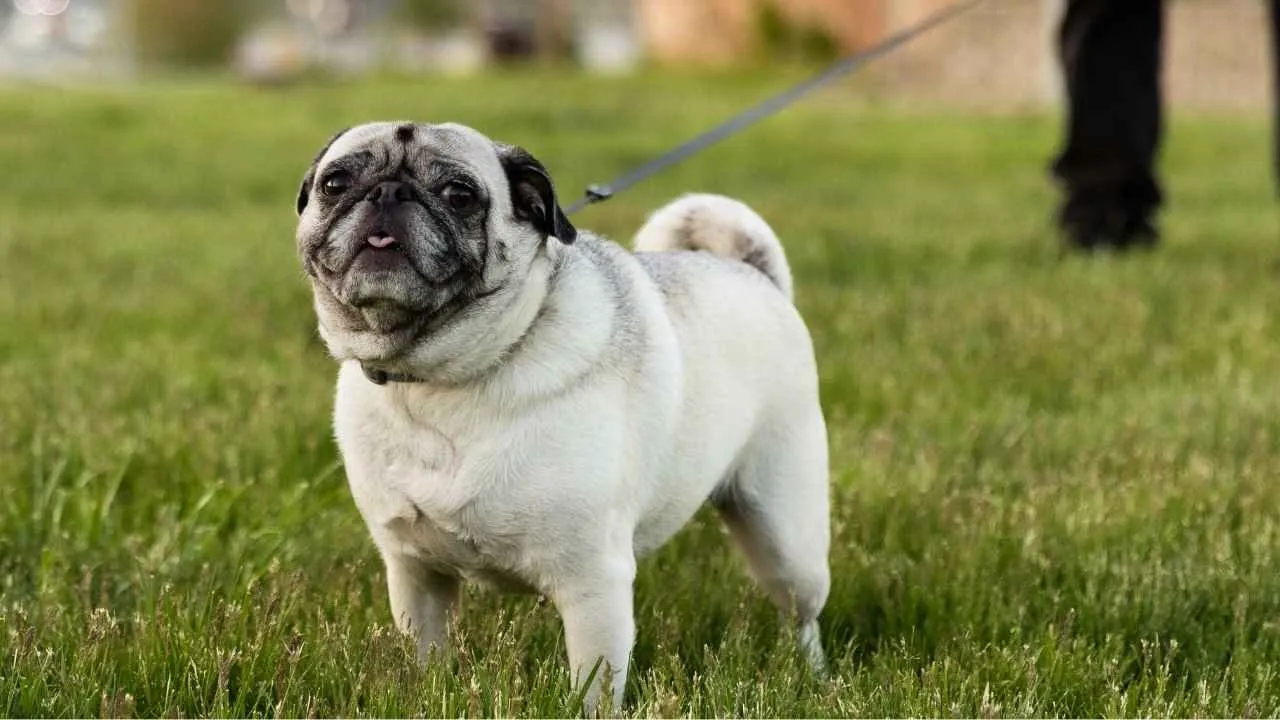
Some dogs take training very seriously. Pugs show up like they are here for snacks, cuddles, and maybe learning a trick or two along the way. That playful, people-loving attitude makes the whole process feel light and fun.
These dogs are affectionate and eager to please, always wanting to be part of whatever you are doing. This strong bond with their humans helps them stay engaged, especially when praise and treats are part of the experience.
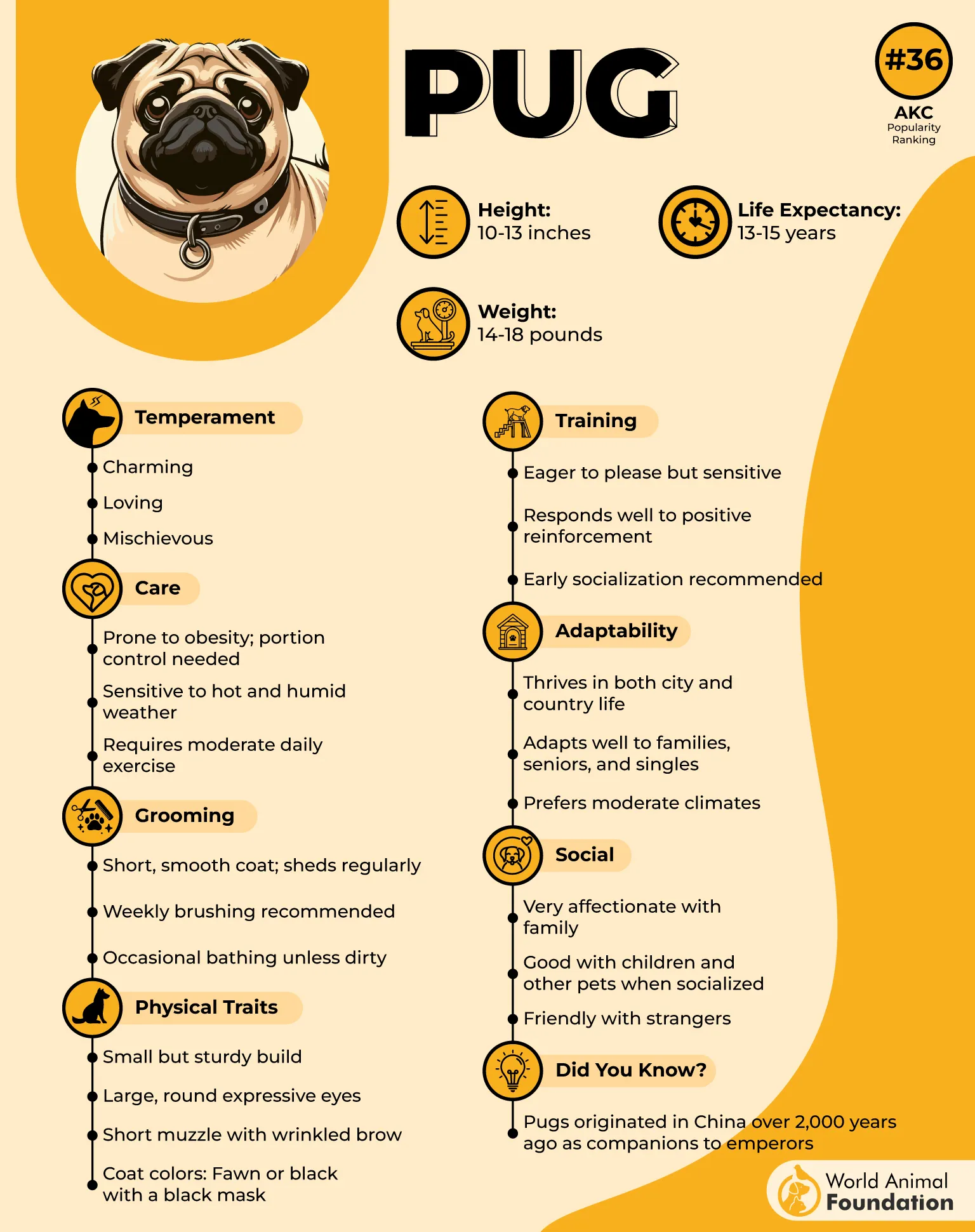
Because they are a flat-faced breed, care matters during daily routines. Their shorter airways mean they do best with gentle activity, cooler environments, and attention to signs of overheating or breathing discomfort.
Training Tips For This Breed
Keep sessions short to match their energy levels
Train during cooler times to avoid overheating
6. Boerboel
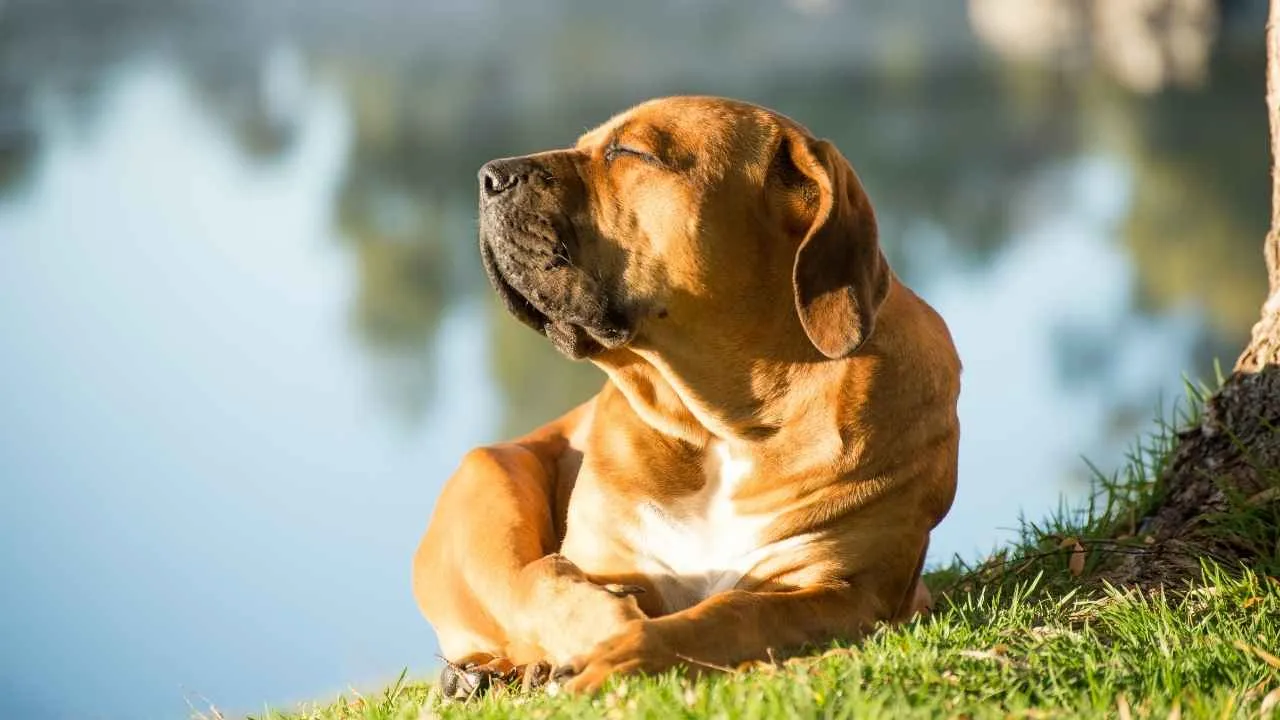
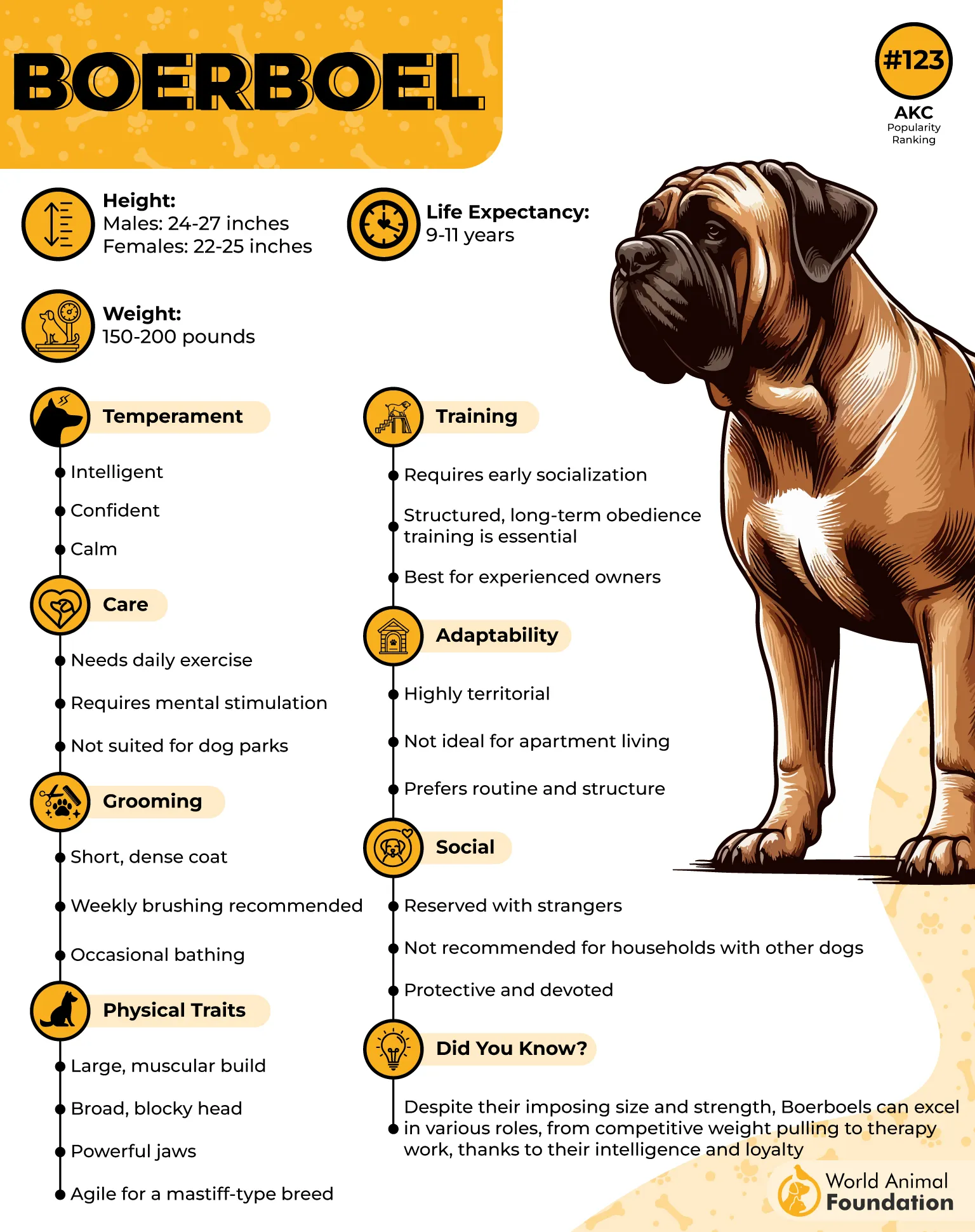
A dog that walks into training like it has already read the manual adds a whole different vibe. The Boerboel carries a bold, watchful presence, and that calm confidence makes every session feel structured without needing constant correction or chaos.
The Boerboels are naturally protective and take their role as guardians seriously. Their awareness of surroundings means they notice changes quickly, often stepping into a watchful stance, which makes them reliable when it comes to guarding spaces and staying alert.
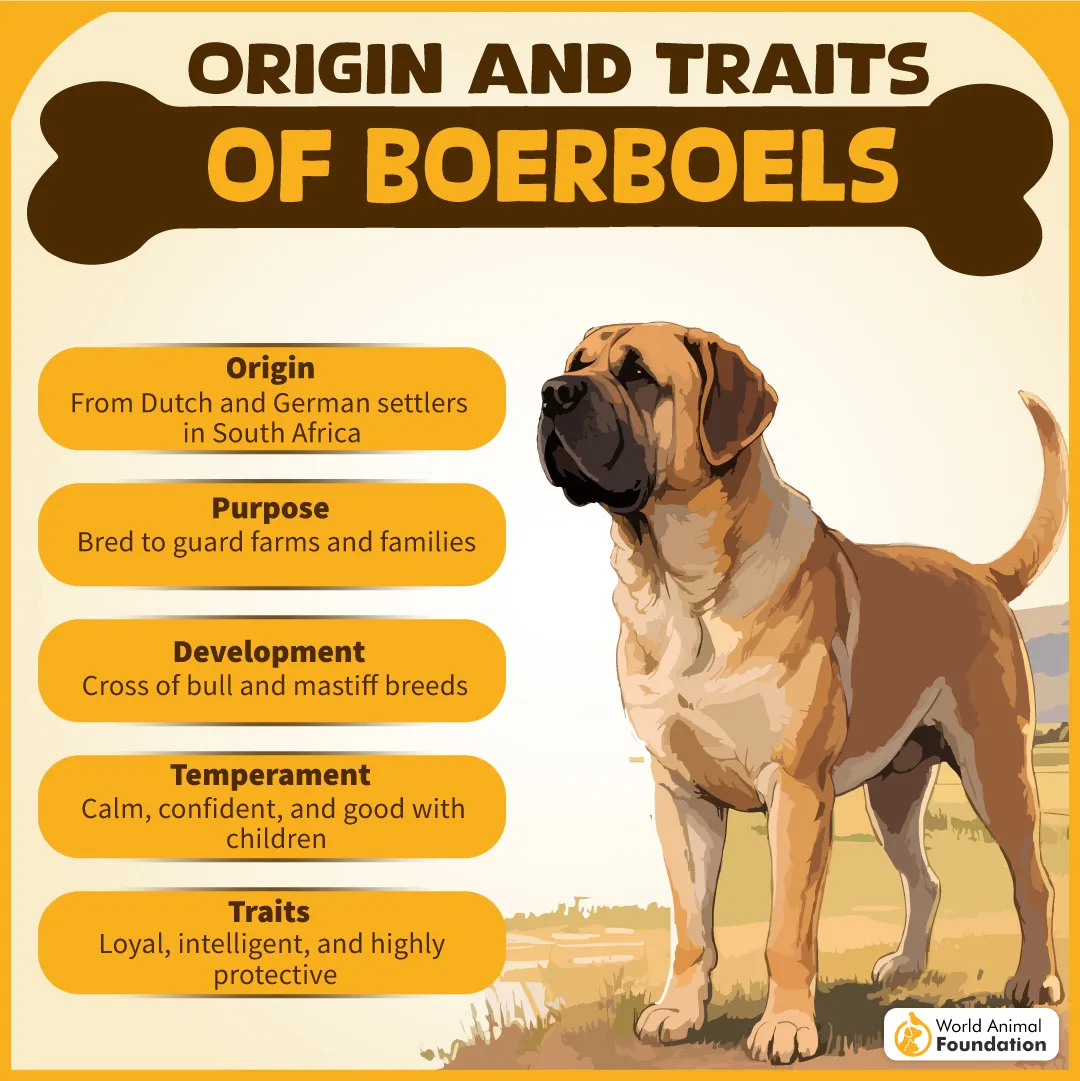
As mentioned by WebMD, Boerboels need daily exercise, such as long walks and playtime, to stay balanced. Activities such as dog sports can keep them engaged, but their strong protective instincts mean they should stay supervised and not roam freely around other dogs.
Training Tips For This Breed
Introduce varied tasks instead of repeating the same commands
Build control exercises that focus on strength and movement
7. Saint Bernard
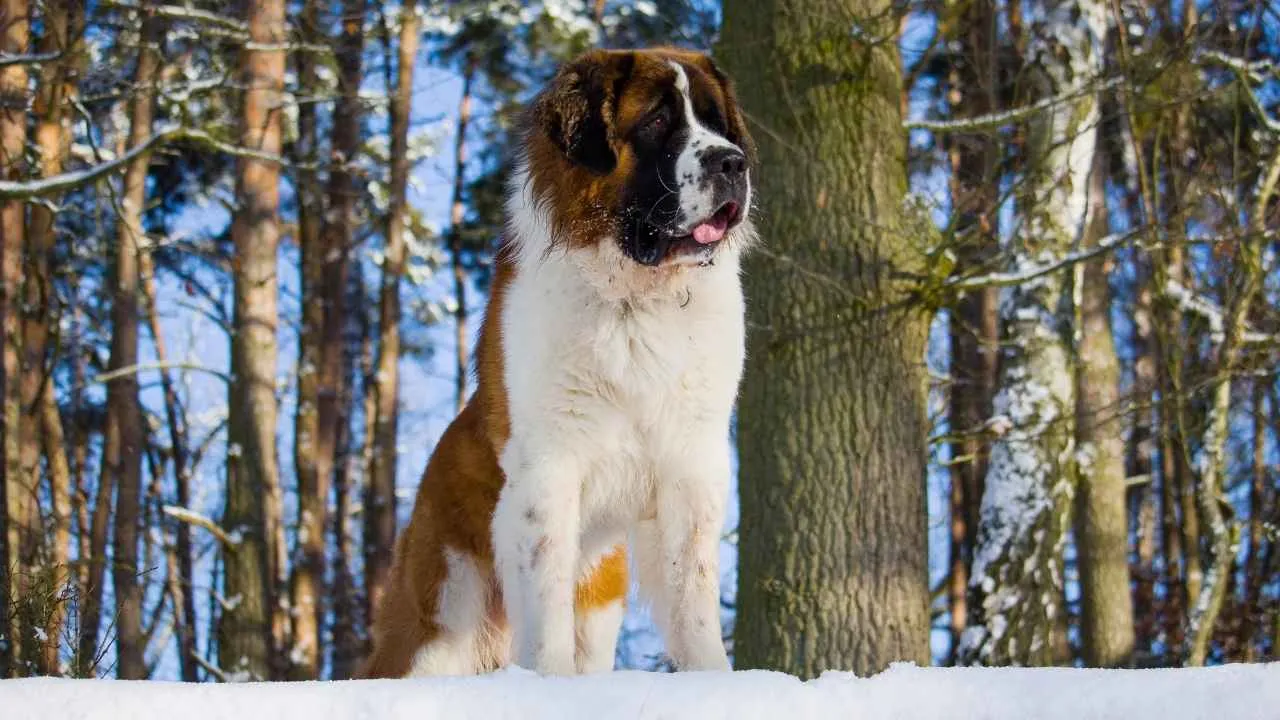
Some dogs bring chaos to training sessions, while others arrive with a serene presence that quietly sets the tone. The Saint Bernard leans into that second category, making learning feel less rushed and more like a patient, shared experience.
Saint Bernards were originally bred by monks in the Swiss Alps to locate and rescue travelers buried in snow. That history shows in their thoughtful approach, as they tend to move with purpose rather than unnecessary excitement.
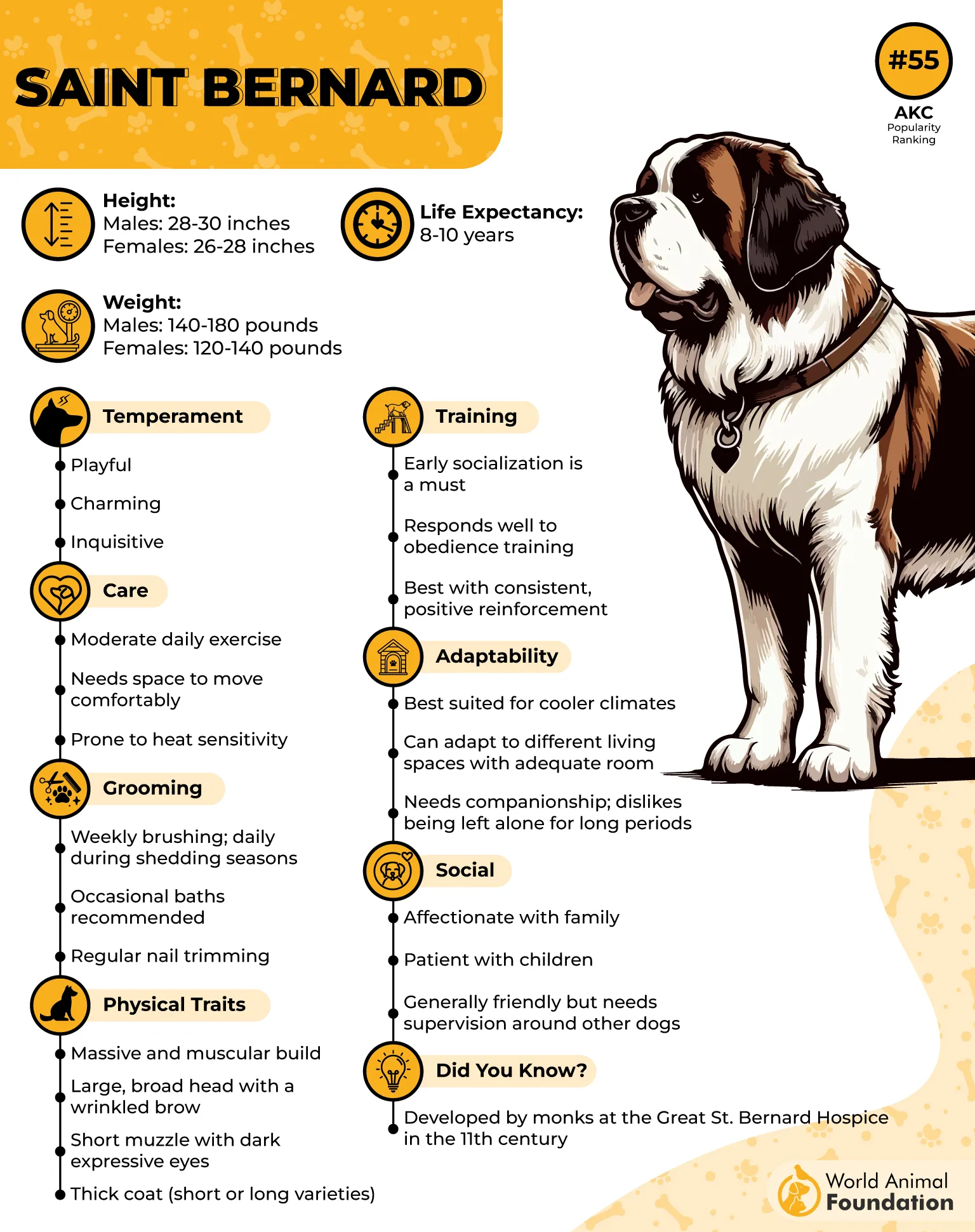
Barking is not something they overdo. They are generally quiet and only make noise when there is a reason, which helps keep the environment calm and predictable, especially in homes where constant barking would feel overwhelming.
Training Tips For This Breed
Keep commands clear and consistent so they understand expectations
Reinforce good behavior immediately with calm praise
8. Shih Tzu
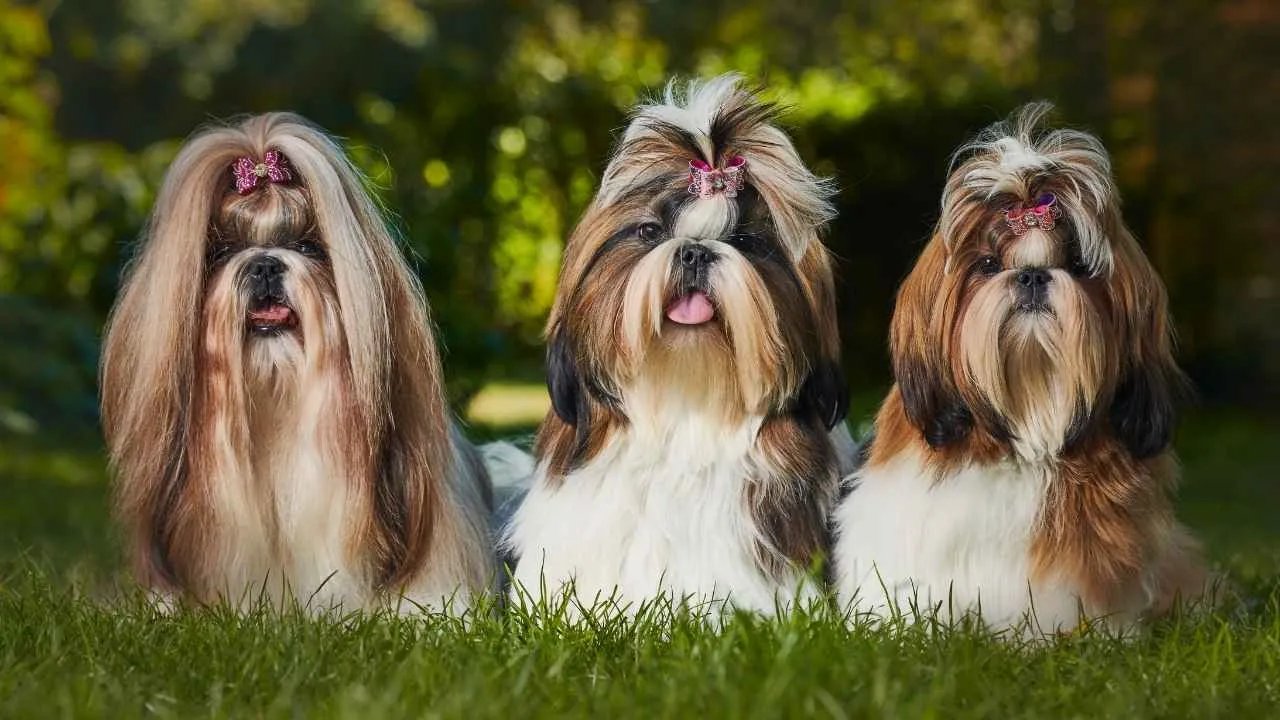
This little character walks into training like it is part social event, part snack time, and part cuddle break. The Shih Tzu thrives on attention, and that love for interaction makes learning feel less like work and more like play.
Apartment living suits Shih Tzus perfectly since they are comfortable in smaller spaces and enjoy staying close to their people. They do not need a large outdoor area, as short walks and indoor play usually keep them content.
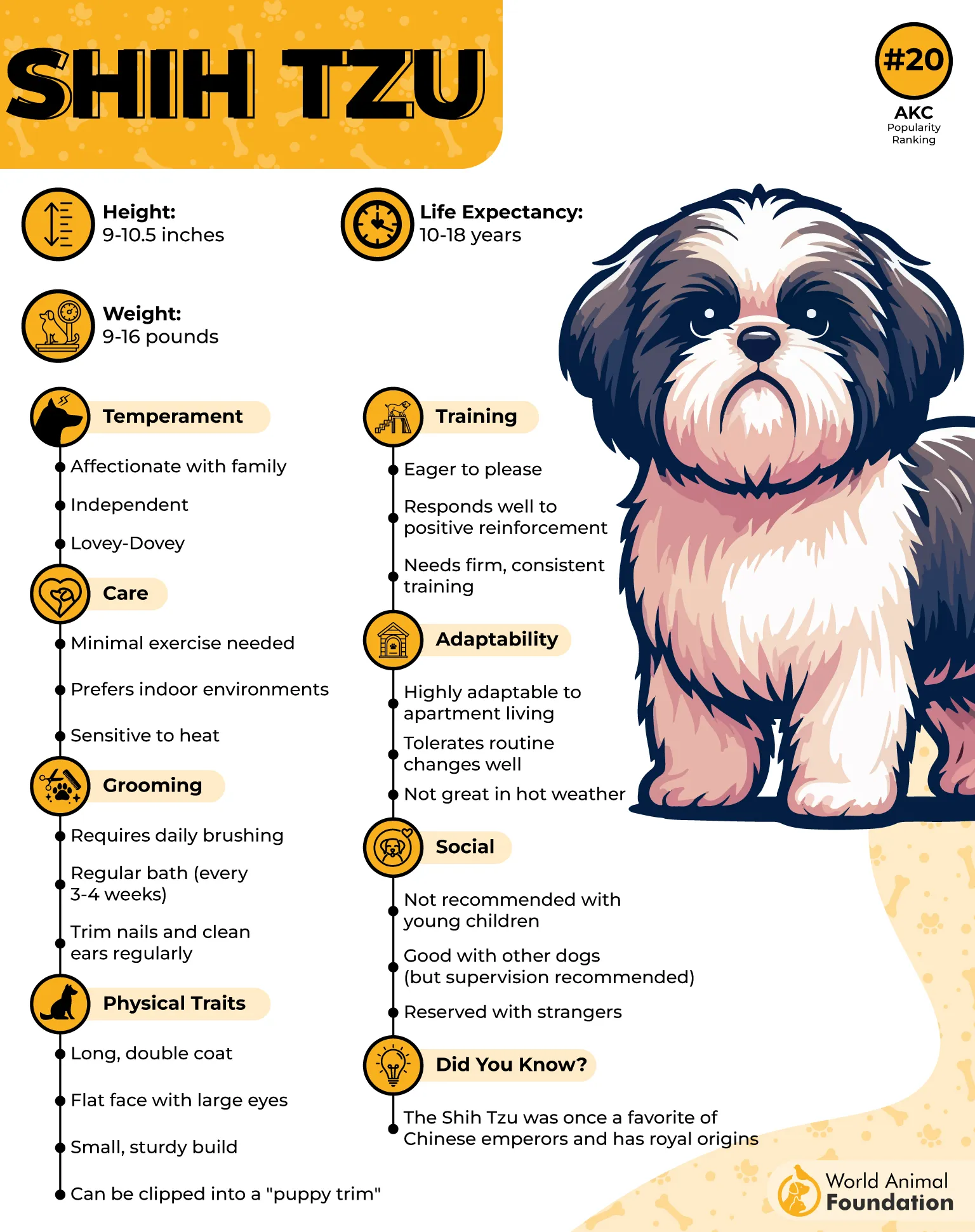
Their long, flowing coat looks glamorous but comes with commitment. Regular brushing is needed to prevent tangles, and bathing, along with professional grooming, helps maintain that signature look without turning it into a knotted mess.
Training Tips For This Breed
Use praise and rewards to keep them motivated
Keep training sessions short and engaging to hold attention
9. Maltese
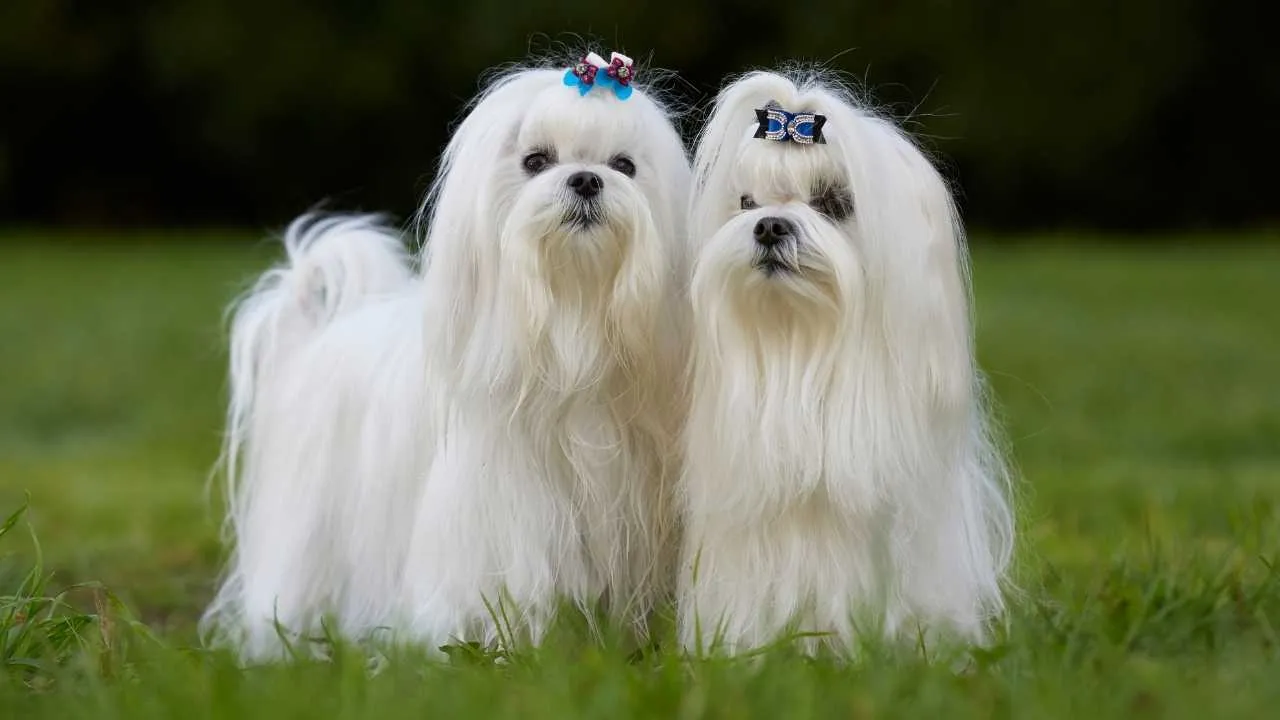
A tiny dog with a surprisingly big personality can turn even simple training into a lively little event. The Maltese brings charm, curiosity, and just enough mischief to keep things interesting without making the process feel overwhelming.
The Maltese dogs are intelligent and pick up cues quickly, especially when positive reinforcement is used. Keeping sessions fun and light helps them stay engaged, and they often respond eagerly when learning feels like a game.
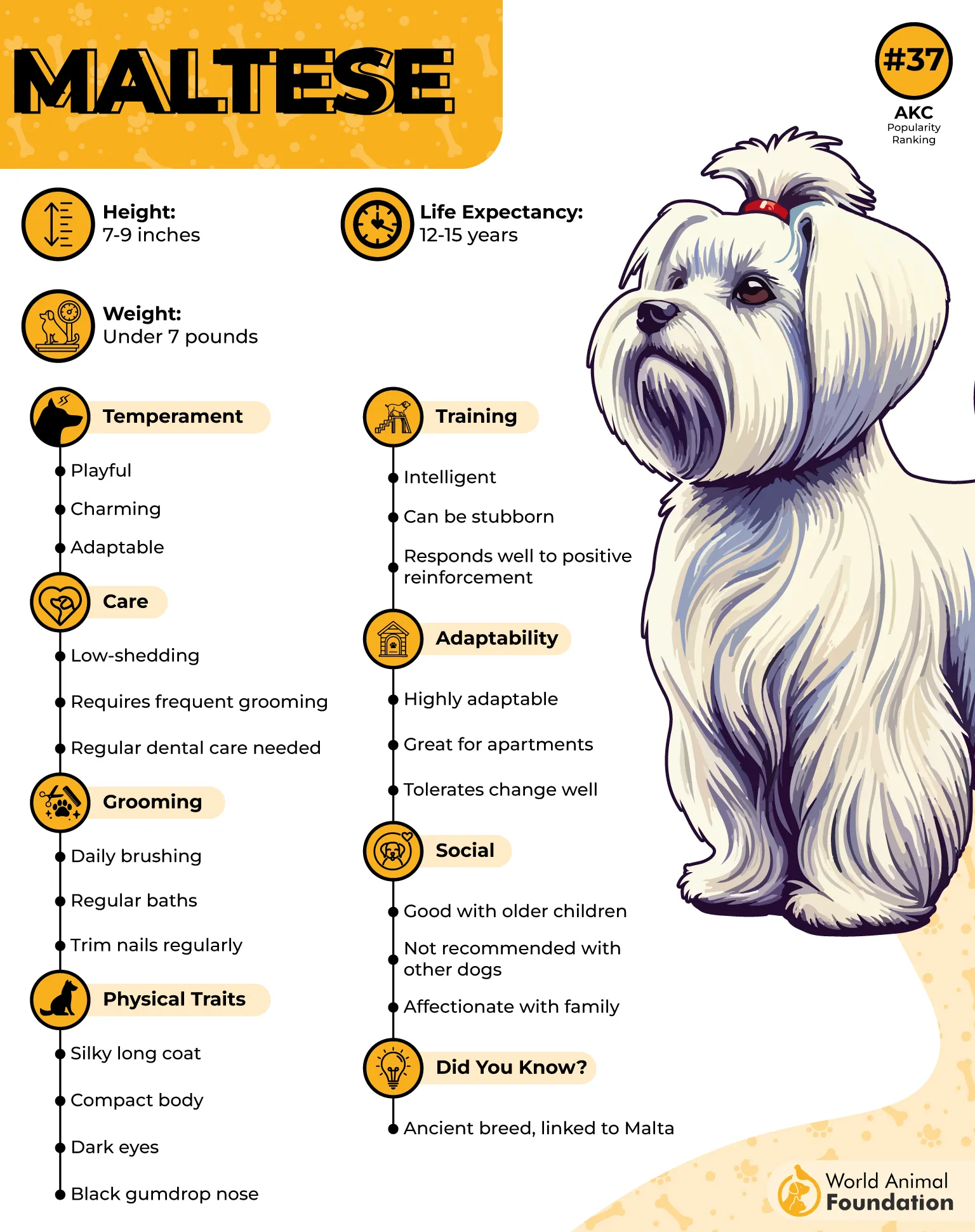
Their energy levels are manageable and fit well into relaxed routines. Short walks, indoor play, and small bursts of activity are enough to keep them happy, making them a great match for pet parents who prefer a steady and easygoing pace.
Training Tips For This Breed
Keep lessons playful to match their curious nature
Use consistency to manage occasional stubborn streaks
Conclusion
Training does not have to feel like a daily struggle when the right dog is part of the equation. Some breeds simply bring a calmer rhythm, making learning smoother, more enjoyable, and honestly a lot more fun for both of you.
Some of the calmest dog breeds were covered above, and if you are ready for a companion that listens and grows with you, choose a breed that matches your pace. That connection might just become your favorite part of the journey.
If you are further interested in such wonderful breeds, some other dogs you can look up include Basset Hound, Golden Retriever, Bichon Frise, Chow Chow, and Great Dane.
