




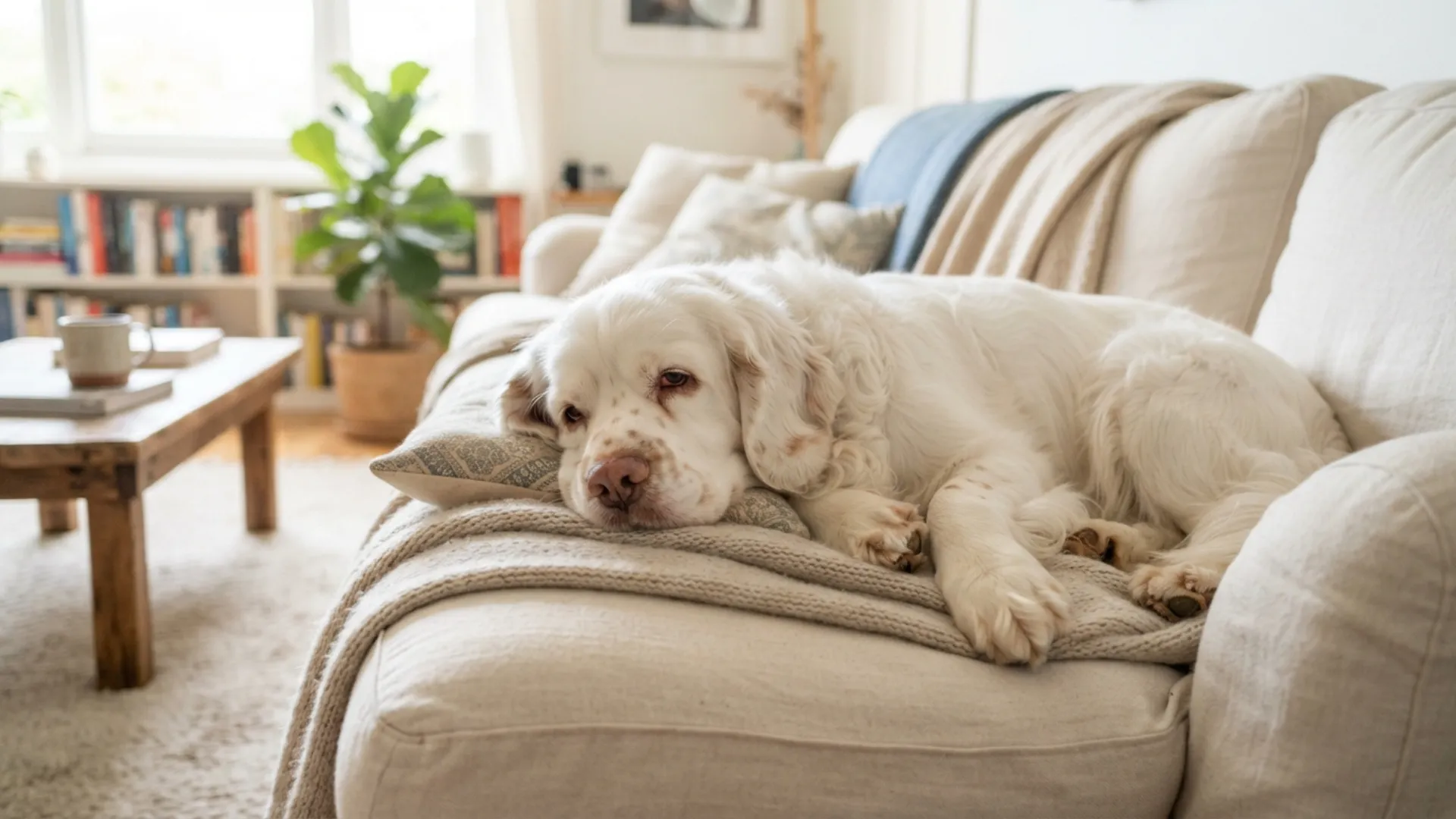
Some people want a dog that will happily hike before sunrise, compete in agility at noon, and somehow still demand fetch at 10 p.m.—and then there are the rest of us. The good news is that several breeds genuinely appreciate downtime, provided their exercise, social, training, and health needs are still met.
“Relaxed” does not mean a dog can permanently merge with the sofa like a furry throw pillow. Every breed needs movement, enrichment, veterinary care, interaction, and opportunities to sniff the outside world, and individual dogs can have dramatically different energy levels even within the same breed.
The sweet spot for couch-potato owners is therefore a breed that enjoys reasonable daily activity but does not expect its human to structure life around endurance sports. Some dogs on this list are literal lap-sized companions.
Let’s check out the most phenomenal lazy dog breeds that love chilling on the couch.
Relaxed Dog Breeds Perfect for Couch-Potato Owners
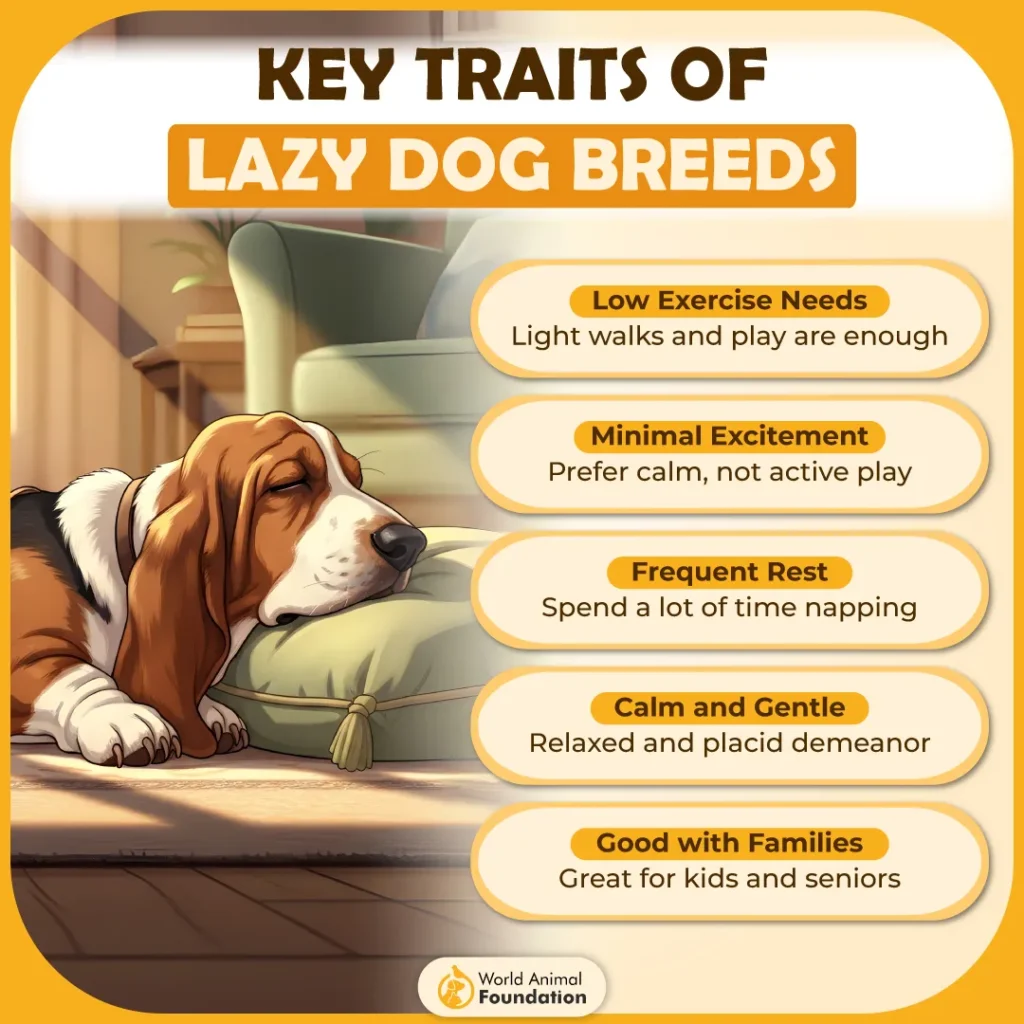
1. Basset Hound
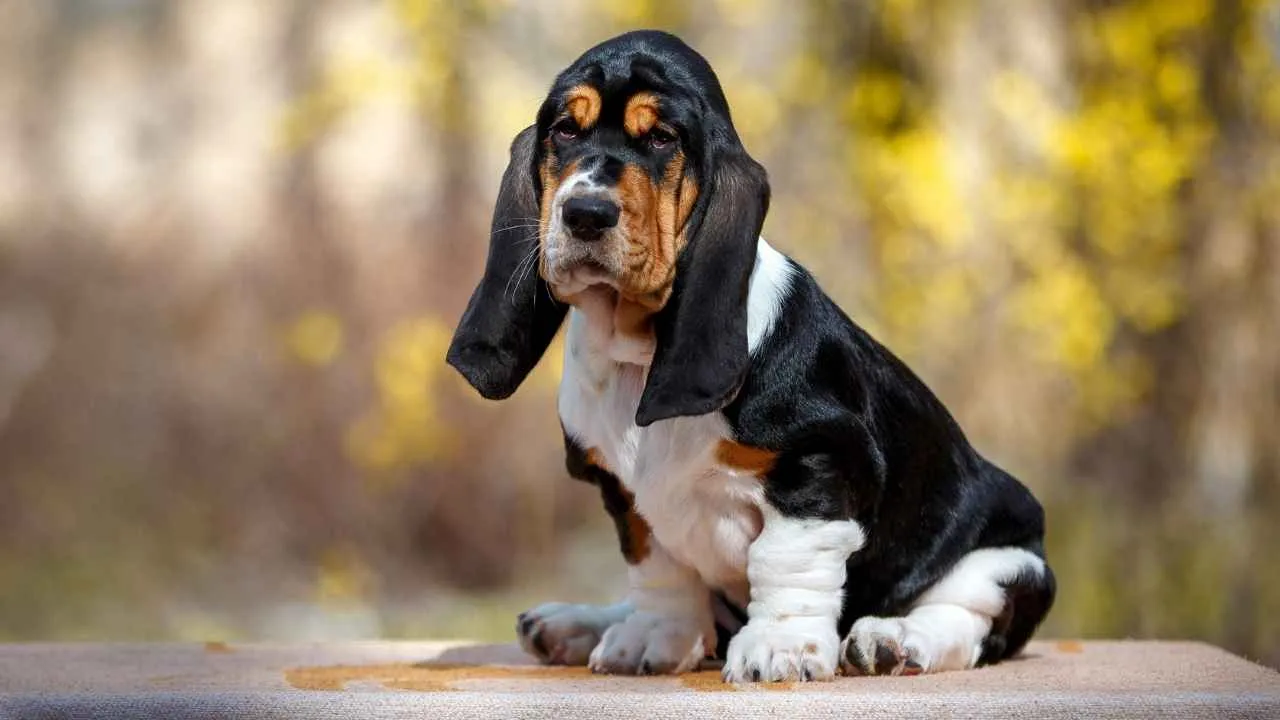
A Basset Hound looks as though somebody woke it halfway through a nap and it has never emotionally recovered, which is honestly perfect branding for this list. The American Kennel Club describes them as mild and agreeable at home, while its breed profile places them toward the more relaxed end of the energy spectrum.
Couch-potato owners will probably appreciate that Bassets do not typically require a lifestyle built around intense workouts. Regular, moderate exercise, rather than endless high-impact activity, works better. Making relaxed walks and sniff-heavy outings a much more natural match than joining you for a 10K.
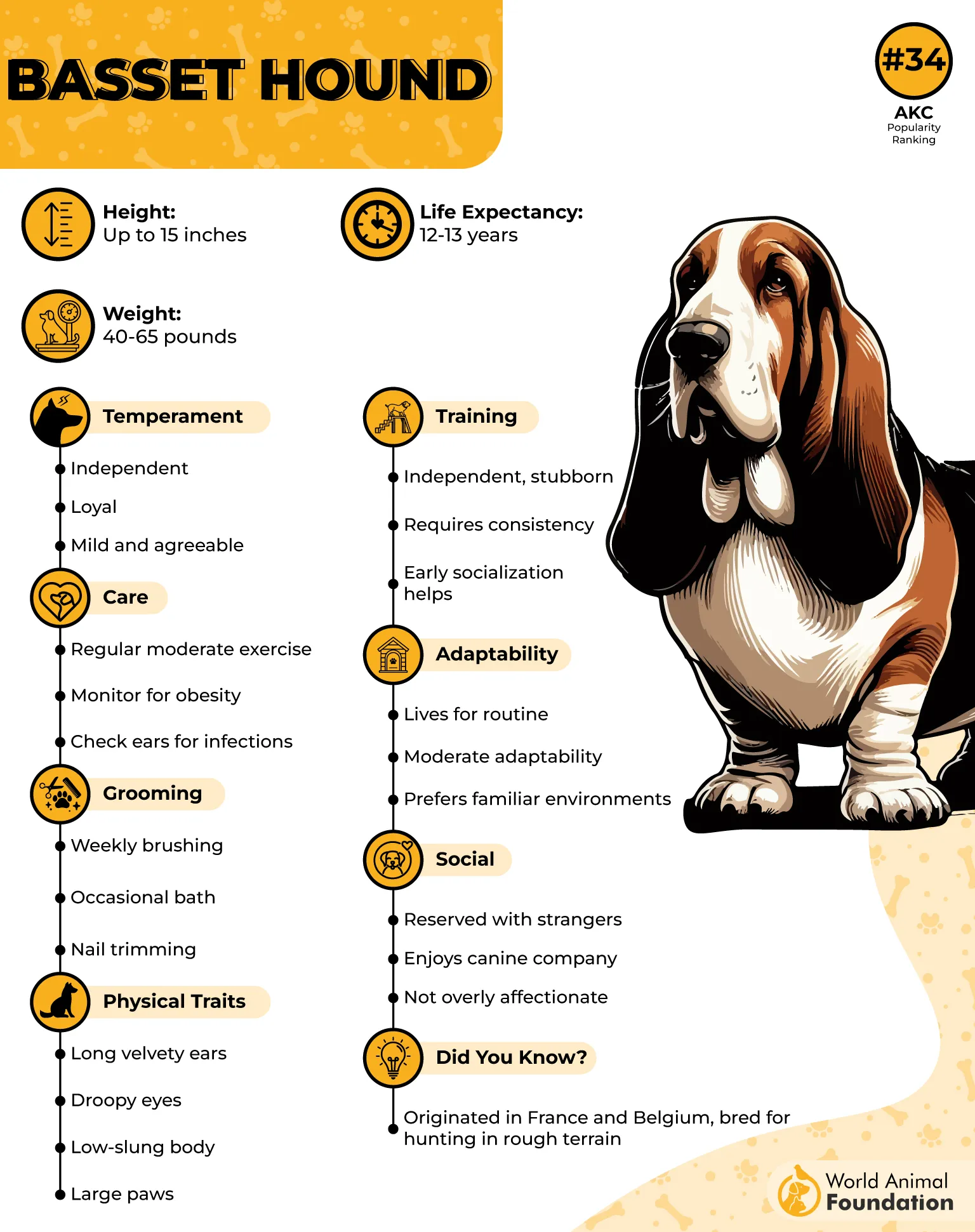
Do not mistake slow movement for a lack of interest, though, because the Basset nose is operating on another level entirely. The breed was developed to follow scent, and its scenting ability is considered phenomenal, with those enormous ears helping funnel scent toward the face.
Their social nature also makes them appealing to owners who spend plenty of time at home. They are highly pack-oriented and generally sociable with adults, children, dogs, and other animals, although personalities naturally vary from individual to individual.
2. English Bulldog
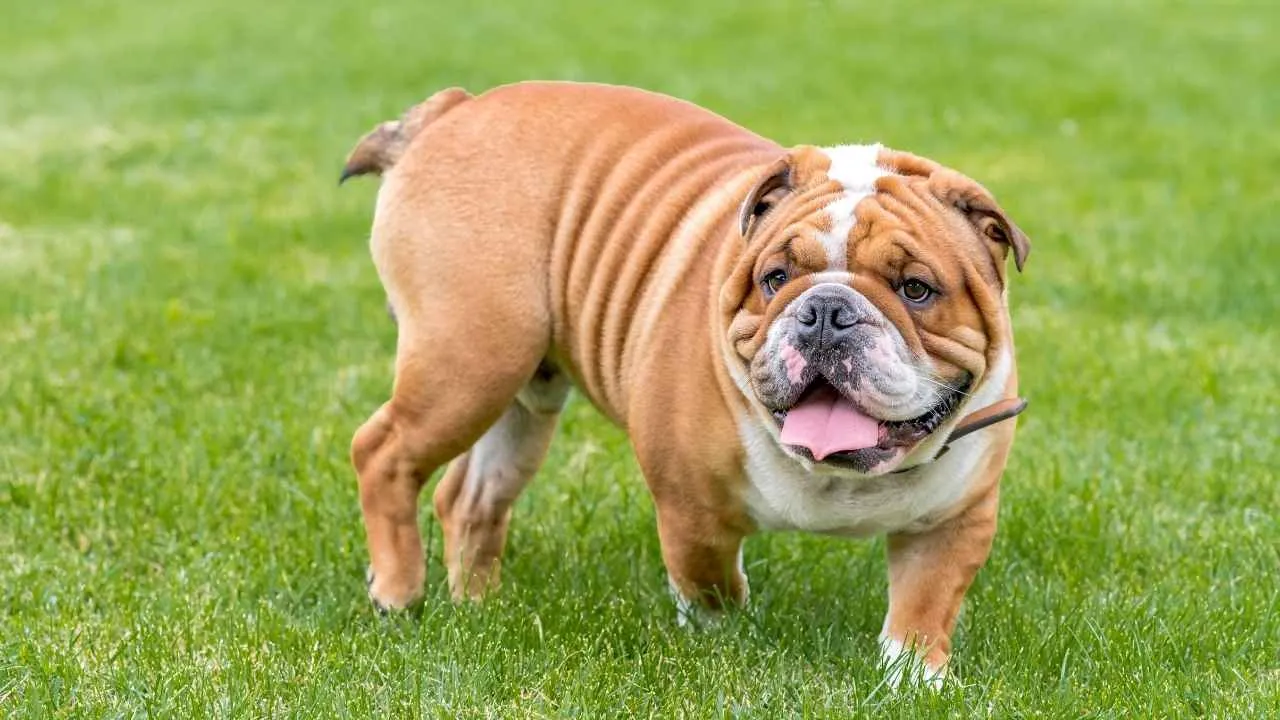
Bulldogs are famously easygoing companions. They are happy relaxing near their owners while still benefiting from moderate exercise.
Their idea of fitness is refreshingly achievable for homebodies. Short walks and occasional play help Bulldogs remain trim, but they are not the kind of dog that typically requires hours of high-intensity entertainment to feel fulfilled.
They are adaptable to both city and country living, which makes them appealing for apartment dwellers and other owners whose daily step count is, respectfully, between them and their smartwatch.
Bulldogs particularly appreciate being around their humans, so spending a lazy afternoon together is not some disappointing backup activity. They are devoted, friendly, people-oriented companions with a patient and easygoing nature, and they generally do not require constant mental stimulation.
Couch-potato culture is therefore occasionally not just a vibe for this breed—it can be a sensible response to environmental conditions. Low exercise requirements do not equal low maintenance everywhere else, because those iconic wrinkles require regular attention.
3. Clumber Spaniel
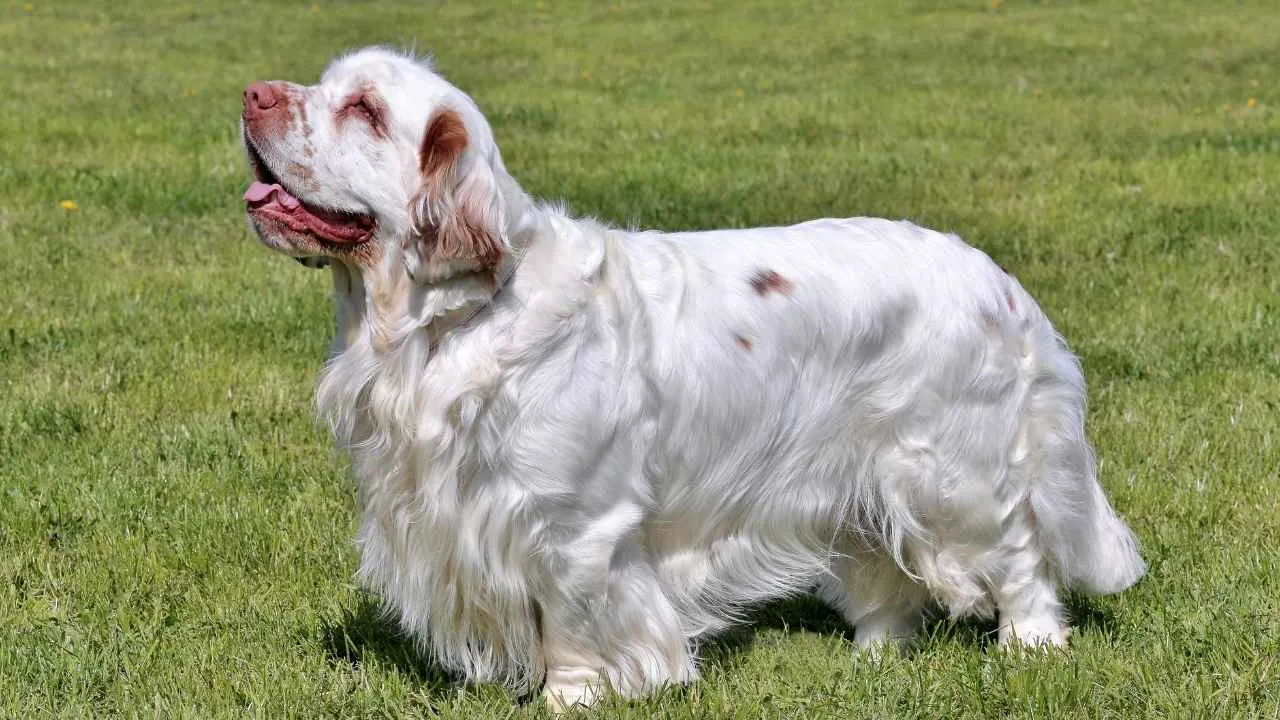
Clumber Spaniels are sweet and easygoing at home despite their genuine working background as substantial flushing and retrieving spaniels. Their slow, deliberate appearance can be hilariously misleading, as a capable outdoor dog hides beneath all that dignified fluff.
For a couch-potato owner, that dual personality can be seriously convenient. Clumbers enjoy walks, fetching, swimming, and following interesting scents, yet their exercise needs can often be met without turning every weekday into a sporting expedition.
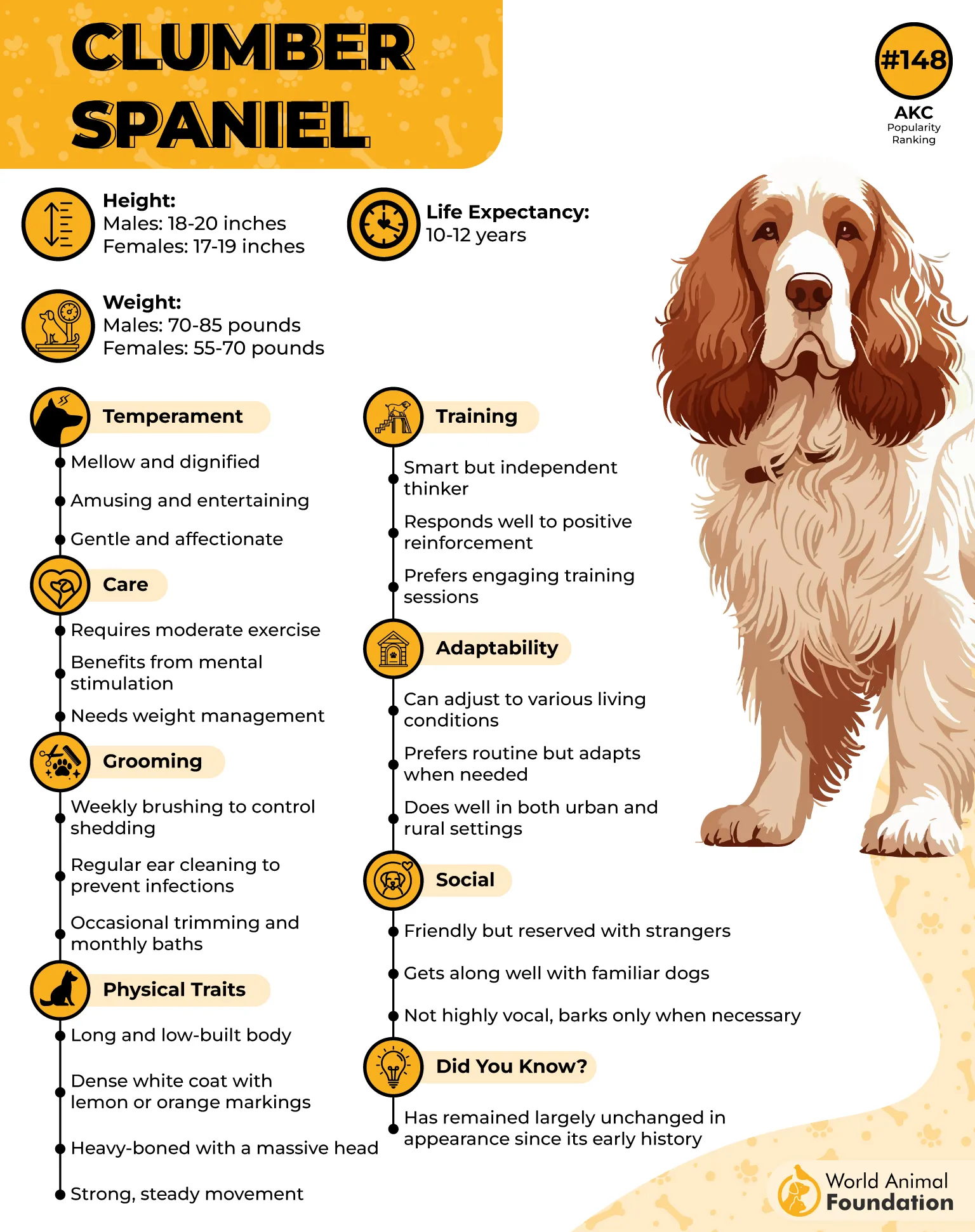
What makes living with one especially entertaining is that breed enthusiasts do not describe them as boringly mellow. They are dignified and affectionate, inquisitive, willful, and downright clownish, which is a pretty accurate warning that relaxed does not mean devoid of comedy.
These Spaniel dogs also tend to appreciate human interaction rather than viewing their owners as irrelevant furniture. These are affectionate family companions that thrive on attention and respond particularly well to praise, positive reinforcement, consistency, and patience.
That makes low-key activities such as brushing, gentle training, indoor games, or simply hanging around together meaningful parts of the relationship rather than filler between adventures.
4. Pekingese
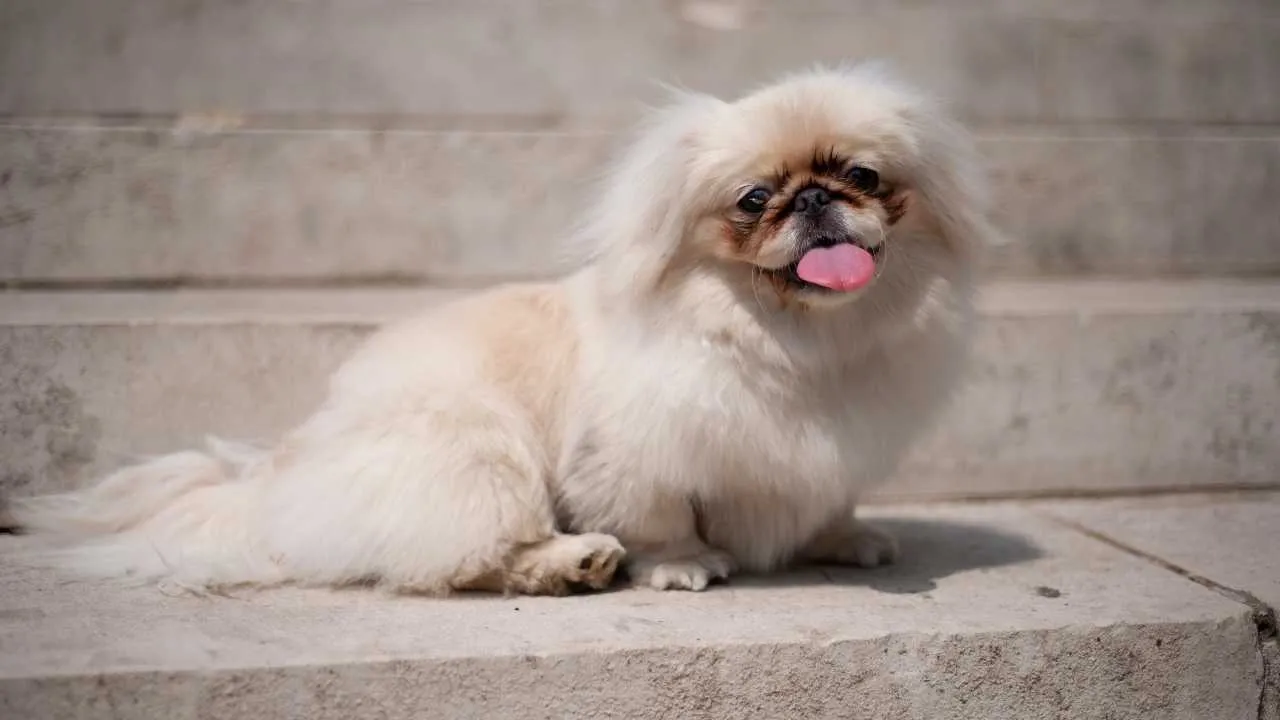
The Pekingese has royal-palace history, magnificent hair, and the confidence of somebody who genuinely believes your home exists primarily to provide better seating options. It is confident, loving, charming, and strongly attached to its people, with an independent streak that recalls centuries as a treasured Chinese companion.
This is one breed where a mellow human lifestyle can genuinely make sense. It is a relatively low-energy dog that does not require much exercise and is happiest living a more mellow life with their people.
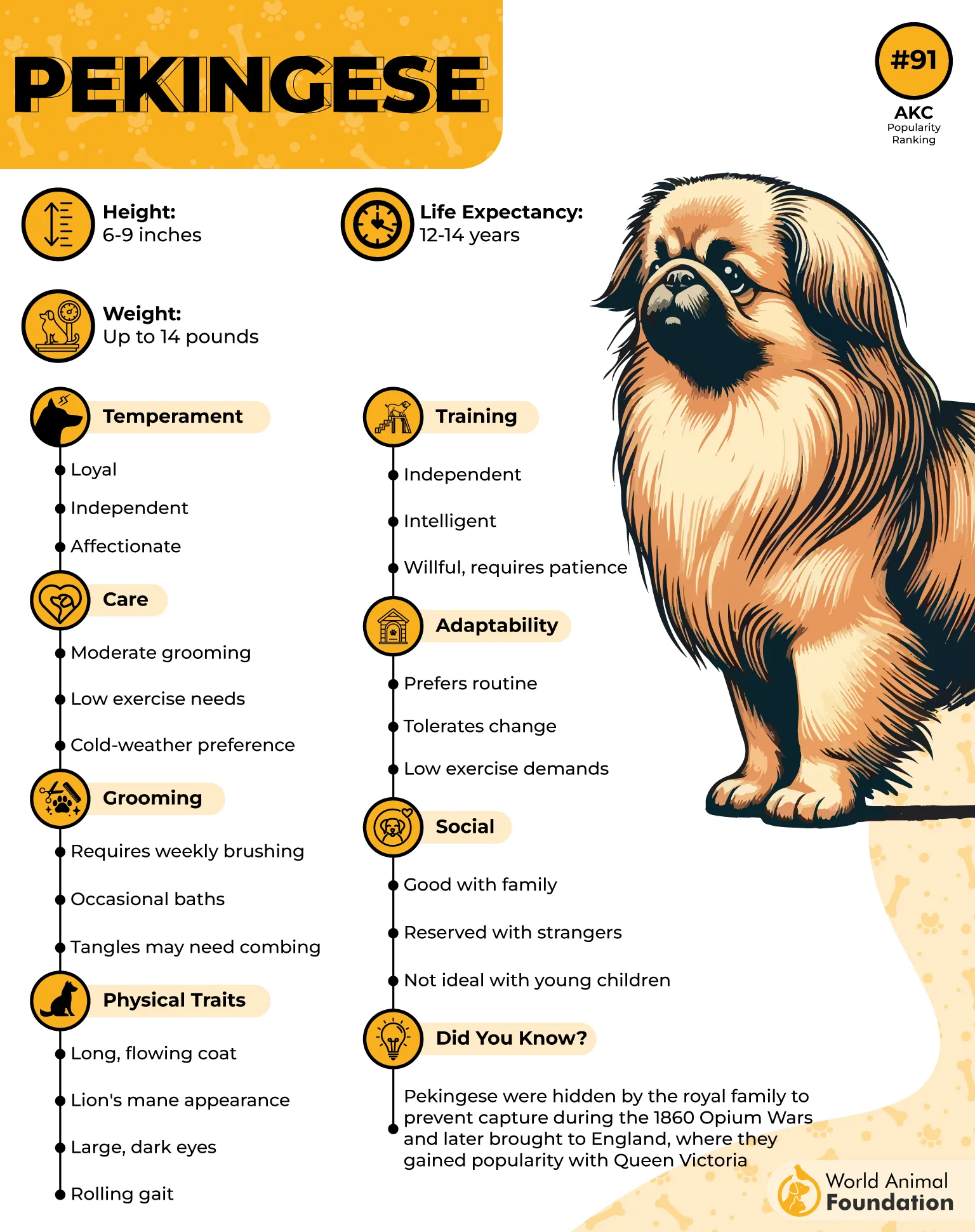
Short walks and controlled play are still valuable for fitness and enrichment, but moderation matters. Some owners caution against overexertion and recommend keeping a close eye on Pekingese during exercise, which is particularly relevant because the breed’s shortened face can complicate breathing and temperature regulation.
Do not expect submissive, permanently sleepy behaviour simply because the exercise level is manageable. They are alert little dogs with definite opinions, and their independent personality can demand consistency and patience during training, even though their compact size makes home life convenient.
5. Newfoundland
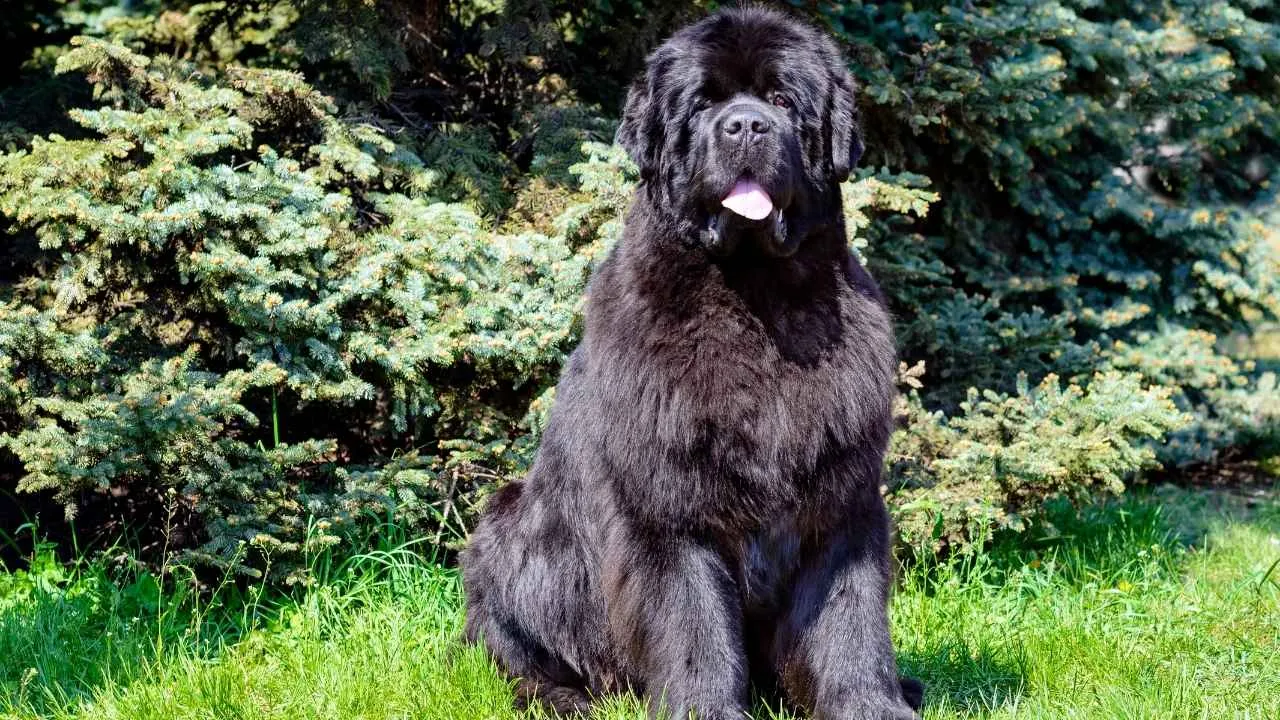
These giant dogs are famous for their sweet disposition and strong devotion to their families, despite having historically performed demanding jobs on land and in water.
Their exercise requirements are surprisingly reasonable compared with what their massive bodies might suggest, according to Omlet. At least half an hour of moderate daily activity is recommended for adults, although they can happily participate in longer walks, swimming, draft work, and other activities when appropriately conditioned.
This makes them potentially compatible with relaxed owners who will consistently provide sensible movement but have zero desire to spend every evening training for a triathlon.
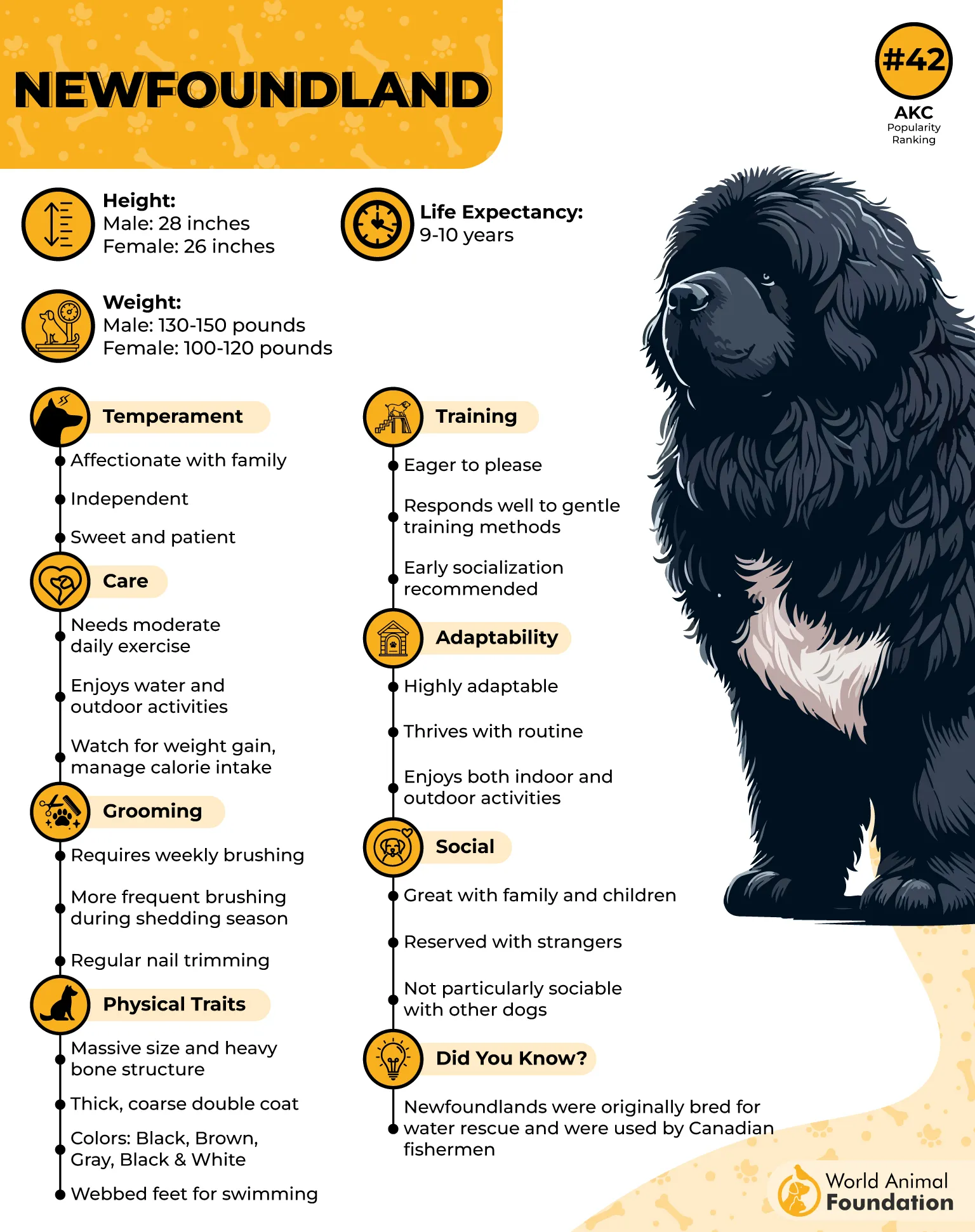
A Newf’s favourite part of the day is often not the exercise itself, but getting to join whatever its family is doing. These dogs are meant to live indoors. If you work from home, read for hours, or consider “watch three episodes back-to-back” a legitimate evening plan, your Newf is unlikely to demand a more exciting social calendar.
That calmness comes wrapped in an extraordinary working history. Newfoundlands developed a reputation for water-rescue abilities and remain skilled swimmers, while enthusiasts also participate in carting, drafting, tracking, obedience, dock activities, and other sports with them.
6. Saint Bernard
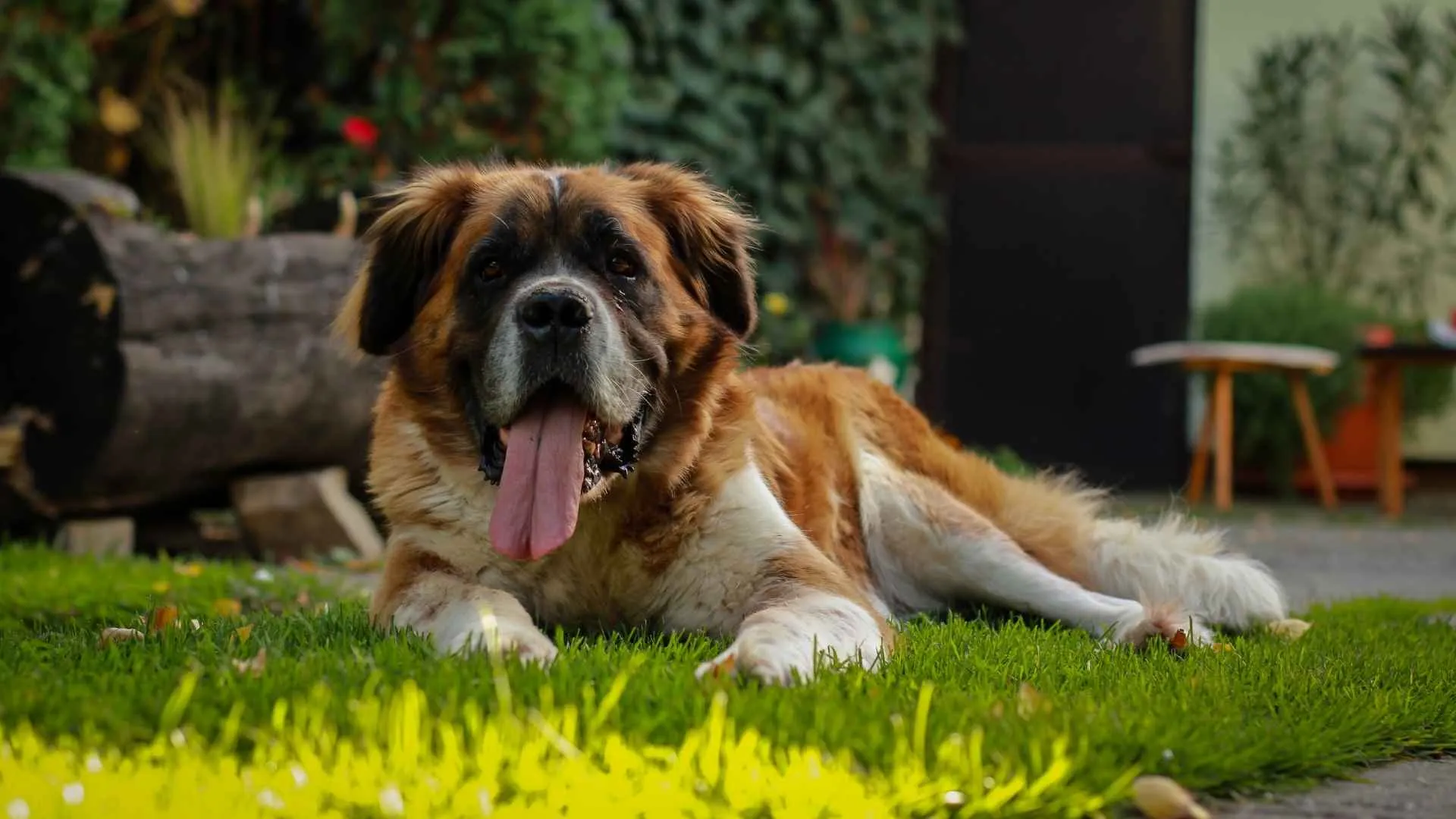
Saint Bernards look like they should be hauling explorers through an alpine blizzard, yet many modern Saints are wonderfully content to spend a huge portion of the day close to their humans.
The truly wild part is how moderate their adult exercise needs can be. One longer walk or roughly a half-hour play session each day may be sufficient for many healthy adult Saints, although individual condition, age, climate, and veterinary advice still matter.
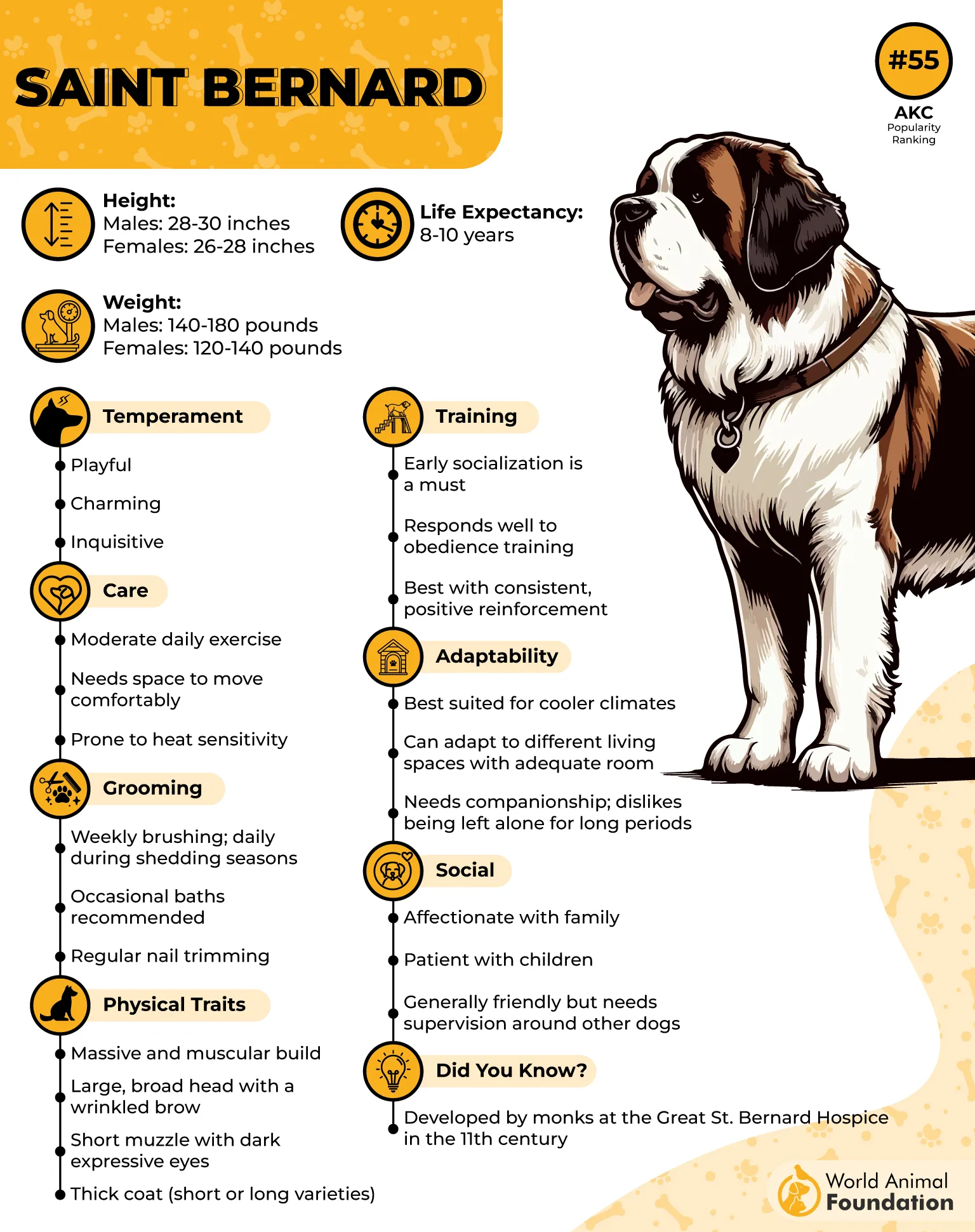
PetMD says that Saints also seem to care deeply about doing things with their owners rather than needing constant independent entertainment. This breed is happiest when activities involve its human, whether that means walking, hiking, carting, or simply sharing ordinary routines.
Couch-potato owners should also budget energy for grooming and cleanup even if daily exercise is manageable. Both long- and short-coated Saints shed; regular brushing is required, and breed club guidance openly acknowledges that drooling happens—so minimalist interiors may be an ambitious concept.
7. Greyhound
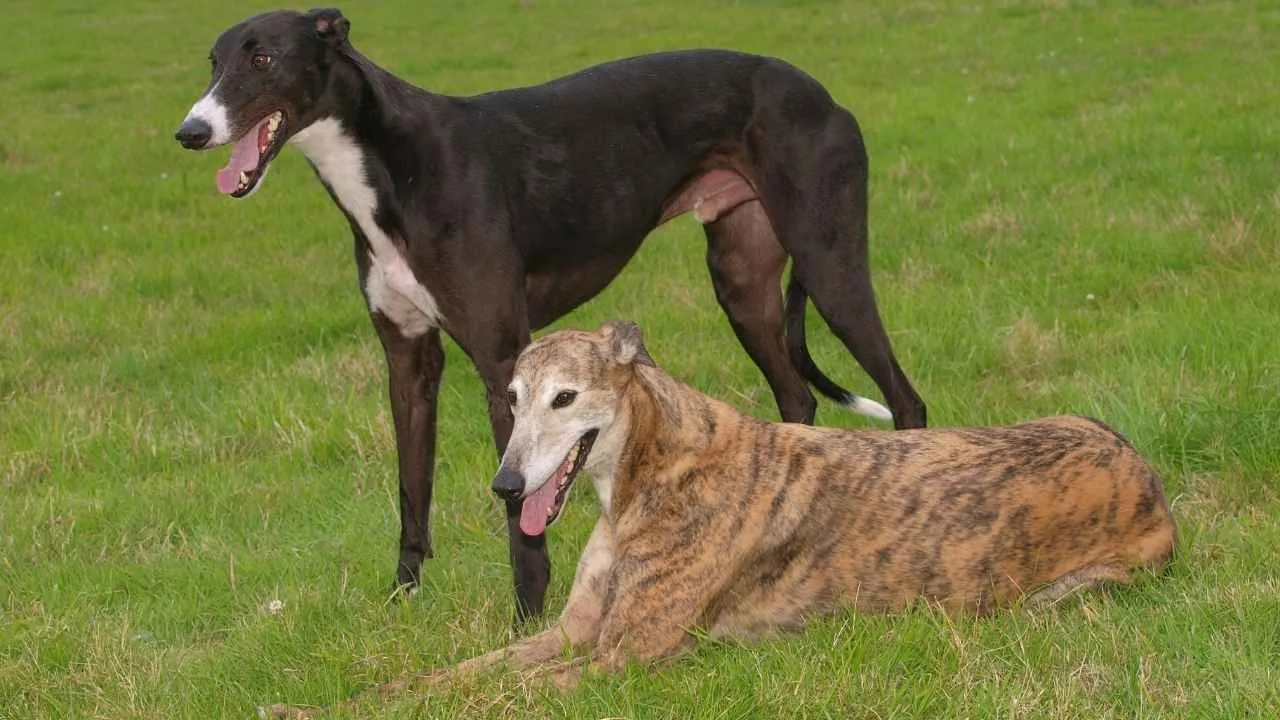
Greyhounds are sleek sighthounds that can reach speeds of around 40 mph, yet the same breed is perfectly capable of spending substantial time lounging or napping indoors.
The reason this works is that explosive speed and nonstop energy are not the same thing. Greyhounds need regular exercise and opportunities for safe running, but they are also remarkably comfortable conserving energy between those bursts.
A decent walk and appropriately secured running opportunity can therefore coexist beautifully with an owner whose primary evening sport is changing streaming services without getting off the couch.
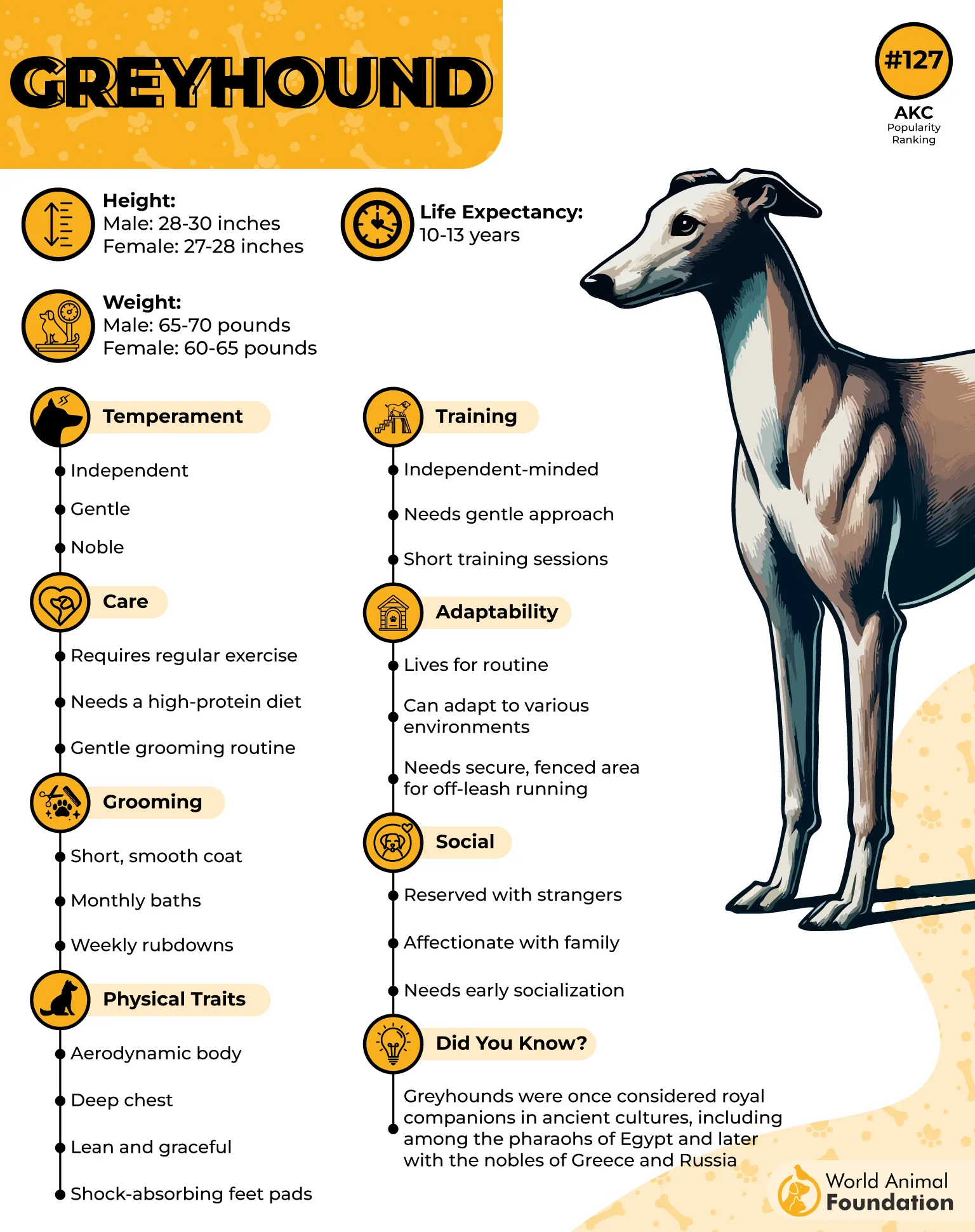
Indoors, they are mild and sensitive, may spend considerable time sitting or sleeping, and are generally affectionate with their families. They may not all demand permanent lap access, but many are very happy occupying the softest available horizontal surface—which, inconveniently, was probably the one you planned to use.
Their low-maintenance coat is another win for people trying to keep the household workload reasonable. The short, smooth hair generally needs simple weekly attention rather than elaborate coat sculpting, although nails, teeth, ears, and routine hygiene obviously still need care.
8. Irish Wolfhound
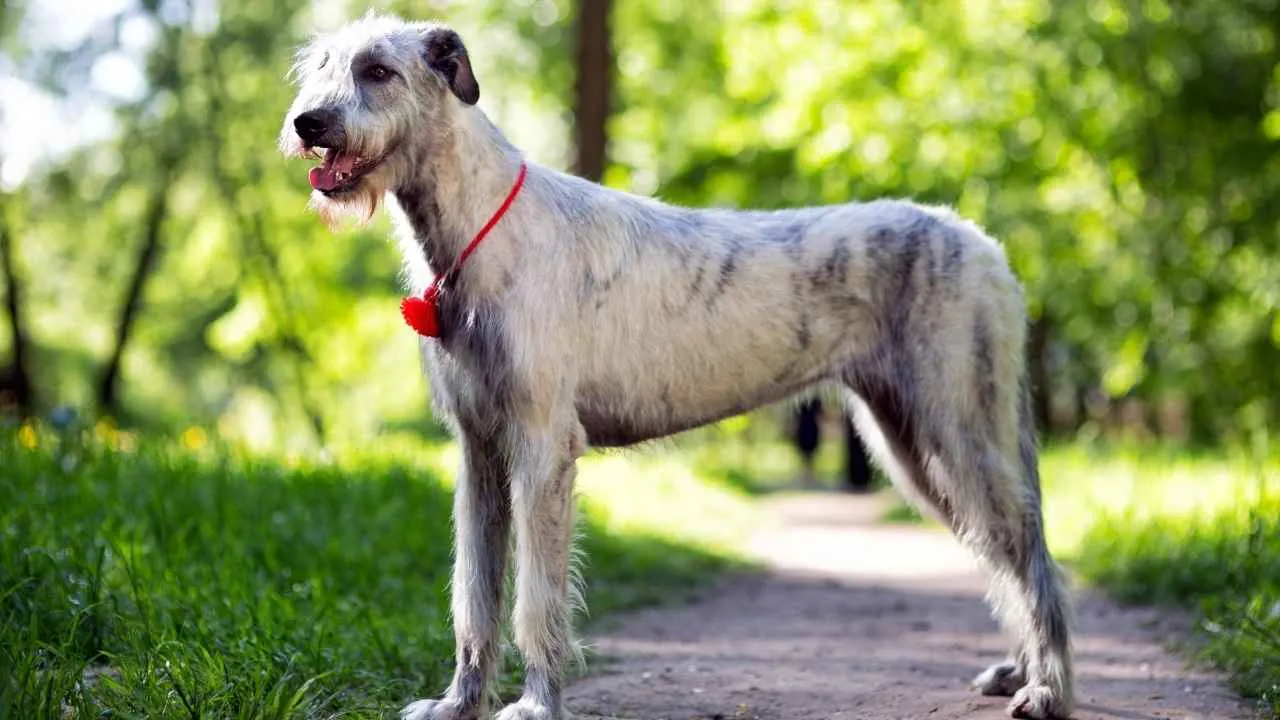
Irish Wolfhounds are serene enough that they are not typically fierce guard dogs, proving again that gigantic does not automatically mean high-strung.
They can become impressive couch potatoes when given the choice. Experienced owners recommend regular long walks or play sessions to maintain physical and mental health, so owning an Irish Wolfhound does not grant you a legally binding exemption from going outside.
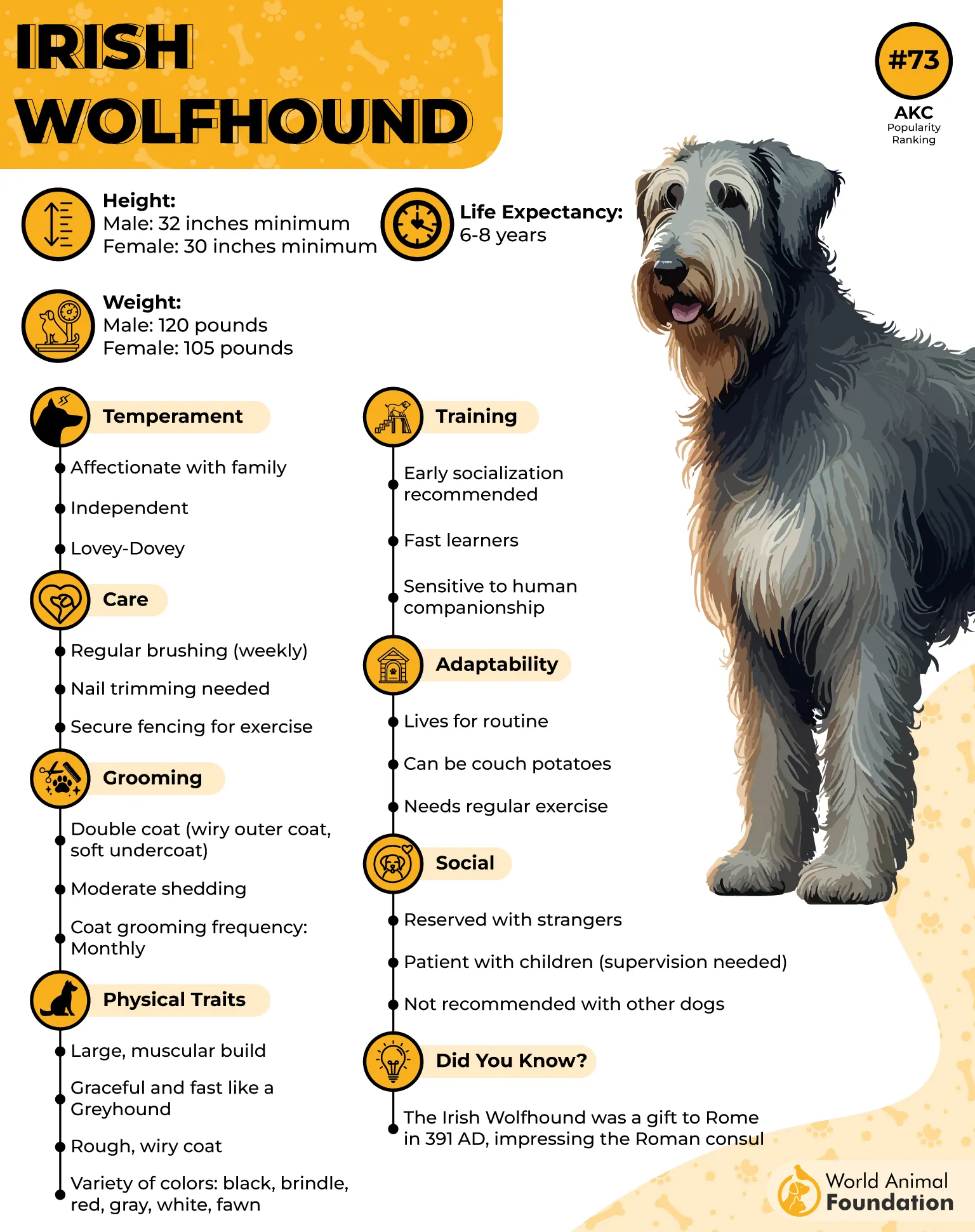
They are sensitive dogs that crave human company, and this connection with people can even make them effective candidates for therapy work. They tend to bring an oddly gentle dignity to a room, right up until you realise their head can effortlessly investigate snacks sitting on surfaces you previously considered tall.
A couch-potato human still needs sufficient motivation for early socialisation, positive training, appropriate play, supervision, and safe management throughout this very long adolescence. Their temperament makes that downtime particularly enjoyable for owners who want companionship rather than constant entertainment duties.
9. Cavalier King Charles Spaniel
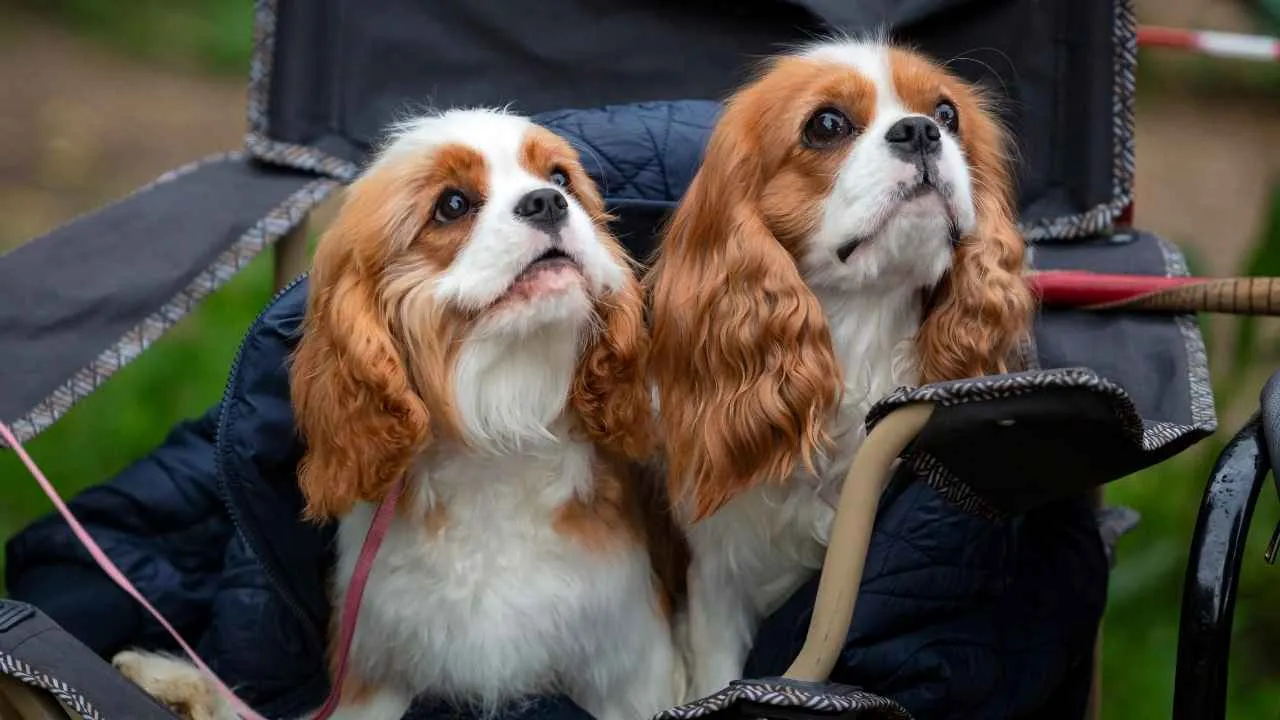
The Cavalier King Charles Spaniel is highly adaptable and can be happy with active people or homebodies, which is almost suspiciously perfect for this article.
Hill’s Pet says they specialise in being close to people, not merely existing somewhere in the same postcode. Some of the best dog breeds for introverts, they are affectionate, gentle companion dogs that thrive on social interaction, and the breed’s centuries-old association with British royalty helped establish its reputation as a genuine lap companion.
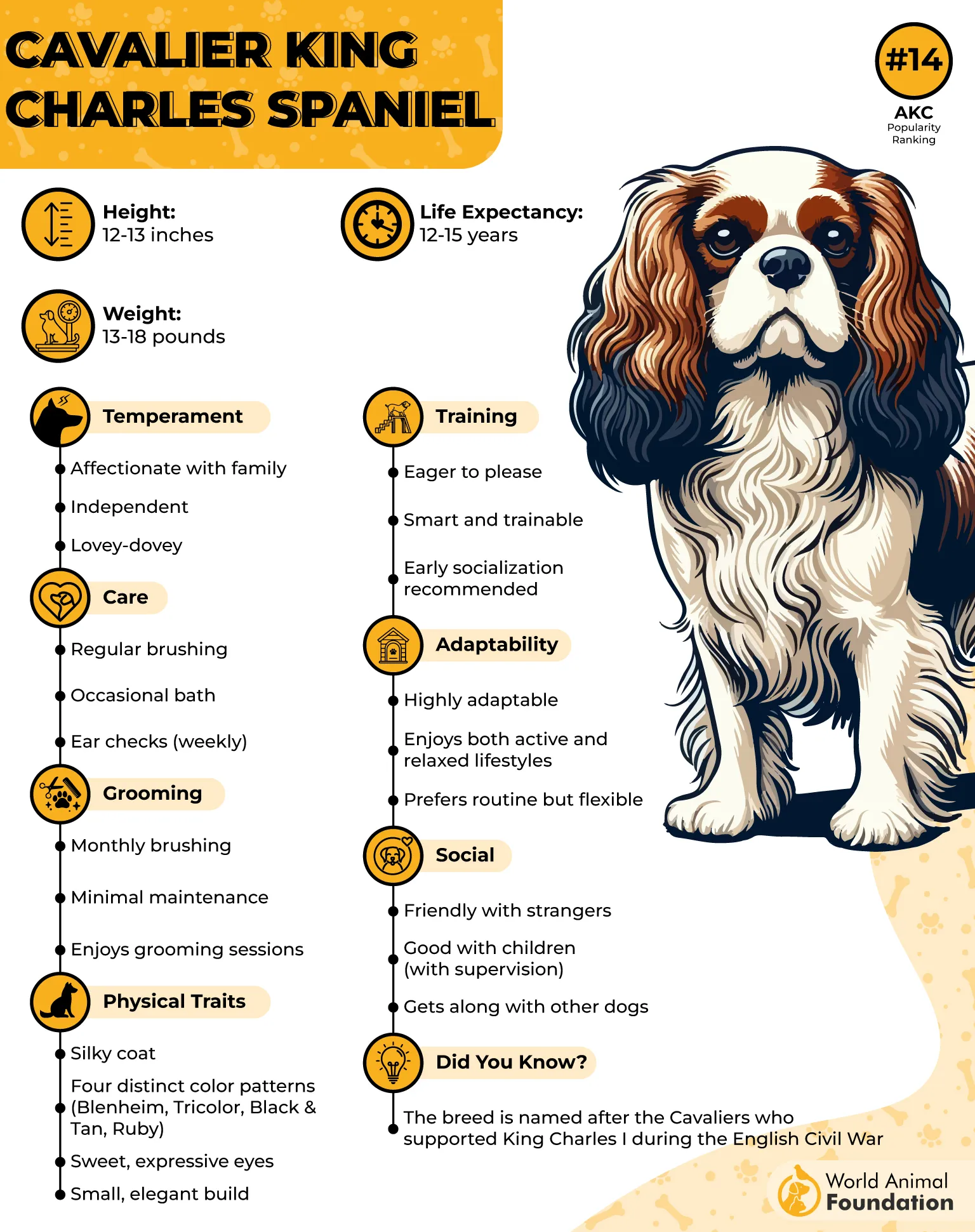
The fun part is that they are not boringly sedentary when you suddenly develop motivation. Cavaliers descend from sporting spaniels and can enjoy walks, obedience, agility, rally, and other activities, yet they are also perfectly happy spending long stretches on the sofa.
They are also notably trainable for such enthusiastic cuddlers. They are intelligent and eager to please, while the expert trainers emphasise positive reinforcement, early socialisation, routine, and short enjoyable lessons.
10. Shih Tzu
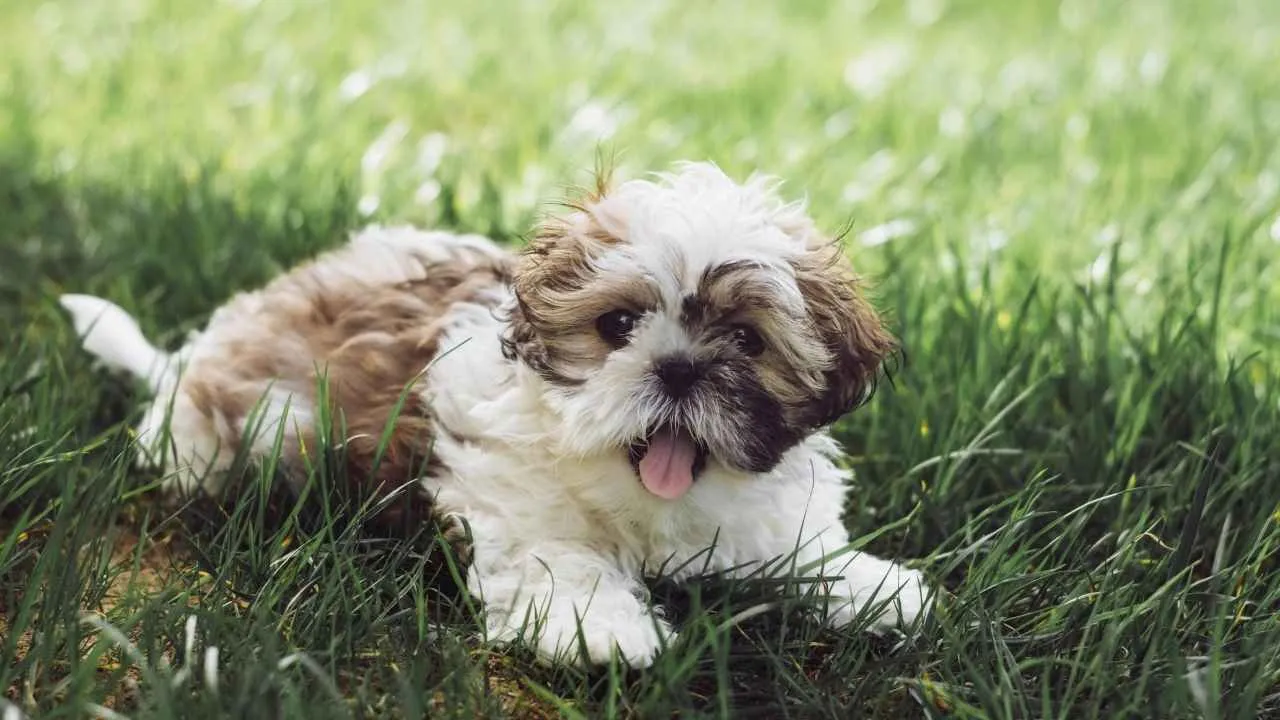
The Shih Tzu did not accidentally become a couch dog; companionship was basically the historical assignment. These small dogs were developed as house companions, and companionship remained their central purpose, just as it was at the Chinese royal court centuries ago.
Exercise requirements are consequently very manageable for most healthy adults. Short daily walks combined with indoor play can satisfy typical activity needs, which is excellent news for anyone whose preferred workout equipment is a television remote.
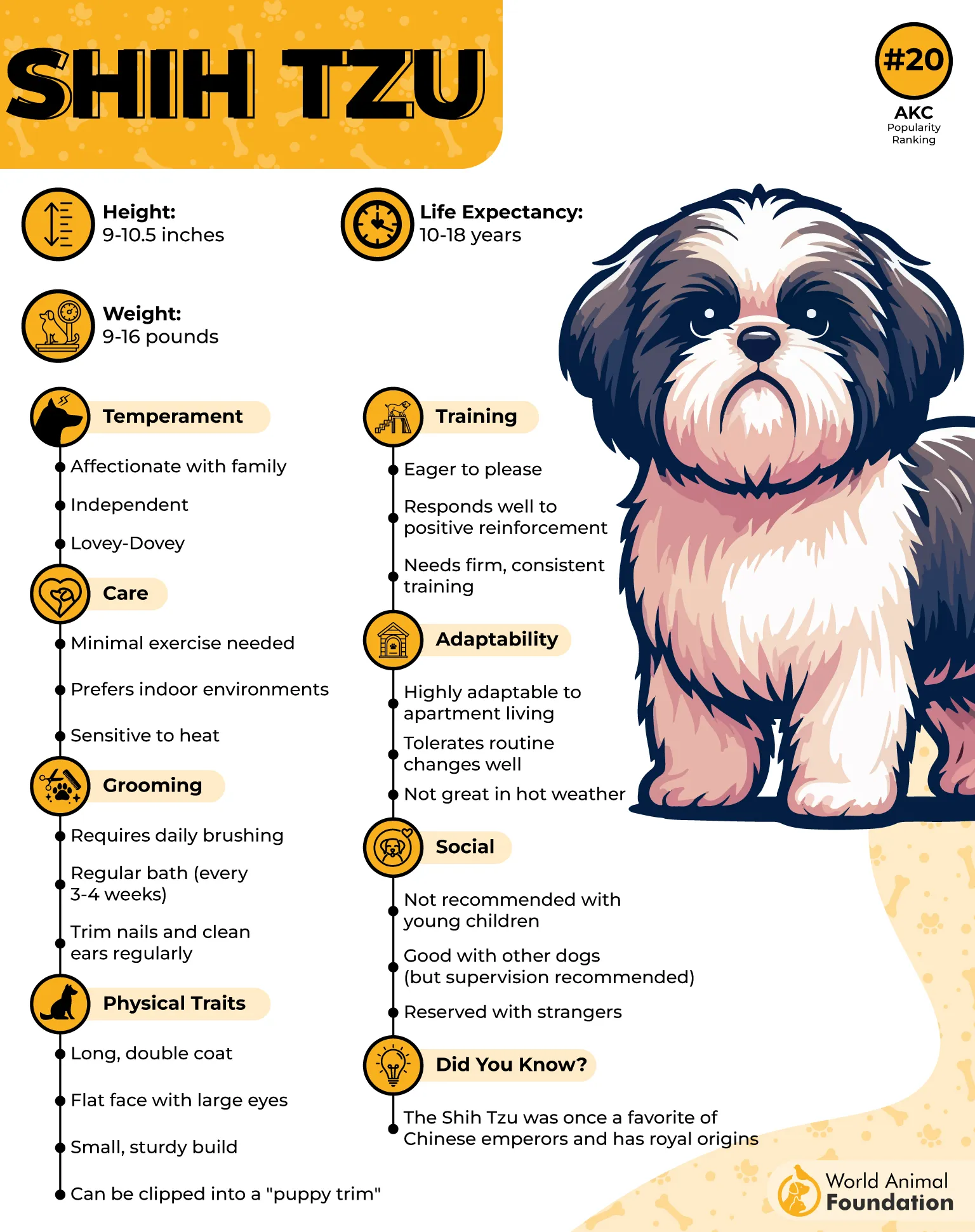
Where this breed truly shines is in prolonged human contact. They are highly people-oriented, thrive on attention, and can happily sit in an owner’s lap for hours. That makes binge-watching less of a solitary activity and more of a very small, extremely fluffy viewing committee whose contribution is occasionally blocking the subtitles.
Their compact dimensions make homebody life easier too. Indoor games can provide meaningful entertainment on days when the weather is bad, and neither of you has any interest in pretending otherwise.
Conclusion
The best couch-potato dog is not necessarily the breed that moves the least; it is the dog whose overall lifestyle matches yours.
Just remember that low energy does not mean no energy. Regular walks, appropriate play, training, socialisation, weight management, veterinary care, and mental enrichment remain essential regardless of how relaxed a breed tends to be, and individual dogs will always vary from the stereotype.
So if your ideal Saturday involves one pleasant walk, several snacks, a blanket, and absolutely no plans requiring proper trousers, these breeds may understand you on a spiritual level.
