




When you think of mighty dogs, some popular breeds’ names like Mastiffs or Rottweilers might spring to mind—but the world of canines is full of rare breeds with incredible strength, loyalty, and character that most people have never heard of.
From mountain guardians to compact but fierce defenders, these hidden gems combine power with unique traits that make them stand out in both appearance and personality. These breeds aren’t just physically impressive—they often have fascinating histories, specialized skills, and temperaments shaped by centuries of working alongside humans.
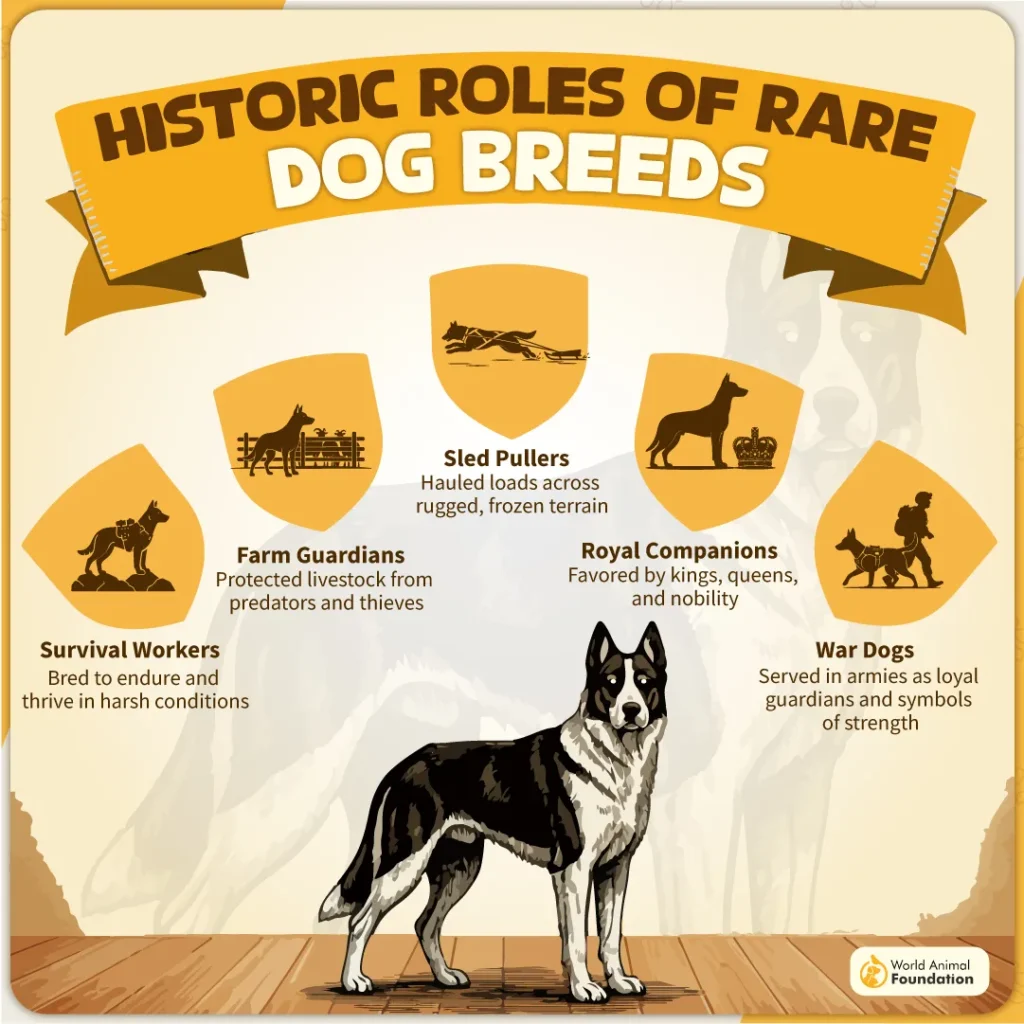
Some were bred for guarding livestock in rugged terrain, while others excelled in hunting, pulling sleds, or serving as companions for noble families. Their rarity adds to their mystique, making them both intriguing and highly valued among enthusiasts.
Whether you’re a dog lover seeking inspiration for your next canine companion or simply curious about the diverse world of dogs, exploring these lesser-known breeds is a journey of discovery.
We’ll introduce the top 10 rare, mighty dog breeds you probably haven’t heard of, highlighting what makes each breed exceptional, mighty, and worth knowing—even if you never see one in your neighborhood.
Fun Fact: Breeds—like the Kangal, Thai Ridgeback, and Dogo Argentino—combine strength, agility, and intelligence. These rare breeds often have specialized skills, from guarding livestock to tracking game, making them fascinating and powerful companions.
Top Rare, Mighty Dog Breeds You Probably Haven’t Heard Of
1. Caucasian Shepherd
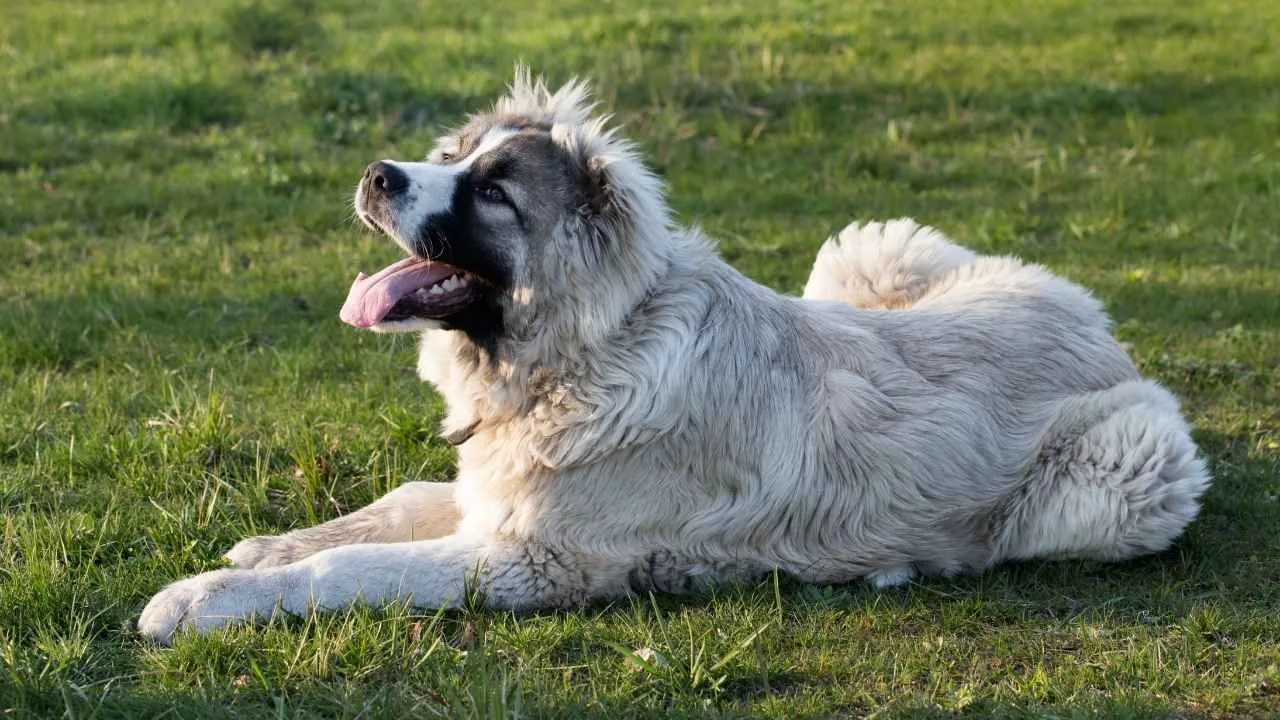
The Caucasian Shepherd, also known as the Caucasian Ovcharka, is the kind of dog that makes you question whether you’re looking at a pet or a mythical creature that escaped from a mountain legend.
Originating from the rugged Caucasus region—Georgia, Armenia, Azerbaijan, and Dagestan—this breed was designed by nature and perfected by necessity.
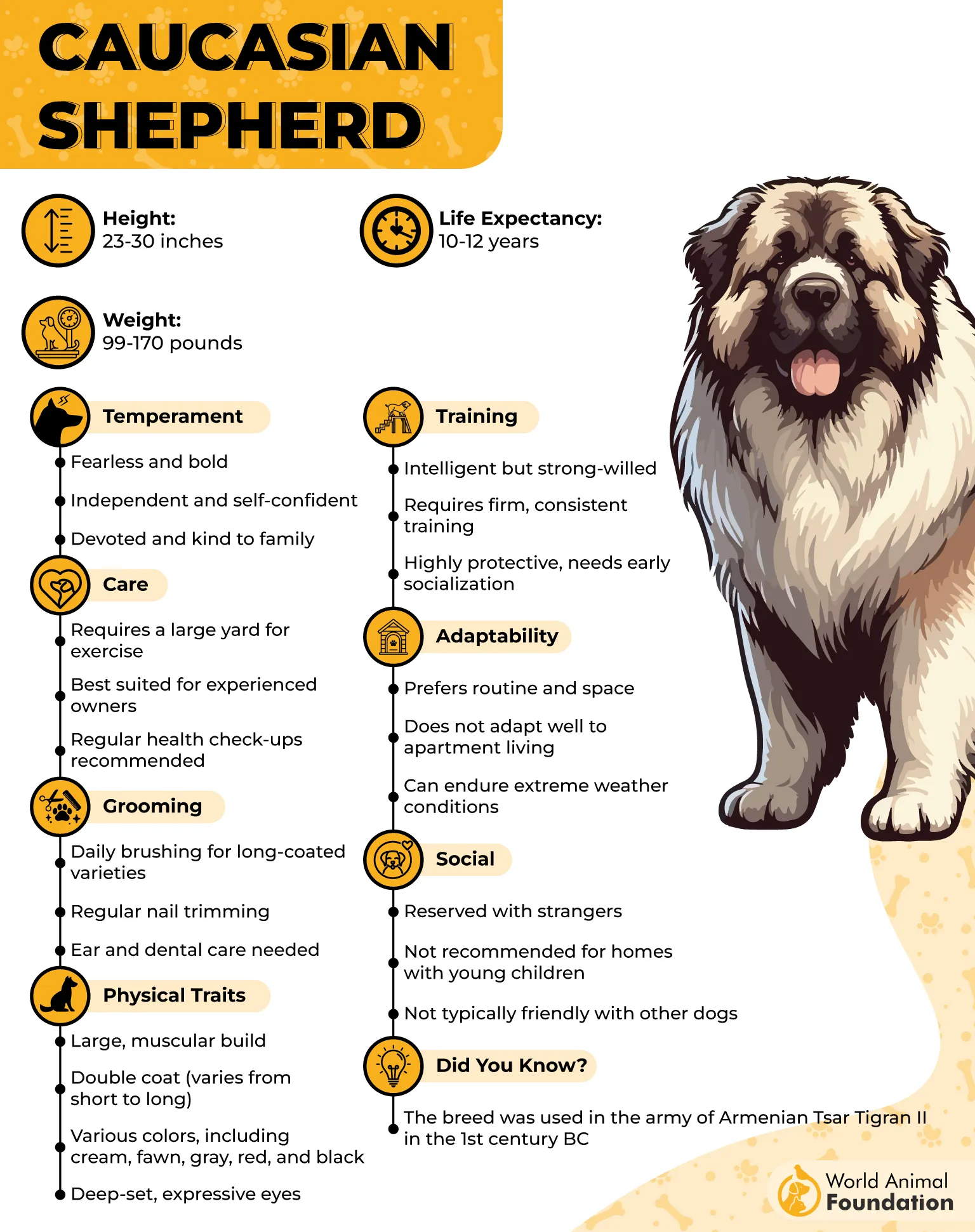
These dogs were bred to guard livestock from predators like wolves and bears. Massive, muscular, and wrapped in a thick coat that makes them look deceptively cuddly, they’re basically walking fortresses with fur.
Over time, humans realized this breed’s intimidating presence wasn’t just useful in the mountains. Caucasian Shepherds went on to serve as guard dogs, including in Russian prisons, where their sheer size and confidence were enough to make even the bravest troublemakers reconsider their plans.
Despite the teddy-bear appearance, this is not a casual, beginner-friendly dog. Caucasian Shepherds are fiercely protective, independent thinkers, and deeply loyal to their families. Strangers are treated with suspicion, and their guarding instincts are always switched on.
As per Wikipedia, because of their strength and temperament, the breed is banned in Denmark and faces restrictions in Russia, which should give you a pretty clear idea of how seriously they’re taken.
That said, with proper training, early socialization, and an experienced dog owner, the Caucasian Shepherd can be calm, devoted, and surprisingly gentle with its people.
2. Catalburun Dog
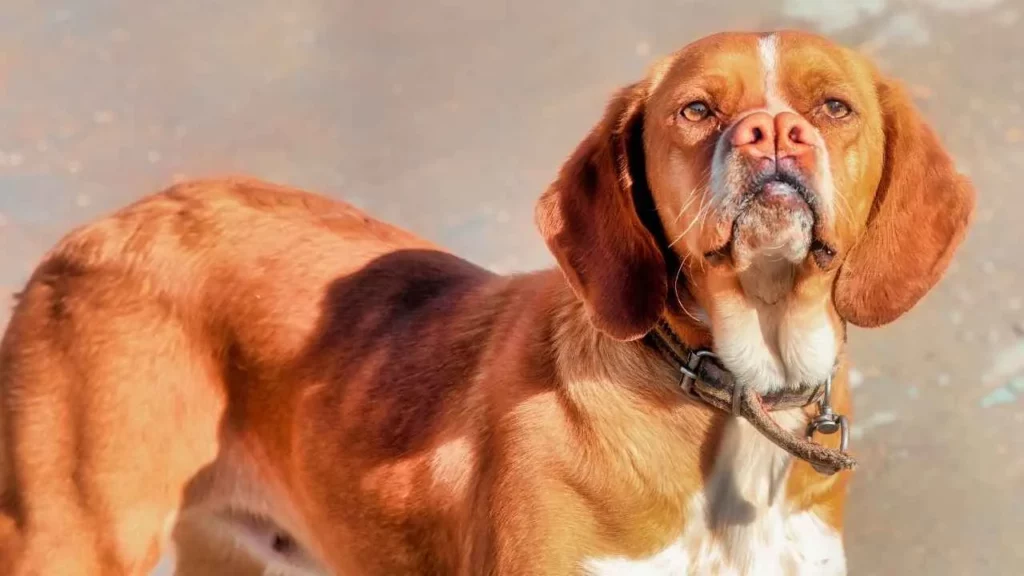
The Catalburun Dog is one of those breeds that makes you stop scrolling and say, “Wait… is that dog okay?” And yes—it’s perfectly fine. That split nose is exactly what makes this rare Turkish breed so special.
Native to Turkey, particularly the Tarsus region, the Catalburun (which literally means “forked nose” in Turkish) is famous for its distinctive double nose. It looks like someone pressed a finger gently down the middle of its snout—and nature just went with it. Weird? A little. Iconic? Absolutely.
But this dog is far more than a unique face. The Catalburun is an excellent hunting dog, especially prized for tracking and pointing. Many enthusiasts believe the split nose enhances scent detection, giving the dog almost superhero-level sniffing abilities.
Despite its talent, the breed is extremely rare, even in its homeland. You’re more likely to spot one in a local Turkish village than in a dog show lineup.
In temperament, Catalburuns are loyal, intelligent, and people-oriented. They form strong bonds with their families and enjoy being involved in daily activities. However, they’re also energetic and need regular exercise—this is not a couch-potato dog unless that couch is located after a long hike.
They’re generally friendly but alert, making them good watchdogs without being overly aggressive. Think less “guard dragon” and more “neighborhood detective with a very serious nose.”
3. Tosa Inu
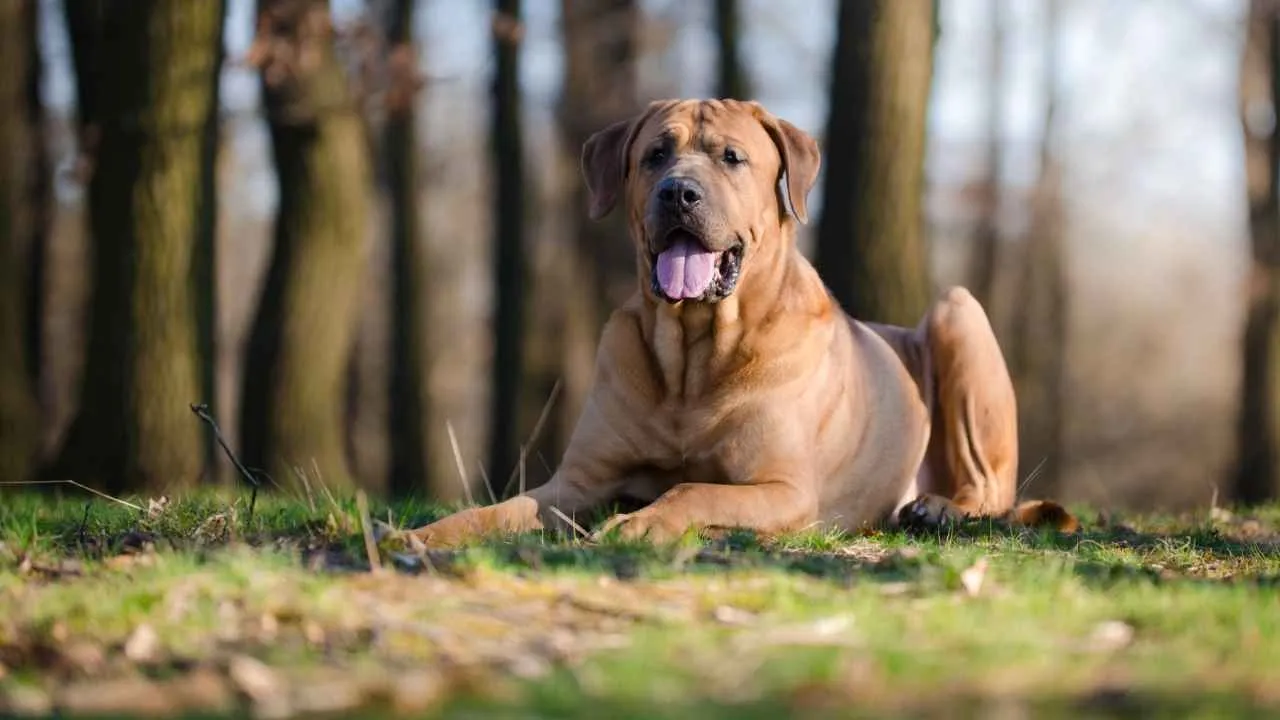
The Tosa Inu is the definition of quiet power—the kind of dog that doesn’t need to bark, growl, or show off to command respect. As the largest of all Japanese dog breeds, according to the American Kennel Club (AKC), the Tosa carries itself with a calm, almost noble presence, like a samurai who has nothing left to prove.
Originally bred in Japan for dog fighting, the Tosa was developed to embody patience, courage, and composure rather than wild aggression. Think less chaotic brawler and more disciplined martial artist. Even today, those traits remain deeply ingrained in the breed.
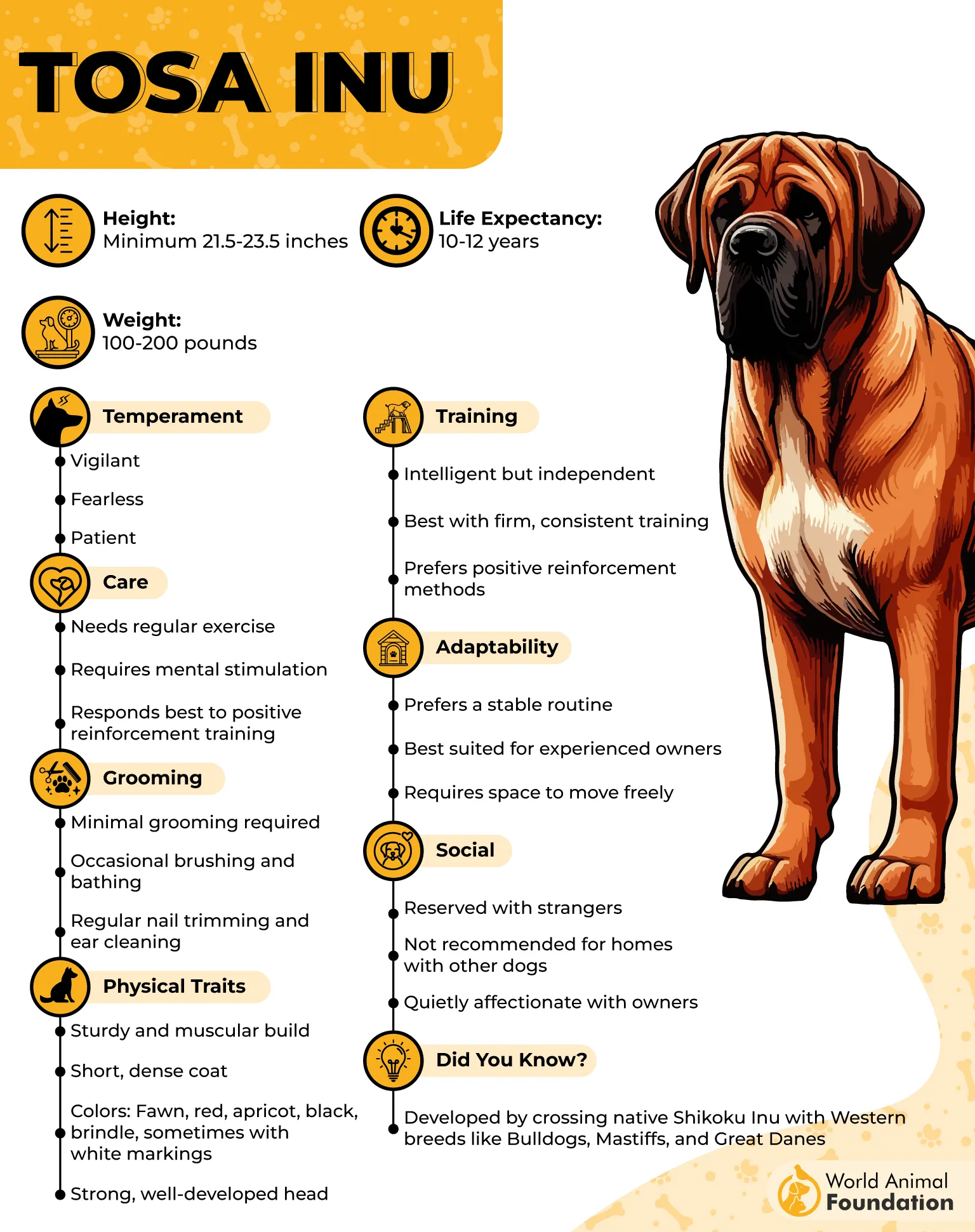
With its robust, muscular build and stately manner, the Tosa naturally transitioned from fighting rings to watchdog roles. It doesn’t rush into action—it assesses, waits, and only acts if truly necessary. This makes the breed a formidable guardian without being unnecessarily reactive.
Around its family, the Tosa is quietly affectionate. Don’t expect dramatic tail-chasing or constant demands for attention. This is a dog that shows love through presence—lying nearby, keeping watch, and silently making sure everything is in order.
When it comes to other dogs, the Tosa can be naturally territorial and watchful, and it may react aggressively toward dogs it perceives as intruders. Early socialization and experienced handling are essential to help manage these instincts.
Importantly, overt aggression toward humans is considered uncharacteristic of the breed, reinforcing its reputation as controlled rather than chaotic.
4. Komondor
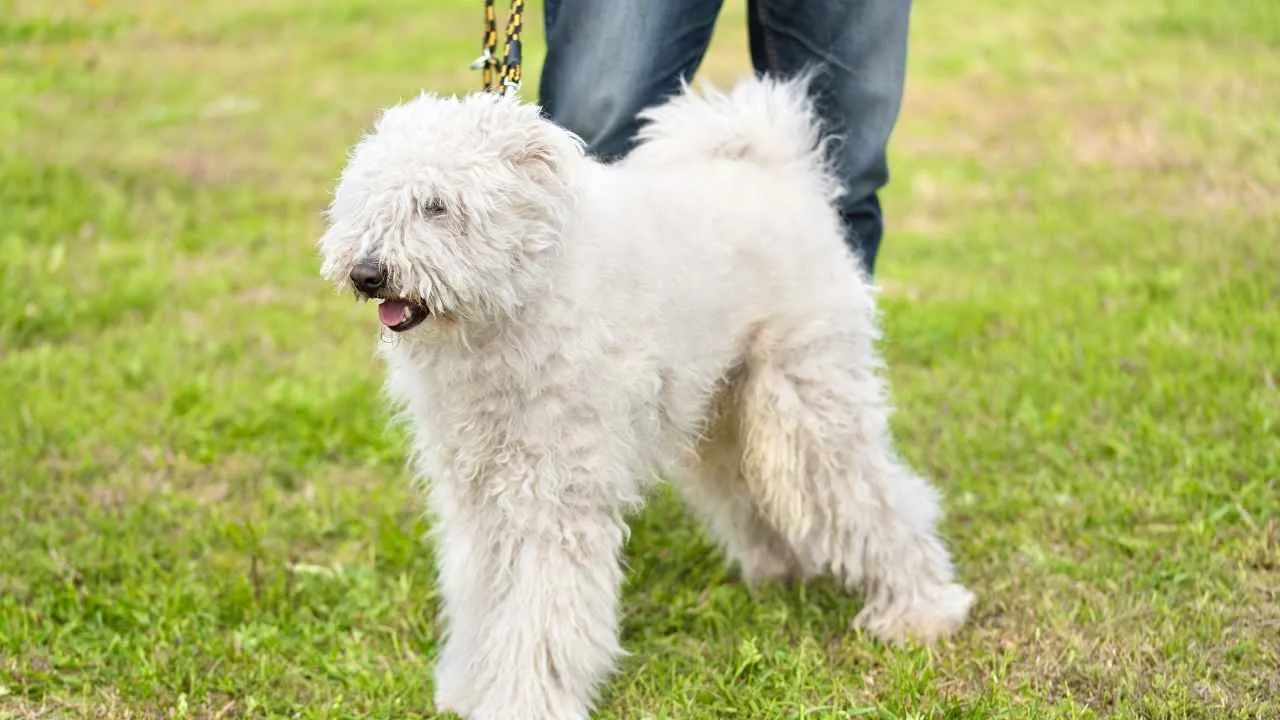
The Komondor looks like someone took a mop, gave it muscles, and told it to guard an entire flock of sheep. Native to Hungary, this massive flock guardian is instantly recognizable thanks to its long, white, corded coat that drapes from head to tail.
Mistaking a Komondor for another breed is nearly impossible—unless you regularly confuse livestock guardians with household cleaning tools. But that iconic coat isn’t just for dramatic effect.
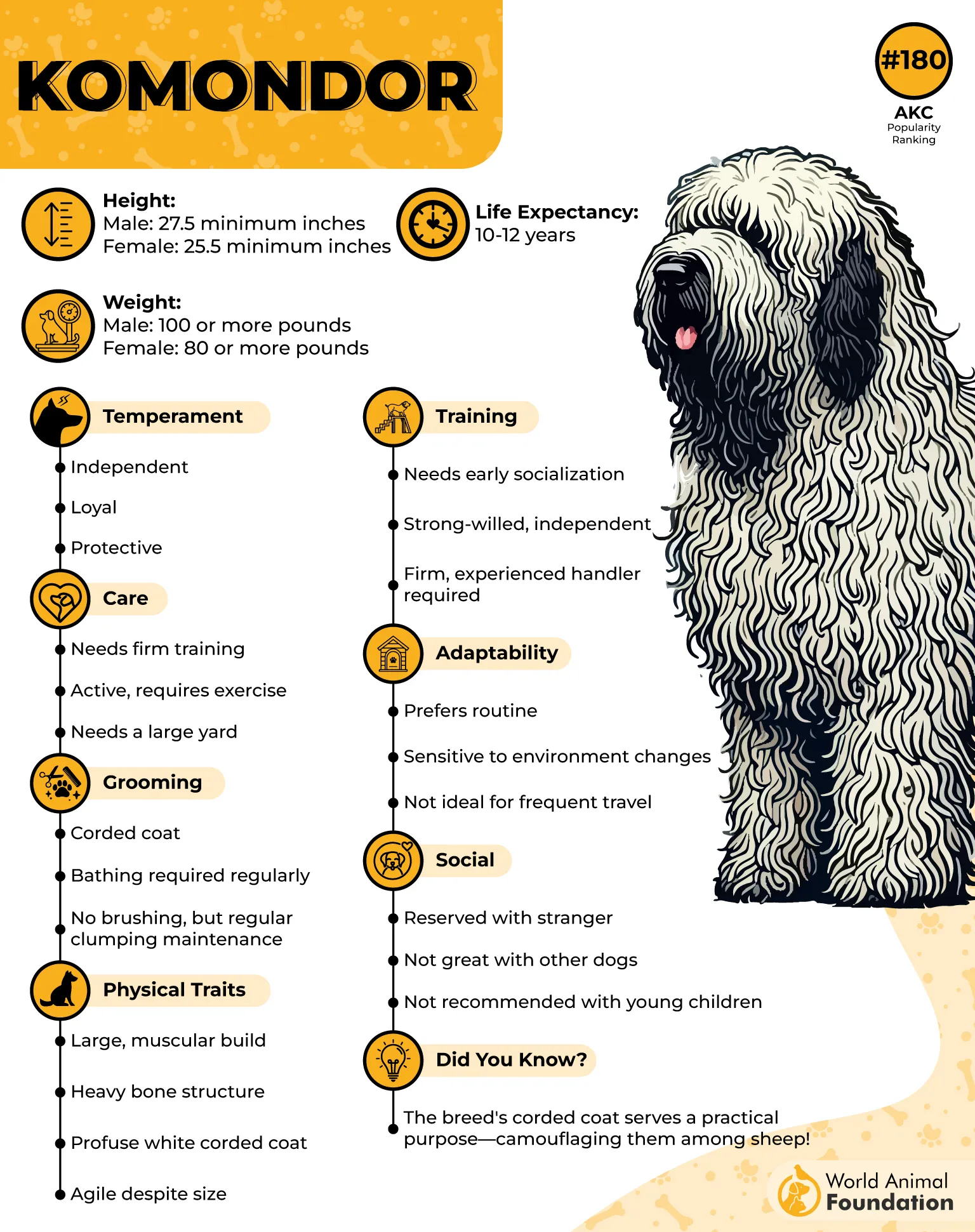
Those thick cords evolved to protect the dog from harsh weather and predator attacks, blending seamlessly with sheep so wolves wouldn’t know who was dinner and who was about to ruin their day.
Beneath all that hair is a powerful, fearless, and highly intelligent guardian. Komondors were bred to work independently, making decisions without human direction, which means they’re confident thinkers with a strong sense of responsibility.
With their family, Komondors are loyal and protective, often calm and gentle, especially with children they consider part of their “flock.” With strangers, however, they tend to be reserved and watchful.
Despite their fluffy appearance, Komondors are serious working dogs, not couch ornaments. They require early training, socialization, and an owner who understands guardian breeds. Grooming is also a commitment—those cords don’t magically maintain themselves, no matter how mop-like they appear.
5. Peruvian Inca Orchid
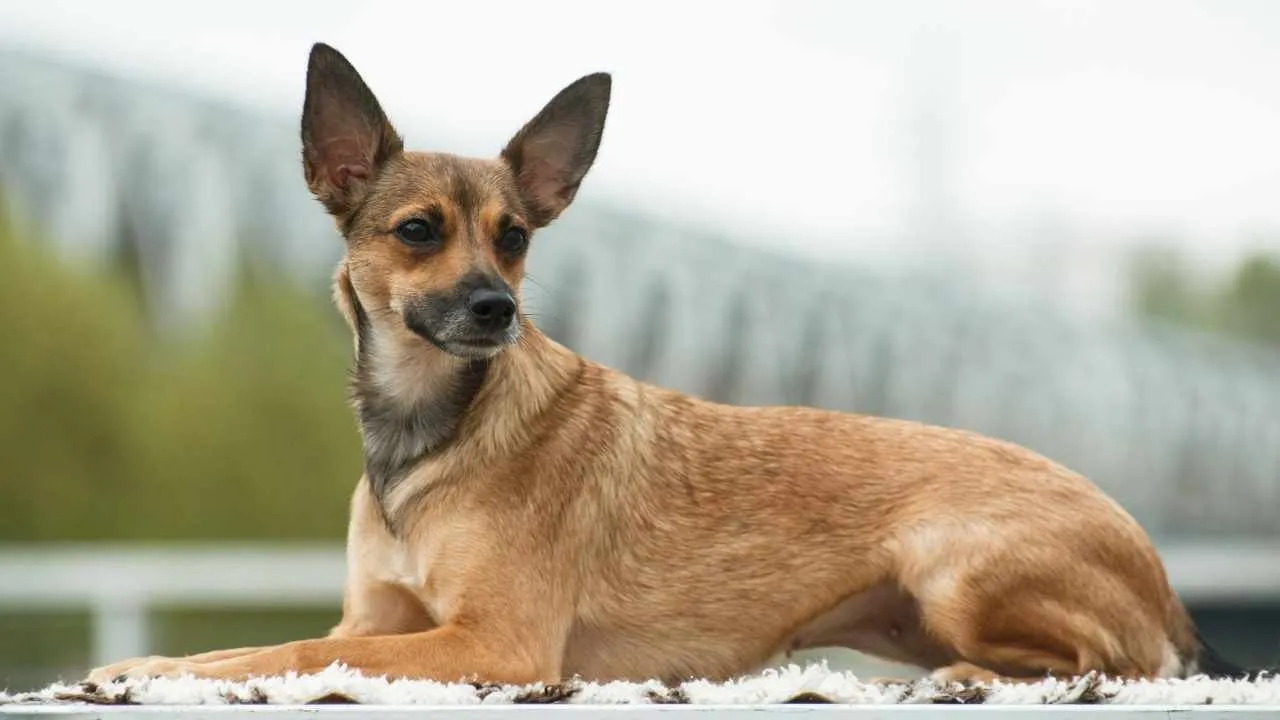
The Peruvian Inca Orchid is proof that rare dog breeds can be elegant, mysterious, and just a little bit alien—in the best possible way. With its sleek body, alert expression, and often hairless appearance, this ancient breed looks like it walked straight out of an Incan mural and into modern life without missing a beat.
These dogs carry themselves with a noble, almost aristocratic air. They’re naturally reserved and a bit cautious around strangers, giving off the vibe of someone who doesn’t trust easily but loves deeply, as noted by Royal Canin.
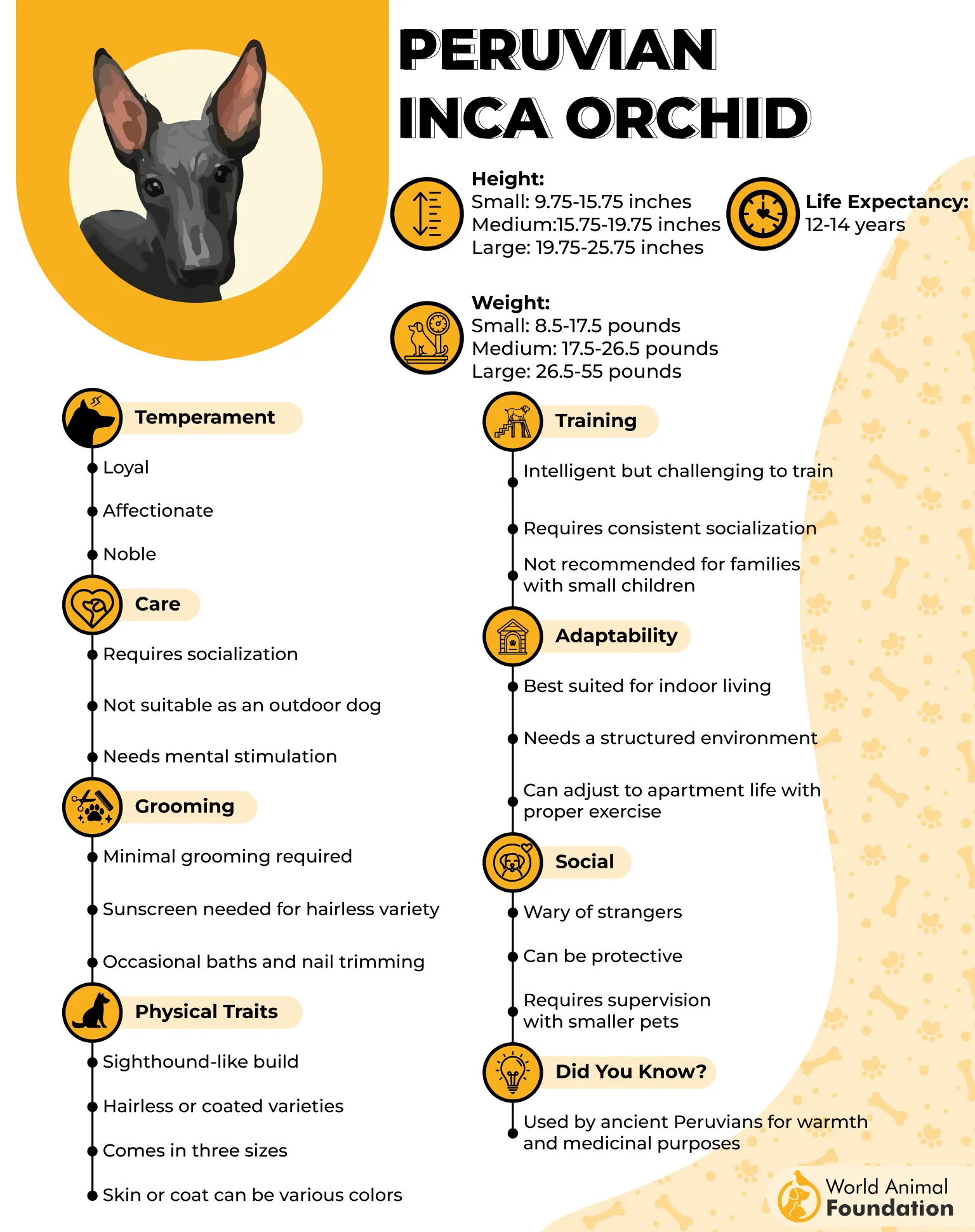
As sighthounds, they’re intelligent, sensitive, and emotionally tuned in to their humans. Harsh training methods? Absolutely not. This breed responds best to gentle, positive training, learning new skills quickly when treated with patience and respect.
Despite their athletic build, they’re not hyperactive chaos machines. They’re generally calm and well-mannered indoors, perfectly content lounging like royalty once their exercise needs are met.
They also make excellent family dogs, forming strong bonds and thriving in environments where they feel secure and included. Add in their ancient heritage, unique appearance, and gentle nature, and you’ve got a breed that’s as fascinating as it is loving.
6. Fila Brasileiro
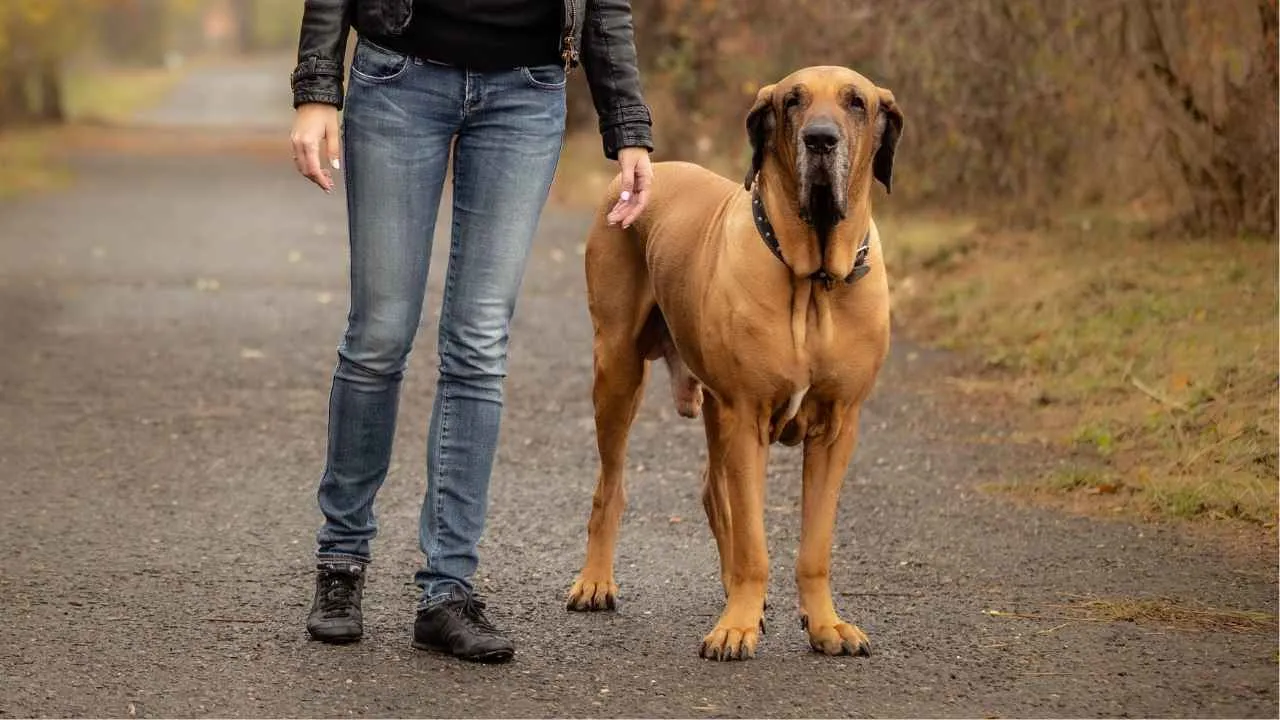
The Fila Brasileiro, also known as the Brazilian Mastiff, is not the kind of dog you casually adopt because it “looks cool.” This is a serious working breed with a long history of hunting, herding, and guarding—and it takes all of those jobs very personally.
Massive, muscular, and intimidating without even trying, the Fila was bred in Brazil to track large game and protect property. Once this dog decides something belongs to its family, it will guard it with unwavering devotion.
This breed is famously loyal to its people—almost to a fault. Filas form deep, intense bonds with their families and are known for their distrust of strangers. Friendly with everyone? Not even a little. The Fila’s natural protective instincts are incredibly strong, which is why this breed is not recommended for casual or first-time dog owners.
As experts often note, this giant breed must be handled by an experienced, confident owner. Without proper leadership, training, and socialization, the Fila’s guarding instincts can become overwhelming and potentially dangerous.
Despite their tough reputation, Filas are often gentle and affectionate with their own families, including children. Around loved ones, they can be calm, laid-back, and even a bit clingy. But when it comes to outsiders, the Fila doesn’t bluff.
7. Thai Ridgeback
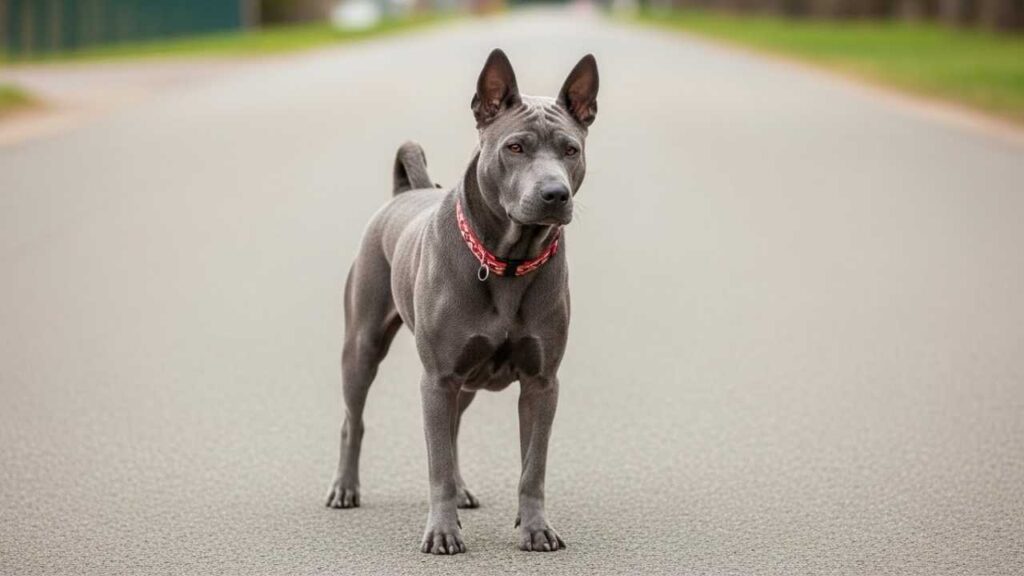
The Thai Ridgeback is one of those ancient, effortlessly cool breeds that doesn’t need hype—it’s been around long before dog trends were a thing. Estimated to have originated in Thailand over 3,000 years ago, this breed was developed as a guard dog, and it still carries that confident, self-assured attitude today.
Medium-sized but solidly built, the Thai Ridgeback’s most striking feature is the ridge of hair running in the opposite direction down the center of its spine. It’s like a permanent racing stripe, letting you know this dog was built for speed, strength, and style.
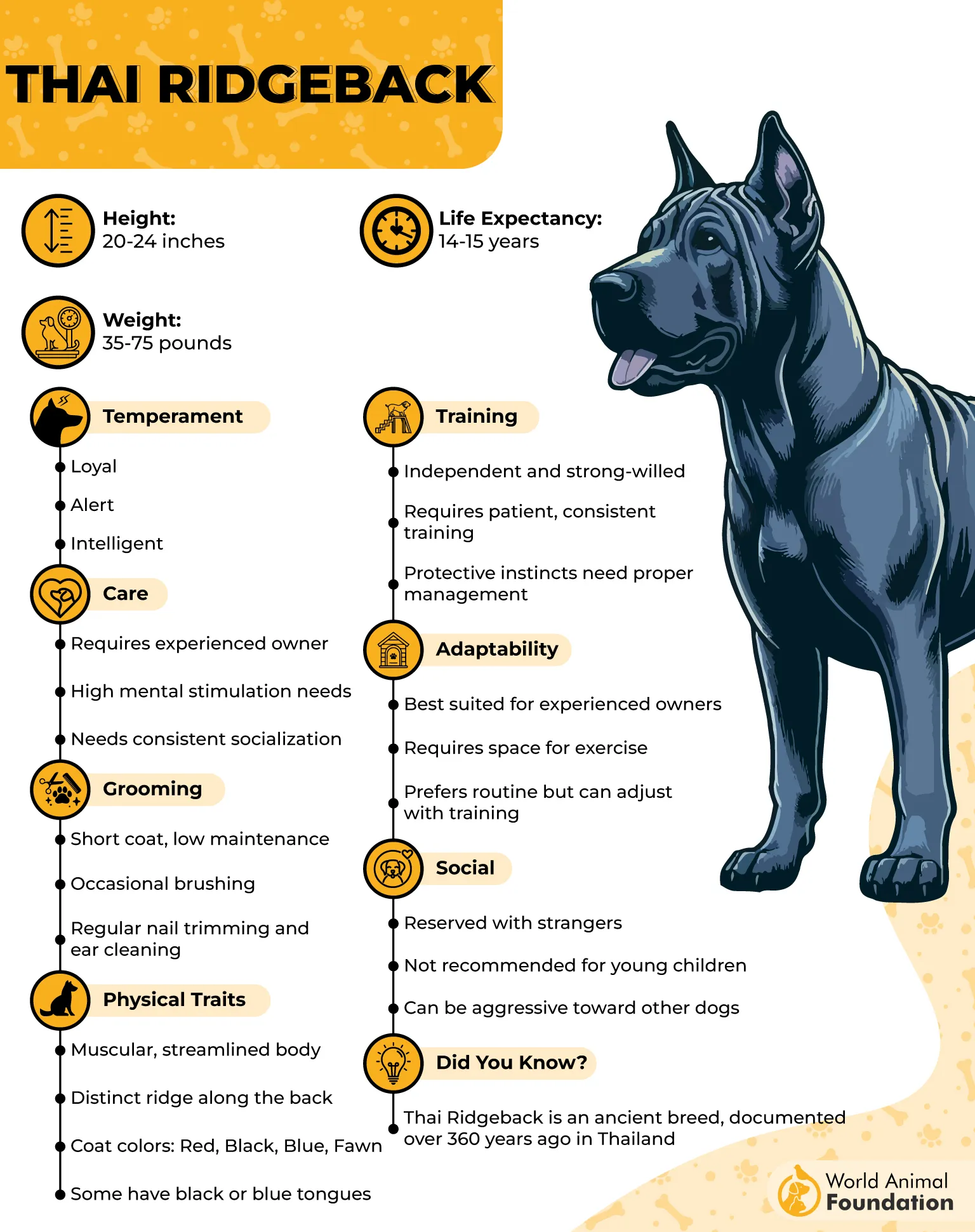
Thai Ridgeback is loyal, intelligent, strong, and fiercely independent nature. This is not a clingy, people-pleasing dog that lives for constant validation. It prefers to think things through on its own, which is impressive—until you realize it might decide it knows better than you.
Because of their independence and protective instincts, early socialization and consistent training are absolutely essential. Without it, their high energy and guarding nature can turn into unwanted behaviors at home—think watchdog mode stuck permanently on “high alert.”
They need regular exercise, mental stimulation, and structure to stay happy and balanced. A bored Thai Ridgeback isn’t destructive out of spite—it’s just creatively finding ways to entertain itself… often at your expense.
8. Presa Canario
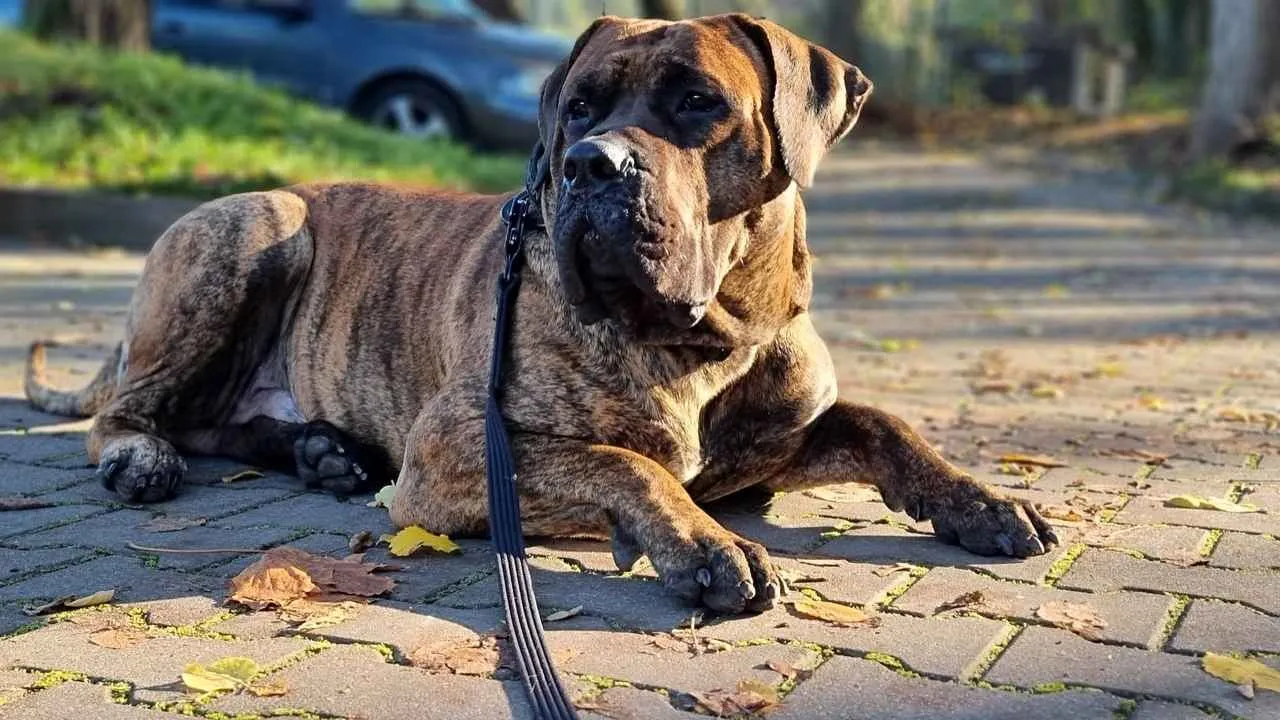
The Presa Canario, officially known as the Perro de Presa Canario, is a powerful, ancient breed with roots tracing all the way back to the 15th century in the Canary Islands.
Originally bred to herd and protect cattle, this dog was designed to be strong, confident, and unshakably brave—qualities that helped it thrive in harsh, demanding environments. With generations of working, guarding, and fighting dogs in its bloodlines, the modern Presa Canario carries a deep instinct to protect and confront perceived threats.
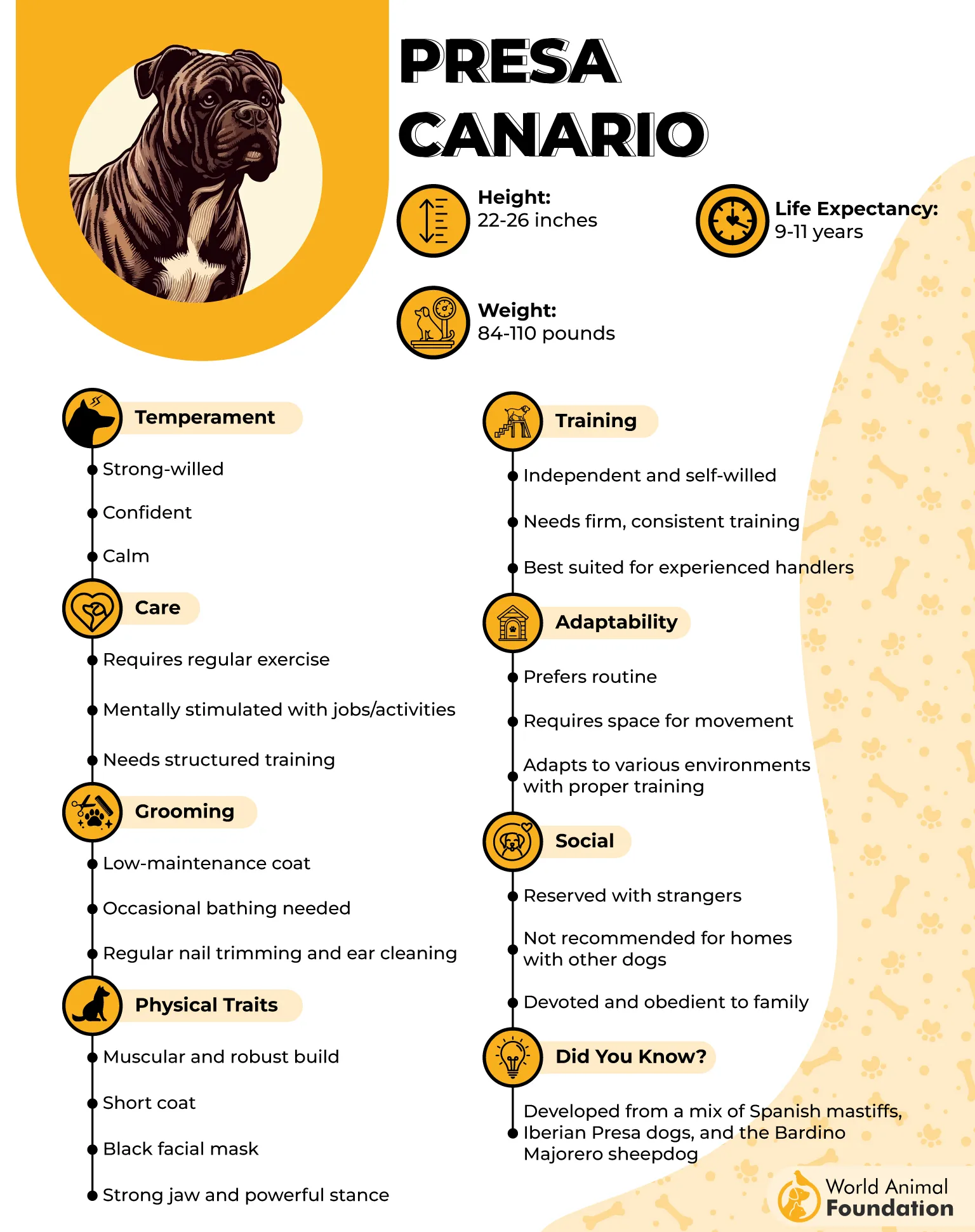
In the right household, however, today’s Presa Canario can be calm, attentive, and deeply loyal. They are known to be obedient and respectful toward people they know and trust, while remaining naturally suspicious of strangers.
The breed tends to express dominance, which means experienced ownership is not optional—it’s essential. Clear leadership, consistent training, and early socialization are key to helping the Presa become a balanced and reliable companion.
Presa Canarios generally do not do well in homes with other pets or young children, and if other animals are present, interactions should always be supervised.
This is not a dog that thrives in chaos or uncertainty; it needs structure, boundaries, and an owner who understands strong guardian breeds.
9. Akbash
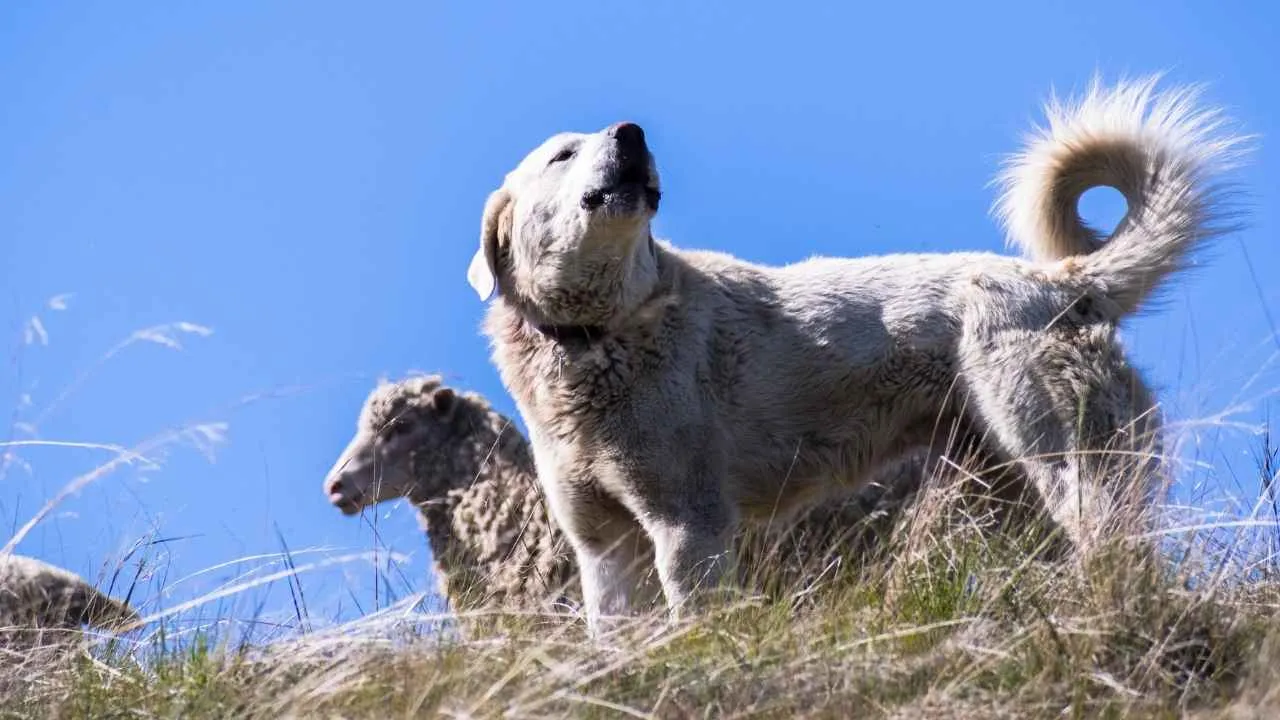
The Akbash is the definition of calm strength—the kind of dog that doesn’t rush, doesn’t panic, and definitely doesn’t bluff. Originating in Turkey, this ancient livestock guardian breed was developed to protect sheep from predators, and it takes that responsibility very seriously.
Wolves, jackals, strange noises in the dark? The Akbash has already noticed. Large breed dog, muscular, and always white, the Akbash blends effortlessly into flocks, making it harder for predators to tell where the sheep end and the guardian begins.
Spoiler alert: they usually figure it out too late. This breed relies more on presence and strategy than constant aggression, preferring to intimidate rather than immediately engage.
Temperament-wise, the Akbash is independent, intelligent, and highly protective. Like many livestock guardian dogs, it’s used to making decisions on its own, which means it’s not blindly obedient. It listens—but only after it’s decided your request makes sense.
With its family, the Akbash is gentle, loyal, and surprisingly affectionate, especially with those it considers part of its “flock.”
With strangers, however, it’s reserved and watchful, often observing quietly rather than reacting loudly. This isn’t a dog that barks for attention—it barks when something actually matters.
10. Tornjak
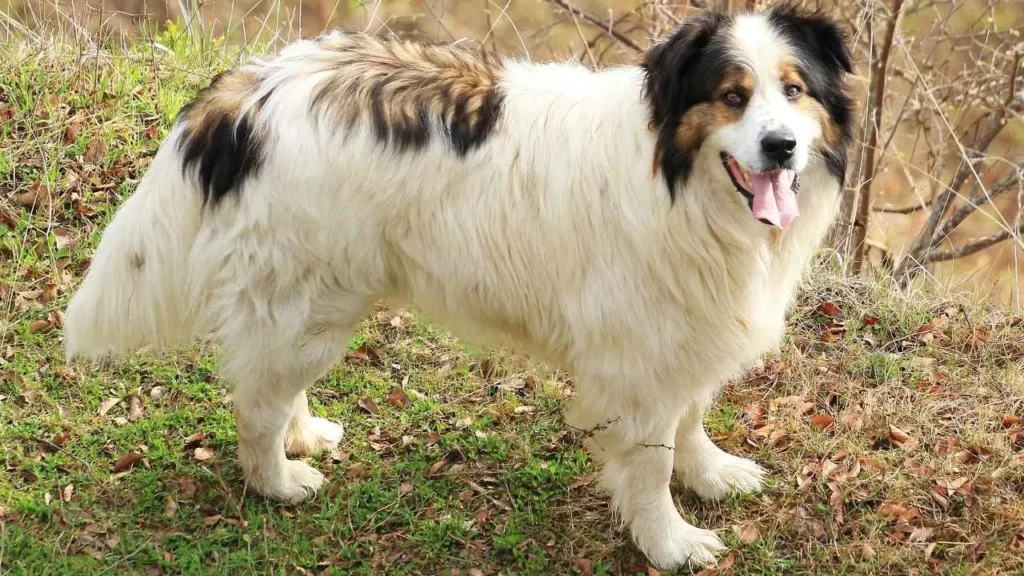
The Tornjak is one of those rare breeds that feels like it walked straight out of a fairy tale—ancient, noble, and perfectly built to protect. Hailing from Bosnia and Herzegovina and Croatia, the Tornjak is a traditional livestock guardian dog that’s been guarding flocks in the rugged mountains for centuries.
Its name comes from the local word “tor,” meaning sheep pen, because this dog’s life has always been all about protecting its flock. Large, strong, and covered in a thick double coat, the Tornjak is built to withstand harsh weather and fend off predators like wolves and bears.
Despite its size and power, it’s gentle and affectionate with its family, showing a calm, patient temperament that makes it a surprisingly good companion for humans. This is a dog that knows strength doesn’t have to be loud—it’s enough to quietly stand watch.
True to its guardian instincts, the Tornjak is wary of strangers, often observing quietly before deciding whether someone is a friend or a threat.
Tornjaks are intelligent, loyal, and independent thinkers. They aren’t the kind of dog that follows every command blindly—they assess, decide, and act, which is exactly what made them perfect guardians for centuries.
Conclusion
These rare dogs combine ancient breed heritage, athletic ability, and independent nature, making them great companions and fascinating pet parents’ choices for family pets, hunting partners, or loyal therapy dogs.
Top rare mighty dog breeds you probably haven’t heard of include athletic herding dogs and rare dogs with rich history and remarkable skills. Breeds like the Catahoula Leopard Dog, Tibetan Mastiff, Bedlington Terrier, American Hairless Terrier, Cesky Terrier, Finnish Spitz, Grand Basset Griffon Vendéen, Bergamasco Sheepdog, Ibizan Hound, and English Foxhound.
Some are bred to hunt—to hunt foxes, lure ducks, hunt otters, or catch vermin—while others thrive as therapy dogs or family pets. Many require physical exercise, mental exercise, and regular stimulation, making them ideal for experienced owners.
