




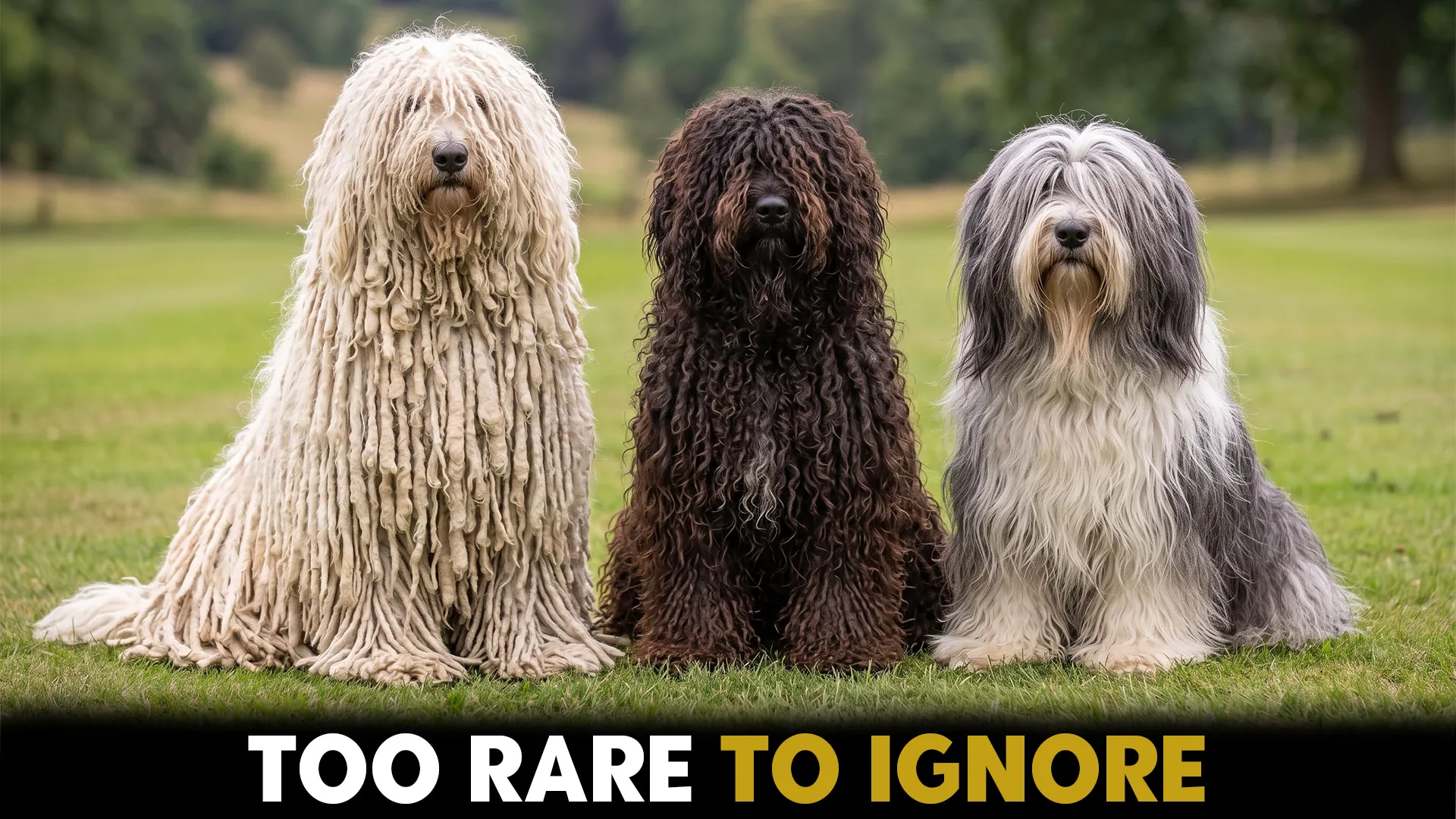
A long coat can completely change the way a dog looks, especially when that coat belongs to a breed you rarely encounter.
Some dogs grow hair that hangs in fine, flowing layers, while others develop waves, dense mats, or cords that become part of their unmistakable appearance. Coat length is influenced by genetics, and scientists have identified several genes involved in how long a dog’s hair grows. Yet genetics is only part of the story.
In certain rare breeds, the coat reflects generations of work in cold mountains, open farmland, or demanding guarding roles. That history can influence texture, density, and grooming needs today. A striking coat therefore brings more than visual appeal. It can reveal something about where a breed came from and what it was expected to do.
The rare long-haired dogs coming up offer those details, along with personalities that make each one worth remembering too well.
Key Takeaways
Long hair can tell you a surprising amount about a dog, from the work it once did to the conditions it had to handle, while a double coat may provide added protection.
Bergamasco Sheepdog has dense mats that do far more than create its famous appearance, helping shield the dog while working in the mountains and supporting its well-being.
A few sections later, the Skye Terrier brings a completely different kind of surprise with its long body and loving nature, which once helped it squeeze into tight spaces after prey.
The remaining breeds add their own twists, from a cotton-soft white coat to cords that can take years to fully develop and form a strong bond with their families.
Rare Long-Haired Dog Breeds to Captivate Your Heart
1. Bergamasco Sheepdog
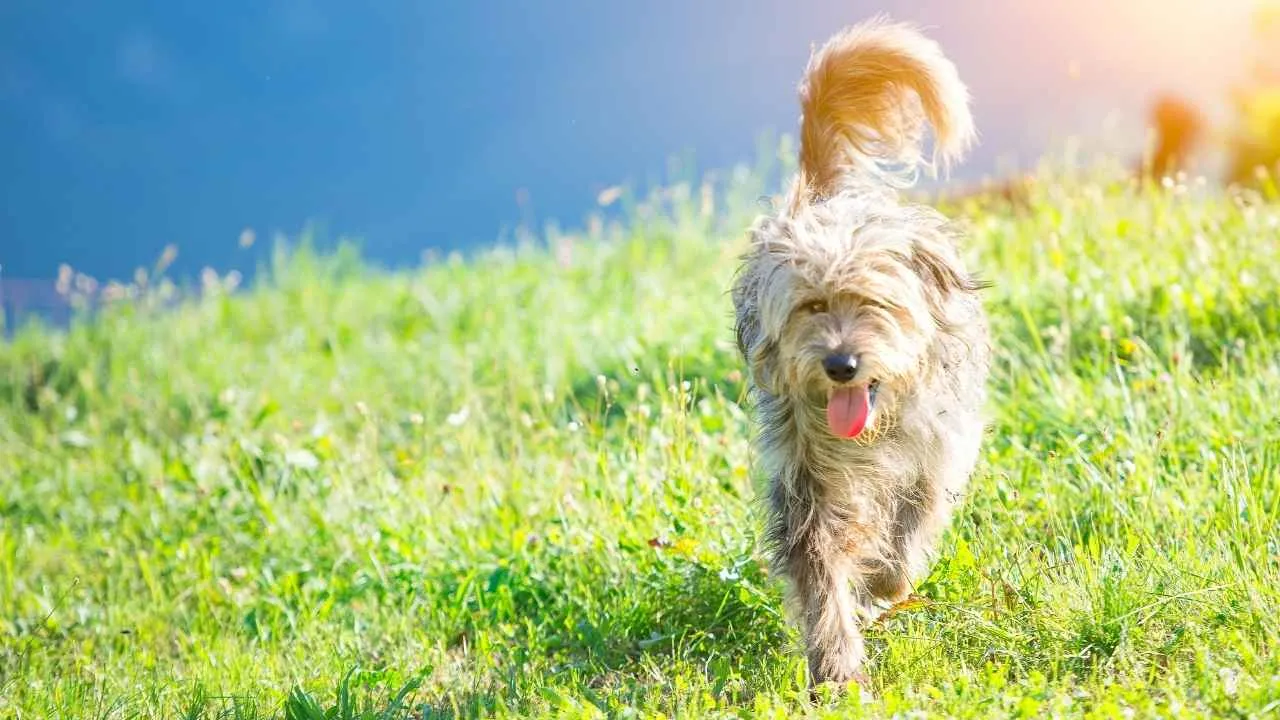
Bergamasco Sheepdog dates back thousands of years, with its early roots likely linked to the Orient and nomadic shepherds who brought these dogs toward Western Europe. Their independent herding work later became part of life in the mountains of Italy and Switzerland, where they still work with livestock today.
A Coat With a Job
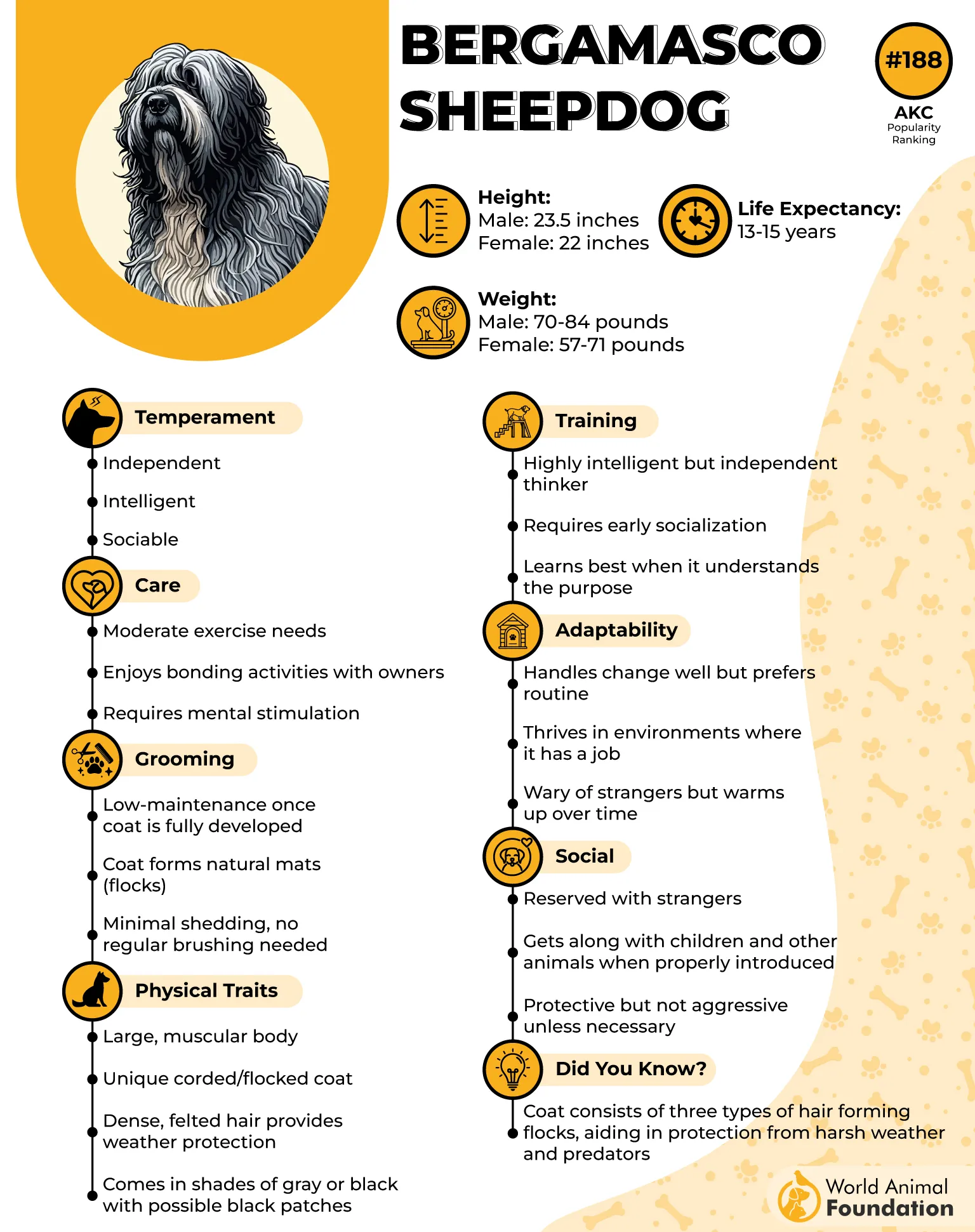
Bergamasco Sheepdog has one of the most unusual coats in the canine world, with dense, greasy mats that help block wind and repel water.
Those protective layers also offered a physical barrier against predators, giving the coat a practical purpose beyond its striking appearance.
Its unusual texture changes considerably as the dog matures:
Soft puppy hair begins the coat’s early stage
Coarser, goat-like hair appears around one year
Distinct cords form between ages two and three
Quietly Watchful
Bergamasco Sheepdog can be cautious with unfamiliar people and may simply watch until it senses no danger to its family, as claimed by VCA Animal Hospital.
At home, it is affectionate and patient with children, while its awareness remains active enough to make it an effective watchdog even during periods of rest.
2. Komondor
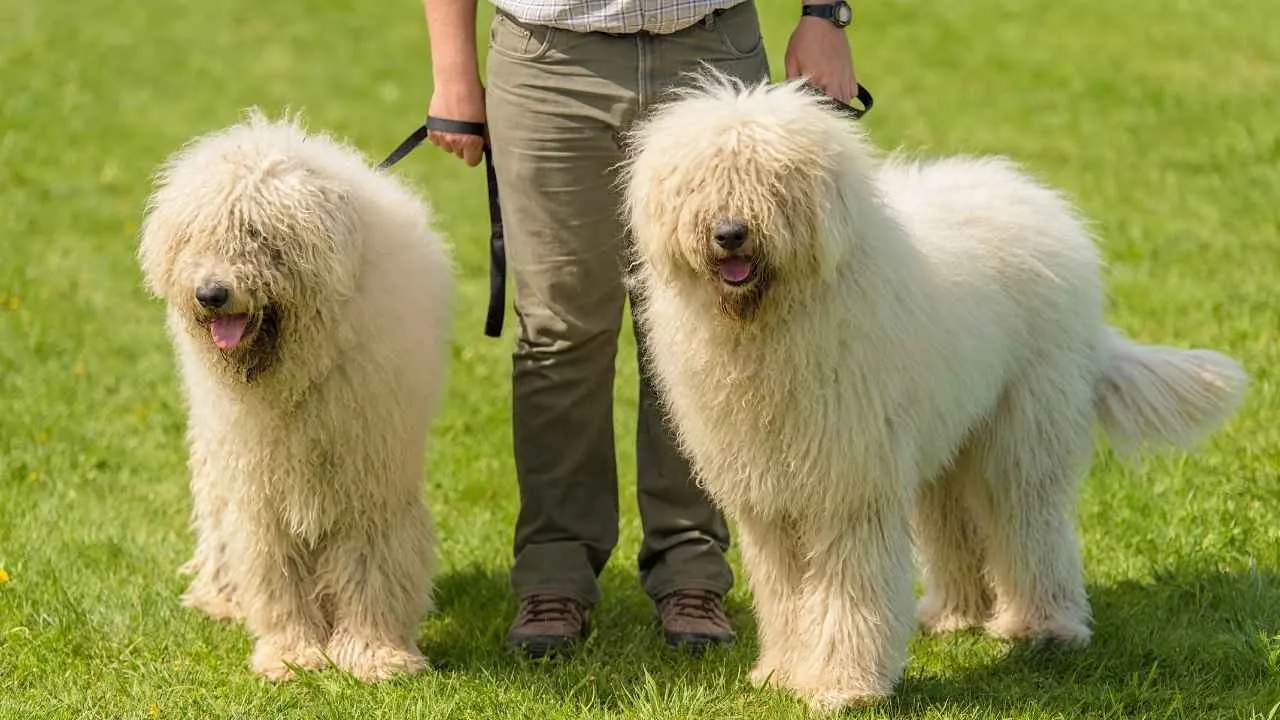
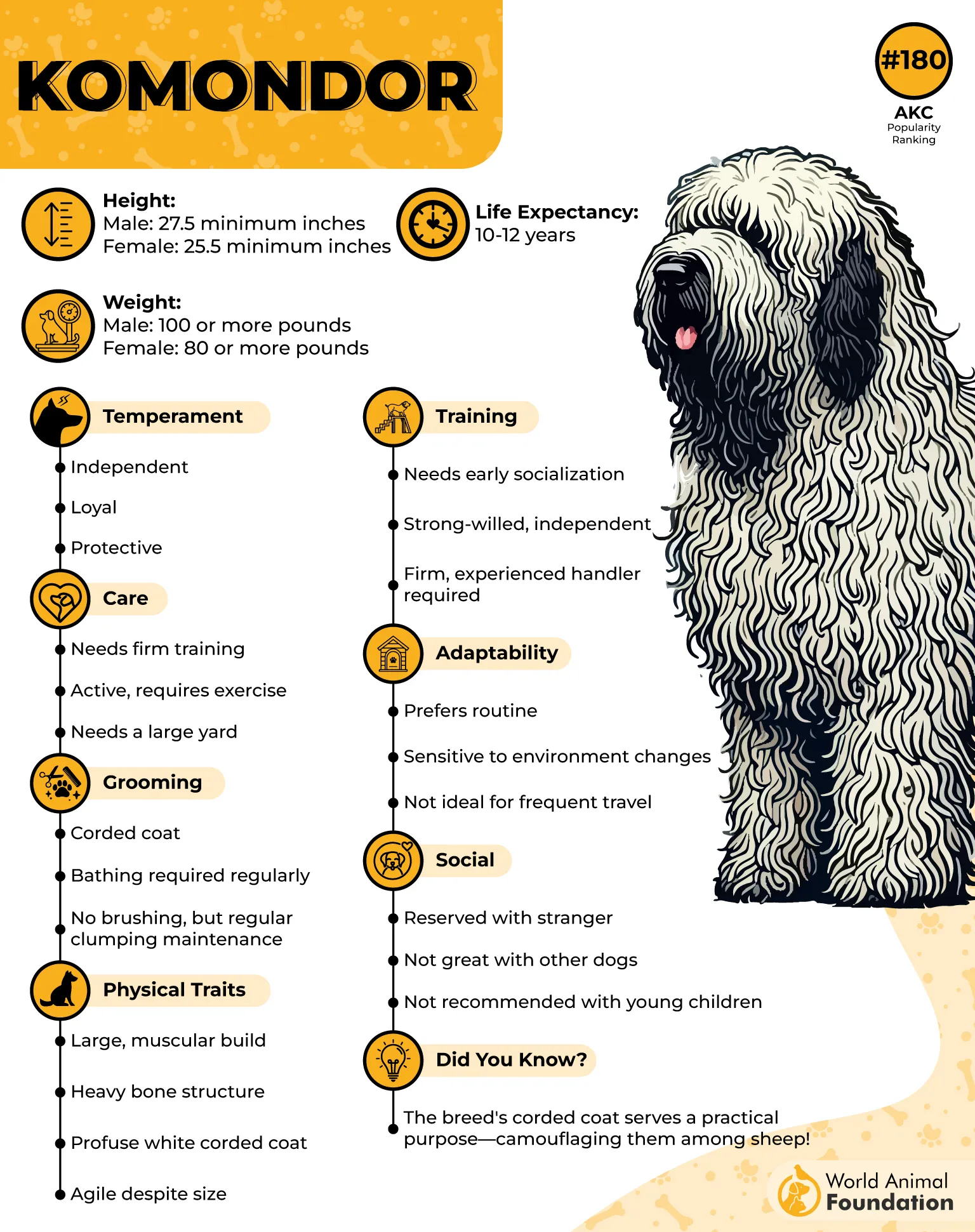
Komondor arrived in Hungary with the Cumans during the 12th or 13th century, with its name coming from Koman-dor, meaning Cuman dog. Its work centered on guarding livestock and property, and it later served at military installations during World War II before its numbers fell sharply, as Omlet reported.
Made to Blend In
Komondor’s corded coat gave it an unusual advantage among flocks, allowing the large guardian to resemble sheep closely enough to approach predators without being noticed. That protective role also placed it among the rarest breeds today, with fewer than 10,000 estimated worldwide.
These details reveal how unusual this guardian can be:
Deep, loud warning bark
Independent decision-making
Strong instinct around children and livestock
Serious About Protection
These amazing creatures can be calm and quiet until something unfamiliar catches their attention, when their response can become immediate and intense. Early socialization with people, places, and situations is important because unfamiliar visitors may initially trigger a wary or reactive response.
3. Skye Terrier
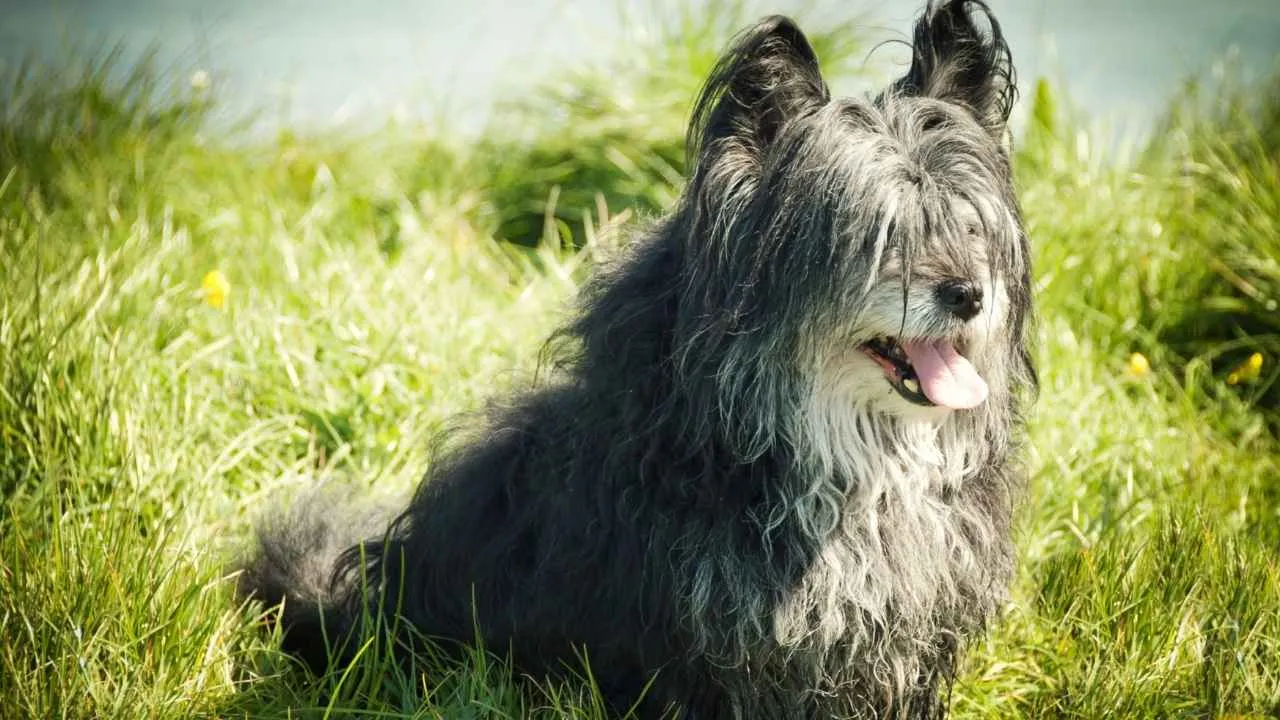
Skye Terrier comes from Scotland’s Isle of Skye and nearby western coastal areas, with records dating to before the 16th century. Once favored by upper-class households and later found among broader social groups, the breed even had a place in Queen Victoria’s kennels.
Made for Tight Spaces
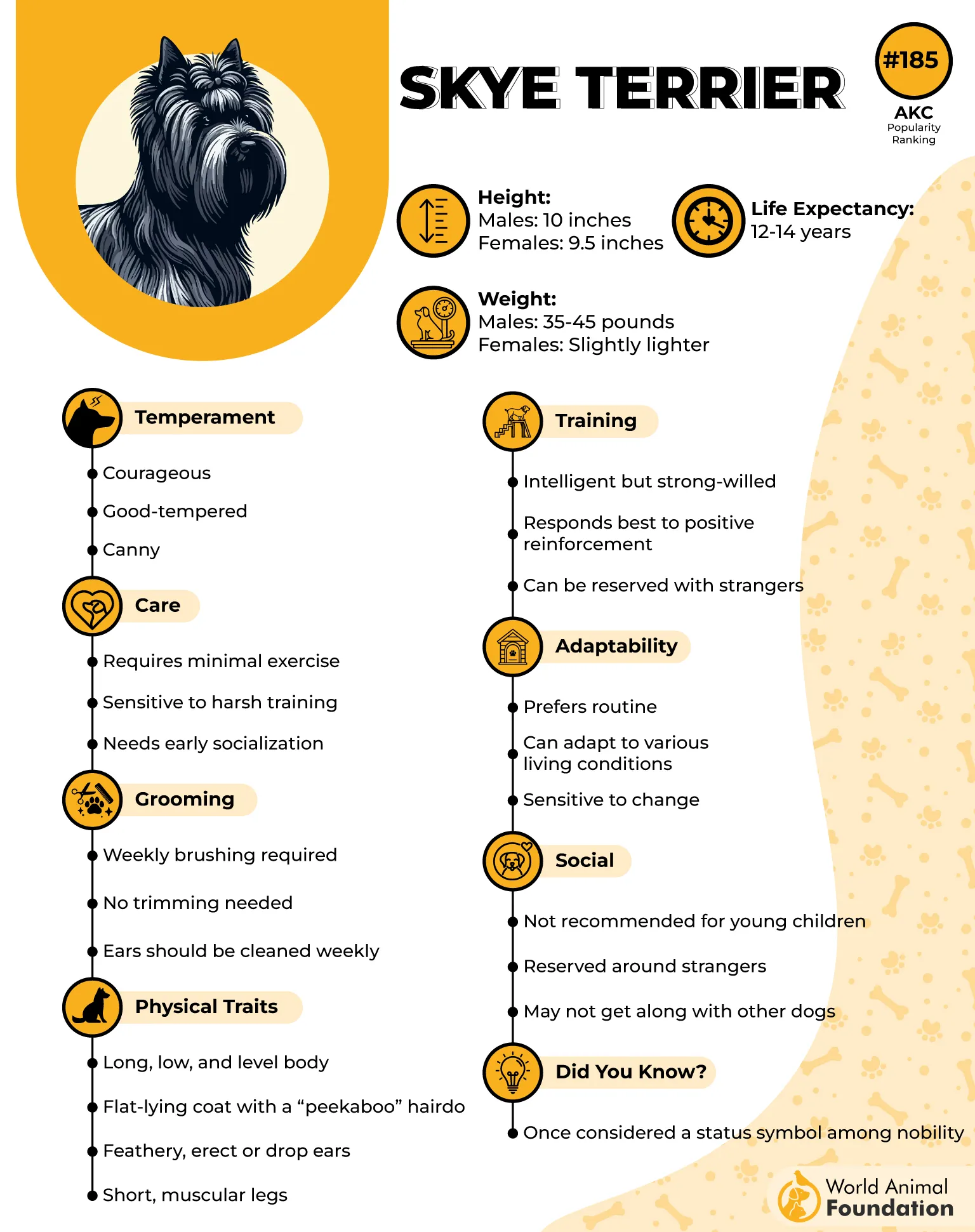
This small dog breed has an unusually low, elongated frame that once helped it enter narrow spaces while pursuing foxes, otters, and rats. That body shape gave this small hunter practical access to places where larger dogs could not follow.
Its small size does not mean a timid personality:
Affectionate and gentle with familiar people
Can react boldly toward unfamiliar dogs
Needs early socialization around strangers and dogs
A Breed at Risk
Skye Terrier is among the rarest breeds in the United States, ranking 185th of 200 in AKC popularity figures cited in the source. The breed is also considered threatened, with estimates that it could face extinction within 50 years without concerted conservation efforts.
4. Bolognese
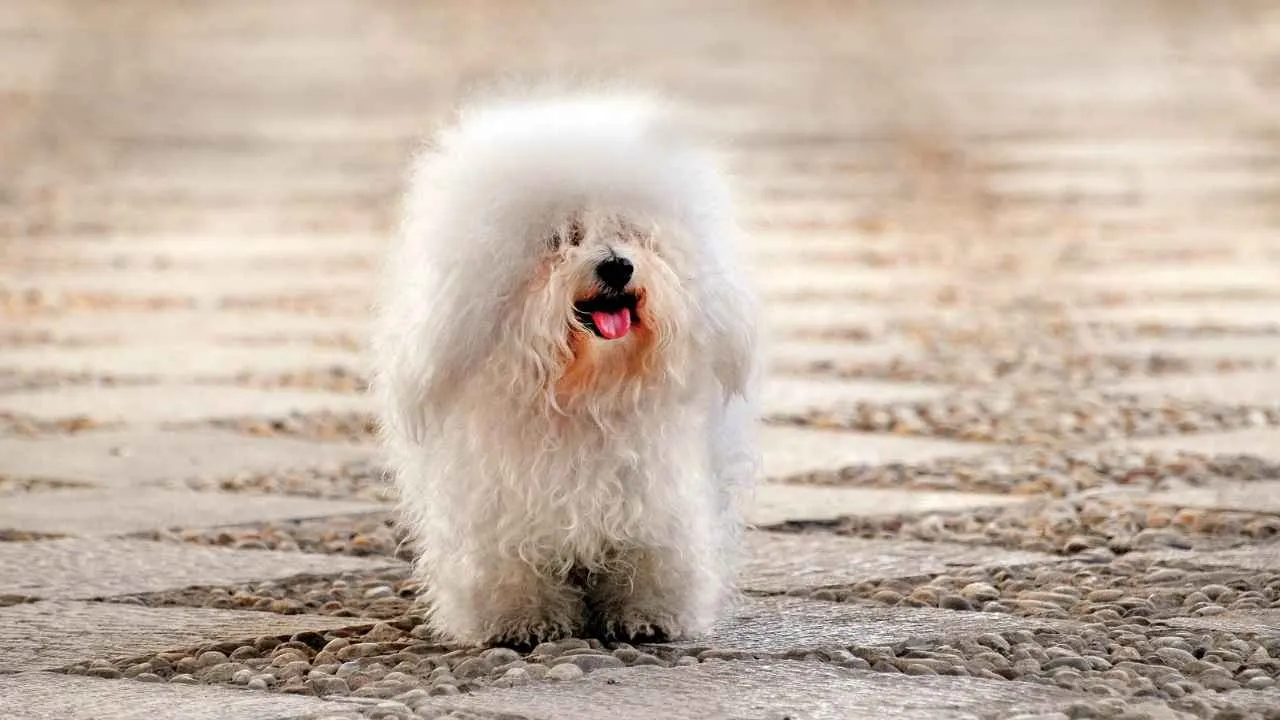
Bolognese originated in Bologna, Italy, and belongs to the old Barbichon group formed around the Mediterranean from small white dogs and larger water dogs.
Wealthy families prized these little companions and often gave them as gifts, while the breed later faced declining numbers after World War II.
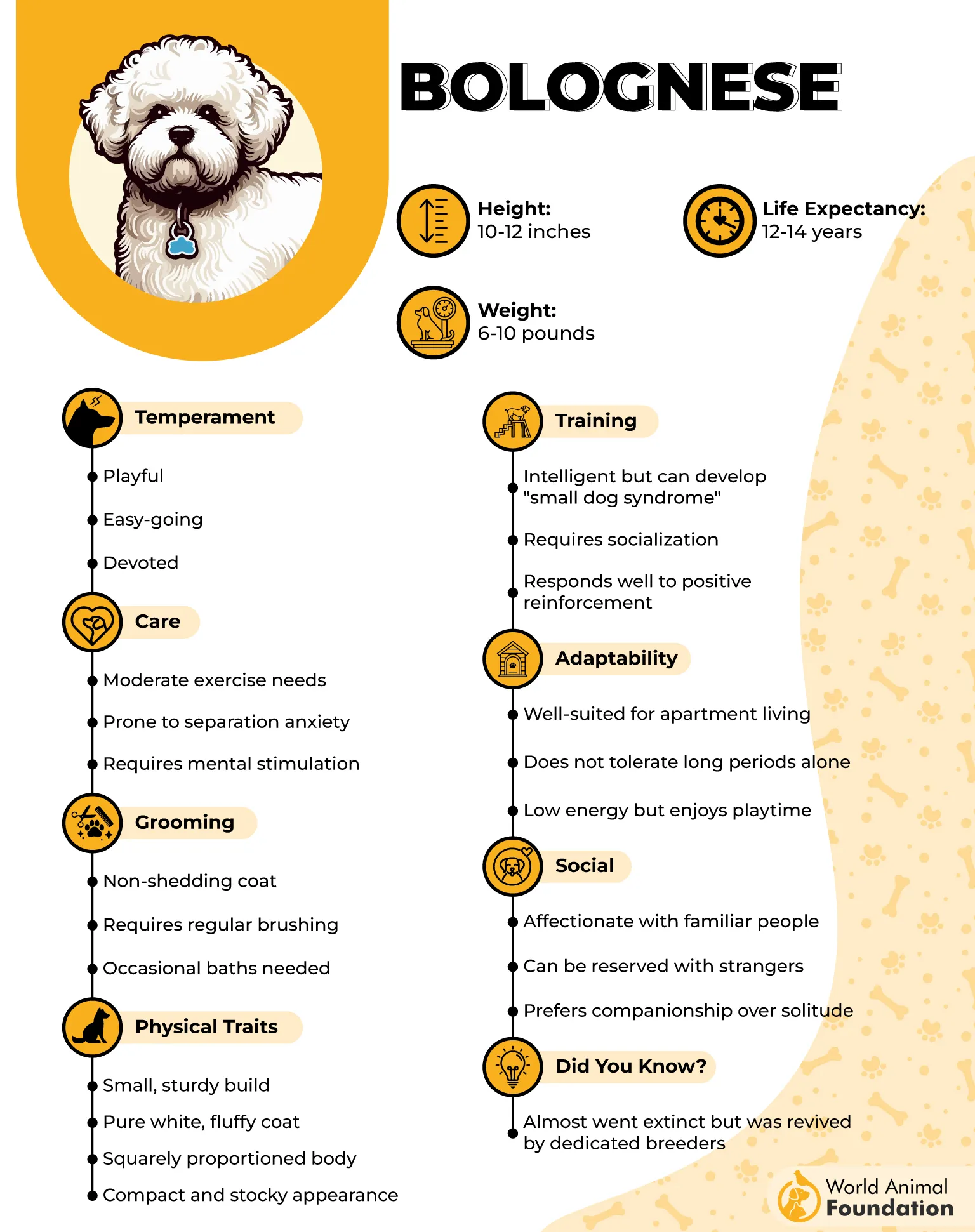
A Cotton-Soft Coat
Bolognese has a pure-white coat with a fluffy, cotton-like texture that gives this small breed its especially distinctive appearance, as per the AKC. The hair is naturally unshaped and usually left long, with trimming around the eyes mainly for cleanliness and visibility.
The physical characteristics of the coat include:
Pure-white coloring from head to tail
Cotton-like texture throughout the coat
Shorter one-inch cuts for easier grooming
Life on a Lap
This four-legged companion, a rare dog breed in the U.S., loves physical affection and often chooses the softest available spot for a nap, whether that happens to be a lap, cushion, or bed. Its affectionate nature also suits homes with children, while early introductions can help it get along with cats and other dogs.
5. Puli

Puli originated in Hungary as a sheep-herding dog, prized by shepherds for its sharp intelligence and ability to turn a flock with little direction. Black Pulik were especially favored because they were easier to spot against white sheep from a distance while working across open grazing areas.
A Coat Like No Other
Puli begins life with a fine, fluffy coat that starts forming cords at around one year old, gradually becoming a felt-like covering by about four. For owners drawn to unusually long coats, this transformation is one of the breed’s most distinctive features.
Here’s a closer look at the physical traits the coat reveals:
Cords need regular untangling
Fully dried fur can take up to a day
Daily or alternate-day brushing is needed if left uncorded
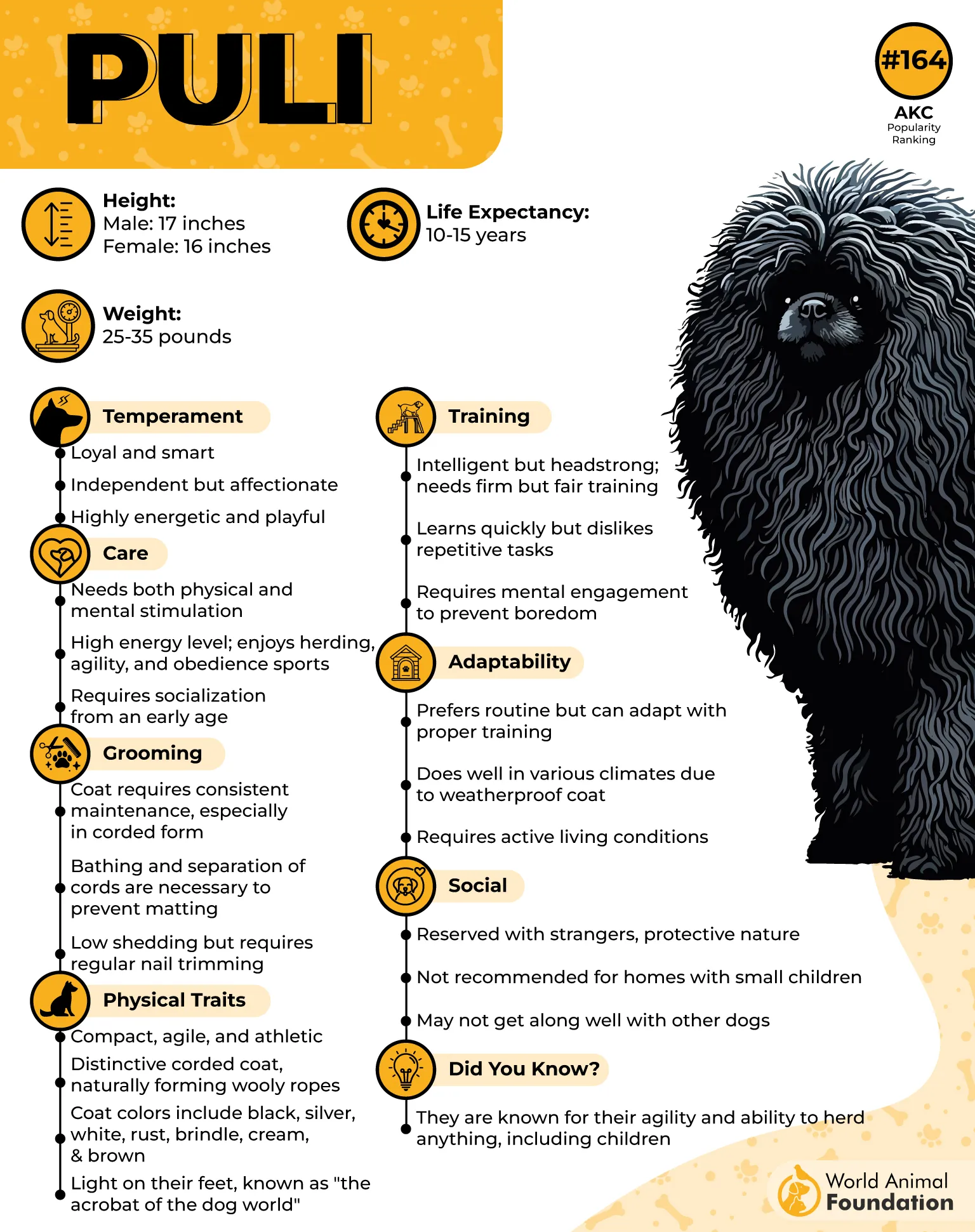
Life Around People
This friendly nature breed is energetic, curious, and eager for attention, often seeking out the active owners around it when interaction feels lacking. Its protective nature can also make it cautious with unfamiliar people, while some individuals may try to herd children or adults.
6. Polish Lowland Sheepdog
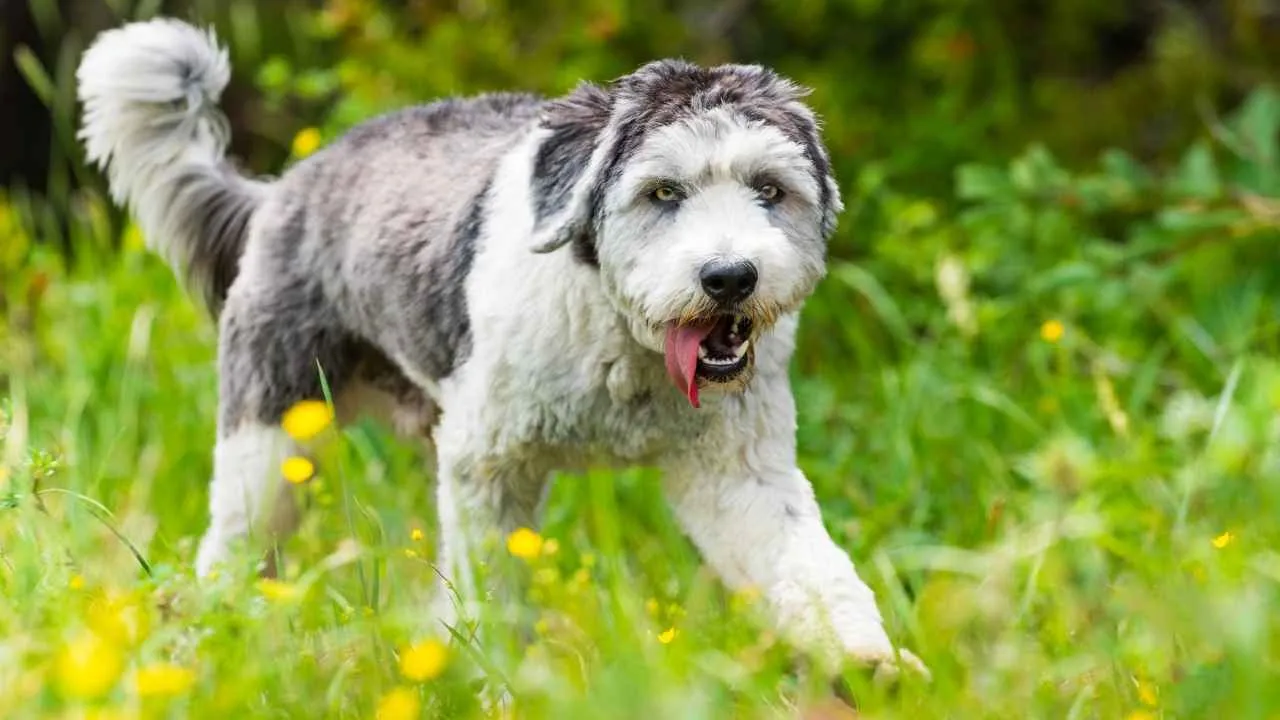
Polish Lowland Sheepdog, also called the Polish Owczarek Nizinny or PON, comes from Poland’s lowland plains, where it worked as a sheep herder. Its exact beginnings remain uncertain, though it may descend from corded shepherd dogs such as the Hungarian Puli, Bearded Collie, and Tibetan Terrier.
A Coat Made for Work
The PON has a crisp outer coat with a water-resistant texture, paired with a soft, dense undercoat that gives its long-haired appearance plenty of substance. The long outer hair is only part of the picture, as the layers underneath also play a role in the breed’s grooming routine.

The following coat-care specifics make a difference:
Full coats need weekly thorough brushing
Short clips still need regular brushing
Grass and weeds can collect in the coat
More Than Herding
This ideal companion can be affectionate with children, dogs, and other pets when raised with them, while unfamiliar visitors may receive a cautious reception. Its herding instinct can also lead it to gather children or adults together, and the breed has been used in agility, obedience, herding trials, and therapy work.
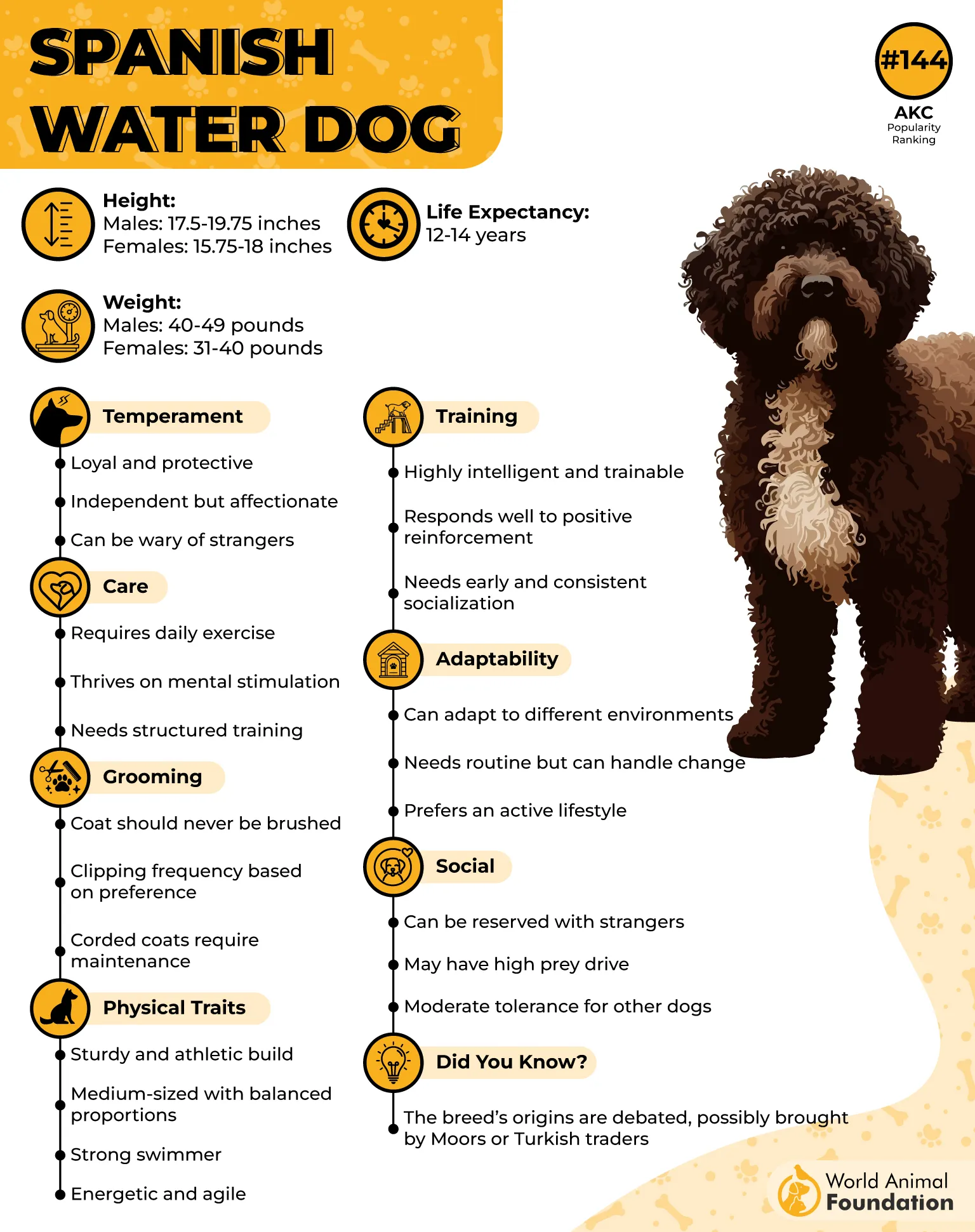
7. Spanish Water Dog
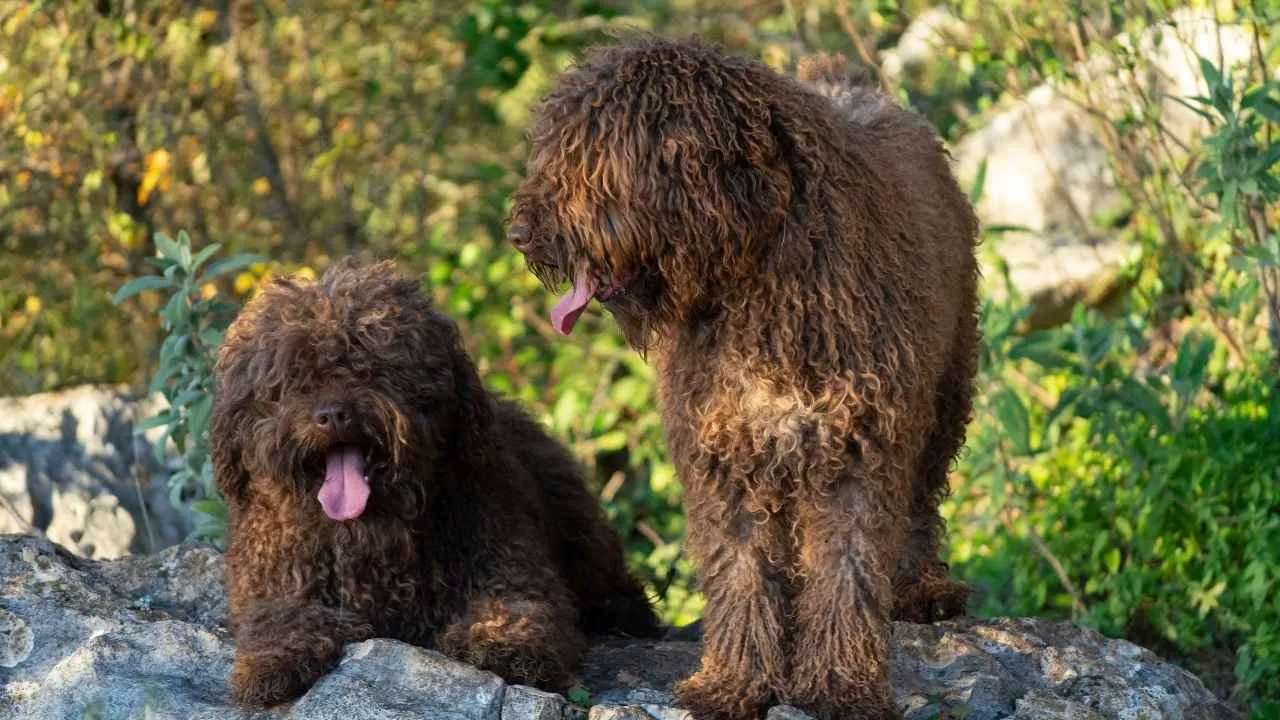
Spanish Water Dog has roots that remain difficult to pin down, with woolly-coated water dogs working alongside people for thousands of years. One theory places its early roots in Turkey before similar dogs reached Spain, where they became distinct from related water breeds.
A Coat Made for Work
Spanish Water Dog has a curly, woolly coat that suited its varied working duties around Spanish farms and waterways. The breed herded sheep, guarded livestock and property, and worked with fishermen by retrieving nets from the water.
Its farm and water work came with plenty of energy:
Needs regular tasks to stay mentally engaged
Enjoys water retrieval with floating toys
Recall may need extra training and practice
A Rare Find
This excellent companion remains uncommon in North America, with only a handful of breeders available. The breed’s rarity means prospective buyers are directed toward breeder lists from the Spanish Water Dog Club of America or reputable breeders listed through the American Kennel Club.
Conclusion
Rare long-haired dogs can bring an unusual combination of appearance, history, and personality into a home. Their coats may form cords, mats, curls, or soft layers, with each texture bringing different grooming responsibilities.
Some coats developed to protect dogs while working outdoors, while others became part of the companion’s distinctive appearance and noble presence. Prospective owners should also remember that other breeds may offer similar qualities through an animal shelter.
Their personalities can also range from affectionate and playful to independent and watchful. Rarity deserves consideration too, as limited numbers can make responsible breeders harder to find.
Anyone interested in one of these dogs should look beyond coat length and consider grooming time, temperament, proper training, availability, other animals, and the daily routine they can realistically provide for a perfect companion that offers unconditional love.
