




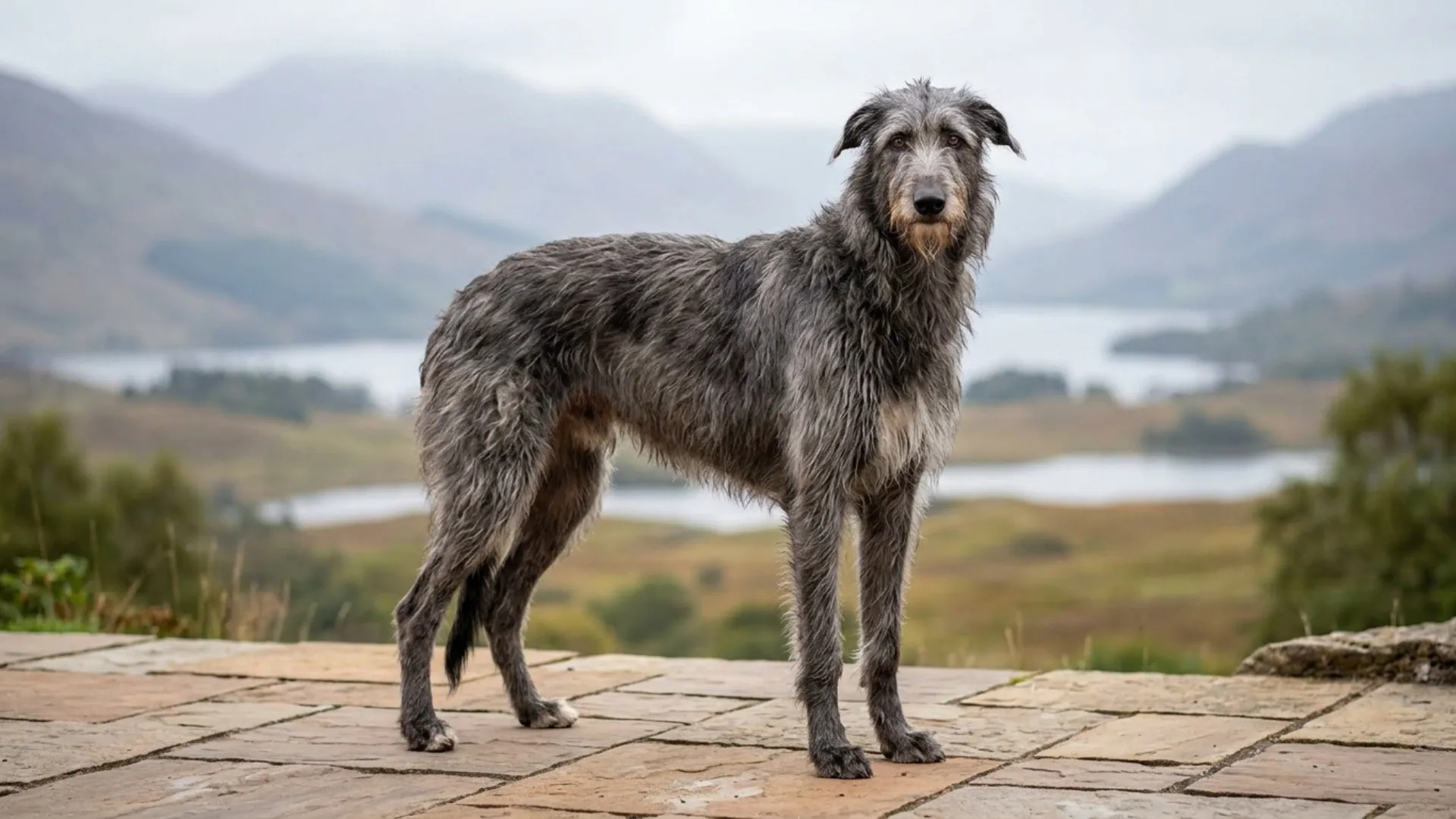
Giant dogs often attract attention because of their impressive size, but not every enormous breed is constantly vocal or restless. Some were developed to observe their surroundings, conserve energy, and respond only when circumstances demanded it.
Their quieter tendencies often reflect the jobs they historically performed, whether guarding livestock, accompanying hunters, protecting estates, or serving as dependable farm dogs.
A peaceful temperament does not mean these dogs are low-maintenance. Large and giant breeds require appropriate exercise, early socialization, consistent obedience work, and sufficient space to move comfortably.
Their physical strength also makes good manners particularly important, while grooming, nutrition, joint care, and routine veterinary attention should be considered as part of responsible ownership.
The breeds below are not always the first names that come to mind when people discuss giant dogs. Their personalities vary, but each offers an interesting combination of substantial size and a comparatively composed approach to daily life.
Quiet Giant Dog Breeds You May Not Have Heard Of
1. Romanian Carpathian Shepherd
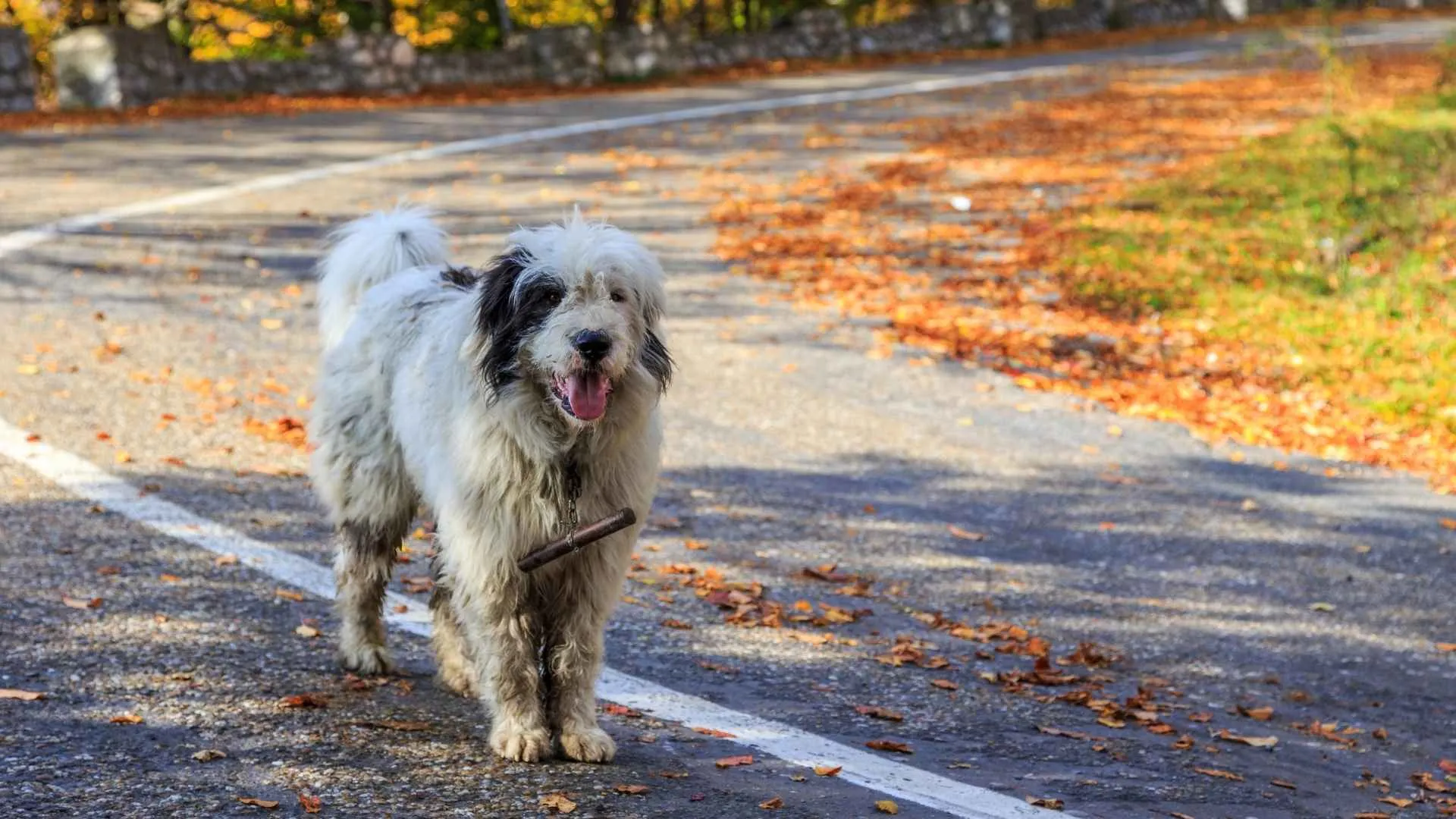
The Romanian Carpathian Shepherd developed in the Carpathian Mountains of Romania, where shepherds relied on powerful dogs to protect flocks from predators and other threats.
The breed’s working environment demanded courage, endurance, environmental awareness, and the ability to operate over rugged terrain without constant direction from a human.
Give Their Working Instincts a Healthy Outlet
Romanian Carpathian Shepherds need regular physical activity and purposeful engagement rather than being treated as purely decorative household pets.
Long walks, controlled outdoor activity, obedience practice, and appropriate mental challenges can help keep them balanced. Early training is especially valuable because an independent livestock guardian may not naturally respond to every command with the enthusiasm of a highly biddable companion breed.
A Watchful Giant With a Measured Voice
Their livestock-guardian heritage encourages them to monitor their surroundings and assess potential threats rather than react impulsively to every movement.
A Carpathian Shepherd may therefore spend considerable time observing before deciding that something requires a response. Its reserved nature can be appealing to owners who appreciate a dog that is present and attentive without constantly seeking attention.
2. Scottish Deerhound
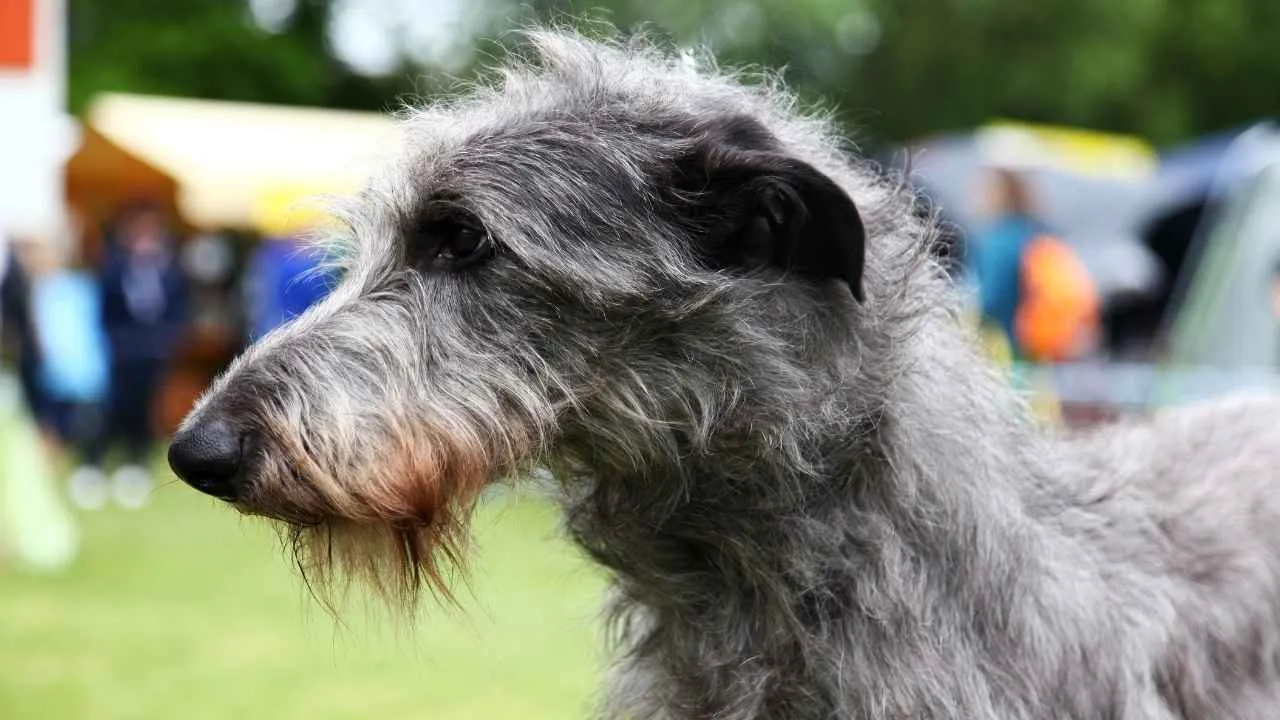
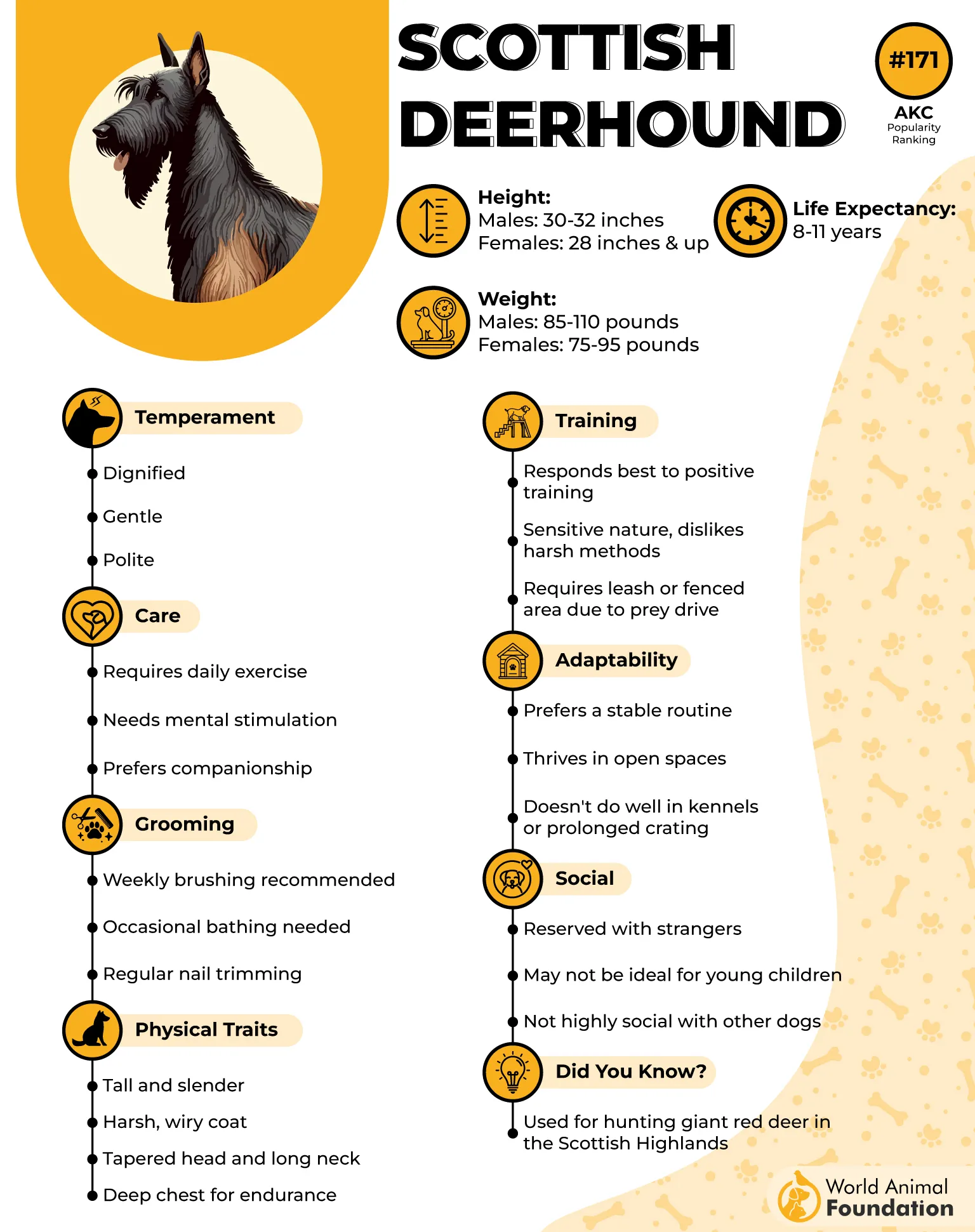
The Scottish Deerhound has a long association with the Scottish Highlands, where its ancestors were used to pursue red deer across challenging terrain.
Its tall, athletic frame, long legs, and stamina were particularly suited to this demanding task. Once closely associated with Scottish nobility, the breed eventually became valued as both a hunting dog and a gentle household dog.
Exercise Their Athletic Side With Care
Despite their relaxed indoor behavior, Scottish Deerhounds require opportunities to stretch their legs and move freely in secure surroundings.
Regular walks combined with controlled running or other suitable exercise can help satisfy their athletic nature. Young Deerhounds also need thoughtful management because their rapidly growing bodies should not be subjected to excessive or inappropriate strain.
Soft-Spoken Character Beneath a Towering Frame
Scottish Deerhounds are often described as gentle and dignified, qualities that can make their enormous size seem surprisingly understated inside the home.
They are generally more inclined toward calm companionship than constant vocalization. Their quiet personality can be especially noticeable when compared with the imposing silhouette their height creates.
3. Rafeiro do Alentejo
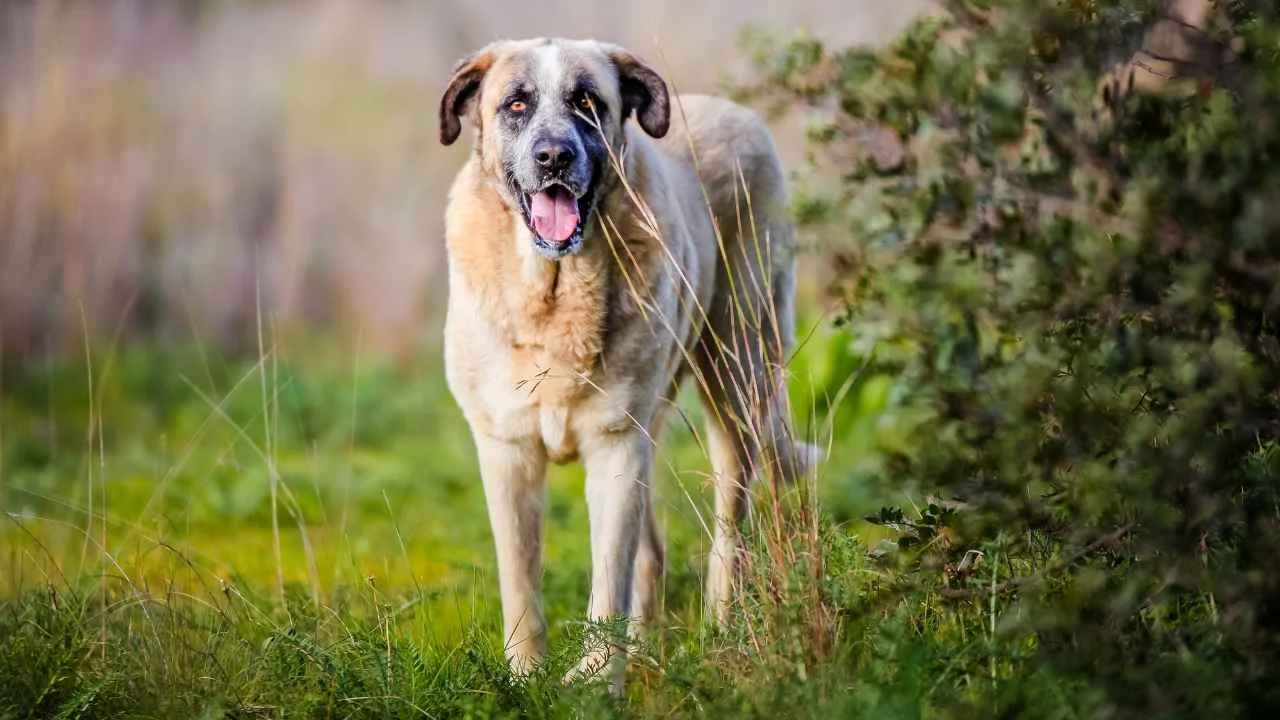
The Rafeiro do Alentejo originated in Portugal’s Alentejo region, where large guard dogs were used to protect livestock and rural properties.
Generations of working in open countryside favored animals capable of enduring demanding conditions while remaining alert to potential dangers. Their traditional role encouraged independence rather than constant reliance on human commands.
Build Obedience Around Cooperation
Rafeiro do Alentejo benefit from early socialization and consistent training that establishes clear household expectations.
Their independent background means owners should focus on cooperation, boundaries, and reliable responses rather than expecting instant obedience in every situation, as per Zooplus. Regular walks and purposeful outdoor activity can provide useful physical and mental outlets.
Calm Until Something Truly Matters
This breed can possess a naturally serious and observant temperament. Rather than reacting noisily to every ordinary event, it may monitor unfamiliar activity and decide whether intervention is necessary.
That measured quality can contribute to a peaceful household presence, although owners must still manage its strong protective instincts responsibly.
4. Caucasian Shepherd
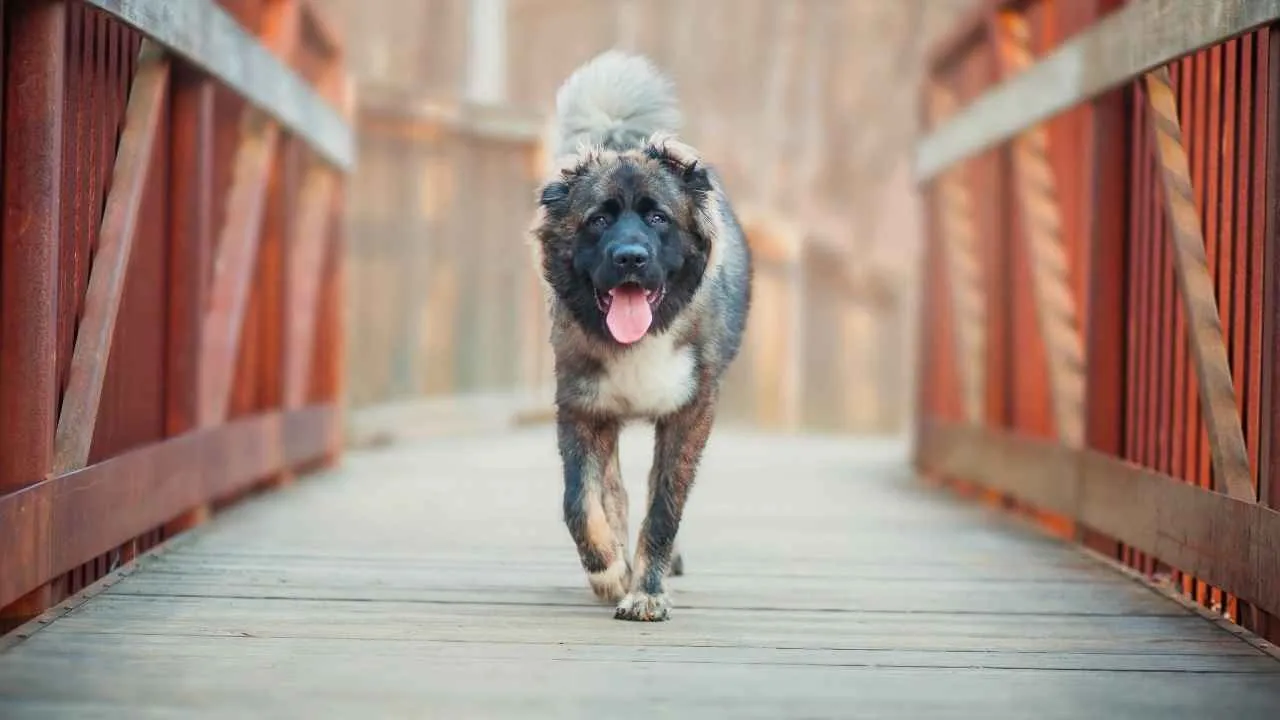
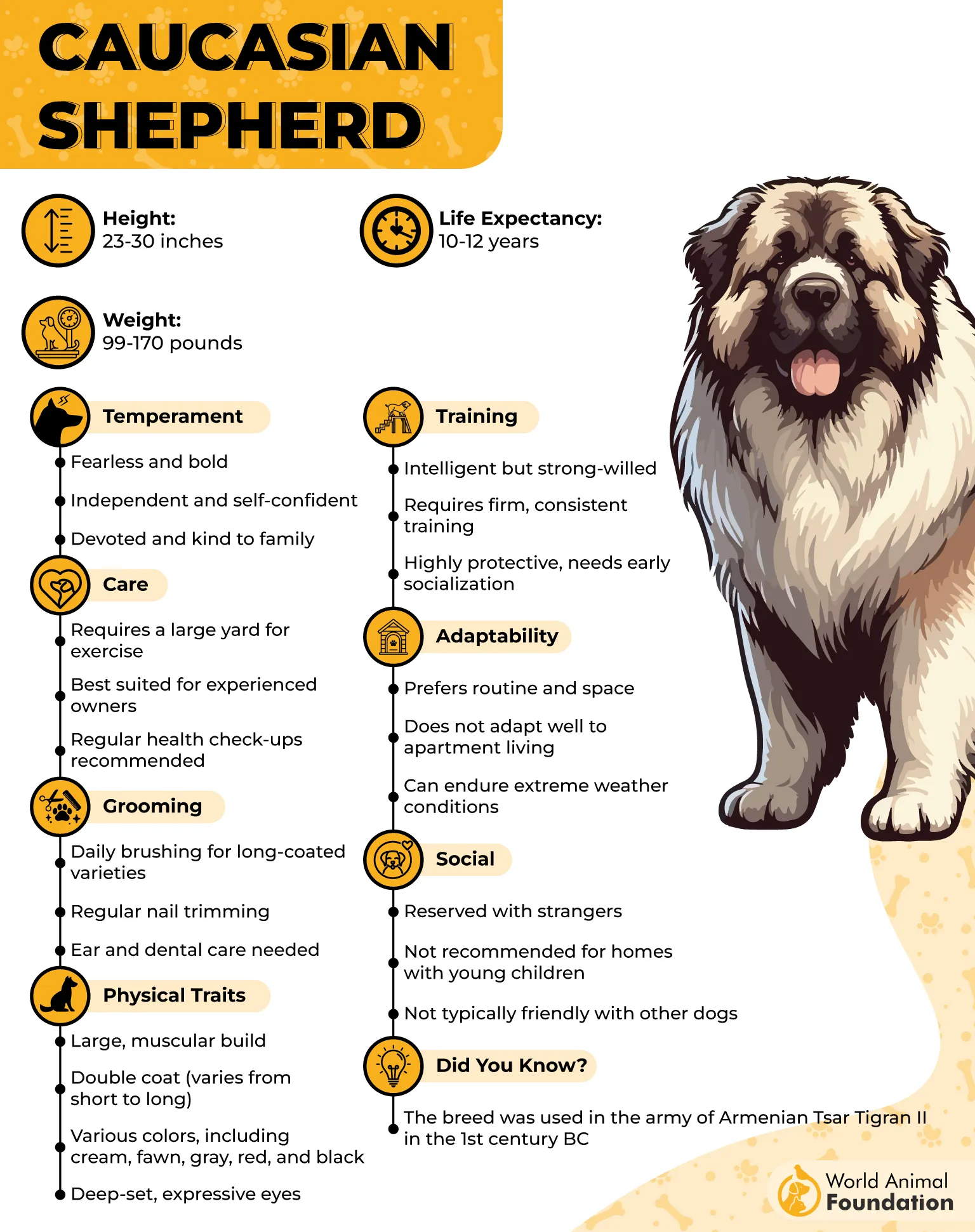
The Caucasian Shepherd Dog developed across regions surrounding the Caucasus, where robust guardian dogs were traditionally used to protect livestock and property.
Their ancestors had to cope with difficult climates, mountainous landscapes, and potential predators, favoring substantial bodies, resilience, confidence, and strong territorial instincts.
Pair Exercise With Early Social Guidance
Caucasian Shepherds need regular movement, but their exercise routine should be appropriate for their size, age, and physical development, as per AKC.
More importantly, they require thorough socialization and dependable obedience foundations from an early age. Because an adult can be extremely powerful, owners should establish polite leash behavior, boundaries, and calm responses long before the dog reaches full size.
A Powerful Guardian That Does Not Need Constant Noise
Their protective instincts can make them highly attentive to changes around their territory. A well-managed Caucasian Shepherd may observe unfamiliar people or sounds before deciding how to respond rather than barking continuously without purpose.
Their natural seriousness means they are best suited to experienced owners who understand independent guardian breeds.
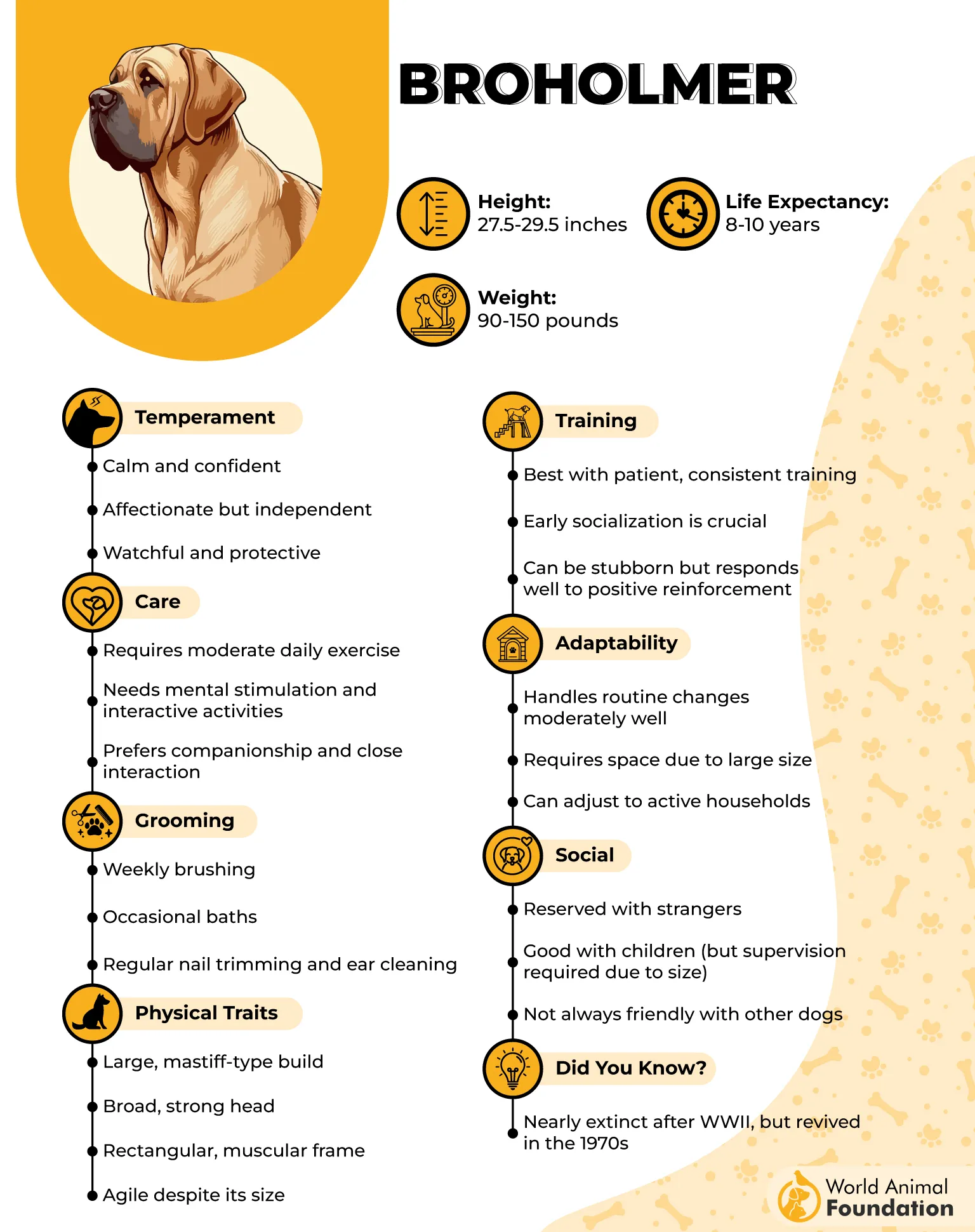
5. Broholmer
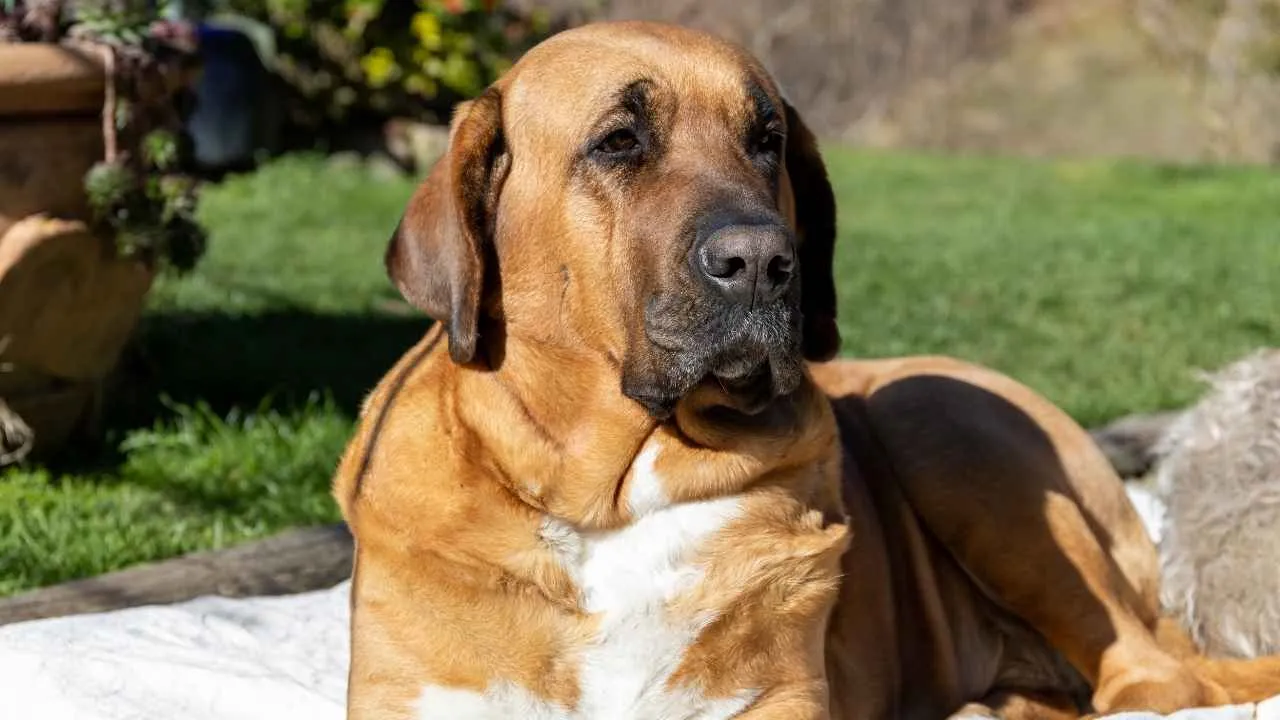
The Broholmer is a Danish mastiff-type breed with historical roots in estate and farm work. Its development is associated with Denmark, where large dogs were used for guarding properties and accompanying estate owners.
The breed became particularly connected with the Broholm estate and later faced a serious decline before dedicated enthusiasts worked to preserve it.
Keep a Giant Body Moving Without Overdoing It
Broholmers need regular but sensible exercise to maintain healthy conditioning. Daily walks, controlled play, and basic obedience activities can provide adequate stimulation for many individuals.
Since giant breeds can be vulnerable to orthopedic problems, exercise should be adjusted according to age and physical condition rather than centered on repetitive high-impact activity.
An Easygoing Estate Companion
The Broholmer is known for a comparatively calm and friendly demeanor, which contrasts with its imposing build. It can remain content near its family without demanding constant activity or attention.
Its steady presence and historically useful guarding background make it an intriguing choice for people seeking a large dog with a more restrained personality.
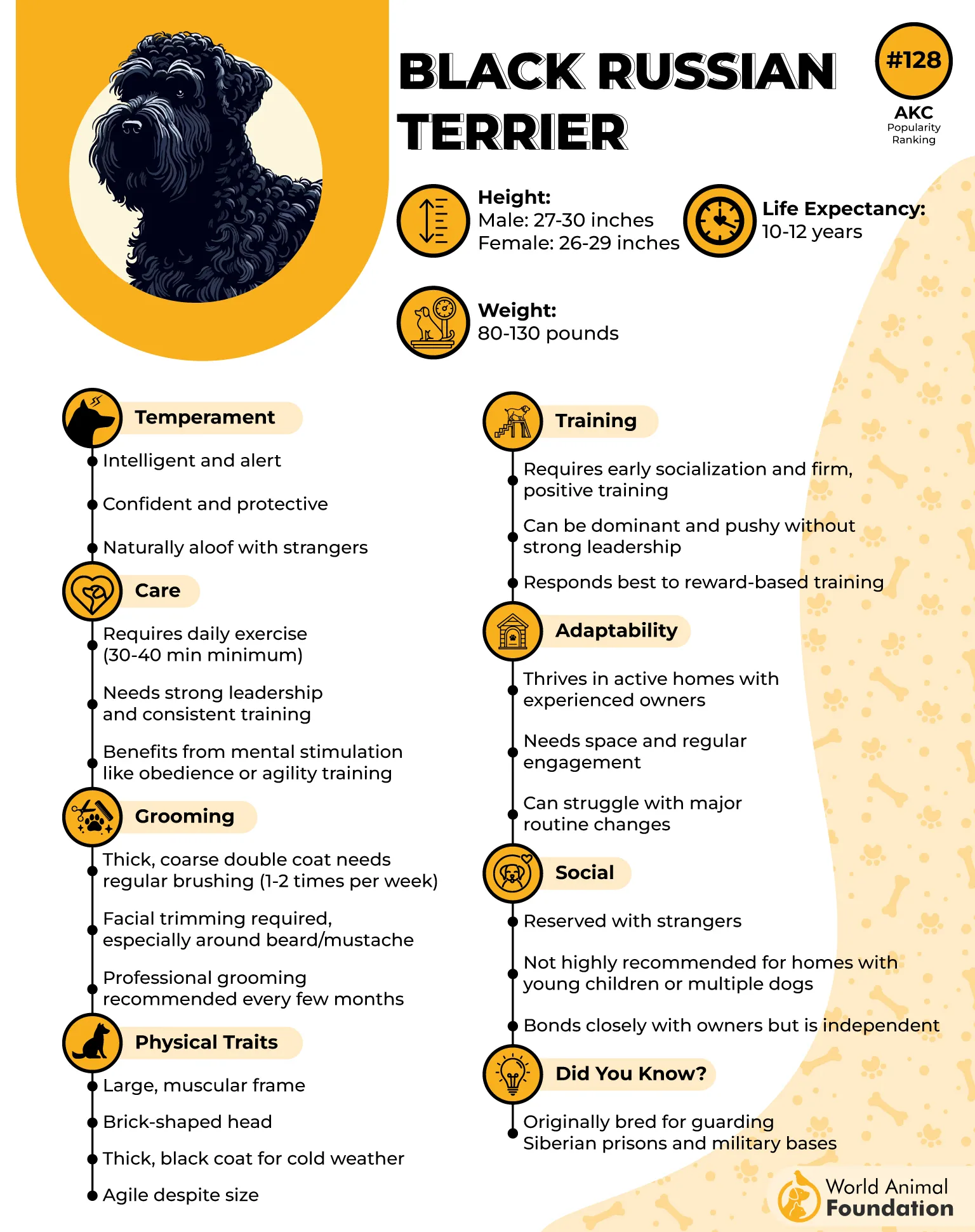
6. Black Russian Terrier
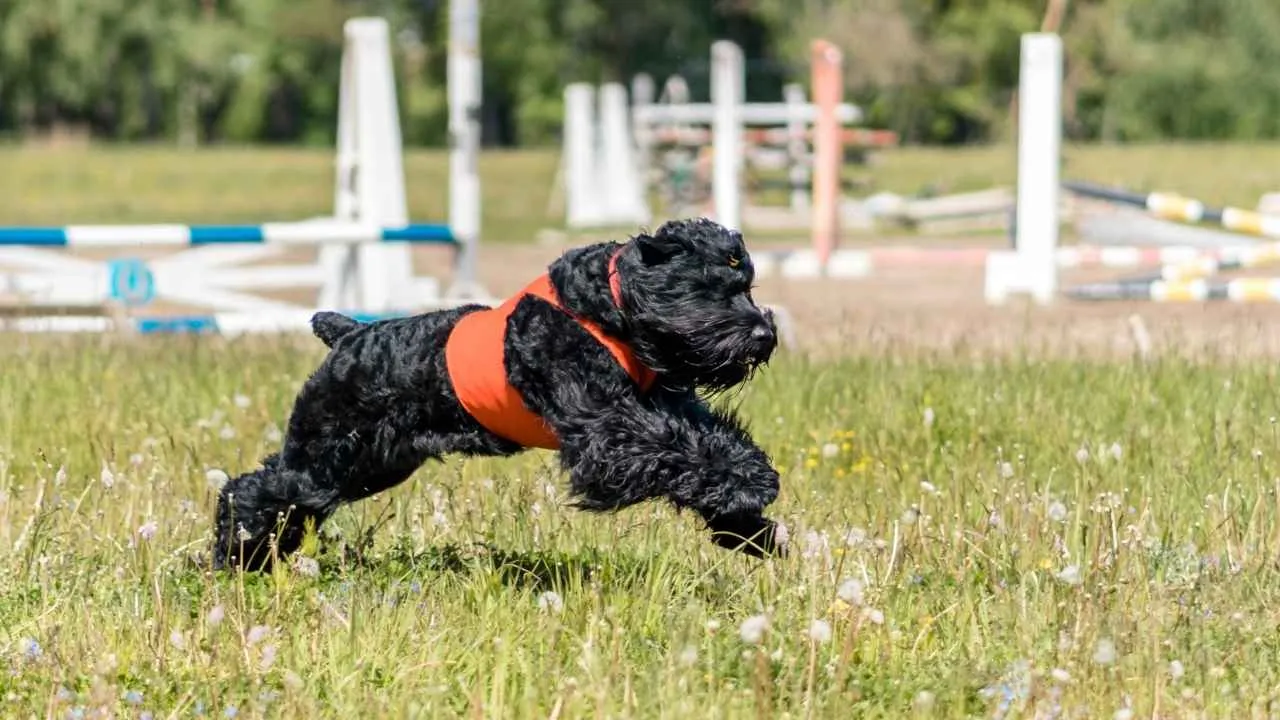
The Black Russian Terrier was developed in the Soviet Union during the twentieth century as a versatile service dog, as per Purina.
Breeders combined characteristics from several working breeds to create a large, resilient animal capable of performing demanding duties in challenging environments. Its development emphasized strength, endurance, intelligence, and reliable working ability.
Challenge Their Minds Alongside Their Muscles
Black Russian Terriers require regular exercise combined with meaningful mental work. Obedience training, scent activities, structured games, and controlled outdoor adventures can help prevent boredom.
Their intelligence means that simply providing a large yard is unlikely to satisfy all of their needs, particularly if the dog receives little interaction from its owners.
Serious Without Being Constantly Vocal
A mature Black Russian Terrier can have a composed and self-assured presence around its household. Its protective background encourages awareness of unfamiliar activity, but a well-socialized dog should learn to distinguish ordinary events from genuine concerns.
Its thick coat and imposing appearance can make it look formidable even when it is quietly resting beside its family.
7. Leonberger
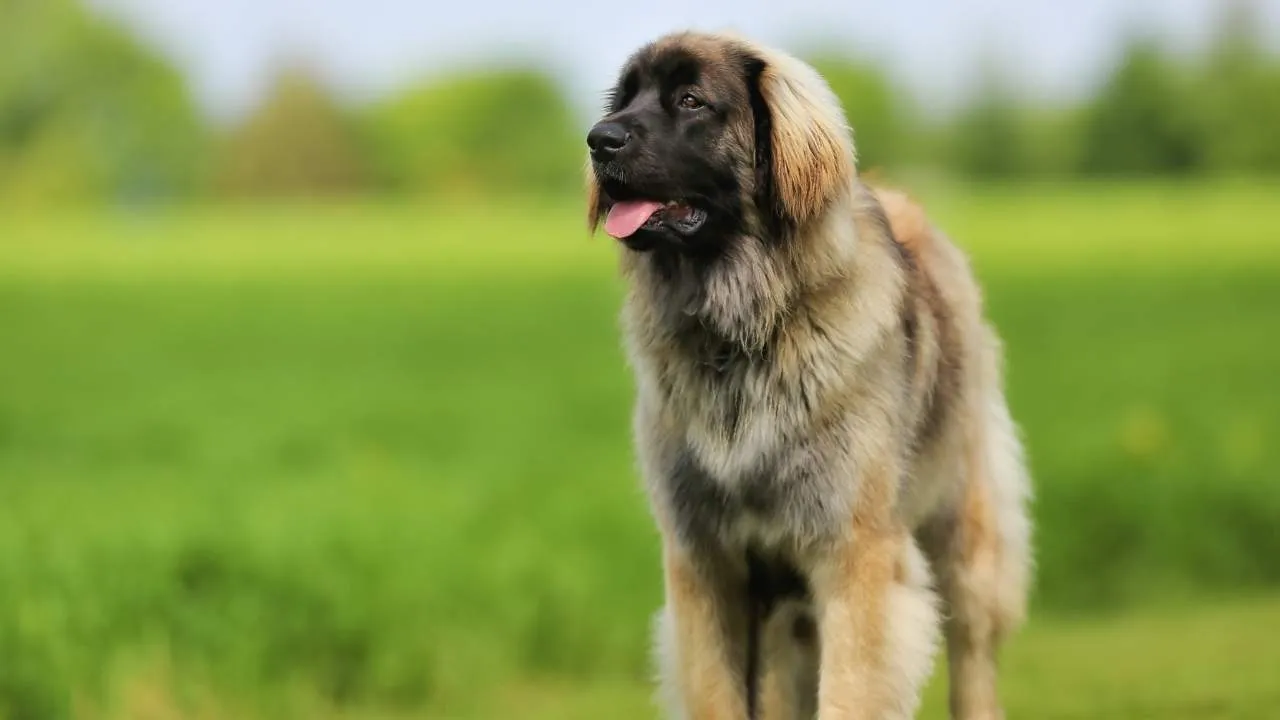
The Leonberger was developed in Germany during the nineteenth century, with its origins associated with the town of Leonberg.
Breeders sought a large dog with an impressive appearance and versatile companion qualities, drawing upon several large breeds during its development. Over time, Leonbergers became valued as family dogs, working companions, and capable water-rescue dogs.
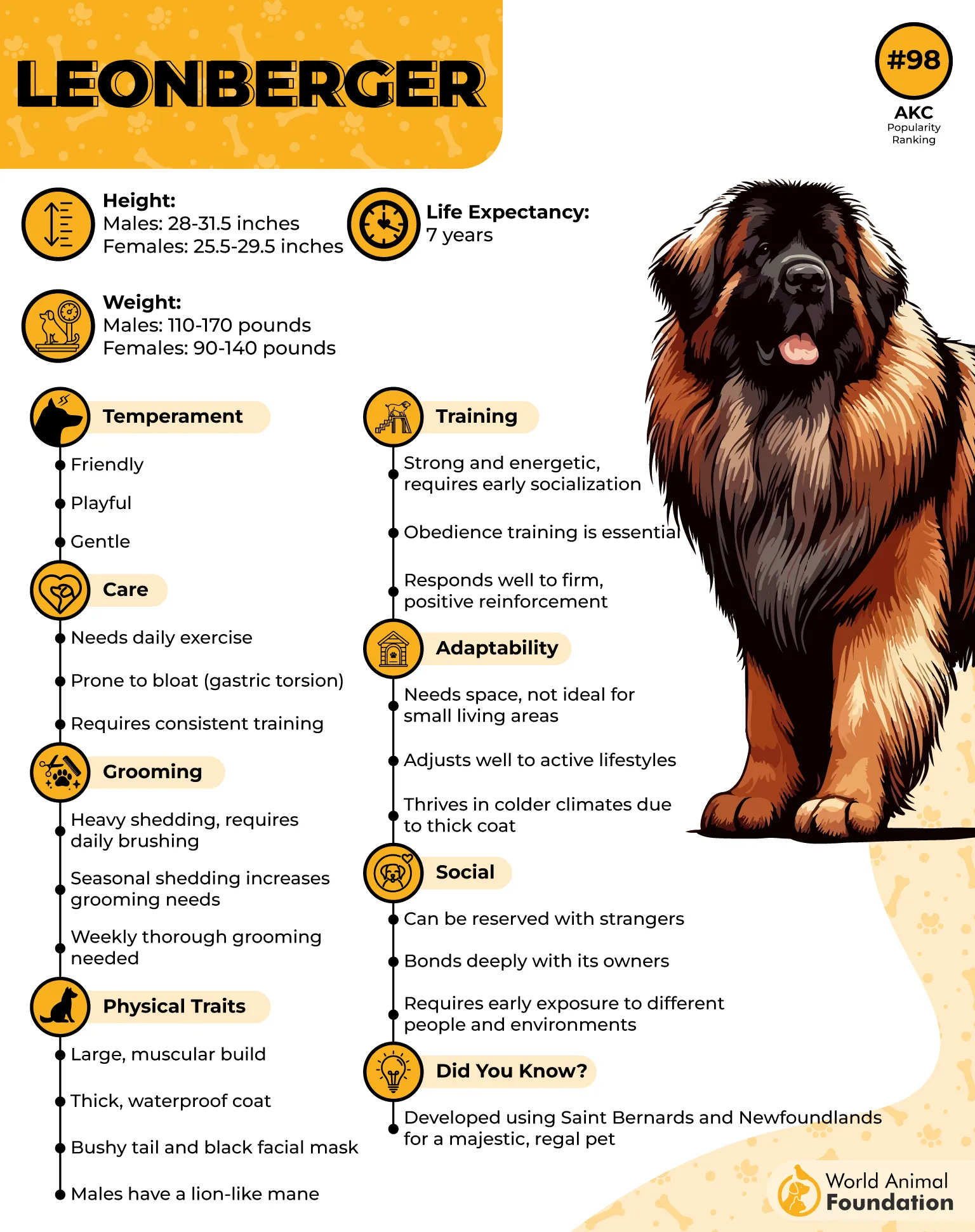
Combine Moderate Activity With Family Interaction
Leonbergers benefit from regular walks, outdoor exploration, obedience training, and opportunities to participate in family activities. They are substantial dogs, so exercise should be sensibly matched to their age and growth stage.
Grooming is another major consideration because their abundant double coat requires frequent brushing and seasonal maintenance.
A Gentle Giant With a Composed Household Manner
Leonbergers can be affectionate, sociable, and remarkably calm despite their considerable size. Many enjoy staying close to their families without filling the home with unnecessary noise.
Their combination of gentleness and physical presence gives them the classic “gentle giant” appeal, provided they receive appropriate socialization and training.
Conclusion
The Romanian Carpathian Shepherd and Rafeiro do Alentejo reflect the quiet vigilance of traditional livestock guardians, while the Caucasian Shepherd brings considerable strength and territorial awareness to the same general working tradition. The Scottish Deerhound offers a completely different profile, combining enormous stature with the graceful and gentle qualities of a historic hunting hound.
The Broholmer provides a calmer mastiff-type presence, while the Black Russian Terrier combines substantial size with intelligence and a serious working background. The Leonberger rounds out the group with an affectionate temperament and a notably impressive appearance.
A quiet giant dog is not necessarily an effortless companion. Many large dog breeds can require substantial food, grooming, training, exercise, and living space, and their physical strength makes responsible handling essential. For owners prepared to meet those needs, however, these lesser-known breeds demonstrate that a big dog can also bring a remarkably calm and understated presence to the home.
