





Small apartments are often blamed for making dog ownership difficult, but the issue can be choosing a dog whose habits clash with the setting.
A large living room cannot fix excessive barking, and a tiny body does not guarantee an easy apartment companion. Quiet behavior, moderate exercise needs, and the ability to relax indoors can matter far more than size alone. Some breeds have naturally lower vocal tendencies, while others may react loudly to visitors, hallway noises, or unfamiliar activity.
Training and socialization still shape individual behavior, but breed tendencies provide a useful starting point. Energy matters too. A dog that needs intense activity throughout the day may struggle with a cramped routine even if it rarely makes a sound. For apartment dwellers, the question is how the whole package fits together.
The many dog breeds covered here show what that balance can look like in real homes and which everyday traits make apartment living more comfortable.
Key Takeaways
Thin walls can make a noisy dog difficult to live with, so finding a breed that naturally settles well indoors can change the whole experience of apartment ownership.
Pekingese often prefer a quiet sofa over a busy play session, while Bichon Frise can stay playful without turning every little sound into a barking fit.
Pug owners may know their dogs more for snorts and grunts than endless barking, while Japanese Chin has a surprisingly unusual way of expressing itself through soft “singing.”
The French Bulldog comes next, followed by the Boston Terrier and Bolognese, each offering another look at what peaceful apartment companionship can be.
Quiet Dog Breeds That Thrive in Small Apartment Spaces
1. Pekingese
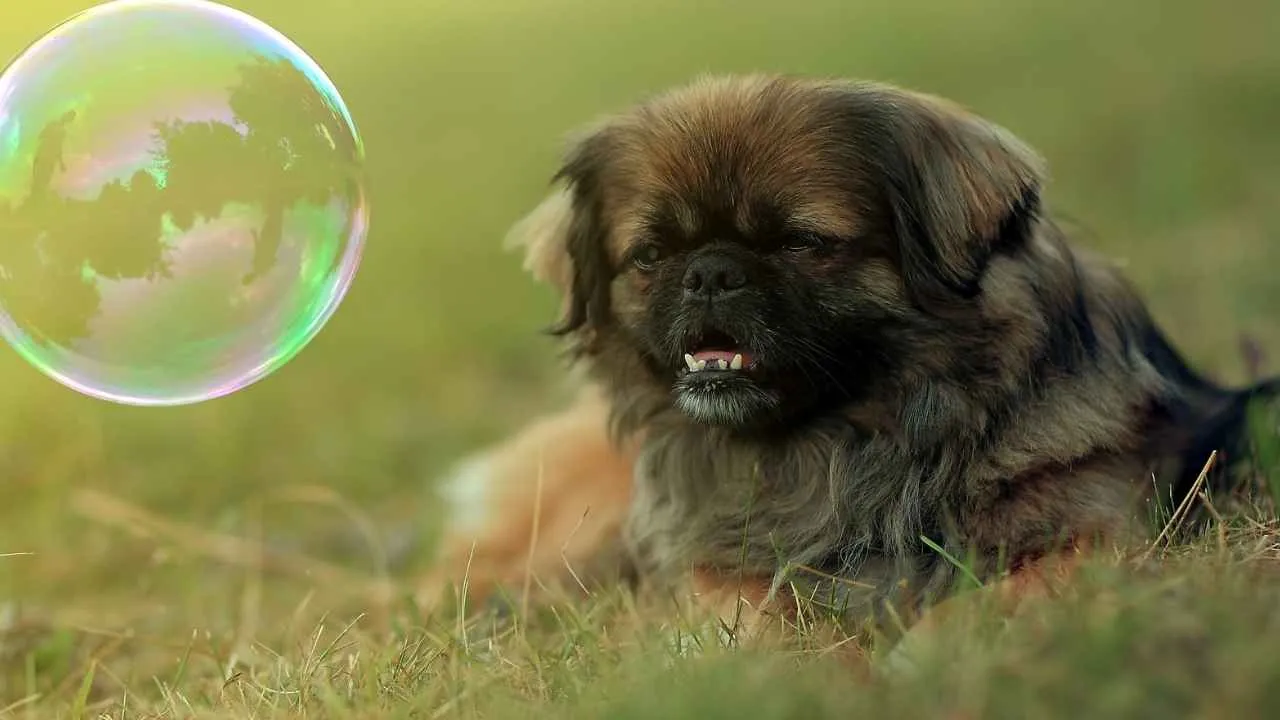
Pekingese were developed in China more than 2,000 years ago, where Buddhist monks kept these small dogs as treasured companions known as Lion Dogs. The tiniest examples became known as “sleeve dogs,” small enough to fit comfortably inside an Emperor’s robe sleeves.
Quiet Apartment Habits
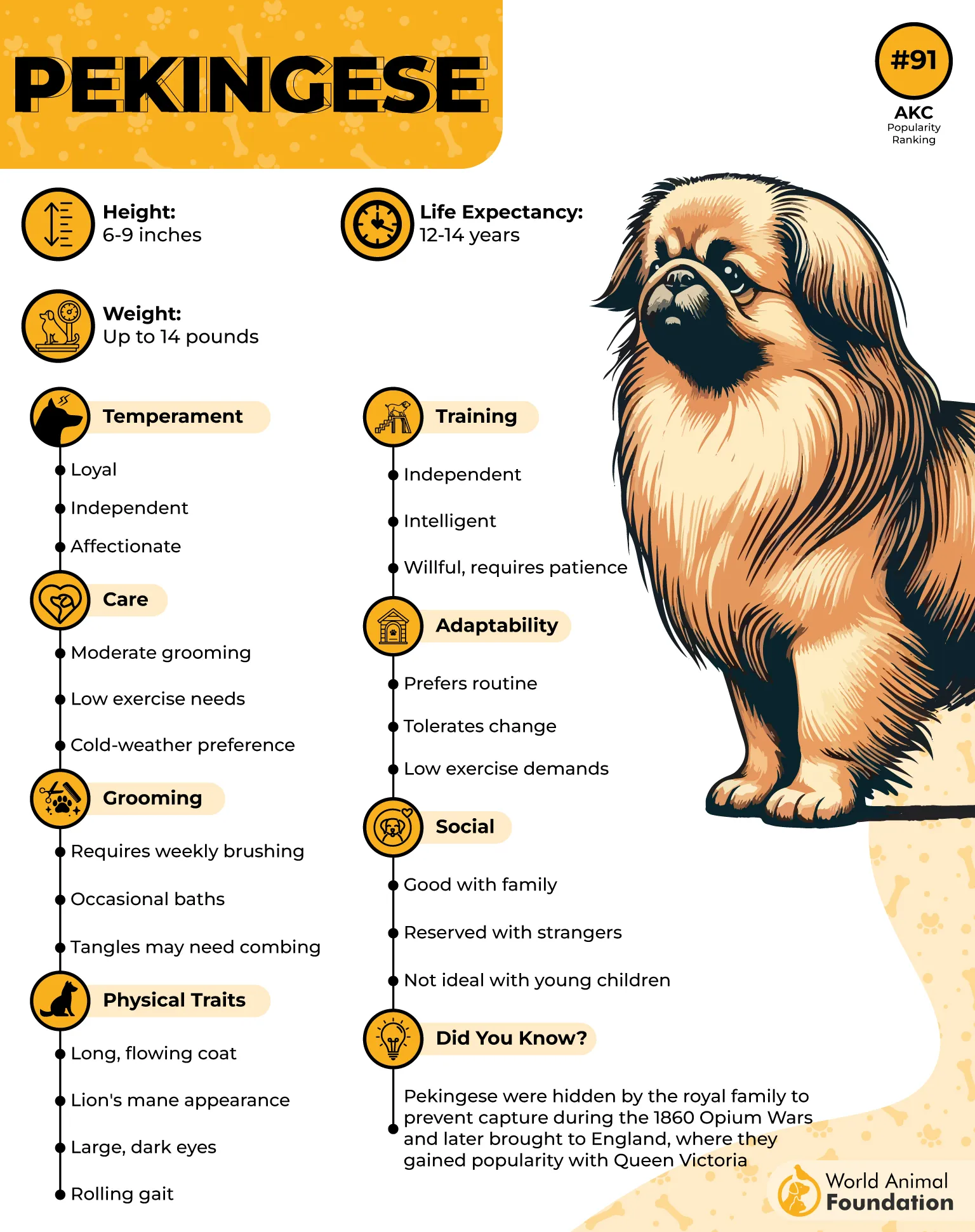
Pekingese are naturally calm indoors and often prefer a quiet sofa session to a lively game around the house. Its compact size and low-key approach to activity can suit apartment life, while its alert nature may still bring a warning bark when someone approaches the door.
A few household details matter here:
Affectionate with familiar family members
Older children suit them better than rough playmates
Loving but self-assured
Selective Social Circle
Pekingese can live with children and other pets when introductions and interactions are handled carefully, as Hills Pet noted. They may become impatient with bouncy puppies or playful kittens, while early socialization can help them adjust to dogs and cats they share their home with.
2. Bichon Frise
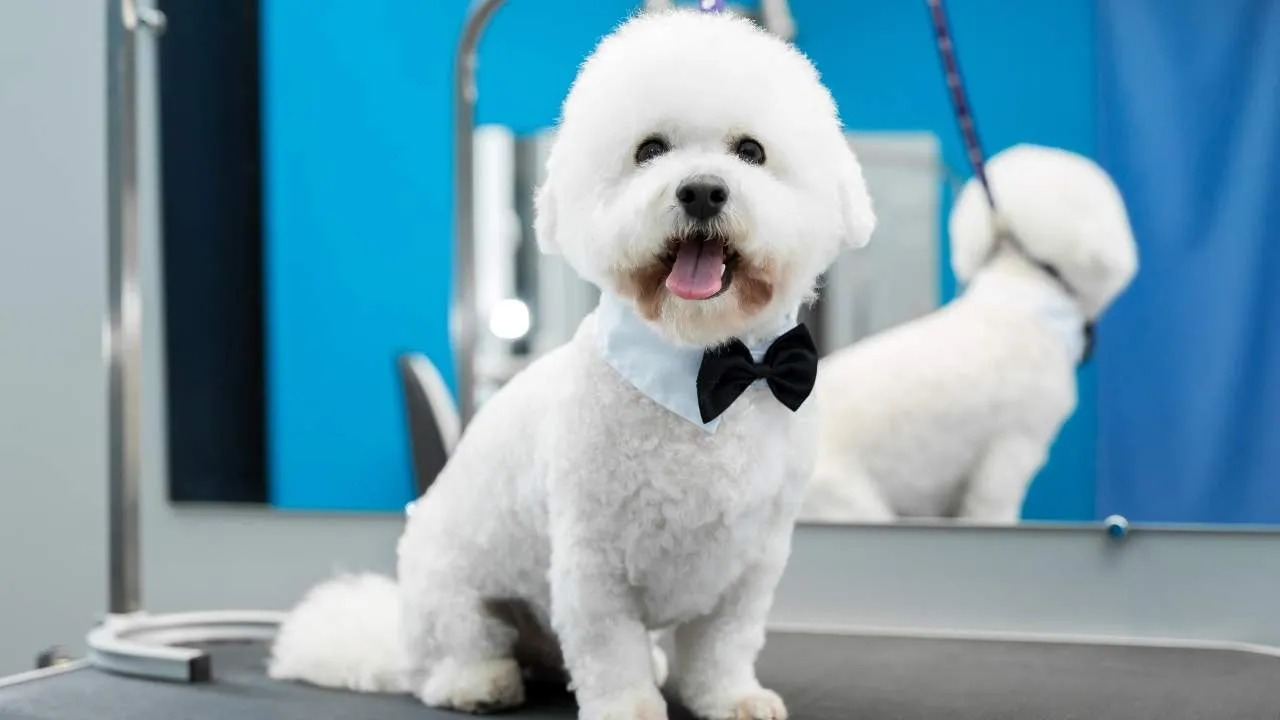
Bichon Frisé is linked to the Mediterranean world as far back as the Middle Ages, with some historians placing its early roots in the Canary Islands.
Sailors are believed to have brought these small dogs to Europe, where they later became favorites of European nobility and even appeared in Goya’s paintings.
Apartment-Friendly Volume
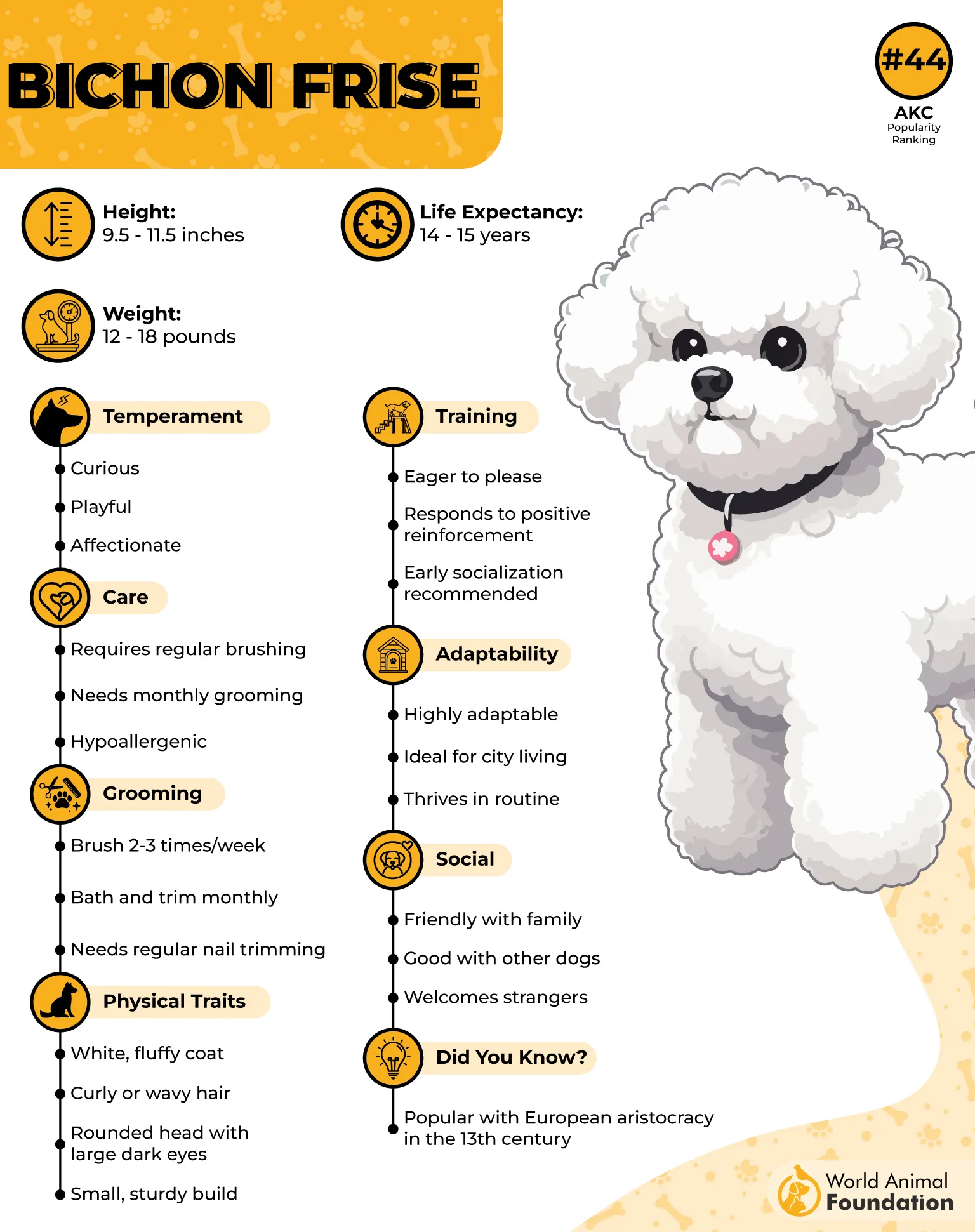
As an apartment dog breed, they are generally not prone to constant, unprovoked barking, which can make their vocal habits easier to manage in a compact setting. Its alert side can still bring out barking at doorbells, outside noises, or someone approaching the home.
This calm breed has these daily life personality traits:
Gets along well with children and pets
Some bloodlines can be shy
Early socialization builds confidence
A Social Little Performer
Bichon Frisé has a cheerful, playful nature and enjoys performing for an audience, a personality that has entertained people from royal courts to circuses, as written by Petplan. Its eagerness for praise and treats can also make everyday interaction feel lively rather than demanding.
3. Pug

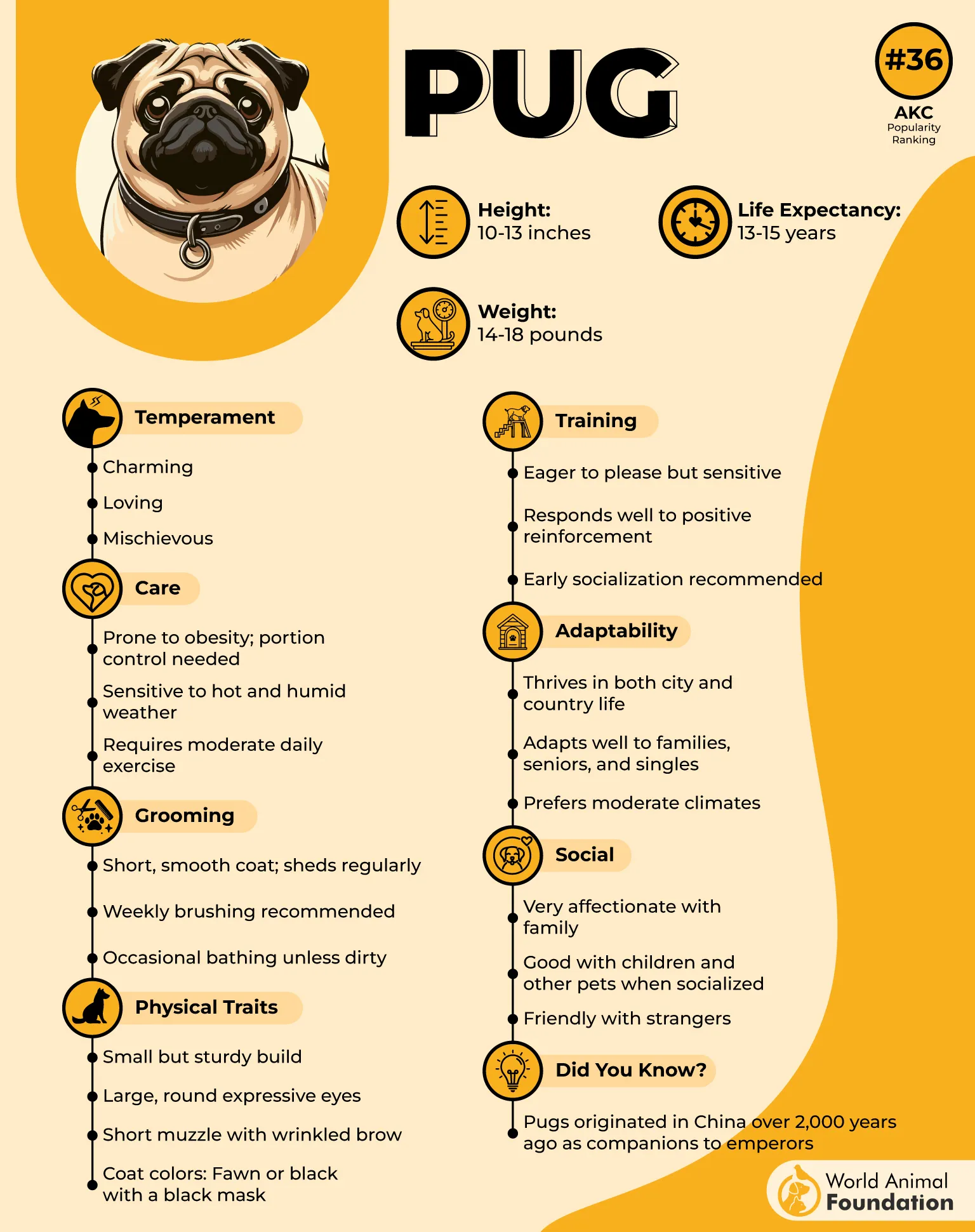
The Pug originated in China during the Han Dynasty, from around 206 BC to 200 AD, with evidence of similar dogs also found in ancient Tibet and Japan. Chinese emperors prized these compact companions, keeping them in luxurious surroundings with soldiers assigned to guard them.
Quiet in Close Quarters
Barking is usually limited with this small dog breed, which may give a visitor one brief bark before settling back into its familiar snorts and grunts, as reported by Greencross Vets. That quieter pattern can make shared walls and confined living spaces easier to manage.
The gentle side of the breed is shown in these points:
Enjoys staying close to family
Likes to take naps for almost all day
May struggle with being alone for long periods
Big Personality
Pugs were used primarily for companionship, and their playful, childlike nature brings plenty of character into ordinary home life. Its famous phrase, multum in parvo, means “a lot in a little,” a fitting description of this stout little dog’s personality and surprisingly big presence.
4. Japanese Chin
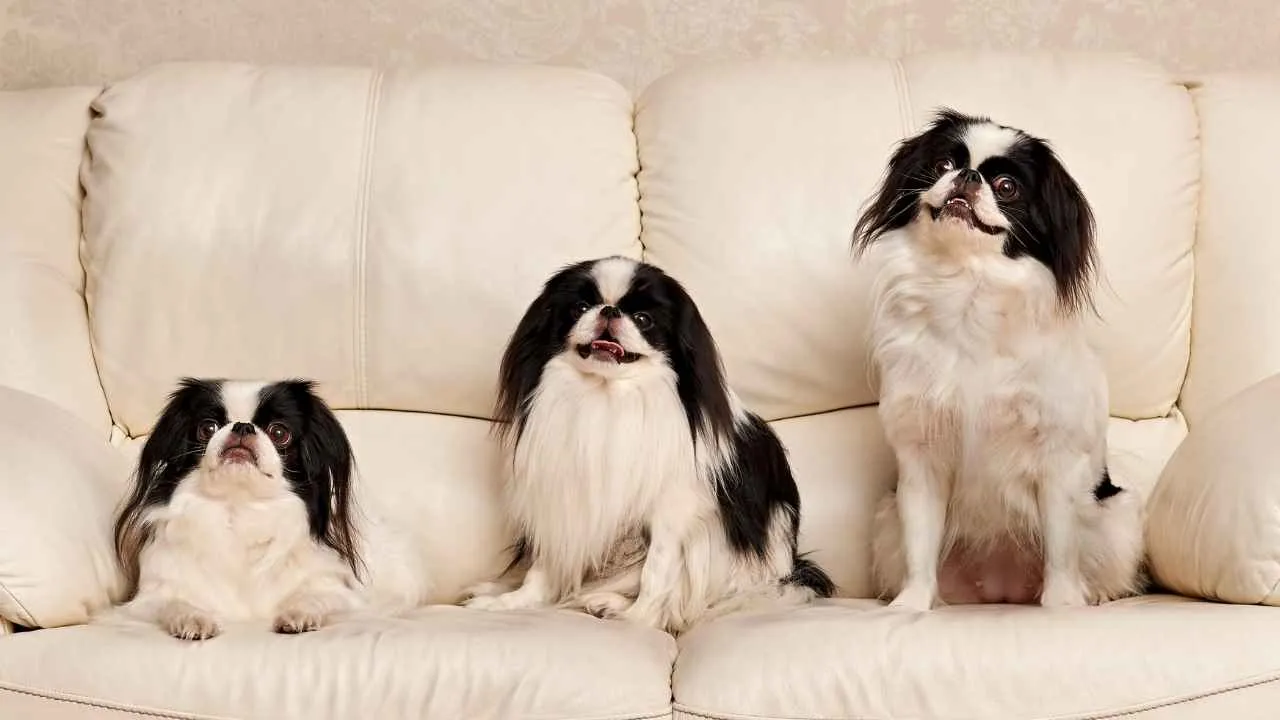
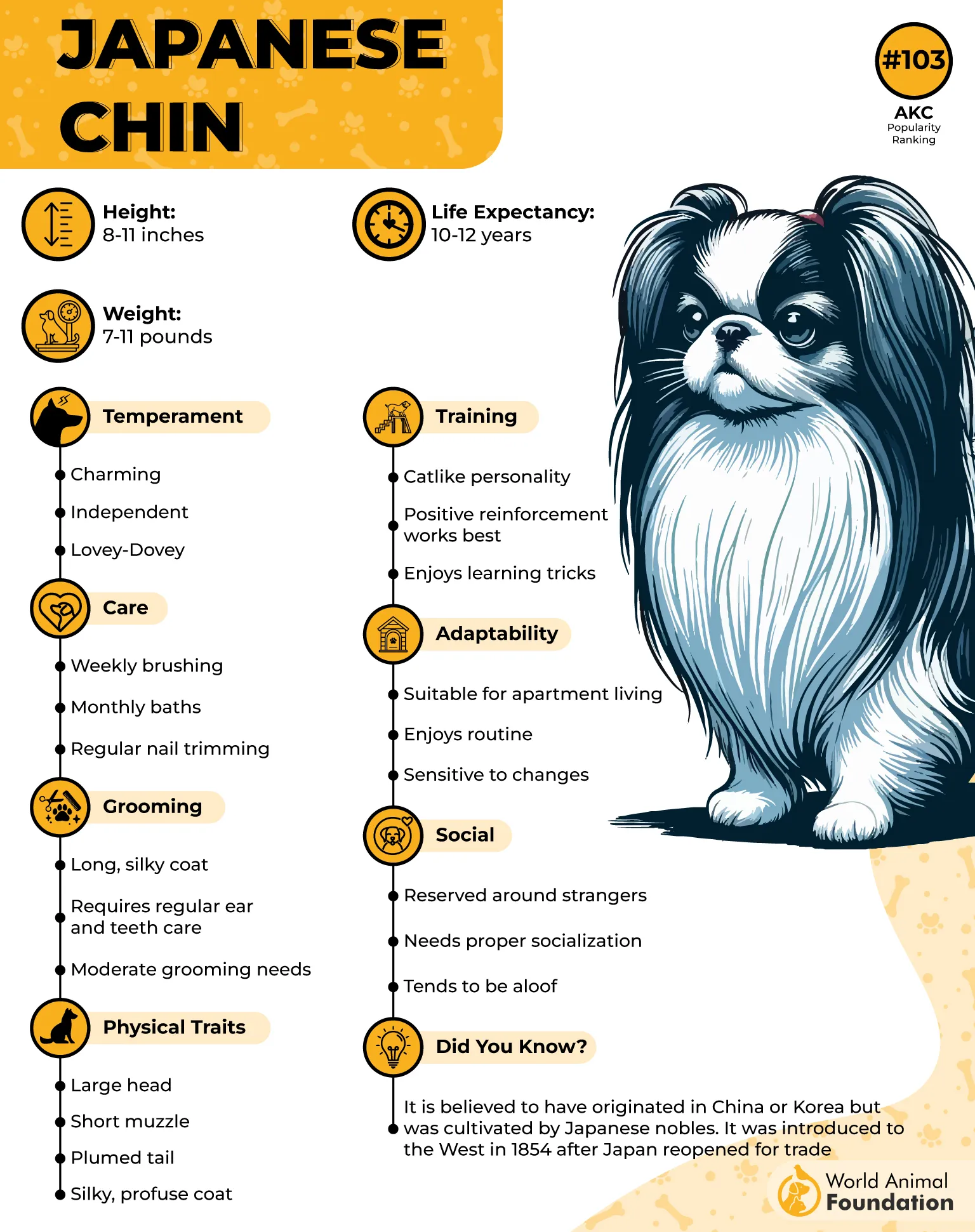
The Japanese Chin is an old toy breed linked to China, with dogs resembling the breed appearing on ancient pottery and at old Chinese temples. Its story later reached Japan through a reported gift from the Chinese Emperor, followed centuries later by European encounters in the 1600s and 1800s.
Quiet Roommates
This best dog breed is well suited to apartment life because it is generally quiet and does not tend toward nuisance barking. Its unusual vocal habit is more of a soft “singing” routine, while the breed’s catlike grooming helps keep shared spaces tidier.
These small-space details make this dog especially interesting:
Enjoys perching on chair and sofa backs
Can entertain itself with a “Chin spin” when excited
Needs companionship more than a specific working task
A Little Personality
Japanese Chin can be playful and affectionate while also having a strong independent streak that makes obedience less automatic. Patient and consistent training can help channel its intelligence, especially when the dog decides its own idea sounds more appealing.
5. French Bulldog
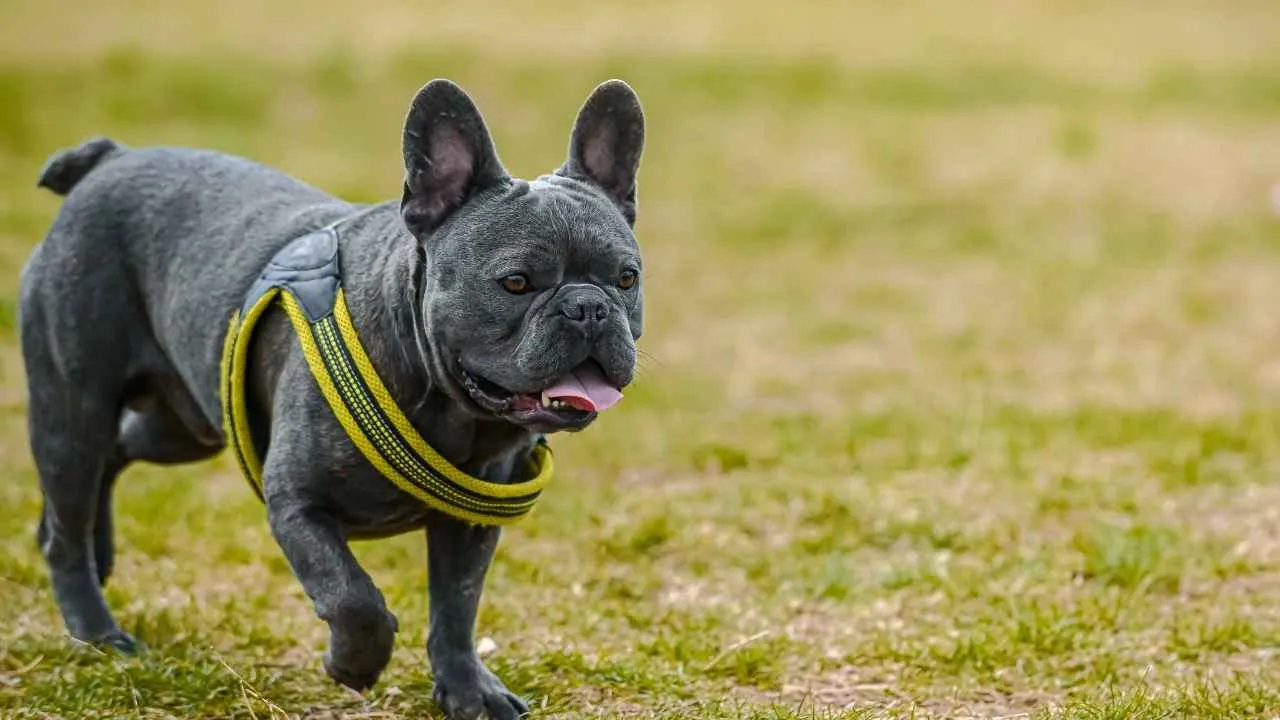
French Bulldogs came to France with English lace workers in the mid-1800s, who brought their small Bulldogs along to their new workplaces. French enthusiasts especially favored the dogs with upright, bat-shaped ears, helping establish the smaller type as a popular companion by the late 1800s.
Apartment Volume
Frenchies are best for quieter households because their everyday communication tends to be fairly subdued. It may make little sounds when communicating and can bark when someone approaches, giving apartment residents some alerting ability without constant noise.
Its relaxed personality comes with some indoor charm:
Enjoys a few hours lounging on the couch
Curious and playful indoors
Can alert you to approaching visitors
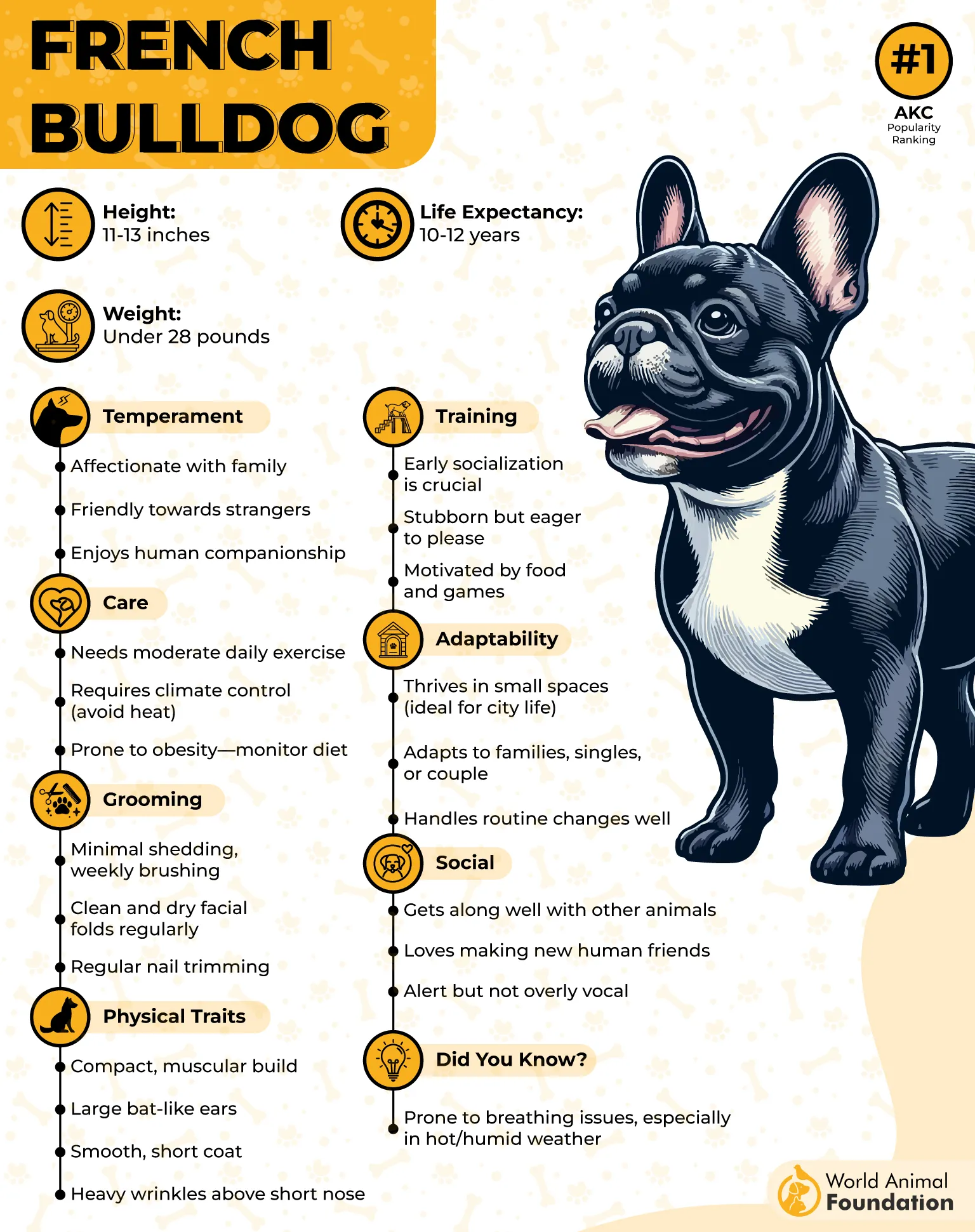
Easygoing Company
This best apartment dog enjoys being involved in household life and can handle the noise and activity of children when interactions are respectful. Its social nature often extends to other household pets, although introductions need close supervision because this breed can be territorial.
6. Boston Terrier
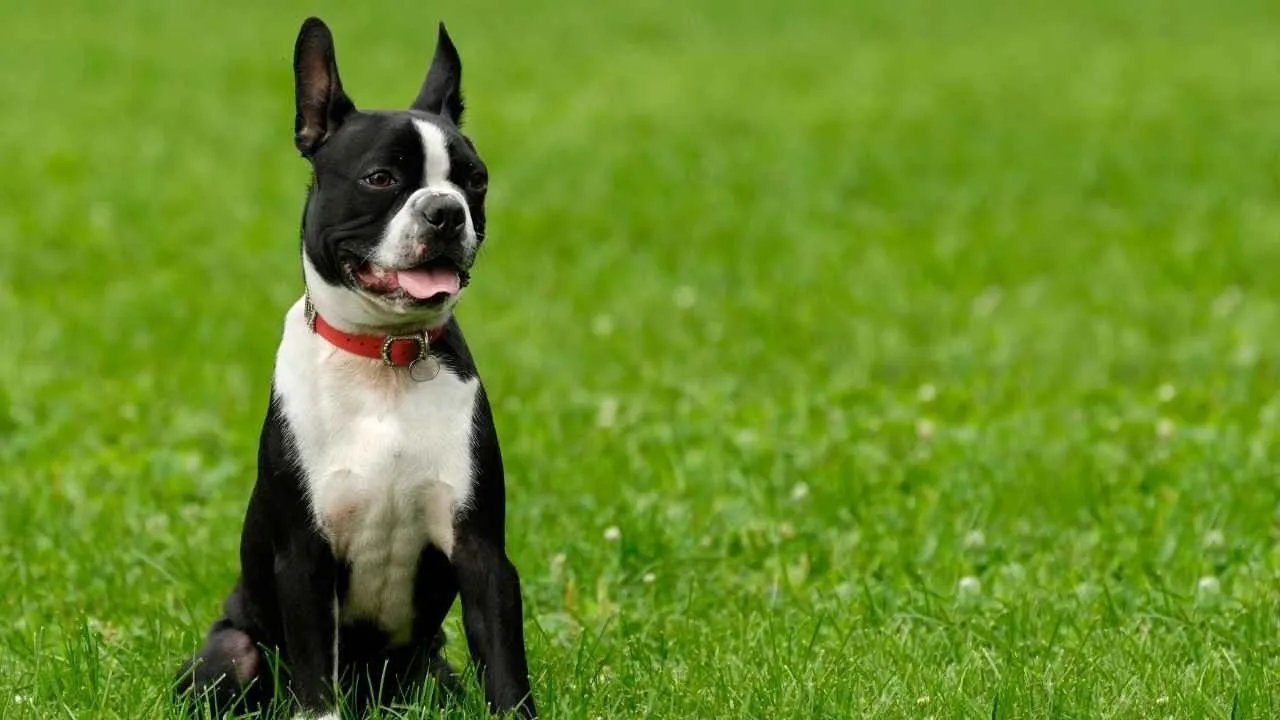
Boston Terrier emerged in America during the late 1800s from a Bull and Terrier type dog crossed with a French Bulldog. The American Kennel Club officially recognized the breed in 1893, and its current classification falls under the non-sporting group rather than terriers.
Quiet Apartment Companion
You can only hear the bark of this breed mainly when something catches its attention, making it generally quieter indoors. It can also adapt to different household routines, with some preferring relaxed days and others enjoying bursts of running.
Its quiet nature comes with plenty of personality:
Nicknamed the “American Gentleman”
Active and playful indoors
They are devoted canines, so they can’t spend long hours alone
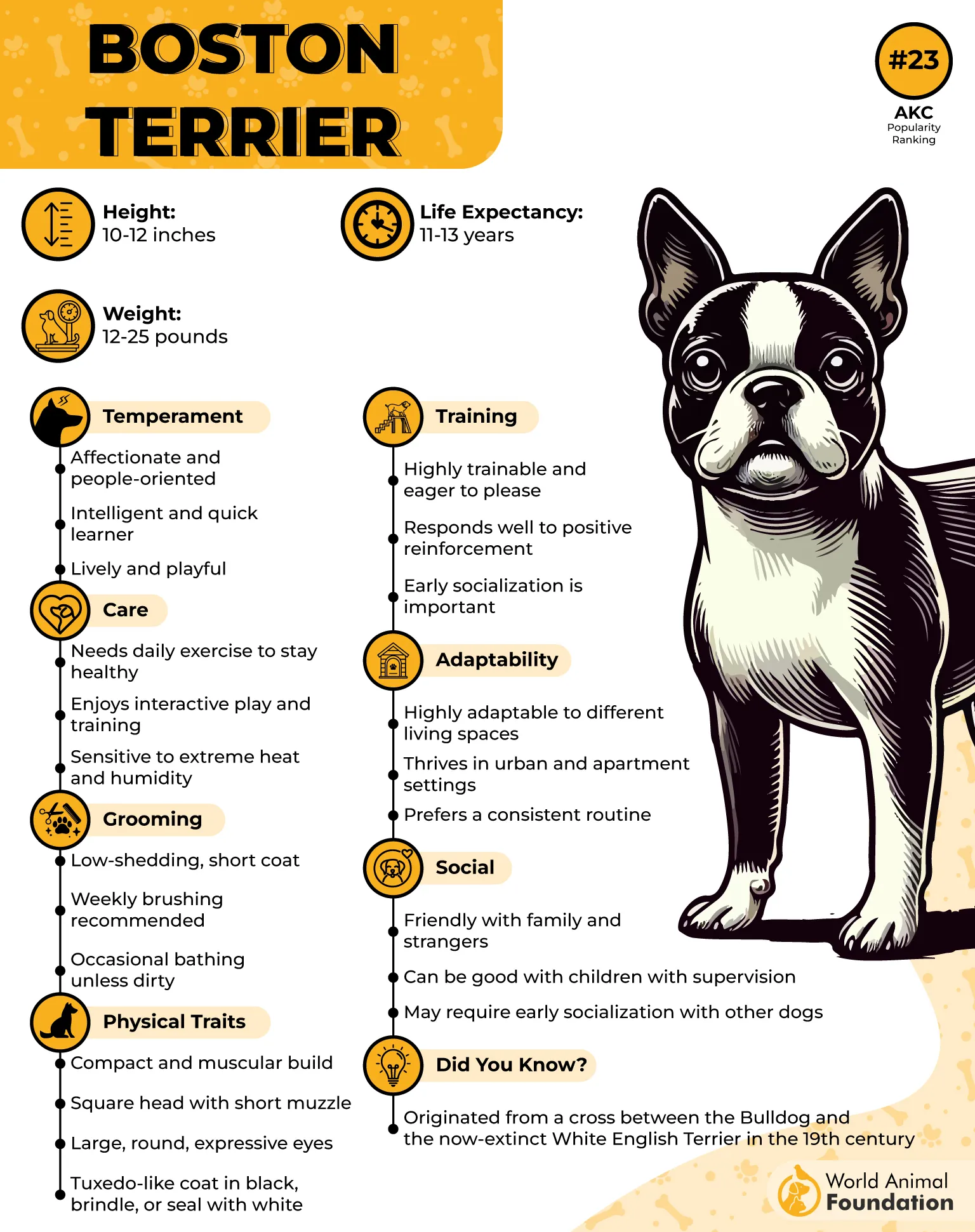
Easygoing With Company
Boston Terrier is usually gentle with children and can share a home with other dogs and cats when properly socialized. Often called a little comedian, it has a playful way of keeping people entertained and tends to enjoy being involved in whatever its family is doing.
7. Bolognese
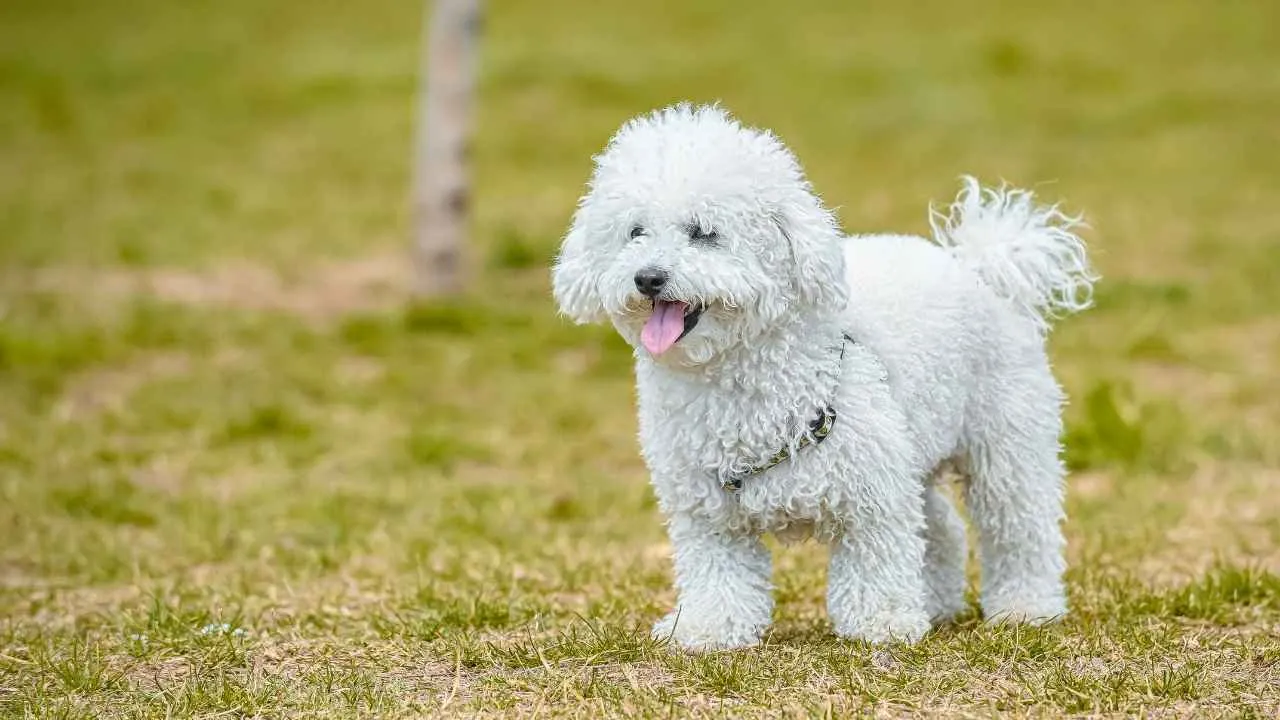
Bolognese comes from Bologna, Italy, and belongs to the old Barbichon family created through crosses involving larger water dogs and small white dogs. It was treasured as a lap companion among wealthy women, with the breed often exchanged as an elegant gift.
Apartment Temperament
This best small dog has a calm, gentle nature that suits quieter spaces and limited indoor space particularly well. Rather than demanding constant activity, this little one can spend much of the day close to its people without filling the home with noise.
The following qualities show the nature of this breed:
Alarmed by unfamiliar sounds
Can live happily with other pets
Needs gentle handling from children
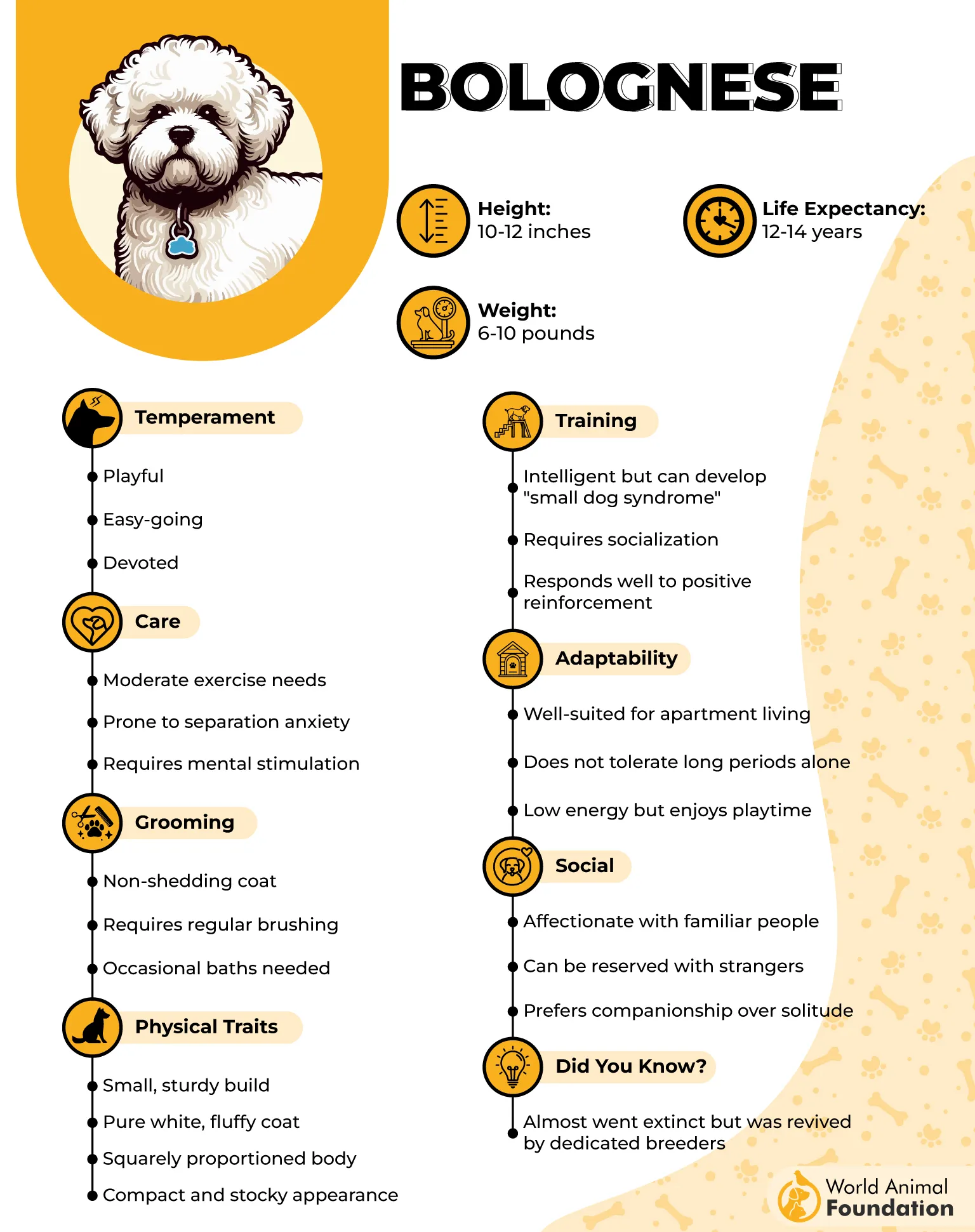
People Matter
Bolognese enjoys close human company and can become distressed when left alone for long periods without companionship. Its affectionate nature also makes it eager to follow family members around the home, while unfamiliar people may need a proper introduction first.
Conclusion
A quiet dog can make apartment living more comfortable, but low barking is only one part of the picture. Energy level, ability to relax indoors, social behavior, and time alone can affect how smoothly a dog fits into a small home. Even a perfect apartment dog may alert when someone approaches the door or unusual sounds come from outside, especially around larger dogs.
Regular exercise, training, and socialization can help keep those moments manageable. Pet parents should think about neighbors, children, pets, daily schedules, and available space before choosing. A dog with a calm temperament may need little exercise, while human companions can provide daily walks or a brisk walk to keep the right routine manageable.
