





A peaceful home does not necessarily mean a dog-free home. The American Kennel Club notes that calm breeds tend to respond to stimuli with greater composure, while also emphasizing that a dog’s behavior is shaped by breed traits alongside training, socialization, and environment.
Some breeds can therefore be particularly appealing to people who prefer limited household activity, fewer visitors, or a more private daily routine.
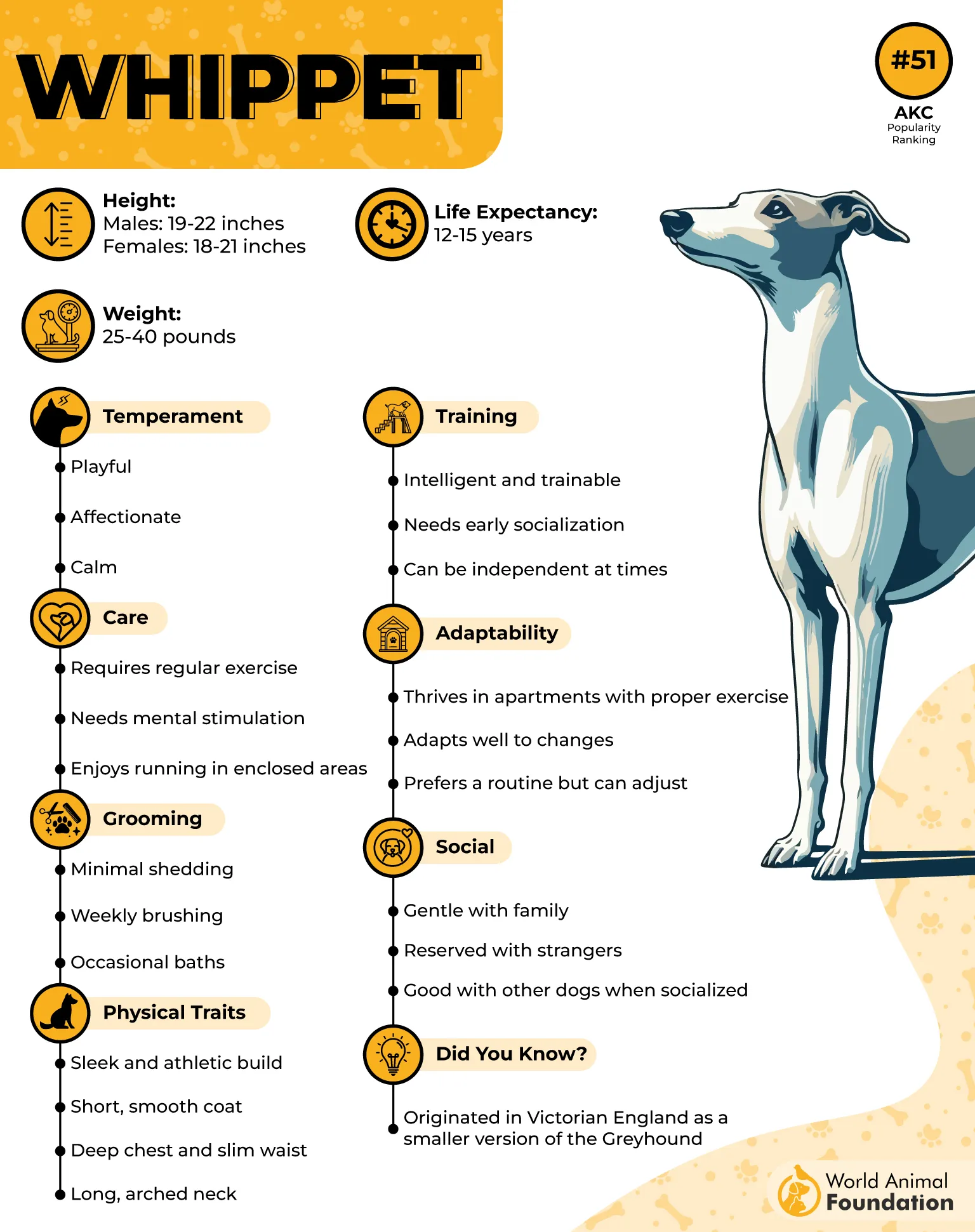
Whippets, for example, are described by the AKC as playful, affectionate, and calm, while their history as racing and hunting dogs means they still benefit from appropriate physical outlets.
However, quiet should not be confused with antisocial or low-maintenance. Even dogs that are naturally reserved need appropriate exercise, enrichment, training, and controlled exposure to people and new surroundings.
The seven breeds below therefore represent different ways a dog can fit into a calmer lifestyle, rather than a promise that any individual dog will prefer isolation.
Quiet Dog Breeds That Thrive in Low‑Social Settings
1. Greyhound
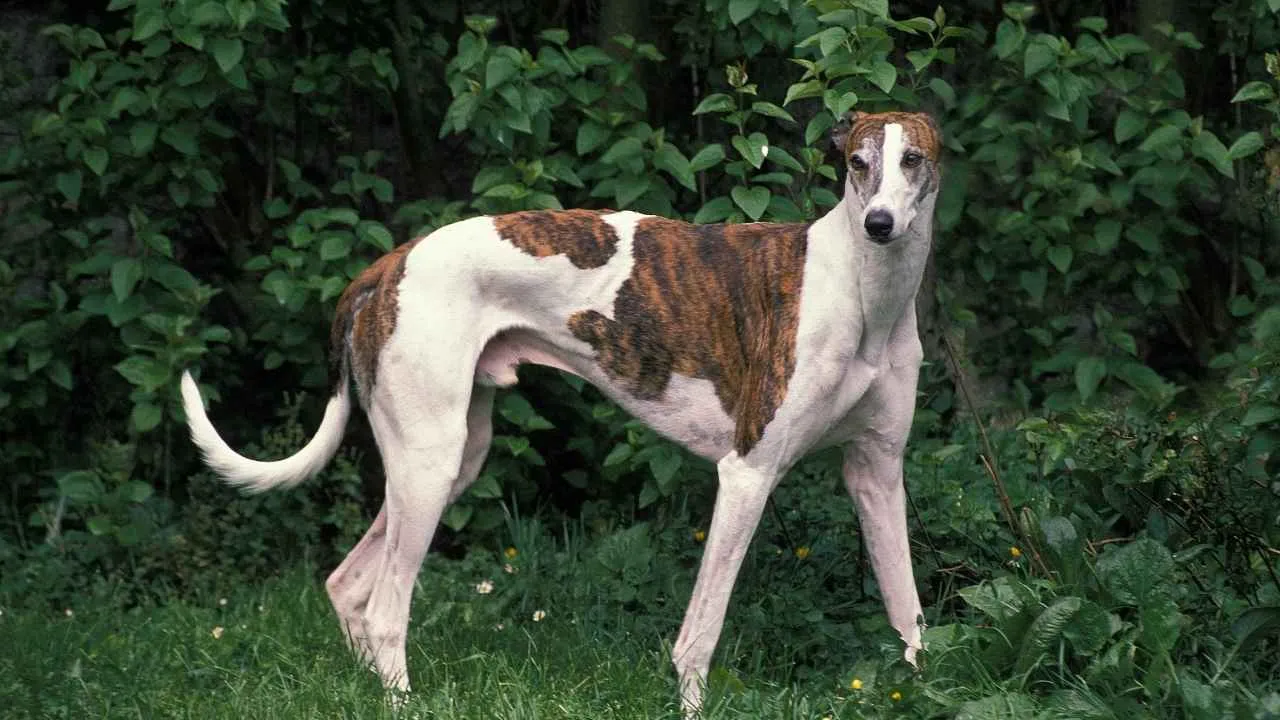
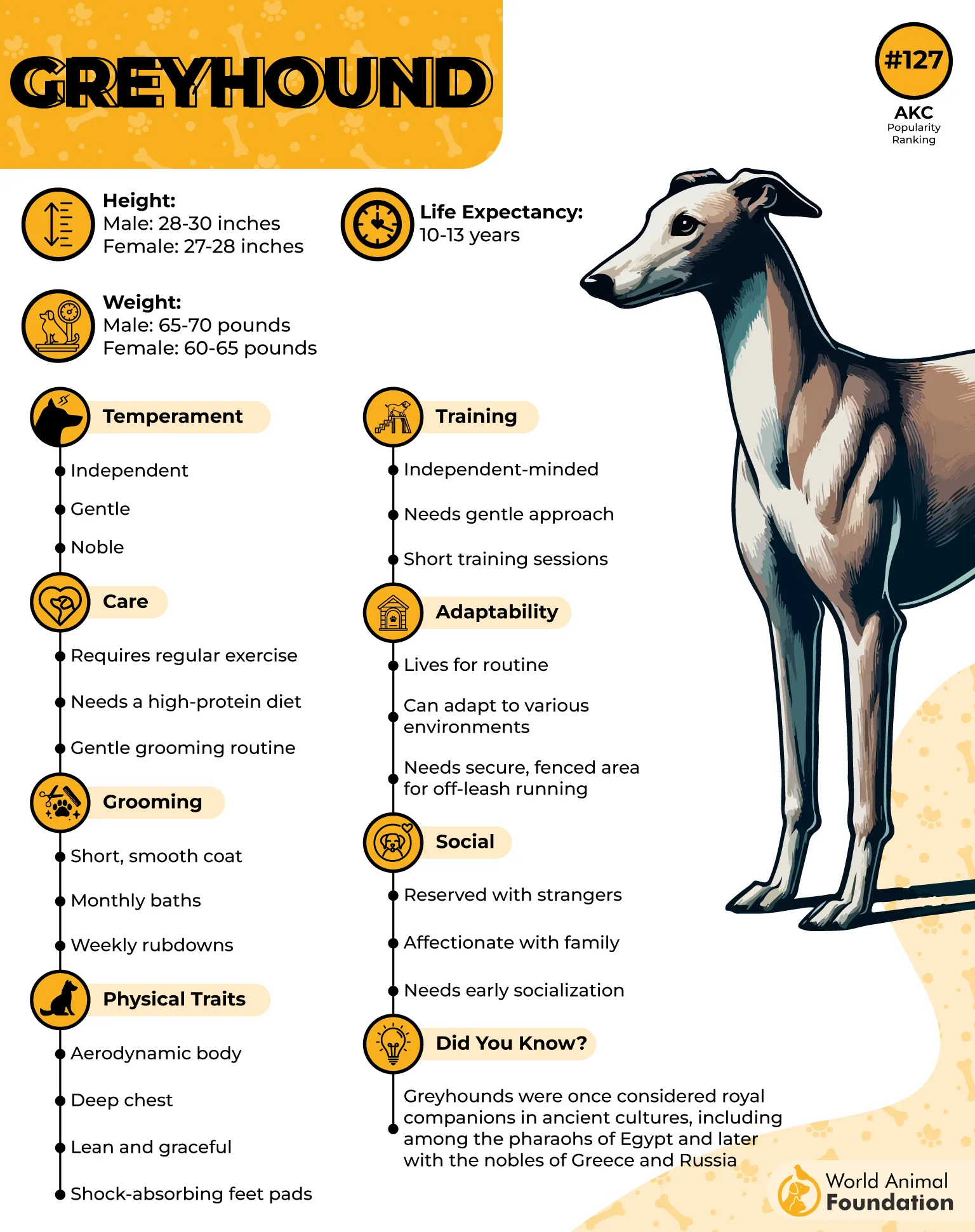
Greyhounds are among the oldest dog types, with their ancestry stretching back thousands of years. They were developed as sight hounds capable of detecting and pursuing fast-moving prey, eventually becoming famous for their remarkable speed. Despite their racing reputation and athletic build, Greyhounds are often surprisingly relaxed when indoors.
Give Their Athletic Instincts Room to Unwind
Greyhounds benefit from regular walks and occasional opportunities to run in a securely enclosed area. Their exercise needs should be balanced with plenty of rest, as many individuals are content to spend long periods relaxing after activity. Comfortable bedding is particularly appreciated because their lean bodies offer little natural cushioning.
A Surprisingly Peaceful Home Companion
Their calm indoor behavior can make Greyhounds appealing to people who prefer a quieter household. Many are affectionate without constantly demanding interaction from everyone they encounter. They may be somewhat reserved with unfamiliar people, making them potentially comfortable in homes where social traffic is limited.
2. Whippet
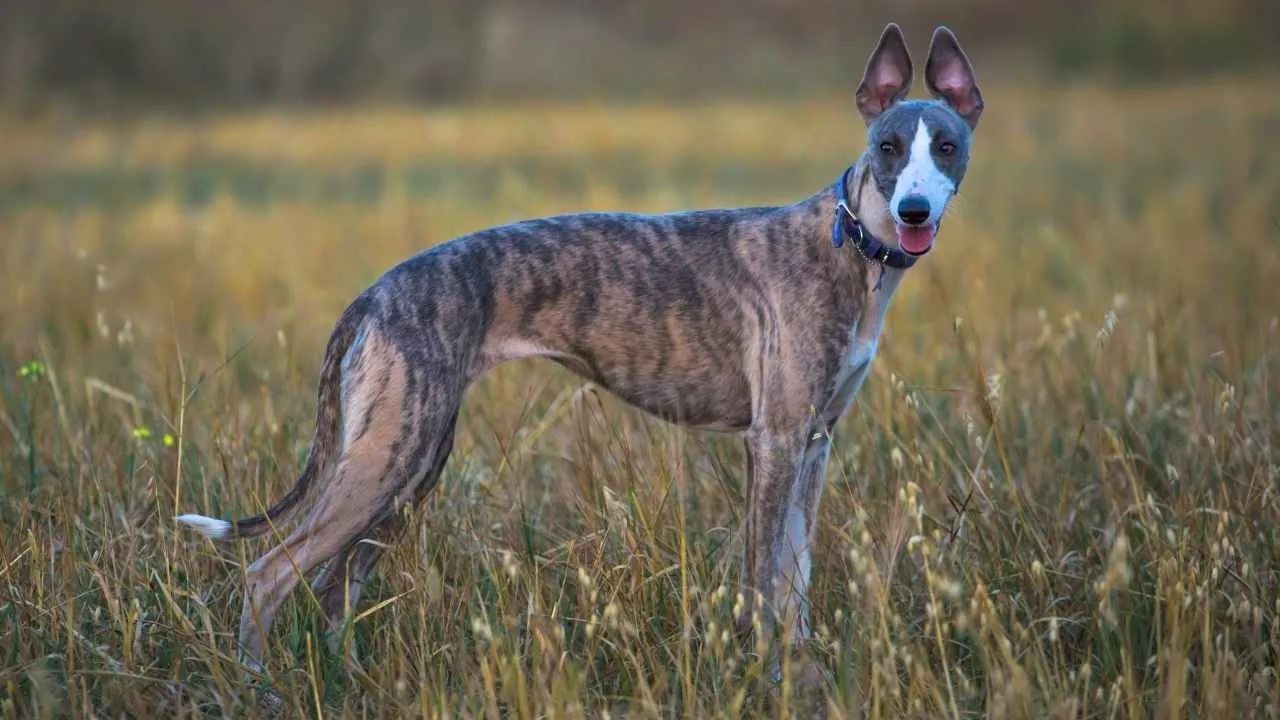
Whippets developed in Britain as smaller sighthounds capable of pursuing rabbits and other fast-moving quarry. Their ancestry includes Greyhound-type dogs, with selective breeding producing a more compact athlete that could also serve as a practical companion. Their combination of speed and relatively modest size made them popular among working-class communities.
Mix Short Bursts of Speed With Plenty of Rest
Whippets usually enjoy daily walks and opportunities for safe running, but they are not built to remain active throughout the entire day. Interactive games and brief training sessions can provide additional stimulation. Once their exercise needs are met, many are happy to settle comfortably indoors.
Reserved Rather Than Constantly Social
Whippets can be affectionate with their families while remaining somewhat cautious around unfamiliar people. Their softer social style may suit owners who do not regularly host crowds. Early exposure to different situations is still important so that their natural sensitivity develops into confidence rather than excessive shyness.
3. Shiba Inu
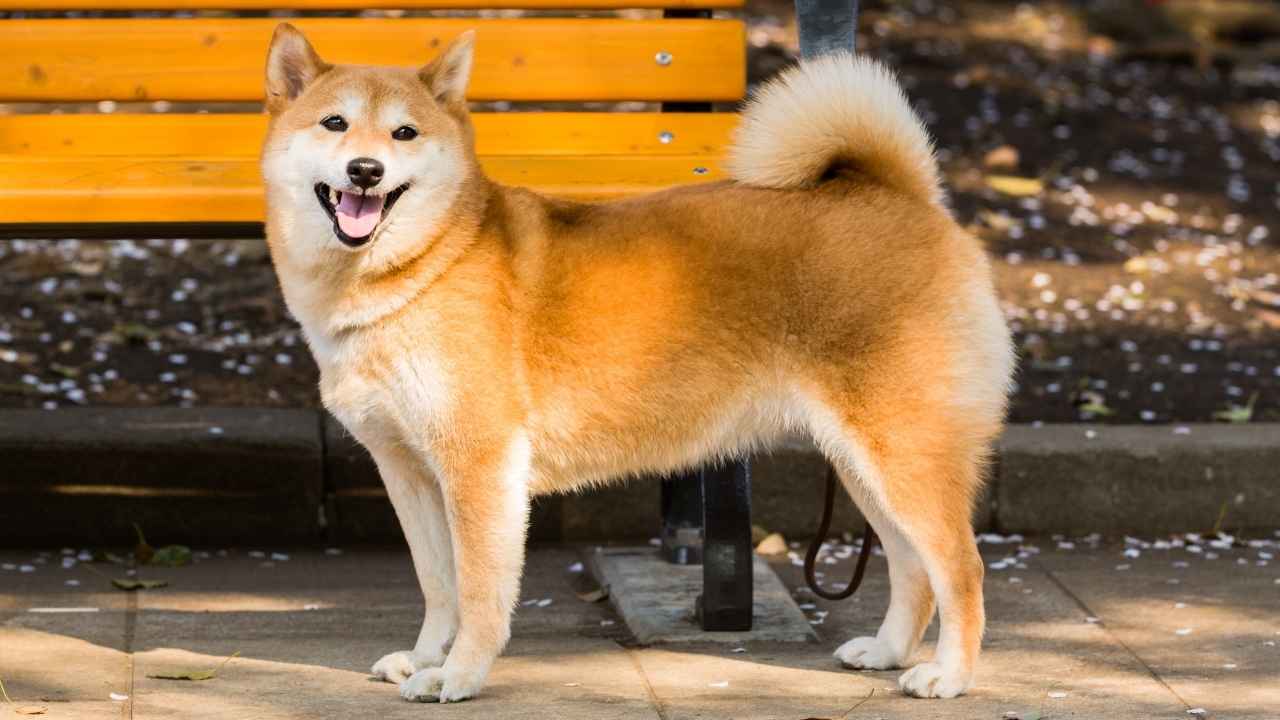
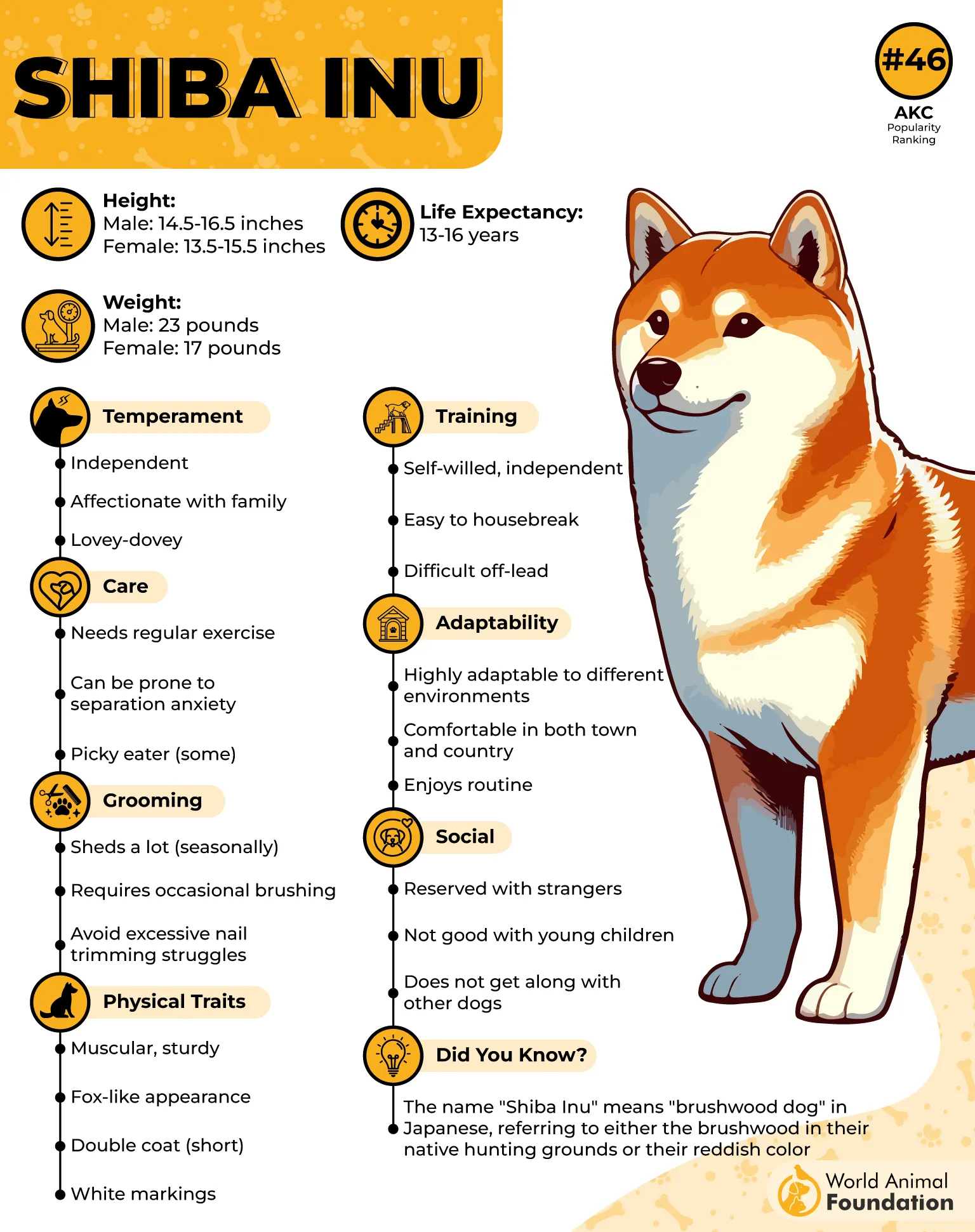
The Shiba Inu originated in Japan and is one of the country’s native dog breeds, as per the AKC. Its ancestors were used to hunt small game in mountainous and wooded regions, where agility, alertness, and independence were valuable traits. The breed survived near extinction during the twentieth century before dedicated breeding efforts helped preserve it.
Keep an Independent Mind Engaged
Shiba Inus need regular walks, opportunities to explore safely, and activities that challenge their intelligence. Training often works best when lessons are short, consistent, and rewarding because this breed may question repetitive demands. Secure fencing is particularly important because some Shibas have strong instincts to investigate beyond their immediate surroundings.
A Private Personality With Strong Boundaries
Shiba Inus are often described as independent and reserved rather than eager to greet every person they meet. They may form strong attachments to their families while maintaining a noticeable degree of personal space. This temperament can work well for owners who appreciate a dog that does not constantly seek attention.
4. Cavalier King Charles Spaniel
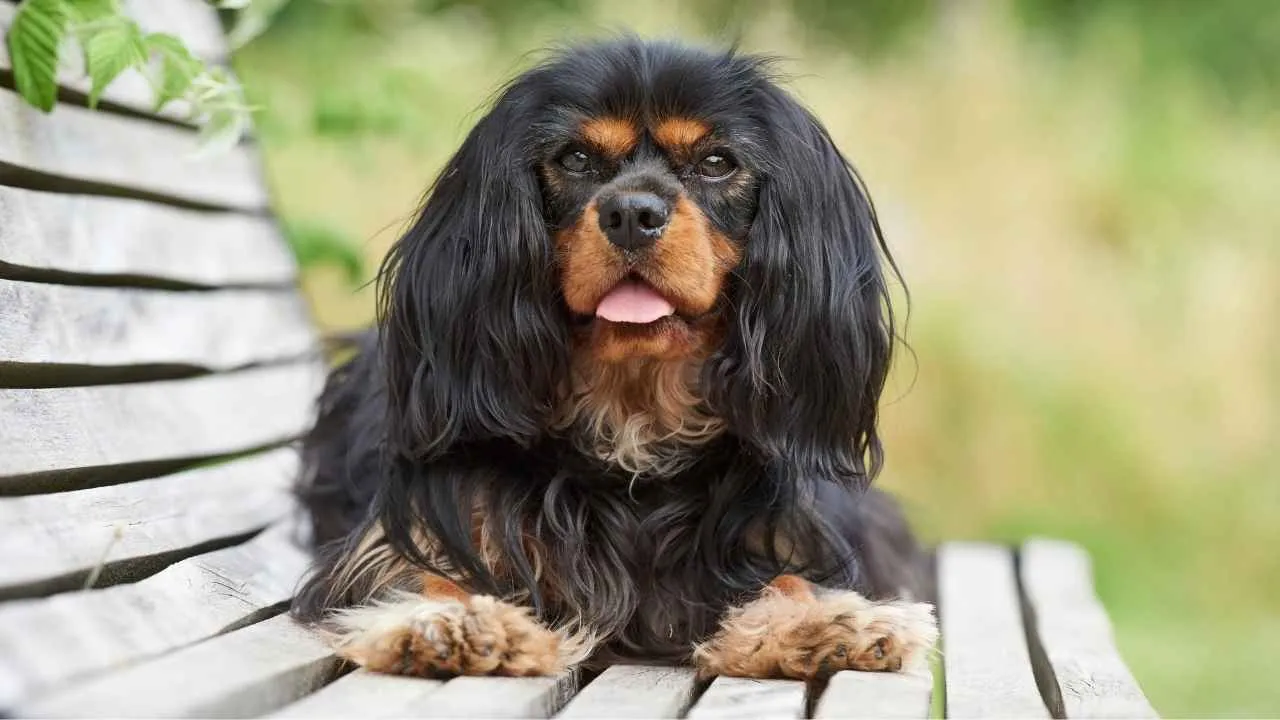
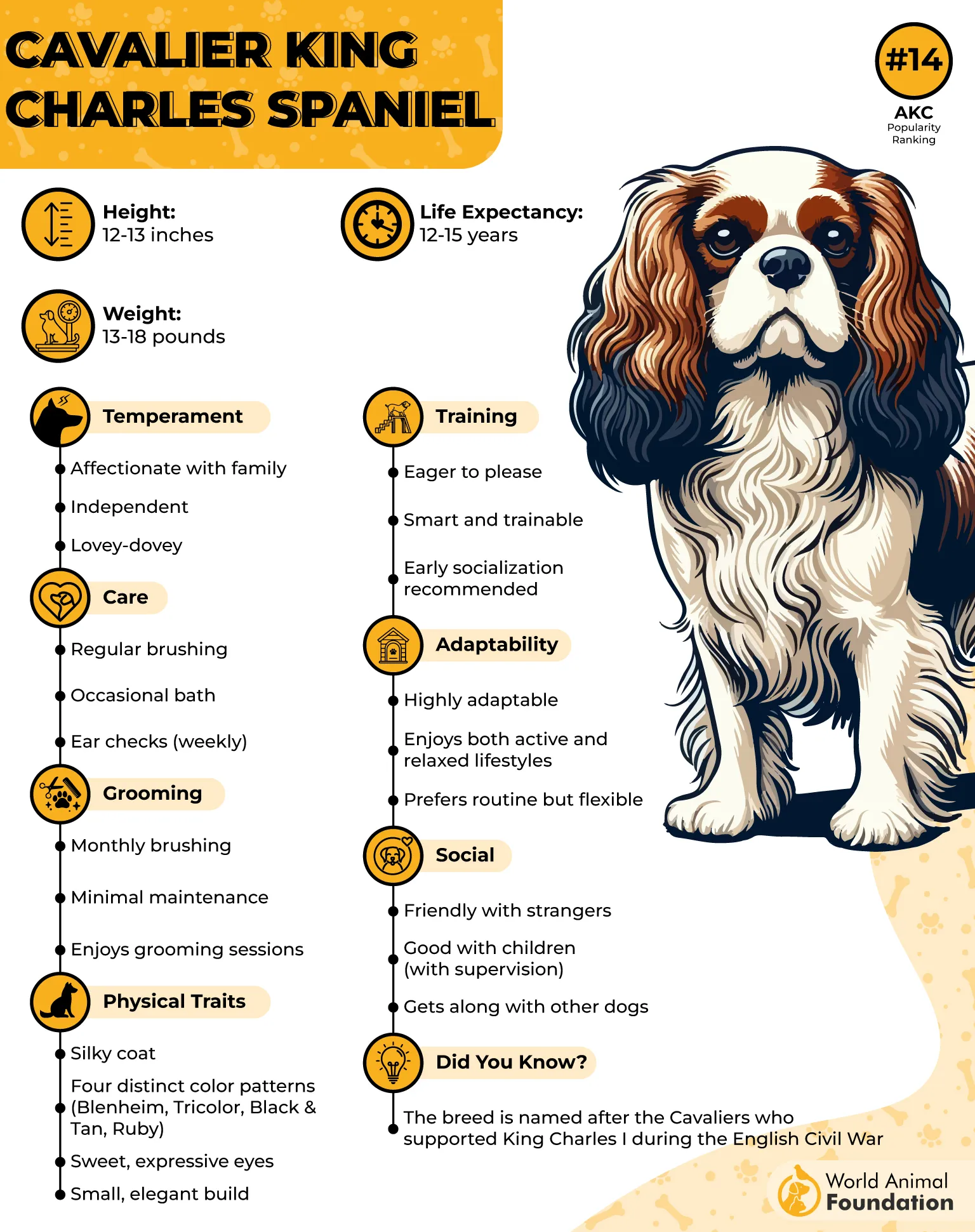
The Cavalier King Charles Spaniel developed in Britain and takes its name from its historical association with King Charles II and the small spaniels favored in royal circles, as per PetMD. Modern Cavaliers were developed from those toy spaniel traditions and became cherished companion dogs. Their history is centered heavily on close relationships with people rather than demanding working tasks.
Keep Exercise Gentle and Consistent
Cavaliers generally do well with daily walks, interactive play, and short training sessions. They enjoy being involved with their owners but do not typically require the intense physical workload associated with many working breeds. Mental stimulation through simple games and obedience exercises can add variety to their routine.
Affectionate Without Needing a Crowd
A Cavalier may be especially comfortable with a household where companionship comes primarily from its immediate family. Their friendly nature means they should not be deprived of socialization, but they often do not require a busy stream of visitors to remain content. Their affectionate personality can provide plenty of companionship within a quieter home.
5. Basenji
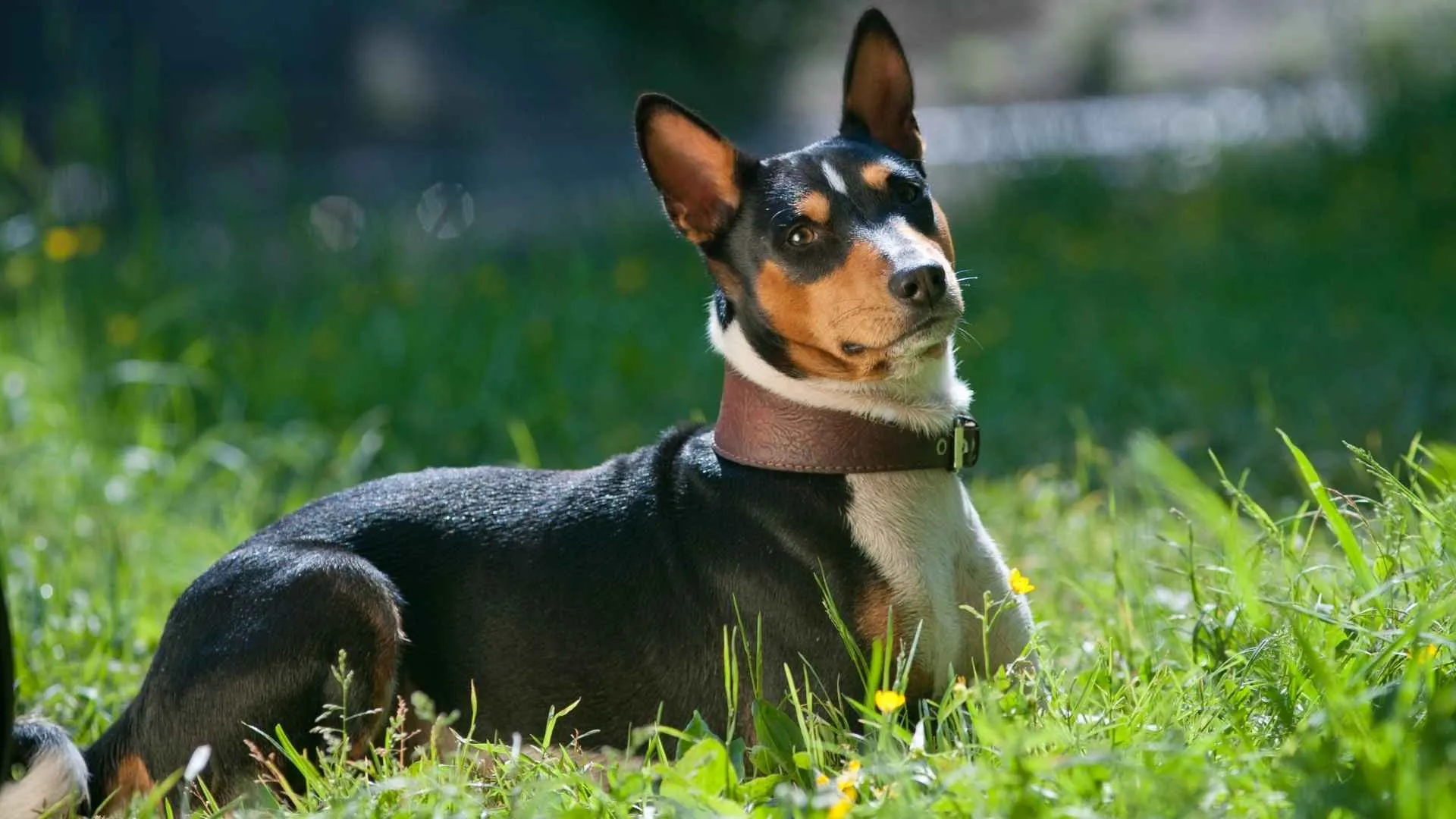
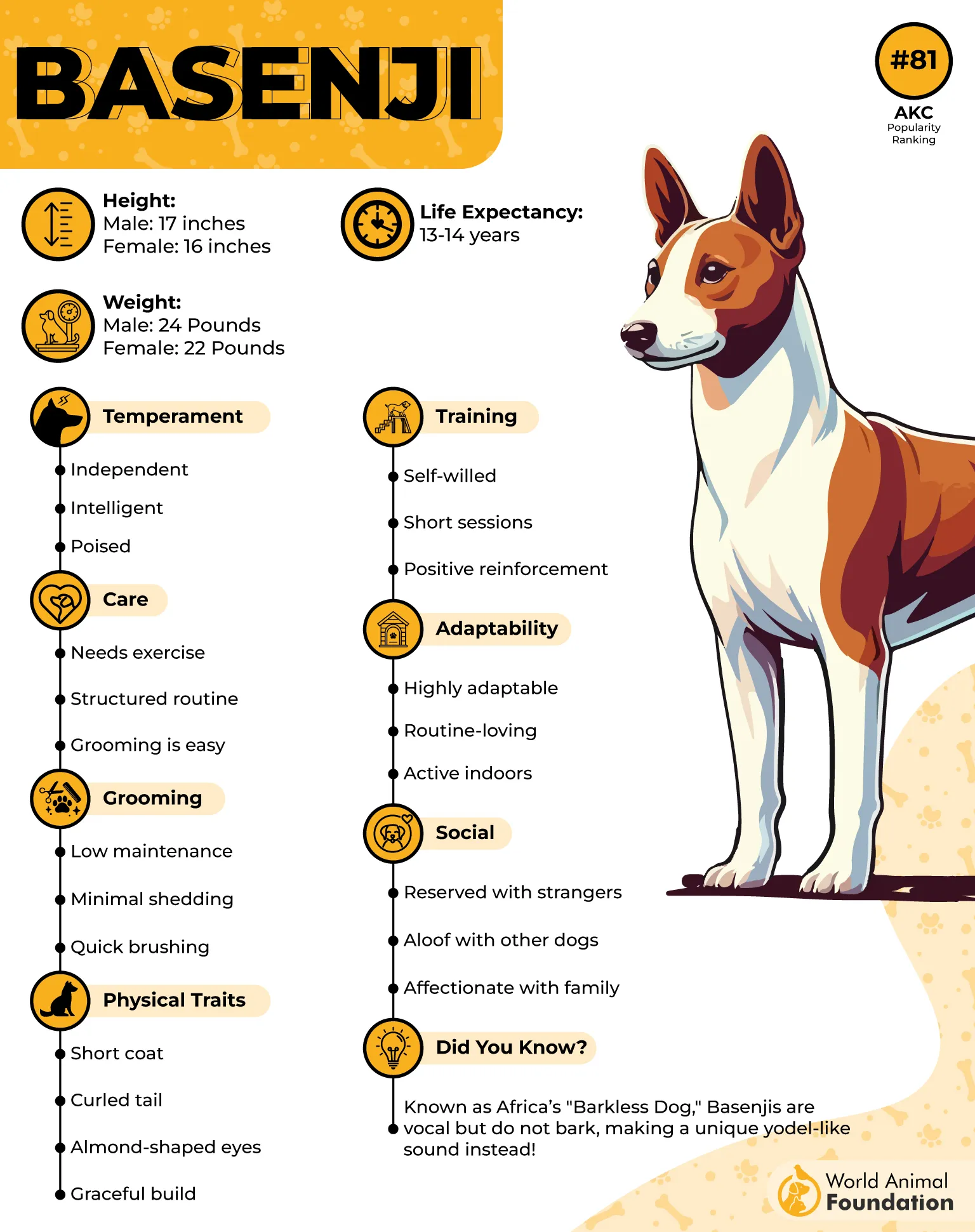
The Basenji has ancient roots in Central Africa, where dogs resembling the breed were valued for hunting and tracking. They developed in environments where independence, agility, and awareness were important for working alongside people. The breed is particularly famous for its unusual vocalization, often described as a yodel or “barroo,” rather than a conventional bark.
Turn Their Energy Into Structured Exploration
Basenjis are intelligent and active, requiring regular walks, interactive games, scent activities, and opportunities to investigate their environment safely. Their independent streak means training can require creativity and consistency. Owners should also provide secure containment because their curiosity and athletic ability can make unsupervised outdoor exploration risky.
Quiet in an Unusual Way
Although Basenjis are not quiet dogs, their unusual vocal habits distinguish them from breeds known for frequent barking. They can be expressive through body language, occasional yodel-like sounds, and other vocalizations. Their independent temperament may also appeal to people who prefer a dog that is not constantly seeking interaction with strangers.
6. French Bulldog
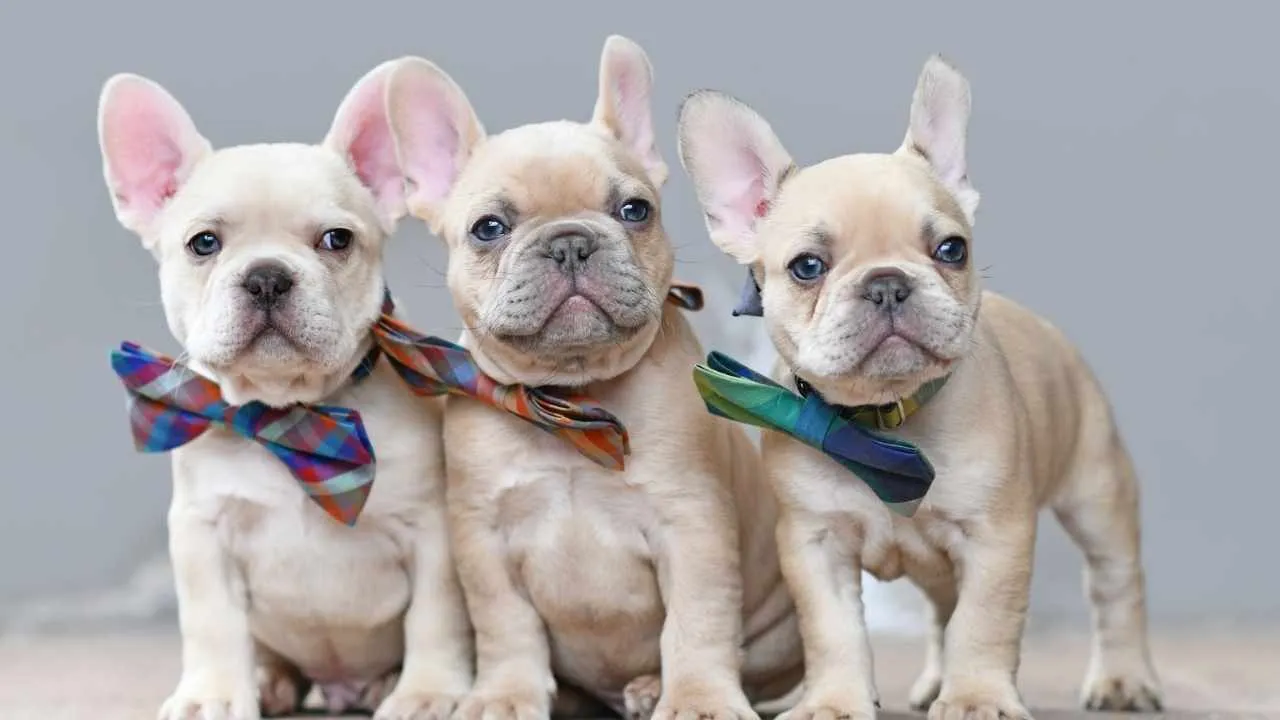
French Bulldogs developed from small Bulldog-type dogs that became popular among lace workers in England before the breed gained strong associations with France. They were selectively bred as compact companion dogs and eventually became a recognizable favorite in European urban households.
Their history as companions rather than demanding working animals contributes to their relatively adaptable lifestyle.
Favor Moderate Activity Over Intense Workouts
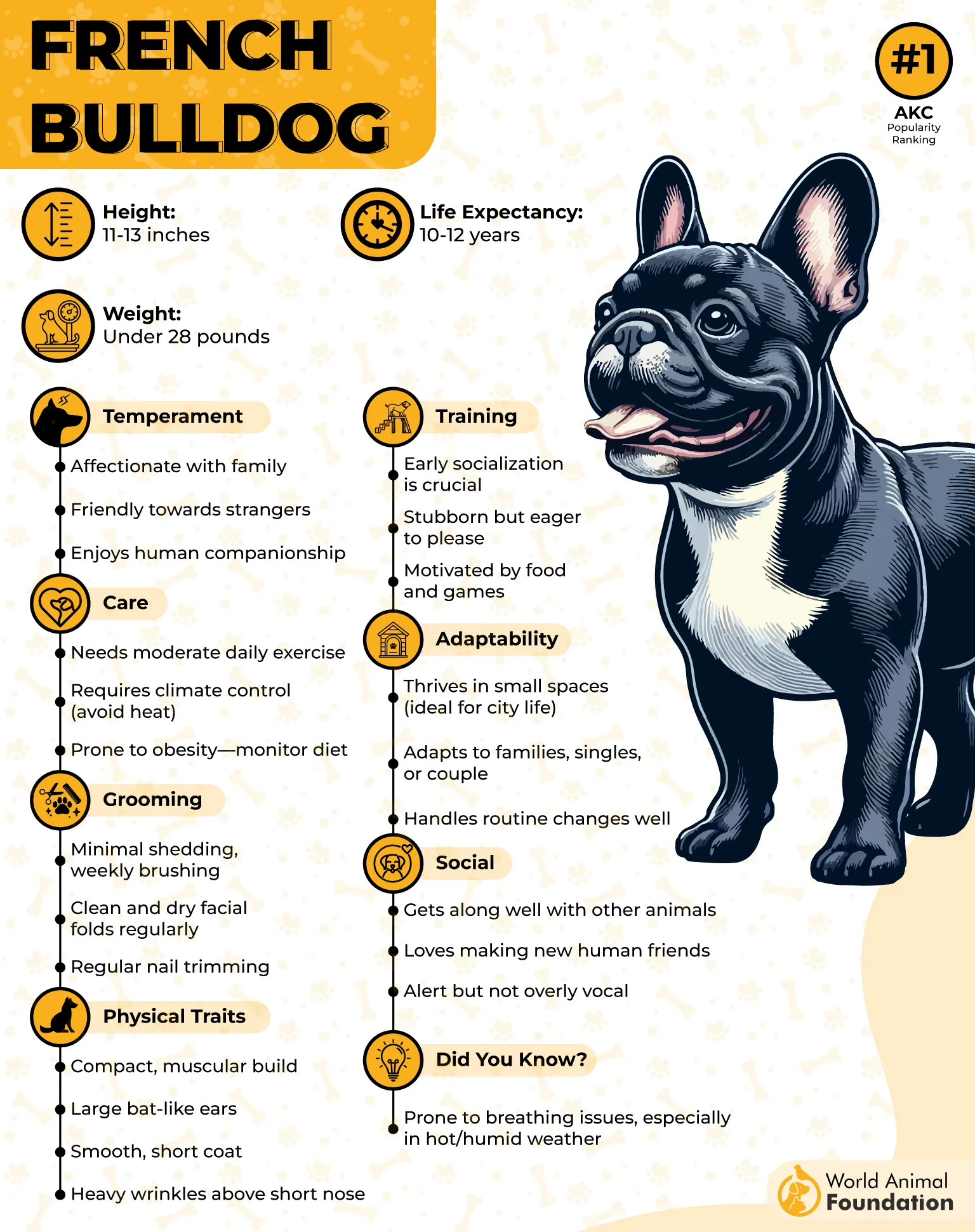
French Bulldogs typically need regular but modest exercise, such as short walks and gentle play. Because their short muzzles can make heat and strenuous exertion particularly challenging, owners should avoid excessive activity in warm conditions. Mental enrichment through puzzle toys and brief training sessions can provide useful stimulation without overtaxing them physically.
Content With a Small Social Circle
Many French Bulldogs are happiest spending time with their immediate household rather than participating in a constantly changing social scene. They can be affectionate, humorous, and attentive without requiring extensive outdoor adventures every day. Individual personalities vary, so early socialization remains important even for a dog expected to live in a quiet home.
7. Chow Chow
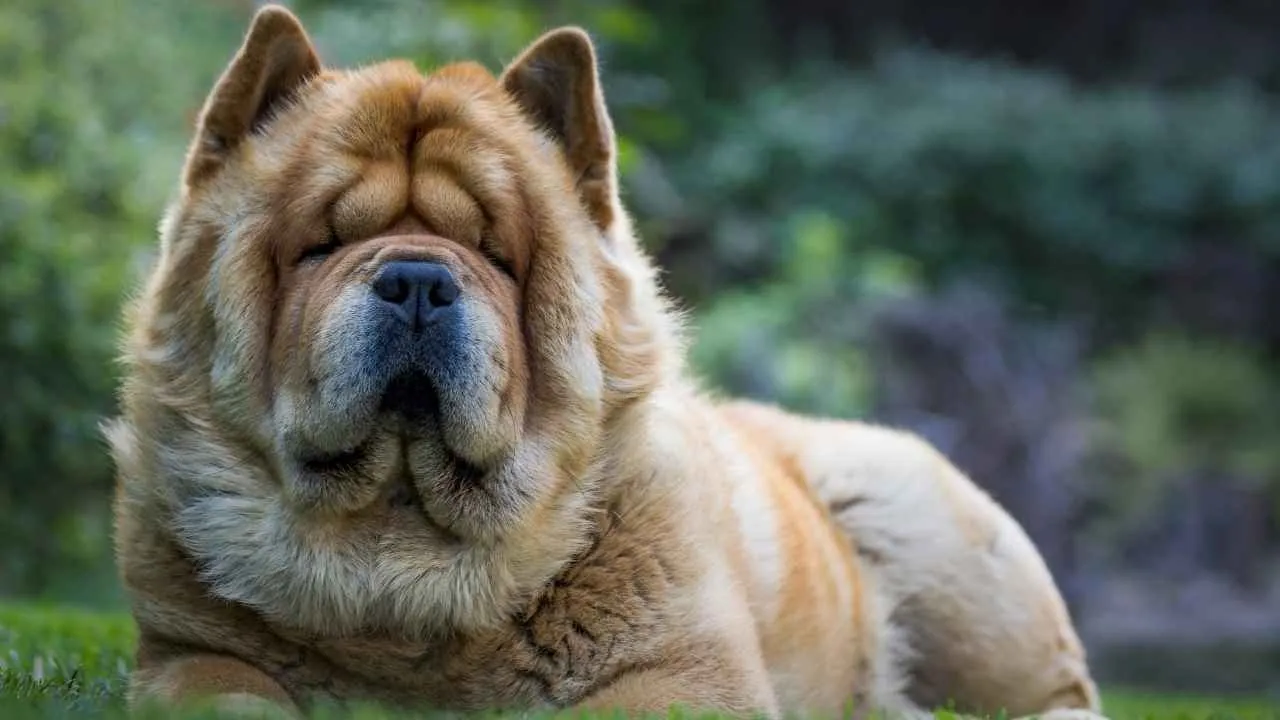
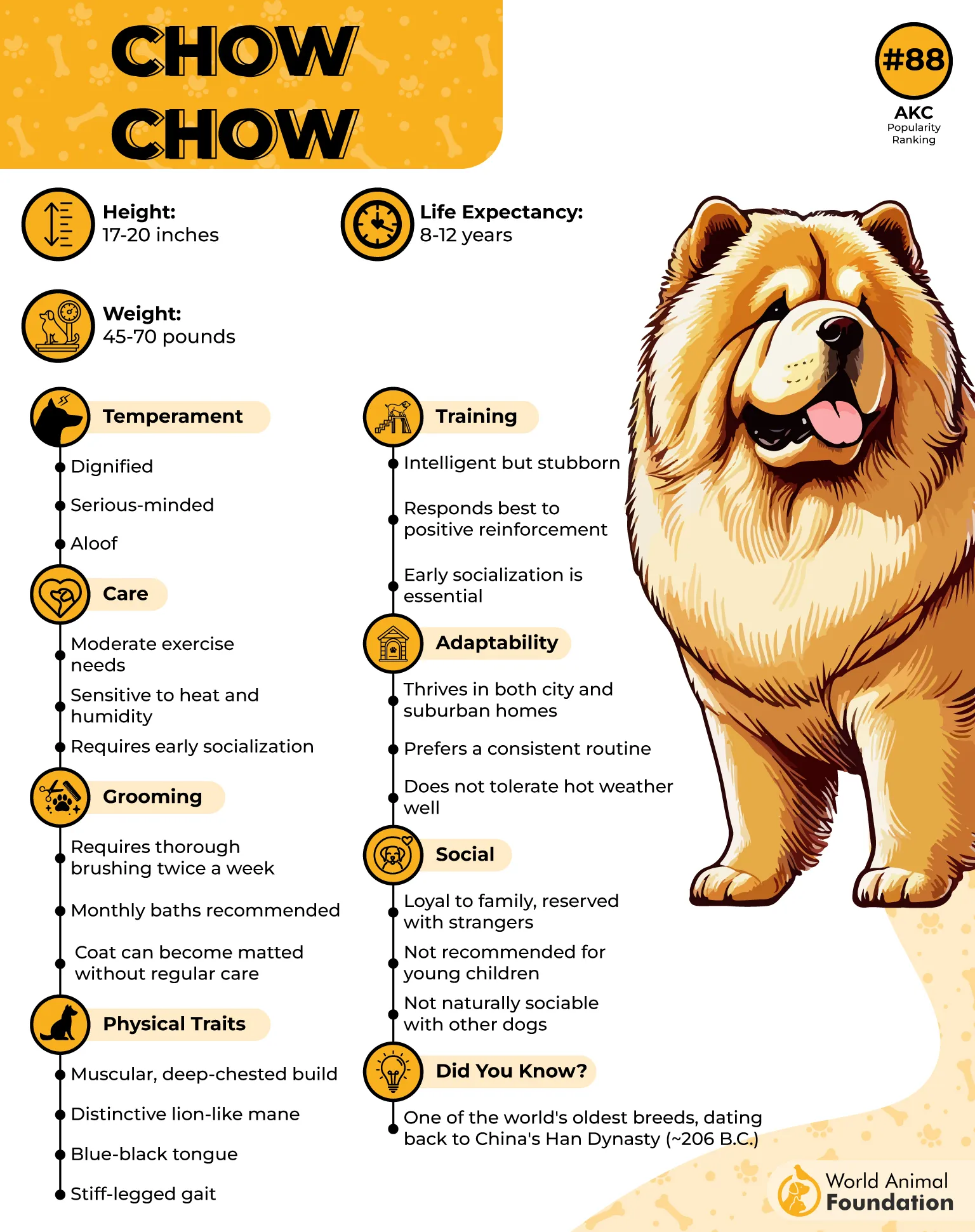
The Chow Chow is an ancient Chinese breed with a history encompassing hunting, guarding, pulling, and other forms of work. Its distinctive appearance and independent temperament developed over centuries, giving the breed a notably different character from highly outgoing companion dogs, as per Purina. Chow Chows have traditionally been recognized for their reserved nature and strong sense of personal space.
Combine Exercise With Consistent Boundaries
Chow Chows benefit from regular walks and moderate physical activity rather than extreme endurance work. Training should begin early and focus on leash manners, household rules, handling, and calm responses to unfamiliar situations. Consistent socialization is especially valuable because a naturally reserved dog should learn to navigate everyday environments confidently.
A Reserved Companion for a Peaceful Household
Chow Chows are often more selective about social interaction than highly extroverted breeds. They may form strong bonds with their families while remaining indifferent to strangers. Their dignified and independent personality can suit owners who appreciate a dog that is comfortable with a relatively small social circle.
Conclusion
Greyhounds and Whippets can be excellent choices for people who appreciate a relaxed indoor companion paired with manageable periods of athletic activity. Shiba Inus and Chow Chows offer a more independent temperament, while Basenjis provide a particularly unusual alternative for owners interested in a dog that does not rely on conventional barking.
Cavalier King Charles Spaniels bring a softer, affectionate personality to quieter households, and French Bulldogs can fit comfortably into less active routines when their exercise and health needs are carefully managed. However, none of these breeds should be completely isolated from the outside world.
A low-social household can still provide a rich life through walks, training, enrichment, gentle outings, and controlled exposure to different people and environments. The ideal dog is therefore not simply the quietest one, but the breed whose energy level, independence, exercise requirements, and need for companionship align naturally with the owner’s everyday lifestyle.
