




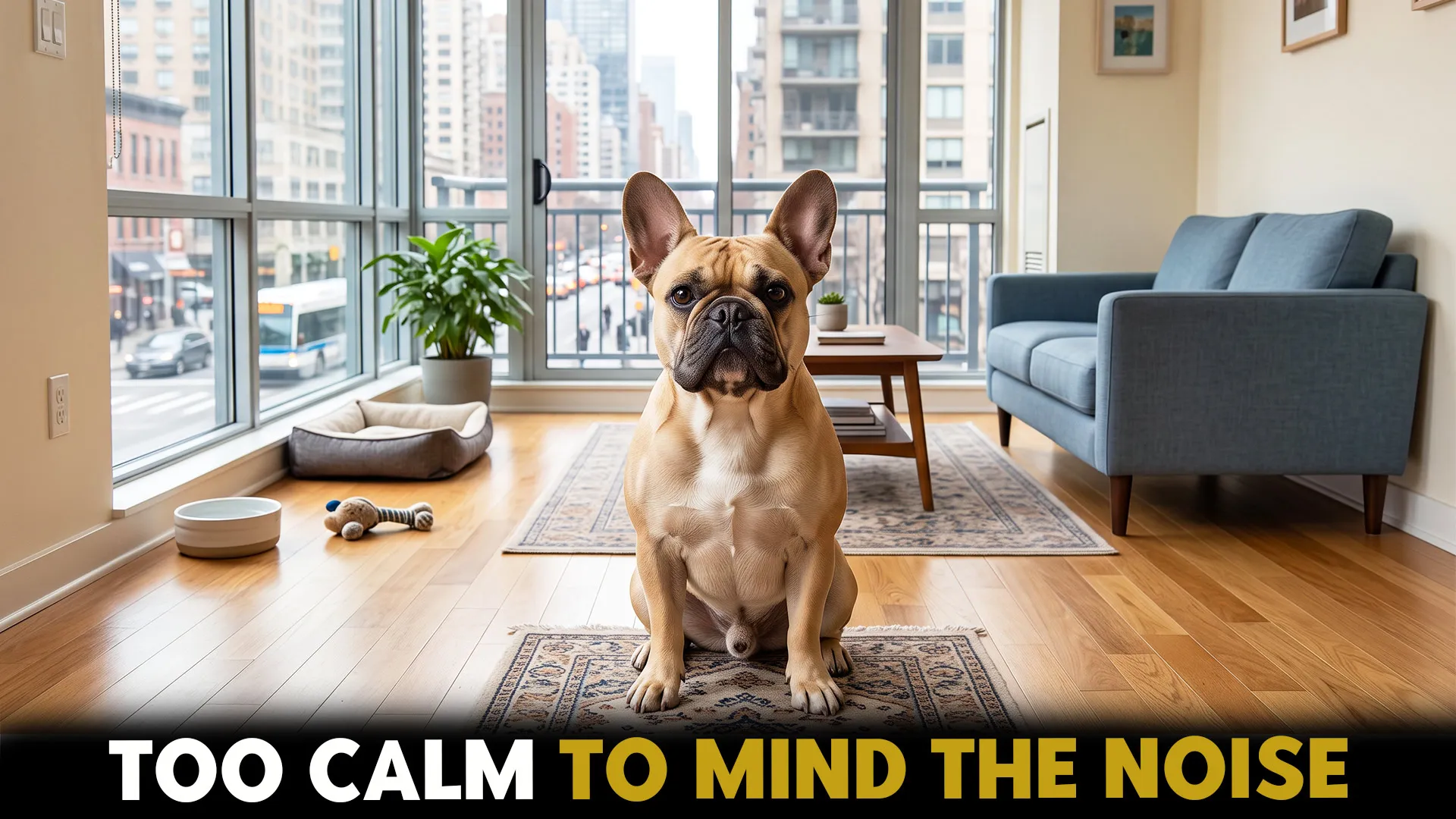
Living in an apartment doesn’t mean giving up the convenience and amenities of city life, and neither does having a dog. The real challenge is finding a breed that adjusts to a smaller space without becoming a burden.
A quiet dog is easier to live with, for you and for your neighbors. But “quiet” doesn’t mean completely silent. Any dog can fall into excessive barking, whining, or growling. Even naturally quiet breeds can get loud when they’re bored, anxious, or poorly socialized, and a dog that doesn’t get enough exercise or mental stimulation may turn to destructive behavior.
Small breeds usually adapt to apartment living more easily than large ones. Still, activity needs, socialization, and barking tendencies all affect how well a breed suits a shared building.
The seven breeds below made the list for different reasons. Some are naturally quiet, some are happy to relax indoors after a good workout, and some are especially good at fitting into compact homes.
Let’s take a look at some dogs that work well in apartments.
Quiet Dog Breeds Ideal for Noisy City Apartments
1. Basenji
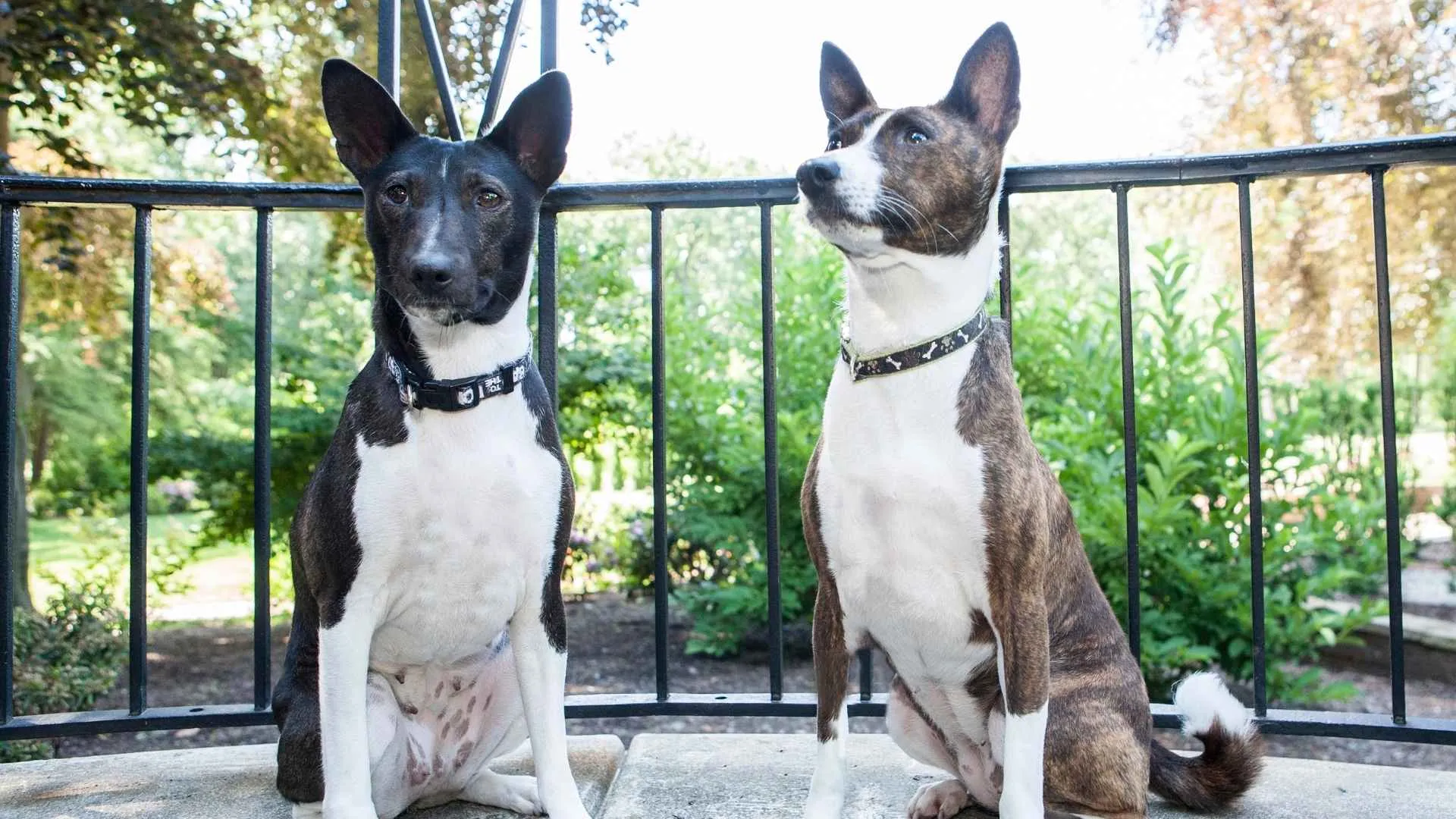
Called Africa’s “Barkless Dog” by the American Kennel Club, the Basenji is an unusual pick for apartment living because it doesn’t bark in the usual way. Instead, it communicates by yodeling, chortling, and making other odd sounds. So while it isn’t entirely quiet, the lack of typical barking can be a real perk in a shared building.
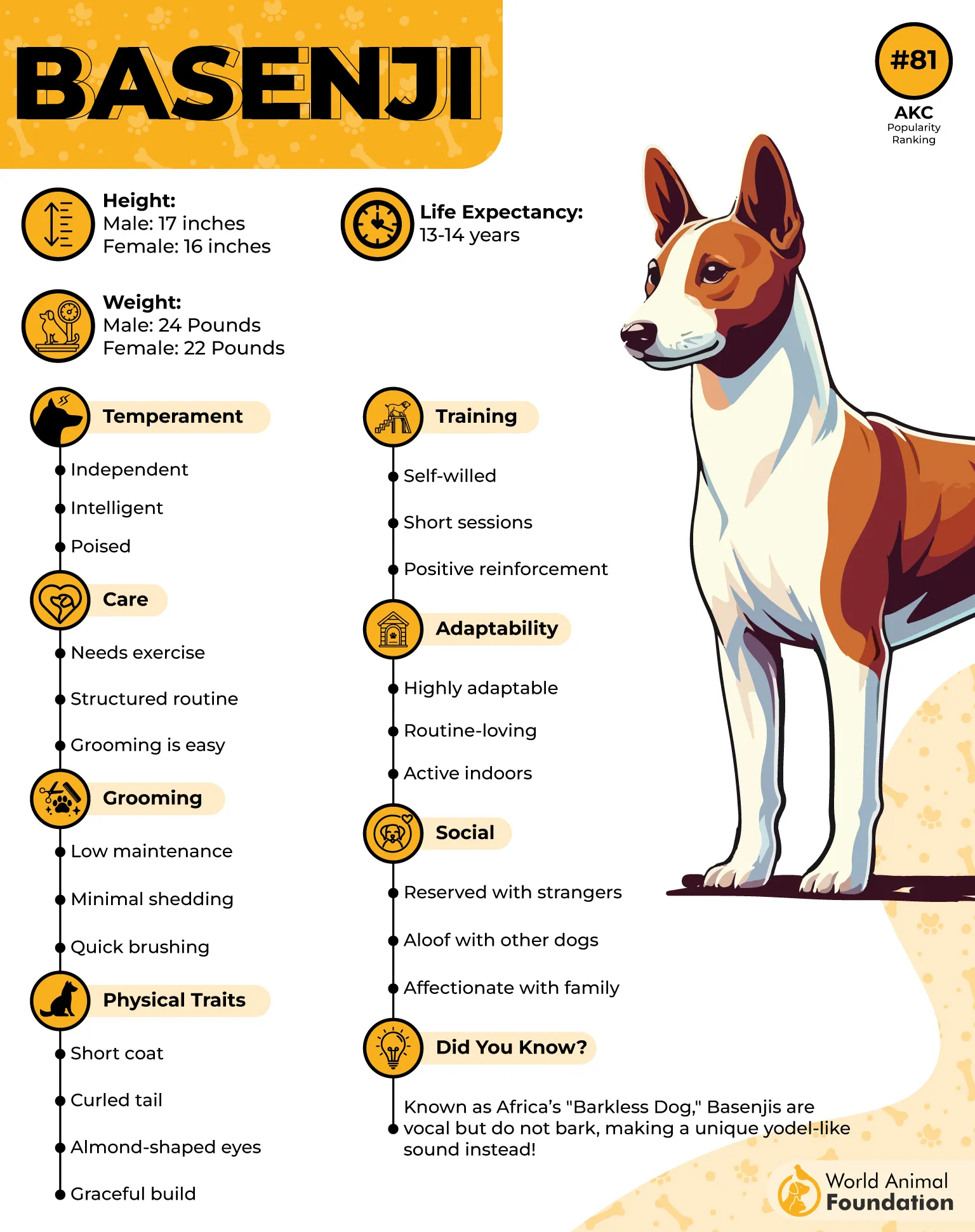
Basenjis are small, clean, and athletic. They shed little, and their short coats keep grooming simple.
Their one drawback is exercise. They’re very active and were bred as hunting dogs, so they need regular activity, early training, and mental stimulation from things like puzzle toys. Their independent streak can also make them harder to train.
2. Cavalier King Charles Spaniel

Described as a charming breed by Orvis, the Cavalier King Charles Spaniel is an affectionate companion that suits city apartments well.
Cavaliers were bred as companion dogs, so they’re naturally at ease around their people. They enjoy walks and playtime, and they’re just as happy to relax at home afterward. Their modest size makes it easy to get around a small apartment.
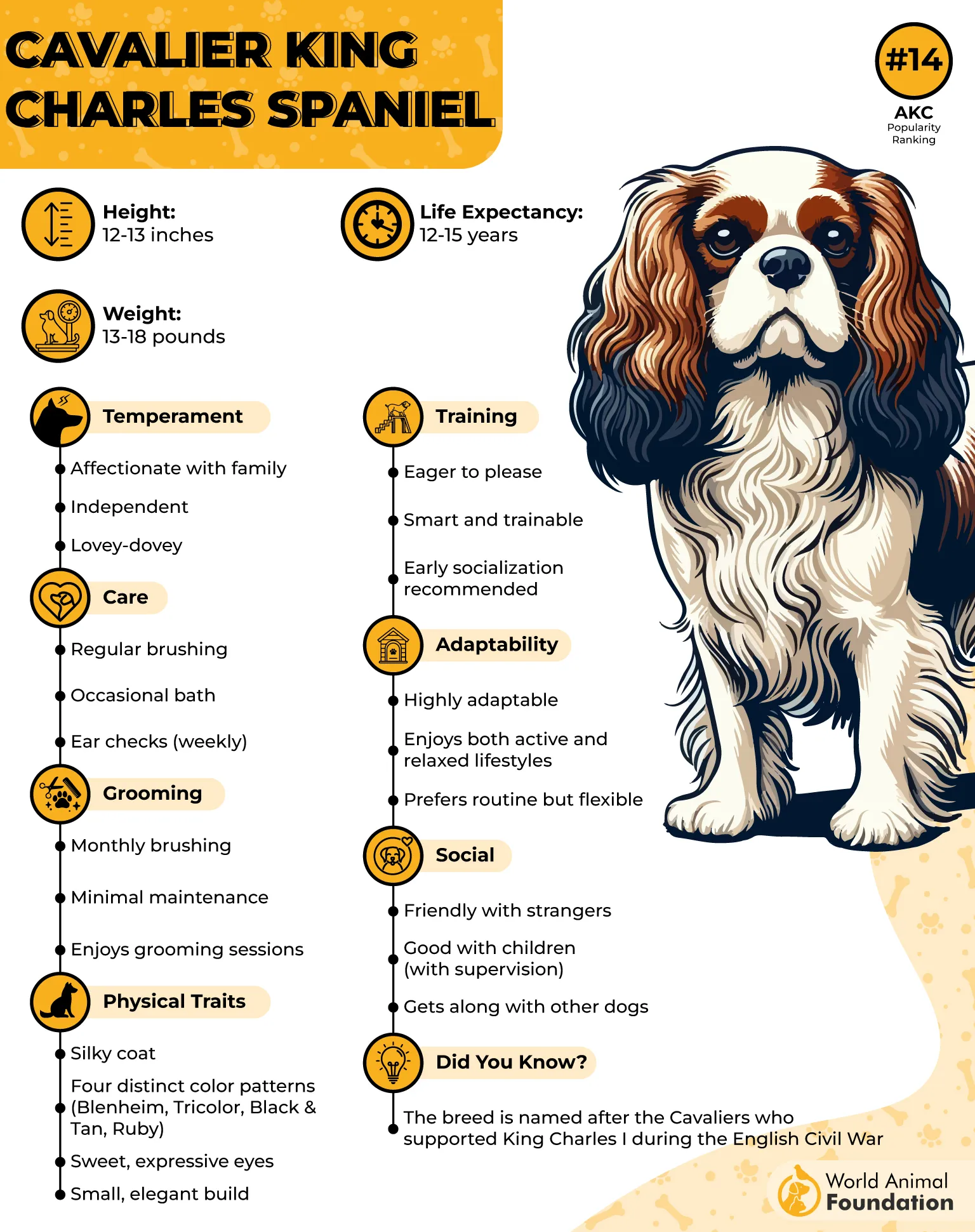
Their social nature is another perk. They tend to handle strangers, guests, neighbors, and other pets with ease, and a dog that stays calm in those situations is much easier to live with in the city.
That said, Cavaliers aren’t just decorative lapdogs. As a spaniel breed, they need regular exercise, and walks, games, and exploring all keep them happy. They also bond closely with their owners, which makes them a lovely family pet for a calm household looking for a good apartment dog.
3. French Bulldog

Described as “clownish” by Britannica, the French Bulldog seems almost made for city life. Unlike high-energy working breeds, this compact dog doesn’t need a big yard to burn off steam. It’s also typically quiet, with relatively little barking, which is a real help when neighbors are close by and noise is hard to avoid.
Frenchies like a set schedule, too. Many are perfectly satisfied with a daily routine of a walk around the neighborhood, some indoor play, and plenty of time with their family. Their small bodies take up very little room, and they love a good game without needing much space for it.
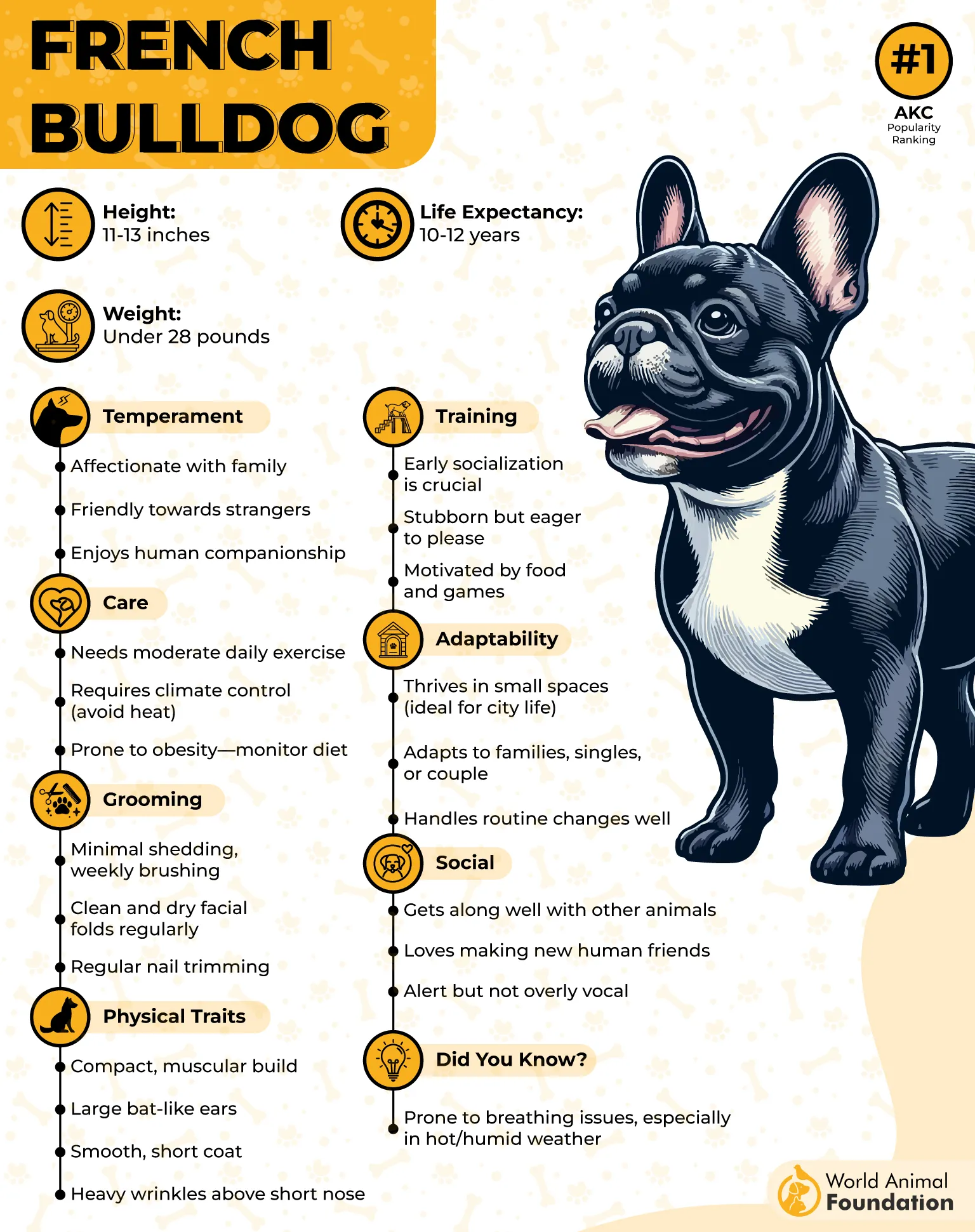
The one thing to watch is heat. French Bulldogs have very short muzzles, which makes it harder for them to cool down, and that can be a serious risk in hot, humid weather, especially during exercise. Schedule walks for the cooler parts of the day and skip strenuous activity when temperatures climb.
4. Japanese Chin

The Japanese Chin is a great pick for anyone who wants a small dog that doesn’t sound the alarm over every little thing, especially if you live in an apartment building. The breed is known for being quiet, graceful, and a bit cat-like, which suits shared living well.
Its compact size is an obvious plus for apartment dwellers. A Japanese Chin doesn’t need much room to move around comfortably, and daily activity can be as simple as short walks and play indoors.

The breed is also watchful without being noisy, so it doesn’t need to make a racket every time it hears something unfamiliar. That’s a real advantage in a busy building. Its coat does need regular grooming, though not as much as many long-haired dog breeds.
5. Italian Greyhound

The Italian Greyhound is small but lively. It doesn’t take up much room in an apartment, and its short coat is fairly easy to maintain.
These are sensitive dogs that tend to form close attachments to their families and can become stressed when left alone for long stretches. That sensitivity is worth keeping in mind, since unfamiliar sounds, strangers, and changes in routine can all affect the breed.
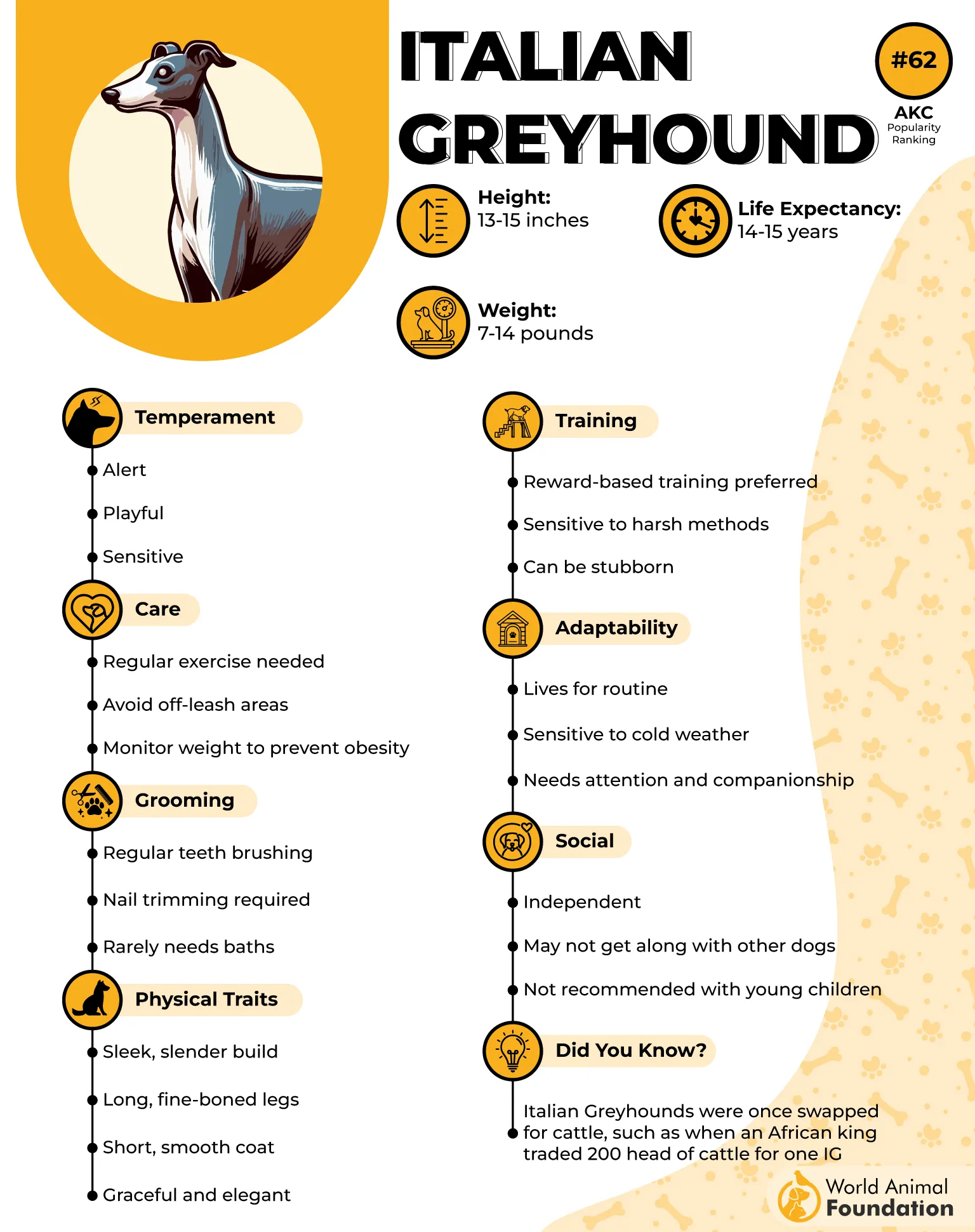
Italian Greyhounds like plenty of exercise and chances to run, but they don’t need much space at home. A mix of daily walks, safe places to sprint, and indoor games can cover their needs. If you want a quiet, compact dog and are ready to offer companionship and care, an Italian Greyhound may be the right choice.
6. Pug

Pugs are another small breed that does well in the city. They’re affectionate, their exercise needs are easy to meet, and they’d much rather stay close to their humans than find something to do outside all day.
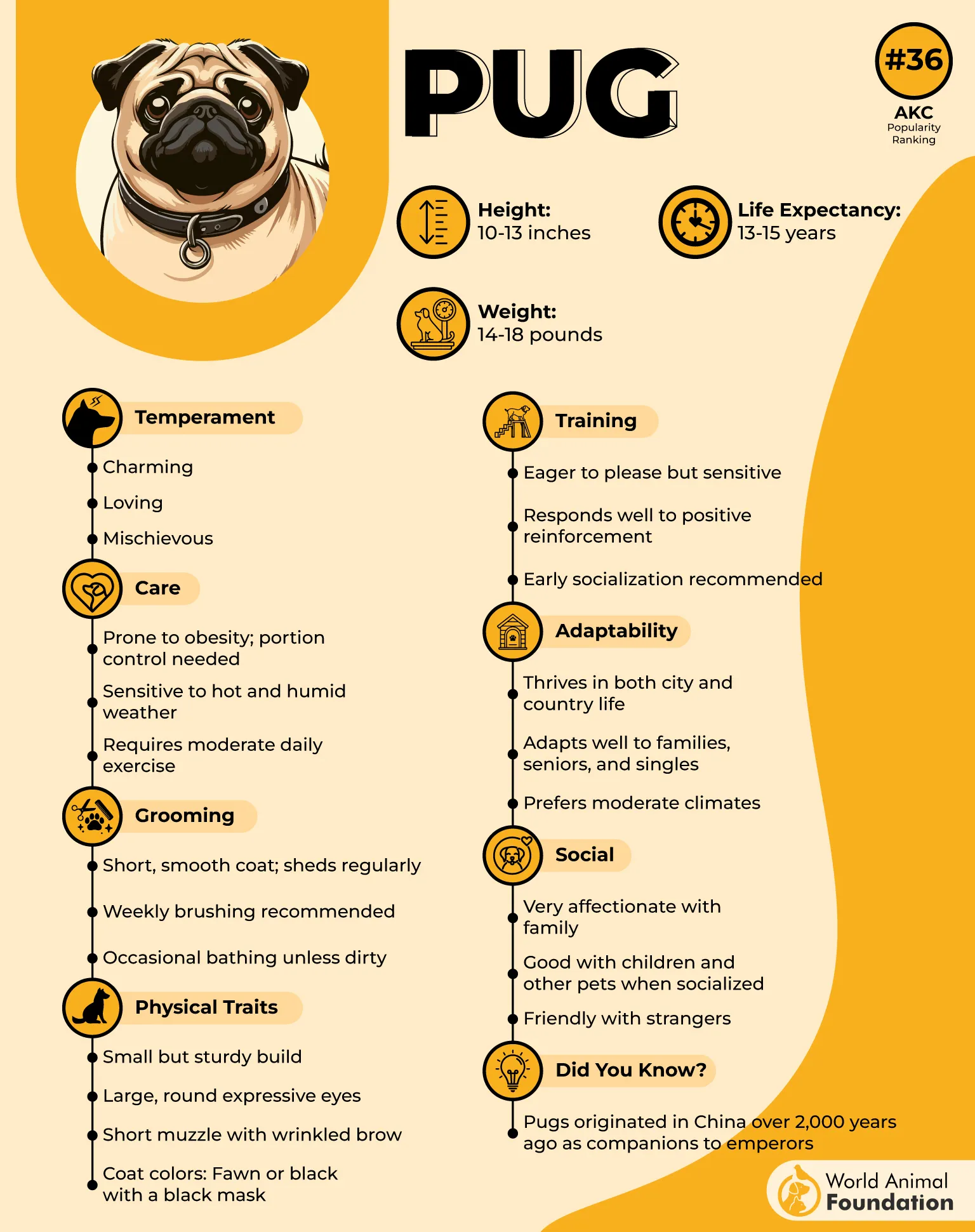
They aren’t completely quiet, though. When excited or alert, a Pug may bark, and its short face means it also makes plenty of snorts, snuffles, and other noises. Heat is another big factor. Because of their shortened muzzles, Pugs don’t cope well in hot weather.

Owners should avoid intense exercise, especially during the hottest part of the day, and switch to indoor play when it’s too warm outside. For someone who wants a small, loving dog with a laid-back approach to life, a Pug can be a great apartment companion.
7. Whippet
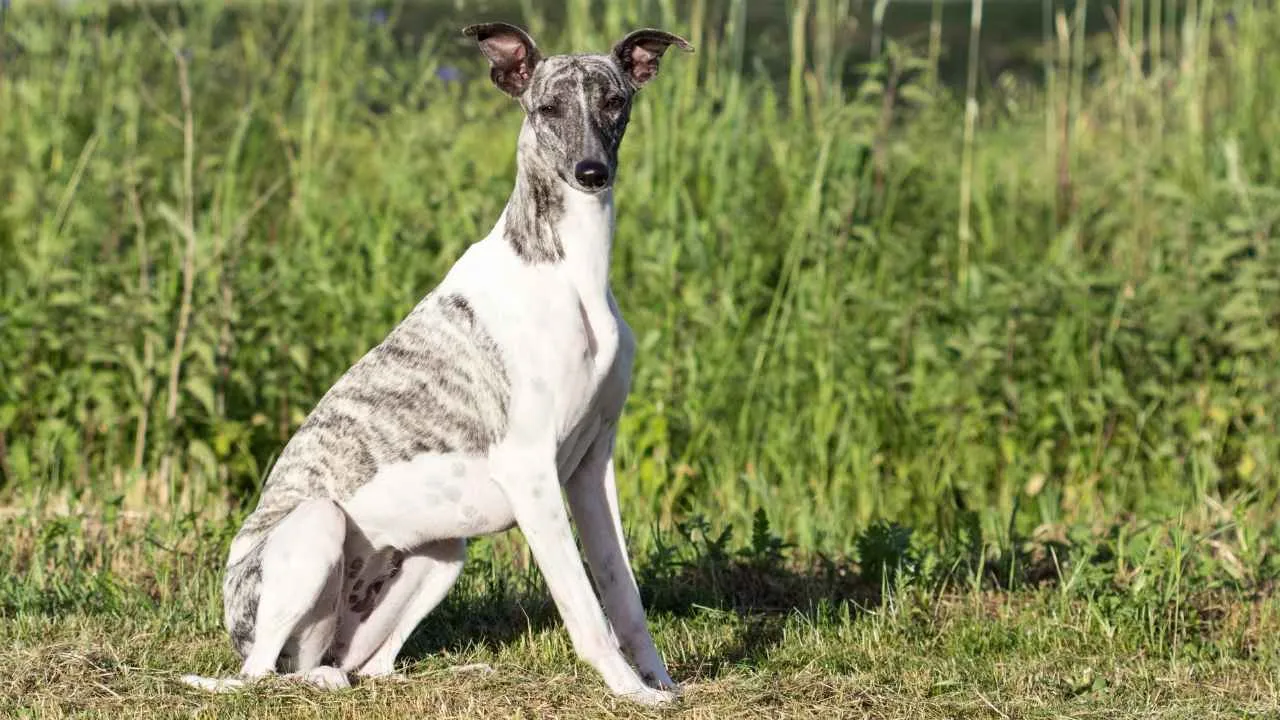
Whippets might look like they need a big yard, but they don’t. The breed is very fast, reaching speeds of around 35 miles per hour, yet it’s known for being calm and quiet indoors. It can live happily in a smaller home as long as it gets enough chances to run, and that contrast makes the Whippet a great fit for city dwellers.
A Whippet needs plenty of running and exercise, but once it gets them, it turns into a champion napper. Its short coat keeps grooming easy. Its lean body, however, means it needs protection in cold weather, especially on winter walks.

Owners should also keep in mind the breed’s chasing instinct, since Whippets are sighthounds. Never let one off-leash in an unsafe area, and only give it free rein in places that are securely enclosed.
Conclusion
A quiet dog may suit city life well, but there’s more to consider than noise alone. Every dog reacts differently to its surroundings, and that affects barking. A dog that doesn’t get enough exercise, feels anxious when left alone, or reacts to sounds outside the door can be noisy no matter the breed.
Moderate exercise, training, and good socialization are essential. The best apartment dog isn’t necessarily the quietest one. It’s the one whose energy, temperament, size, and daily needs match your lifestyle.
