




A wild boar hunt is a team sport.
No single dog does it all. One finds the trail. One keeps the boar busy at a distance. And one, sometimes, grabs and holds. Miss any of those jobs, and the whole plan falls apart.
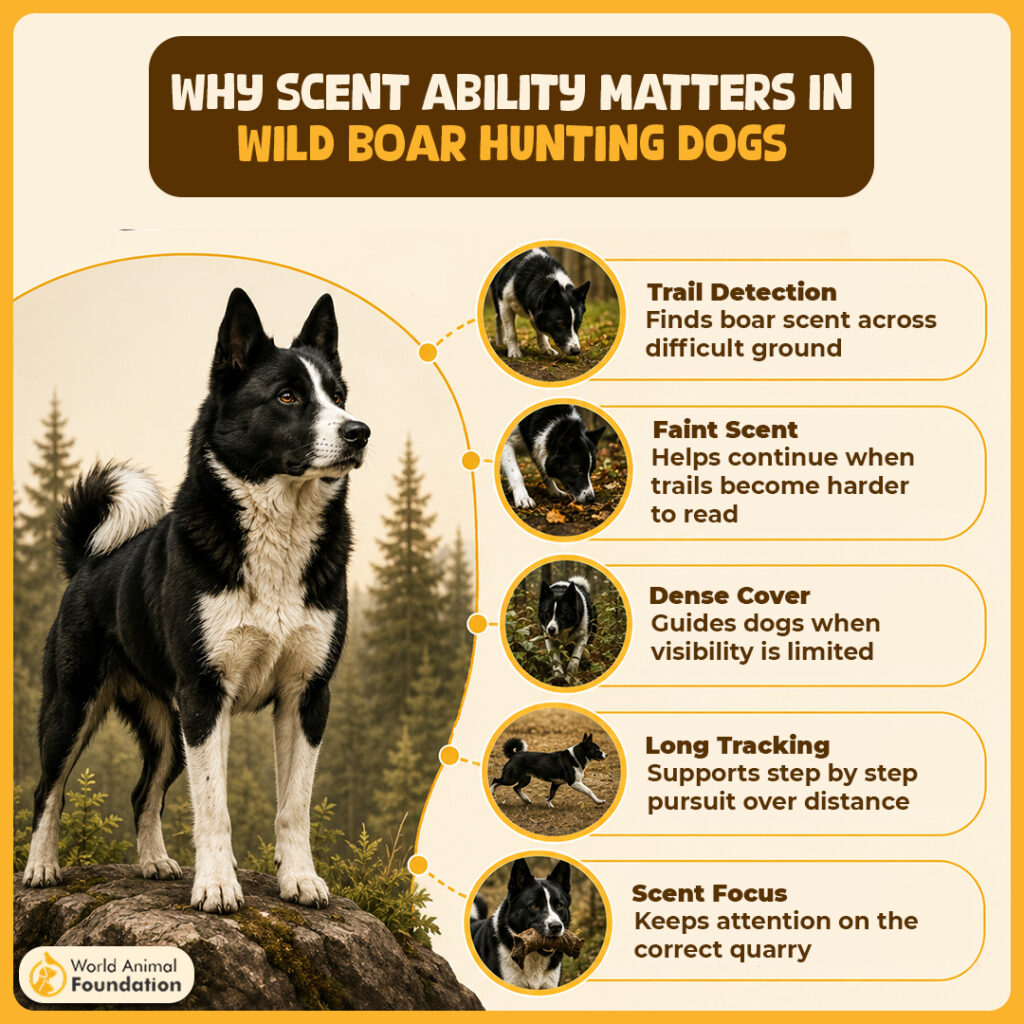
So this isn’t just a list, but a roster. These are seven proven dog breeds for wild boar hunting, each with its own role, from the tracker with the golden nose to the heavyweight that doesn’t back down.
Before we start, one serious note.
Boars are dangerous, and dogs get hurt on these hunts.
Check your local regulations, use protective gear, and only work with a trained dog and an experienced hunter.
Did You Know?
As noted by Mossy Earth, a wild boar can run about 31 miles per hour and swim across rivers. Adult males also grow a thick shield of gristle over their shoulders that helps protect them from tusks. In other words, they are like small tanks. That’s why a good boar dog needs brains as much as bravery.
Alright, time to build the team.
Proven Dog Breeds Perfect for Tracking and Hunting Wild Boars
1. Plott Hound
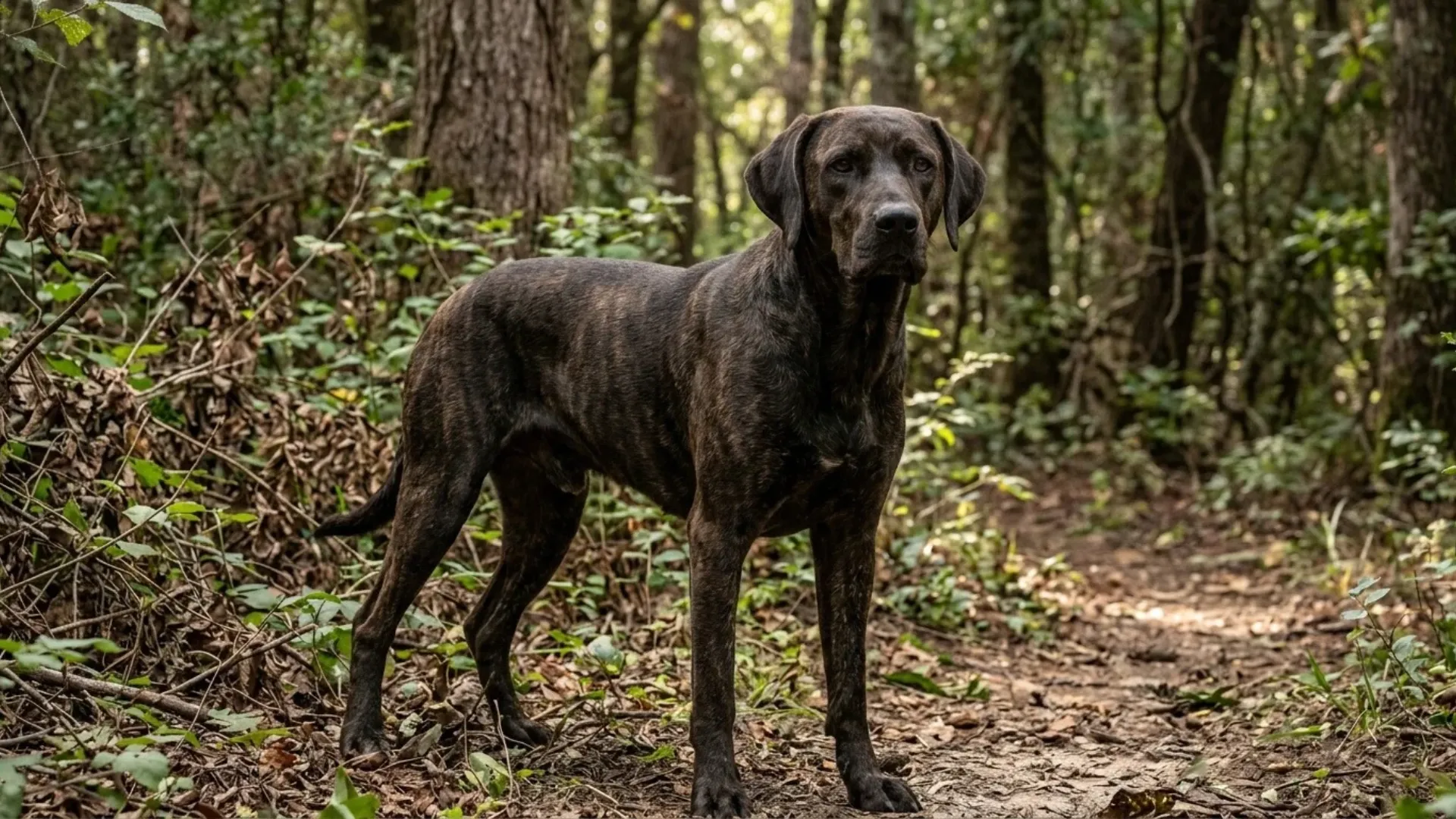
The Plott Hound is your tracker. Its story started when a German immigrant named Johannes Plott brought a few hounds to the mountains of North Carolina in the 1700s. Over the years, the breed became a top bear dog and boar dog.
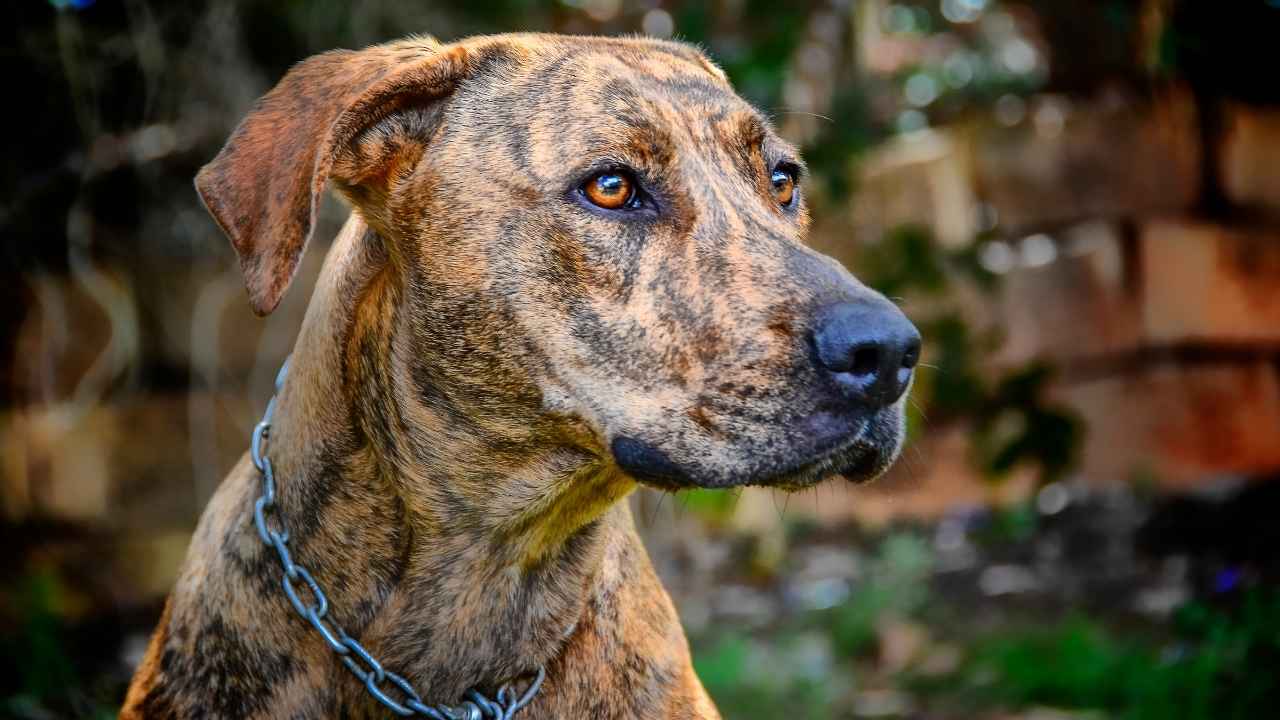
Plotts weigh 40-60 pounds and wear a brindle coat. Yep! These brindle dogs have a great nose, a loud voice, and stamina that never seems to run out. In dense woods and rough terrain, they can track a trail for hours.
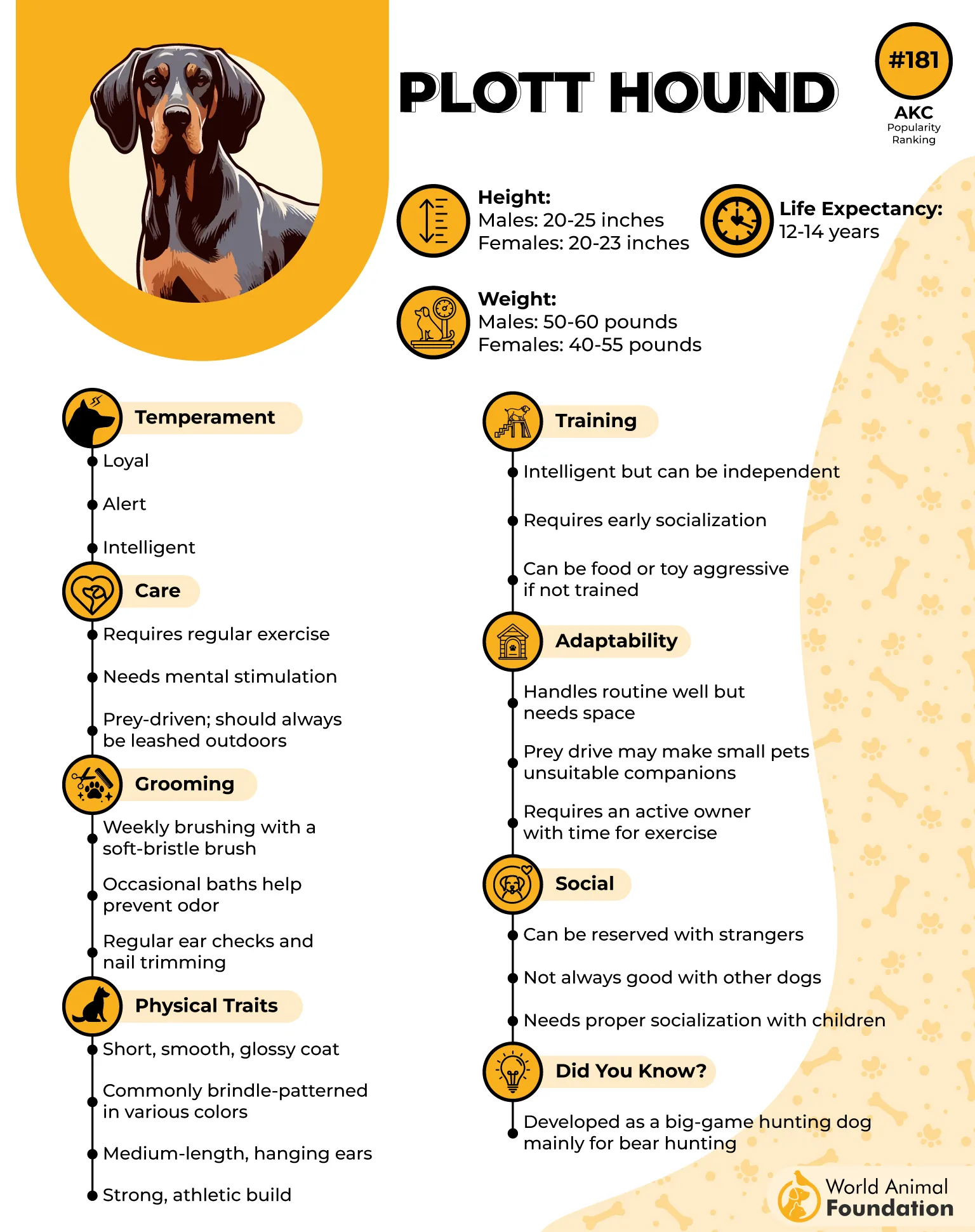
Once they find the boar, they bay loudly and clearly, so the hunter knows where to go. According to WebMD, they bark so loudly you can hear their voice from miles away. Their brindle coat blends into the woods, and their long legs handle hills with ease.
Home life is easy because Plotts are loyal and loving. But they need plenty of exercise and a job to do, or they will invent one. Early training and a tall fence are musts.
2. Black Mouth Cur
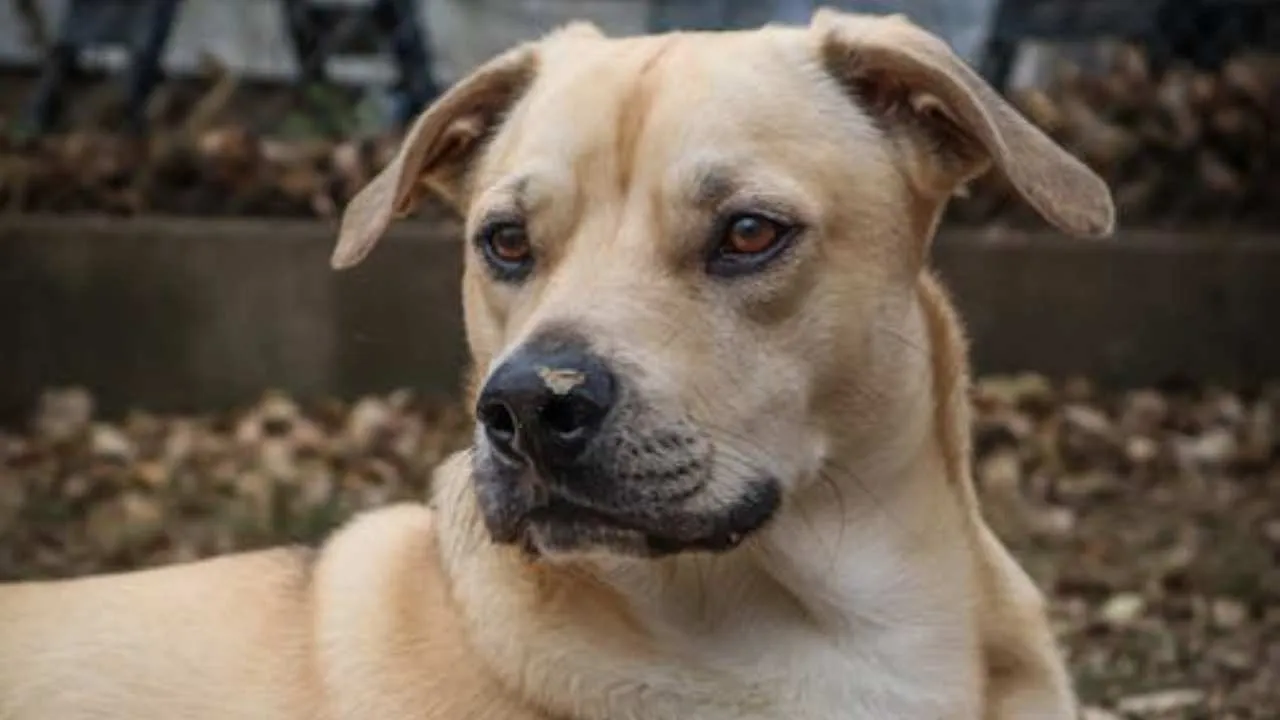
The Black Mouth Cur is your all-around utility player. This is one of the best hunting dogs you can opt for. Settlers in the American South used these yellow-coated dogs to herd cattle, hunt hogs, and guard the farm. Yes, that’s a lot of jobs for one dog.
Black Mouth Curs weigh 40 to 95 pounds and have a short coat, a black mask, and a muscular body. They are a versatile hunting dog that can track, bay, and catch. In the field, they are tough, smart, and brave around big game.
They also handle water well, so crossing a creek during a hunt is no problem. At home, they are loyal and affectionate, and eager to learn. Give them daily exercise and a firm, kind owner. This dog learns fast, but it needs a steady hand and plenty of time with its owner.
3. Jagdterrier
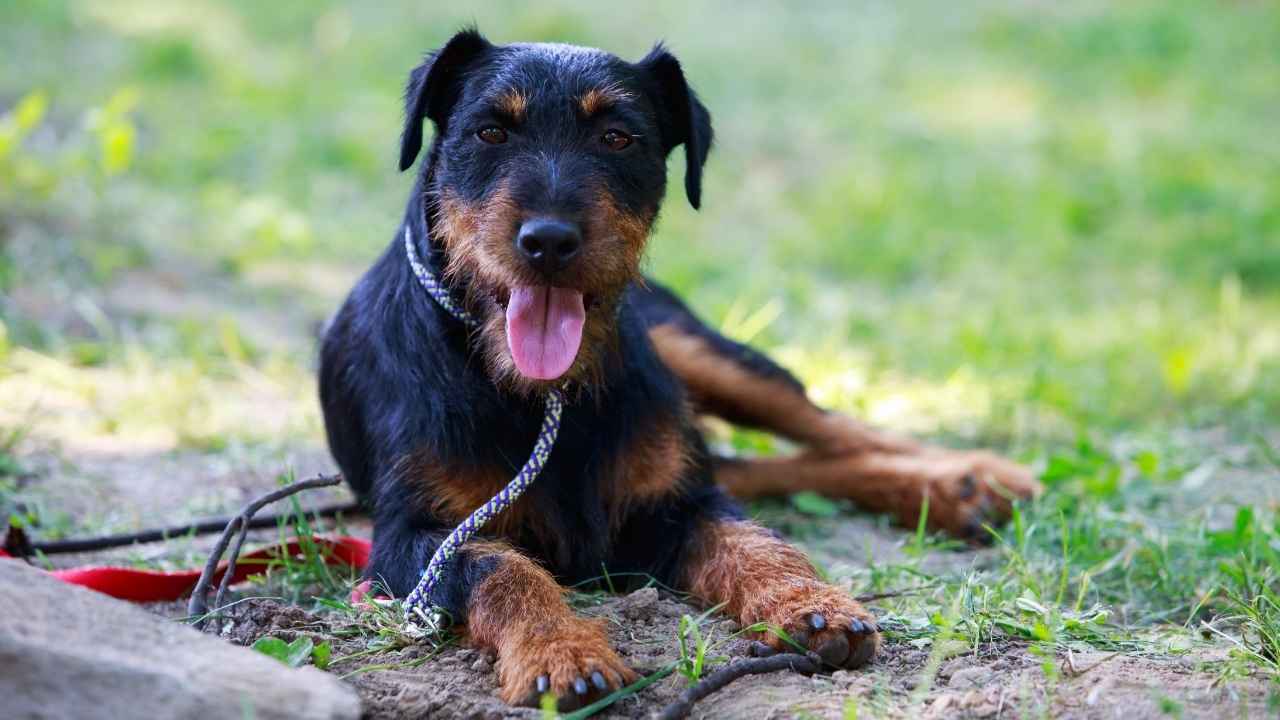
The Jagdterrier is your small but fearless specialist. German hunters created it in the 1920s with one goal: a hard-working hunting dog, not a show dog. Its name literally means “hunt terrier.”
At just 17 to 22 pounds, this black-and-tan terrier is tiny next to a boar. But it makes up for size with nerve and energy. It can follow a boar into thick brush, bark to hold it in place, and call the hunter in. Experienced handlers use these dogs carefully, because one wrong move can mean big trouble for such a small dog.
This is not a casual pet.
Jagdterriers are intense and need lots of exercise, training, and work to do. Without it, they can be destructive, stubborn, and hard to handle. Jagdterriers love to partake in agility, flyball, and other events that allow this breed to exercise its skills even when it’s not hunting.
4. Slovensky Kopov
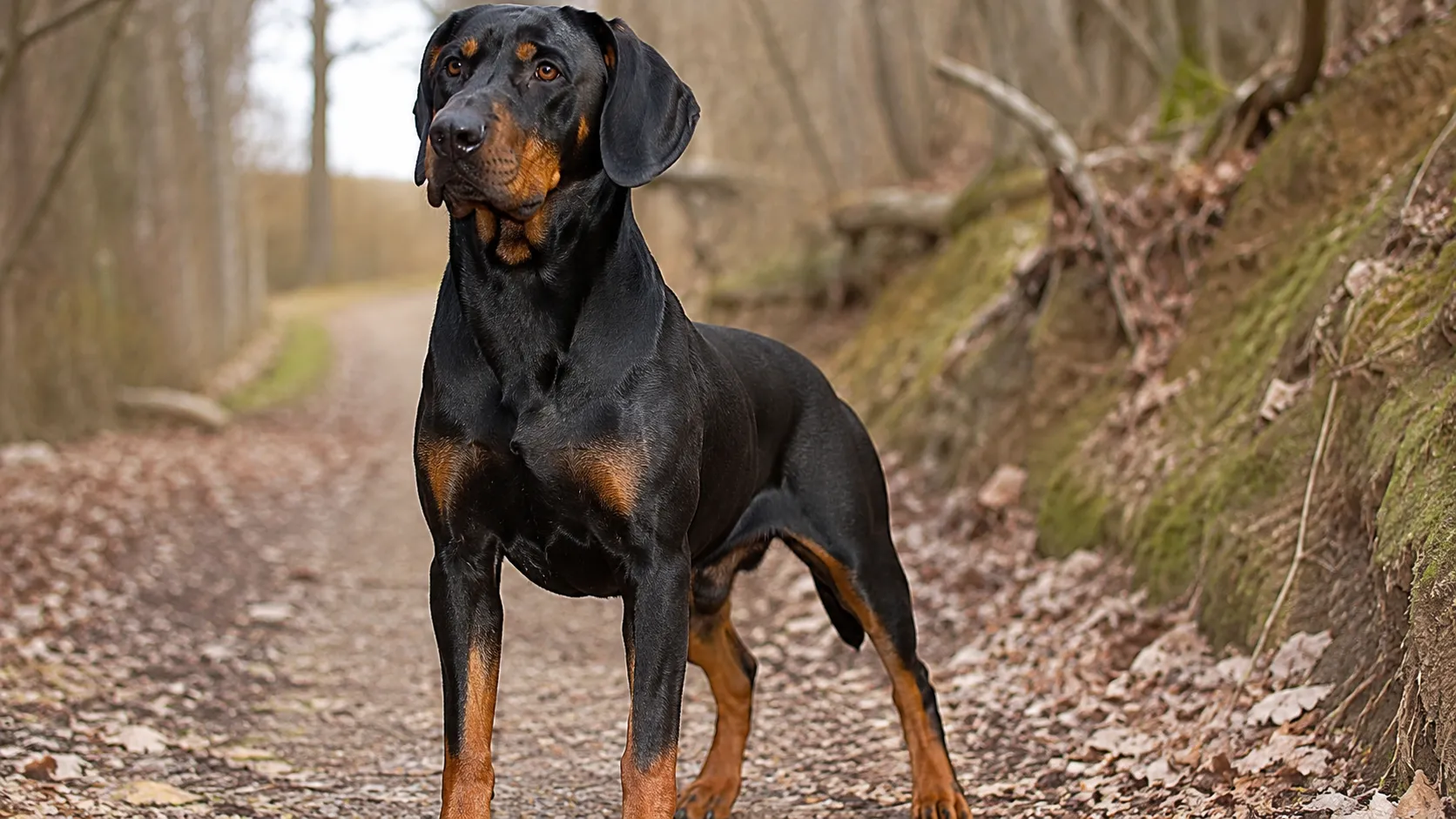
The Slovensky Kopov is your trailing expert from Slovakia. It nearly disappeared after World War II, but dedicated breeders rebuilt it. Today, it’s prized for boar hunting in steep, forested country.
This black-and-tan scent hound weighs 33-44 pounds and has a nose that follows old, cold trails. It works at a steady pace, stays on the line, and gives a clear, ringing voice.
It’s also great at tracking wounded game. Its small size and tough legs make it well-suited for steep grounds.
At home, the Slovensky Kopov is calm, loyal, and friendly. It needs plenty of exercise and real work. According to the American Kennel Club, daily walks, exercise in a fenced yard, swimming, retrieving balls, and learning new tricks help these dogs stay on track.
It’s very rare in America, so expect a waitlist and maybe a long trip to find one. Do your homework first.
5. Mountain Cur
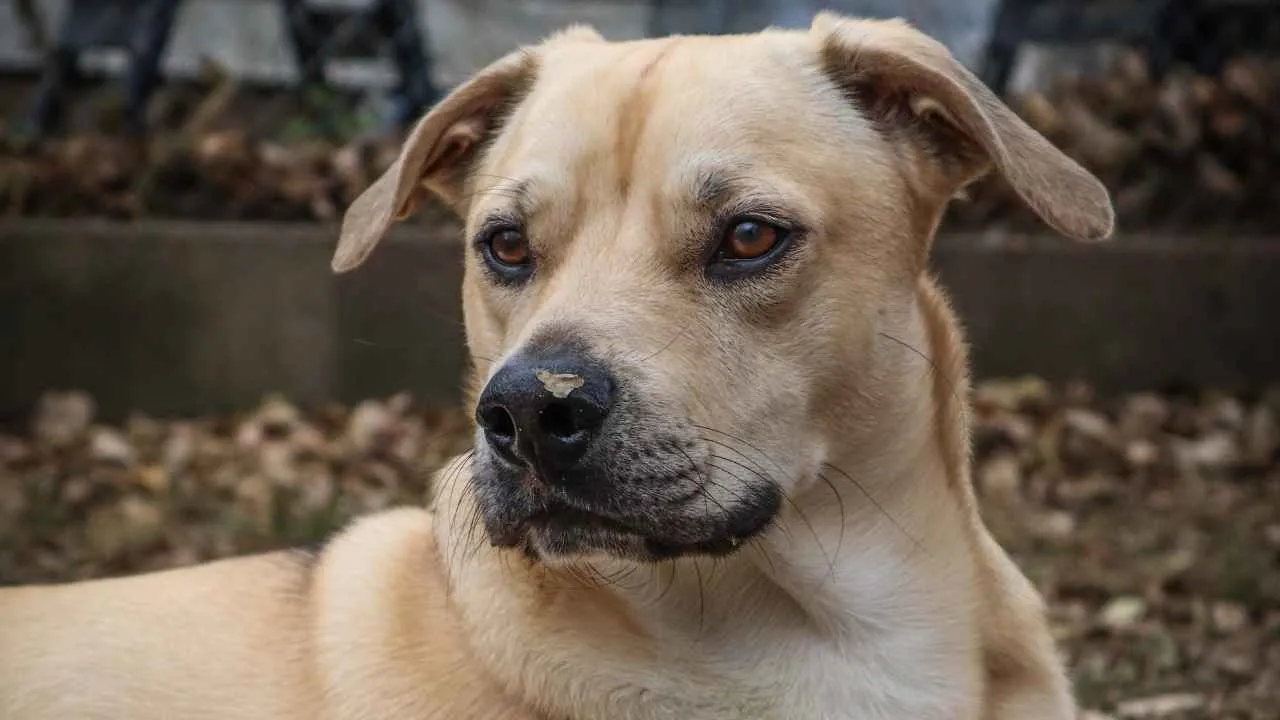
The Mountain Cur is your tough Appalachian pioneer. Early settlers in Kentucky and Tennessee relied on it to put food on the table and guard the cabin.
Mountain Curs weigh 30-60 pounds and have a short, sturdy build. They are fearless, bold, and smart, with a hunting drive. Many are used to tree small game and to hold a boar at bay until the hunter arrives.
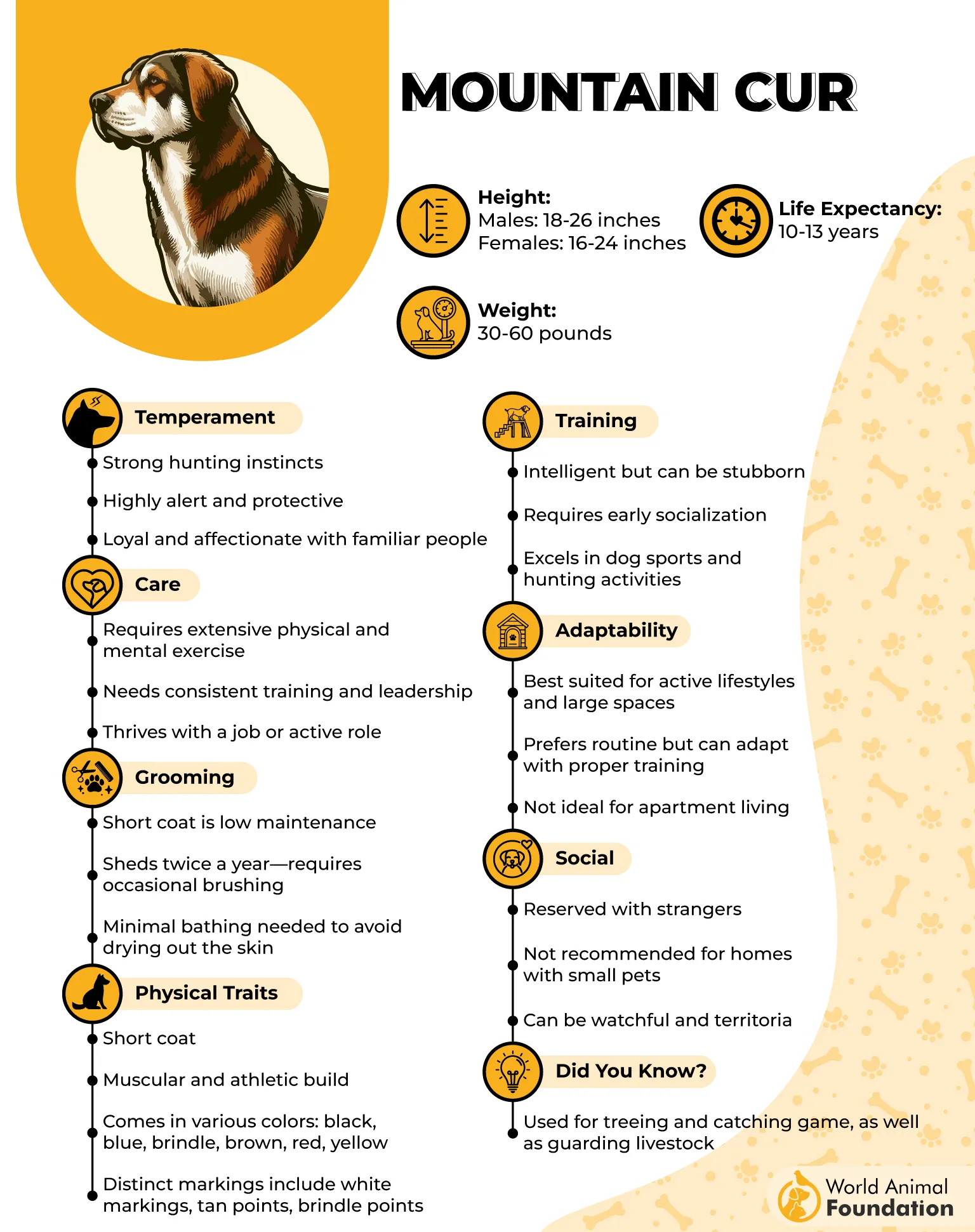
They are also deeply loyal dogs for their family members and good with kids when raised with them. Give them lots of exercise, early training, and space to run.
A bored Mountain Cur can dig and chew its way into trouble.
6. Catahoula Leopard Dog
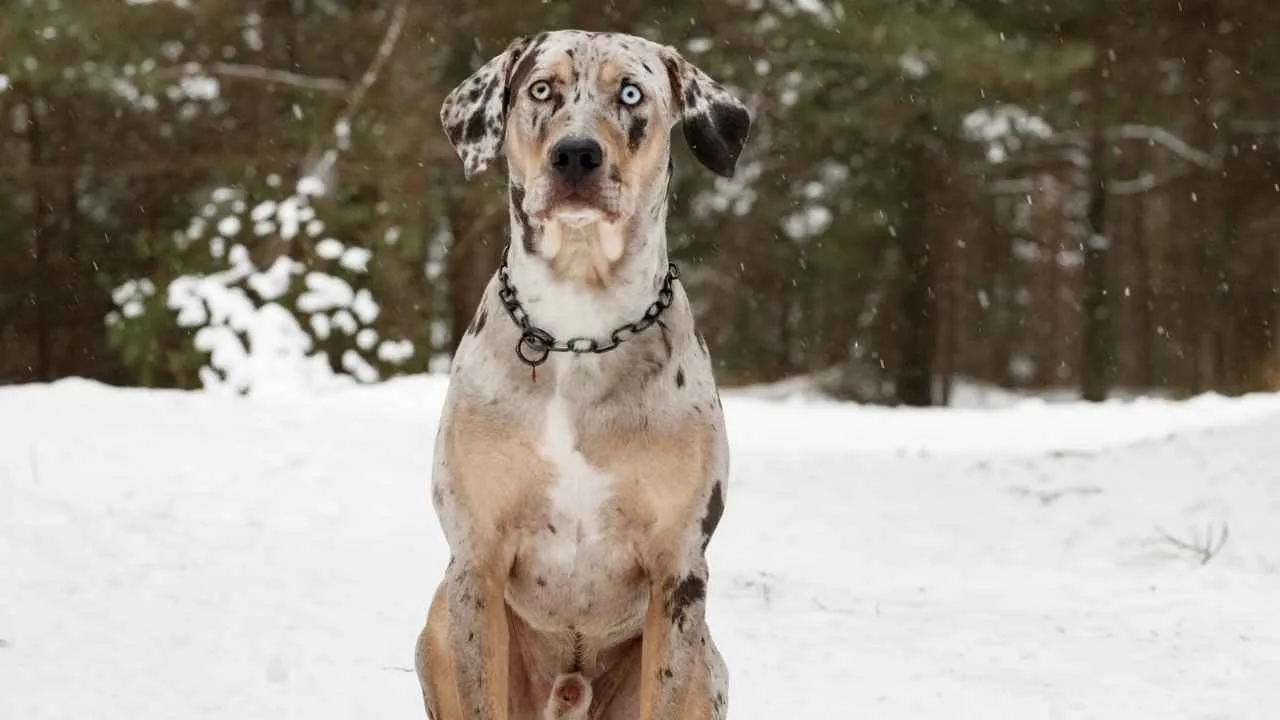
The Catahoula Leopard Dog is your swamp specialist. It comes from Louisiana, where early settlers needed a dog to find, gather, and move hogs through wet, thick country.
Catahoula Leopard Dogs weigh 50-95 pounds and wear a unique spotted, merle coat. Many have pale blue eyes. Their partly webbed feet help with water and mud. They are athletic, smart, and driven.
On a hunt, a Catahoula Leopard Dog tracks, circles, and holds a bear in place with fierce focus. Some hunters like them because they stay calm and use their heads instead of just charging in. This is a high-energy dog, so it needs a lot of exercise and a real job. It can be bossy and independent, so a confident owner makes a big difference.
Early socialization is important because Catahoula Leopard Dogs can be reserved with strangers and pushy with other dogs.
7. Dogo Argentino
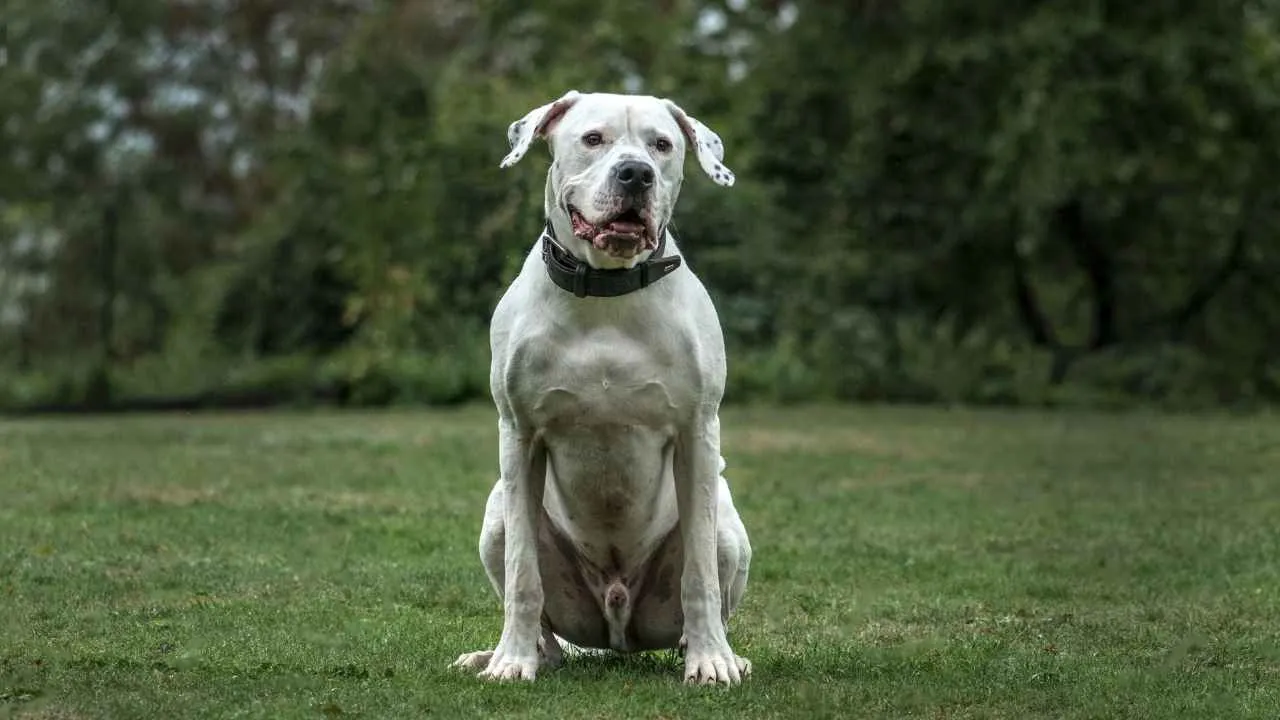
The Dogo Argentino is your heavyweight catch dog. Dr. Antonio Nores Martinez created it in Argentina in the 1920s, mixing several breeds, including the Pointer, Great Dane, and Boxer.
His goal was a brave, powerful dog that could chase big game, like wild boar and puma.
This white, muscular dog weighs 80-100 pounds. It’s known for raw power, speed, and courage. Dogos are loyal and affectionate with family, and often gentle with kids they know.
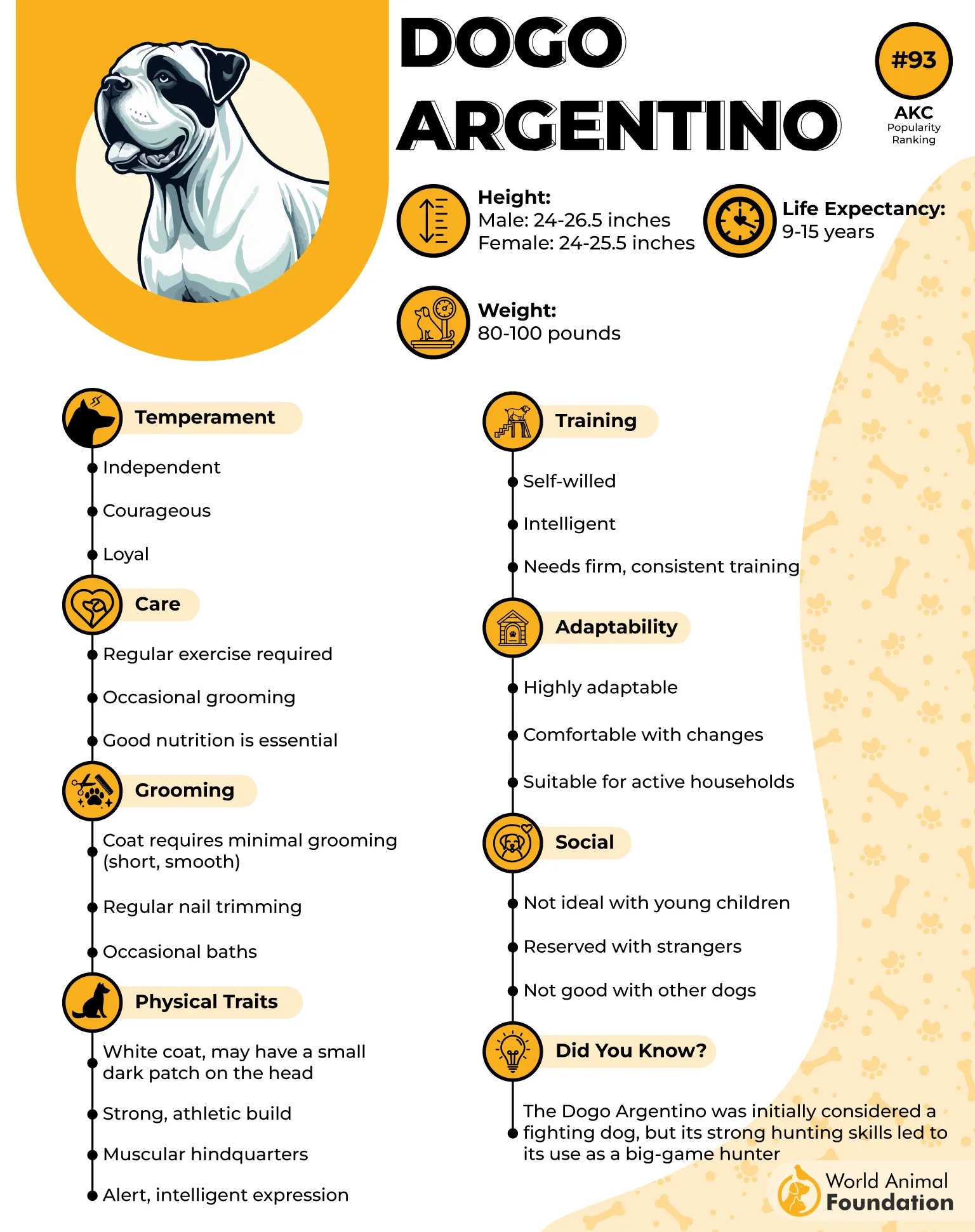
But this is a serious dog for experienced handlers. It needs early socialization, firm training, and lots of exercise. A Dogo needs a calm, experienced owner who can read the dog and the situation in the field.
Conclusion
A boar hunt is a team sport. Hunting laws, dog rules, and seasons differ by state and land, so check the rules where you hunt.
Give your dog time to learn, starting with scent games and short walks. A good vet visit, up-to-date shots, and a tough protective vest are important too. Never rush a young dog into a boar, because one bad chance can end a career, or worse.
Not every hunting dog is a boar dog. The German Shorthaired Pointer, or GSP, is a gifted bird dog, great for duck and upland hunting, but it’s not built to face a boar. Hounds that track deer, like Bluetick Coonhounds, may also help find a trail. When in doubt, ask local hunters which dogs work in your area.
The best dog isn’t the strongest one. It’s the one that fits your terrain, experience, and time. Choose carefully, train patiently, and treat your dog like the partner it is.
Do that, and when the trail goes old, your dog will find it again.
