




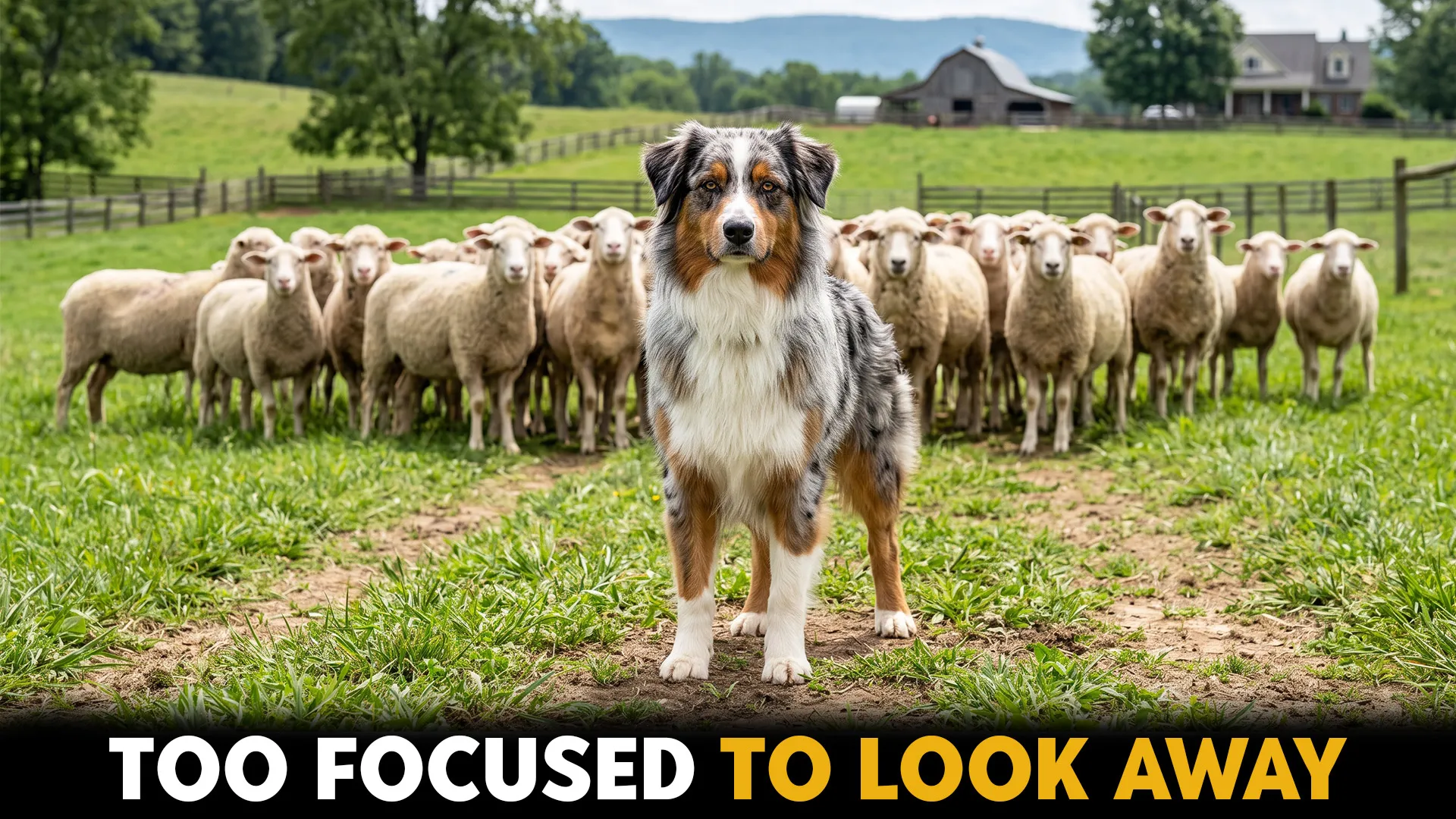
Herding is one of the clearest examples of dogs working alongside people for work. A successful livestock dog does not simply follow commands. It watches animals, understands movement, adjusts distance, and uses its body to influence where a group travels.
The handler provides direction, but the dog often has to make quick decisions in the field when livestock behave unexpectedly. That partnership requires several qualities, including responsiveness, physical stamina, concentration, confidence, and a strong desire to work. Herding ability also has different forms.
Gathering dogs bring scattered animals together, driving dogs push livestock toward a destination, and boundary work keeps groups from wandering into unwanted areas. These jobs reward different working styles, which explains why no single herding dog fits every farm or ranch.
If you want to understand what makes a livestock worker effective, the dogs in this article offer useful examples of instinct, training, and purposeful teamwork.
Key Takeaways
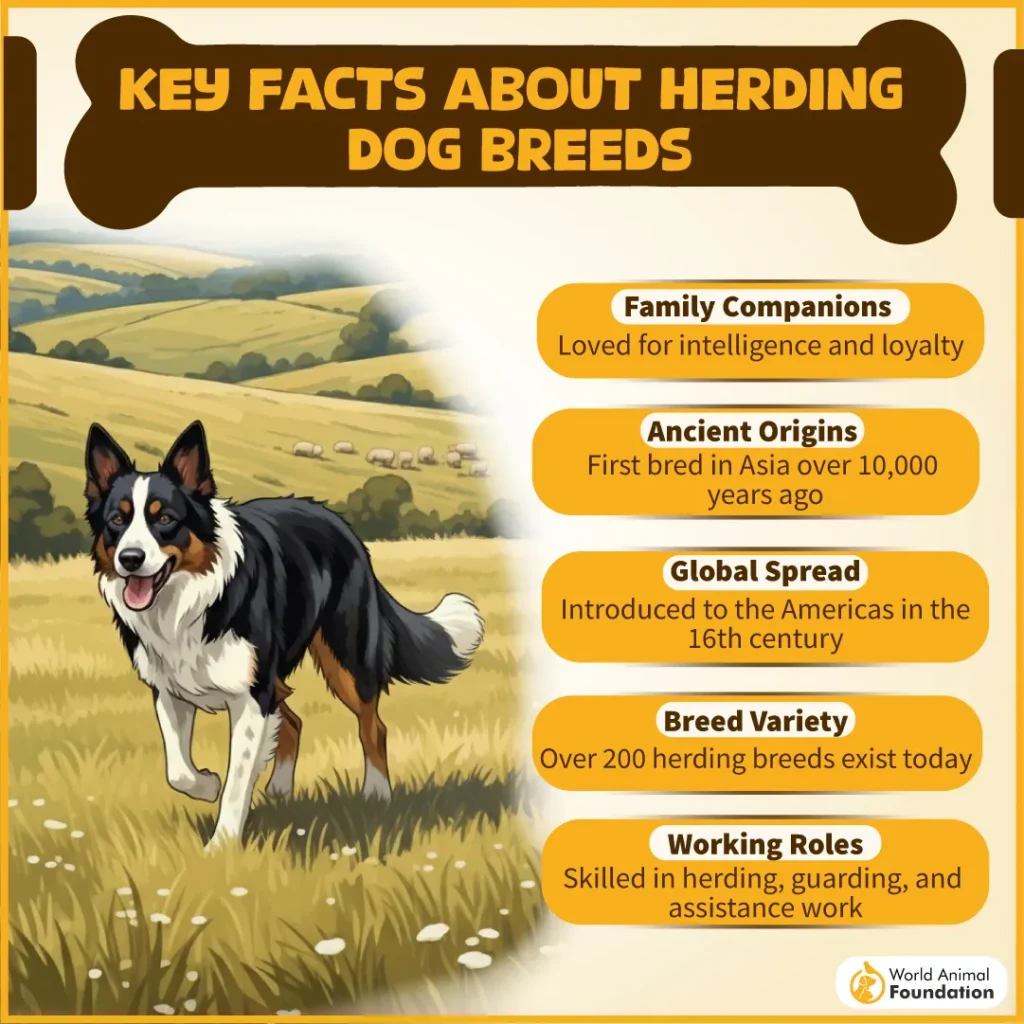
A best ranch dog may look like it is simply following the flock, but there is a lot more happening in the field. Every movement can be part of a bigger job.
Border Collies can gather sheep from a distance with little noise, using their position and eye contact to influence where the flock moves.
The Australian Shepherd and Australian Cattle Dog bring their own strengths to the work, from fast directional changes to the stamina needed for long days with cattle.
Keep reading through the list, and you’ll find how German Shepherds, Corgis, Shelties, and Belgian Malinois bring their own working instincts to herding.
Proven Dog Breeds That Excel at Herding Tasks
1. Border Collie
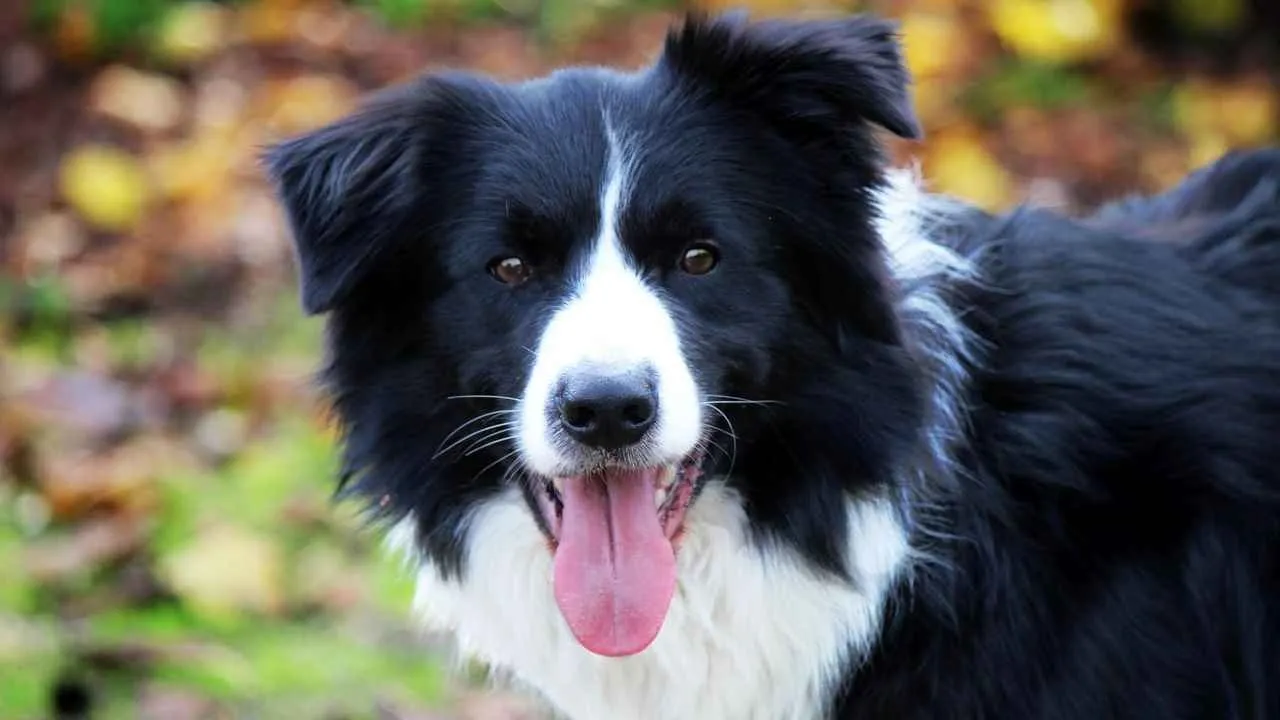
Border Collie was formally standardized by 1906 according to working ability rather than appearance, when it was simply classified as a sheepdog. The name Border Collie came into use by 1915, reflecting the breed’s roots around the Scottish and English borders.
Precision at Distance
They use a wide circling pattern called the “gather,” bringing livestock back toward their handler instead of simply pushing the flock forward, as the Royal Kennel Club describes.
Its crouched approach, intense gaze, and ability to position itself opposite the handler help control the group with remarkable precision.
These working habits make that method especially effective:
Rapid response to whistles and hand signals
Quick directional changes during flock work
Quiet control with minimal vocalization
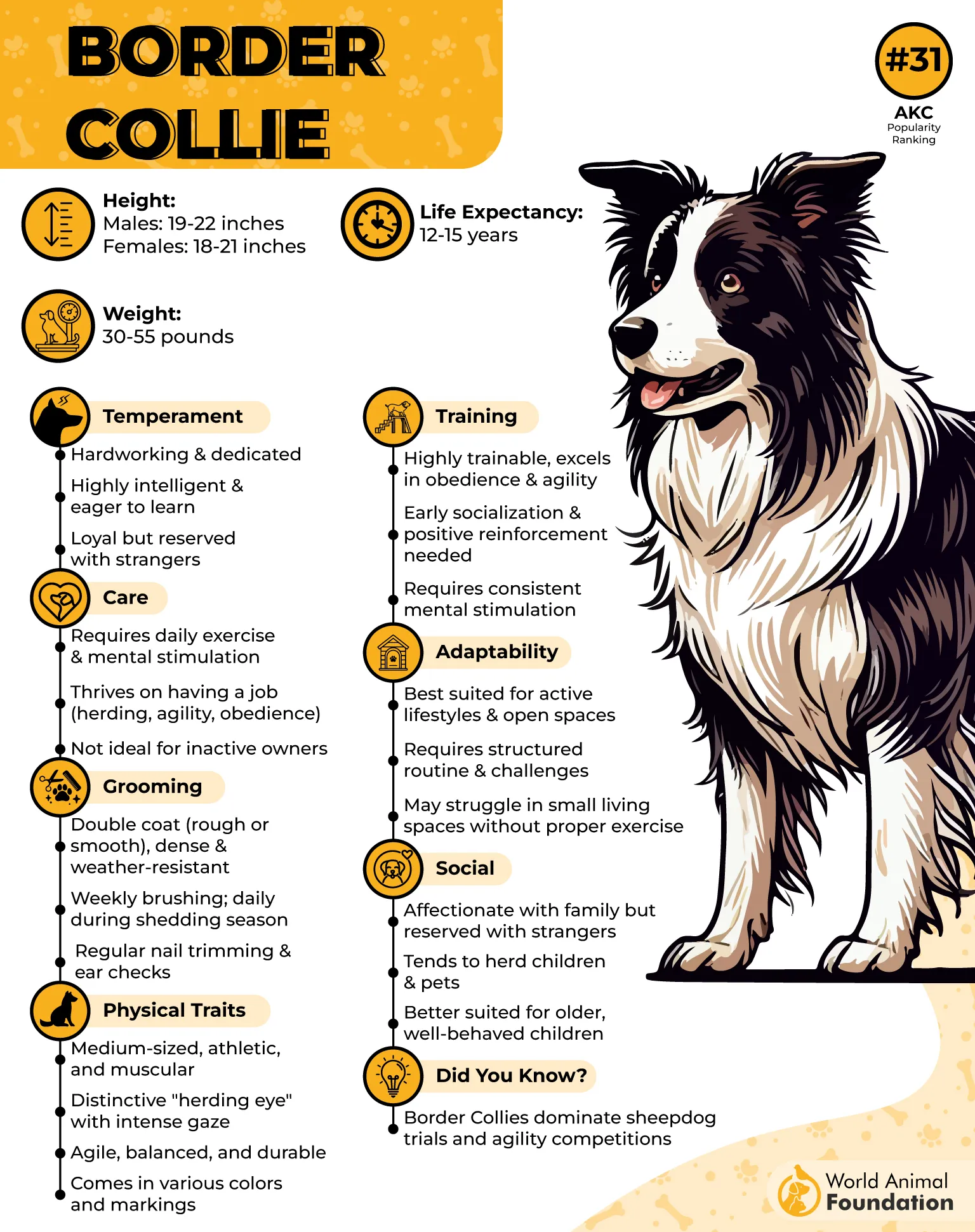
An Unusual Work Style
Selective breeding increased the Border Collie’s willingness to respond closely to human direction, allowing trained dogs to link several commands into complex sequences. Its efficient gait and strong aerobic stamina also suit long periods of work across the varied terrain and weather of upland sheep country.
2. Australian Shepherd
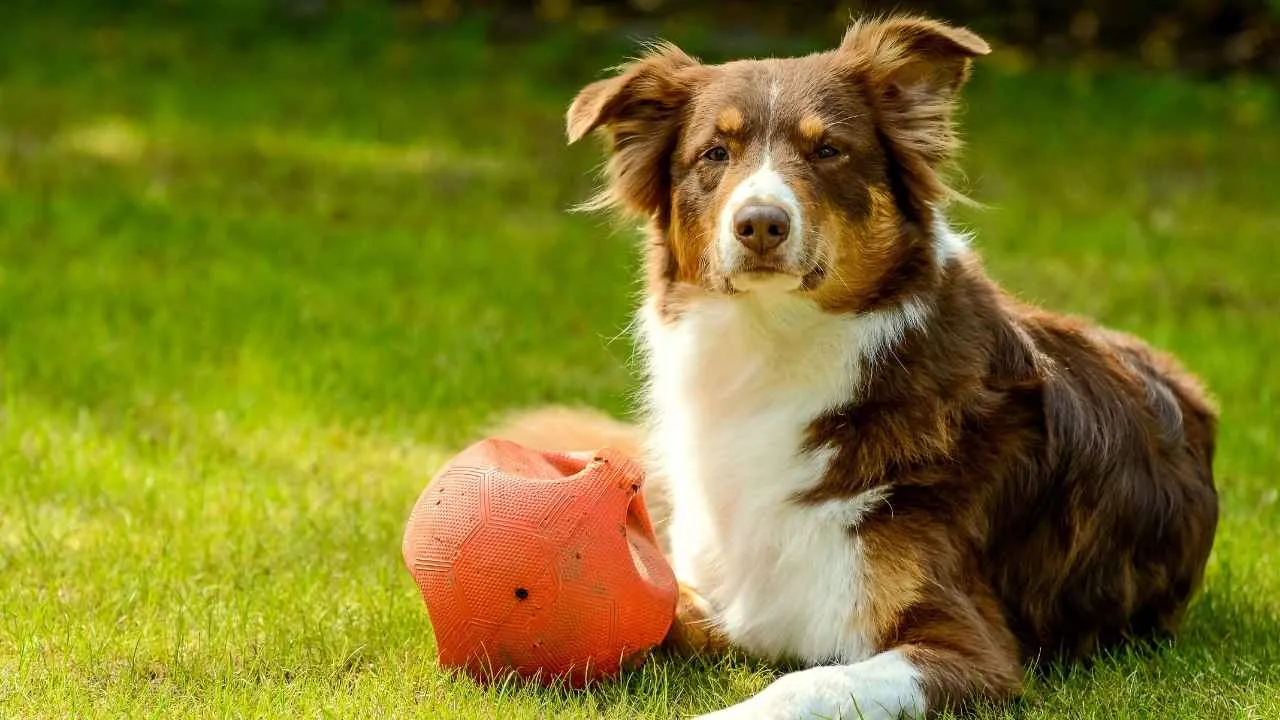
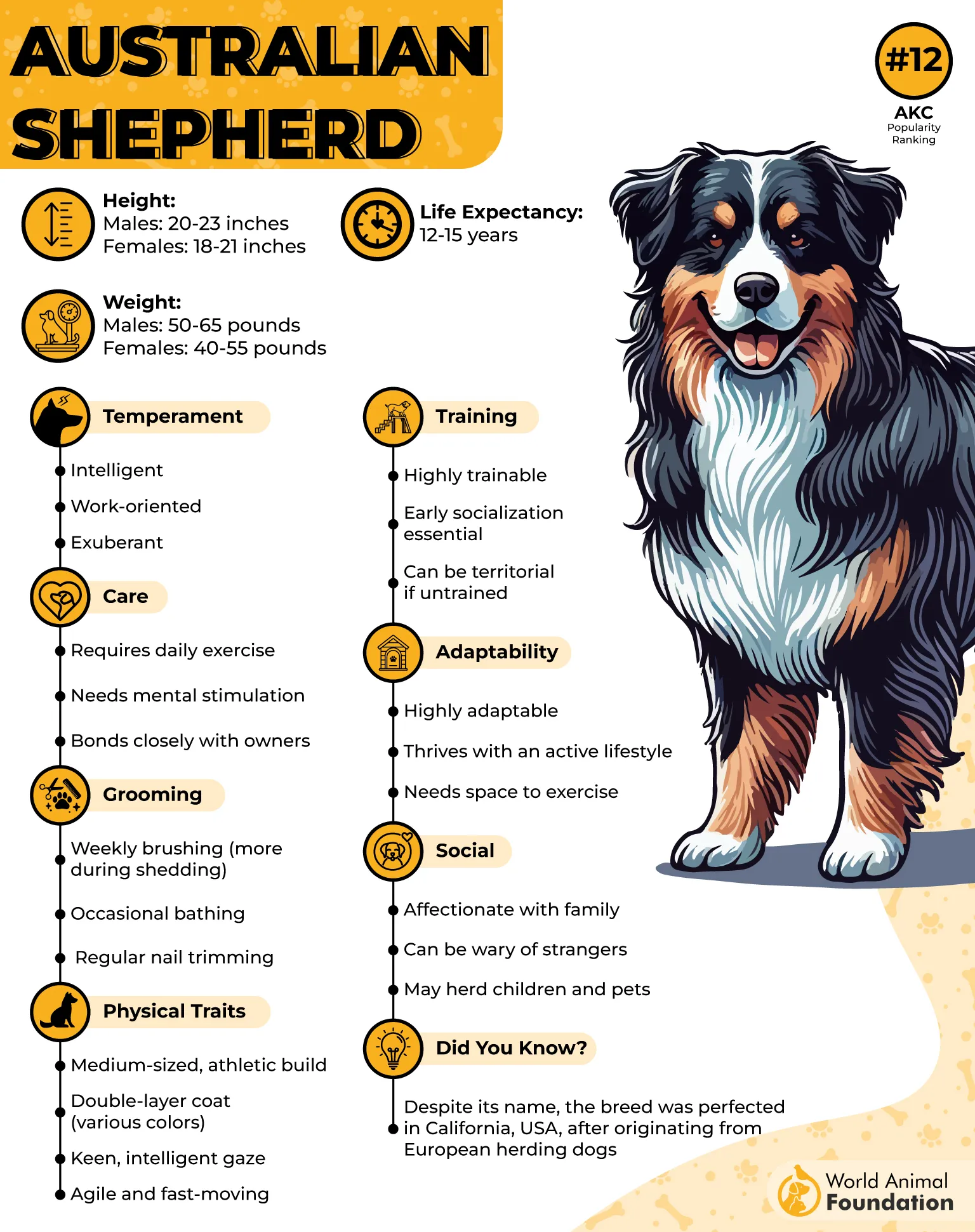
Australian Shepherd is an American herding breed with an interesting link to sheep brought from Australia. Basque shepherds from the Pyrenees also brought small blue merle dogs to the United States in the late 1800s and early 1900s, adding another piece to its origin story, as Purina claims.
Ranch Specialist
On working ranches, Aussie handles sheep and cattle with equal purpose, using quick turns and bursts of speed to direct animals across uneven ground. Its athletic build and efficient gait also support long periods of trotting, sprinting, and changing direction.
These working behaviors reveal how precise that instinct can be:
Circles livestock to keep groups together
Tracks animals by following their movement
Uses heel-nipping to redirect stragglers
Quick on Cue
Australian Shepherd reacts rapidly to signals and can offer trained behaviors quickly during sessions, making precise communication especially useful in herding work. Its crouch-and-burst style, paired with sharp lateral cuts, helps it adjust quickly when livestock suddenly changes direction.
3. Australian Cattle Dog
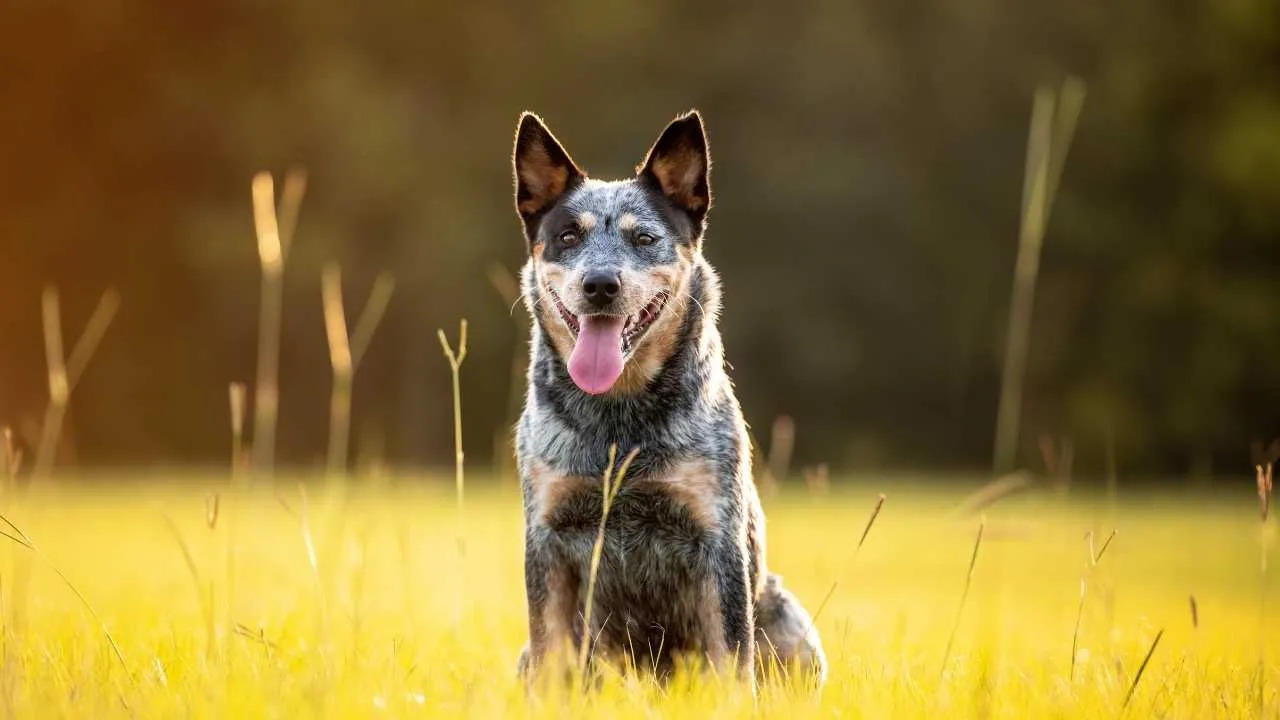
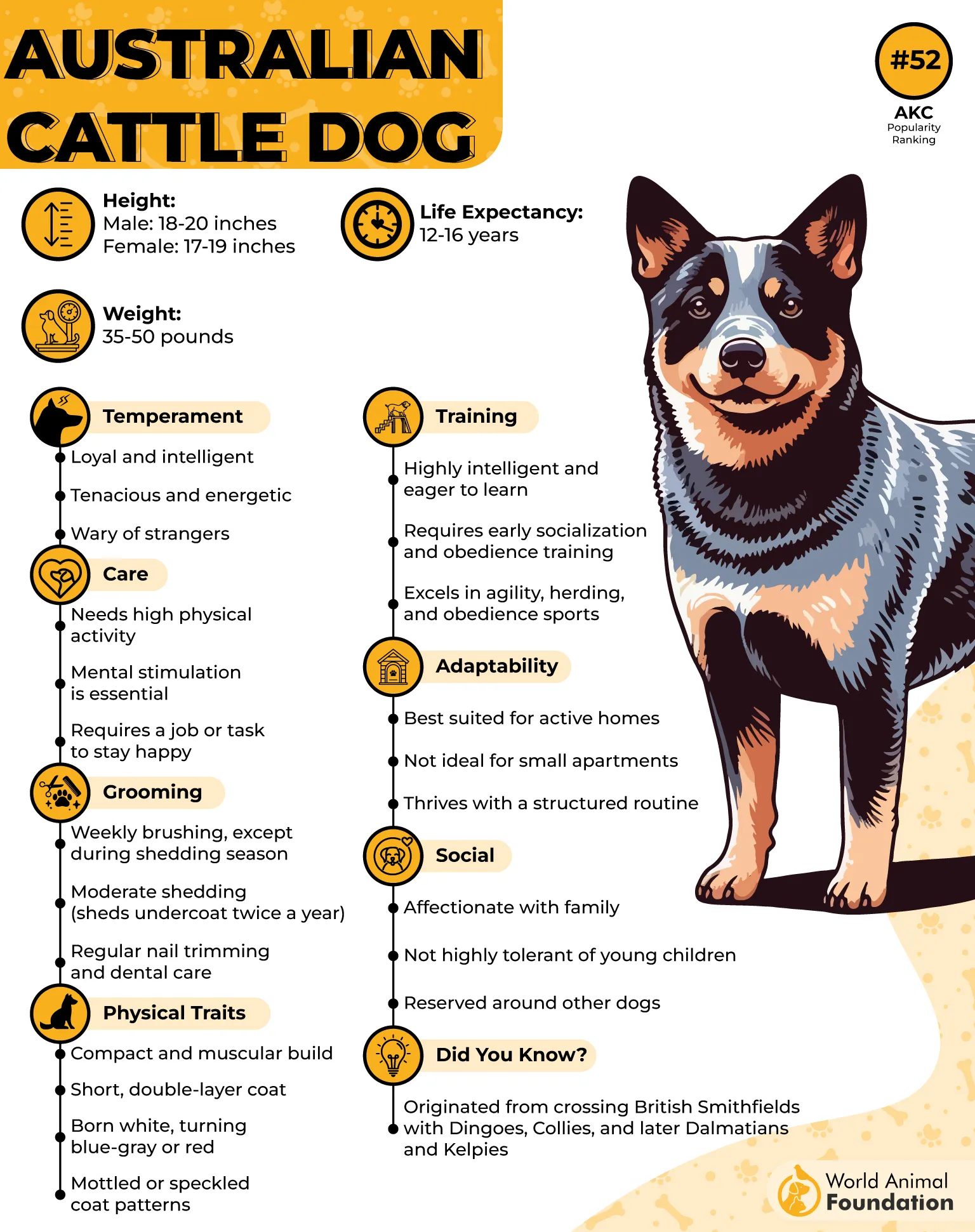
Australian Cattle Dog emerged in 19th-century Australia when expanding cattle grazing created a need for dogs capable of working across long distances. In 1840, Hall crossed Blue Merle Highland Collies with tame Dingoes, producing the dogs known as Hall’s Heelers.
Built for Droving
ACD has the stamina and body structure suited to all-day trotting, with strong forequarters and hips supporting demanding droving work across rough country. Its short, dense outer coat and insulating undercoat also help with heat, cold nights, rain, and scrub contact.
A closer look at its working style reveals:
Heels cattle, then pivots away from kicks
Uses shoulder pressure to direct stock
Switches quickly from waiting to action
Always Watching
This farm dog may closely monitor its handler’s movements and anticipate what comes next, almost as if waiting for the next assignment.
Moving bikes, running children, and balls can also trigger chasing or herding, while early socialization helps with nipping and caution around unfamiliar people, as WebMD noted.
4. German Shepherd
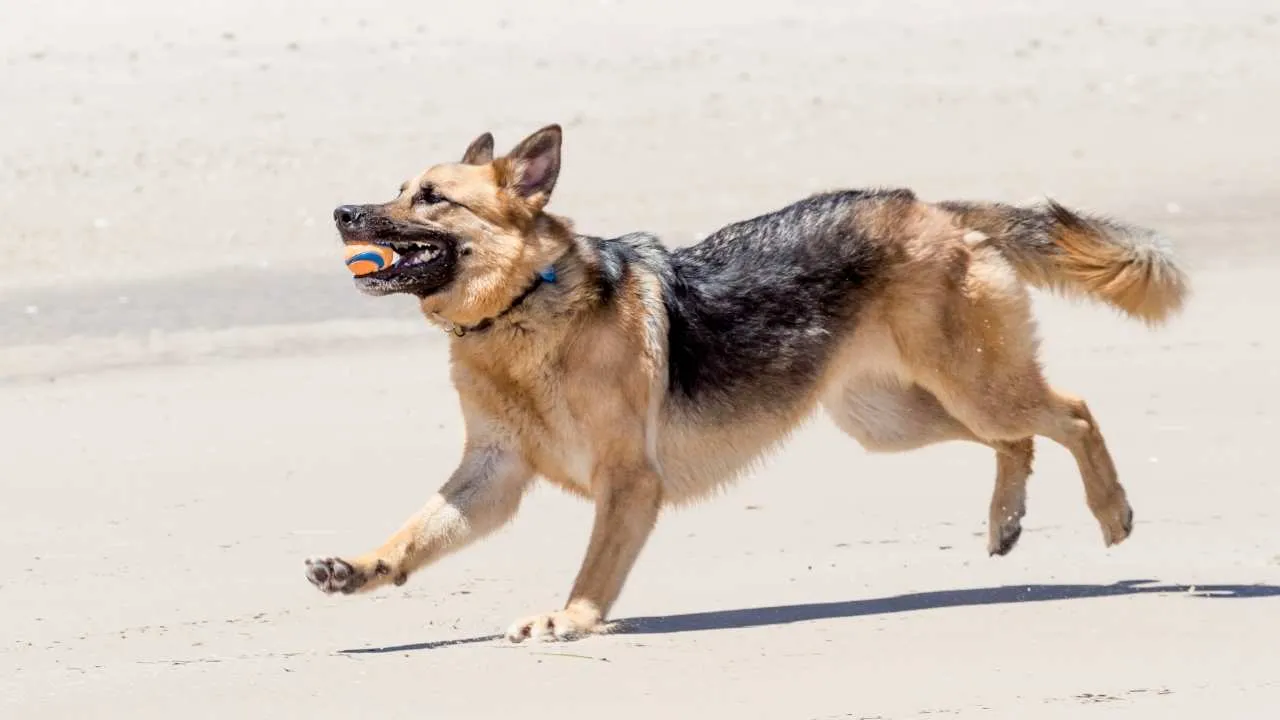
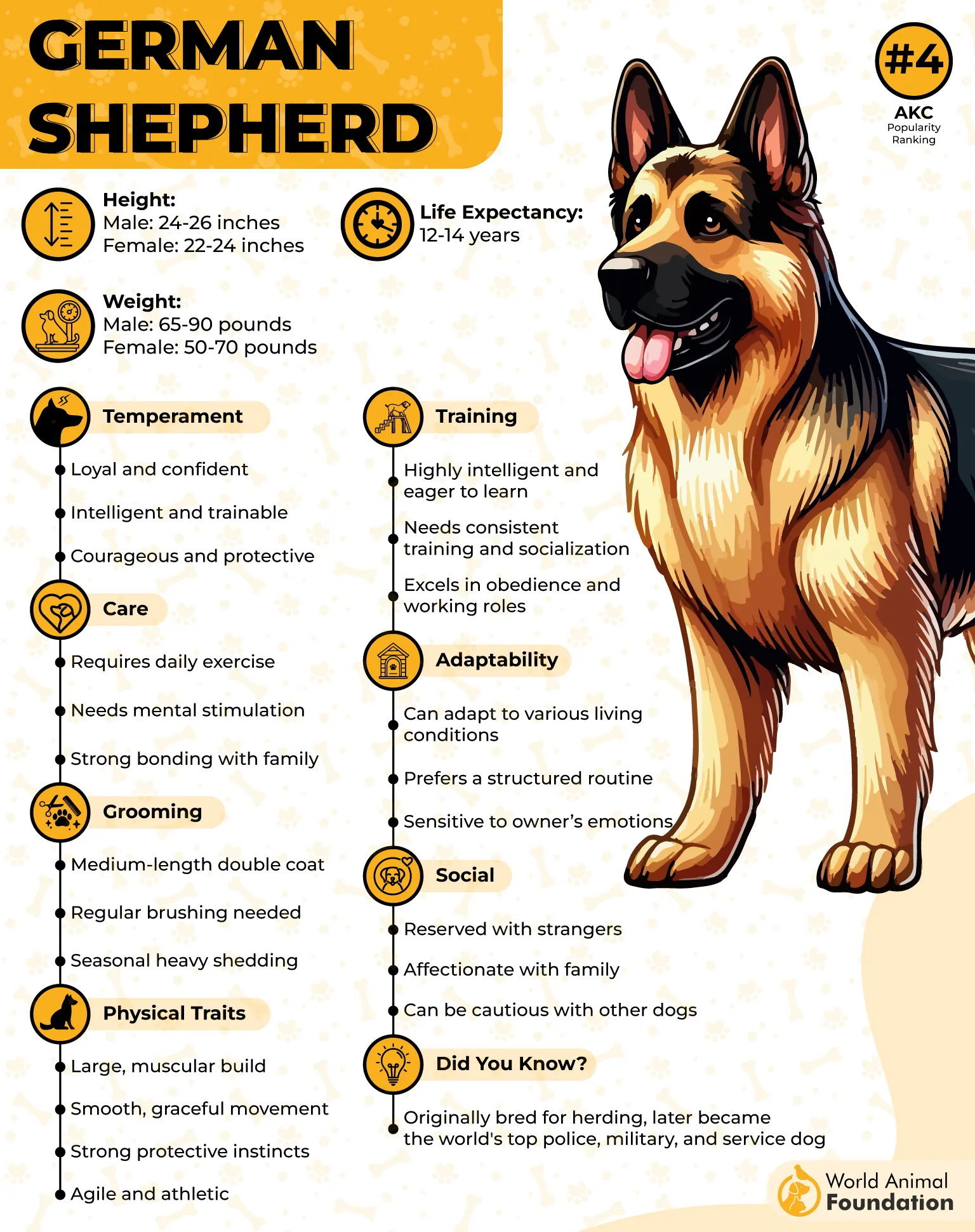
German Shepherd originated in Germany through efforts to create a capable flock herder and guardian, with later breeding placing greater emphasis on intelligence and courage.
After World War I, the breed was also called Alsatian or Shepherd Dog, with “German” removed from its name in some places.
Reading the Flock
German Shepherds use circling, body-blocking, and strategic positioning to collect and control the direction of sheep. Frequent glances toward a handler also help working dogs pick up human cues, a useful skill when precise direction matters.
Three working details add more depth:
Strong scenting ability for searching tasks
Quick route and landmark learning
Efficient trot for sustained work
Built Around Cooperation
German Shepherds can learn structured routines quickly, including different behaviors associated with working equipment and free time. Its alert barking and perimeter scanning can also become excessive without careful training, while object-based tasks give the breed another practical outlet for its instincts.
5. Pembroke Welsh Corgi
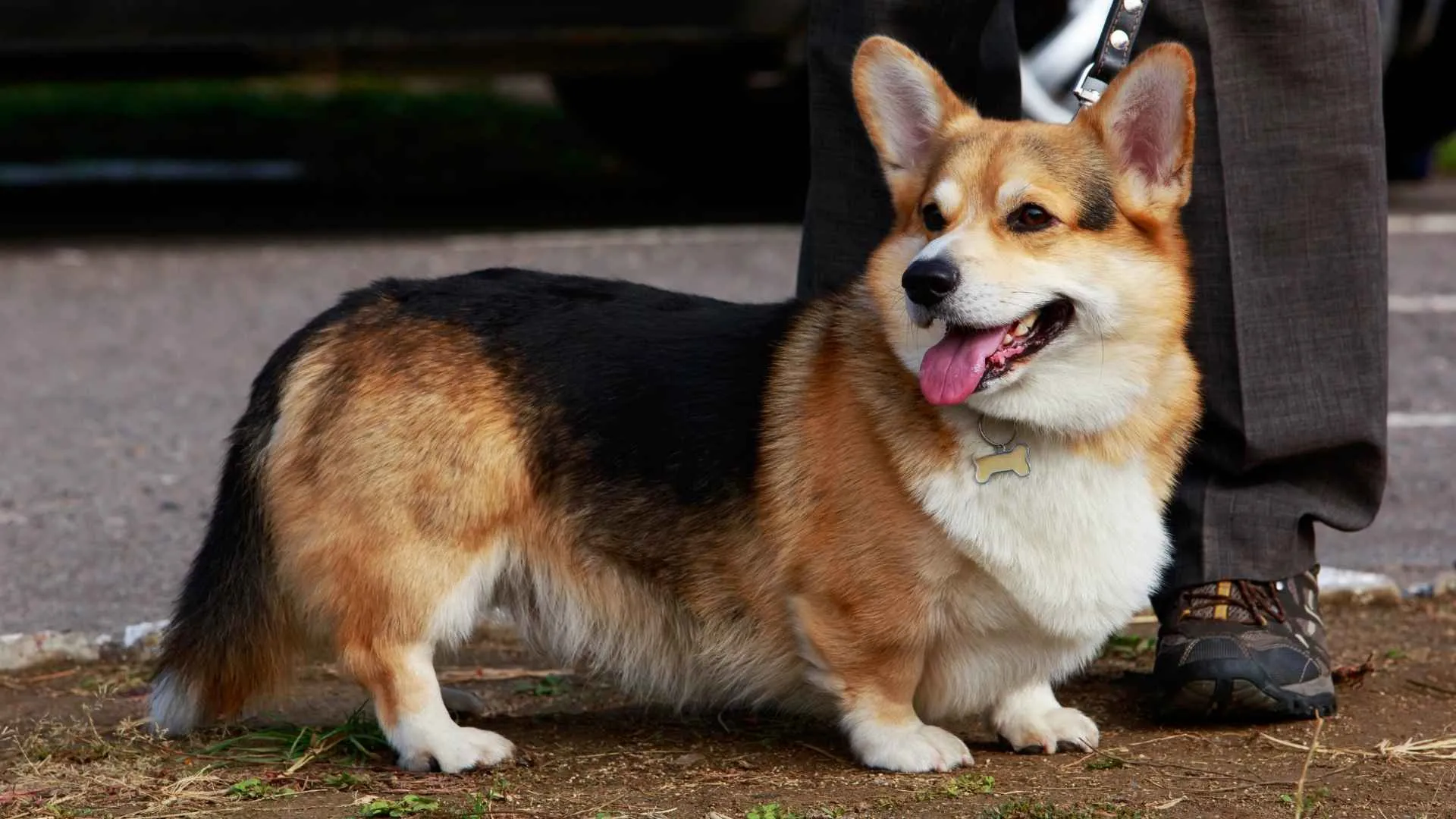
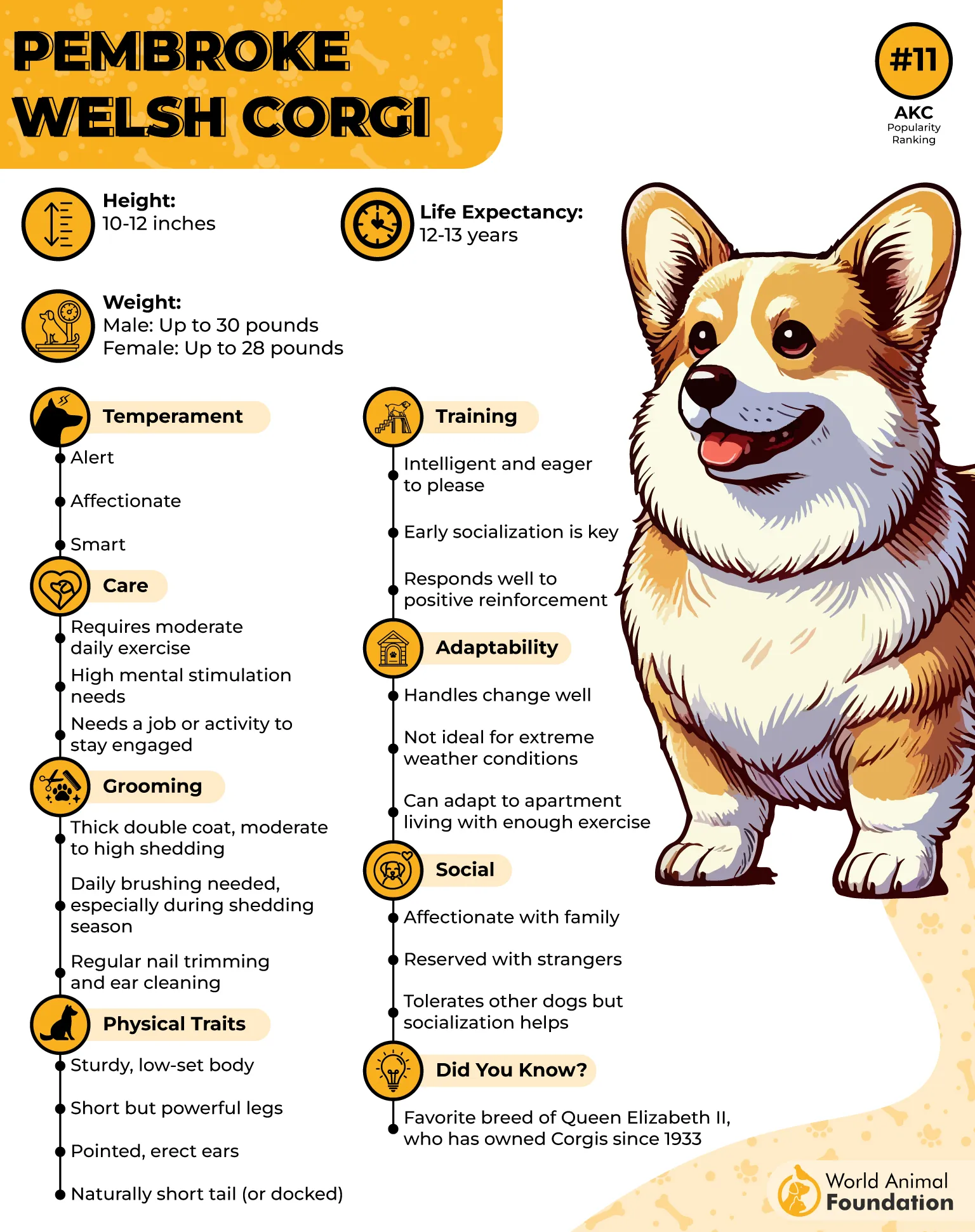
Pembroke Welsh Corgi comes from Pembrokeshire, Wales, with accounts linking its arrival to Swedish Vallhunds brought by Vikings during the 9th and 10th centuries. The breed later entered the ring in the 1920s, when Pembrokes and Cardigans were still shown together.
Made for Cattle
Corgis worked close to cattle, using quick ankle nips and body-blocking to direct livestock while their low-slung frame helped them avoid hoof strikes. Fast turns and sudden bursts of speed gave the short-legged herder a surprisingly precise way to control larger animals.
Three practical points reveal how that method worked:
Ground-hugging gait conserved energy
Independent stock control paired with human cues
Tight turns supported quick livestock corrections
A Busy Little Brain
Pembroke Welsh Corgi has a strong need to learn and keep its mind occupied, reflecting the problem-solving demands of farm work.
Its pattern-learning ability makes it responsive to direction, while fetch can provide an outlet for the chase, stopping, and turning sequence behind its herding instincts.
6. Shetland Sheepdog
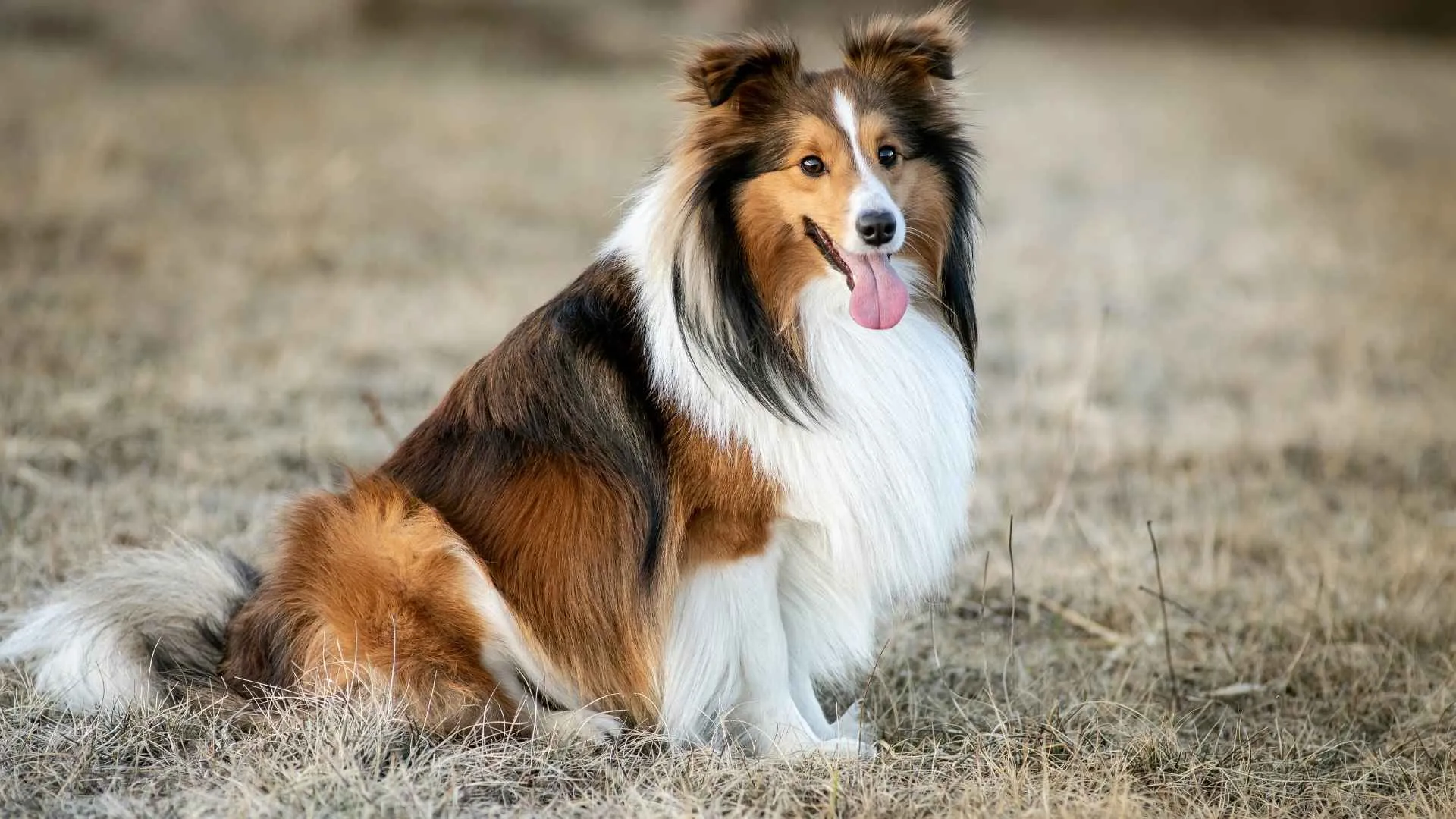
Shetland Sheepdog emerged in 1800s Scotland, where limited vegetation favored smaller livestock and, in turn, a compact herding dog suited to the local conditions.
Scottish herding dogs were likely crossed with Collies, while the breed’s isolated setting allowed its characteristics to become more consistent.
Made for Quick Turns
Shelties have a smaller, agile frame that suits sharp turns and sustained work while tending livestock over uneven ground. Their strong response to people and fast-changing movement reflects the close cooperation expected from a working herder.
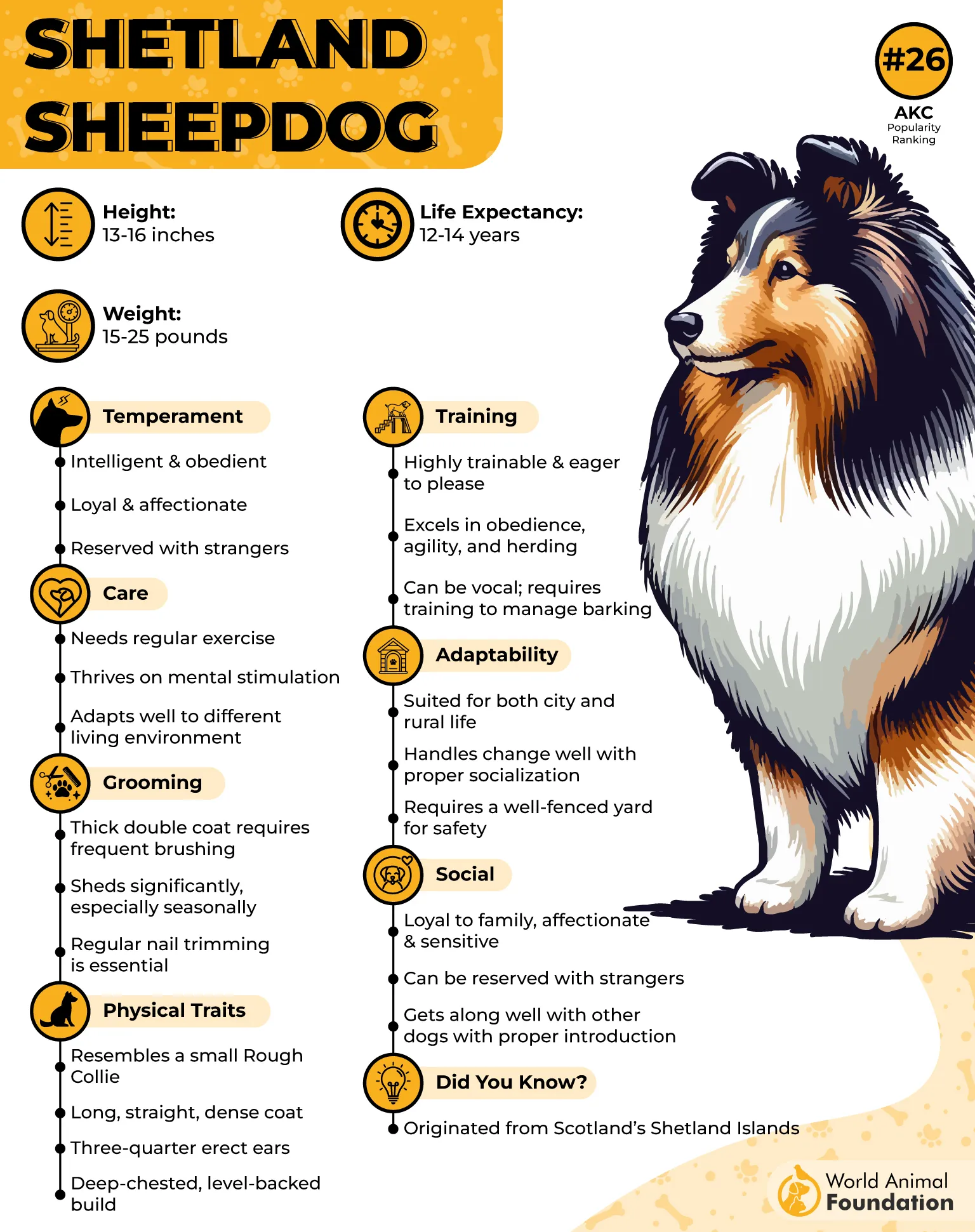
This is how their instincts appear naturally:
Stares and arcs around moving animals
Tracks sudden motion with intense focus
May gather toys into a single pile
A Watchful Herding Mind
Shetland Sheepdog can pick up subtle changes in tone and routine, which makes training signals easier to reinforce with consistency. Its urge to control movement may also lead to quick heel-nipping when children run, or bicycles pass nearby.
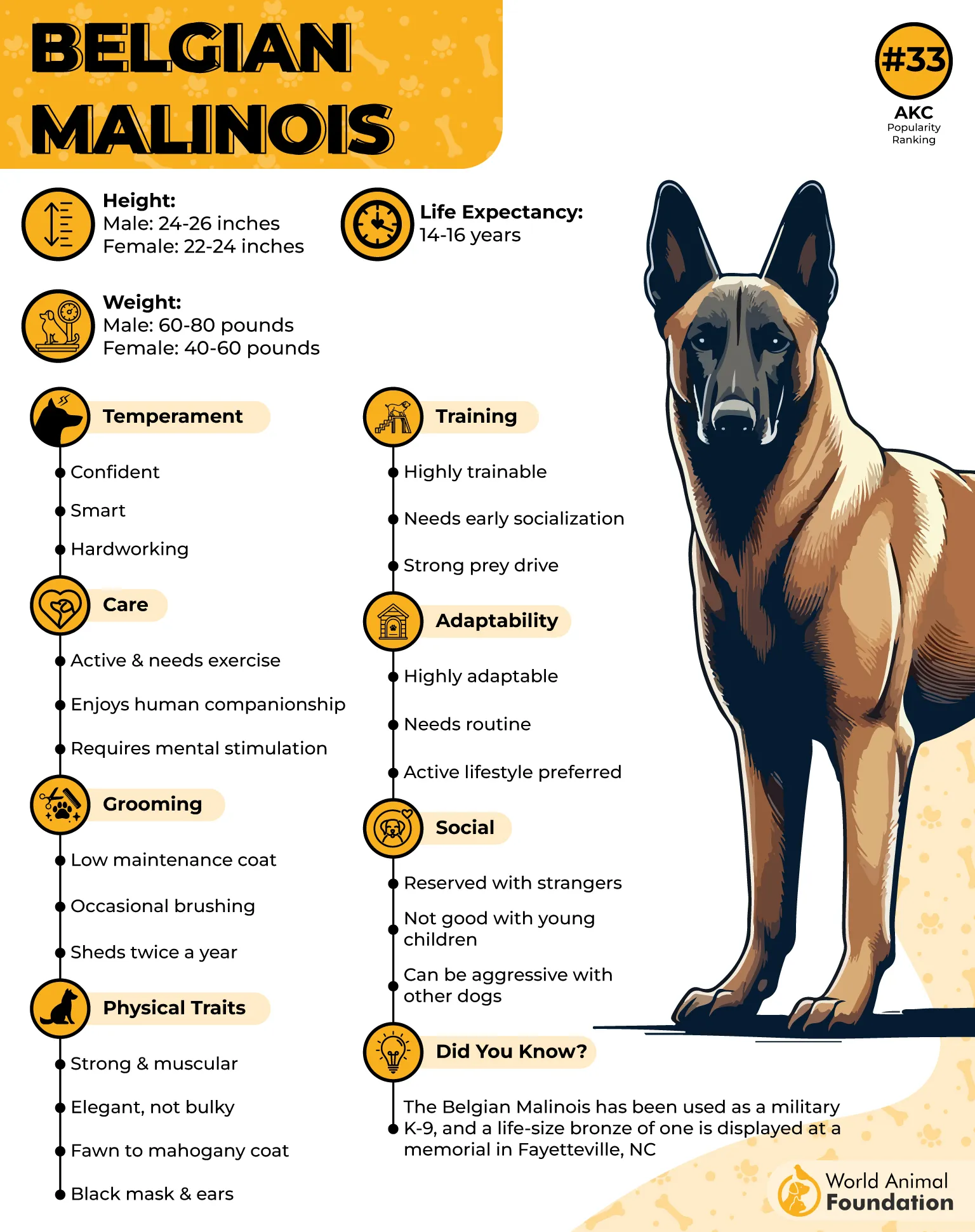
7. Belgian Malinois
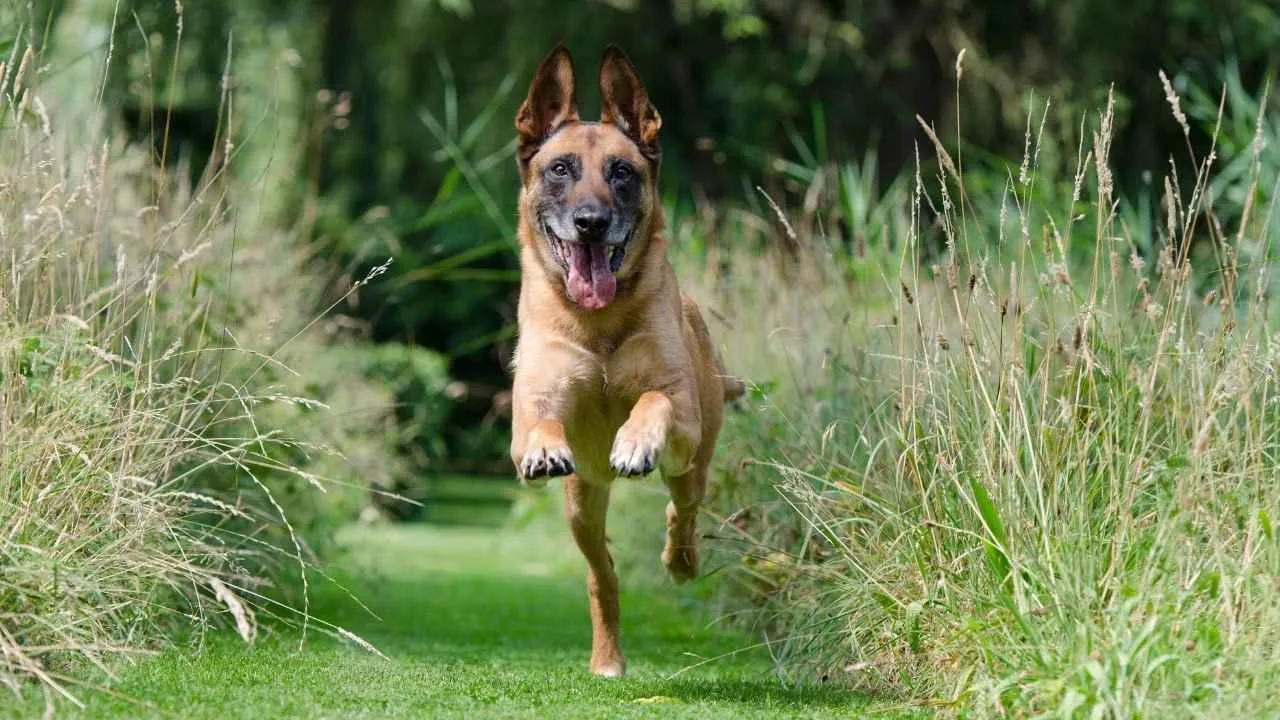
Belgian Malinois began as a shepherding dog in Belgium, with serious breeding efforts taking shape in the late 1800s. Its early work centered on guarding and managing sheep and livestock, with intelligence and agility valued in those demanding duties.
Herding by Instinct
Belgian Malinois uses movement-control behaviors to manage livestock, including circling, gathering, body-blocking, and heel-nipping. That instinct can also appear in pet homes, particularly when a dog tries to direct people or other animals through close physical control.
Its working drive calls for plenty of structure:
Needs early socialization to prevent behavior problems
Requires plenty of exercise beyond quick walks
Benefits from obedience training and mental challenges
A Mind That Keeps Working
This high-energy breed enjoys problem-solving and can persist through several attempts to reach a toy, training reward, or desired object. Its close attention to a handler, task, or toy can remain focused for long sessions, making varied training especially important.
Conclusion
A capable livestock dog brings several skills together when working in the field. Watching movement, responding to signals, controlling distance, and staying focused can all influence how effectively it handles a group of animals, with some excelling through different working styles. Some dogs work quietly and closely with their handler, while gentler herders rely more on patience and controlled movement.
Those instincts do not disappear outside the pasture either. Running children, bicycles, pets, and other moving objects can become targets for herding behavior. Training, exercise, socialization, and clear boundaries are strongly recommended to help manage those tendencies. Selecting the right breed for your working needs can make the partnership far more rewarding.
