




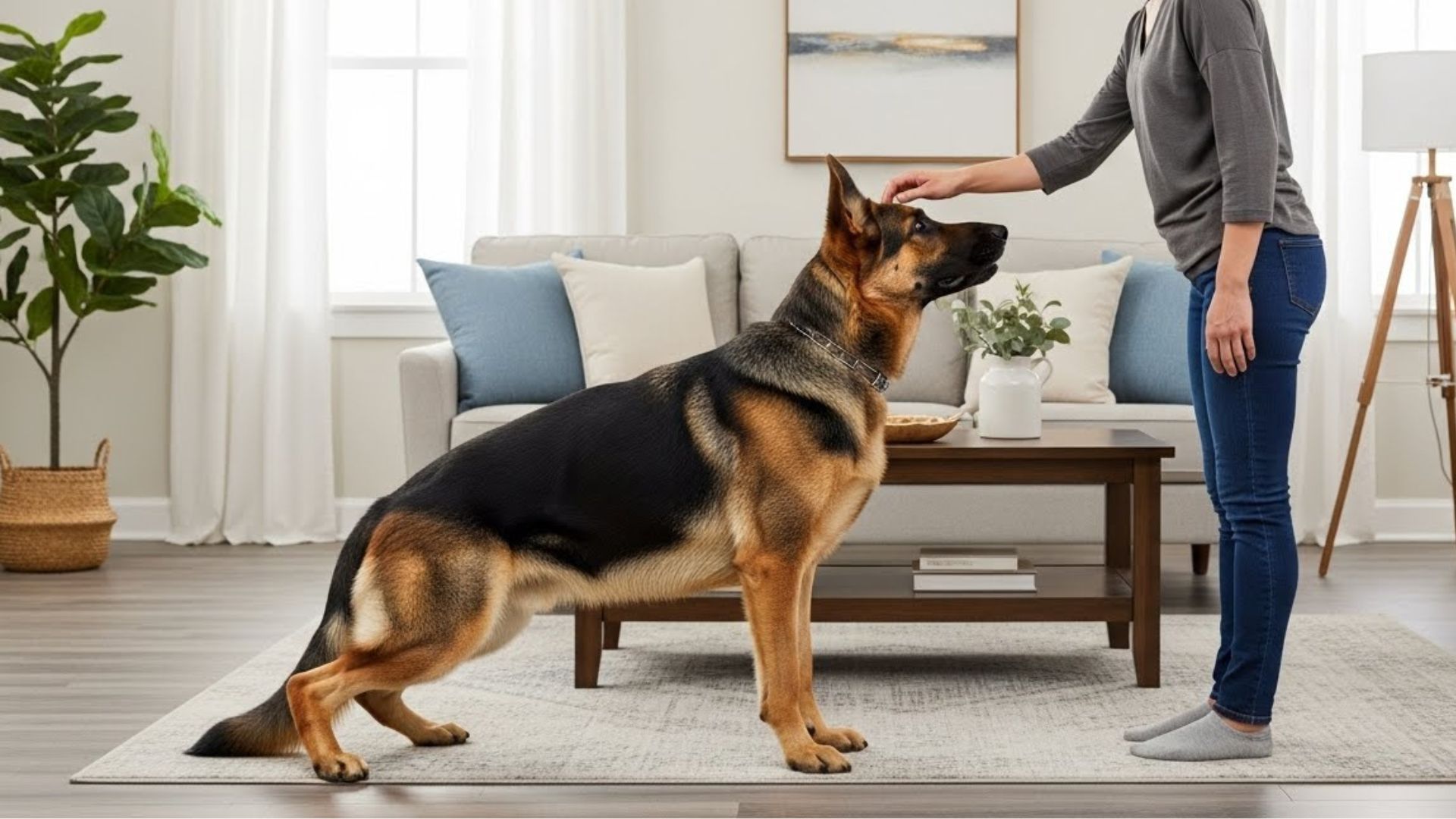
Have you ever noticed how much safer a home feels when a capable dog is paying attention to the world outside your door? For solo women, the “best protection dog” usually is not an aggressive animal or a walking weapon.
It’s a stable, confident companion who stays alert, notices what’s unusual, and has the size, nerve, and training potential to back up a warning bark.
The right breed can add a real layer to home security by discouraging opportunistic intruders and giving you time to react, turn on lights, call for help, or move to a safer space.
At the same time, protection is only helpful when it’s controllable. Temperament, socialization, and obedience matter as much as strength.
In this guide, we’ll cover protection dog breeds that are known for loyalty, courage, and watchful instincts, plus what to look for so your dog feels like a partner, not a liability.
Best Protection Dog Breeds for Solo Women & Home Security
1. German Shepherd
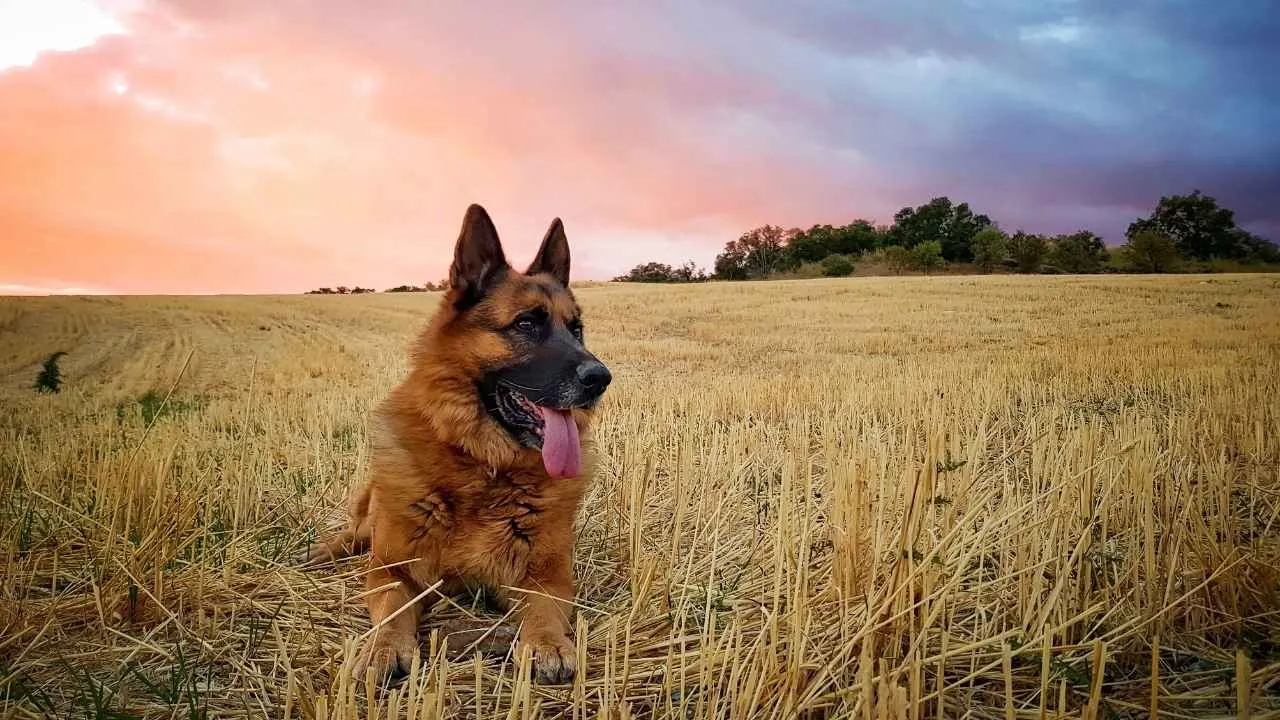
German Shepherds are often described as large, agile, muscular dogs with high intelligence and steady confidence. They prove to be loyal companions, along with a serious willingness to learn and retain training.
Temperament notes commonly mention a devoted family dog who can be reserved around strangers. That combination of alertness and discretion is part of what makes them so widely used in working roles.
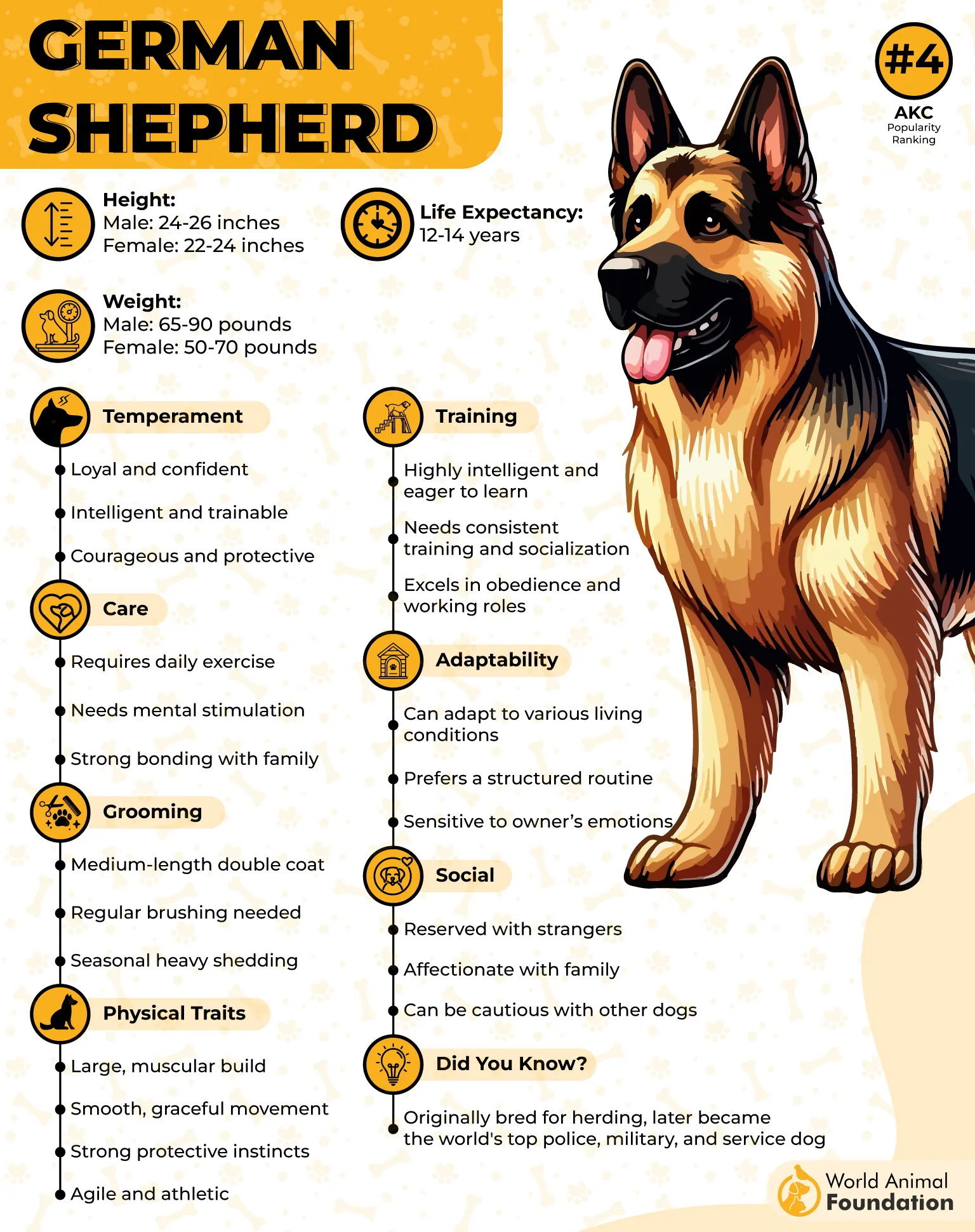
PetMD emphasizes that this breed needs structured activity and consistent training, not just casual play. Their coat also requires routine grooming, with heavier shedding periods that call for extra attention.
When trained properly, German Shepherds are often regarded as excellent candidates for home protection work, as they combine athletic ability with strong obedience potential. Quality training programs usually build from fundamentals into tailored commands, with clarity and control as the goal.
Fun Fact
German Shepherd Dogs became pop-culture famous through early Hollywood, including the iconic canine star Rin Tin Tin. Their public visibility helped make the breed widely recognizable for generations.
2. Rottweiler
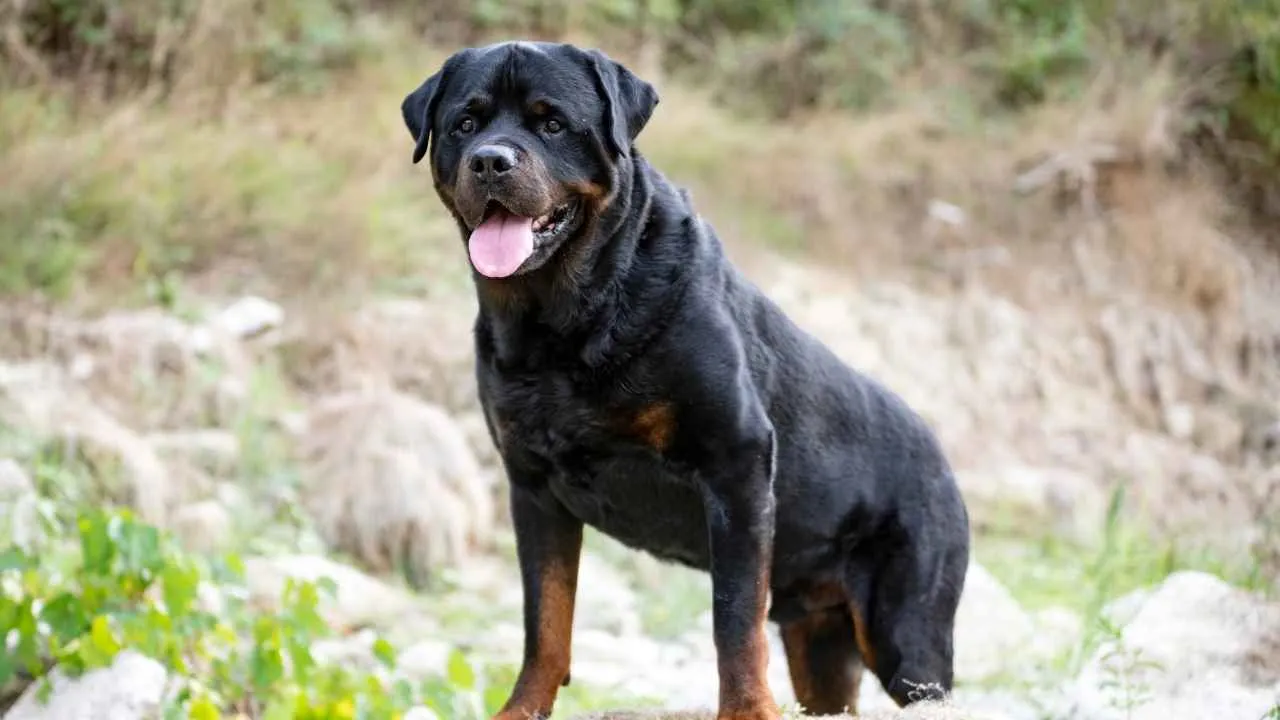
Rottweilers are commonly described as robust working dogs with great strength and a calm, self-assured presence. Breed histories often trace them to drover dogs associated with Roman legions, later connected with the German town of Rottweil.
In many descriptions, the Rottweiler is portrayed as a devoted protector within the family circle who watches strangers with confident reserve. That temperament can be an advantage when paired with steady leadership and clear expectations.
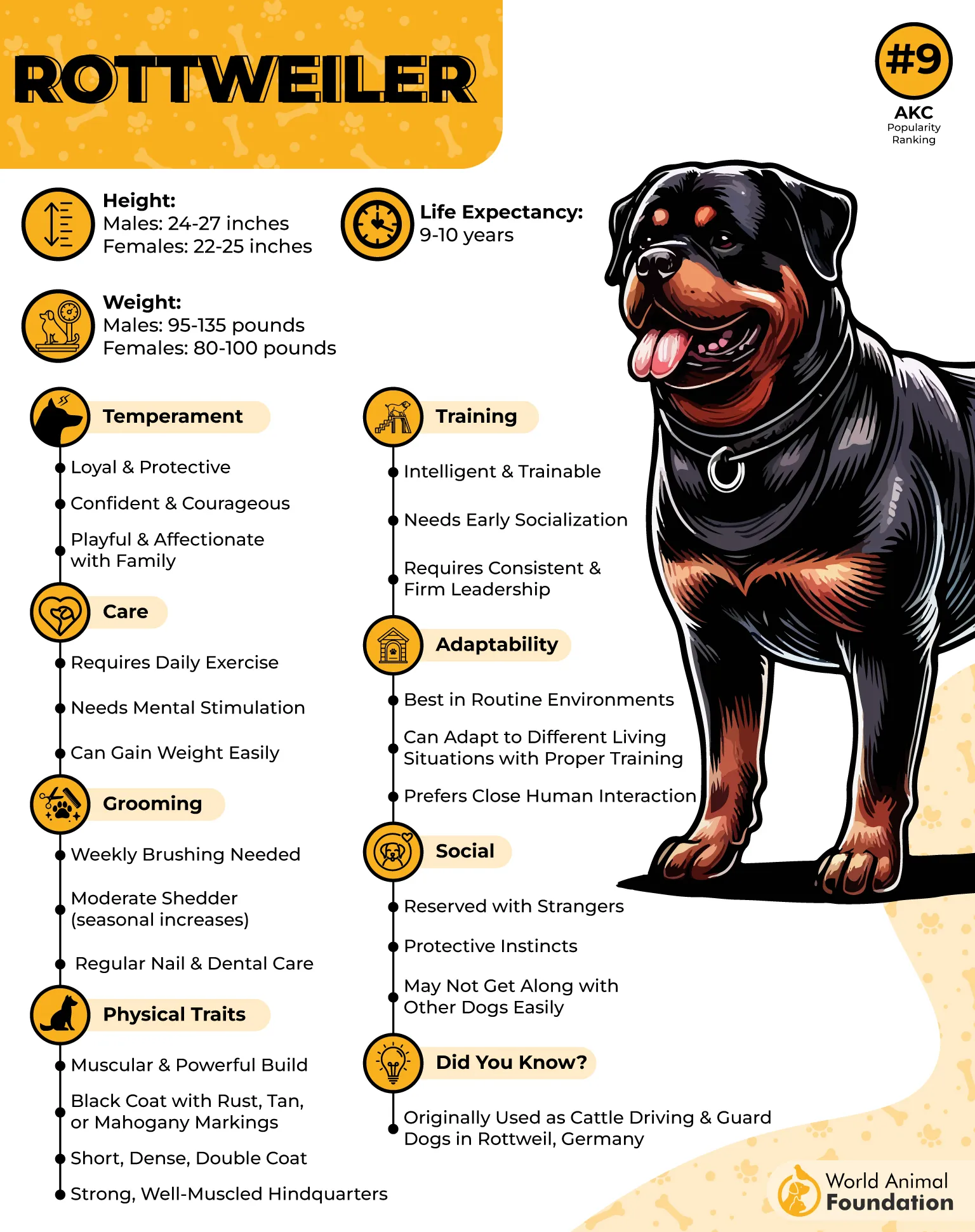
As per the AKC, obedience and bonding come before any protection-specific work. The idea is to build mutual trust and clear communication so the dog understands what is expected in everyday situations.
Because they are powerful dogs, the best outcomes usually come from owners who take training seriously and prioritize consistent social exposure. With structure and quality time, they are often presented as thriving in loving homes where they can stay close to their people.

Fun Fact
Many breed references note Rottweilers often reach full height around one year old, but may continue filling out in weight until about two or three. That “late finish” is why patient training through young adulthood is frequently recommended.
3. Great Dane
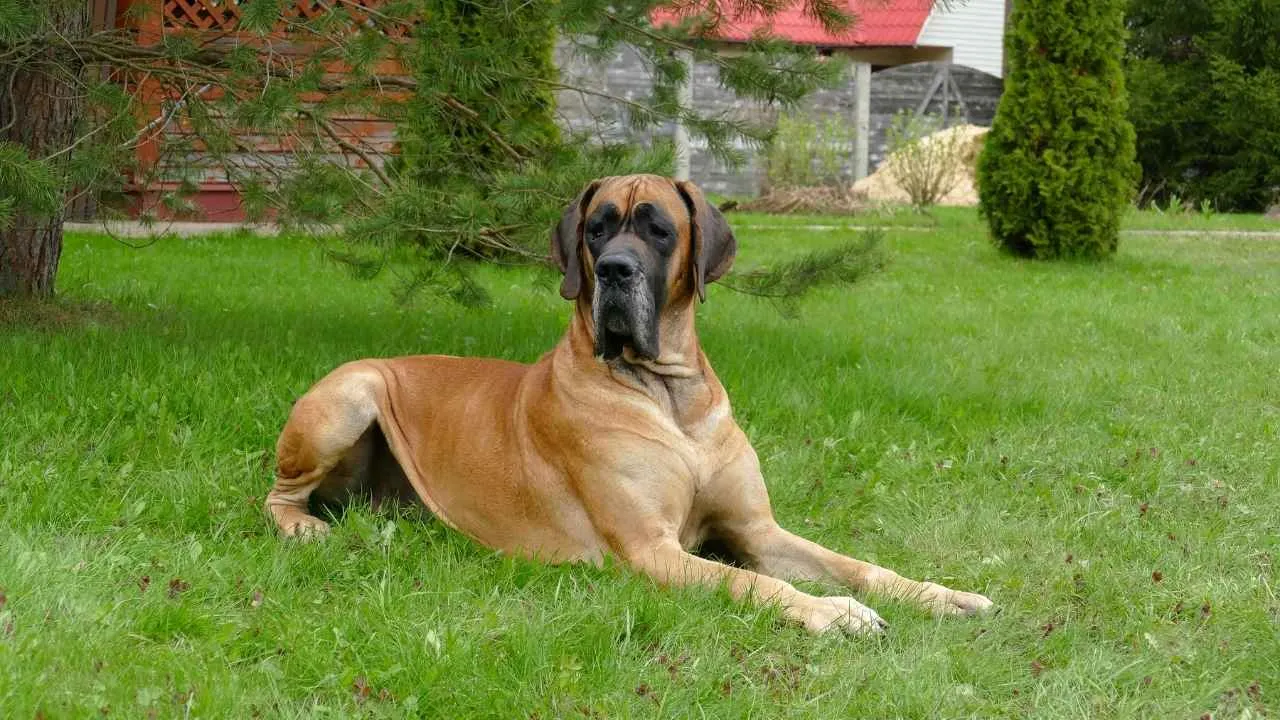
Great Danes are widely known as “gentle giants,” commonly described as affectionate, moderately playful, and good with children. They are also often noted as willing to guard their home, which can make their presence feel very imposing.
History often points to Mastiff-like roots and development in Germany, with roles that included hunting wild boar and guarding estates. Even modern guides that focus on temperament still acknowledge that protective background.
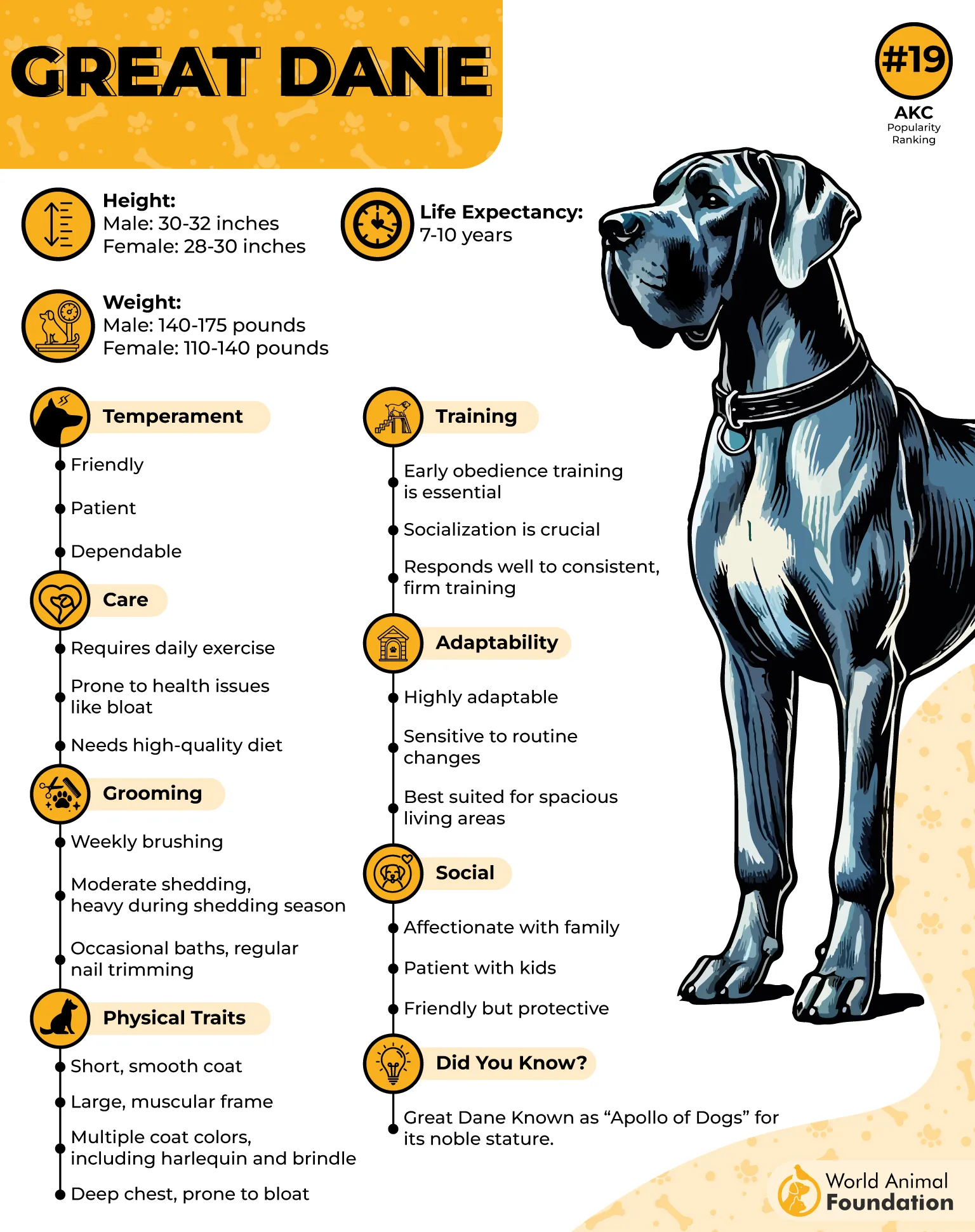
According to Hill’s Pet, living with a giant breed comes with practical needs, and some sources stress that owners must be ready for the realities of size, food cost, and daily management. Many guides also mention long, daily walks as a routine requirement, especially when the dog is young.
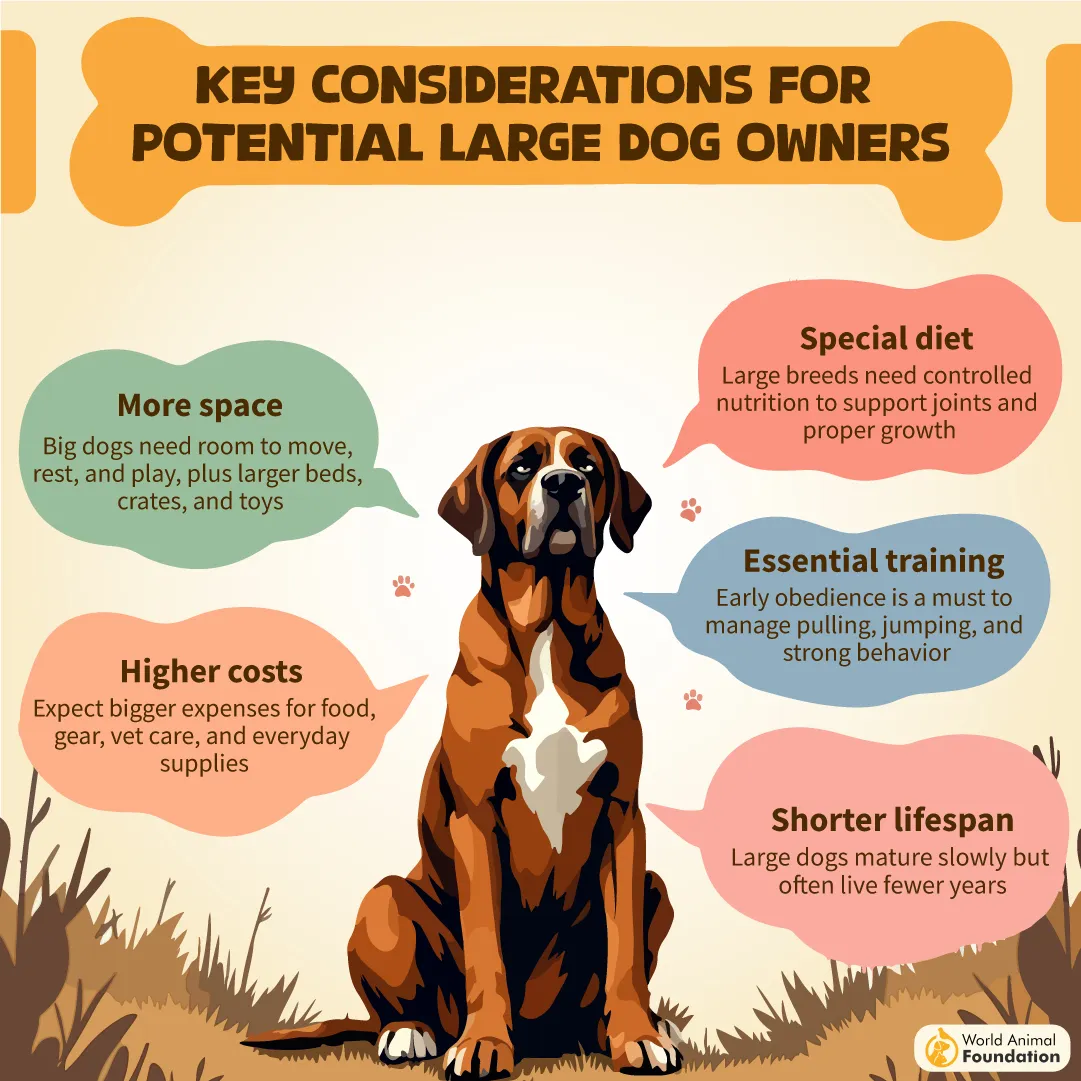
Health notes often flag bloat risk in giant breeds, with feeding routines and post-meal rest commonly recommended as part of prevention-minded care. Training is often described as generally straightforward, though some individuals can be stubborn learners.
Fun Fact
Despite the name, multiple breed histories emphasize that the Great Dane is German in origin, not Danish. The breed has been referred to by different names over centuries, including “Deutsche Dogge” in Germany.
4. Jack Russell Terrier
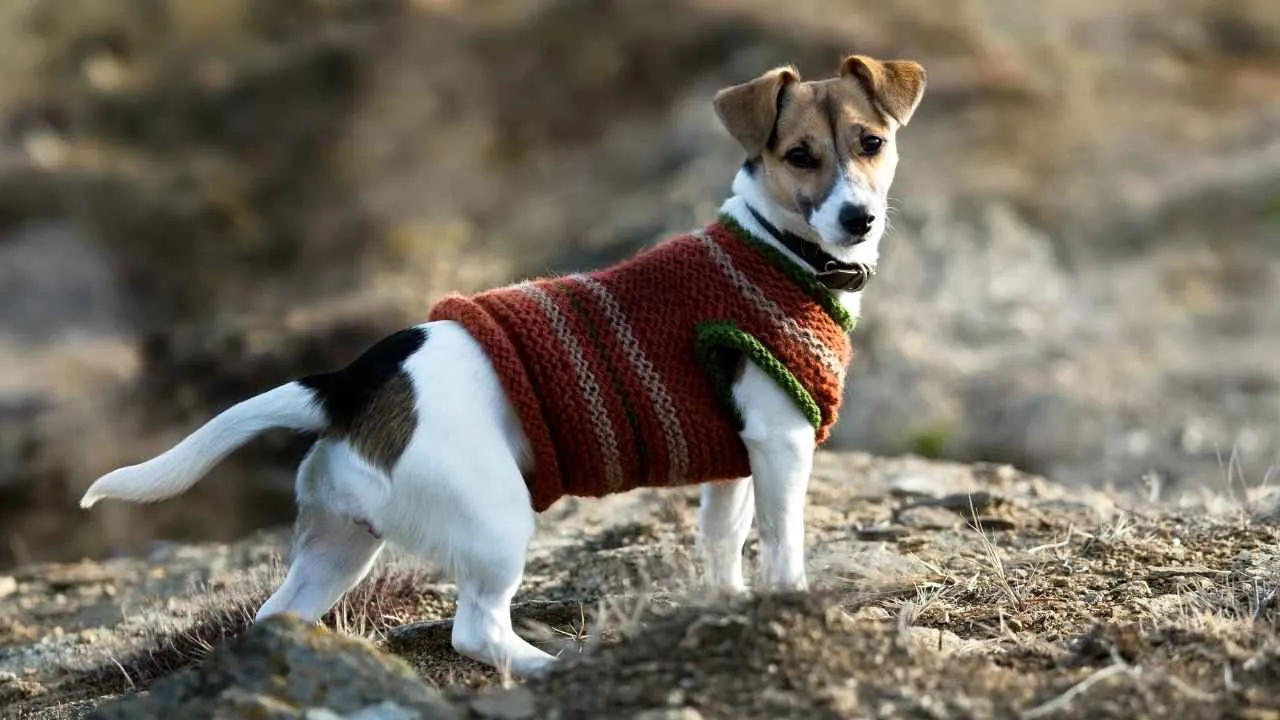
Jack Russell Terriers are described as lively, confident small dogs with a busy mind and lots of energy for running and chasing. Many guides emphasize that training is a great outlet because they tend to pick up commands quickly.
Behavior notes often highlight a very high prey drive and a strong love of chase, with practical advice to keep gardens secure. As per PDSA, they are not ideal in homes with smaller pets, given their natural hunting tendencies.
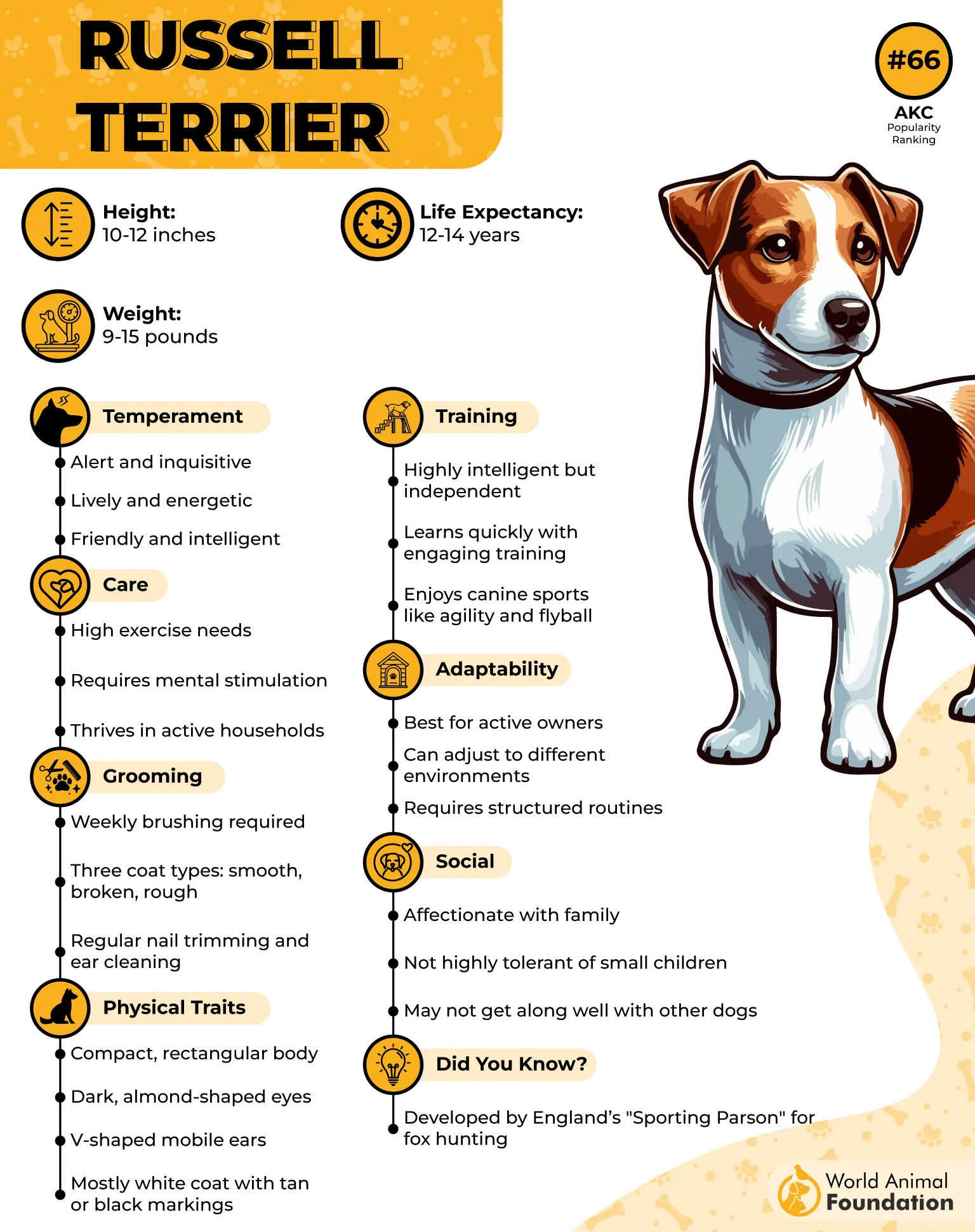
Exercise guidance commonly recommends at least an hour daily, split into walks and time for safe running in a secure area. Alongside the physical activity, playtime and training are frequently recommended to keep them mentally satisfied.
They are also often described as vocal, especially when excited, and early reward-based training is commonly suggested to reduce excessive barking. Consistency across the household is a repeated theme in many care guides.

Fun Fact
Some guidance sources estimate a lifetime cost in the UK that can exceed £8,900, depending on care choices and circumstances. That number surprises many people because Jack Russells are small dogs.
5. Dogo Argentino
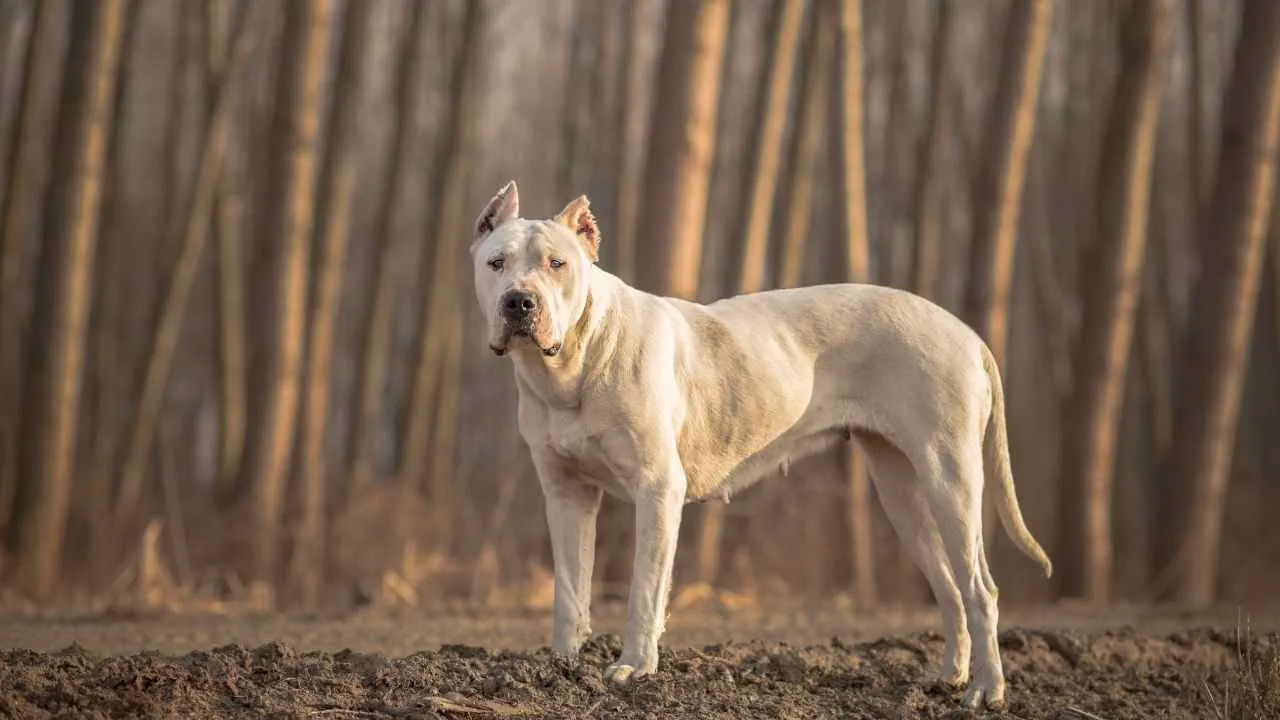
The Dogo Argentino is commonly described as a pack-hunting dog developed for big game, noted for strength, intelligence, and quick responsiveness. Breed profiles also highlight their short white coat, with allowances for a dark patch near the eye.
Owner-focused care guidance often stresses the need for strong daily outlets, including both physical and mental stimulation through vigorous games. Some resources also point out that they need positive experiences with people who come to the home.
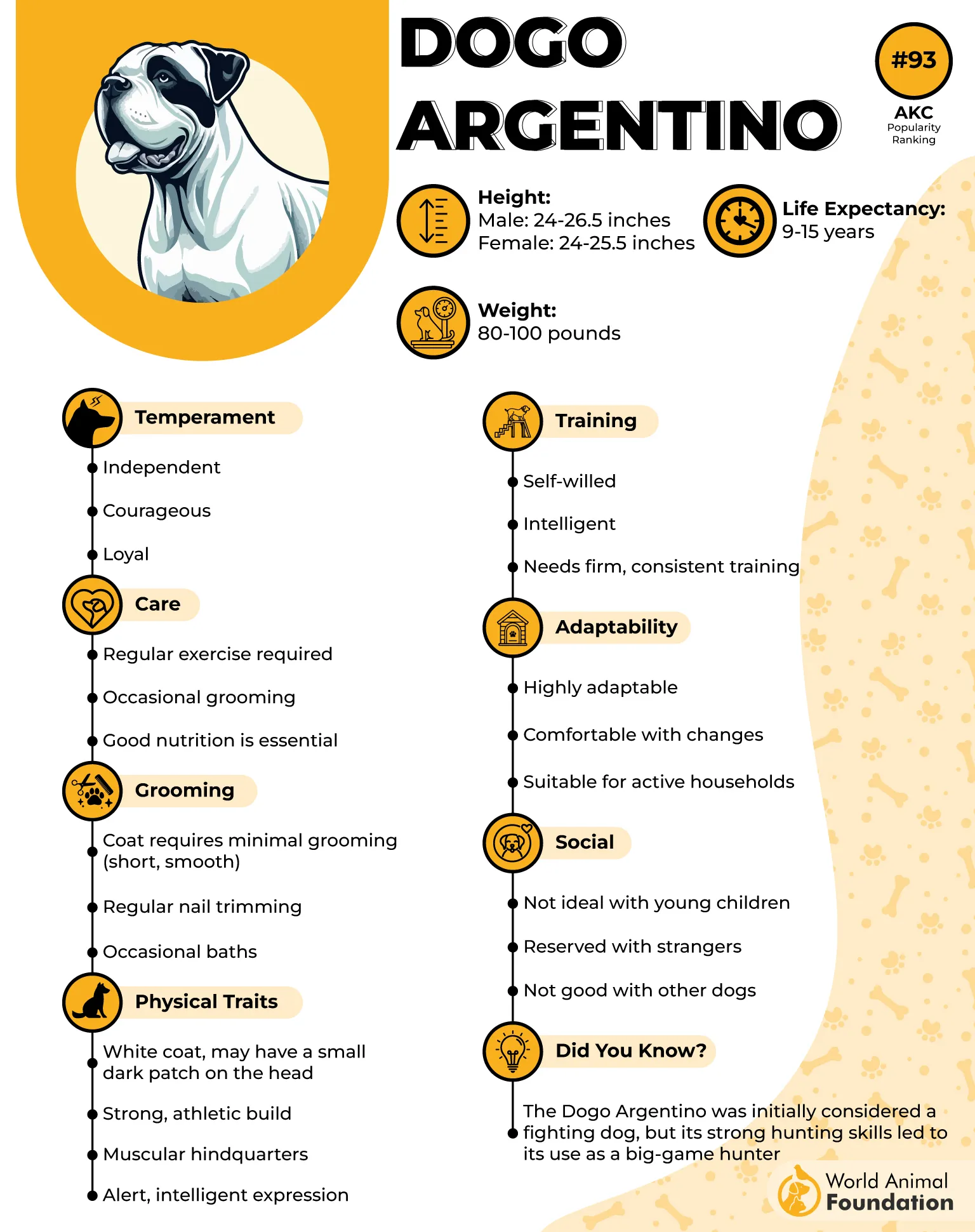
Because of their power and intensity, breed descriptions often frame them as best suited to experienced, active handlers. Outdoor activities like hiking and hunting-style work are frequently mentioned as good fits for their energy and drive.
Health notes vary by source, but some guides discuss routine maintenance such as home dental care and regular veterinary support as part of responsible ownership. Overall, they are commonly presented as thriving with structure, training, and clear leadership.
Fun Fact
Breed descriptions often emphasize that the Dogo Argentino was developed to work in a pack during big-game pursuits. That pack-hunting origin helps explain why many sources stress training, guidance, and thoughtful social exposure.
6. Boxer
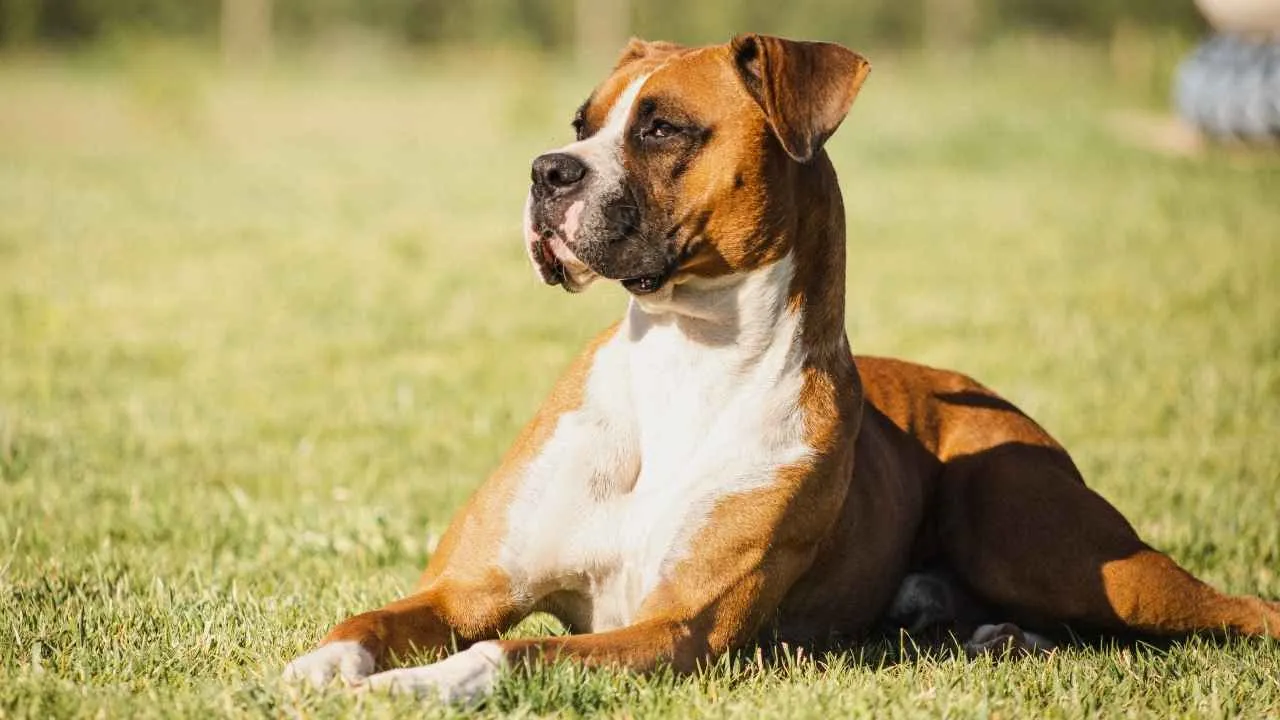
Boxers are medium to large dogs known for a muscular build, high spirits, and a playful, social nature. Many breed descriptions emphasize their bright, alert expression and a confident attitude that stands out in the home.
Their personality is often described as energetic and people-focused, which can make them feel like a shadow with a sense of humor. Because they mature slowly, training usually works best when it is consistent, upbeat, and started early.
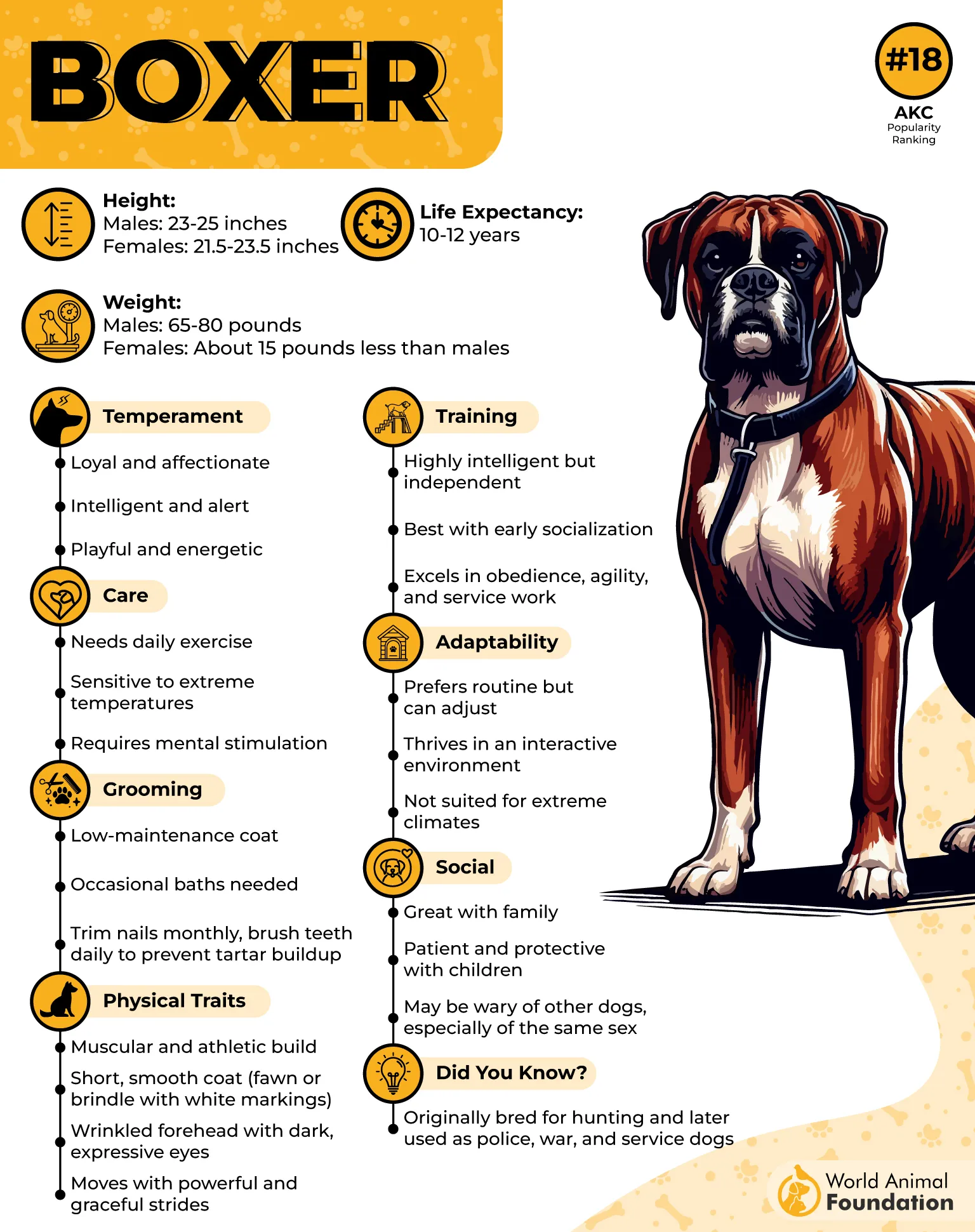
Boxers are also commonly portrayed as extremely loyal and naturally watchful, with a strong protective instinct to respond when something seems “off.” That protective streak tends to be strongest when they are closely bonded with their household and are given clear boundaries.
Daily care typically centers on exercise and engagement, since boredom can turn into rowdy behavior. A mix of brisk walks, structured play, and short training sessions helps keep their manners polished.
Fun Fact
Boxers get their name from a distinctive habit of using their front paws during play and sparring. That “boxing” style is part of what makes their body language so entertaining to watch.
7. Cane Corso
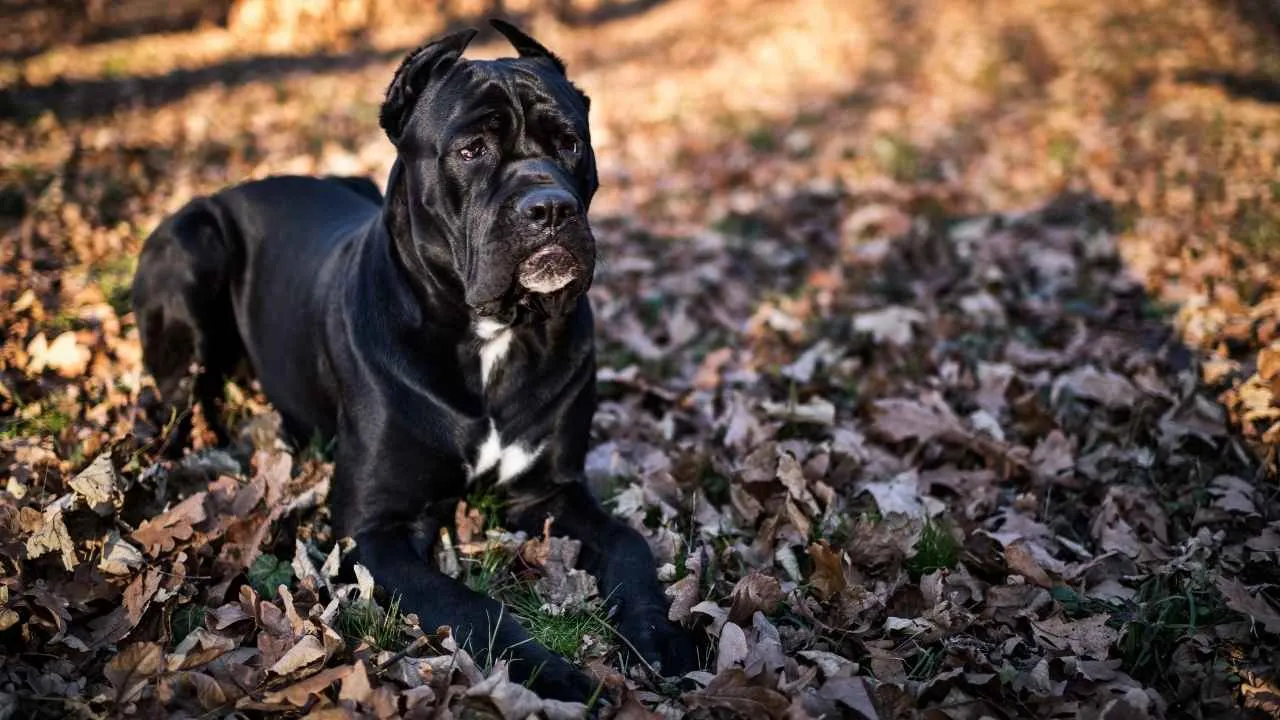
The Cane Corso is a large, powerful mastiff-type dog often described as confident, serious, and highly capable. Breed histories commonly connect them with guarding and protection roles, which helps explain their focused presence.
Many profiles note that this is not a beginner breed because the dog’s size and intensity require an owner who can provide leadership. They tend to do best with early, structured training that builds obedience, calm behavior, and clear house rules.
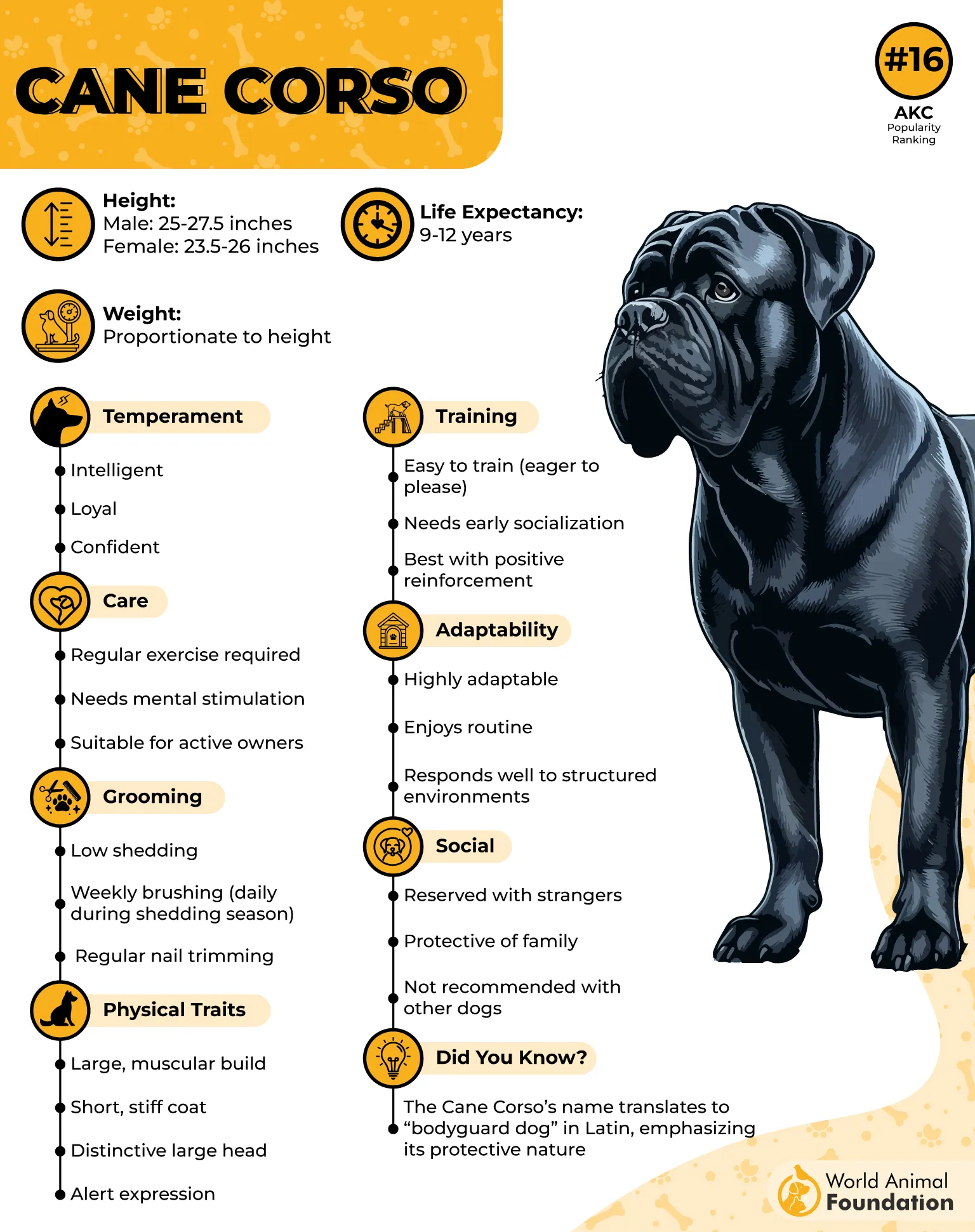
Temperament descriptions often highlight loyalty and a strong bond with the family, paired with natural suspicion toward strangers. That combination can be an asset when managed carefully through controlled social exposure.
Exercise needs are usually framed as steady and purposeful rather than chaotic. Regular activity, mental challenges, and consistent routines help shape a stable adult dog that is confident without being reckless.
Fun Fact
The Cane Corso’s name is often linked to a Latin root connected with guarding. Its history as a guardian-type dog is a major reason the breed is so closely associated with home protection.
8. Bullmastiff
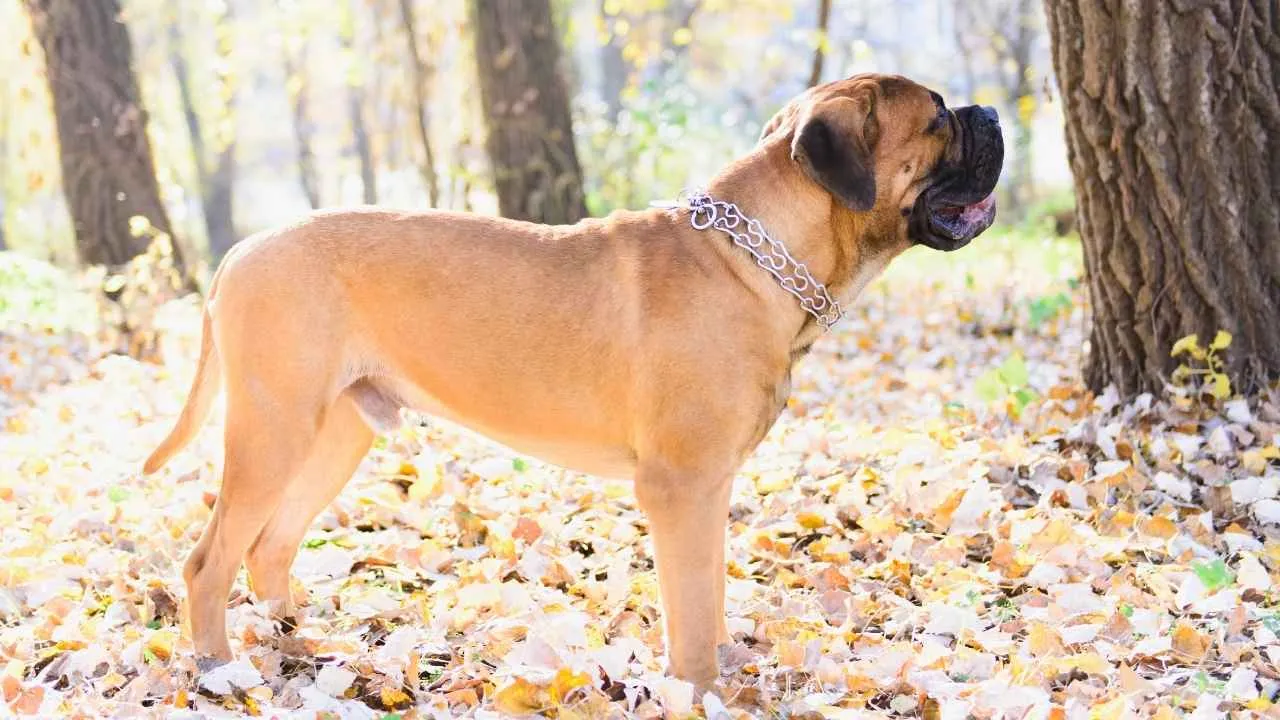
Bullmastiffs are large, heavy-boned dogs typically described as strong, steady, and quietly confident. Many breed guides present them as protective without being constantly on high alert, which is a big part of their appeal.
Their background is often discussed in relation to guarding, with an emphasis on presence and deterrence rather than nonstop barking. In practice, that means many Bullmastiffs prefer to assess a situation first and act only when needed.
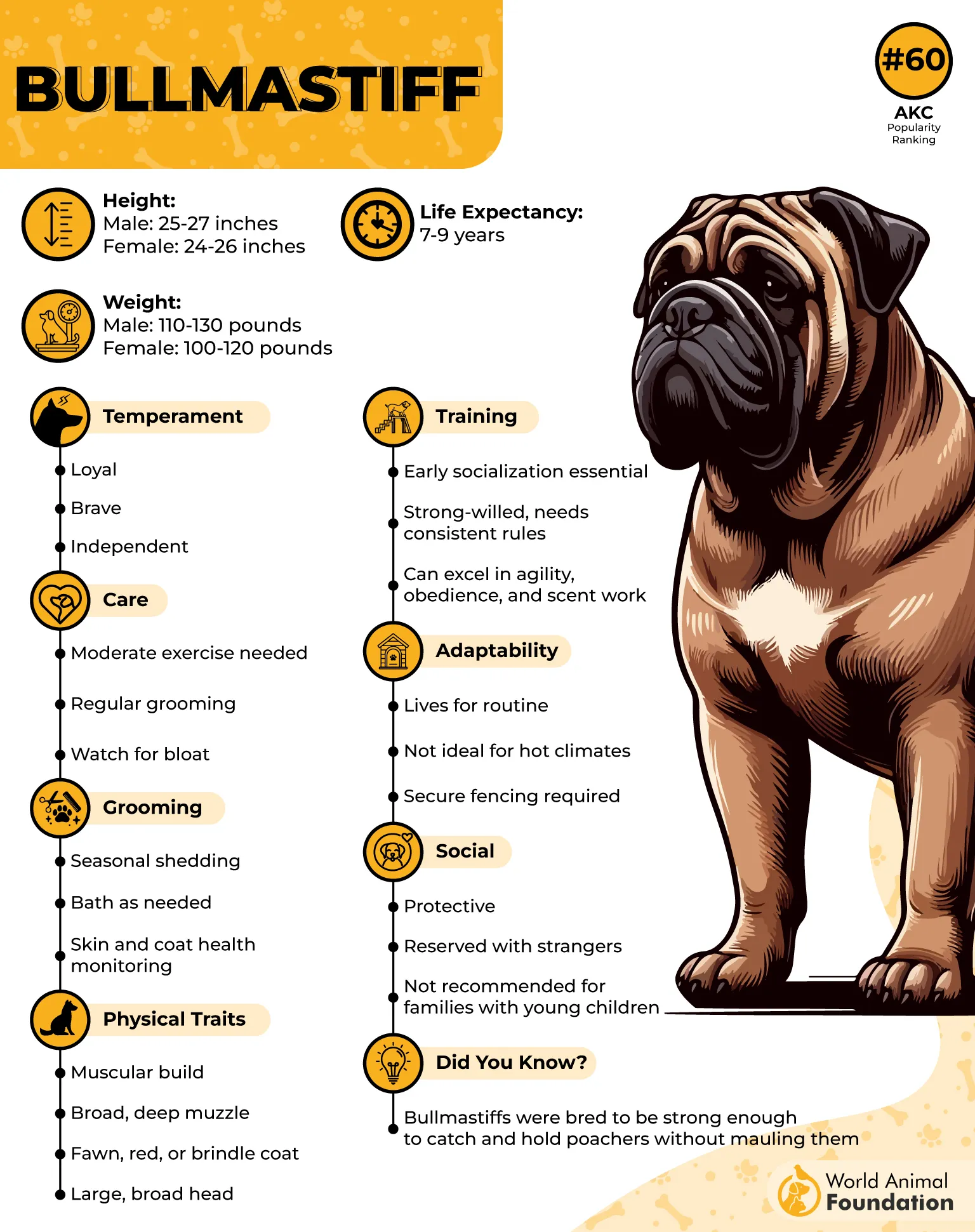
Because they are powerful, training often focuses on calm control, polite greetings, and reliable leash habits. Consistent socialization helps them handle visitors smoothly and reduces over-guarding tendencies in the home.
Care guidance commonly includes moderate daily exercise and a watchful eye on weight, since a heavy dog can strain joints over time. A routine that includes steady walks and simple training refreshers often supports their best temperament.
Fun Fact
Bullmastiffs were historically developed to help guard estates and deter intruders. Their original working concept emphasized silent guarding and physical capability.
9. Doberman Pinscher
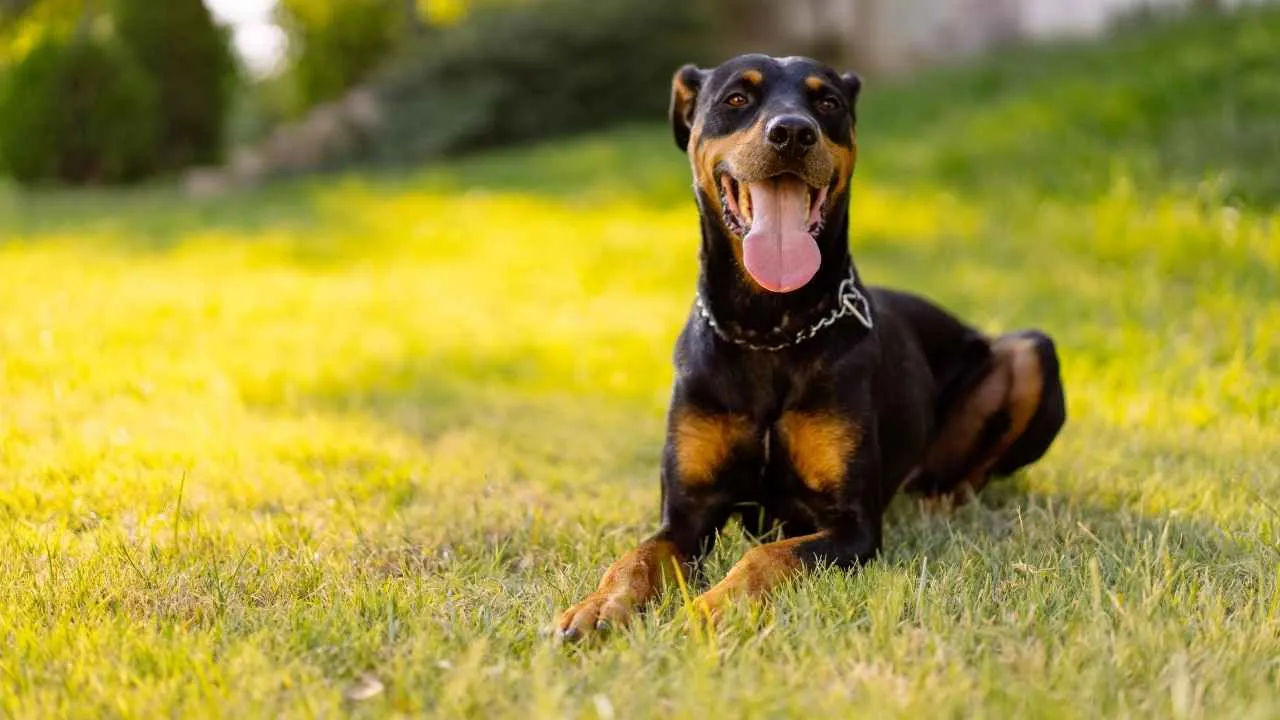
Doberman Pinschers are often described as sleek, athletic, and highly intelligent, with a strong willingness to work and learn. Many breed resources also emphasize loyalty and sensitivity to their owner’s cues, which supports focused training.
They are commonly portrayed as alert and responsive, with fast reactions that can make them excellent at advanced obedience. Because they are so observant, consistent routines and clear rules tend to make a noticeable difference in daily manners.
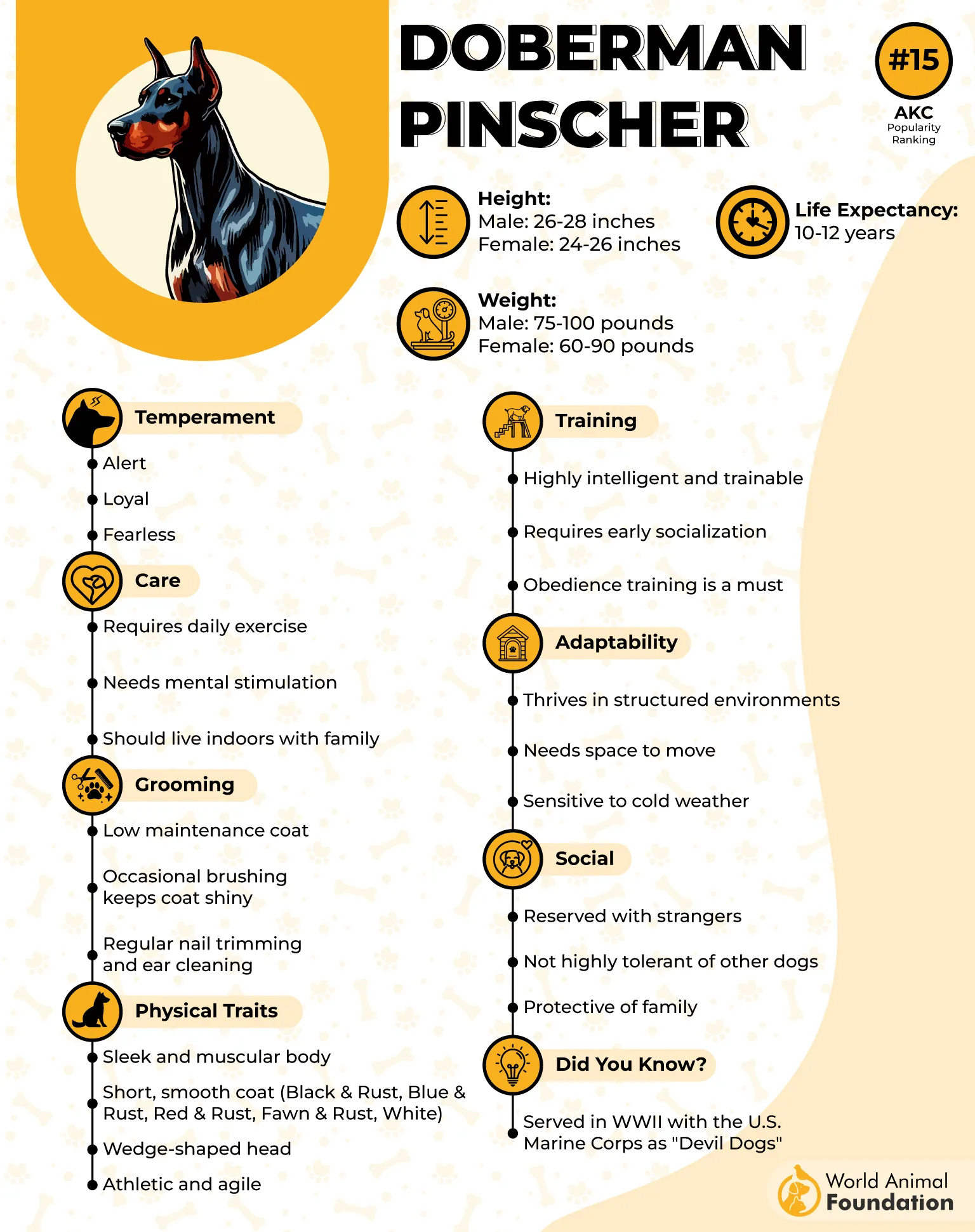
Exercise needs are often presented as substantial, especially for younger dogs with plenty of energy. A combination of purposeful walks, structured play, and training games can help them stay balanced and calm indoors.
Dobermans are also known for forming tight bonds, so they usually thrive when included in daily life rather than left isolated. Thoughtful socialization and ongoing practice around people can help them stay confident and controlled.
Fun Fact
Some breed histories credit the Doberman’s development to a German tax collector who wanted a capable protection dog. That origin story matches the breed’s reputation for courage, drive, and trainability.
Conclusion
Choosing the best protection dog breeds for solo women and home security is about matching dog owners with the right dog, not just the biggest bark.
For women living solo, the right guard dog should feel like a loyal and protective companion, offer an intimidating presence when needed, and still be a safe, extremely affectionate, and friendly dog in normal life.
The ideal dog depends on your routine: energetic dogs that lead active lifestyles often suit a large breed or big dog with a protective nature, while some people prefer a calmer great dog that is still a great guard dog for personal protection and potential threats.
Look for early training and an instinct that was originally bred to work, such as guard livestock, and you will be closer to the best protective dog and the right guard dog.
Other dog breeds such as Staffordshire Bull Terrier, Belgian Malinois, Golden Retriever, and Australian Shepherd can also be excellent guard dogs for women in the right home, including as a purebred dog or even a lap dog with the right dog owners.
