




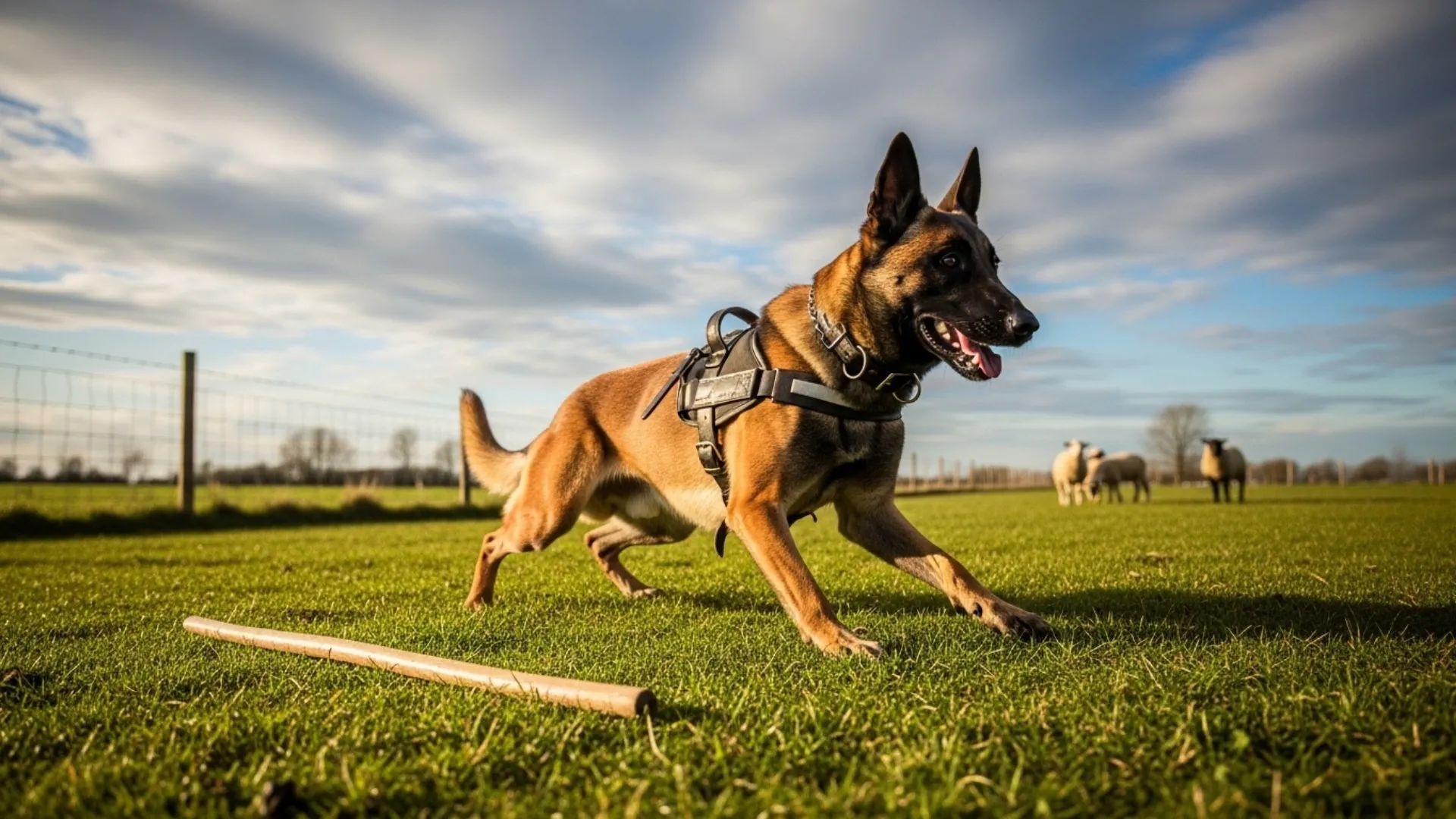
If you’ve ever spent time on a farm or around livestock, you know that life there doesn’t just run itself. From guiding sheep across open fields to standing watch over property, the right dog can make all the difference.
For centuries, humans have relied on specially bred dogs for herding and guarding, turning them into true partners in work and play. These dogs aren’t just strong—they’re smart, quick on their feet, and incredibly intuitive, often understanding what their human companions need before they even ask.
What’s fascinating is that many of these powerhouse breeds have been fine-tuned over generations for very specific tasks. Herding dogs, for example, have an almost instinctive ability to read and direct livestock. In contrast, guarding dogs can protect property with a mix of vigilance and loyalty that’s hard to match.
In this article, we’ll explore the top powerhouse dog breeds that excel at herding and guarding tasks—dogs that combine brains, brawn, and a tireless work ethic, making them invaluable companions for both work and life on the farm.
Key Takeaways
Meet German Shepherds, Malinois, and Rottweilers—smart, strong, and built to herd and guard.
See how Australian Cattle Dogs and Entlebuchers thrive with work and mental challenges.
Learn why Belgian Tervuren, Beauceron, and Dutch Shepherds need active, experienced owners.
Get tips to train, socialize, and keep these loyal, energetic dogs happy.
Top Powerhouse Dog Breeds for Herding and Guarding Tasks
1. German Shepherd
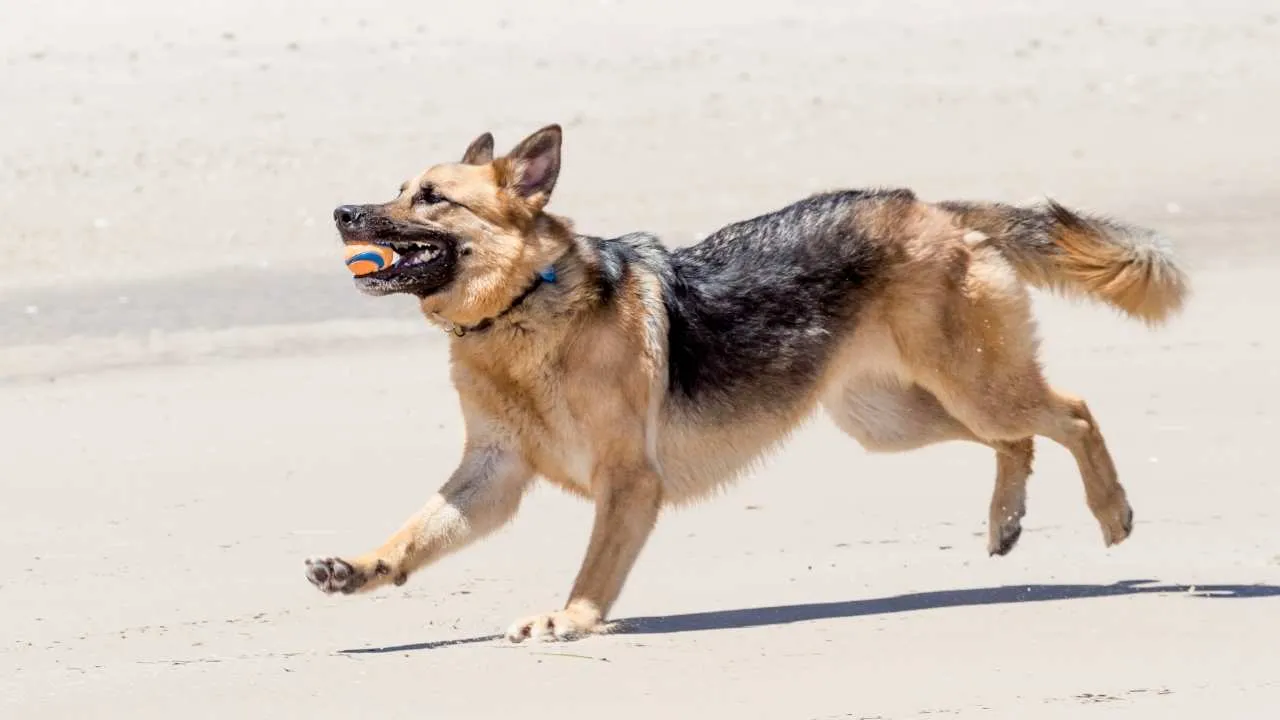
When it comes to herding and guarding, few dogs can match the intelligence, loyalty, and versatility of the German Shepherd. Originally bred in Germany to herd livestock and work on farms, these dogs quickly proved themselves as all-round workers.
Over time, their strong instincts, courage, and trainability have made them stars in police work, military service, search-and-rescue, and as trusted family dogs.
Why They Stand Out
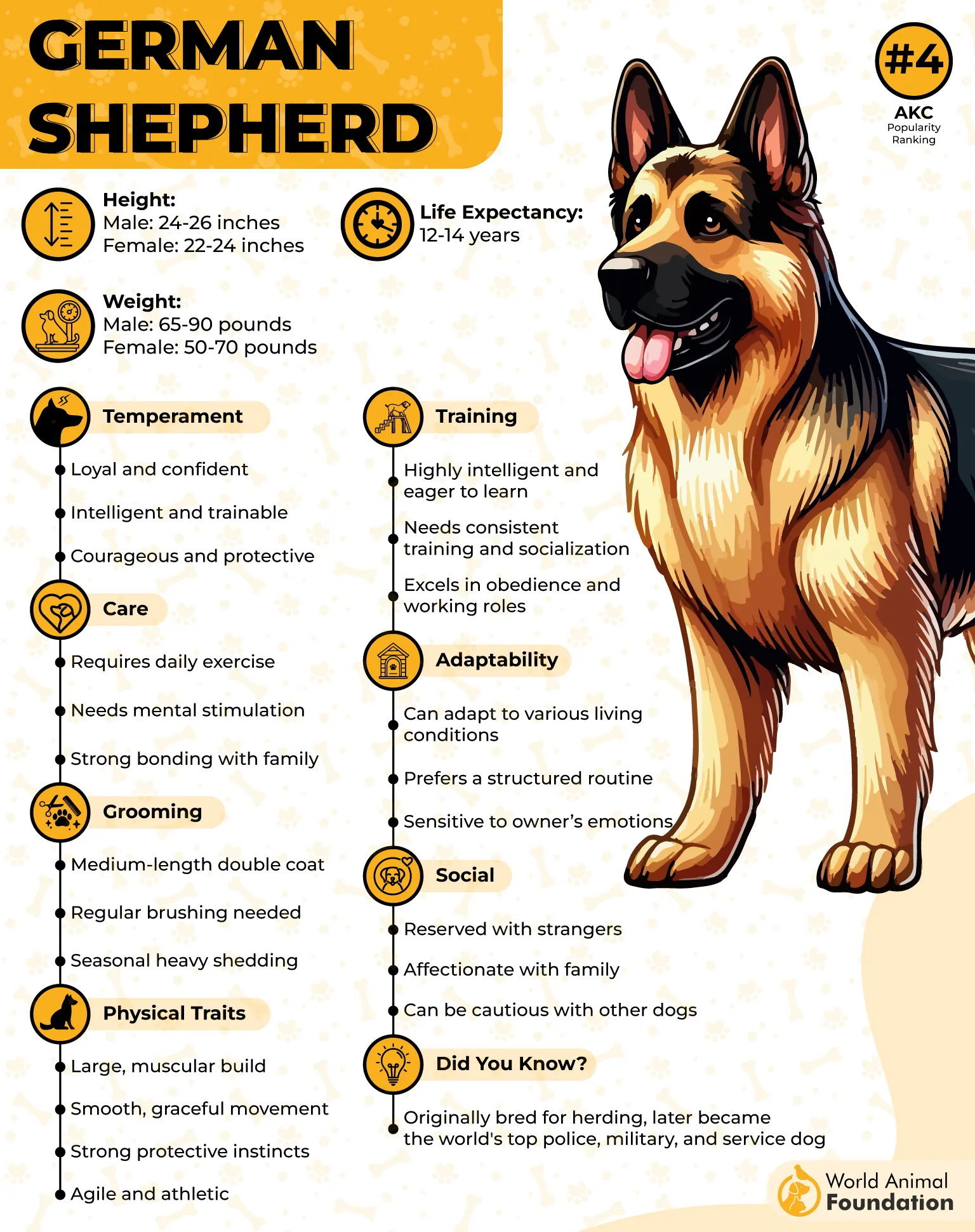
Herding and Guarding Instincts: German Shepherds were developed to guide livestock and protect property, making them natural guardians.
Highly Trainable: Their intelligence and willingness to work make them quick learners, excelling with positive reinforcement, treats, or toys.
Loyal and Alert: Gentle with family but often reserved around strangers, these farm dogs are both loving companions and vigilant protectors.
To thrive, German Shepherds need plenty of exercise, mental stimulation, and proper socialization. Obedience training is essential to control their strong guarding instincts.
They respond best to consistent routines, positive reinforcement, and engaging activities that challenge both body and mind. With the right care, a German Shepherd becomes a devoted, courageous, and multi-talented companion—perfect for herding, guarding, and bonding with the family.
2. Belgian Malinois
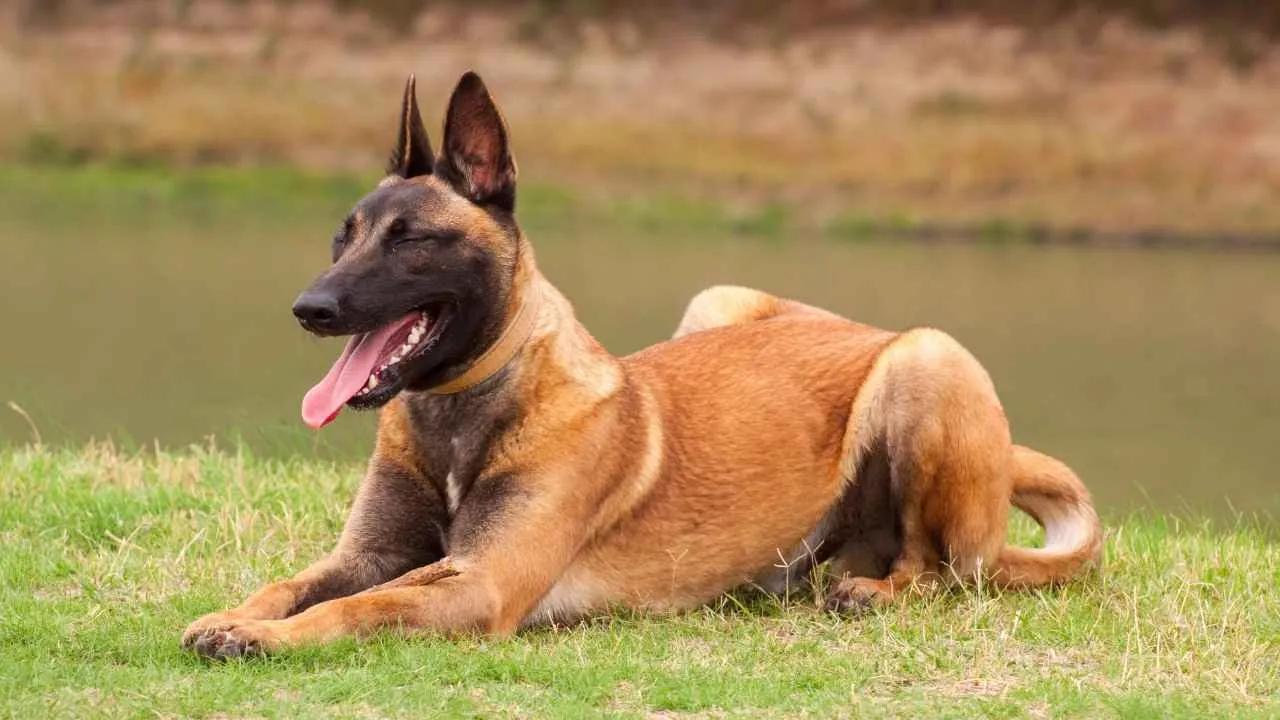
Belgian Malinois are the ultimate canine athletes. Originally bred near Malines, Belgium, to herd sheep and cattle, these dogs are built for hard work and endurance.
Over time, their intelligence, drive, and agility made them stars in police work, search-and-rescue, and military tasks. Loyal and confident, they form unbreakable bonds with their human partners and thrive when given a job to do.
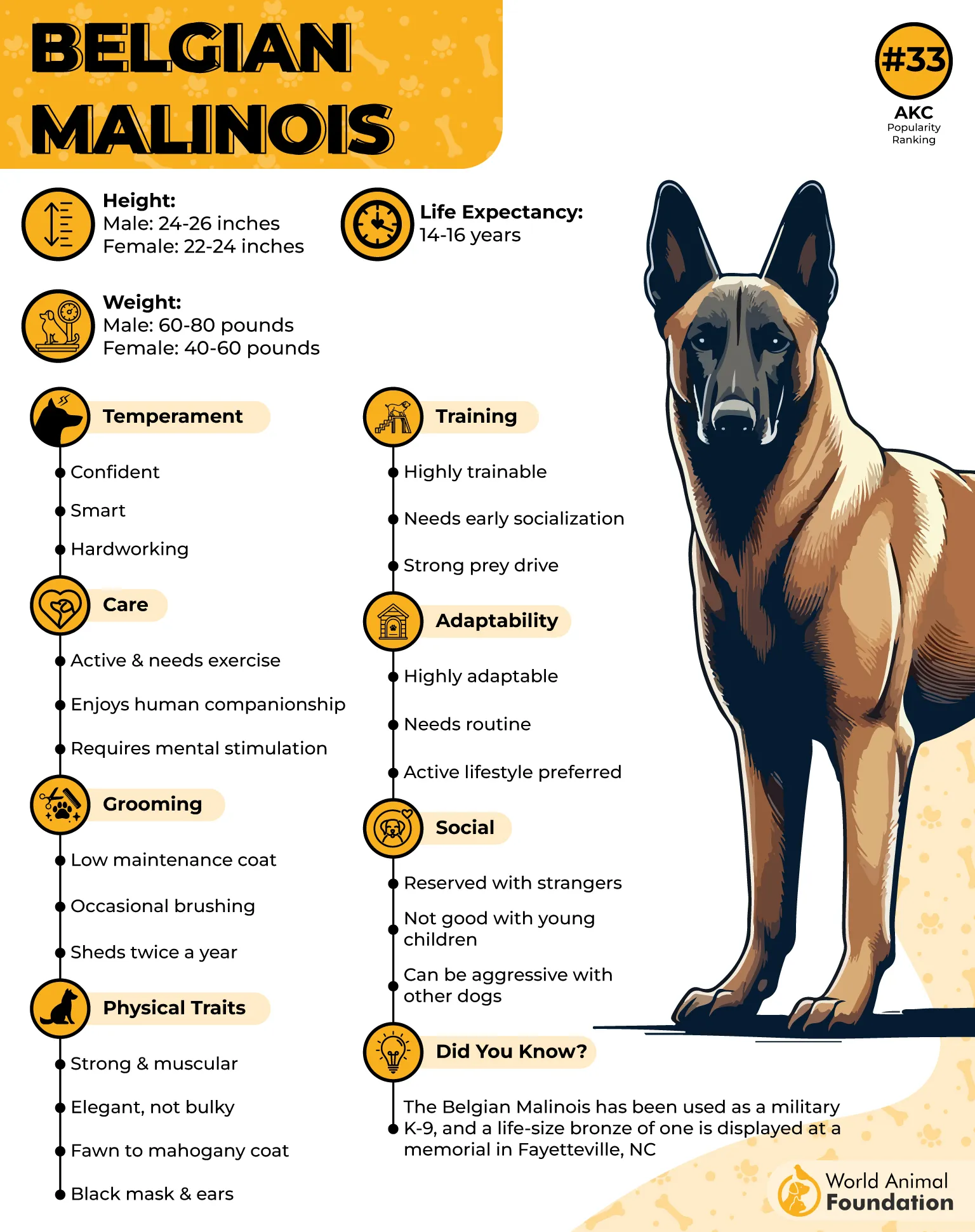
Why They Shine
Incredible Energy and Stamina: Belgian Malinois need plenty of physical activity—running, hiking, agility, or herding games—to stay happy.
Highly Intelligent and Trainable: Their sharp minds excel at obedience, tracking, and problem-solving games like puzzle toys.
Loyal and Protective: Naturally watchful, they are devoted family guardians but can be reserved with strangers.
These dogs are not for casual pet owners. Without enough exercise or mental stimulation, they can become bored and destructive, as stated by Orvis. Daily structured activity, training, and socialization are essential.
Belgian Malinois excel when side by side with their owners in active routines, enjoying tasks that challenge both body and brain. With the right guidance, they become versatile, hardworking, and devoted companions—perfect for herding, guarding, and high-energy family life.
3. Rottweiler
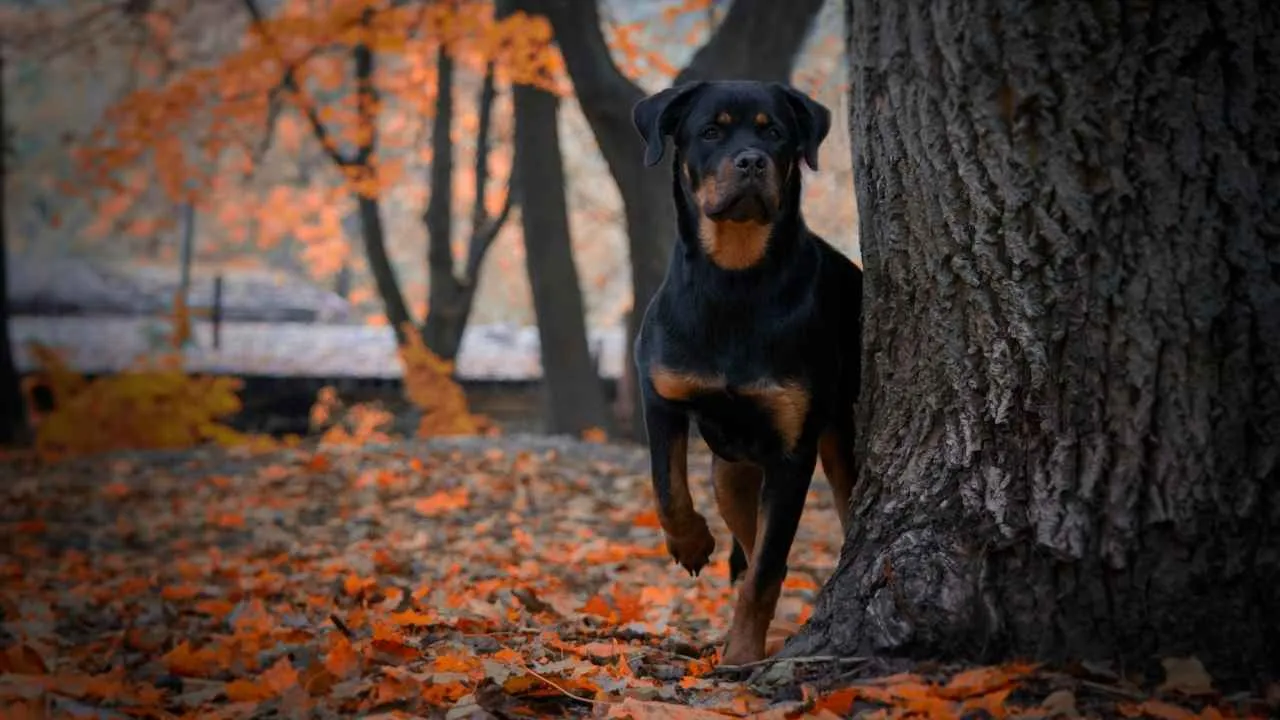
Rottweilers are powerful, confident, and hardworking dogs with deep roots in history. Descended from the mastiffs of the Roman legions, they were originally bred to protect livestock and assist on farms.
Today, they remain exceptional guard dogs and versatile working companions. Despite their strong presence, Rottweilers are gentle, affectionate, and playful with their families.
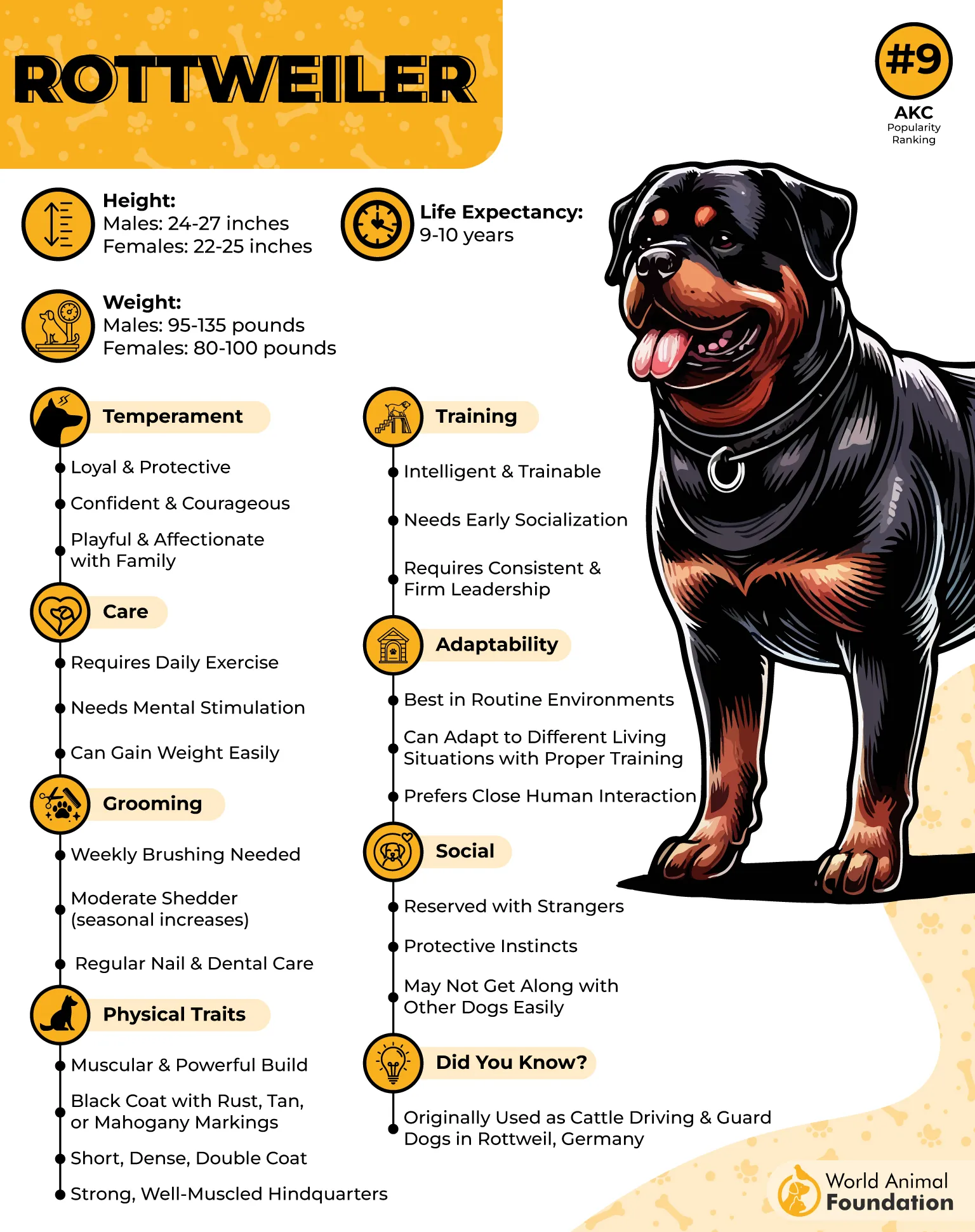
Why They Shine
Natural Guardians: Rottweilers have strong protective instincts and will defend their loved ones without unnecessary aggression.
Intelligent and Trainable: They respond well to consistent training, making them excellent candidates for obedience, tracking, or farm work.
Loyal and Devoted: Once bonded, they stick closely to their family, offering affection, playfulness, and unwavering loyalty.
Rottweilers need regular exercise and mental stimulation to stay healthy and well-behaved. Daily walks, games, or tasks that give them a “job” can keep them engaged.
Early socialization and training are crucial to harness their guarding instincts positively. With the right care, a Rottweiler becomes a fearless protector, loving companion, and a true powerhouse for both herding and guarding tasks.
4. Dutch Shepherd
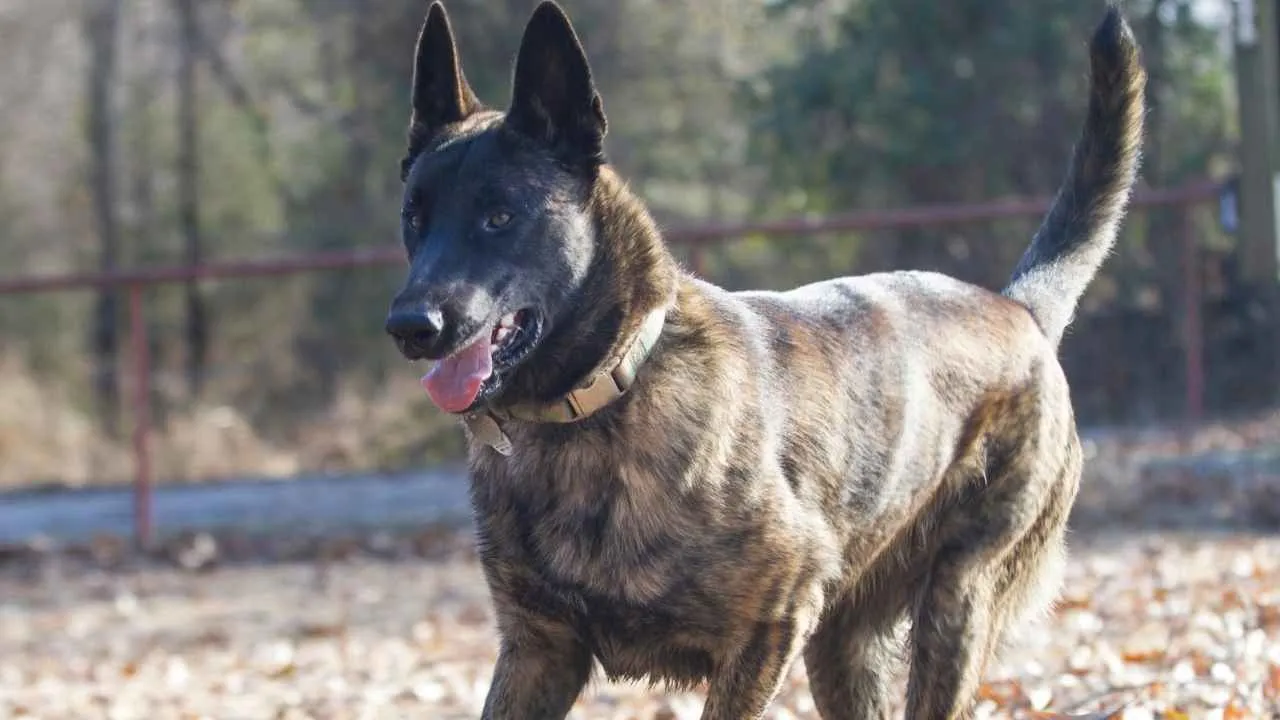
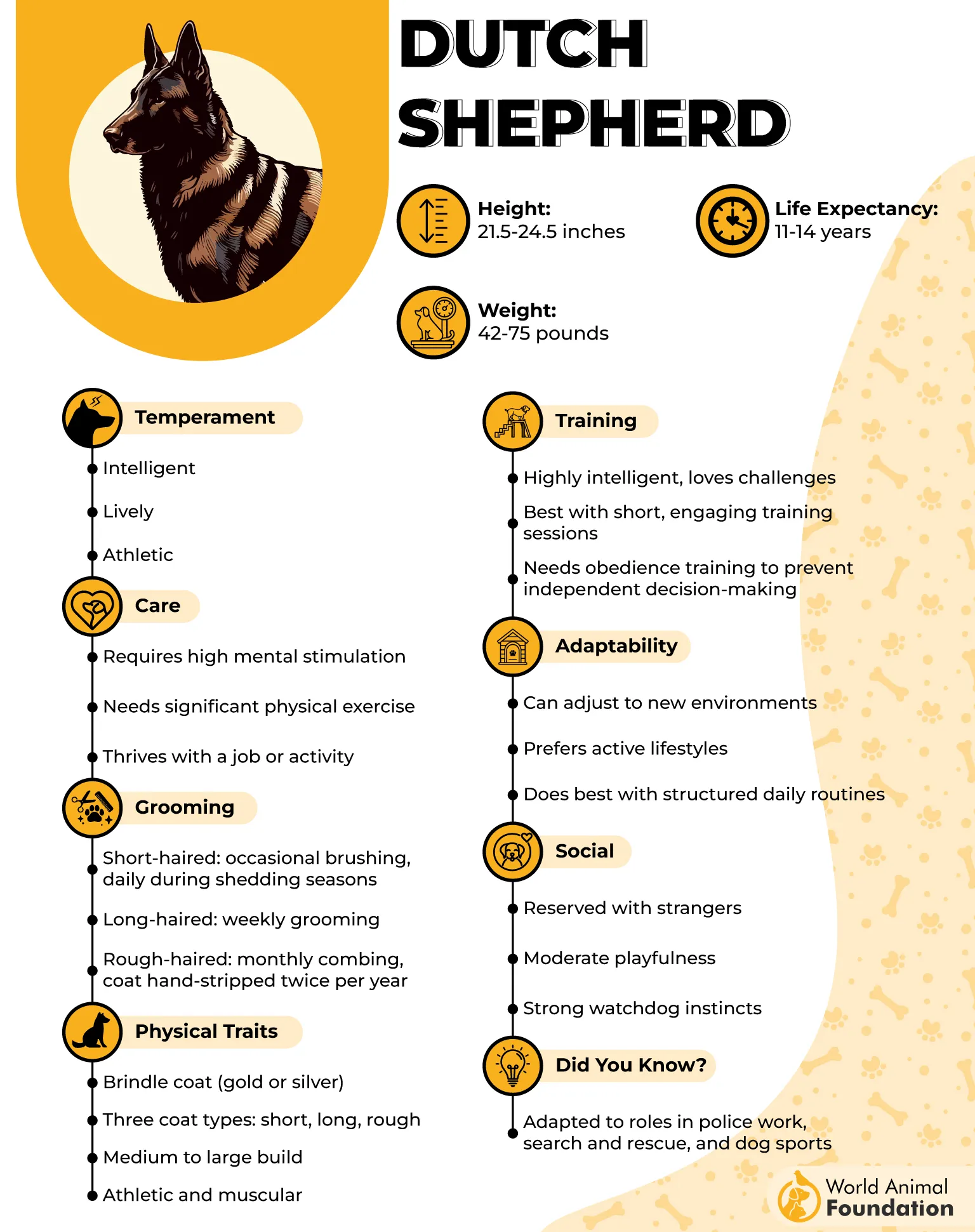
Dutch Shepherds are intelligent, energetic, and highly versatile dogs with a rich history as herders and farm guardians. Originating in the Netherlands in the 18th century, they helped shepherds manage livestock, guard property, and even pull carts, as mentioned by PetMD.
Known for their brindle coat and athletic build, these large dogs are alert, loyal, and quick learners, making them excellent working companions for farms, police, or search-and-rescue teams.
Why They Shine
Trainable and Intelligent dogs: Dutch Shepherds excel in tasks that challenge both body and mind, from herding and obedience to tracking and agility.
Versatile and Hardworking: Historically used for herding, guarding, and cart-pulling, their natural drive makes them reliable working partners and livestock protectors.
Loyal and Affectionate: They form strong bonds with their families and can live peacefully with children and other pets when properly socialized.
Dutch Shepherds need regular exercise, mental stimulation, and consistent training to thrive. Without it, they may develop boredom-related behaviors such as herding other pets or digging.
Positive reinforcement, structured activities, and early socialization help guide their independent streak. In the right environment, Dutch Shepherds are energetic, obedient, and steadfast companions—true powerhouse dogs for herding, guarding, and active family life.
5. Giant Schnauzer
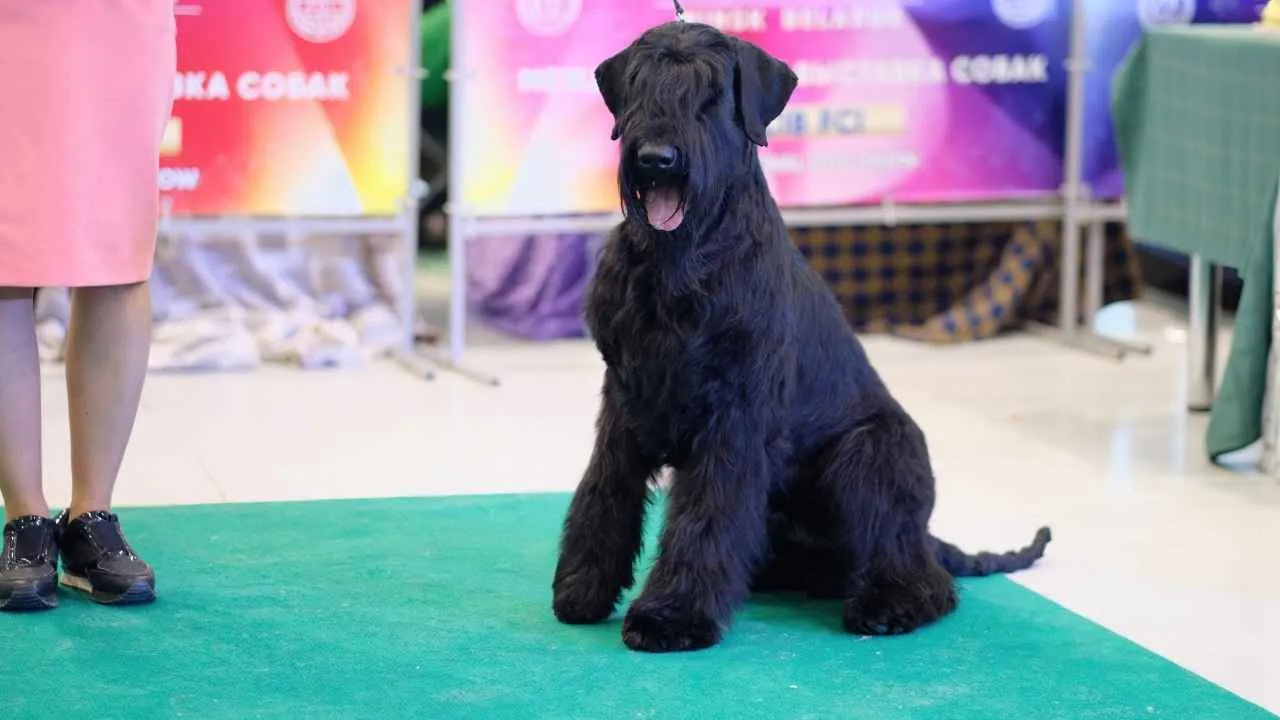
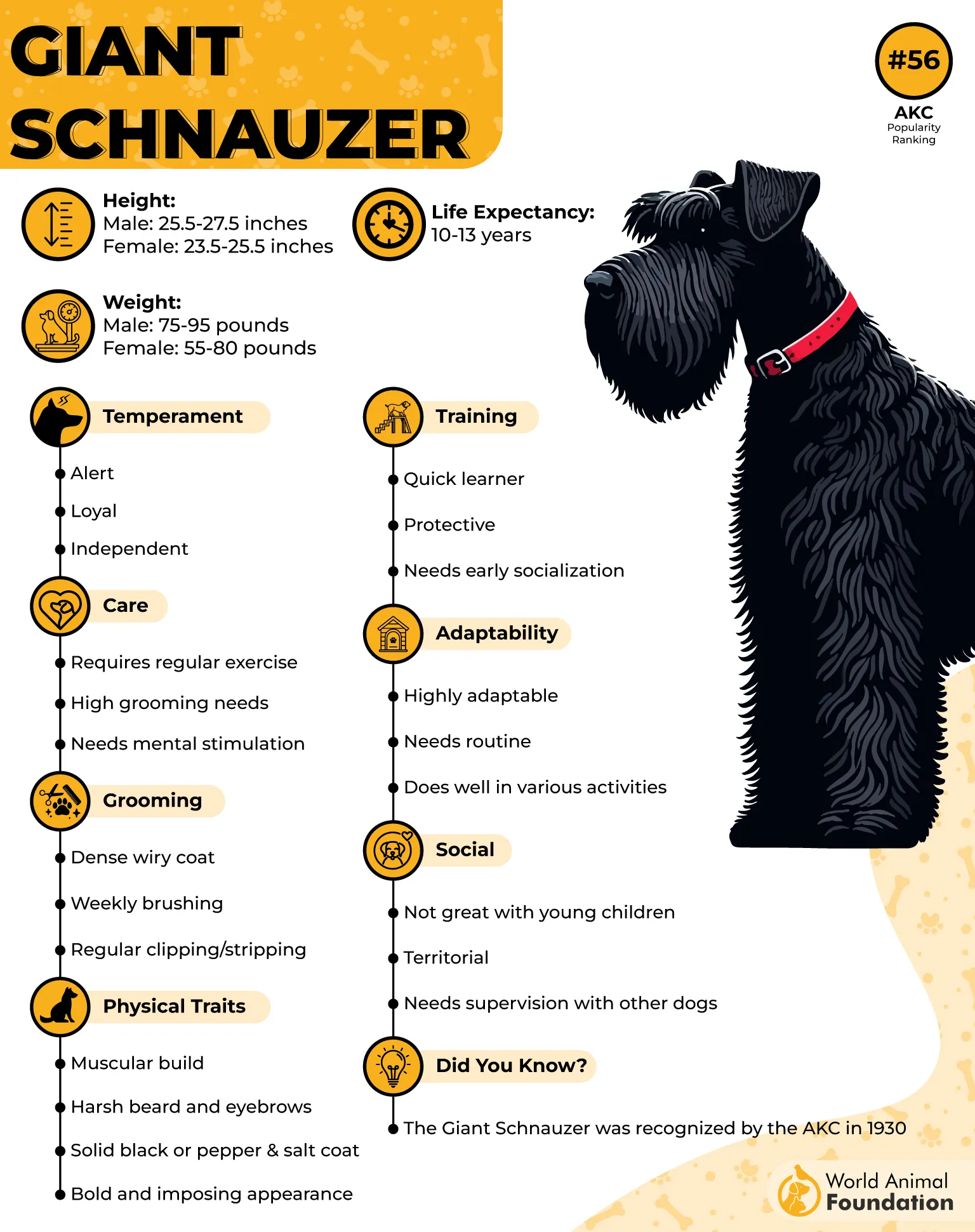
The Giant Schnauzer is a powerful, intelligent, and energetic dog originally bred in Germany to guard farms and homes. Developed by crossing Standard Schnauzers with Great Danes, they combine strength, stamina, and smarts.
Today, these versatile dogs excel as police, military, and working companions, while also forming loyal and affectionate bonds with their families.
Why They Stand Out
Intelligent and Trainable: Giants are eager to please and respond well to consistent, positive reinforcement training.
Vigilant Guardians: Naturally protective, they stay alert and bark to warn of anything unusual, making them excellent watchdogs.
Energetic and Loyal: They thrive with daily exercise, play, and mental stimulation, and love having a “job” to do alongside their owner.
Giant Schnauzers need plenty of space, regular outdoor activity, and mental challenges to stay healthy and happy. Early socialization is key to managing their territorial instincts, while structured exercise and play prevent boredom or destructive behaviors.
With the right training and care, Giant Schnauzers become affectionate, disciplined, and confident companions—true powerhouse dogs for guarding, herding, and active family life.
6. Beauceron
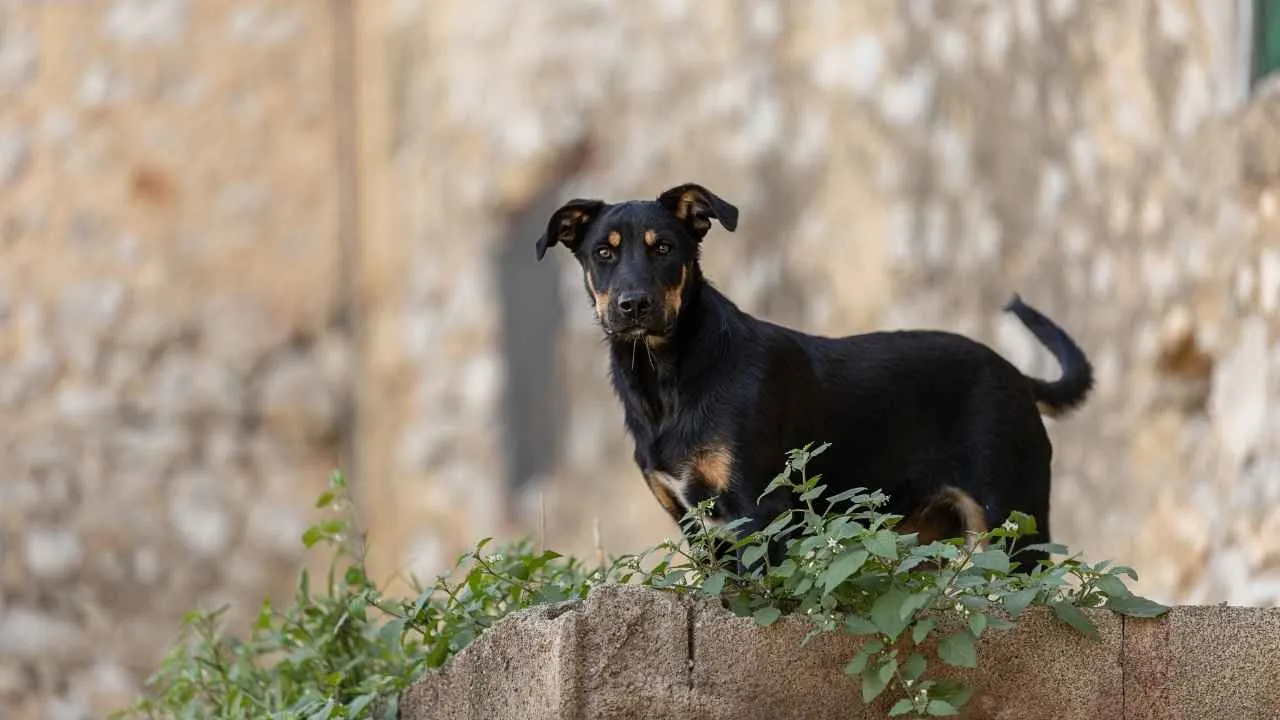
The Beauceron is a large, intelligent, and athletic herding dog from France. Originally developed in the La Beauce region, these dogs were bred to herd sheep and cattle, protect livestock, and work alongside farmers.
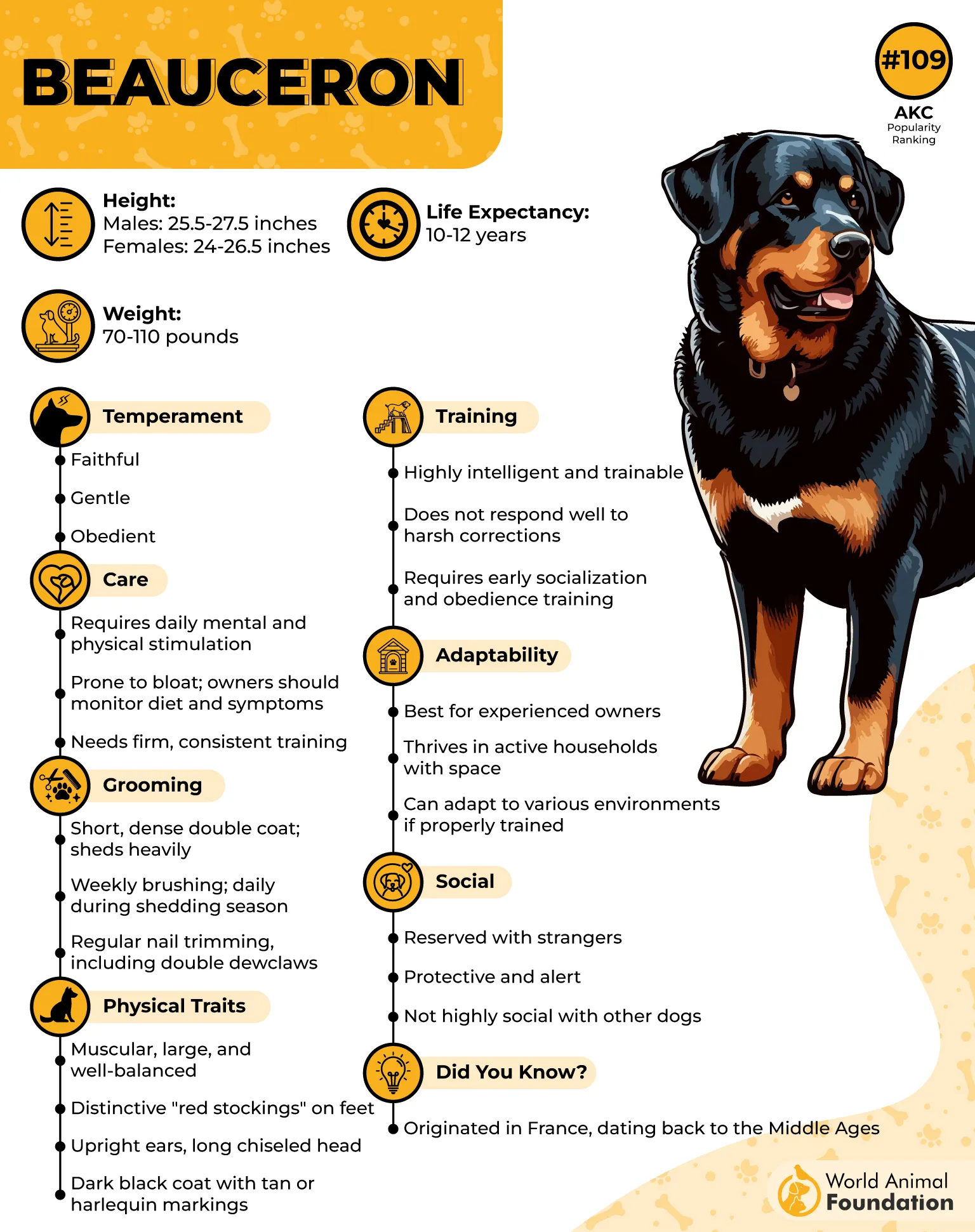
With strong instincts and remarkable intelligence, Beaucerons need an experienced owner who can provide consistent physical activity and mental stimulation, according to the American Kennel Club.
Why They Stand Out
Herding Instincts: Beaucerons are natural herders and may attempt to herd children, pets, or animals in the home.
Intelligent and Trainable: They excel with positive reinforcement and structured learning, thriving on work or challenges.
Protective and Loyal: Courageous and alert, they make excellent guardians and watchdogs for family and property.
Beaucerons need regular exercise, mental challenges, and socialization from a young age. Without proper stimulation, their energy and intelligence can lead to boredom or undesirable behaviors.
With consistent training and an active lifestyle, Beaucerons become affectionate, disciplined, and confident companions—a true powerhouse for herding, guarding, and family life.
7. Entlebucher Mountain Dog
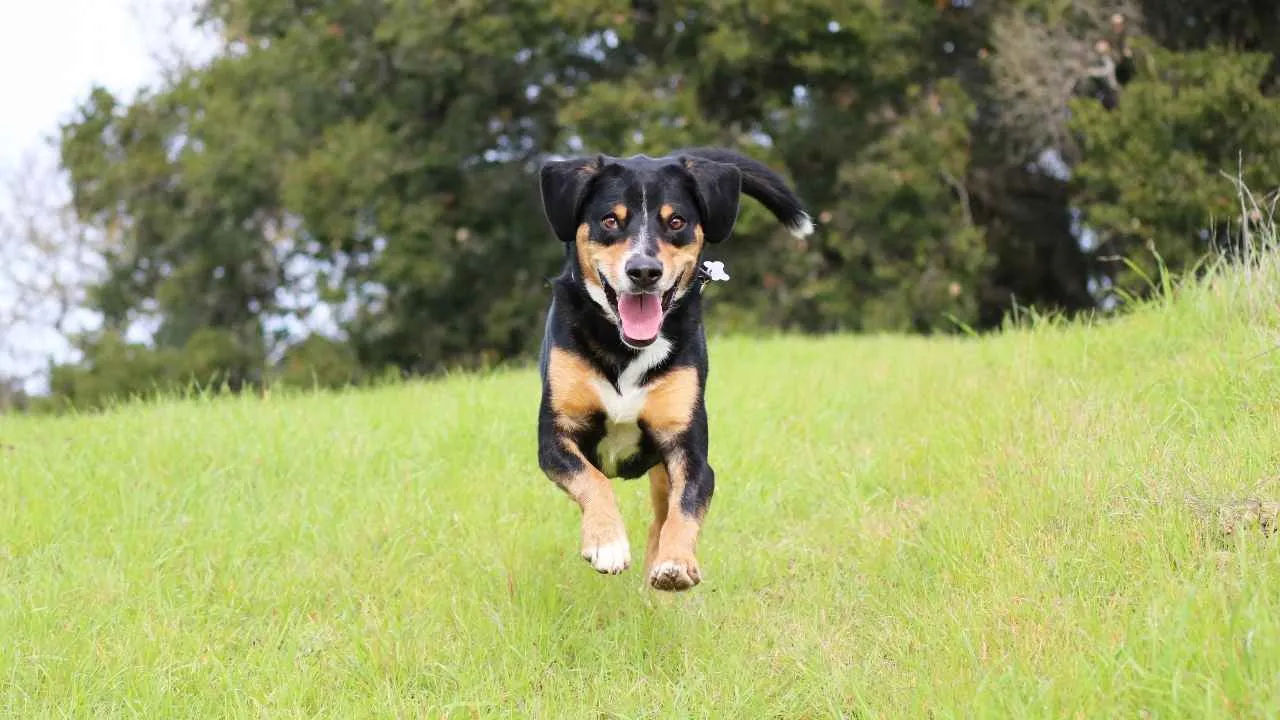
The Entlebucher Mountain Dog is the smallest and fastest of the Swiss Alpine herding dogs. Bred to herd cattle across steep mountain terrain, these energetic, sturdy, and confident dogs thrive on physical activity and mental challenges.
Known as the “laughing dog” for their expressive, friendly face, Entlebuchers form strong bonds with their families and are happiest when involved in daily work or play.
Why They Stand Out
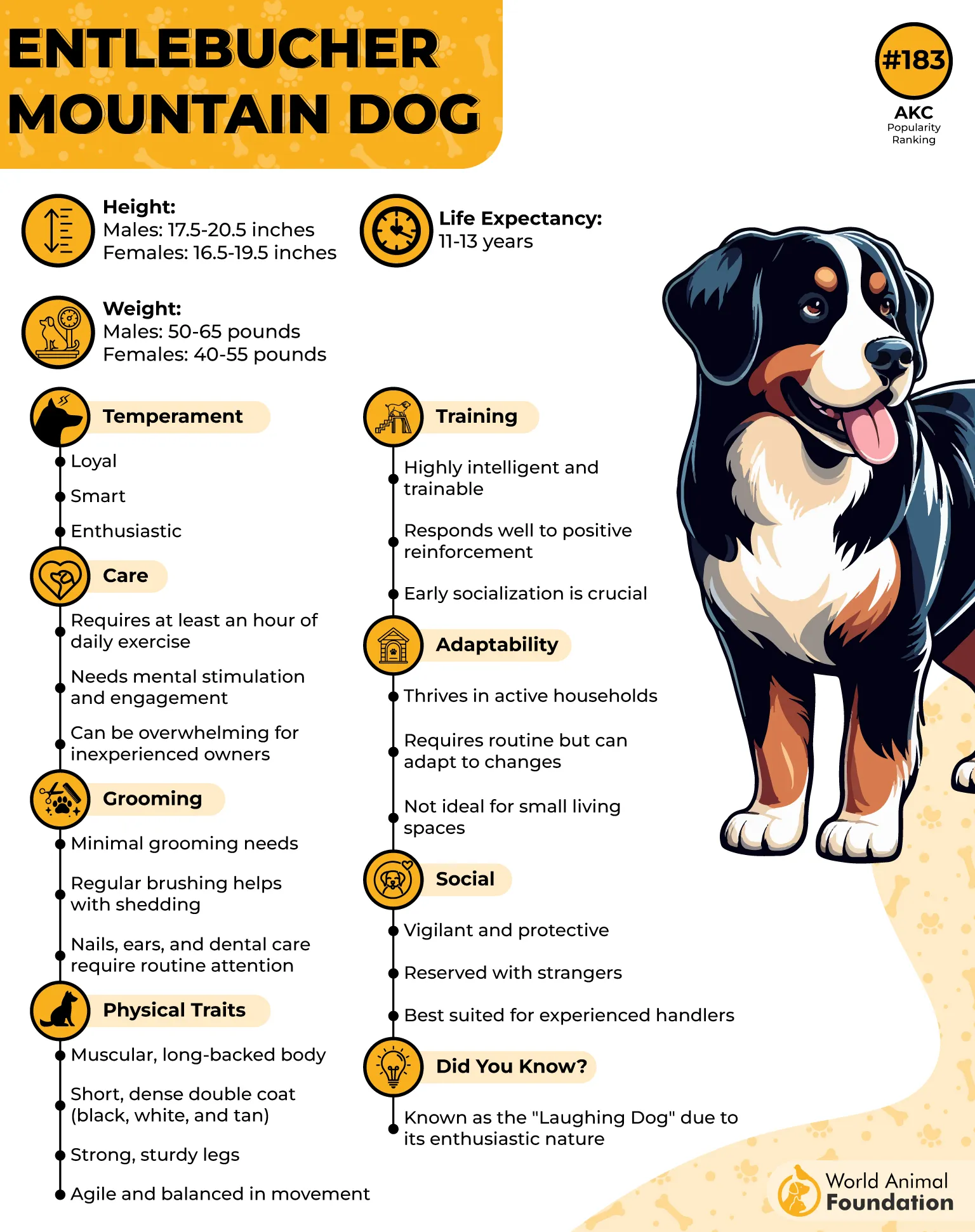
Energetic and Agile: Built low to the ground, they can herd cattle safely and with remarkable agility.
Intelligent and Trainable: Quick learners who respond best to positive reinforcement, especially when training is varied and engaging.
Loyal and Protective: Devoted to family, they can be wary of strangers, making early socialization essential.
Entlebuchers need regular exercise, mental stimulation, and socialization. Without it, their herding instincts may redirect to children, pets, or household items.
With proper guidance, they become affectionate, loyal, and playful companions—small in size but mighty in personality and energy. Older kids tend to be the best match, and experienced owners will appreciate their zest, intelligence, and unwavering work ethic.
8. Australian Cattle Dog
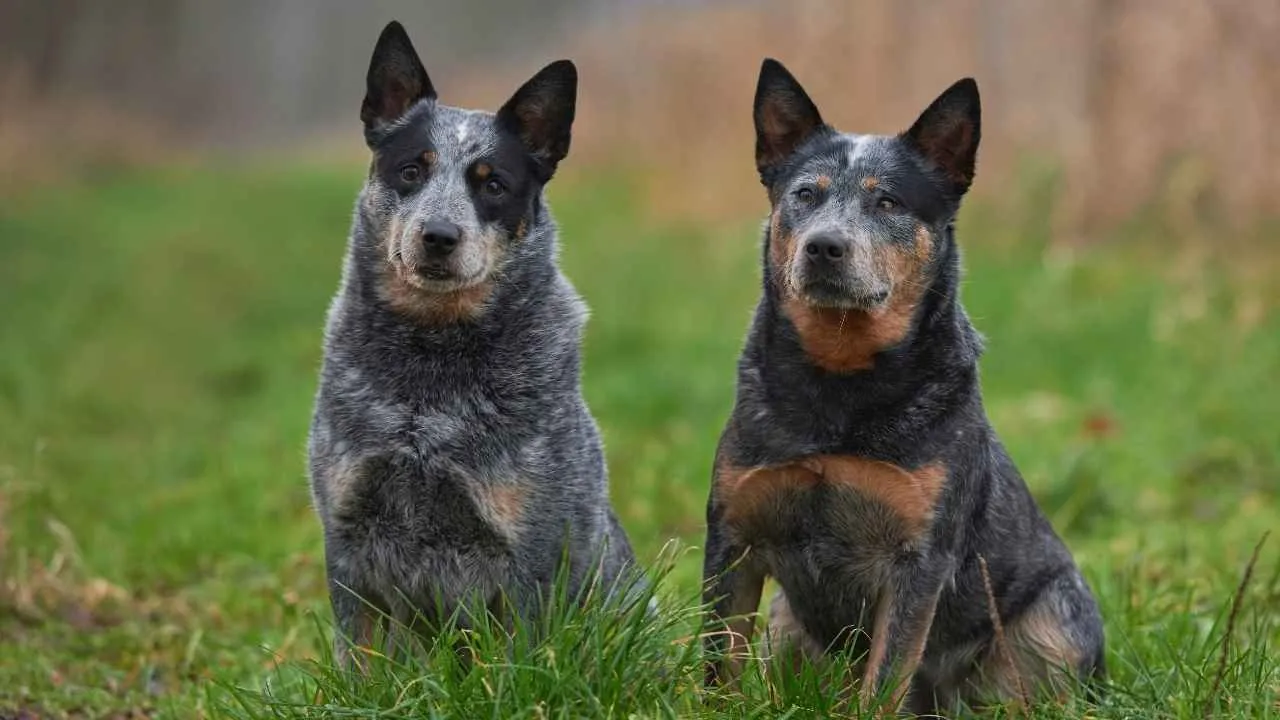
The Australian Cattle Dog, also called the Blue Heeler or Red Heeler, is a hardy, intelligent, and energetic herding breed.
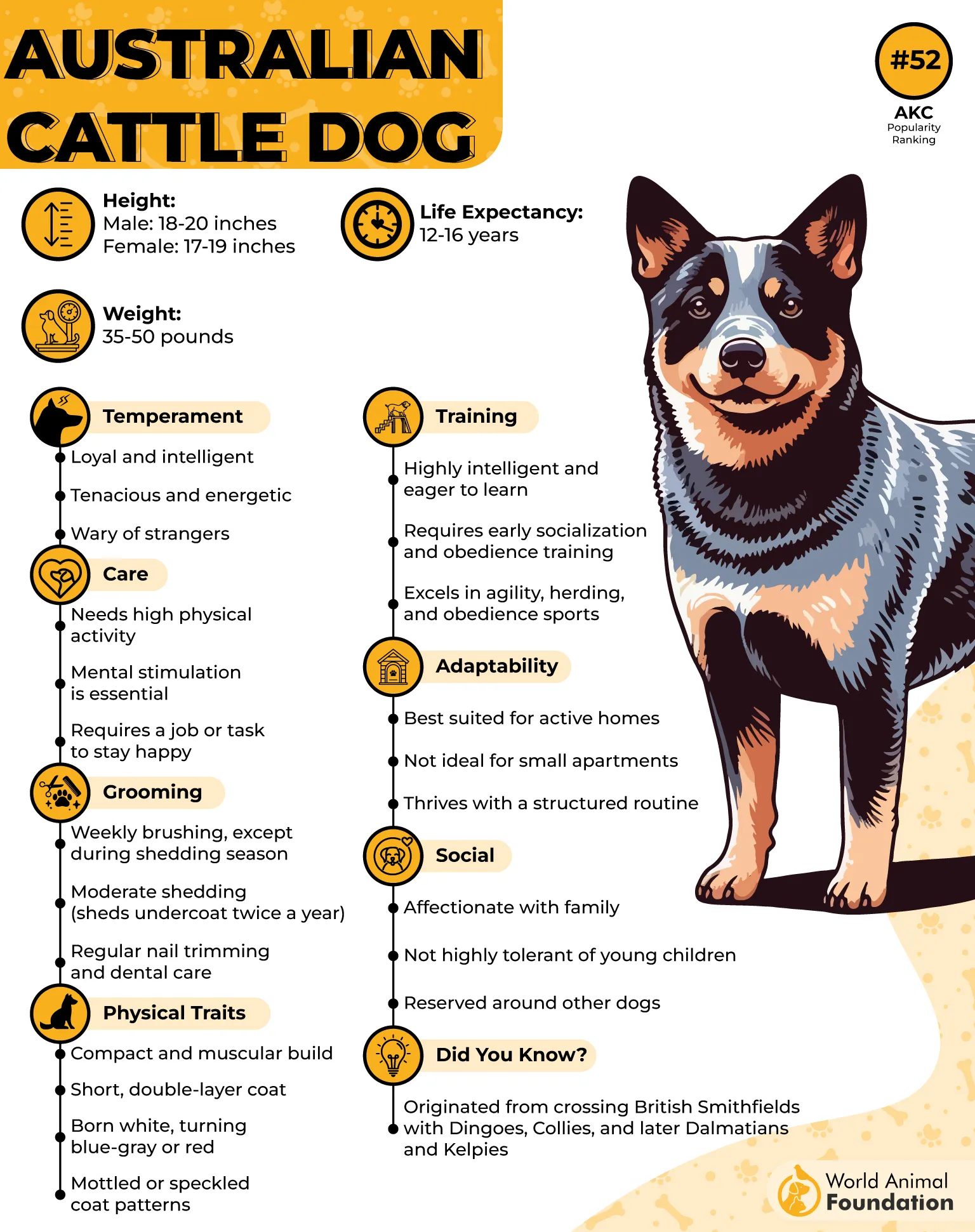
Bred to herd cattle across Australia’s rugged terrain, these dogs are built for strength, stamina, and agility. They thrive with experienced, active owners who can provide daily physical and mental challenges.
Why They Stand Out
Energetic and Agile: Compact and muscular, Australian Cattle Dogs excel at herding, running, and high-impact dog sports.
Intelligent and Independent: Quick learners with strong problem-solving skills, they respond best to consistent, positive reinforcement training.
Loyal and Protective: Devoted to their family, they may bond strongly with one person and can be wary of strangers, making early socialization essential.
Australian Cattle Dogs require daily, purposeful exercise—long runs, agility work, obedience training, or herding work. Without enough stimulation, they can become bored, mischievous, or even destructive.
Their natural herding instincts may lead them to nip at children or other pets, so supervision and proper training are important.
9. Belgian Tervuren
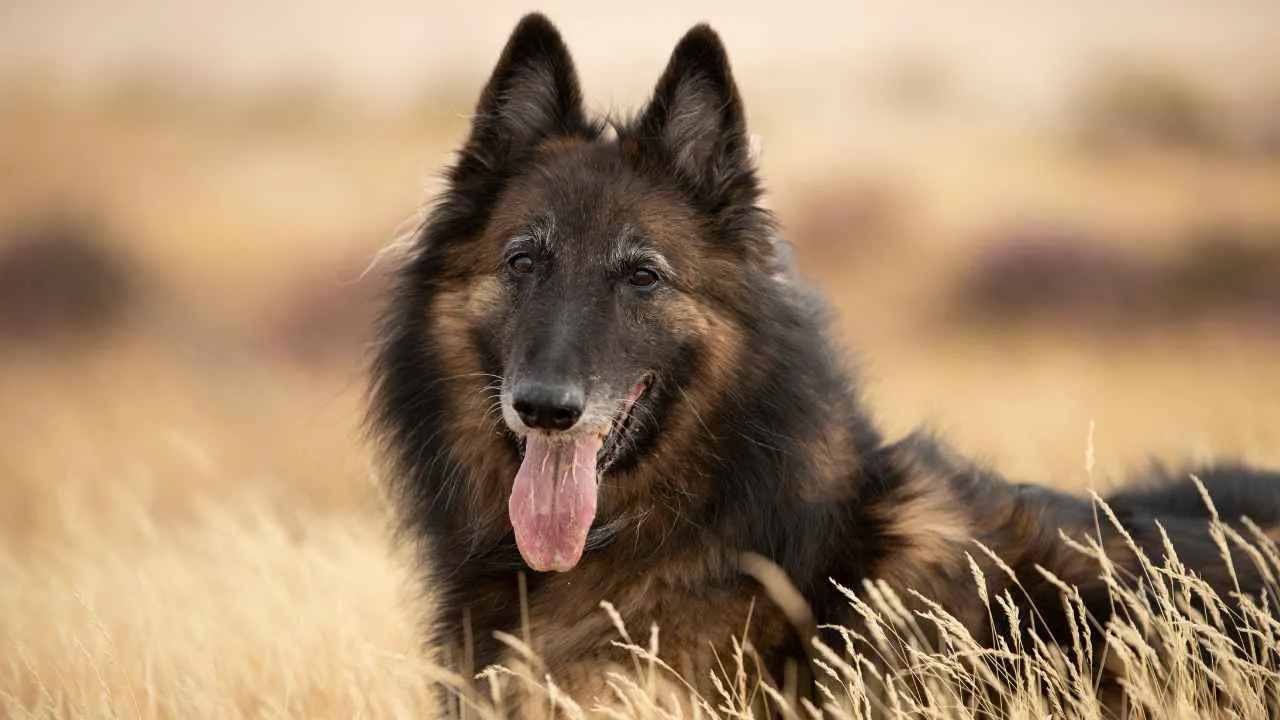
The Belgian Tervuren, often called the Terv, is a smart, athletic, and confident herding dog. Developed in Belgium in the late 19th century, this medium-sized breed was prized for its herding skills, guarding instincts, and versatility.
Today, Tervurens thrive with active families who enjoy advanced training, dog sports, and outdoor adventures.
Why They Stand Out
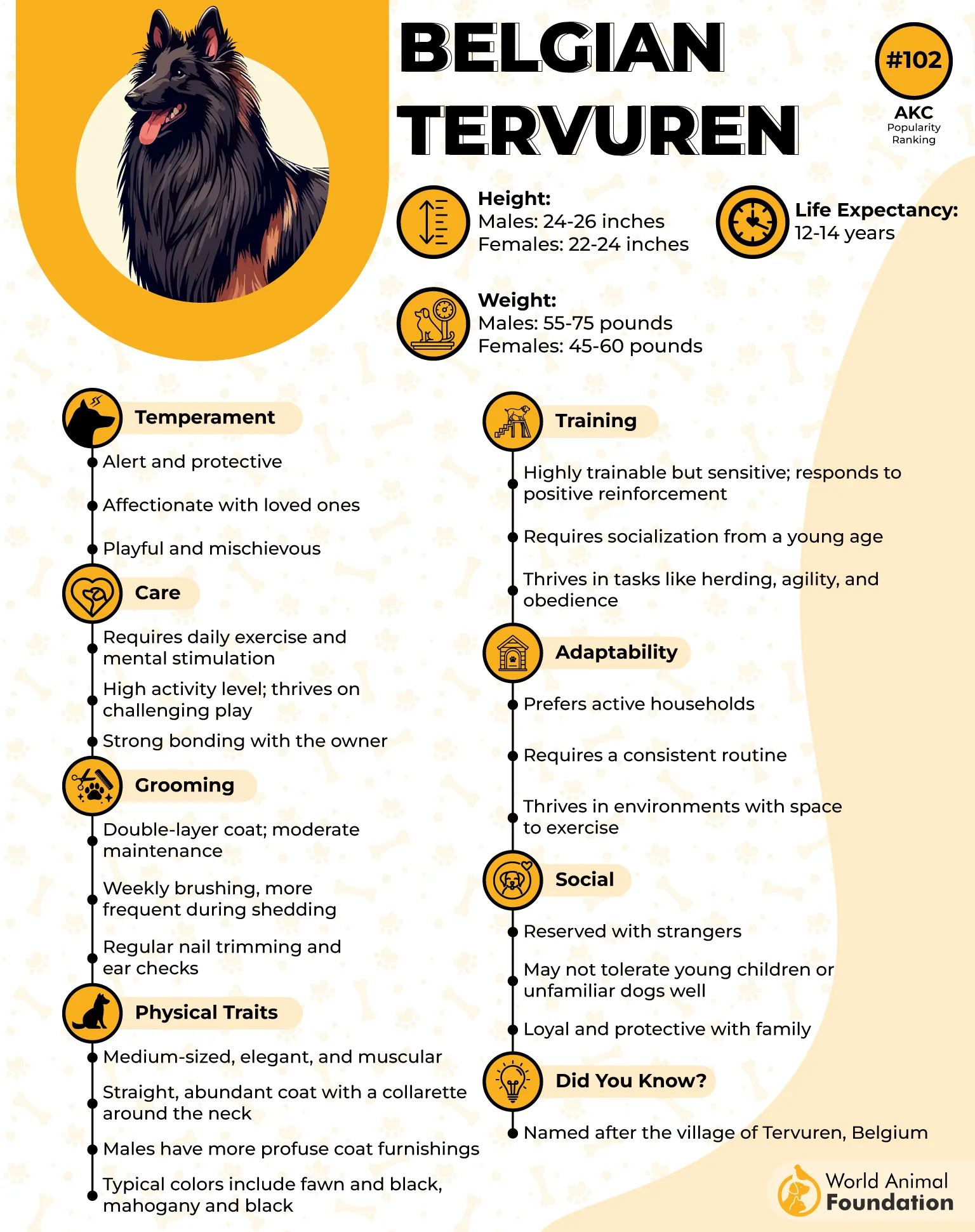
Intelligent and Energetic: Belgian Tervurens love mental challenges and physical activity, excelling at herding, agility, obedience, and problem-solving games.
Loyal and Protective: They bond closely with their family and may be cautious around strangers, making early socialization essential.
Elegant and Athletic: With a medium-length coat, upright triangular ears, and a proud, alert stance, Tervurens are graceful yet strong, built for endurance and work.
Tervurens need daily exercise that challenges both body and mind. Without sufficient stimulation, they may attempt to herd children, small animals, or engage in other undesirable behaviors. Positive reinforcement, consistency, and early socialization are key to raising a well-adjusted Terv.
Conclusion
From the rugged hills of Switzerland to the open plains of Australia, herding dogs have been trusted partners to farmers for centuries.
Each dog brings its own personality, strengths, and challenges, but all thrive in homes that offer activity, mental stimulation, and consistent guidance. With the right environment, these dogs aren’t just workers—they’re devoted companions who bring adventure, loyalty, and joy into everyday life.
Looking for more options? You can also check out the Australian Shepherd, Border Collie, Shetland Sheepdog, Pembroke Welsh Corgi, Great Pyrenees dog, Old English Sheepdog, and Bouvier des Flandres.
