




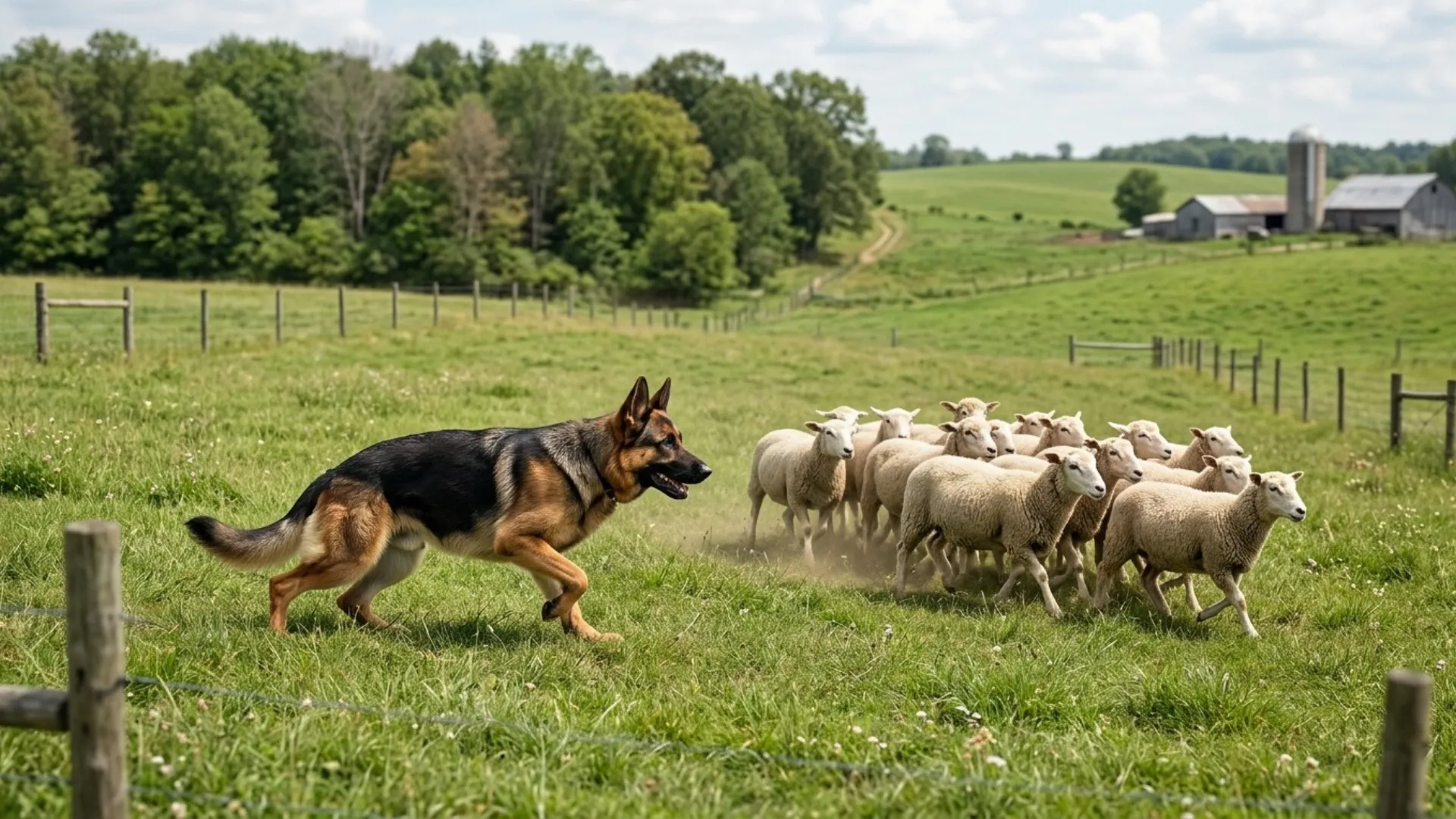
There is a special kind of dog that does not wait for instructions. It watches, plans, and gets the job done. Herding breeds were shaped by open fields, stubborn livestock, and handlers who needed a reliable partner before sunrise. Their instincts run deep: they gather, guide, guard, and sometimes gently boss everyone around, including family members.
These dogs are not for someone who wants a couch ornament. They thrive when their minds and bodies stay busy. Yet for the right owner, they offer something rare: loyalty with a work ethic. From livestock guardians to cattle drivers, the seven breeds below show why herding dogs have earned such a devoted following.
Powerhouse Dog Breeds for Herding: Ready for Ranch Life
1. Anatolian Shepherd
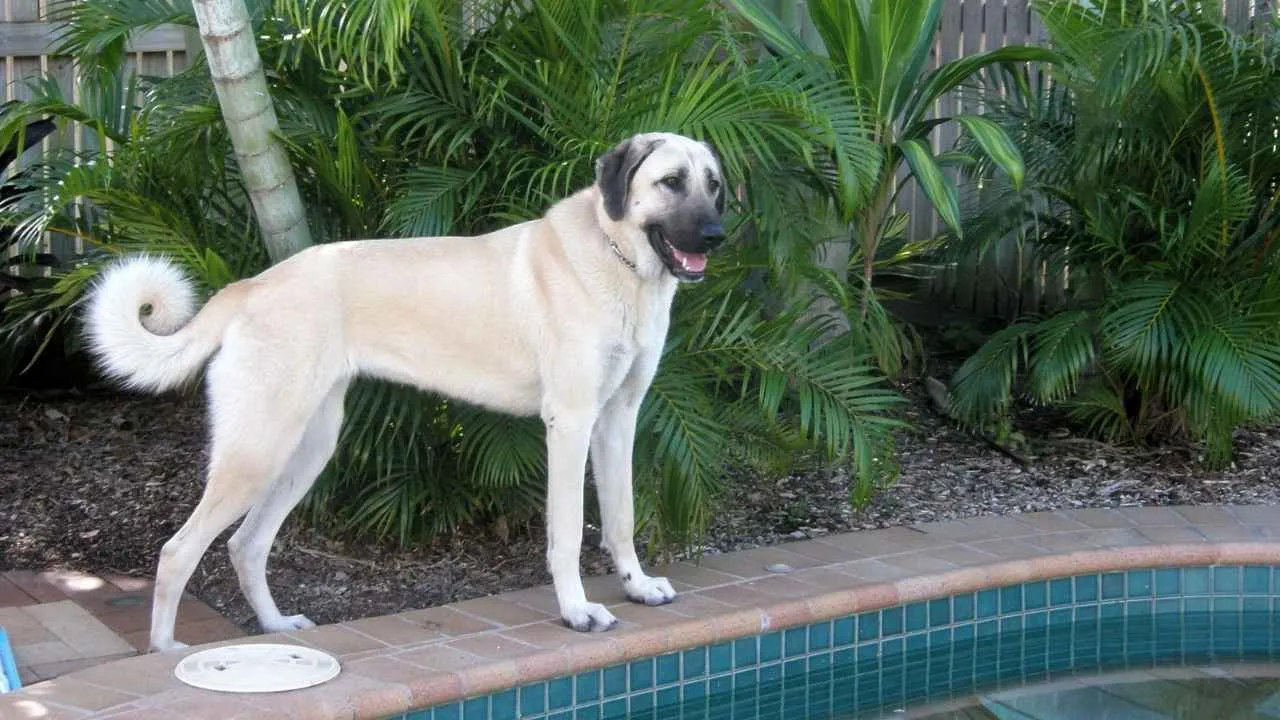
The history of the ancient breed dates back 6,000 years in Turkey, where it was originally bred to herd and protect livestock from large predators, such as jackals, wolves, and bears. Bred for the harsh and remote environment, the large breed excels in endurance and strength because of its mastiff and sighthound history, says Showsight Magazine.
The muscular legs enable a high speed of 35 mph, and the loose skin around the neck (dewlap) protects the dog from dangerous bites. The head features a strong scissor bite that can crush bones. Since it has a low prey drive, the herding dog breed lives in harmony with vulnerable lambs or kids.
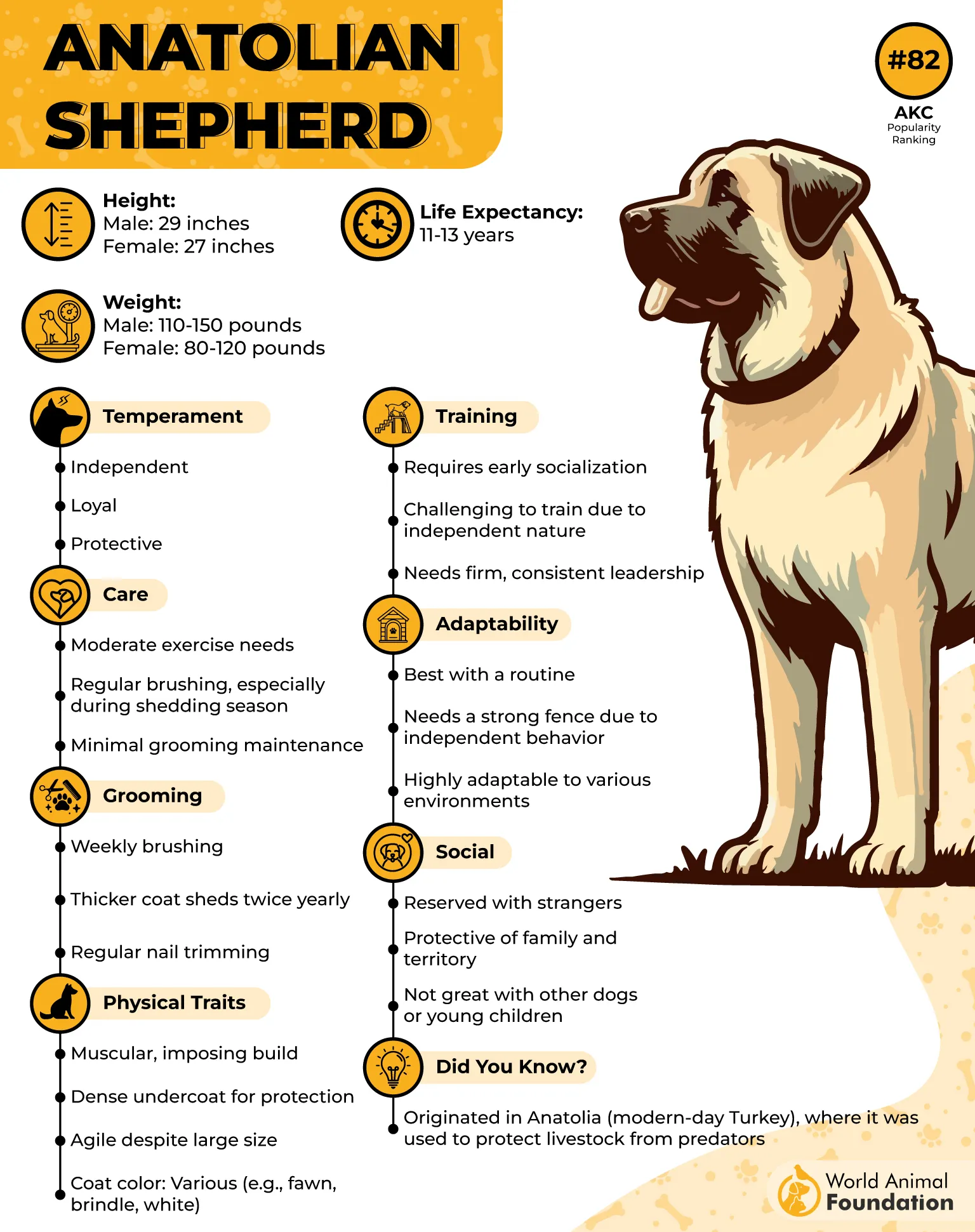
Being an independent thinker, the breed can work efficiently away from the handler. The non-lethal hierarchical defense system includes: visual deterrence, vocal warning, and physical intervention. A single dog remains in the centre of the flock for protection, while the group patrols the boundary line.
2. Australian Cattle Dog
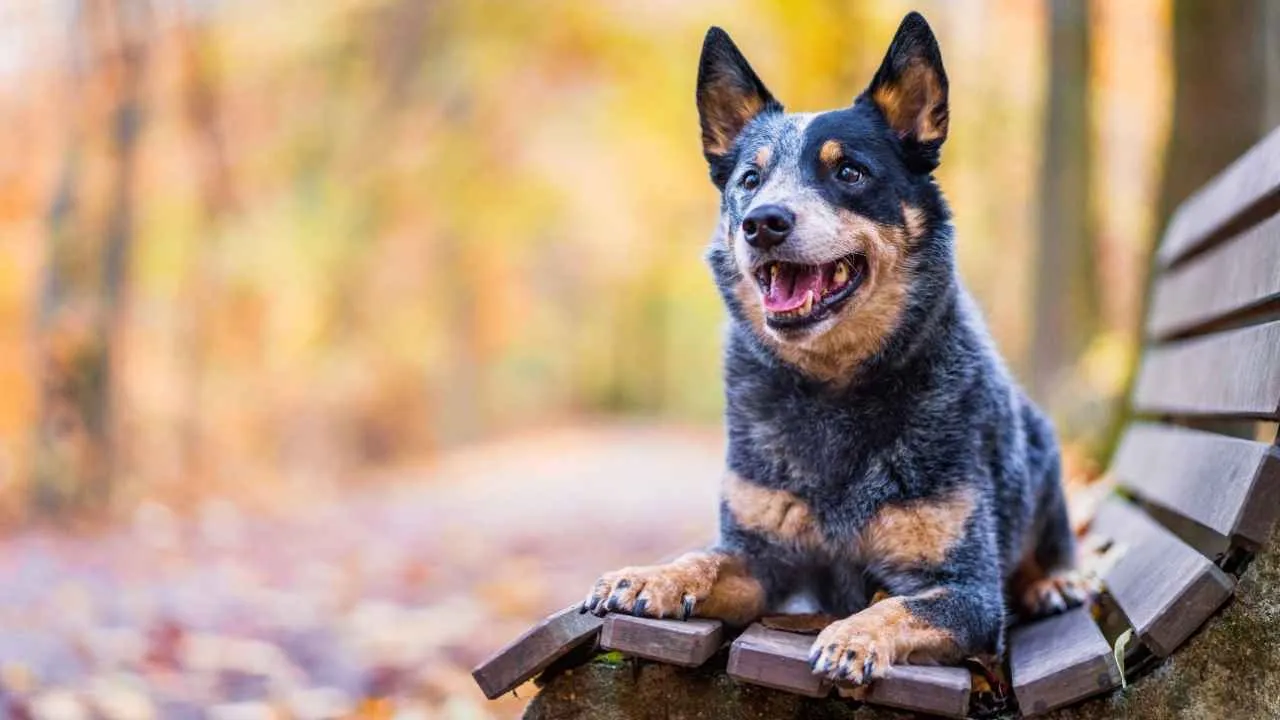
The herding dog breed was developed in Australia in the 19th century from the sheepdogs imported from Britain. These ancestors could not endure Australia’s harsh weather; thus, breeders crossed them with other breeds, including Dingo, Dalmatian, and Collie.
The broad skull features heavy-muscled cheeks, powerful jaw structure, and a scissor bite. Since it has a weather-resistant double coat, the intelligent dog repels rain, mud, and burrs. The pricked ears, heavily furnished with short hair, can detect faint noises from afar. The breed can travel up to 20-30 miles a day.
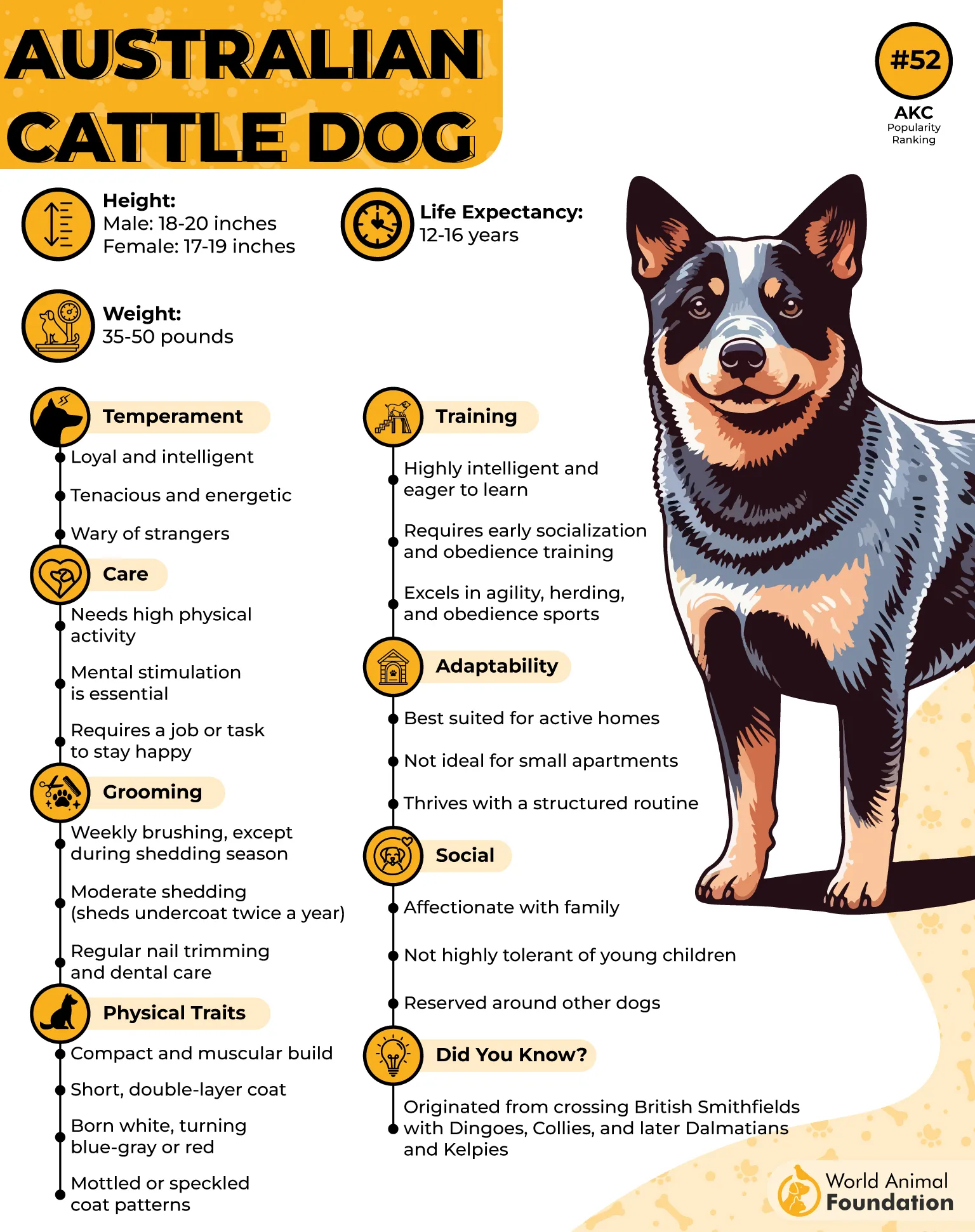
The family dog tends to work in absolute silence and stalks and controls the herd without creating stress. It nips at the lower heel of the stubborn livestock to guide them to the herd. Despite having an independent streak, the breed is highly attuned to human emotions and checks for their body language to decide the next step.
3. Australian Shepherd
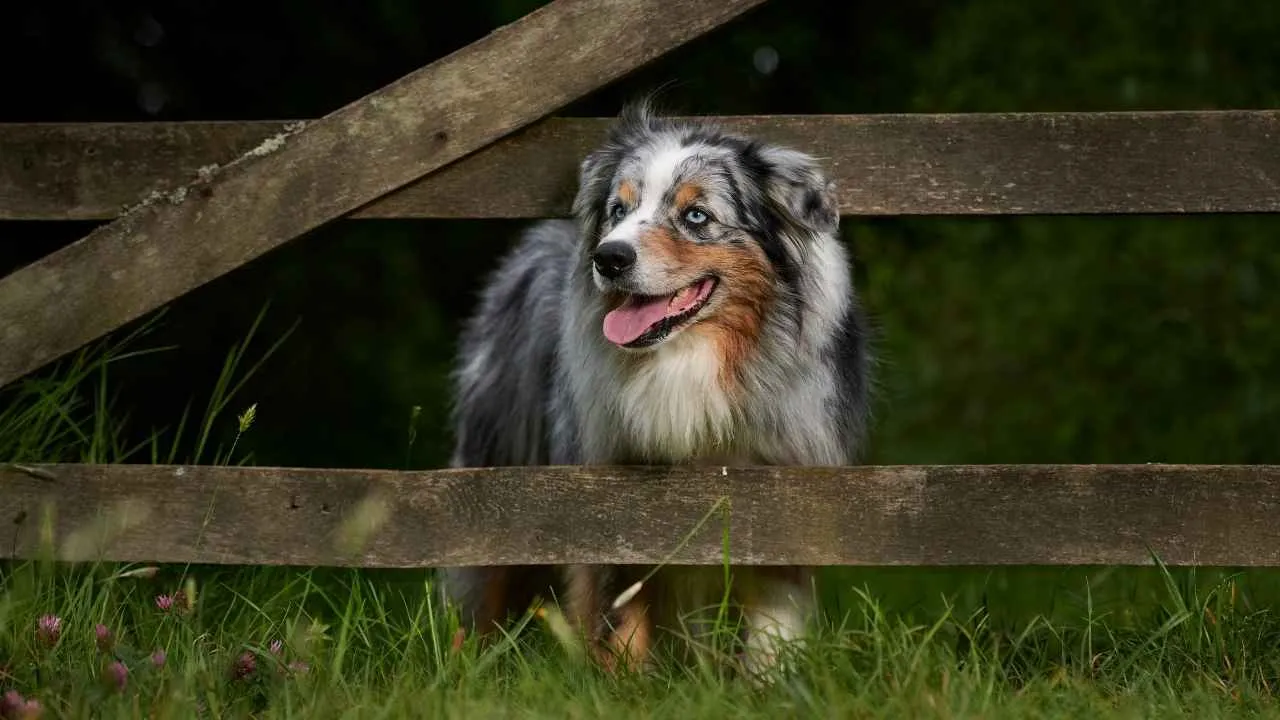
The energetic breed was originally developed in America. It is believed that the ancestors came from Australia and were interbred with the native American dogs in the late 19th century. The modern-day Australian Shepherd shares many physical attributes with other well-known pastoral breeds, as reported by Purina.
The hind and front legs cross over towards the center line of gravity as the speed increases, ensuring a maximum speed of 30 mph. The oval feet have thick pads, making the breed drop into a ‘pounce’ position. This lets it drop flat to the ground when a bovine kicks.
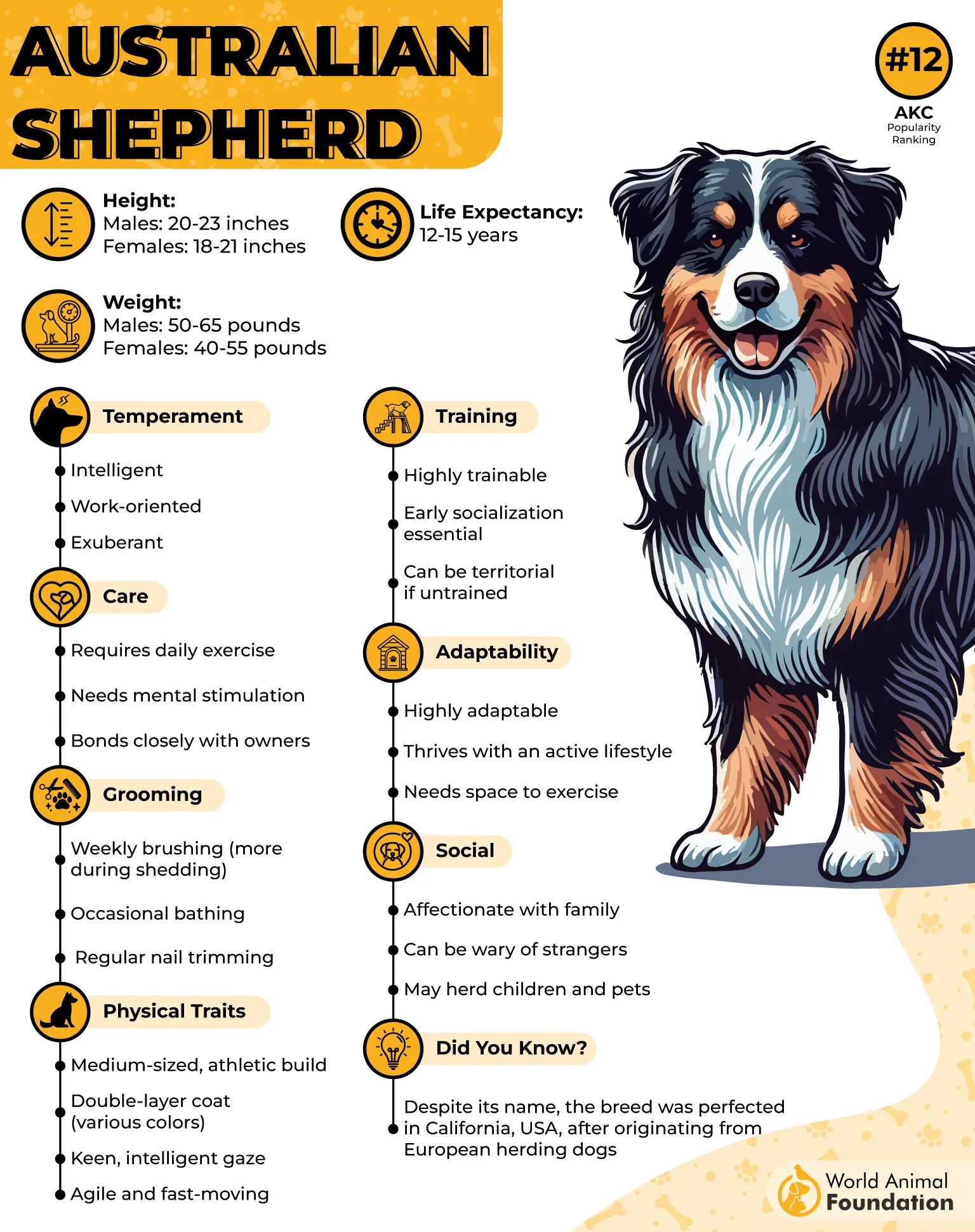
The breed uses its loose eyes to herd a large yard flock and uses its authoritative movements and body positioning to move the herd. It nips at the heels and once the animal moves, the dog releases the pressure.
4. Border Collie
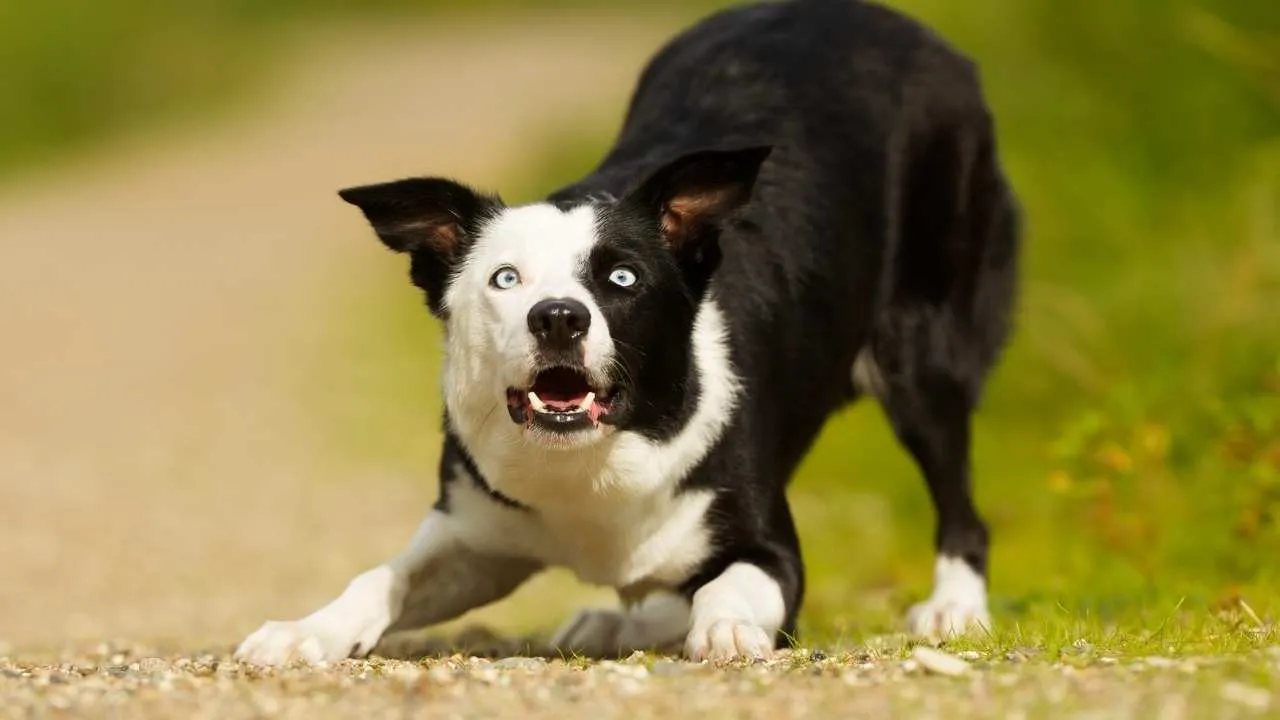
The medium-sized herding breed was developed in Britain and is descended from the traditional British sheepdogs. Today, it is widely kept as a companion dog. Ranked as the most intelligent breed and one of the great family dogs, the Border Collie excels in sheepdog trials and dog sports.

The breed has well-angled hindquarters and can execute 90-degree lateral cuts at maximum speed to head off breaking livestock. The forward-facing eyes enhance binocular vision and allow the breed to detect minor environmental changes. The breed lacks the grab, kill, and consume stages in the predatory sequence.
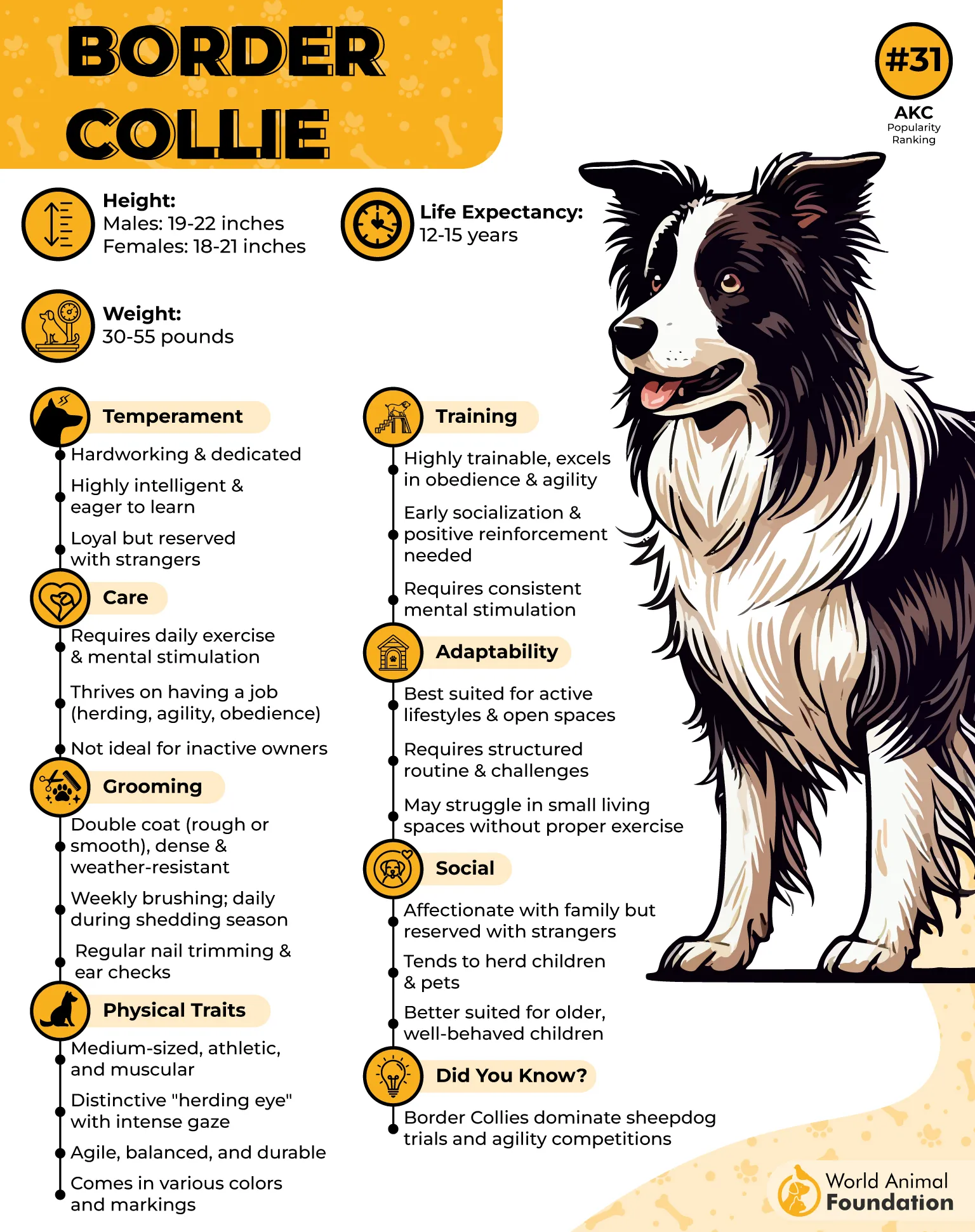
The herding dog lowers its head and silently approaches to stalk predators. It uses its direct and intense stare to put psychological pressure on the livestock, making them stop, yield, and turn away.
5. Belgian Malinois
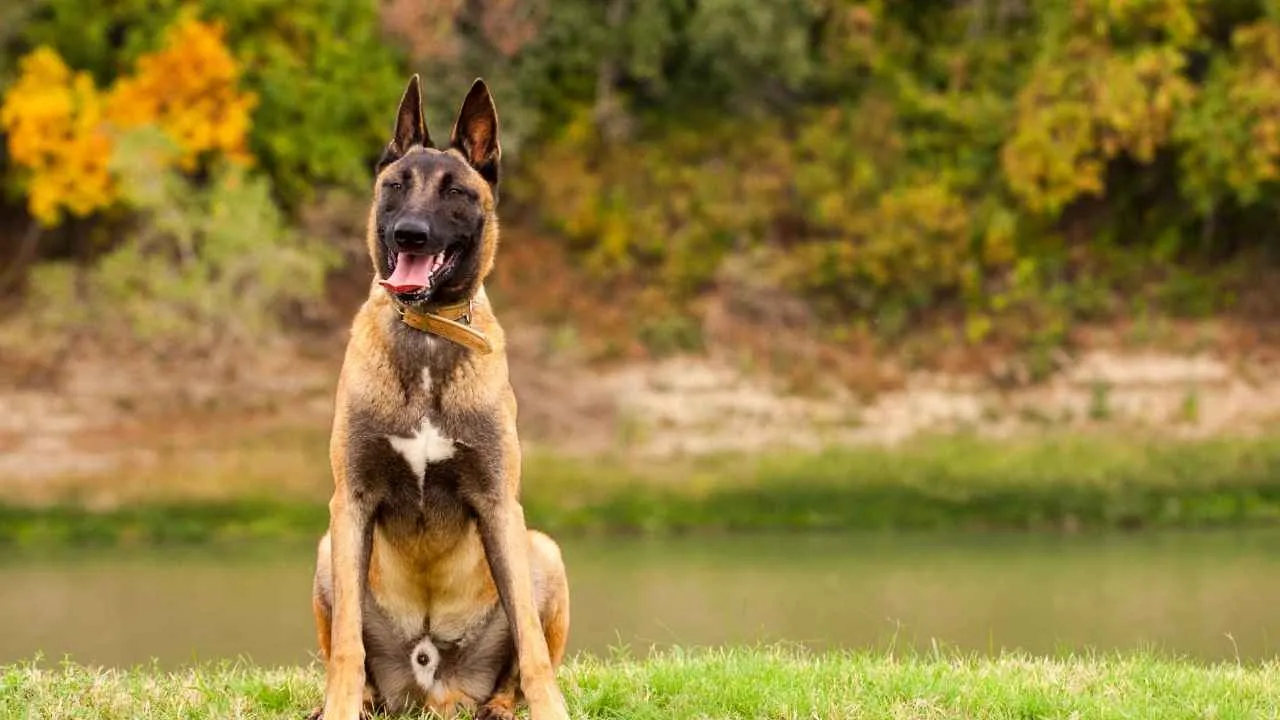
The breed was developed from a Belgian Sheepdog named ‘Chien de Berger Belge.’ In the 19th century, the breed was split into 4 separate varieties based on the beautiful coat types. It became a war and police dog in the 20th century because of its intelligence and protective nature, according to Orvis.
The breed has a light-boned but powerful musculature, minimizing kinetic energy that would otherwise lead to joint fatigue. The alert and upright ears enhance visual scanning. The nervous system is hardwired for immediate reaction, allowing it to perceive a single animal shifting its weight in a herd.
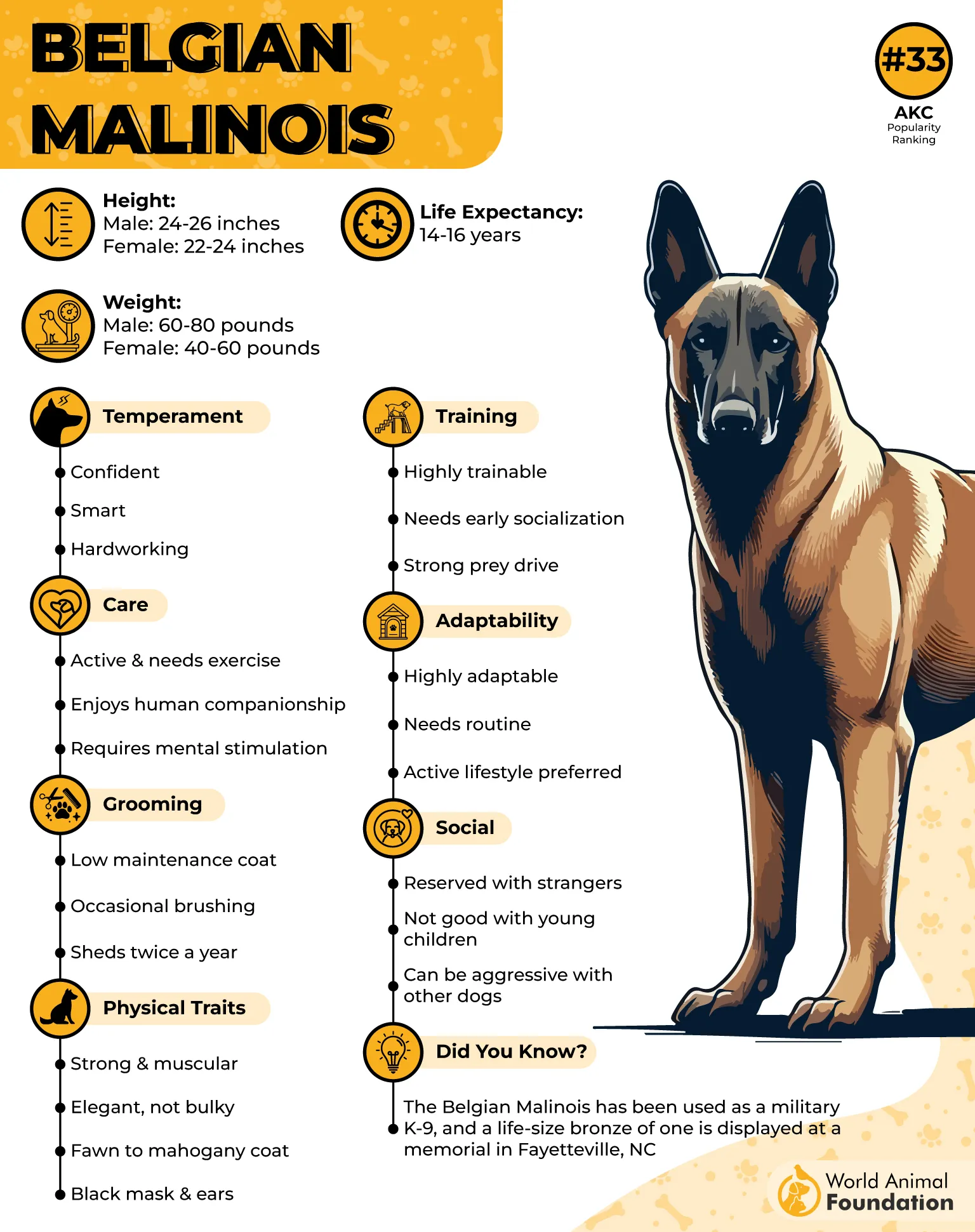
The active breed needs 1-2 hours of regular exercise and mental stimulation: long walks, herding trails, and fetching. It applies pressure by circling, body blocking, and controlled nipping while herding.
6. German Shepherd
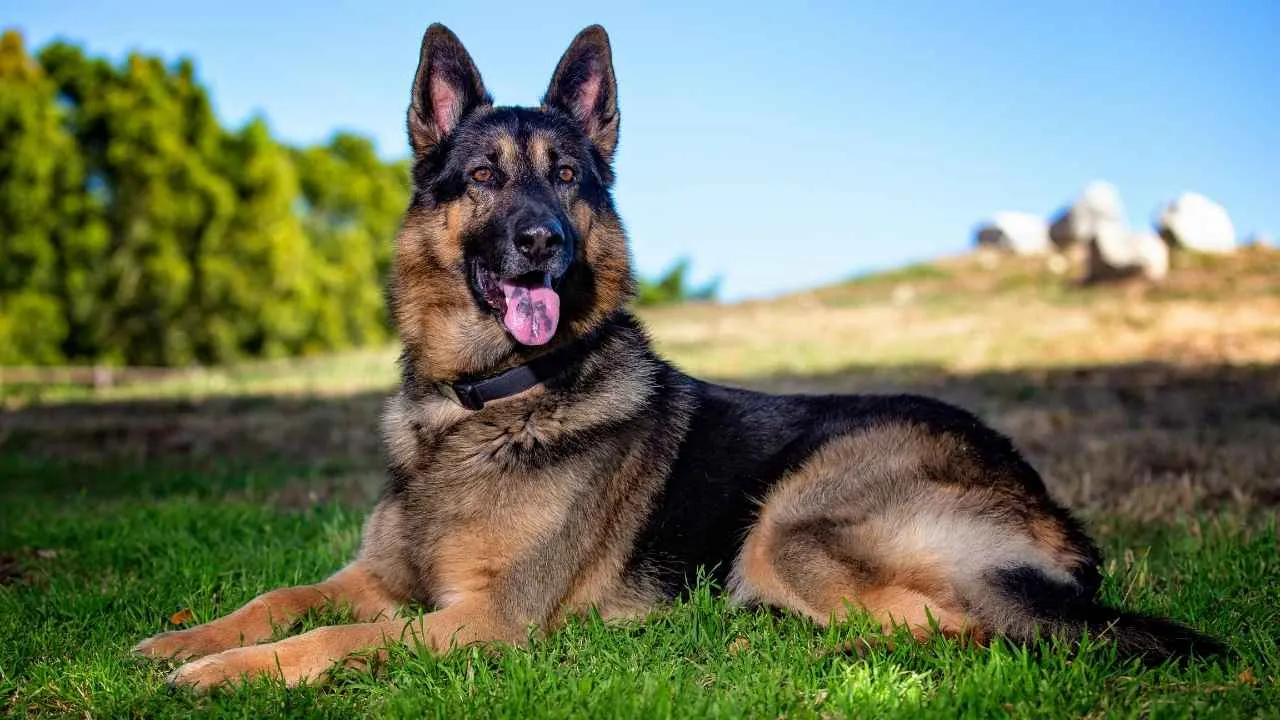
The herding breed was first developed in Germany in 1899 by Capt. Max von Stephanitz as he crossed ancient shepherd and farm dogs. It was recognized by the American Kennel Club in 1908 and was later adopted as a military, police, assistance, and drug detection breed.
The German Shepherd has a flying trot because of its long ribcage, deep chest, and specific skeletal angulation. The rectangular physique provides immense stability while making sudden turns and navigating through rough terrain. In predator attacks, the breed uses its scissor bite to grip and defend the flock.
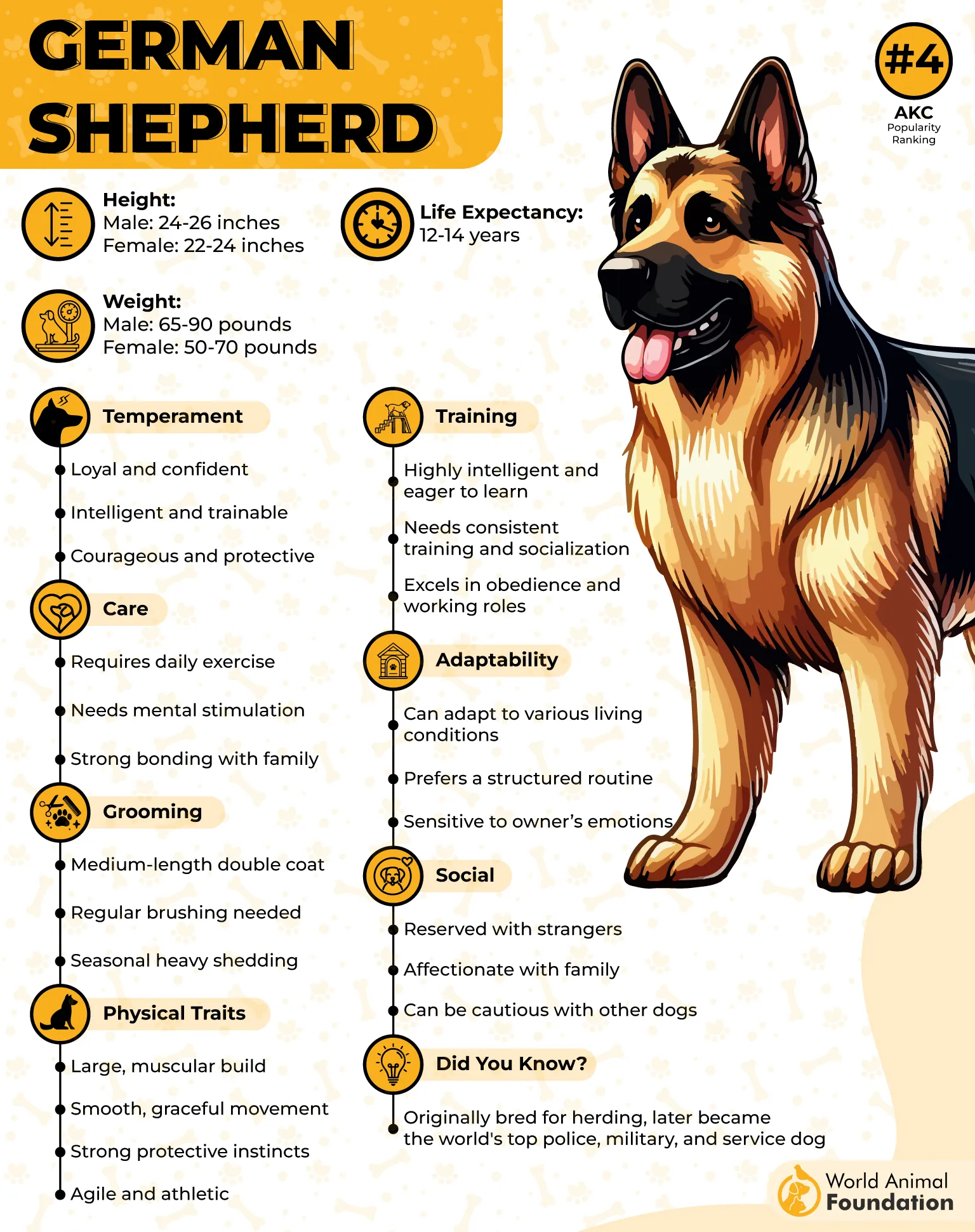
The active breed can patrol boundaries up to 20-30 miles a day. It acts as a living fence and paces back and forth along the perimeter to deter sheep from crossing the line.
7. Great Pyrenees
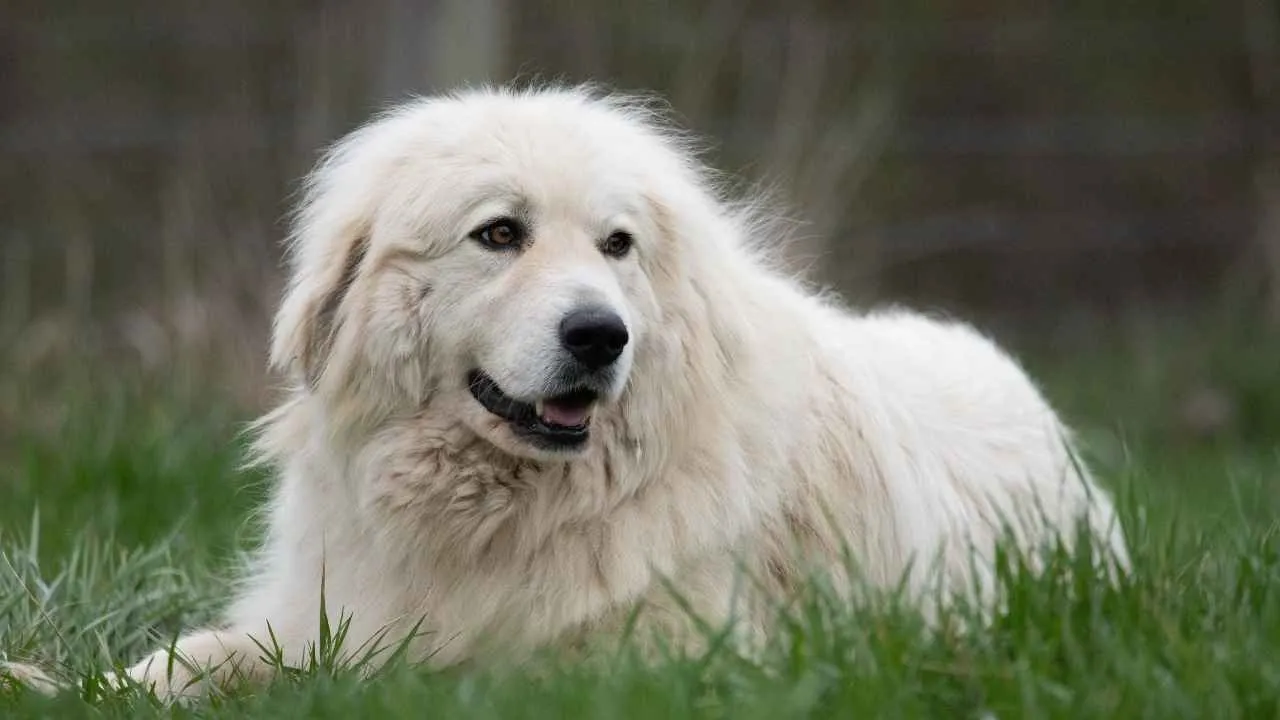
The history of the ancient breed dates back to the Bronze Age (1,800 and 1,000 BCE). Originally developed as a guard livestock dog against large predators, the dog used to work alongside herding dogs between Spain and France.
The breed has double dewclaws on its hind legs that function as an extra thumb, offering extra traction and stability. With its slow metabolism, the Great Pyrenees tends to conserve energy and work over long distances for an extended period of time. Being a nocturnal breed, it has a strong sense of vision.
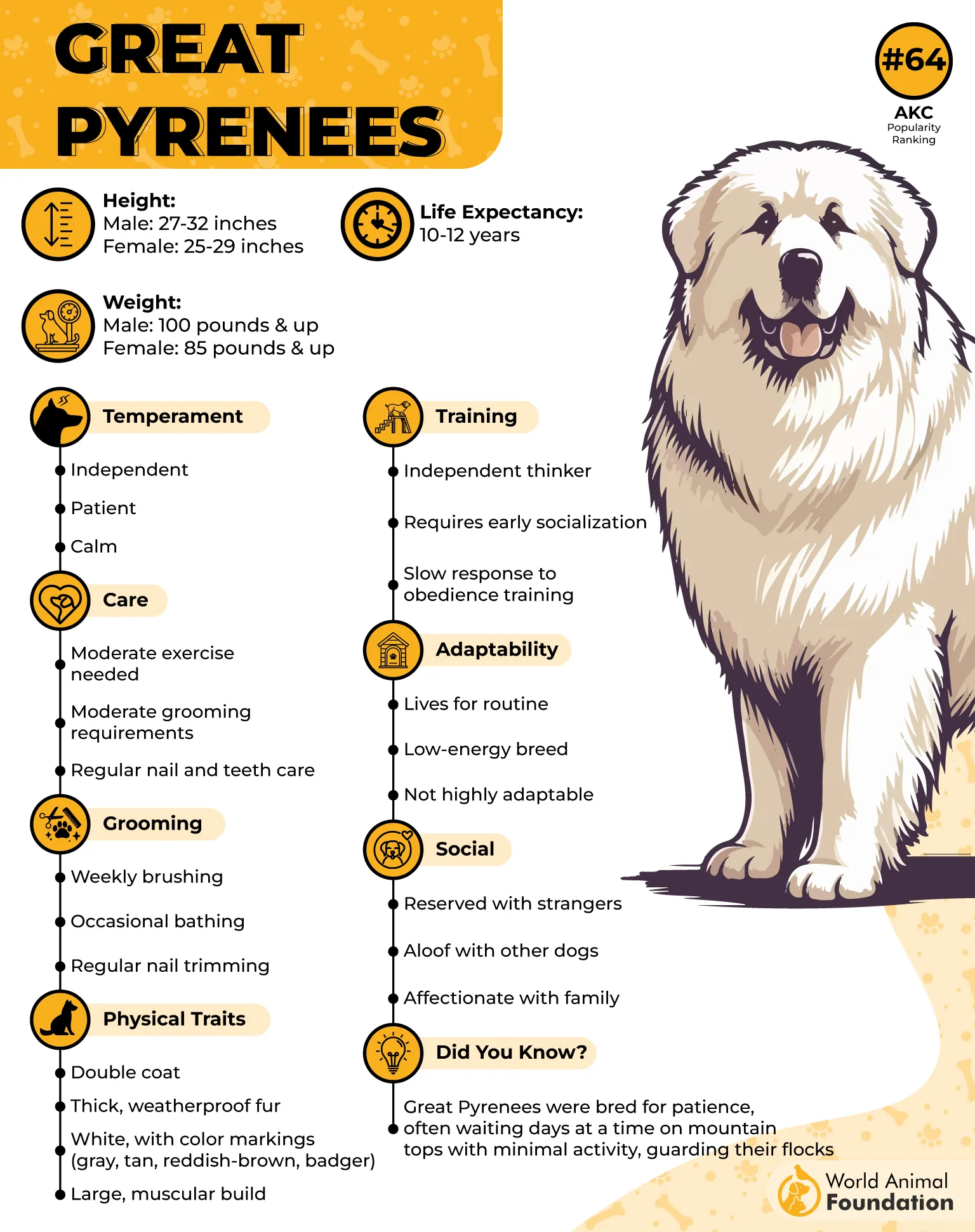
The breed can have a stubborn streak because of its independent nature. It possesses an authoritative bark and actively patrols the perimeter. The dog has zero prey drive towards domestic animals.
Conclusion
Choosing a herding breed is less about finding an impressive-looking dog and more about finding a lifestyle match. These dogs give their best when life has structure, purpose, and plenty of activity. A bored herder can invent its own entertainment, and that usually means trouble for shoes, gardens, or unsuspecting squirrels.
Before bringing one home, think honestly about your time, space, and patience. Training should be consistent, exercise should be daily, and mental games should be part of the routine. In return, you get a dog that pays attention, learns quickly, and stands by you through thick and thin. For active families, farmers, and adventure lovers, a herding breed can be the perfect four-legged teammate.
