




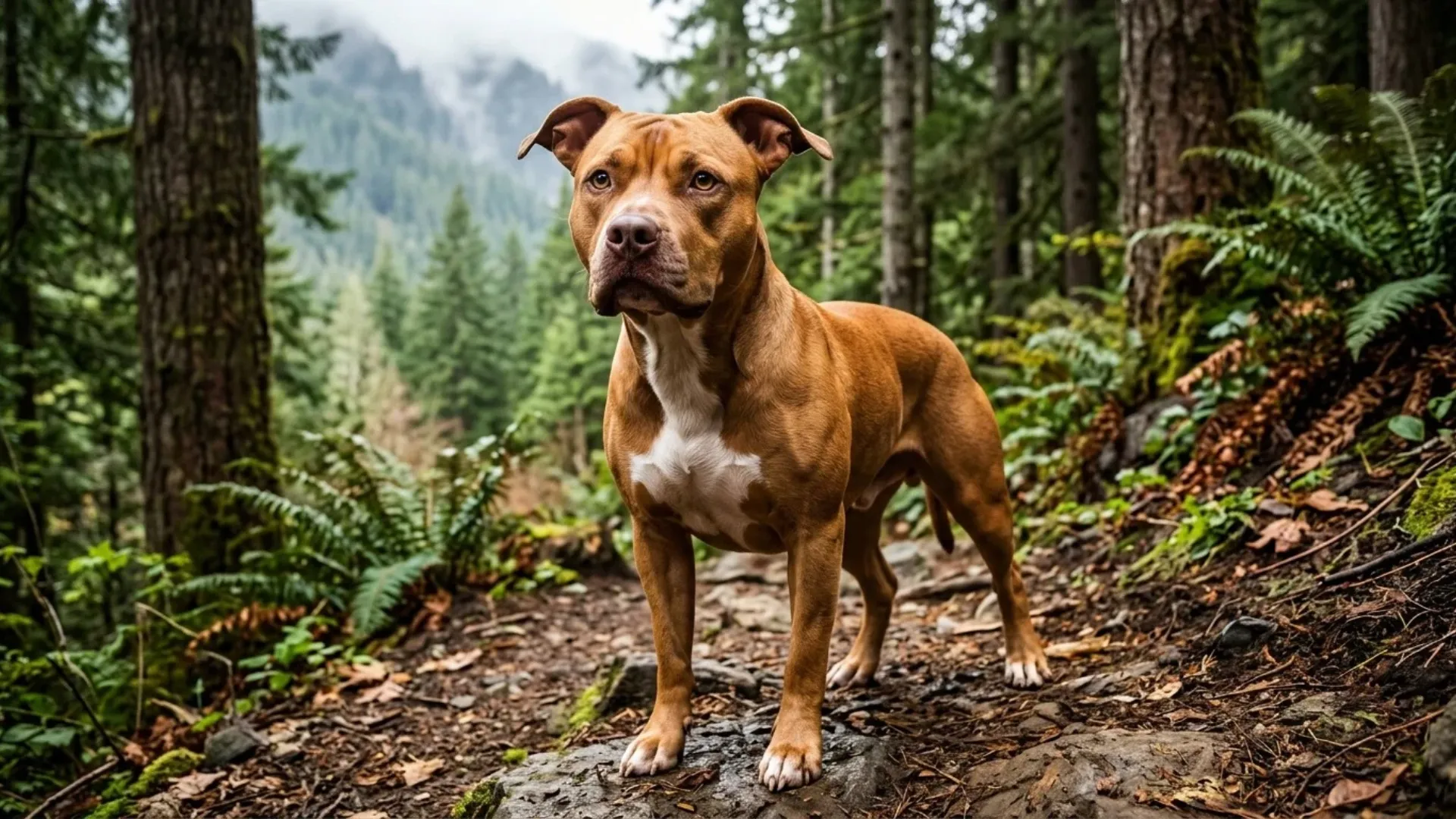
The hunt to kill a rabbit is much different from the hunt to track a wild boar.
If you’re hunting big game, brute force is rarely the answer. A better answer can be found in the canine world: an excellent tracker would follow the old scent, stand ready for the hunters, and develop its own eager strategy to deal with the quarry.
Some hunting dog breeds became famous for hunting wild boar; others for hunting puma; some are amazing when deployed in the forests and mountains of North America.
The care requirements, as well as the temperaments and bodies of these sporting dogs, reveal a great deal about which hunts they’re suited for.
If you’re looking for a highly trainable and eager hunter that excels in catching big game, here are seven breeds that have proven to be excellent in the field.
Powerful Dog Breeds That Hunt Big Game Effectively
1. American Pit Bull Terrier
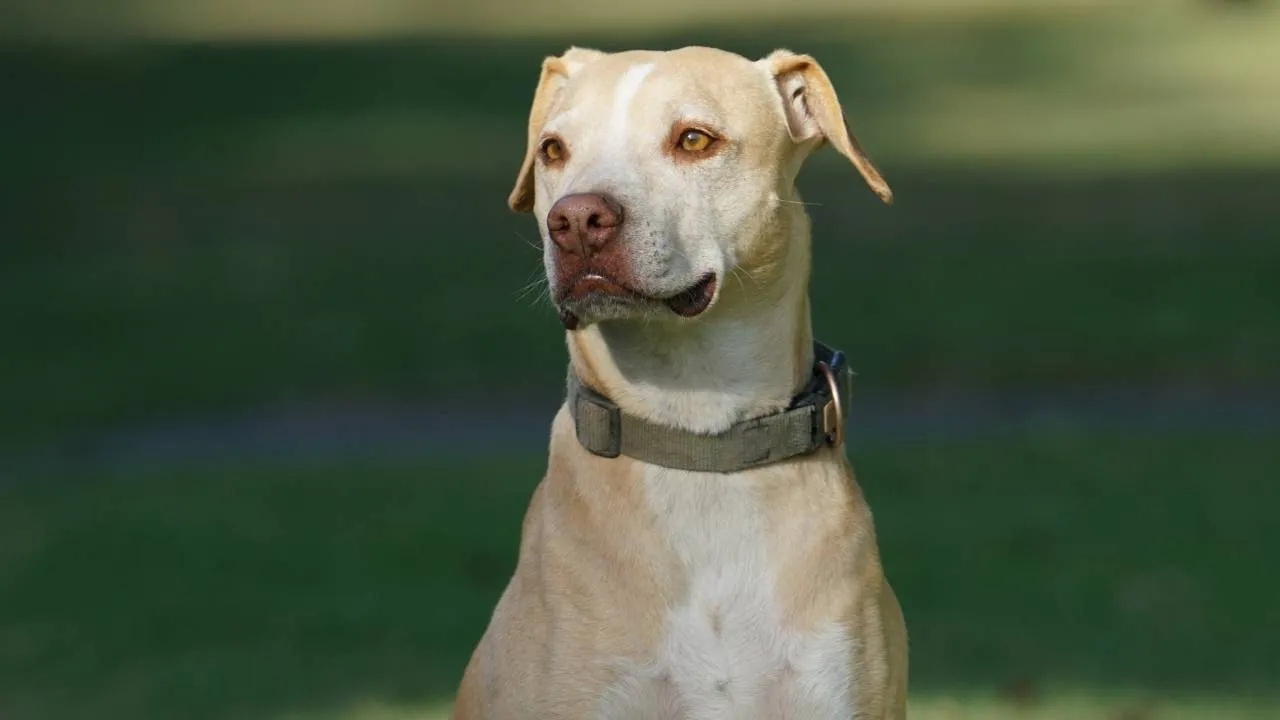
The American Pit Bull Terrier, as stated by PetMD, has a high energy level, and it is eager to use it in the field.
The breed is highly trainable and has an amazingly flexible nature. It has been employed for tracking, agility, obedience, weight pulling, hunting, and handling livestock.
However, these physical capabilities stand to be wasted until the breed is trained properly and given the proper outlets for energy. The breed was created from a cross of a Bulldog and a Terrier and made to be strong and athletic, suitable for the rigors of the farm.
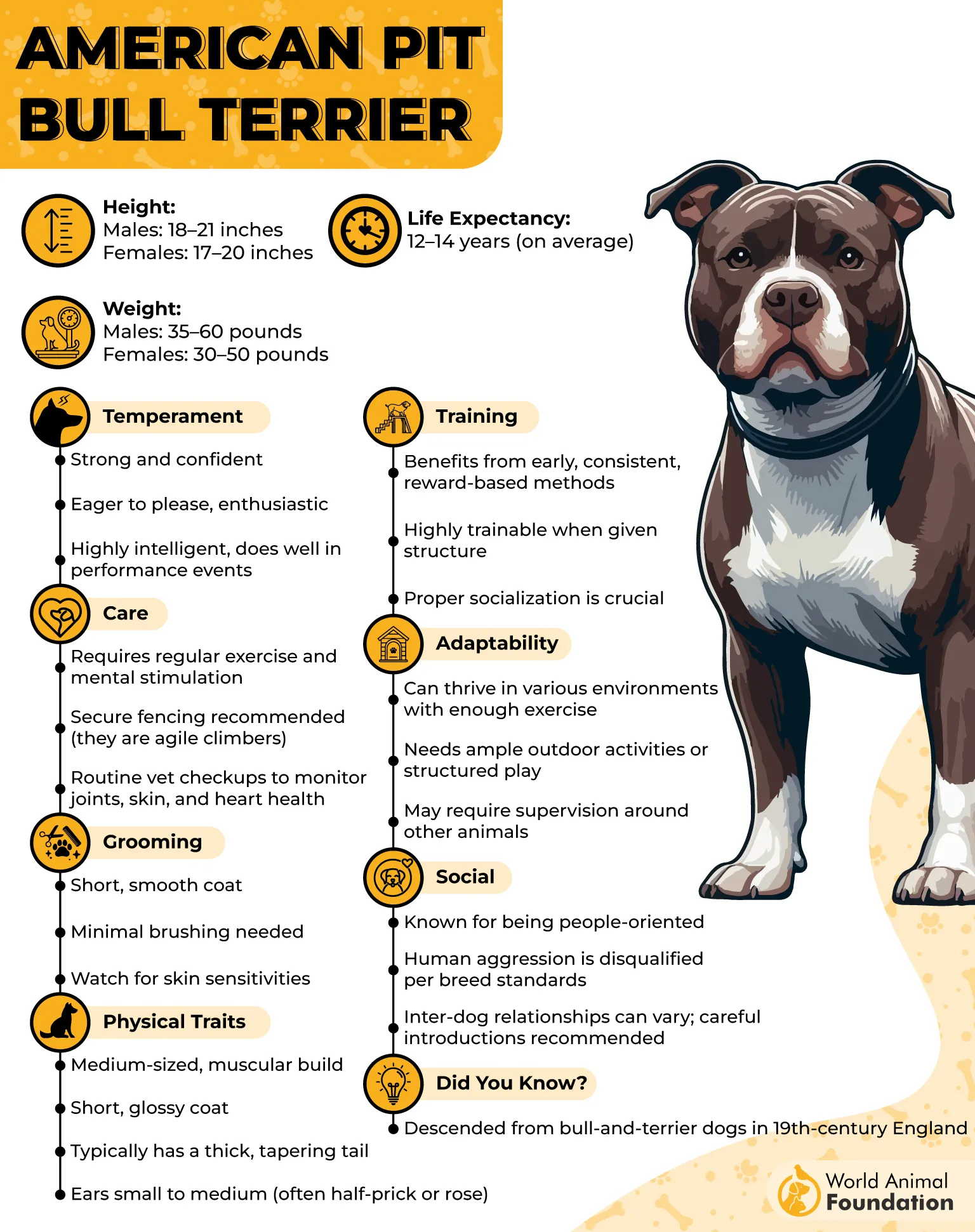
In the U.S., farmers used them for a number of practical tasks such as catching semi-wild cattle and hogs. They were not scent hounds; these catch dogs were meant to announce the location of an animal and physically restrain it if the need called for it.
The American Pit Bull Terrier is well muscled and has strong, powerful shoulders, balanced proportions, and good muscle mass for rapid movement and endurance.
2. Dogo Argentino
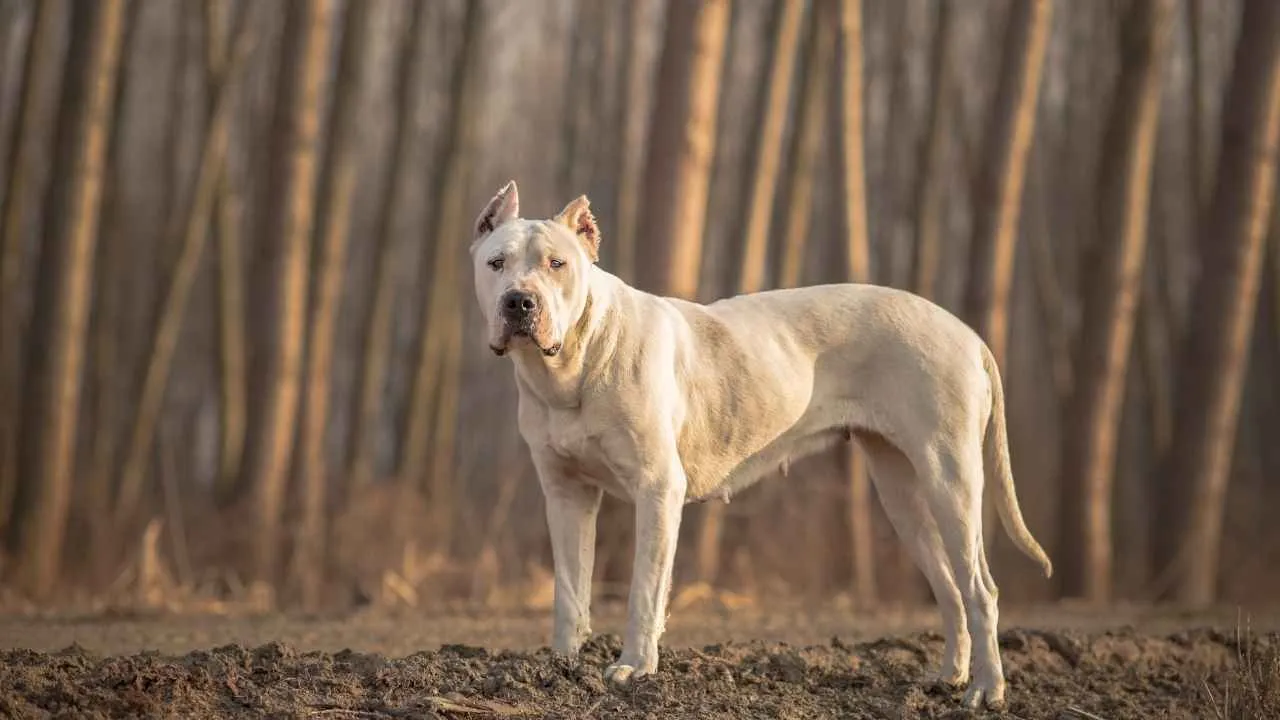
The AKC breed database describes this excellent hunter as a pack-hunting dog.
This highly trainable, white breed was bred to hunt wild boar, peccaries, and pumas. Its build and drive were different from a dog trained to hunt small game, as it had to be able to overcome more powerful targets.
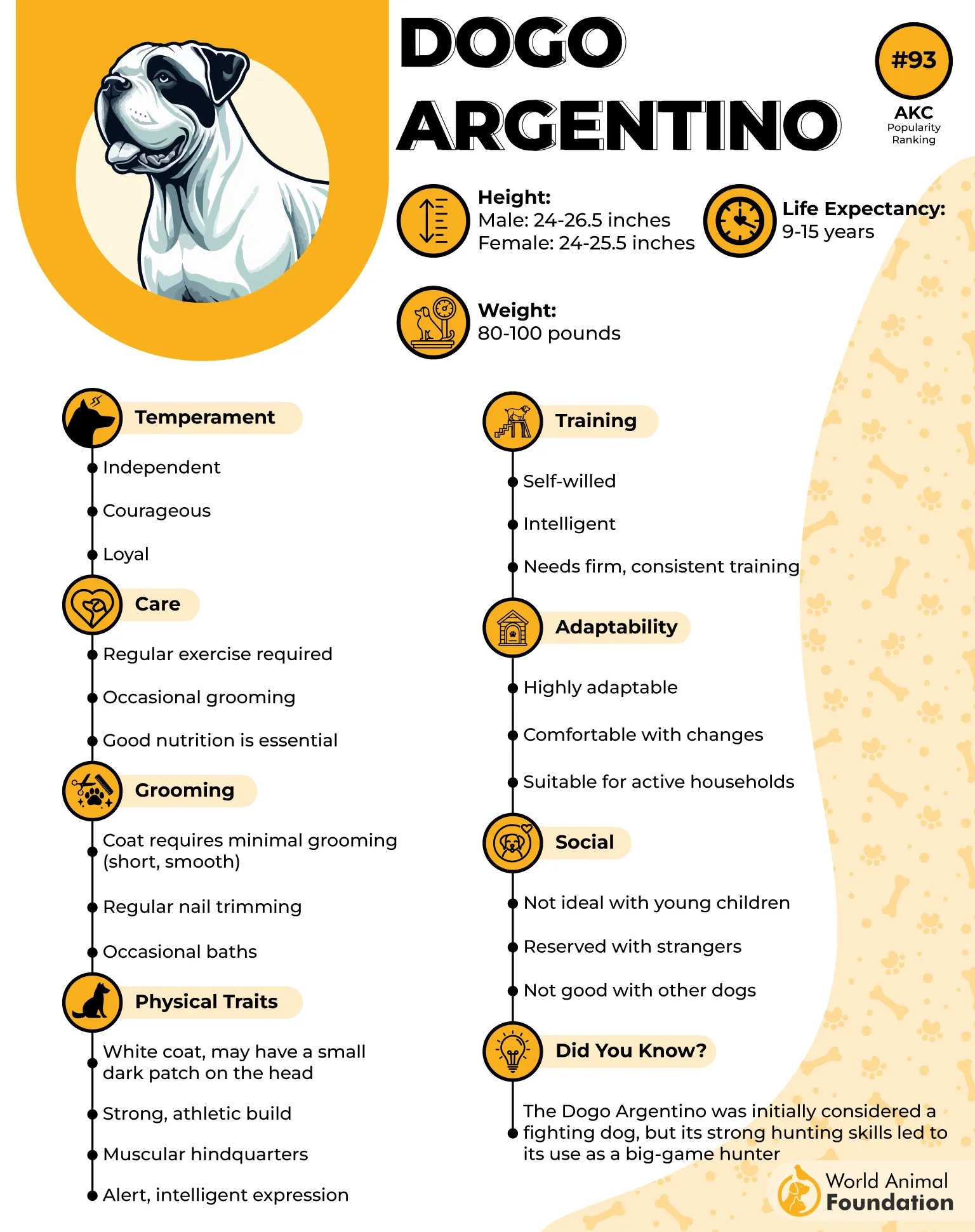
It has a wide chest and an athletic build to ensure it may travel far. Another feature is its white coat, which makes the breed instantly recognizable, but responsible owners need to be vigilant about exposure to the sun, as the lighter parts of the coat may get sunburnt.
The Dogo’s hunting instinct must not be confused with an instinct to automatically attack or work safely without the aid of the hunter. This strong breed needs experienced ownership, early socialization, and training.
3. Rhodesian Ridgeback
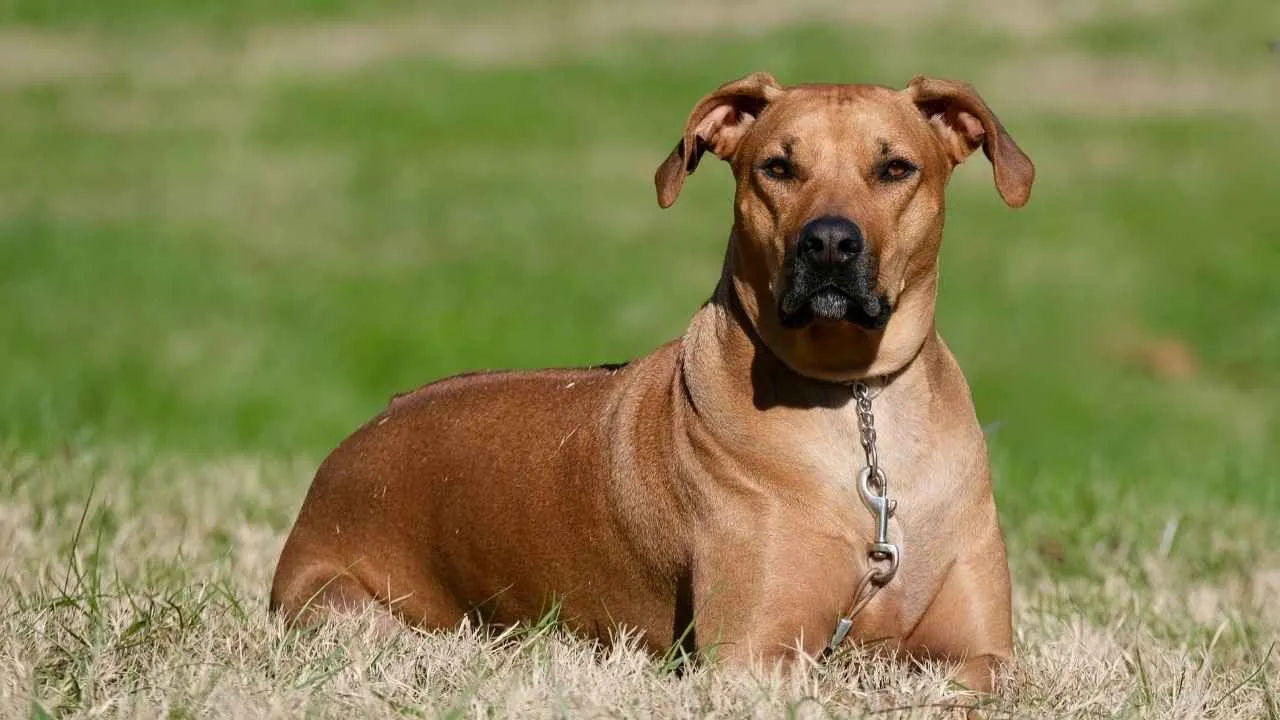
These are skilled companions in the hunt. Their name is due to the ridge of hair that grows in the opposite direction along the back. The ridged appearance of hair is one of the awesome characteristics of this breed.
But its hunting past is more skilled. The Ridgeback developed in southern Africa and was known for tracking and baying big game, including lions, a feat some other breeds can only dream of achieving.
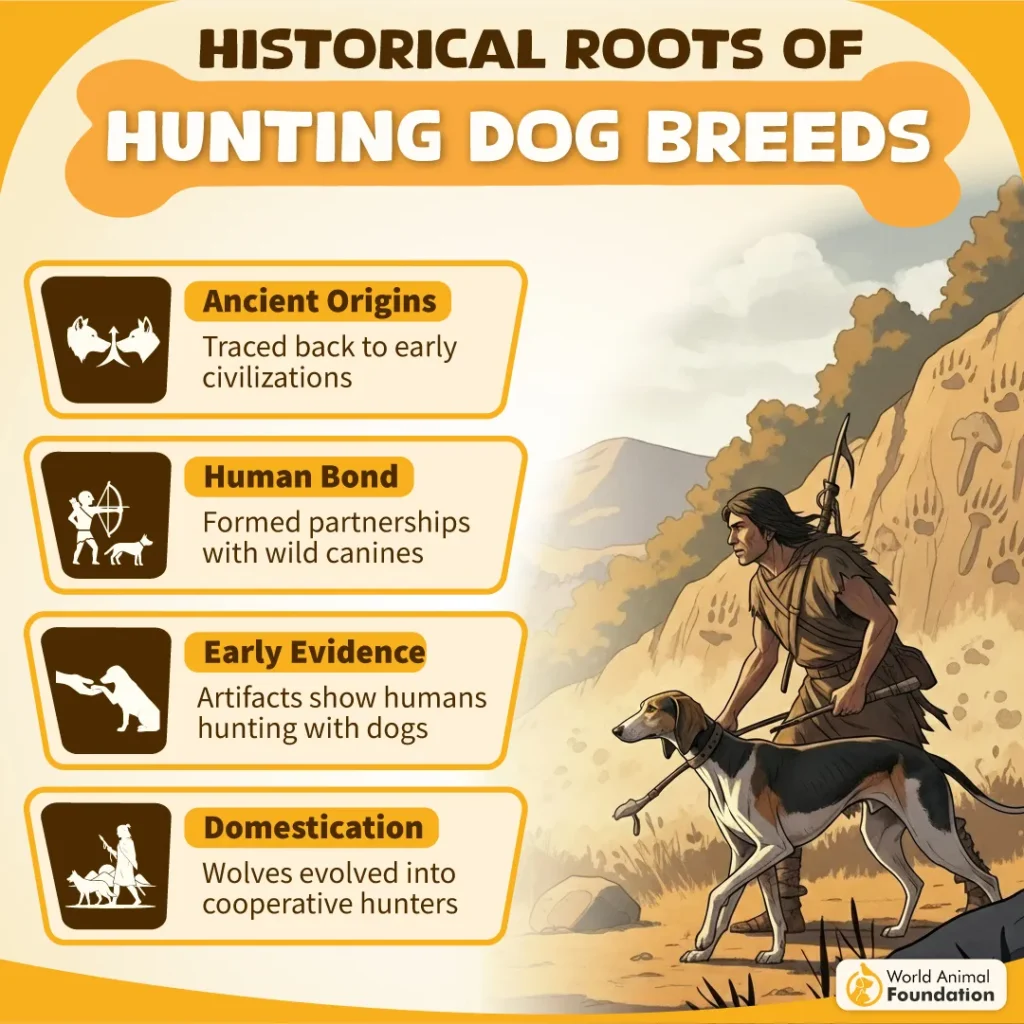
In their traditional activity, they acted as finders, pursuers, and aggressors to the game, keeping it busy by being coordinated. This feat requires both bravery and athleticism, as well as some independent judgement.
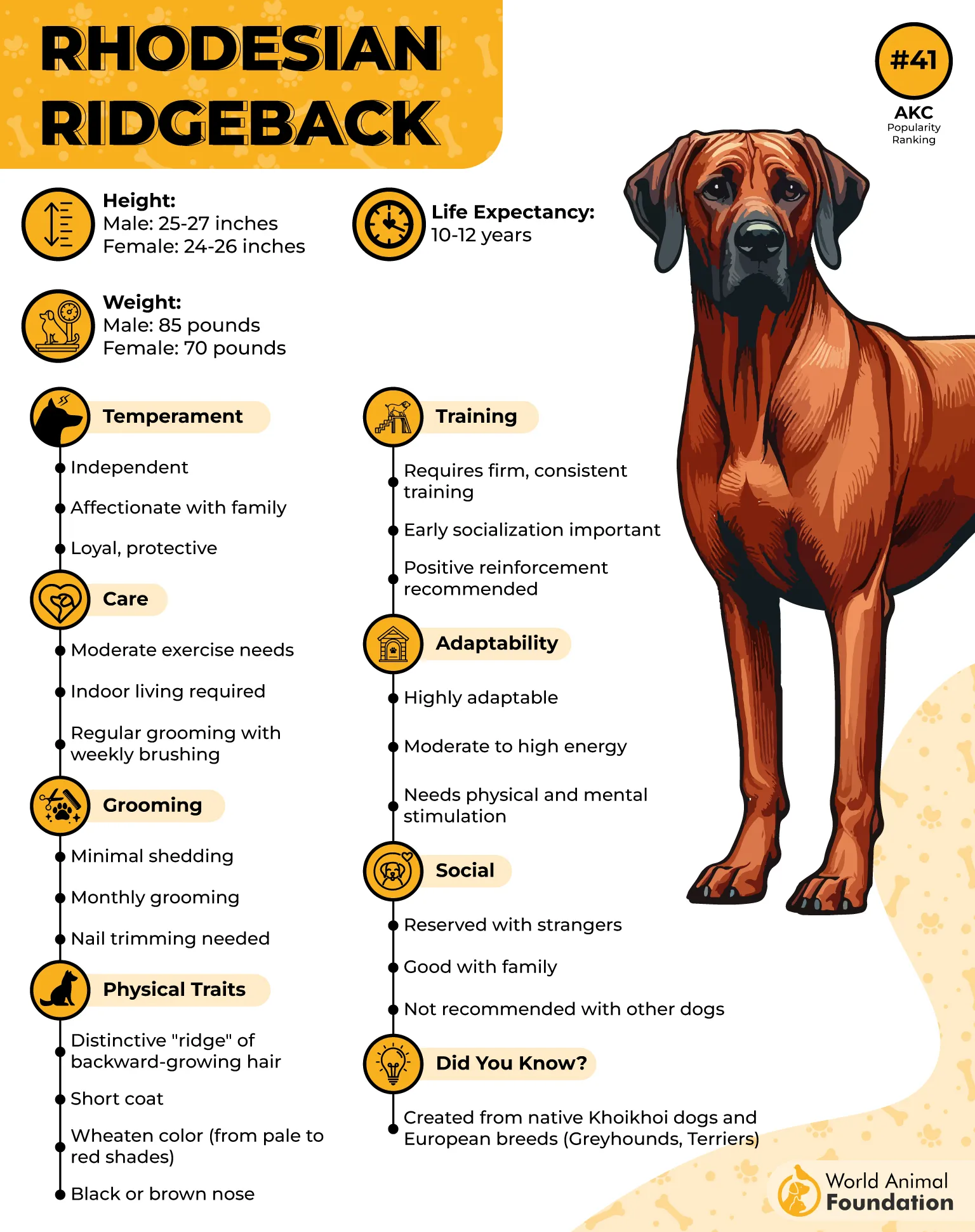
Versatile is how Purina describes these skilled companions. Today’s Ridgeback can be a loving pet, but requires careful training and a safe environment due to its athletic skill and reputation as a fierce hunter. Use good pet products for your pups because bad quality products might cause infections and diseases.
4. Cane Corso
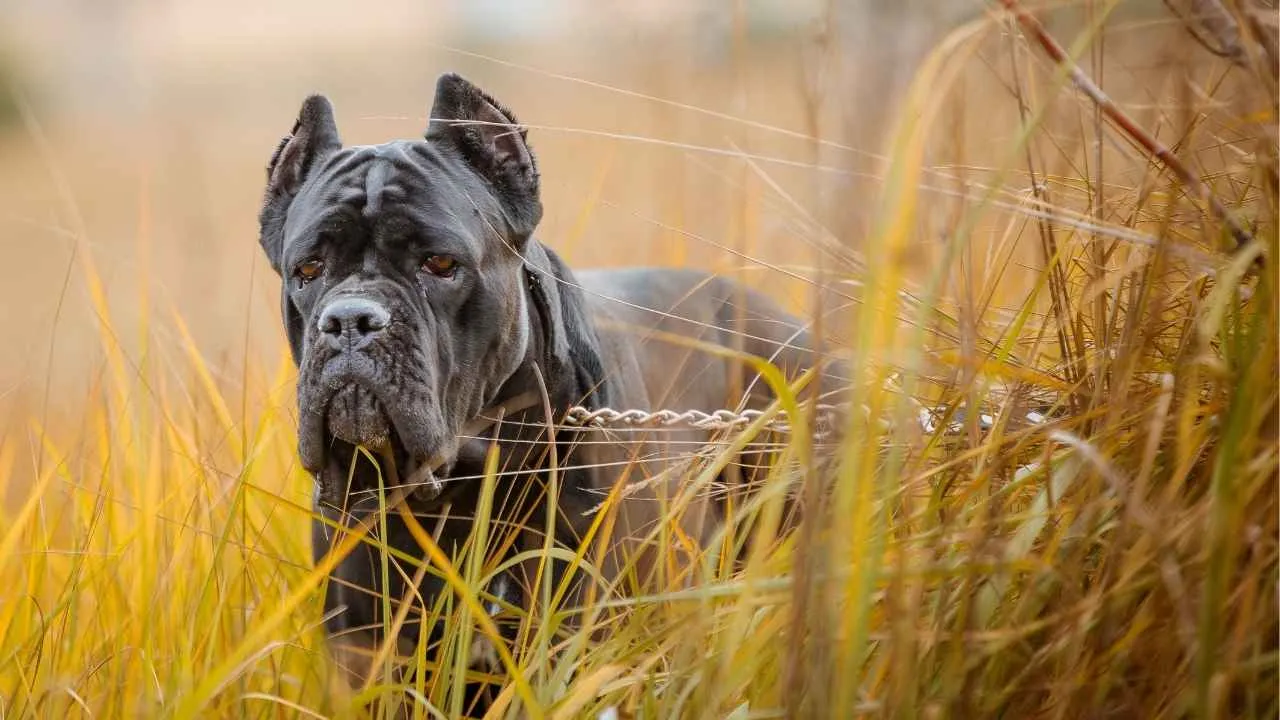
The Cane Corso’s stocky head, deep chest, and athletic shape make it the perfect pick to chase down big game. In its traditional hunting role, it resembles a strong holding dog.
It performed tasks that required judgment instead of blind aggression. This is a unique role which demonstrates the versatility of the breed and its ability to work around powerful livestock.
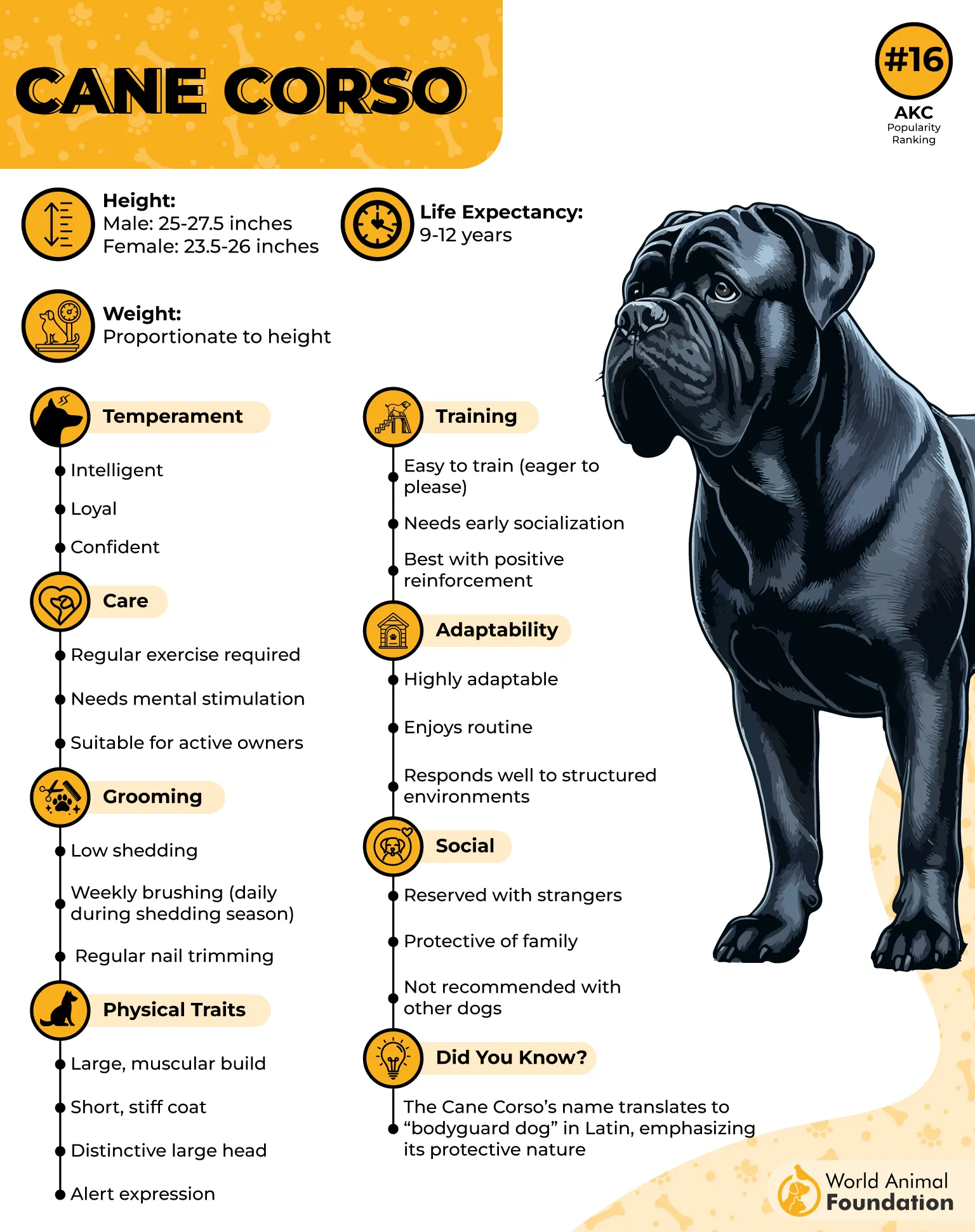
Its history goes far beyond property protection. Some members of the breed worked as catch dogs, physically restraining their targets. That branch of the breed is strong, has a good bone structure and build, and was a good pick for farm work.
This powerful Italian breed evolved from old Molossian-type dogs and became an integral component of rural work. Its duties ranged from defending farms to caring for cattle, and assisting on the tougher hunting expeditions.
5. Boerboel
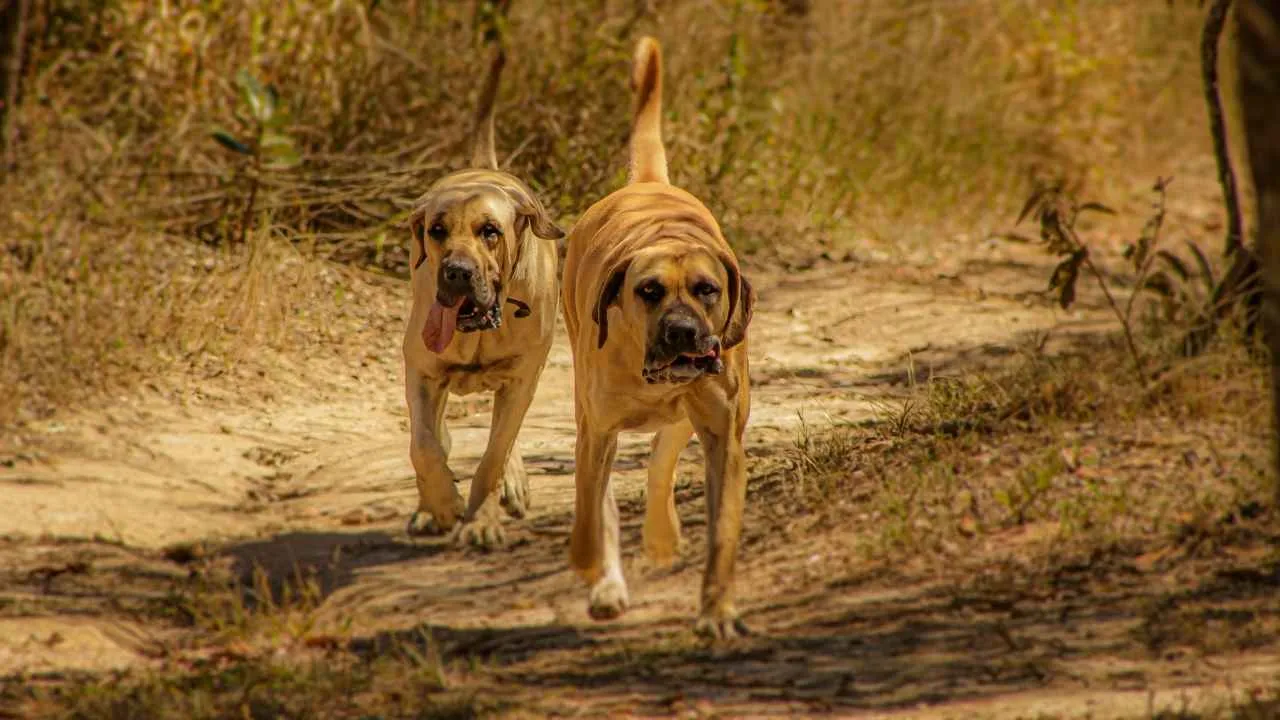
The impressive build of this breed is at the heart of its identity. With a considerable bone structure, a strong head, and an unusually agile body for a Mastiff-type breed, this breed had to adapt to farm life, which required it to traverse long distances.
It evolved in the challenging environment of South African country life. The name is derived from the Afrikaans boer, which means farmer, and boel, for a big dog.
The breed developed as a necessity for protecting families and livestock from aggressive wild animals. Hunting raccoons is not what this hunter was bred to do.
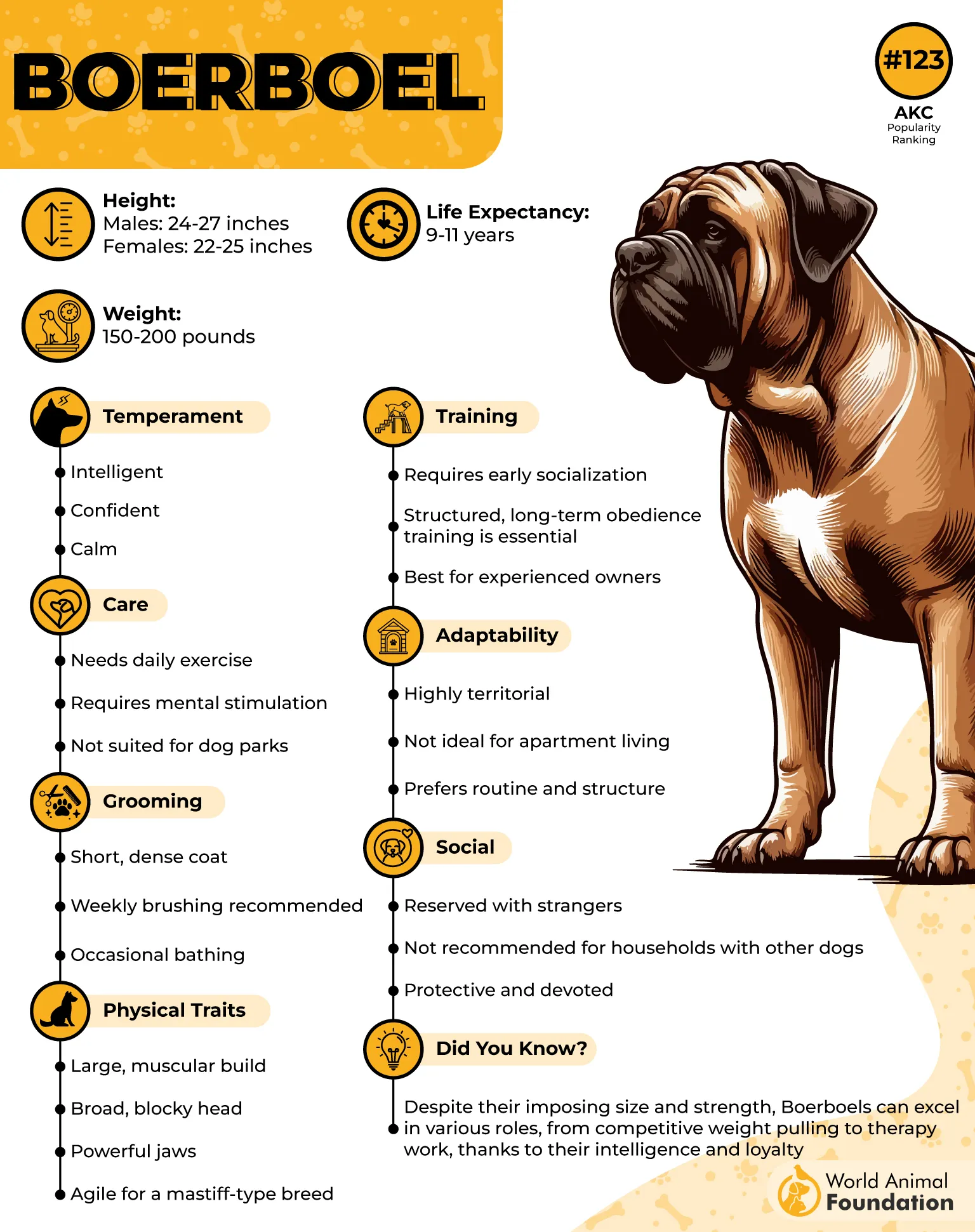
Its historical significance was that it would be used as a defense and protection mechanism against predators. This is important: it’s not a similar challenge to face or deter a predator against a homestead as it is to track and hunt a predator.
The character of this breed is very protective. If your personal decision hinges on this, know that this breed forms strong bonds with its owners, but must be socialized early and have a handler that is experienced with large guardian dogs.
6. Black Mouth Cur
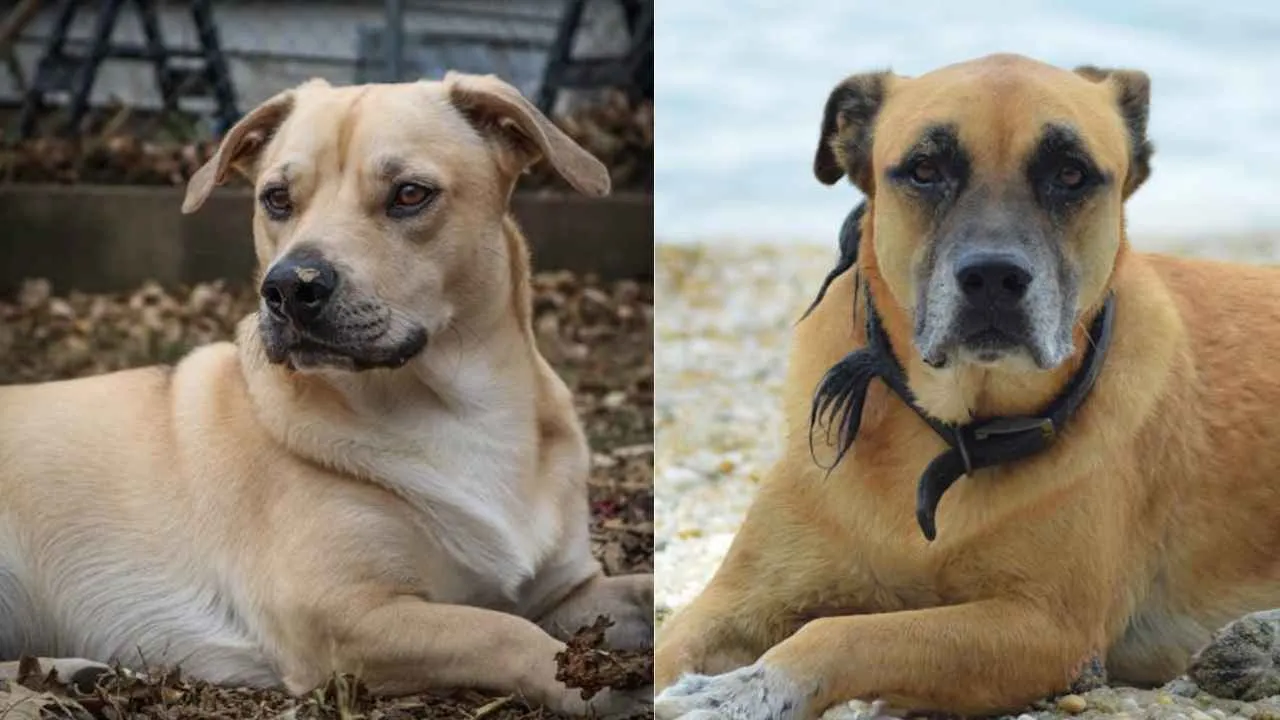
This good companion employs its skills on every hunt it undertakes. It dates back to the farms and homesteads of the American South and is a working dog.
These dogs were expected to perform several tasks. Track game, work as cattle tenders, trap hogs, and guard property; their ability to do a variety of jobs turned them into useful members of the farm family.
They also have the skill of tracking and finding the scent of animals. They may be used for hunting wild hogs, deer, and other game depending on bloodline and individual dog. Their versatility makes them a favourite among hunters.
One of the most important features is the dark pigmentation around the mouth that gives rise to the name of the breed. The dogs are athletic in frame, well-muscled, with practical outdoor working short coats.
7. Plott Hound
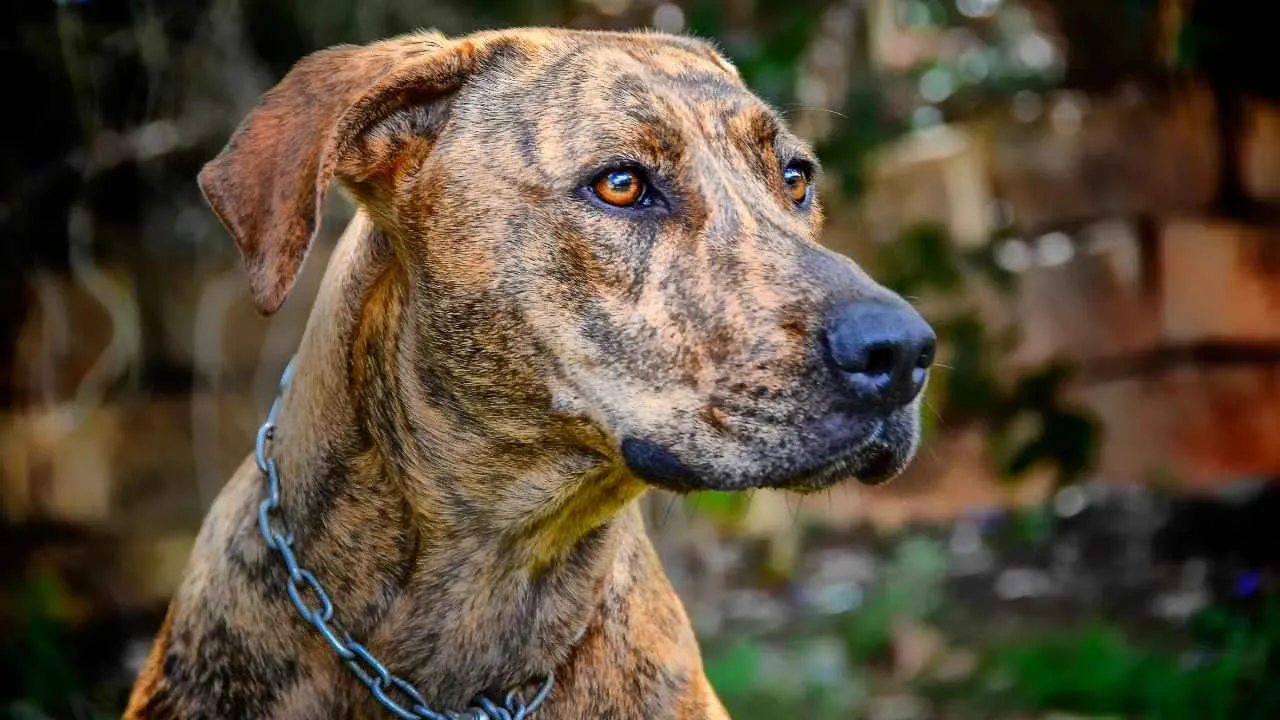
This breed has a special hunting call, called a “bawl” or “chop”. The vocalization is not just a random noise, but an important ability that can help hunters follow this working dog through thick and thin.
The Plott Hound is one of the most accomplished big-game hunting American hounds. This strong-smelling hound was used for tracking bear and wild boar. Its most important asset was its nose compared to other scent hounds.
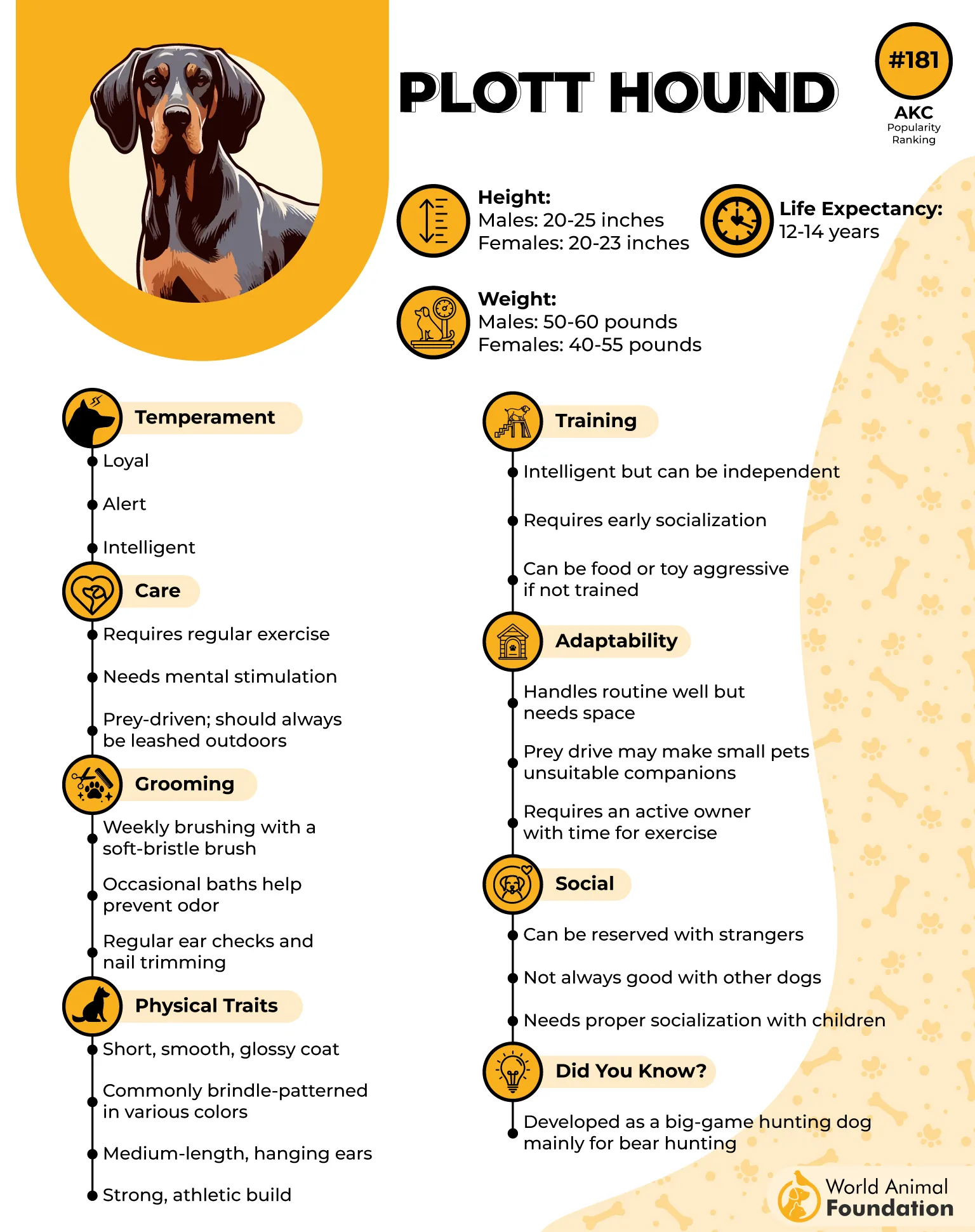
Plott Hounds are more famously known for hunting raccoons in today’s world. They are not only great on land but can work effectively in water too. The best of both worlds, right? However, these dogs can become aggressive very easily, so it’s better to keep them on a leash at all times.
Plott Hounds are usually brindled and may have a variety of colors and patterns. They are rugged in appearance, fitting in a mountain heritage, but most distinctive are their scenting ability, endurance, and determination.
Conclusion
There are different types of power in big game hunting. Muscle power is not only for the superheroes you know. These dogs are no less. They show you how they can be protective and fierce at the same time. They will assist you in your adventures and help you out in hunting big game effectively.
Different histories have shown that the most successful working dogs were not necessarily the strongest or largest. They were bred to do particular tasks and modified by challenging environments, prized for their natural hunting instincts.
Hunting is a legacy that deserves to be respected, responsibly owned, and regarded as a contemporary activity that should abide by and adhere to local wildlife laws and animal welfare standards.
