




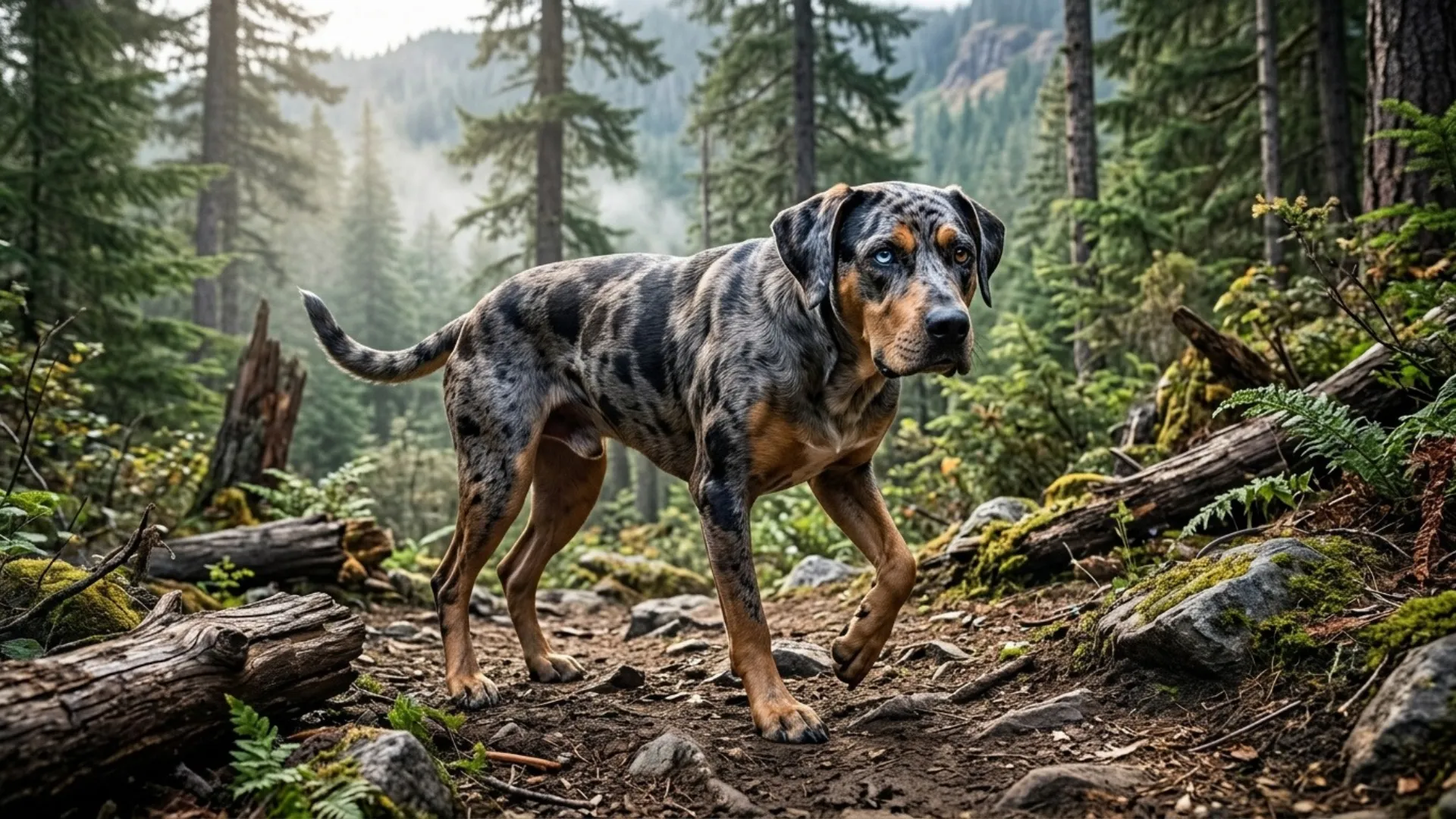
A big game animal can disappear surprisingly fast. One moment there is movement ahead, and the next, the trail slips into thick cover, crosses rough ground, or continues far beyond where the hunter expected.
That is where a specialized hunting dog can change the experience. A dog’s sense of smell is estimated to be tens of thousands of times more sensitive than a human’s, giving it a major advantage when following scent. Yet scent alone does not make a dependable big game partner.
The dog also needs physical endurance, confidence in challenging surroundings, responsiveness to its handler, and the instinct to keep working when the trail becomes difficult. Different hunting lines were shaped around different tasks, from locating quarry to tracking wounded animals.
The right breed can make demanding hunts more manageable. Keep reading, because each dog brings a different set of field-tested qualities to big game hunting.
Key Takeaways
A dog’s nose can detect scents tens of thousands of times better than ours, but big game hunting demands far more than a powerful nose.
The Dogo Argentino was developed from an unusual mix of breeds to pursue wild boar, pumas, and other dangerous game across rough terrain.
Then there is the Karelian Bear Dog, which can work with remarkable independence and even clear fences nearly two metres high when its hunting instincts take over.
From the Alano Español’s unusual gripping technique to the West Siberian Laika checking back with its handler every 20 to 30 minutes, these dogs have some fascinating working traits worth discovering.
Powerful Dog Breeds Specializing in Big Game Hunting
1. Catahoula Leopard Dog
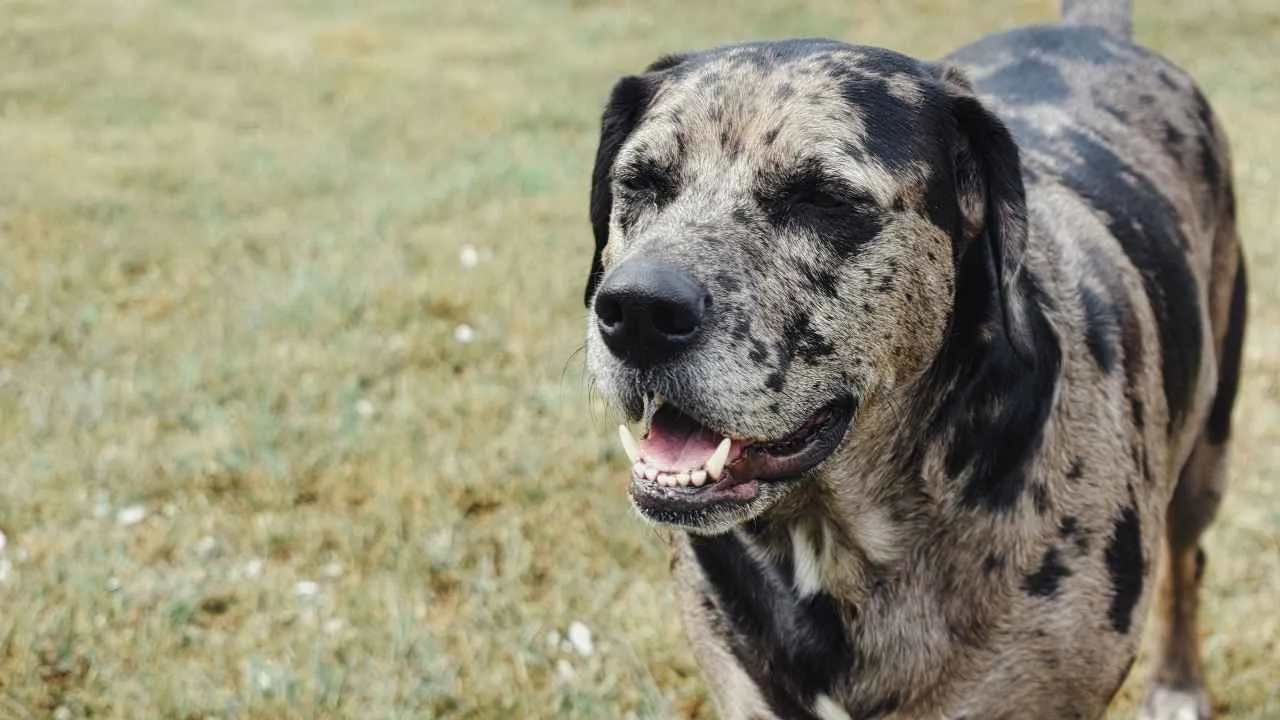
The Catahoula Leopard Dog originated near Catahoula Lake in Louisiana, where settlers used these rugged dogs for practical farm work in the 1800s. They worked Southern farms and ranches by driving cattle and tracking wild hogs through demanding, rugged country.
Driven to Pursue
Its muscular frame, powerful shoulders and hips, and quick-footed athleticism suit the sudden turns and physical demands of big-game work. A short coat also sheds mud and burrs more easily and dries faster in wet, humid conditions.
Three details are especially useful in rough country:
Webbed paws can aid traction in muddy ground
Scent-driven tracking follows fresh hog trails
Sustained stamina supports long working days
A Vocal Working Style
Catahoula Leopard Dog may use a distinctive working voice while keeping pressure on cattle or hogs, giving handlers another clue to its activity in the field.
Its independent nature also calls for consistent guidance, positive reinforcement, and early socialization around unfamiliar people and animals, as noted by the AKC.
2. Dogo Argentino
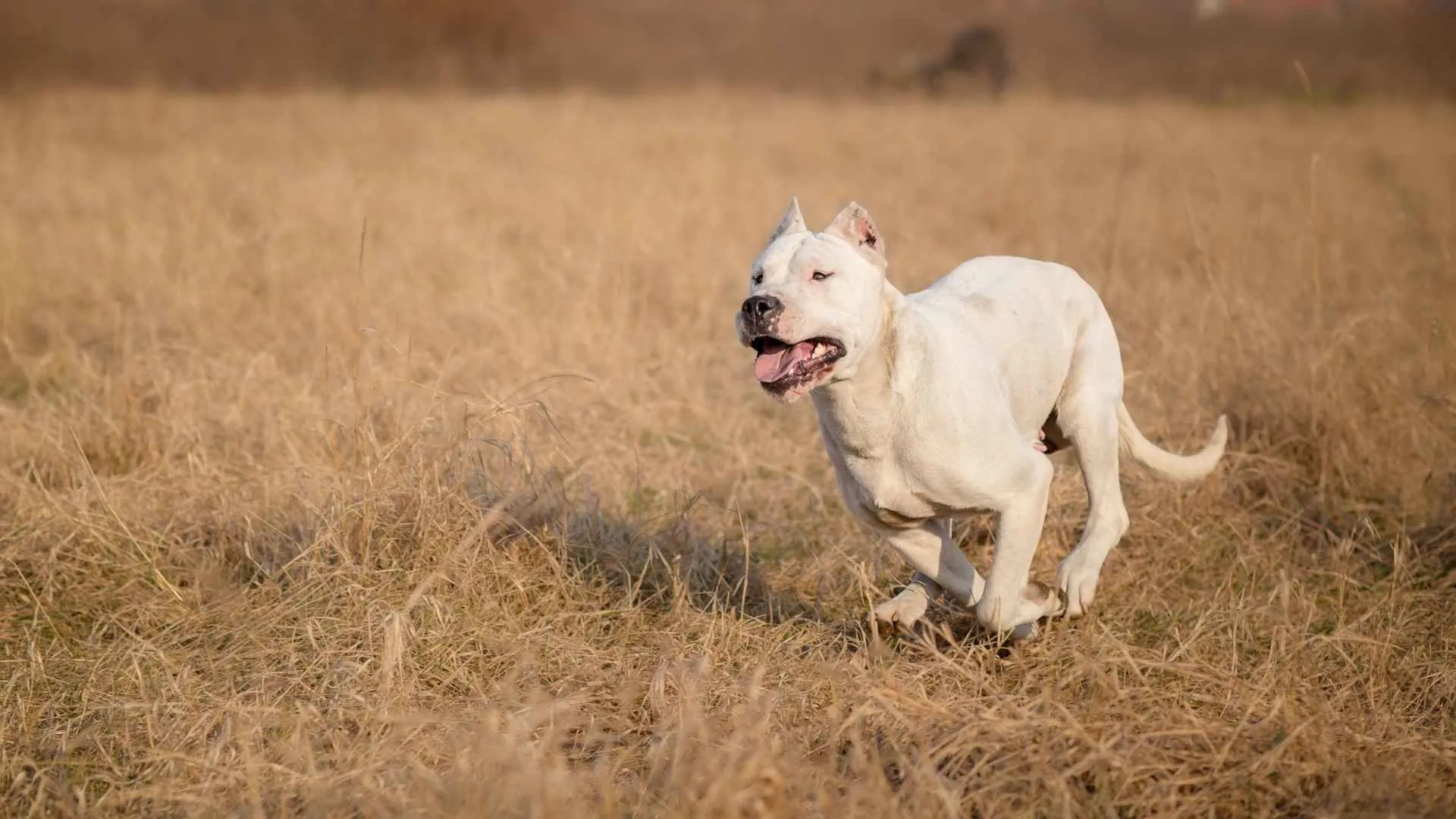
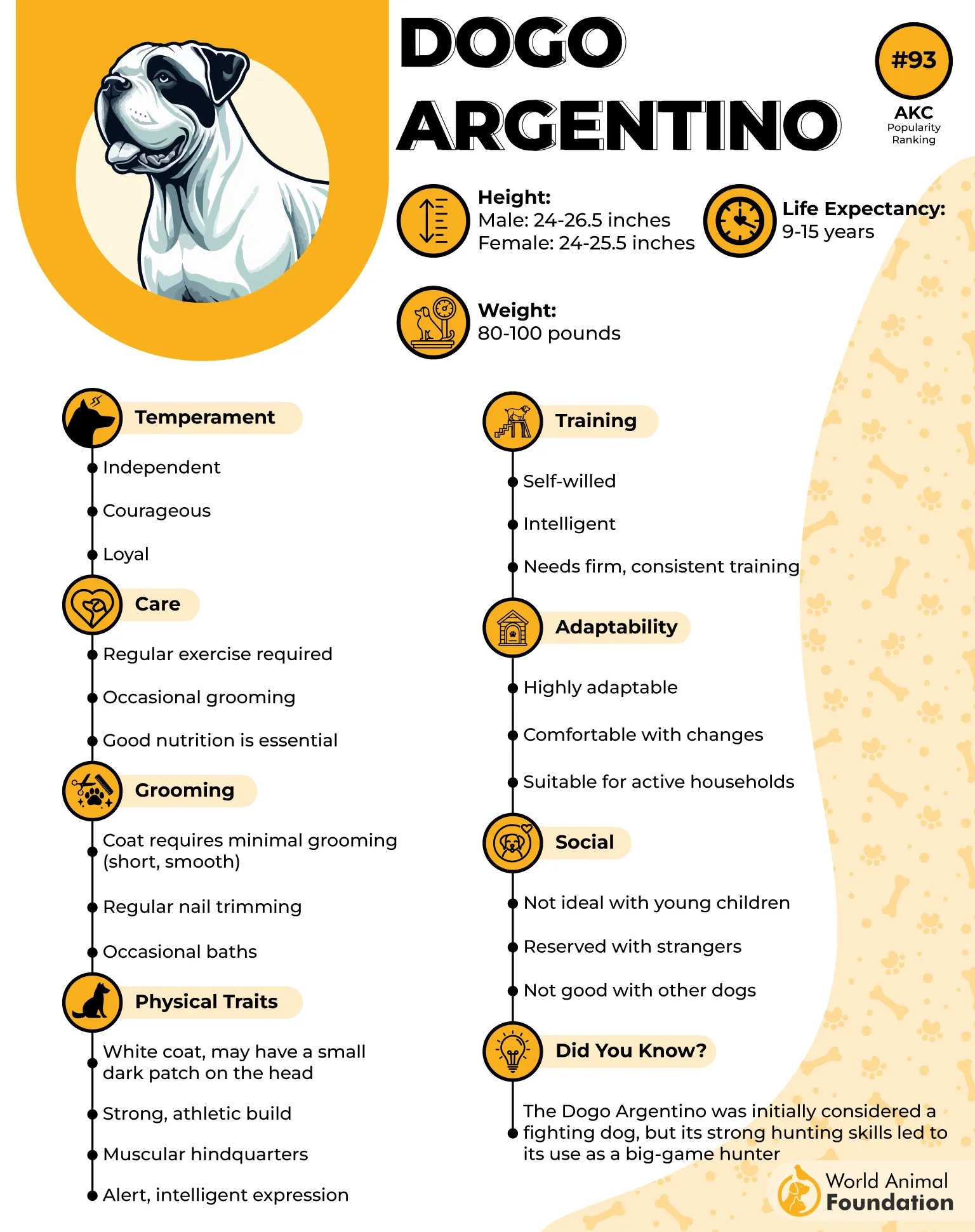
Dogo Argentino dates to 1928 in Argentina and comes from an unusual mix that included Great Dane, Pointer, Bull Terrier, Boxer, English Bulldog, Mastiff breeds, Irish Wolfhound, and a local Córdoba dog.
Its original purpose was serious big-game hunting, particularly against wild boars, pumas, peccaries, and other dangerous predators.
Made for the Chase
They were built for hunts that could demand sudden force and sustained pursuit. Its short, tight coat reduces snagging through brush and releases heat in warm conditions, while its white coloring makes the dog easier for hunting partners to spot in dense vegetation.
These working details add more context:
Broad head for gripping large prey
Strong neck and shoulders for control
Sprinting bursts followed by steady trotting
Instinct Runs Deep
Dogo Argentino can lock onto a scent with intense concentration, sometimes tuning out distractions when its tracking instinct takes over, as Royal Canin claims.
Its catch-dog heritage also appears in physical tugging and grappling games, making impulse-control work especially relevant for such a powerful breed.
3. Plott Hound
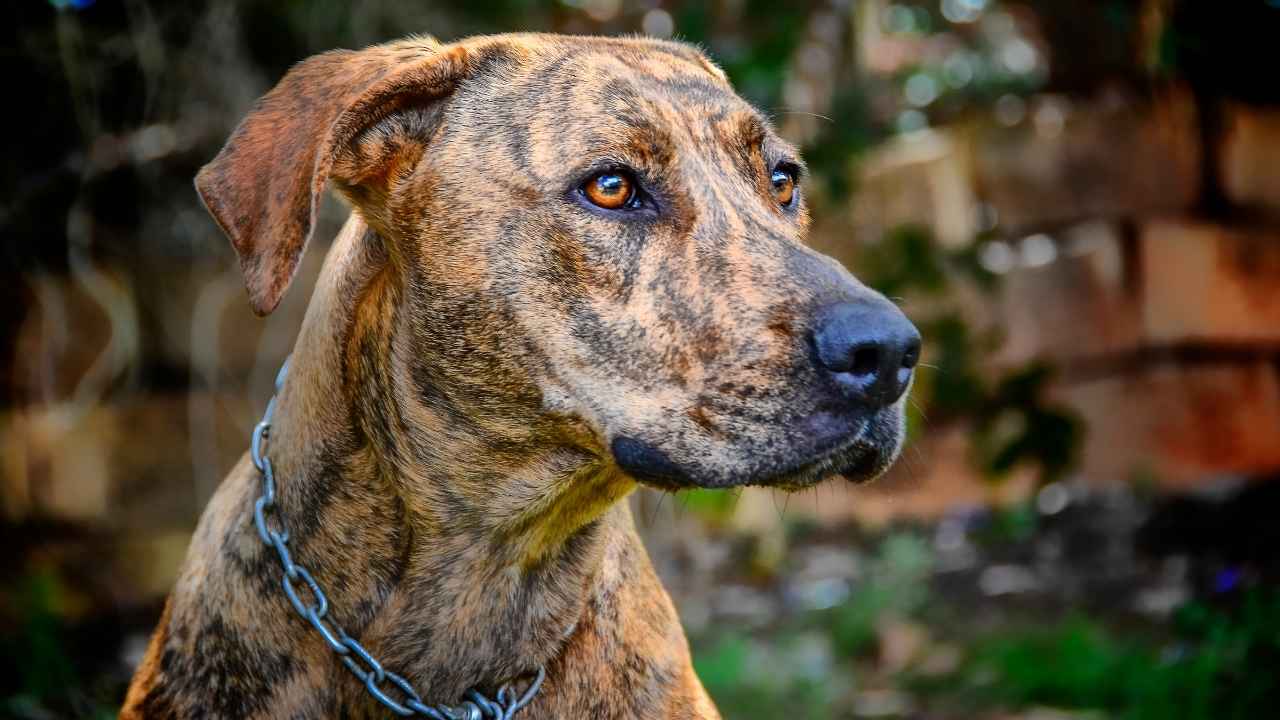
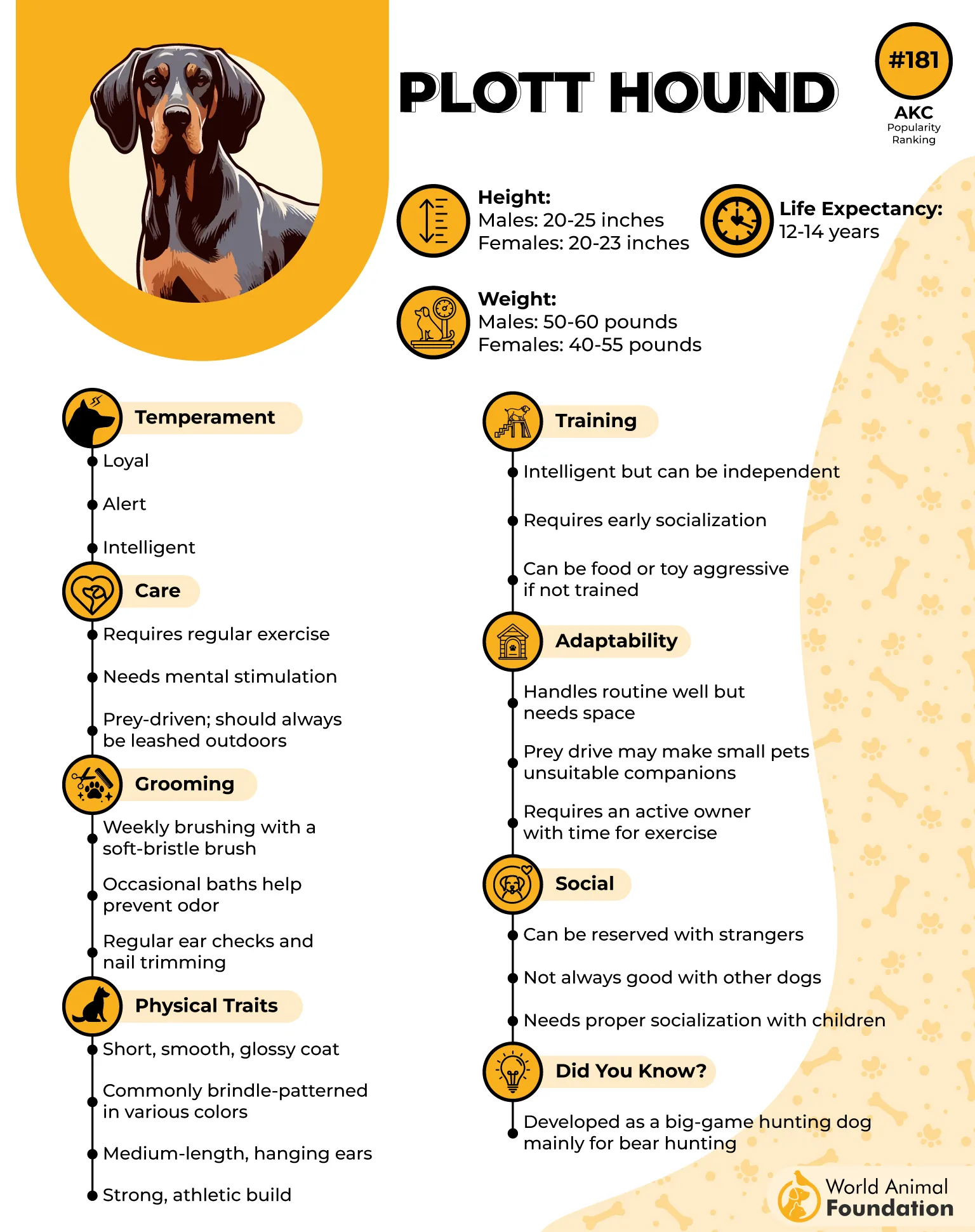
Plott Hound is the official state dog of North Carolina, with roots reaching back to the mid-1700s when the Plott family brought these dogs from Germany. Their early work included guarding neighboring farms and pursuing large game around the Great Smoky Mountains.
Born for the Hunt
Plott Hound was bred for demanding pursuits involving wild boars, black bears, mountain lions, coyotes, wolves, wildcats, and raccoons. Its athletic build, powerful gait, and scenting ability suit steep, brushy country where trails stretch across difficult ground.
Here’s a closer look at its working style:
A resonant bay can travel through dense forest
Scent-casting helps recover a fading trail
Pack work can involve voice and body signals
A Nose With Persistence
This hound can follow older scent trails with intense concentration, sweeping methodically from side to side when a track becomes difficult to locate. Once it commits to a scent line, distractions may become easy to ignore while the dog keeps its attention firmly on the trail ahead.
4. Karelian Bear Dog

Karelian Bear Dog comes from Karelia in northern Europe, where generations of hunting dogs lived alongside people who depended on wild game for survival.
Early settlers brought similar dogs with them to Finland thousands of years ago, creating a lineage shaped by encounters with bear, wolf, and lynx.
A Hunter’s Instinct
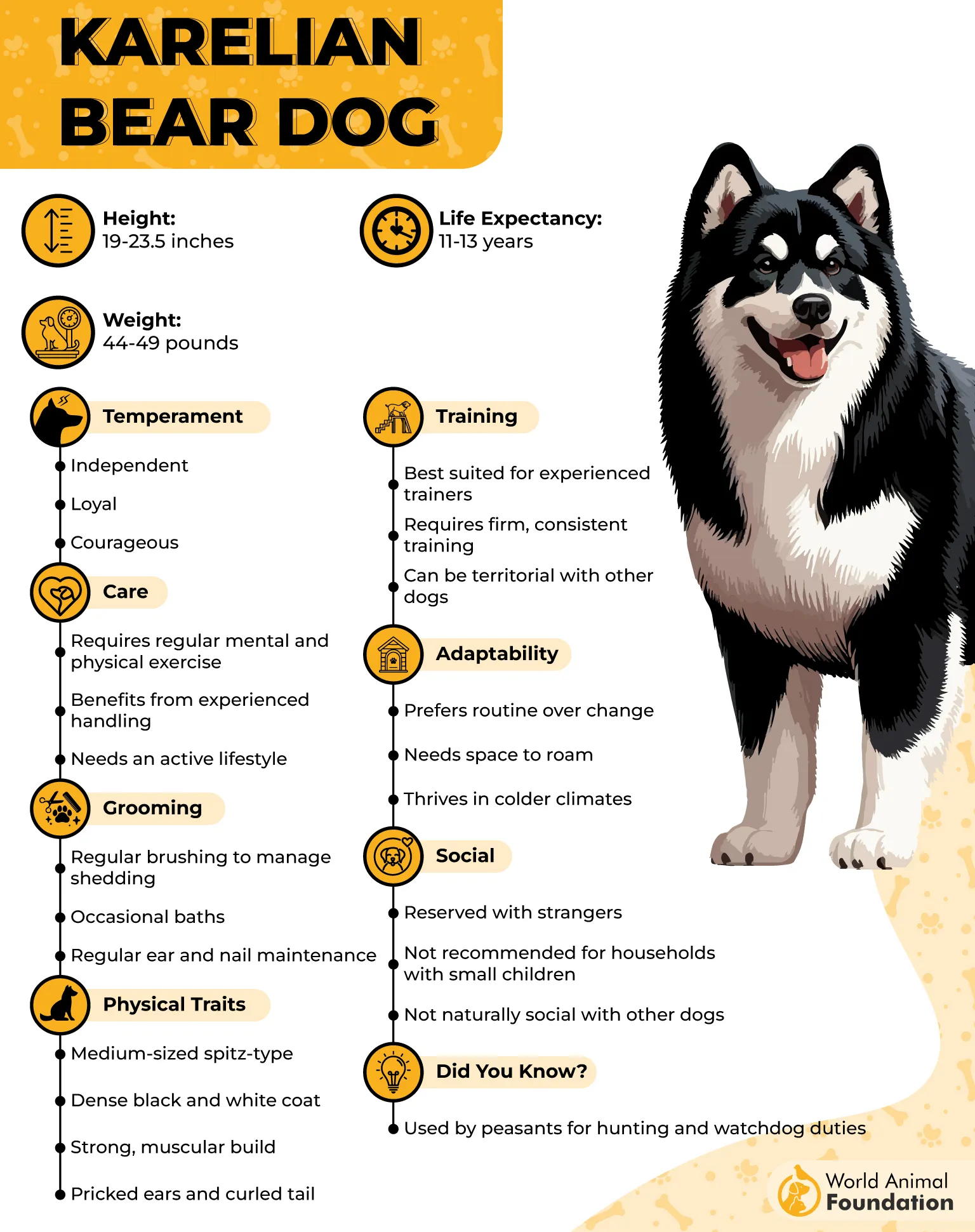
This dog uses an exceptional sense of smell and strong directional instincts to locate large game across expansive forests. Its hunting style is highly independent, with the dog often working alone or alongside one handler rather than relying on a large pack.

These characteristics reveal how unusual that approach is:
Corners large game without reckless attacks
Signals the handler through persistent barking
Remain intensely engaged when hunting a predator
Freedom Has Rules
Karelian Bear Dog needs substantial outdoor activity and a secure yard, especially because its urge to roam can turn into an escape attempt over surprisingly high barriers. This agile northern hunter can clear fences up to two metres and has a strong prey drive toward cats, rabbits, and other small animals.
5. Norwegian Elkhound
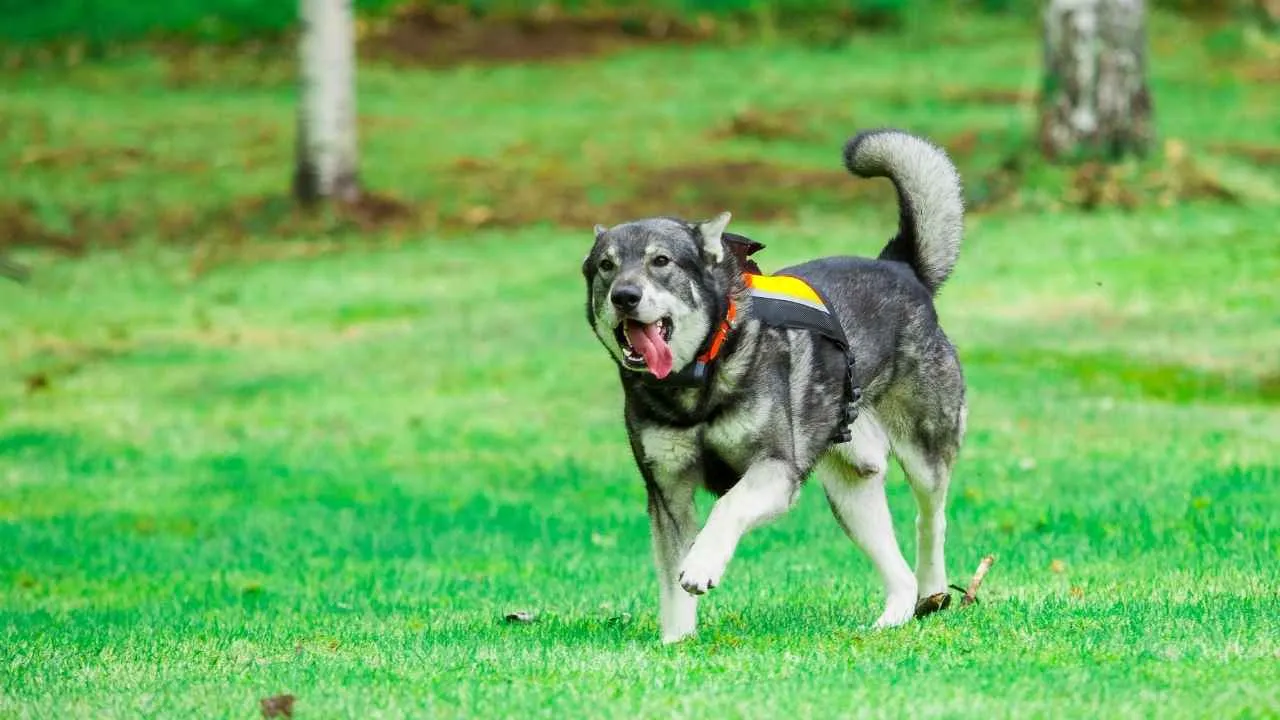
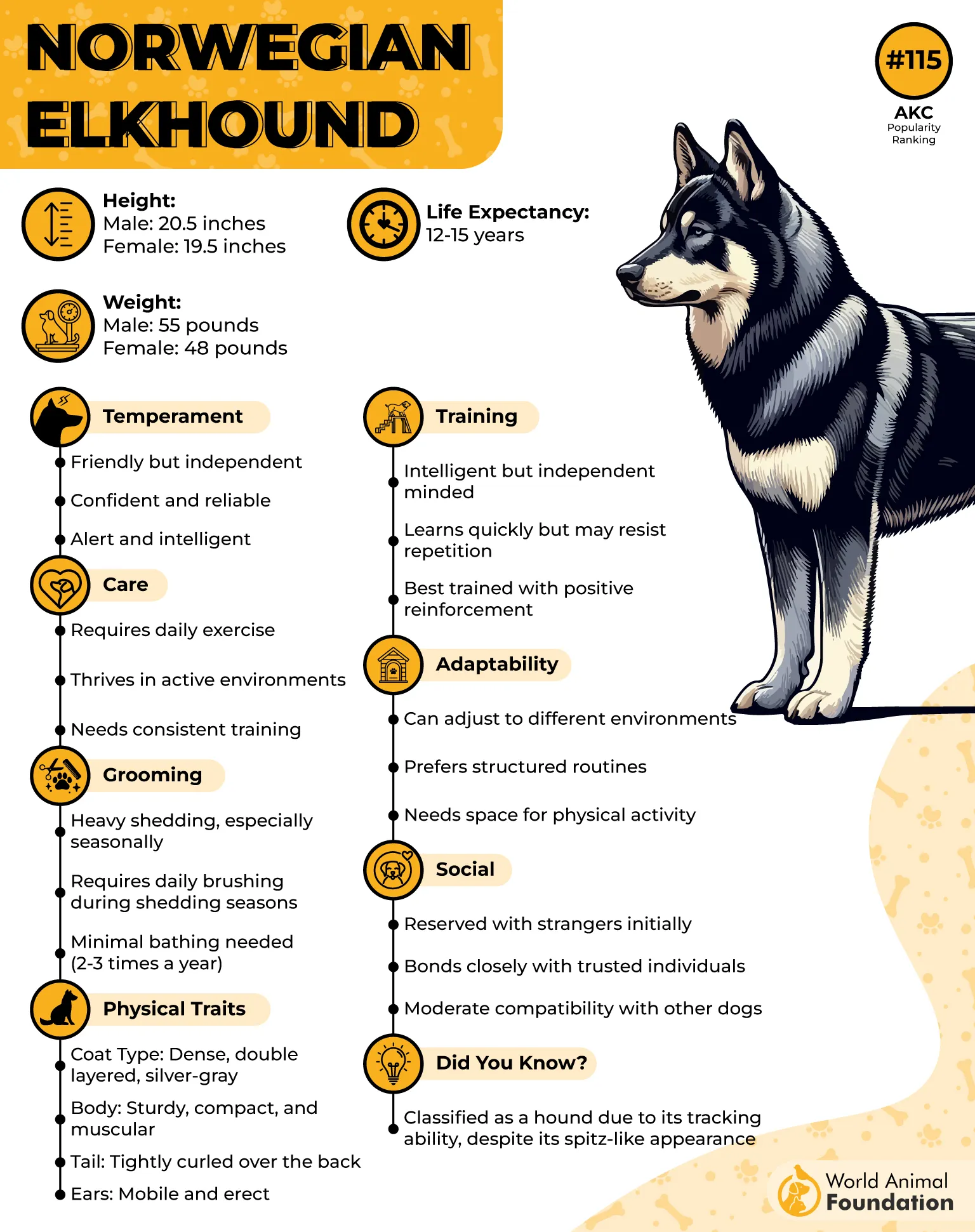
Norwegian Elkhound has been part of Scandinavian life since Viking times, with its name creating a curious case of mistaken identity. The breed belongs to the Spitz family, and its original name referred to moose, which became “Elch” through German translation, as mentioned by Omlet.
Built for Big Game
Norwegian Elkhound tracked moose and held them at bay until hunters arrived, while also being used to hunt bears, wolves, lynx, and other large game. Its endurance on rugged forest terrain made it valuable for pursuits that lasted longer than a quick chase.
This hunting style makes them especially distinctive:
Sustained baying helps reveal its location
Strong scenting guides ground-level tracking
Independent judgment supports work away from hunters
Cold Country Specialist
Norwegian Elkhound has a dense double coat with weather-resistant guard hairs and an insulating undercoat suited to Scandinavian cold, wind, and wet snow. The breed can be sensitive to heat, while its curled tail and fondness for cool ground reflect its northern adaptation.
6. Alano Español
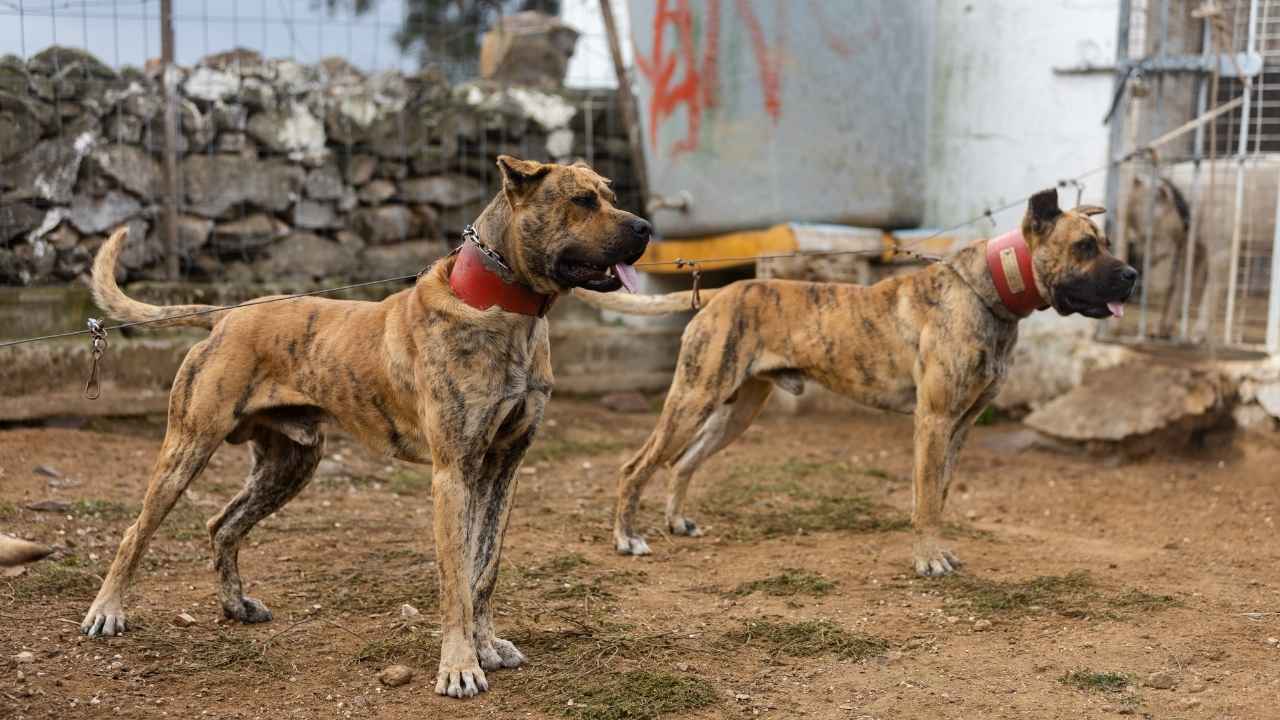
Alano Español is an ancient Spanish breed linked to the Alans, who entered the Iberian Peninsula in 406 AD. Dogs accompanying them became ancestors of several molosser breeds, while the Alano survived and remained in Spain for more than 1,500 years.
The Holding Bite
Alano Español has an unusual gripping technique built for dangerous quarry, using the full jaw back toward the molars to secure large animals. In traditional montería, these dogs run with scent hounds and close in when wild boar or other game is cornered.
Several details make this hunting role especially distinctive:
Releases prey instantly on command
Combines speed with strong stamina
Works alongside scent-hound packs
Ranch Work
Alano Español also handles semi-wild or aggressive cattle on rugged Spanish ranches, using its physical strength to direct stubborn animals. This livestock work demands control and precision when dealing with animals that can resist or become difficult to manage.
7. West Siberian Laika
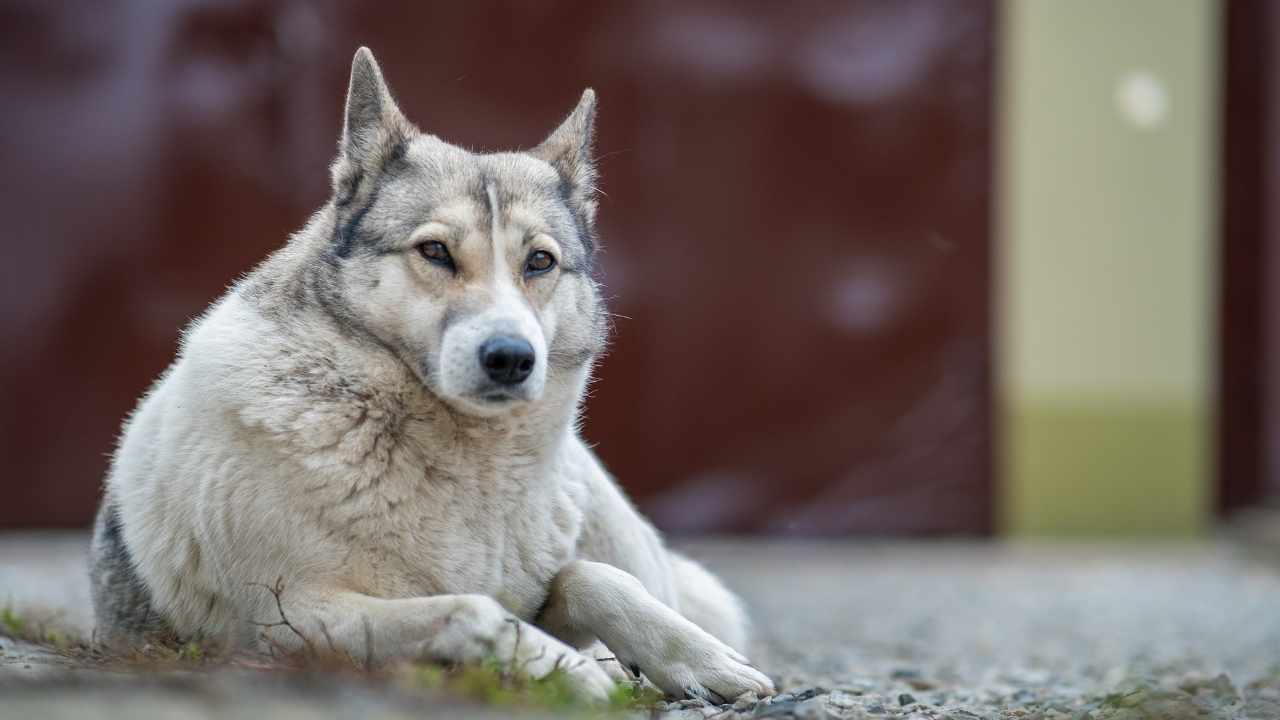
West Siberian Laika comes from the Ural Mountains and forests of West Siberia, where Russian hunters relied on it for generations. Its ancestry includes the Mansi and Khanty peoples’ native dogs, with organized breeding programs beginning in the 1920s.
A Natural Pursuer
West Siberian Laika uses smell, sight, and hearing while hunting, giving it a broad sensory toolkit for tracking animals through dense forest. Its range can include elk, reindeer, and bears, alongside smaller game such as squirrels and lynx.
That hunting ability is backed by details made for demanding terrain:
Dense double coat for subzero weather
Tough feet for snow and swampy ground
Ringing bark to locate game in thick forest
Range With Purpose
West Siberian Laika can work independently while still keeping a close check on its handler, returning every 20 to 30 minutes during a hunt. Its erect ears help pick up distant sounds, while its sharp senses guide it confidently through heavy forest cover.
Conclusion
A powerful hunting dog can change the way a trail is handled, especially when scent fades or the terrain becomes demanding. Yet big game work requires more than a strong body and determined nature. Tracking ability, stamina, responsiveness, endurance, and controlled behavior all matter when a dog is working around tough quarry, whether pursuing upland game or assisting with bird hunting.
Some dogs rely heavily on their owners, while others are shaped to make decisions farther ahead. Hunters should also think about training, conditioning, safety, weather, energy, and the type of game pursued.
A versatile companion can bring field ability and eagerness while remaining a manageable partner between hunting trips at home every day.
