




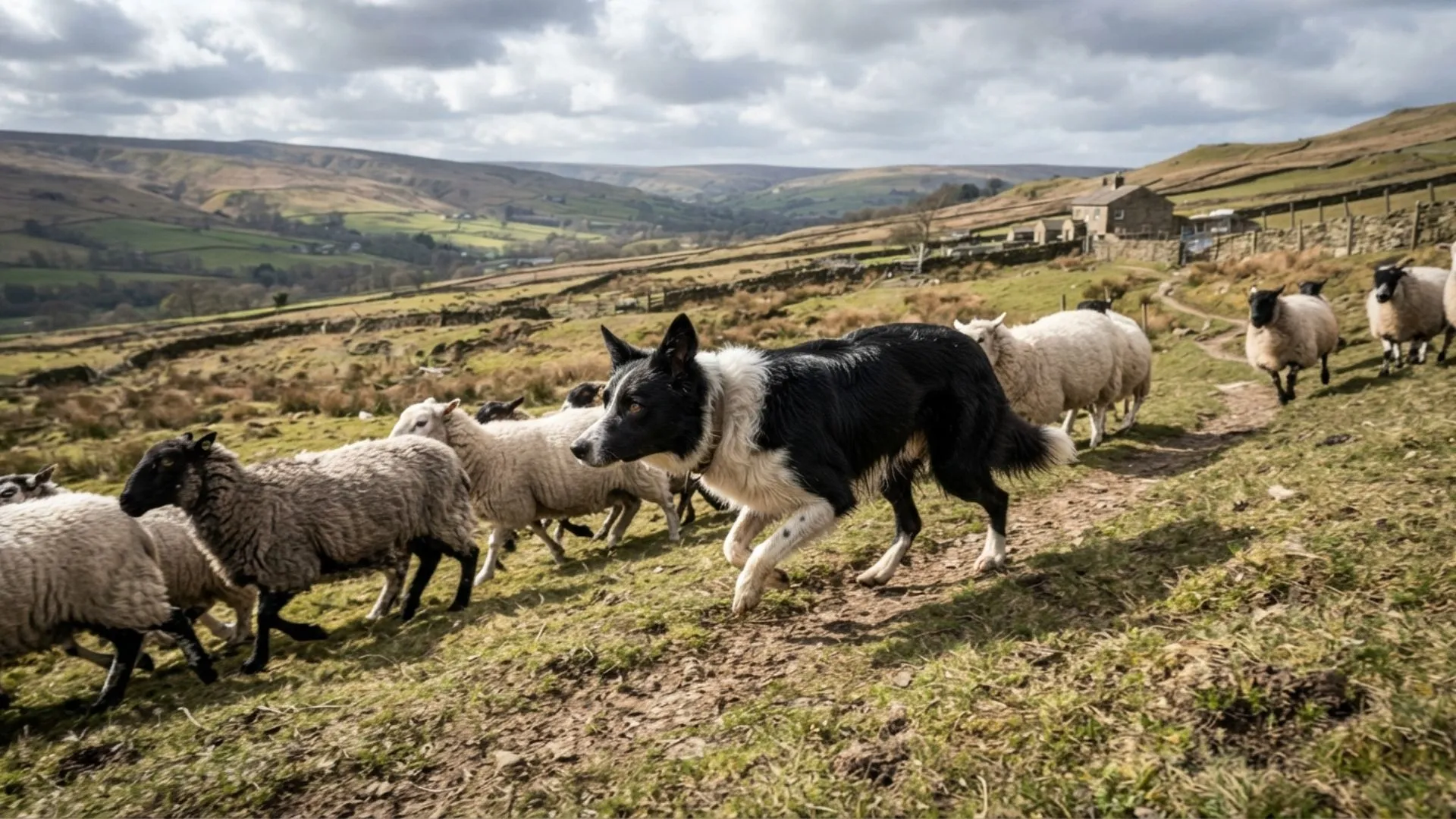
Some dogs were built to take charge. While many breeds are content to follow routines and enjoy everyday companionship, others were developed for demanding responsibilities that required strength, confidence, and constant awareness.
These dogs earned their place through work that tested both physical ability and mental resilience. Managing livestock across large areas, responding to potential threats, and maintaining control in unpredictable situations required far more than obedience. It demanded initiative, endurance, and the instinct to act when necessary.
Those qualities helped create some of the most capable working dogs ever developed. Their influence can still be seen today in the way they approach challenges and interact with the world around them. They remain admired for their reliability, determination, and ability to perform tasks that require genuine capability.
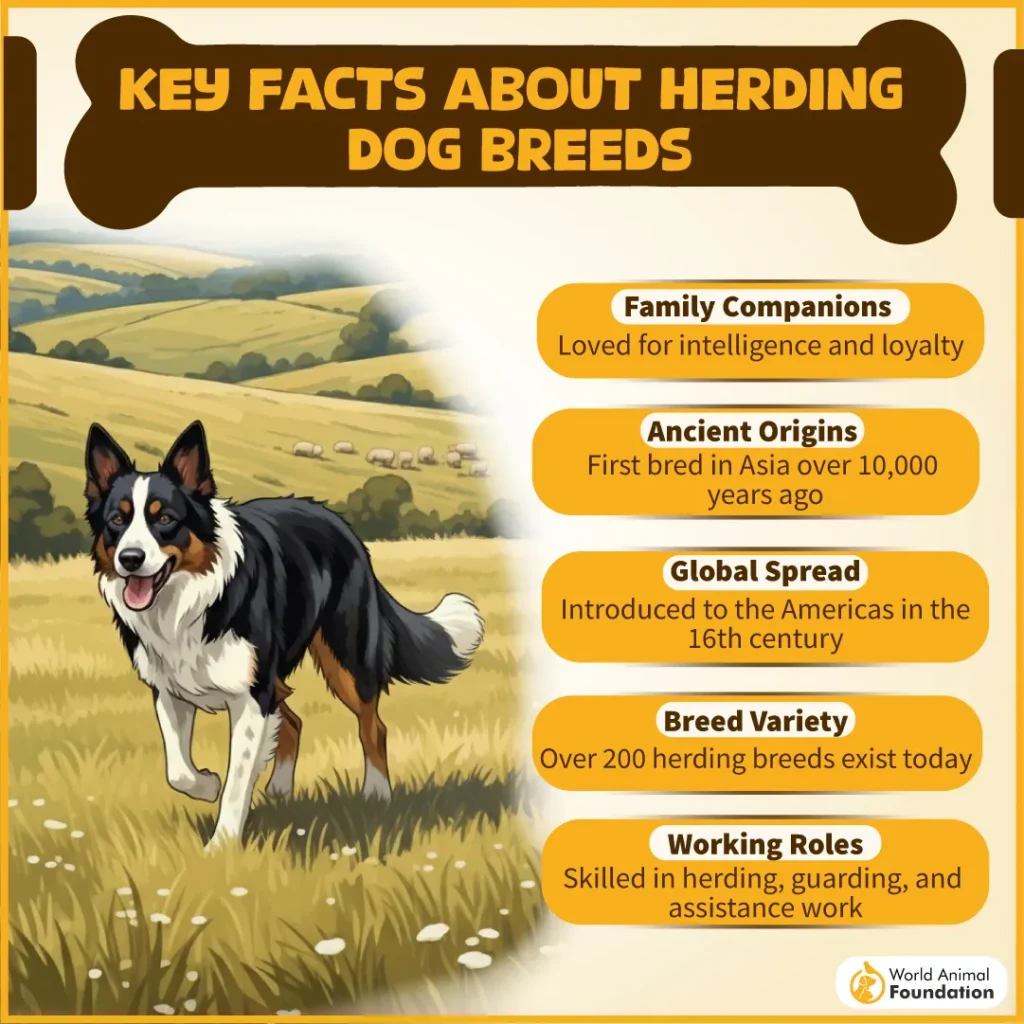
In this article, you’ll meet powerful dogs whose impressive combination of herding skills and strong protective instincts continues to set them apart from the rest.
Key Takeaways
Real working dogs were never judged by looks alone. Their value came from the jobs they could handle every single day.
The Australian Cattle Dog is fearless enough to take on animals many times its size, while the Belgian Malinois has gone from open pastures to bomb detection and search missions.
Border Collies, German Shepherds, and several others on this list prove that sharp instincts and a strong work ethic never go out of style.
By the end, you might be surprised which hardworking breed matches the kind of life you never knew they were built for.
Powerful Dog Breeds Built for Herding and Protection
1. Australian Shepherd
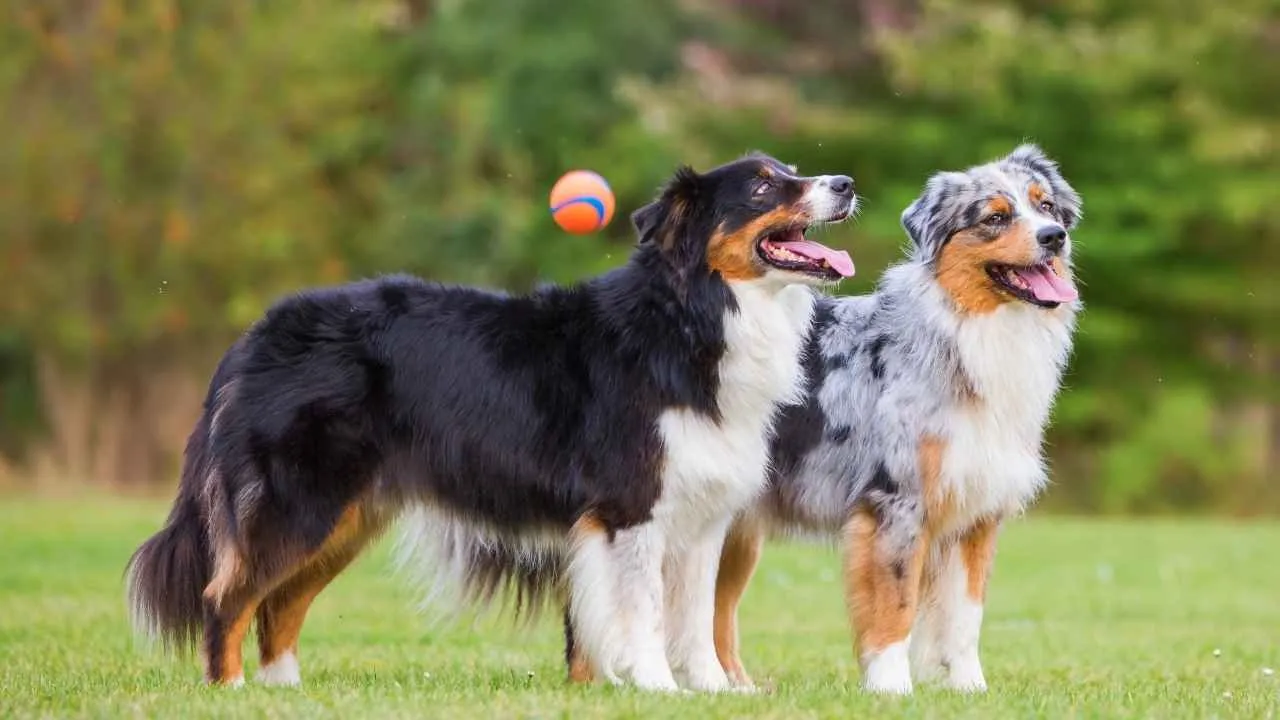
The Australian Shepherd became closely tied to ranch work and rodeo culture, where quick decisions and dependable livestock control were part of daily life, as per the AKC. Its sharp gaze, athletic frame, and eagerness to work helped make this breed a trusted partner across working landscapes.
Built for a Job
This herding dog approaches life with purpose and tends to be happiest when given something meaningful to do. Intelligence, loyalty, and a strong desire to cooperate contribute to the breed’s reputation as a capable working companion.
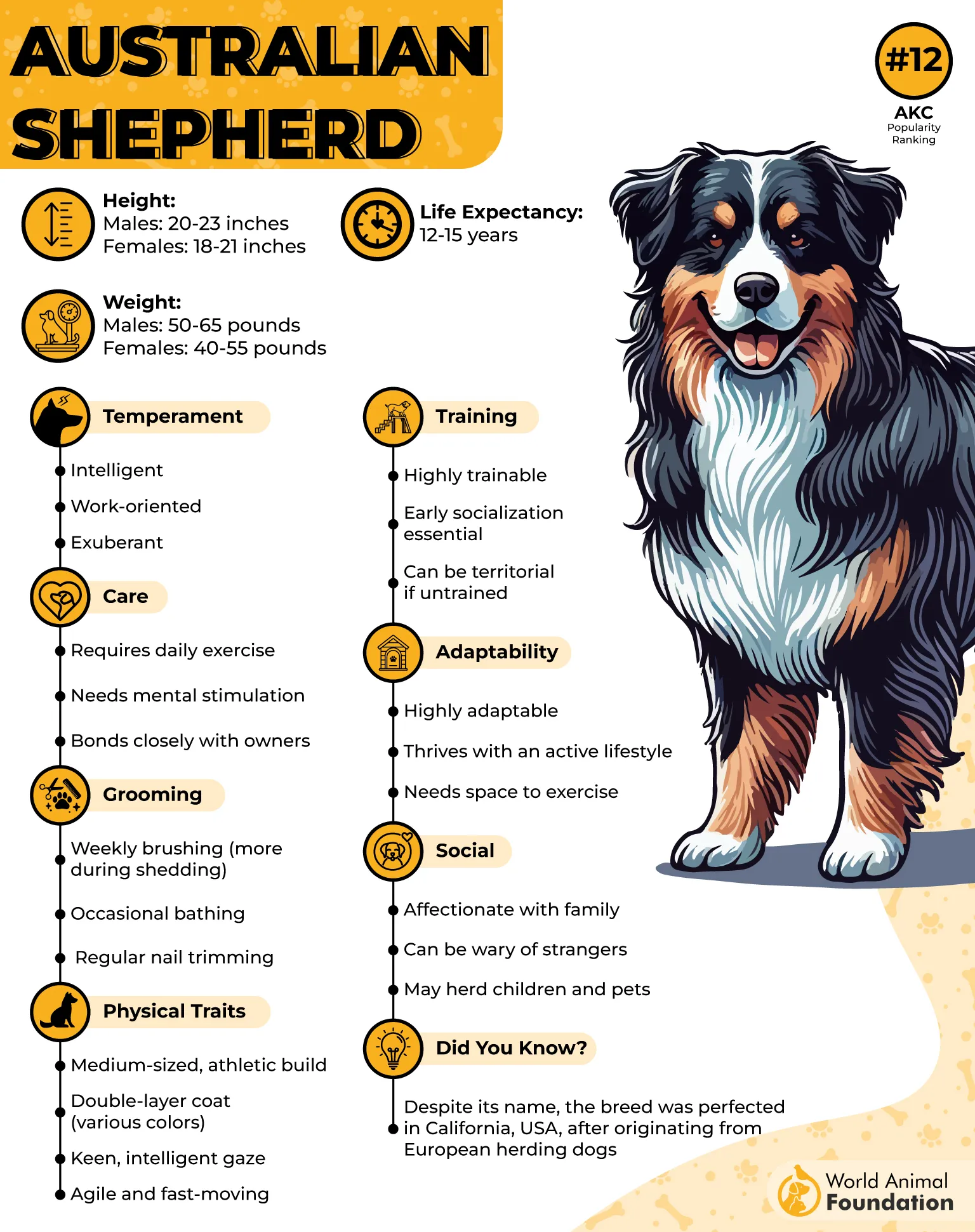
Its characteristics extend even further:
Perfected in California
Medium-sized working dog
Strong character and confidence
Herding Instincts
Australian Shepherd may direct its attention toward fast-moving objects, including scooters, bicycles, cars, children, and smaller animals. Early socialization and consistent redirection help channel those natural herding tendencies into more appropriate behaviors.
2. Australian Cattle Dog
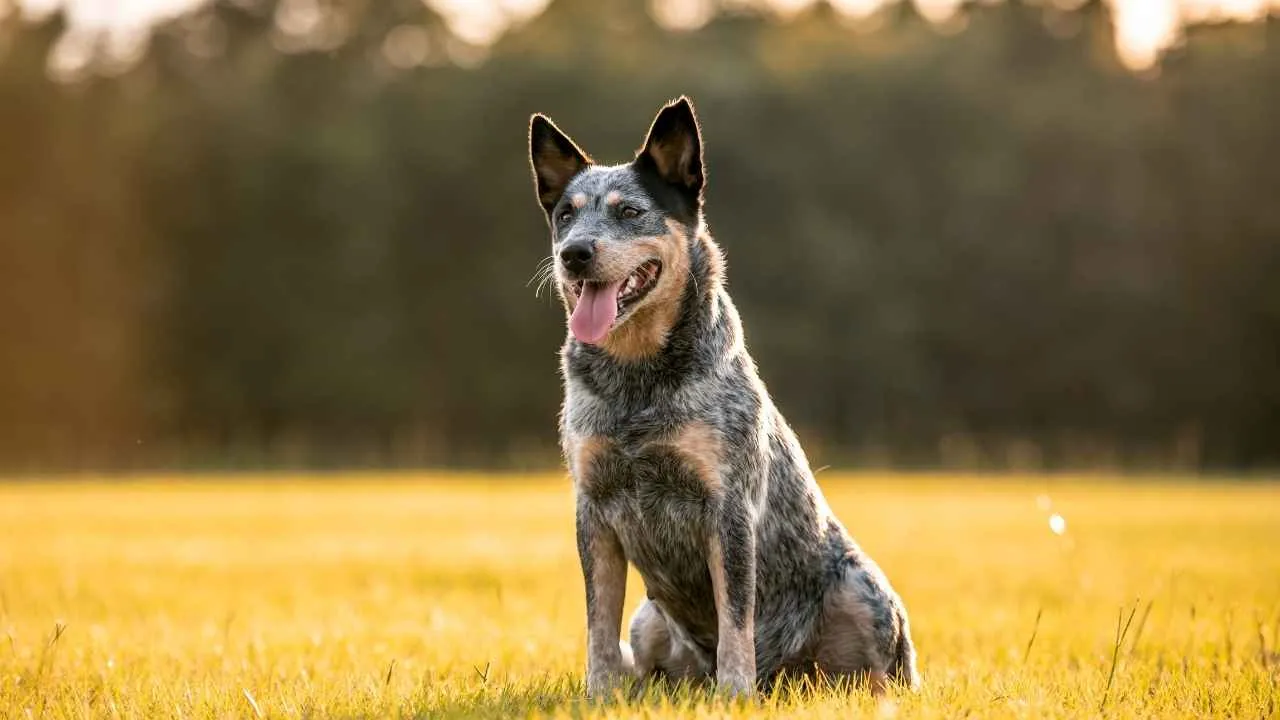
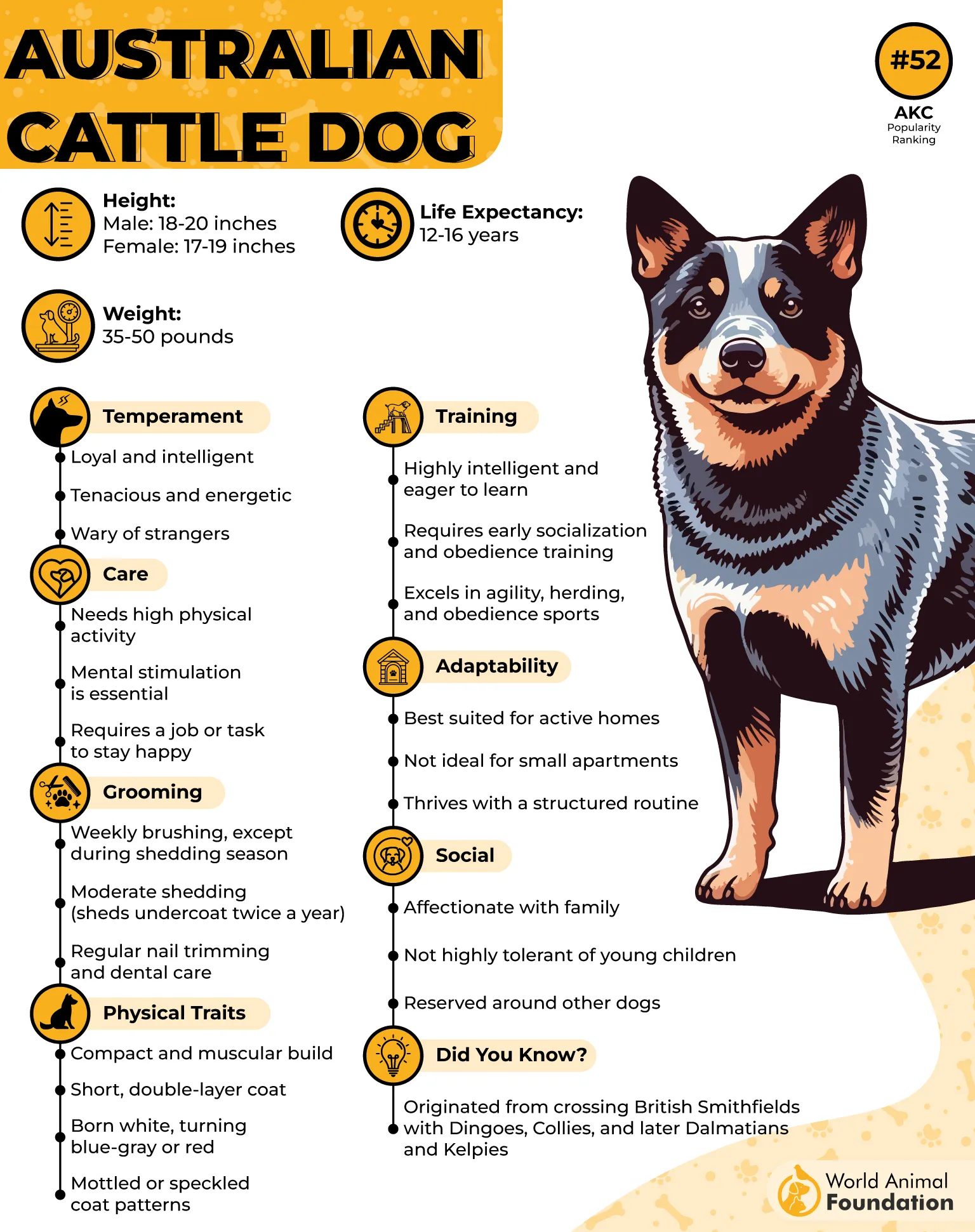
Australian Cattle Dog inherited working traits linked to the dingo and built a reputation for controlling livestock with remarkable determination. The nickname Blue Heeler or Red Heeler comes from the breed’s habit of nipping at the heels of animals during herding work.
Built for the Job
They handle demanding tasks with a level of energy that can challenge even experienced dog enthusiasts. Long runs, agility courses, frisbee sessions, and extended games of fetch fit naturally into this breed’s daily routine.
Here is some more about this hardworking dog:
Blue or red speckled coat
The longest living ACD is 29 years
Comfortable in hot and cold climates
Courage Beyond Size
Australian Cattle Dog approaches challenges with confidence and will readily confront livestock or dogs that outweigh it. According to PetMD, without enough physical activity and mental engagement, that intensity can shift toward destructive habits or separation-related issues.
3. Border Collie
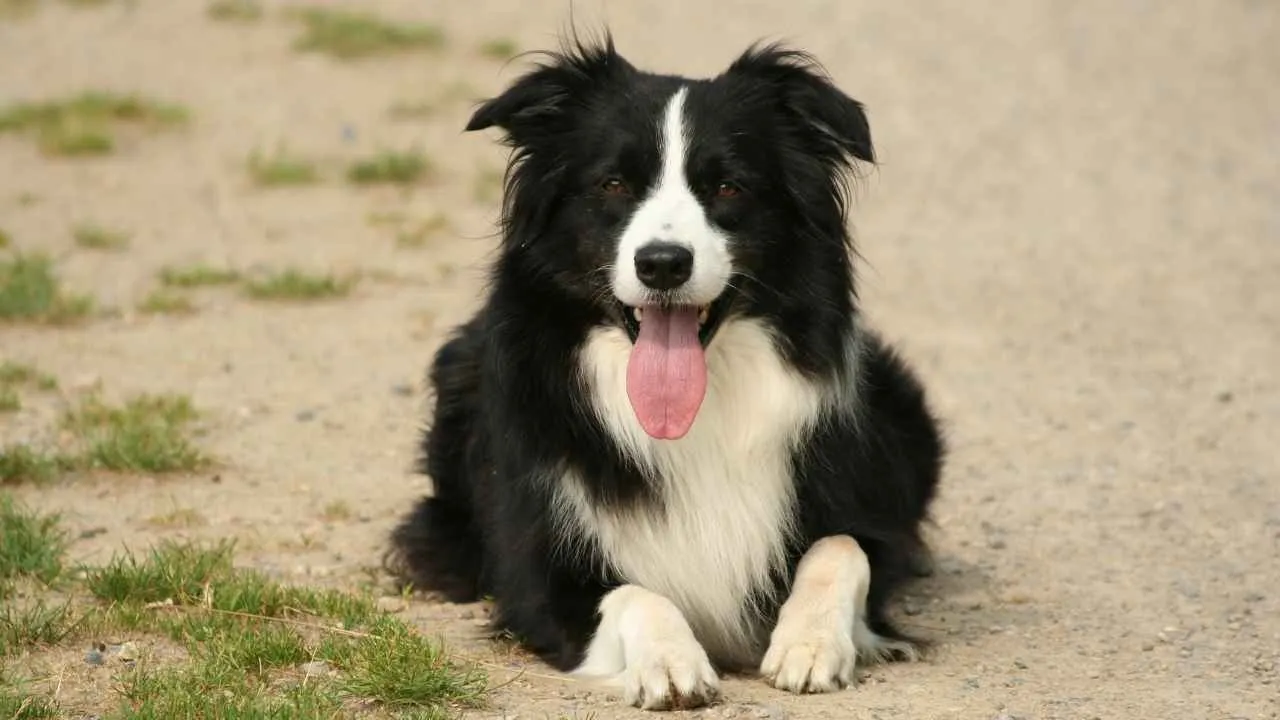
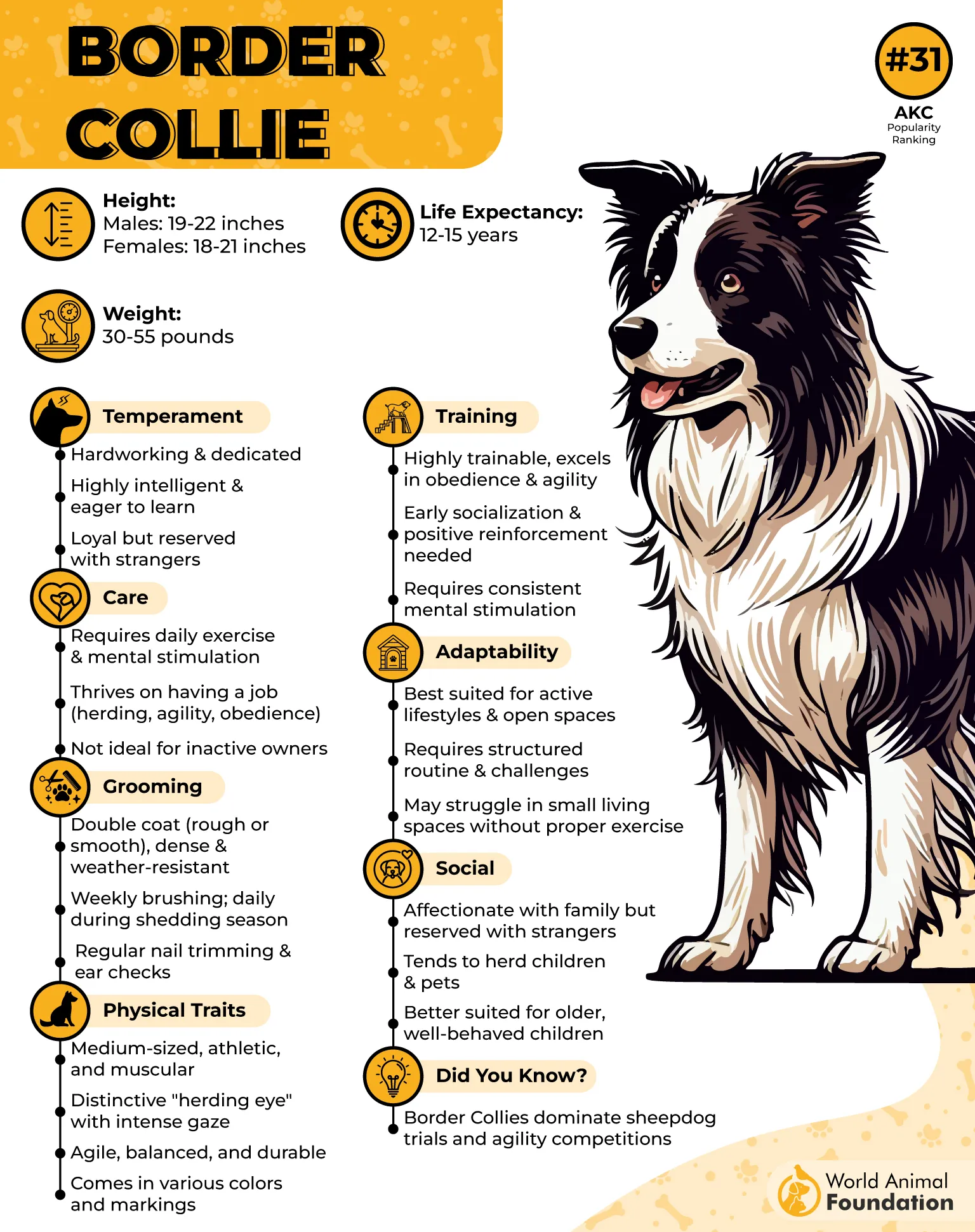
Border Collies were originally bred for guiding livestock across farms in Great Britain, a job that demanded quick decisions and precise control. That working role explains the sharp reactions and athletic ability that continue to shape this breed today.
Always Looking for a Task
This popular herding breed approaches daily life with remarkable intensity and prefers having a purpose rather than passing time idly. Its combination of intelligence and drive explains why structured activities often hold its attention so effectively.
A few details add extra context:
Popular in agility competitions
Enthusiastic Frisbee partner
Commonly still used on farms
Quick Mind, Quick Feet
Border Collie is frequently described as one of the smartest dog breeds, a quality that becomes obvious when learning new routines or solving problems, as Britannica noted. That mental sharpness pairs naturally with the nimble body built for fast turns and sudden directional changes.
4. Polish Lowland Sheepdog
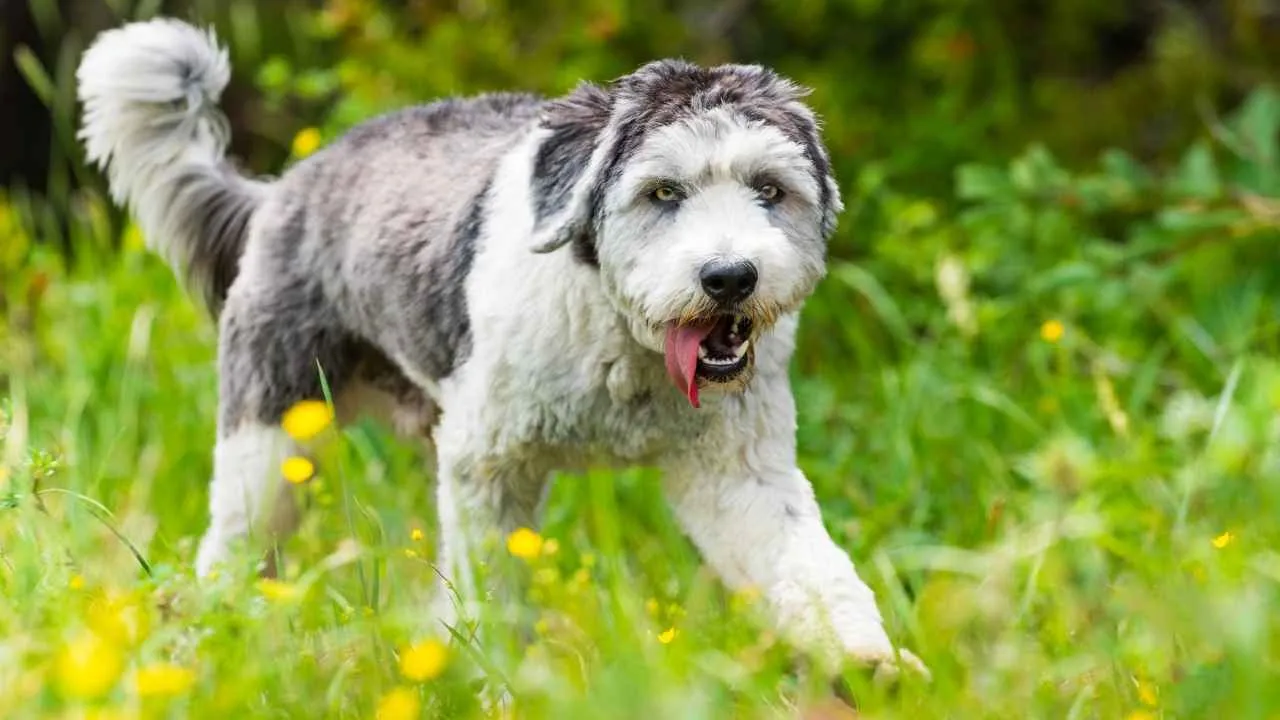
Polish Lowland Sheepdog combined herding duties with livestock guarding across the Polish countryside, requiring sharp judgment and constant awareness of its surroundings. Intelligence, loyalty, and natural intuition helped this breed handle demanding work throughout long days in the field.
Weather-Ready Coat
A dense, shaggy coat gave this breed valuable protection while working through rough terrain and changing weather conditions. That distinctive appearance also reflects its connection to the Hungarian Puli, one of its ancestral influences.
Several details help round out the picture:
Also called Polish Owczarek Nizinny (PON)
Medium-sized working breed
Descended from the Hungarian Puli
Always Paying Attention
Polish Lowland Sheepdog pays close attention to activity around the home and often uses its voice to announce something it finds important. Engaging toys, mentally challenging games, and structured activities can help channel that alert nature productively.
5. Bergamasco Sheepdog
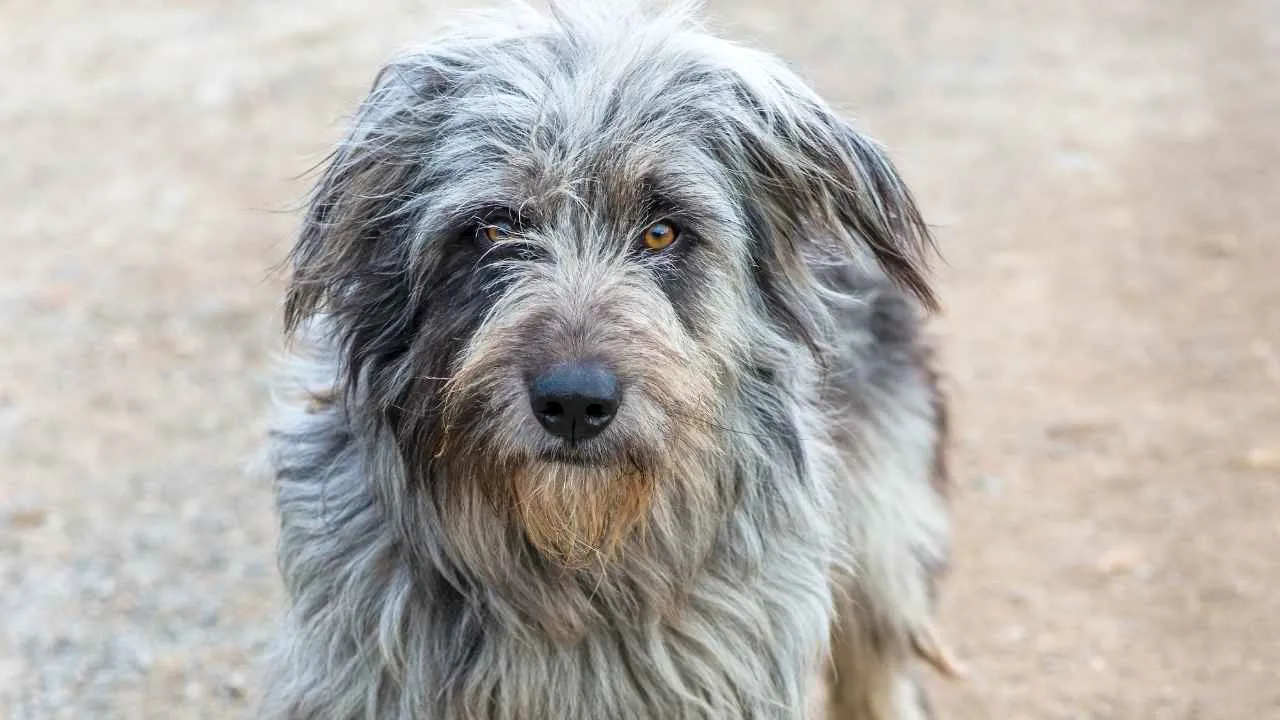
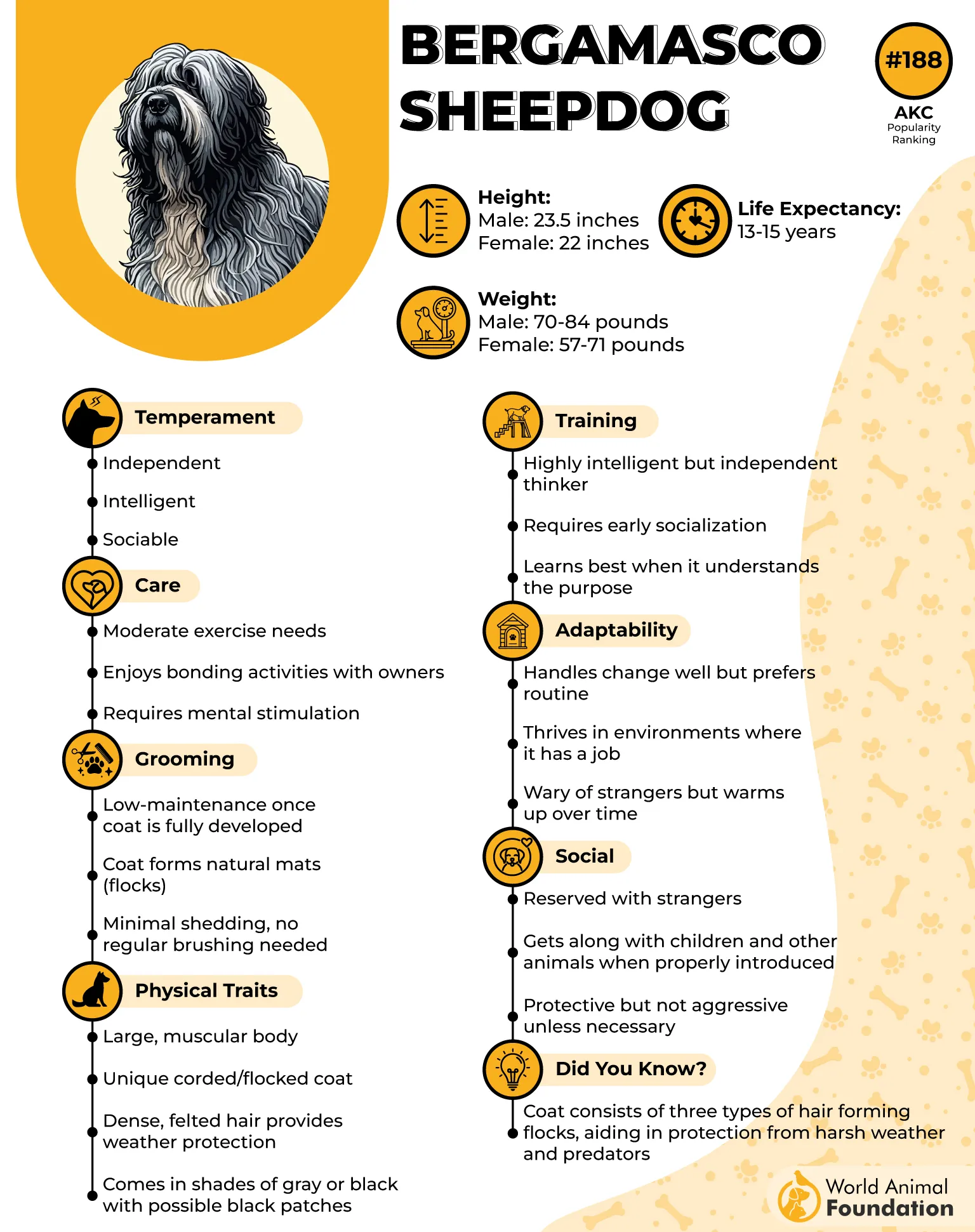
Bergamasco Sheepdog combines the strength of a muscular shepherd with a calm, watchful temperament that suited livestock duties in the Italian Alps. Patient with children and other animals, this breed approaches protection with quiet confidence rather than constant confrontation.
A Coat With a Job
Three different hair textures gradually weave together into loose mats called flocks, creating the breed’s unmistakable appearance. Those felted layers originally helped shield the dog from harsh mountain weather and potential threats encountered around grazing animals.
A closer look reveals a few notable details:
Three distinct hair textures
Flocks form naturally over time
Aggression is used as a last resort
Steady but Independent
This large dog enjoys learning and responds well to guidance, though a streak of mountain-dog independence can occasionally influence its decisions. Around family members, this breed forms strong bonds and keeps a careful eye on the people it values most.
6. Belgian Malinois
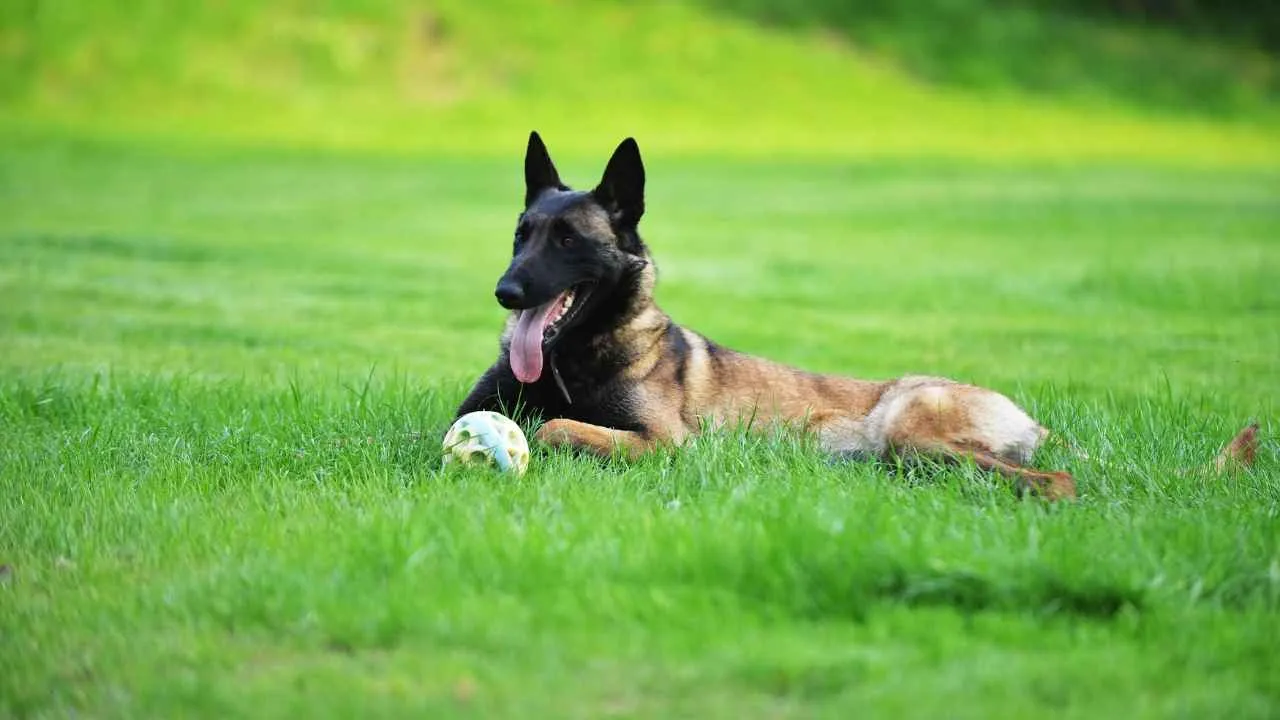
Belgian Malinois gained its name from the Belgian city of Malines, where this breed first worked as a herding dog. Confidence, intelligence, and a strong work ethic later opened the door to demanding roles that require precision and dependable performance.
Beyond the Pasture
This protective dog excels when given structured tasks and clear objectives rather than long periods of inactivity. That working mindset explains why this breed is frequently drawn toward challenging activities that require concentration and problem-solving.
The details become even more impressive:
Used in bomb detection
Active in search and rescue
Trained for drug detection
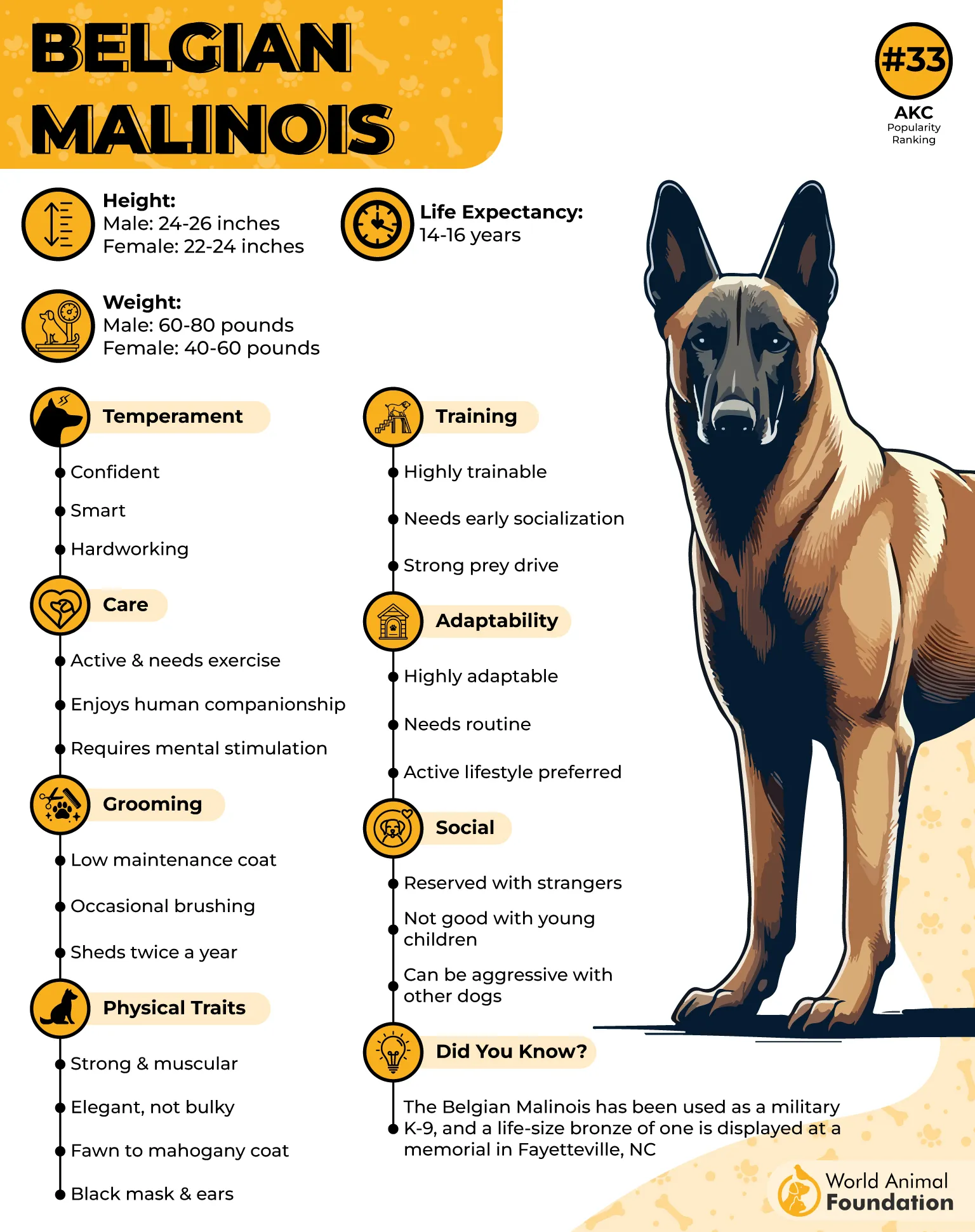
Driven Every Day
Belgian Malinois requires far more than a casual outing, with activities such as tracking, agility, obedience, and herding providing meaningful outlets. Some individuals are capable of accompanying a five-mile run as part of their routine when properly conditioned.
7. German Shepherd
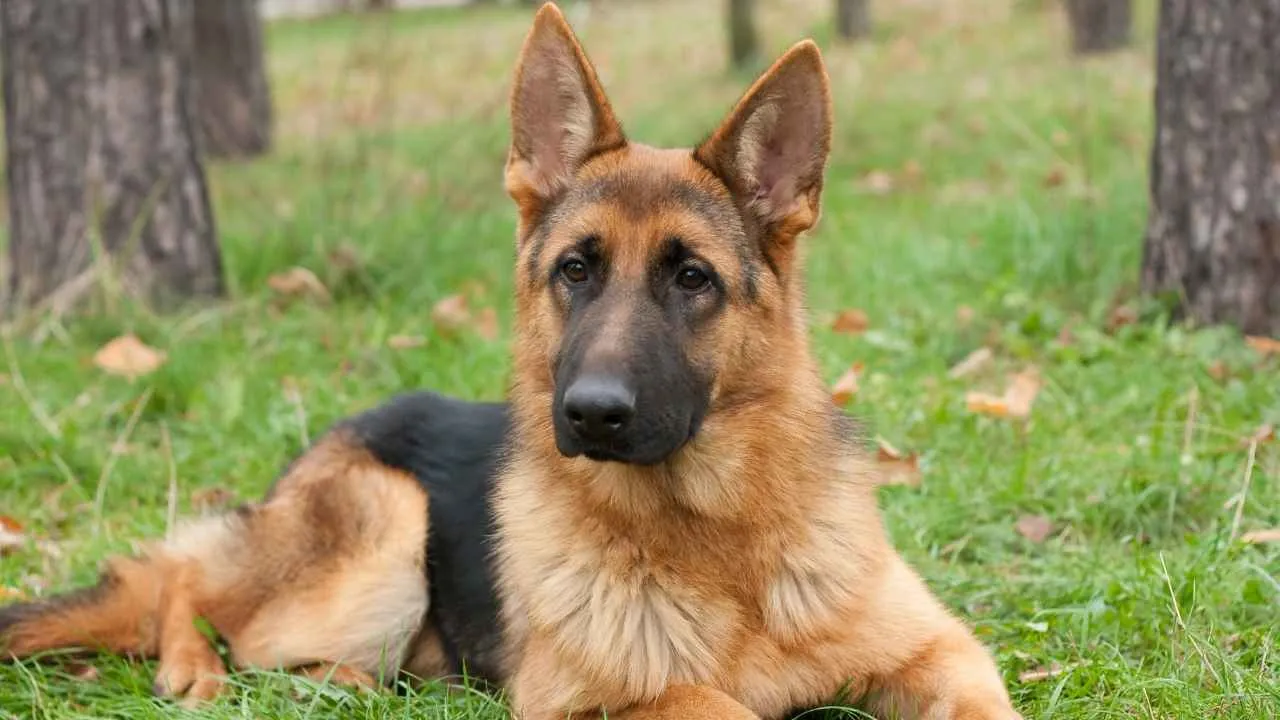
German Shepherd brings together intelligence, athletic ability, and loyalty in a package built for action. Since this breed comes from the herding group, it tends to enjoy having a purpose rather than spending long periods with nothing meaningful to do.
Trusted Under Pressure
Few breeds are asked to handle as many demanding assignments as the German Shepherd. Police departments, military units, bomb-detection teams, and search-and-rescue crews continue to rely on their focus, confidence, and willingness to learn.
That reputation is supported by several notable roles:
Patrol assignments
Bomb detection work
Search-and-rescue duties
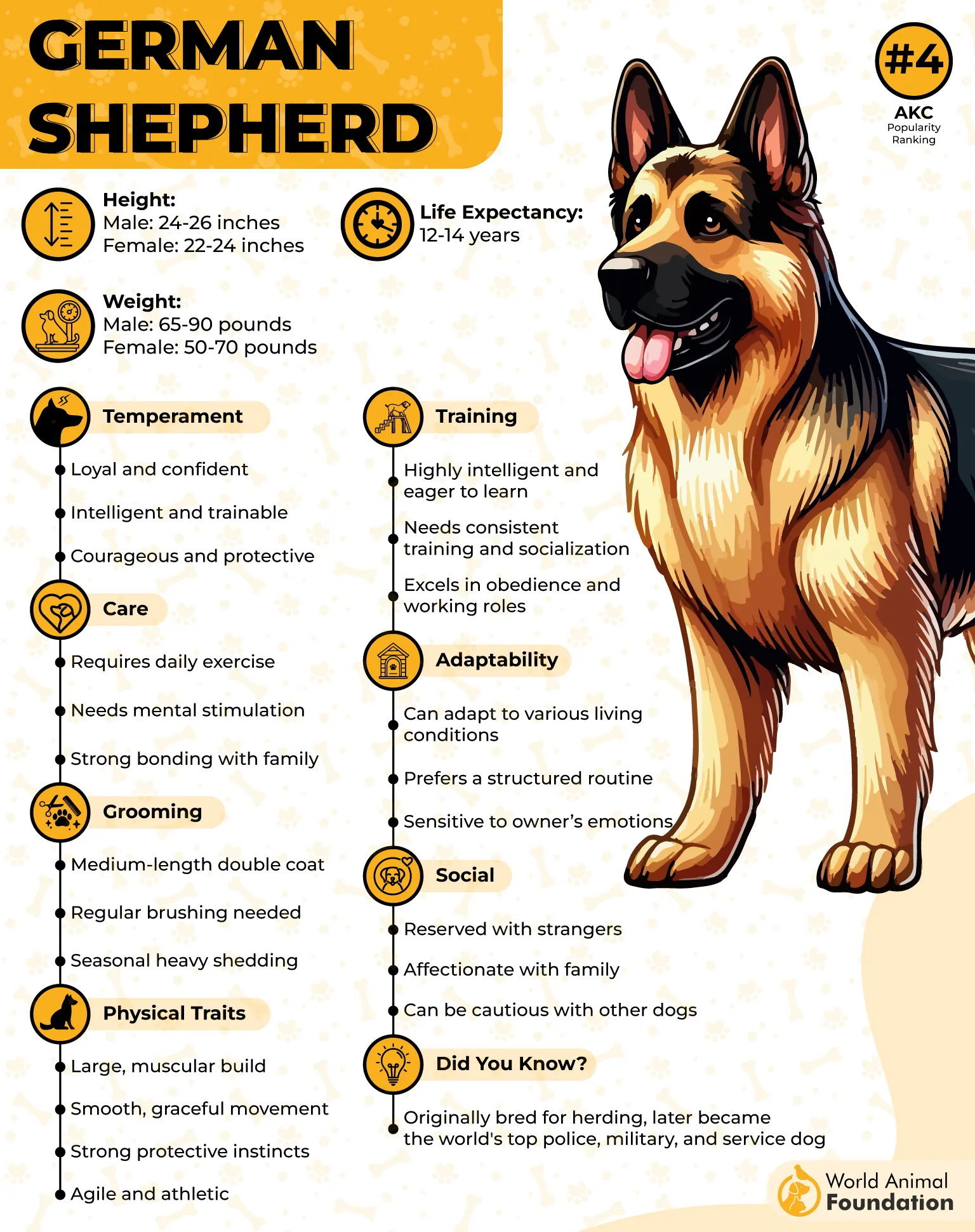
Always Looking Ahead
This excellent guard dog requires one to two hours of daily activity and usually enjoys tasks that challenge both body and mind. Around family members, this family pet is often gentle and devoted, while unfamiliar visitors may receive a more reserved response.
Conclusion
True working dogs were shaped by responsibilities that demanded far more than physical strength. They needed intelligence, sound judgment, endurance, and the confidence to make decisions when circumstances changed.
Those qualities remain evident in the breeds featured here, whether managing livestock, responding to challenges, or staying alert to their surroundings.
Their history reflects generations of purposeful work that helped define their character and abilities. While modern life may look different today, their instincts and work ethic continue to stand out. With proper training and proper socialization, these devoted dogs remain among the most capable and dedicated companions.
