




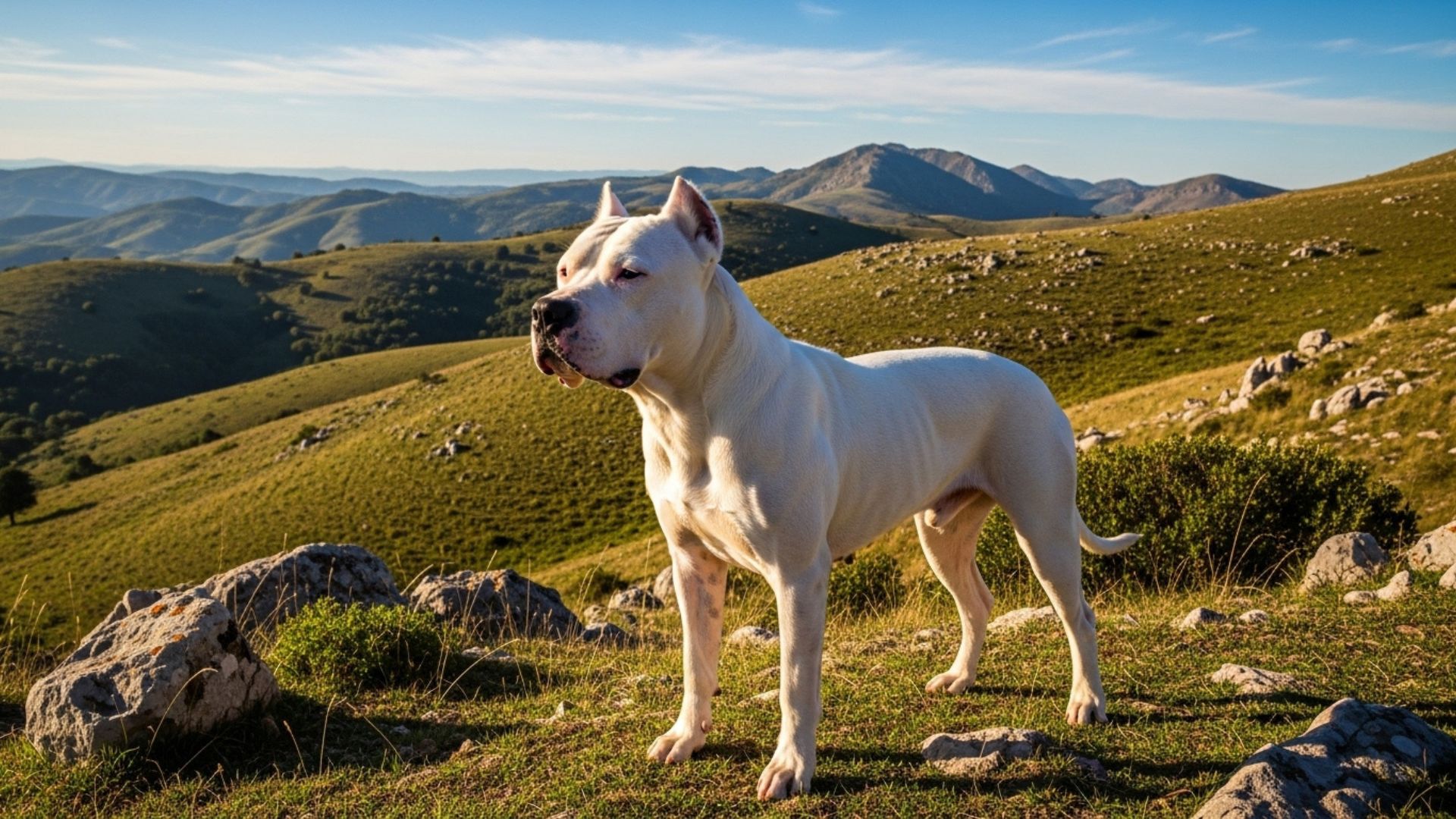
Dogs have long been trusted as protectors, thanks to their sharp senses, loyalty, and natural guarding instincts. While they are beloved companions, their physical power—especially their bite strength—can be remarkable. In certain large breeds, dog bite force is strong enough to cause severe injury, making them both impressive and, if mishandled, potentially dangerous.
Research measures dog bite strength in pounds per square inch (PSI), allowing clear comparisons between breeds and even everyday forces like human punches. It’s mentioned that there are over 4.5 million dog bites each year.
Research shows that size remains the biggest factor, but skull shape also matters. Powerful, broad-jawed breeds were often developed for demanding tasks, giving them a natural biting advantage.
Popular Large Dog Breeds With Powerful Bites
These most popular dog breeds combine size, strength, and jaw power into some of the most formidable bites in the canine world.
1. Kangal
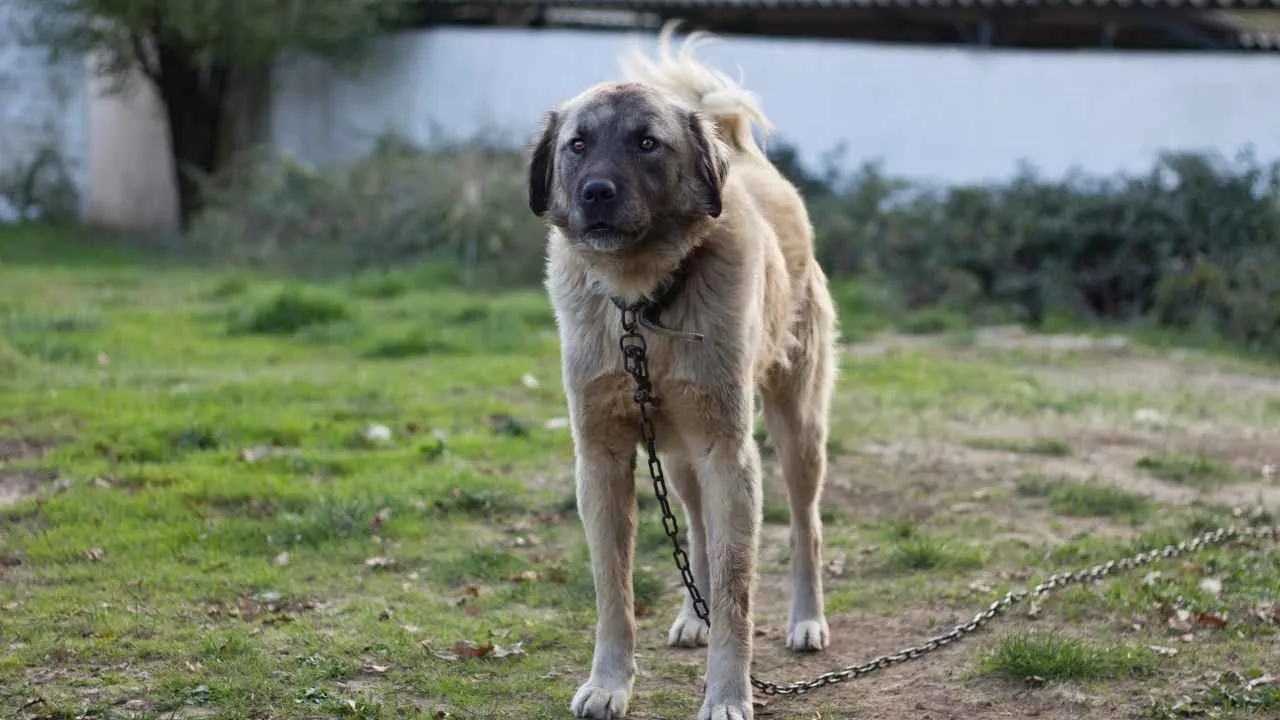
Originating in Turkey’s Sivas region, the Kangal was developed as a fearless livestock guardian dog capable of standing up to wolves and bears. Descended from ancient mastiff-type dogs, this breed has centuries of experience making independent decisions in harsh environments.
Care for a Natural Defender
The Kangal’s short, dense double coat is designed for protection, not show, making grooming relatively simple. Weekly brushing is usually enough to remove loose hair and keep the coat healthy. Despite low grooming needs, their size and strength require confident handling during routine care.
Exercise Needs of a Working Giant
Bred to patrol wide territories, Kangals thrive in spacious environments with room to move and observe. Daily physical activity and mental stimulation are essential to prevent boredom and frustration. This breed is best suited for experienced owners who can provide structure, purpose, and consistent leadership.
Why the Kangal’s Bite Is Exceptionally Powerful
Massive head and wide jaw structure built for gripping predators
Strong neck and masticatory muscles generate extreme bite pressure
Broad molars are designed to crush rather than tear
A confident, controlled temperament allows a focused bite force
Centuries of selective breeding for predator deterrence
2. Cane Corso
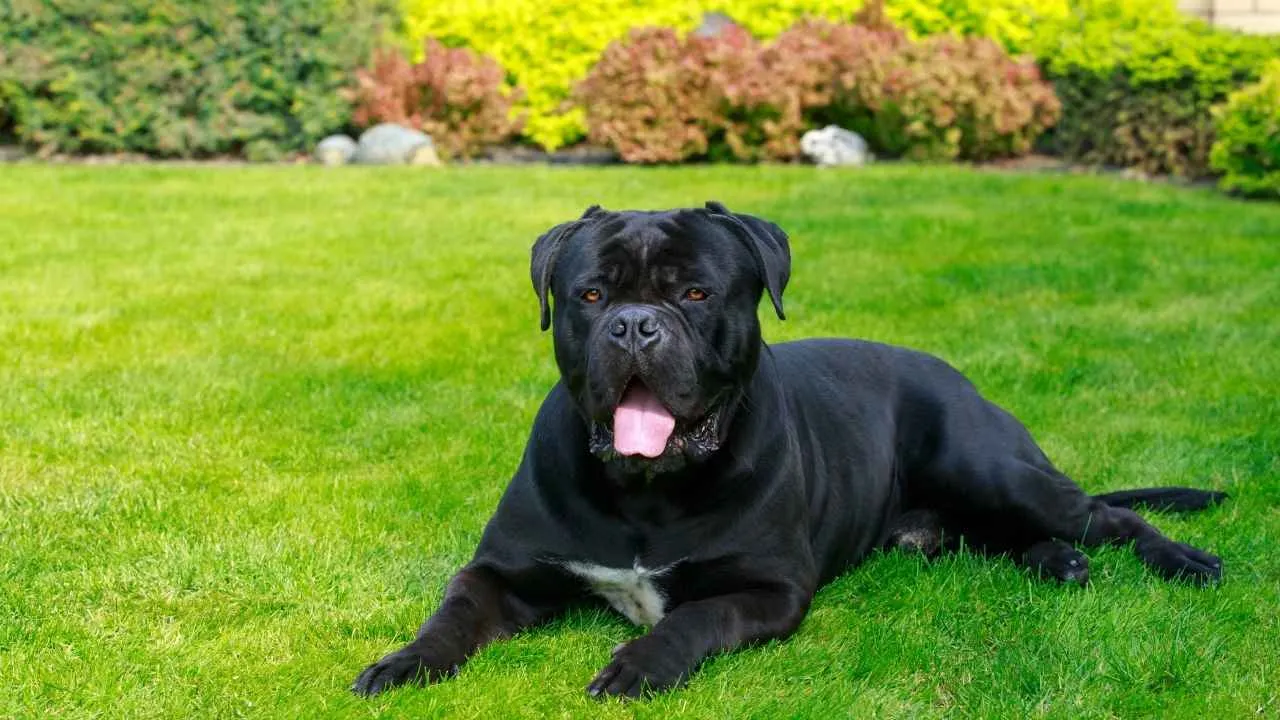
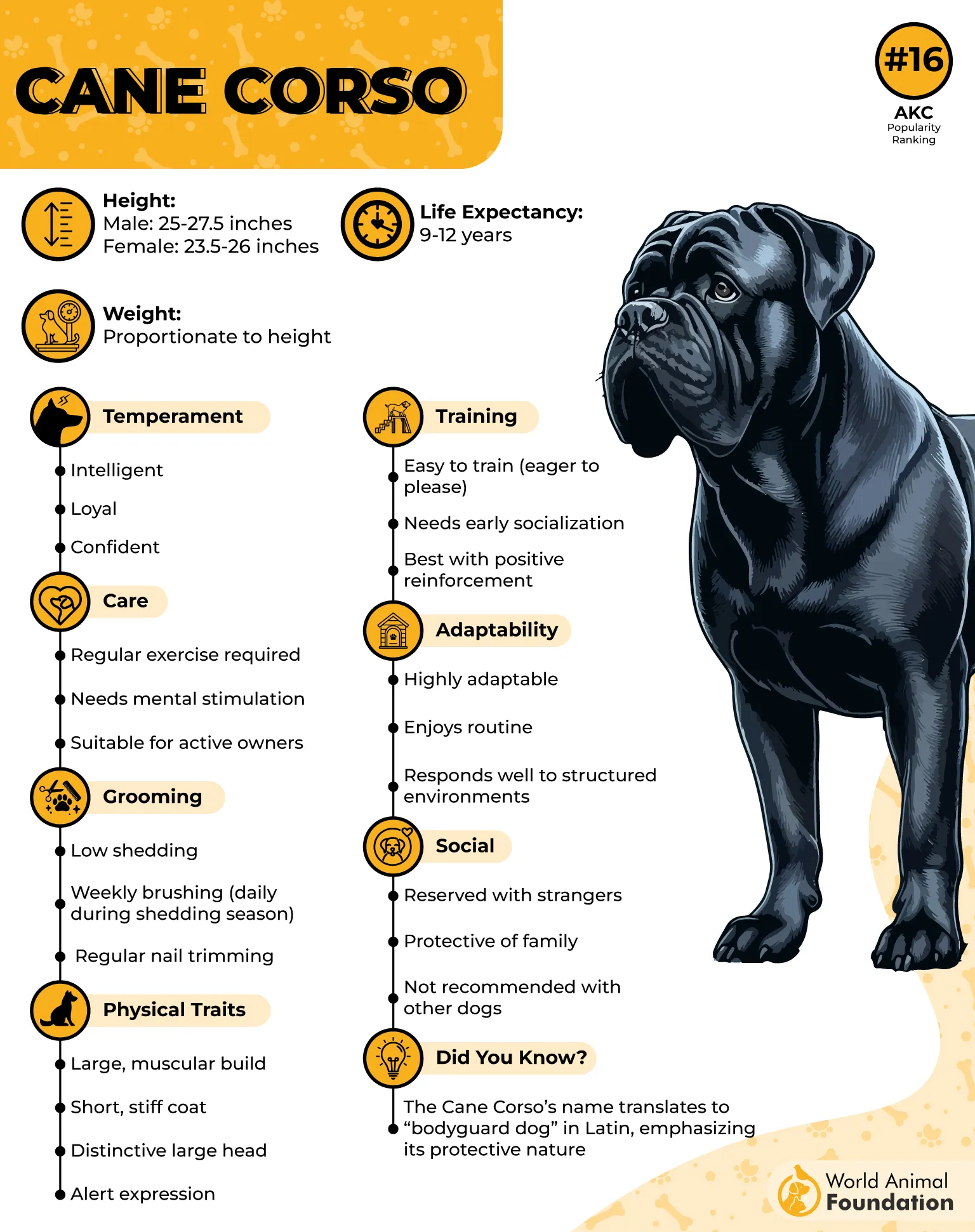
The Cane Corso traces its roots back to ancient Rome, where its ancestors served as fearless war dogs and protectors of estates. Descended from Molossian mastiffs, the breed earned its name from Latin, meaning “bodyguard dog,” as per WebMD.
Low-Maintenance Coat, High-Responsibility Care
Cane Corsos have a short, stiff double coat that is easy to maintain with weekly brushing. Grooming demands are minimal, but early handling is essential due to their size and strength. Proper socialization and confident leadership play a major role in keeping this strongest breed balanced and well-mannered.
Energy Fueled by Purpose
As a true working dog, the Cane Corso needs daily exercise and mental challenges to thrive. Long walks, structured training, and tasks that engage their intelligence help prevent destructive behaviors. They excel with experienced owners who can provide consistent guidance and an active lifestyle.
What Gives the Cane Corso Its Formidable Bite
Large skull and broad jaw built for gripping and holding
Powerful neck and jaw muscles generate intense bite pressure
Molosser ancestry selected for combat and protection roles
A confident, controlled temperament enables focused force
Strong molars are designed for crushing rather than tearing
3. Dogue De Bordeaux
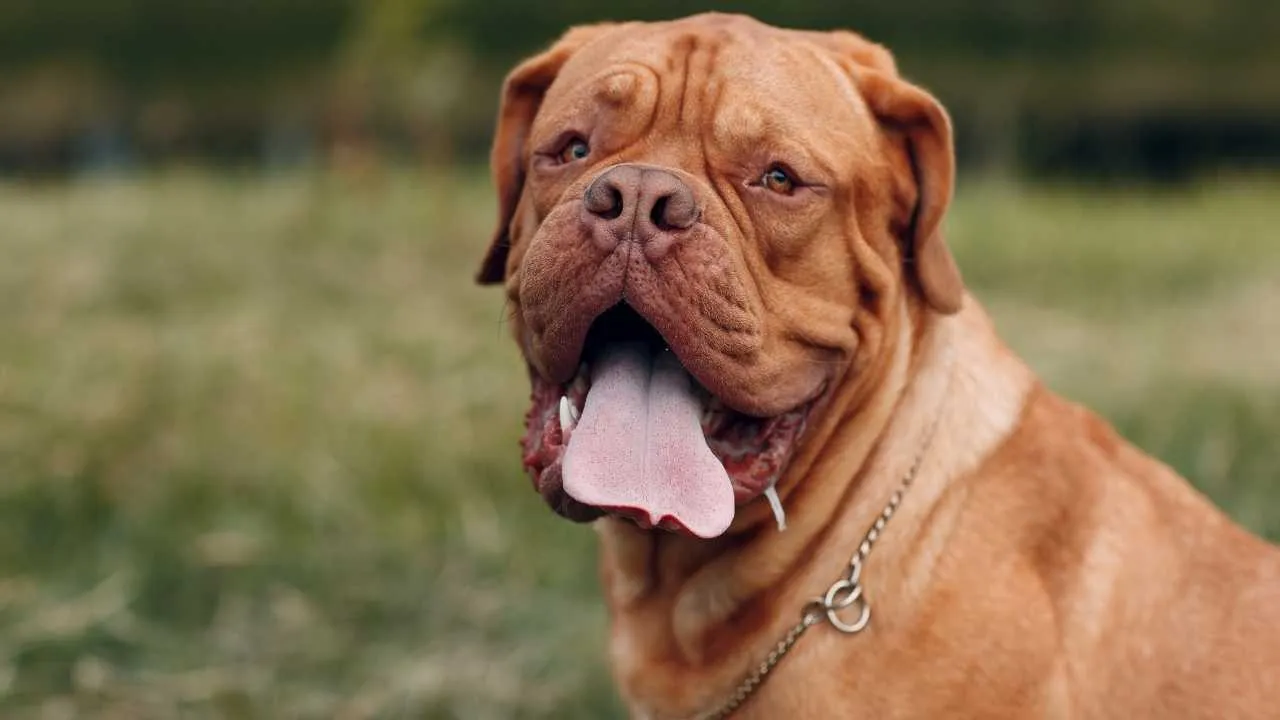
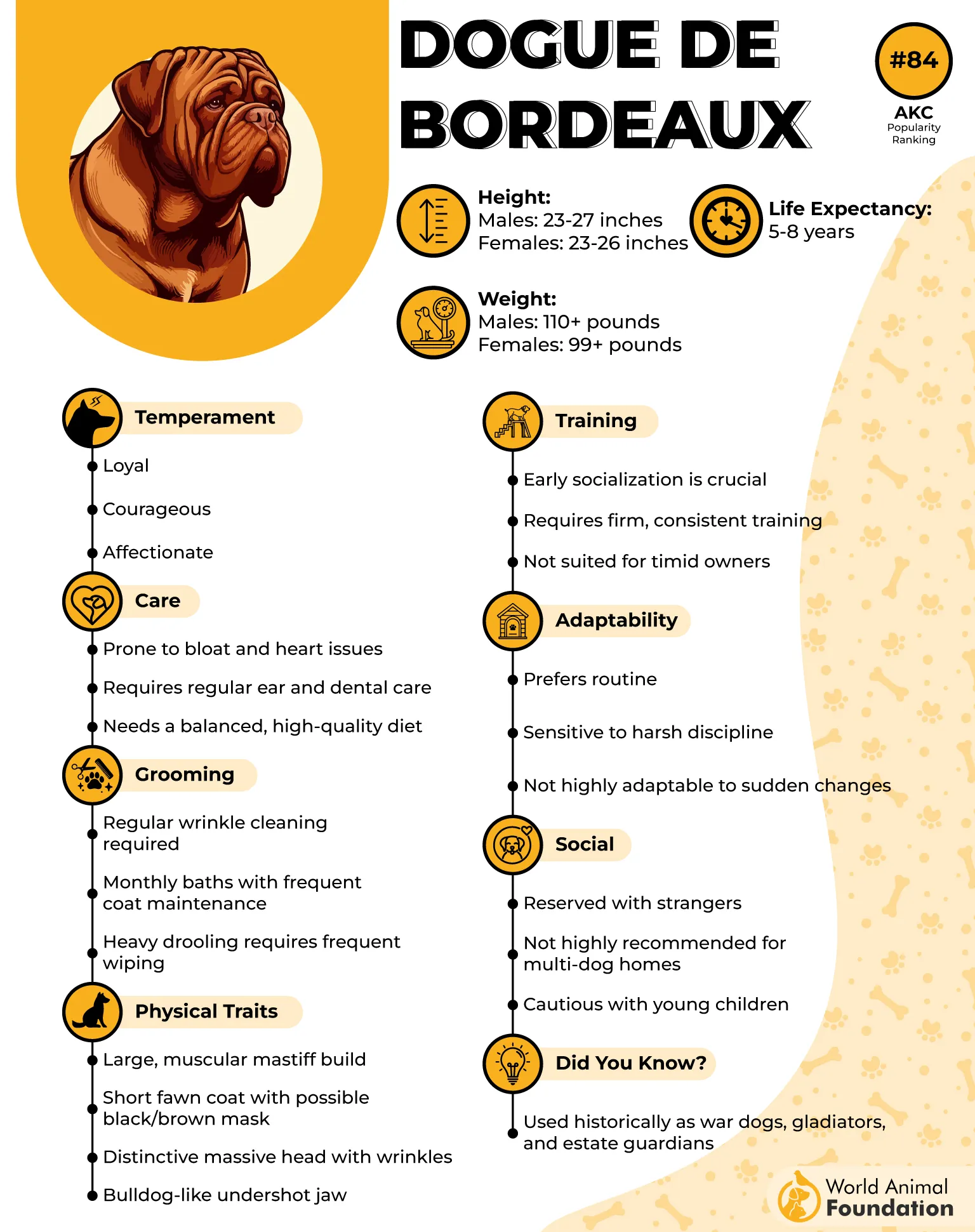
The Dogue de Bordeaux is one of France’s oldest dog breeds, dating back to the 14th century, around the city of Bordeaux. Historically used for guarding castles, pulling carts, and protecting livestock, this powerful mastiff was bred for strength and courage.
Simple Coat Care, Extra Facial Attention
The Dogue de Bordeaux has a short, smooth coat that requires only weekly brushing to control shedding. Grooming efforts focus more on hygiene, as their deep facial folds must be cleaned and dried regularly. Owners should also be prepared for drooling, which is a defining trait of the breed.
Balanced Activity for a Heavy-Built Dog
Though calm indoors, Dogues need at least an hour of daily exercise to stay healthy and content. Walks, gentle play, and training sessions help keep them mentally engaged. Strenuous activity should be limited during puppyhood to protect developing joints and bones.
What Makes the Dogue de Bordeaux’s Bite So Powerful
Exceptionally large head, the biggest of any dog breed
Broad, bulldog-like jaw built for gripping and holding
Strong neck and jaw muscles amplify bite pressure
Low-set, stocky body adds stability during forceful bites
Mastiff ancestry was selectively bred for guarding and control
4. Mastiff
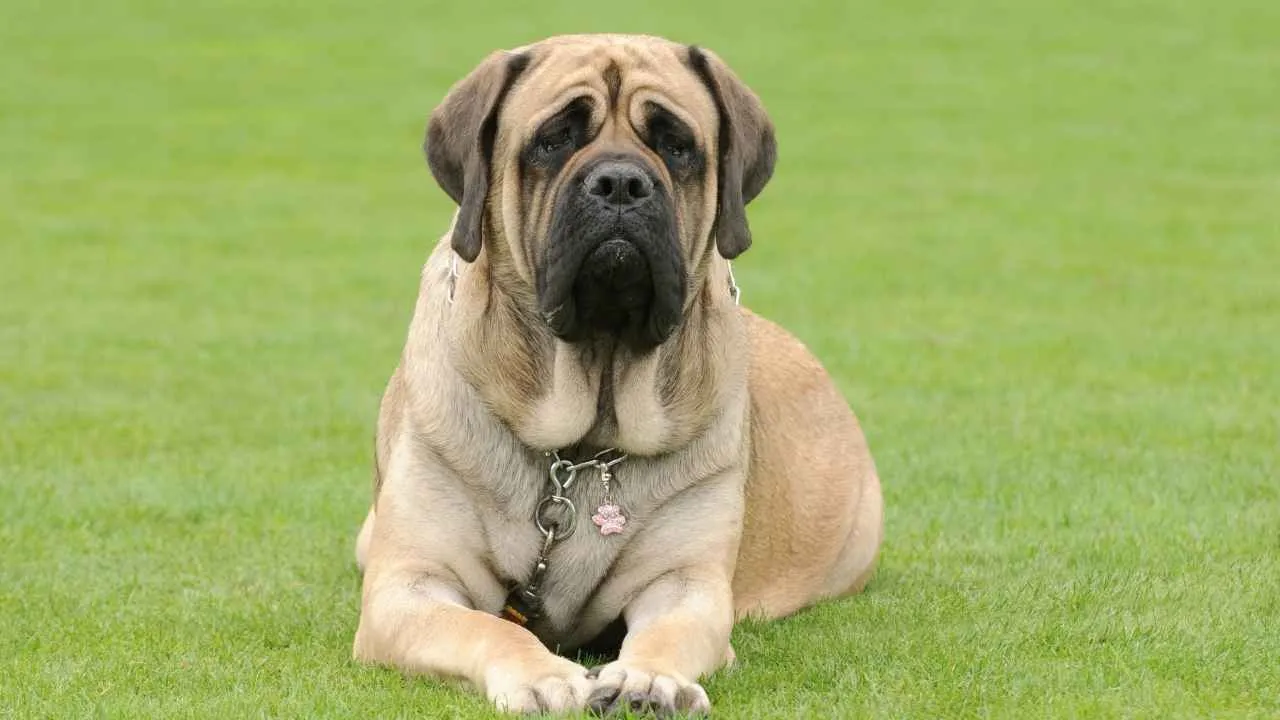
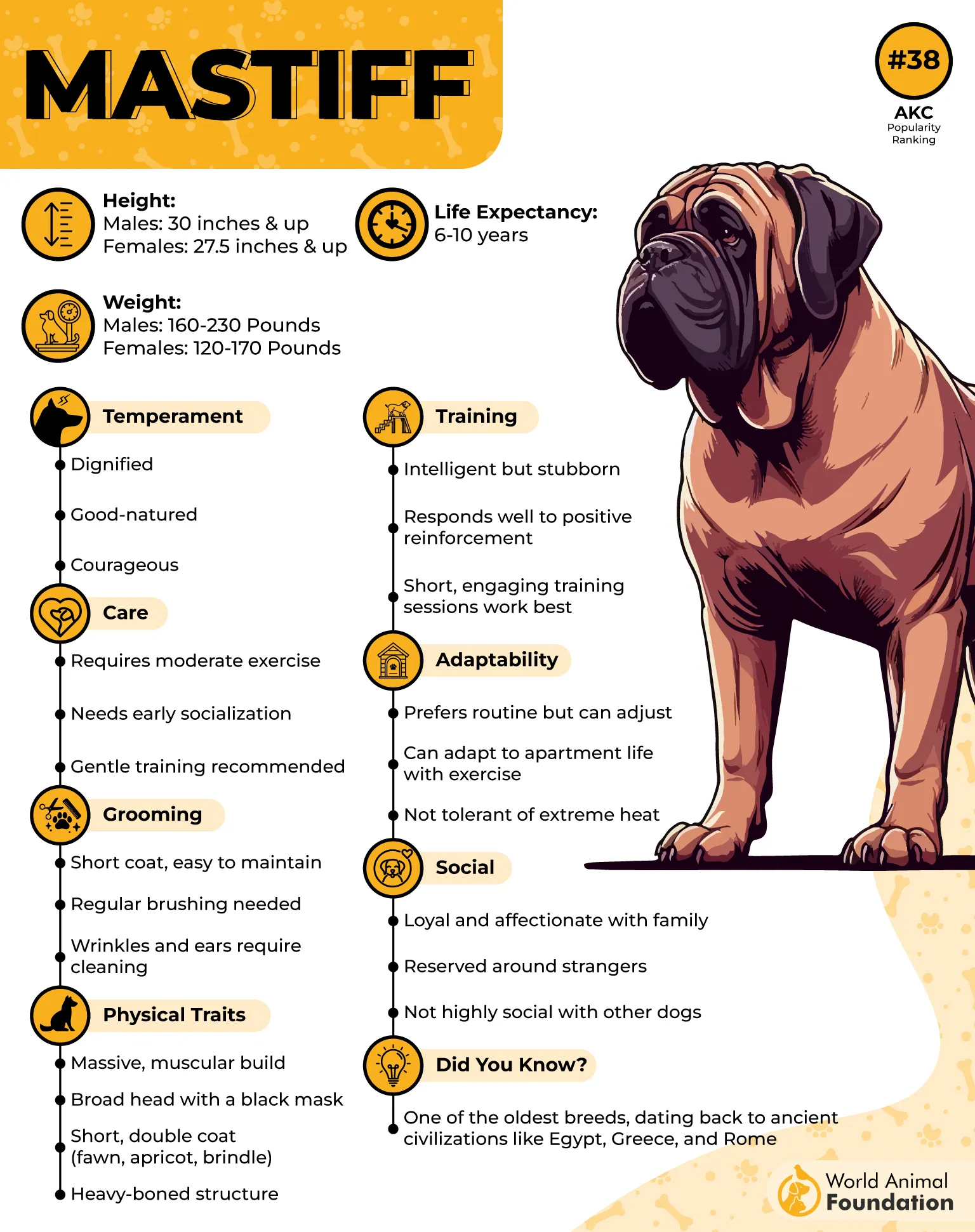
The Mastiff is one of the oldest large muscular dogs, with records dating back over 2,000 years in England and even earlier in Europe and Asia. Historically used as war dogs, arena fighters, and estate guardians, Mastiffs earned a fearsome reputation through their strength and courage.
Gentle Care for a Massive Companion
Mastiffs have a short, coarse coat that is easy to maintain with weekly brushing and occasional baths. Grooming challenges come more from drool and sheer size than coat upkeep. Owners must also provide soft bedding and spacious living areas to keep these heavy dogs comfortable and healthy.
Low Energy, Steady Exercise Needs
Though not highly active, Mastiffs still require about an hour of daily walking or interactive play. They enjoy low-impact activities like swimming, tug games, and scent work. Due to their size and heat sensitivity, they do best in cooler climates and controlled exercise routines, as per Hill’s Pet.
Why the Mastiff’s Bite Commands Respect
Massive skull and wide jaw built for holding power
Extremely strong neck and jaw muscles amplify force
Molossian ancestry selected for combat and guarding
Heavy body mass adds stability during a bite
A calm, deliberate temperament allows controlled pressure
5. Tosa Inu
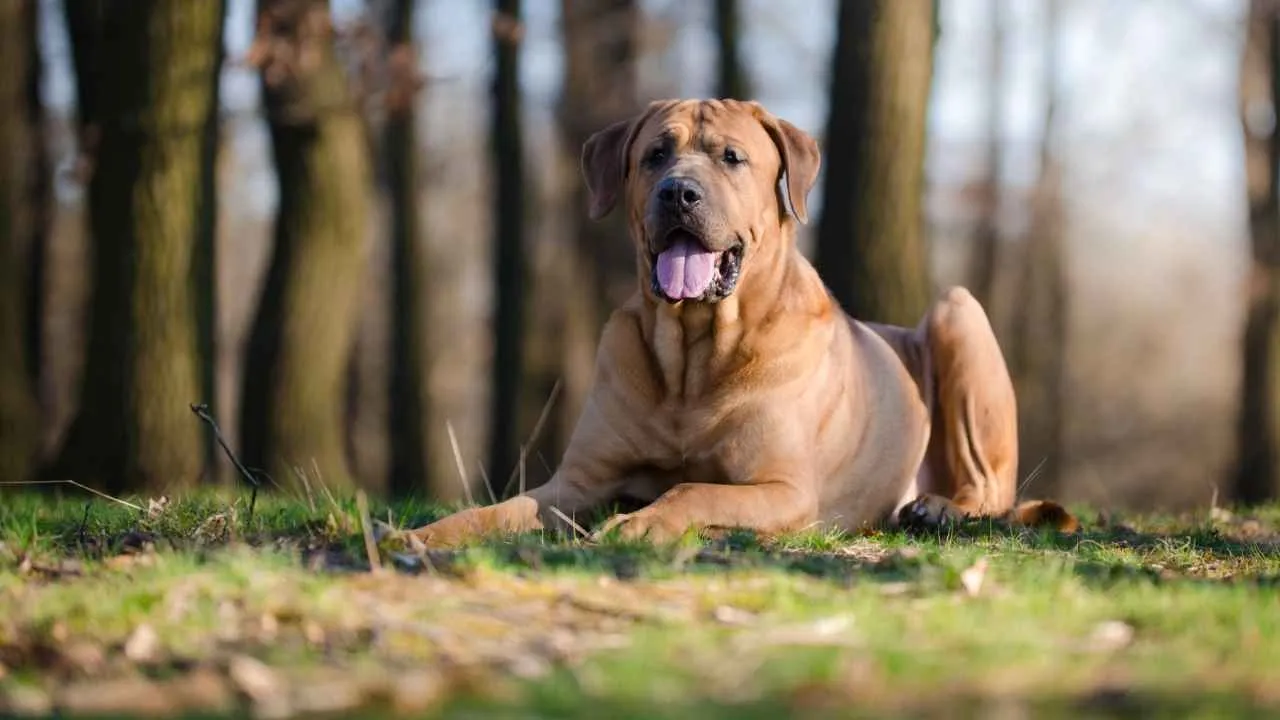
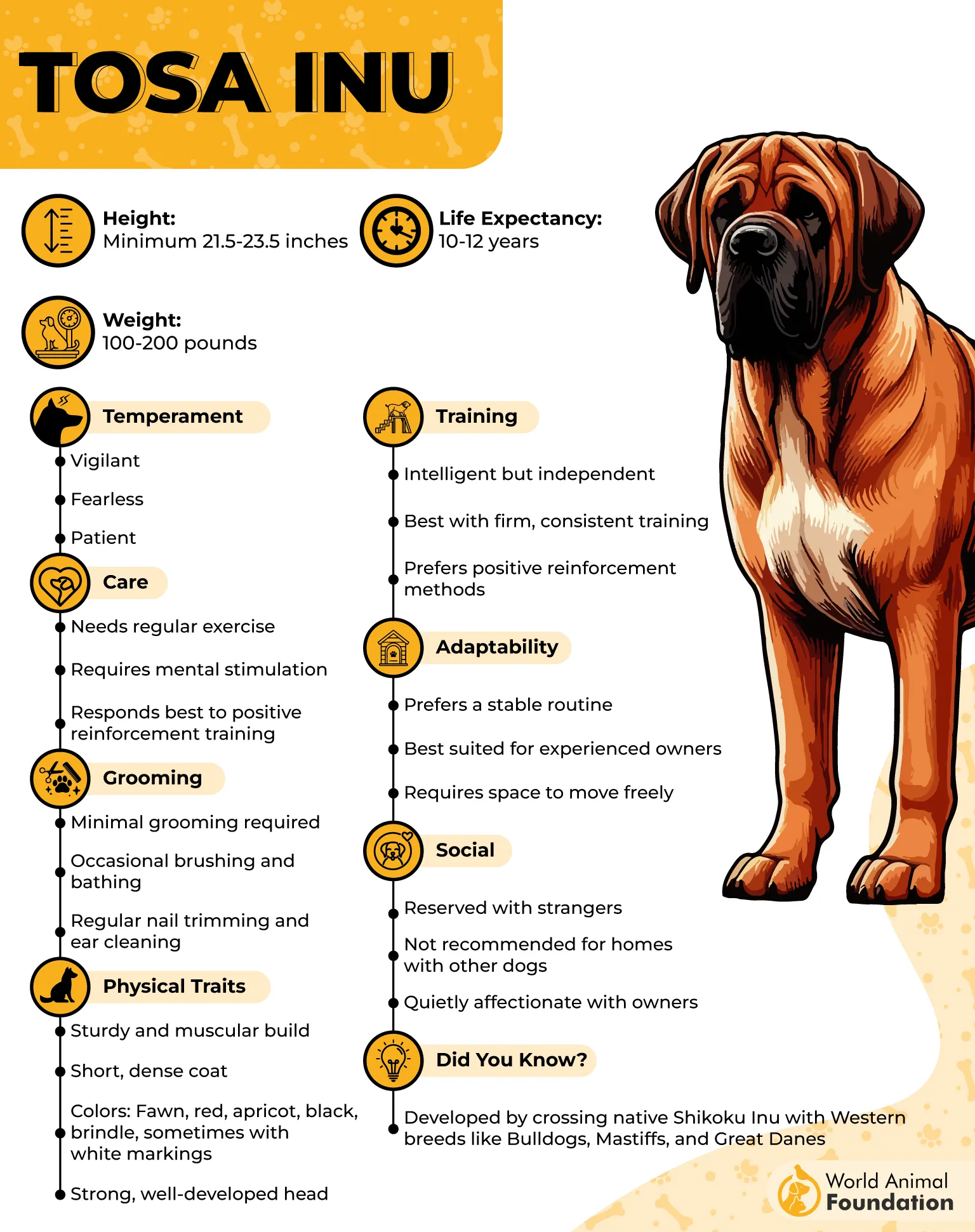
The Tosa Inu originated in Japan’s Tosa Province during the 19th century, bred specifically for ceremonial dog fighting that emphasized discipline and endurance, as per the AKC. Created by crossing native Shikoku dogs with Western mastiffs, bulldogs, and Great Danes, the breed became a symbol of honor and strength.
Minimal Grooming, Maximum Presence
Tosas have a short, dense coat that lies close to the body and requires little maintenance. Weekly brushing keeps shedding under control, while routine ear, nail, and dental care ensures overall health. Their slow maturity and massive build mean consistent handling from an early age is essential.
Controlled Exercise for a Powerful Athlete
Despite their size, Tosa Inus have moderate exercise needs and benefit from structured daily walks and mental stimulation. Secure, leashed outings are important due to potential dog aggression. With proper activity and training, they remain calm, composed companions in the home.
What Gives the Tosa Inu Its Powerful Bite
Large, broad head designed for strength and stability
Strong jaw muscles developed through the mastiff lineage
Thick neck and solid frame support sustained bite force
Fighting-dog ancestry selected for grip and endurance
A calm, focused temperament allows controlled pressure
6. Caucasian Shepherd Dog
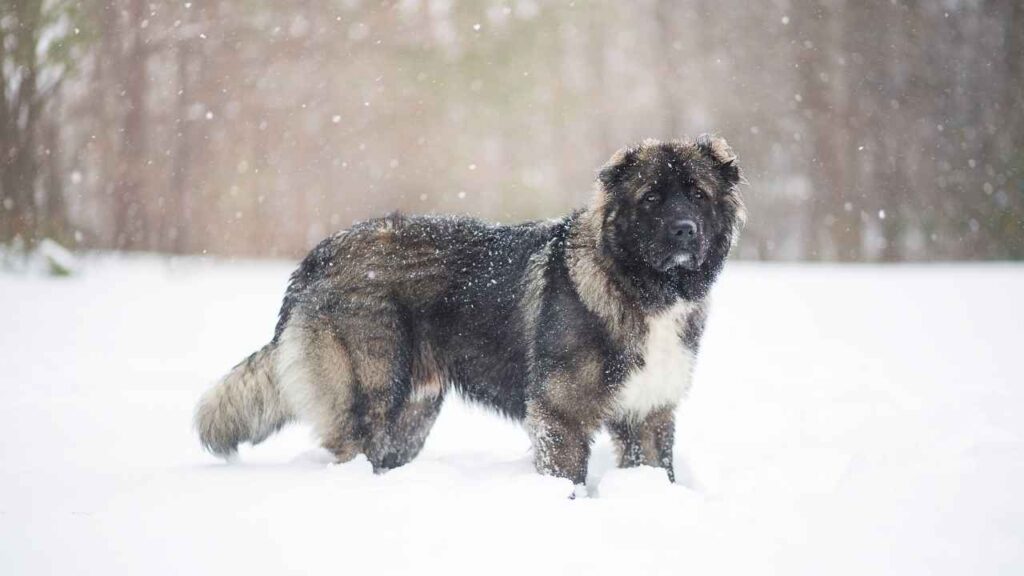
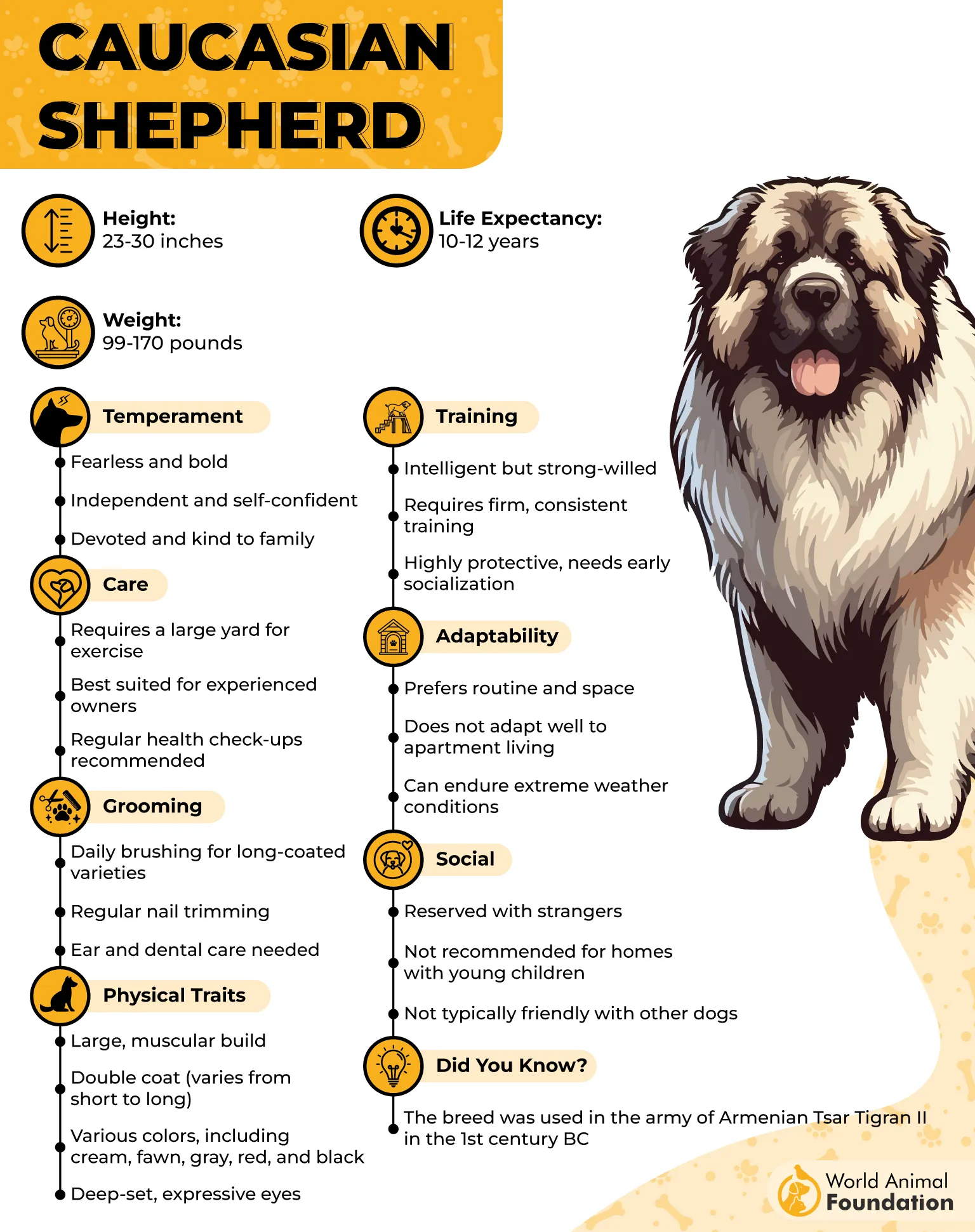
The Caucasian Shepherd Dog originates from the rugged Caucasus mountain range, where it guarded livestock and property for centuries, as per PetMD. Bred to confront predators like wolves and bears, this ancient molosser developed exceptional courage and independence.
Heavy Coat, Heavy Responsibility
This muscular dog breed’s thick double coat—especially in the mountain type—requires regular, thorough brushing to prevent matting. Grooming is time-consuming due to the sheer volume of fur rather than complexity. Early handling is essential, as their size, strength, and natural suspicion demand confident, experienced ownership.
Space, Structure, and Purpose
Caucasian Shepherds thrive in spacious, secure environments where they can observe and patrol. Daily exercise is moderate, but mental stimulation and a sense of purpose are critical. This breed is best suited for calm households with experienced owners who understand guard dogs.
Why the Caucasian Shepherd Dog Has a Devastating Bite
A massive head and wide jaw evolved to fight large predators
Exceptionally strong neck and jaw muscles generate extreme force
Thick bone structure provides stability during a bite
Centuries of livestock-guardian breeding favored holding power
Fearless, decisive temperament enables committed bite pressure
7. Dogo Argentino
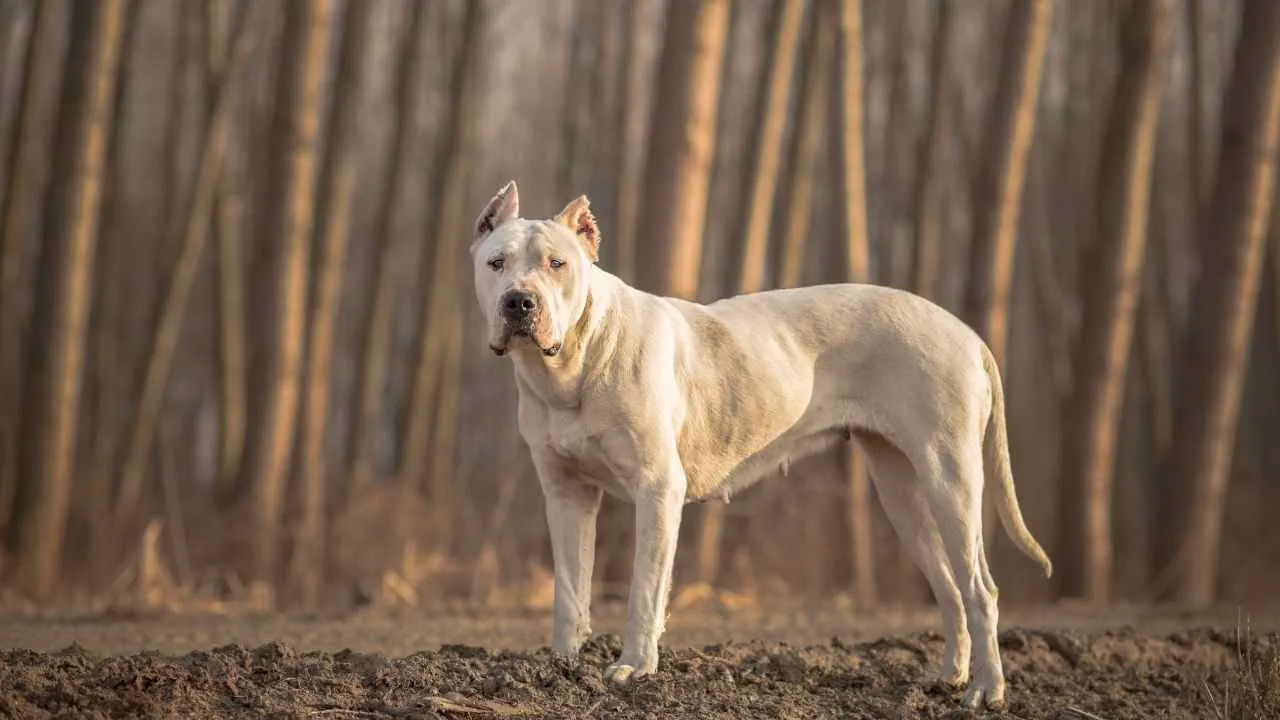
The Dogo Argentino was created in the 1920s by Argentine physicians Antonio and Agustín Nores Martinez to be a fearless big-game hunting dog. Built from a mix of powerful breeds, including the extinct Córdoba Fighting Dog, this breed was designed to hunt boar and puma in packs.
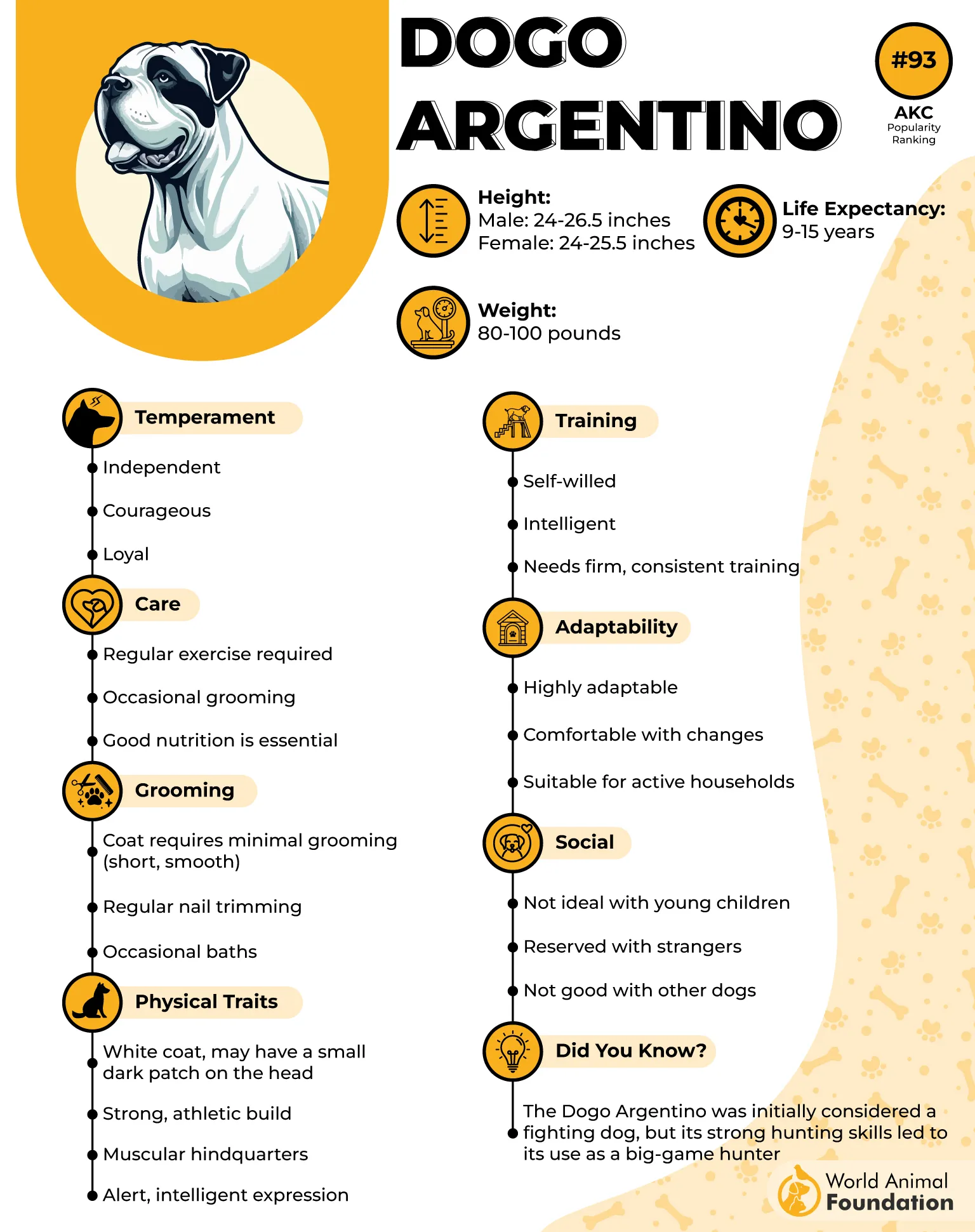
Sleek Coat, Strong Handling
The Dogo’s short, smooth white coat is easy to maintain with light weekly brushing and occasional baths. Grooming needs are minimal, but health checks—especially hearing tests and joint monitoring—are important. Due to its power and reputation, confident handling and early socialization are essential.
High Energy With a Working Mindset
Originally bred for endurance and athleticism, the Dogo Argentino requires daily physical exercise and mental challenges, as per Britannica. Secure yards, long walks, and structured activities like scent work or obedience training keep them balanced.
Why the Dogo Argentino Delivers a Powerful Bite
Strong, mastiff-like jaw bred for gripping large prey
Broad skull and deep muzzle enhance bite leverage
Muscular neck and chest stabilize the strongest bite force
Bulldog ancestry contributed exceptional jaw strength
Hunting background selected for sustained, controlled pressure
Conclusion
These large, protective dogs are more than just imposing figures—they are loyal protectors, intelligent companions, and guardians by nature. Their impressive size and strength come with responsibility, requiring owners who can provide proper training, socialization, and mental stimulation. With the right care, they can be gentle and affectionate members of the family.
Caring for such a popular dog breed means committing to regular exercise, proper nutrition, and attentive grooming. Their history as working and excellent guard dogs shows that they thrive when given a purpose and plenty of engagement. Investing time in training and bonding ensures a well-adjusted, obedient, and confident companion.
If you’re ready for a challenge and have the experience to guide them, these dogs can bring unmatched loyalty and protection to your home. They reward effort with devotion, courage, and a steadfast presence. Embrace the opportunity to provide a loving, structured environment, and you’ll gain a companion like no other.
