




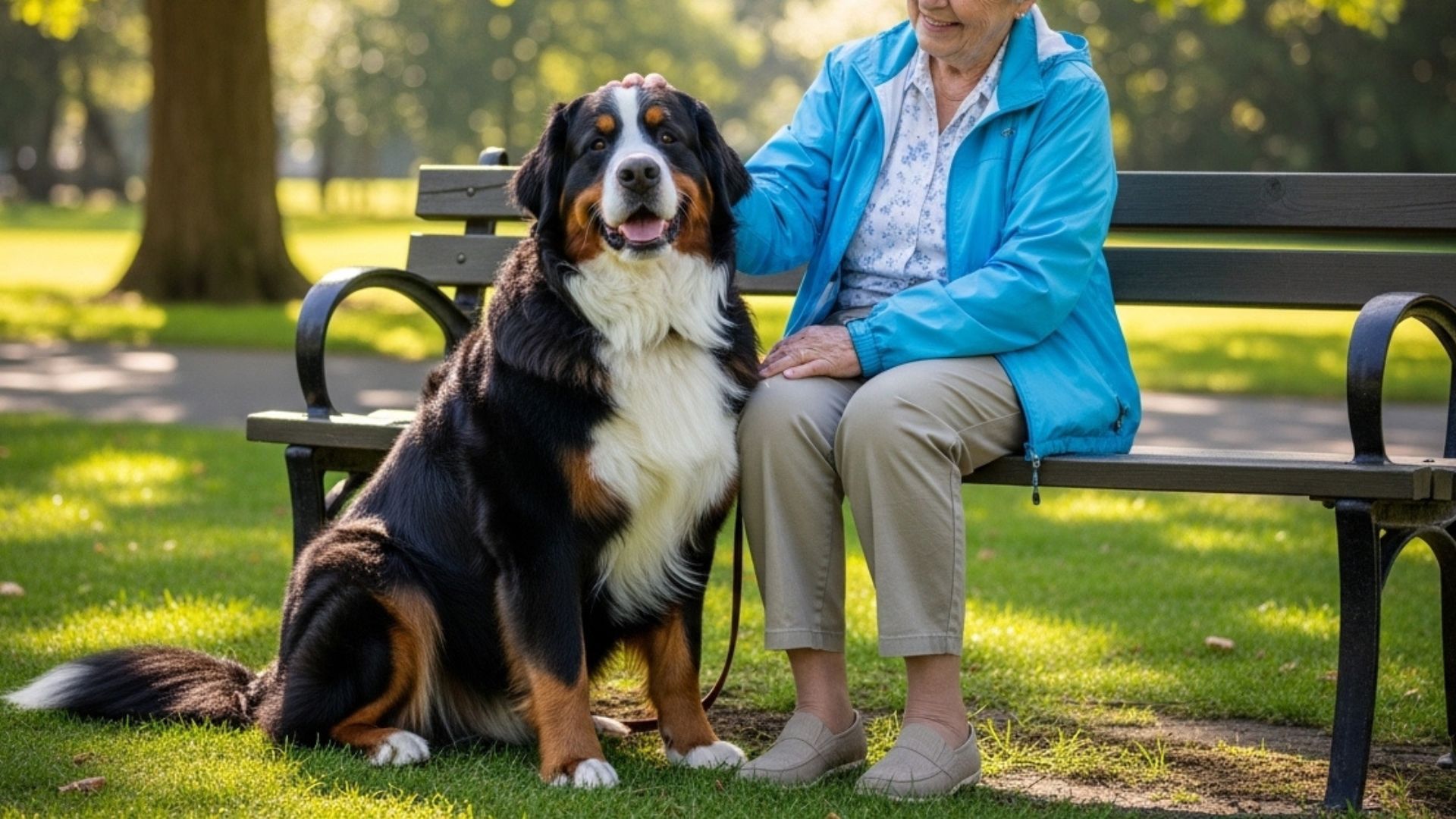
Life slows down with age, and that is not a weakness. It is a shift toward comfort, calm routines, and meaningful companionship. For many seniors, a dog is not about energy or excitement but about presence.
The right dog fits gently into daily life, matching pace instead of pushing it. Soft affection, predictable behavior, and emotional awareness matter far more than size or appearance. Seniors often seek a dog who listens without words, rests without restlessness, and offers warmth without constant demand.
A dog that understands quiet mornings, steady walks, and peaceful evenings can transform everyday living into something deeply reassuring. These dogs bring structure without stress and connection without noise. They become part of a rhythm that values ease and emotional balance.
This article explores what makes certain dogs ideal for seniors, focusing on temperament, care needs, and lifestyle compatibility, so you can make thoughtful choices at the end.
Key Takeaways
Life slows down with age, and the right dog makes quiet routines feel warm and comforting.
Cavalier King Charles Spaniels and French Bulldogs fit gently into daily life, offering calm attention and loyal companionship.
Pugs and Pekingese bring playful charm without demanding energy, while Bernese Mountain Dogs and Whippets offer a steady presence and subtle awareness.
By the end, you’ll see which breeds naturally create a rhythm of comfort, calm, and gentle connection for seniors.
Perfect Dog Breeds for Seniors and Gentle Living
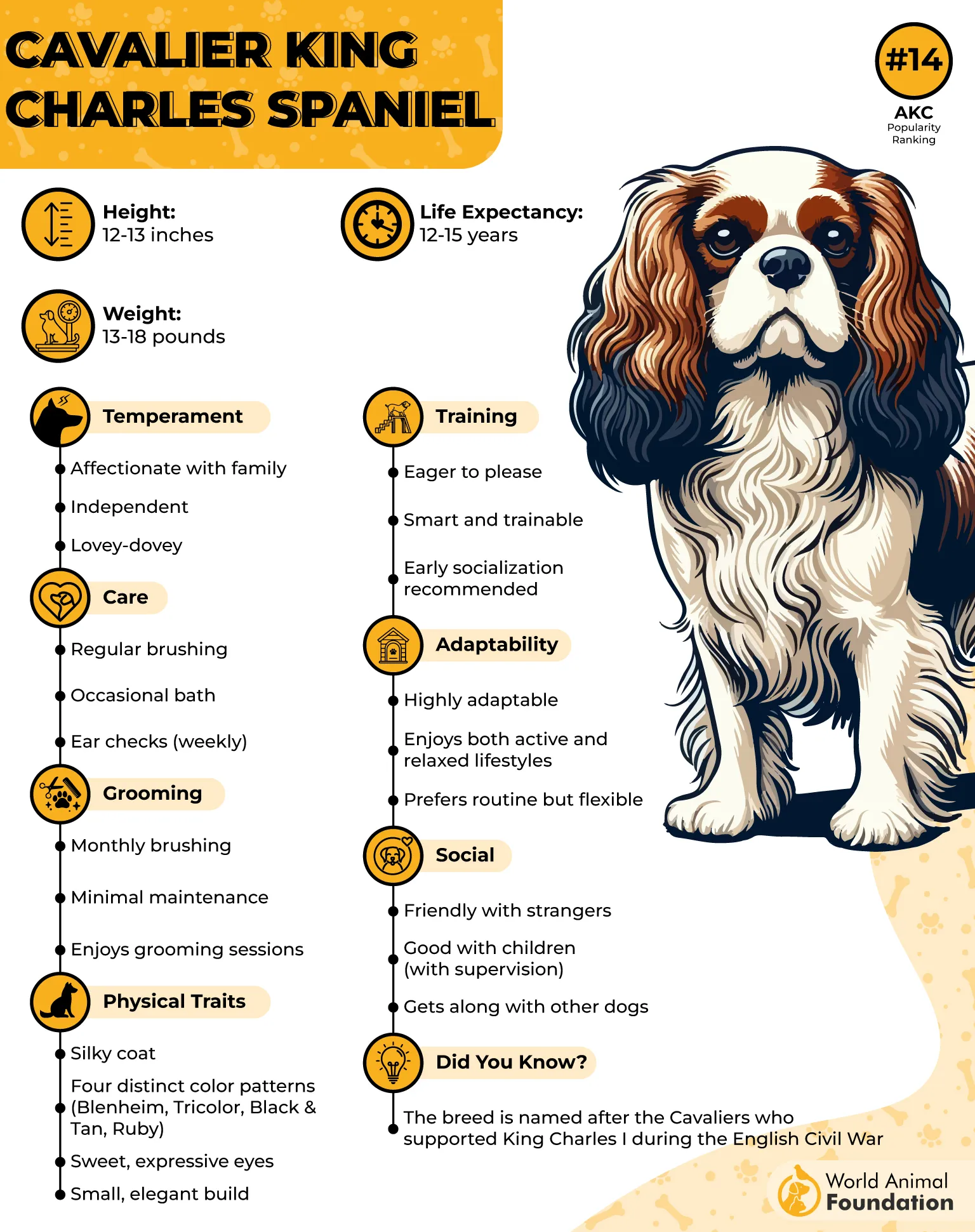
1. Cavalier King Charles Spaniel
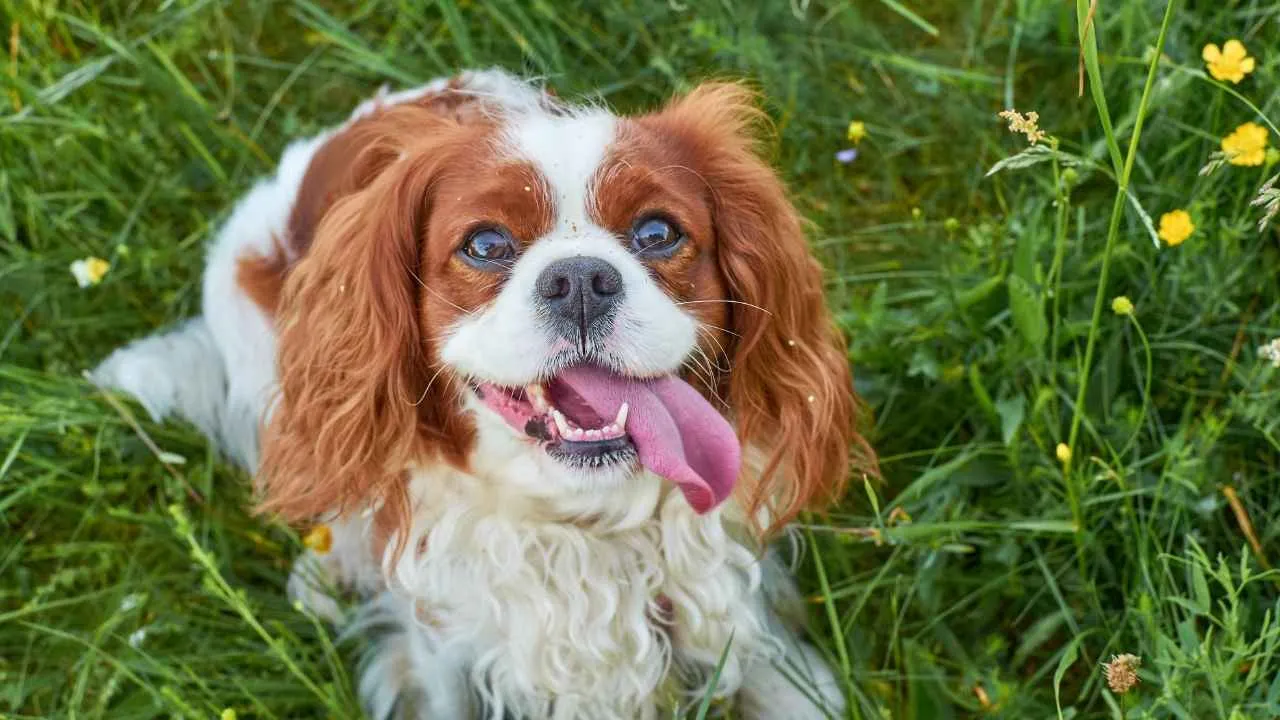
Cavalier King Charles Spaniel originates from lap-warming companions in British castles, combining toy-like charm with sporting agility, as per the CKC. Its large, expressive eyes and silky coat make it immediately recognizable. This blend of attentiveness and grace supports calm, gentle companionship for seniors.

Attentive Personality
The breed senses household activity and adapts quickly to the owner’s daily rhythm. Cavaliers are playful without excessive energy, fitting both quiet and lively environments.
These traits define their balanced nature:
Quick to notice subtle changes in routine
Responsive without demanding attention
Easily adapts to calm or active spaces
Warm Social Bonds
Cavaliers form close, affectionate attachments that remain gentle around children and other pets. Their even temper allows them to adjust to different household dynamics. They instinctively moderate their play and presence to suit the surrounding environment.
2. French Bulldog
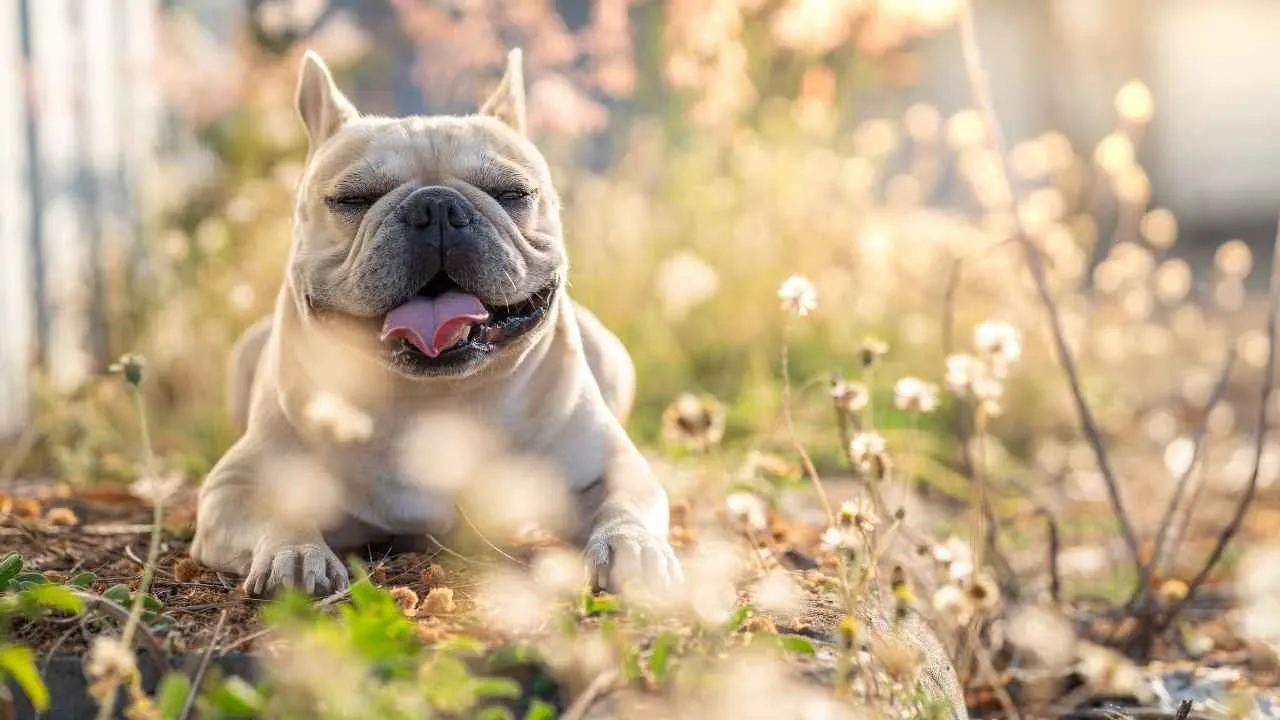
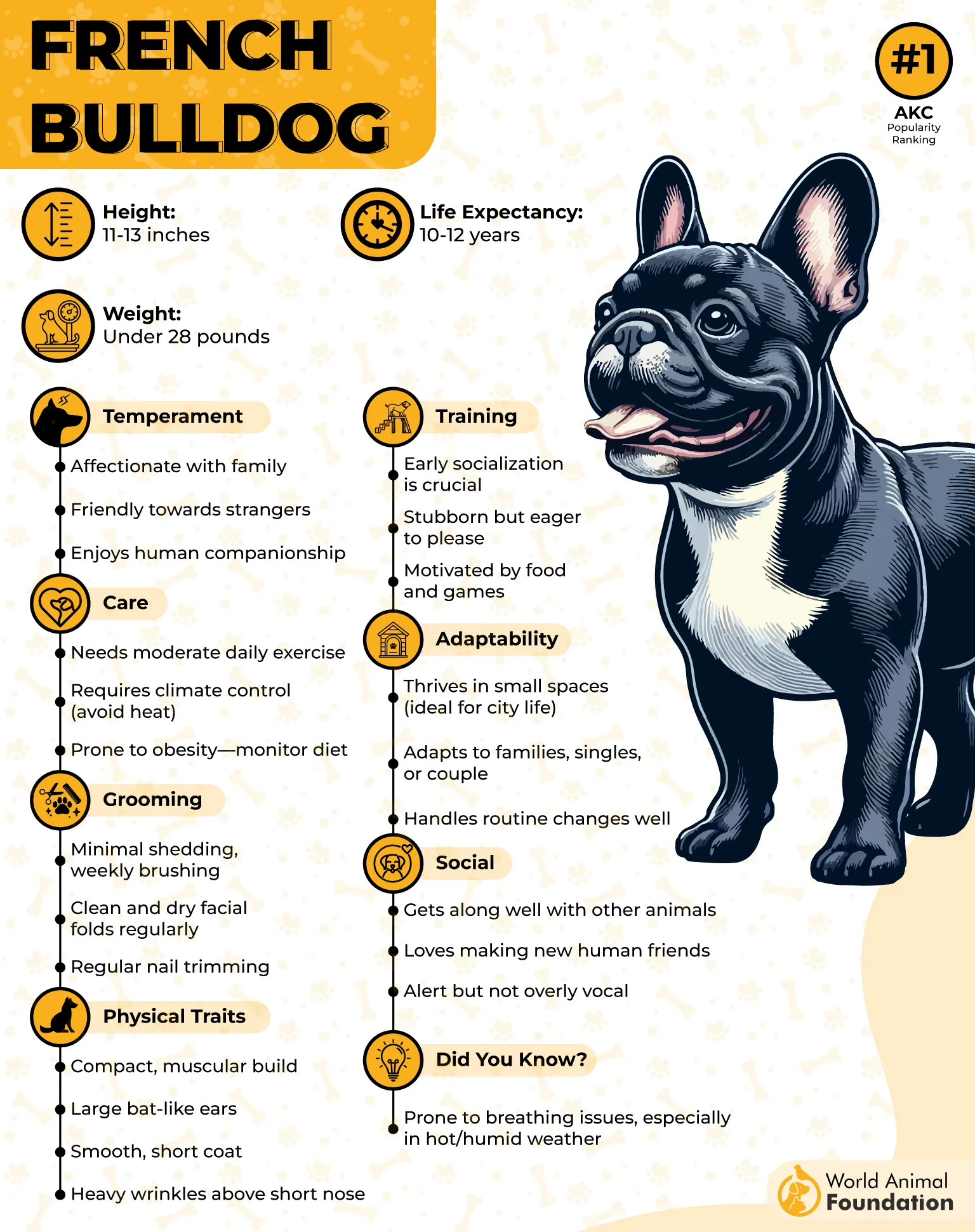
The French Bulldog is known for its large bat ears and alert expression that give the breed its unmistakable character. Its compact and muscular body allows it to move easily through small spaces while staying attentive to its surroundings. This playful yet observant nature suits calm, gentle living environments perfectly.
Alert and Attentive
The breed communicates subtly and often does not bark much, making it quietly aware of activity nearby. Their alertness combines with sociability to engage with humans and other pets comfortably.
Traits that support their home-friendly alertness:
Sharp observation of minor changes
Quick adjustment to new environments
Calm approach to visitors and sounds
Gentle Personality
French Bulldogs form strong, affectionate bonds and often seek proximity to their human companion. Its easygoing disposition helps it adapt to quiet routines or occasional household activity. This combination of attachment and calm awareness makes daily interaction comforting and predictable.
3. Pug
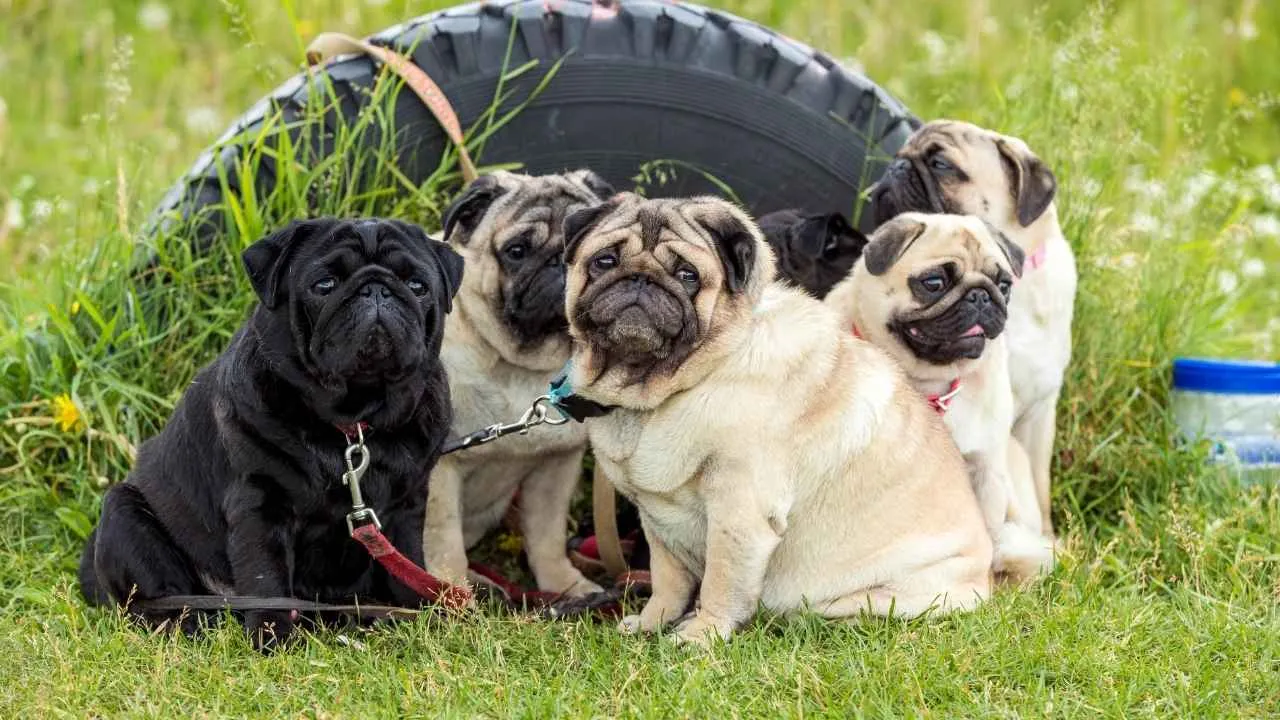
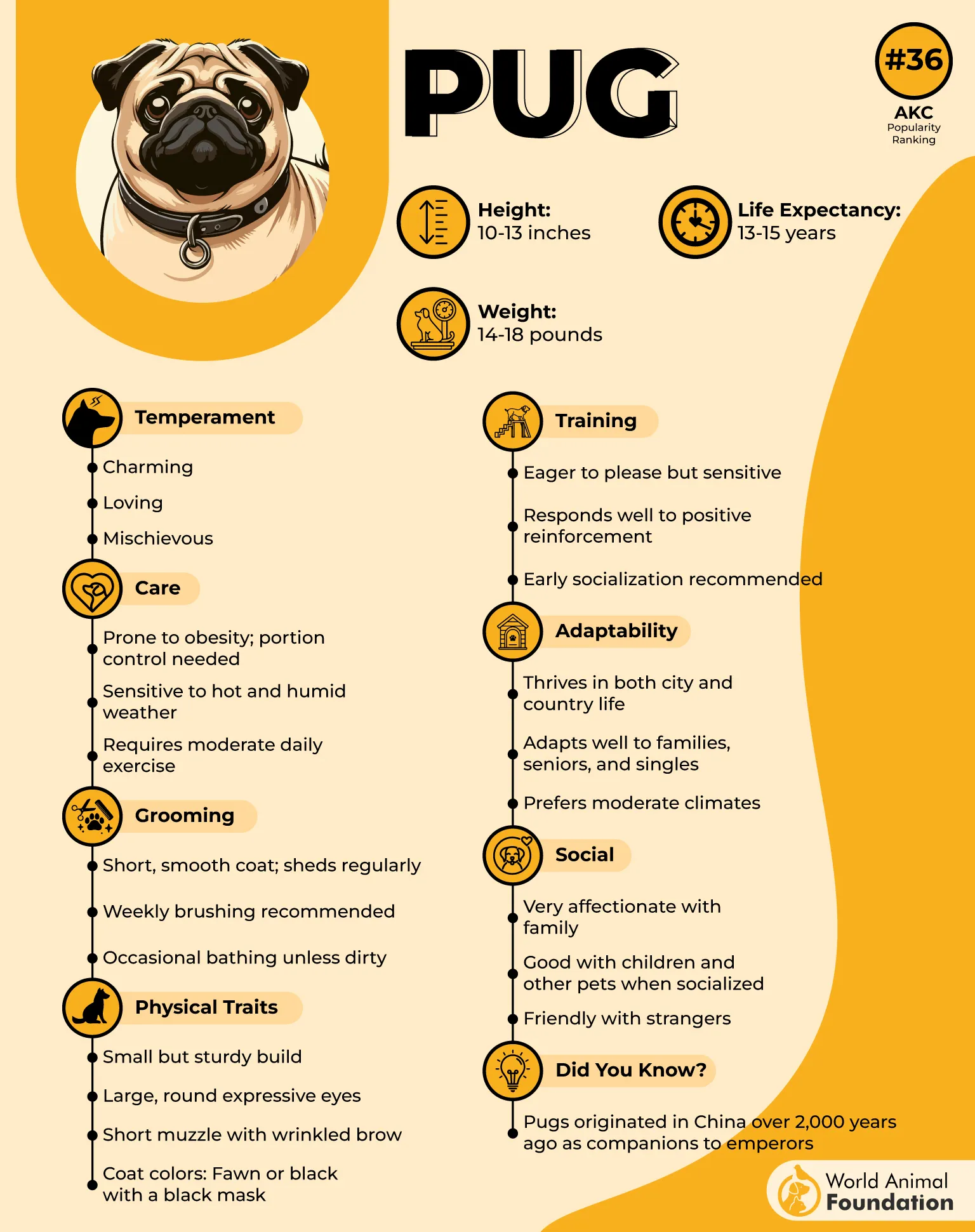
Pugs are a small but solid breed, once cherished by Chinese emperors and later celebrated in Holland’s royal House of Orange, as the AKC noted. The breed’s large, round eyes and wrinkled brow give it a range of expressive, human-like emotions that charm any household.
Fun fact: The Pug’s Latin motto, multum in parvo (“a lot in a little”), perfectly reflects its combination of spirited personality and compact size.
Social Nature and Daily Life
Pugs thrive on interaction and enjoy being involved in daily routines, sensing changes in activity around them. Their temperament blends affection with alertness, offering both companionship and attentiveness.
These qualities are apparent in traits like:
Quick adaptation to household rhythms
Sensitivity to tone and gestures
Ease in multi-pet or family settings
Adaptable Personality
This breed adjusts comfortably to city apartments or country homes, showing patience with children and older adults alike. Pugs can entertain themselves or join in family activities. Their affectionate nature encourages consistent bonding and quiet presence throughout the day.
4. Pekingese
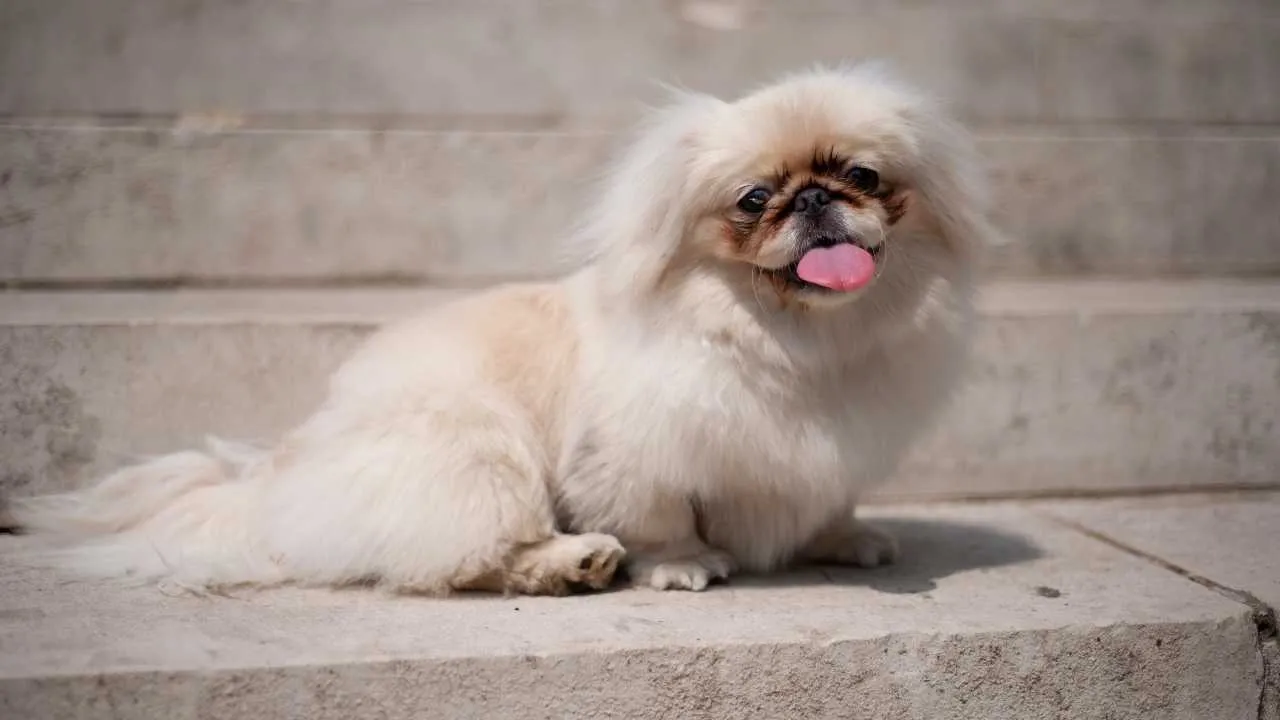
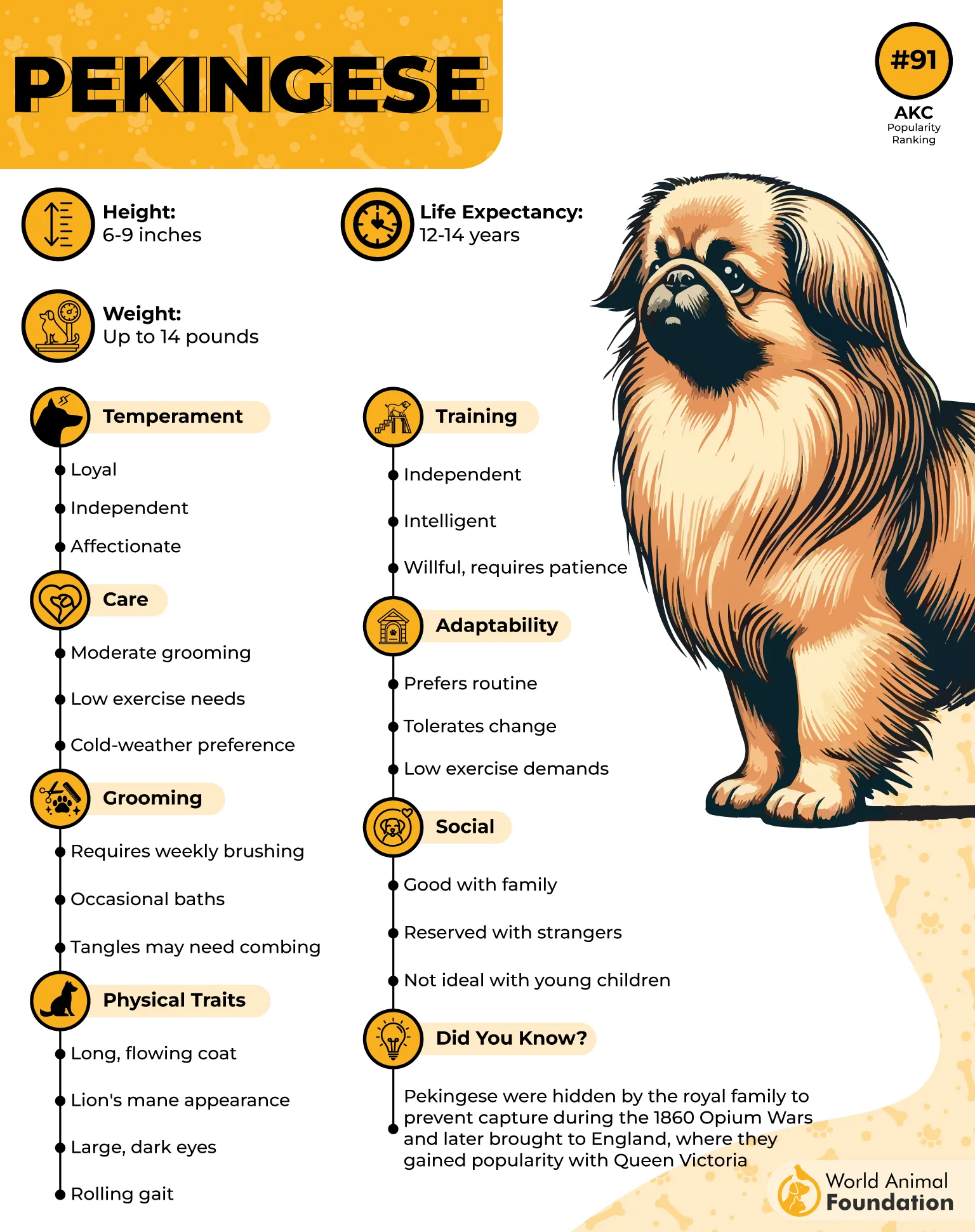
Pekingese dogs are compact toy dogs with a stocky frame and a flowing mane of long fur around the neck and shoulders. Their signature rolling gait gives them a graceful, almost regal movement. This breed’s confident posture and alert eyes make them quietly aware of their surroundings.
Close Bonds and Awareness
These dogs form a tight connection with their favorite human, combining loyalty with an independent streak, as PDSA writes. Their attentive nature makes them observant even in calm environments.
They demonstrate refined habits and behaviors that stand out:
Effortless rolling gait keeps them nimble indoors
Sharp alertness to unusual sounds or movement
Calm confidence when approached by strangers
Palace-Bred Independence
Pekingese were originally bred for ancient Chinese royalty, resulting in a serene yet opinionated temperament. This independence allows them to coexist gently in quiet households without constant attention. Their poised behavior supports predictable interactions with family members and visitors.
5. Bernese Mountain Dog
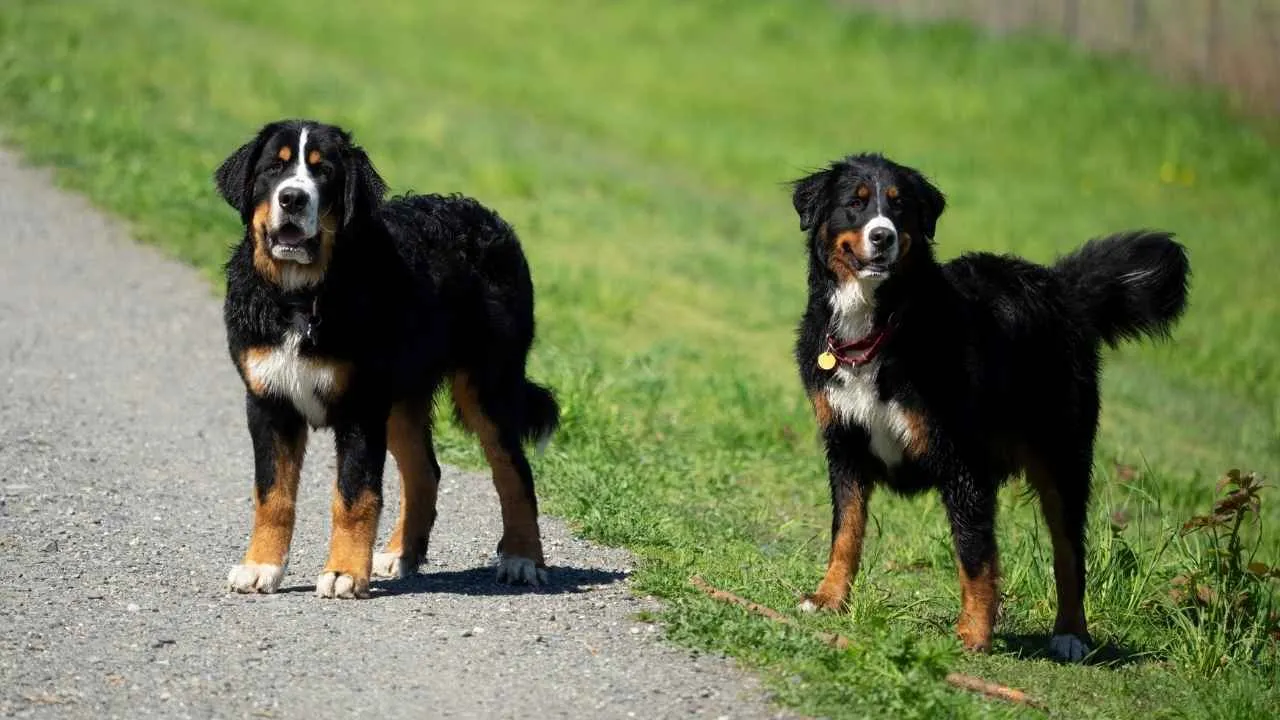
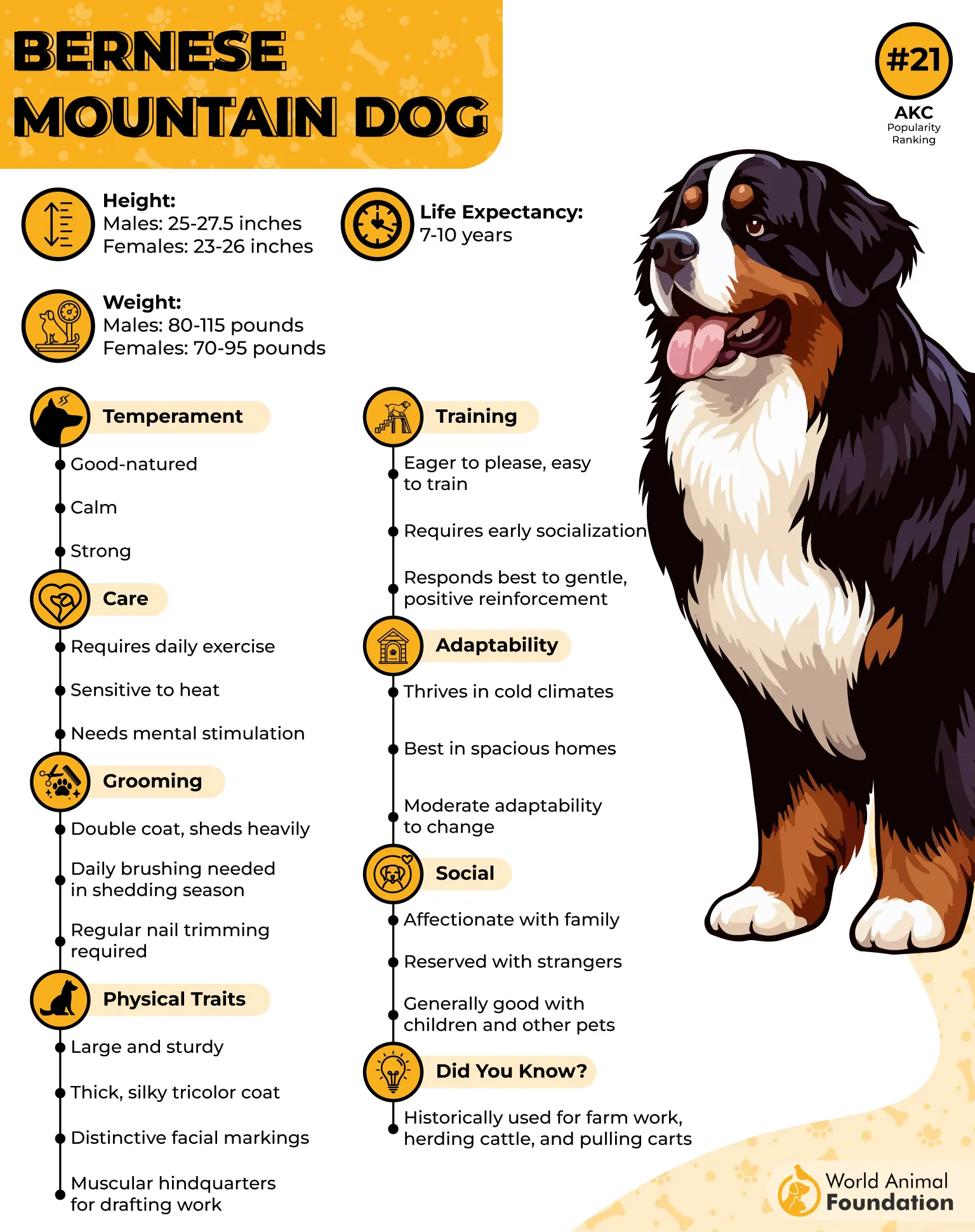
The Bernese Mountain Dog is a large, hardy worker bred to manage farms and pastures in Switzerland. Its striking tricolor coat of black, white, and rust highlights a noble presence. This combination of strength and elegance reflects a gentle and affectionate nature toward its family.
Steady Temperament and Awareness
This best dog breed remains calm yet responsive, attentive to subtle changes in the environment around the home. That balance helps the dog connect with one special person while keeping an eye on its surroundings.
Berners demonstrate these qualities in everyday life:
Calm observation without unnecessary alerting
Sensitivity to family members’ routine and mood
Readiness to respond without overreaction
Strength and Versatility
Thickly muscled yet agile, Berners were trained to multitask on farms, combining brains and brawn. Their structured approach to work translates into reliability and measured interaction with people. Purposeful activity keeps instincts controlled while highlighting their gentle nature.
6. Whippet
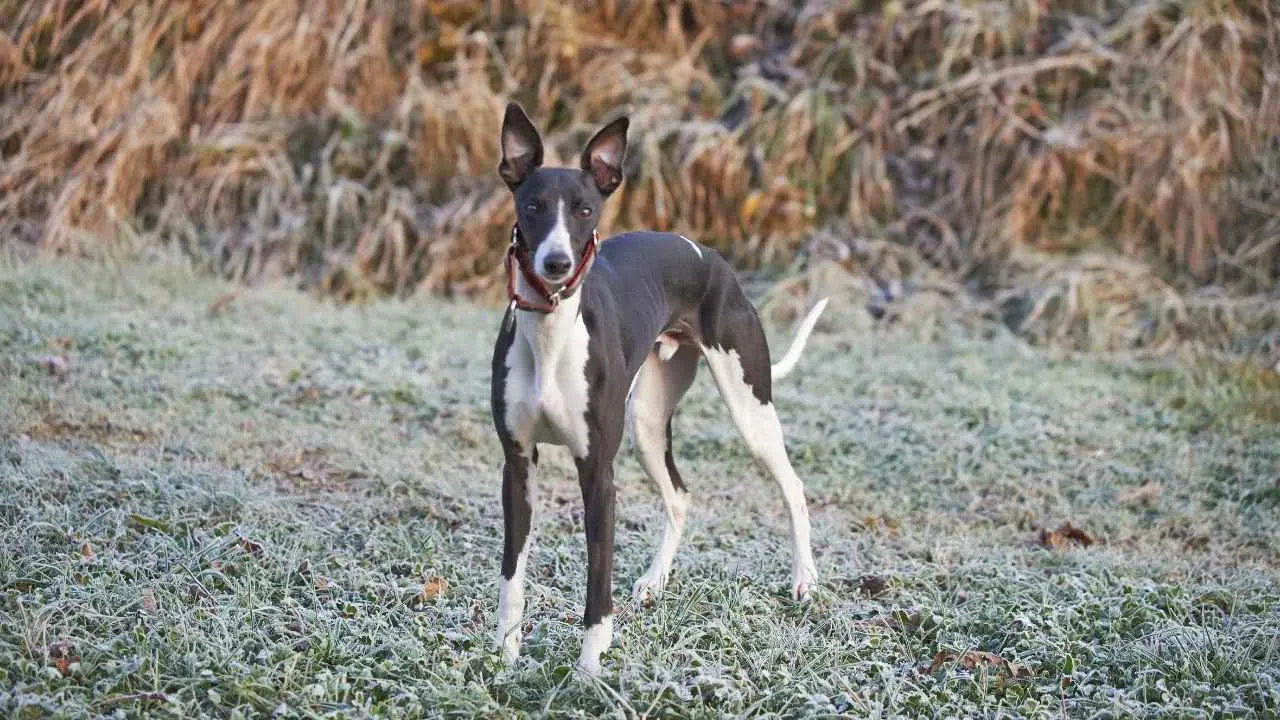
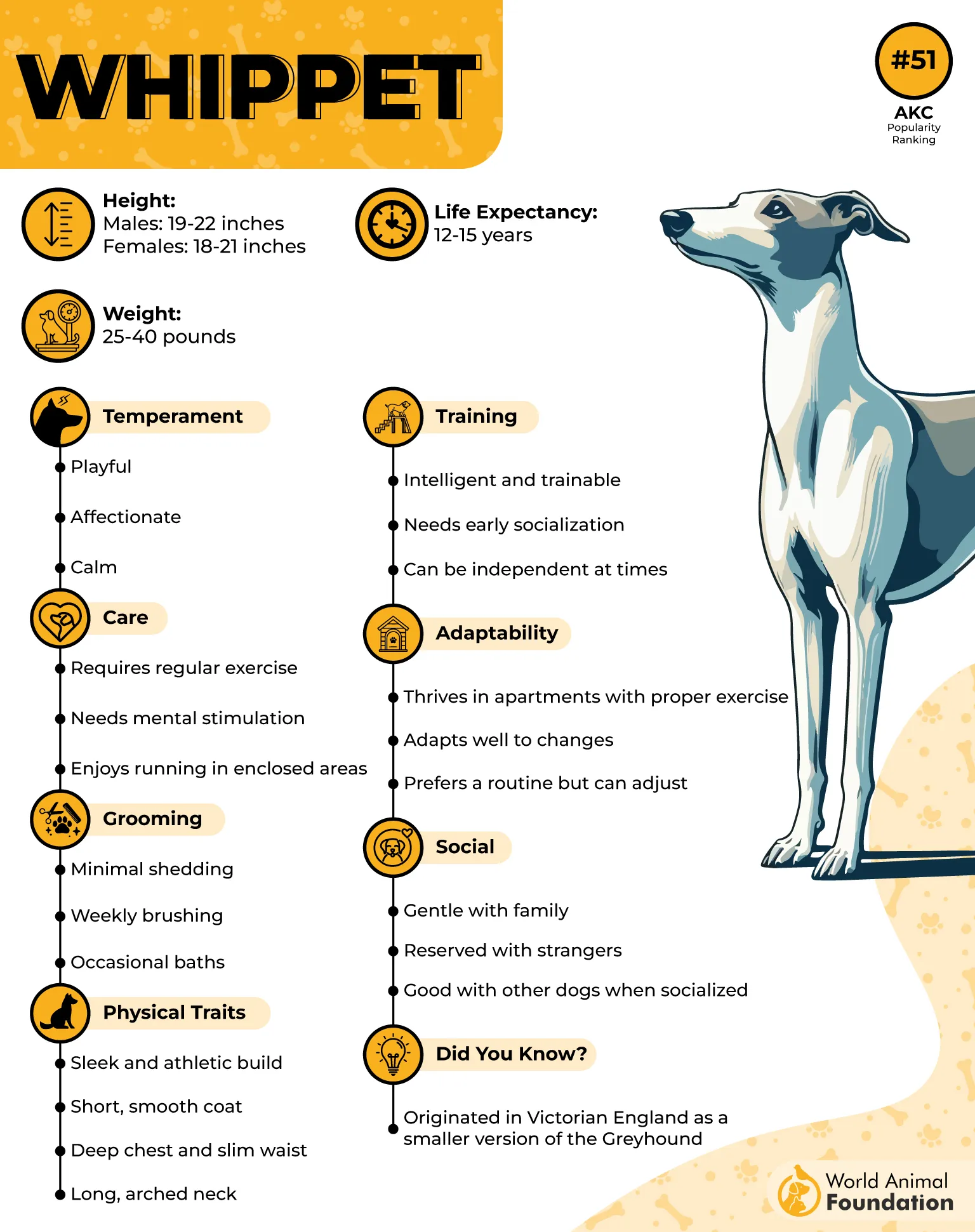
Whippet is a streamlined sighthound known for speed and graceful movement, often called the ‘Poor Man’s Racehorse.’ Its lean body, arched neck, and deep chest create a silhouette built for bursts of rapid pursuit. Between those energetic sprints, it relaxes easily, enjoying quiet companionship indoors.
Focused and Attentive
Whippets are calm in familiar settings but instantly alert when movement catches their eye, making them quietly aware companions. That attentiveness translates into natural observation without constant noise or distraction.
Qualities that enhance this subtle alertness include:
Sharp recognition of changing routines
Calm demeanor around strangers
Quick responsiveness to gentle guidance
Compact Power
Despite its elegant appearance, the Whippet has sturdy legs and a well-muscled frame for controlled bursts of activity. It enjoys structured play or short runs, which help maintain fitness and mental engagement. Purposeful movement supports focus and allows the dog to balance energy with relaxation.
7. Irish Wolfhound
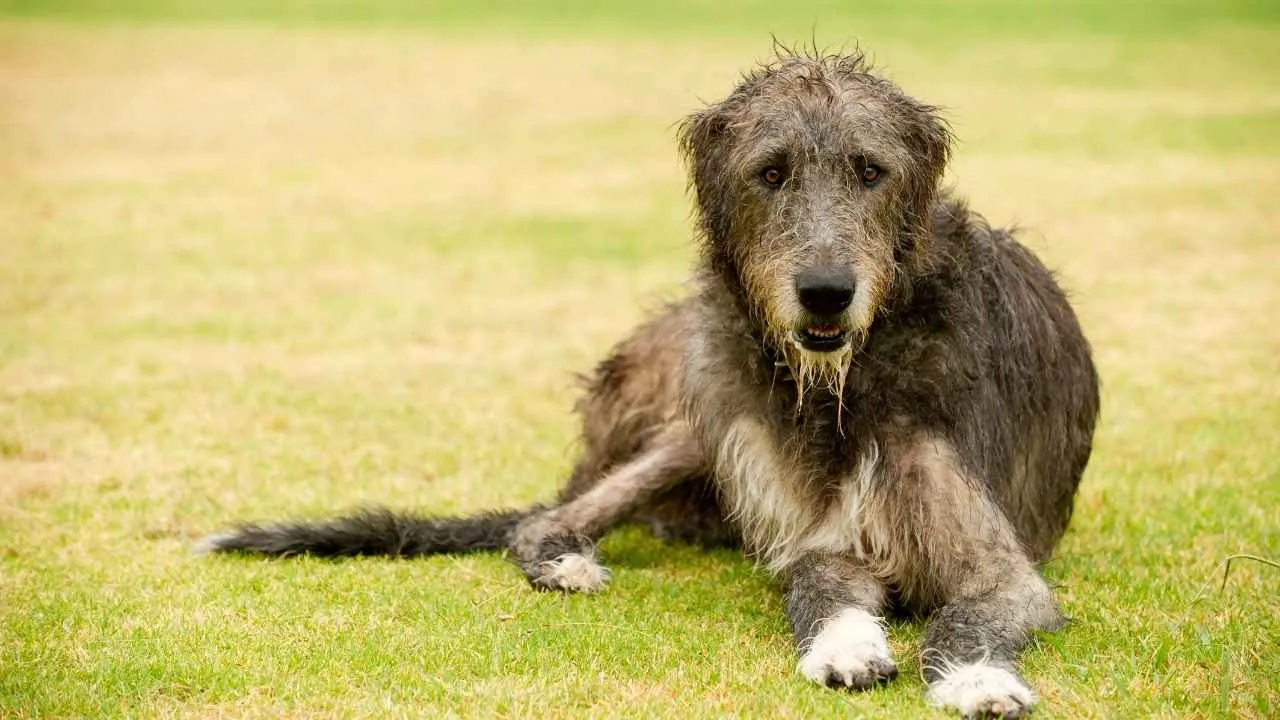
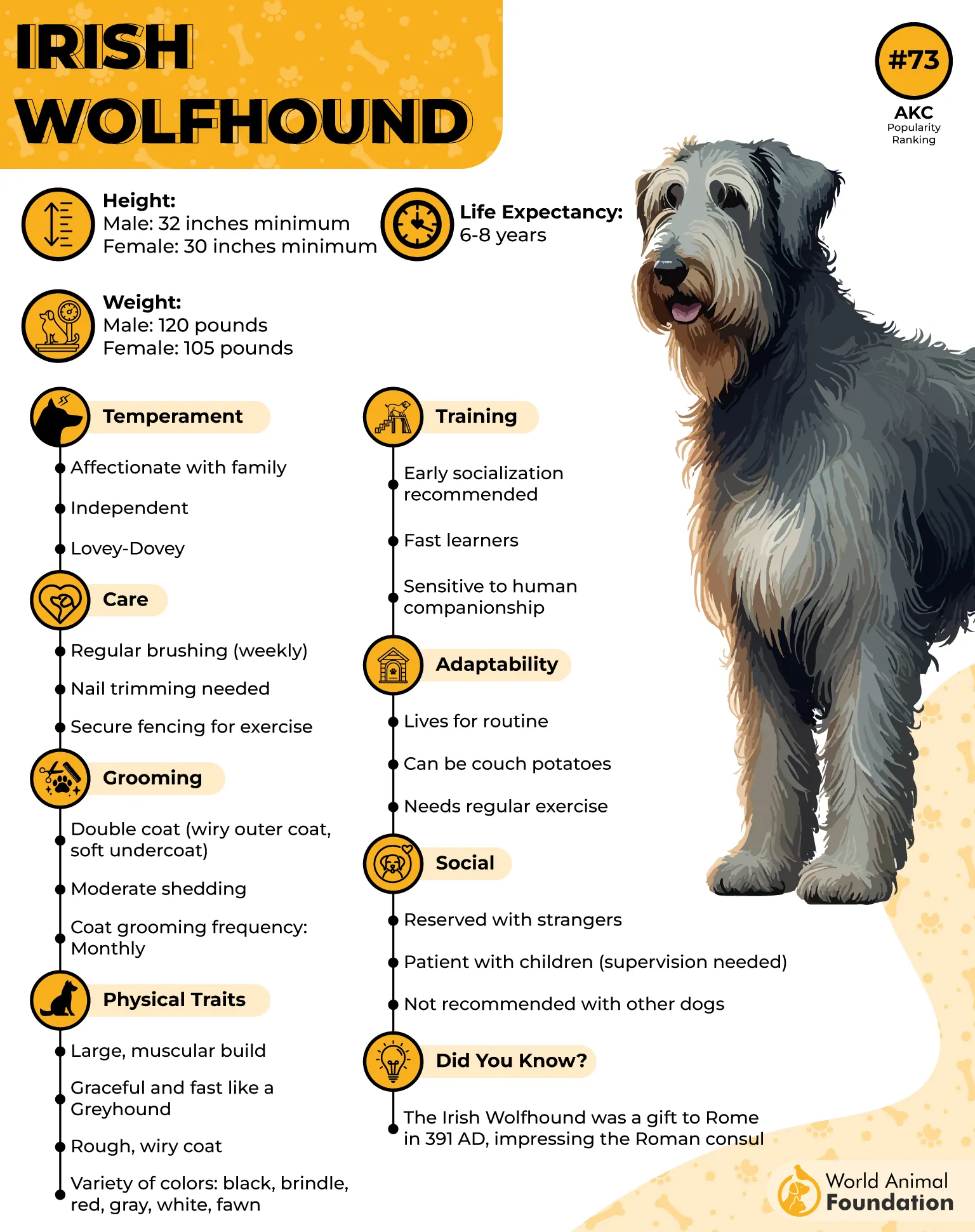
Irish Wolfhound is calm, dignified, and built along graceful hound lines that allow effortless movement. Its serene nature makes it a patient companion that adjusts well to quiet household routines. The dog’s imposing size and soft temperament create a comforting presence without overwhelming daily life.
Strength with Serenity
Muscular and swift, Irish Wolfhounds were once fearless hunters capable of taking down wolves, showing natural courage in controlled settings. Their physical power is paired with a composed demeanor, making them reliable in shared spaces.
This combination is reflected in traits such as:
Alert awareness of changes in surroundings
Steady posture and movement
Ease with gentle guidance
Attentive Companionship
The breed often maintains proximity to family members, observing with quiet focus and responding to subtle cues. Their calm attention supports safe interactions in homes with children or other pets. Gentle pacing and careful positioning demonstrate awareness without intrusion.
Conclusion
Gentle living with a dog is built on shared pace and mutual ease. Seniors benefit from breeds that thrive on moderate exercise and relaxed routines. Daily walks offer consistency without strain, supporting physical health and emotional comfort.
Responsible pet ownership means choosing dogs that listen quietly and adapt naturally. These companion dogs form bonds based on closeness rather than demand.
For many dog owners, lap dogs bring warmth during rest, while larger, calmer breeds offer a steady presence. Moderate exercise helps maintain balance without overwhelming energy.
Unlike other dogs with intense needs, these are often the best companion dogs for peaceful homes. Pet ownership becomes a steady, reassuring part of everyday life.
