




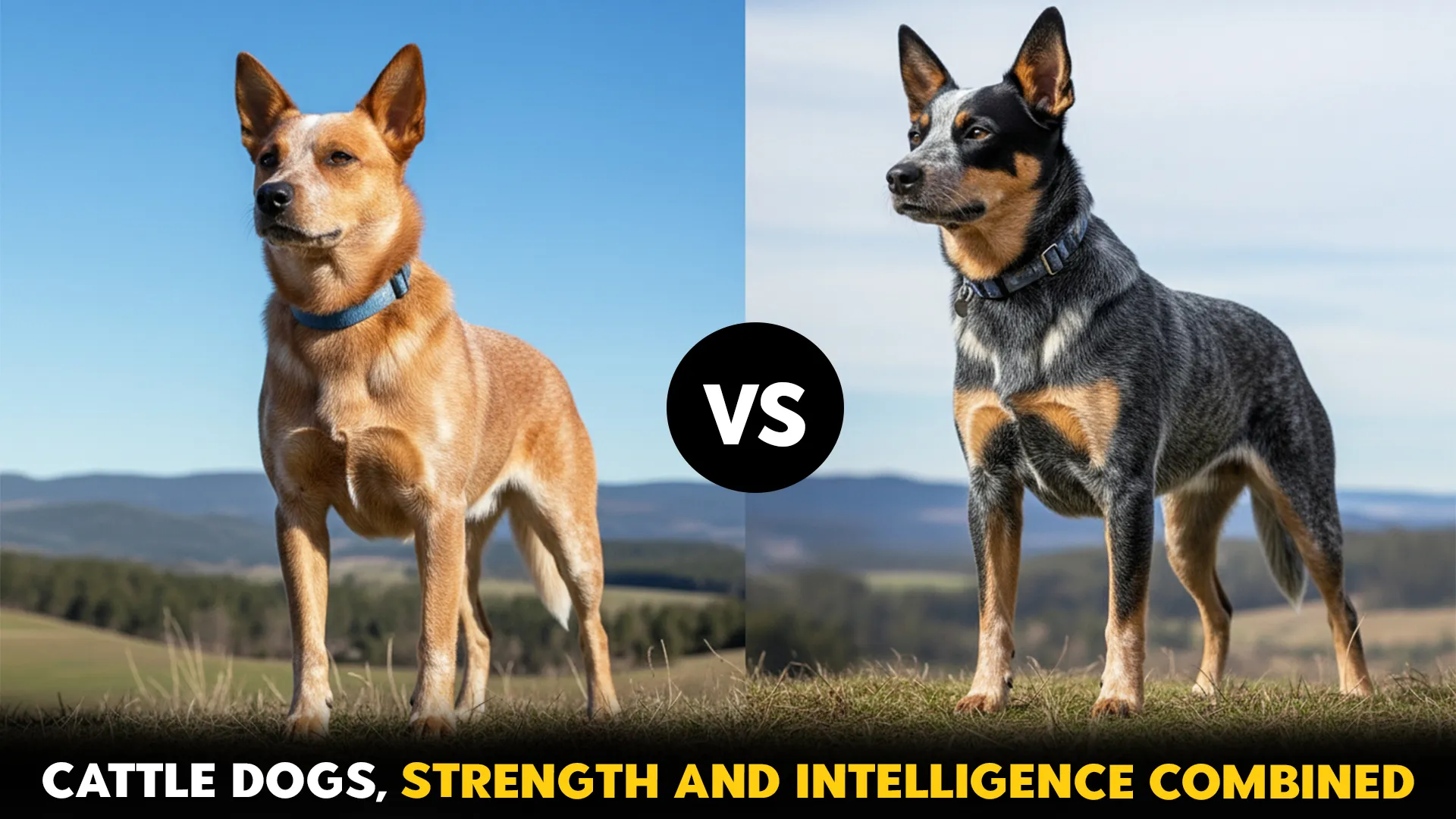
Among the many hardworking herding dogs, few are as well-known as the Australian Cattle Dog. These dogs are admired for their strong build, sharp intelligence, and deep loyalty. They have earned a solid reputation as both dependable workers and loyal companions.
But here’s where things get interesting. Is the Blue Heeler a different dog, or the same one with a different name?
The truth is simple — they are the same breed. The Blue Heeler is just another name for the Australian Cattle Dog breed, especially when referring to its blue coat. Still, many people get confused when they hear names like Red Heeler, Queensland Heeler, or Australian Cattle Dog used interchangeably.
So why do these names exist? Are there real differences in appearance or behavior? And what makes this breed so unique among other dog breeds?
Let’s break it all down and uncover the real story behind this intelligent and energetic working dog.
Overview of the Traits of Australian Cattle Dog and Blue Heeler Dog Breeds
Overview
There are only a few real differences between the Australian Cattle Dog and the Blue Heeler.
In fact, they are the same breed. The Blue Heeler is simply a color variation of the Australian Cattle Dog. Most Australian Cattle Dogs can come in other shades too, including red and mixed patterns.
Apart from coat color, there is no real difference in their structure, behavior, or ability. Both are strong, smart, and highly capable working dogs with excellent herding instincts.
So, when people compare them, they are really talking about the same dog with different names and colors.
Now, let’s take a closer look at what makes this amazing breed so special.
Size and Strength
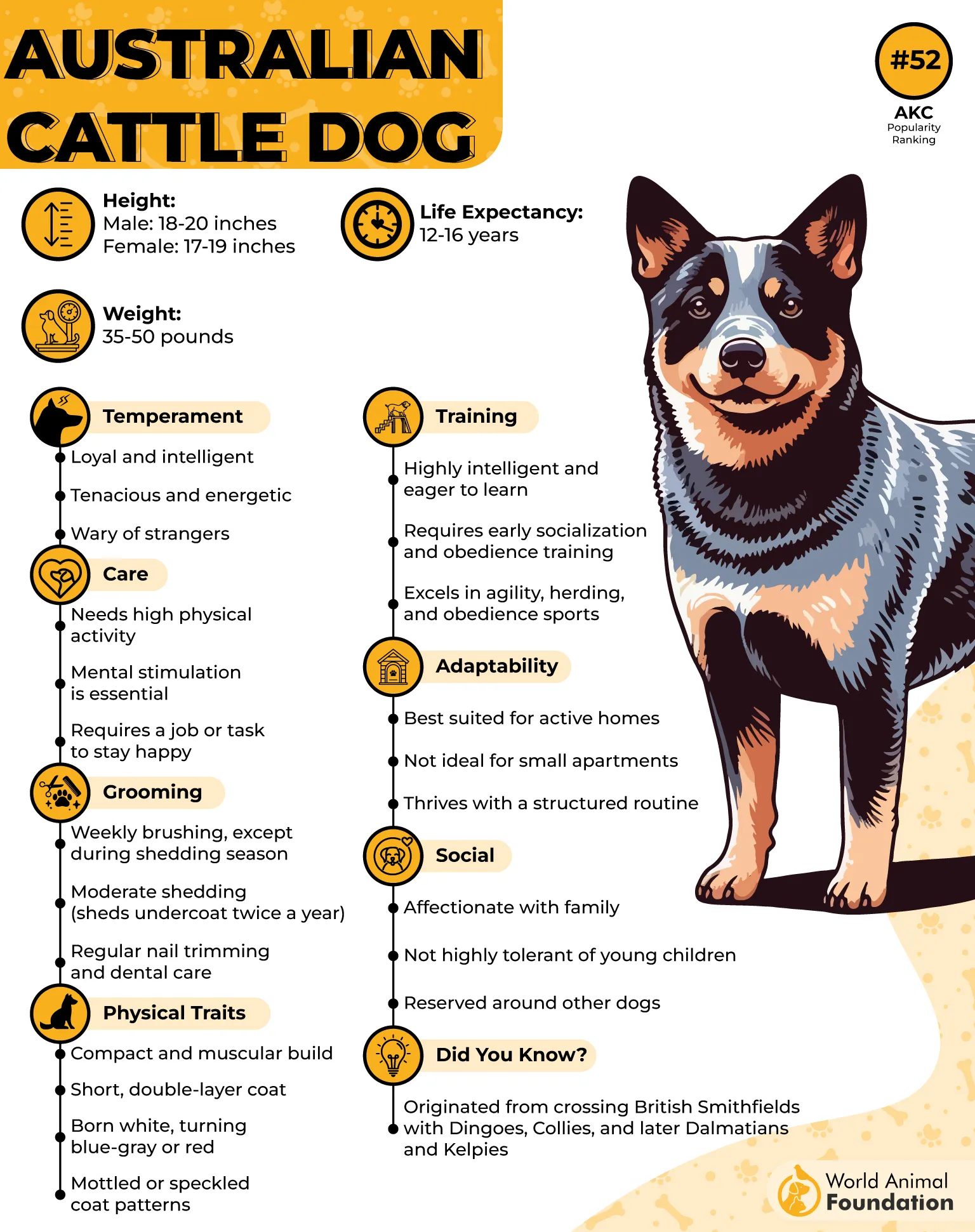
The Australian Cattle Dog and the Blue Heeler are strong, compact dogs with great physical power. They are usually medium to large dogs with a solid, muscular build. Males stand around 18 to 20 inches tall, while females are slightly smaller at 17 to 19 inches.
Their weight typically ranges from 40 to 55 pounds. Their bodies are often a bit longer than their height, which helps them stay balanced and quick on their feet.
These dogs were bred for endurance and tough cattle work. According to the American Kennel Club (AKC), they have strong physical strength and excellent agility, which help them move fast and control livestock in open fields.
Their stamina makes them perfect for herding-style jobs and long hours of activity. In terms of power, they are often compared to a German Shepherd’s strength level because both breeds are highly athletic and hardworking.
Recognized by the Australian National Kennel Council, they belong to the working group. Whether called Blue Heelers or Australian Cattle Dogs, they are built for strength, speed, and non-stop work.
Temperament and personality
The Australian Cattle Dog and the Blue Heeler share the same temperament since they are the same breed. What makes them stand out is their sharp mind and strong working nature. This breed is ranked among the most intelligent dogs, known for quickly learning commands when trained properly.
They are highly loyal, independent, and very intelligent, which makes them both impressive and sometimes challenging for owners. These dogs form a strong bond with humans.
They become deeply attached to their pet parents and family members. They enjoy being part of daily life and stay very connected to people they trust. According to Britannica, they can be playful and affectionate, especially with familiar people and children.
However, these herding dogs are naturally alert and cautious. They may be reserved around strangers and selective with other dogs. Early socialization helps them behave better in different environments.
Without enough activity and attention, their strong energy and independent nature can lead to unwanted behaviors like restlessness or nipping.
Overall, they balance affection with independence. They love their family deeply but also carry a strong working instinct that shapes their behavior every day.
Health and Lifespan
The Australian Cattle Dog and the Blue Heeler are generally healthy, strong dogs with a long lifespan. With proper care, they often live around 12 to 16 years. Their active working group background helps keep them fit, but they still have some health concerns that owners should watch closely.
Common health concerns include:
According to PDSA, they are prone to some diseases that include
Elbow and Hip Dysplasia
Portosystemic shunt
Progressive retinal atrophy (PRA)
Joint stress from high activity
Coat shedding during seasonal changes
Age-related eye and mobility issues
Even though they have a strong physical build, they still need regular vet checkups. Early care helps prevent serious problems later in life. Their eyes and joints should always be monitored, especially as they grow older.
These dogs are working breeds, so an active lifestyle actually benefits their health. Regular exercise keeps their muscles strong and supports joint health. Without enough movement, they may develop stiffness or unwanted weight gain.
Overall, Australian Cattle Dogs and Blue Heelers stay healthiest when they get daily activity, balanced nutrition, and routine medical care. A well-cared-for dog can stay energetic, alert, and active well into older age.
Training and Exercise
The Australian Cattle Dog and Blue Heeler are highly intelligent dogs with a strong ability to learn. Because of their high degree of problem-solving skills, they enjoy training sessions and quickly pick up new commands. However, they also need proper guidance from an early age to shape their behavior positively.
Early puppy training and socialization are very important. This helps reduce nipping habits and builds better behavior around people and other animals. Obedience training is strongly recommended to help the dog grow into a well-mannered companion.
According to PetMD, they respond best to firm but gentle handling and positive reinforcement from their humans. These dogs have a high energy level and require plenty of regular exercise, including long walks, active play, and structured activities.
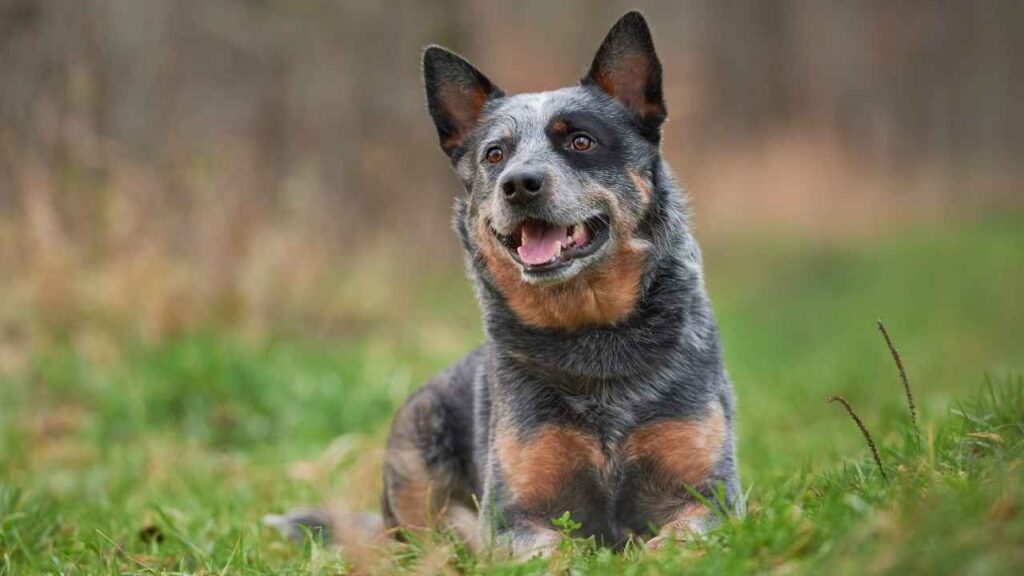
Without enough mental stimulation and physical stimulation, they can become destructive or overly restless. They excel at dog sports like agility training, frisbee, and fetch. Their natural drive makes them perfect for challenging tasks that test both mind and body.
With the right training, they become focused, loyal, and highly skilled working companions.
Grooming Needs
The Australian Cattle Dog and the Blue Heeler are the same breed in terms of grooming needs. They have a short, weather-resistant coat designed for outdoor work in tough conditions. This makes them very low-maintenance compared to many other dog breeds.
Their coat comes in different patterns, including blue coats, white coats, and red coats with tan markings. You may also see blue speckled or blue mottled patterns, which are common and give them their unique look. The coat is proven to be weather-resistant, helping them handle heat, rain, and rough conditions easily.
Even though grooming is simple, they do shed more during shedding season. Regular brushing helps control loose white hair and keeps the overall coat health in good condition. It also keeps their skin clean and supports a healthy shine.
Overall, grooming is easy and quick. A few brushing sessions each week are usually enough to keep them clean, healthy, and comfortable.
Energy Level
The Australian Cattle Dog and Blue Heeler are the same dog breed when it comes to energy levels. Whether called a blue or red heeler, both share an extremely high energy nature that needs daily activity to stay balanced.
These dogs were built to herd cattle, so their work ethic is strong and constant. They are muscular, active, and always ready to move. This makes them perfect for active owners who can keep up with their pace. They are not a neat, low-energy lap dog type. Instead, they need action, space, and purpose every day.
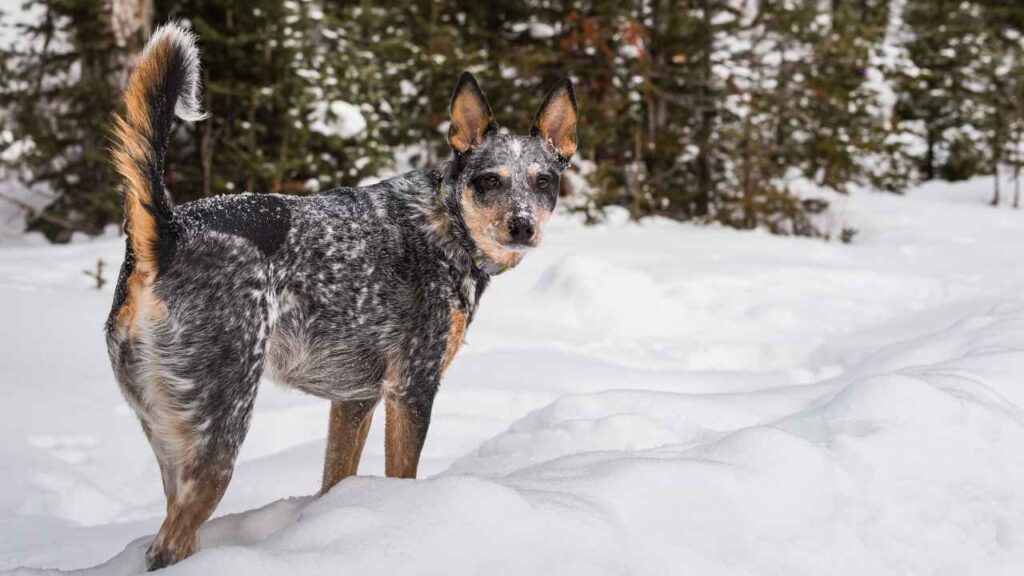
Without enough exercise, they can become restless or even destructive. That’s why they are ideal for farms, active families, or people who enjoy outdoor routines. Long play sessions, running, and structured tasks help them stay happy and well-behaved.
In the right home, their energy becomes a strength, not a challenge.
Natural Guard Instincts
Whether called Blue Heeler or Red Heeler, they come from the same Australian Cattle Dog. Their comparison often confuses people, but their behavior stays the same. This breed was developed to control cattle and protect livestock, so guarding comes naturally to them.
From a young age, even before their coat changes, they show alert, watchful behavior. Their instinct to herd cattle and manage livestock is strong. They naturally herd, guide, and sometimes “heel” movement, which is where the name “heeler” comes from.
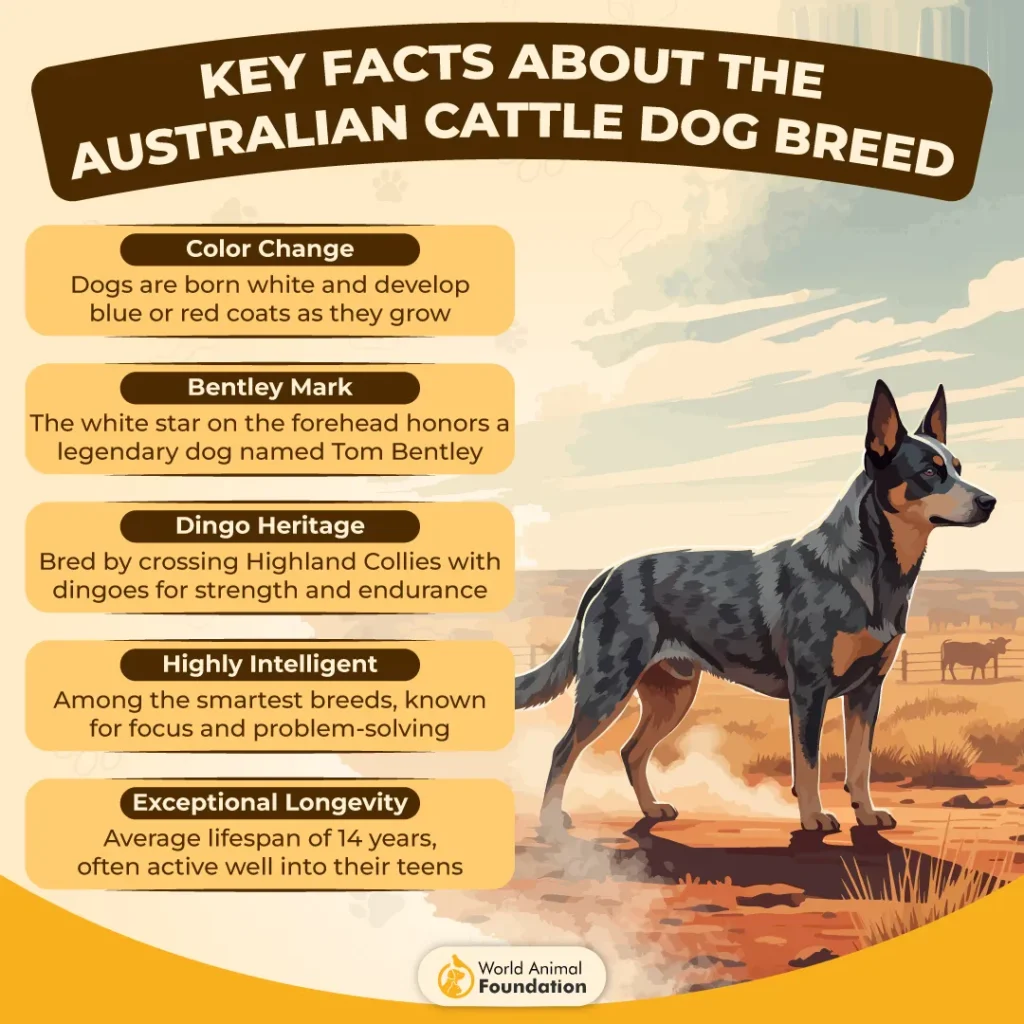
These herding dogs are always aware of their surroundings. They quickly understand changes around humans, animals, and property. They may stay cautious when meeting strangers, but with proper training, they learn and accept new people in the right order.
Their protective nature comes from their working line and deep connection to cattle stations, including traditional working homes like Kate’s cattle properties. They are independent thinkers but still loyal to their family.
In short, this breed balances instinct, loyalty, and protection in a very controlled and intelligent way.
Protective Temperament
The Australian Cattle Dog, Blue Heeler, and Red Heeler all belong to the same herding group and share a strong protective nature. They are loyal pets and can also be very affectionate with their family members when raised in a caring home or rescue setting.
This breed is highly alert and protective of humans and property, which makes them excellent watchdogs. They usually bark only when they sense something is wrong, showing their natural awareness and working instincts.
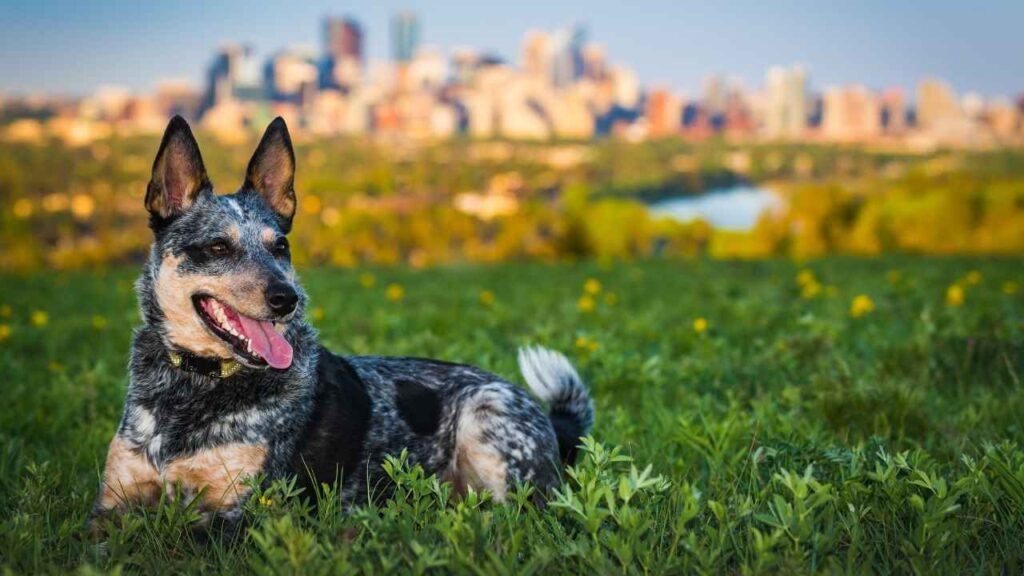
However, they may act cautiously or even aggressively toward strangers or other dogs if not properly socialized. That is why early puppy training is very important.
With the right guidance, Australian Cattle Dog or Blue Heeler puppies learn to trust people outside their home while staying confident and balanced. Many rescue dogs also adapt well when given patience and care.
Conclusion
The Australian Cattle Dog stands out as a loyal and intelligent herding breed. Its story is often based on working life and strong farm duty. Many are born white and change color as they grow with the dog’s age.
The dog’s age affects behavior, training, and daily energy levels. Overall, the Australian Cattle Dog remains strong, loyal, and hardworking.
With proper care, training, and understanding, this herding breed becomes an excellent companion for active families who can match its energy and commitment every single day while staying happy, stable, and well-balanced in life together always.
