




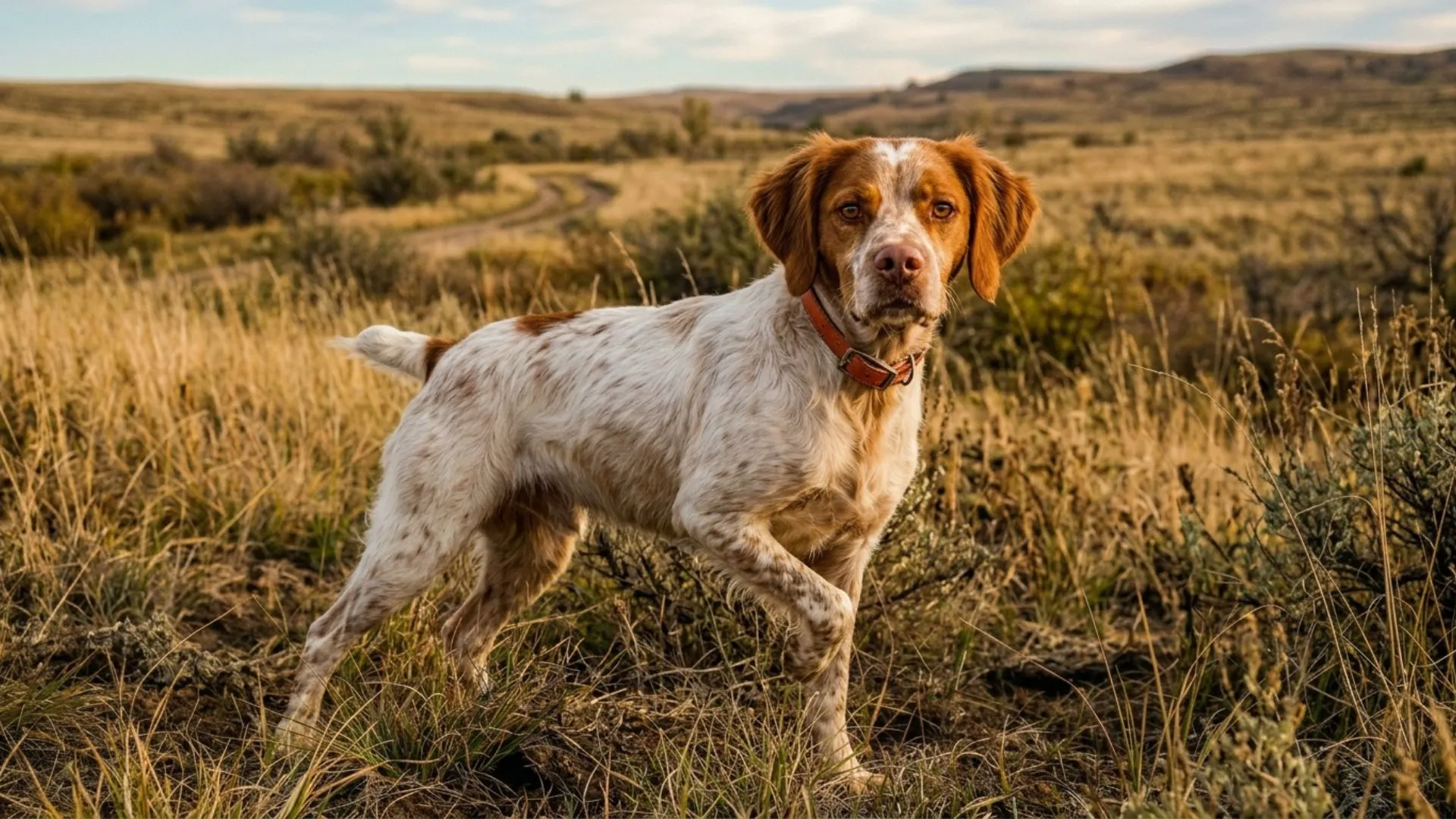
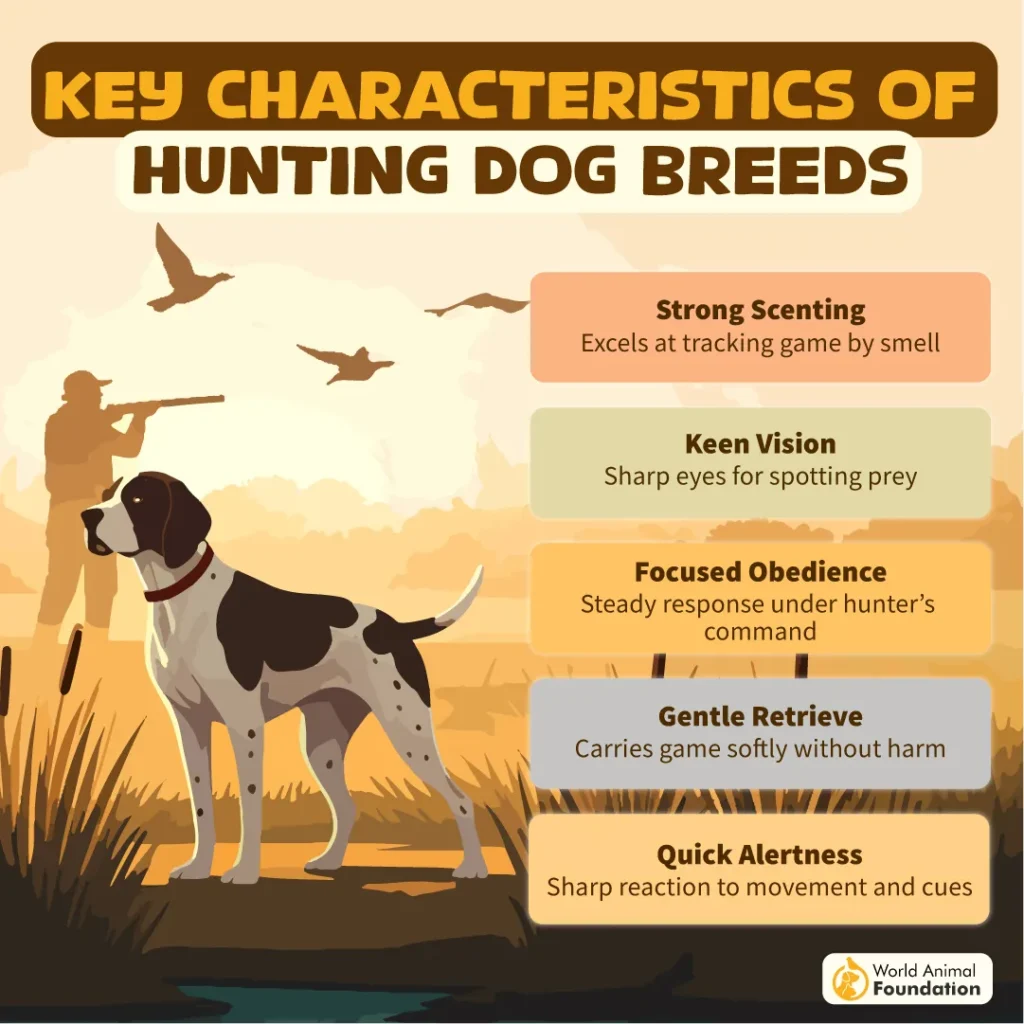
Long before dogs became professional couch warmers and unofficial snack inspectors, many were bred for one mission: helping humans hunt. Centuries of selective breeding sharpened their noses, strengthened their endurance, and fine-tuned behaviors that still show up on walks in the local park.
Research into canine olfaction shows that dogs possess around 300 million scent receptors, compared with roughly 5–6 million in humans, making them astonishing trackers. Combined with remarkable hearing, athleticism, and problem-solving skills, these traits turned specialized hunting breeds into indispensable partners in forests, marshes, and mountains.
If you’ve ever wondered why your dog suddenly ignores you after spotting wildlife, this list explains the evolutionary backstory. These breeds aren’t being dramatic—they’re simply doing the jobs they were genetically designed to perform.
Outstanding Dog Breeds With Instinctive Hunting Skills
1. Weimaraner
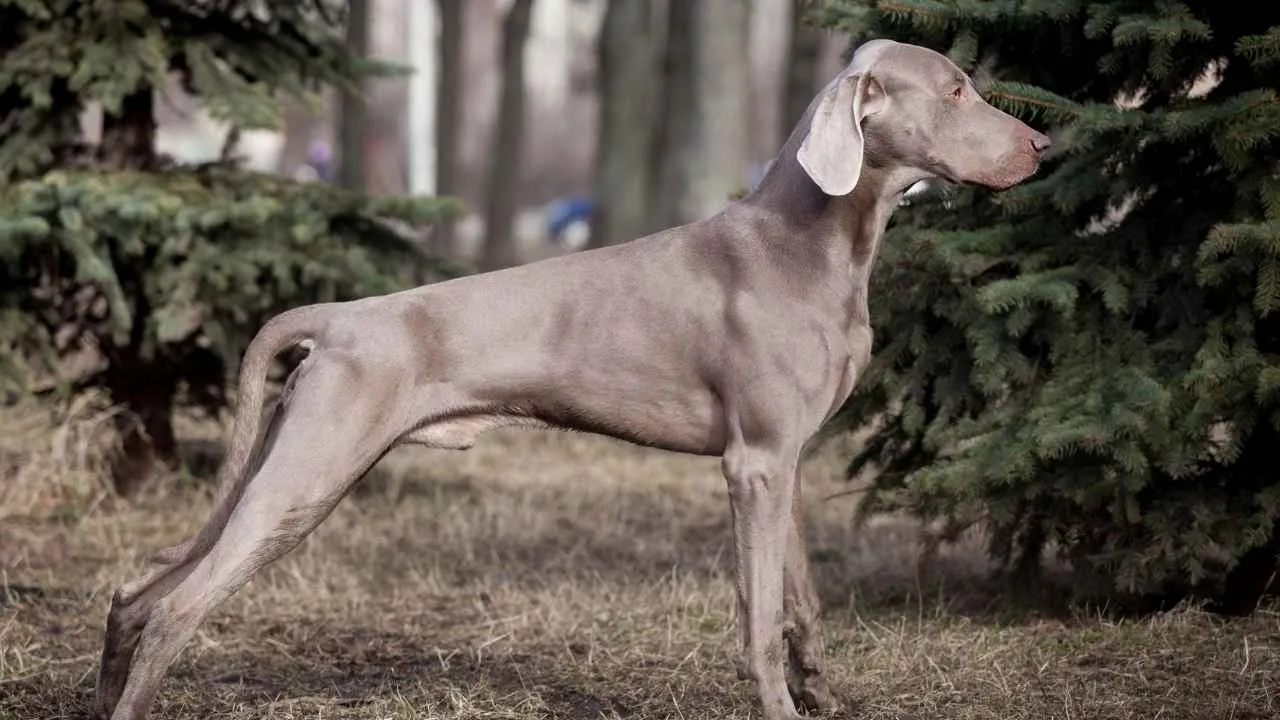
The Weimaraner was developed in 19th-century Germany as an all-purpose hunting companion for aristocrats seeking a single dog capable of handling demanding pursuits. Early breeders emphasized courage, endurance, intelligence, and versatility, producing a canine athlete capable of tracking, pointing, and retrieving with equal confidence.
Even today, many enthusiasts call it the “Gray Ghost” because of its sleek silver coat and silent movement through the landscape.
Its hunting technique relies on combining scent detection with controlled speed and close cooperation with the handler. Rather than charging recklessly, a skilled Weimaraner systematically searches the terrain until it locates game, then signals its discovery with a classic pointing posture.
This measured style conserves energy while maximizing efficiency during long hunts.
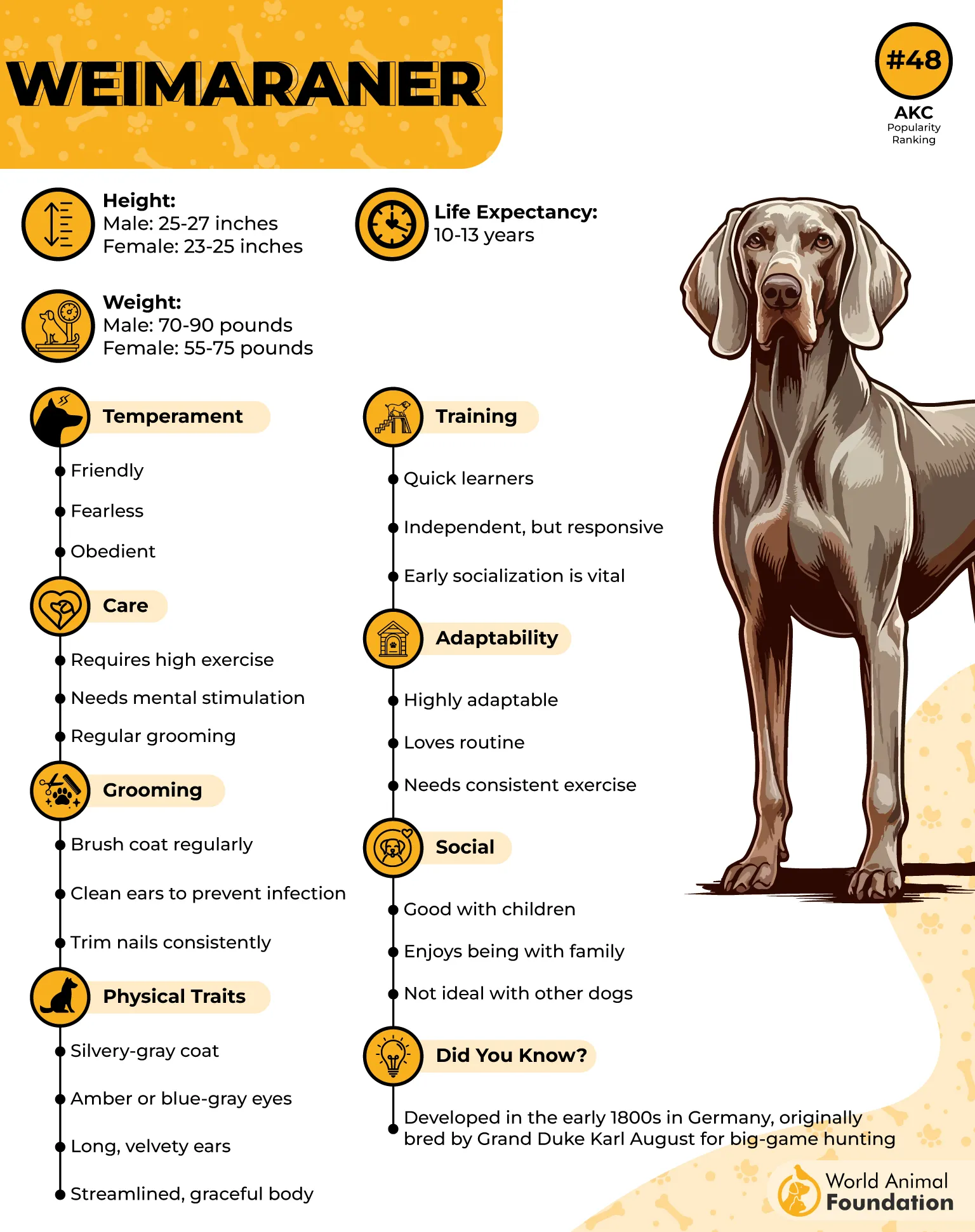
Unlike specialists that focus on one task, these dogs with sharp instincts adapt fluidly to upland bird hunting, water retrieving, and tracking wounded game. Their muscular build allows them to cover large distances without tiring quickly, making them valuable partners during extended outings.
The breed’s intelligence also influences its hunting strategy, says the Weimaraner Club of America. Weimaraners constantly read body language and verbal cues from handlers, adjusting search patterns based on changing conditions. This cooperative mindset explains why they excel not only in hunting but also in search-and-rescue work, scent detection, and advanced obedience competitions.
2. Brittany
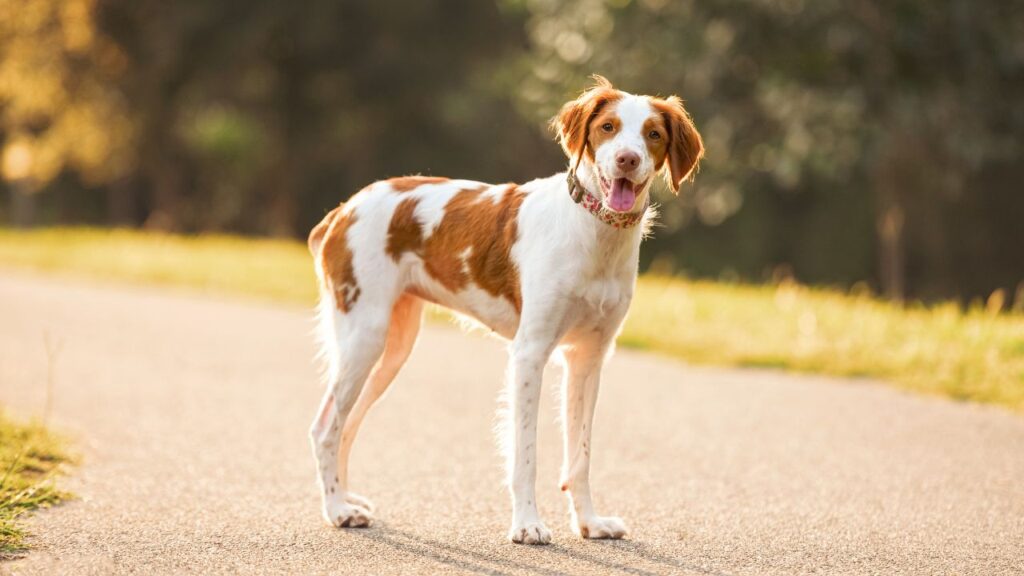
The Brittany may have the size of a medium companion dog, but beneath that cheerful personality lives an exceptionally efficient hunting machine. Originating in France, the breed developed into one of the world’s most respected bird dogs thanks to its natural ability to locate, point, and retrieve game across varied terrain.
Brittanys employ an energetic quartering technique while hunting. They weave back and forth in front of the handler, methodically covering ground until airborne scent particles reveal hidden birds. Once detected, they often freeze in an intense pointing stance that alerts the hunter without prematurely flushing the quarry.
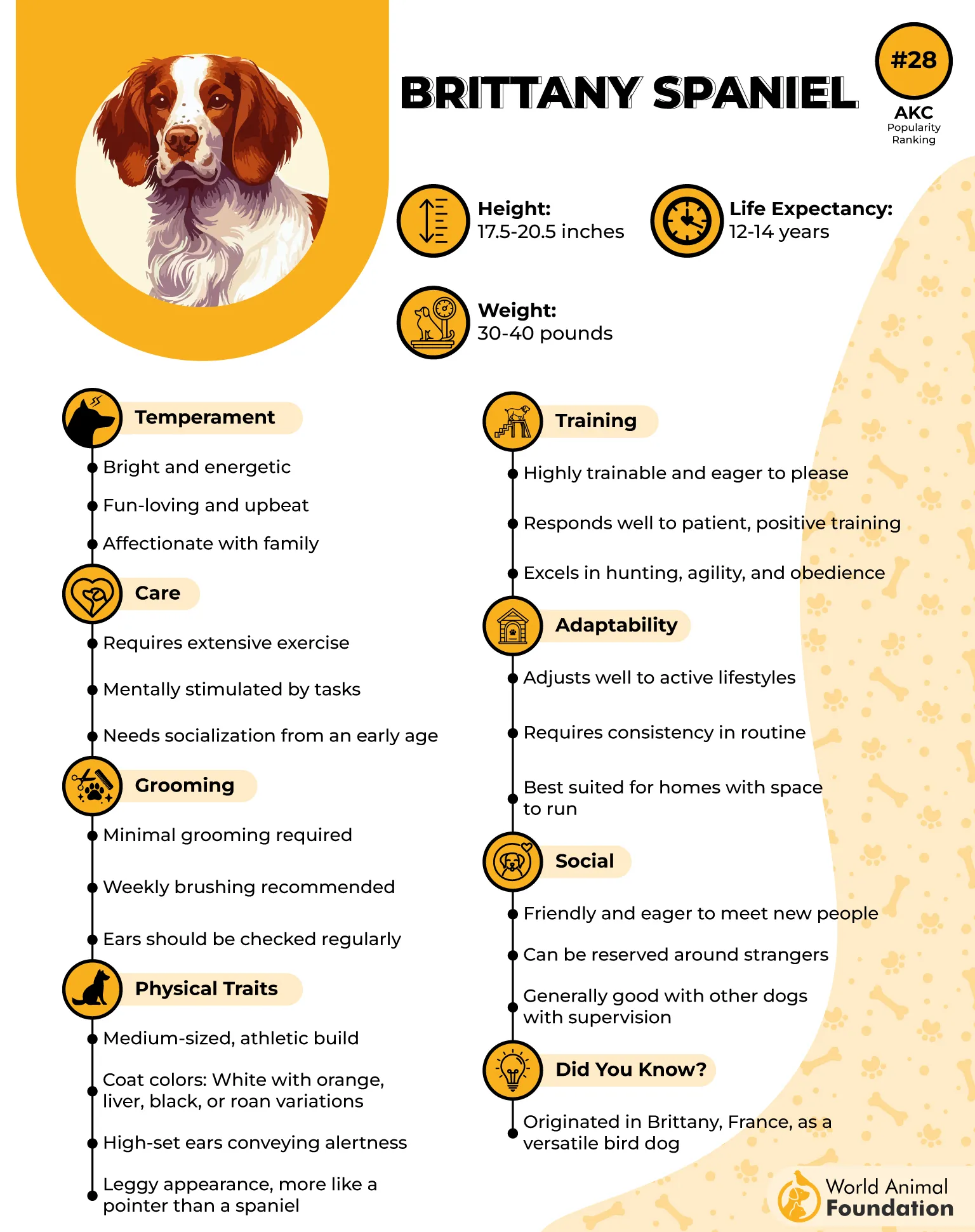
Unlike breeds bred primarily for pursuit, Hill’s Pet says these dogs emphasize precision and teamwork. They maintain close communication with handlers, checking back frequently and adjusting their search in response to whistles or commands.
This responsiveness makes them favorites among sportsmen seeking controlled field performance rather than independent roaming.
The breed’s high prey drive extends well beyond traditional hunting. Backyard birds, squirrels, and drifting scents can instantly capture a Brittany’s attention, illustrating just how deeply ingrained these instincts remain. Many owners channel that enthusiasm into scent sports, agility, dock diving, and advanced retrieving games.
3. American Foxhound
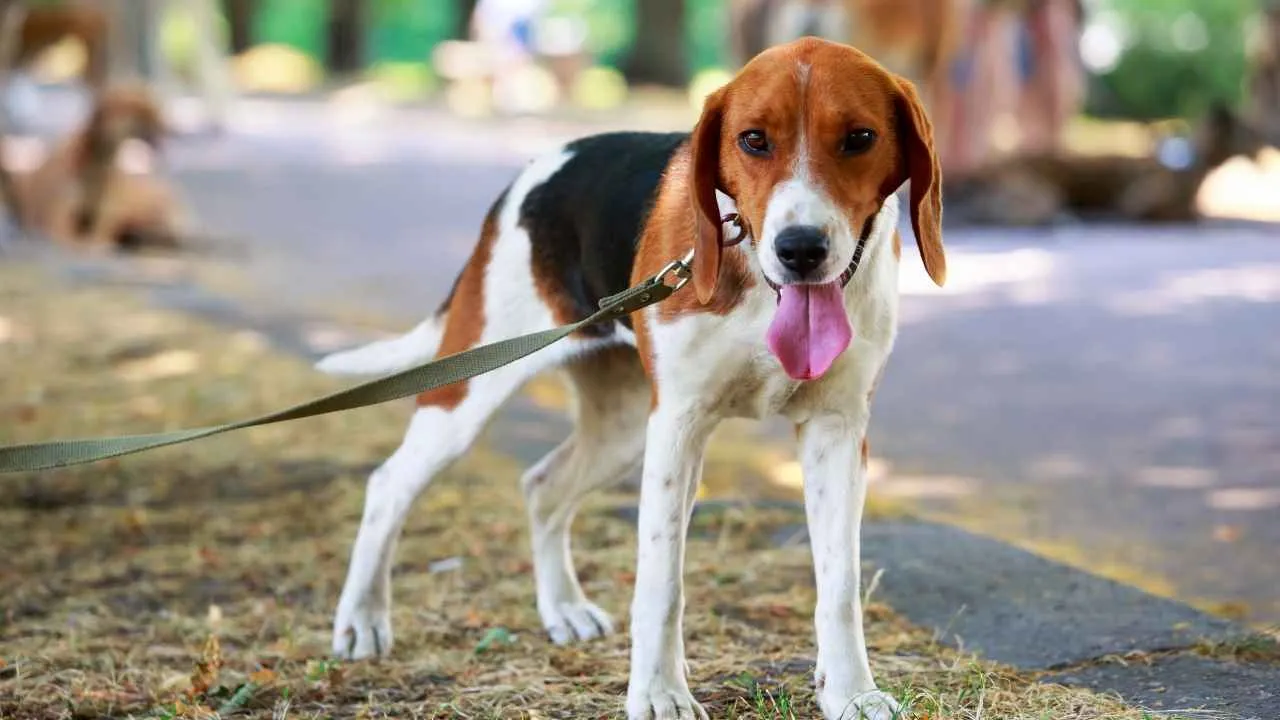
The American Foxhound represents endurance hunting at its finest. Developed from colonial-era foxhounds and refined for North American conditions, this breed was designed to pursue quarry over enormous distances while cooperating seamlessly within organized packs.
Unlike sight hounds that rely primarily on vision, these hunting dogs trust their extraordinary noses. Once they encounter a promising trail, they lower their heads and methodically follow microscopic scent particles that humans cannot perceive.
This persistence allows them to remain on track despite difficult terrain or changing weather conditions.
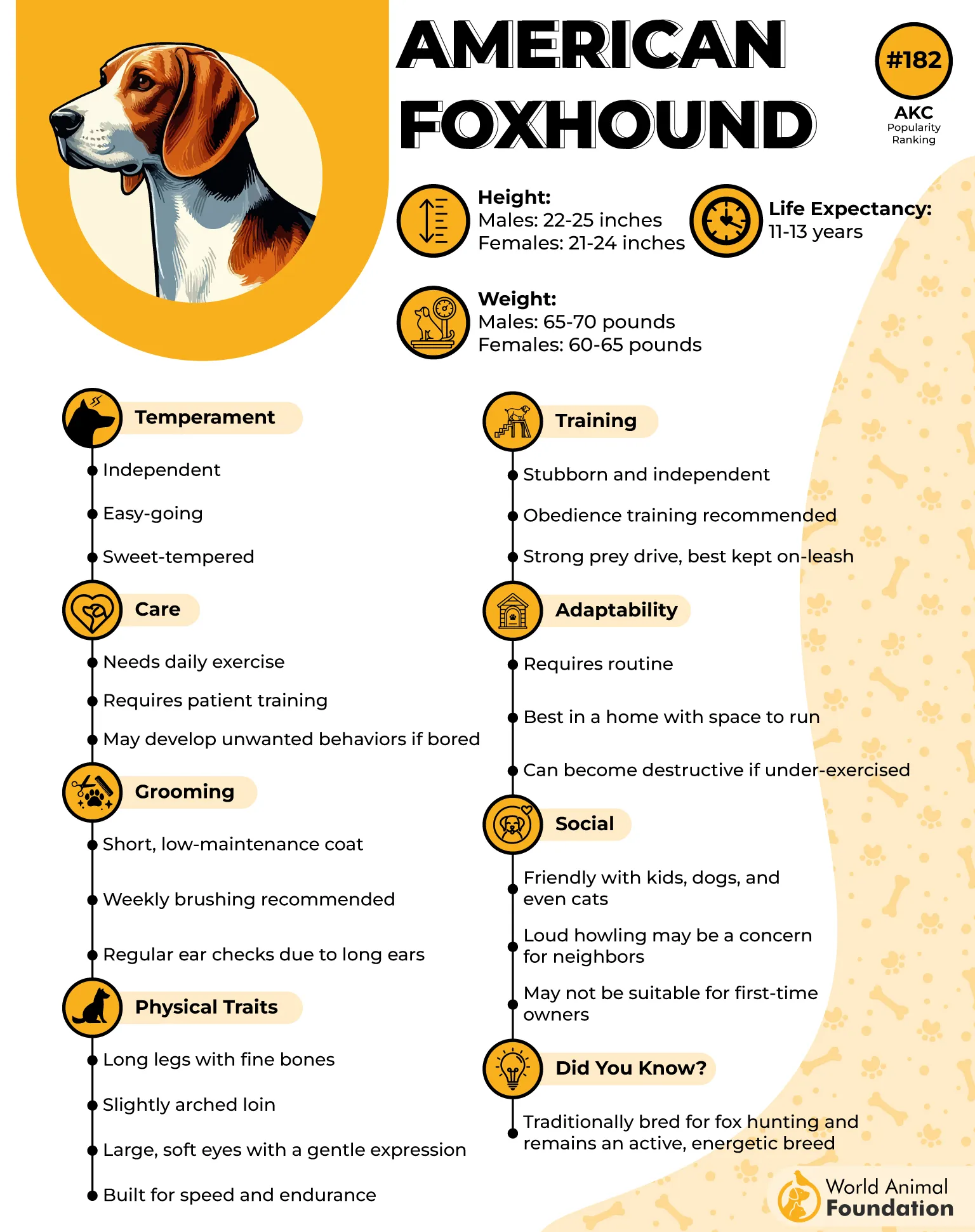
Pack coordination is key to much of the breed’s hunting success. Individual dogs communicate through distinctive vocalizations while collectively maintaining pressure on the quarry rather than attempting independent captures. Their teamwork mirrors centuries of selective breeding for cooperation under human guidance.
These hunting dogs’ remarkable cardiovascular endurance separates them from many other sporting breeds. These dogs can maintain a steady pace over miles of countryside while continuously processing scent information and adjusting direction as the trail evolves. Their lean physiques are built for stamina instead of explosive bursts of speed.
Even outside hunting environments, owners quickly notice these instincts. A fascinating smell on a neighborhood walk can trigger determined tracking behavior, and their signature bay occasionally emerges when excitement peaks.
4. Redbone Coonhound
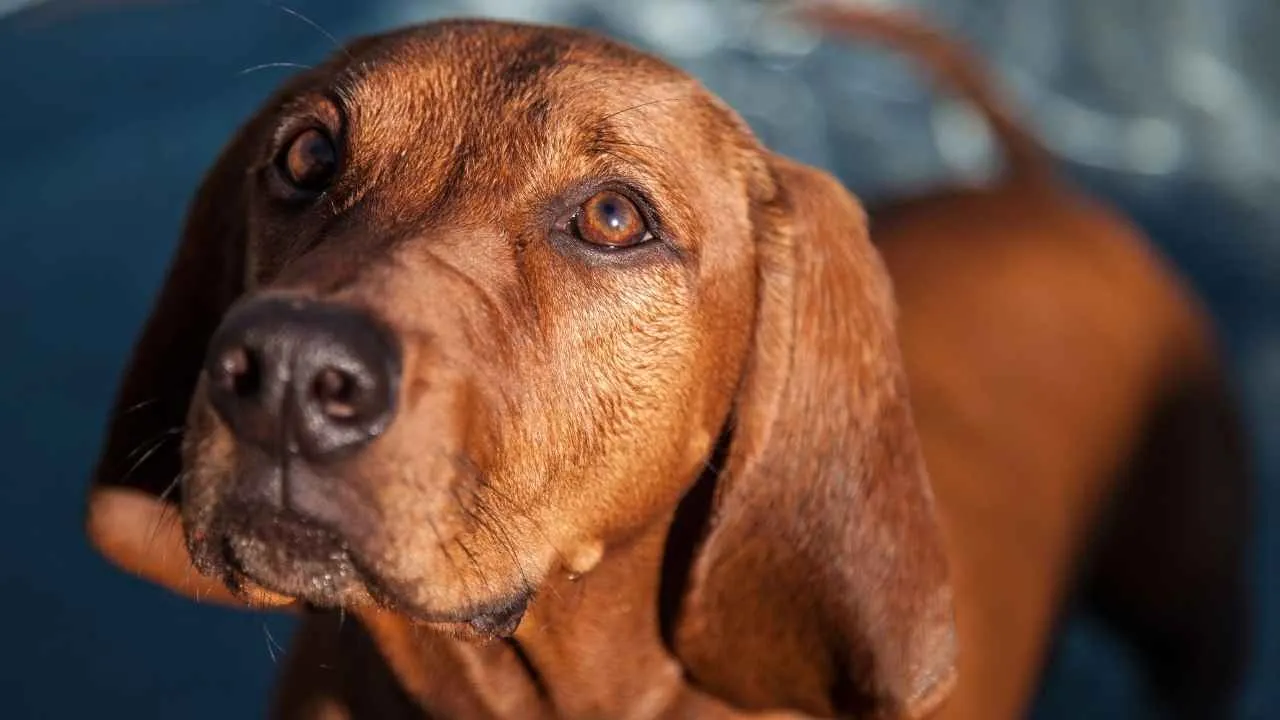
The Redbone Coonhound is the definition of “built for the chase.” Developed in the American South to pursue raccoons, foxes, and even larger game like black bears and bobcats, this sleek red hound combines speed, endurance, and an incredibly accurate nose, as per the American Kennel Club.
Hunters value the breed for its ability to keep working through dense forests, rocky hills, and swamps long after many dogs would tire.
Its signature hunting technique is called treeing, where the dog relentlessly follows a scent trail until the animal climbs a tree. Instead of attempting to attack immediately, the Redbone stays below and bays loudly to alert hunters to the exact location of the quarry.
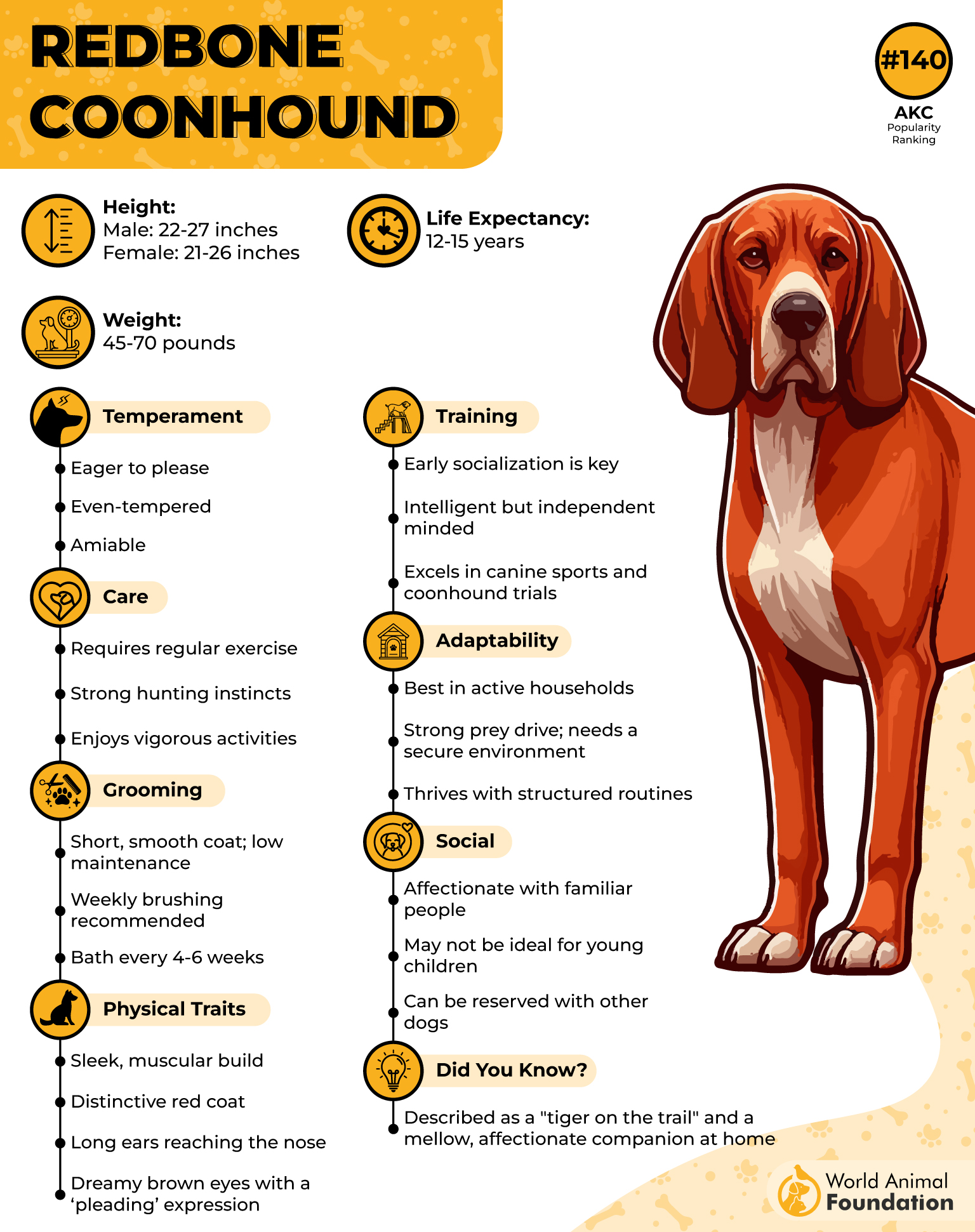
Unlike some independent hunting breeds that roam unpredictably, Redbones balance determination with teamwork. They willingly collaborate with handlers while using their instincts to make split-second decisions when a scent becomes faint or changes direction. Experienced hunters often praise their persistence, noting that they rarely abandon a promising trail.
The breed’s prey drive is so deeply embedded that modern pet owners frequently notice it during everyday walks. A rabbit darting across a path or the scent of wildlife drifting through the air can instantly command the dog’s complete attention. Consistent recall training and secure leashes are essential because instinct can temporarily overpower obedience.
5. Basset Hound
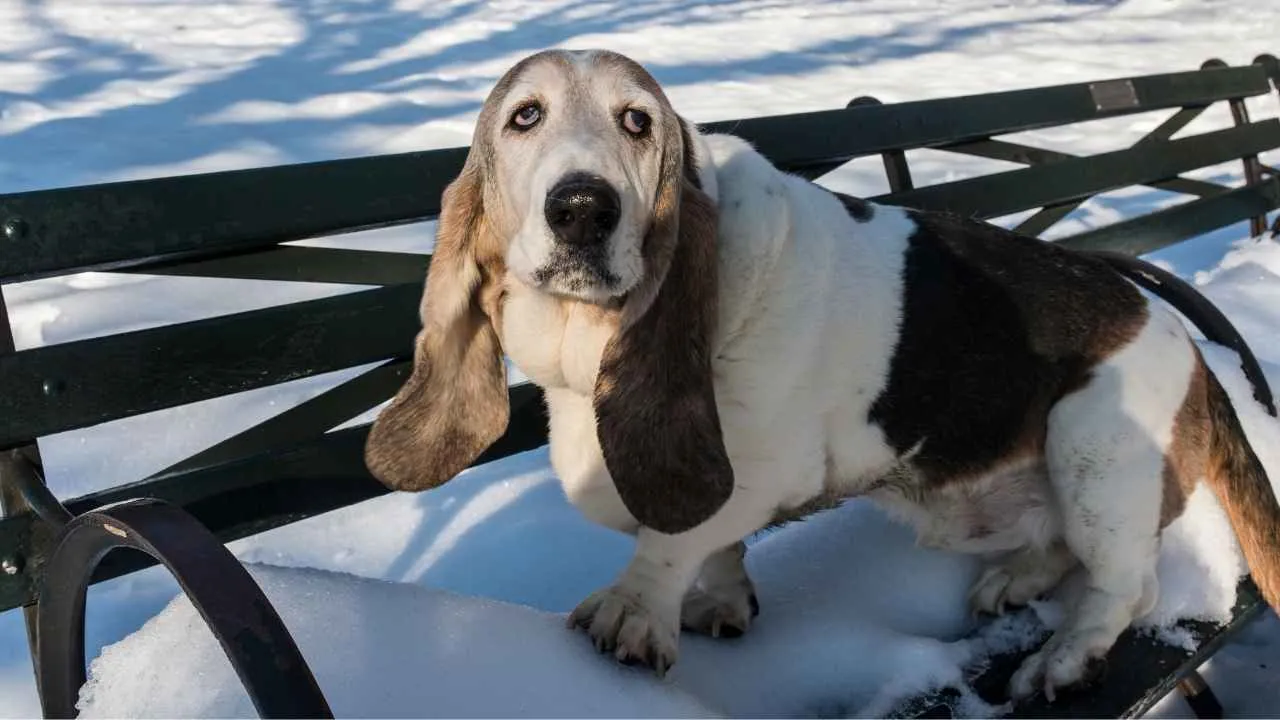
The Basset Hound may appear slow and sleepy on the sofa, but once its nose detects an interesting scent, everything changes. Originally developed in France for tracking rabbits and hares, this low-slung scent hound stays close to the ground where odor particles are strongest.
Rather than relying on speed, the Basset employs patience and extraordinary concentration. It methodically follows trails step by step, often refusing distractions that would interrupt its investigation. Hunters historically appreciated this measured pace because it allowed them to comfortably follow on foot while keeping track of the dog.
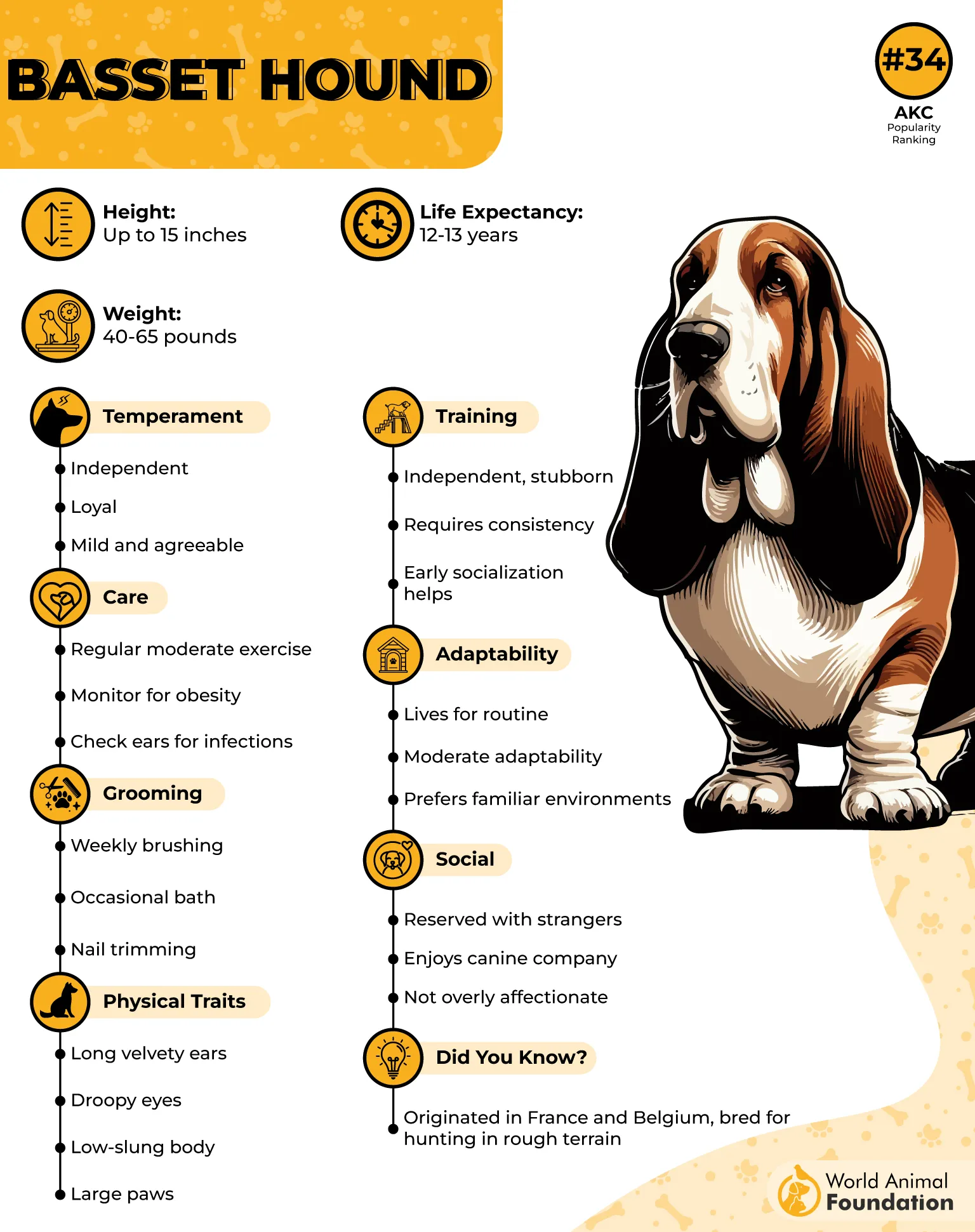
One of the breed’s greatest hunting strengths is persistence over distance. Even aging scent trails can remain fascinating to a determined Basset, which explains why owners sometimes joke that the dog “hears through its nose instead of its ears.” Once engaged with a scent, convincing one to change direction can require impressive negotiation skills.
Bassets also perform exceptionally well during pack hunts due to their calm, cooperative temperament. They rarely create unnecessary conflict with fellow dogs and instead contribute through consistent scent work and steady progress. Their distinctive baying vocalizations help handlers monitor the pursuit even when visibility is poor.
Today, many Basset owners satisfy these instincts through nose-work games, tracking events, and puzzle-based enrichment rather than traditional hunting. Watching one carefully analyze a scent trail demonstrates why the breed continues to impress trainers and canine behavior specialists alike.
6. Catahoula Leopard Dog
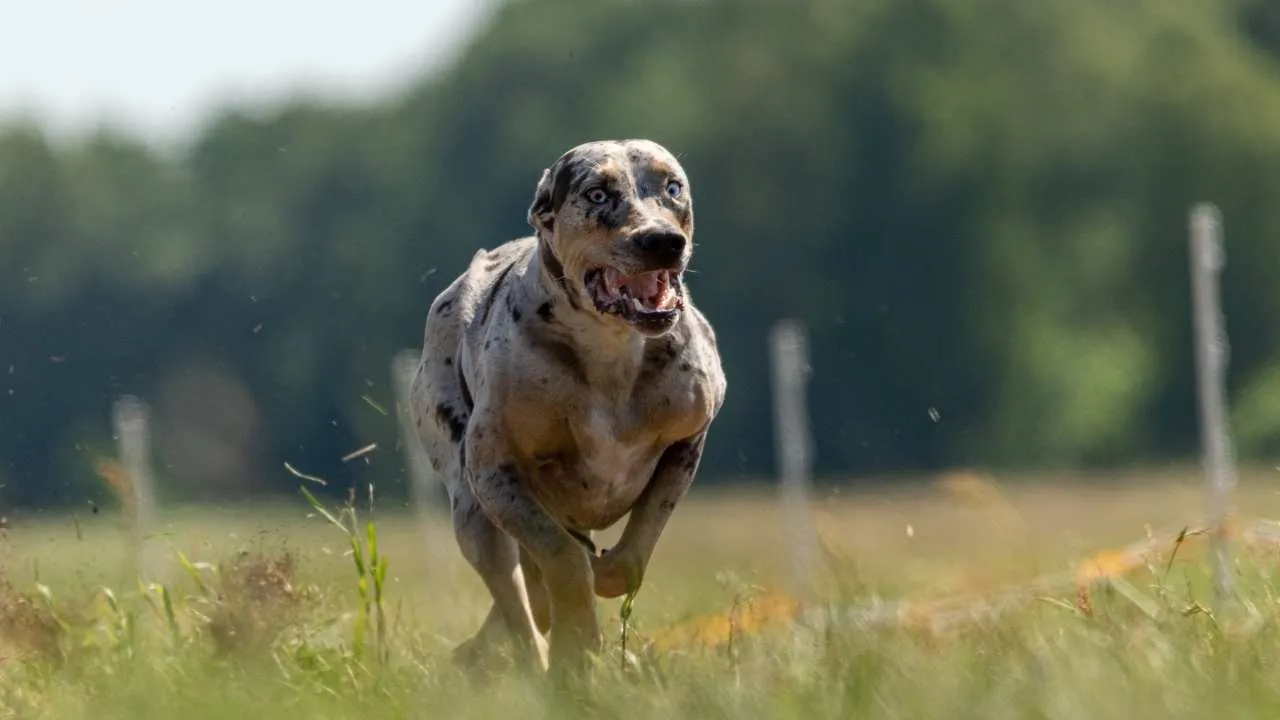
The Catahoula Leopard Dog developed in Louisiana’s rugged swamps and forests, where versatility often determined success. Unlike specialists focused on a single quarry, these dogs learned to herd livestock, track game, tree animals, and assist in dangerous hunts for feral hogs.
When hunting wild hogs, Catahoulas frequently operate as bay dogs rather than direct attackers. Their objective is to locate the animal, surround it, and keep it occupied through barking, strategic movement, and controlled pressure until hunters arrive.
The breed combines scent detection with visual awareness and rapid decision-making. Instead of following a rigid routine, a Catahoula constantly evaluates terrain, escape routes, and the behavior of the animal it is pursuing. This flexibility allows it to perform effectively across marshes, forests, farmland, and uneven wilderness.
Their prey drive remains exceptionally high, which means squirrels, deer, and other fast-moving animals can easily trigger instinctive pursuit. Early socialization, reliable obedience training, and structured outlets such as scent work or advanced tracking exercises are particularly valuable for channeling these natural behaviors into appropriate activities.
Owners who provide challenging jobs often describe the Catahoula as endlessly resourceful and deeply satisfying to train. Whether participating in search-and-rescue exercises, livestock management, or recreational nose work, the breed demonstrates the same independent problem-solving abilities that once made it indispensable to frontier hunters.
7. Pharaoh Hound
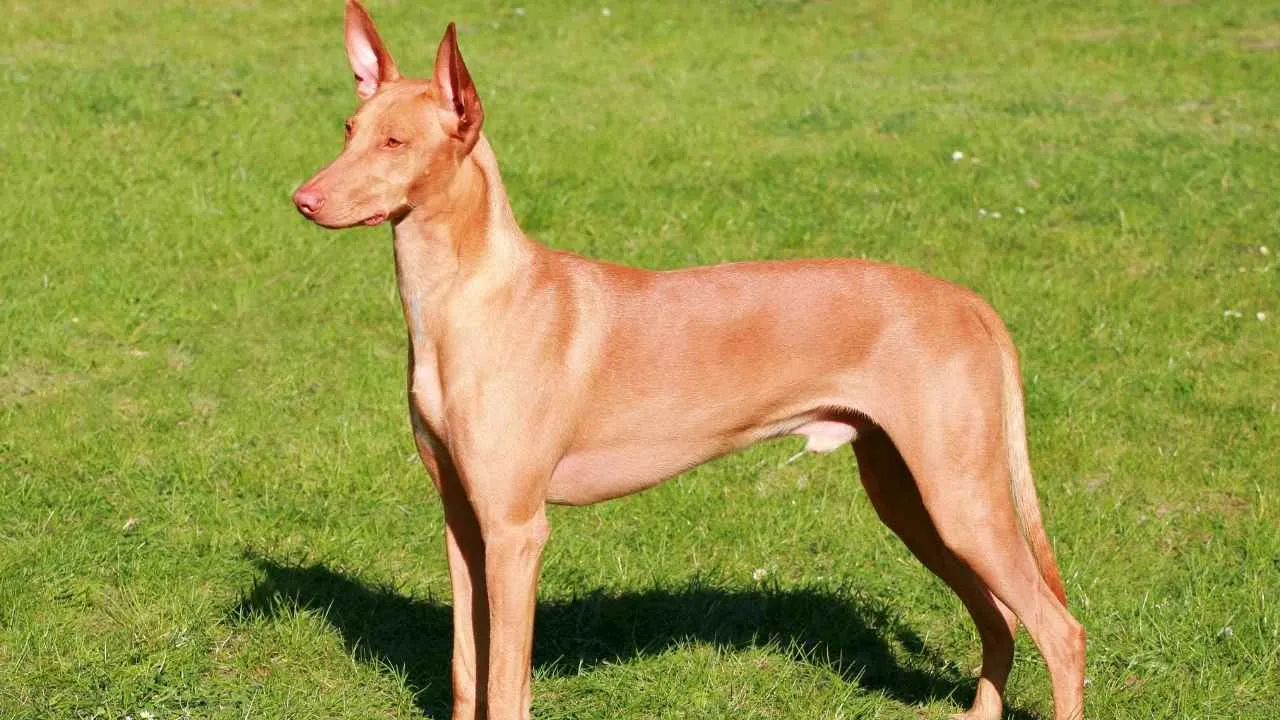
The Pharaoh Hound is one of the oldest hunting breeds still in existence, with a history stretching back thousands of years around the Mediterranean, particularly on the island of Malta. Elegant, athletic, and incredibly fast, this breed was traditionally used to hunt rabbits across rocky terrain where agility mattered just as much as endurance.
Unlike many scent hounds, this hound dog primarily relies on keen eyesight to locate moving prey. As a classic sighthound, it scans the landscape for subtle motion before launching into pursuit with breathtaking speed. Once the chase begins, its long legs and flexible stride make it exceptionally difficult for small game to escape in open country.
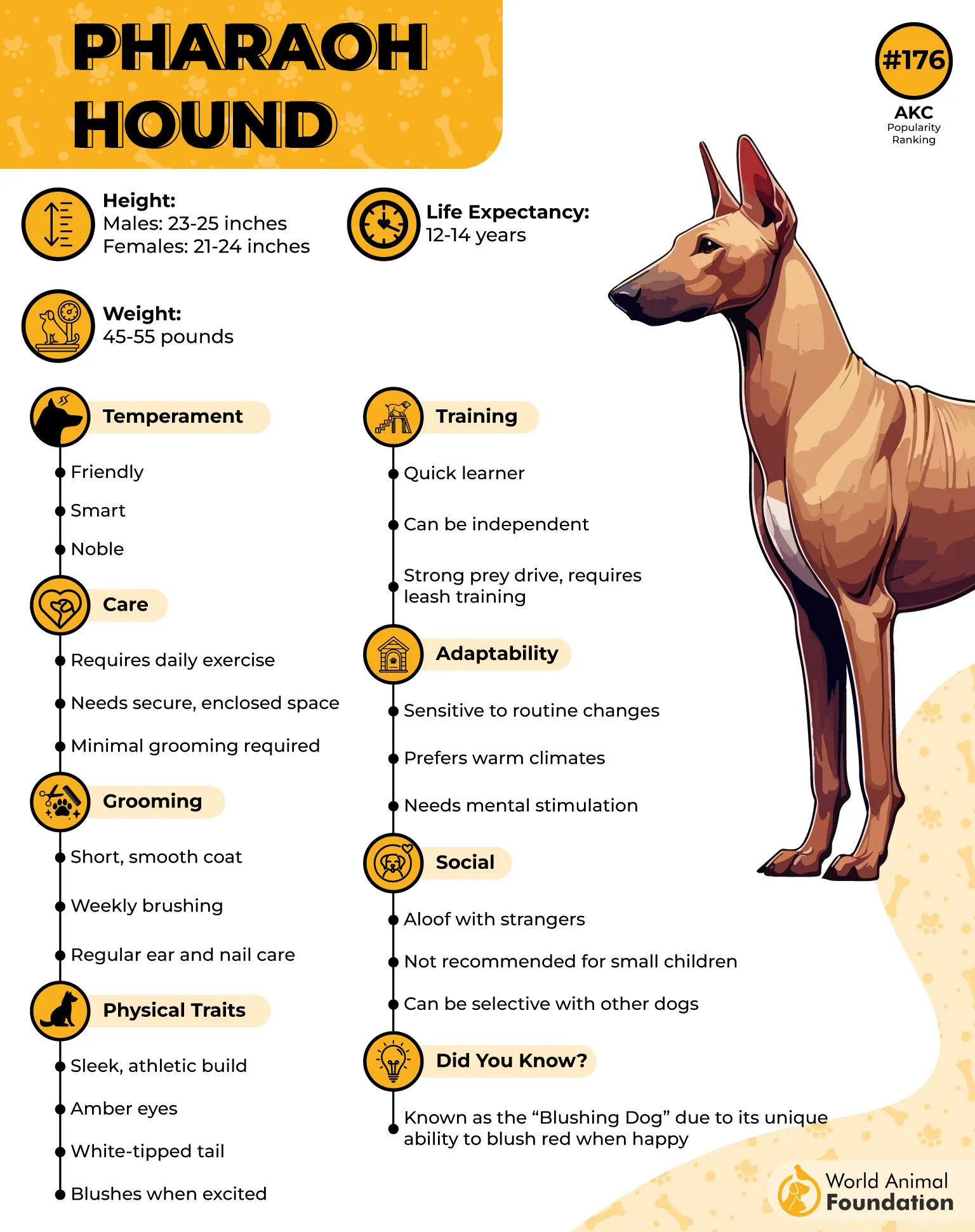
What makes these wonderful pets especially fascinating is their ability to combine vision with scent when necessary. Hunters have long observed Pharaoh Hounds adapting their strategy depending on conditions, switching from visual tracking to following odors when prey disappears behind vegetation or terrain. This versatility has helped preserve its reputation as an efficient all-around hunter.
The breed’s hunting instincts remain highly visible even in family homes. Many owners report that birds, squirrels, or fast-moving toys instantly activate chase behavior, making secure fencing and leash control essential.
Because these impulses are instinctive rather than learned, positive reinforcement training and controlled lure-based activities provide safer outlets than attempting to suppress them entirely.
Conclusion
The incredible diversity of canine hunting strategies proves that there is no single formula for success in the field. Modern owners frequently witness these inherited talents during everyday activities. A sudden freeze while spotting a pigeon, an intense focus on a scent drifting through the wind, or an unstoppable urge to chase a squirrel are all reminders of deeply rooted instincts shaped over generations.
German Shorthaired Pointer, Labrador Retriever, Chesapeake Bay Retriever, German Wirehaired Pointer, Golden Retriever, and Irish Setter are some other great hunting dogs.
Ultimately, the hunting dog breeds featured here showcase the extraordinary partnership between humans and dogs that has evolved over thousands of years. Whether tracking game through dense forests, pointing hidden birds with unwavering focus, or sprinting after prey across open fields, each demonstrates a unique blend of intelligence, instinct, and athleticism.
