




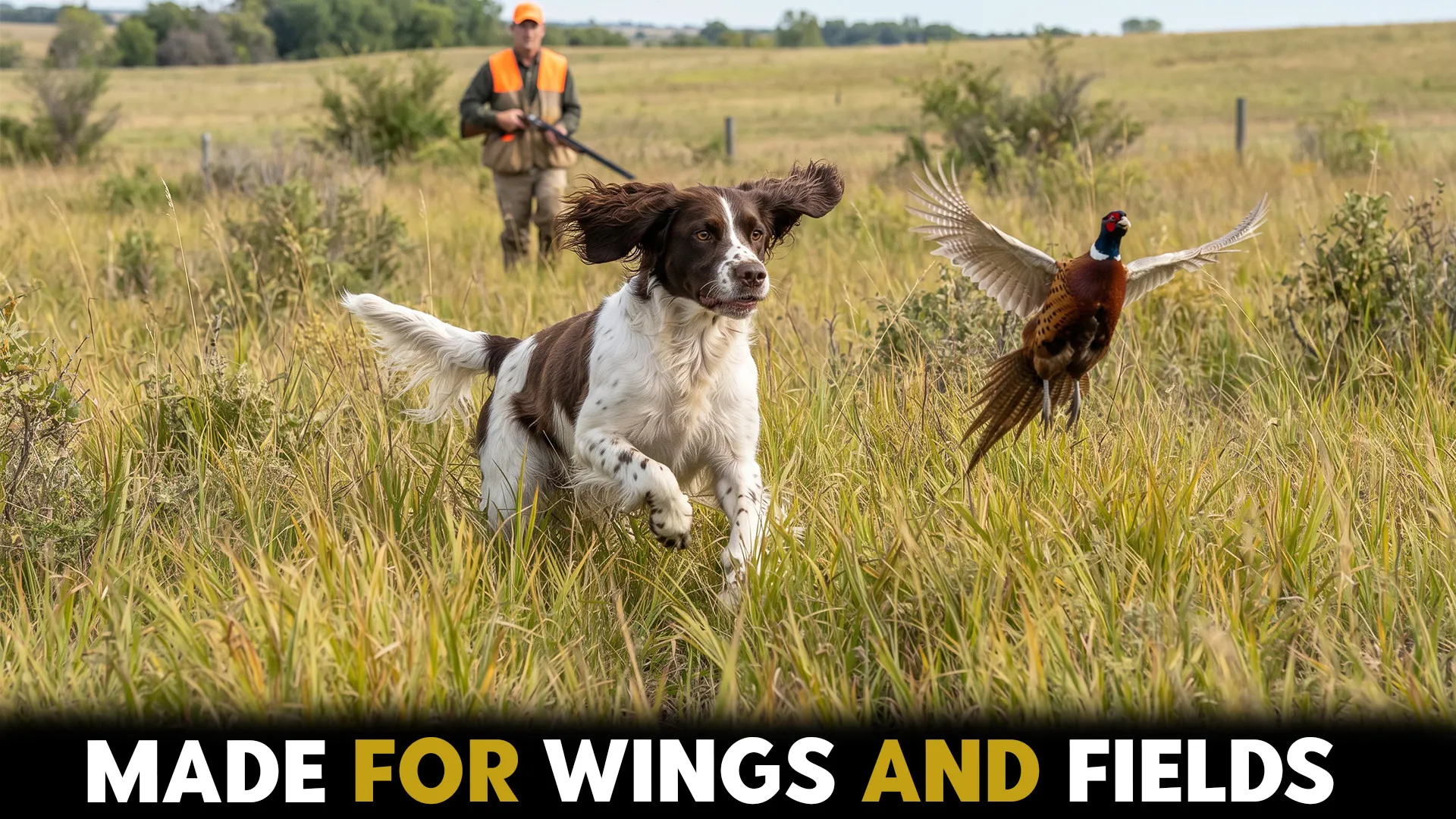
Upland bird hunting can take a dog across some demanding terrain, from dense grass and brush to open fields and rocky ground. The dogs best suited for this work need more than a good nose. They must search methodically, handle changing conditions, stay responsive to their handler, and remain energetic throughout a long day in the field.
An interesting fact about upland hunting dogs is that many were developed to do several jobs, not just one. A single dog might locate a bird, indicate its position, flush it into the air, and later retrieve it. This versatility is one reason pointing and flushing breeds remain so closely associated with traditional bird hunting.
The seven breeds below represent different approaches to upland work. Some excel at pointing and holding birds, others are natural flushers, while several combine hunting ability with strong retrieving instincts.
Outstanding Dog Breeds for Upland Bird Hunting
1. German Wirehaired Pointer
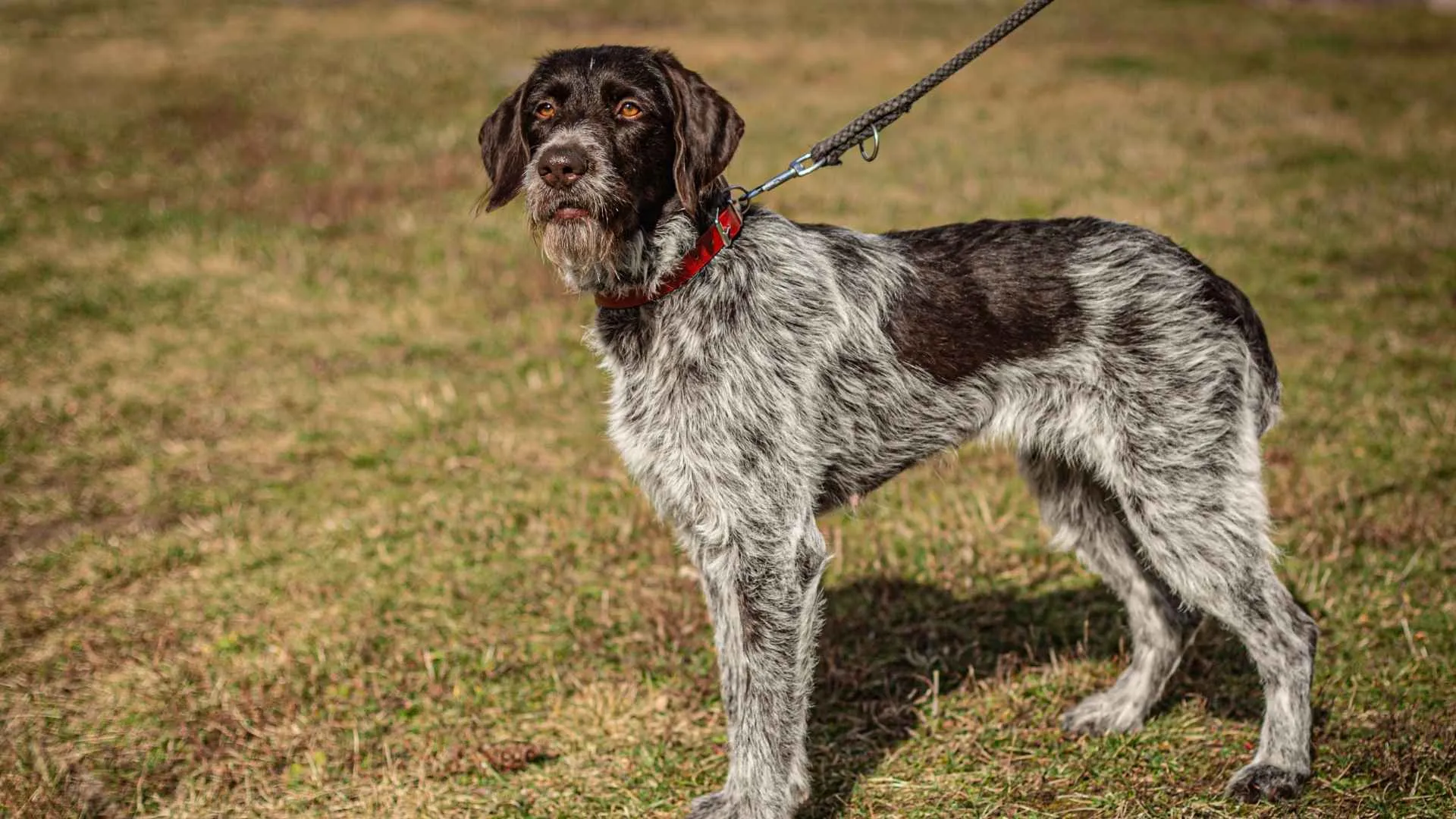
The German Wirehaired Pointer was developed in Germany during the late nineteenth century as an all-purpose hunting dog. Breeders combined several types of pointing and working dogs to create a versatile companion capable of locating game, retrieving from land and water, and working in challenging terrain.
A Rugged Coat for a High-Activity Lifestyle
The breed’s wiry outer coat needs regular brushing to remove debris and loose hair, particularly after working through thick cover. Exercise is a major part of keeping a German Wirehaired Pointer content, with long walks, running, retrieving games, fieldwork, and scent-based activities all suitable outlets for its considerable energy.
A Versatile Partner in Dense Upland Cover
Few hunting situations demand as many physical and mental skills as upland work, and the German Wirehaired Pointer was practically designed for that challenge. Its strong nose helps locate birds, while its pointing instinct allows it to indicate game before the hunter moves in.
2. English Springer Spaniel
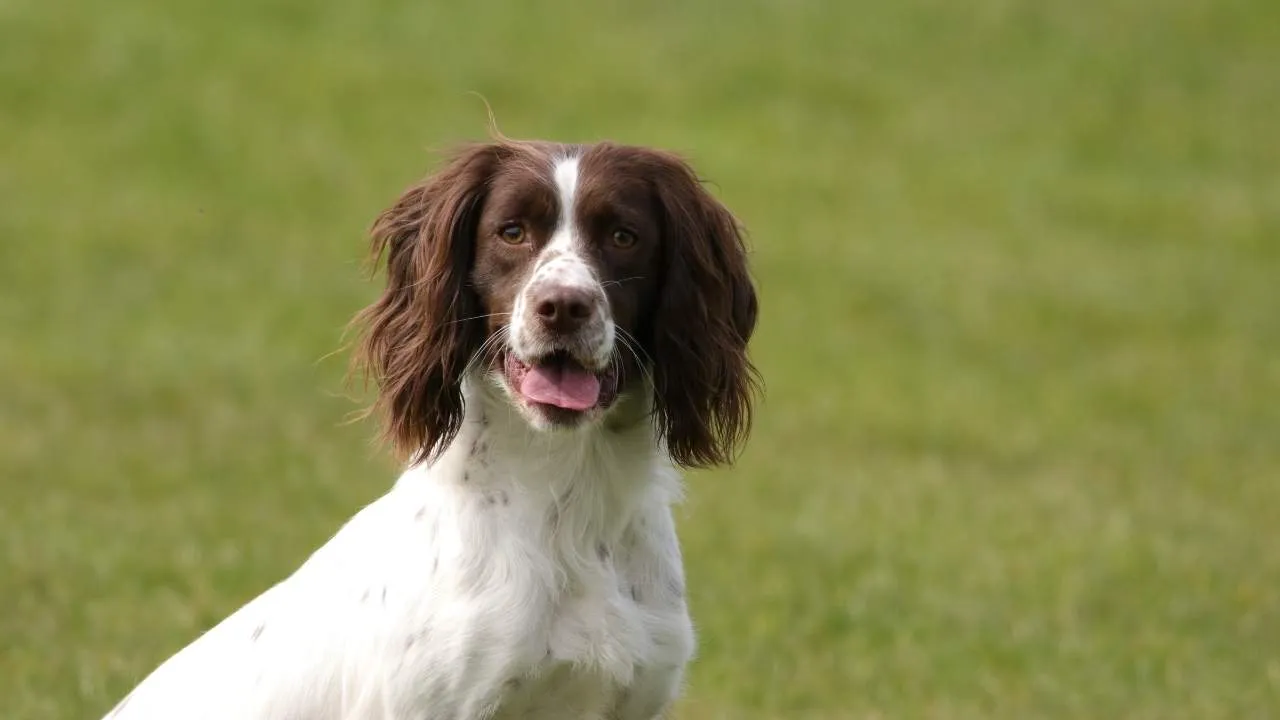
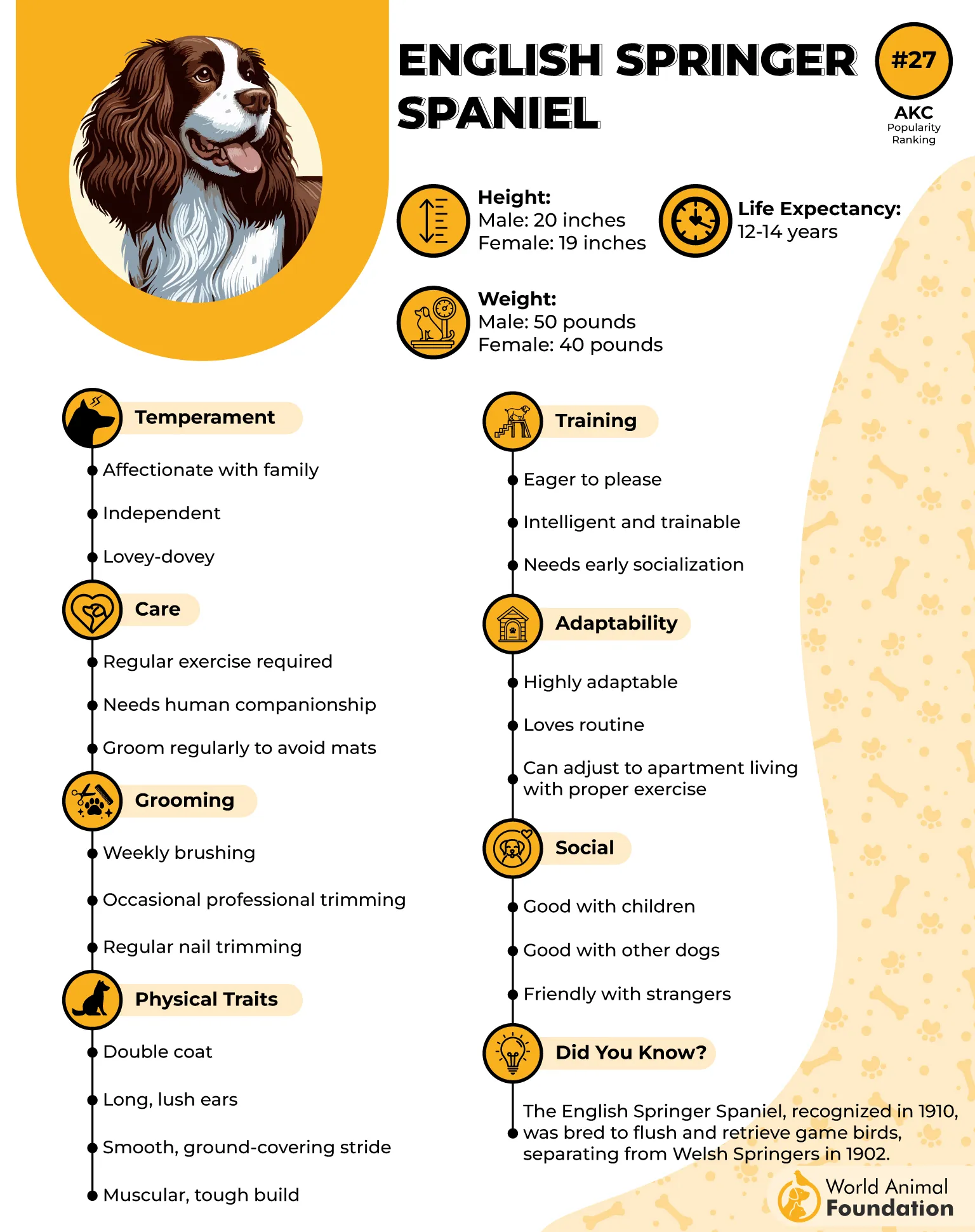
The English Springer Spaniel belongs to the old spaniel family of Britain, where different spaniels were historically used to locate and flush game from cover, as per Purina. The breed’s name reflects its traditional flushing role: rather than simply finding birds, the dog would “spring” them from hiding so hunters could take a shot.
Feathered Ears and Plenty of Daily Activity
Its medium-length coat features feathering around the ears, chest, legs, and body, requiring regular brushing to prevent mats and remove grass or other debris picked up outdoors. Long walks, retrieving games, swimming, obedience work, and field activities can help satisfy both its physical and mental needs.
An Energetic Flusher That Keeps Birds Moving
The English Springer Spaniel shines when the job requires a dog to actively search cover and push birds into flight. Its compact size allows it to maneuver through vegetation, while its enthusiasm keeps it moving rather than hesitating at every obstacle. For hunters who prefer a lively flushing dog that works closely with its handler, the Springer has a long-established place in the field.
3. Irish Water Spaniel
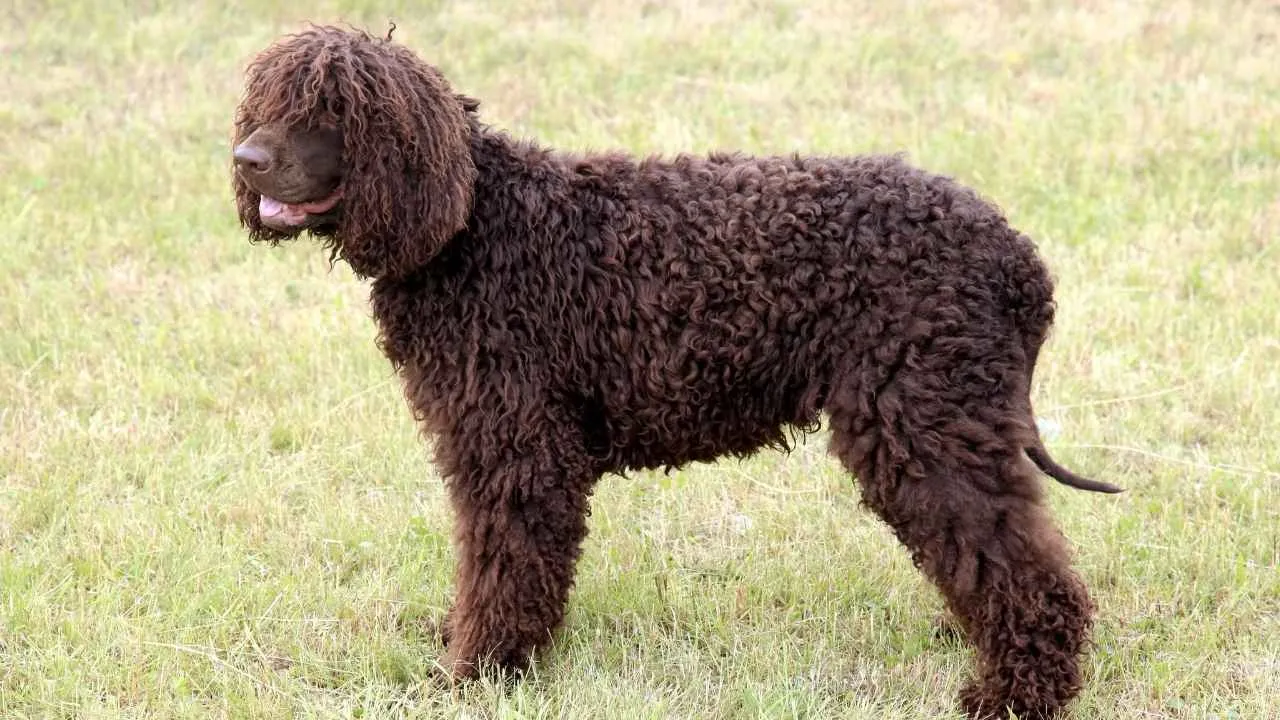
The Irish Water Spaniel developed in Ireland and became known as a versatile sporting dog capable of working both on land and around water, as noted by the AKC. Hunters valued it for its ability to retrieve game, particularly in wet environments, while its unusual curly coat and distinctive “rat tail” helped set it apart from other spaniels.
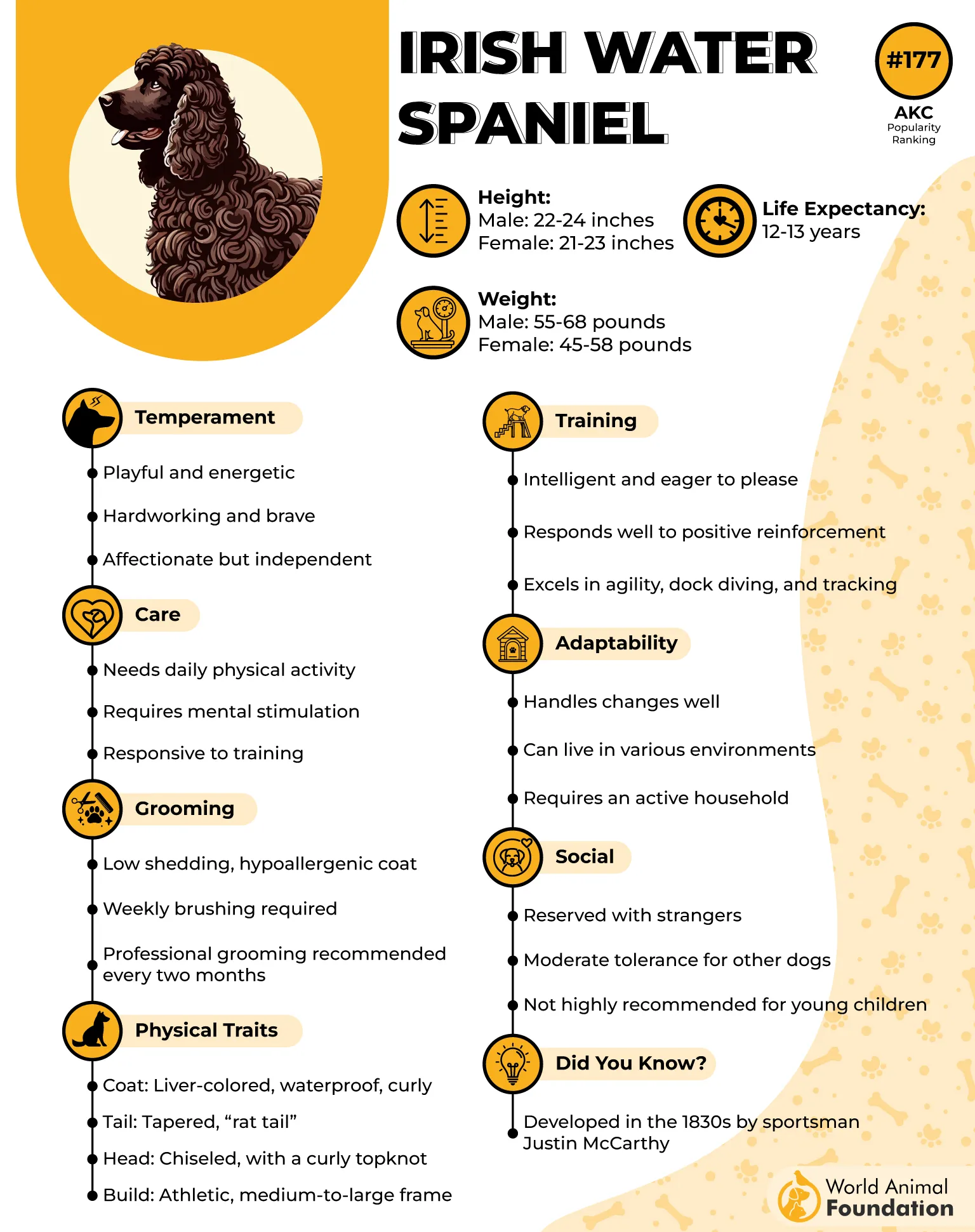
Distinctive Curls Need More Than a Quick Brush
The Irish Water Spaniel’s dense, curly coat requires consistent grooming to prevent tangles and keep the curls in good condition. This is an active breed that benefits from vigorous daily exercise, retrieving games, swimming, hiking, and activities that allow it to put its natural working abilities to use.
A Water-Loving Hunter With Upland Versatility
Although its name highlights its relationship with water, the Irish Water Spaniel is not limited to marshes and shorelines. In upland country, its athleticism and willingness to search can be valuable when birds move through challenging cover, while its water skills provide an advantage when a hunt includes wet terrain.
4. Boykin Spaniel
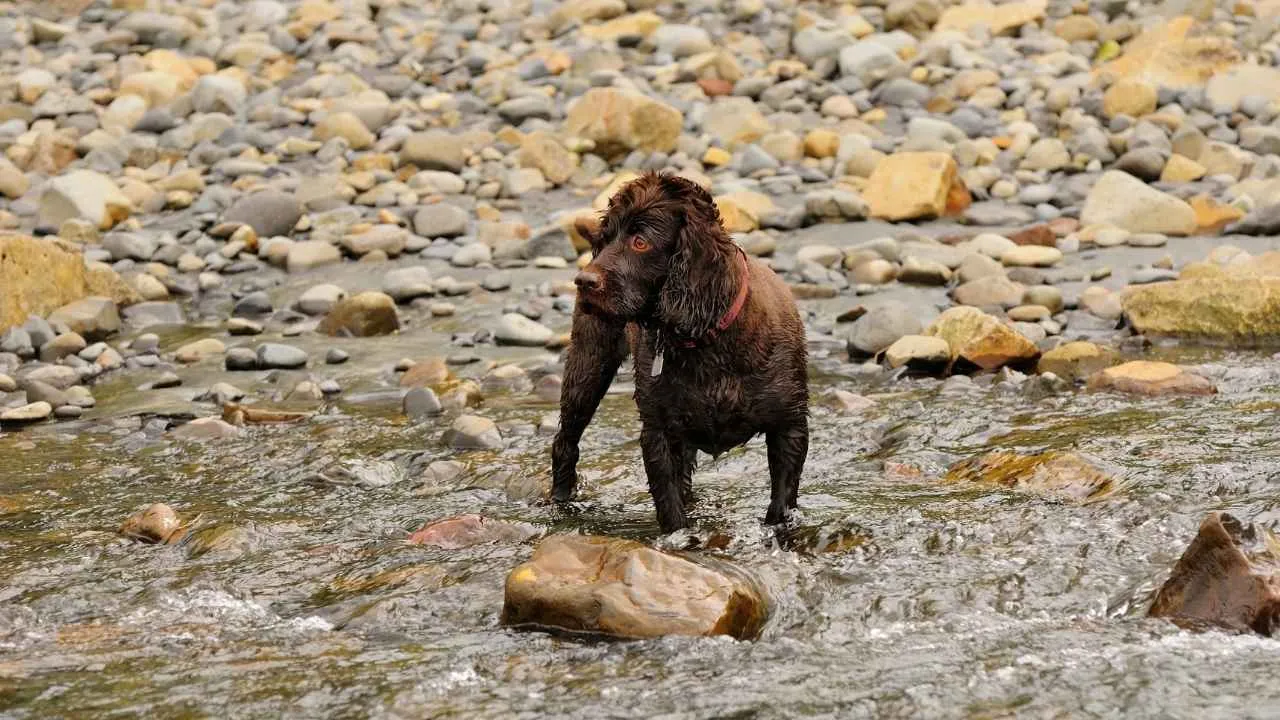
The Boykin Spaniel originated in South Carolina during the early twentieth century. The loyal breed’s story began with a small brown spaniel that was eventually developed into a capable hunting companion by local sportsmen.
A Manageable Coat for an Outdoorsy Dog
The Boykin’s medium-length coat can range from wavy to curly and benefits from regular brushing to keep it clean and free of tangles. Despite its smaller stature, the Boykin has plenty of energy and does best with daily walks, retrieving exercises, swimming, and interactive activities that keep it engaged.
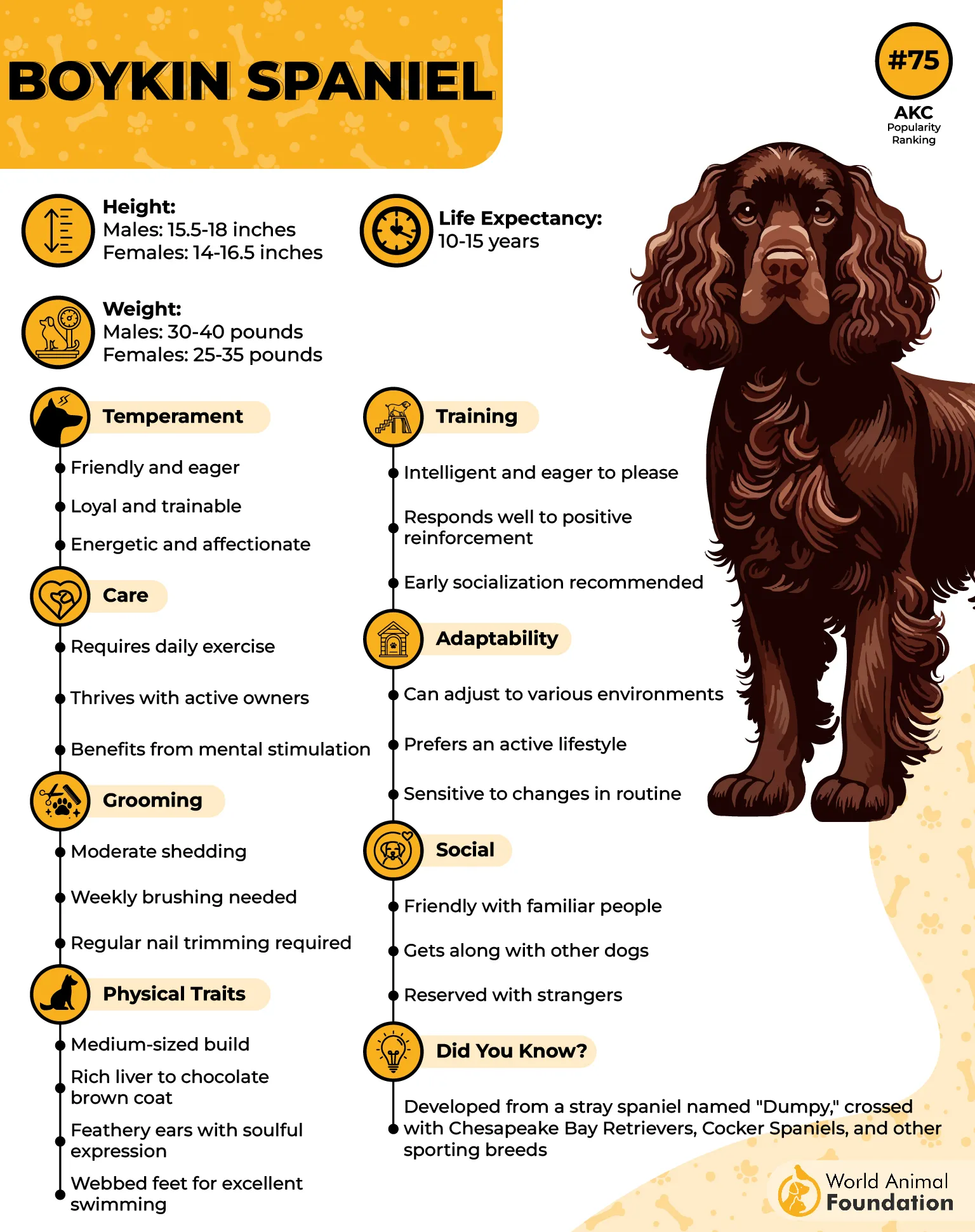
Small in Size, Serious About Finding Birds
The Boykin Spaniel was developed specifically with practical hunting in mind, and its size can be an advantage in thick Southern cover. It is an enthusiastic flusher and retriever that can work through vegetation without the physical bulk of a larger sporting dog.
5. Wirehaired Pointing Griffon
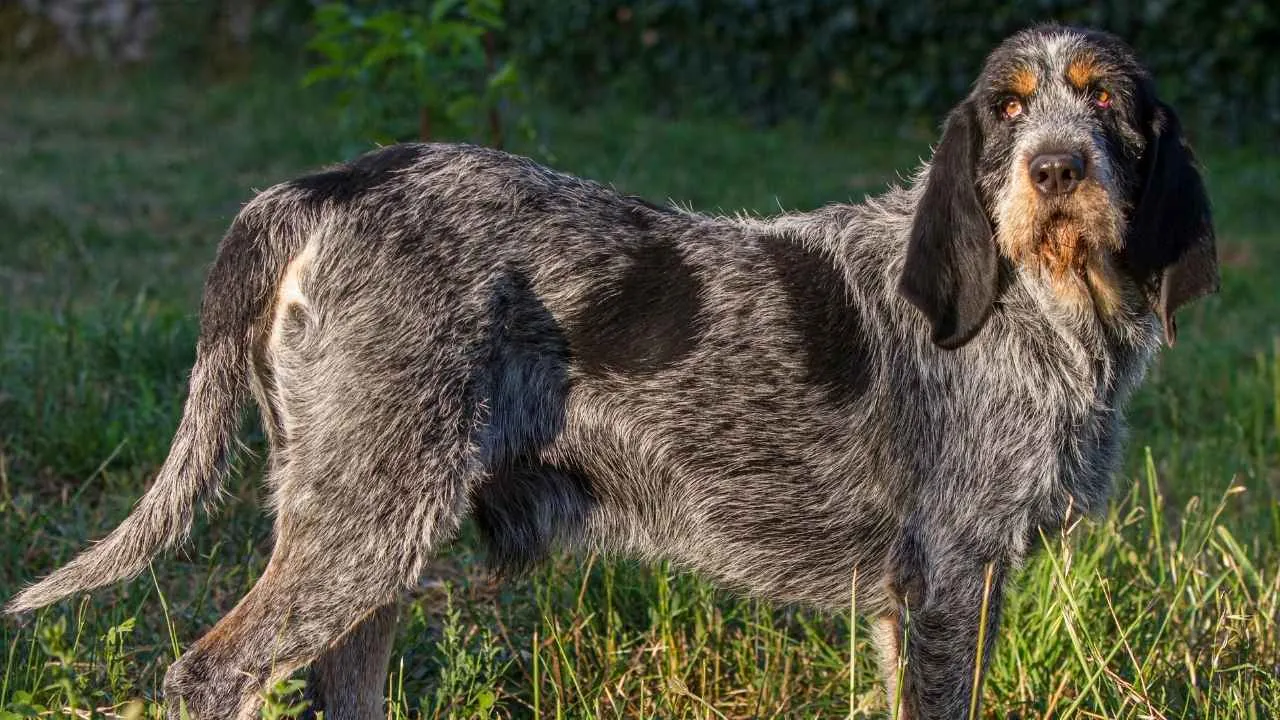
The Wirehaired Pointing Griffon was developed in Europe during the nineteenth century through the efforts of Dutch breeder Eduard Korthals. His goal was to create a hardy pointing dog capable of working across different terrain while remaining an effective retriever.
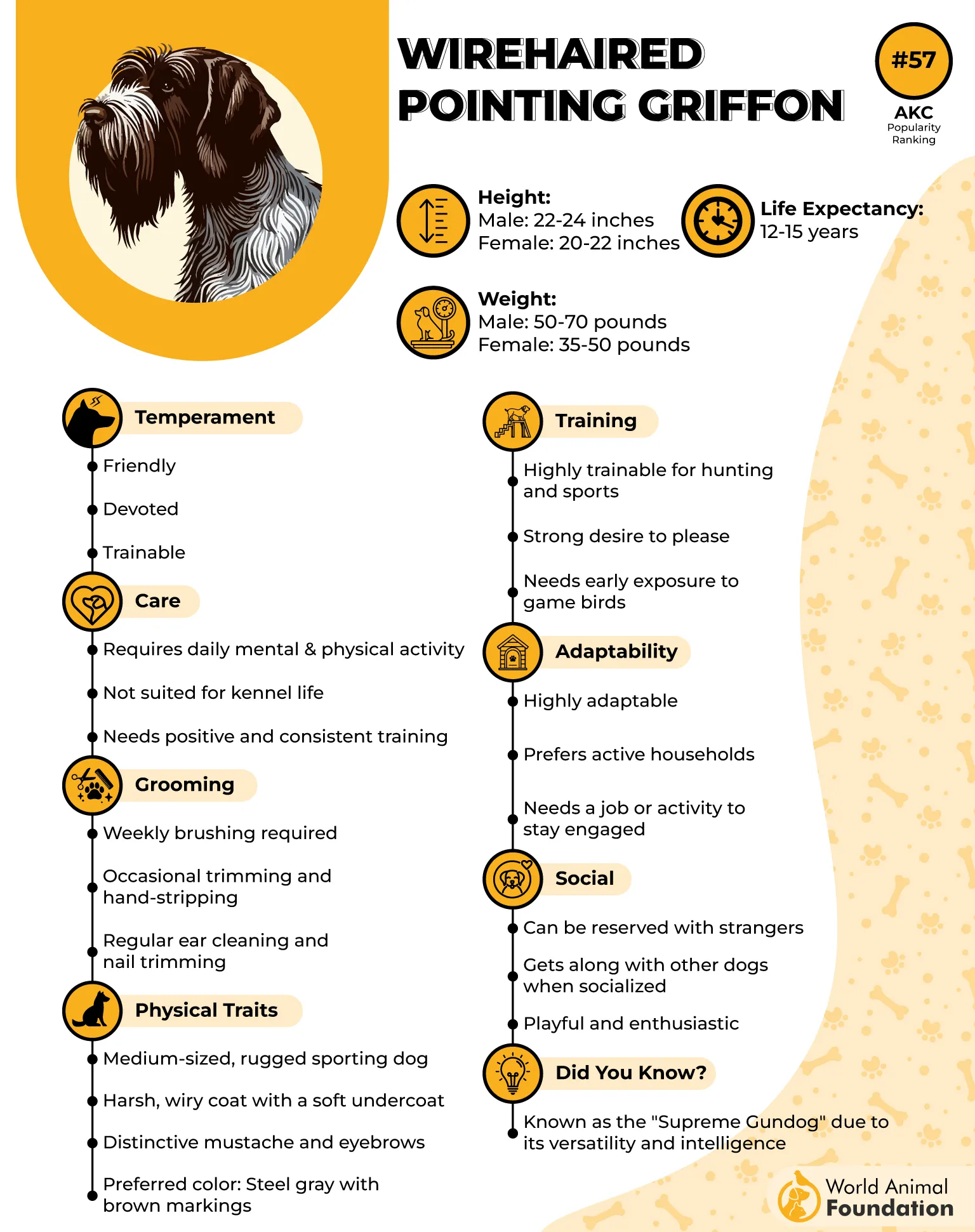
A Protective Coat Made for Rough Country
Regular brushing is necessary to remove dead hair and prevent the coat from becoming tangled, particularly around its facial furnishings, as per PetMD. Its athletic nature calls for substantial daily activity, including long walks, running, retrieving, swimming, and hunting-related exercises.
A Pointing Breed Built for All-Day Fieldwork
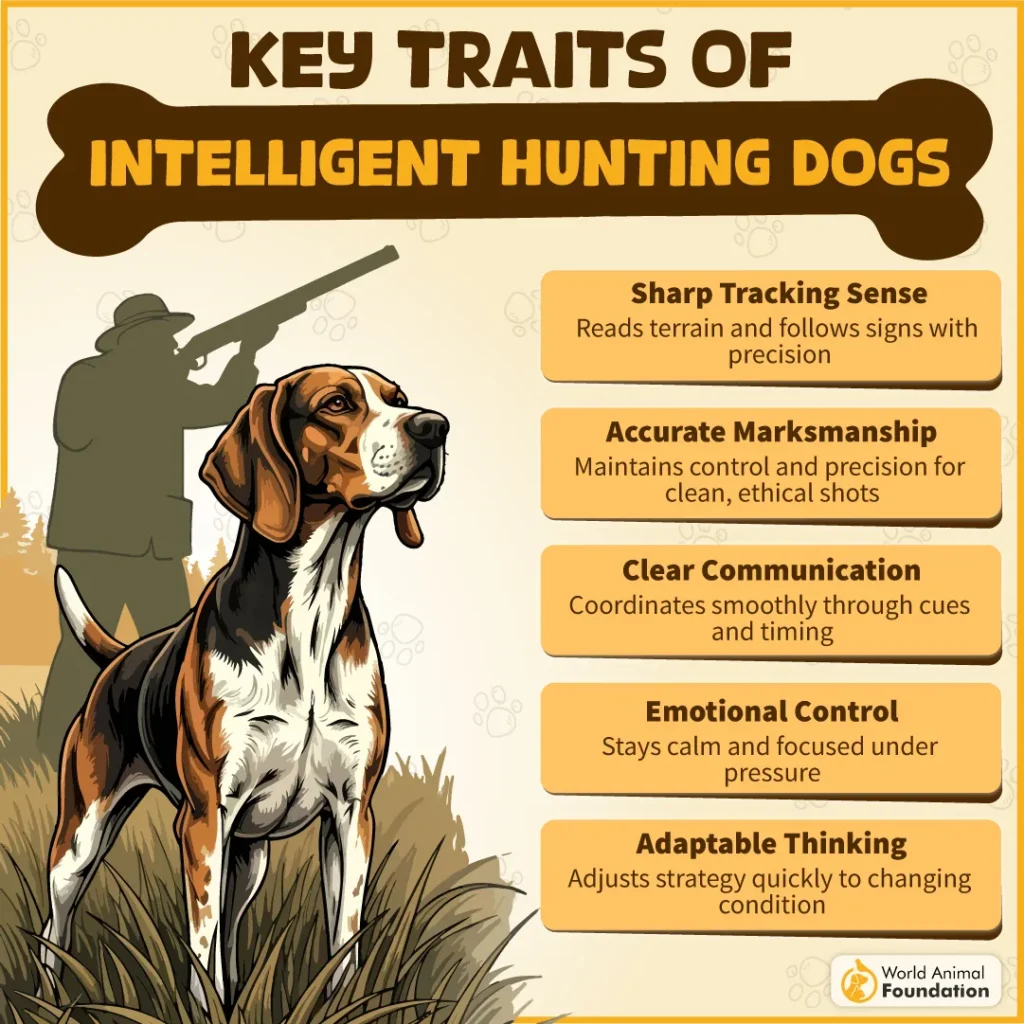
The Wirehaired Pointing Griffon is particularly attractive to hunters looking for an adaptable upland companion. It can search for birds, establish a point, and retrieve downed game, allowing one dog to contribute through several stages of a hunt.
6. Vizsla
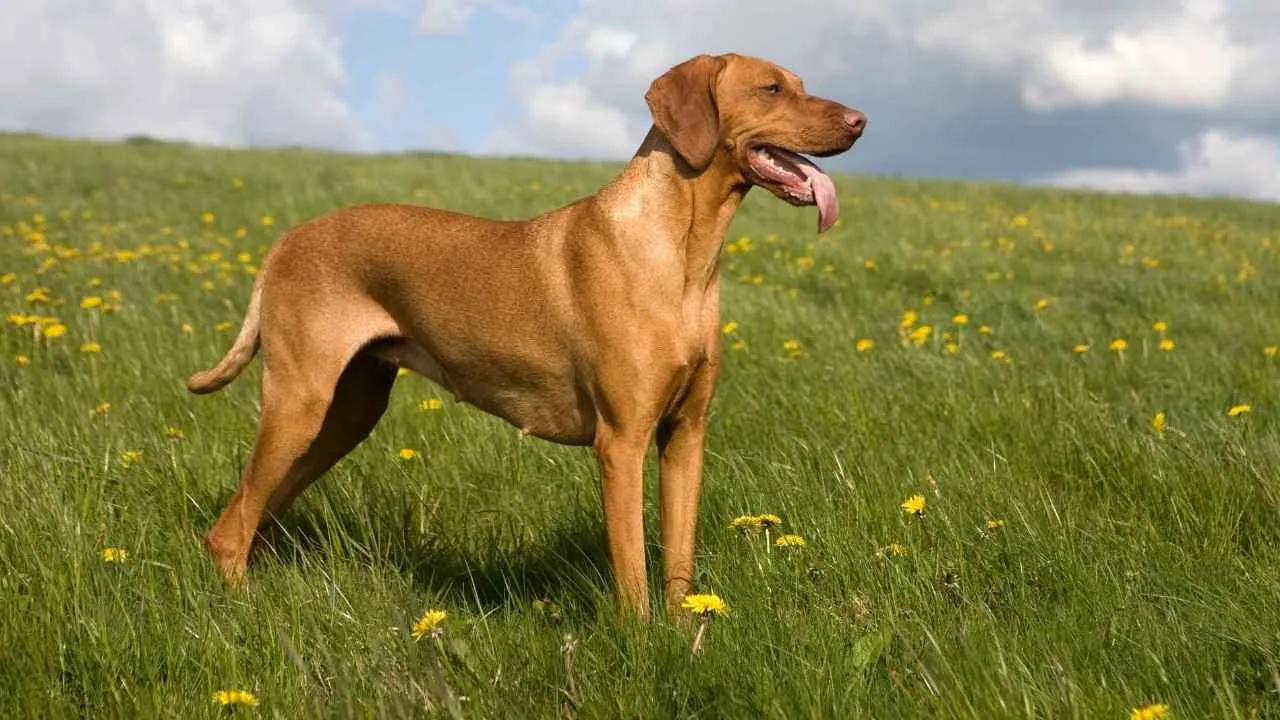
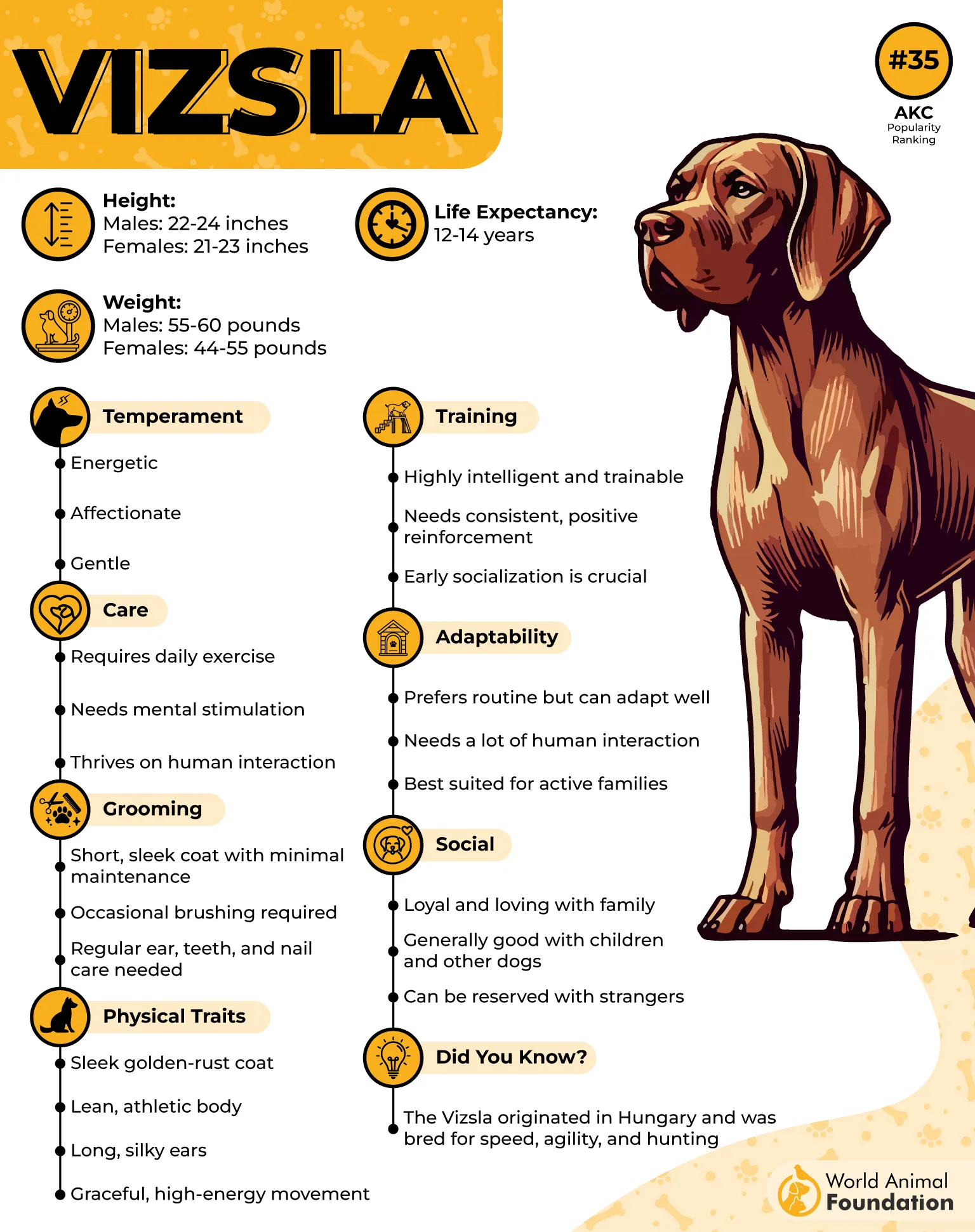
The Vizsla has a long association with Hungary, where its ancestors served as versatile hunting dogs for Magyar nobles and sportsmen. Over centuries, this muscular breed became known for its distinctive golden-rust coat, athletic body, and strong desire to remain connected to its person.
A Low-Maintenance Coat on a High-Energy Dog
The Vizsla’s short, sleek coat requires very little grooming compared with many feathered or wire-coated hunting breeds. Occasional brushing is usually enough to remove loose hair and keep the coat looking neat. Exercise, however, is a completely different story. Vizslas need substantial daily activity and thrive on running, retrieving, hiking, training, and other pursuits that challenge their athletic bodies.
A Close-Working Pointer With Natural Bird Sense
The Vizsla’s hunting style is closely tied to its ability to work in partnership with a person. It can use its excellent scenting ability to locate birds and then freeze into a characteristic pointing stance, allowing the hunter to approach. Its combination of speed, endurance, trainability, and close cooperation makes it a natural choice for upland pursuits.
7. Bracco Italiano

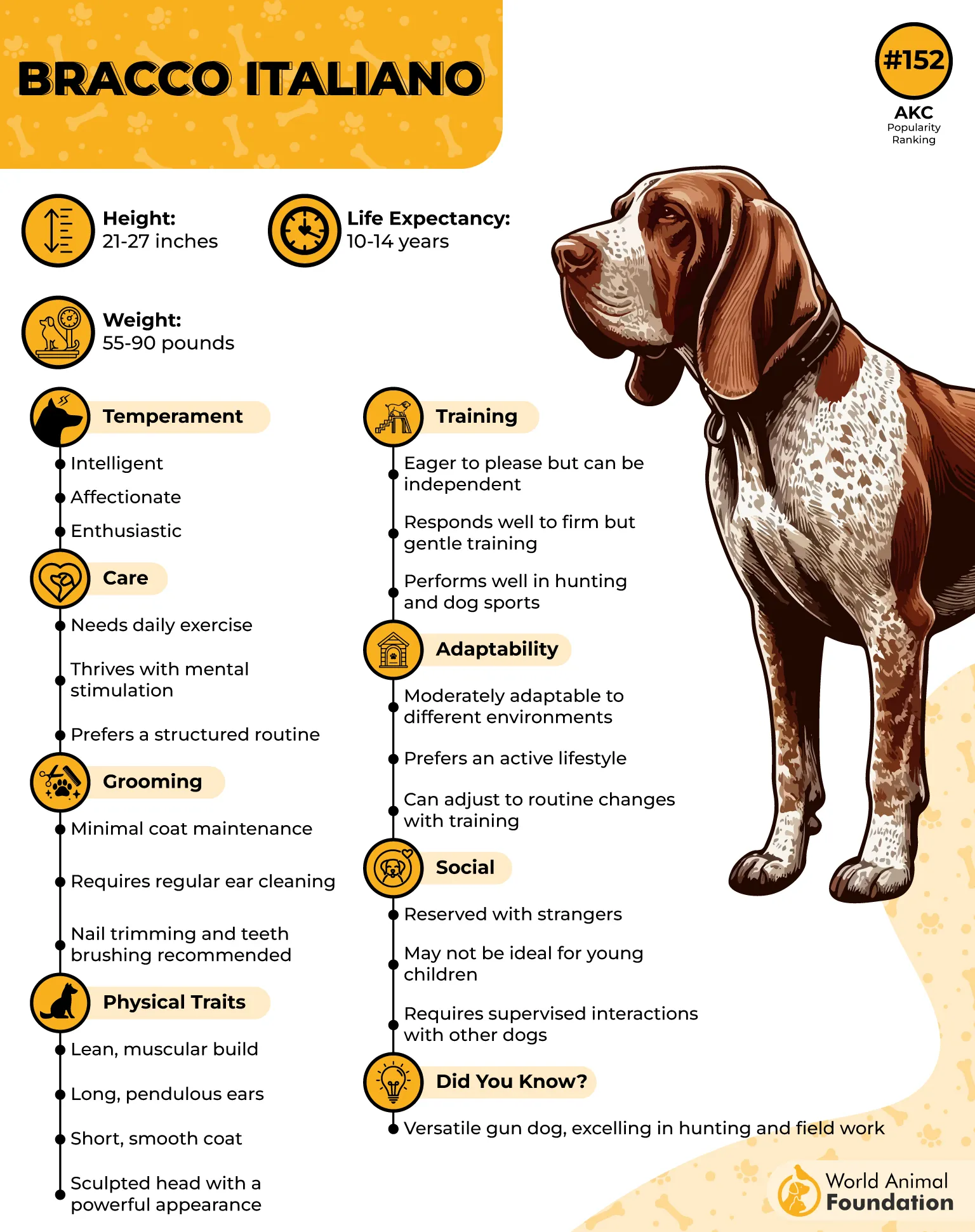
The Bracco Italiano is one of Europe’s historic pointing breeds, with roots in Italy that stretch back several centuries, as per Hill’s Pet. Early examples were used by Italian hunters to locate game, and the breed developed into a versatile pointing dog with a reputation for working carefully rather than simply charging through the countryside.
Short Fur Means Easier Grooming, But Activity Still Matters
Regular brushing can remove loose hair, while its long ears should be checked routinely because their shape can reduce airflow around the ear canal. The breed needs consistent physical activity, and long walks, field exercises, scent games, and controlled running can help satisfy its athletic instincts.
A Deliberate Pointer With a Traditional Hunting Style
The Bracco Italiano has a distinctive way of working that can appeal to hunters who appreciate a measured, methodical dog. Rather than relying solely on speed, it uses its nose to locate game and then indicates the bird’s presence through its pointing behavior.
Conclusion
German Wirehaired Pointers, English Springer Spaniels, Irish Water Spaniels, Boykin Spaniels, Wirehaired Pointing Griffons, Vizslas, and Bracco Italianos all bring different strengths to upland bird hunting. Their approaches vary considerably: some point, some flush, and others combine several hunting functions into one versatile package.
The right breed for a particular hunt depends on more than its reputation in the field. Terrain, climate, preferred hunting style, retrieving requirements, exercise expectations, and the handler’s training approach can all influence which characteristics are most useful.
What these breeds share is a long history of working alongside people. Their ability to search, communicate, remain active over difficult ground, and respond to training reflects generations of selective breeding for sporting work. With appropriate conditioning, training, and care, these dogs can become highly capable partners in the upland field.
