




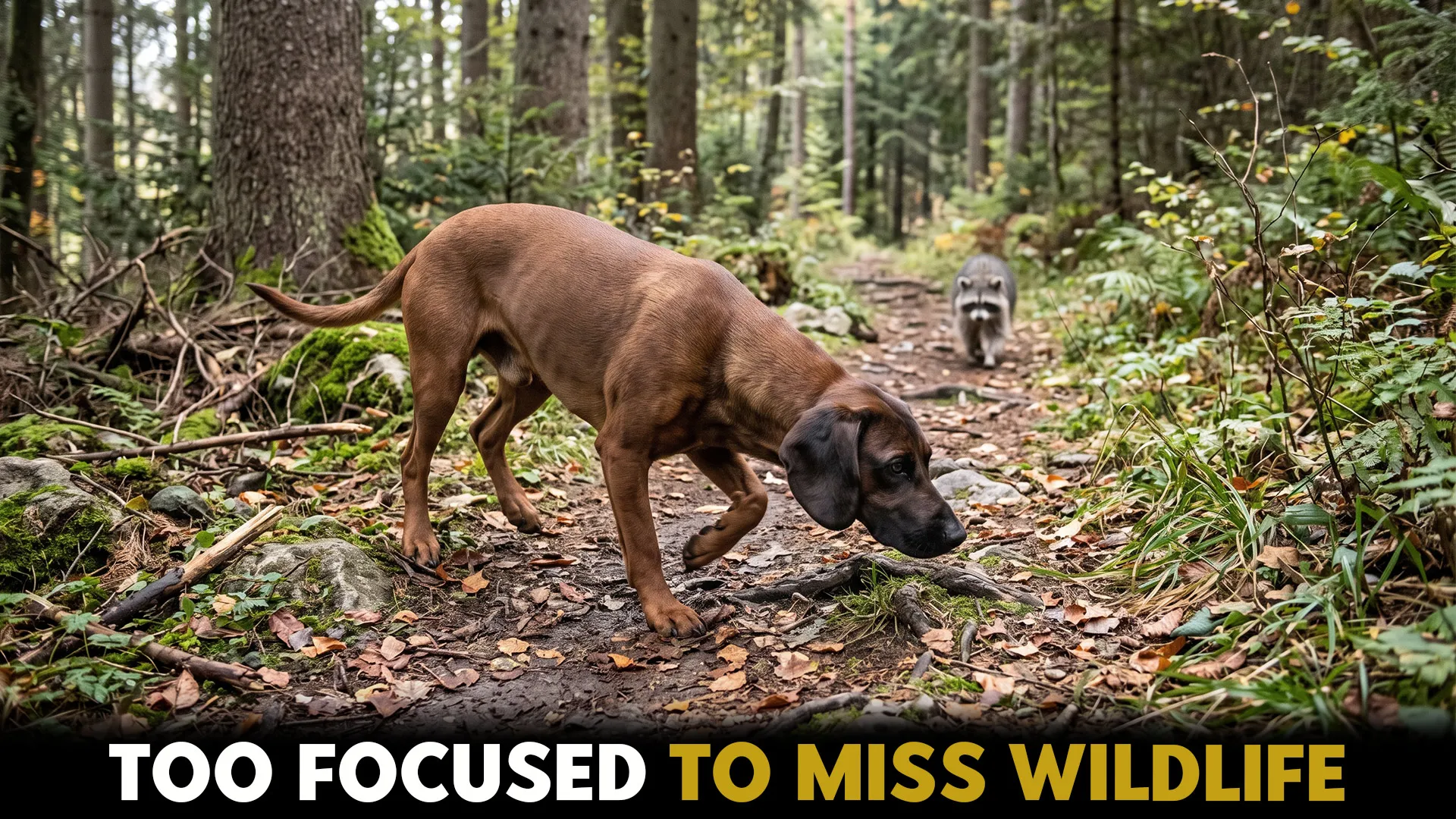
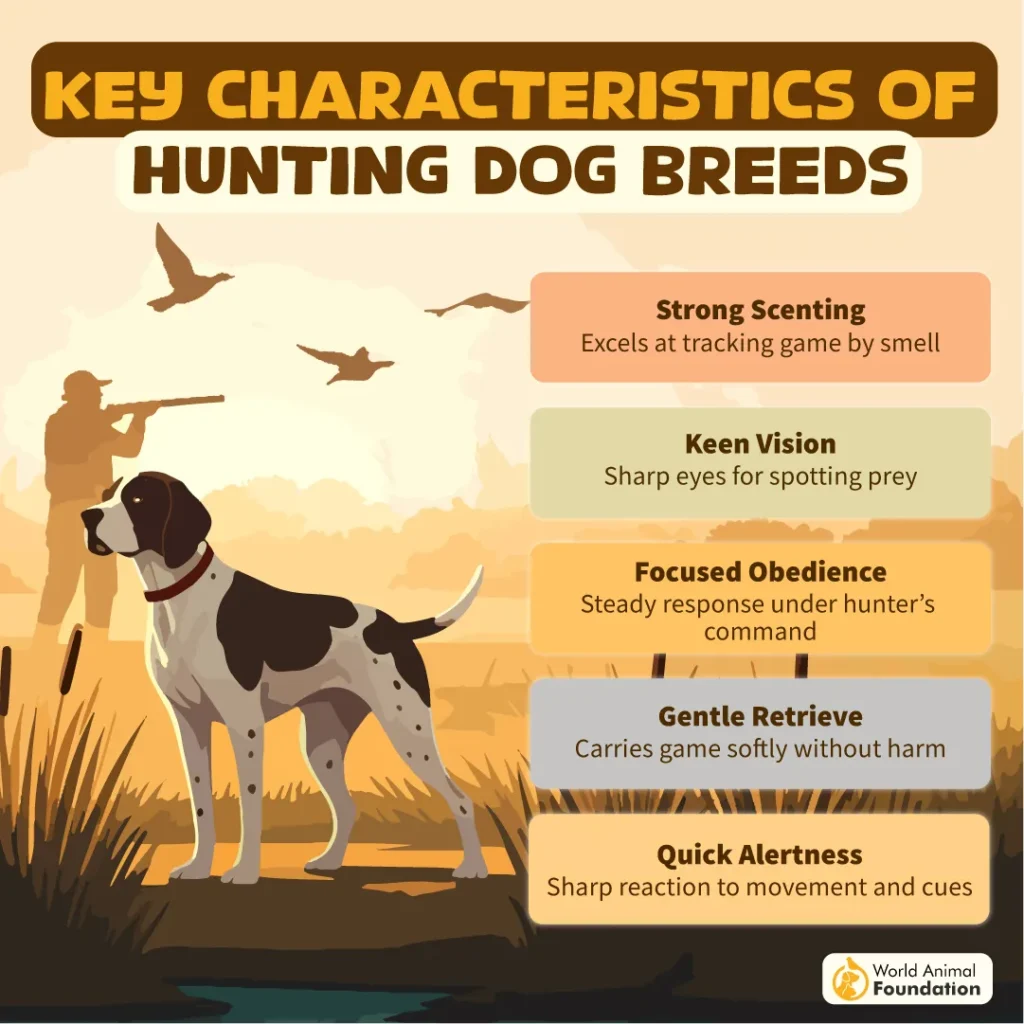
The moment a dog catches a scent and suddenly locks into focus, the entire hunt can change. Nose to the ground, eyes scanning the terrain, or waiting patiently for the next command, a well-trained hunting dog brings instincts that humans simply cannot match.
For generations, dogs have worked beside hunters to track, locate, flush, point, and retrieve game, with different breeds developing remarkable skills for different kinds of fieldwork.
Yet a natural hunting instinct is only the beginning. Reliable hunting companions need obedience, patience, physical conditioning, and gradual exposure to the sights and sounds of the field.
They must learn to respond to their handlers even when excitement takes over, while proper preparation and safety measures help protect them during demanding outdoor adventures.
Beyond the chase, hunting with a dog is about trust. Hours spent training, exploring unfamiliar terrain, and working toward the same goal create a partnership that can become just as rewarding as the hunt itself.
Key Takeaways
Hunting and tracking dogs rely on powerful instincts, especially their keen sense of smell, stamina, and determination.
Some breeds are highly versatile and can work across fields, forests, and water.
Strong scenting ability helps working dogs follow challenging trails over considerable distances.
Certain breeds are specially suited to tracking wounded or dead game.
Persistence and focus allow skilled tracking dogs to remain committed even when trails become difficult.
Outstanding Dog Breeds for Hunting and Wildlife Tracking
1. German Shorthaired Pointer
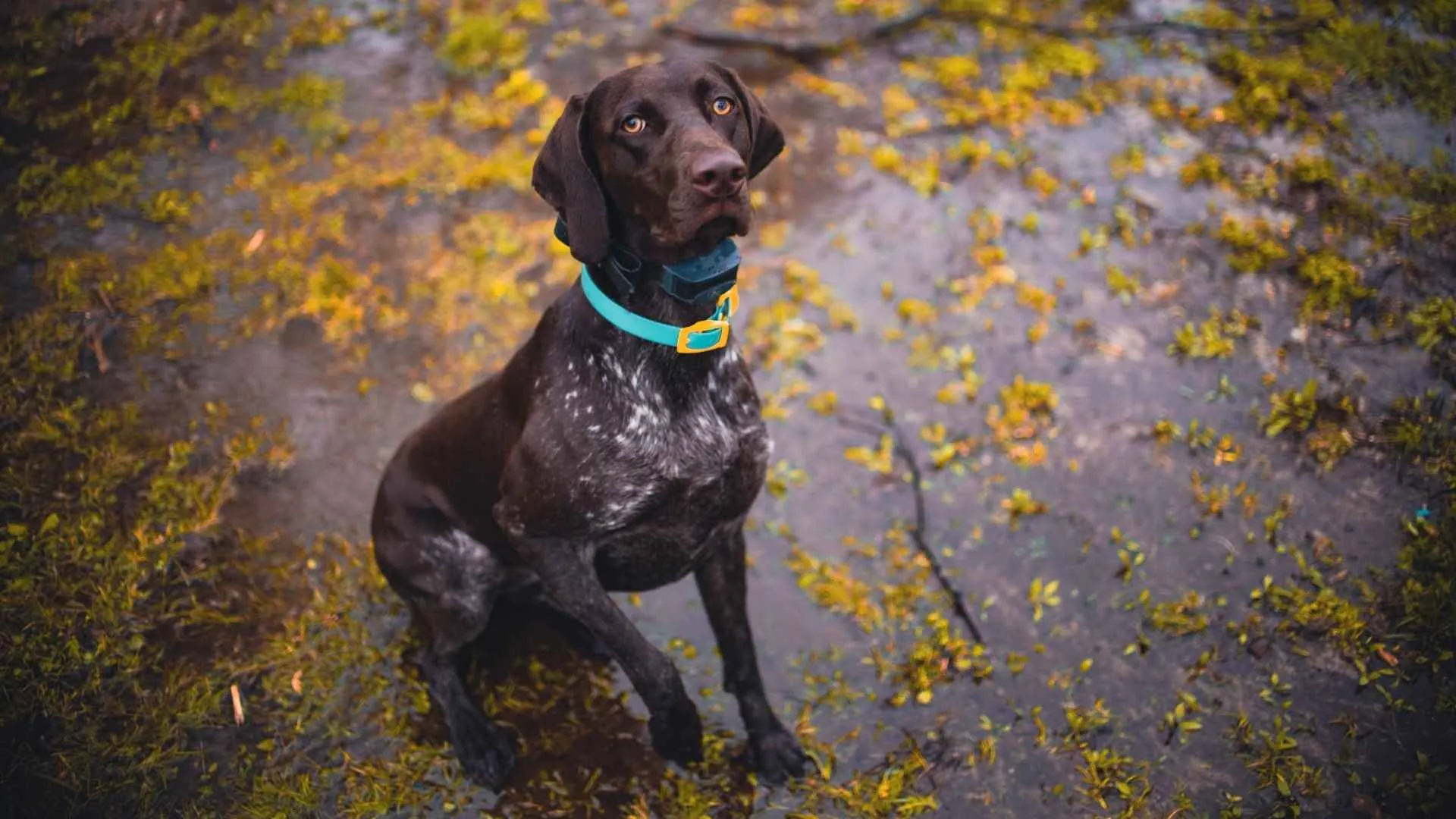
When a hunt demands speed, stamina, focus, and versatility, the German Shorthaired Pointer (GSP) is ready to step up.
This athletic breed is more than an energetic companion; it is a skilled hunting partner with an instinct for finding and pointing game birds.
Built for long days outdoors, the GSP can work across fields and water, combining its sharp mind, powerful build, and impressive endurance.
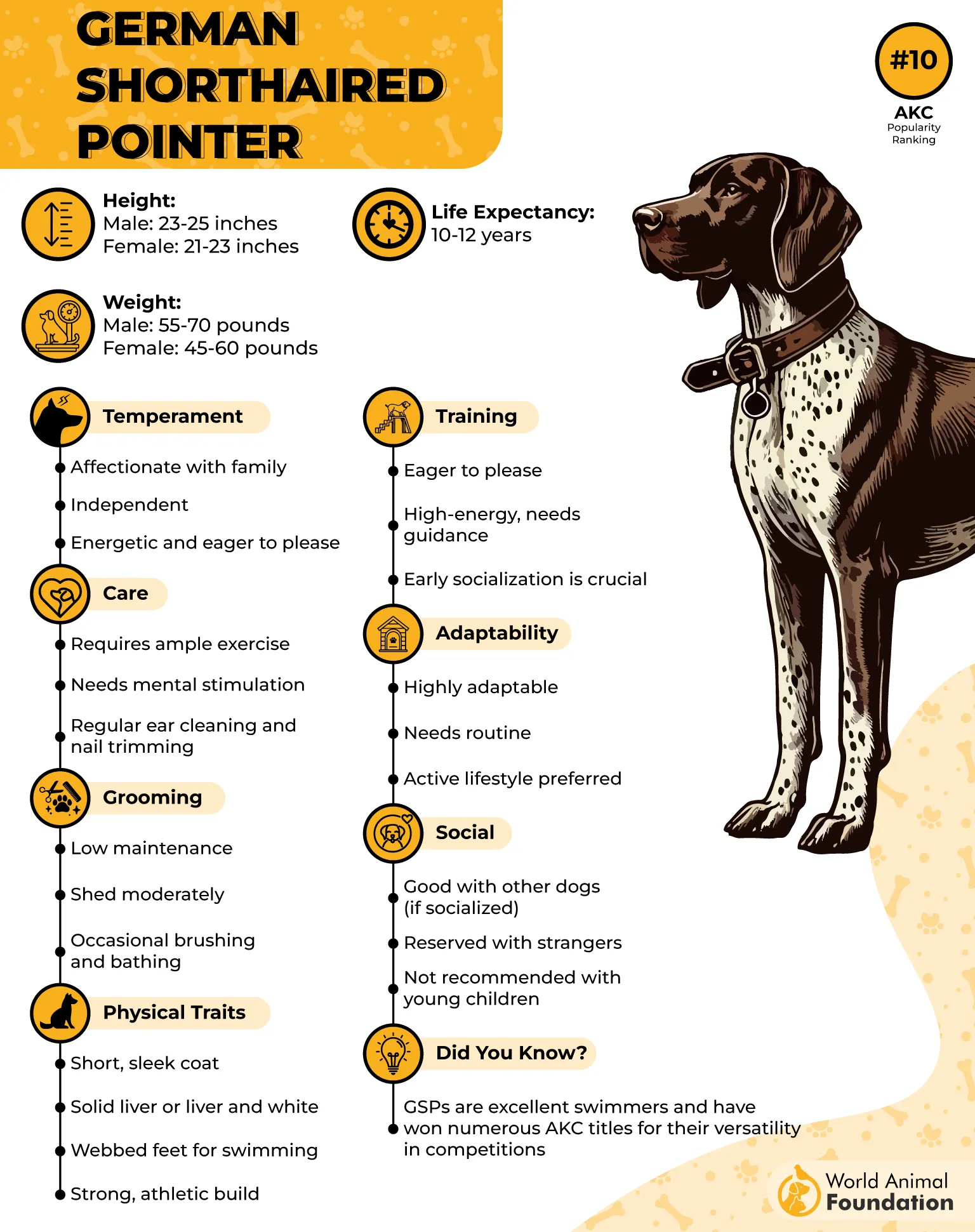
One of the breed’s greatest strengths is its versatility. With proper training, GSPs can search for upland birds, point their location, and retrieve waterfowl on both land and water.
Their strong prey drive gives them plenty of natural enthusiasm, while consistent training helps channel that energy into purposeful work.
Life with a GSP is rarely dull. These intelligent dogs thrive when they have something meaningful to do and plenty of time with their people, according to the American Kennel Club.
For an active owner, a well-trained GSP can be an exciting hunting companion and a deeply devoted family dog.
2. Plott Hound
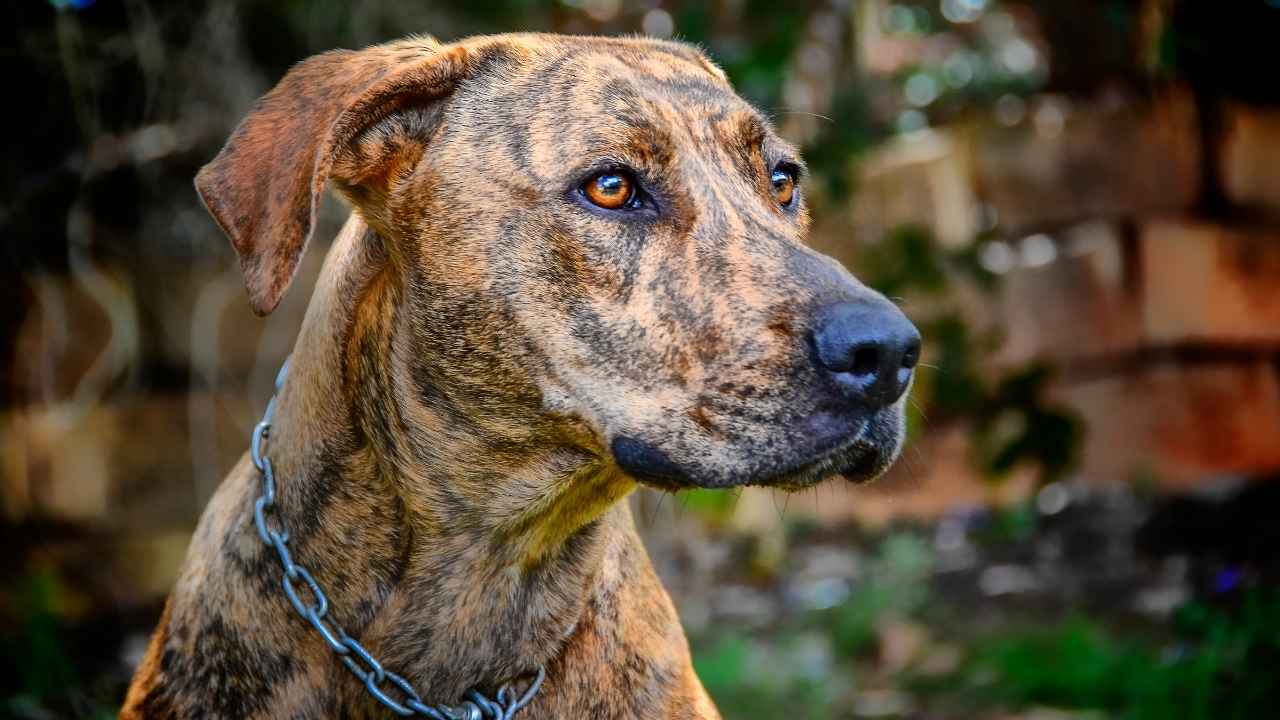
With its nose close to the ground and determination in every step, the Plott Hound is a dog built for the challenge of the hunt.
Developed in North Carolina from German hunting-dog ancestry, this distinctive scent hound has a long history of tracking game and working closely with hunters.
Its brindle coat, courageous nature, and powerful scenting ability make it especially suited to demanding hunting and wildlife-tracking work.
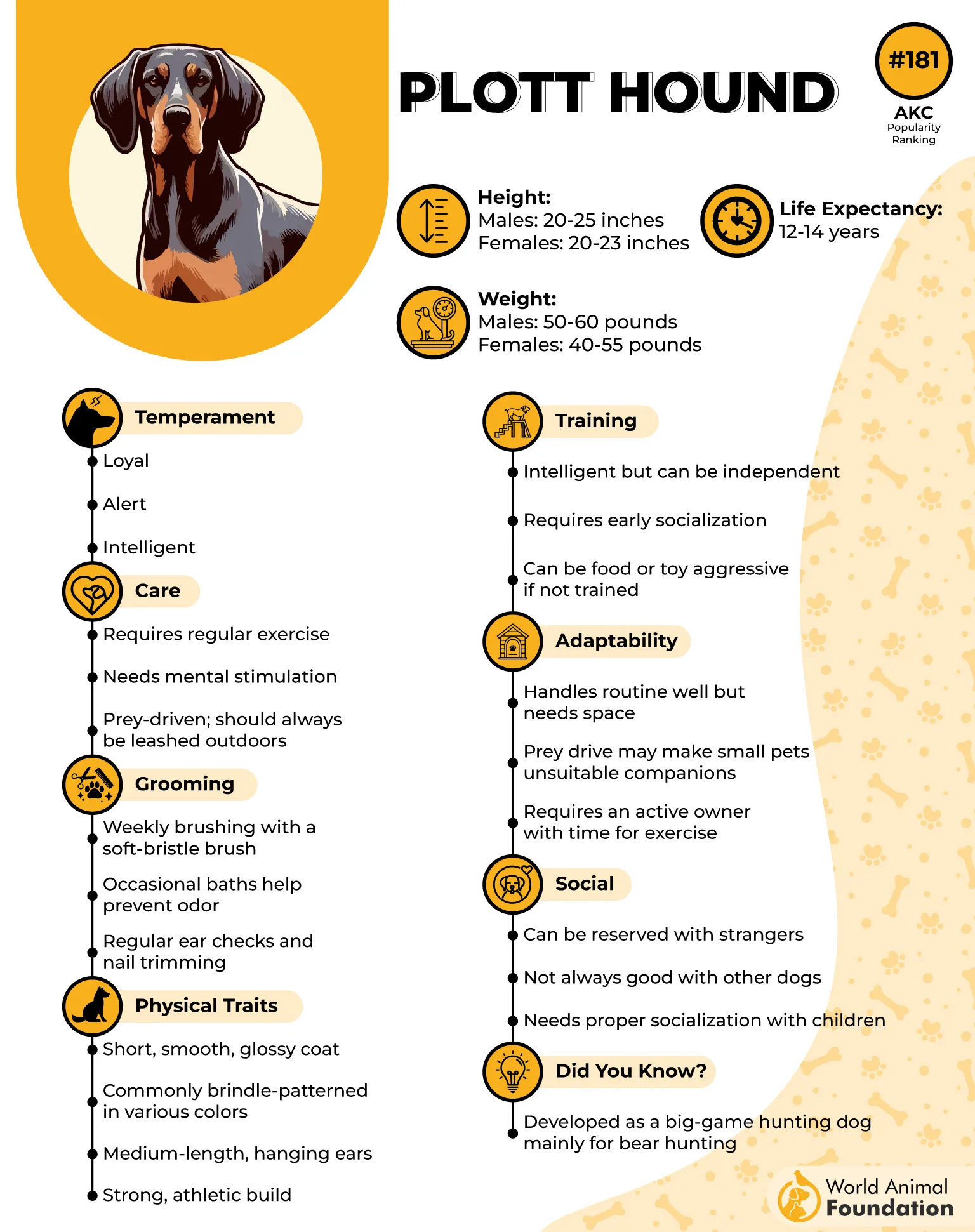
Plott Hounds are known for following scents with remarkable persistence, even when trails become challenging. Their hunting instincts, intelligence, stamina, and confident character allow them to work through dense terrain while staying focused on their task.
They can track a range of game and are valued for their ability to pursue and bay animals.
Despite their serious working instincts, Plotts can be affectionate and loyal companions. They enjoy active lifestyles, including hiking, running, swimming, and scent-based activities.
Early training, socialization, and plenty of purposeful exercise help channel their energy and independent nature into productive work.
3. Bloodhound
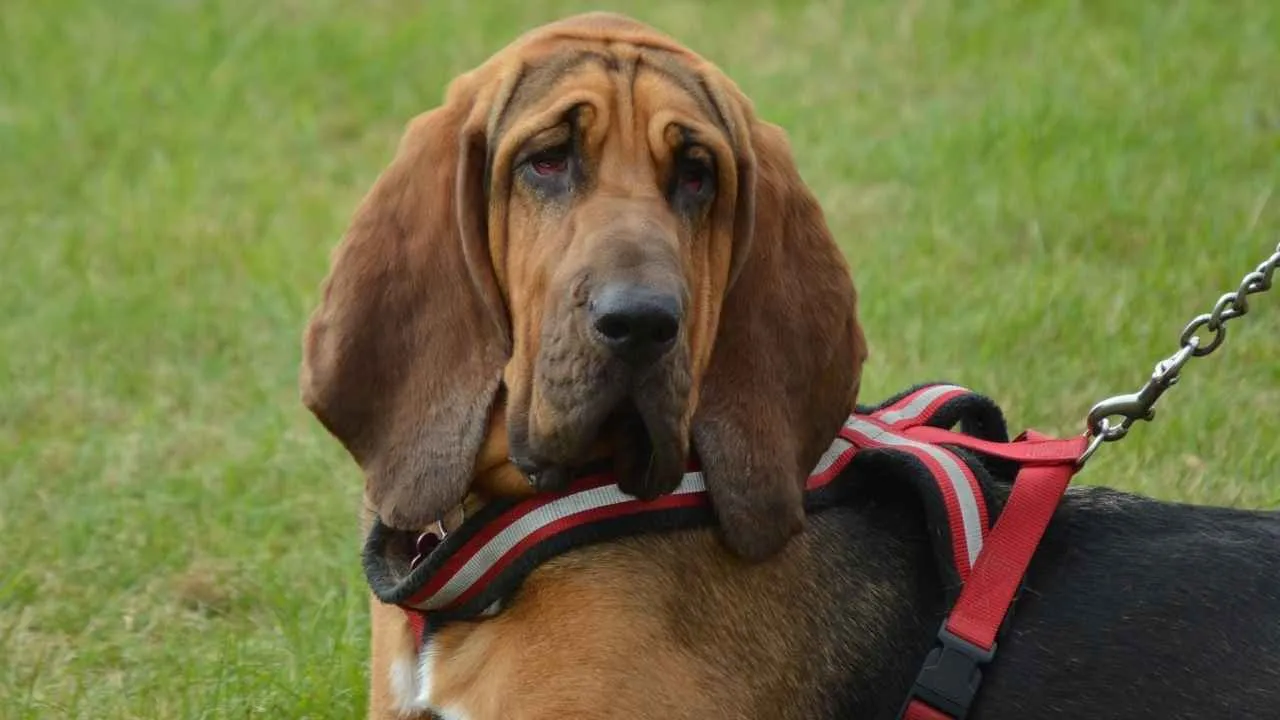
Few dogs can follow a scent with the determination of a Bloodhound. With its wrinkled face, long ears, powerful build, and extraordinary nose, this large scent hound has earned a special place among dogs bred for hunting and tracking.
Originally developed to follow wounded game over long distances, the Bloodhound’s scenting ability remains its defining strength and has also led to roles in search and rescue.
A Bloodhound is not simply following a trail; it is driven to discover where that scent leads, as stated by Purina.
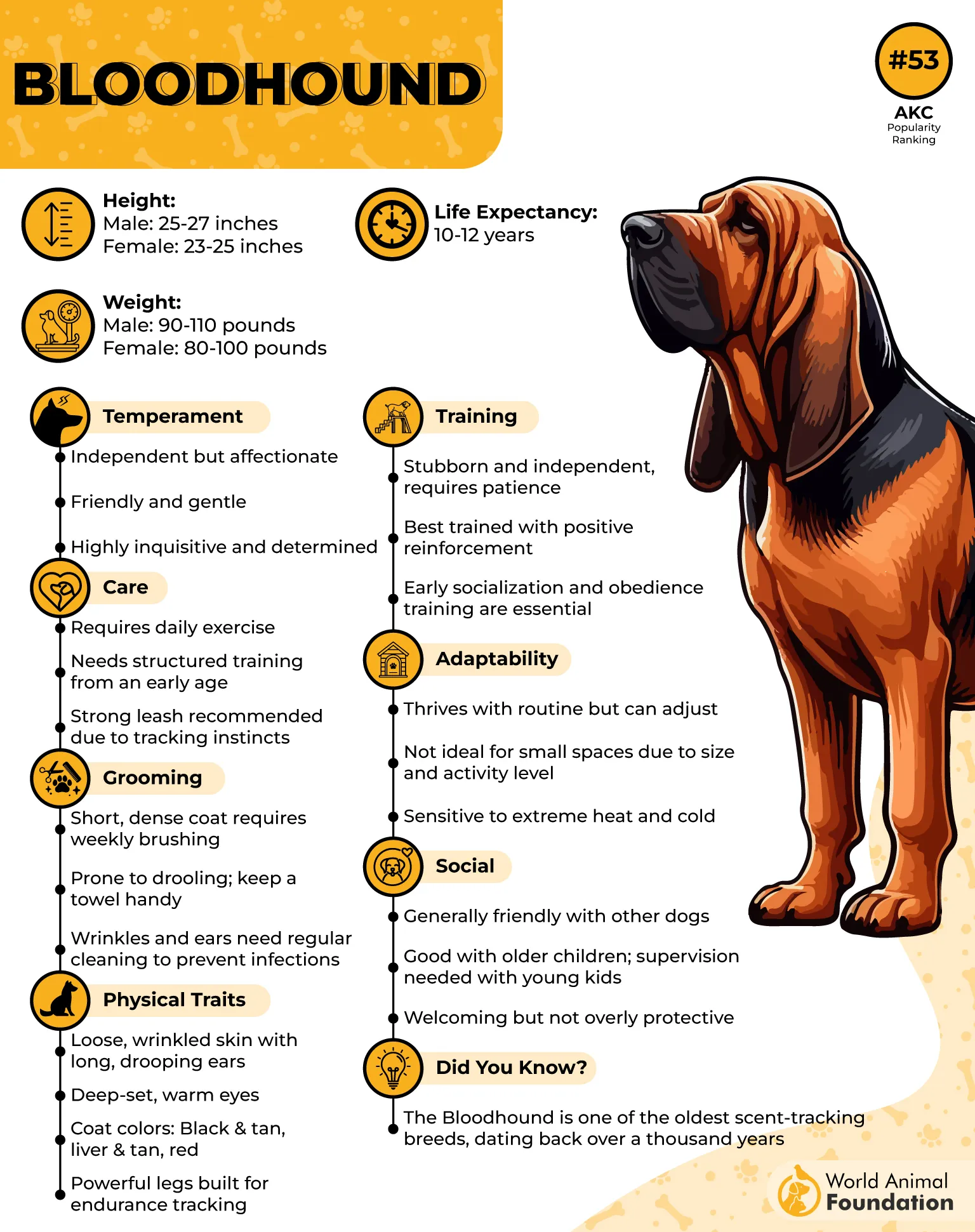
Once its nose catches an interesting track, its focus can be remarkably difficult to break. This independent nature is closely tied to the breed’s history as a working scent hound.
Despite their serious tracking instincts, Bloodhounds are gentle, affectionate, and devoted to their families.
They need plenty of exercise, opportunities to use their noses, and patient training. For owners who understand their instincts, a Bloodhound can be an impressive tracking partner and a loving companion.
4. Bavarian Mountain Scent Hound
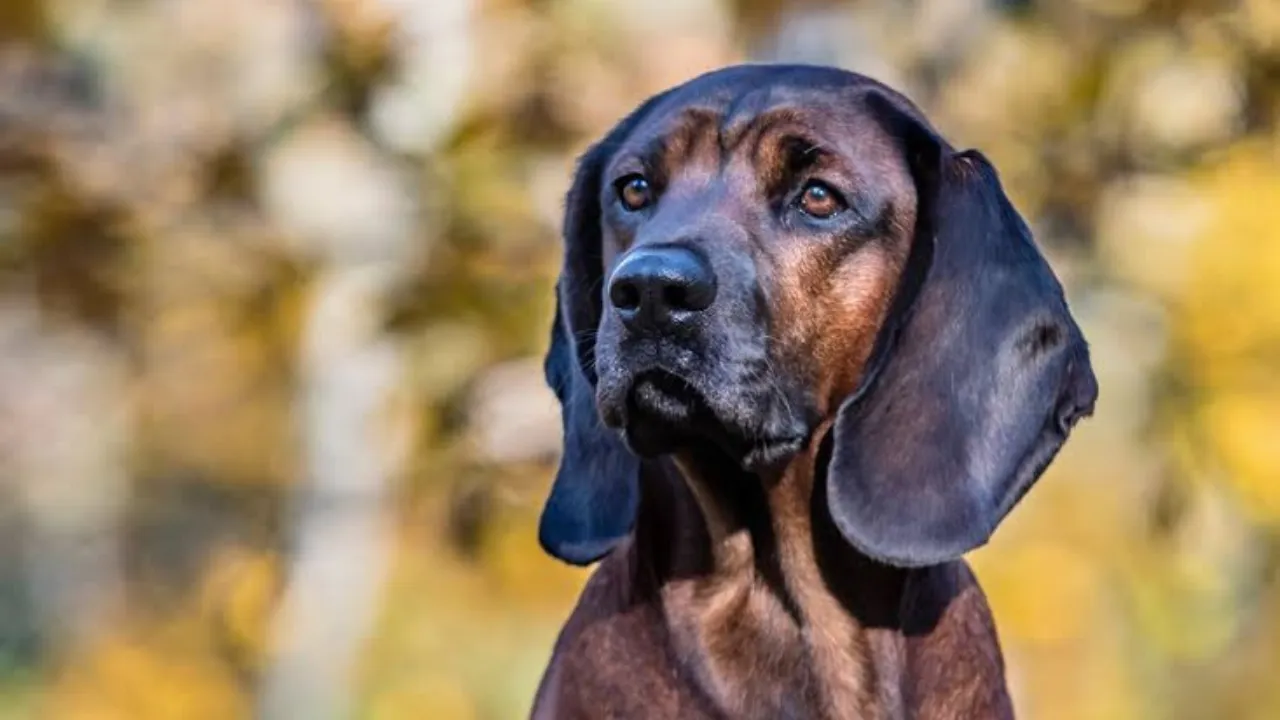
With its nose leading the way, the Bavarian Mountain Scent Hound is a specialist built for the demands of hunting and wildlife tracking.
Bred to locate wounded or dead game, this medium-sized scent hound combines a keen nose, strong hunting instinct, and remarkable focus to follow challenging trails through rugged terrain.
Its tracking ability is matched by intelligence, determination, and a strong desire to work alongside its handler.
This breed is not satisfied with a quiet routine. It needs plenty of physical exercise and mental stimulation, with tracking work providing a natural way to channel its energy and instincts.
When properly trained and fulfilled, the Bavarian Mountain Scent Hound can be calm, affectionate, and devoted at home.
Focused and self-assured while working, it is valued by hunters for reliable scent tracking and close cooperation. For those seeking an outstanding hunting and tracking partner, this breed offers dedication, purpose, and impressive working ability.
5. Bluetick Coonhound
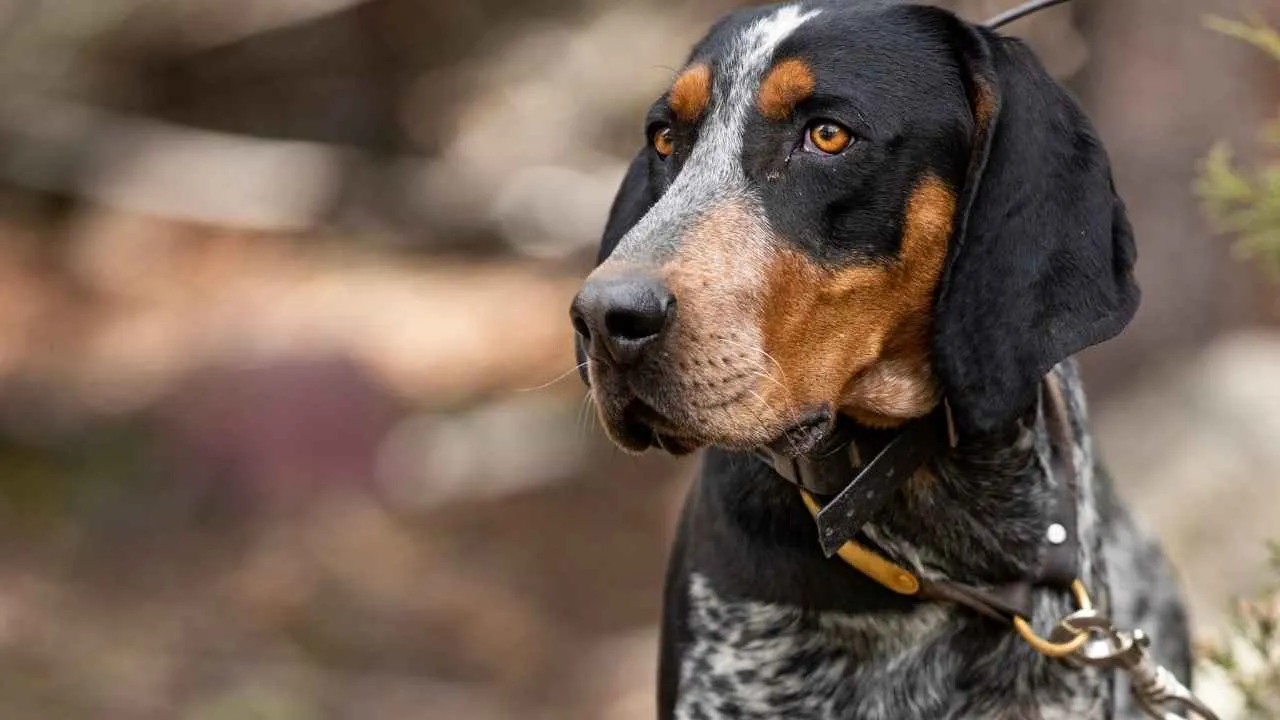
A Bluetick Coonhound may look relaxed and lovable at home, but once its nose catches a trail, another dog emerges.
Bred for hunting, this determined scent hound is known for following challenging scents and staying focused on the track.
Its history as an independent hunting dog has given it problem-solving ability and the confidence to make decisions in the field.
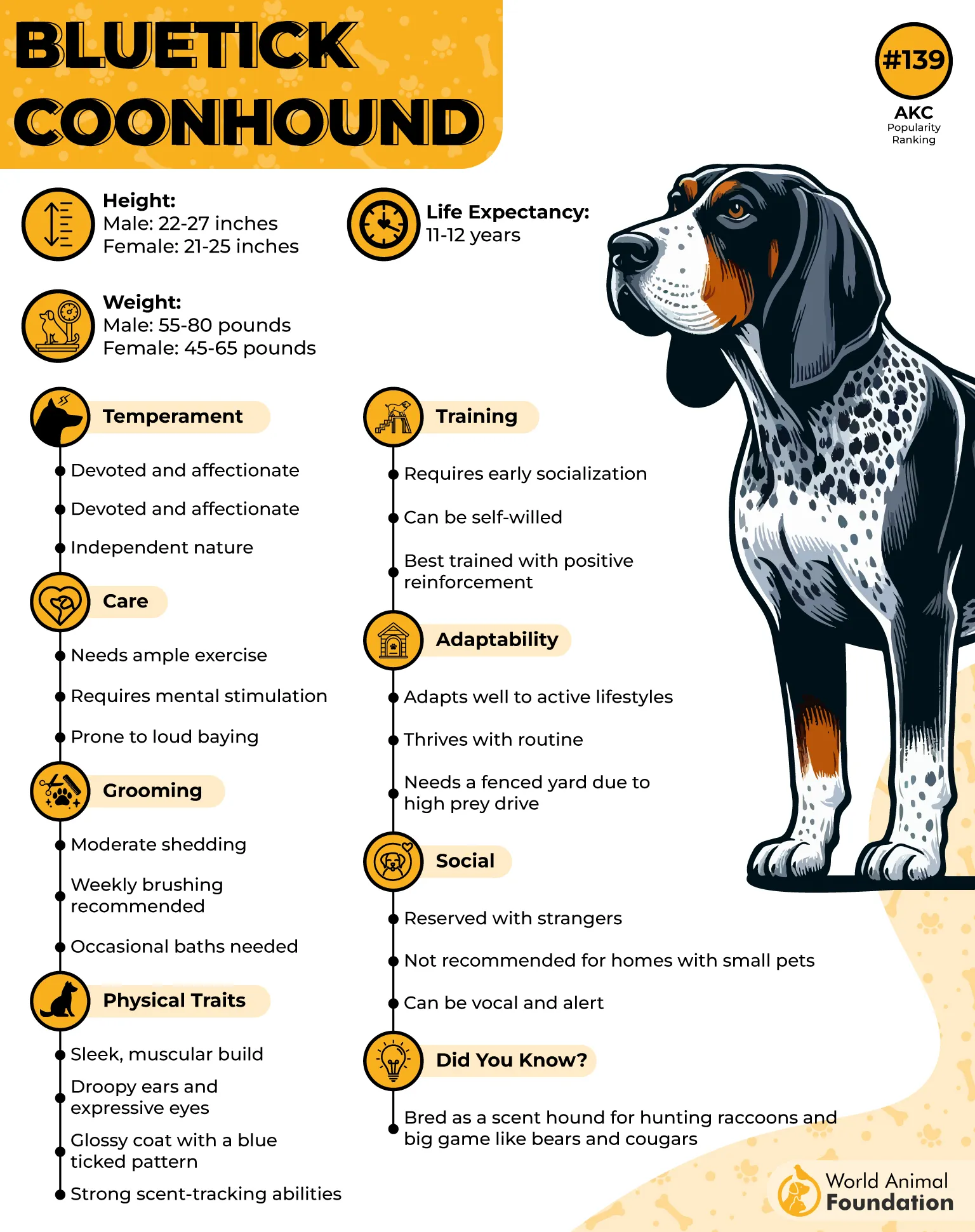
Originally developed for raccoon hunting, the Bluetick became valued for its ability to trail game, follow scents, and work through varied terrain.
Its distinctive bay helps hunters follow it as it tracks, while its strong prey drive keeps it committed to the task. With proper training, it can also participate in tracking and other working tasks.
At home, the Bluetick can be affectionate and easygoing, but it needs plenty of exercise and mental stimulation, as explained by Orvis. For active hunters, its keen nose, endurance, and determined nature make it a compelling tracking companion.
6. Black and Tan Coonhound
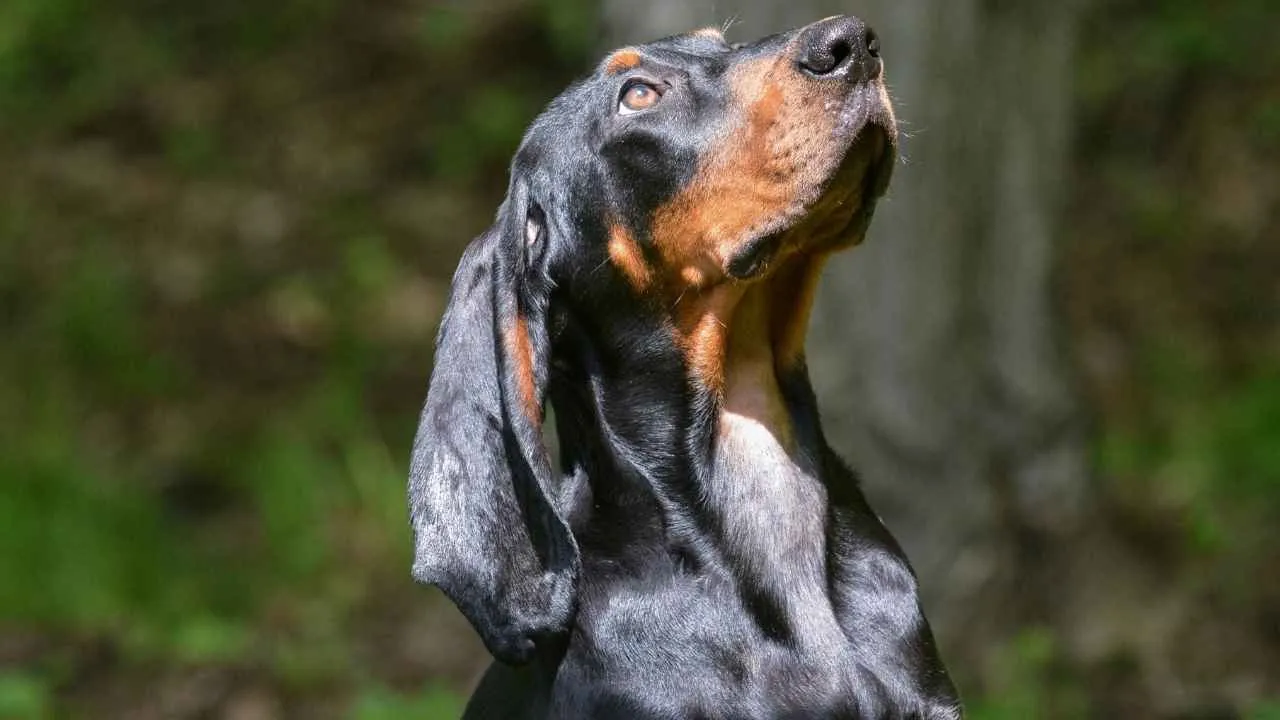
With its nose close to the ground and its deep bay echoing through the woods, the Black and Tan Coonhound is built for scent work.
Developed in the United States from Bloodhound and Black and Tan Virginia Foxhound crosses, this rugged scenthound was bred to trail and tree game, especially raccoons.
Rather than relying on sight, it follows a trail entirely by scent, showing determination across difficult terrain and weather.
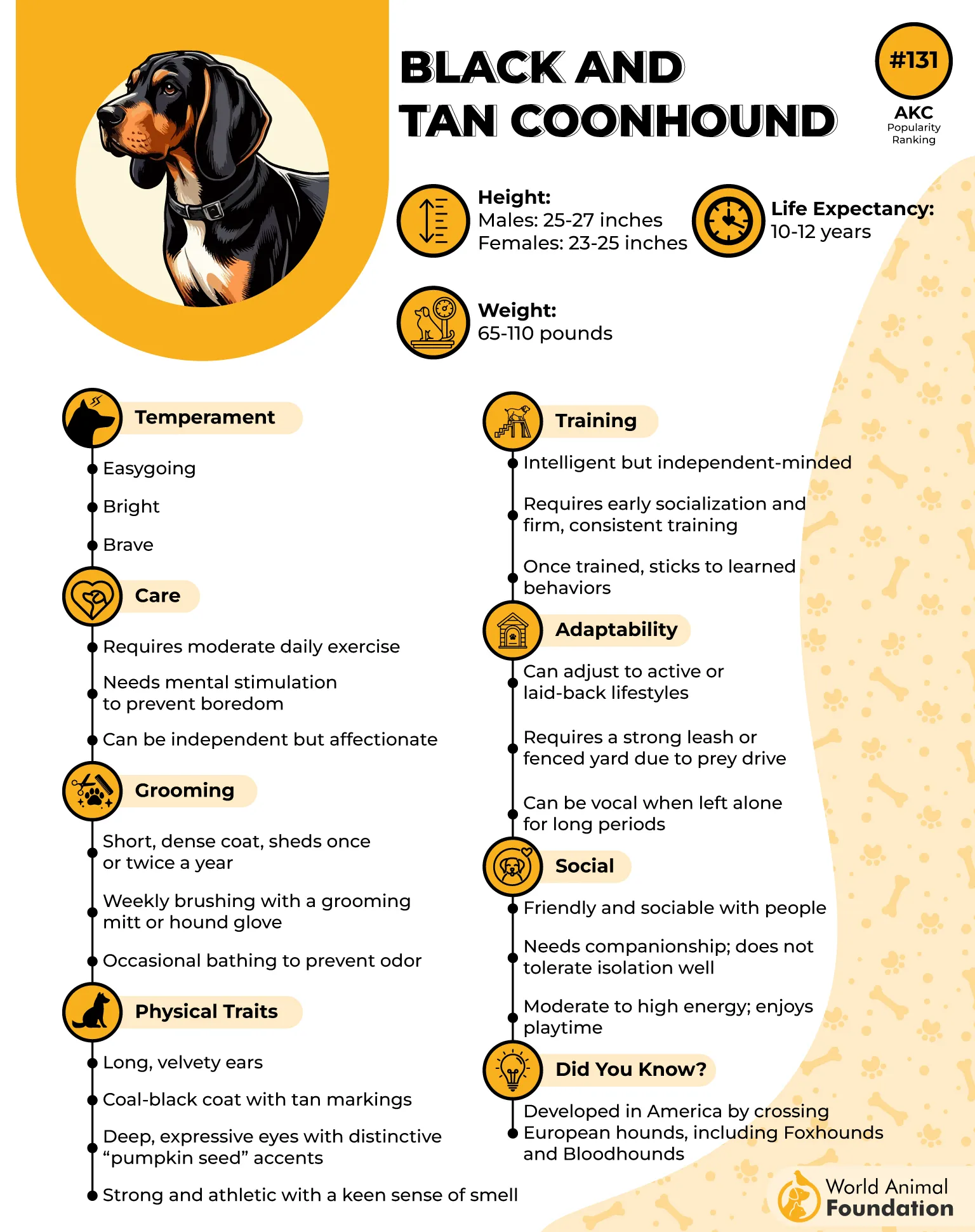
Once it catches an interesting scent, its hunting instinct can take over, making it difficult to interrupt the pursuit.
Its independent nature and endurance are valuable in the field, although they can make obedience challenging when a trail captures its attention. Secure fencing and leash control are therefore important.
Away from hunting, the Black and Tan Coonhound can be mellow, gentle, and affectionate. For hunters seeking a tracking partner, this breed combines stamina, scenting ability, courage, and a working spirit.
7. Treeing Walker Coonhound
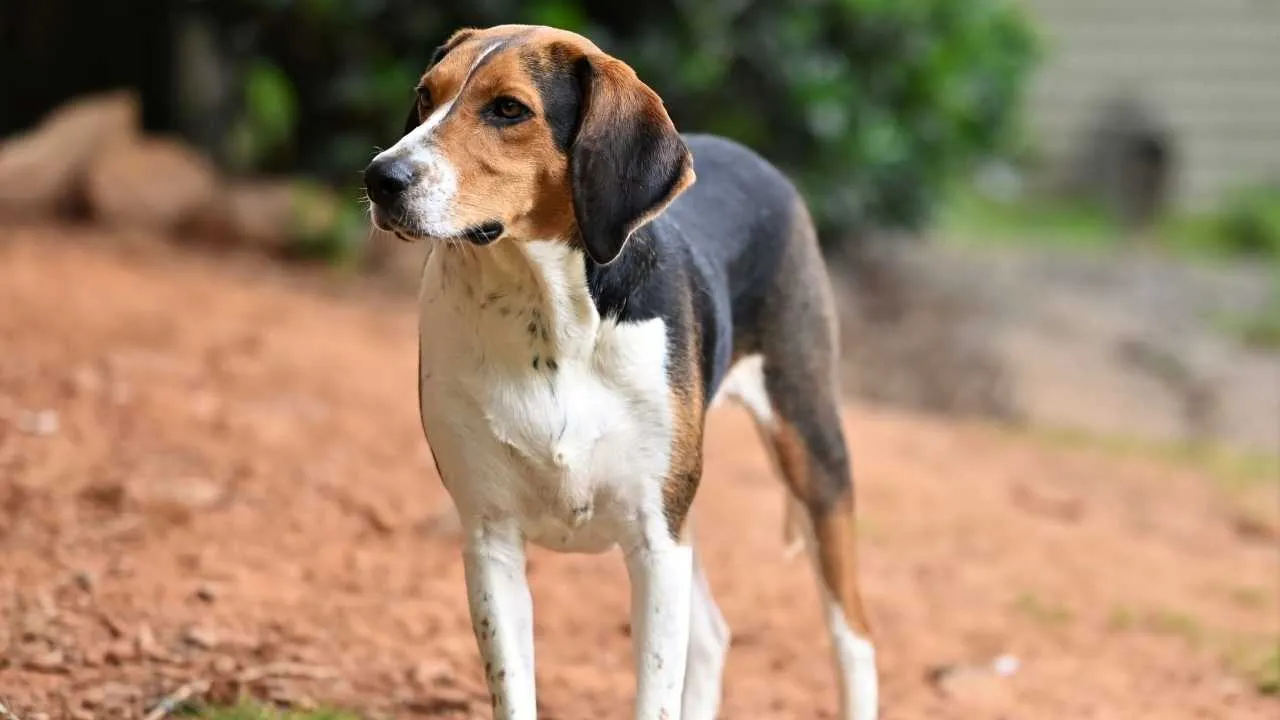
The Treeing Walker Coonhound is a determined hunting dog built for speed, stamina, and scent work. Originally developed to track raccoons and drive them into trees, it can also pursue larger game, including deer, bobcats, cougars, and bears.
Its name reflects this distinctive hunting style, while “Walker” honors the Kentucky family involved in developing the breed.
A keen nose allows the Treeing Walker to follow scent trails with impressive focus, whether working independently or alongside other dogs.
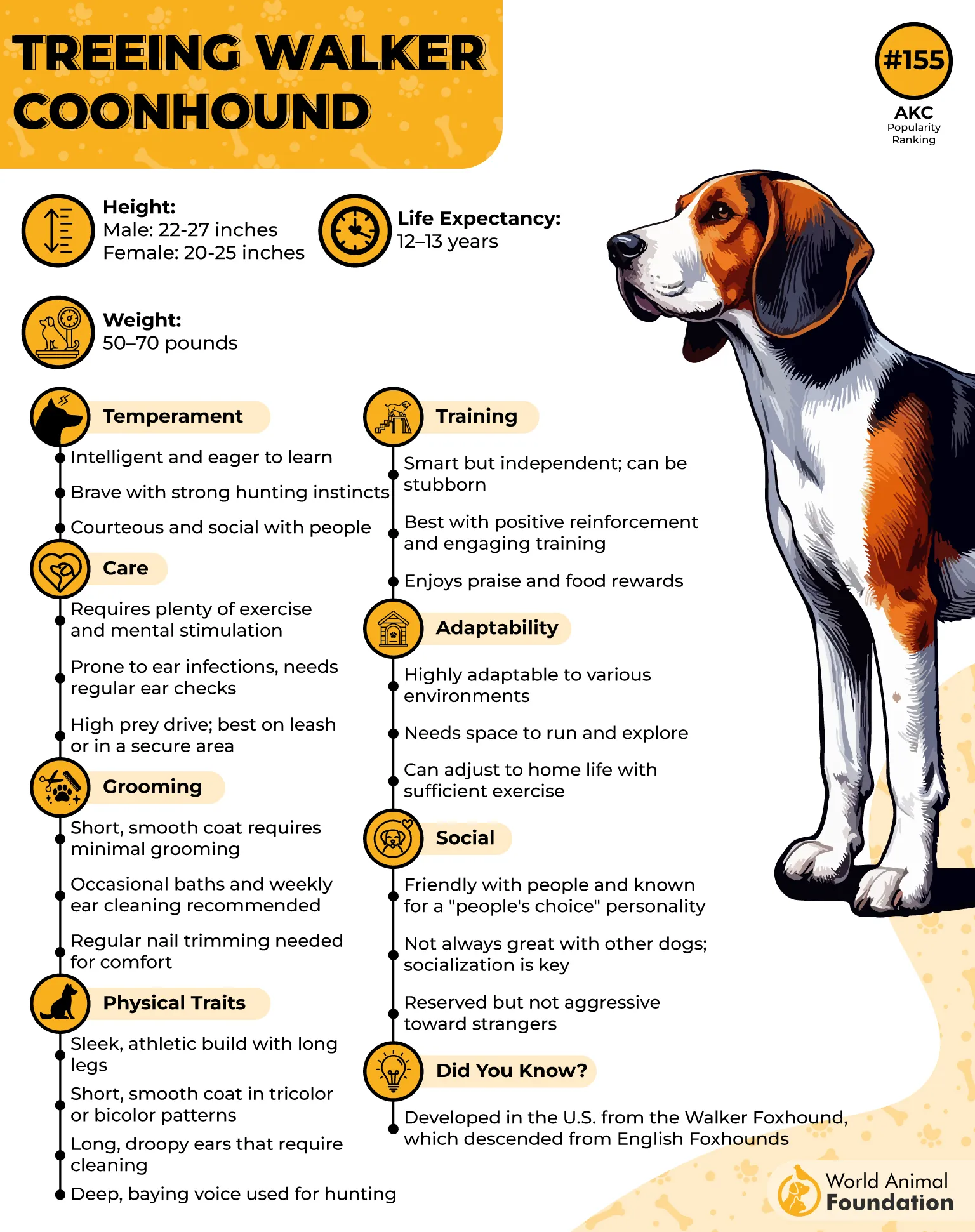
Its loud, distinctive bay gives hunters a clear way to follow its progress from a distance, changing to a shorter, sharper bark once its quarry is treed.
Beyond its hunting ability, this hound dog is intelligent, social, and affectionate with people, according to Animatch.
Its muscular build and boundless energy make it happiest when given plenty of exercise and opportunities to explore, track, run, and put its natural hunting instincts to work.
Conclusion
From following a faint scent through dense terrain to locating game across fields and forests, the right dog can bring remarkable skill and determination to hunting and wildlife tracking.
The breeds featured here each have their own strengths, whether it is the German Shorthaired Pointer’s versatility, the Bloodhound’s extraordinary scenting ability, or the persistence of the Plott Hound and Coonhounds.
Choosing the right breed ultimately depends on the type of work, terrain, and partnership an owner expects. These dogs are not simply driven by instinct; they are intelligent working companions that thrive when given purpose, training, exercise, and meaningful time with their handlers.
Their natural abilities can be impressive, but responsible training and care are equally important. For hunters and outdoor enthusiasts, a well-matched dog can turn every tracking challenge into an experience built on trust, teamwork, and the remarkable bond between human and dog.
