




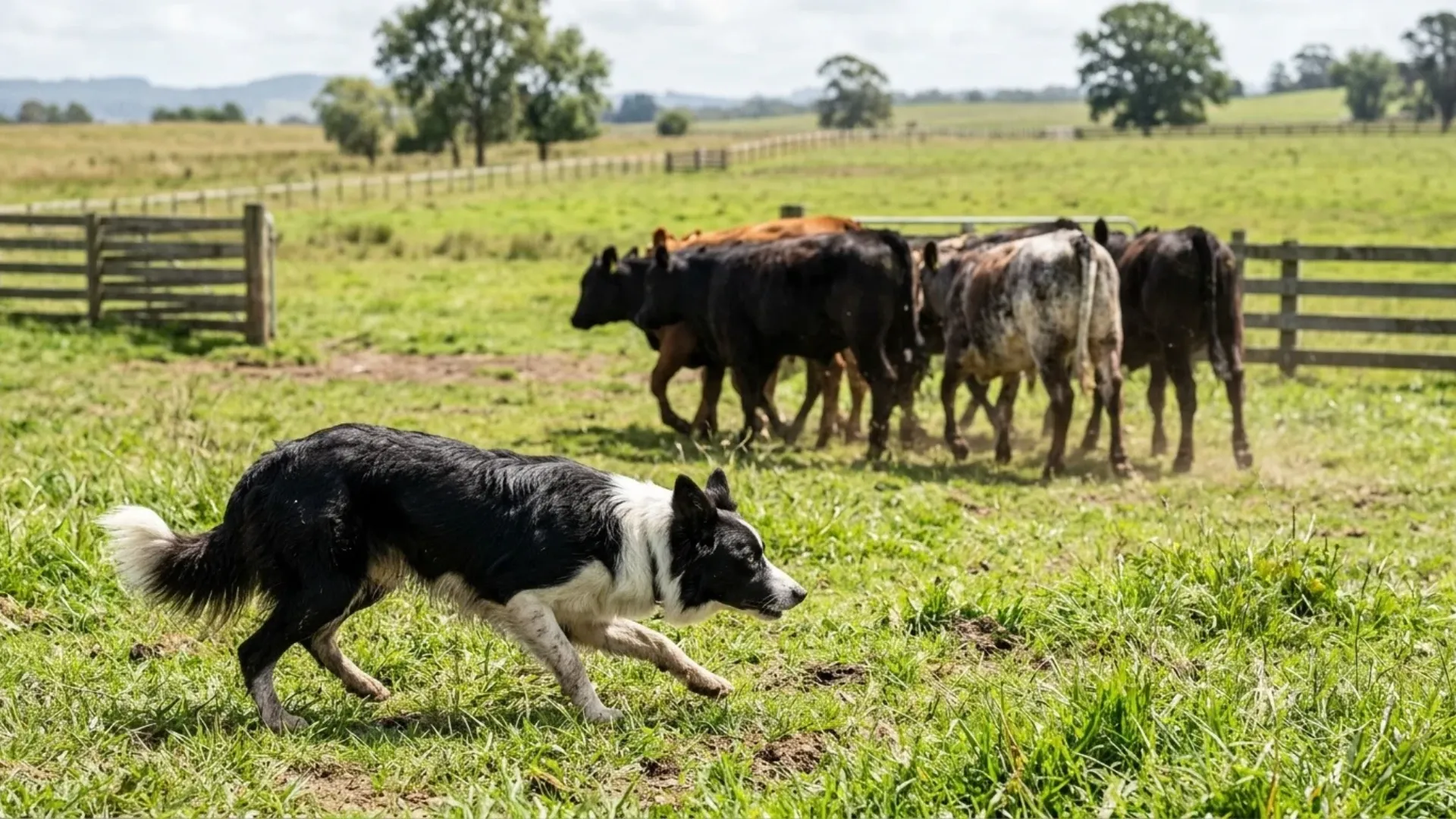
Picture this. Sunrise on the ranch. Cows are grumbling in the pasture, the gate is half open, and you haven’t even finished your first cup of coffee.
And your dog is already on the job.
Some dogs GET it. Nobody sat them down and explained how to move a herd. They looked at a bunch of cattle and thought, “Yep, I have got this.”
Because…
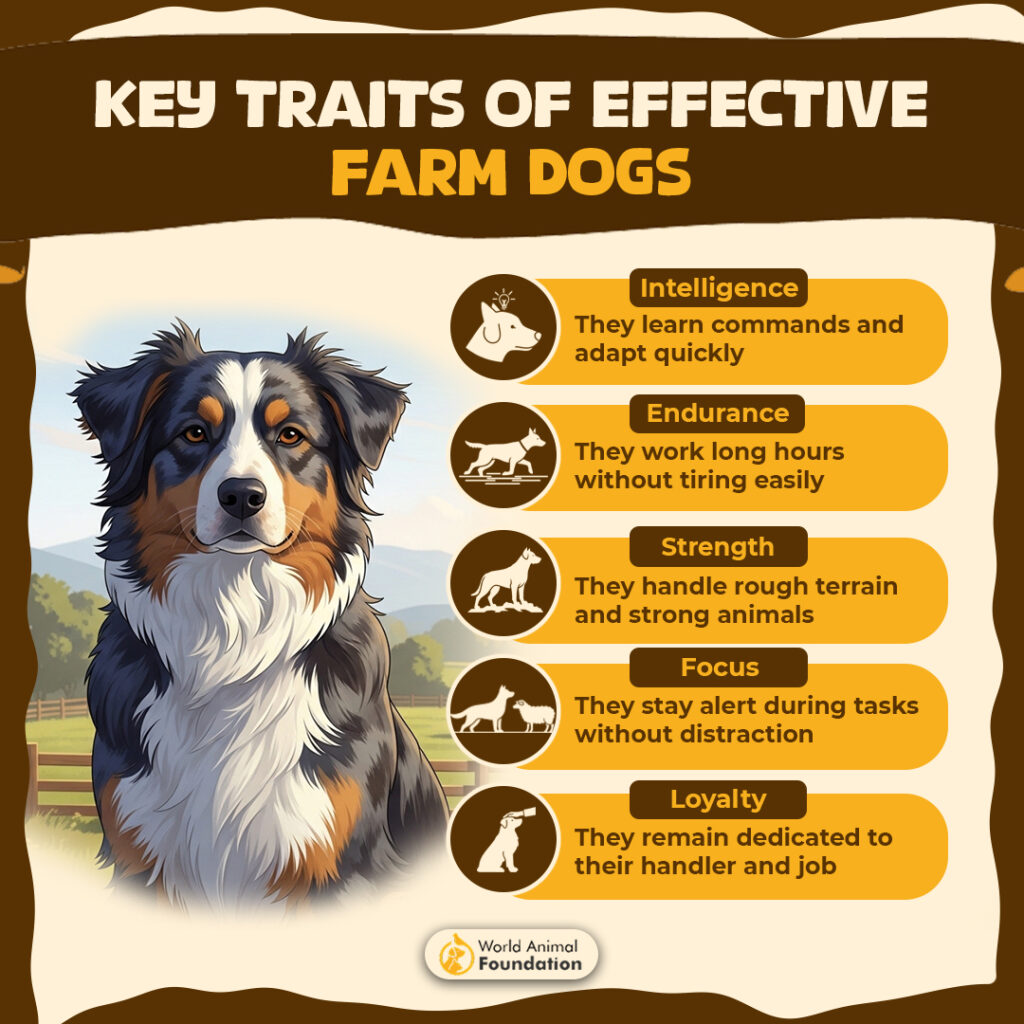
Not every dog is cut out for farm life. A good farm dog needs brains, stamina, and heart. It has to handle long days, rough ground, and cows that are twice (okay, ten times) its size. These outstanding dog breeds for cattle herding and farm life are the real deal.
These are working dogs, not couch potatoes. If you don’t have a farm, don’t panic. Most of them can thrive in a regular home too, as long as you give them a job and enough exercise.
A bored herding dog is a creative herding dog, and trust us, you do NOT want it herding your kids around the living room.
Did You Know?
The oldest dog ever verified by Guinness World Records was an Australian Cattle Dog named Bluey. He lived to be 29 years and 5 months old! Bluey spent his working life herding cattle and sheep in Victoria, Australia, for around 20 years. Maybe hard work and fresh air really are the secret to a long life.
Outstanding Dog Breeds for Cattle Herding and Farm Life
1. Australian Cattle Dog
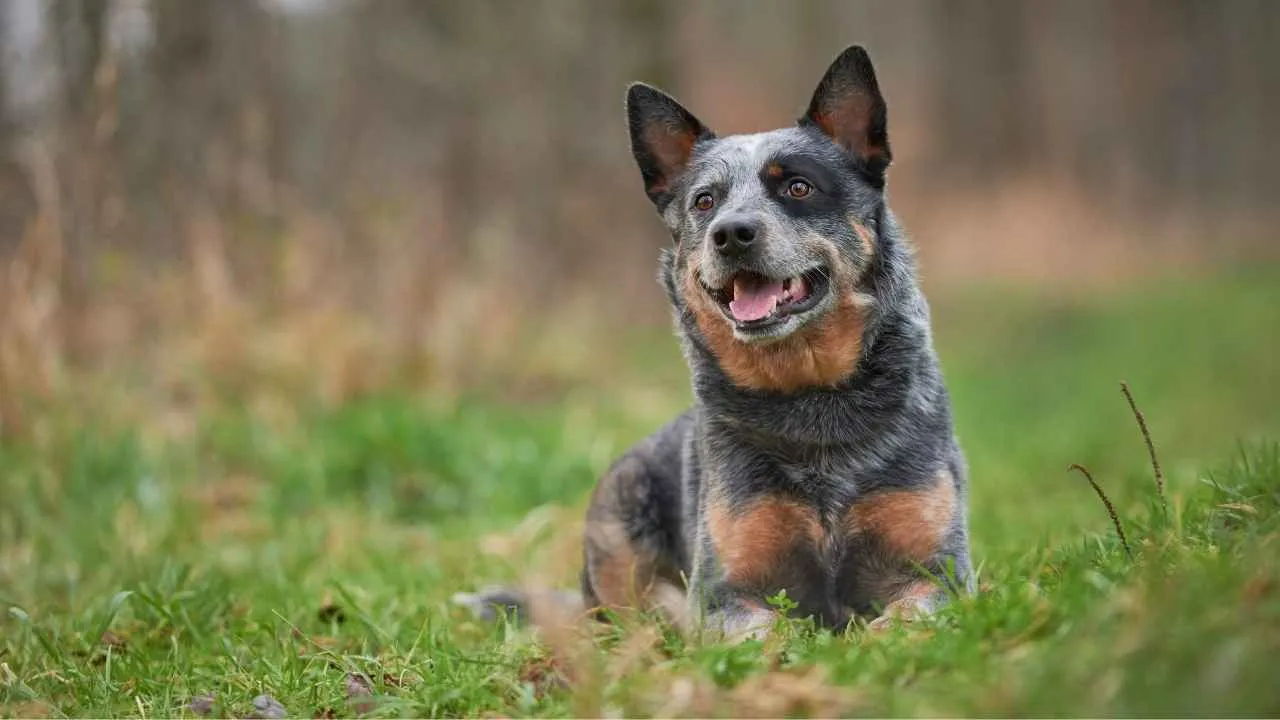
We are kicking this off with the tough guy.
Australian Cattle Dogs, also called Blue Heelers or Red Heelers depending on the coat color, were bred for one thing: moving cattle across rugged country.
These herding dogs were originally bred in Australia to drive cattle over long distances in brutal terrain and heat. That’s why they are sturdy, quick, and almost impossible to tire out. According to Greencross Vets, they “heel.” That means they nip at the back legs of cattle to get them moving in the intended direction, then duck away before a hoof can land.
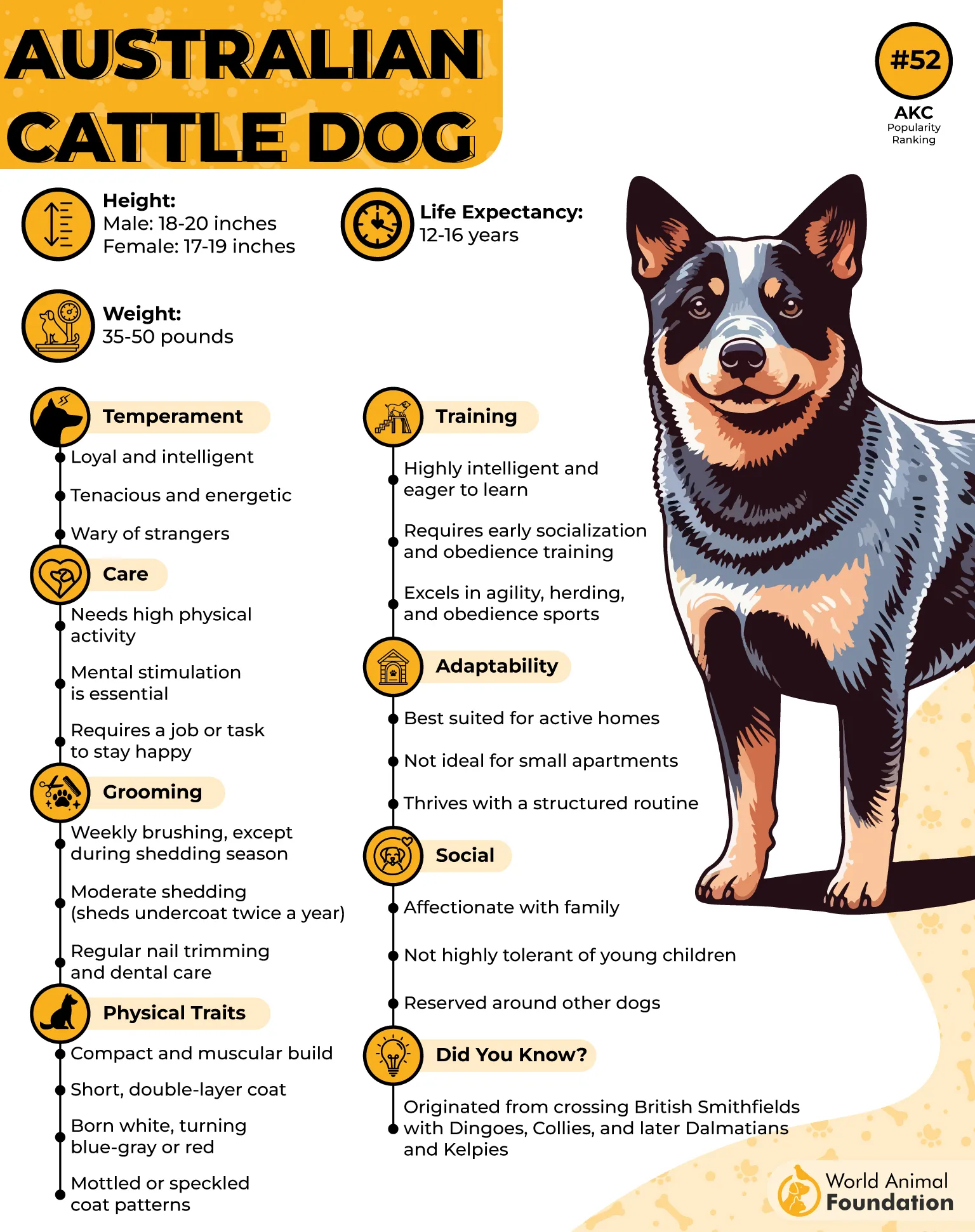
Cattle dogs are smart, alert, and fiercely loyal to their people. They are also protective, so they can be wary of strangers. Early socialization is a must. These herding breeds need serious exercise and mental stimulation every day.
Fun detail: these pups are born mostly white, and their color comes in as they grow. Surprise!
2. Border Collie
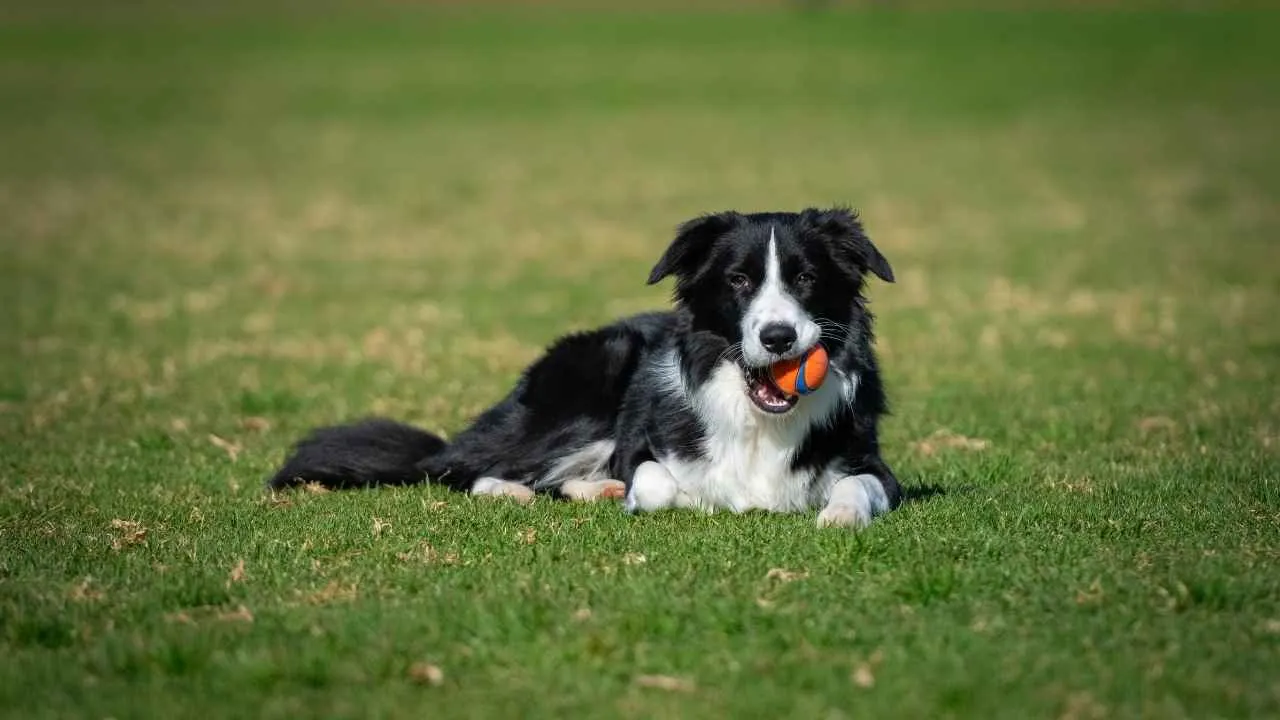
Next up, the genius of the group.
If herding had a valedictorian, the Border Collie would win it. Every year.
Border Collies are among the smartest dog breeds, and the way they work stock is something to see. They use what’s known as “the eye,” a fixed, intense stare that controls sheep and cattle without so much as a bark. According to the American Kennel Club (AKC), that “herding eye” is this breed’s hallmark.
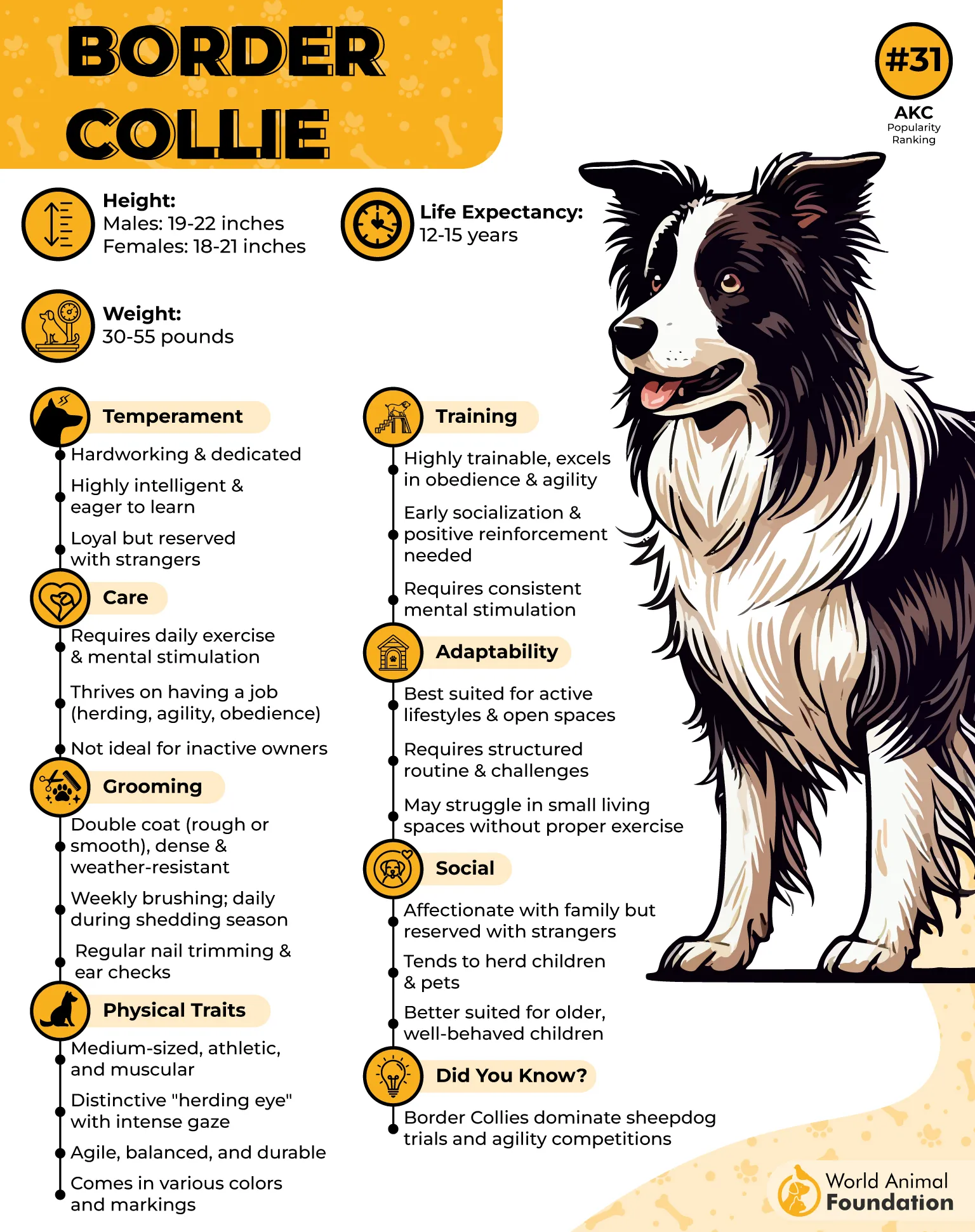
They have boundless energy and thrive on having a job. Herding sheep, running agility, learning new tricks… they will do it all and ask for more. But without enough vigorous exercise, this Collie breed can become anxious or destructive. These dogs need a purpose.
These intelligent dogs are affectionate with their family members and eager to please. Just don’t expect a laid-back lap dog.
3. Australian Shepherd
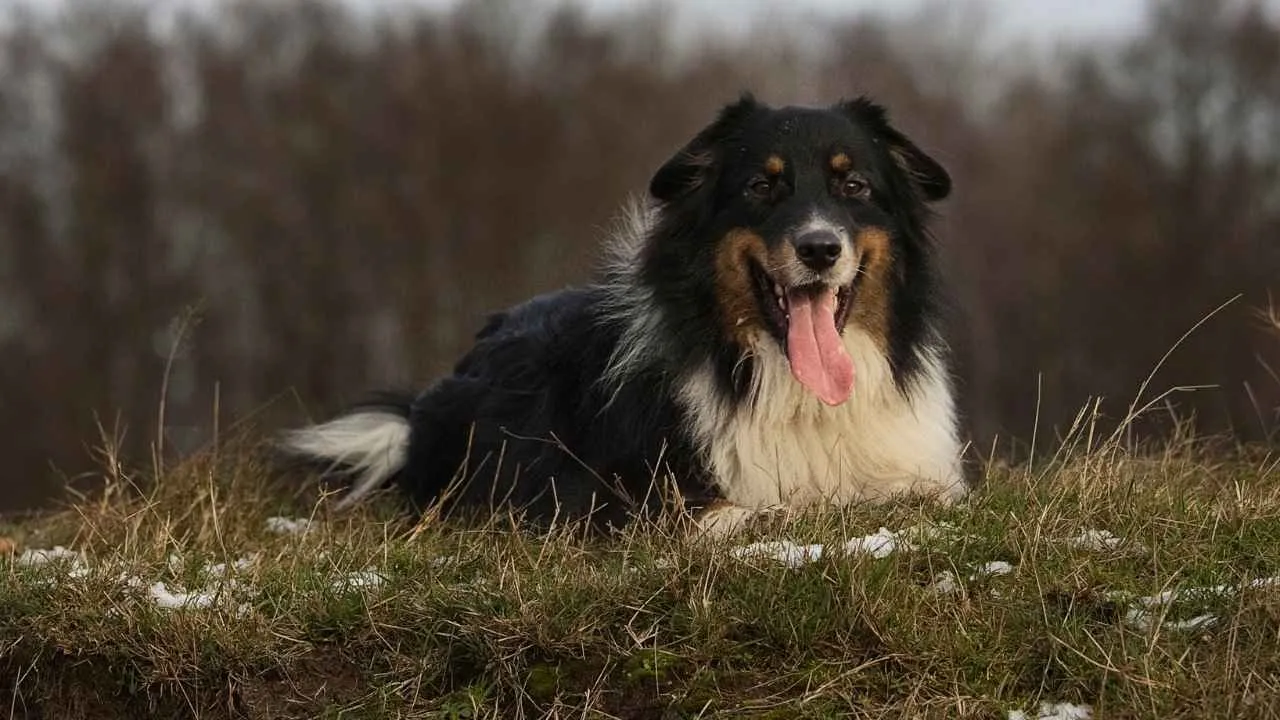
Plot twist: the Australian Shepherd isn’t actually from Australia.
Yep, really. The Aussie was developed right here in the U.S., and it became a staple on western ranches. Cowboys and ranchers loved these dogs, and it’s easy to see why.
Aussies are athletic, agile, and incredibly smart. They were bred to herd and protect livestock, and they do it with energy and sound judgment. They can move large flocks of sheep, tend cattle, and even herd ducks if there’s nothing else going on.
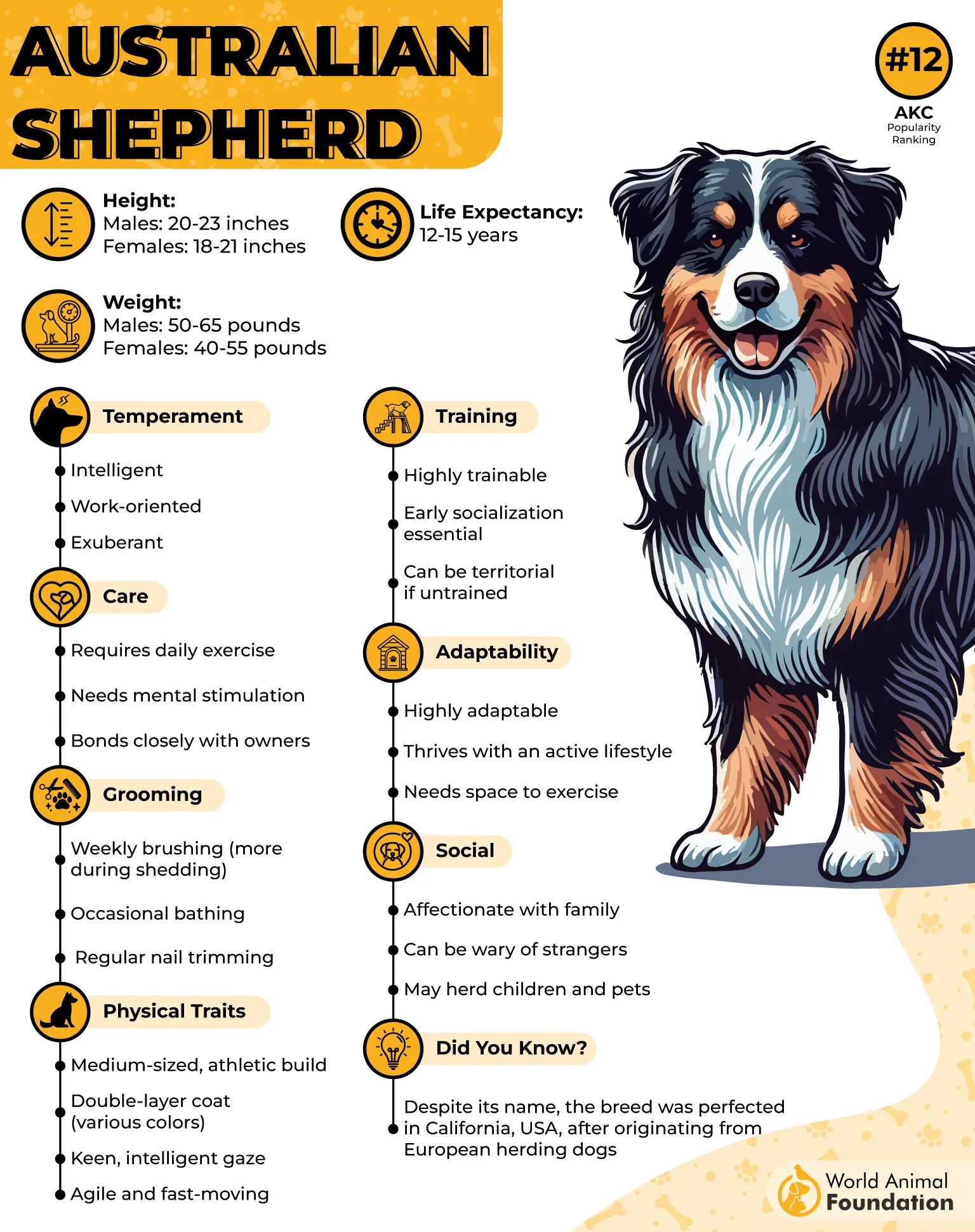
Australian Shepherds are famously devoted to their people. An Aussie wants to be where you are and do what you are doing. That strong loyalty makes them wonderful family members, but it also means they don’t love being left alone all day.
Their beautiful double coat needs regular brushing, and they will shed a lot. Consider that your warning.
4. Pembroke Welsh Corgi

Okay, hear us out. Yes, the Corgi.
Before they were Instagram stars, Corgies were cattle dogs in Wales. And honestly, they still have the attitude to prove it.
Those short legs aren’t just cute. They were a real advantage for herding cattle, because a low-slung dog can nip at heels and dodge kicks without getting launched across the field. Genius, right?
Pembroke Welsh Corgis are bold, smart, and full of personality. They have strong herding instincts, which means they may try to herd kids, cats, and even your ankles.
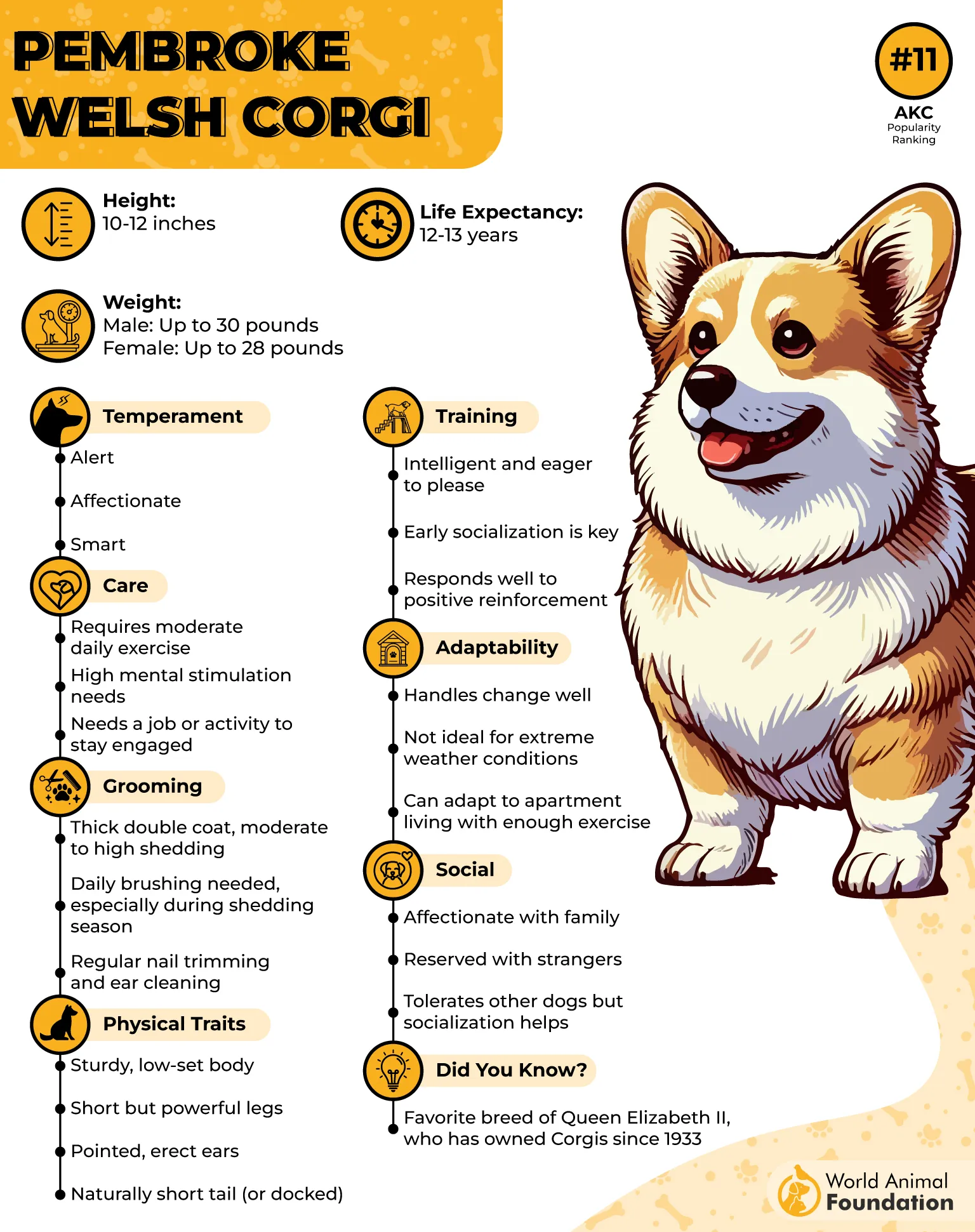
Gentle training helps redirect that habit. They also have a loud bark for such a small dog, so expect some commentary. According to Omlet, they are excellent watchdogs and will bark at any inconvenience.
They are affectionate, good-natured, and love being part of the family. Just watch the treats, because Corgis will happily eat their way into trouble.
5. Australian Kelpie
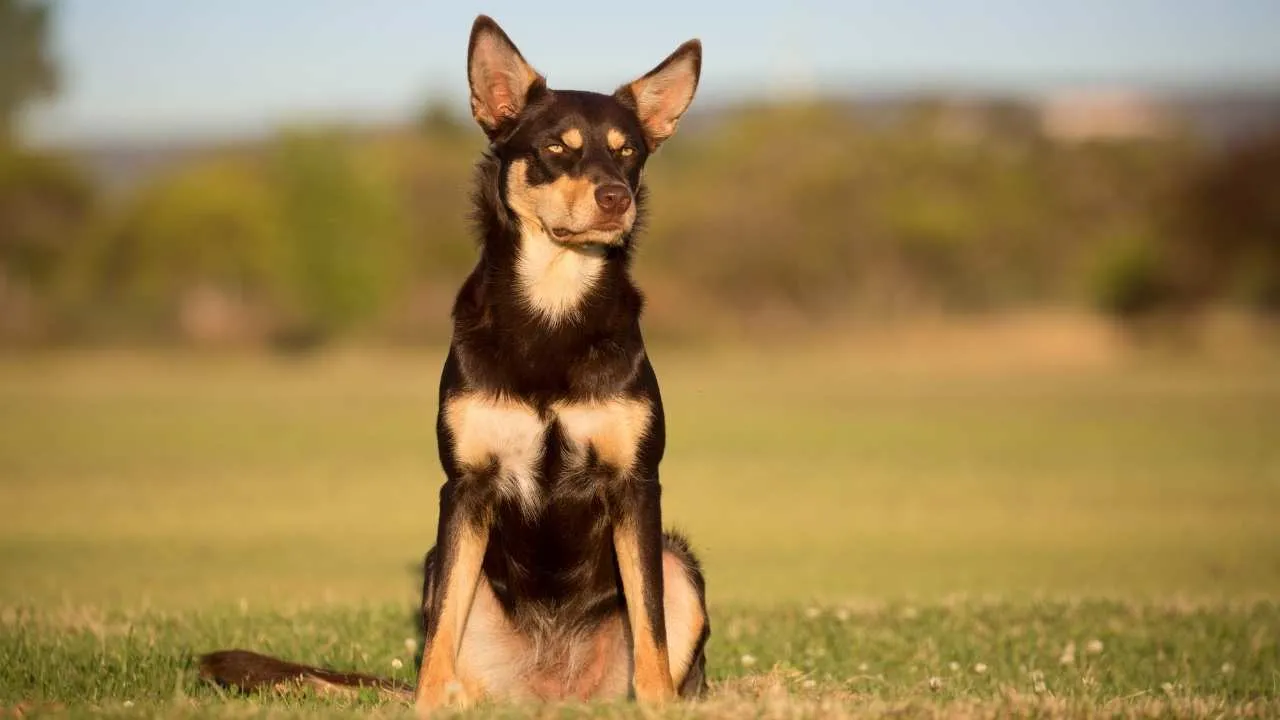
The Australian Kelpie is one of the hardest-working stock dogs on the planet. It’s a favorite among ranchers who need a working dog to work all day in the heat.
Kelpies are lean, athletic, quick, and tough as nails. They were originally bred to handle large flocks of sheep, but they are great workers with cattle and other livestock too. Some of them are known for running across the backs of packed sheep to get where they need to go. Talk about commitment.
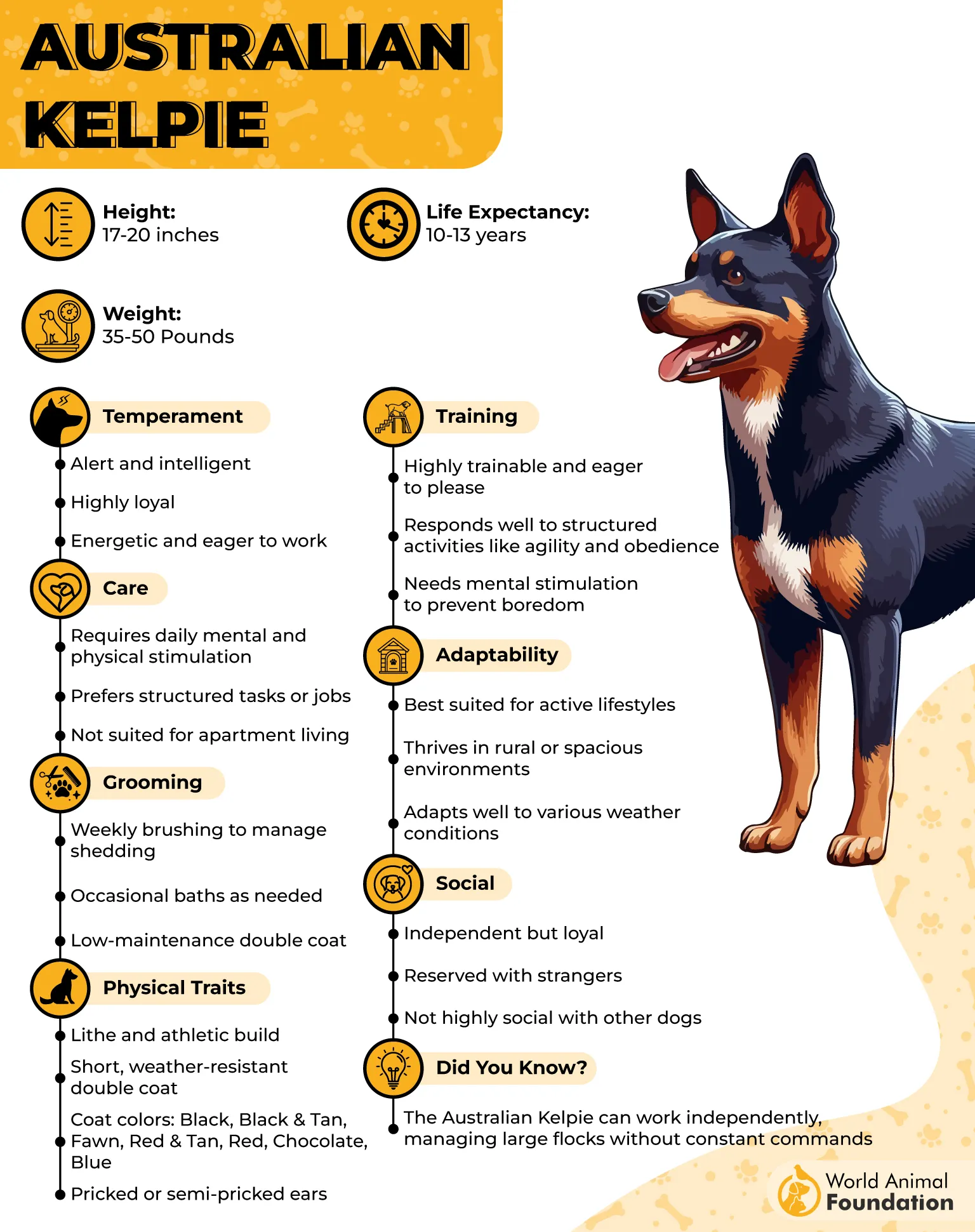
These medium-sized dogs are extremely intelligent and high energy. A Kelpie needs lots of exercise and mental work, or it will find its own entertainment. (Your couch cushions may not survive). They are loyal and devoted to their people, but they are not the best match for a quiet, low-key household.
An experienced handler or active owner is a good idea here.
6. Bearded Collie

Meet the shaggy charmer.
With that long, windblown coat and cheerful face, the Bearded Collie looks like a walking mop. But this goofy-looking pup is a true working dog with a long history.
Beardies come from Scotland, where they worked as drovers’ dogs. They helped move cattle and sheep across long distances. These bearded dogs are sturdy, strong, and full of life. Plus, they have a gentle herding style and a lively, bouncy way of getting things done.
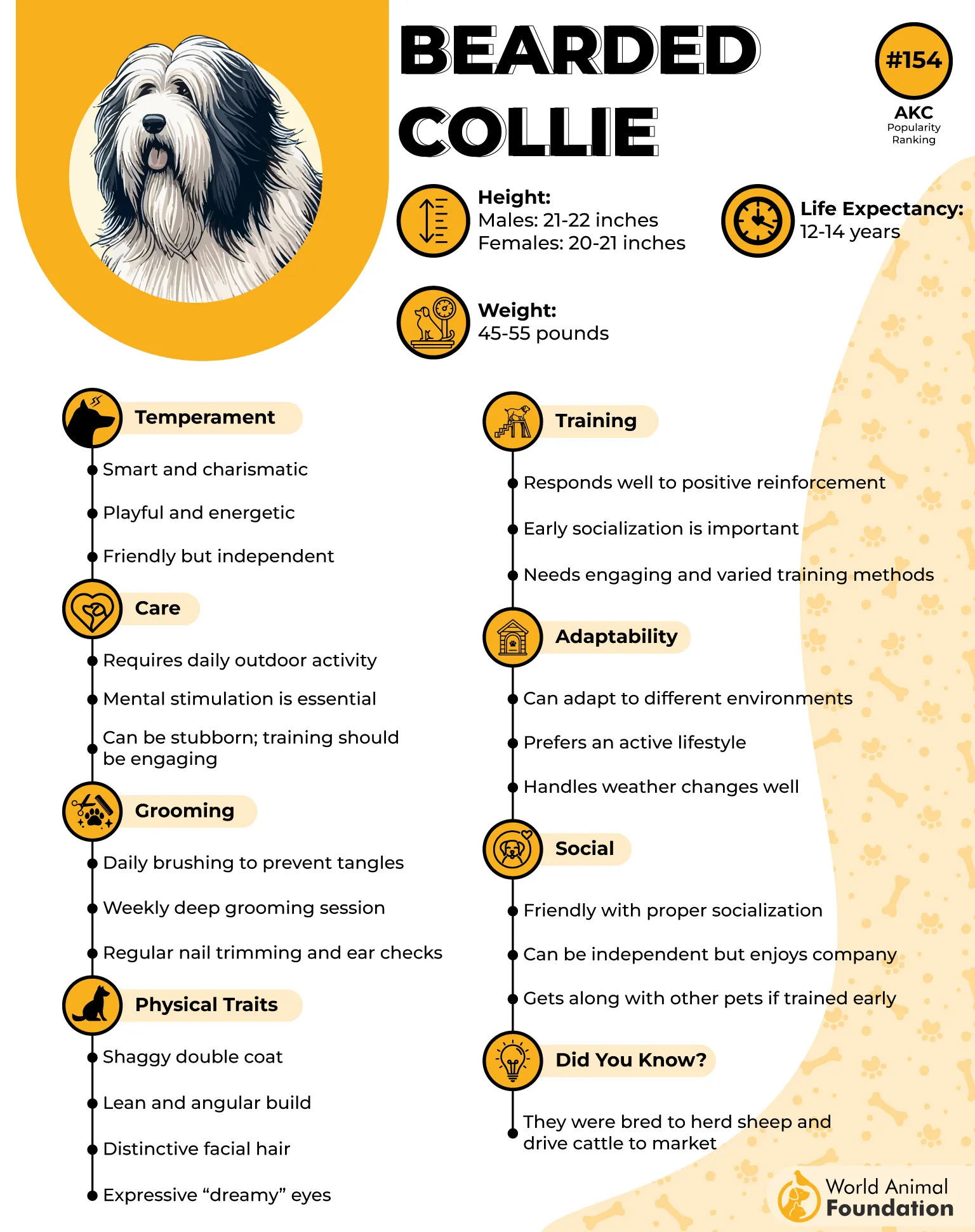
They are also super friendly and good with kids, which makes them excellent companions as well as workers. They do need regular exercise and plenty of play. And that gorgeous coat requires regular grooming, or it will turn into a tangled mess before you can say “mud puddle.”
A cheerful, bouncy, big-hearted farm dog breed.
7. Belgian Malinois
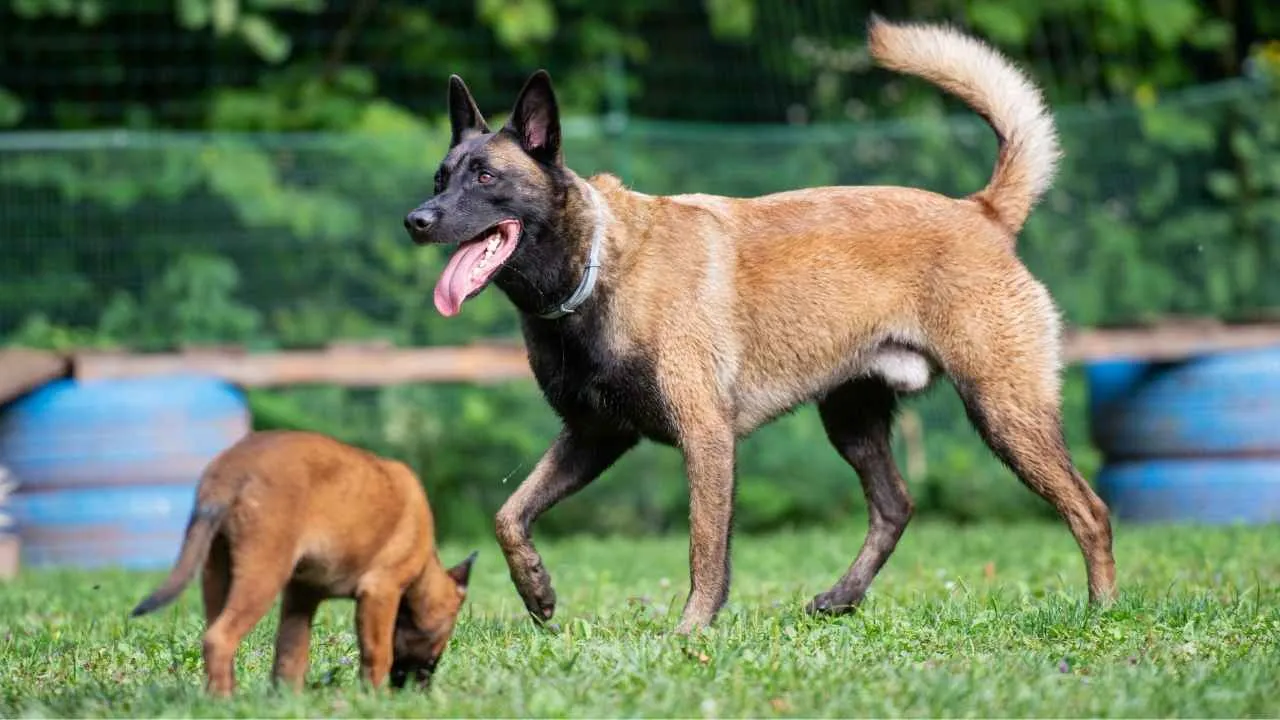
Last but definitely not least, the Belgian Malinois, the popular dog.
You probably know the Belgian Malinois from military and police work. But guess what… this breed started out herding livestock in Belgium, and it’s a capable stock dog.
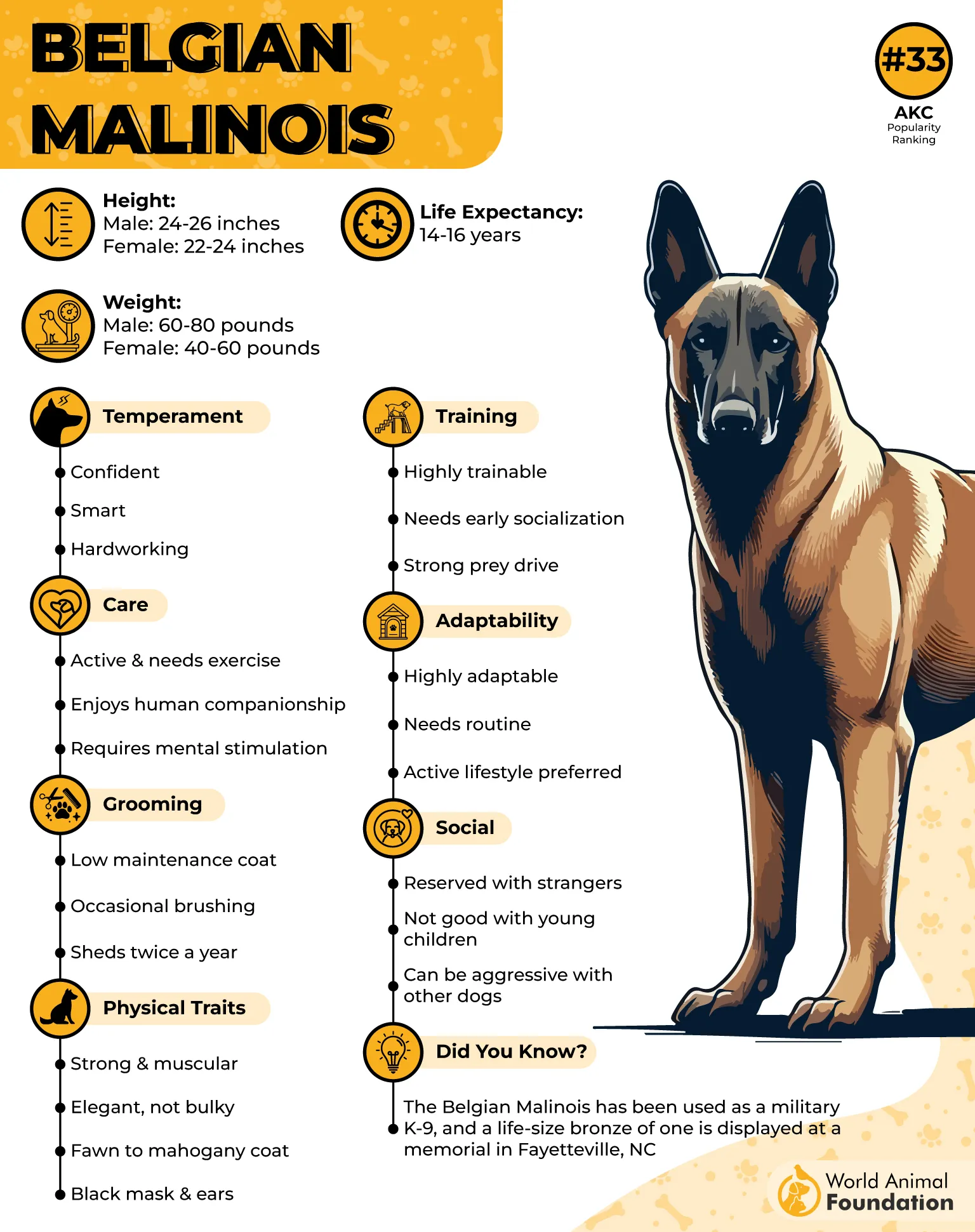
Malinois are intense. They are fast, strong, and incredibly driven. Their herding instincts run deep, and they have the energy to keep going long after other dogs have quit. They are alert and protective, which makes them great at keeping an eye on the farm.
But this is NOT a beginner’s dog. Belgian Malinois need firm, consistent training, loads of mental stimulation, and daily exercise. An experienced owner who understands working dogs is a must.
In the right hands, they are loyal, devoted, and incredible for companionship.
A powerful, focused, all-in working dog from the herding group. Respect.
Conclusion
Choosing a farm dog is about energy and temperament. You also need to see if the dog’s instincts match the job you need done. A great working dog is a partner, not just a pet.
Many farms pair a herder with a guardian, and that team works beautifully.
Herding dogs are a commitment. They need training, exercise, and a purpose every single day. Talk to a reputable breeder or check your local shelter or breed rescue. Plenty of smart, loving herders are waiting for the right person.
Pick the dog whose drive matches yours, give it a job and plenty of love, and you will have a loyal partner for every sunrise, every pasture, and every long day on the farm.
