




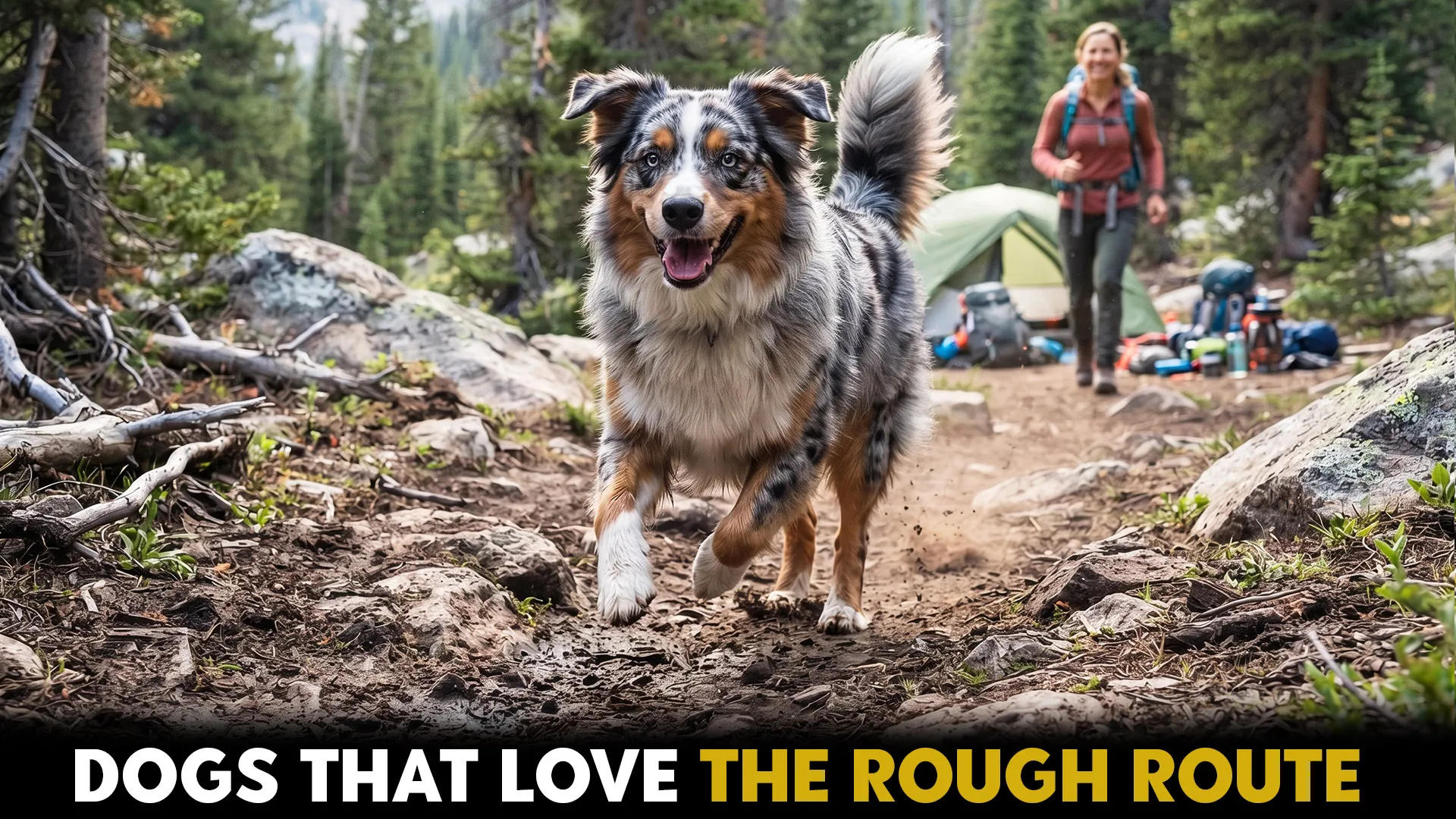
Outdoor adventures can become even more rewarding with a canine companion that enjoys moving through forests, hills, open fields, and rugged paths. Some breeds are naturally equipped for demanding activity, combining endurance, agility, curiosity, and confidence.
However, an adventure-ready dog is not automatically prepared for every outdoor challenge. Conditioning, age, weather, paw protection, hydration, recall training, and gradual exposure to difficult terrain all matter when planning longer excursions.
Dogs should also be introduced carefully to camping environments. Wildlife encounters, unfamiliar noises, steep trails, changing temperatures, and remote surroundings can create situations that require reliable obedience and calm behavior.
The nine breeds below are known for athletic ability, enthusiasm, and versatility. Their backgrounds include hunting, herding, farm work, and water-based activities, giving each one a distinctive set of qualities for outdoor recreation.
Whether you prefer long-distance running, wooded hikes, mountain trails, or multi-day camping trips, the right breed can make an excellent partner when its physical and behavioral needs match your lifestyle.
Off‑Road Dog Breeds Perfect for Camping and Trail Runs
1. German Shorthaired Pointer
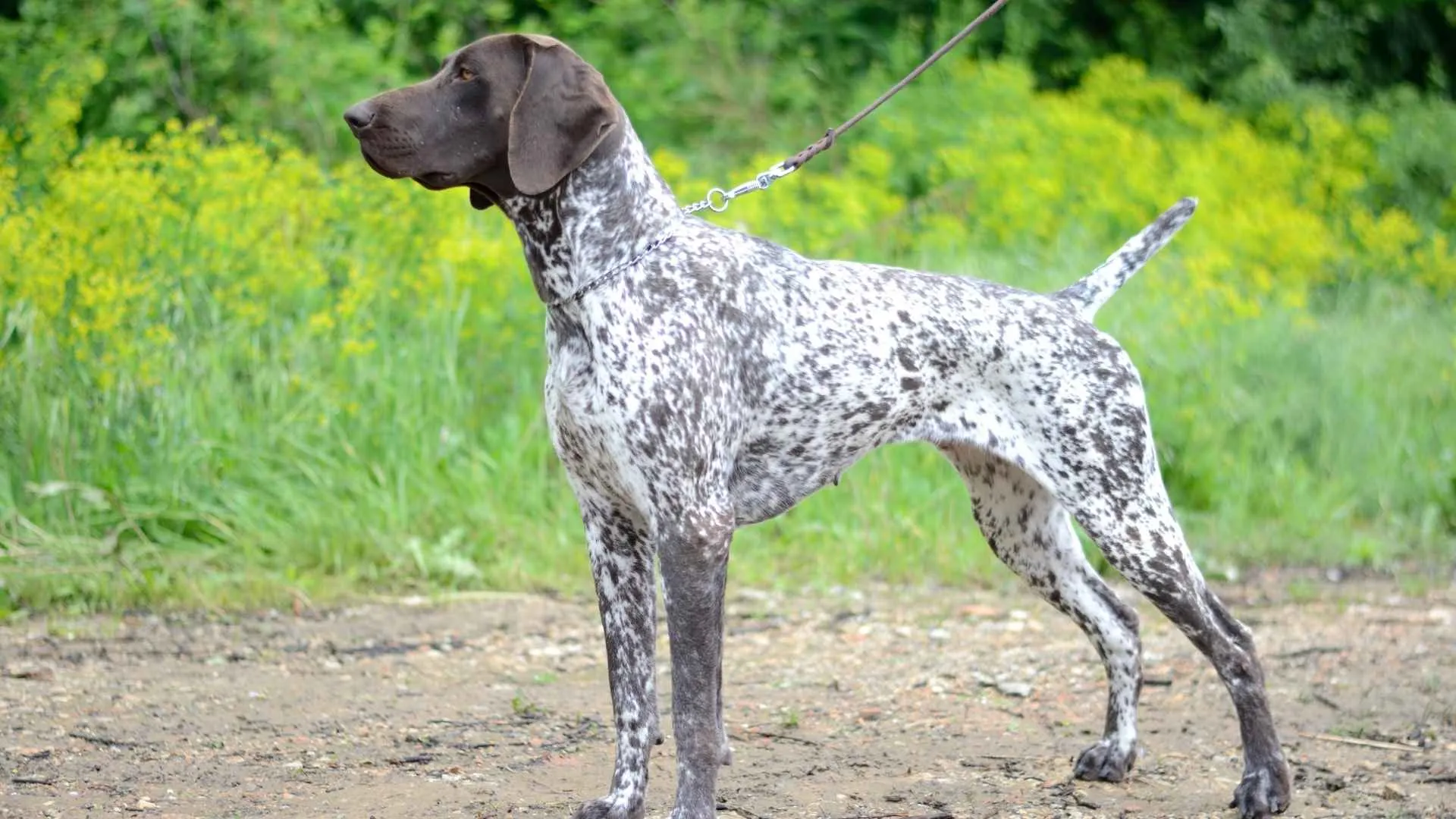
German Shorthaired Pointers originated in Germany as versatile sporting dogs, according to Purina. Hunters valued them for their ability to locate game, retrieve, and work across different environments.
Their background produced a breed with a lean, muscular build and considerable enthusiasm for movement. They generally flourish when their daily routine includes meaningful physical activity rather than brief walks alone.
Trail-Ready Stamina
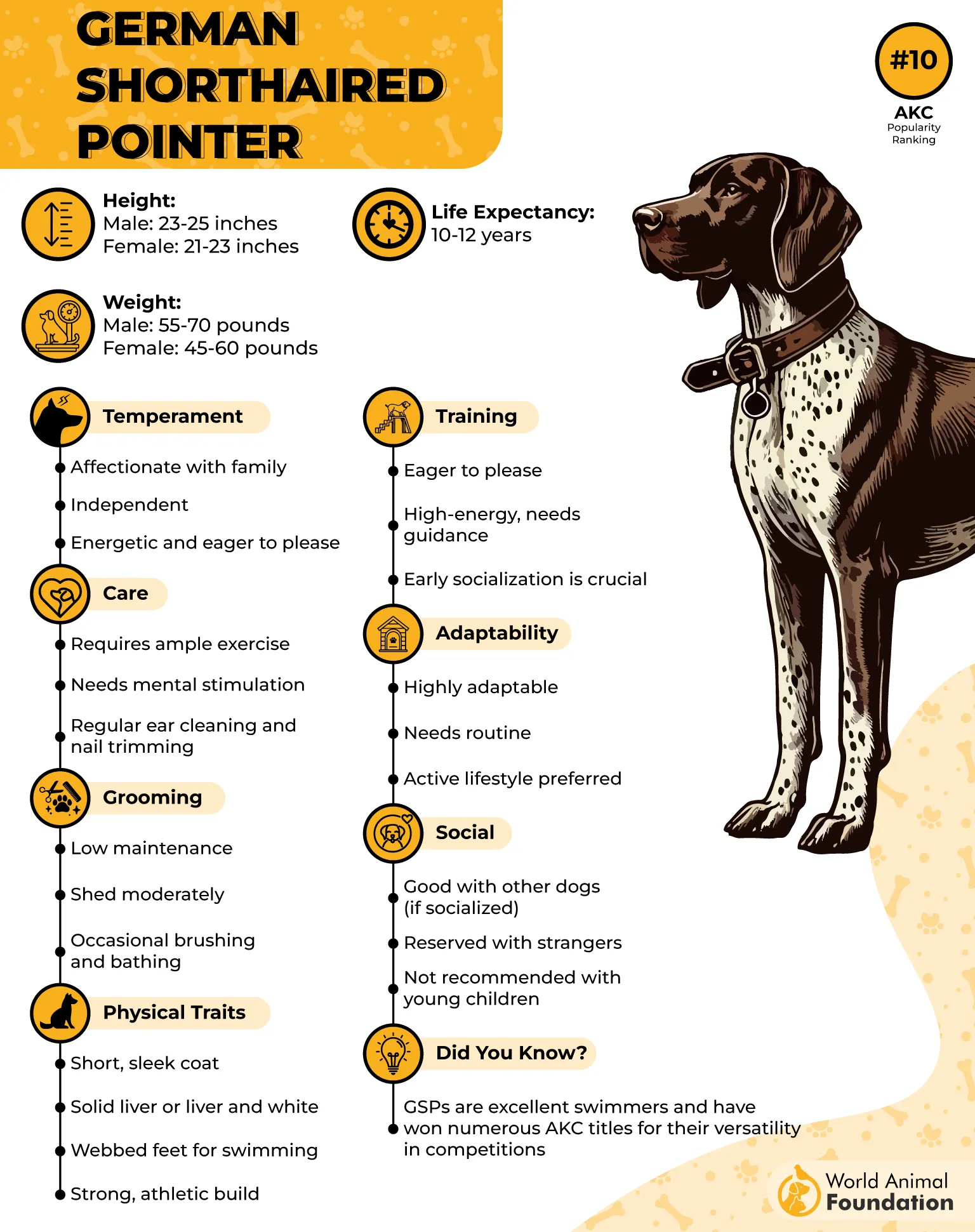
German Shorthaired Pointers can make excellent partners for demanding hikes and trail runs because they possess considerable endurance and athleticism. Their energy allows them to stay active for extended periods when properly conditioned.
Owners should build mileage progressively and account for temperature, terrain, and the individual dog’s fitness level. Long outings should include opportunities to drink and recover rather than maintaining a nonstop pace.
Affectionate and Energetic
These affectionate dogs often form close relationships with their families and tend to enjoy being involved in everyday activities. Their eagerness can make training rewarding, although boredom may lead to unwanted behavior when their exercise and mental stimulation are insufficient.
Their short coat is relatively straightforward to maintain. Regular brushing can remove loose hair, while routine ear, nail, dental, and skin care should remain part of their general upkeep.
2. Australian Shepherd
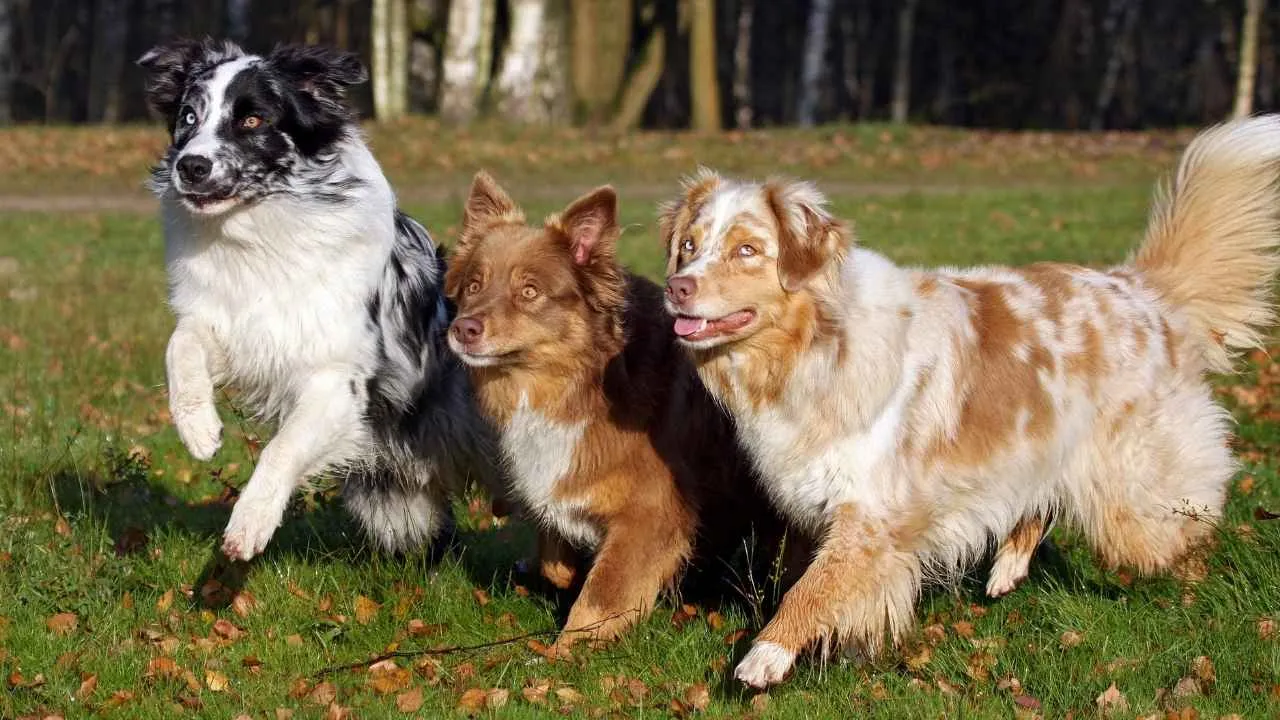
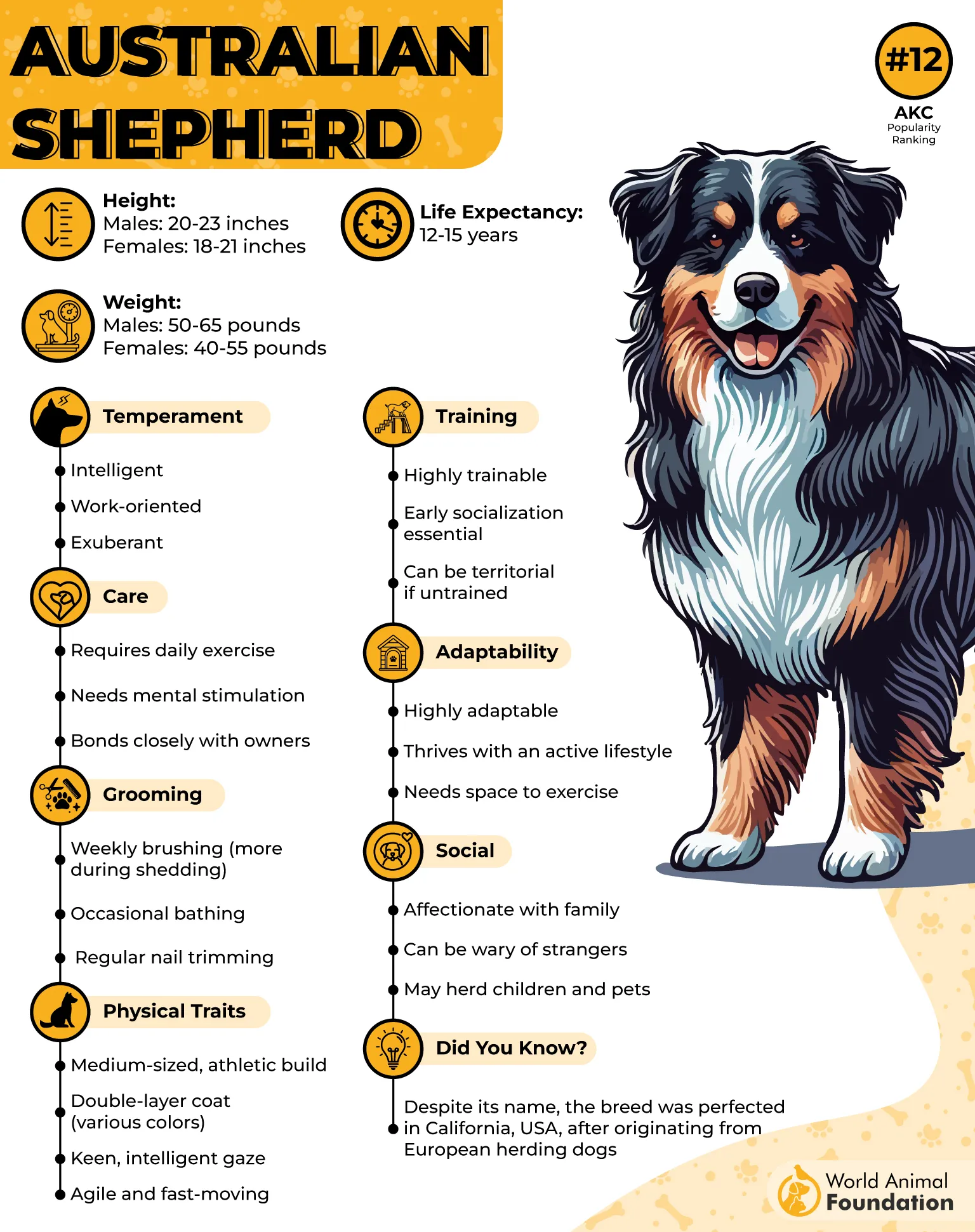
Australian Shepherds were developed primarily in the United States as versatile ranch dogs, according to Britannica. Their working responsibilities included moving livestock, responding to directions, and staying engaged with their handlers throughout demanding days.
Their history helped shape an agile and highly responsive breed with considerable mental and physical energy. They are generally better suited to active homes than households looking for a dog content with limited daily stimulation.
Agile on Challenging Trails
Australian Shepherds can handle varied terrain well because of their coordination, athletic build, and willingness to keep moving. Hiking routes involving inclines, natural obstacles, and changing surfaces can provide an excellent outlet for their energy.
Conditioning remains important, particularly for younger dogs. Owners should avoid suddenly introducing strenuous distances and instead increase the challenge as fitness develops.
Sharp Mind and Strong Work Drive
Intelligence is one of the breed’s defining qualities. Australian Shepherds often learn commands quickly and can respond well to structured training, making recall and trail manners easier to establish with consistent practice.
Their medium-length coat requires more attention than a short-coated sporting breed. Brushing helps manage shedding and prevents tangles, especially after outdoor excursions involving brush or debris.
3. Australian Cattle Dog
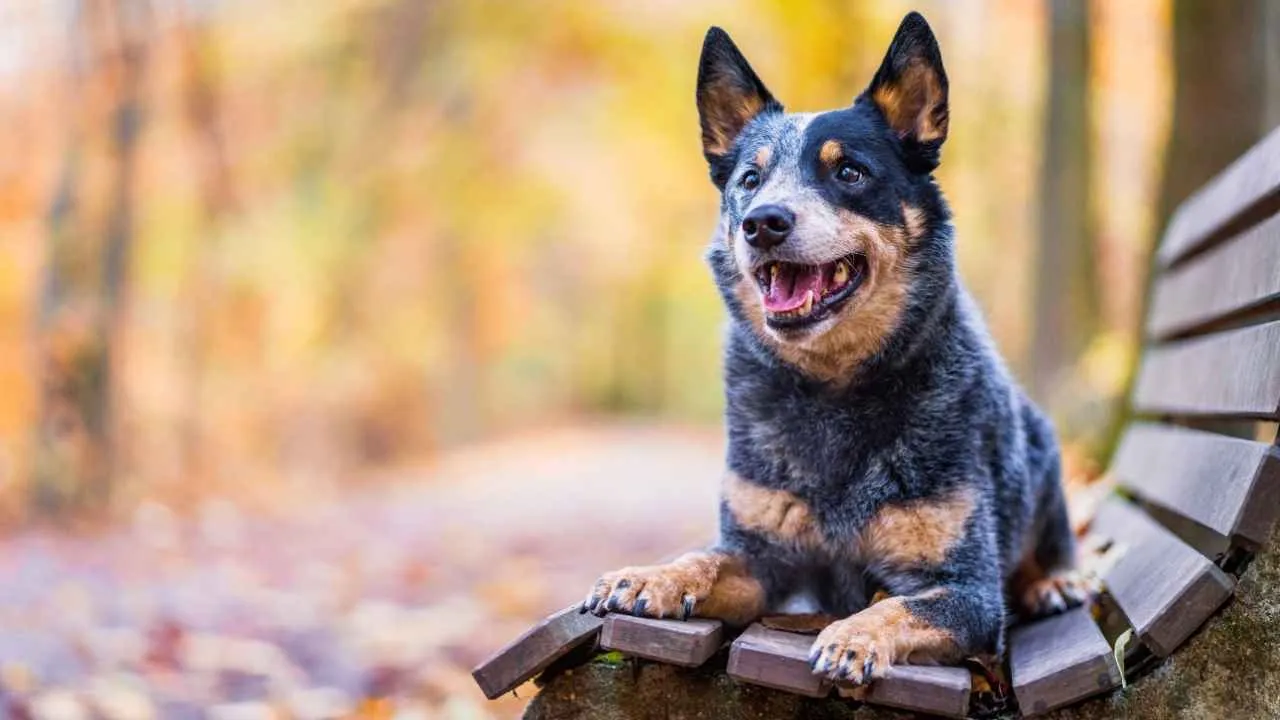
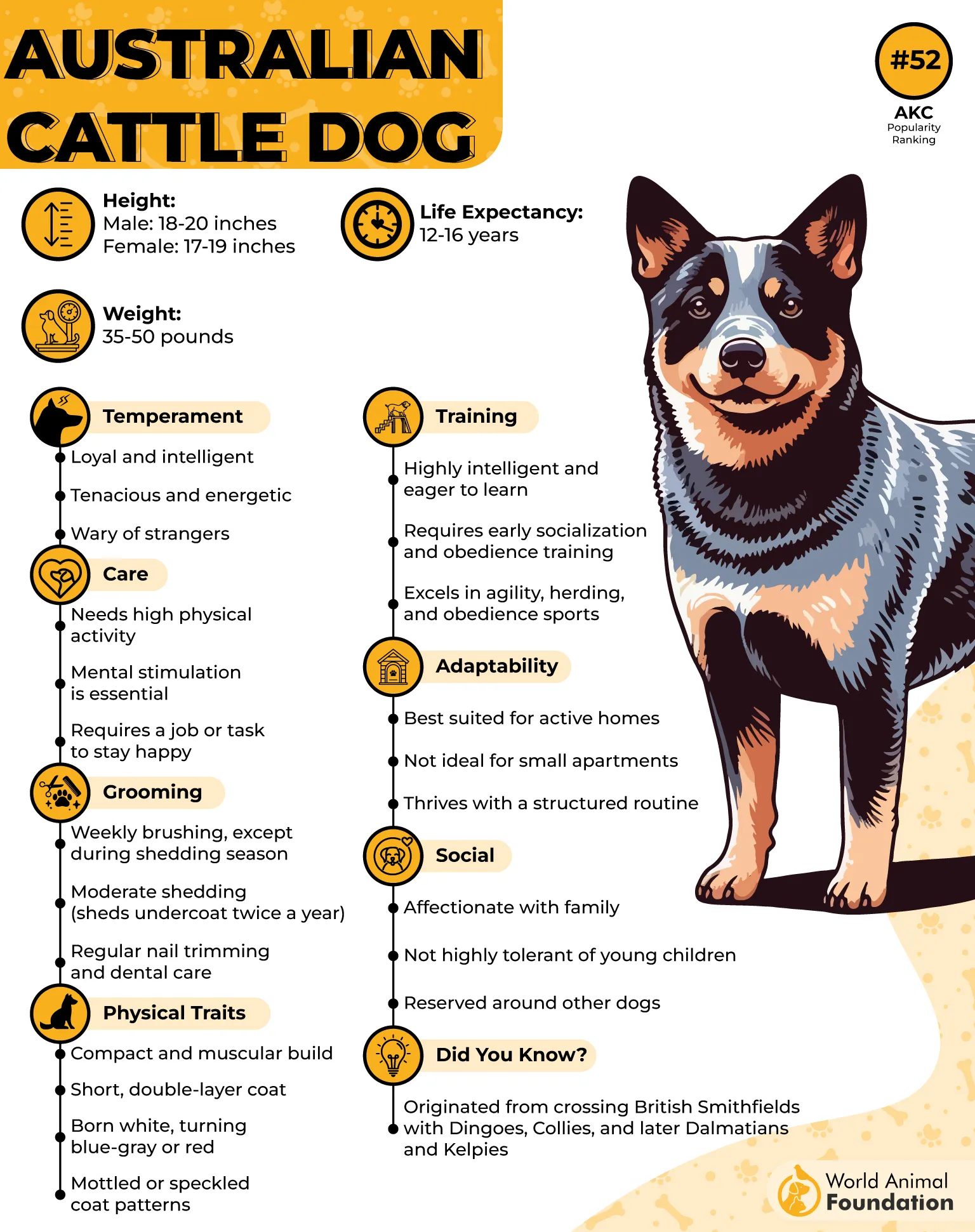
Australian Cattle Dogs were developed to help ranchers manage cattle across vast Australian properties. Their work demanded persistence, alertness, physical toughness, and the ability to remain productive for long periods, as per the AKC.
Unlike dogs bred mainly for companionship, these animals were shaped around practical work. Their compact muscular build and determined nature remain prominent characteristics of the modern breed.
Rugged Route Specialist
An Australian Cattle Dog can be a strong choice for rough trails where stamina and sure-footed movement matter. Its working background prepared it for covering substantial distances across demanding landscapes.
Its toughness should not be mistaken for immunity to injury. Owners should inspect the paws after rocky or abrasive routes and monitor the dog closely during extreme heat.
Independent and Alert
These dogs are intelligent but can also be strong-willed. Consistent training from an early age helps establish boundaries and teaches them how to respond when distractions appear.
Their short double coat is relatively uncomplicated, although seasonal shedding can be noticeable. Regular brushing, nail care, dental hygiene, and routine veterinary attention help keep them prepared for an active lifestyle.
4. Weimaraner
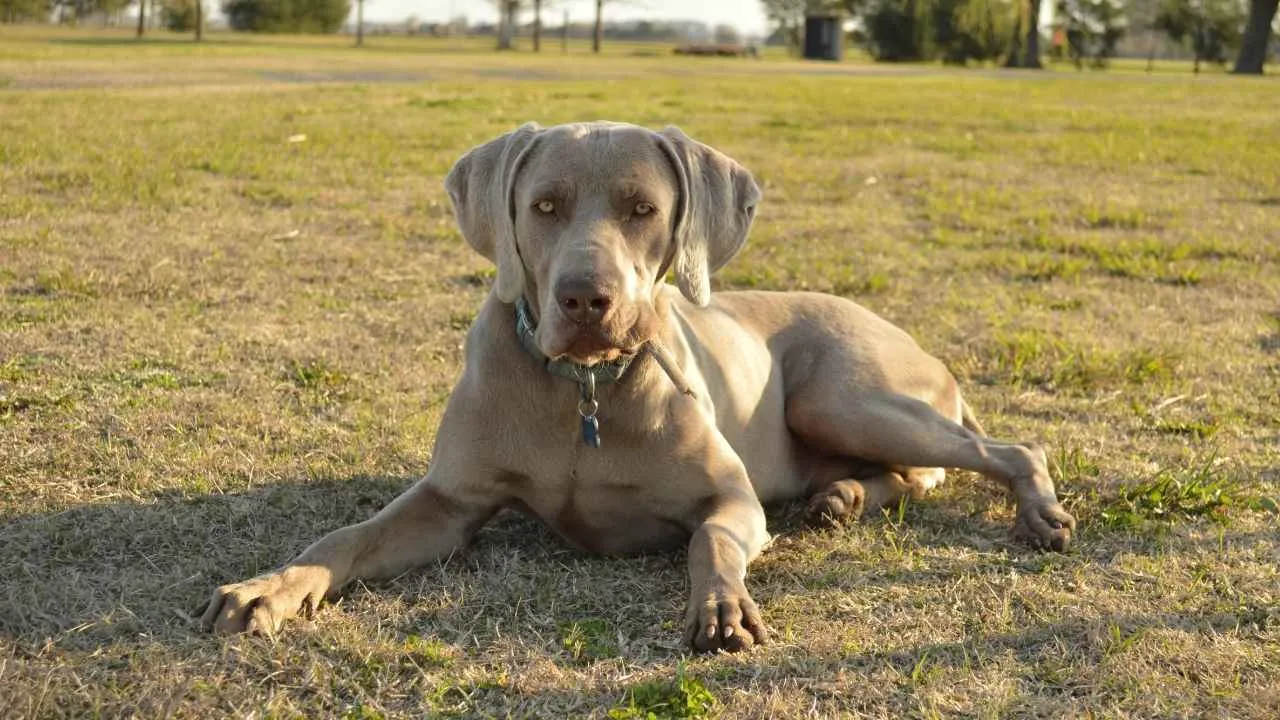
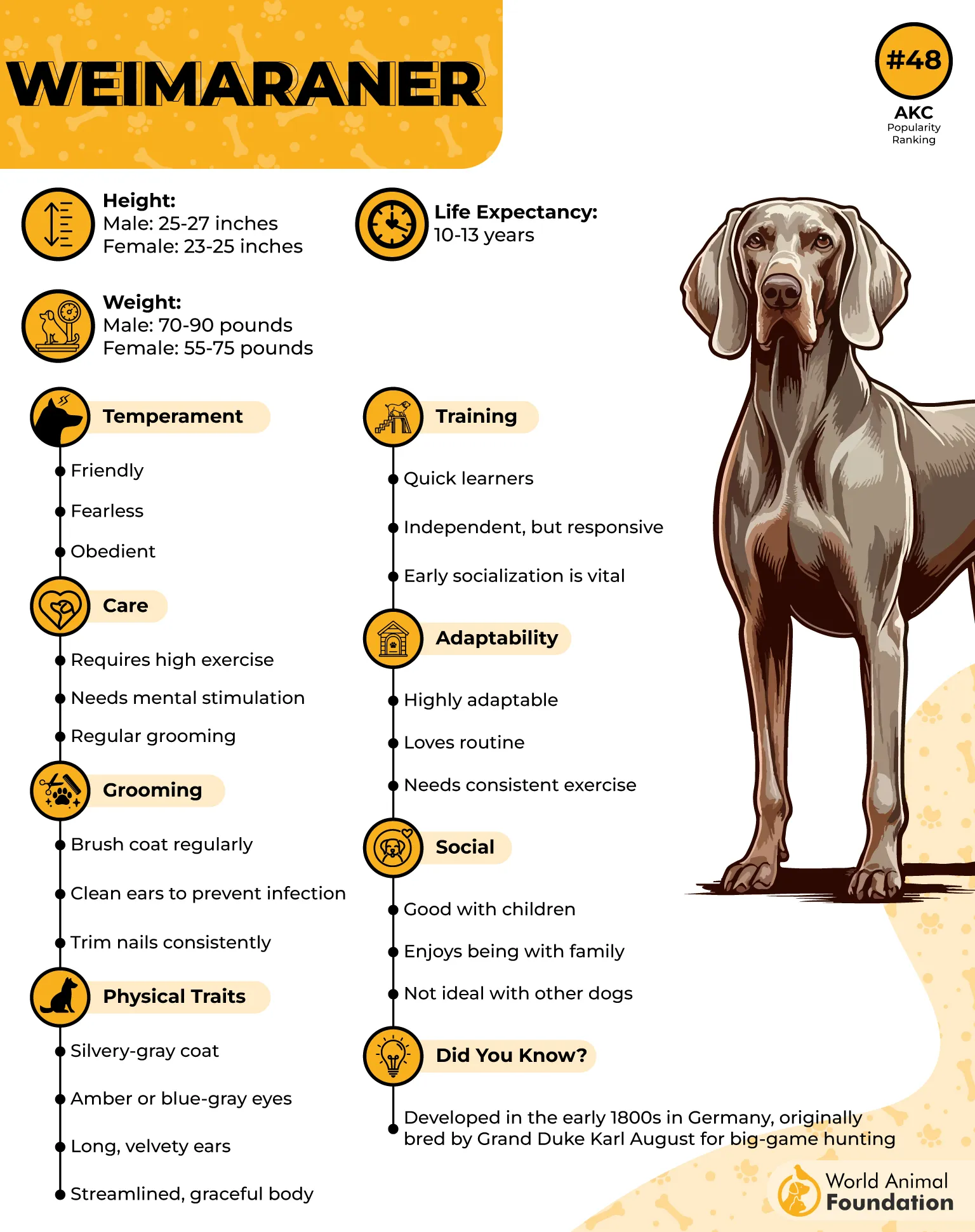
The Weimaraner was developed in Germany as a hunting dog used for tracking and pursuing game. Its early role required speed, stamina, cooperation, and confidence in the field.
The breed eventually became known for its distinctive silver-gray appearance as well as its athletic capabilities. Today, Weimaraners remain energetic companions that often prefer participating in family activities over spending long periods inactive.
Long-Distance Outdoor Potential
A healthy, conditioned Weimaraner can accompany owners on substantial hikes and runs. Its streamlined physique and athletic nature make sustained movement one of its natural strengths.
Owners should increase exercise carefully and provide sufficient recovery afterward. Hot weather deserves particular attention because strenuous activity can become hazardous when temperatures rise.
Devoted and People-Focused
Weimaraners frequently develop strong attachments to their families and may prefer staying close to their people. This can make them enjoyable camping companions when they have been taught how to settle in unfamiliar environments.
Their short coat requires little grooming beyond routine brushing and basic hygiene. However, their social needs are significant, so physical exercise should be combined with companionship and mental engagement.
5. Rhodesian Ridgeback
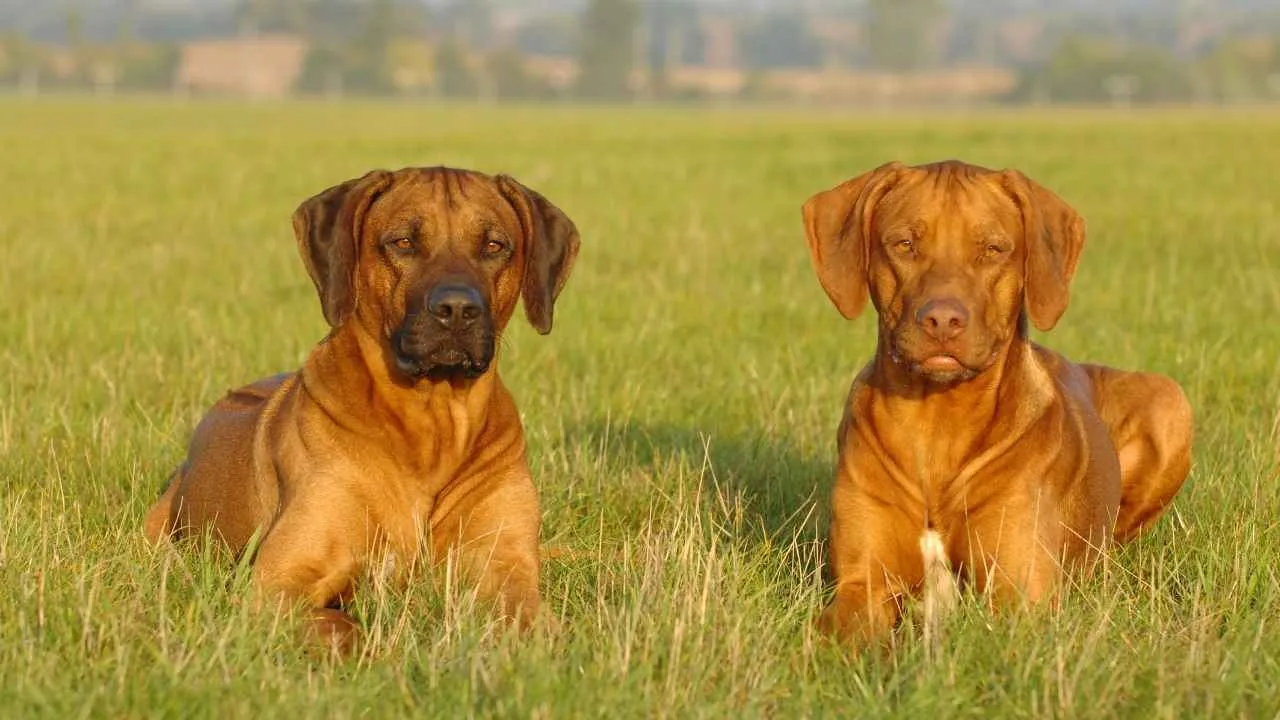
The Rhodesian Ridgeback originated in southern Africa and developed from European and local dog populations. Early versions were valued for hunting and tracking in challenging conditions.
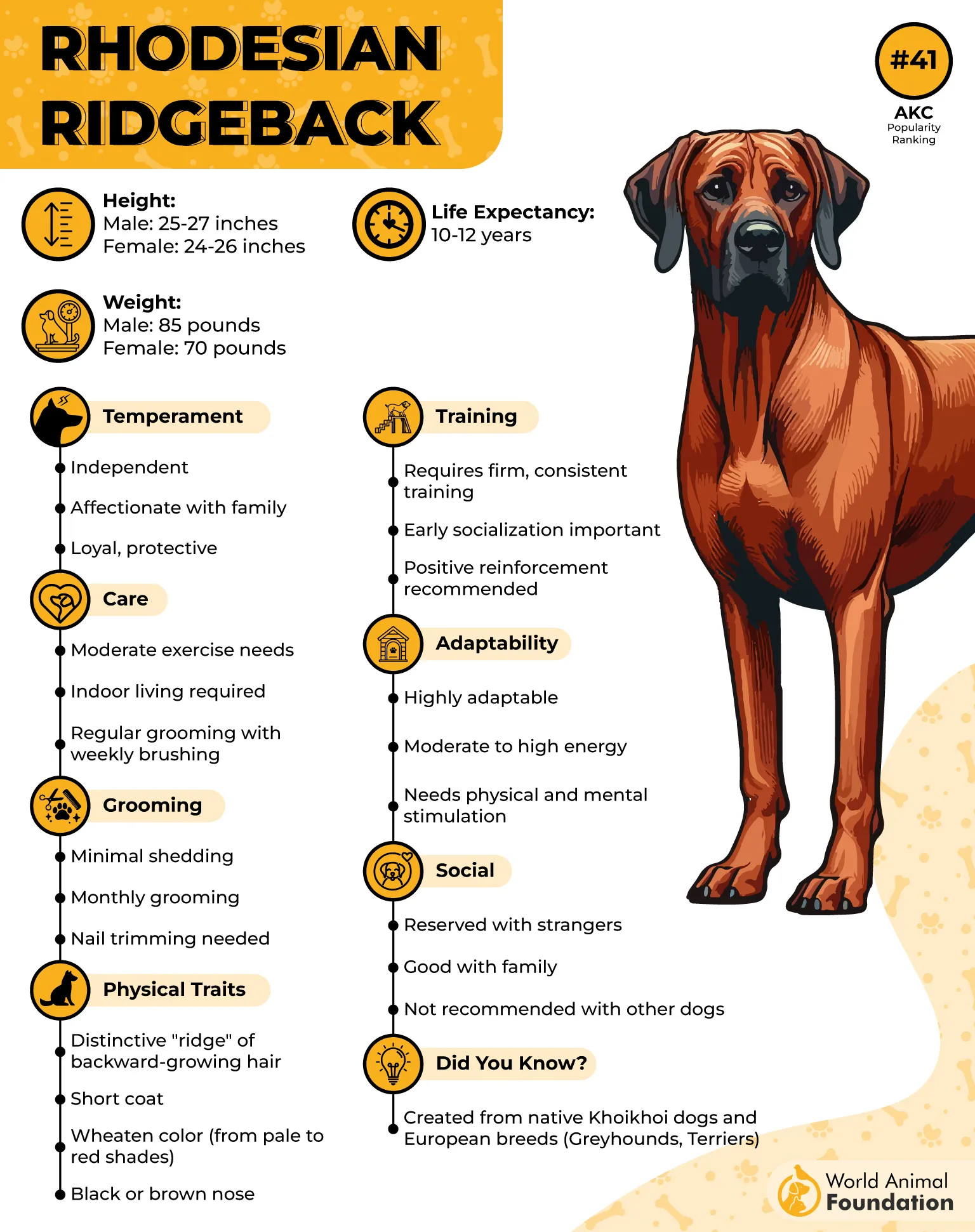
Their history favored athleticism, courage, endurance, and an ability to function in a demanding climate. Modern Ridgebacks retain a powerful physique while often displaying a calmer personality at home.
Strong Choice for Extended Hikes
Rhodesian Ridgebacks have the physical capacity to cover considerable ground and can enjoy lengthy excursions when properly conditioned. Their muscular build and endurance make them particularly appealing to experienced outdoor owners, as per PetMD.
Because they are large and powerful, activity should be tailored to the individual rather than based solely on breed reputation. Heat management and regular hydration are especially important during strenuous outings.
Reserved and Self-Assured
Ridgebacks can be affectionate with their families while remaining somewhat aloof around unfamiliar people. Early exposure to different environments, people, and animals helps them become more adaptable.
Their short coat is easy to maintain, usually requiring little more than regular brushing and occasional bathing. Owners should still keep up with nail trimming, dental care, parasite prevention, and routine examinations.
6. Vizsla
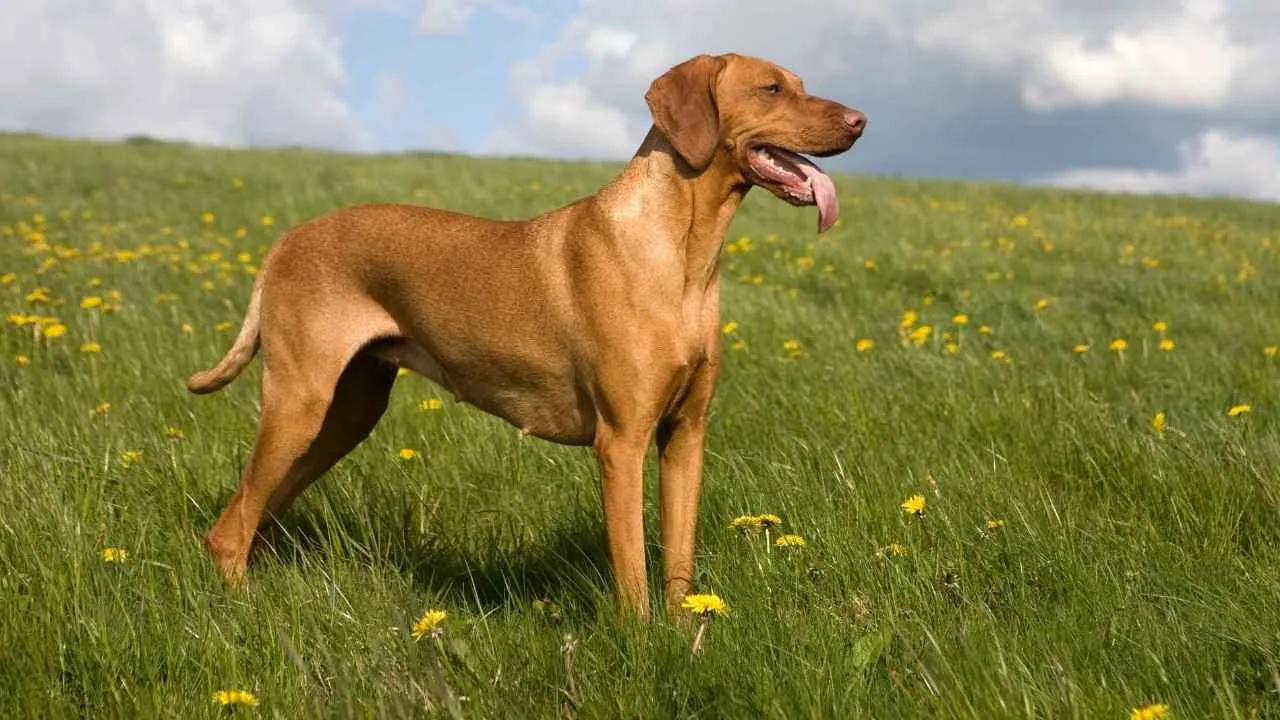
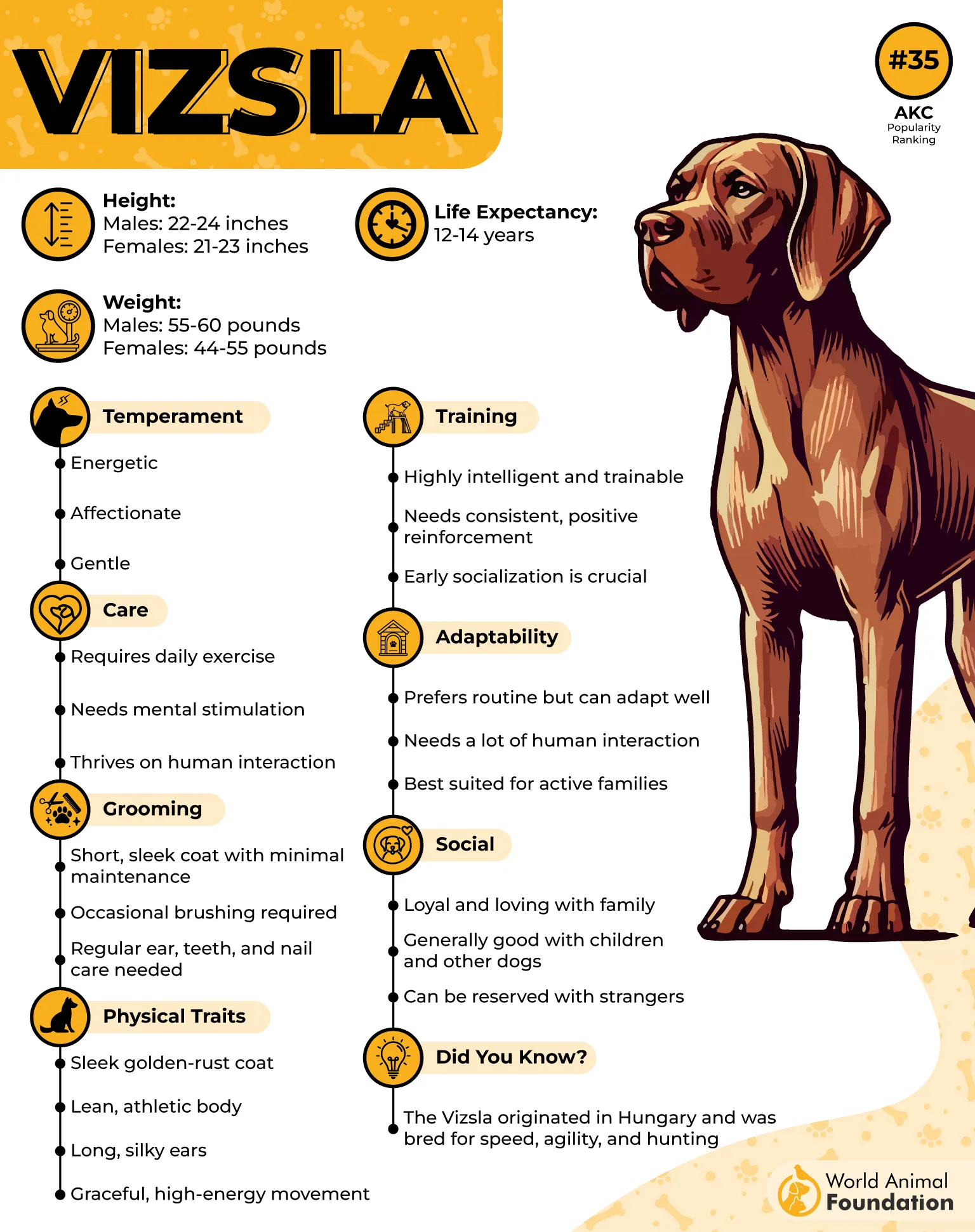
The Vizsla originated in Hungary and was developed as a versatile hunting dog. It was expected to locate game, retrieve, and remain responsive to its handler while working outdoors.
This sporting background contributed to a lightweight, athletic breed with considerable energy. Vizslas often prefer an active household where they can participate in exercise and family activities.
Natural Fit for Trail Running
Vizslas can be excellent running partners because of their speed, agility, and enthusiasm for movement. Once physically mature and properly conditioned, they can enjoy sustained runs and energetic hikes.
Pace and distance should always reflect the dog’s fitness and environmental conditions. Water breaks become especially important during warmer weather or prolonged activity.
Affectionate and Social
The muscular breed is known for forming close bonds with its owners. Many Vizslas enjoy being near their people throughout the day and may struggle with prolonged isolation.
Their short, sleek coat is simple to care for, with occasional brushing generally sufficient. Ears, teeth, nails, and skin still need routine attention, particularly after muddy or wet adventures.
7. Border Collie
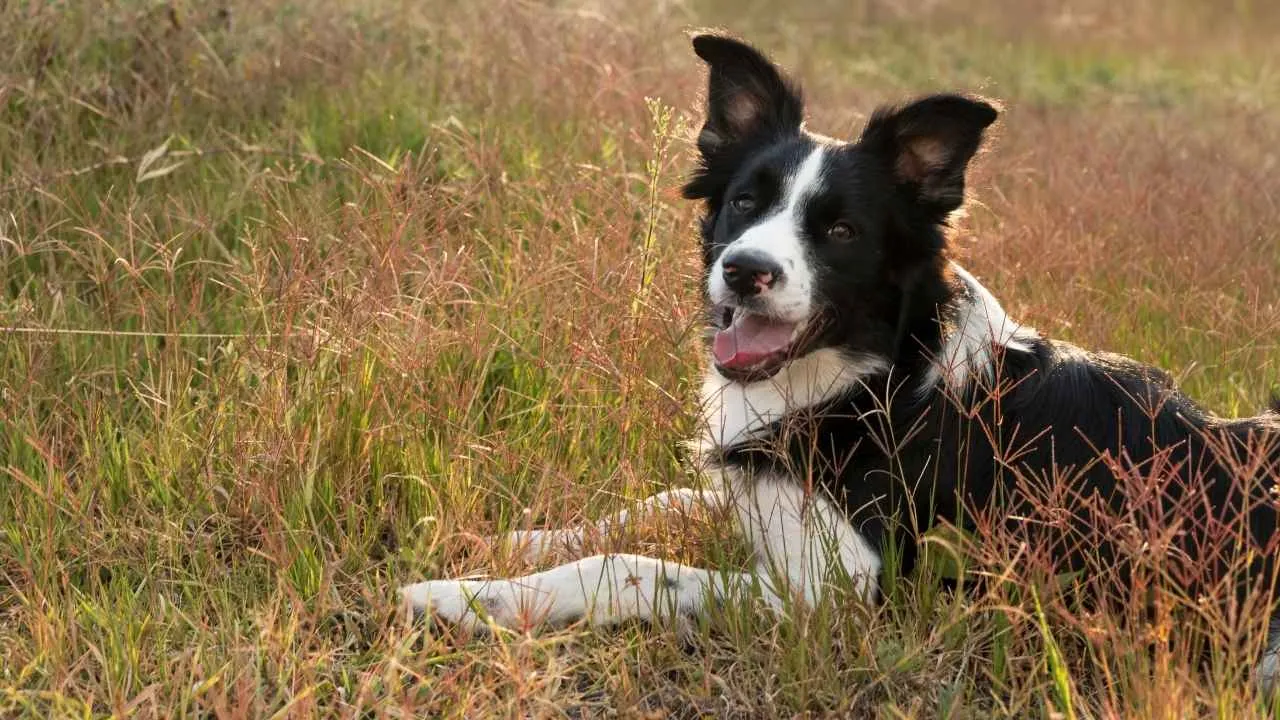
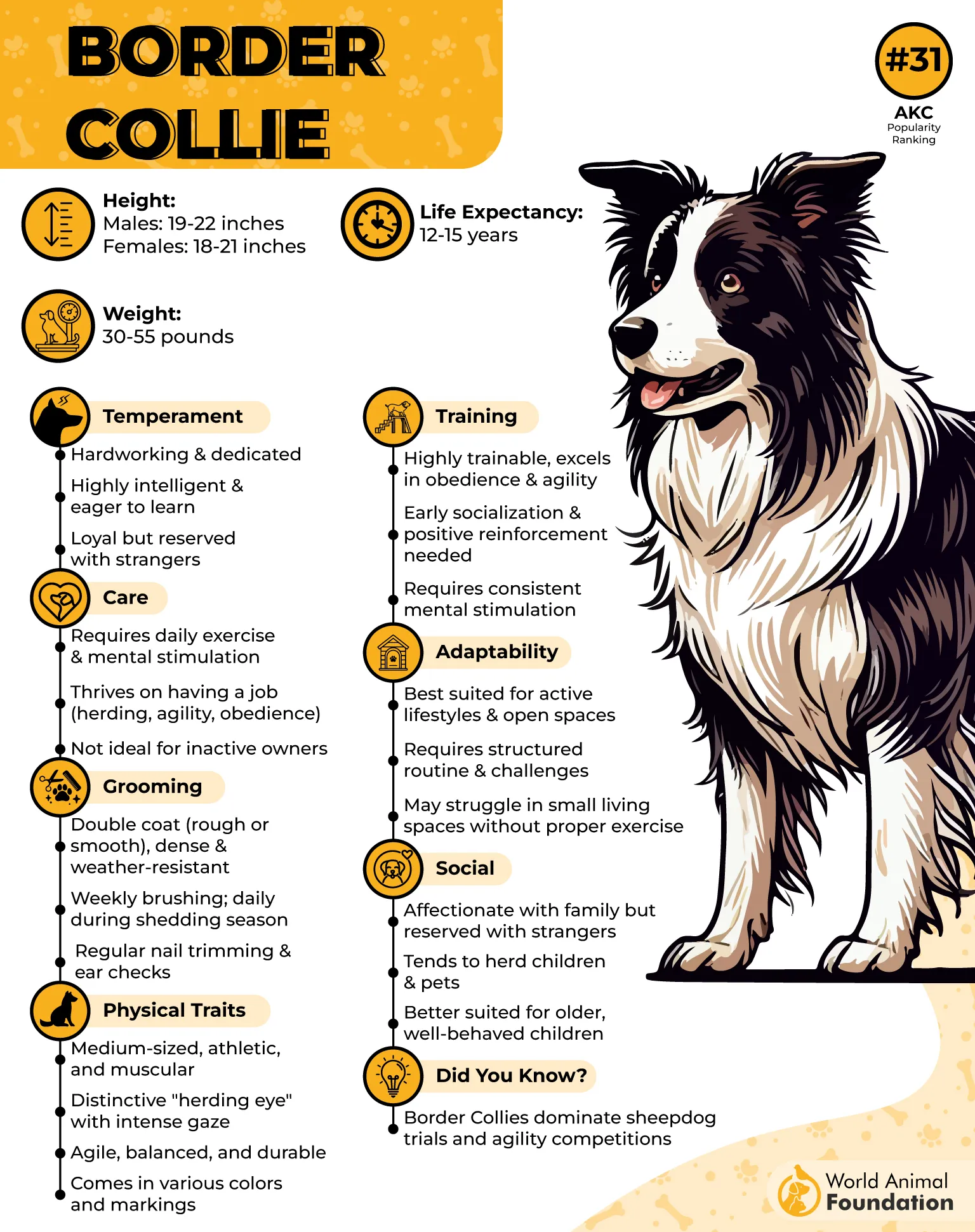
Border Collies originated in the border country between Scotland and England, where they were developed for demanding sheep-herding work.
Their jobs required them to move quickly, interpret subtle signals, and remain focused for extended periods. As a result, they combine exceptional physical coordination with one of the strongest working drives found among dog breeds.
Nimble on Technical Ground
Border Collies can excel on trails that demand balance, quick movement, and coordination. Their agility allows them to navigate uneven paths, natural obstacles, and changing terrain with impressive efficiency.
Their enthusiasm can sometimes encourage them to continue beyond sensible limits. Owners should therefore control the duration and intensity of exercise instead of relying on the dog to decide when enough is enough.
Exceptionally Trainable
Their intelligence makes Border Collies highly responsive to structured instruction. Recall, directional commands, leash manners, and campsite boundaries can all become part of their training routine.
However, physical activity alone may not satisfy this breed. Puzzle games, scent work, obedience exercises, and other mentally engaging activities can help prevent frustration during rest periods at camp.
8. Portuguese Water Dog
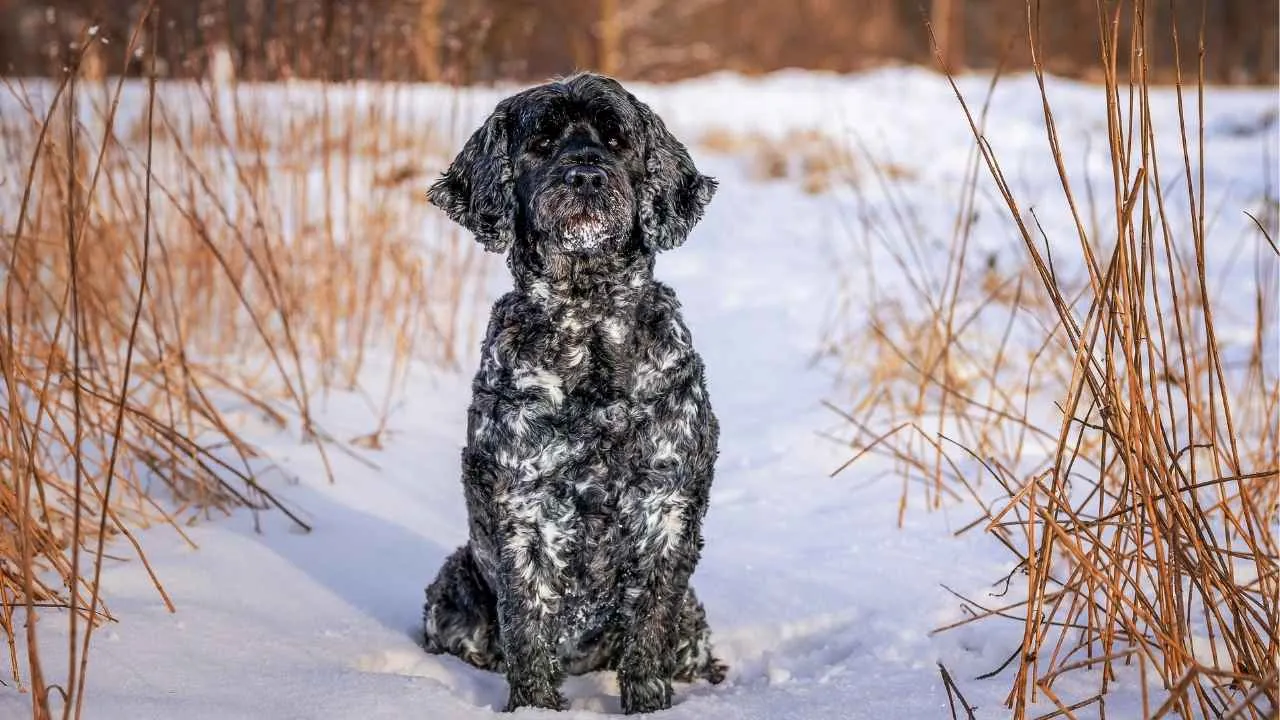
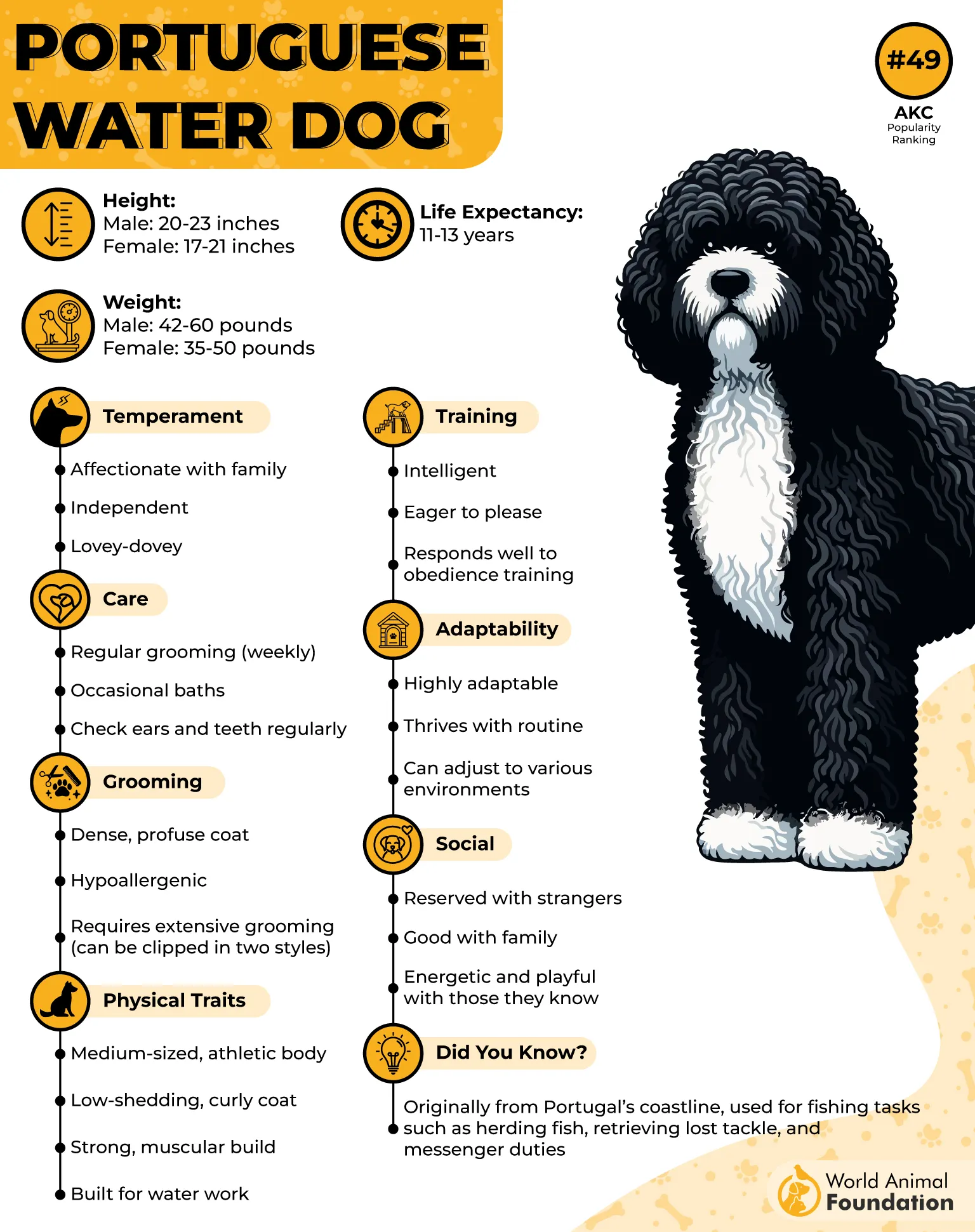
Portuguese Water Dogs developed along Portugal’s coastline, where fishermen used them for tasks involving boats and fishing operations. They were valued for swimming ability, retrieving skills, and willingness to work.
Their history produced an energetic and versatile breed that tends to enjoy activities involving both land and water. This makes them particularly interesting for campers who visit lakes, rivers, and coastal areas.
Excellent for Water-Based Adventures
Portuguese Water Dogs can bring plenty of enthusiasm to camping trips that include swimming alongside hiking or running. Their historical association with water gives them a natural aptitude for aquatic activities.
Even capable swimmers need supervision. Currents, cold water, steep banks, and submerged obstacles can create serious hazards, so owners should never assume swimming ability makes a dog automatically safe.
Playful and Responsive
The breed is generally energetic, intelligent, and eager to interact with its family. Training can channel that enthusiasm into useful campsite behavior, including settling on a mat and remaining near designated areas.
Their curly or wavy coat requires more grooming than many short-coated breeds. Regular brushing and appropriate trimming help prevent matting, while thorough drying after swimming can reduce skin and coat problems.
9. Brittany
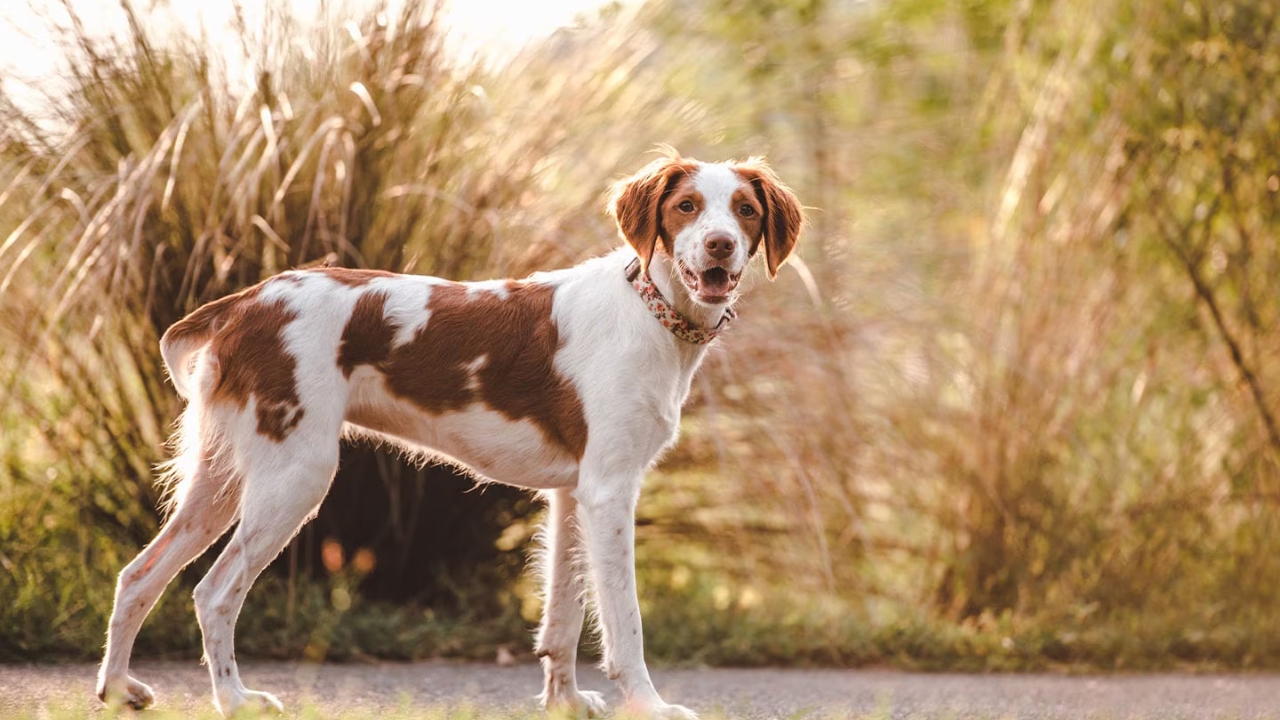
The Brittany originated in France as a hunting and bird-dog breed. Hunters valued its ability to locate game, remain active in the field, and work cooperatively without requiring the size of a larger sporting dog.
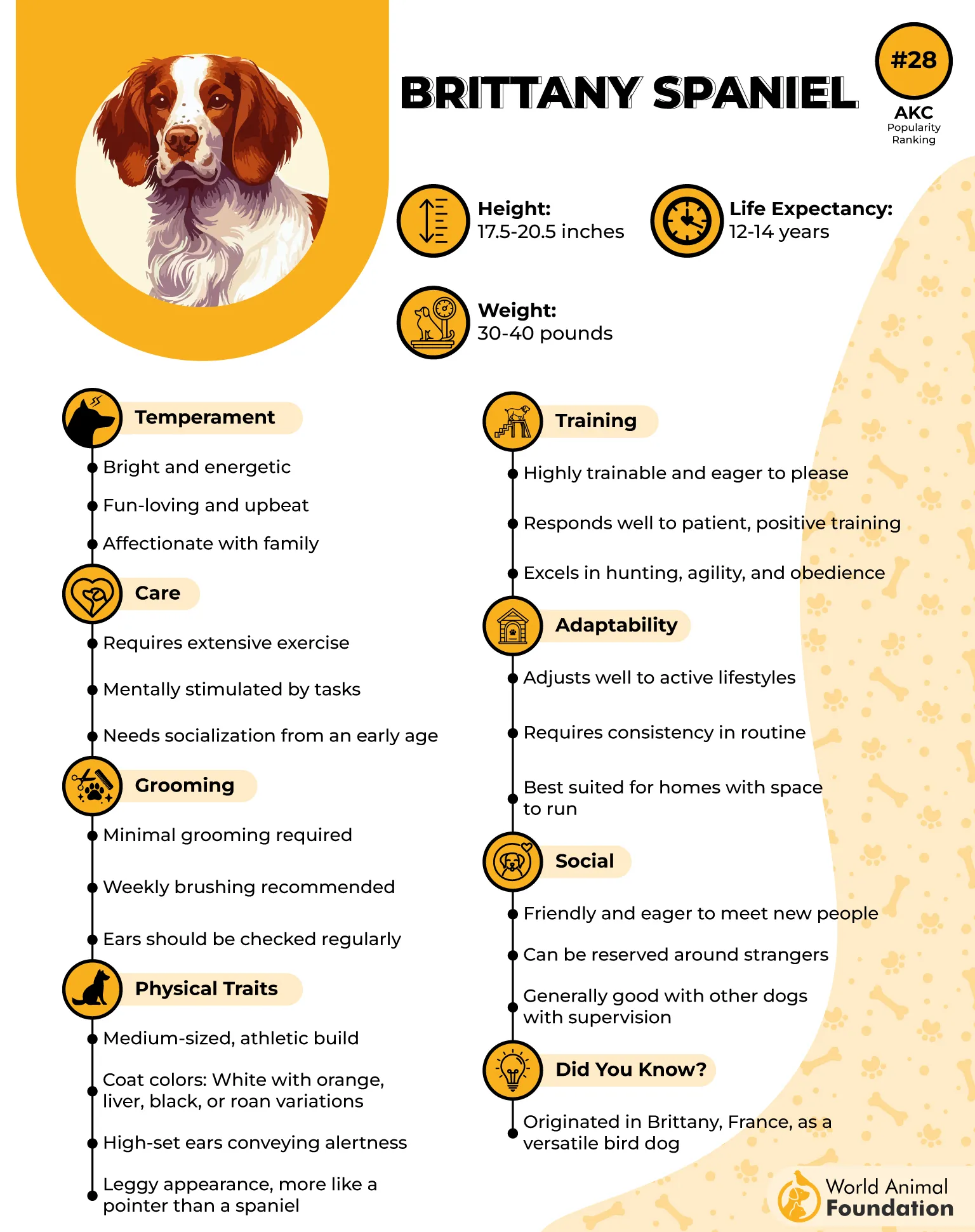
Its relatively compact body combines athletic ability with an energetic temperament. This makes the breed appealing to owners who want a capable adventure dog that is easier to manage physically than many larger breeds.
Light and Lively Trail Companion
Brittanys can perform well on hikes and trail runs because they combine agility, stamina, and a manageable size. Their enthusiasm for exploration can keep pace with owners who enjoy varied outdoor routes.
As with any athletic breed, conditioning should come before ambitious mileage. Owners should gradually introduce longer distances and different surfaces while monitoring paws and overall fatigue.
Eager and Responsive Personality
Brittanys are often enthusiastic working dogs that respond well to positive training. Their sporting instincts can become a challenge around birds and wildlife, making recall particularly important for off-leash adventures.
Their coat generally needs moderate maintenance, including regular brushing to remove loose hair and outdoor debris. Routine ear care is also worthwhile, especially after activities in wet or densely vegetated areas.
Conclusion
These nine breeds offer different qualities for camping and trail runs, from the endurance of the German Shorthaired Pointer and Rhodesian Ridgeback to the agility of the Border Collie and Australian Shepherd. The Portuguese Water Dog also brings an advantage for adventures involving lakes, rivers, or swimming.
Beyond athletic ability, temperament, trainability, grooming, and social needs can affect how well a dog fits an outdoor lifestyle. Some breeds need extensive mental stimulation, while others may require more attention to coat care or independence.
The best choice depends on the owner’s activities and the dog’s individual needs. Proper conditioning, hydration, recall training, and basic trail safety can help make outdoor adventures enjoyable for both dog and owner.
