




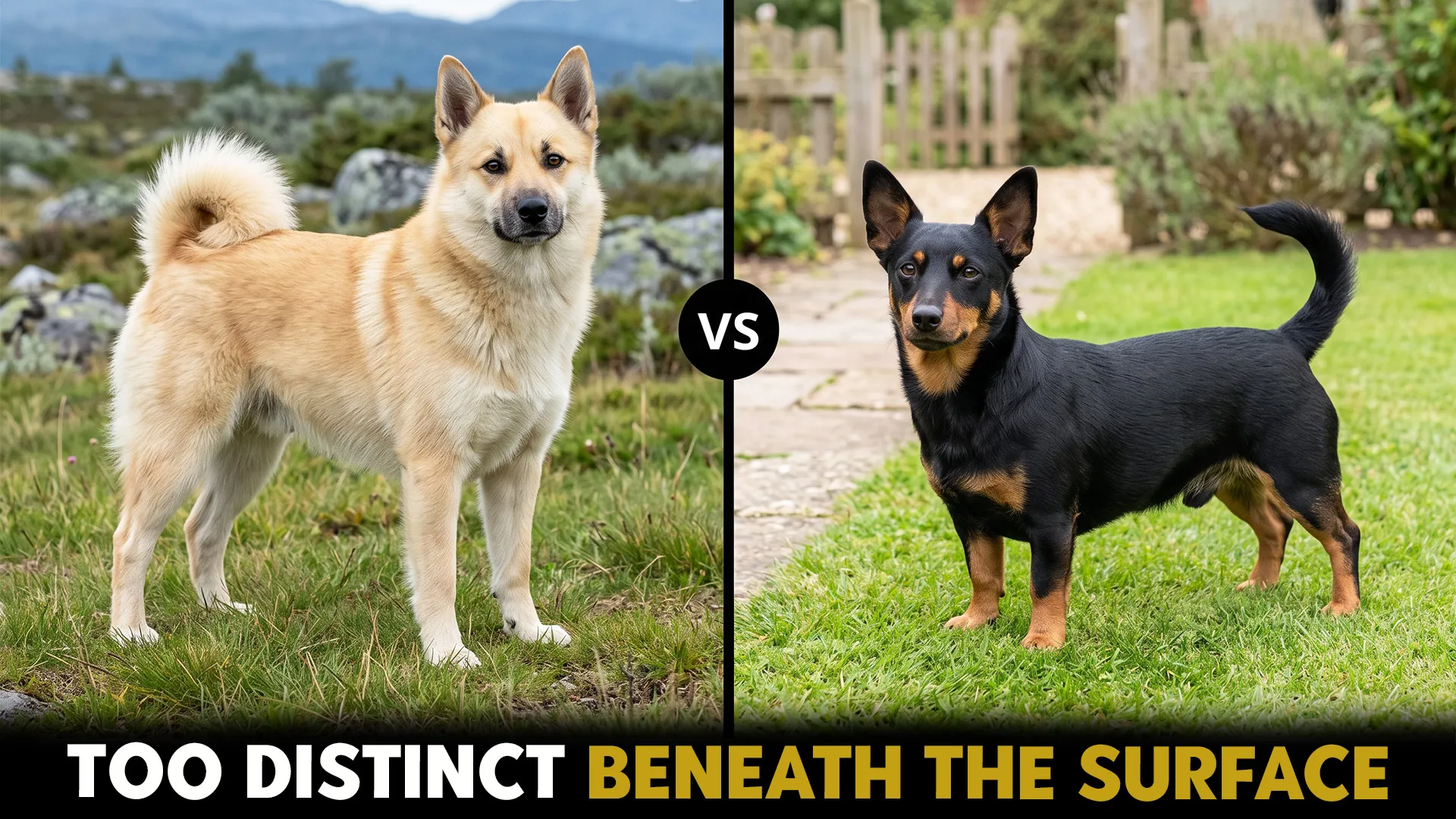
The difference between two breeds is sometimes felt long before it is understood on paper.
A glance at the Norwegian Buhund brings a certain warmth and quiet confidence, whereas the Lancashire Heeler has a spark that feels almost cheeky in comparison.
Both have an unmistakable presence, but they express it in their own wonderfully individual ways.
That is where choosing between them gets interesting. Beyond the obvious differences, small details in their behavior, daily rhythms, care, and companionship can completely change what life with each one feels like.
The Norwegian Buhund vs. Lancashire Heeler comparison is less about finding a superior breed and more about discovering the character behind each one.
Norwegian Buhund vs. Lancashire Heeler: Top Differences
1. Physical Features
The easiest way to tell them apart is to forget the labels and look at their silhouettes.
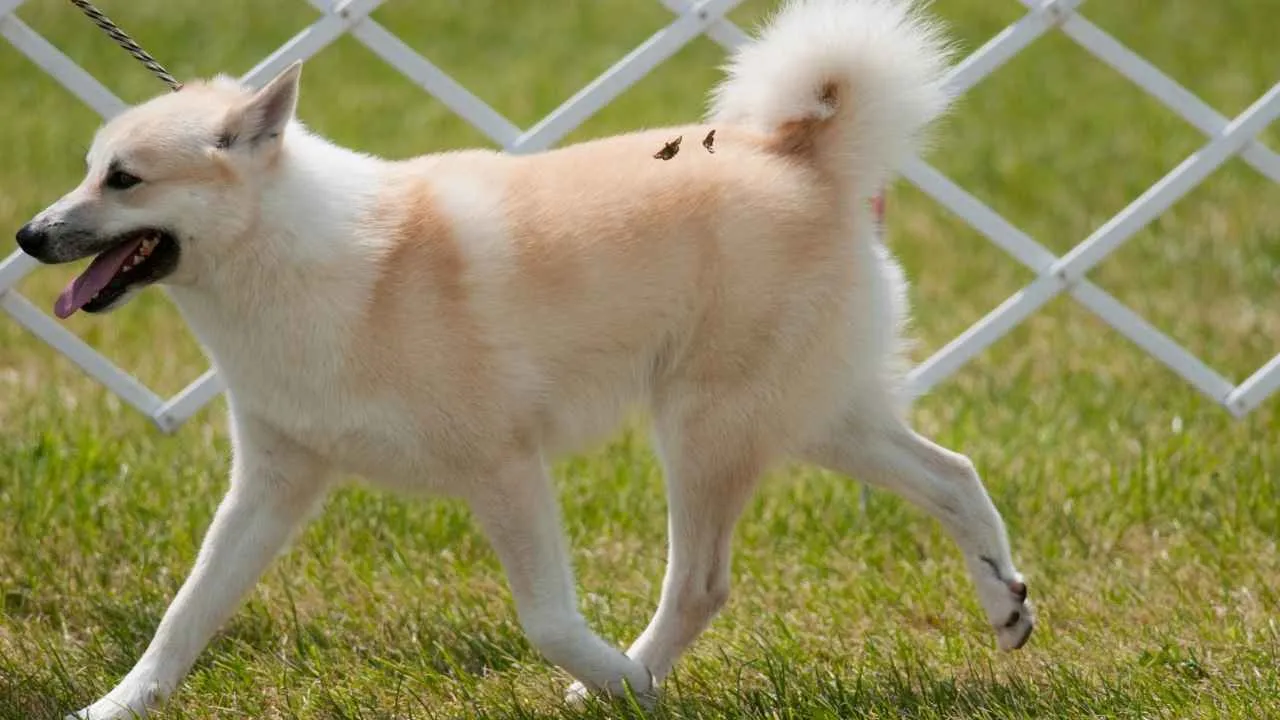
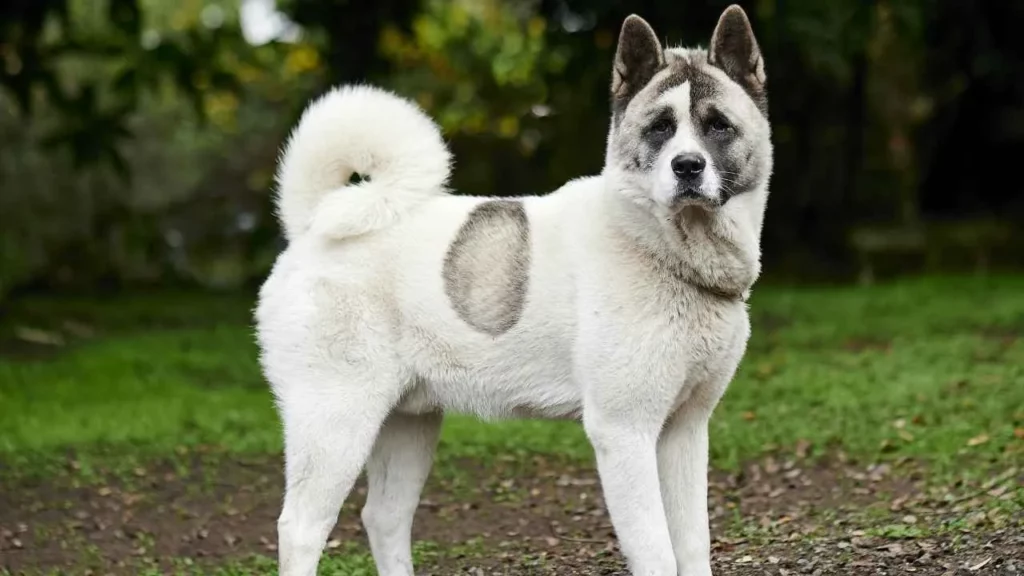
The Norwegian Buhund has the classic spitz outline: pointed ears, a square athletic body, curled tail, and a thick double coat that gives it a plush appearance without making it look heavy.
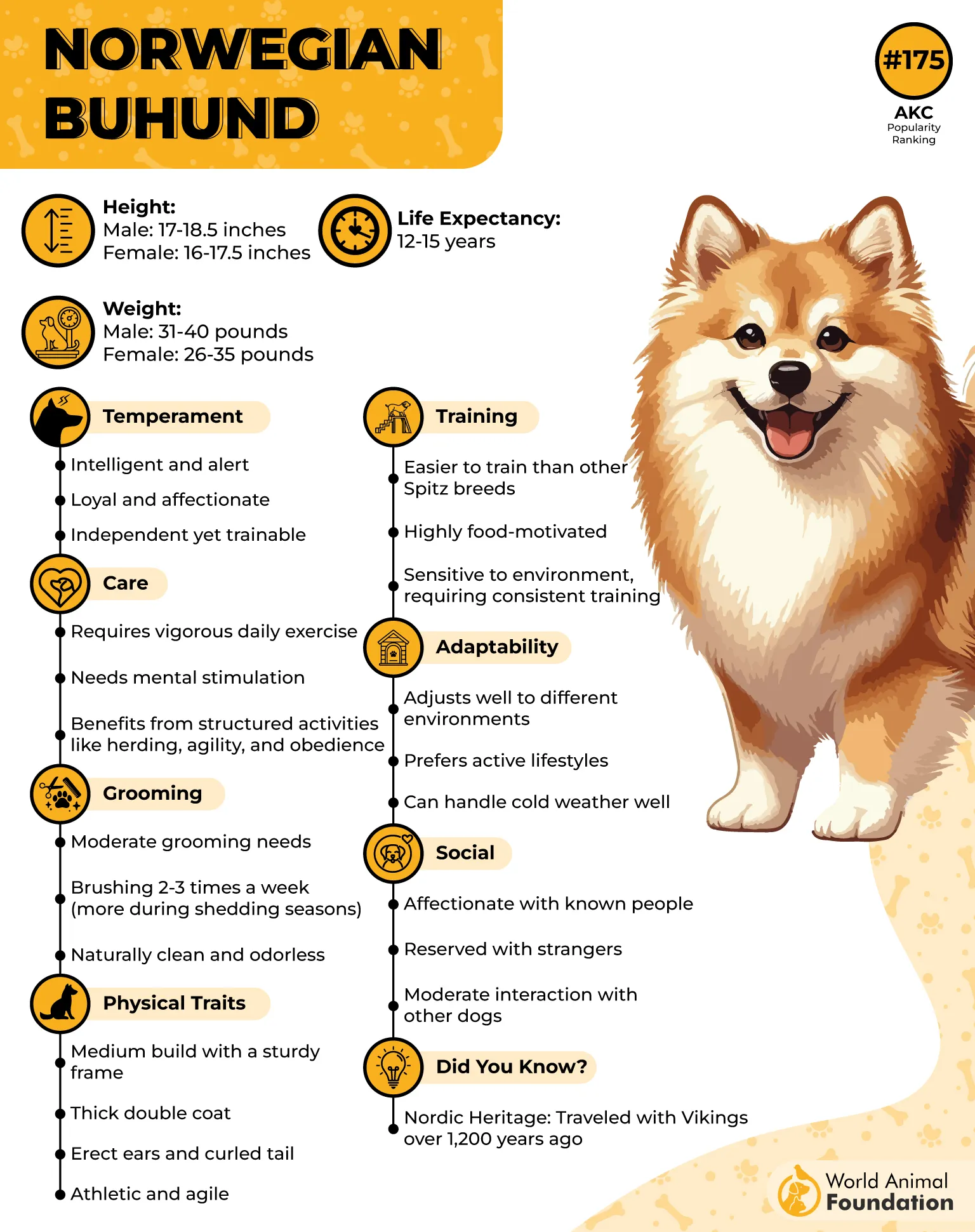
Standing around 17–18.5 inches tall and weighing roughly 31–40 pounds, it sits comfortably in the medium range. Wheaten, red, wolf sable, and black are among its recognized colors, adding plenty of variety to that unmistakably Nordic look.
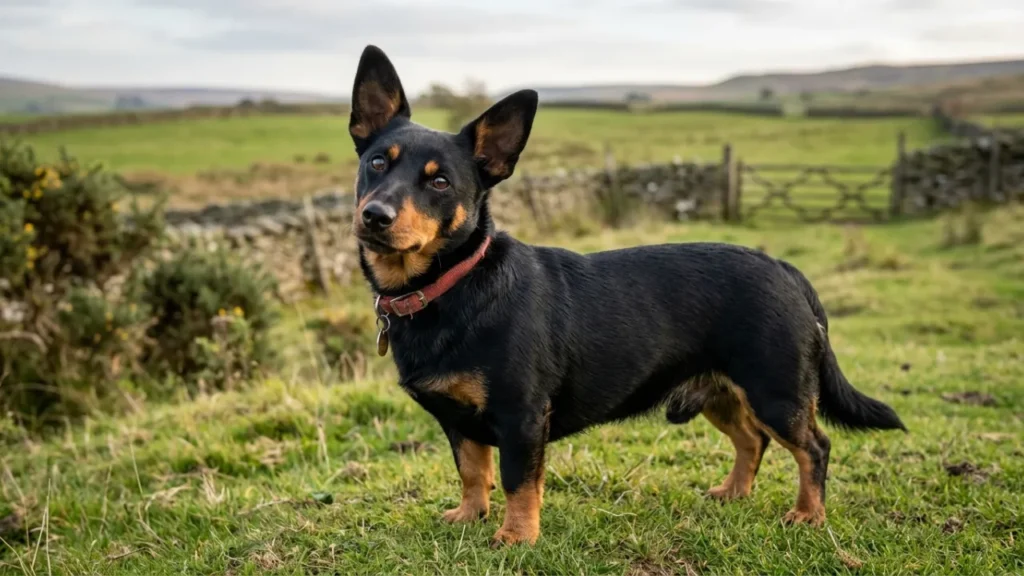
Then comes the Lancashire Heeler, almost as if someone took a sturdy working dog and turned the proportions down a few notches. Males stand around 12 inches and females around 10 inches at the shoulder, with the breed generally weighing 9–17 pounds.
Its upright ears, slightly elongated body, and compact build give it an instantly recognizable outline. The coat is short, dense, and weather-resistant, with black and tan or liver and tan among its recognized combinations.
That difference in size hints at their original jobs. One was made to cover ground around livestock; the other needed to dart around cattle without getting underfoot.
2. Speed & Strength
Small legs can move surprisingly fast when there is a job worth doing, but the Norwegian Buhund brings a different kind of athletic power to the picture.
Built to work around livestock across Norwegian farms, this sturdy spitz has the stride, coordination, and stamina to cover ground without looking labored. Its medium build gives it more physical strength than the Lancashire Heeler, yet it remains light enough on its feet for quick turns and responsive movement during herding work.
The Lancashire Heeler takes agility to a smaller scale. PetMD says that its compact frame, quick reactions, and determined nature helped it work around cattle and tackle vermin, giving it an impressive burst of speed for its size. Those qualities still make it a lively contender in dog sports, particularly activities that reward rapid changes of direction.
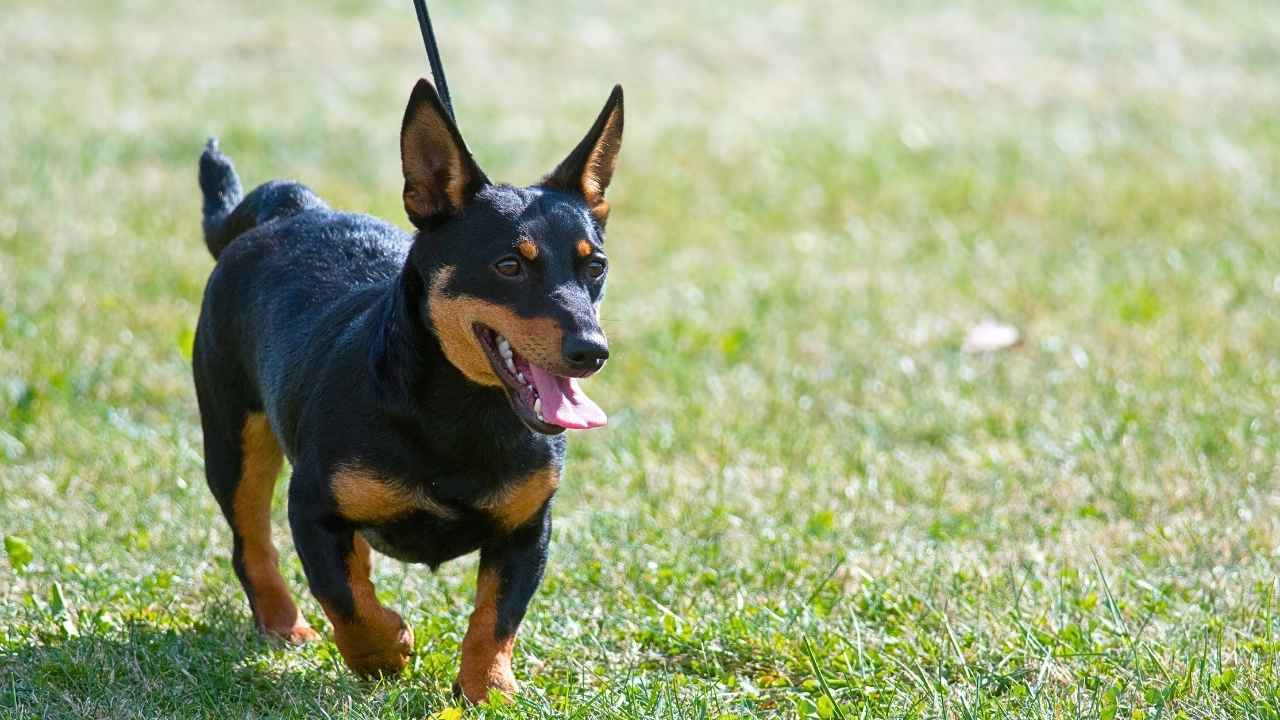
Put the two together, and the contrast becomes clear: the Buhund has the advantage in reach, endurance, and overall physical power. Whereas the Heeler shines through nimble movement and surprising speed packed into a much smaller frame.
3. Exercise & Energy Levels
Neither of these dogs got the memo about spending all afternoon on the sofa.
The Buhund has the sort of energy level that makes a lazy routine feel painfully uneventful. Long walks, hikes, running, outdoor games, and varied adventures give that naturally energetic body somewhere to put all its enthusiasm. Once the legs have had their workout, the mind still appreciates something interesting to investigate.
The little Heeler does not need the same physical space, but it certainly has no shortage of drive. A brisk walk followed by scent games, fetch, interactive play, or a short training challenge can turn its considerable energy into something productive.
The trick is variety. Repeating the same walk around the same block every day can become stale for a dog bred to work, whereas changing routes, introducing new games, and mixing physical activity with mental stimulation keeps everyday life much more rewarding.
4. Training & Intelligence
Give a smart dog the same boring exercise ten times and do not be surprised when it starts inventing its own entertainment.
The Norwegian worker tends to enjoy learning when there is something new to figure out. Its intelligent nature makes obedience, tricks, agility exercises, and household routines easier to teach when lessons stay upbeat and varied, as VCA notes. Short sessions, rewards, and regular training can turn that busy mind toward useful behavior.
The Lancashire Heeler brings a slightly different flavor of cleverness. Years of cattle work and vermin control required quick reactions, curiosity, and an ability to respond to what was happening around it. Those old instincts can still appear today through chasing, investigating, and eagerly responding to movement.
Both have enough intelligence to become bored with predictable drills, so training works best when it feels like an activity rather than a chore. Give them a puzzle worth solving, and you may find them excelling before you have even finished the lesson.
5. Socialization & Living Environment
A quiet house is not defined by how many rooms it has. It is defined by how well the dog inside it fits the rhythm of everyday life.
According to Purina, the Buhund tends to keep one ear tuned toward whatever is happening outside. A knock at the door, an unfamiliar face, or an unusual sound can quickly attract its attention, reflecting the alertness expected from a dog that once helped watch over livestock and property.
Early experiences with strangers, visitors, other animals, and different surroundings help shape polite responses rather than turning every passing event into breaking news.
The Lancashire Heeler brings its own lively presence to a household. Despite its small frame, it is not content to disappear into the furniture. Its friendly side can make it a charming companion, but those old working impulses still need somewhere appropriate to go.
That makes the living environment less about square footage and more about lifestyle. A smaller home can work for the Heeler when its days contain enough interaction and purposeful activities, whereas the more substantial Buhund tends to appreciate room for movement and owners ready to include it in an active routine.
6. Coat Grooming Needs
This is the point where the two part ways dramatically, and your vacuum cleaner gets a vote.
The Buhund’s dense double coat is wonderfully suited to its Scandinavian roots, but all that insulation comes with maintenance attached. Brushing helps remove loose hair and keep the coat in good condition, with shedding becoming particularly noticeable during seasonal coat changes. Anyone bringing this fluffy worker home should be prepared for fur to become a regular feature of life.
The Lancashire Heeler keeps its grooming routine refreshingly uncomplicated. That close, weather-resistant coat needs light brushing to clear away loose hair, along with the usual bathing, nail, ear, and dental care.
In other words, the Nordic beauty demands more hands-on upkeep; the little cattle dog leaves you with considerably more free time for walks, games, and cuddles.
7. Health & Lifespan
A long life is wonderful, but what matters just as much is how thoughtfully those years are supported.
Norwegian Buhunds commonly live around 12–15 years. Responsible breeders screen for concerns associated with the breed, including hip dysplasia and certain inherited eye conditions, as the American Kennel Club suggests. Good nutrition, appropriate activity, weight control, and routine veterinary visits then take over as the everyday foundations of wellbeing.
Lancashire Heelers can also reach roughly 12–15 years. Their smaller mouths make dental care particularly worth remembering, and responsible breeding helps reduce the risk of inherited problems. Regular veterinary examinations, parasite prevention, proper nutrition, and sensible weight management all have a role to play.
No health checklist can predict exactly how an individual dog will age. Genetics sets part of the stage, but daily care determines much of what happens once the curtain rises.
Conclusion
The two may have started with similar instructions. Work hard, stay useful, and keep up, but they took very different routes to get here.
The Buhund brings the sturdier presence of a Nordic working companion, along with a substantial coat, plenty of stamina, and a watchful nature. Life with this fluffy athlete suits someone who enjoys outdoor adventures and does not mind putting in the work behind that beautiful coat.
The Lancashire Heeler squeezes an impressive amount of determination into a far smaller package. Its quick feet, curious mind, manageable grooming routine, and lively personality make it a fascinating companion for someone who wants a little dog with genuine working-dog character.
Neither is simply a pretty face sitting around waiting for dinner. Give either one the right outlets, meaningful interaction, and room to express its natural abilities, and that old farm-dog spark has plenty of opportunity to shine.
