




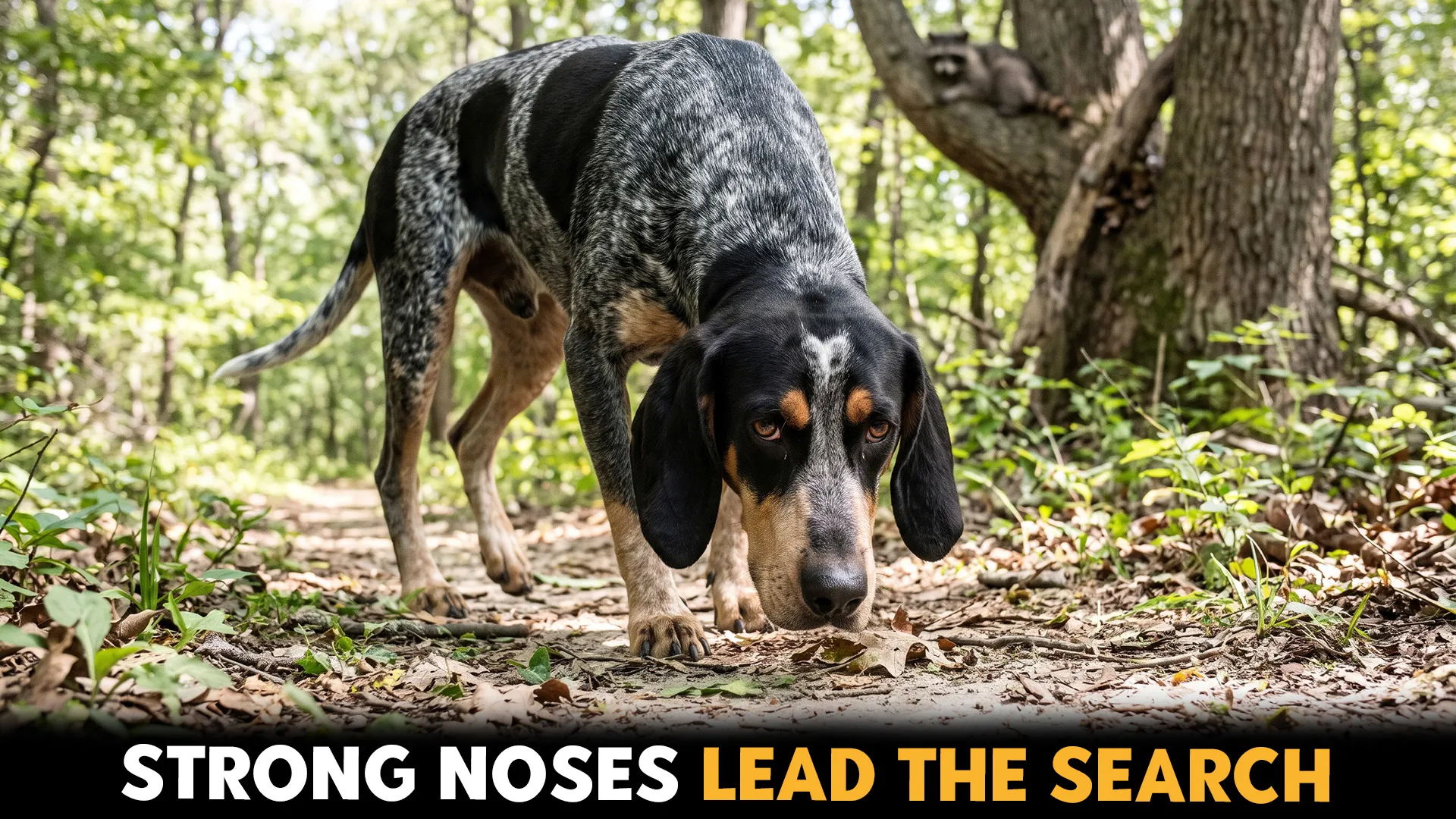
Some dogs have scent abilities that set them apart in the dog world. They work as search and rescue dogs, track down missing people, find substances hidden from plain sight, and pick up aromas that humans could never detect.
A dog’s nose is a remarkable instrument. Dogs have 100 million or more scent receptors, while humans have only about 5 to 6 million. Bloodhounds are said to have around 300 million. Dogs also devote a much larger share of their brain to interpreting smells.
Still, scenting talent isn’t uniform, and there are different kinds of sniffers. Some hunting breeds excel at tracking wild game, while others are better at following ground trails over long distances. Training, temperament, and individual ability matter just as much as breed tendencies.
Here are 9 dogs with excellent noses and interesting jobs that they perform with skill.
Must-Know Dog Breeds with the Strongest Olfactory Talent
1. Bloodhound
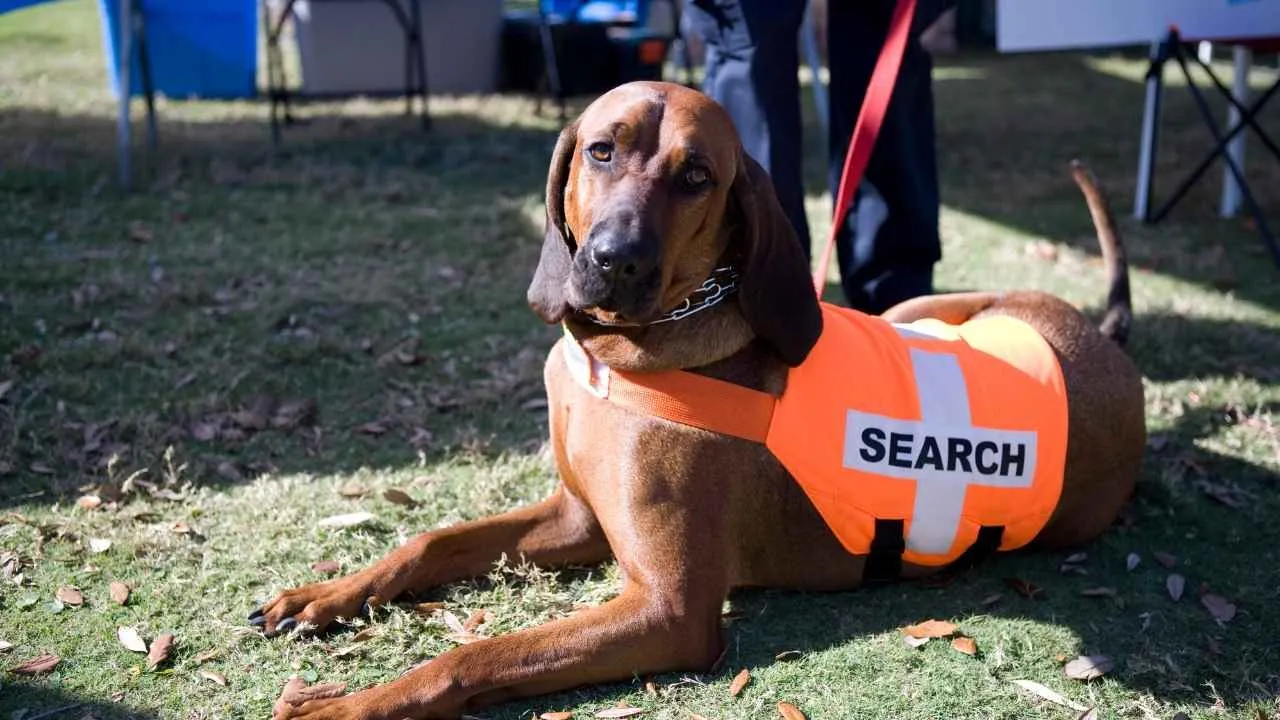
The Bloodhound is known for following a scent over long distances, even when the trail is old and complicated. Its extraordinarily sensitive nose makes it a valuable partner in search and rescue, where it tracks missing people.
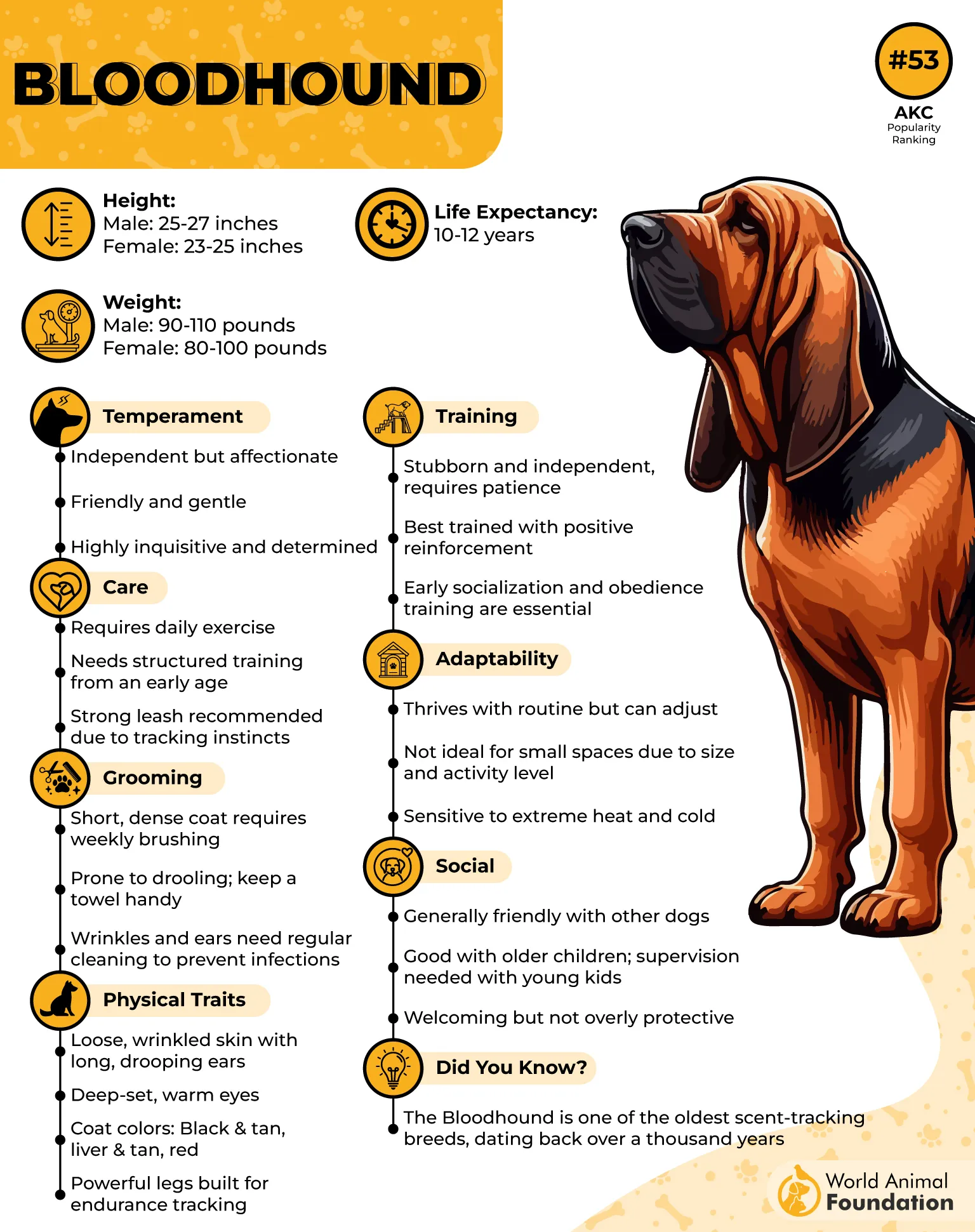
Loose facial skin and long, drooping ears help trap scent particles near the nose when the dog works close to the ground. Add a muscular body and good stamina, and you have a breed that can follow a trail for hours.
The funny part? Once a Bloodhound picks up an interesting scent, it becomes extremely determined. Early recall training is important, yards should be fully enclosed, and a leash is a must whenever you’re out and about.
2. Basset Hound
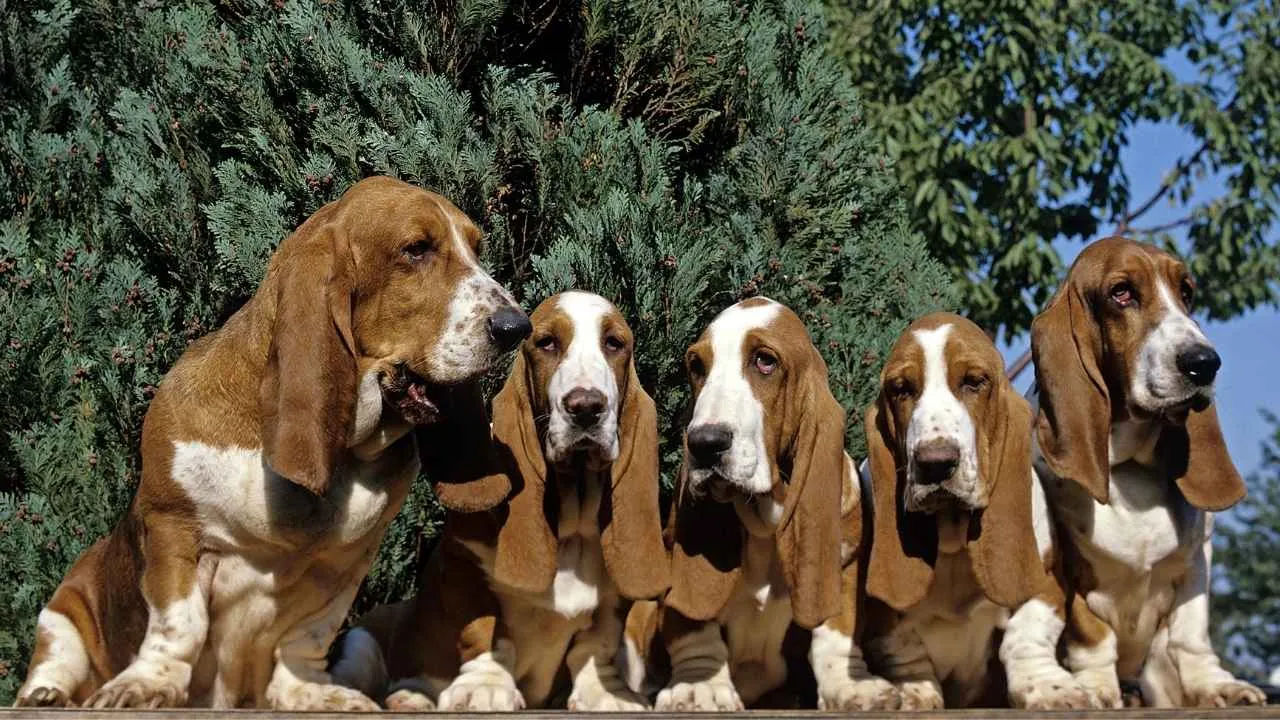
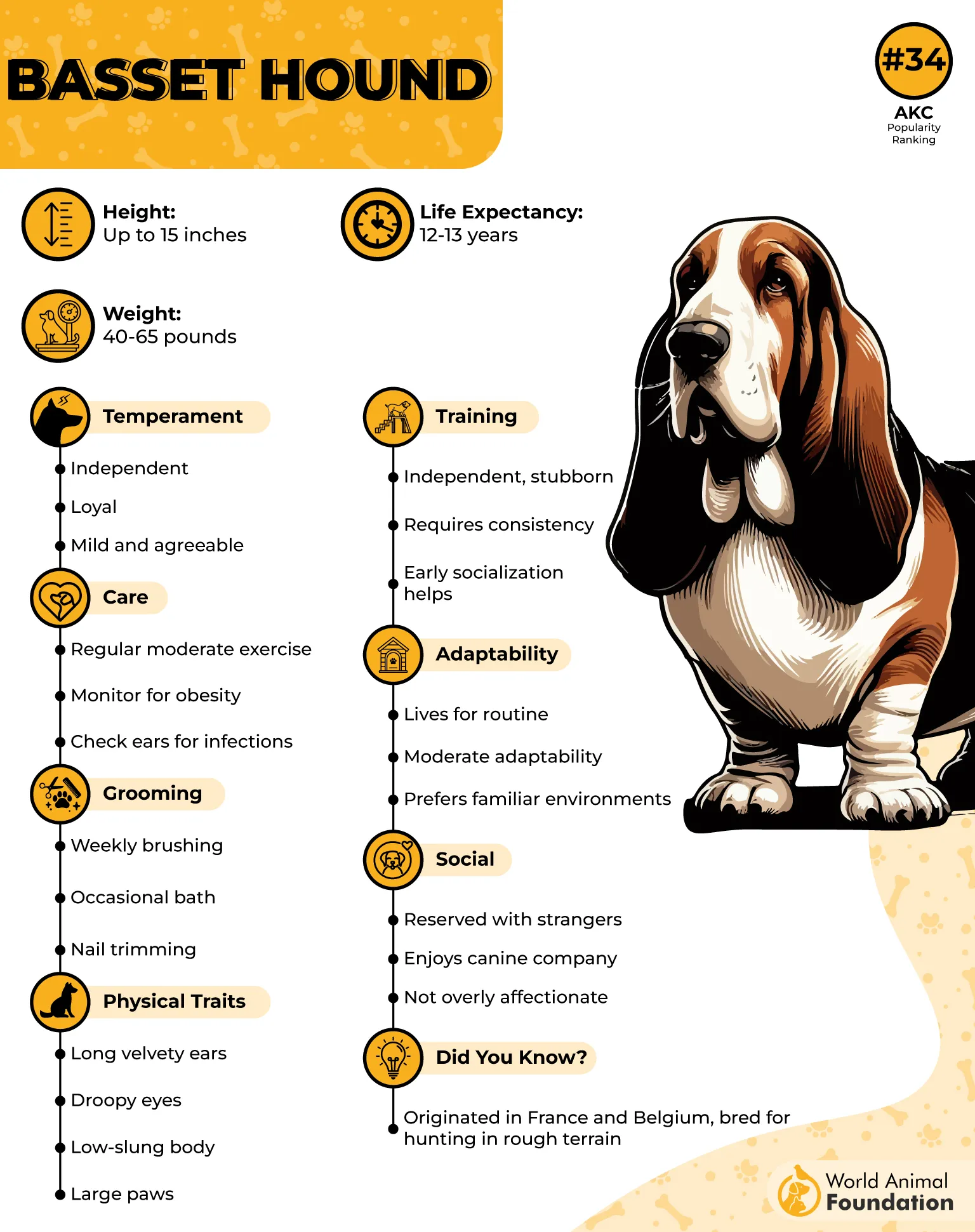
The Basset Hound may look like it’s dozing most of the day, but don’t underestimate its nose. This short-legged hound was bred to hunt small game and is especially good at following ground-level scents.
It has long ears, loose skin, and a heavy muzzle. Its low body and ears keep its focus on the ground and help it pick up the trail while sniffing. Its rugged build also lets it keep a steady pace for long stretches.
Bassets are quietly playful, as stated by Purina. That can make walks interesting, since you may be ready to turn left while your Basset is still thoroughly inspecting a patch of grass. Be prepared for that.
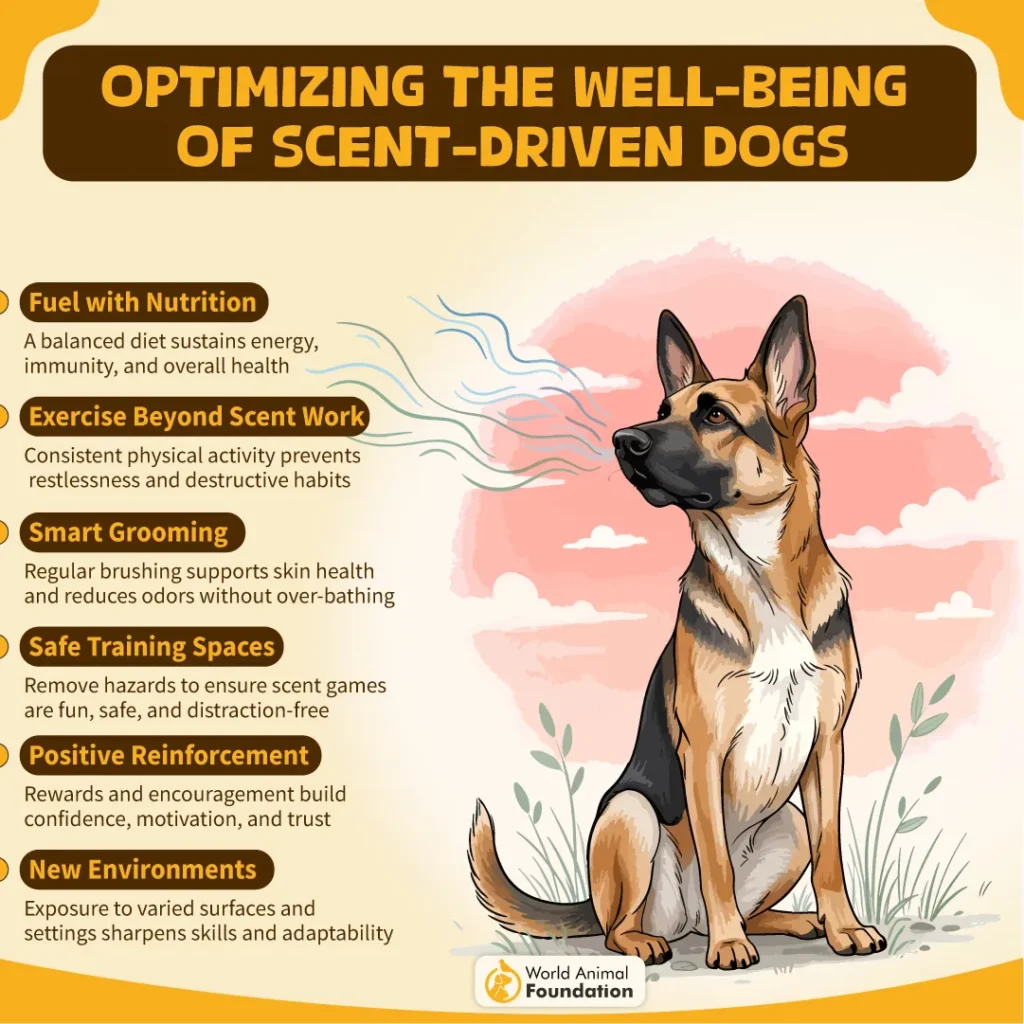
Secure leashes and regular training are essential with scent hounds, as they can get lost in the pursuit. Watch their weight too, since extra pounds can put strain on their long backs and joints.
3. Beagle
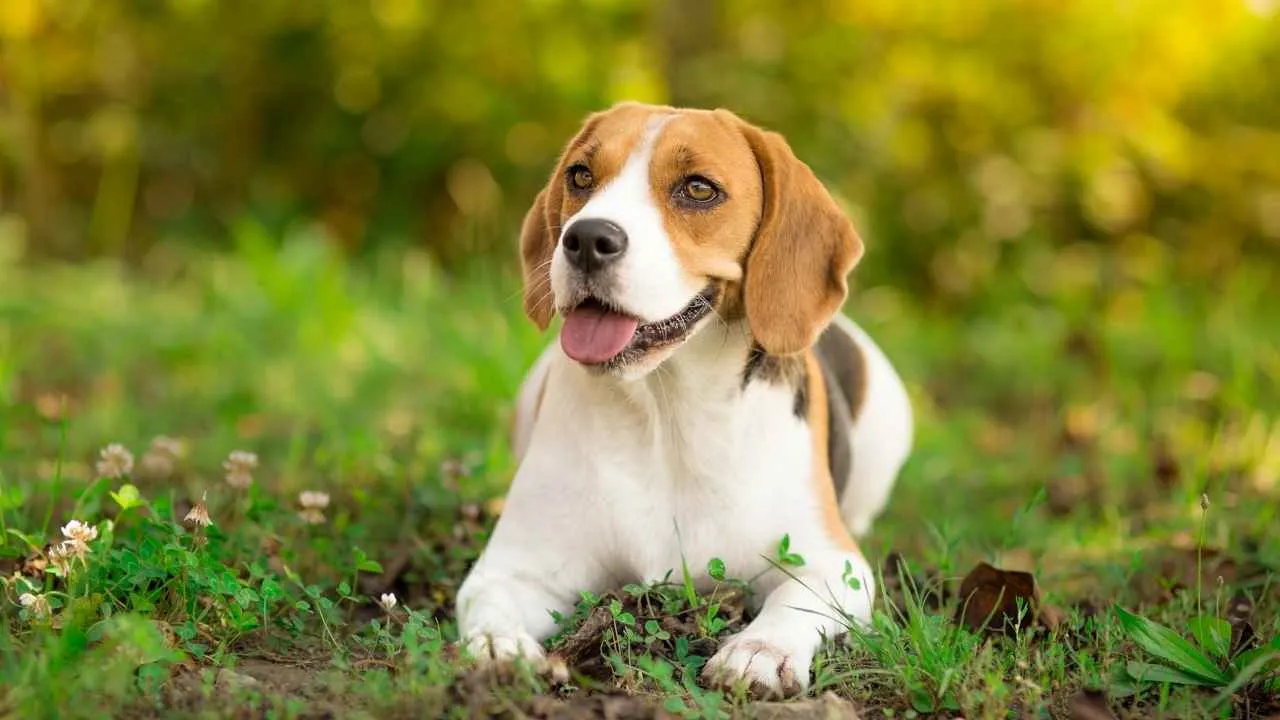
Beagles have a nose that works like their own personal search engine. This small hound was bred to hunt rabbits and other small game, and it has kept its talent for following scent trails.
Beagles are particularly good at following ground trails and picking out interesting smells in their surroundings. They also help with detection work, sniffing out prohibited agricultural products and hidden food items as curious, enthusiastic, and determined border patrol assistants.
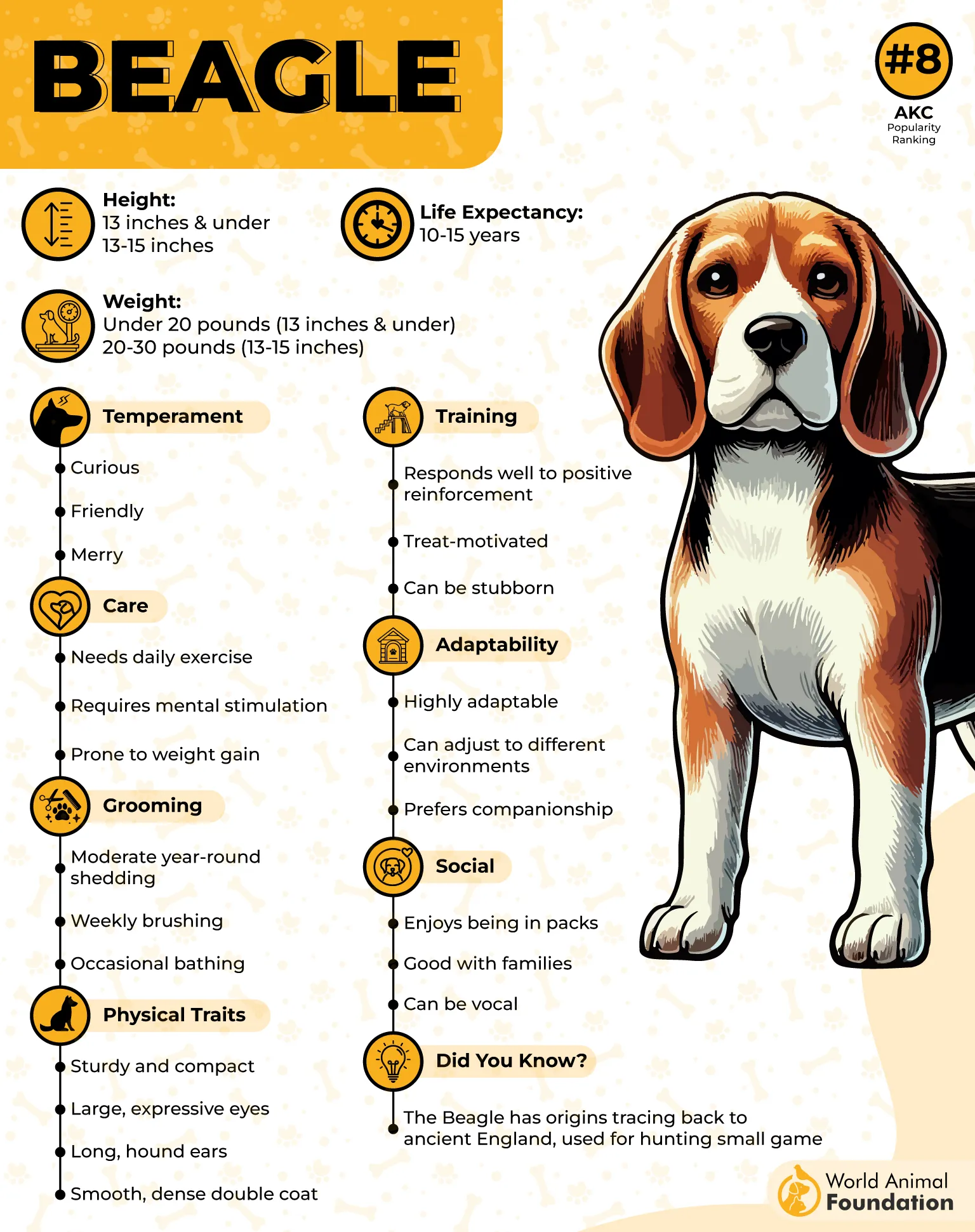
Beagles are also gentle and friendly, as stated by Orvis. They get along well with people and other dogs, but their determination can make them a challenge to train. Once a Beagle catches a thrilling scent, it can turn into a stubborn child whose focus is hard to break.
This clever breed can be kept busy with daily exercise, scent games, and food puzzles. If left to its own devices, a bored Beagle will find its own entertainment, and it often involves your garbage can.
4. German Shepherd Dog
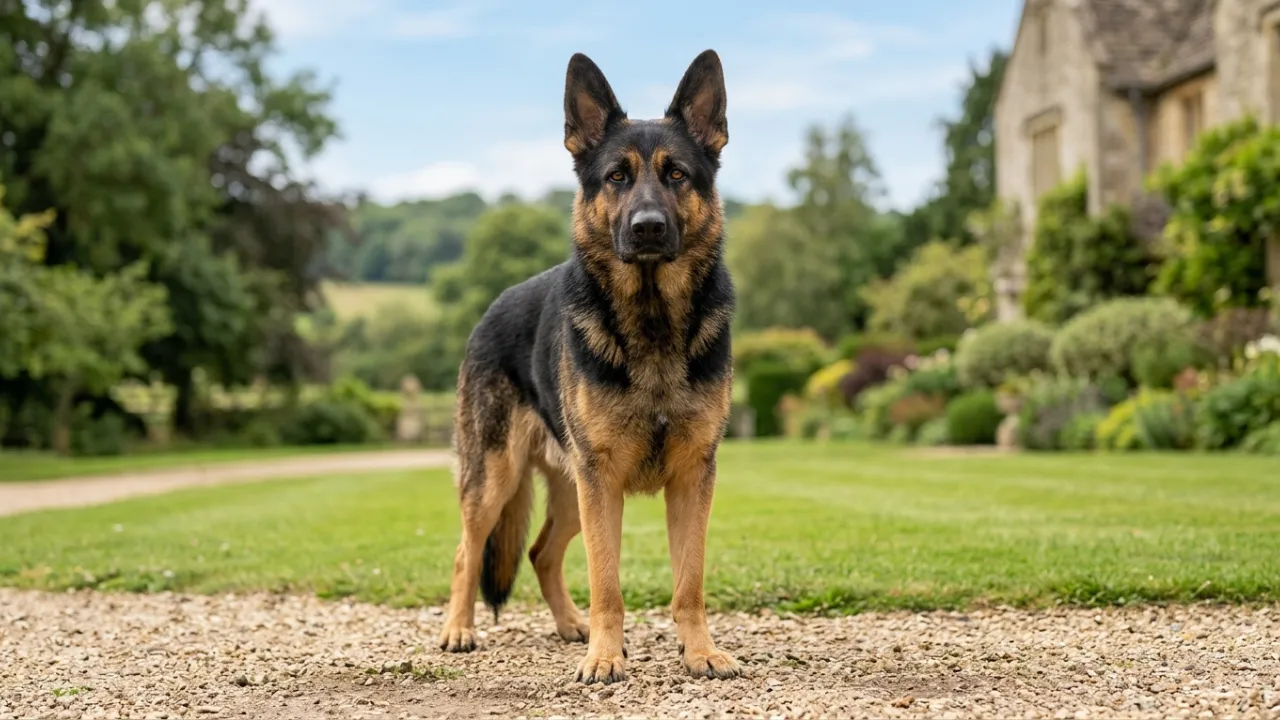
Described by the American Kennel Club as dogkind’s finest all-purpose worker, the German Shepherd is well known for its versatility, intelligence, and bravery. It serves in police and military forces and helps out in search and rescue missions.
German Shepherds have a keen sense of smell, but that alone isn’t why they are chosen. They can learn to recognize specific smells, then systematically find them and alert their handlers. Confident and athletic, they can also work in difficult conditions.
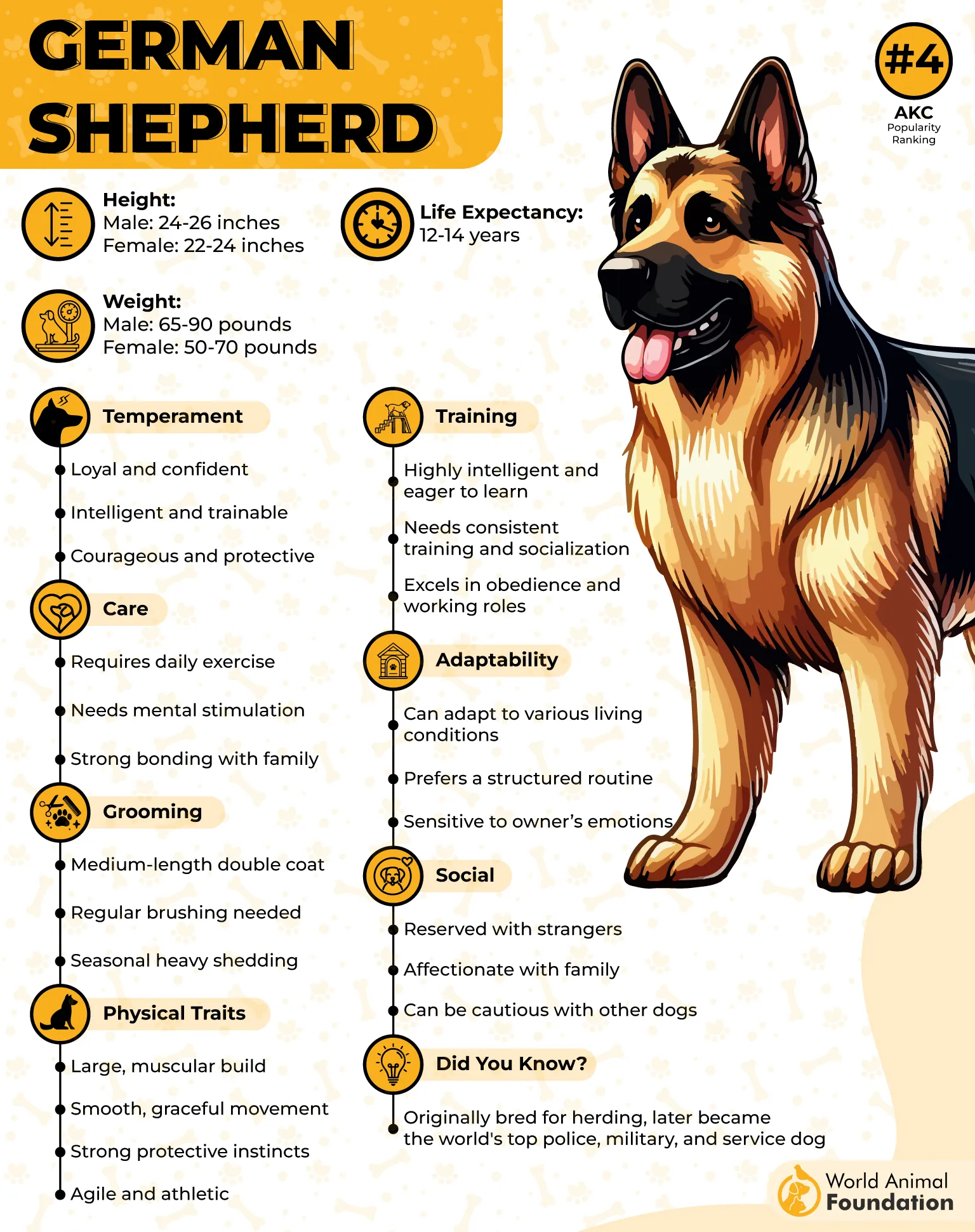
Depending on their training, this breed can use its sharp senses to detect explosives, drugs, or missing persons. It takes more than a sensitive nose, though. The dog’s ability to isolate and understand a target scent, along with its cooperation with its handler, sets it apart.
At home, these dogs need mental stimulation, exercise, and training. They are not the best choice for owners who want a decorative lawn ornament that occasionally barks at the postman.
Whether it’s a new trick or a new scent puzzle, a German Shepherd is up to the task.
5. Labrador Retriever
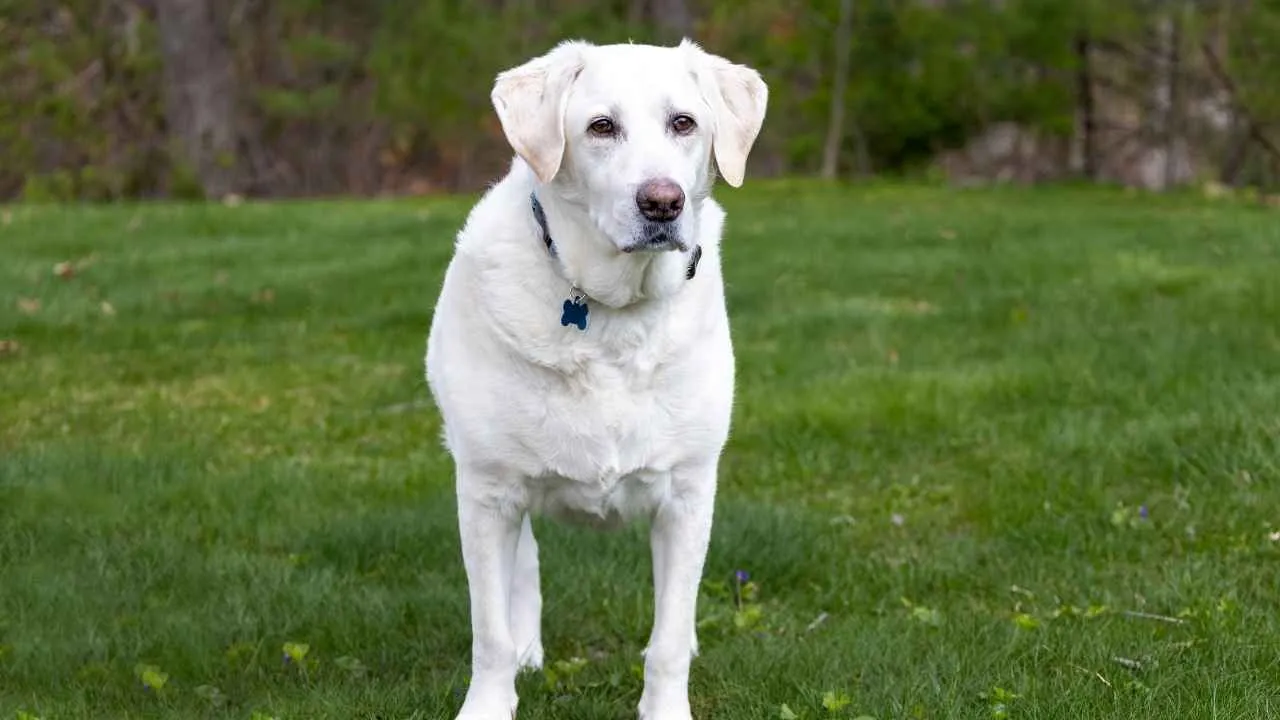
Labradors are known for their enthusiasm and their love of food. Luckily, that hunger can be a valuable training asset. They are popular in detection work thanks to their strong sense of smell, friendly temperament, cooperation, and willingness to learn.
Labs are often used to sniff out explosives, drugs, agricultural threats, and other target odors. Some are also trained to detect medical or environmental changes, but these specialized roles require careful training and validation.
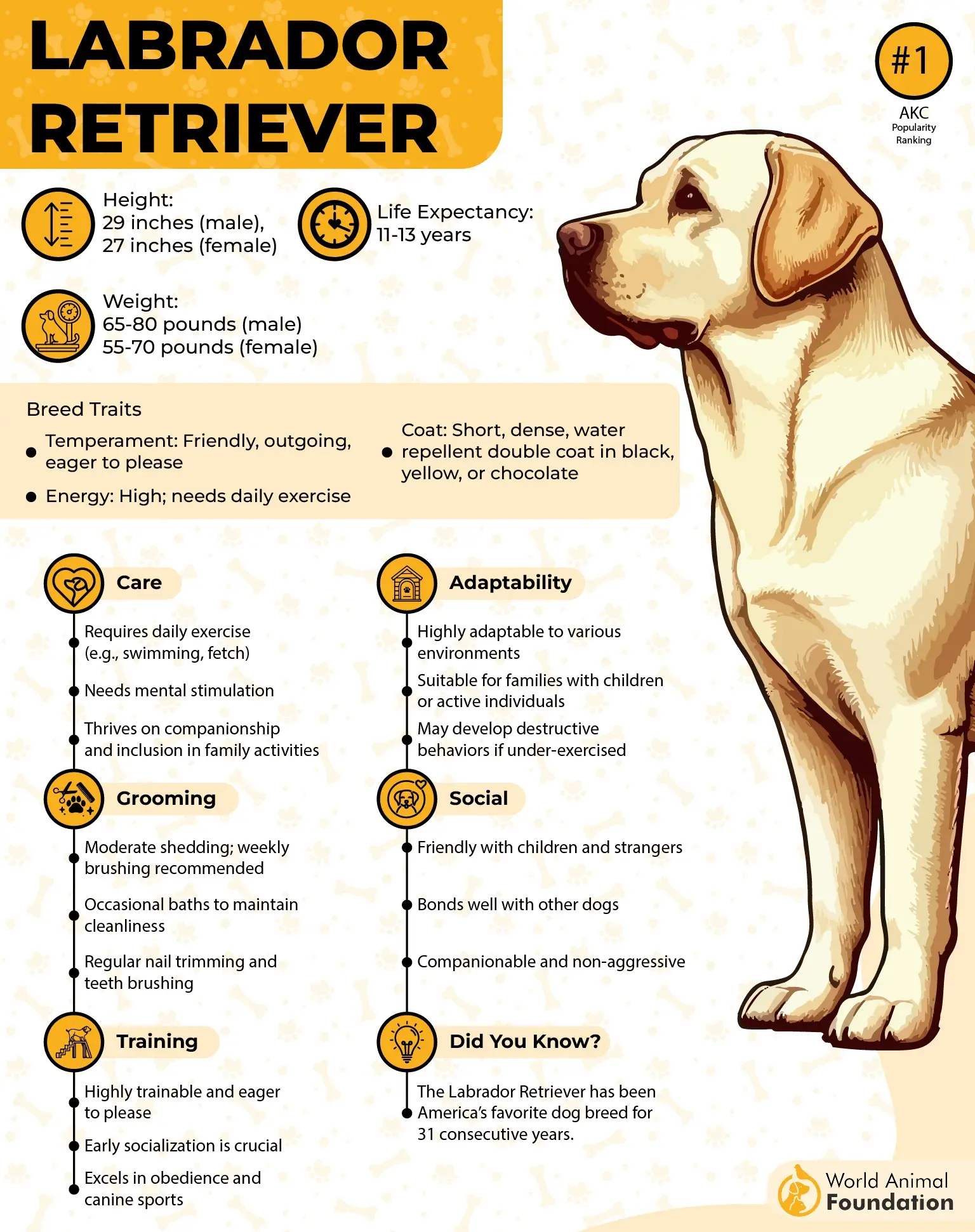
It’s not all about nose power. Labs like to work close to their people, respond well to reward-based training, and are sturdy enough for long searches. A treat, a toy, or an enthusiastic game can be the highlight of their day during a training session.
That enthusiasm shows up at home, too. Labs will inspect every grocery bag, kitchen counter, and unattended sandwich like professional food inspectors. Keep food well out of reach, and give them plenty of exercise and enrichment. Feeding them good-quality food also supports a healthy life.
6. Belgian Malinois
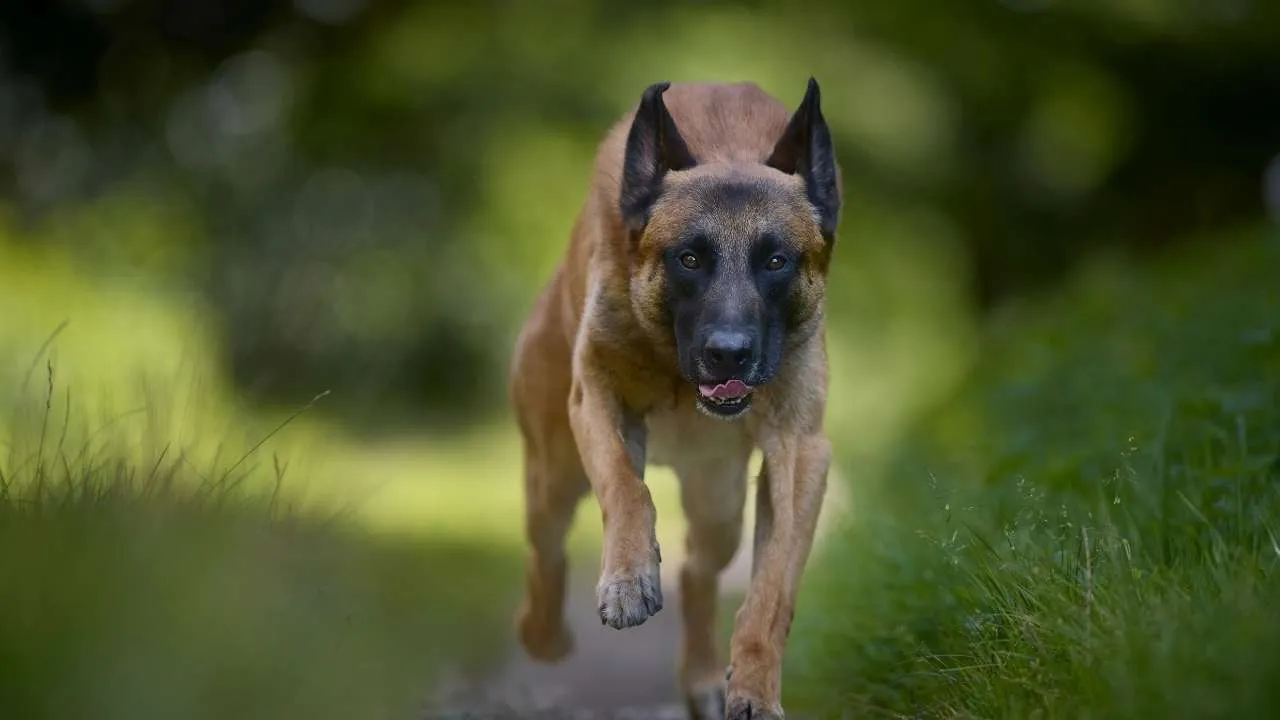
The Belgian Malinois is a very active working dog with great focus, which makes it a natural fit for police, military, and security work. It is also a remarkable scenting dog, with plenty of energy, confidence, persistence, and a strong desire to please its handler.
Malinois can be trained to detect explosives, narcotics, and other specific odors. They also work in search and rescue, where their speed and agility help them cover rough ground, and their intelligence lets them learn and adapt to complicated routines easily.
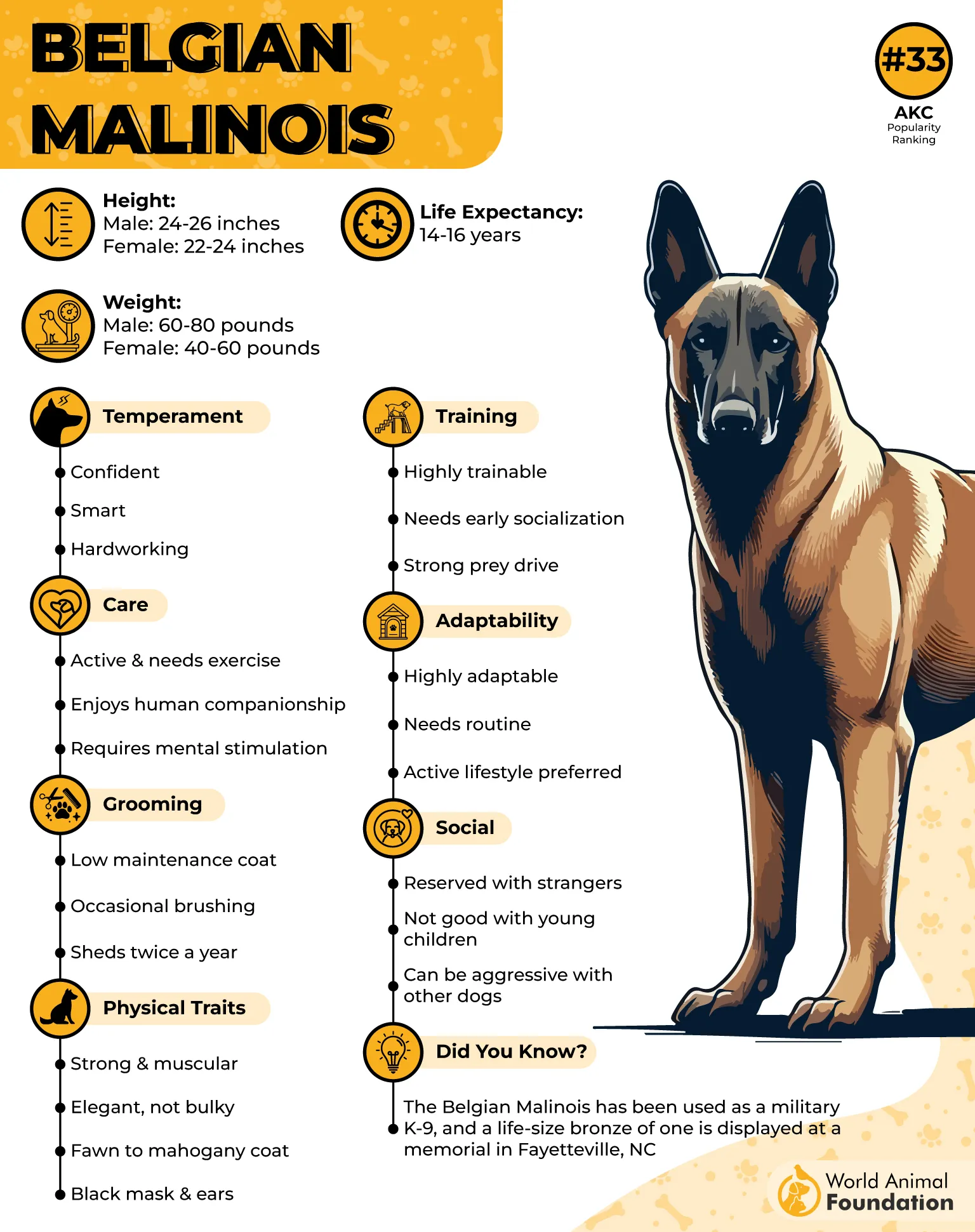
This isn’t a breed meant to be a laid-back family pet. A Malinois needs expert handling, solid training, and lots of physical exercise. Without proper training and care, it can pick up unwanted habits like excessive barking, chewing, or chasing.
Think of this dog as a highly motivated employee who shows up early, finishes every job, and asks for more work. If that sounds like too much, a calmer breed may suit you better.
7. English Springer Spaniel
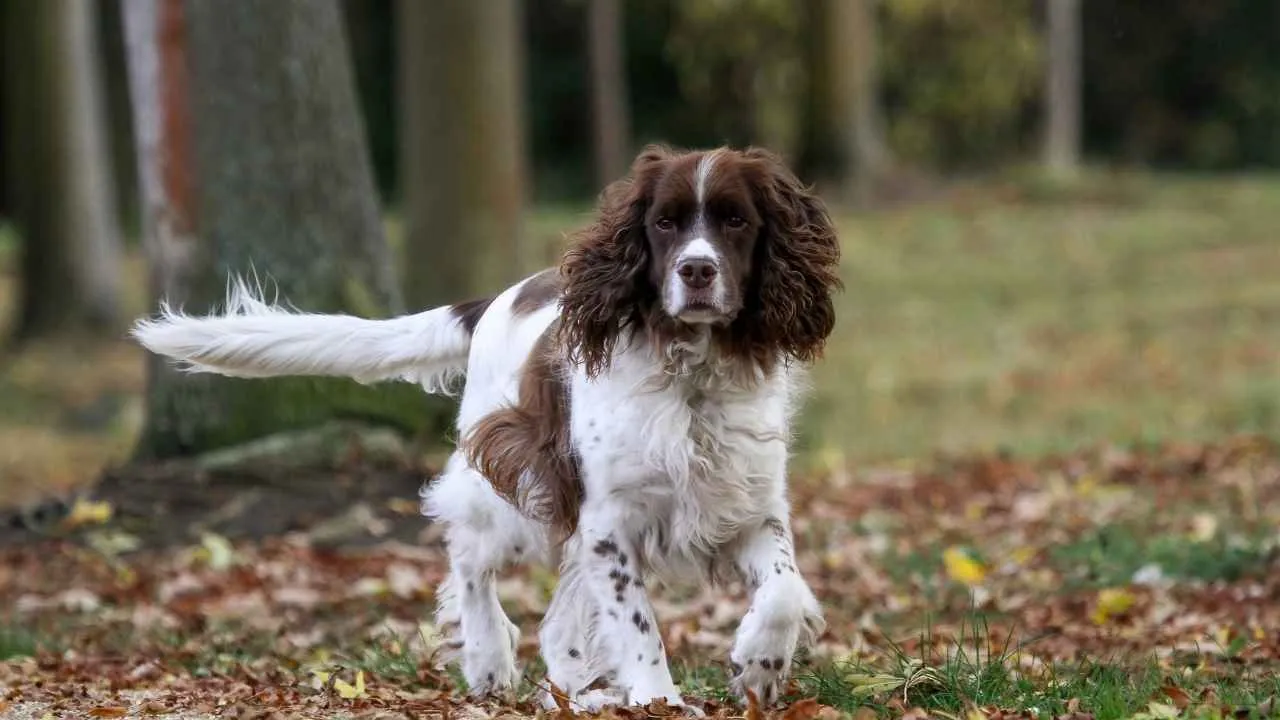
The English Springer Spaniel was bred as a gundog, with a special focus on flushing game birds out of cover. To find animals hidden in the foliage, it needed a sharp nose and a knack for searching.
Springers still work as detection dogs. They are driven and agile, and they handle working around people well, which makes them good candidates for searching buildings, vehicles, and outdoor areas for specific scents.
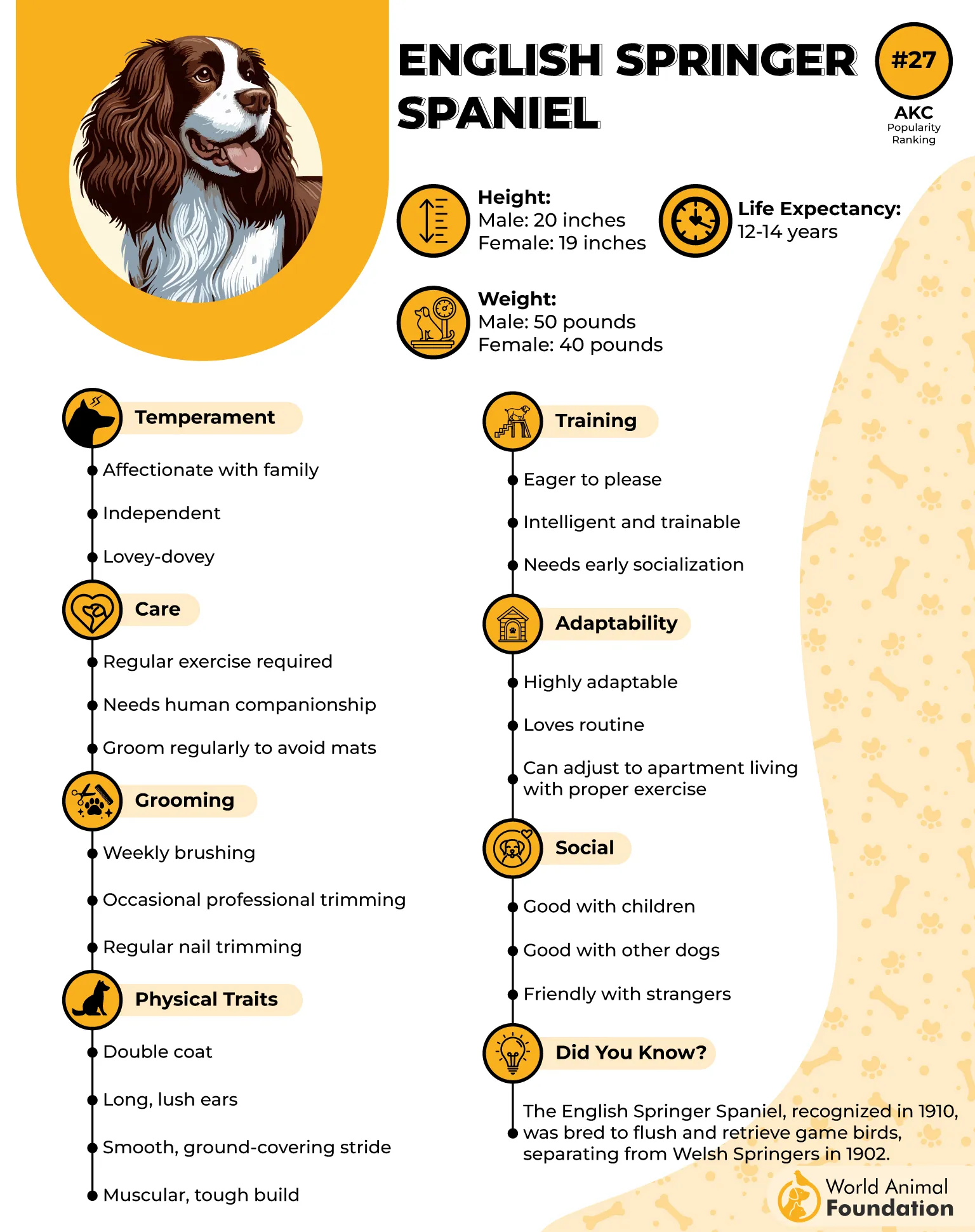
A Springer isn’t a hound that wanders along a trail at its own speed. It works with great energy and stays closely connected to its handler. It can push through dense brush, check out strange or questionable spots, and then head right back to its handler for the next instruction.
This breed needs plenty of activity and mental stimulation. Scent games, retrieving games, and structured outdoor play keep it happy. Its feathered ears and coat also need regular grooming, especially after muddy walks.
8. Bluetick Coonhound
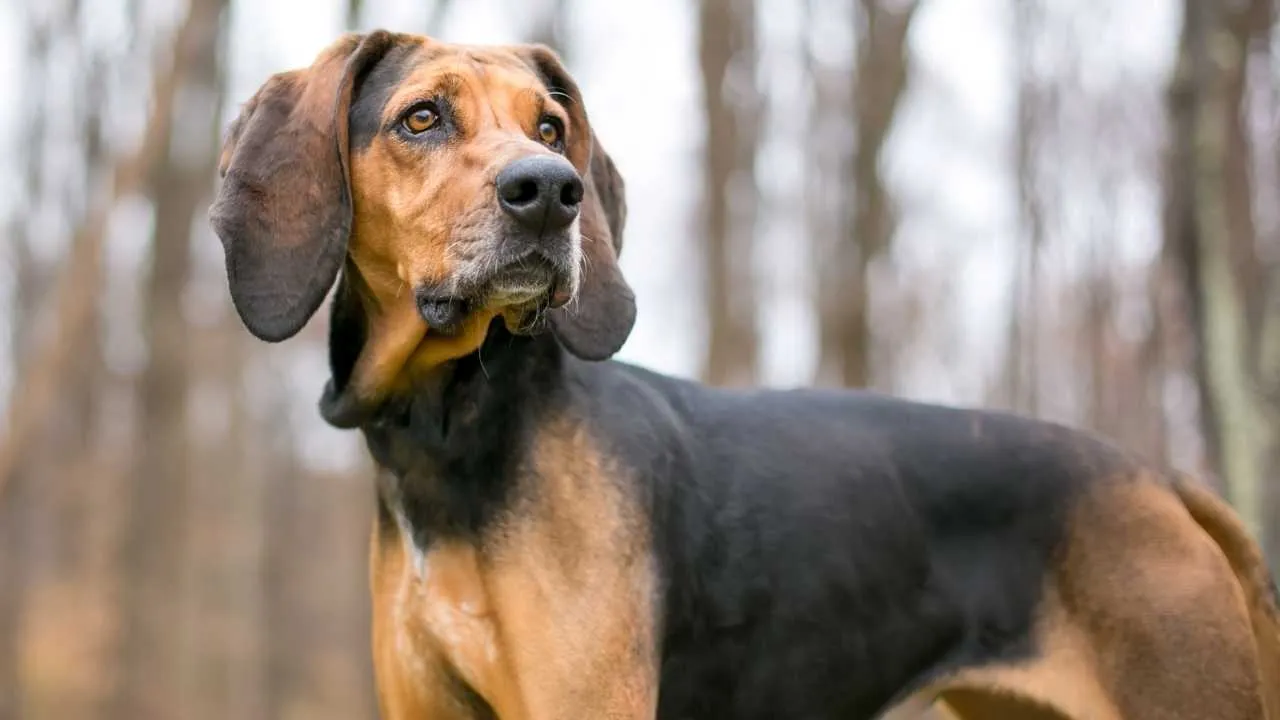
With its striking blue and black mottled coat, the Bluetick Coonhound looks dressed for a woodland adventure. Its tracking skills are even more impressive than its looks.
Originally bred in the United States to hunt raccoons and other game, this breed is a very good tracker and can follow trails that are hours old. It handles difficult terrain well and uses a distinctive voice to communicate with its handler during hunts.
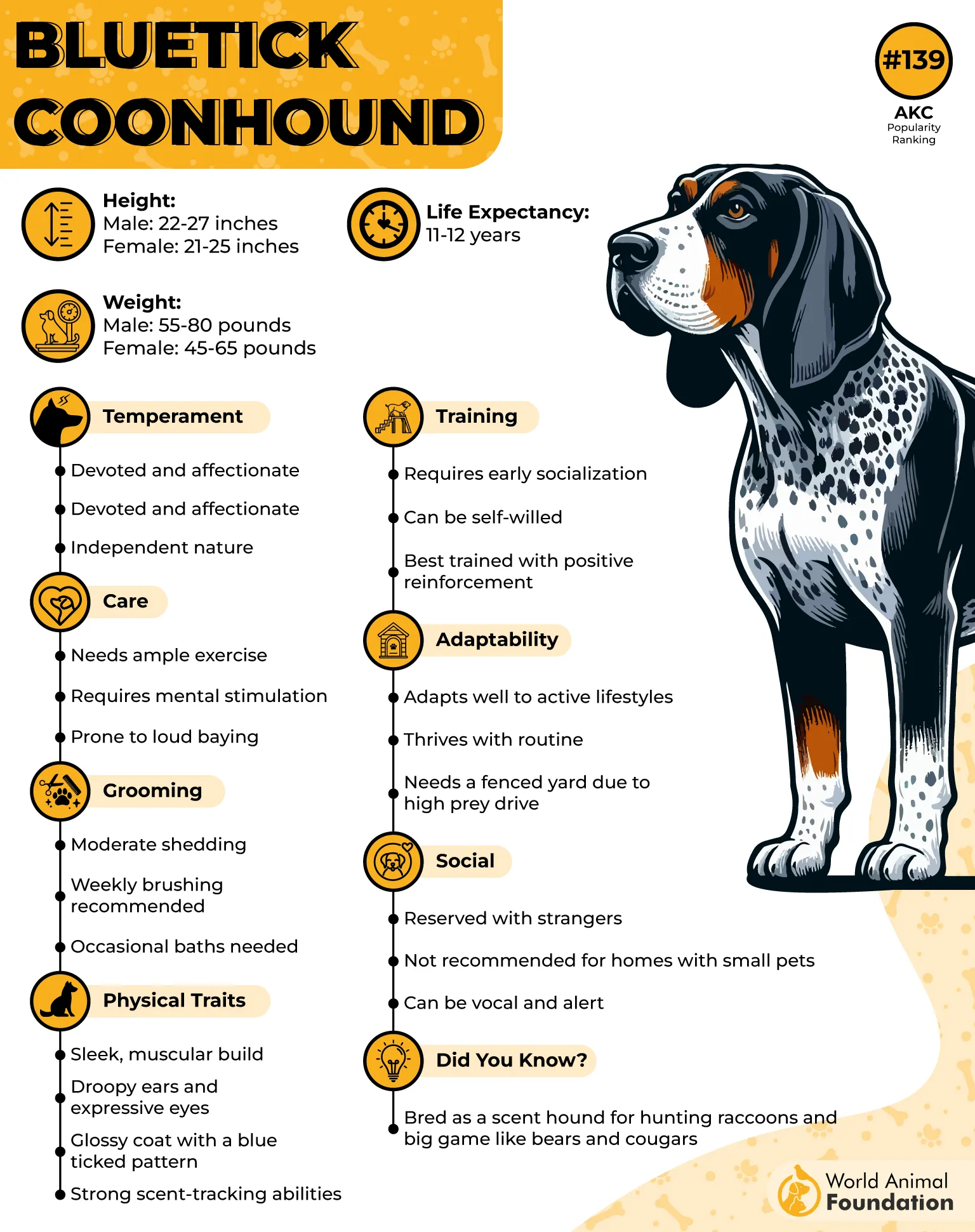
The breed is especially known for cold trailing, which means following an older trail rather than a fresh scent.
Blueticks are loving and family-oriented, though they can also be talkative and independent. Secure fencing is important, since they are hunting dogs, and a leash is a must to keep their prey drive in check. They also need chances to use their noses as often as they use their legs.
9. American English Coonhound
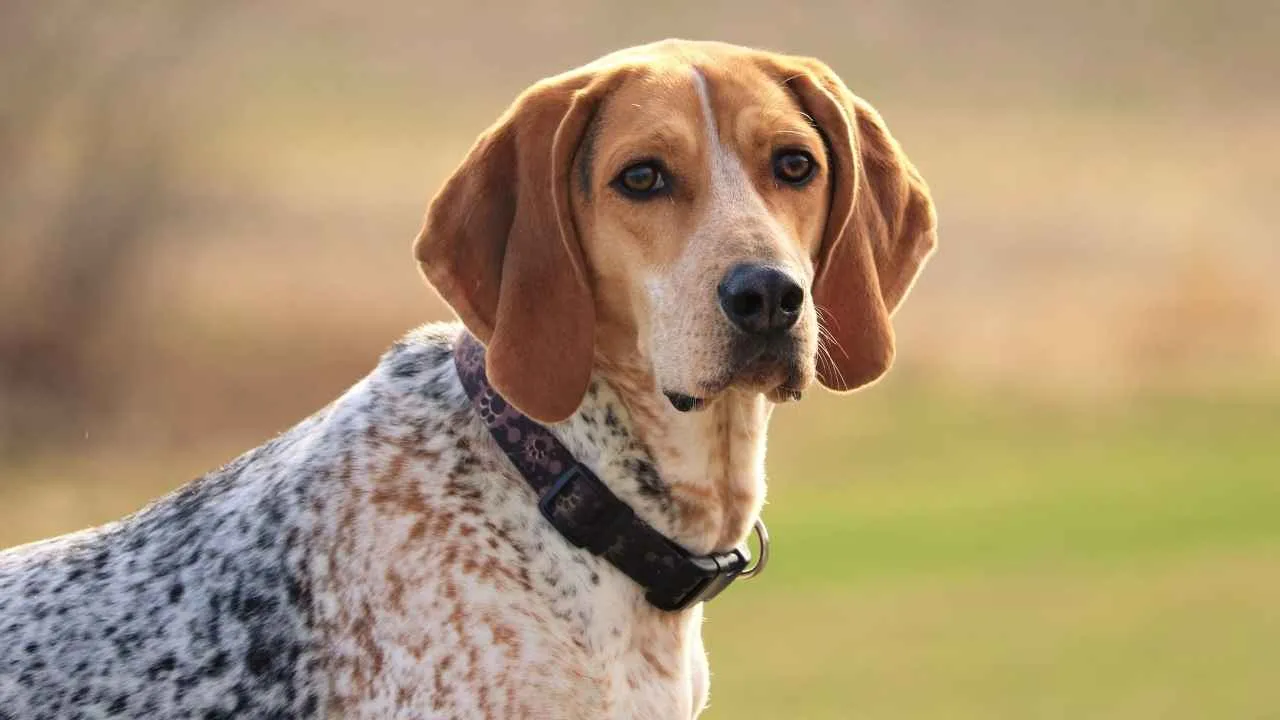
Another impressive scent hound bred in the U.S. is the American English Coonhound. Descended from English Foxhounds, this breed is prized for its ability to cover large stretches of land in pursuit of game.
It is well suited to tracking on all types of terrain, and it is both stubborn and hardworking. It may travel long distances, but it will always stay on the scent trail.
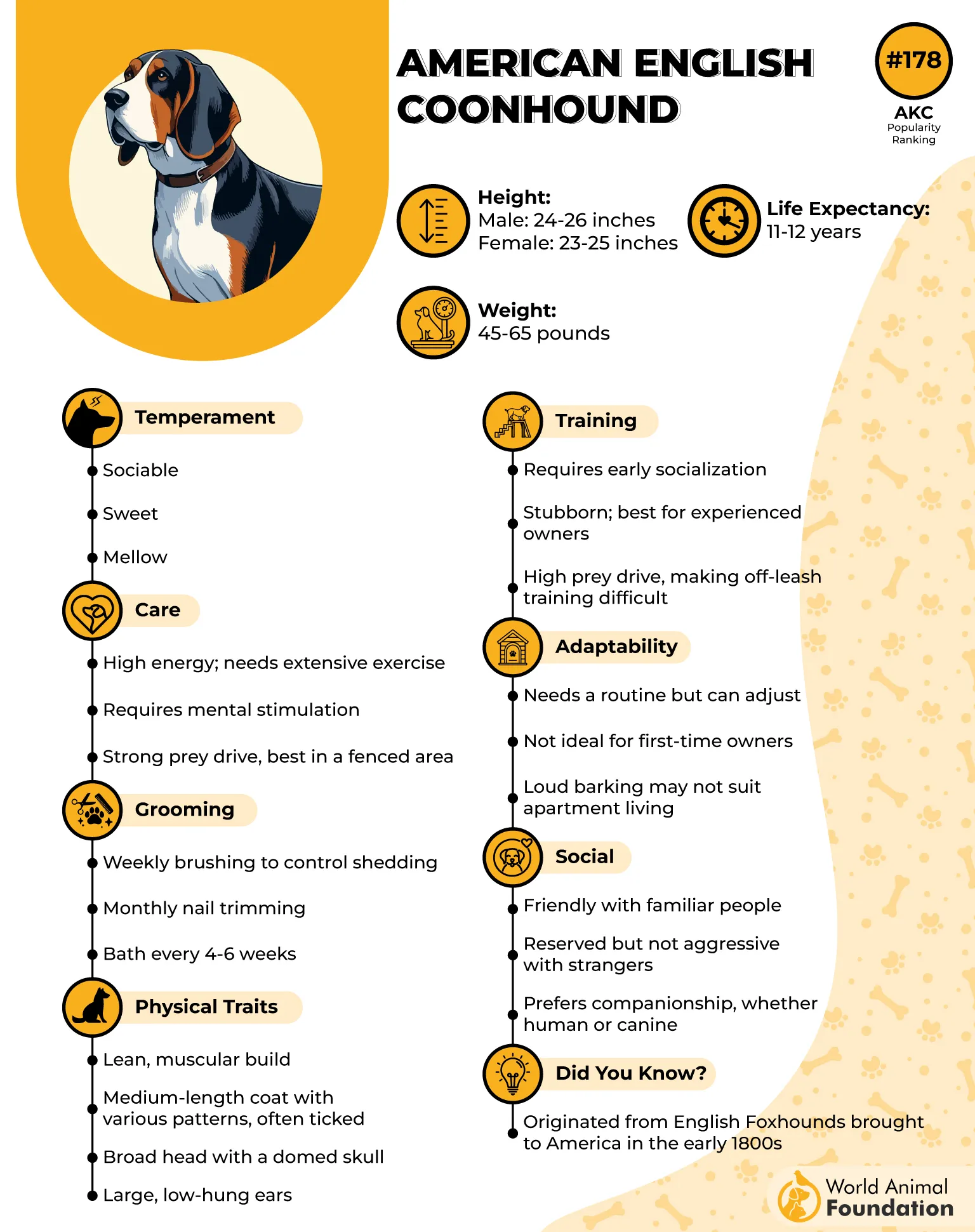
This breed is generally friendly and energetic, but it is not a low-maintenance companion. It needs regular exercise, secure spaces, and activities that stimulate its natural tracking instincts. It also has a strong prey drive, which can set off an excited chase after small animals.
Scent games, tracking activities, and long, supervised walks give it healthy outlets for its abilities. Just remember that when an interesting smell turns up, your planned walk can quickly turn into a scouting mission.
Conclusion
It’s amazing just how powerful a dog’s sense of smell can be, as these nine breeds show. Some are intelligent, full of stamina, and happy to work closely with people. Others are natural trail followers that excel at professional searching.
These breeds have earned their reputations through years of specialized work. To find the right one for you, consider temperament, breed traits, care needs, and exercise requirements. The right breed will fit seamlessly into your lifestyle and become a reliable friend.
