




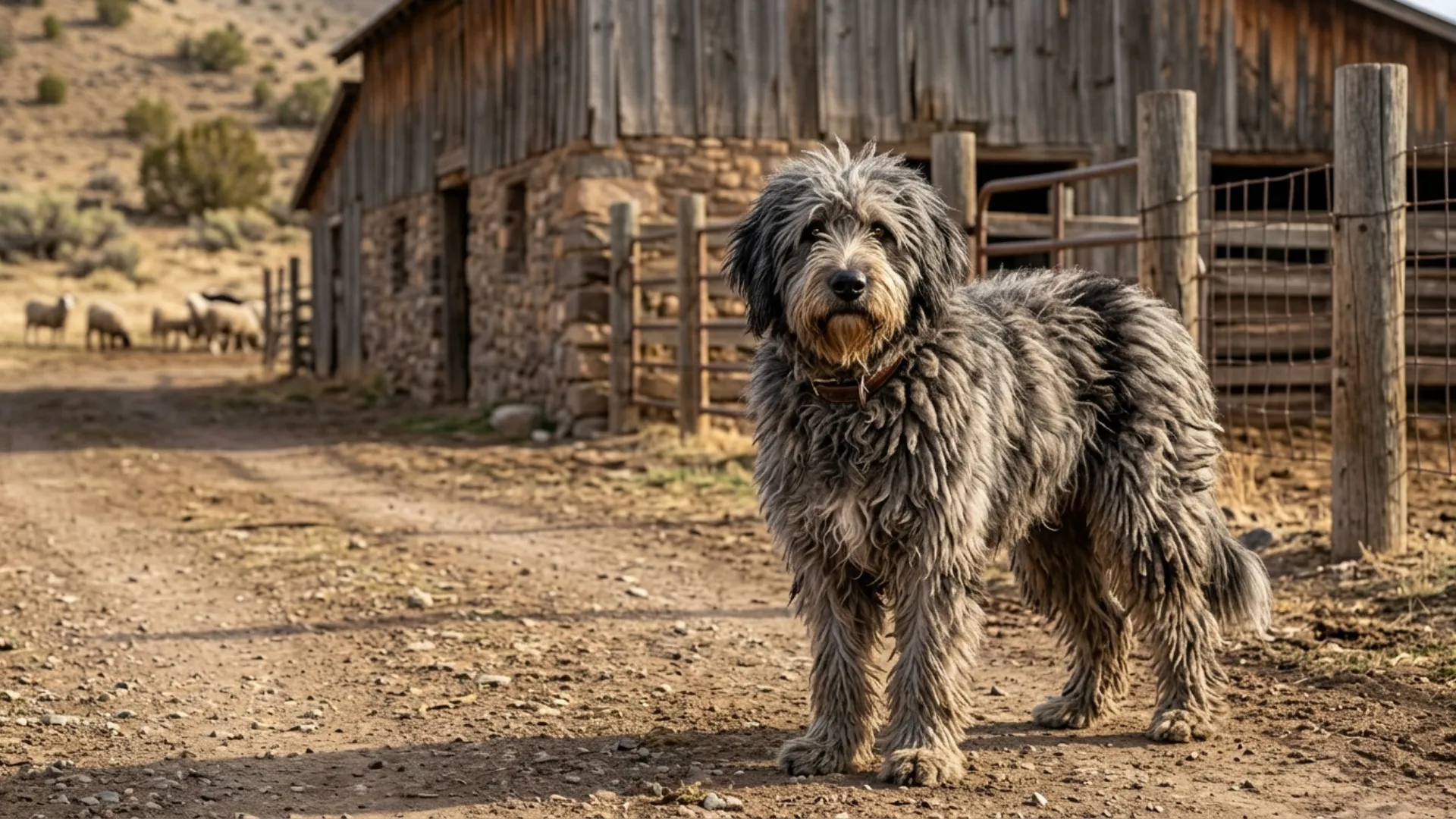
Ranch work is no walk in the park. From keeping livestock moving to watching over wide-open land, the right working dog can become an extra set of eyes, legs, and paws on the job.
For generations, dogs have worked alongside people on farms and ranches, using their strength, speed, focus, and instincts to handle tasks that can be difficult to manage alone.
But not every working dog is built for the same kind of ranch life. Some are quick and agile when livestock needs to be moved, while others are steady and watchful, staying close to animals and protecting them from threats.
So, what should you look for in a ranch dog? A dependable worker needs more than energy. Trainability, loyalty, stamina, confidence, and the ability to stay focused around livestock can all make a big difference.
In this guide, we’ll look at nine farm dog breeds and what makes each one stand out in the field.
Must‑Know Dog Breeds for Ranch Work
1. Briard
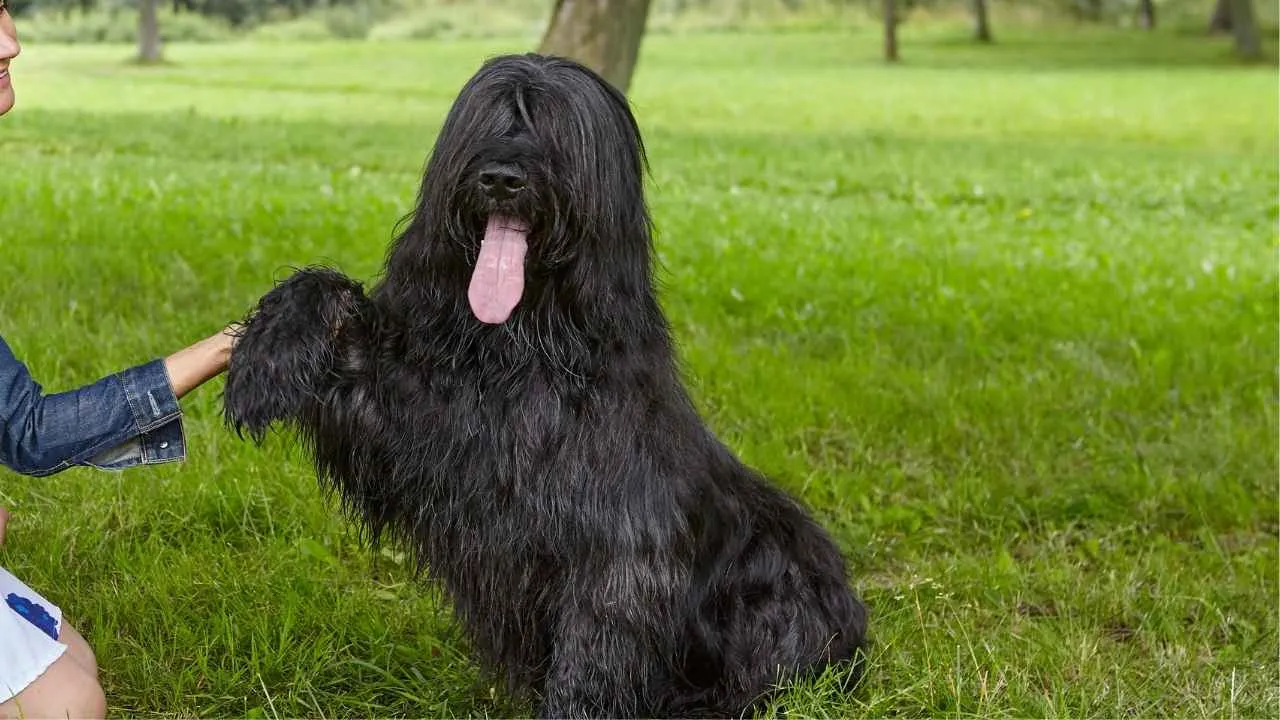
The Briard is an ancient French herding breed with a history dating back to at least the 8th century. They were known as Chien Berger de Brie and were bred to herd and guard sheep, according to PetMD.
Centuries later, Napoleon reportedly kept them, and Thomas Jefferson received one while serving as a U.S. ambassador to France. Their long working history helped shape the confident and capable ranch dogs they are today.
Built for Herding and More
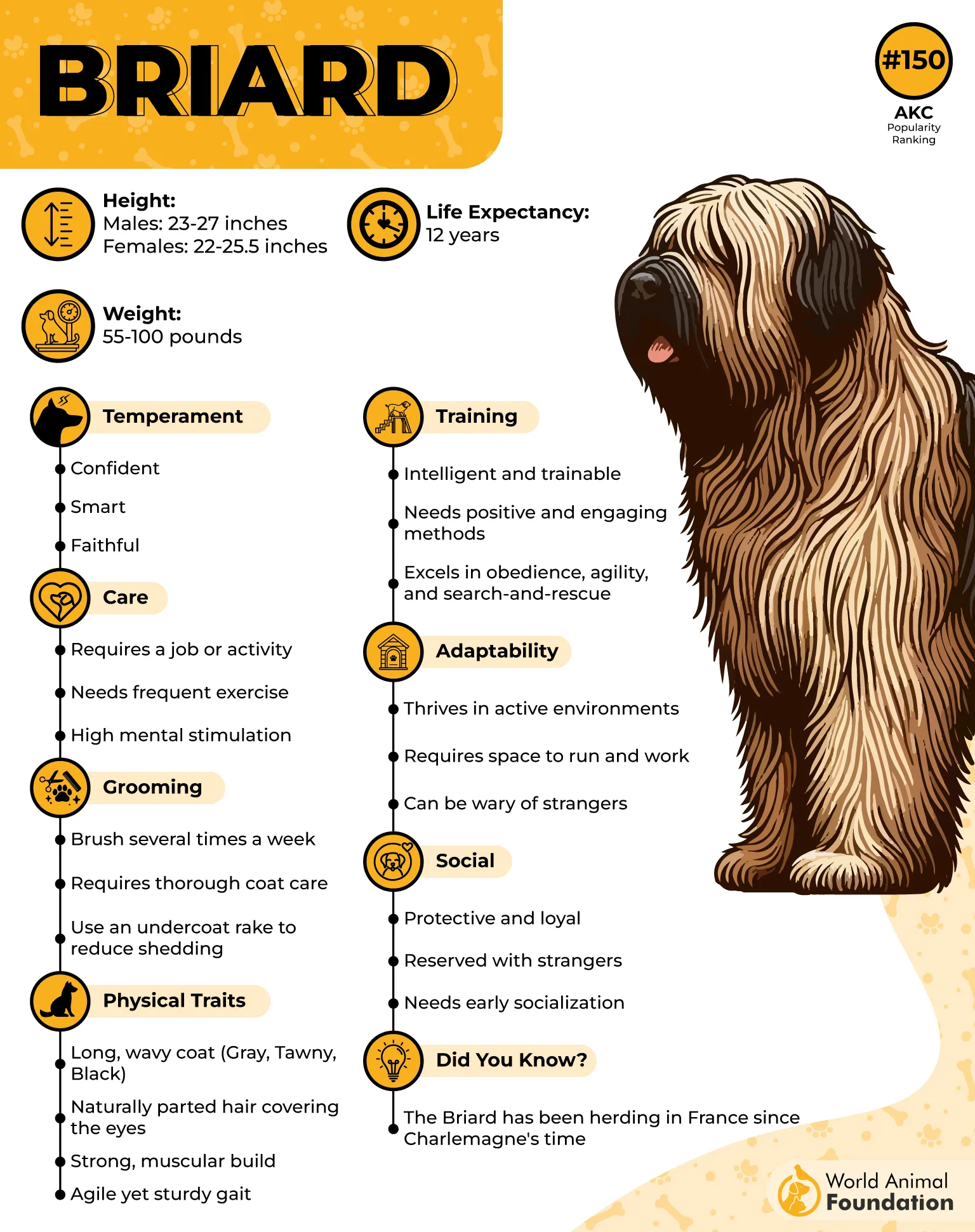
Briards bring plenty of energy and focus to ranch work. Their quick movements help them make the sharp turns, sudden starts, and stops needed when working with livestock. They are also intelligent, fearless, and confident, with the initiative to make decisions on their own.
During World War II, they worked as messengers, sentries, and dogs that helped locate wounded soldiers. Today, they can still work as sheepdogs and are also used in search and rescue and police work.
Training and Daily Life
Briards are smart, eager to please, and quick to learn with the right motivation. They need regular physical activity and a job to keep their minds busy.
Fair, consistent training and positive reinforcement work well, while harsh treatment does not. Their independent nature can make them stubborn, so steady guidance is important. They also prefer staying close to their owners rather than living in kennels.
2. Rottweiler
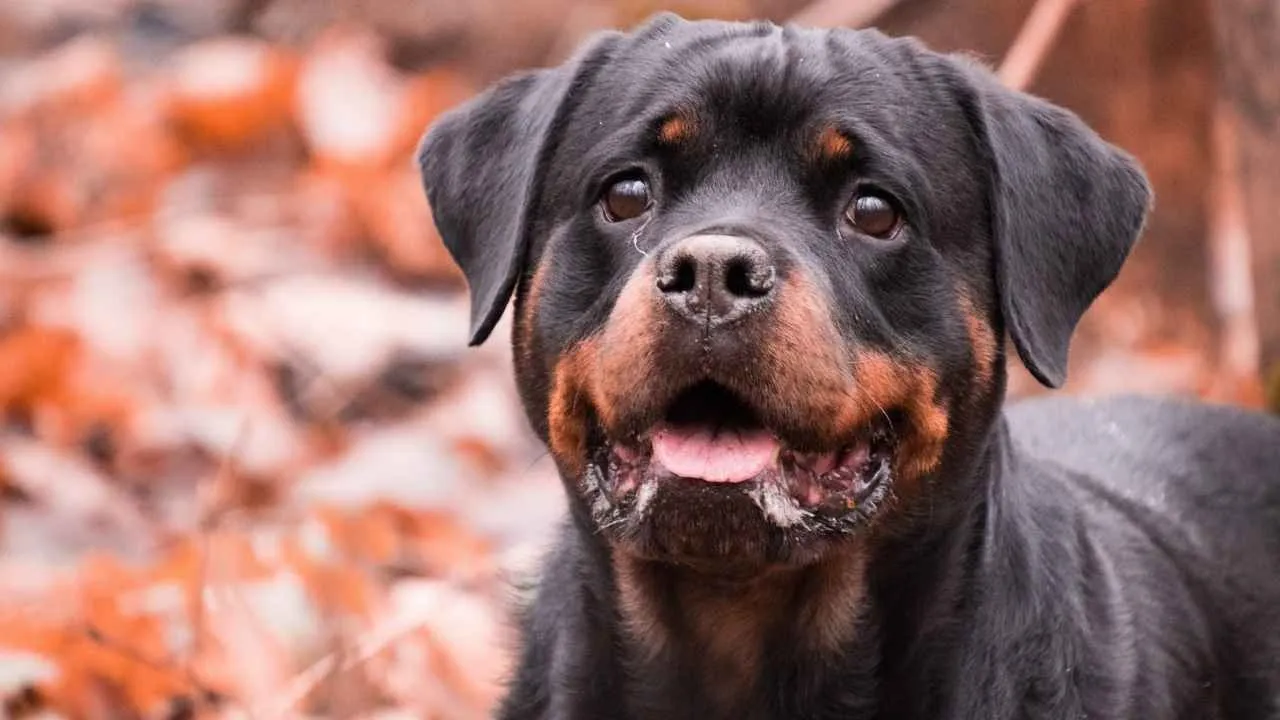
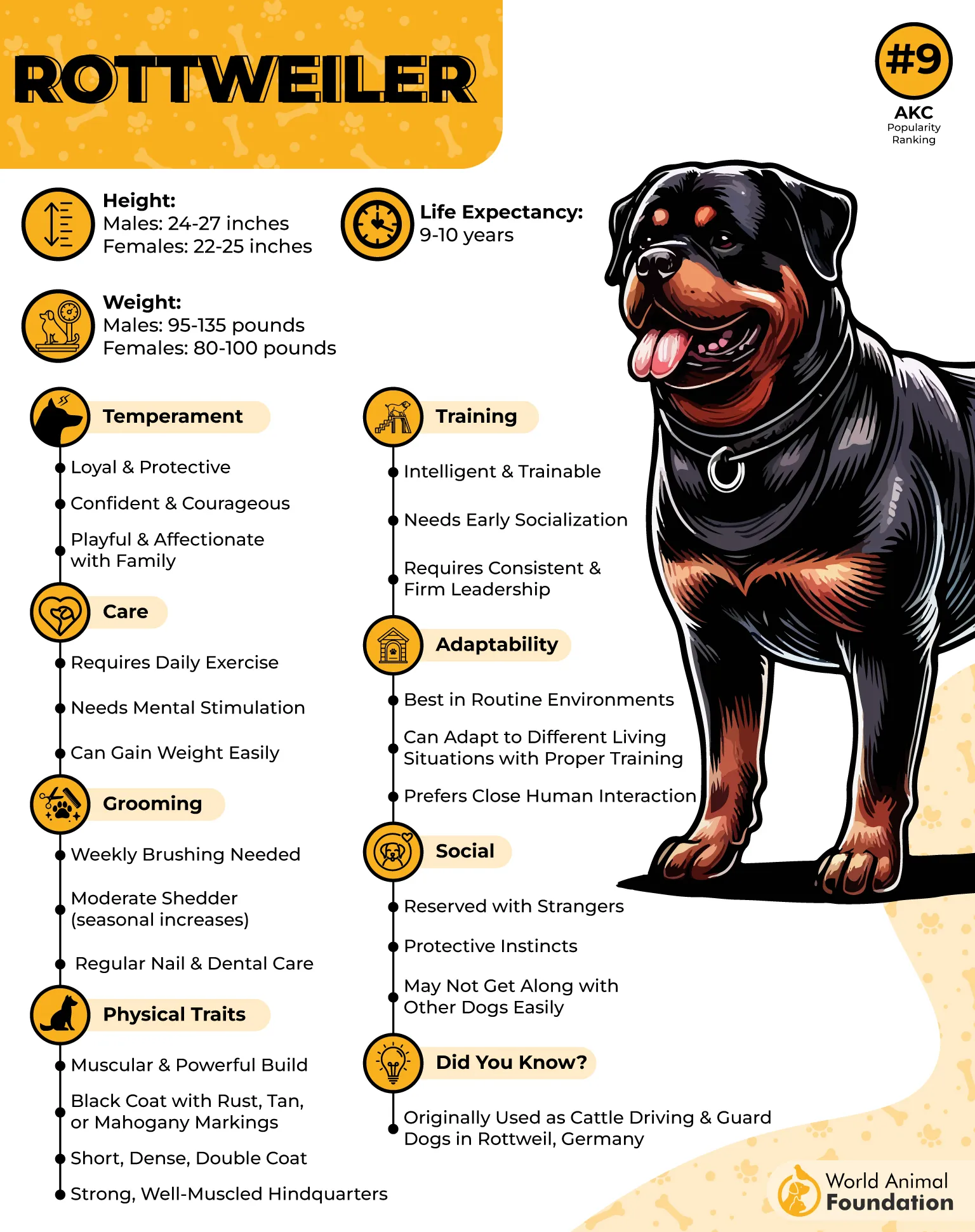
Rottweilers are strong working dogs with roots that trace back to Roman drover dogs. They were originally used to move and guide livestock for the Roman army, as noted by the AKC.
Later, they helped control livestock being taken to market, pulled carts, and protected their owners from robbers. These jobs shaped the breed’s strength, courage, intelligence, and willingness to work alongside people.
Built for Ranch Work
Rottweilers still carry many of the traits that made them valuable working dogs. They are muscular, confident, loyal, and intelligent, with the ability to work independently when needed.
Their history with livestock makes them capable of herding work, while their protective nature can help them guard people and property.
Training and Daily Life
Rottweilers learn quickly but can be stubborn when they do not want to follow a command. Early and continuous training and socialization are important, especially because they are strong and naturally protective.
They need daily exercise and mental stimulation to stay engaged and avoid unwanted behaviors such as digging or destructive chewing.
3. Bergamasco Sheepdog
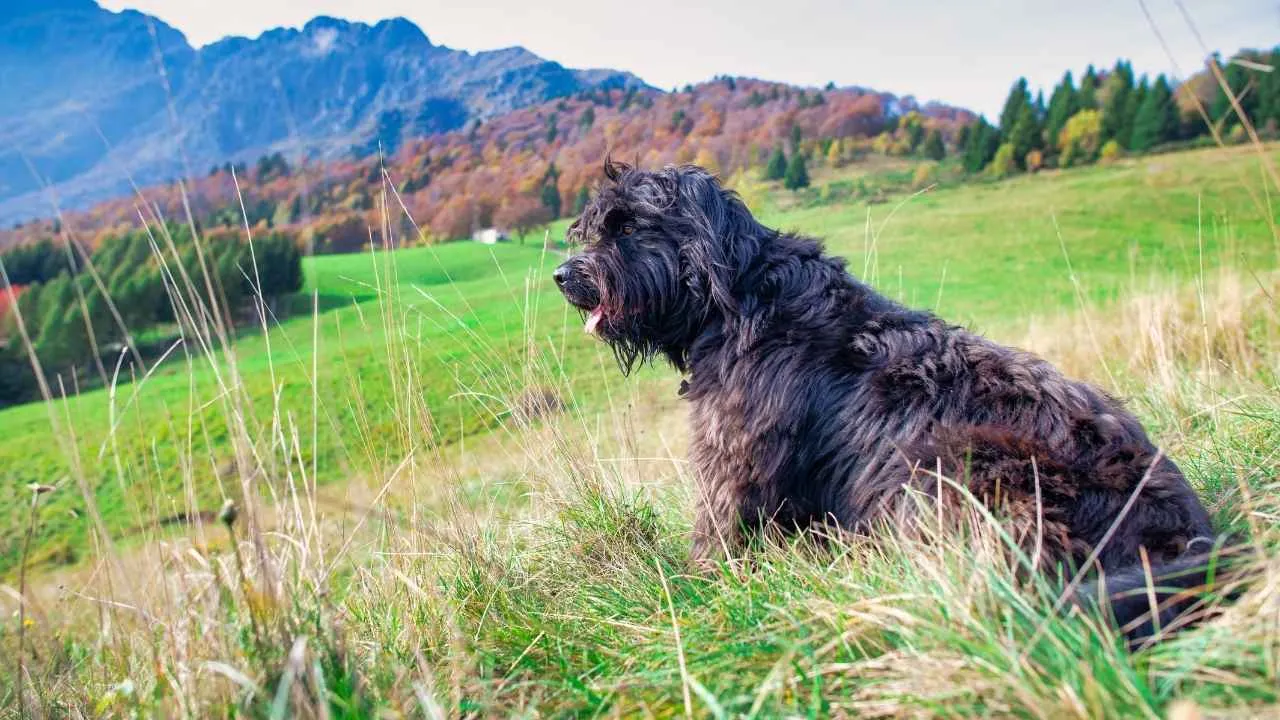
The Bergamasco Sheepdog is an old herding breed from Italy, known for working in and around the Alps for centuries. Its exact origins are unknown, but its ancestors may have been Middle Eastern sheepdogs brought to the region.
These hardy dogs were developed to herd and guard livestock across harsh mountain terrain. Their intelligence also helped them understand their work and solve problems without always relying on people.
Built for Ranch Work
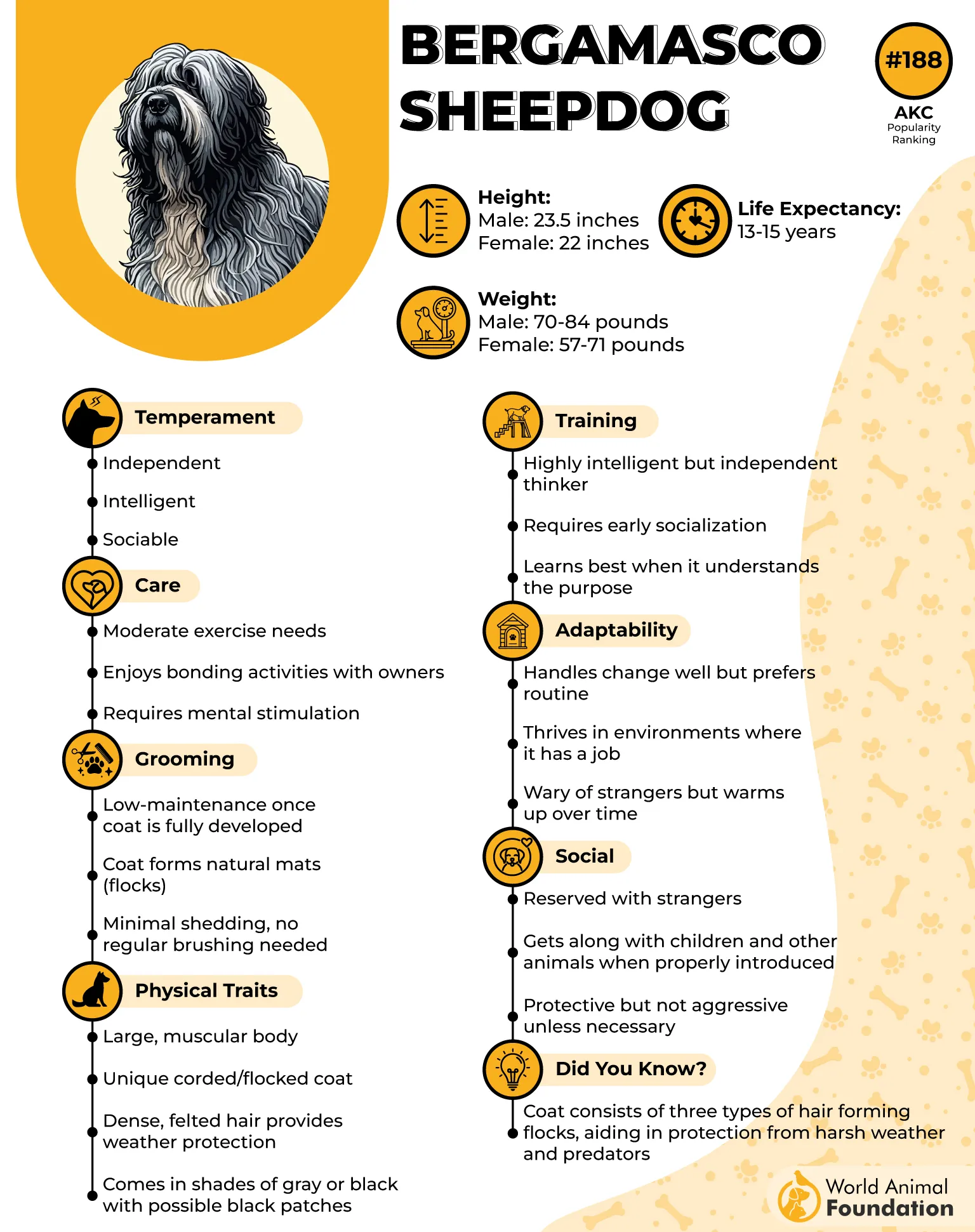
Bergamascos are muscular, athletic, and naturally inclined to herd and guard. Their thick coat forms loose, felt-like mats that helped protect them from harsh weather and injuries while working outdoors.
Despite their imposing appearance, they are quiet and eager to please. They are also protective without being aggressive without cause. While they do not need excessive exercise, they are happiest when they have a job, especially herding livestock.
Training and Daily Life
Bergamascos are intelligent but can be stubborn, so early socialization and ongoing training are important. Their strong working instincts can include nipping when trying to herd and biting when protecting. Purina says they are not ideal for first-time owners and need clear, consistent guidance.
4. Puli
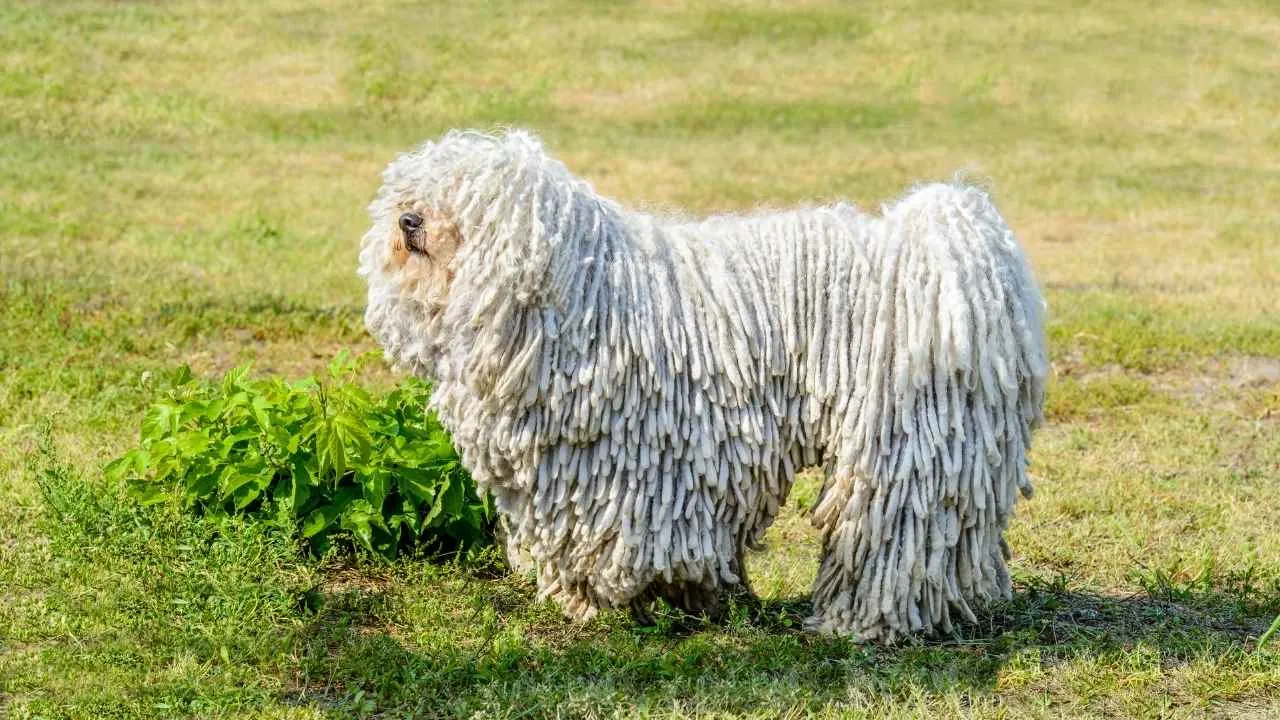
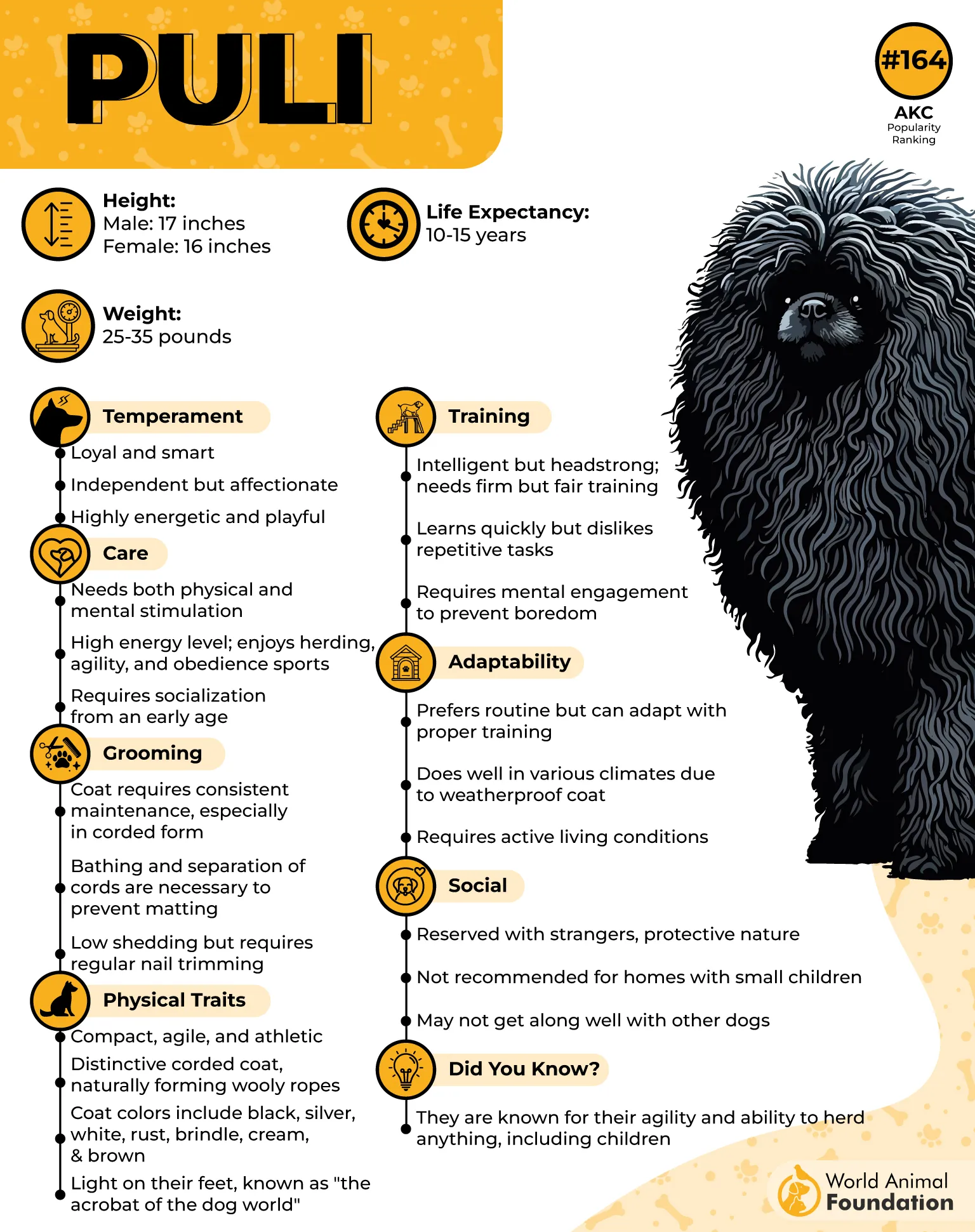
The Puli is an old Hungarian herding breed known for its distinctive corded coat. The breed is believed to have arrived in Hungary with the Magyars and has worked as a sheep herder since at least the 9th century.
Closely associated with shepherds on the Hungarian plains, Pulik were valued for their working ability and stayed almost unchanged for centuries. Their thick cords also helped protect them from harsh weather and predators while working with sheep.
Fast, Smart Ranch Workers
Pulik are lively, intelligent, self-confident dogs with strong herding and guarding instincts. They were bred to work closely with shepherds and make quick decisions on their own.
While larger guardian dogs protected livestock from predators and thieves, the quick-moving Puli excelled at herding and moving the flock during the day. They are also devoted to their families and naturally alert to anything unusual around their home or flock.
Training and Daily Life
Pulik learn quickly with kind, fun, and consistent training. They need daily exercise and mental stimulation, as boredom can lead to excessive barking or other unwanted behavior.
Their independent minds can also get them into trouble when they have nothing to do. They are happiest when included in daily activities and given a job to focus on.
5. Belgian Malinois
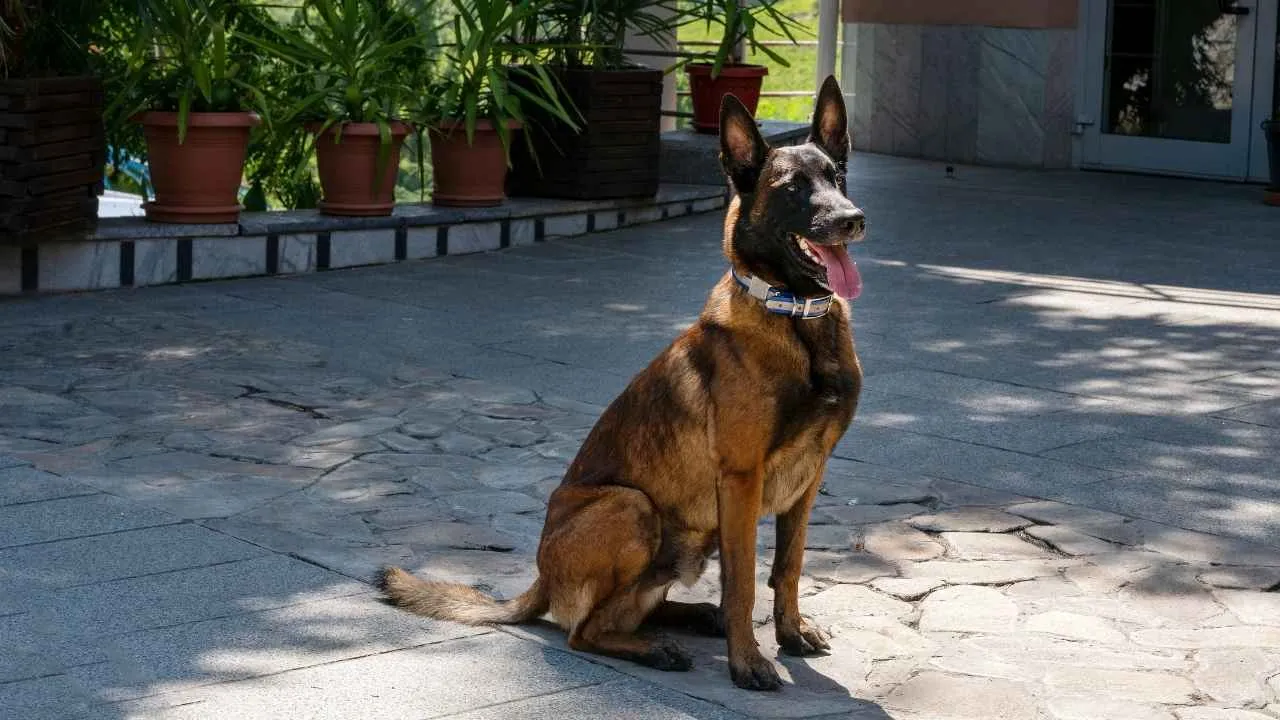
The Belgian Malinois was first bred near Malines in Belgium, where the breed got its name. These dogs were originally developed for herding, but their intelligence, trainability, and strong work drive soon opened the door to many other jobs.
Today, they are also known for police, military, search-and-rescue, and detection work. Their long history as working dogs makes them well suited to ranch tasks that require focus and purpose.
High-Energy Ranch Workers
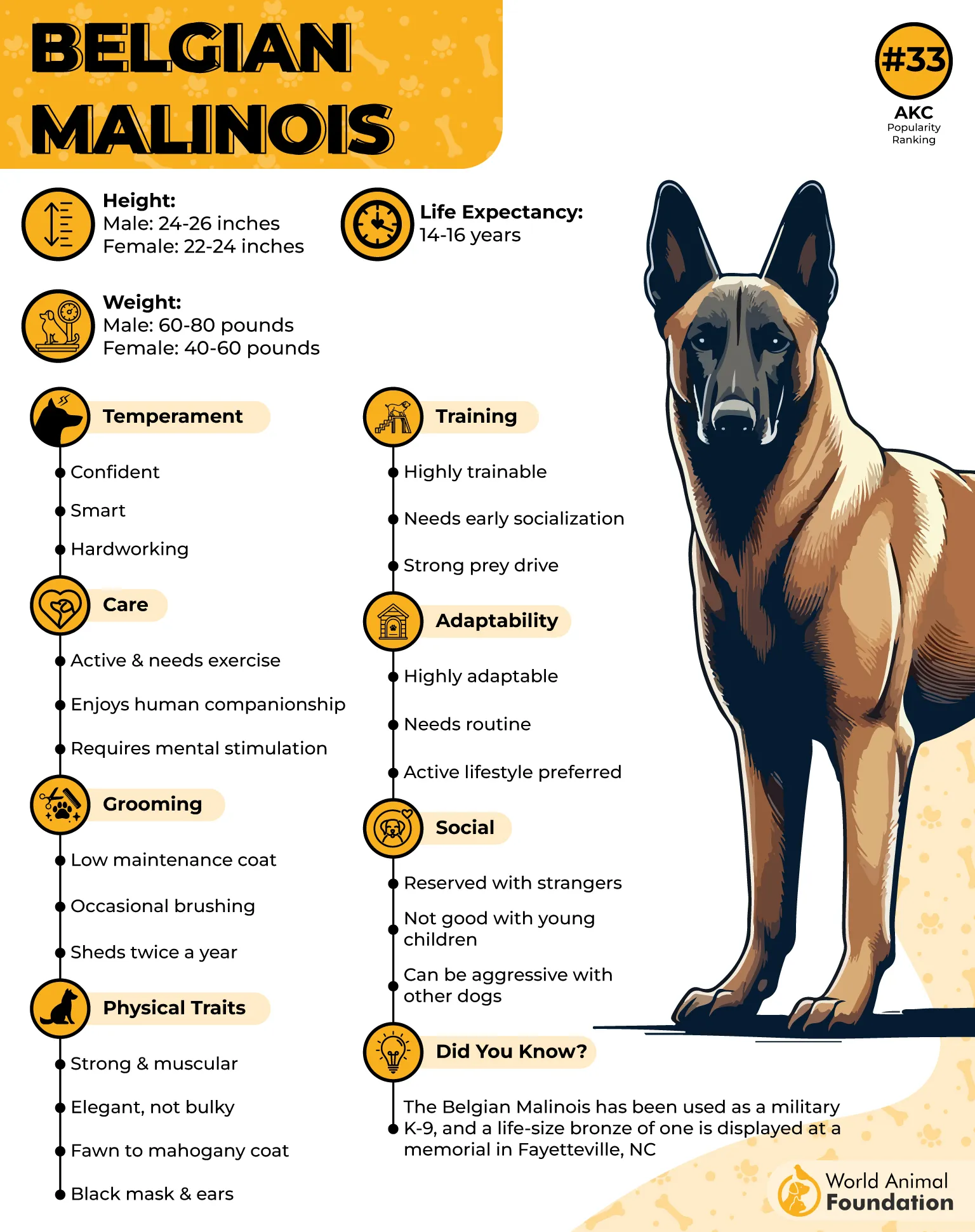
Belgian Malinois are confident, alert, loyal, and extremely intelligent. They respond quickly to their handlers and do not give up easily when faced with a challenge. Their natural herding instincts, strength, and ability to stay focused can make them useful around livestock.
They are also naturally protective and watchful, making them capable watchdogs. Their working drive means they do best when they have a clear job, such as herding, tracking, obedience, or agility.
Training and Daily Life
These dogs need experienced owners who can provide consistent training, structure, exercise, and mental stimulation. Daily walks alone are not enough for their high energy levels.
They enjoy running, hiking, biking, tracking, and other demanding activities. Without enough exercise or a job to keep them busy, they can become destructive.
6. German Shepherd
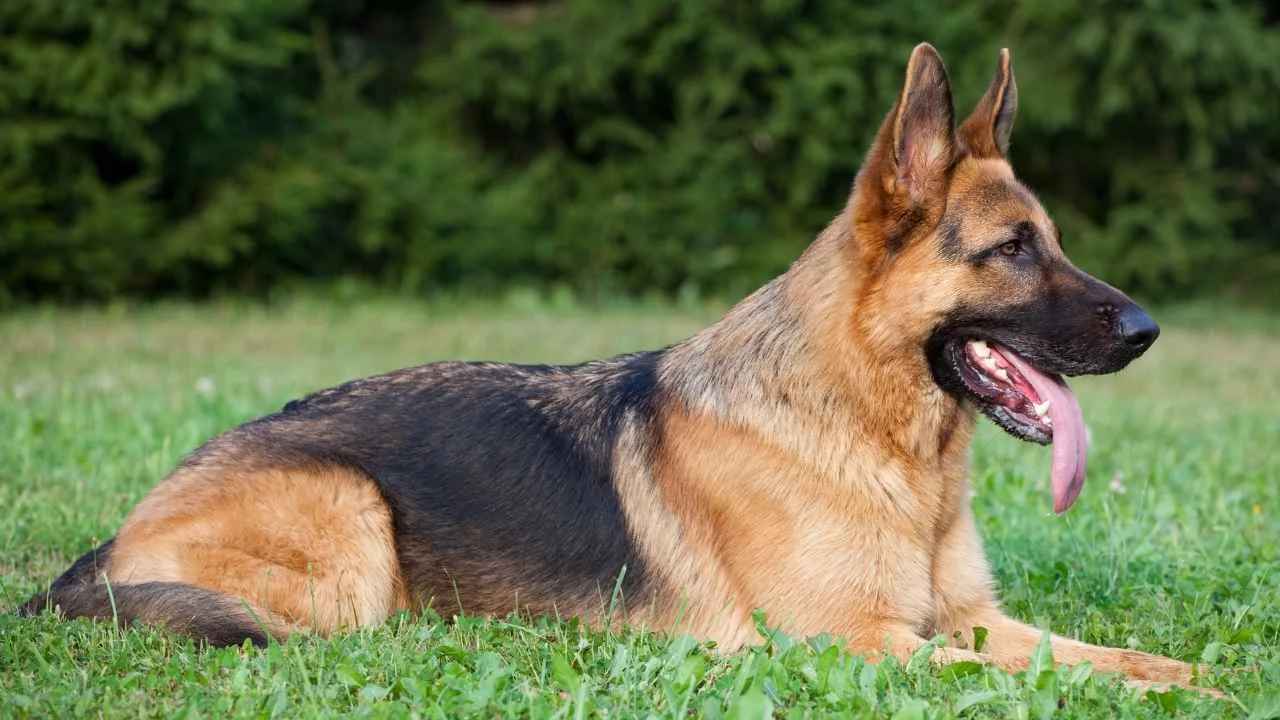
German Shepherds are intelligent, loyal, athletic dogs with a long history of herding and guarding. Their confidence, bravery, and strong work ethic have also made them popular in military and police work, where they are trained for patrol, detection, tracking, and search and rescue.

Built for Ranch Work
German Shepherds are strong and agile, making them well suited to active ranch work. Their herding background gives them natural working instincts, while their intelligence helps them learn tasks quickly.
They can also serve as watchful guard dogs, staying alert to possible threats and barking when something seems wrong.
Training and Daily Life
German Shepherds need plenty of exercise, mental stimulation, and consistent training to stay focused and well-behaved. They enjoy having a job to do and can become bored without enough activity. Early socialization is important, especially around people, children, and other animals.
7. Border Collie
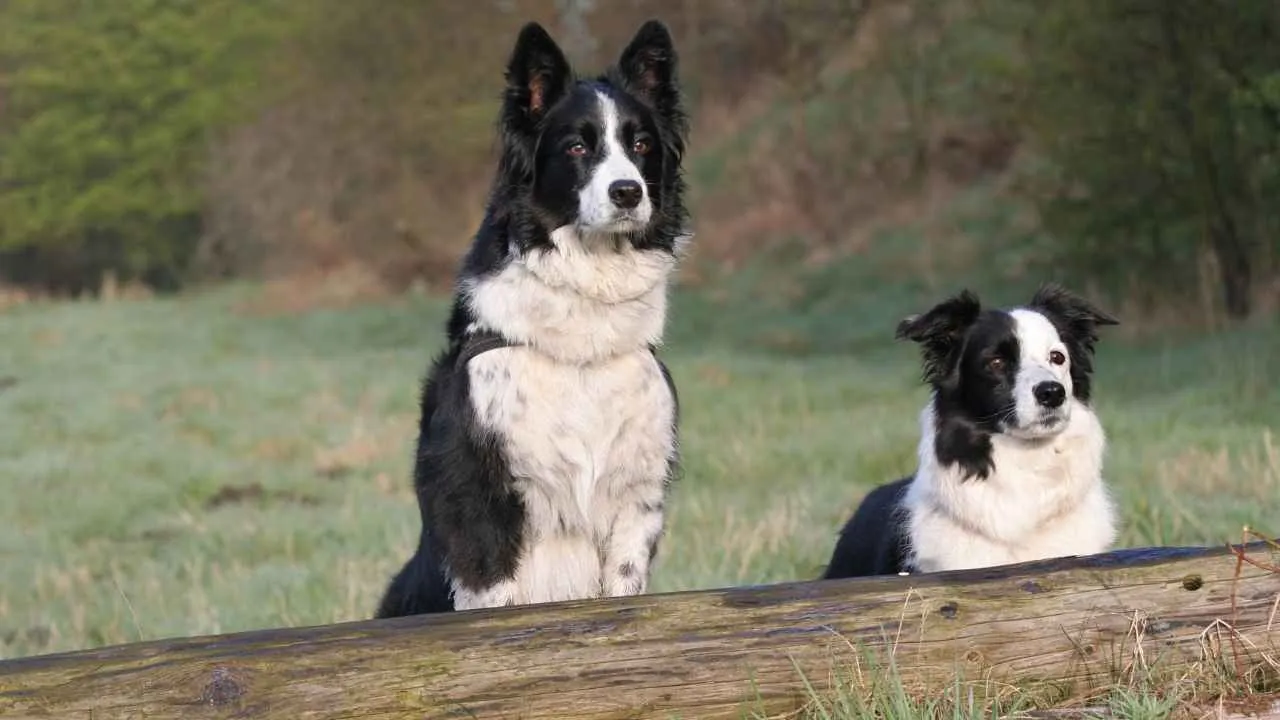
Border Collies are hardworking herding dogs that were developed from sheepdogs in Great Britain, especially around the border between England and Scotland.
They were bred for their intelligence, herding instinct, and working ability. Their nimble bodies and strong drive helped them become highly valued farm dogs, and they still work with livestock today.
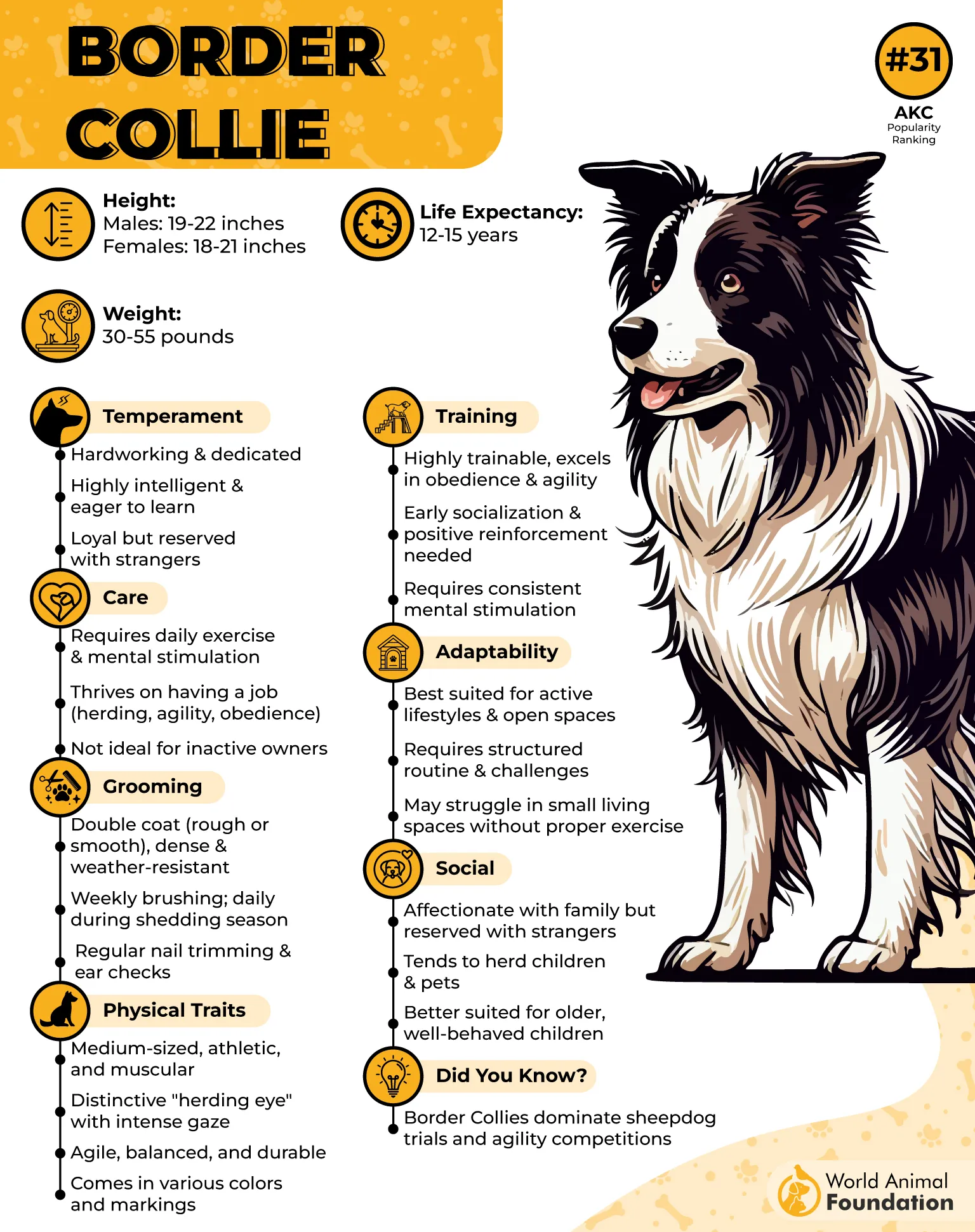
Built for Herding Work
Border Collies are alert, agile, and quick to respond, making them especially well suited to moving livestock. They love having a job and can learn tasks quickly.
Their strong herding instinct means they may naturally try to herd animals or even people around them. They are also known for excelling in herding, obedience, agility, rally, and tracking.
Training and Daily Life
These dogs need both physical exercise and mental challenges every day. A simple walk is usually not enough to keep their energy and intelligence satisfied.
Without productive activities, they can become anxious or destructive. They are affectionate and playful with their families but may be reserved around unfamiliar people and animals.
8. Doberman Pinscher
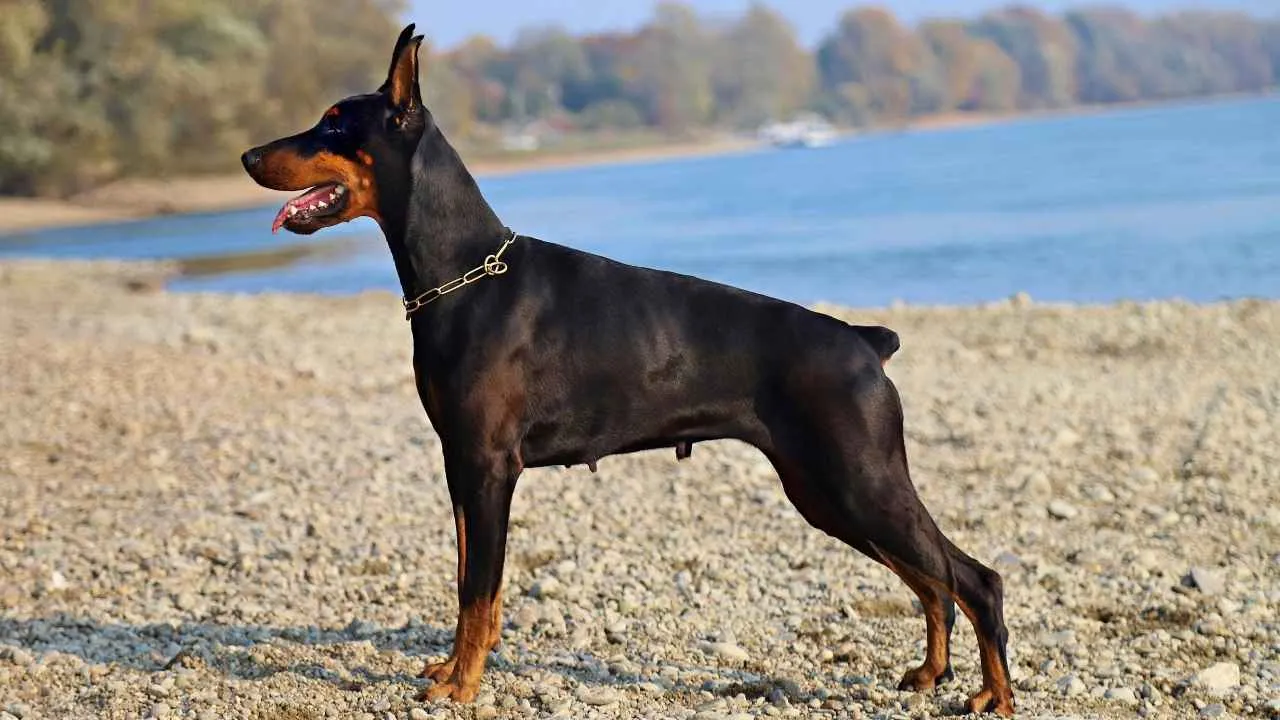
The Doberman Pinscher was developed in Germany by Louis Dobermann, a tax collector, in the late 1800s. He is believed to have crossed several breeds, including old German Shepherds, German Pinschers, Black and Tan Manchester Terriers, and Greyhounds.
The breed was developed for protection and companionship and later became valued for police and military work.
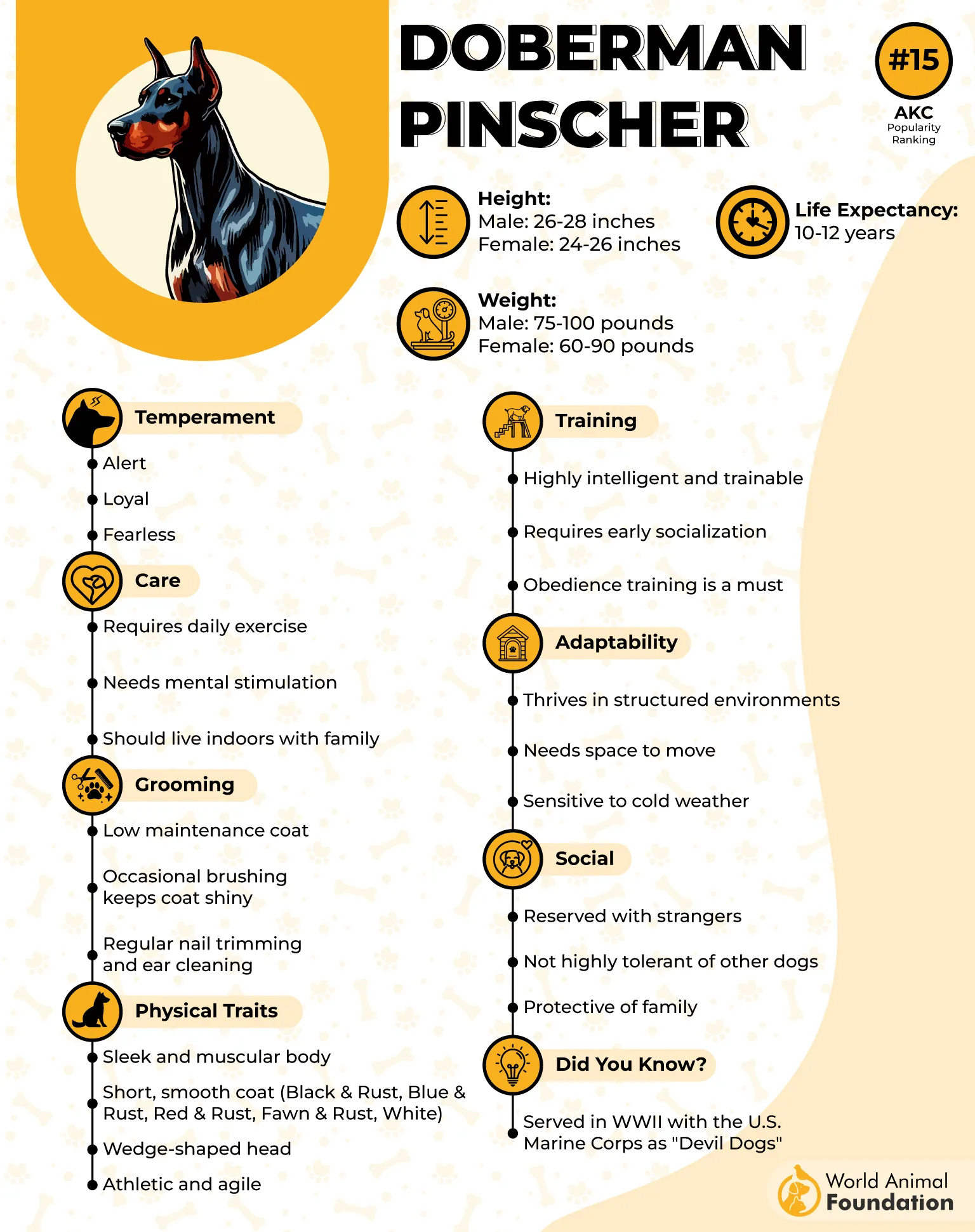
Built for Working and Guarding
Dobermans are intelligent, athletic, alert, and highly focused dogs. Their history as guardians makes them well suited to watching over people and property on a ranch.
They are also capable of learning complicated tasks and have been used for security, police work, and search and rescue. Their strong work drive means they take their jobs seriously.
Training and Daily Life
Dobermans need regular physical exercise and mental stimulation to stay focused and avoid unwanted behaviors. They learn quickly but need early and consistent training and socialization, especially because they can be wary of strangers and have a strong prey drive.
They are best suited to experienced owners who can give them structure, activity, and meaningful work throughout the day.
9. Komondor
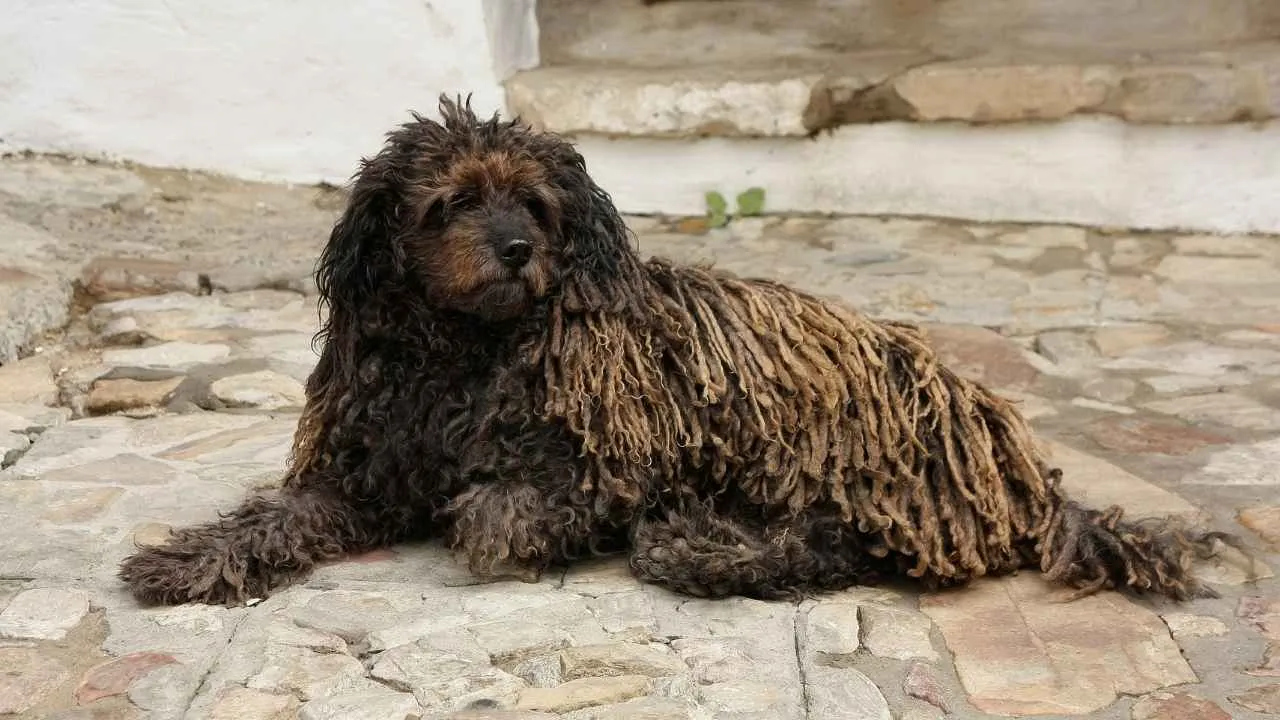
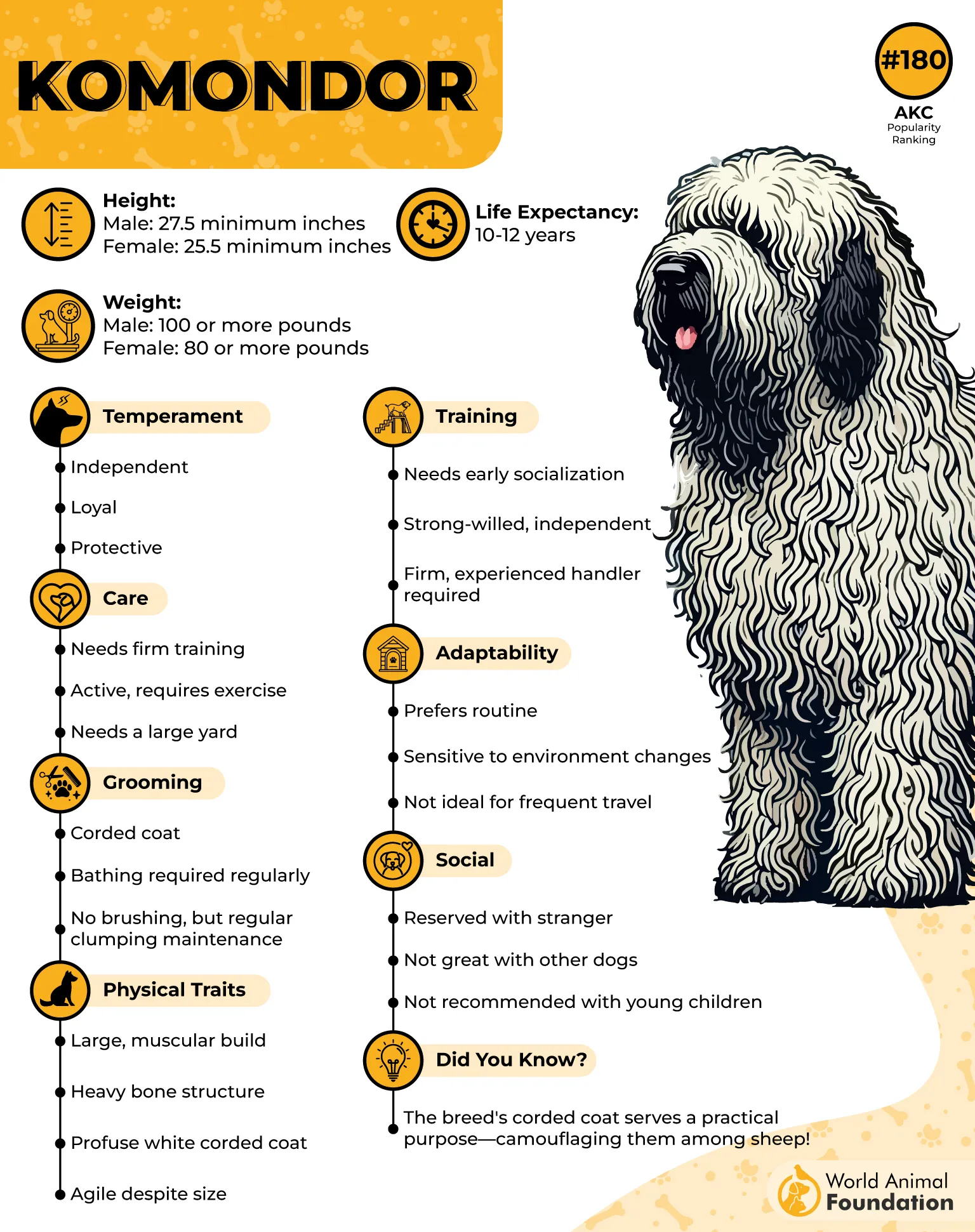
Komondors are an ancient Hungarian breed brought to Hungary by the Cumans in the 12th or 13th century. They were mainly bred to guard sheep, livestock, and property from predators.
Their heavy white cords helped them blend in with sheep, allowing them to approach threats without being easily noticed.
Built for Ranch Protection
Komondors are natural livestock guardians with a strong instinct to protect their family, property, and animals. They are calm and steady with their owners but can become very wary of strangers and may react aggressively when they sense a threat.
They are also known to be good around children, horses, and livestock. Their independent nature makes them confident protectors, but they can also be stubborn and domineering.
Training and Daily Life
Komondors need early socialization and firm, consistent handling to learn how to respond appropriately to people, animals, and new situations.
They can find repetitive training boring, so short sessions using play and treats can help keep them interested. They need a decent daily walk and some room to run, but they are generally calm at home.
Conclusion
A ranch dog needs more than strength or energy. The breeds in this article bring different skills to the job, from herding livestock and making quick decisions to guarding animals, property, and people. Intelligence, loyalty, confidence, and a strong work drive can all make a big difference in daily ranch life.
Before choosing a breed, think about the work you need the dog to do, the livestock you keep, and how much time you can give to training and exercise. The right working dog can become far more than a helper on the ranch. It can become a trusted partner that stands by your side through the workday.
Looking for more farm dog breeds? You can also check out the Australian Cattle Dog, Great Pyrenees, Anatolian Shepherd, Australian Shepherd, and Bernese Mountain Dog.
