




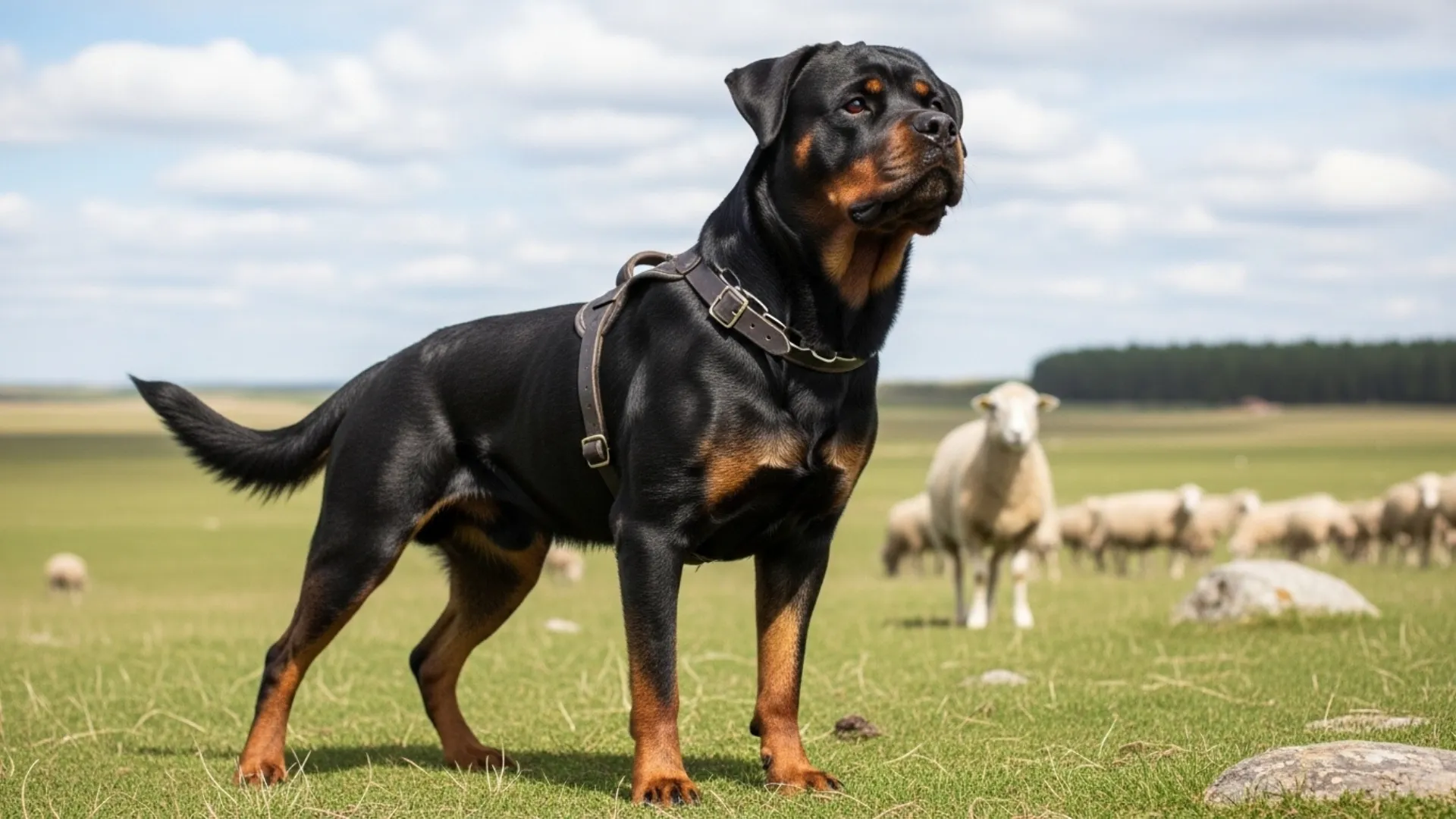
Muscle alone does not make a dog effective at herding or guarding. Many dogs are strong, but very few can combine that strength with control and awareness.
Muscular working dogs stand out because they do not rely on force to manage situations. They rely on timing, observation, and steady responses. Where some dogs react quickly and lose focus, these dogs remain composed and deliberate. Their strength supports their role instead of overpowering it.
They move with purpose when guiding and remain still with intent when protecting. This balance is what sets them apart. They are not unpredictable or excessive in their actions. They are measured, reliable, and consistent in their performance.
As you read further, you will understand how these dogs maintain that balance and why it makes them so effective in demanding environments.
Key Takeaways
Some dogs carry muscle, but only a few carry it with intelligence, timing, and calm awareness.
The Belgian Malinois and German Shepherd respond with precision and purpose, guiding livestock or protecting families with measured energy.
Briards and Rottweilers bring reliability and focus, showing that loyalty and intelligence are as important as raw power.
Keep reading to see how each of these seven breeds balances strength, awareness, and dedication in ways that few others can.
Top Muscular Dog Breeds That Excel at Herding and Guarding
1. Briard
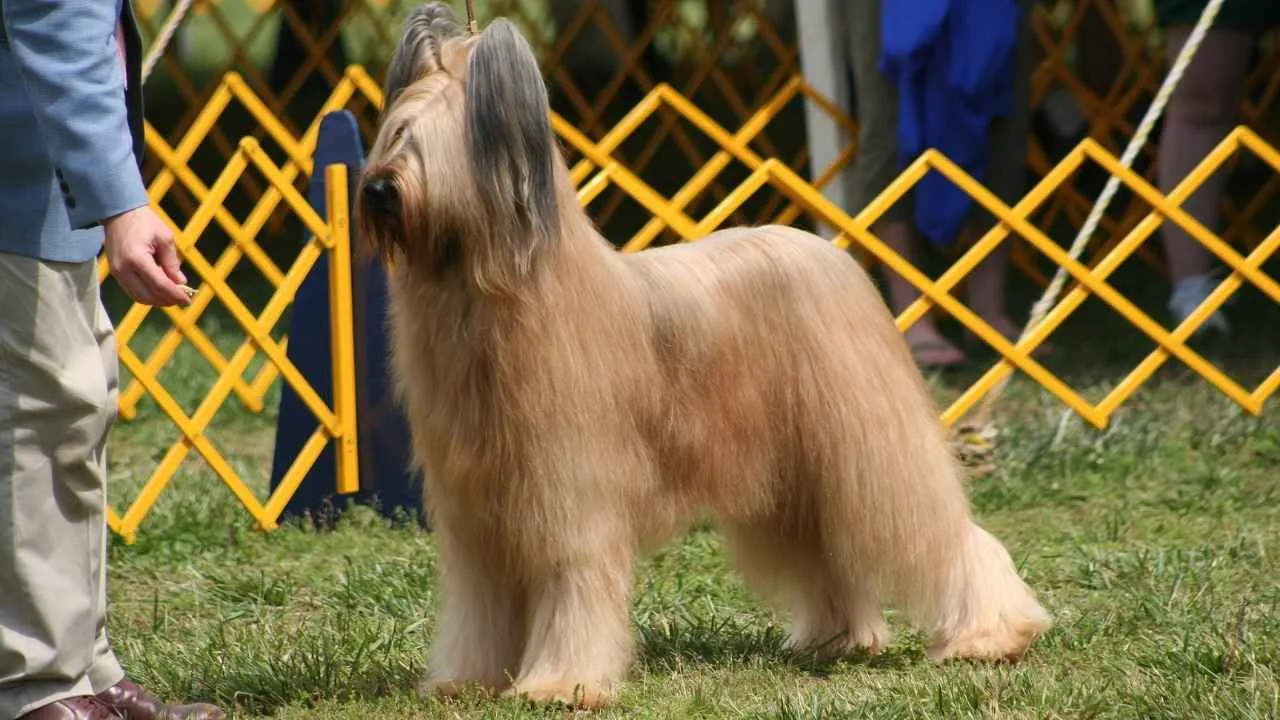
Briard served in demanding roles beyond herding, including messenger, sentry, and locating wounded soldiers during wartime. Its ability to perform under pressure reflects both physical strength and mental reliability. These working roles highlight a breed shaped for responsibility and control.
Functional Traits in Action
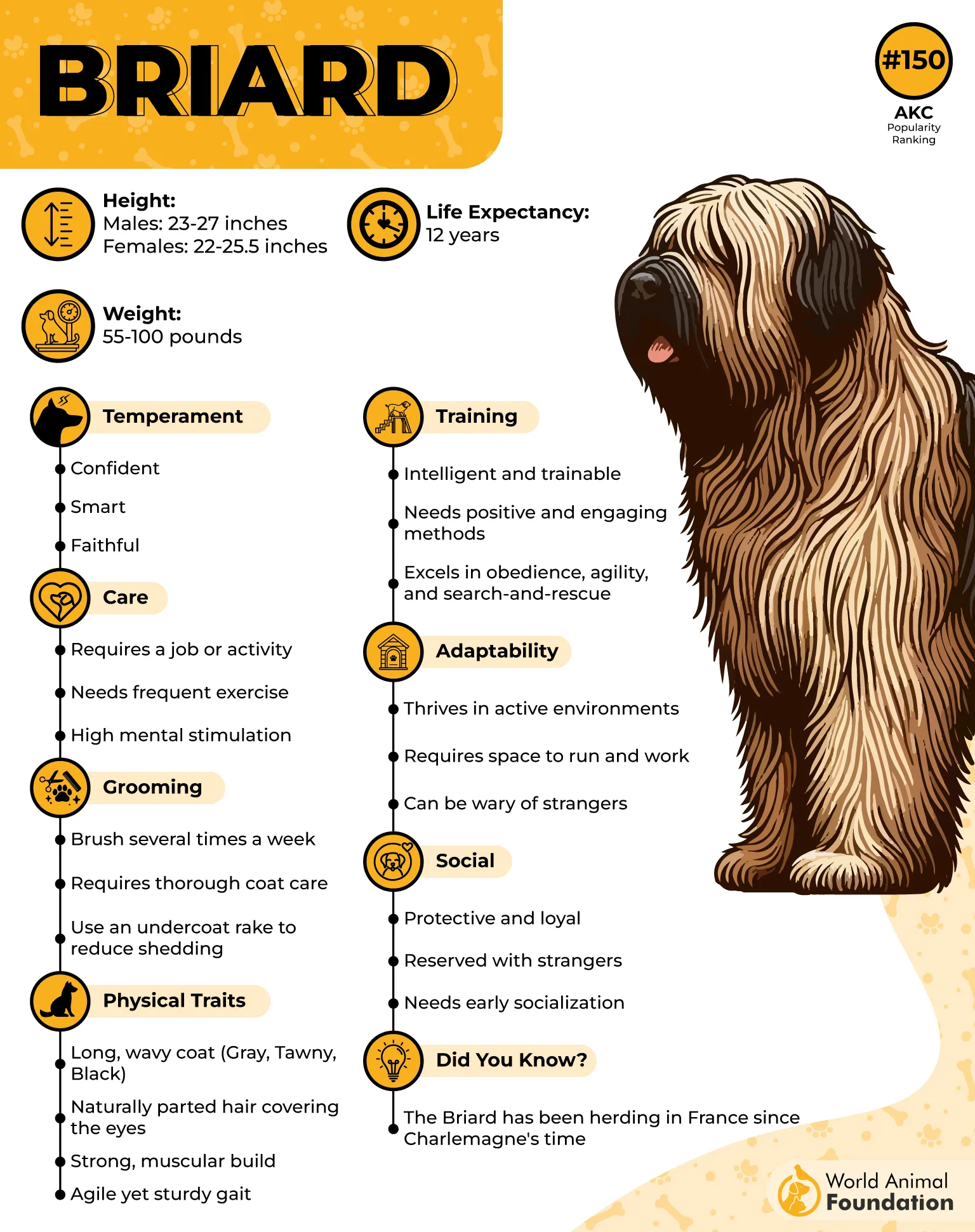
They continue to work in herding, police duties, and search and rescue, showing versatility across structured tasks, as Omlet noted. Its alert hearing allows it to detect movement early and respond by signaling its presence.
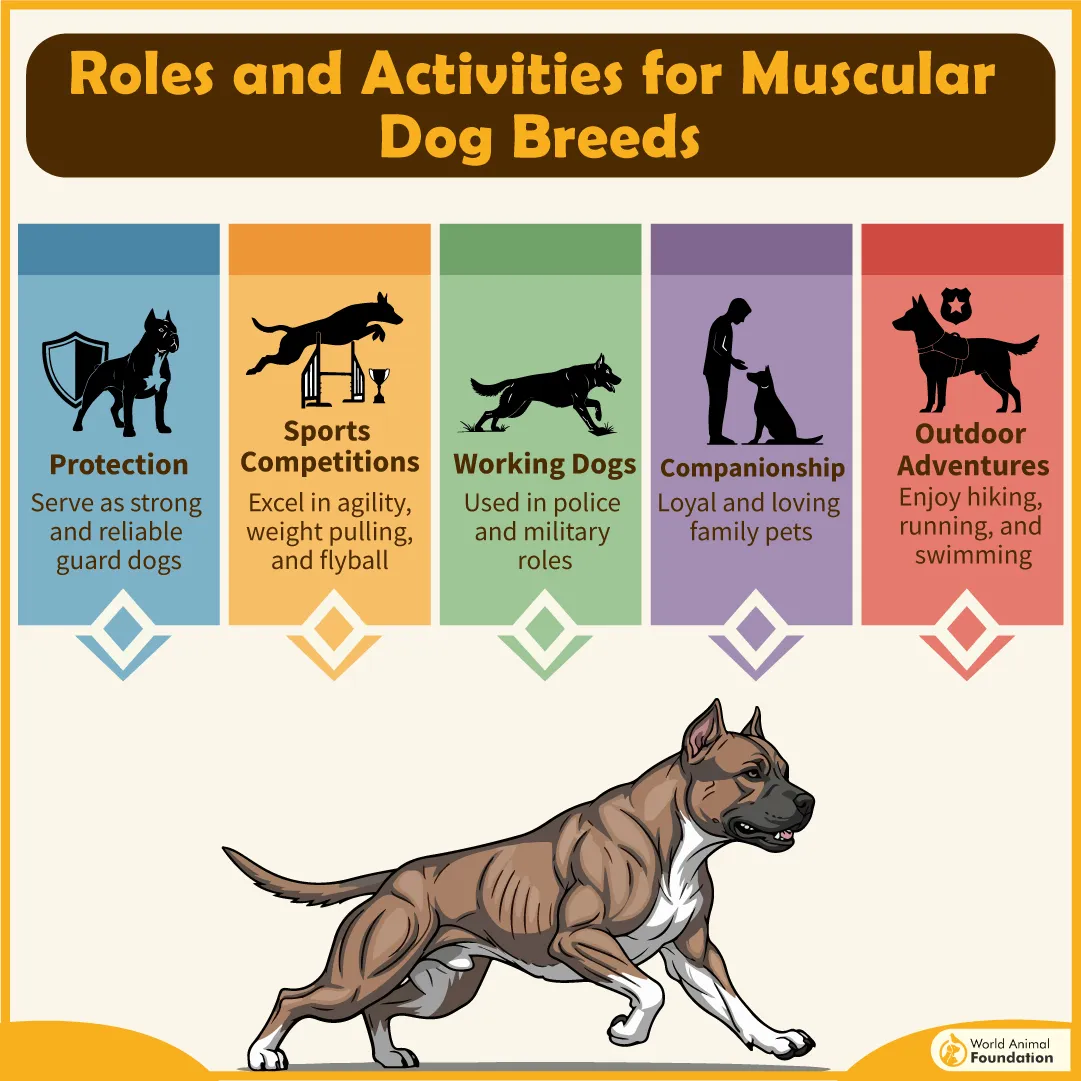
These abilities become clearer when seen in specific behaviors.
Early sound detection for watch duties
Strong responsiveness in structured work roles
Natural guarding response around the family
Temperament and Household Role
Briard is a joyful and people-focused dog that forms strong attachments within the home. It remains protective around children and may react defensively in certain situations involving them. While reserved with strangers at first, it becomes accepting once familiarity is established.
2. Rottweiler
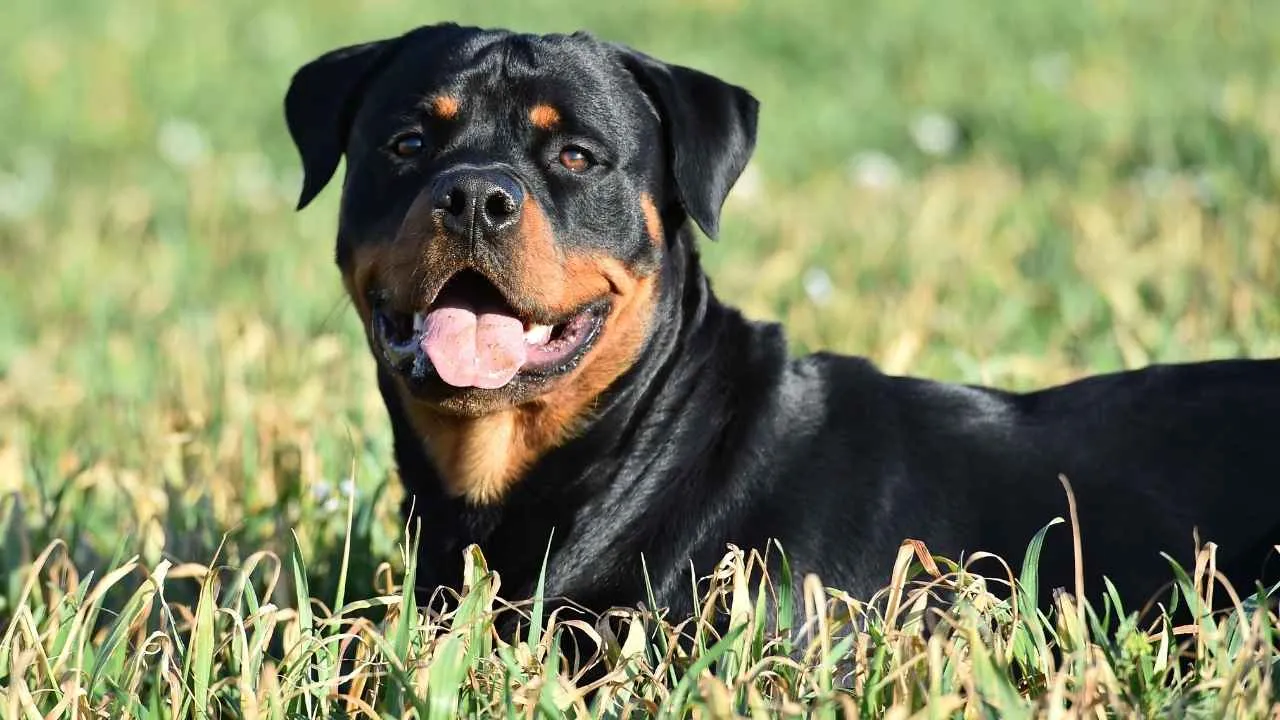
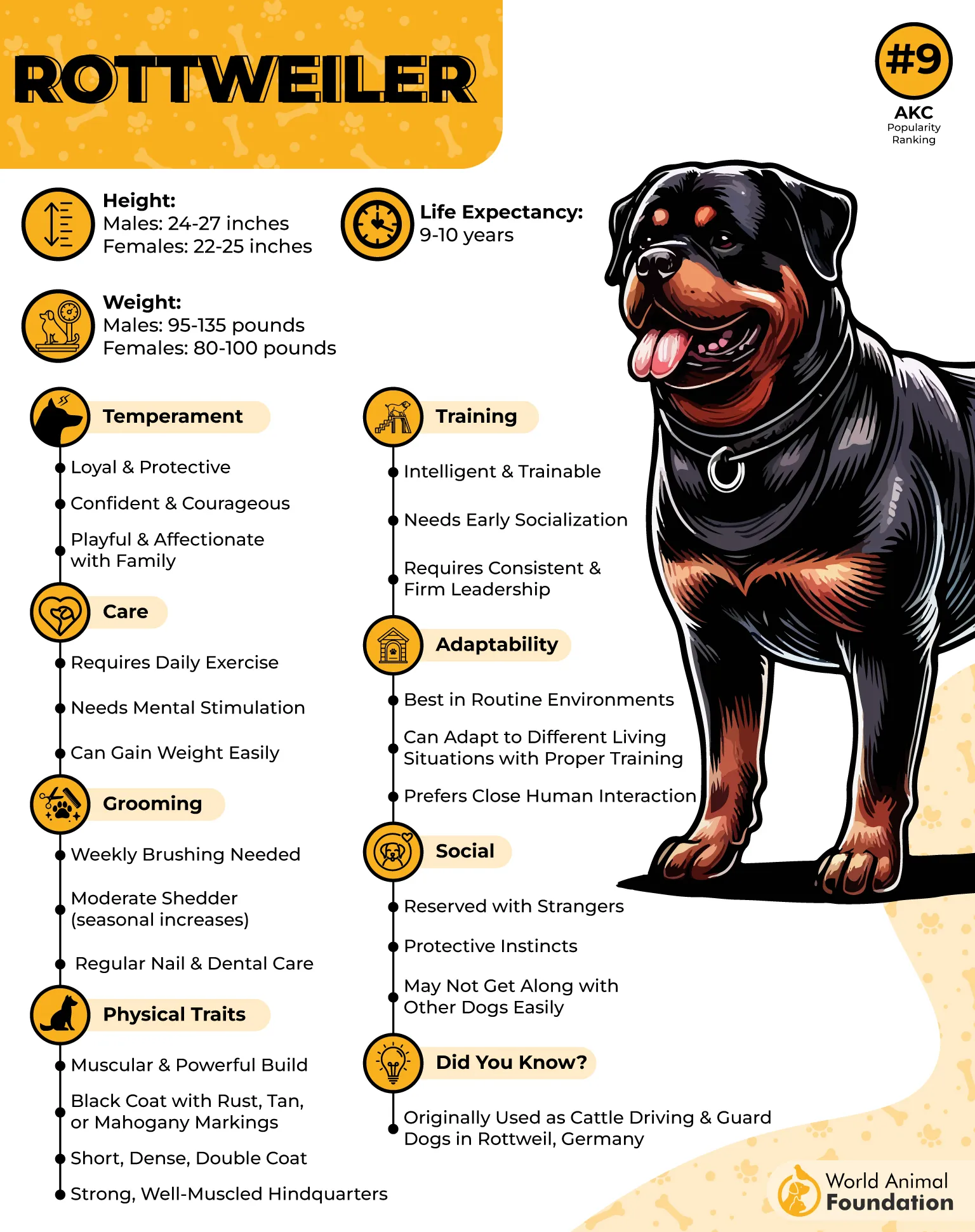
The Rottweiler was developed as a cattle-driving dog in southern Germany, where strength and control were essential for moving livestock. It also pulled meat carts for butchers and guarded valuables tied around its neck after market sales. These roles shaped a dog built for responsibility and protection.
Working Ability and Control
They are a powerful and steady breed that responds well to structured training and clear direction. Its guarding instinct requires guidance so that protection stays controlled and purposeful.
Here’s how it performs in demanding roles:
Used for cattle driving and guarding tasks
Strong learning ability with quick response to commands
Performs in obedience, tracking, and agility work
Training and Behavioral Balance
This guard and herding dog breed needs early social exposure and firm, consistent training to develop controlled behavior, as PetMD writes. It learns quickly, which makes setting boundaries at the right time important. Structured guidance helps shape a steady and responsive working companion.
3. Polish Lowland Sheepdog
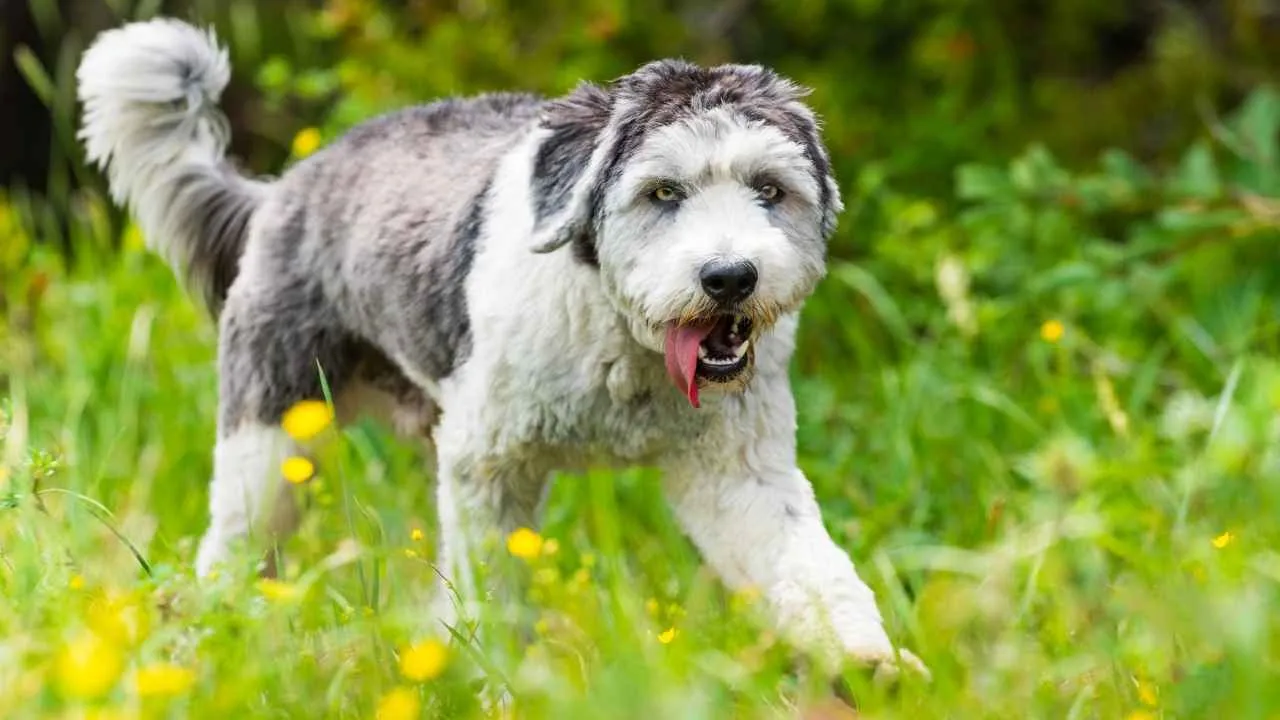
Polish Lowland Sheepdog developed on Poland’s lowland plains, where it was relied upon to manage and control sheep movement. Its tendency to keep groups together shows clearly in daily behavior, even extending to guiding people into one place.
Temperament and Household Awareness
They are calm, well-mannered, and attentive within familiar surroundings while remaining reserved with unfamiliar people. It reacts quickly to activity around the home, often signaling presence at the door through alert barking.
This is how this awareness translates into function:
Keeps groups organized through natural herding behavior
Alerts to an unfamiliar presence with consistent barking
Maintains composure without unnecessary aggression
Intelligence and Training Response
This herding breed shows strong intelligence through its ability to observe and respond with clear intent. Training progresses smoothly when started early, as the breed responds well to food rewards and positive reinforcement. Its sharp memory allows it to retain learned tasks with consistency.
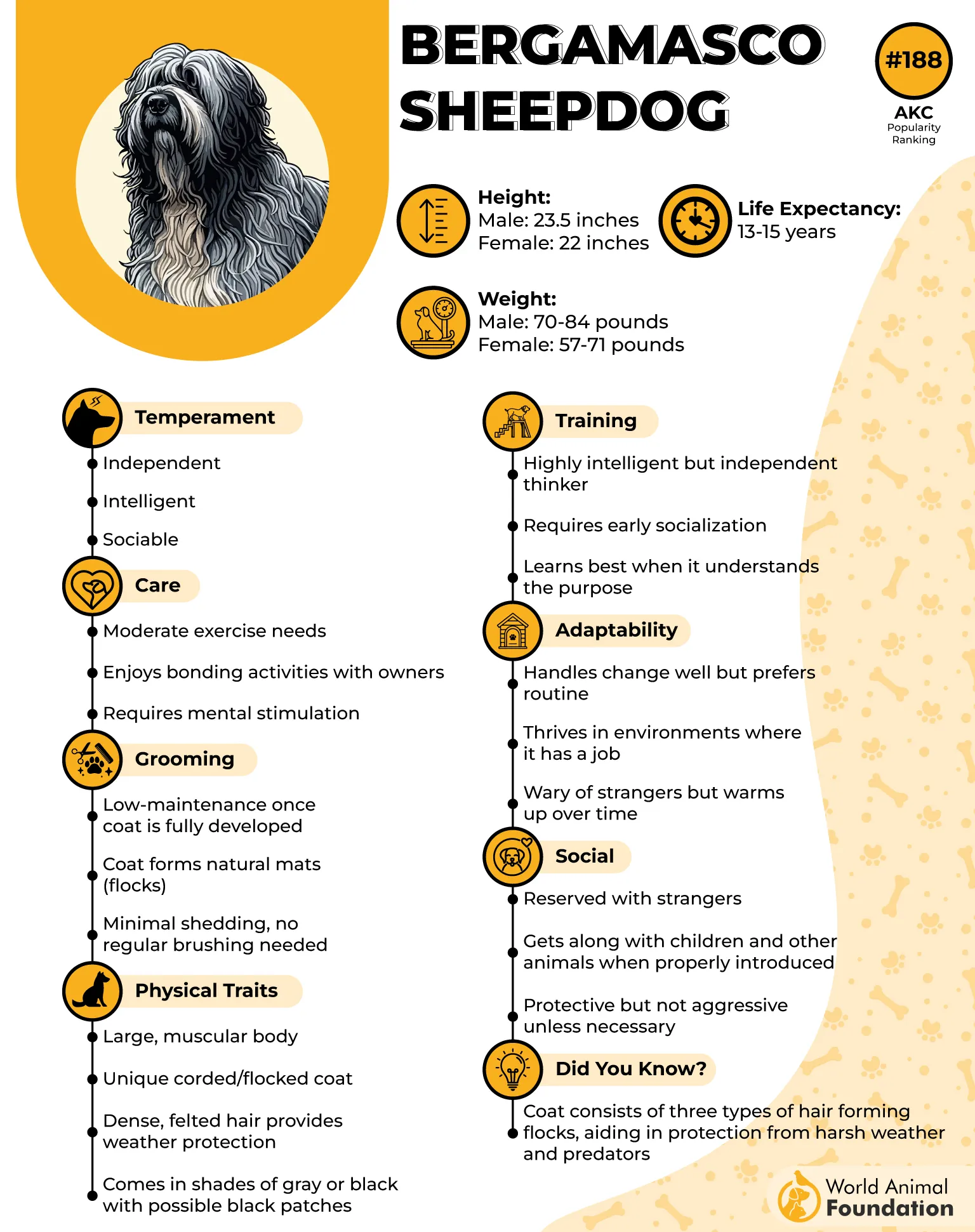
4. Bergamasco Sheepdog
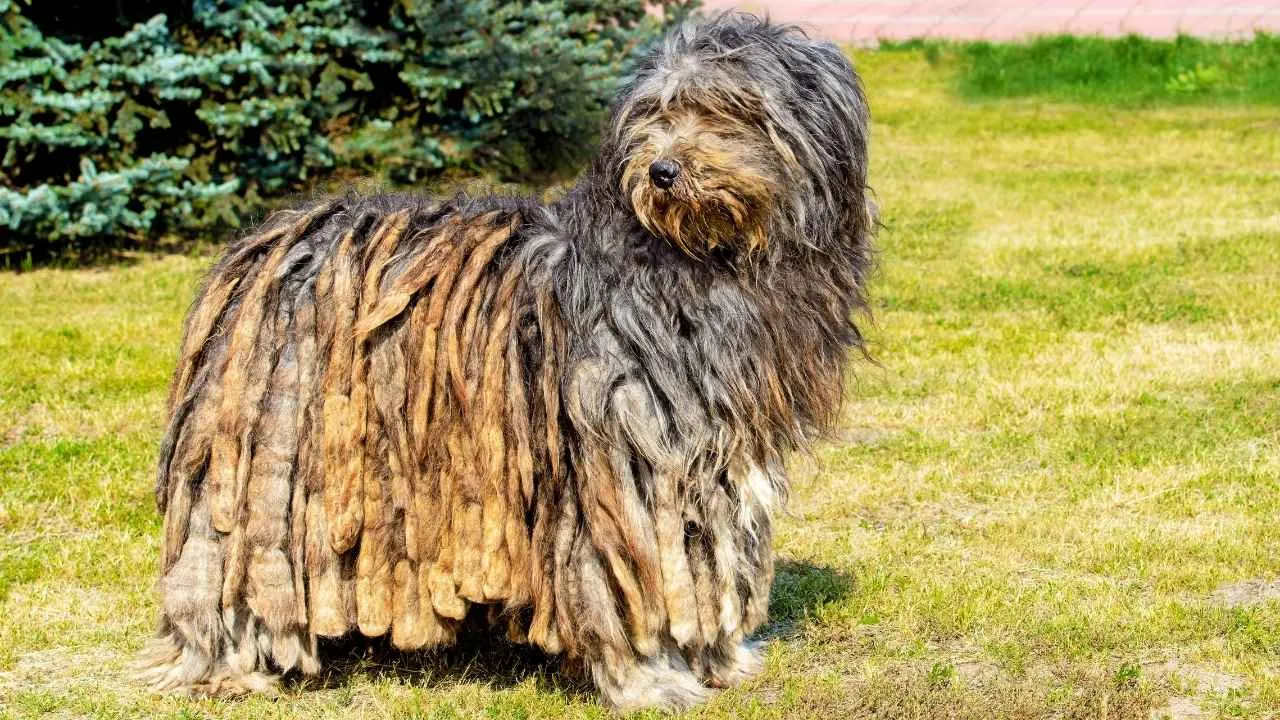
Bergamasco Sheepdog is known for herding livestock with minimal human direction, relying on its own judgment in the field. This independent working style reflects strong mental control alongside physical capability. That balance supports both livestock management and awareness of surroundings.
Intelligence and Working Approach
This intelligent dog learn quickly and retains commands well, shaped by a history of thinking and acting without constant guidance, as Showsight Magazine writes. Fair and consistent training helps channel this intelligence into structured tasks.
Their abilities shine in these behaviors:
Strong independent decision-making ability
Quick learning with reliable memory
Attentive response to guidance and praise
Protective Awareness and Social Behavior
Bergamasco Sheepdog forms close bonds with its family and stays attentive to their presence at all times. It naturally watches over children and adjusts its behavior carefully during interaction. Around unfamiliar people, it observes quietly before deciding there is no threat.
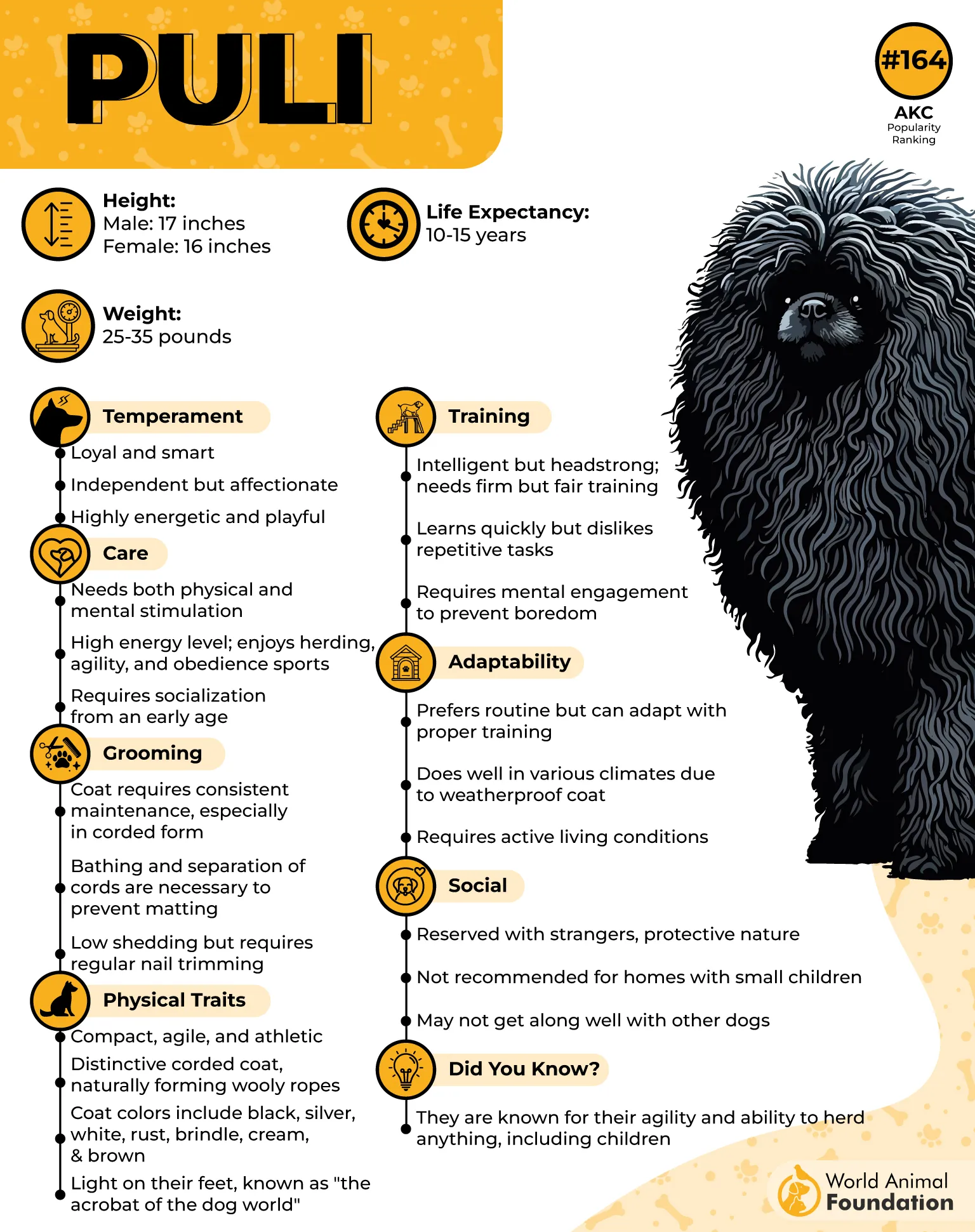
5. Puli
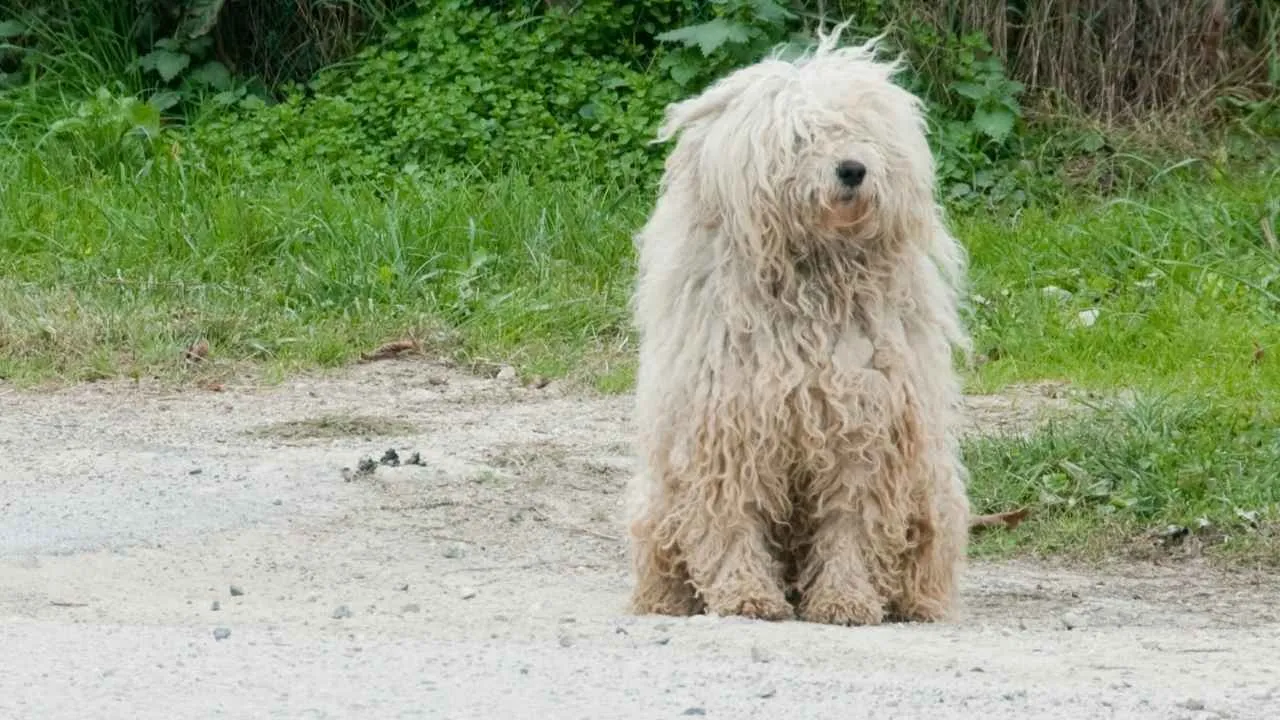
Puli is known for its sharp intelligence and ability to manage sheep with minimal direction. Hungarian shepherds relied on this instinct, especially favoring black Pulik for clear visibility among white flocks. This level of control reflects a working mind suited to both herding precision and alert supervision.
Energy and Working Drive
They stay active and highly engaged, showing curiosity and a constant need for interaction. Its eagerness to stay involved makes it responsive in environments where awareness and quick action matter.
That working energy appears clearly in its day-to-day behavior.
Quickly turns and directs livestock movement
Learns commands at an above-average pace
Retains learned tasks without repetition
Protective Awareness and Behavior
Puli remains closely attached to its family and reacts quickly to unfamiliar presence. It tends to bark readily, functioning as an alert watchdog that signals any change in surroundings. Early training helps manage both its vocal nature and protective responses.
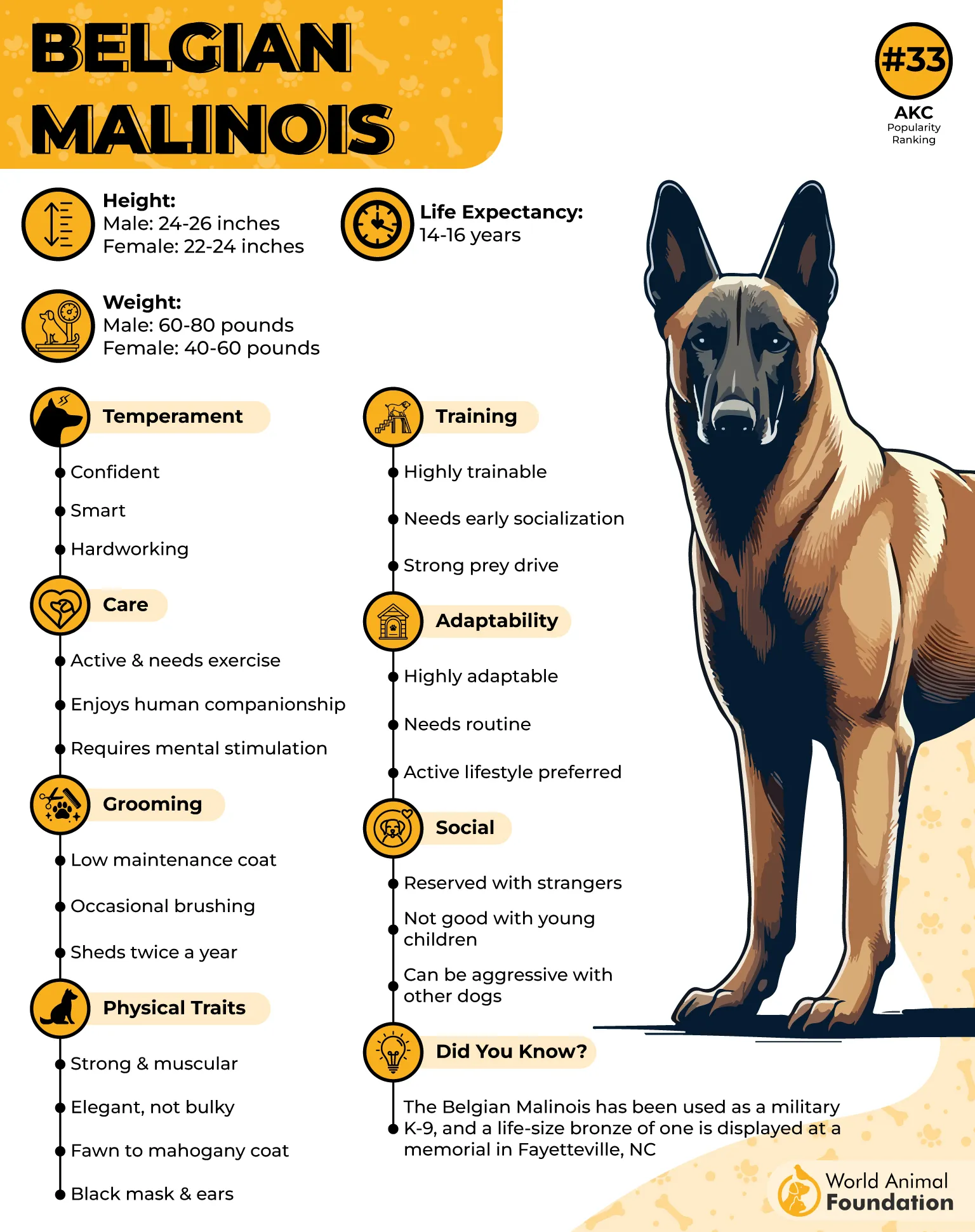
6. Belgian Malinois
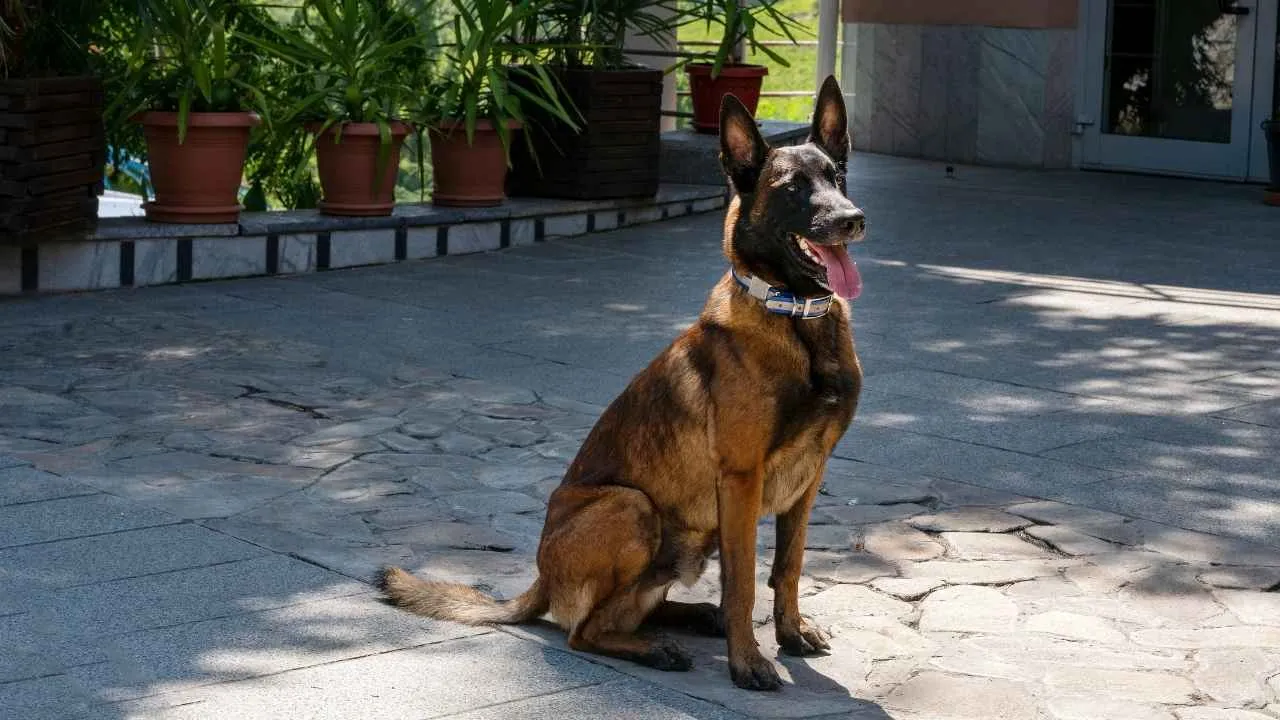
Belgian Malinois is known for intense intelligence and sharp responsiveness, originally shaped for herding livestock and guarding duties.
Its ability to think quickly and act with precision makes it highly reliable in demanding roles. This mental sharpness plays a direct role in controlled herding and active protection tasks.
Structure of Work and Behavior
Originally bred in Belgium as a shepherding dog, with breeding focused on agility and purposeful movement. It approaches tasks with energy and clear intent, responding well to structured direction.
Their working mindset is clear in these habits:
Strong problem-solving ability during tasks
Quick responsiveness to training commands
High engagement in active roles
Temperament in Protective Roles
They form a fast, strong bond with their handler and remain protective within familiar spaces. It stays reserved with strangers and may show assertiveness toward unfamiliar dogs without early social exposure. Its natural herding instinct can also appear around children without proper training.
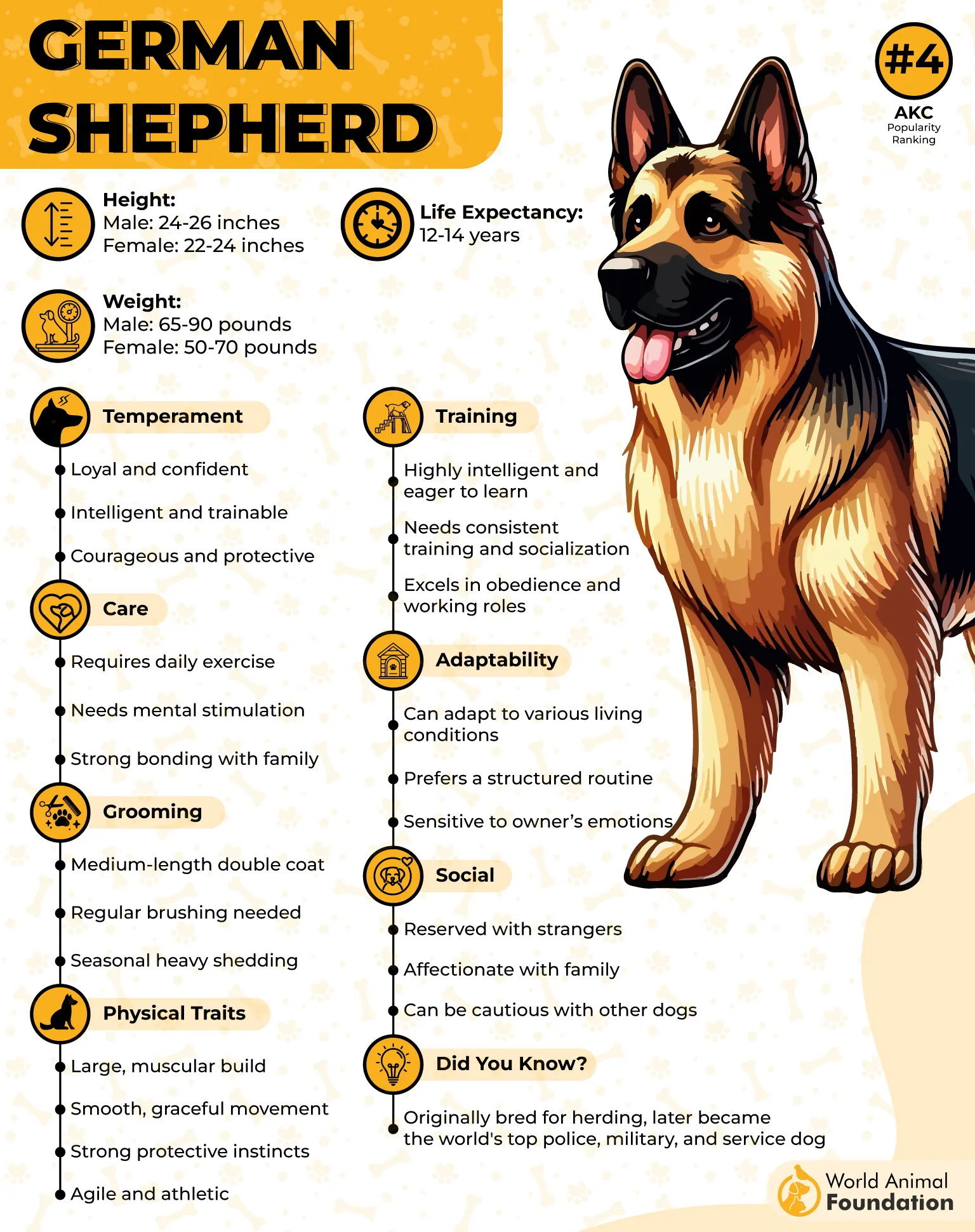
7. German Shepherd
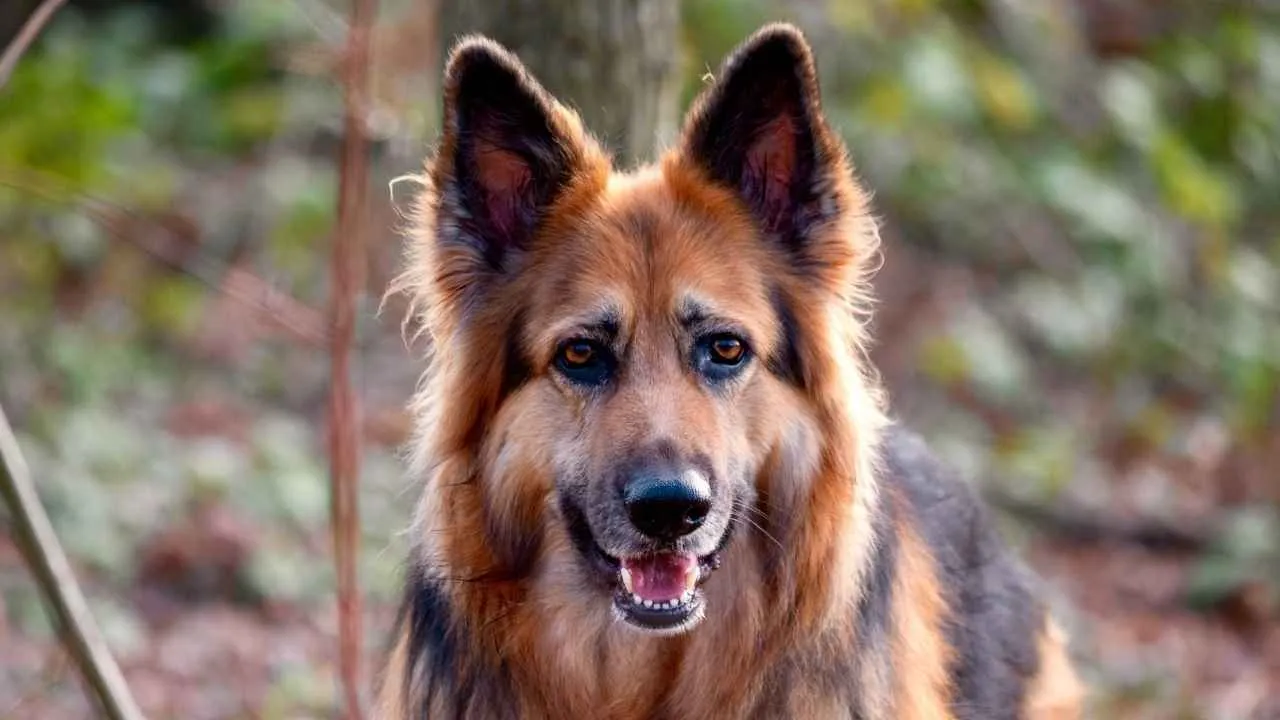
The German Shepherd was originally developed in Germany through selective breeding aimed at creating an ideal herding and guarding dog.
Intelligence and courage were deliberately refined to support demanding working roles. This focus shaped a breed that responds quickly to structured tasks and direction.
Training Depth and Mental Engagement
They learns rapidly and perform best when given continuous mental challenges alongside structured training. Without consistent engagement, the breed can become restless and disruptive within the home.
It all comes together in these training tendencies:
Strong response to advanced training routines
Requires consistent mental stimulation
Learns hierarchy and structure early
Protective Nature and Social Behavior
They form a strong bond with their primary handler while remaining integrated within family life. It shows natural protectiveness toward home and surroundings, combined with a cautious attitude toward unfamiliar people. Early socialisation helps shape controlled and balanced responses.
Conclusion
These versatile dogs show how strength and control work together in demanding roles. Many can herd sheep and herd cattle while remaining steady around family dogs and other animals. Their active nature suits active families and active pet parents who enjoy outdoor routines and dog sports.
Some may resemble other herding dog breeds, yet their balance of focus and patience stands out. With proper socialization, a large dog from this group becomes reliable around other dogs and other pets. They also guard farms and act as excellent guard dogs when needed.
At home, they remain playful pets and dependable family pets.
