




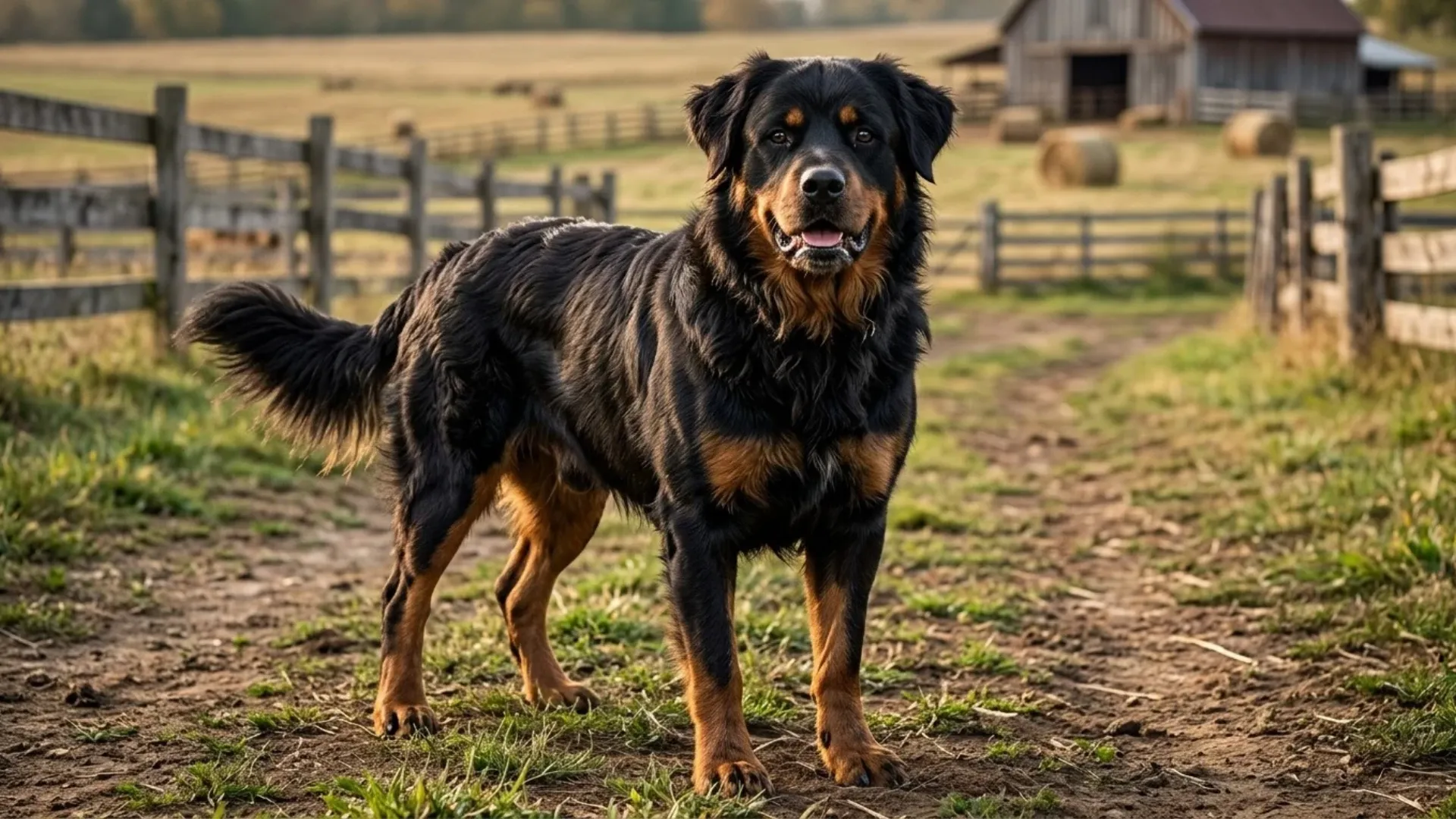
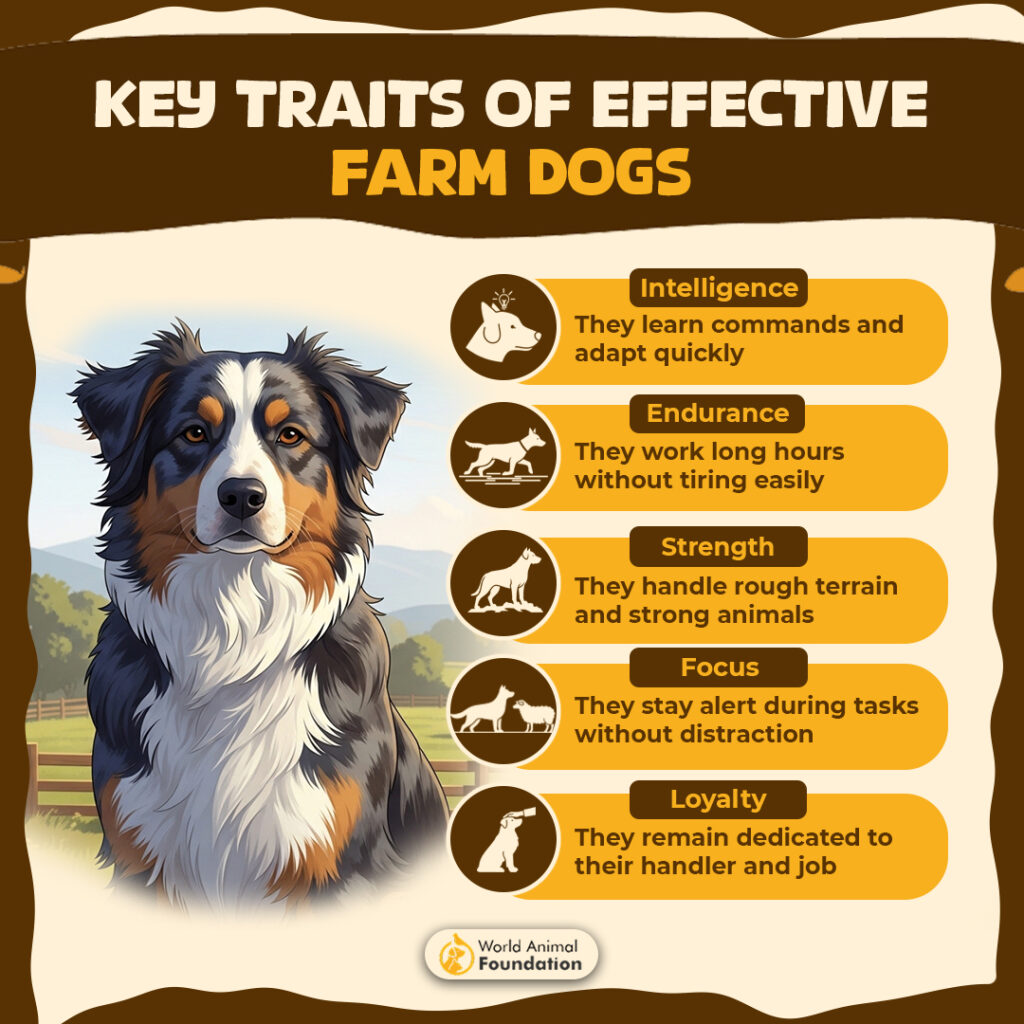
Life on a farm is not an easy task. From moving stubborn livestock across open fields to guarding animals, protecting property, and keeping unwanted pests away, farm dogs need more than just energy and enthusiasm.
They need strength, stamina, speed, and the determination to keep going even when the work gets tough. A muscular, hardworking dog can make a valuable partner, bringing both physical power and unwavering loyalty to everyday farm life.
In this article, we’ll explore muscular dog breeds known for their strength, endurance, and working abilities, helping you discover which ones have what it takes to thrive in farm and field environments.
Top Muscular Dog Breeds Ideal for Farm and Field Work
1. Belgian Malinois
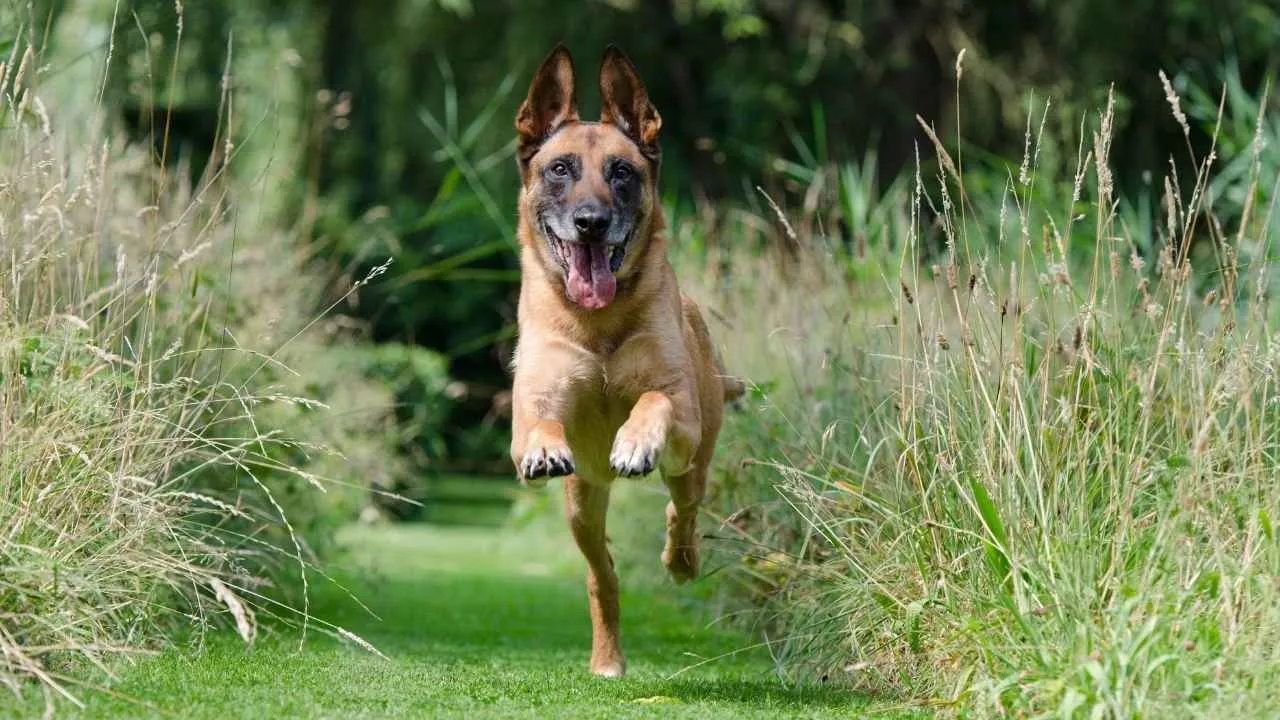
Originally bred as herding dogs, Belgian Malinois have a long history of working alongside people. Their strong, well-muscled bodies, natural herding instincts, and impressive stamina make them capable farm companions.
Their intelligence and physical strength have also made them valuable partners in police, military, and search-and-rescue work.
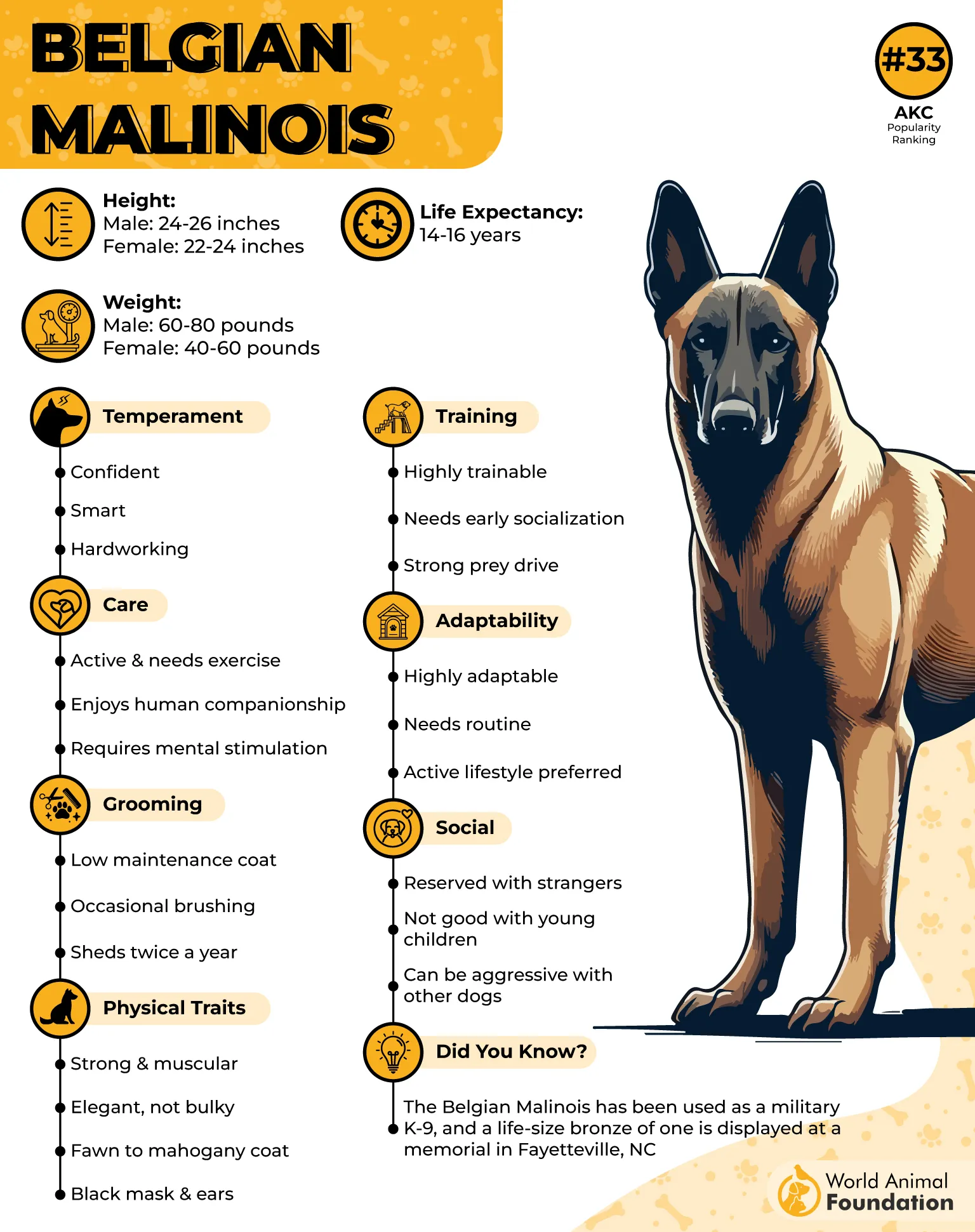
Temperament and Personality
Belgian Malinois are loyal, alert, and naturally protective. They form close bonds with their families and are often reserved around strangers.
Their watchful nature makes them capable watchdogs. Despite their serious working attitude, they can be playful, charming, and even goofy around familiar people. They also enjoy having a purpose and rarely give up on a task.
Training and Daily Needs
These dogs need active owners who can provide plenty of exercise, consistent training, and mental stimulation.
Their high prey drive can lead them to chase moving objects, including smaller animals, so early obedience training and socialization are important. They can live with children and other pets, but interactions with young children should be supervised.
2. Anatolian Shepherd Dog
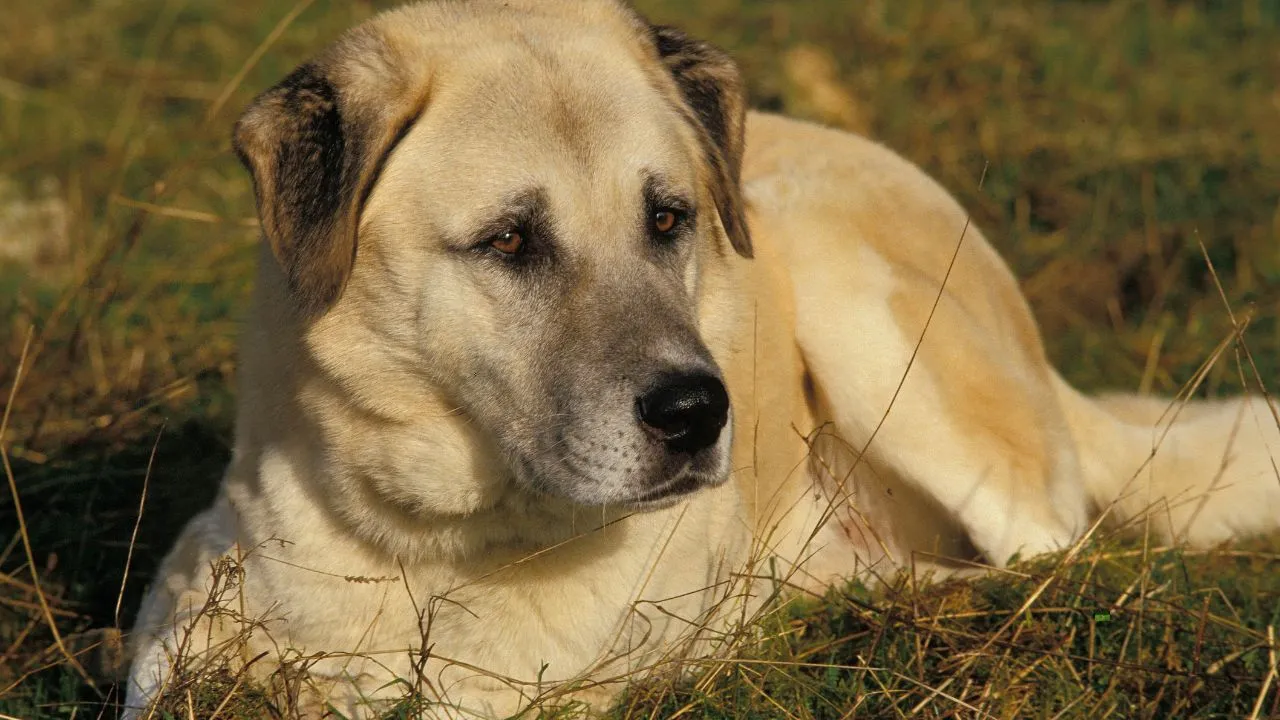
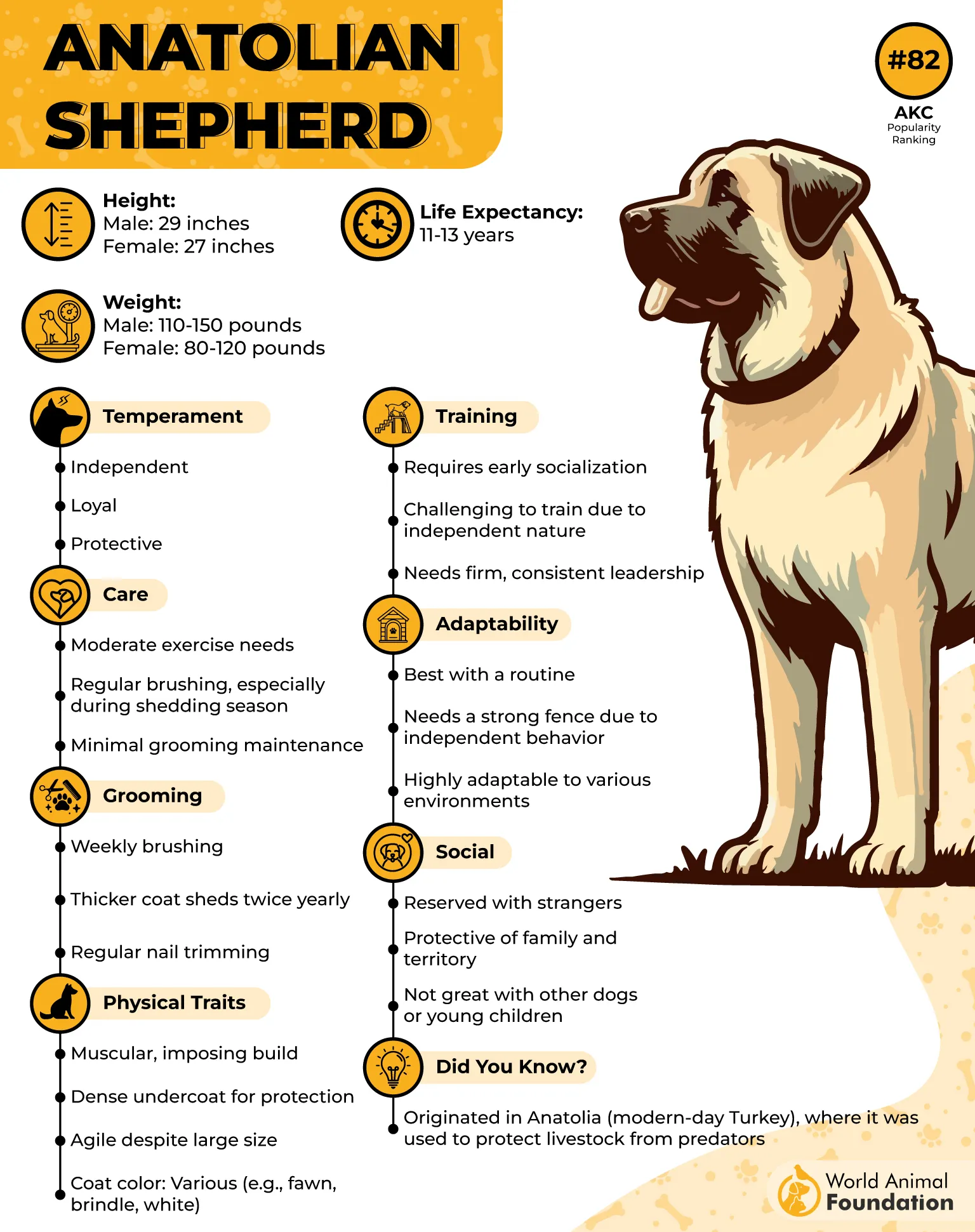
Anatolian Shepherds are ancient livestock guardian dogs originally bred to protect flocks from predators. Known for their muscular build, strength, and endurance, they can handle rough terrain with ease.
Despite their large, powerful appearance, they are surprisingly agile. Their independent nature and strong protective instincts make them reliable farm guardians.
Temperament and Personality
Calm, intelligent, and deeply loyal, Anatolian Shepherds form strong bonds with their families but are not overly affectionate or playful.
They are naturally territorial and suspicious of strangers, making them excellent watchdogs. They can be good with children and familiar animals, especially when introduced early, but may not always accept other household pets.
Training and Daily Needs
Early socialization and consistent training are essential for these independent dogs. They need firm leadership and clear boundaries, as they often prefer making their own decisions.
Their strength can make leash training challenging, while their tendency to roam means secure outdoor spaces are important.
3. Central Asian Shepherd Dog
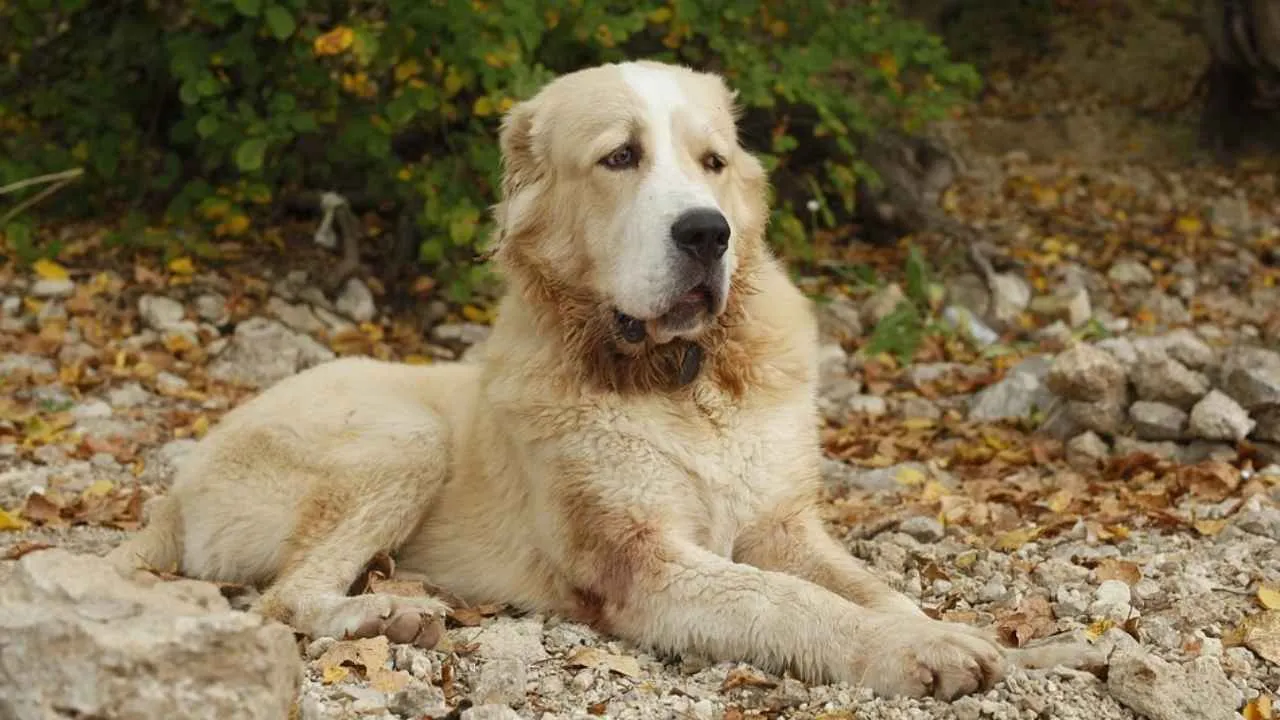
Developed over 4,000 years ago across Central Asia, these dogs were bred to protect livestock, people, and property.
They are powerful, muscular dogs with impressive endurance and a high working capacity. Their history of facing harsh weather, rough terrain, and large predators has made them fearless and dependable farm guardians.
Temperament and Personality
Central Asian Shepherds are calm, confident, independent, and deeply loyal to their families. They are naturally territorial and highly protective, often remaining quiet until they sense a threat.
Although affectionate with familiar people, they can be suspicious of strangers and unfamiliar dogs. Their strong guarding instincts make them better suited to experienced owners than first-time dog parents.
Training and Daily Needs
These dogs need consistent training, firm leadership, and lifelong guidance. They are independent thinkers and may challenge boundaries, so patience and confidence are important.
Early socialization helps them become more comfortable around people and other animals. They are happiest when guarding livestock or having enough space to exercise their natural protective instincts.
4. Rottweiler
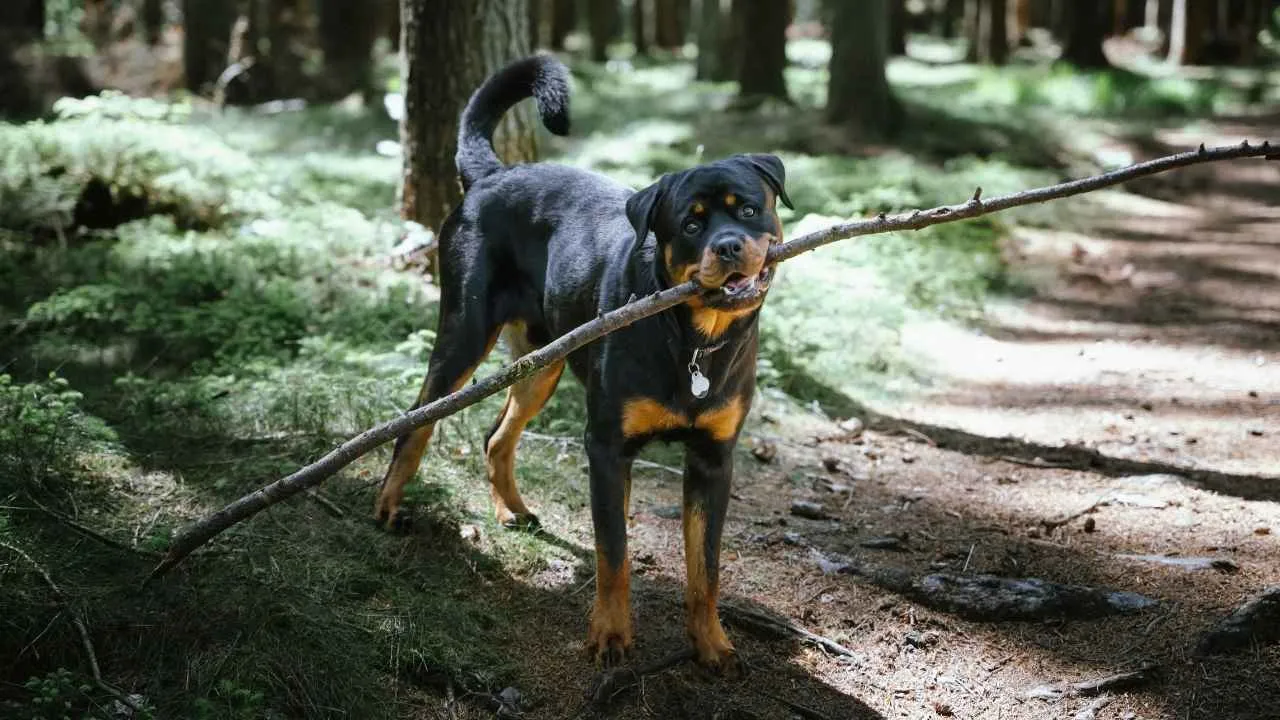
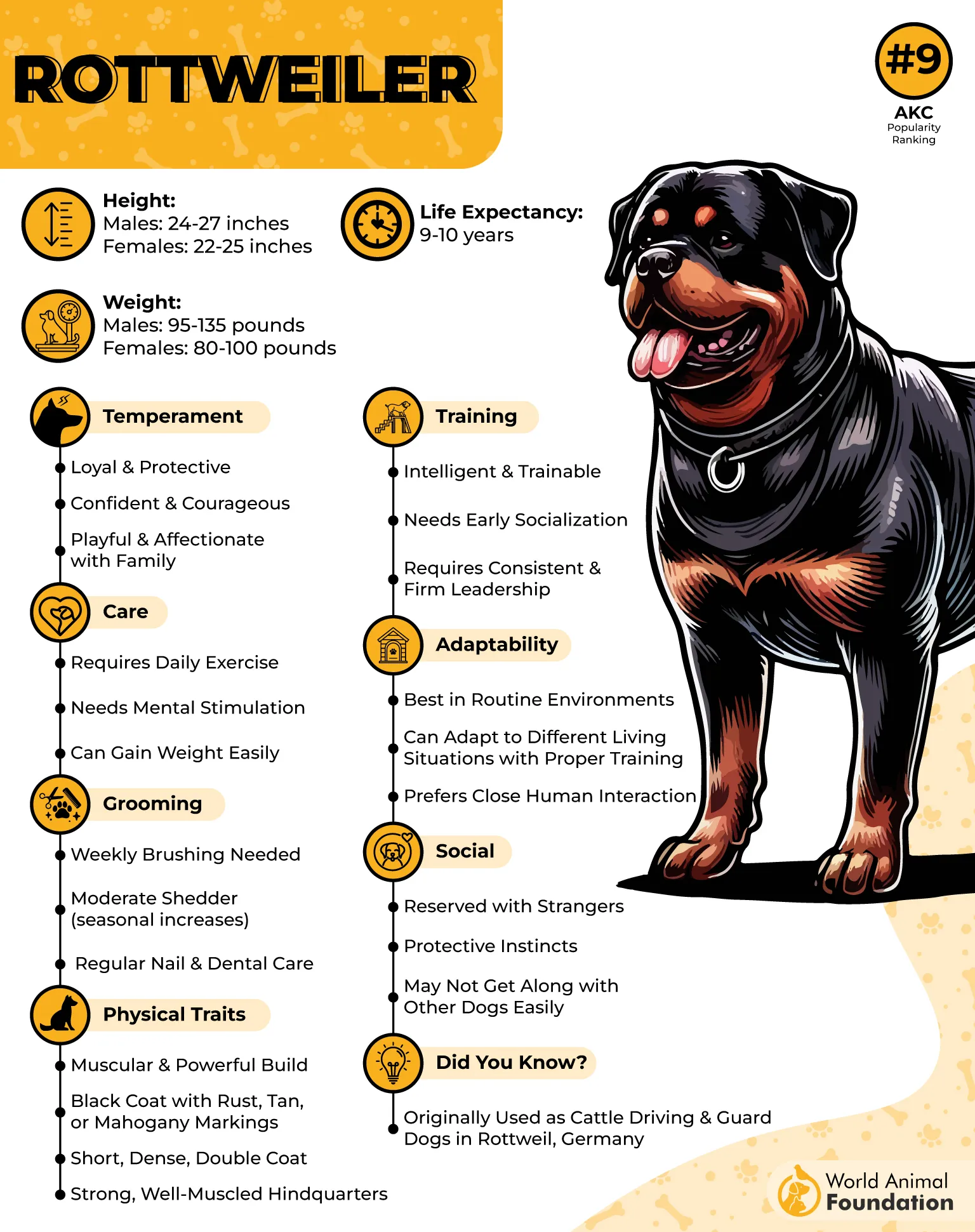
Descended from the mastiff-type dogs of Roman legions, Rottweilers have a long history as working and guarding dogs.
Their robust, muscular bodies and powerful hindquarters give them impressive strength and endurance. Originally used for guarding and driving livestock, they remain dependable working companions.
Temperament and Personality
Rottweilers are confident, courageous, and loyal dogs. They tend to be calm and observant, but can be playful and affectionate with their families. Their protective nature makes them naturally watchful around strangers.
Well-socialized Rottweilers can get along with people and other dogs. They may also form strong bonds with the livestock they work alongside.
Training and Daily Needs
These intelligent dogs respond well to training and enjoy having a purpose. However, their strength and independent nature require experienced owners who can provide consistent guidance.
Early training and socialization are essential to manage their protective instincts and prevent unwanted behaviours. Food rewards can also make training easier, as many Rottweilers are motivated by treats.
5. Boerboel
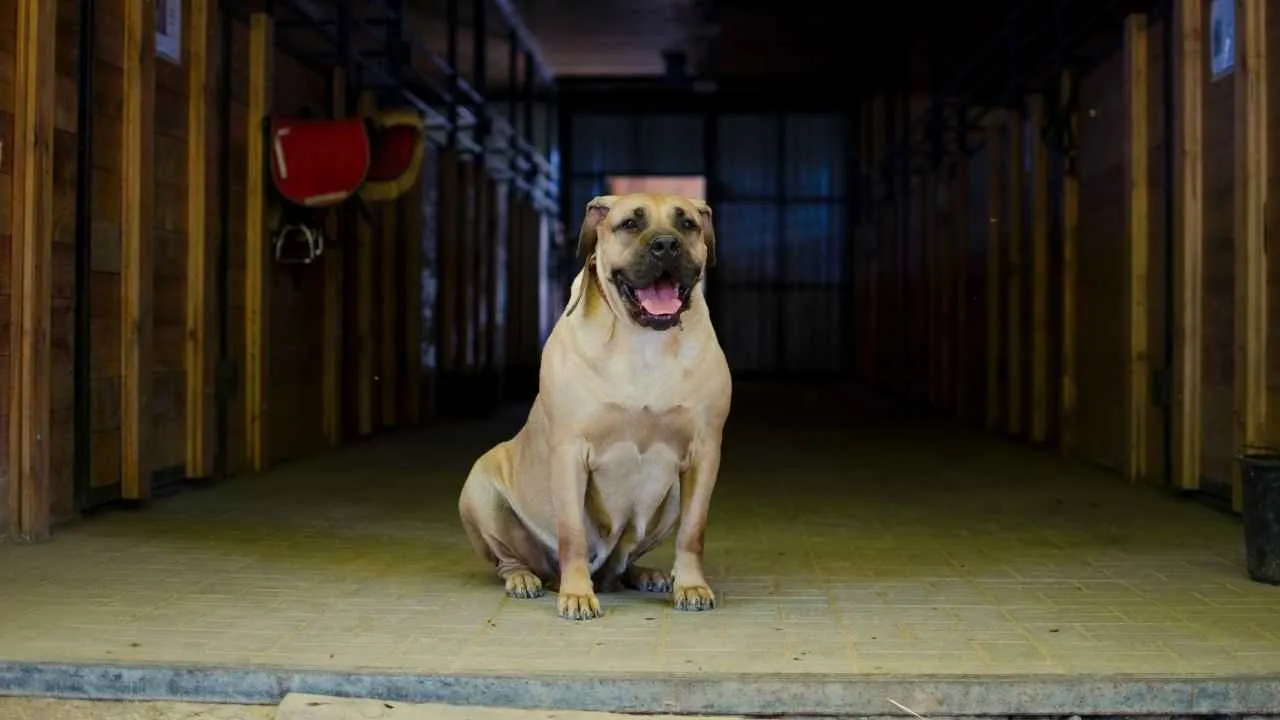
Boerboels originated in South Africa, where they guarded homesteads and families against large predators. Their name means “farm dog,” reflecting their working background.
With broad heads, powerful jaws, and heavily muscled bodies, they are strong yet surprisingly agile. Their independent nature also makes them capable guardians.
Temperament and Personality
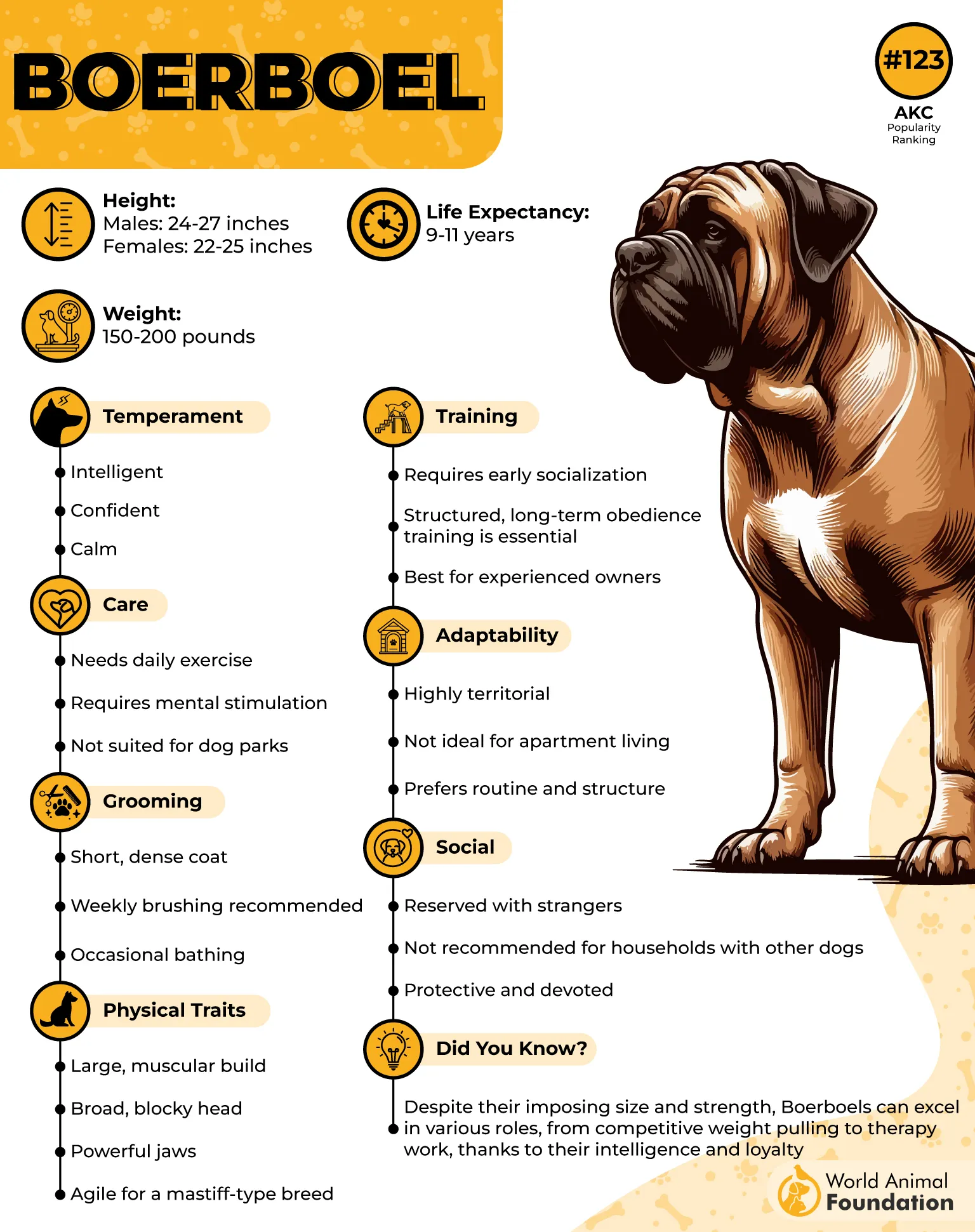
Boerboels are confident, intelligent, and deeply loyal to their families. They are affectionate and playful with familiar people but reserved and watchful around strangers, as mentioned by Hill’s Pet. They can be good with children and other pets when properly introduced, although interactions should be supervised.
Training and Daily Needs
Early training and socialization are essential to manage their strong guarding instincts. Boerboels are eager to learn but need clear, consistent guidance.
Their size, strength, and independent nature make them better suited to experienced owners who can handle a powerful guardian breed.
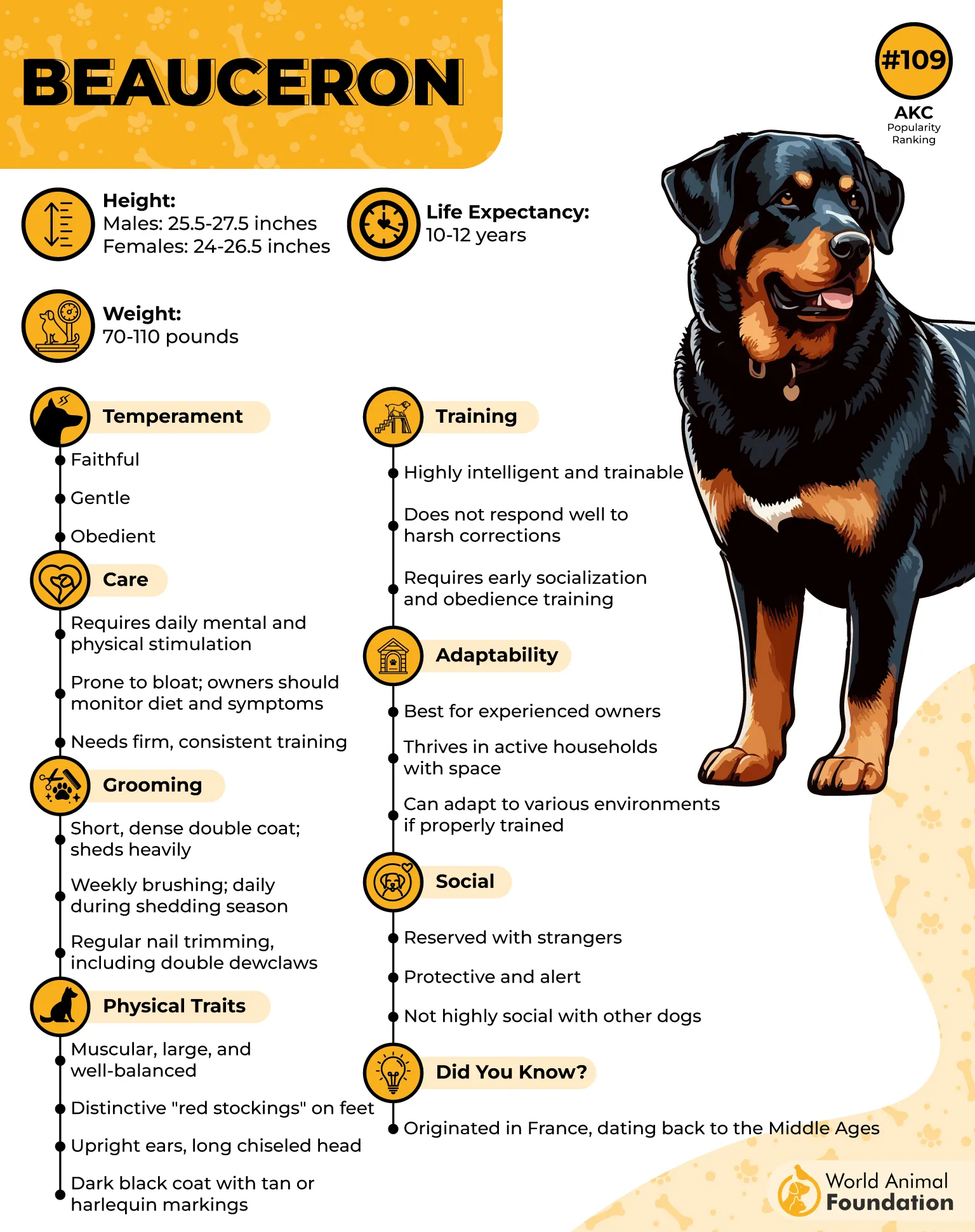
6. Beauceron
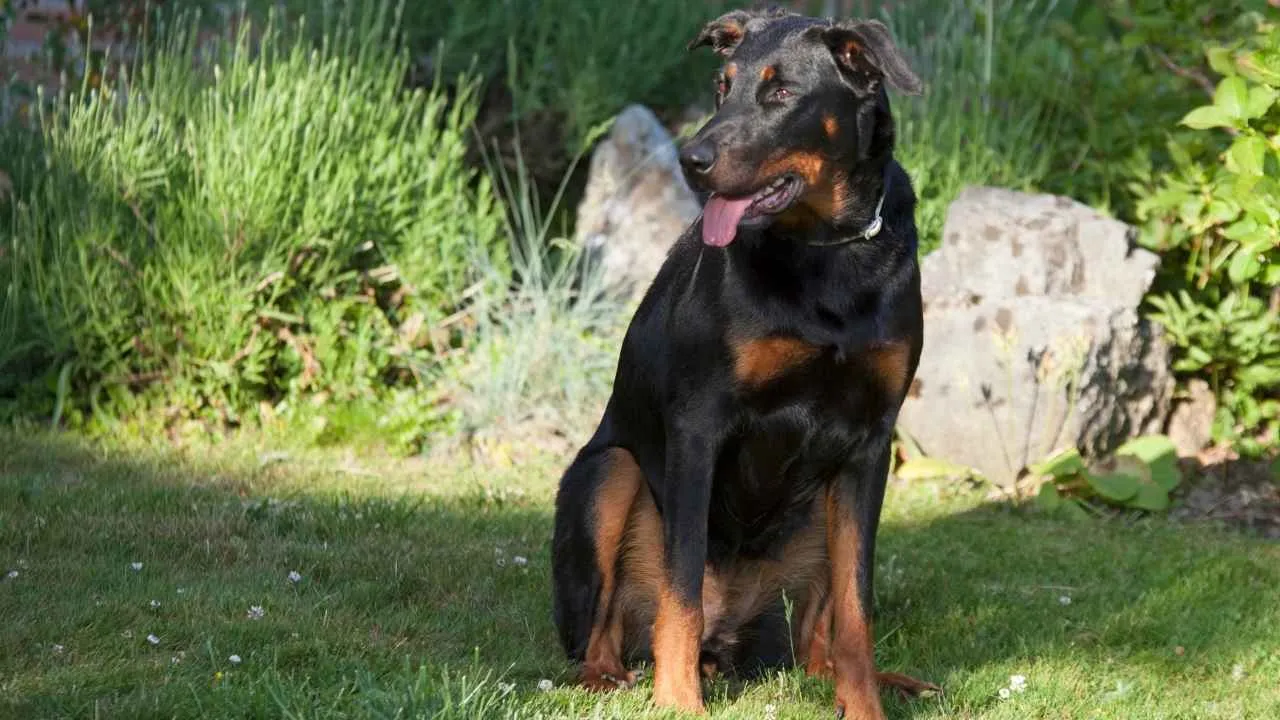
Beaucerons originated in the Beauce region of France, where they were bred to herd and guard livestock. These powerful, energetic dogs were capable of managing large flocks of sheep and protecting them from predators.
Their working abilities also made them valuable during both World Wars, when they carried messages and supplies and helped detect land mines.
Temperament and Personality
Beaucerons are loyal, courageous, and deeply attached to their families. They enjoy being involved in daily activities and form strong bonds with the people they trust.
Although they can be playful and gentle at home, they are often reserved around strangers and unfamiliar dogs. Their herding instincts may also influence how they behave around other pets.
Training and Daily Needs
These intelligent dogs learn quickly but have a strong-willed and independent side. They respond well to firm, consistent training and benefit from early socialization with people, children, and other animals.
Beaucerons need plenty of daily exercise, mental stimulation, and meaningful tasks to stay engaged. They enjoy activities such as obedience, agility, and other canine sports.
7. German Shepherd
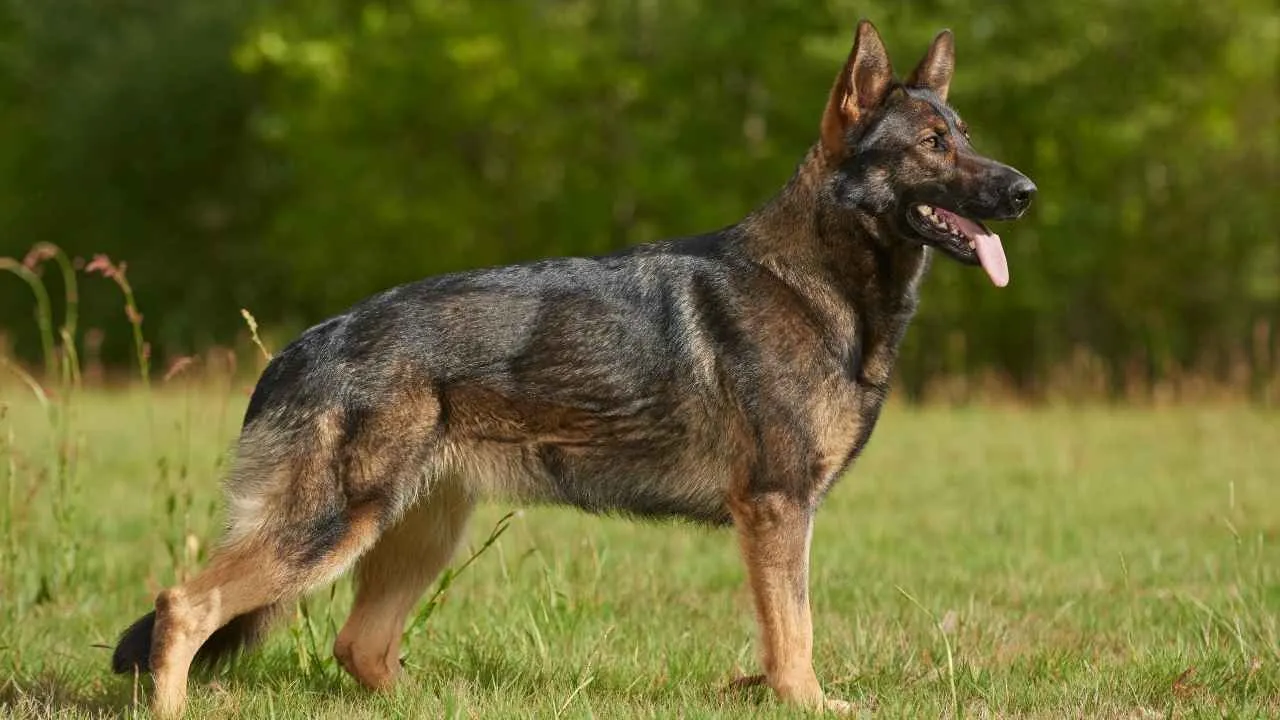
German Shepherds were developed as herding dogs and are now considered one of the most versatile working breeds.
Their muscular build, agility, and intelligence make them capable of handling demanding tasks. They are also widely used in police and military work, search and rescue, tracking, and protection duties.
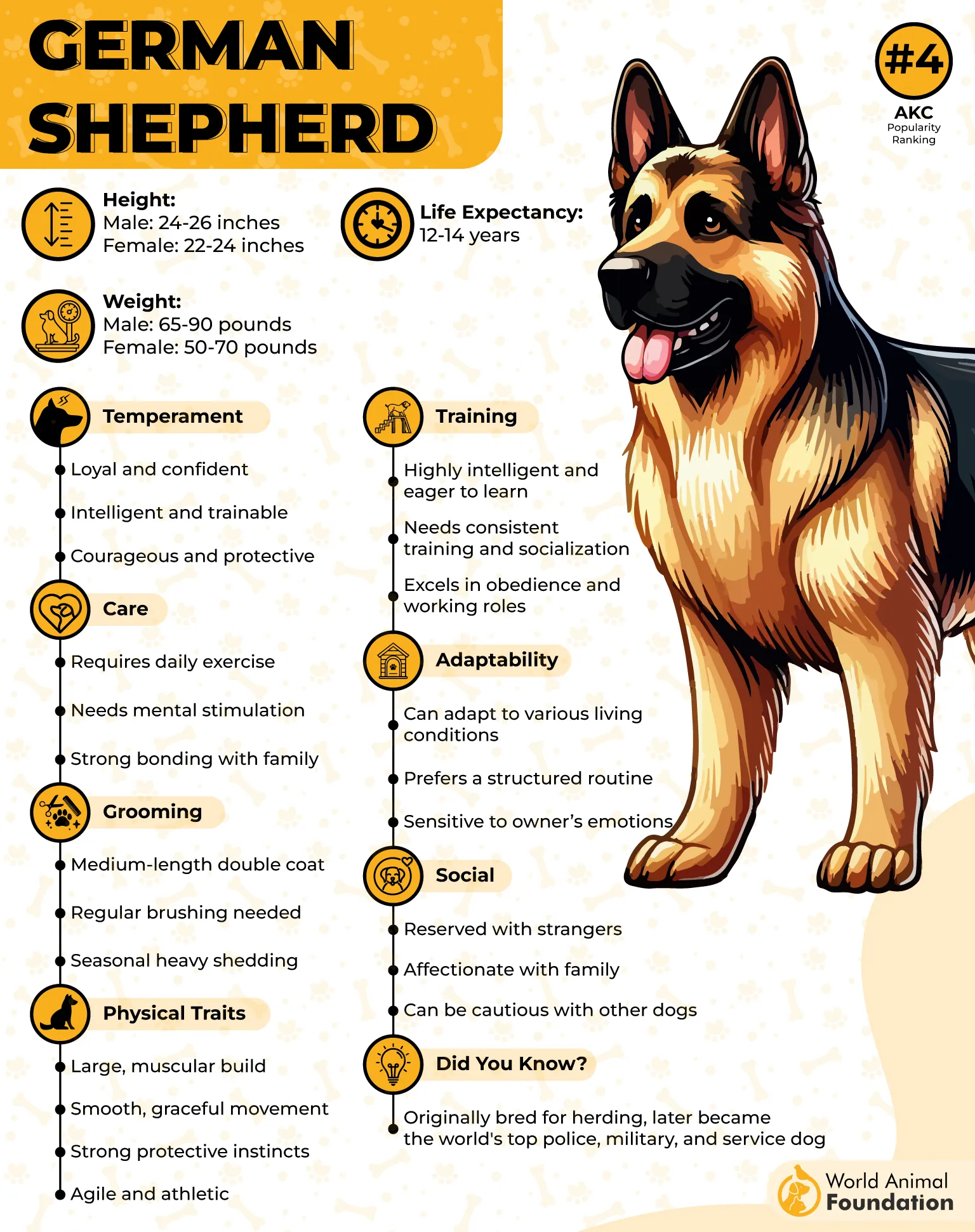
Temperament and Personality
German Shepherds are loyal, confident, and courageous dogs that form strong bonds with their families.
They are generally playful and energetic, often getting along well with children and other pets. Their protective instincts make them alert and watchful, but they can be reserved around strangers.
Training and Daily Needs
These intelligent dogs learn quickly and enjoy training, but they need consistent guidance and clear boundaries.
Early socialization helps manage their protective instincts and encourages good behaviour around people and other animals. They also need regular exercise and mental stimulation to stay active and engaged.
8. Australian Cattle Dog
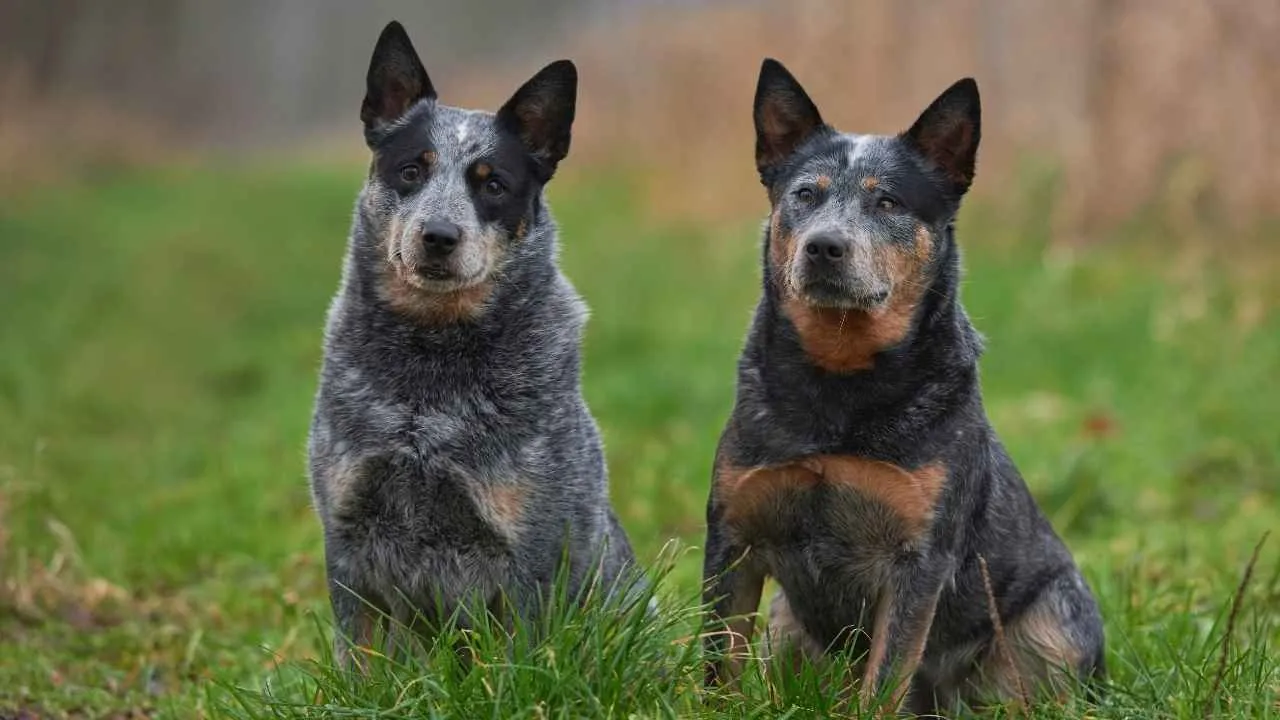
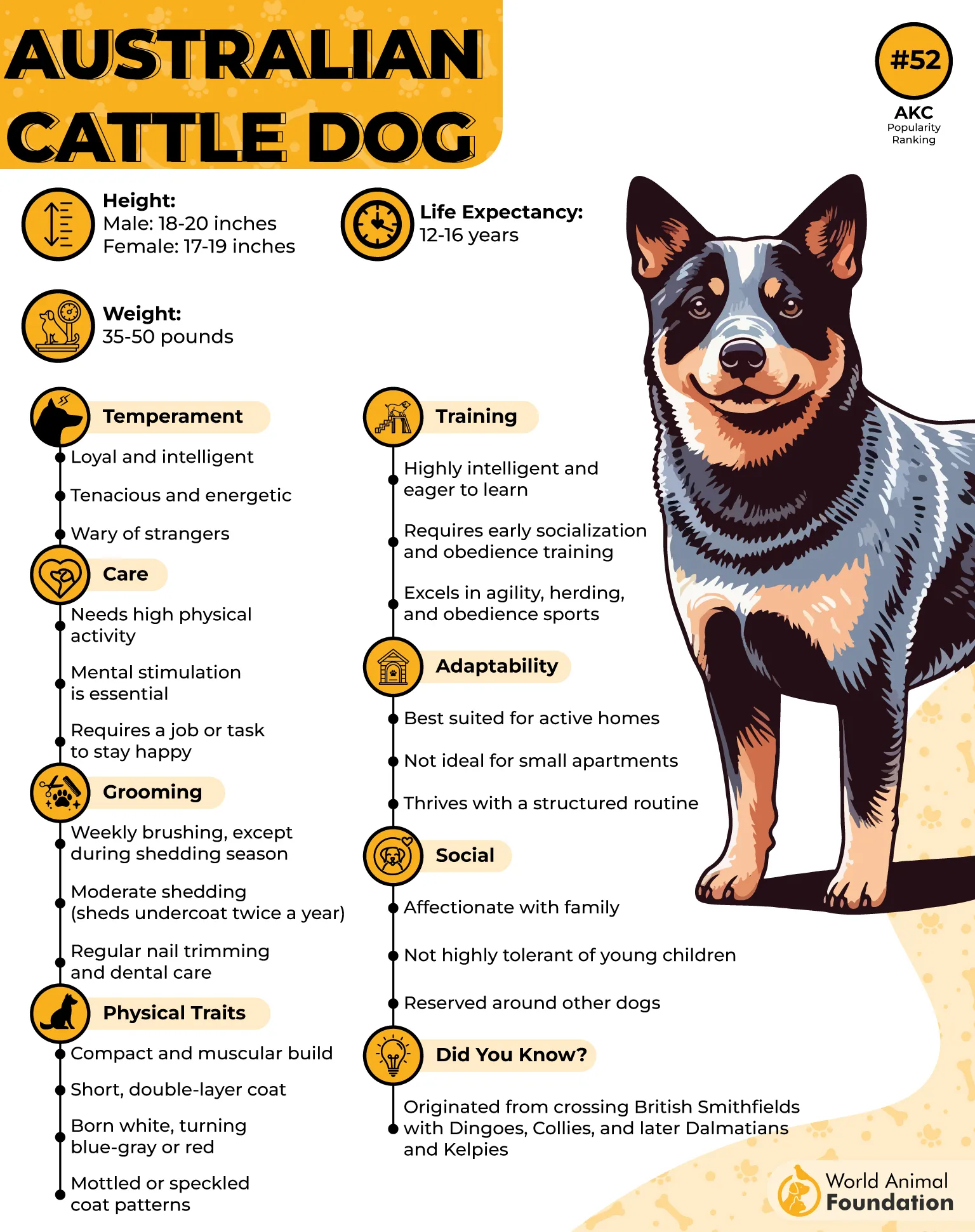
Australian Cattle Dogs were developed in 19th-century Australia to drive cattle across rugged terrain and long distances. Also known as Blue Heelers or Red Heelers, they are related to the wild Dingo, according to the American Kennel Club.
Their compact, muscular bodies give them excellent strength, stamina, and agility. They are hardworking herders with a natural ability to control and move livestock.
Temperament and Personality
Australian Cattle Dogs are intelligent, loyal, and highly alert. They form strong bonds with their owners and are often protective of their families and belongings.
Although they have an independent streak, they enjoy having a job to do. They can be wary of strangers and may nip at running children because of their natural herding instincts.
Training and Daily Needs
These energetic dogs need consistent training, early socialization, and plenty of physical and mental activity. They learn quickly but can become bored and mischievous without enough stimulation.
Running, agility, and other challenging activities help keep them engaged. They thrive with active owners who can provide regular exercise and meaningful work.
9. Great Pyrenees
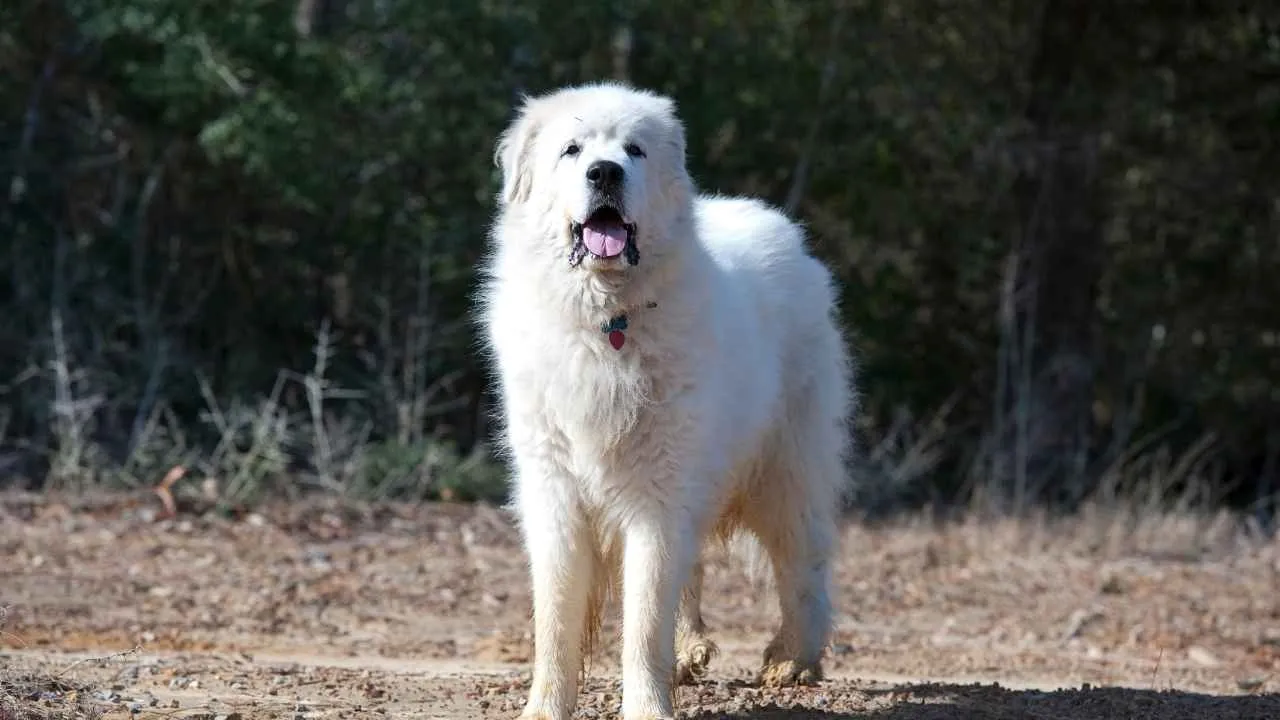
Great Pyrenees originated in the mountains between France and Spain, where they were bred to guard livestock against wolves, bears, and other predators.
Their powerful build and thick, weather-resistant coats helped them work in harsh, snowy conditions. Despite their impressive strength, they can move with surprising speed and agility when protecting their flock.
Temperament and Personality
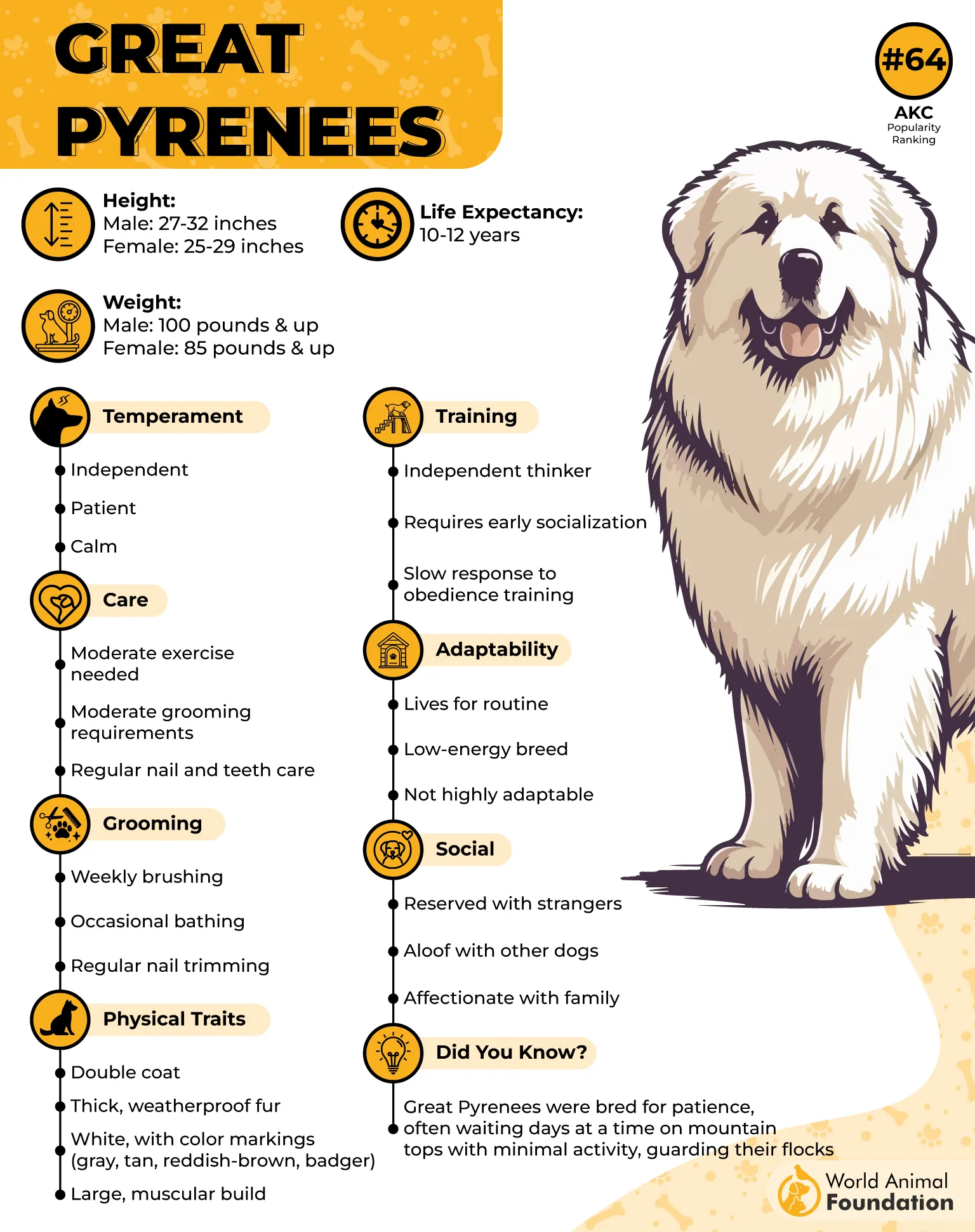
Great Pyrenees are known for their calm, gentle, and composed nature. They form strong bonds with their families and are naturally protective of the people and animals they consider part of their flock.
Around strangers, they tend to be polite but reserved, preferring to observe before approaching. They can also live peacefully with other pets when properly socialized and introduced.
Training and Daily Needs
These independent dogs benefit from early socialization and consistent training. They can be strong-willed, so patience and clear guidance are important.
Great Pyrenees do not require an overly active lifestyle, but they need regular moderate exercise. Their thick coats also require weekly brushing to manage shedding and keep their fur in good condition.
10. Briard

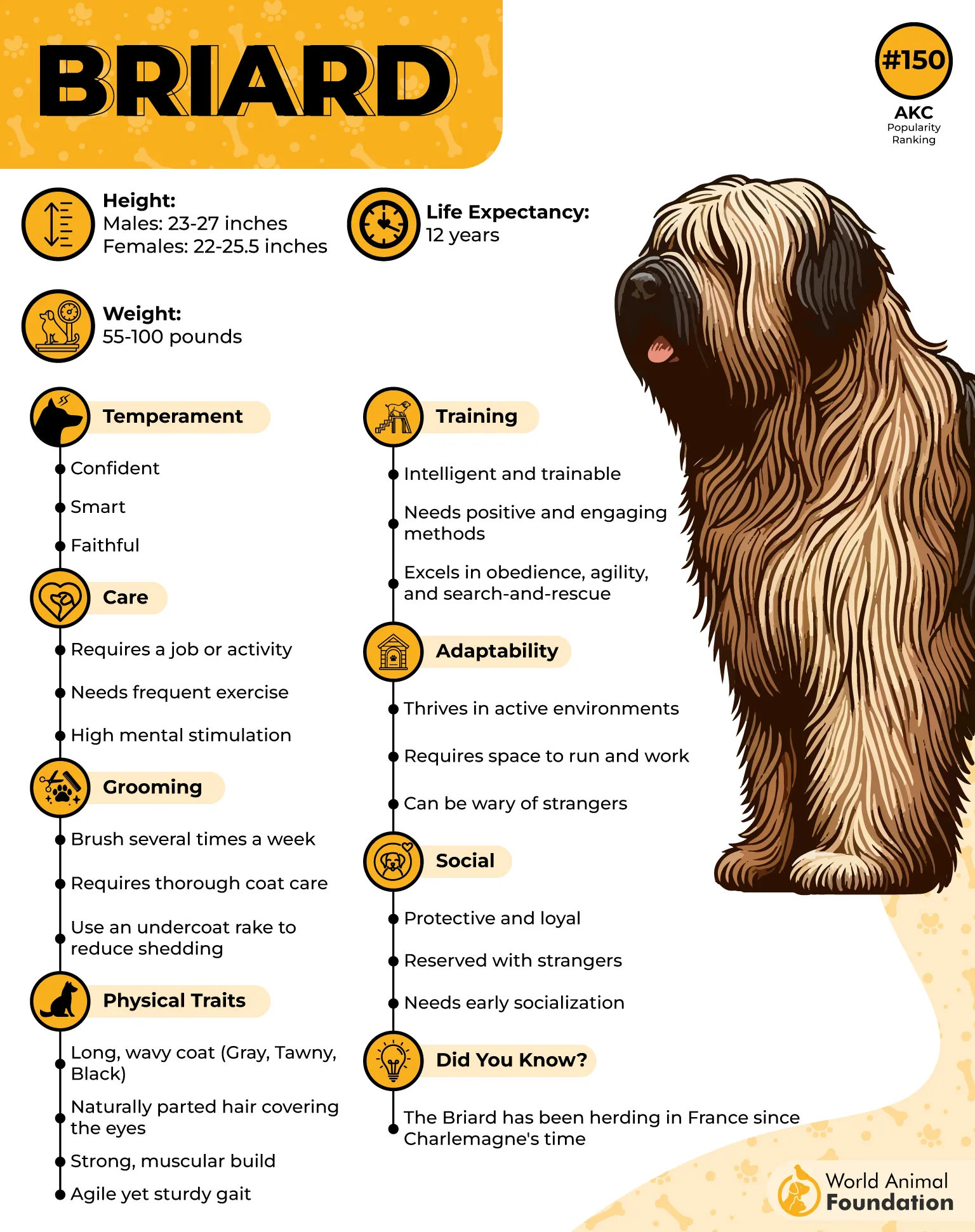
Briards are ancient French herding dogs bred to guard and manage sheep. Their history dates back centuries, and they were even used by the French army during World War I to carry supplies and locate wounded soldiers.
These muscular, agile dogs have impressive stamina and working ability, as noted by PetMD. Their intelligence and quick movements allow them to handle large flocks with remarkable skill.
Temperament and Personality
Briards are loyal, affectionate, and protective dogs that form strong bonds with their families. They are especially watchful around children, often treating them as part of their flock.
Although playful and eager to please, they also have an independent streak from their herding background. They can be reserved around strangers and unfamiliar pets, making early socialization important.
Training and Daily Needs
These energetic dogs need consistent training, regular exercise, and meaningful work to stay engaged. They are intelligent and quick learners but may sometimes show their independent side, so confident handling is important.
Briards enjoy activities such as herding, hiking, and running. Their long, wavy coats also require daily brushing to prevent matting.
Conclusion
Muscular dog breeds bring together strength, stamina, intelligence, and loyalty, making them valuable partners for farm and field work.
From herding livestock to guarding property and protecting families, each breed has its own abilities and working style. However, their energy levels, temperaments, and training needs can vary greatly.
Before choosing a working dog, consider your farm’s needs, available space, and the time you can dedicate to exercise and training.
The right dog is not simply the strongest one but the one whose abilities and personality suit the work. With the right partnership, a hardworking dog can become an invaluable part of farm life.
