




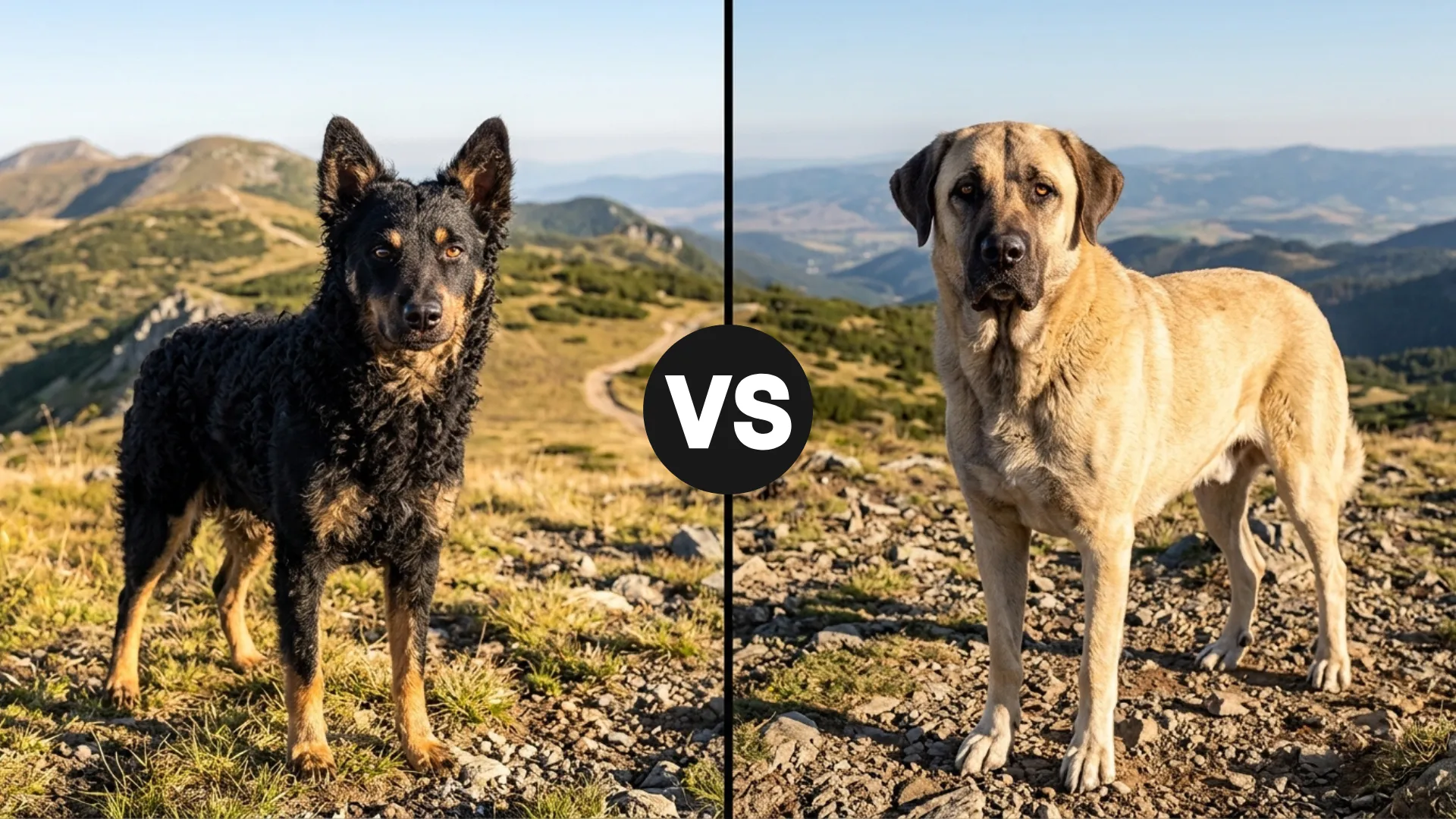
The Mudi and Anatolian Shepherd are both working dogs, but for very different tasks. The Mudi is an agile, intelligent, and versatile Hungarian herding dog that is compact in size.
The Anatolian Shepherd is a strong Turkish livestock guardian with little human guidance.
The difference is significant in terms of size, strength, exercise, training, and living needs. Much smaller, but with high intensity and reaction speed. The Anatolian Shepherd is much more physically strong and has a powerful territorial instinct.
The following are some of the criteria that are important to any potential owner and how these two working breeds compare.
Understanding the size and strength differences between both breeds is crucial. Let’s check some of the traits of both dogs.
Mudi vs. Anatolian Shepherd: Essential Facts About Size and Strength
1. Origins and Purpose
The Mudi, bred in Hungary, is known as an all-purpose farm dog. Farmers used Mudis to transport livestock, to protect property, and to control vermin. They were small enough to be able to run quickly around the animals and were intelligent enough to deal with changing circumstances.
Known as protective and territorial by the American Kennel Club, the Anatolian Shepherd is originally from Turkey and has a completely different working background. It was bred to be a livestock guardian dog, not a herding dog.
The advantage of the Mudi is that it is an active dog for moving livestock. The Anatolian is more specialized for protection of livestock against threats.
2. Size and Build
The body size is quite different.
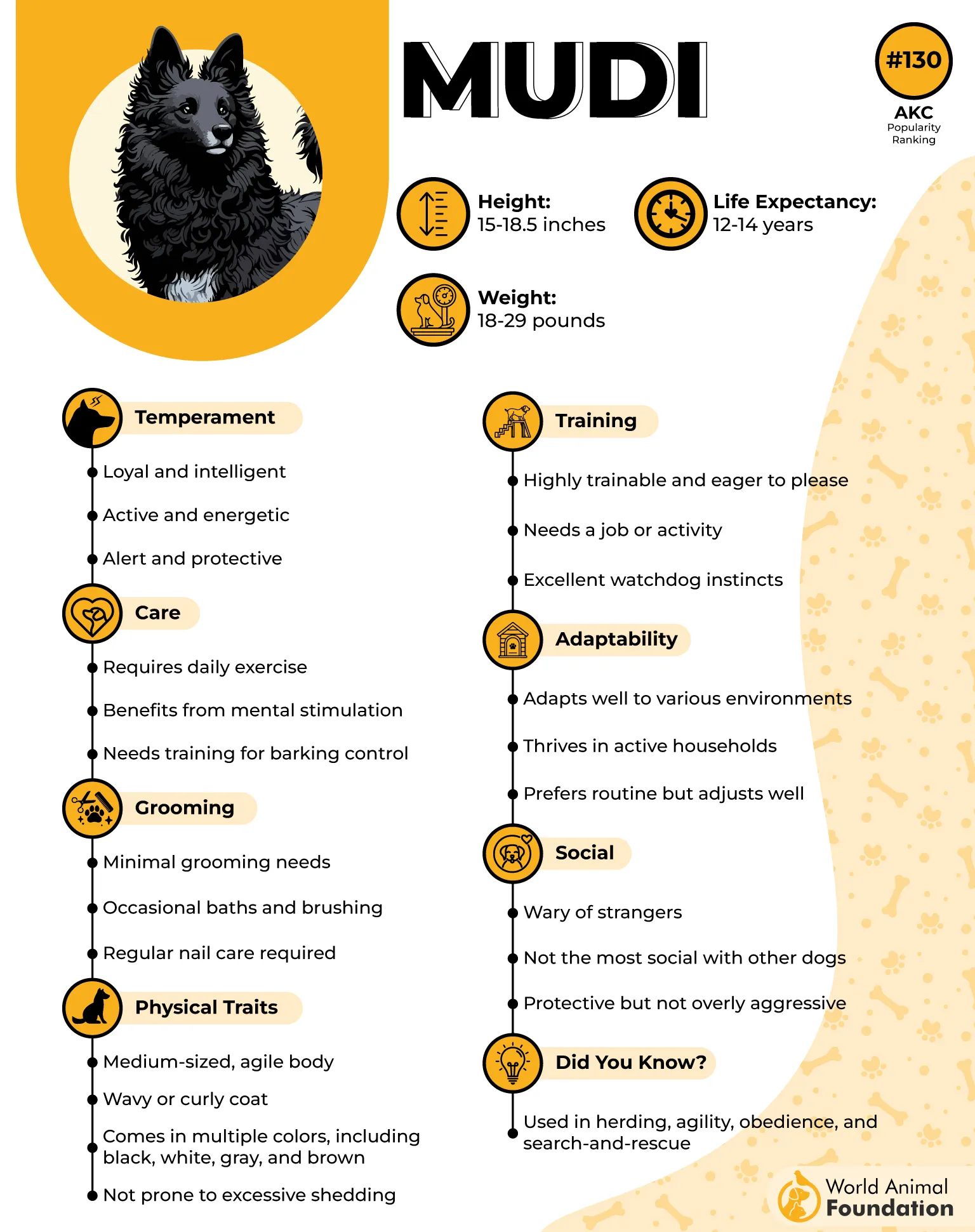
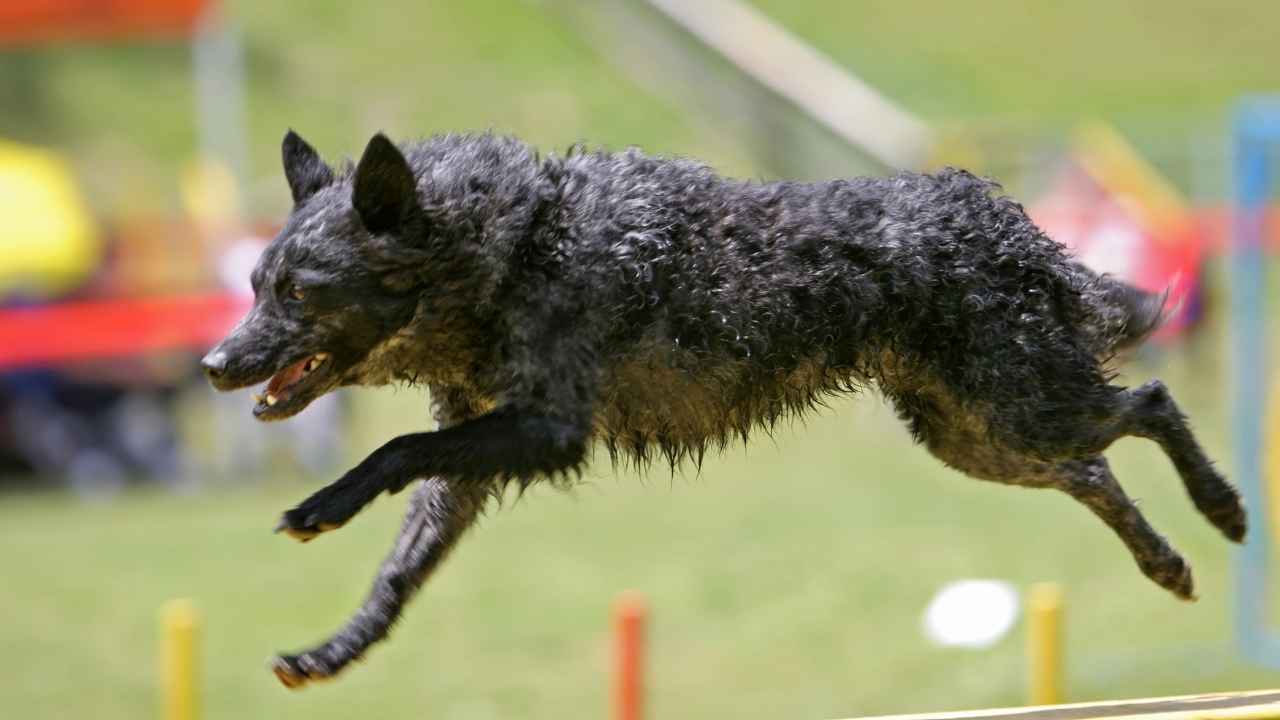
The Mudi is a medium-sized dog. Adult males are supposed to be approximately 16-18.5 inches tall and 24-29 pounds, while females are typically smaller.
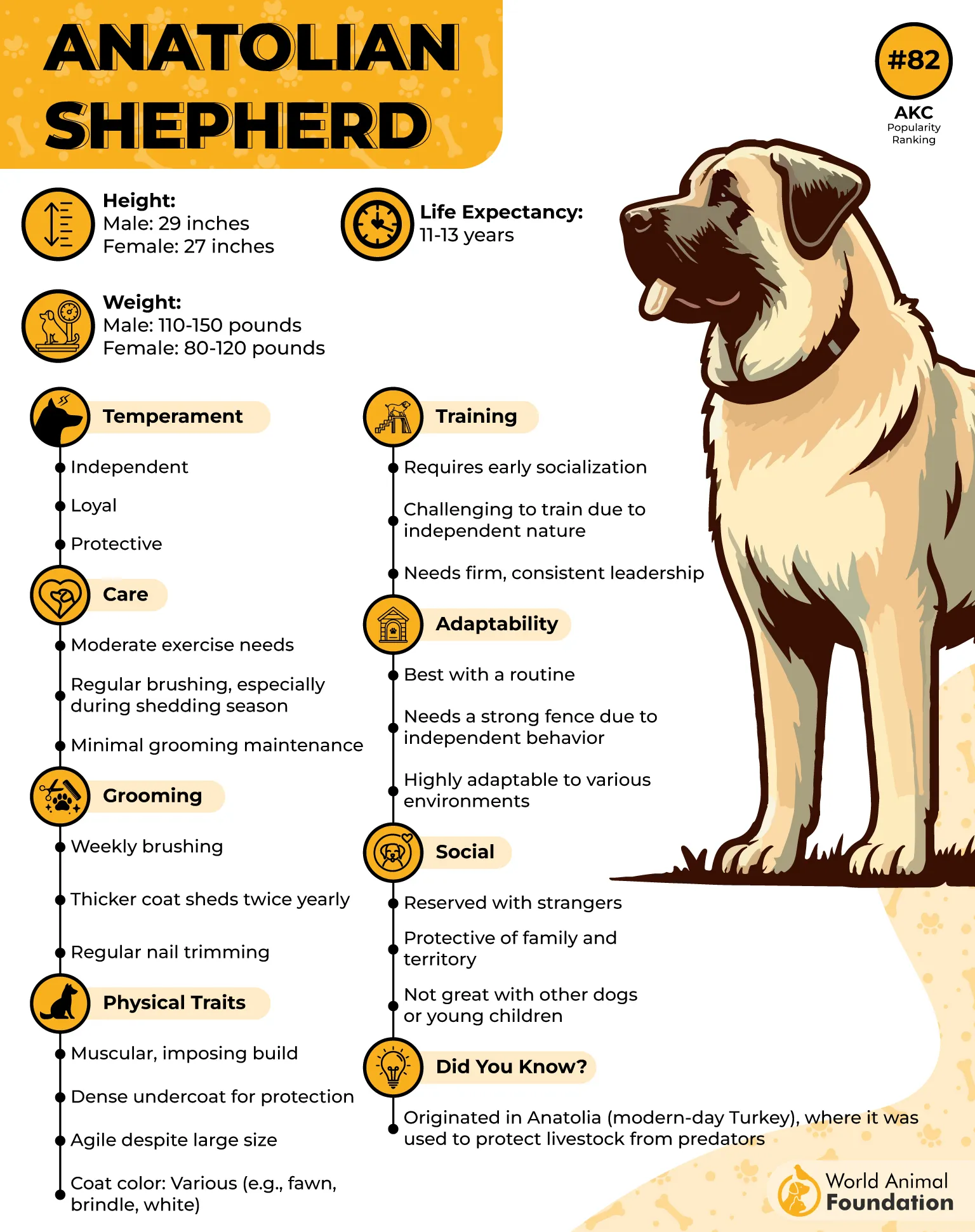
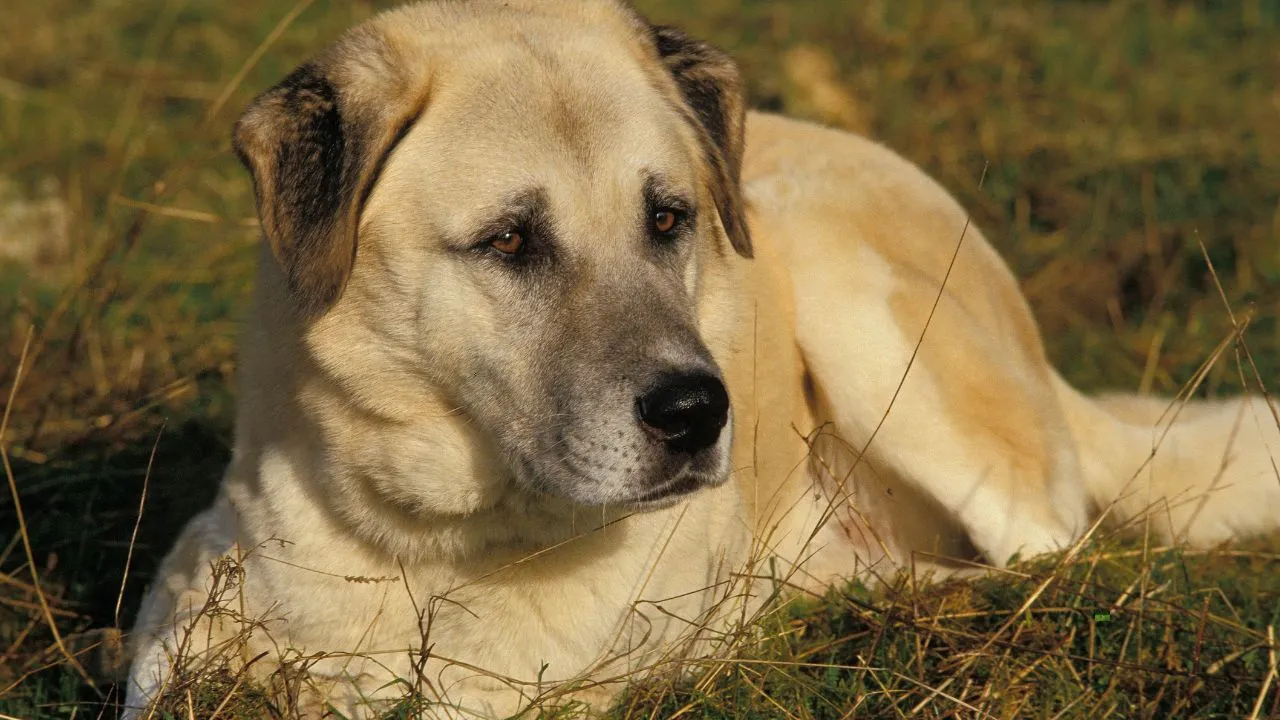
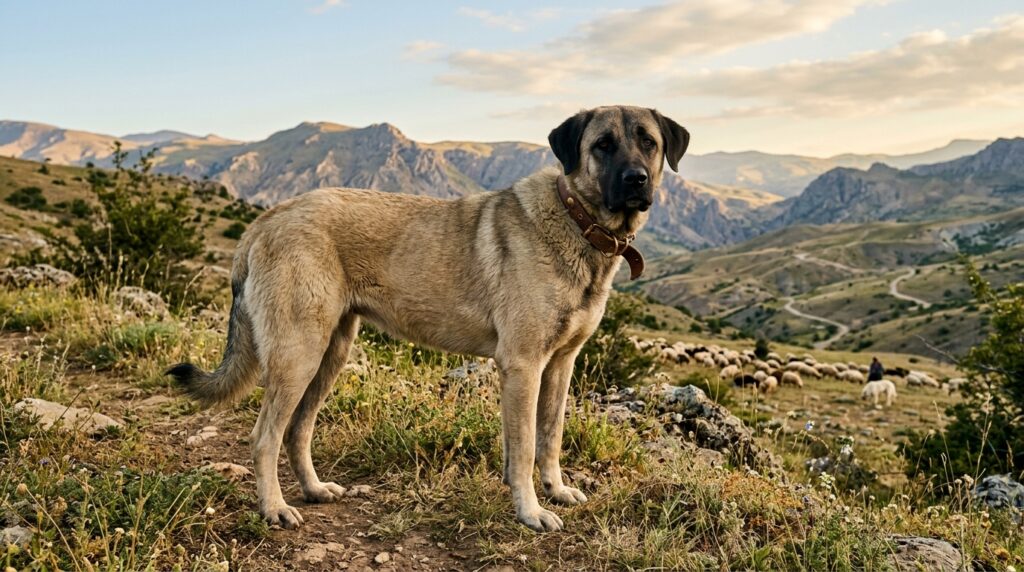
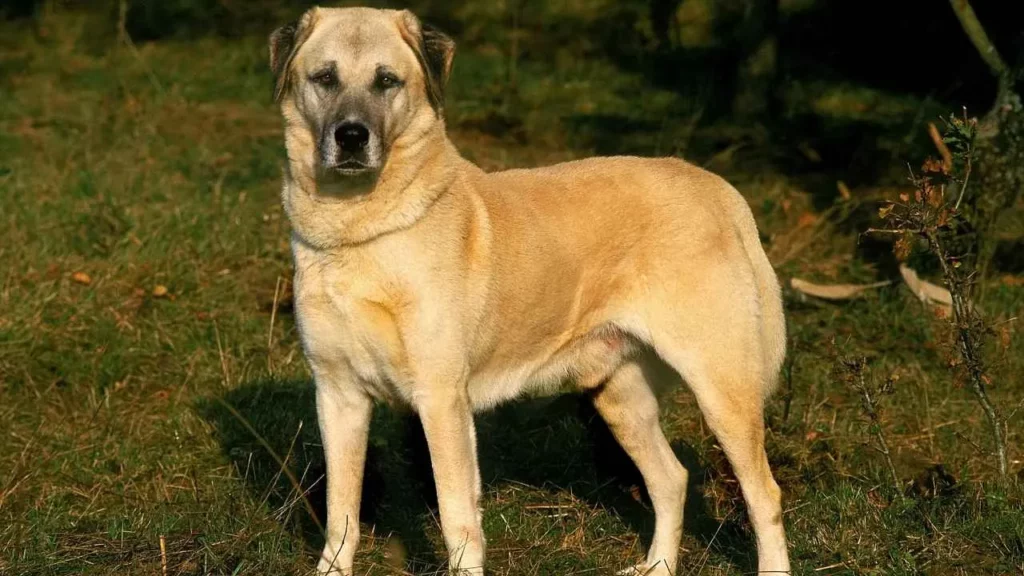
The Anatolian Shepherd is a different class of dog. Adults are approximately 27-29 inches tall and 80-150 pounds. These are among the large dog breeds with an independent nature you will be able to find.
Mudi’s power is a combination of athleticism, speed, and coordination. It has a body made for motion and not for exertion.
The Anatolian has a considerable amount of bone and muscle, and is an exceptionally hardy breed with strong bone and jaw structure and endurance. Being there physically can be a crucial aspect of its guardian role.
So, if “strength” is simply brute force, the Anatolian takes the day. Where agility and speed of movement are concerned, the Mudi has a leg up.
3. Pricing and Availability
Research is required to find either breed, but the Mudi may be a bit harder to find.
When the Mudi was fully recognized by the AKC in 2022, the organization estimated that there were approximately 450 dogs of this breed in the United States, with up to 3000-4000 globally. They cost from $1500 for pet-quality puppies to $2500 for show-quality prospects.
The prices shown are historic and not necessarily reflective of the market price, because prices may differ significantly depending on country, breeder, pedigree, health testing, and availability.
Anatolian Shepherds are not a breed bought on impulse either. They can be scarce and may have waiting lists.
In any case, price shouldn’t be the primary quality in choosing a breed. Good breeders will be able and willing to give information about health and discuss temperament and testing of the parents.
4. Temperament and Personality
The Mudi is often a lively, alert, intelligent, and very active dog. The breed is known as loyal, but not aggressive. It is also readily trained and flexible, allowing an active owner to include the dog in structured activities more easily.
The Anatolian Shepherd has a more serious disposition. Naturally protective, territorial, independent, and wary of strangers. However, it can be very loyal and devoted at home with its family.
One of the largest lifestyle differences is this. A Mudi will most likely have an agenda to please. An Anatolian may choose what it pays attention to, without being told.
5. Exercise Needs and Energy Levels
Both breeds require a lot of physical activity in their everyday lives, and these exercises can be difficult.
The Mudi requires exercise and brain work. It may not be content with long walks only. This intelligent dog can be provided with a suitable outlet through training games, agility, scent work, herding activities, and interactive games.
The Anatolian also needs exercise every day, but it is a breed more suited to endurance than to continuous high-speed running. The breed requires more than 2 hours of exercise a day, according to the Royal Kennel Club, and a large home and garden are recommended.
The Mudi is designed for the owner who likes to work with the dog. The Anatolian is more at home in a household where there is room to grow, structure, and a proper outlet for its nurturing instincts.
6. Training and Obedience
Usually, the Mudi is easier to train than the other two. It is intelligent, responsive, and good-natured, making it perfect for training in obedience, agility, scent work, and other dog sports. A seasoned owner may direct its energy towards useful activities.
The Anatolian is an intelligent dog but has different ways of doing things. It comes from a guardian background, which meant that it was bred to make decisions by itself. The breed might not have an immediate need to obey a command that they fully comprehend.
Training an Anatolian thus demands consistency, assurance, early socialization, and realistic expectations.
The Mudi is typically a more responsive training partner for owners who are looking for a highly responsive dog. If the owner is willing to take on the role of an independent guardian, the Anatolian can be rewarding.
7. Grooming Needs and Shedding
There is no need to groom the coat of either breed.
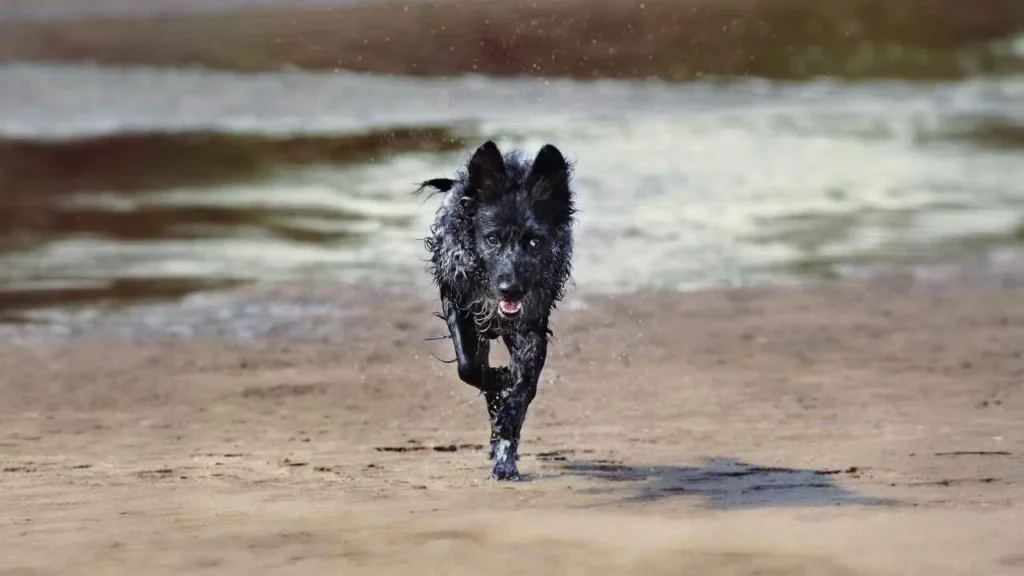
The Mudi has a wavy or curly coat, with a smoother, shorter coat over the head and front legs.
The Anatolian is a functional breed with an outdoor coat. It generally needs to be brushed regularly and is protected by the coat in various weather conditions.
Regular brushing more than once a week is recommended during heavier shedding seasons.
Puppy wellness plans can work well if you want to know more about breeding and grooming requirements. Both of them have their distinctive needs and might be unfamiliar dogs for many people.
8. Working Background and Protective Instincts
Here is where the comparison is key
The Mudi is a general farm worker and herder. It has a natural tendency to move around and manage animals. It can be a sentinel and family protector as well.
At its core, the Anatolian is a guardian. Called a valuable working dog by PetMD, it was hoped to coexist with the livestock and to be able to independently recognize danger. The protective attitude is much more pronounced and serious in the breed.
The instinct can be good on a farm, but it may not be the same in a regular suburban setting. An Anatolian might have different perceptions of strangers, animals, or any activity on his or her land than a companion breed.
The Mudi is more flexible as an owner’s companion, in the sense that it is less territorial and can be considered more of a working dog compared to its counterpart.
9. Health and Lifespan
Mudis are generally in good health and have a normal lifespan of approximately 12-14 years. Some health issues are possible, such as hip dysplasia, patellar luxation, epilepsy, and some eye problems.
Another characteristic of the Anatolian Shepherd, called athletic and agile by Orvis, is that it can be quite hardy. The life expectancy is about 11-13 years, and its life expectancy is reported to be longer in some breeds.
In Anatolians, hip dysplasia is a significant health issue. Their weight maintenance is also important for their large size, as are joint health, nutrition, and proper activity during a growth phase.
Some other health issues might include muscular dystrophy and canine multifocal retinopathy. Canine genetic analysis can help you figure out many health problems beforehand.
Good puppy food for shepherd dog breeds is important just like for other shepherd dogs such as central asian shepherds, white swiss shepherds and caucasian shepherd dogs.
Owners should request proof of health testing from breeders and not assume that a loyal pet exists without genetic issues. Optimal health & nutrition will help in maintaining the well-being of your pet.
10. Anatolian Shepherd vs. Mudi? Which Working Dog Is Ideal For You?
Select Mudi if you wish to have a smaller, athletic working dog that can engage in dog sports, training, farm work, and an active family life. It’s especially attractive if you like training your pup some new tricks and prefer a dog that is very active.
If you have the room and experience to abide by and manage a large livestock guardian, then the Anatolian Shepherd dog breed is the one for you. It is most effective with rural properties, farms and ranches, or owners with a true understanding of guardian-breed behavior.
For pure size and strength, the Anatolian Shepherd will definitely outrank another breed. In terms of being agile, trainable, and versatile, the Mudi is the better option.
Neither should be chosen just for their looks. They still act in a manner as they did in their previous roles. The Mudi needs purposeful activity and interaction. The Anatolian Shepherd desires to be responsible and to defend territory.
Conclusion
The Mudi and Anatolian Shepherd exhibit two completely different working dog skills. The compact, fast, and energetic Mudi is very versatile. The Anatolian Shepherd is big, strong, independent, and protective.
It doesn’t matter which devoted companion is “better”, but it is important to consider what you want out of a working companion. For an active family with a passion for training and sports, the Mudi will fit in more readily. The Anatolian might be best suited to a rural owner on the land with livestock. Both these pups can be amazing mature dogs if properly socialized from an early age.
Before purchasing either breed, check out responsible breeders, the natural well-being and vitality testing they conduct, socialization needs, and the dog’s natural working function. Appearance is a lot less indicative of those factors than of what it is like to have either breed.
