





Dogs are beloved companions, having a special place in our hearts. In the daily chaos of urban life, our furry friends make us happier and healthier. They help us cope with crises and offer a comforting companionship in times of stress and anxiety.
Before bringing a canine companion home, we need to consider various factors, including the dog’s size, behavioral traits, and health challenges. Some breeds are more predisposed to health problems compared to other breeds.
It is worth mentioning that not every dog of a specific breed will develop certain issues. Adopting such unhealthy breeds only adds to urban chaos.
Several health issues can be avoided with proper diet, exercise, attention, and medical intervention. Purchasing the dog from a reputable breeder can also help overcome such issues. Here are the most unhealthy dog breeds contributing to urban chaos.
Most Unhealthy Dog Breeds Contributing To Urban Chaos
1. English Bulldog

English Bulldogs are loyal and charming pooches. They were bred to have stubby legs and a short snout. But such breeding practices made them vulnerable to some serious health problems. Their smooshed faces make them prone to Brachycephalic Obstructive Airway Syndrome (BOAS).
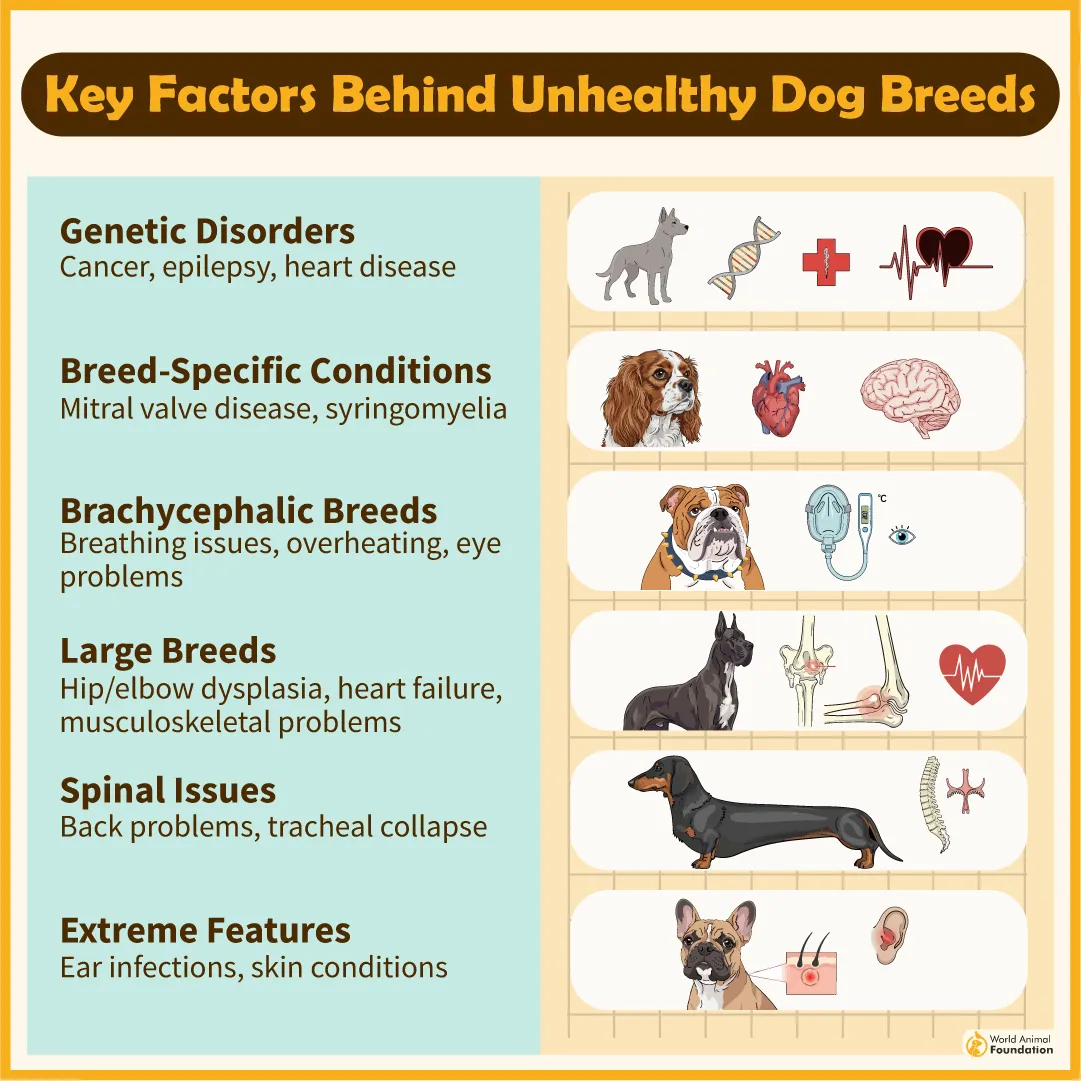
It is a chronic illness in which the dog faces breathing difficulties. Make sure you do not over-exercise your English Bulldog due to the same reason. They can also suffer from hip dysplasia, a condition in which the hip joint does not develop properly.
They are also prone to luxating patella, which is the dislocation of the kneecap. Too much stress or old age may lead to this health problem. Luxating patella is a common health issue in Sporting dogs. English Bulldogs’ love for napping also makes them prone to obesity.
2. Pug

Pugs are the most loved family pets thanks to their playful nature and small size. These flat-faced pooches were bred as companions for royalty and still love nothing more than resting in their owner’s lap.
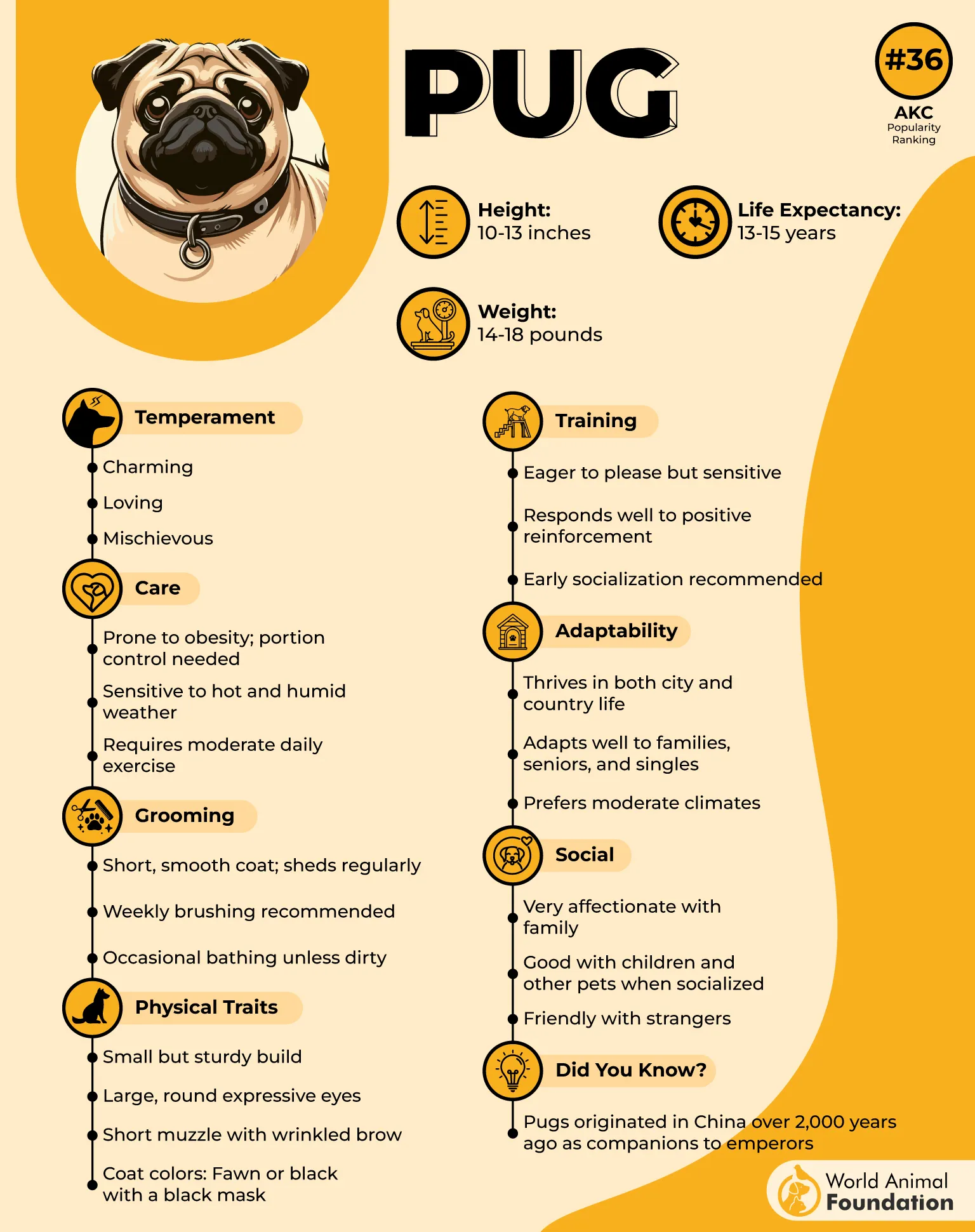
One of the most unhealthy dog breeds, the Pug is another brachycephalic breed prone to breathing problems. They are also susceptible to an inflammatory condition called Pug Dog Encephalitis (PDE), in which the dog experiences seizures, vision impairment, and other erratic behaviors.
Pugs can suffer from other health challenges, including patellar luxation, hyperthyroidism, hip dysplasia, and eye problems like dry eyes and entropion. Skin folds should be cleaned regularly to avoid skin infections.
3. French Bulldog

Recognized by their distinctive bat-like ears, French Bulldogs are quite similar in appearance to English Bulldogs. Despite having a charming personality, they can face serious health challenges in life. Like other dogs with flat faces, Frenchies are a brachycephalic breed.
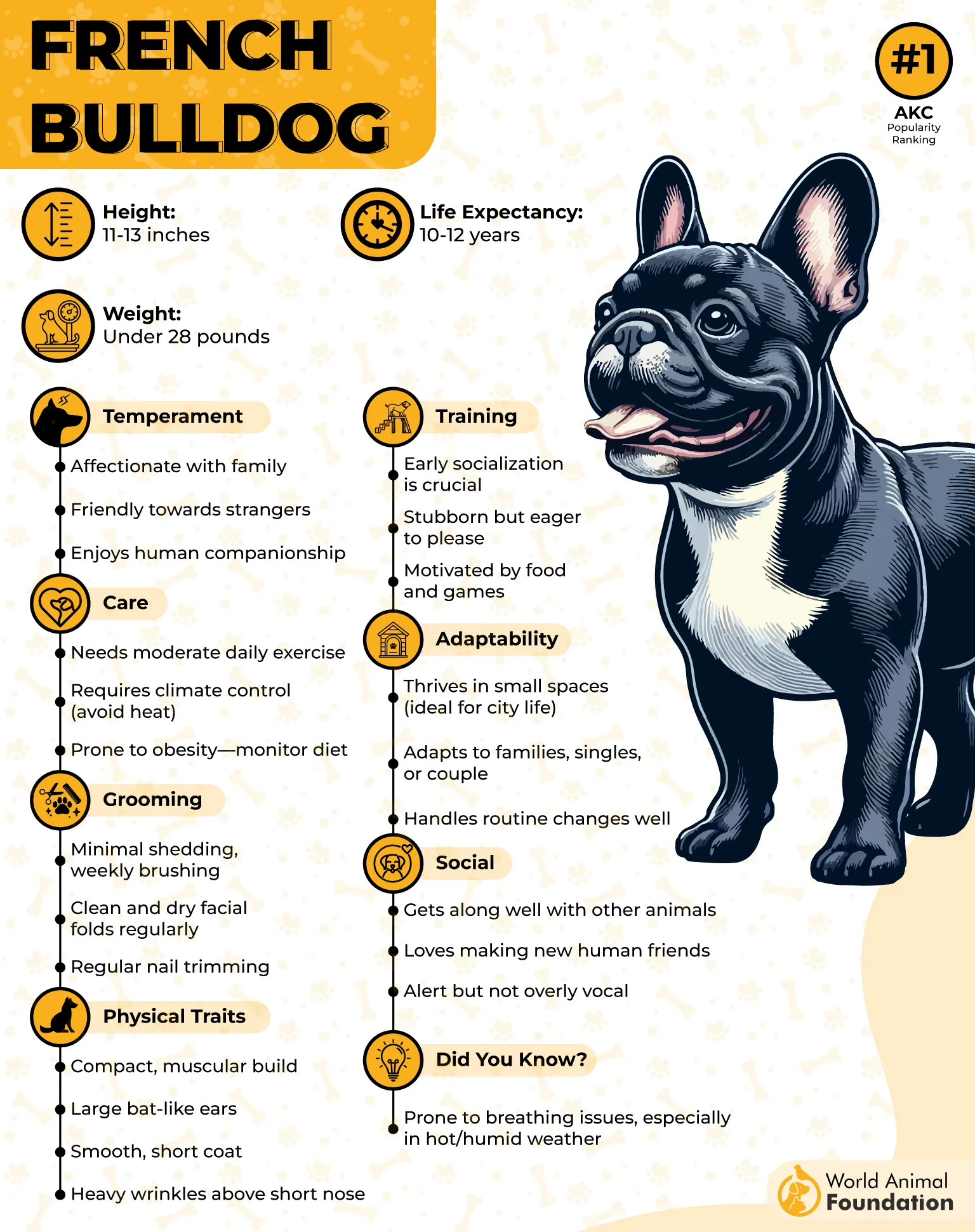
In Frenchies, BAOS can lead to noisy breathing, snoring, and difficulty in hot and humid conditions. Other health issues may include a luxating patella, allergies, and chronic ear infections. Luxating patella is associated with joint problems and mobility issues.
Likewise, skin allergies can lead to redness, itching, and irritation. French Bulldogs are also at risk of intervertebral disc disease (IVDD), a spinal problem that may lead to back pain or mobility loss. With proper care and regular veterinary check-ups, these doggos can enjoy a healthy lifestyle.
4. Cavalier King Charles Spaniel

Cavalier King Charles Spaniels are gentle and affectionate canines, recognized by their beautiful, silky coat and expressive, prominent eyes. They may not appear visibly as unfit as some other unhealthy dog breeds on our list.

However, they also face breathing difficulties due to being brachycephalic. Cavalier King Charles Spaniels can also develop a heart disease called mitral valve disease, which hinders the proper closure of the heart valve.
Other potential problems include heart failure, and unfortunately, it is the leading cause of death in this breed.
Cavaliers and Cavalier mixes are prone to ear infections, probably because the shape of their skull causes poor drainage and leads to fluid accumulation in the ears. They can also contract cataracts and retinal disorders, which may result in vision impairment.
5. Dachshund
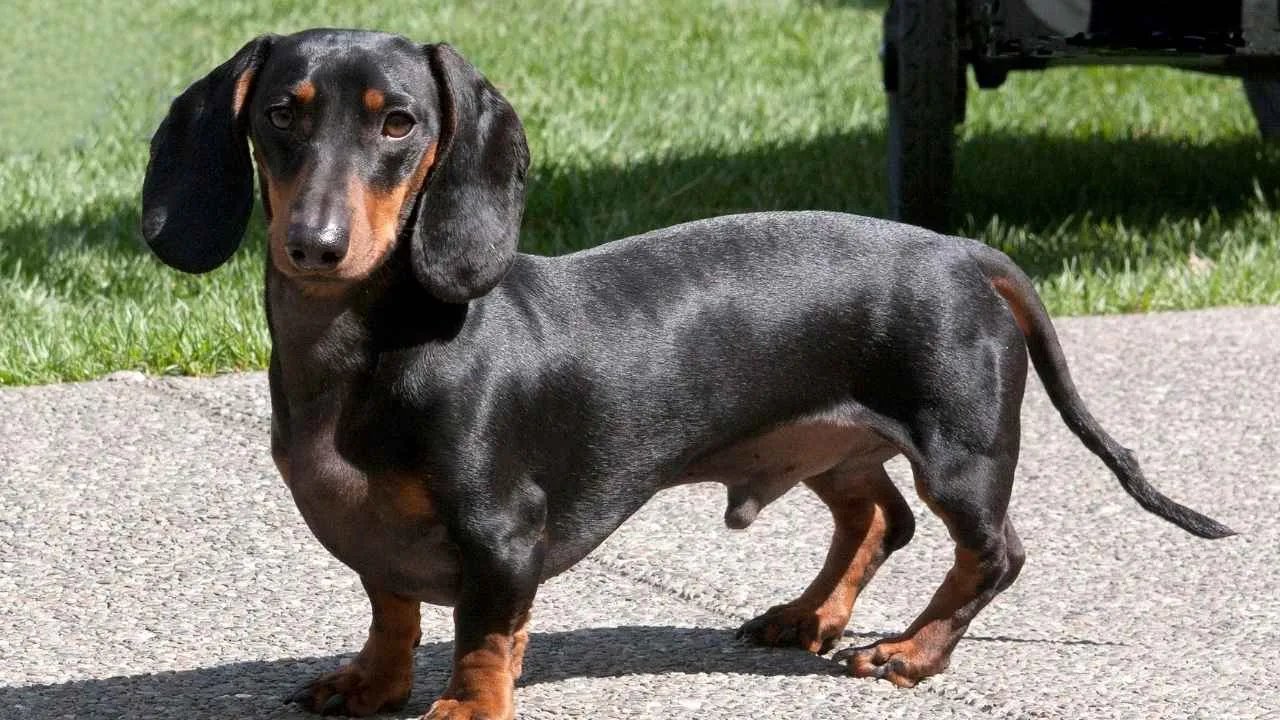
Those elongated bodies, stubby legs, and floppy ears make them look cute, but at the same time, lead to various health issues. For instance, Dachshunds are more susceptible to intervertebral disc disease due to their long backs. It may cause serious back pain and even paralysis.
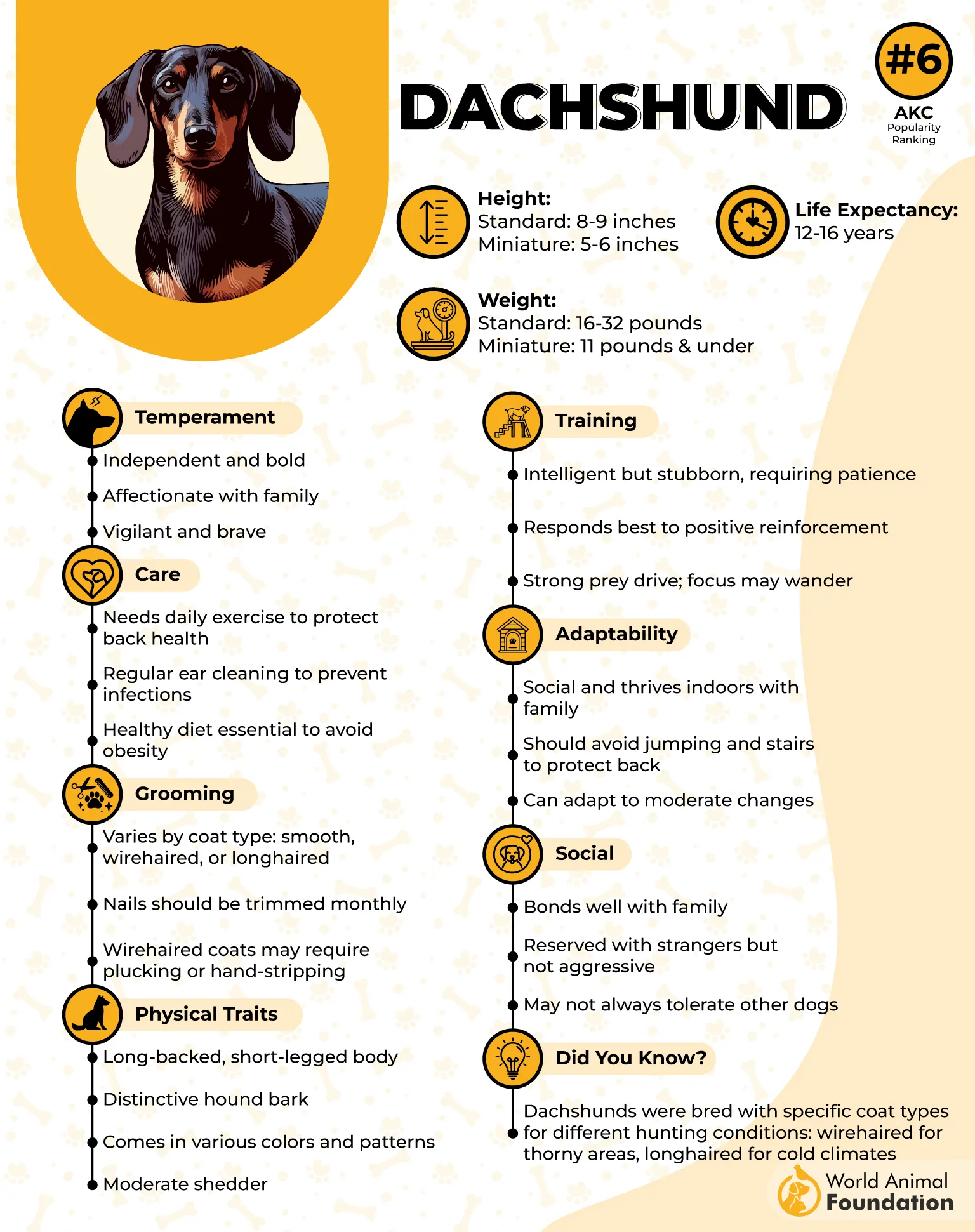
Dachshunds are lazy and laid-back pooches who can happily spend most of their day snoozing. It makes them prone to obesity, which in turn increases the risk of spinal conditions.
Luxating patella is a common health issue in Dachshunds that may lead to mobility problems, explains PetMD. The condition often occurs simultaneously in both hind legs. They may also develop eye issues like progressive retinal atrophy (PRA), glaucoma, and cataracts.
6. Boxer

Often known as a “gentle giant,” Boxers have an upbeat and playful personality. This apparently healthy dog is also susceptible to breed-specific health issues. Cancer is a major health concern in Boxers, and lymphomas and mast cell tumors are very common.
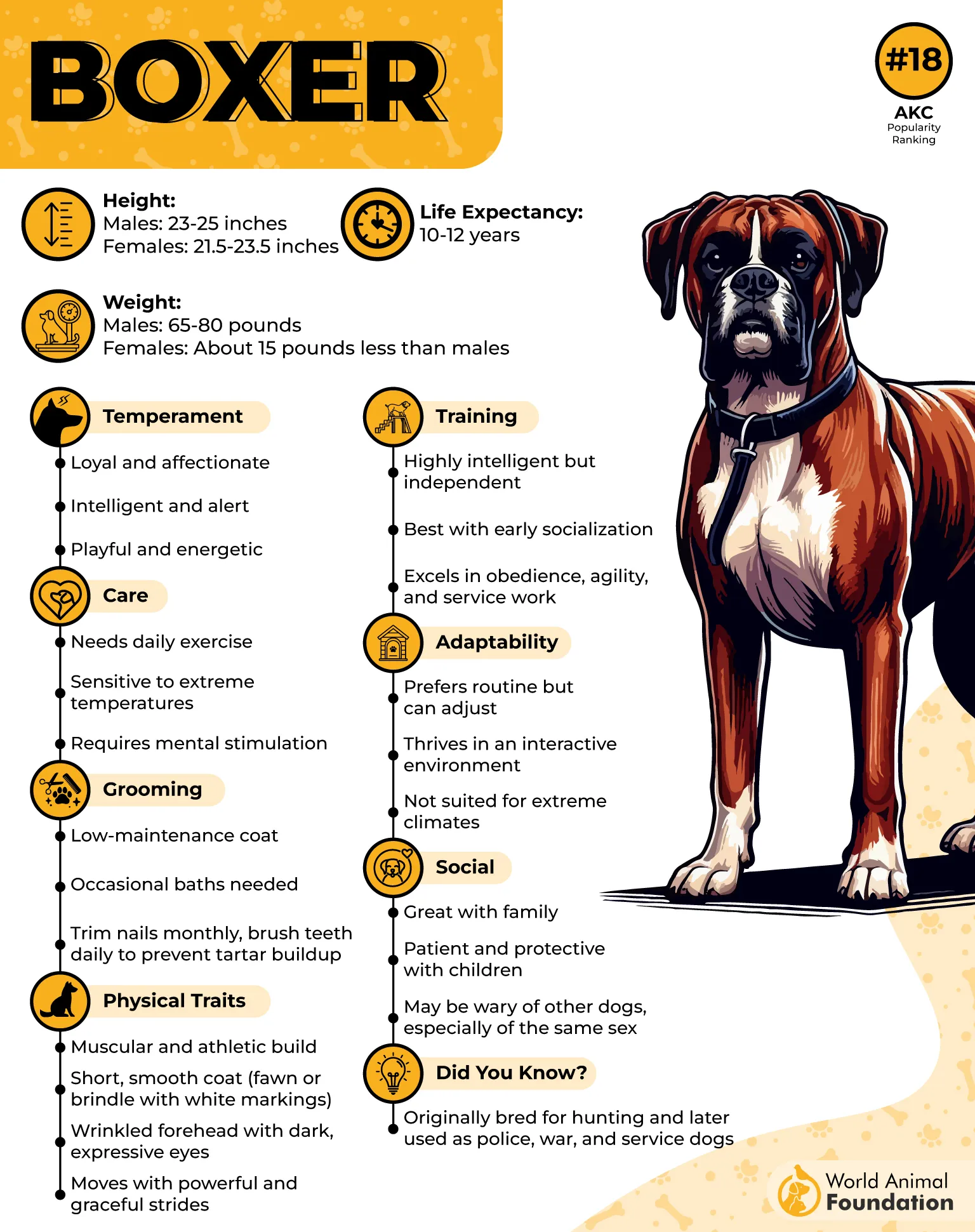
Boxers are also predisposed to degenerative myelopathy and certain other heart problems like arrhythmia and dilated cardiomyopathy, which affects heart muscles. They may also develop hip dysplasia, which often leads to mobility issues.
Another life-threatening condition seen in Boxers is “bloat” or Gastric Dilatation Volvulus, in which the stomach fills with gas and twists itself. They are prone to arthritis, kidney disease, skin infections, and obesity as well.
7. Shar Pei
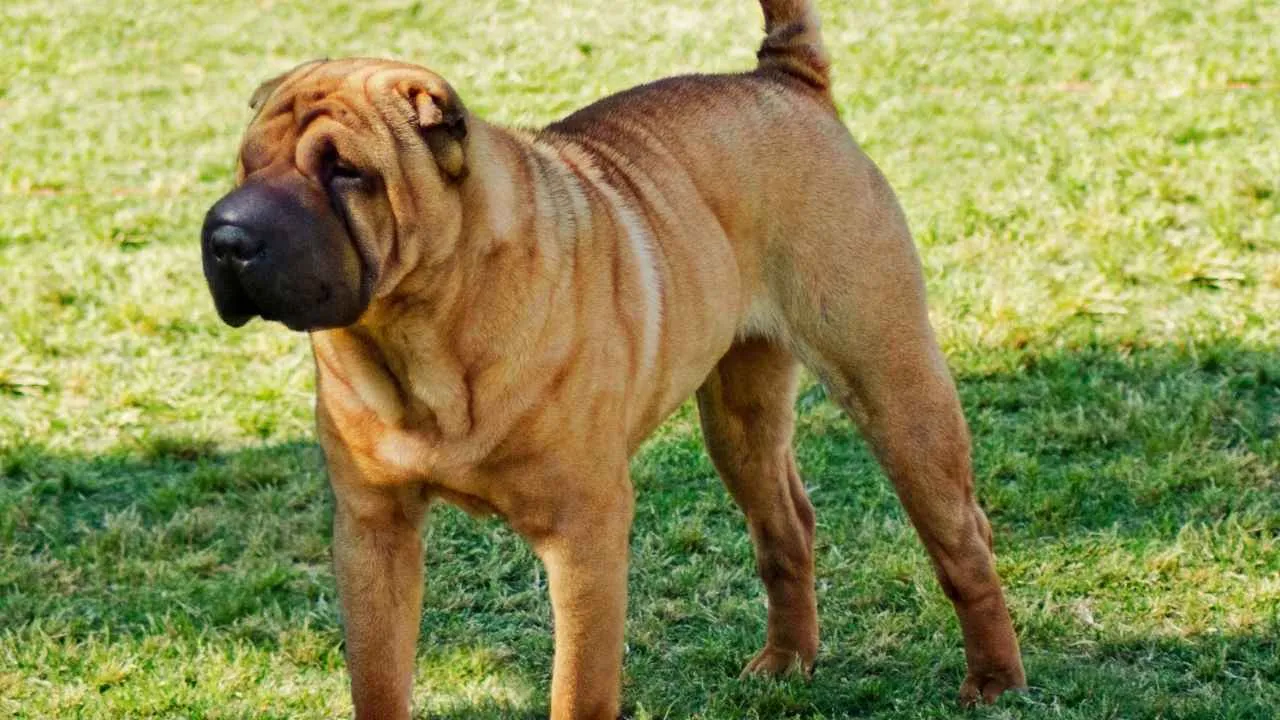
This purebred dog belongs to the non-Sporting group of the canine kingdom. Originally bred in China, the Shar Pei is recognized by its wrinkled face. However, this physical feature poses a health risk for skin infections.
Shar Peis are very likely to suffer from conditions like elbow and hip dysplasia, patellar luxation, and gastrointestinal issues. Shar Peis are prone to eye issues like entropion, glaucoma, retinal dysplasia, and Sudden Acquired Retinal Degeneration Syndrome (SARDS).
According to the American Kennel Club, this breed is also susceptible to respiratory issues, cardiovascular diseases, musculoskeletal problems, and certain cancers. Shar Pei is very adaptable and does well with an active owner as well as an apartment dweller.
8. Rottweiler

Rottweilers are strong and muscular dogs known for their intimidating appearance. While they have been serving as guard dogs, military pups, police dogs, and search-and-rescue dogs for decades, Rotties are likely to suffer from various health challenges in life.
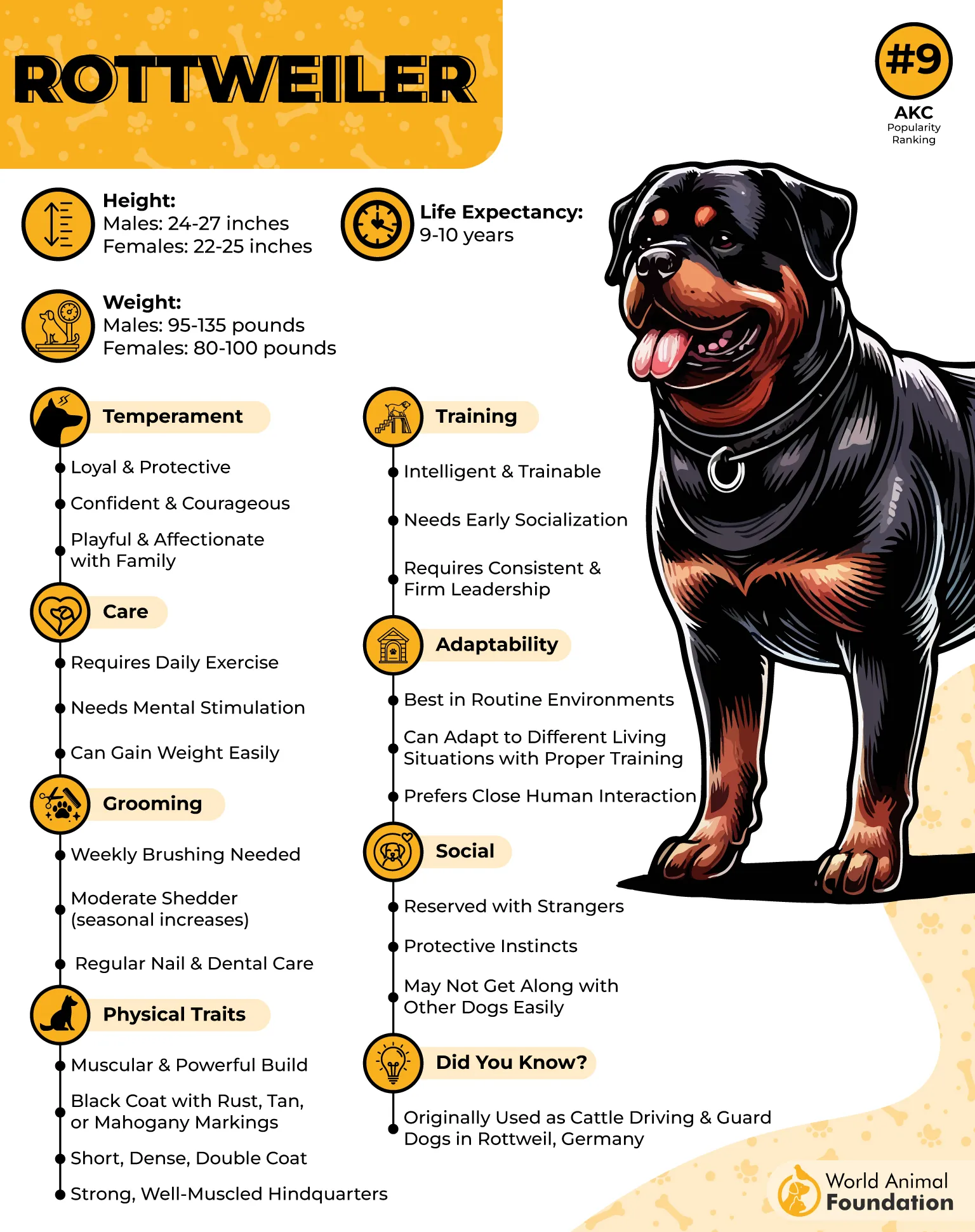
Like other breeds, elbow and hip dysplasia are common health issues in this dog breed. Rottweilers can also develop Von Willebrand’s disease, a condition that makes it hard for the blood to clot. Some of them can also suffer from Addison’s disease and hyperthyroidism.
Other health issues include obesity, kidney disease, heart disease, and allergies. Rottweilers are prone to epilepsy as well. Regular veterinary check-ups and proper exercise can help prevent such issues and keep your Rottweiler healthy.
9. Great Dane
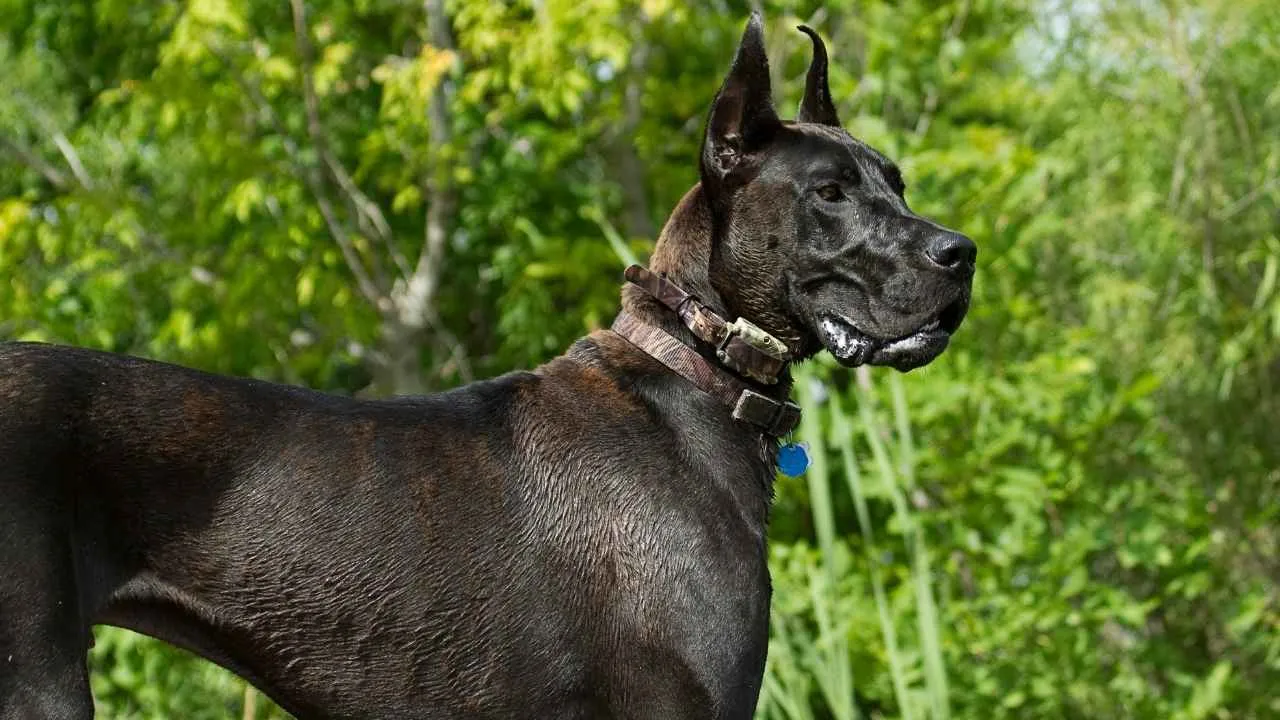
Thanks to their gentle nature and large size, Great Danes are commonly referred to as “gentle giants.” Their tall bodies give them an iconic appearance, but older Great Danes find it hard to support their large bodies.
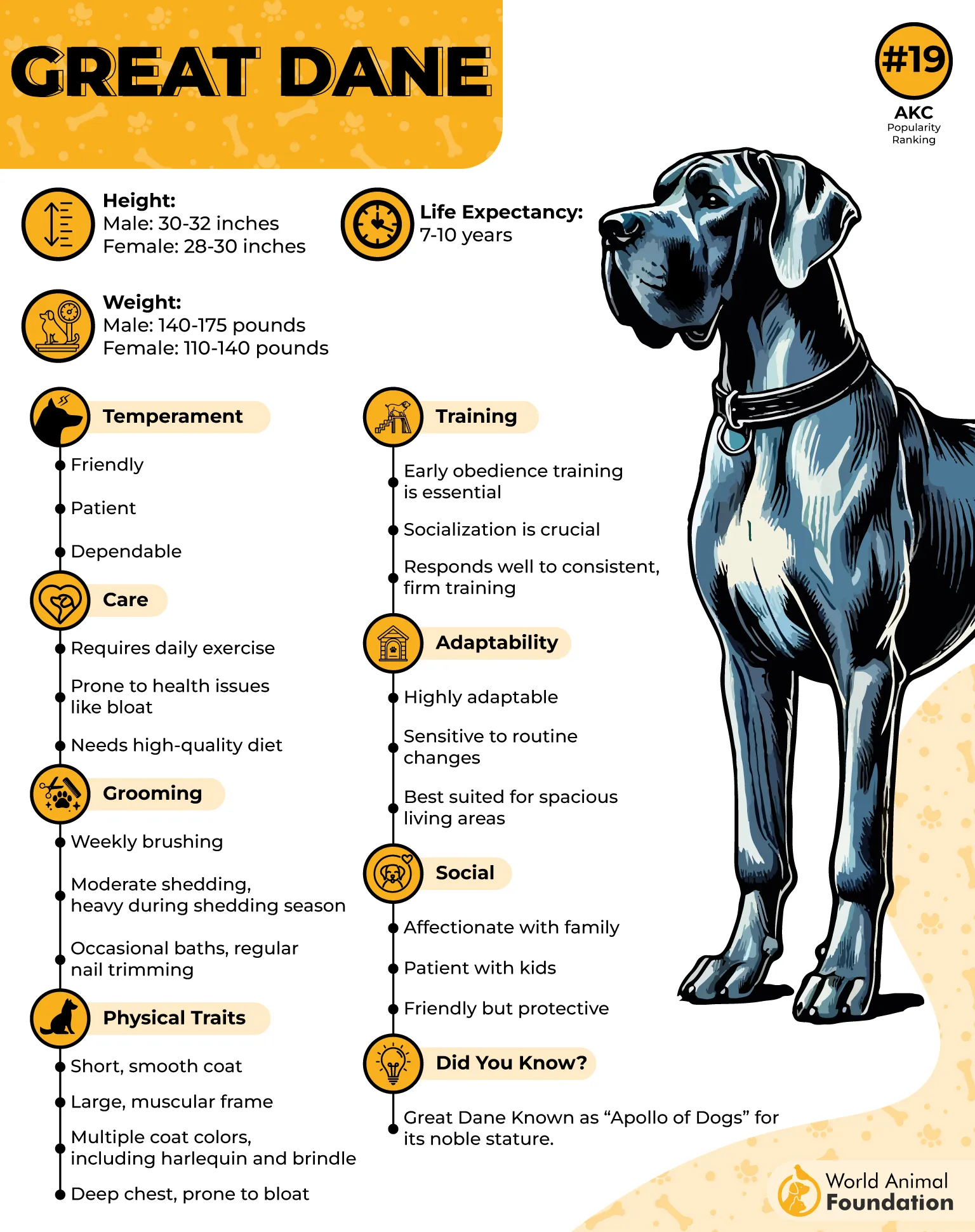
Common health issues in Great Danes include hip dysplasia, osteosarcoma, and osteoarthritis. Danes are susceptible to Hypertrophic Osteodystrophy (HOD), a condition in which a dog’s rapidly growing bones swell and become inflamed in the limbs.
According to WebMD, these pooches sport the nickname “Heartbreak breed” because they are prone to a heart disease called dilated cardiomyopathy. In this problem, the heart becomes thin, weak, and large and fails to pump the blood to the body properly.
Great Danes are also susceptible to cancer at a young age. No other breed is more prone to lymphoma than Danes. It is important to detect cancer early on so that you can provide the best possible treatment to your dog.
Conclusion
Some healthiest dog breeds brim with health, while others are more predisposed to certain diseases compared to other breeds. Urban life is full of chaos, and having a dog can bring comfort and calm in the hustle and bustle. However, unhealthy dog breeds can only add to chaos.
Unhealthy pooches can develop certain health issues like hip and elbow dysplasia, heart diseases, eye and ear infections, joint problems, obesity, and bloat in life. Regular vet visits, early detection of the disease, and maintaining a healthy lifestyle can help reduce the risk of these problems.
Moreover, providing proper medication and dietary supplements can help regulate the pre-existing health problems in your furry friends.
