




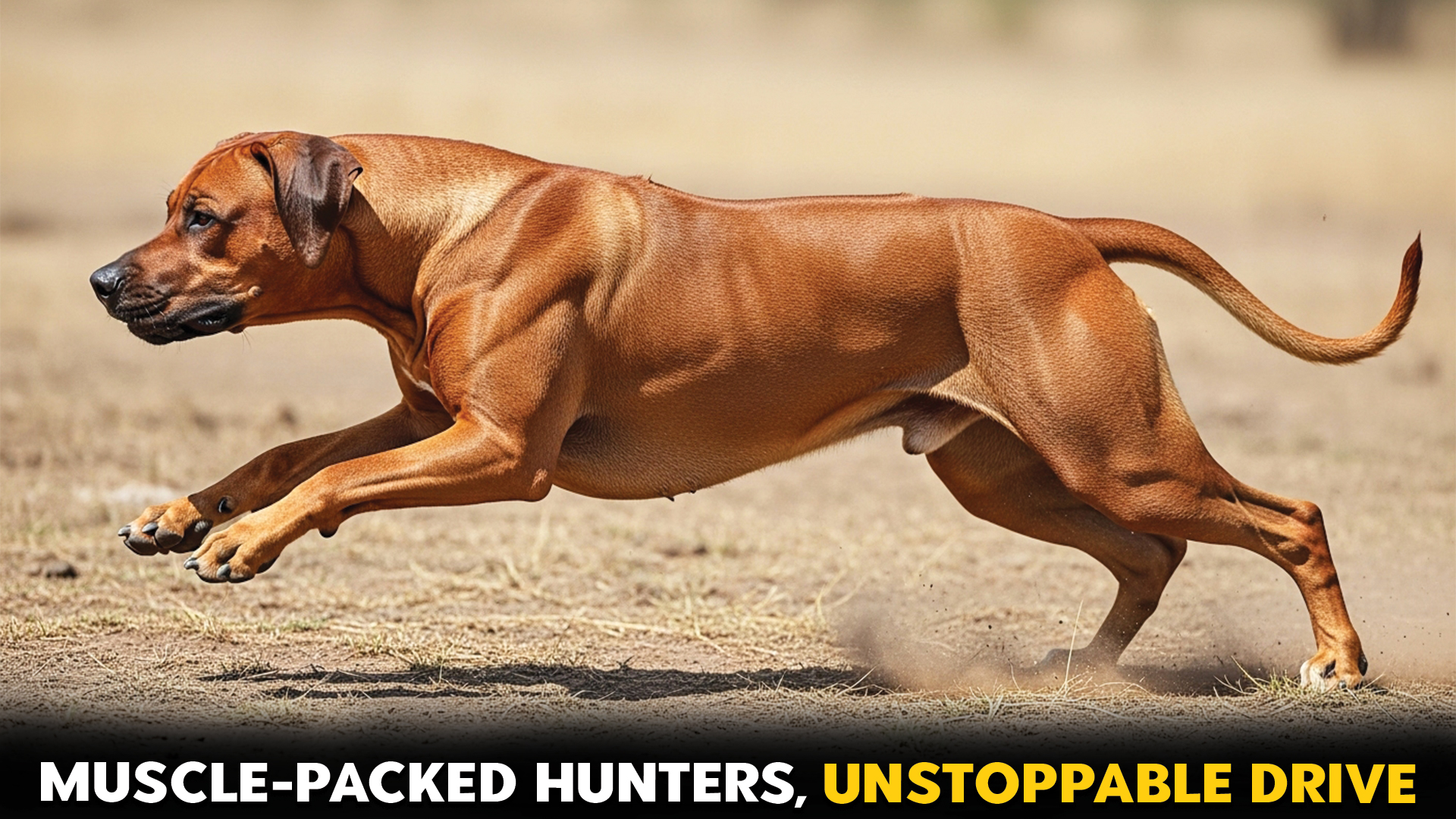
Strong dogs can steal your heart, then drag you outside.
That pull is not just a muscle. It is the purpose. Some muscular dogs were built to chase, track, and hold ground when the trail gets messy. Others were shaped to stay close, read the land, and work for hours without quitting.
And here’s the best part! When that strength comes with a steady mind and the right training, it can also bring calm, safety, and a deep bond at home.
This blog will walk you through the strongest dog breeds and what makes these hunting dogs special, what they were originally bred to do, and what you should know before bringing one home.
If you want a best friend with a strong body and a big heart, you are in the right place.
Most Muscular Hunting Dog Breeds
1. Rhodesian Ridgeback
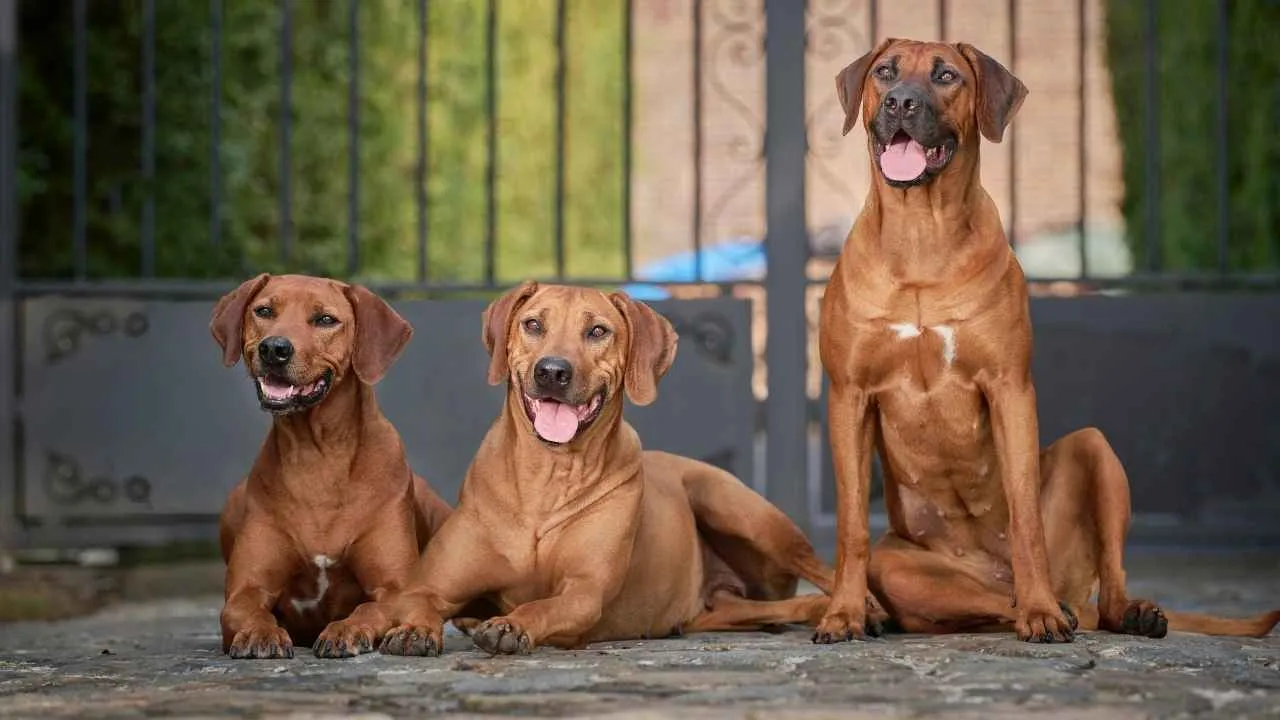
According to AKC, this breed was developed in Southern Africa in the mid 17th century. It was originally bred to help with hunting large game for many hours over long distances.
People often call it the Lion dog because it could track lions in small groups, then use quick moves to hold the animal in place until the hunter arrived. That takes a muscular frame, sharp focus, and real nerve.
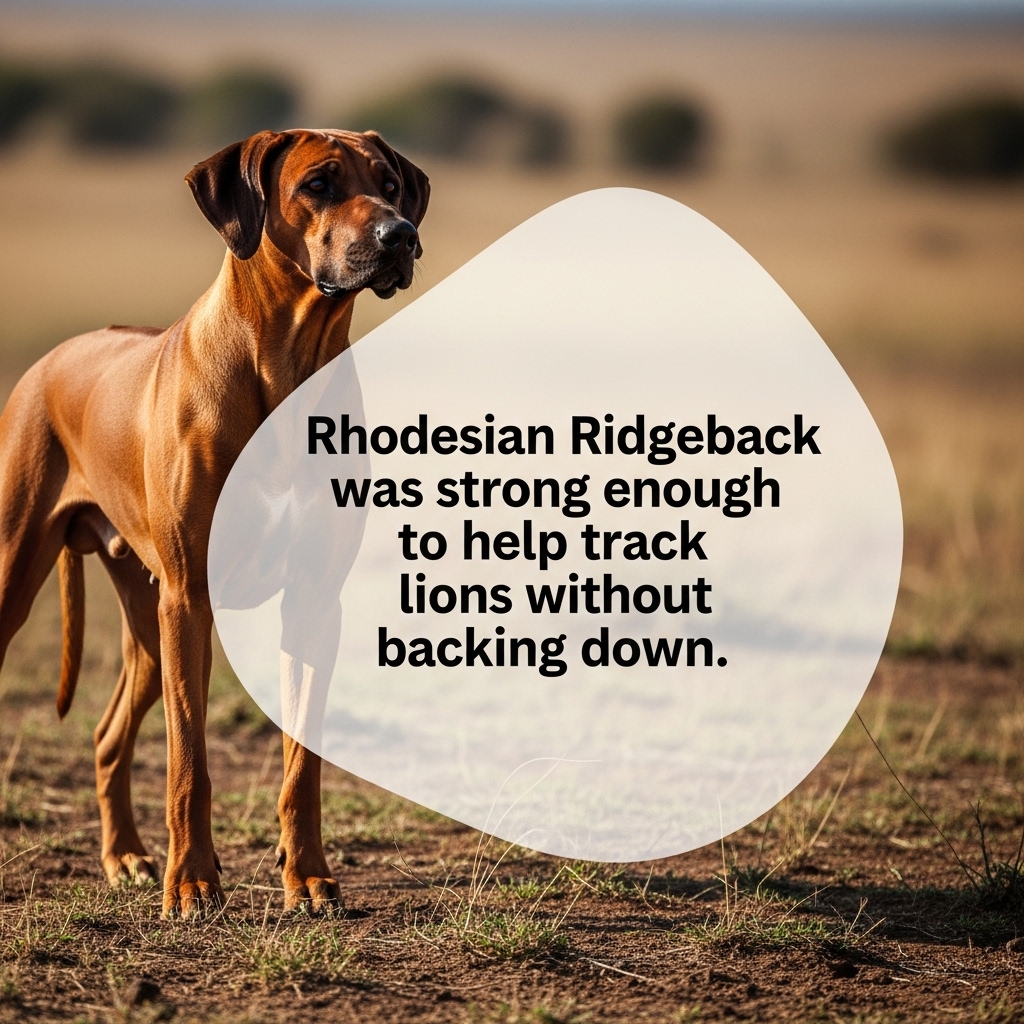
Rhodesian Ridgeback dogs can feel calm and proud, almost like they know they are tough. Many are reserved with strangers, yet deeply affectionate with the people they trust. Proper socialization matters here because the strong prey drive can make some moments intense.
Sounds crazy, right? The trick is helping the dog learn what is normal, safe, and worth ignoring.
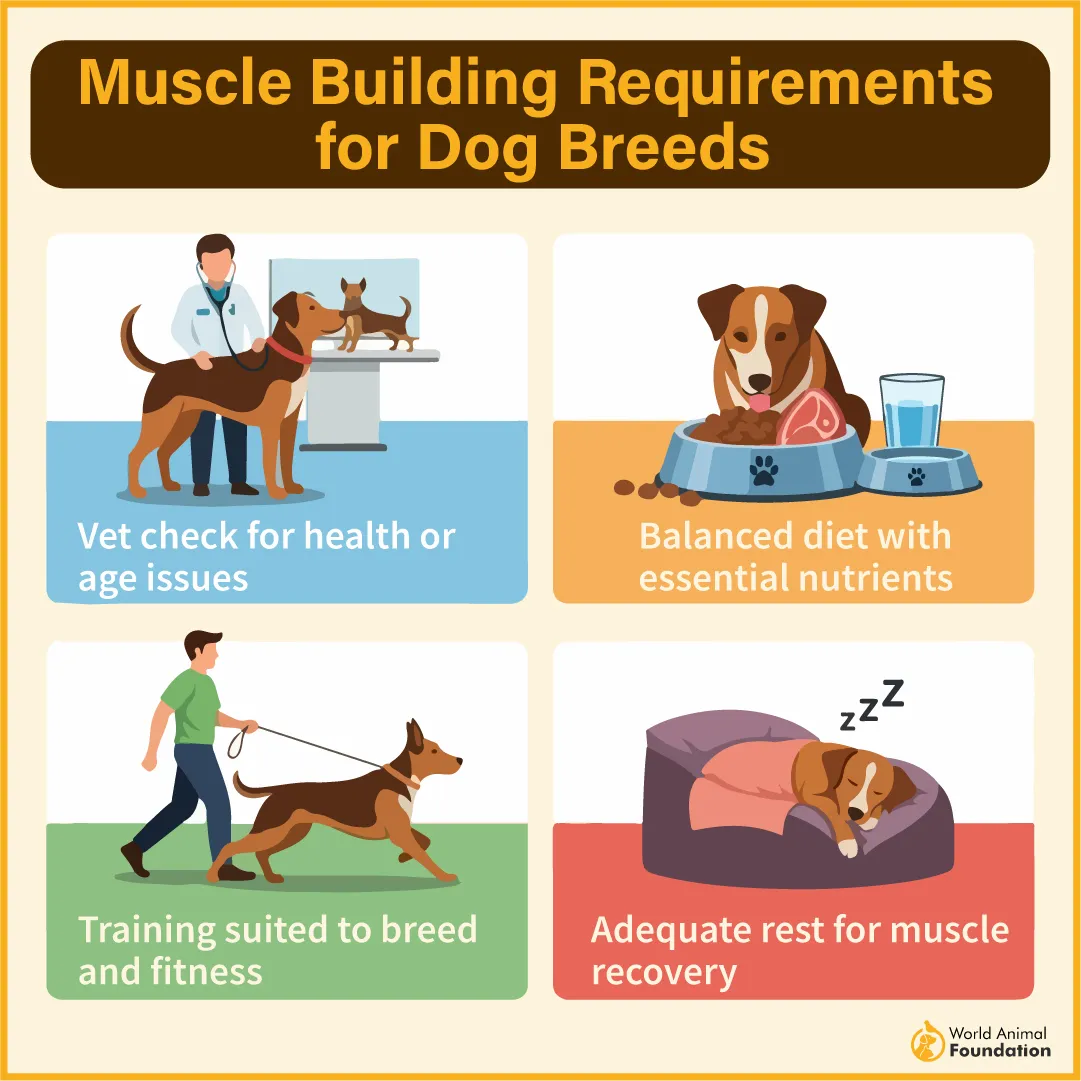
This is one of the muscular dog breeds that needs a steady routine. Long runs help burn energy, and mental stimulation helps keep the mind from getting bored.
Training works best with positive reinforcement, plus clear rules that never change. Early training can be a lifesaver with pups, because that independent streak is real.
Why Are They Known for Strength and Endurance?
Tracks scent trails for hours without melting down
Handles rough terrain with strong legs and firm feet
Can join tracking and agility for skill and control
Needs firm, kind handling from an experienced owner
🎧 Dogcast
Episode 30 — If Dogs Could Talk — How Dogs Really Feel When You Leave (Separation Explained)
If you don’t hear sound, tap the button above to enable audio.
2. Plott Hound
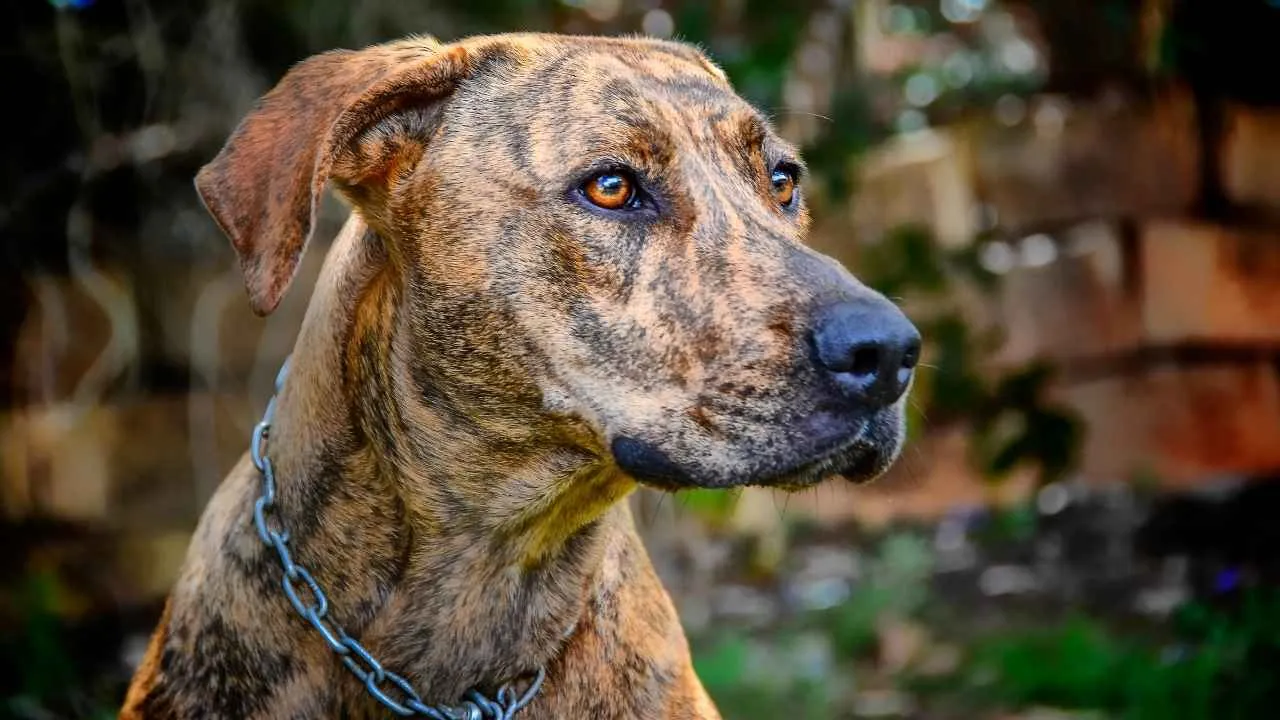
The Plott Hound breed was developed in the United States using Hanover hounds and local hunting dogs. It is known as the state dog of North Carolina.
This is a scent hound with serious drive, and the body to match. When people talk about muscular dogs that keep going, this one often comes up for good reason.
Plott Hound dogs are fearless, loyal, and eager to please. But wait, there’s more! Many also have protective instincts, which can be helpful, but it also means socialization should start early and stay gentle.

Some can be wary around strangers, so calm exposure and reward-based practice go a long way.
Because this is a hunting breed, the nose leads the brain. That is not “bad,” it is just how the dog works. Training should lean on positive reinforcement, because harsh methods can turn trust into stress.
Give a job, give a track, give a goal. Otherwise, it gets even worse, though, because boredom can show up as loud behavior and restlessness. Daily movement is not optional here.
Why Are They Known for Strength and Endurance?
Strong hunter mindset with a bold, tough attitude
Loves long track sessions and outdoor challenges
Needs steady socialization to feel relaxed with new people
Can chase small game if not managed
3. American Leopard Hound
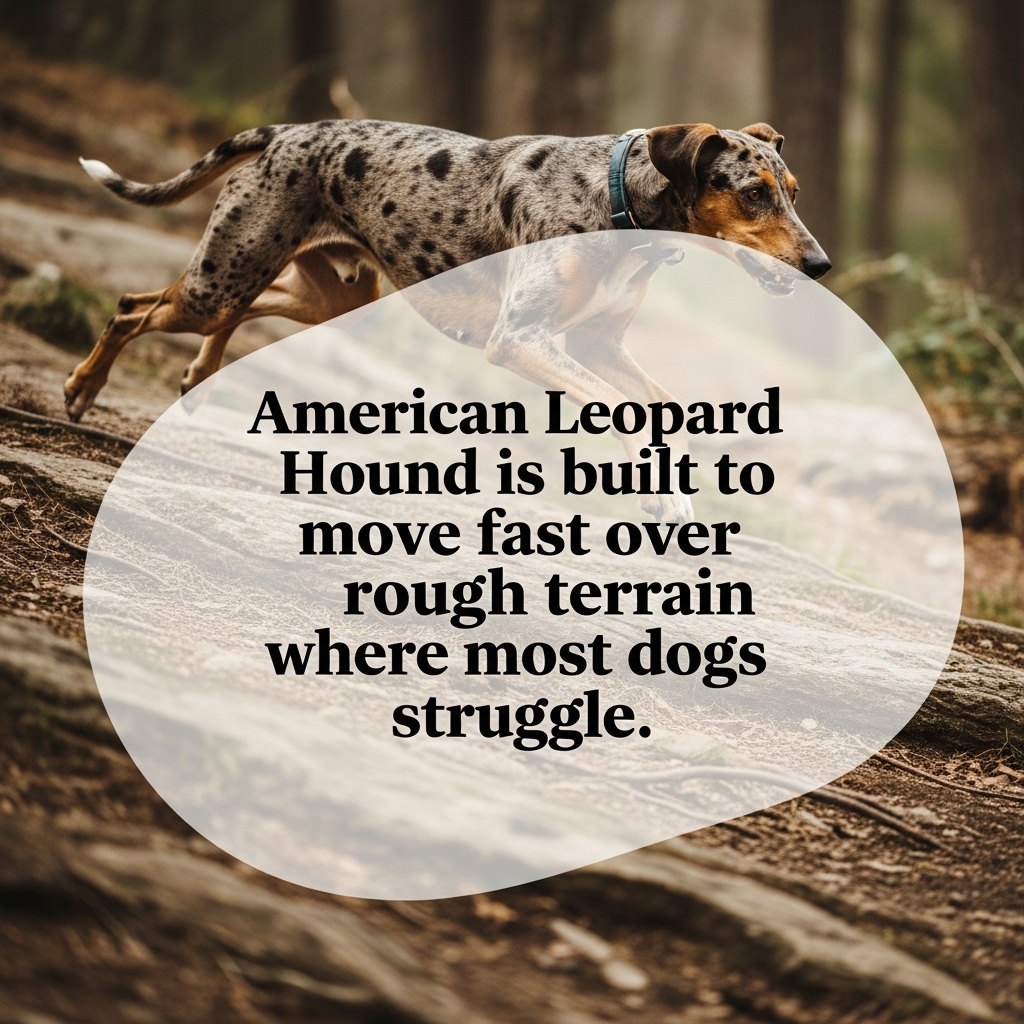
American Leopard Hound dogs are built for work, not for showing off. As per TotalVet, this breed was developed to handle demanding days in the field, where the path is not clean, and the animals do not play fair.
Think of a dog that can track, stay alert, and still have enough energy left to go again. That is the vibe.
This is one of the more versatile dogs in spirit because it can handle various landscapes with confidence. Many have a well-muscled body that supports quick turns and sudden bursts of speed. The mind matters too.
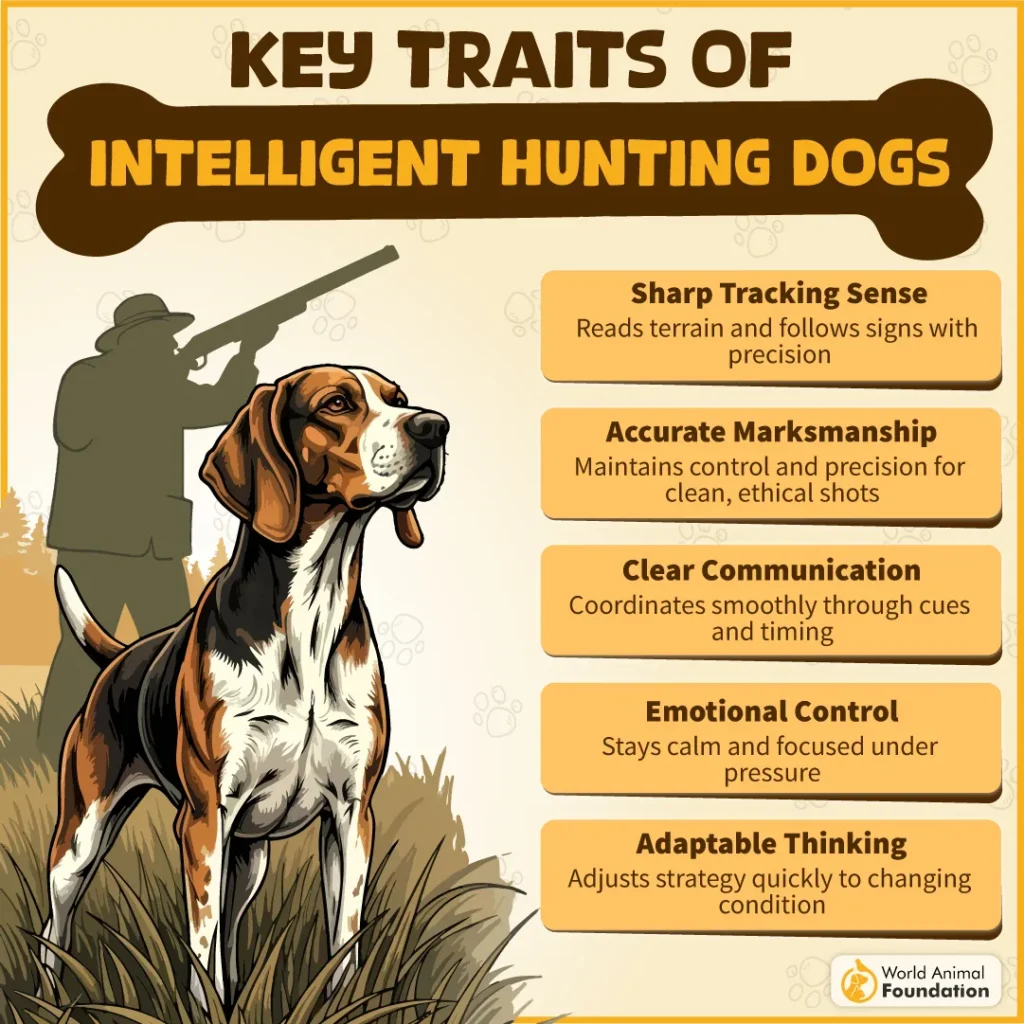
With the right approach, this can be one of those intelligent dogs that learns patterns fast and starts “reading” your cues like a pro.
Here’s the good part. A smart dog can also become an easy dog if training is steady and fair. Start with positive reinforcement, keep sessions short, and build up the ability to focus on wildlife.
If you skip structure, the strong prey drive can take over. So make the rules simple. Practice recall. Use games that feel like work, such as searching for hidden scent targets. That keeps the dog satisfied without chaos.
Why Are They Known for Strength and Endurance?
Built to track with focus and quick reactions
Enjoys purposeful training that feels like a mission
Needs proper socialization to stay confident
Best with an active home that likes outdoor time
4. Catahoula Leopard Dog
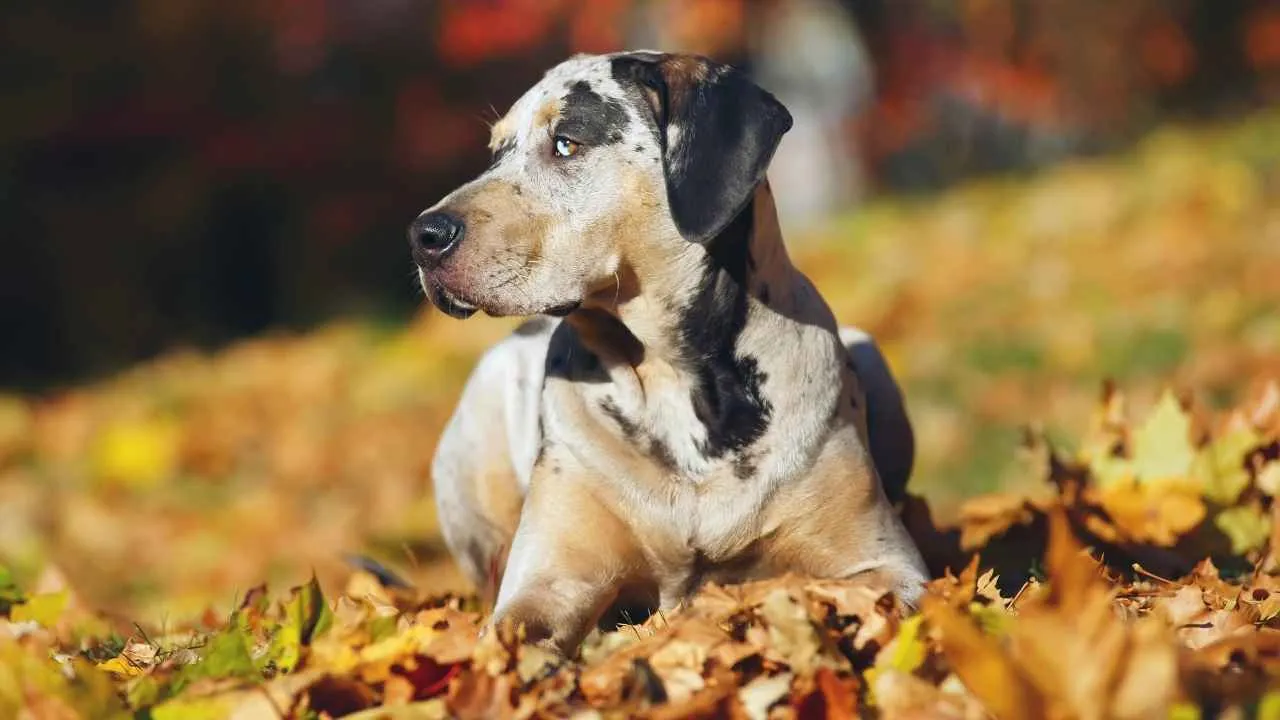
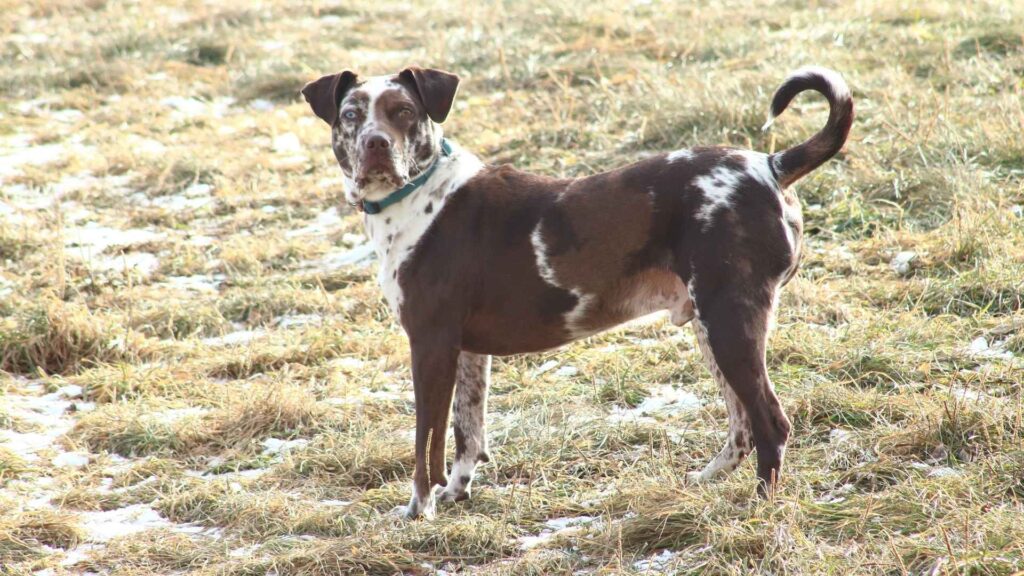
Catahoula Leopard Dog dogs are known for power, grit, and a fearless attitude in the field. This breed was developed for tough work where animals can push back. The body is muscular, and the mind is bold. When hunting gets intense, this dog can stay locked in.
Many owners notice the dog can switch from calm to “on duty” in seconds. That is part of the charm and the challenge.
Protection can show up as watchful behavior, so socialization should be calm and planned. The goal is not to make the dog love every stranger. The goal is to help it stay stable and safe in everyday life.
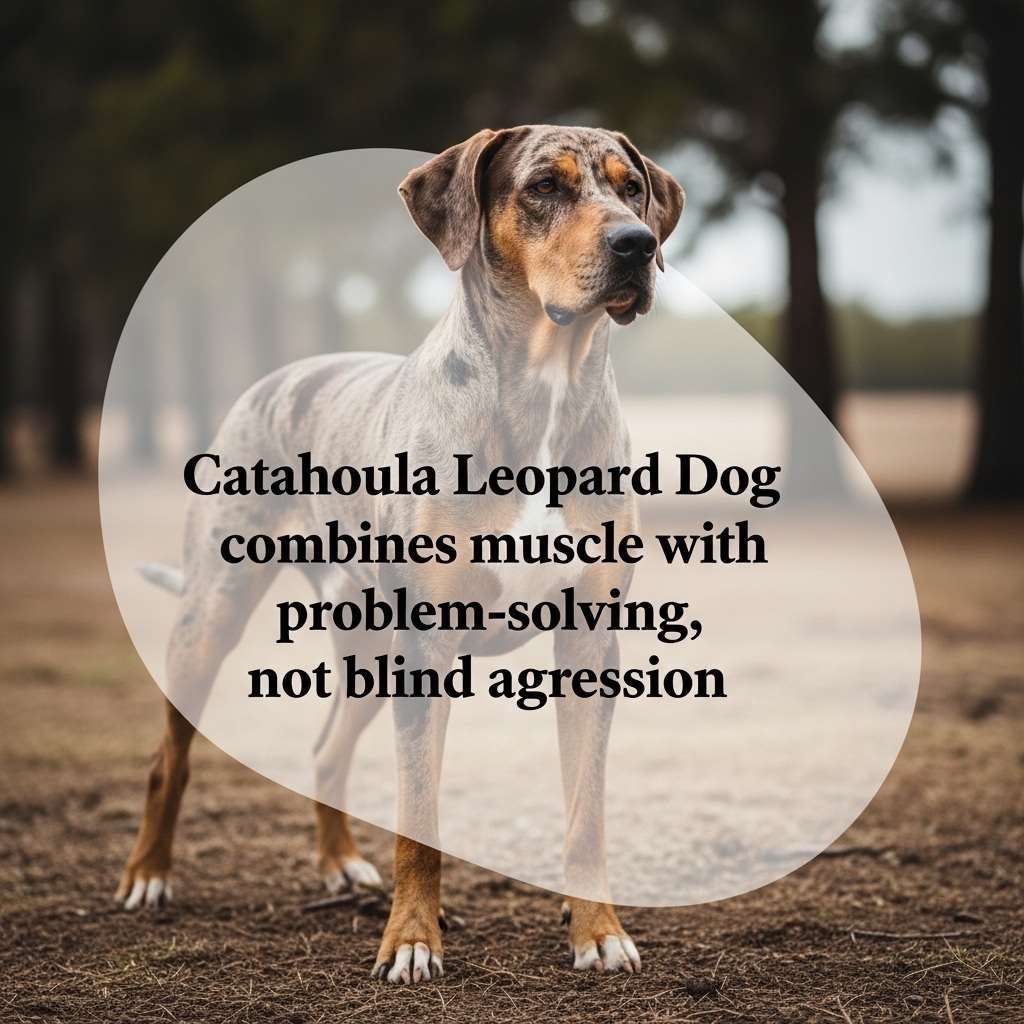
Training should begin early with pups, with clear boundaries and lots of positive reinforcement. A stubborn streak can pop up, especially if the dog thinks the task is pointless.
But why bother with that? Because once the dog respects the routine, you get a partner that can track, hold focus, and work through dense cover without losing heart. Keep the brain busy with problem-solving games, and the body busy with real exercise.
Why Are They Known for Strength and Endurance?
Strong ability to track and stay focused under stress
Handles hard outdoor conditions with confidence
Needs steady socialization to stay balanced
Loves structured work and clear rules
5. Redbone Coonhound
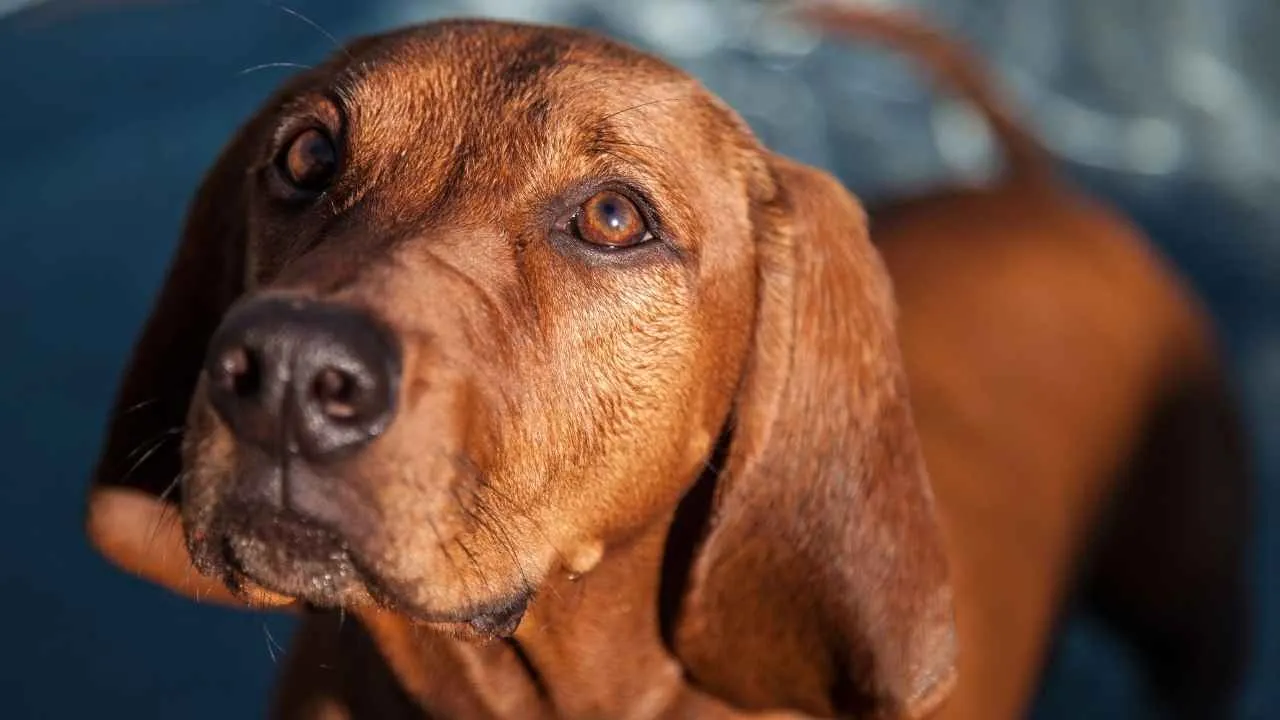
PetMD notes that Redbone Coonhound dogs are famous for their steady drive and strong nose. This breed was developed for hunting, where the track can run long and the night can feel endless.
The body is muscular, and the chest is built for deep breathing, which helps with endurance. If you want a hunter that stays on task, this one often delivers.
This is the kind of dog that can feel friendly at home and serious outside. Many are affectionate and enjoy close time with their people. Still, once the scent hits, the brain flips into work mode.
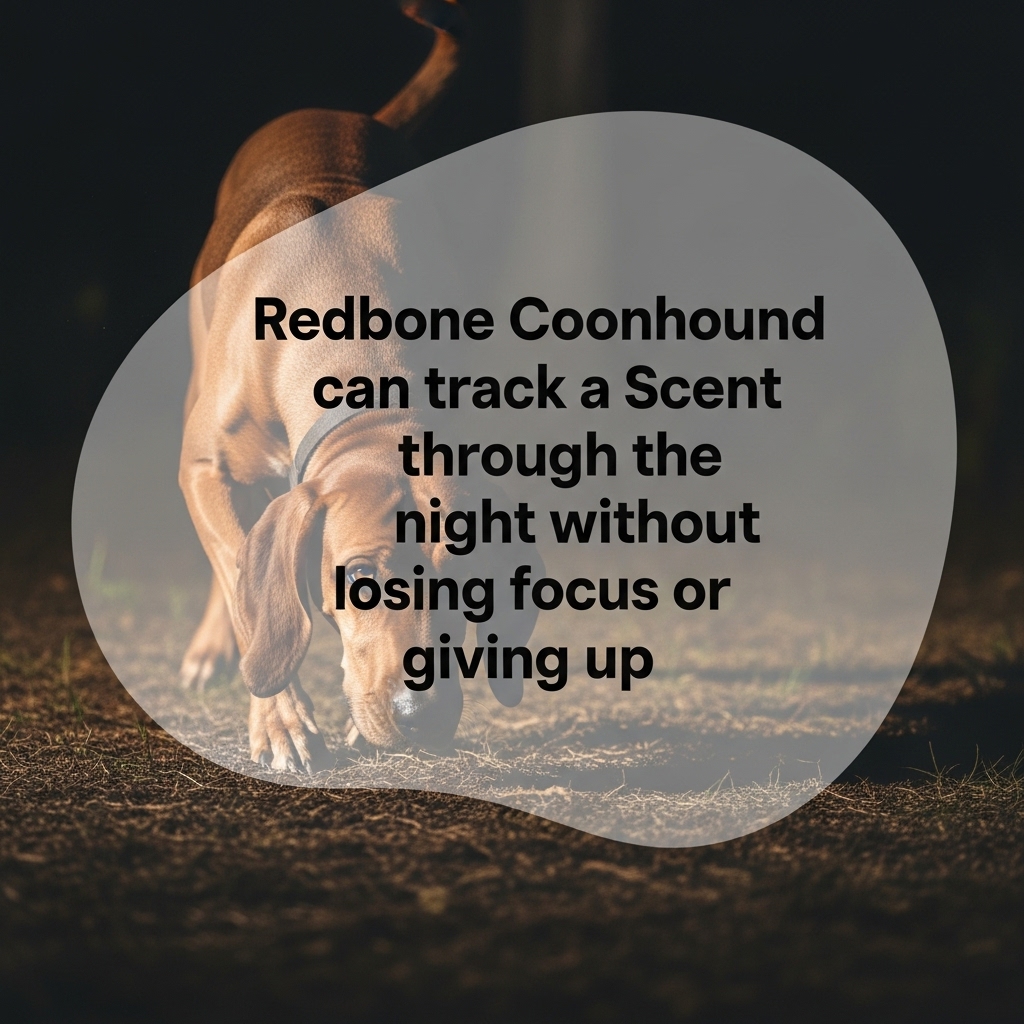
That is why training needs patience and repetition. It is not about “winning” against the dog. It is about teaching focus, then rewarding it.
For active families, this can be one of those great dogs that keep life fun. Give the dog a safe place to run, plus tracking games that let it use scent in a controlled way.
Keep socialization going so the dog stays polite around other dogs and new situations. And yes, the voice can be loud. If you know, you know. It helps to plan for that and not act shocked later.
Why Are They Known for Strength and Endurance?
Loves to track for long stretches without quitting
Strong retrieving habits can be shaped with training
Needs daily activity and consistent positive reinforcement
Enjoys people time and can be affectionate at home
6. German Shorthaired Pointer
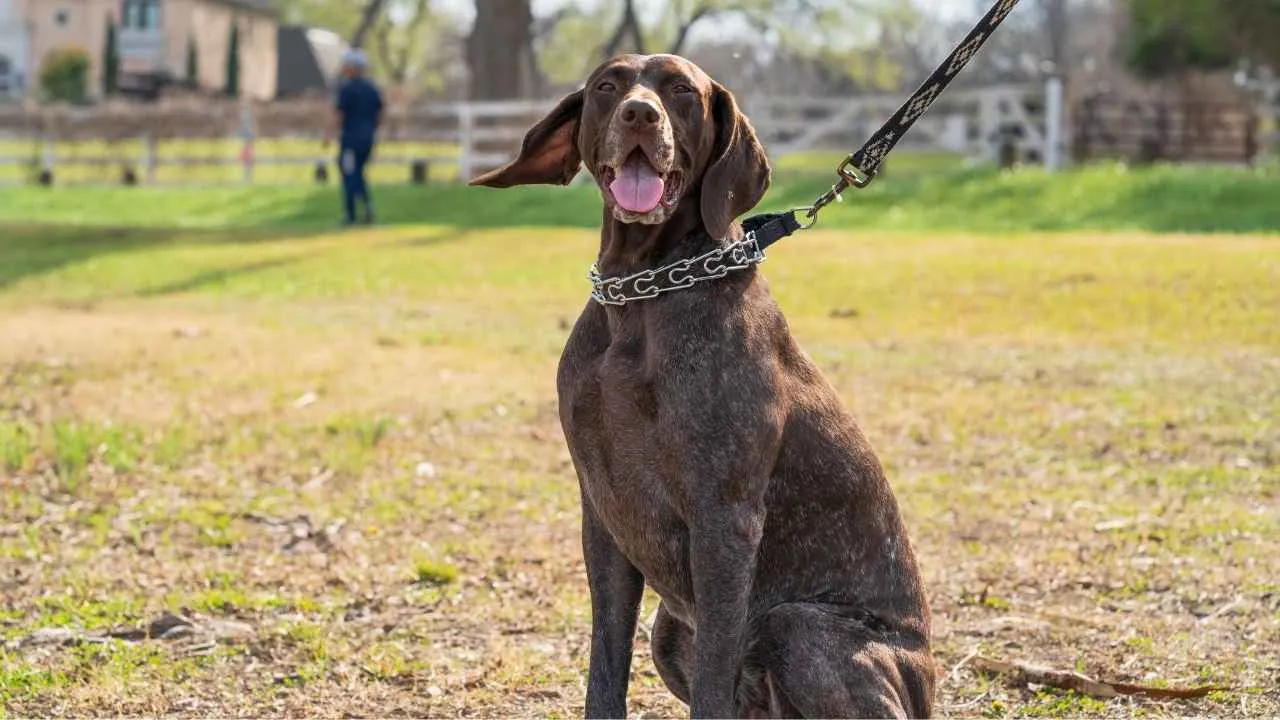
The German Shorthaired Pointer is an all-around hunting dog with stamina, speed, and sharp skills. It is known for hunting, pointing, and retrieving, and it can work long hours without fading.
With webbed feet and a short coat, it can swim well and retrieve in water. That matters for waterfowl hunting, especially when ducks drop into cold, messy places.
This is a highly intelligent worker that likes being close to its person. Many are affectionate and eager to please, which makes training smoother when it is done right.
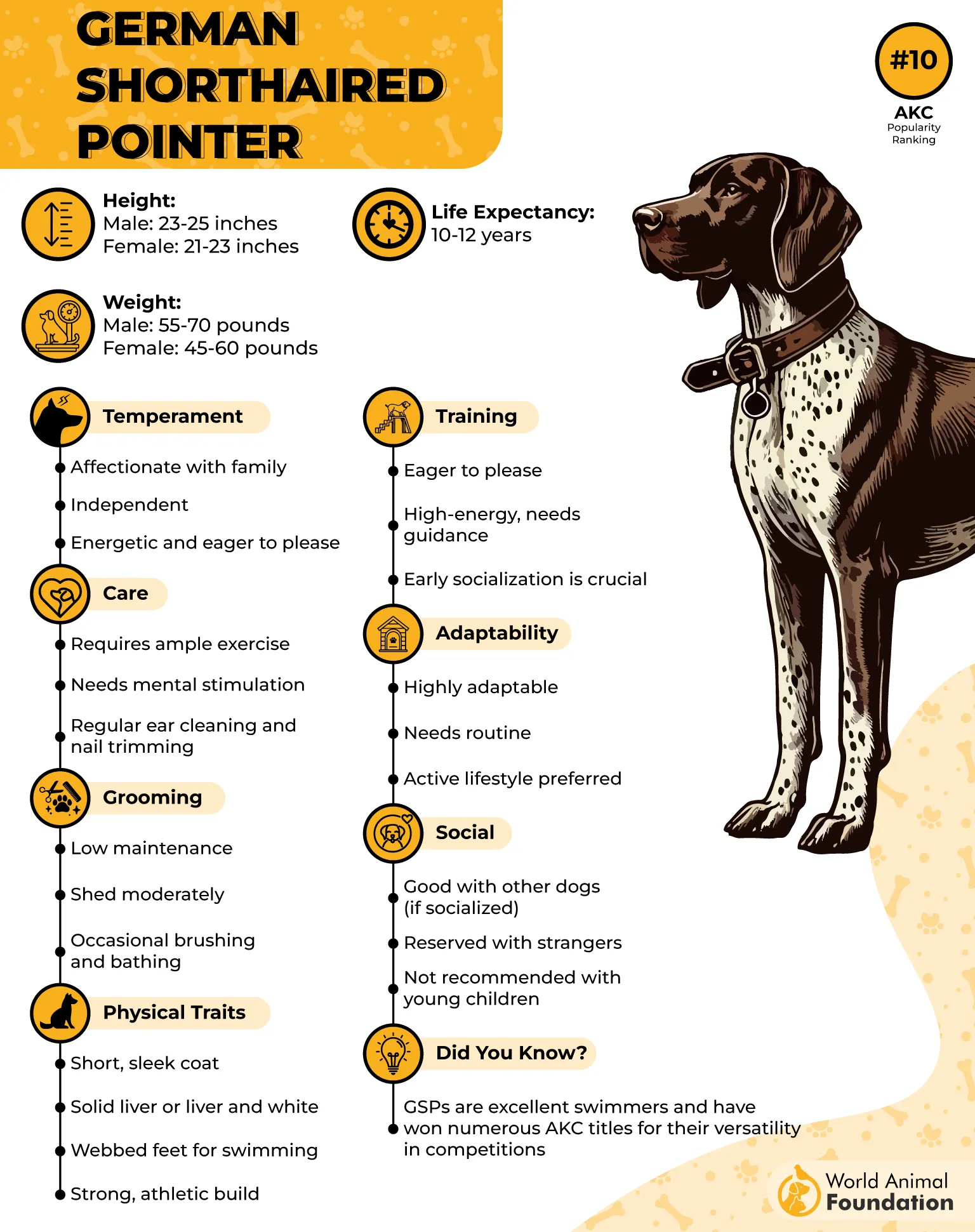
Here’s the best part! When you use positive reinforcement, the dog often becomes easily trained and happy to repeat tasks. But the strong hunting drive can lead to sudden chasing, so off-leash time needs real planning.
Because the coat is short, it is not a double coat, so weather comfort matters. Warm climates can feel easier for this breed. The body is athletic and well-muscled, and the energy is high in the most honest way.
If you want a dog that will run with you, hike with you, and still beg for one more round of play, this one fits. Just remember: daily work and mental stimulation are non-negotiable.
Why Are They Known for Strength and Endurance?
Built for retrieving and steady tracking work
Loves waterfowl and waterfowl work in real conditions
Needs intense training routines and daily exercise
Best for active family dogs that enjoy the outdoors
7. Weimaraner
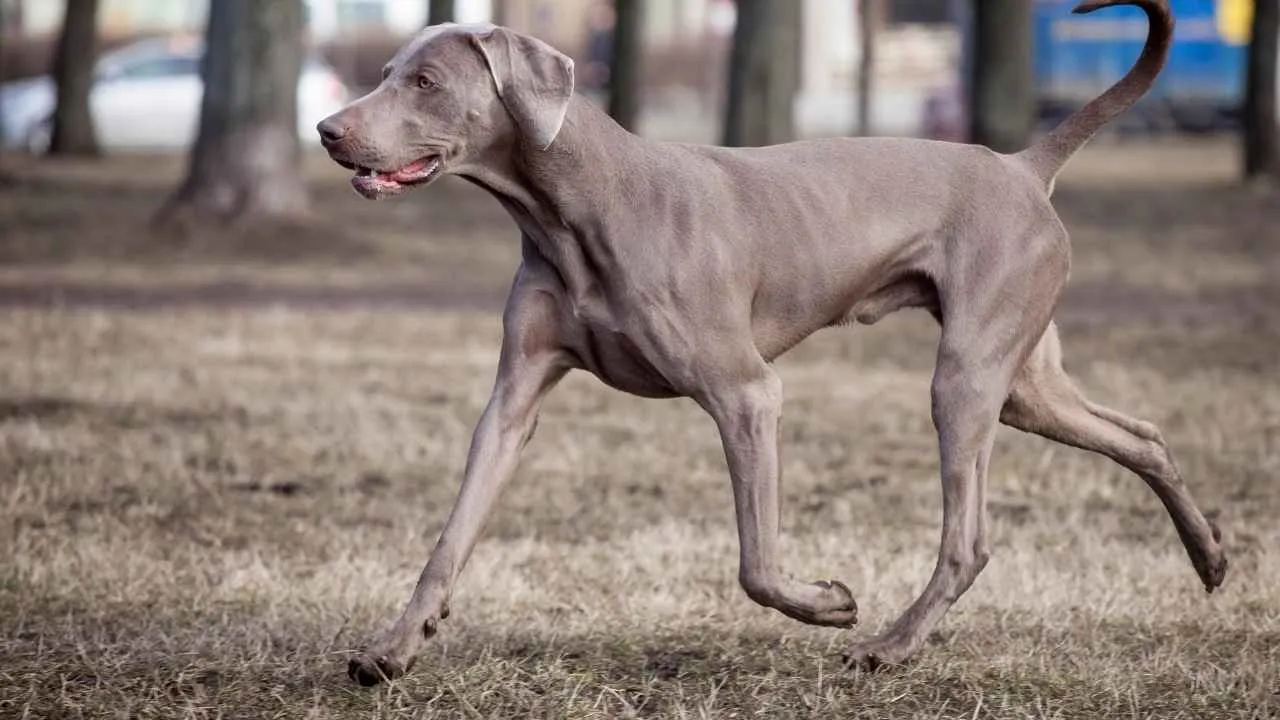
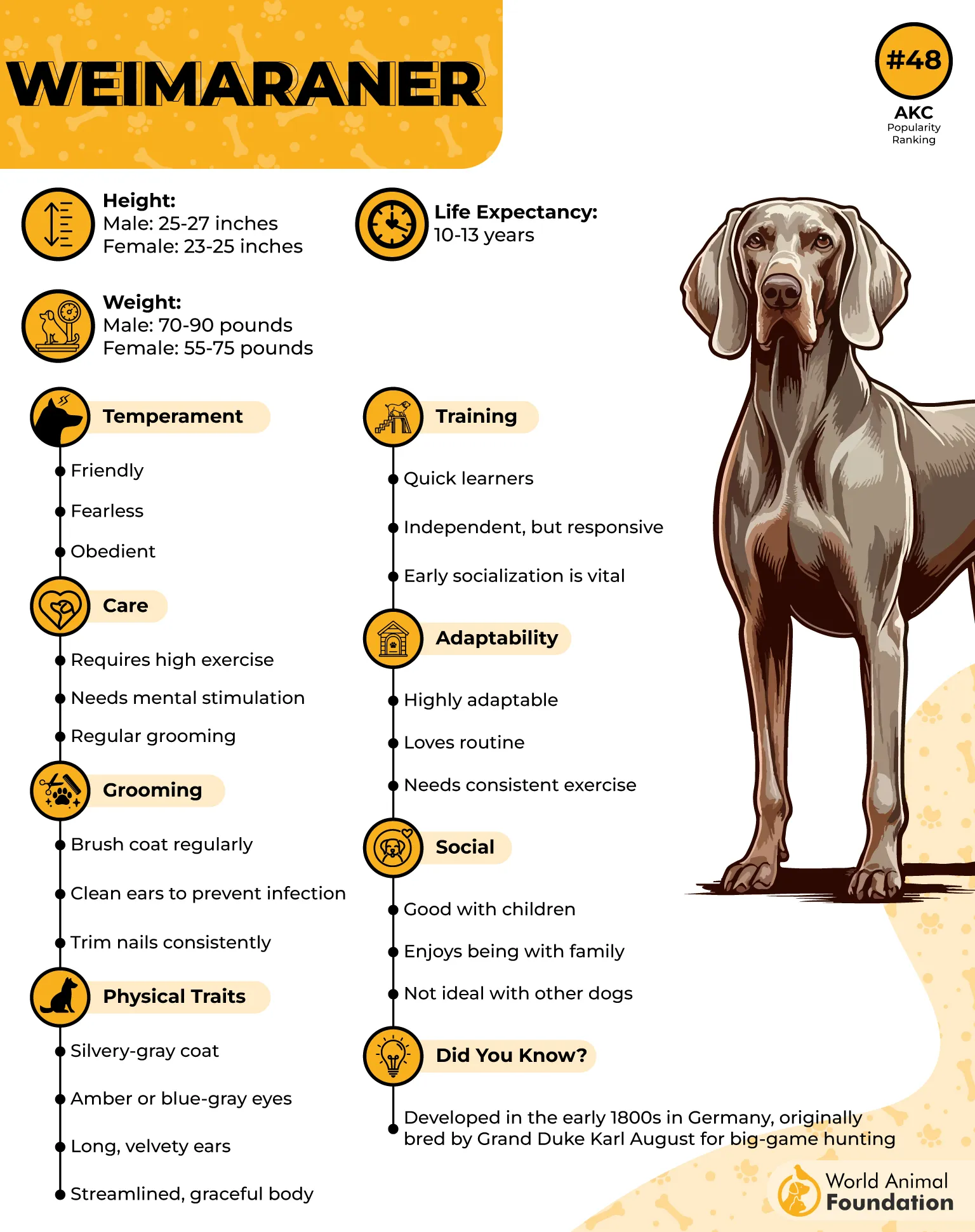
The Weimaraner was developed for hunting large game such as wild boar, deer, and bears. Lean and athletic, it was prized for endurance and speed.
When big game hunting became less common, the dog shifted to work like flushing out rabbits, foxes, and other small game. That mix of roles shaped a body that can sprint, then keep going, then sprint again.
This breed often wants to stay close to its person. Many are affectionate and crave attention, which can feel sweet, but it can also turn into stress if the dog is left alone too much.
It gets even worse, though, when boredom meets energy. That is when chewing, pacing, and loud behavior can show up. The fix is not “more toys.” The fix is more real-life with you.
Training should be clear and upbeat, using positive reinforcement and lots of structure. Build recall, teach calm waiting, and practice focus around birds and other animals.
Give the dog space to run, and make exercise a daily habit, not a weekend event. When the body is used well, the brain settles. And the dog becomes that joyful shadow who makes you laugh and keeps you moving.
Why Are They Known for Strength and Endurance?
Built for big game history, with strong endurance
Can flush birds and chase small game if unmanaged
Needs steady socialization and daily training plans
Thrives with active people who enjoy outdoor life
Conclusion
Most muscular dog breeds can look impressive, but the real story is inside. Each hunting dog breed in this blog was developed for real work, with strong bodies, sharp scent skills, and the ability to track through hard days.
Some were originally bred for hunting large game, some for small game, and some for waterfowl, but they all need time, training, and care.
Here’s the good part. With positive reinforcement, proper socialization, and a routine that fits their energy, these dogs can become loyal family dogs and a true best friend. Pick the breed that matches your life, then commit to the work.
Your future good dog is counting on you.
