




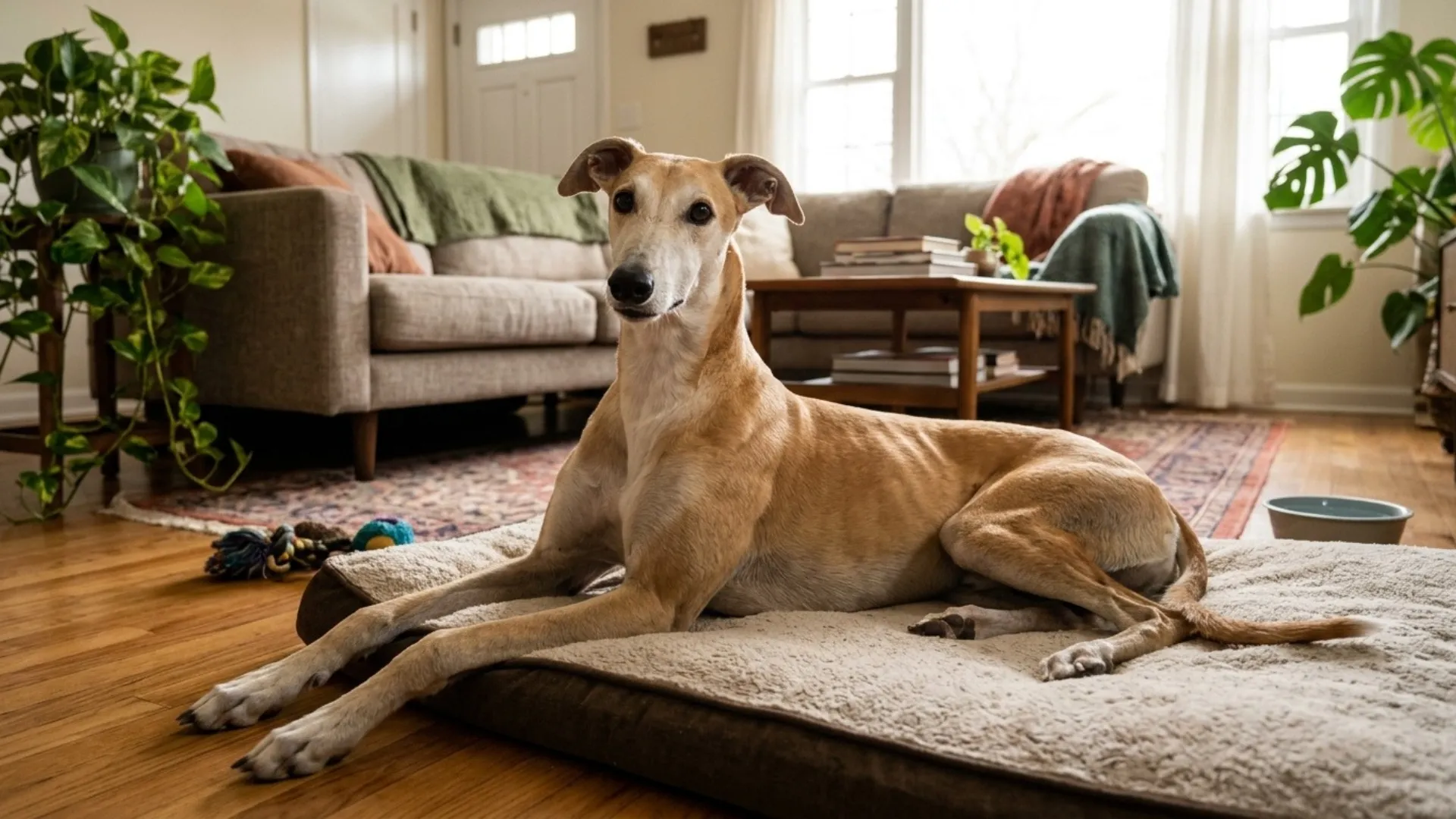
Coming home after a long day at work to a wagging tail is one of life’s simple joys. But does the thought of leaving a dog home alone make you hesitate? Don’t worry!
Many dogs do best in busy homes full of kids and roommates. Some breeds, though, are perfectly happy with a little time to themselves. They still love company, but they also value their independence, so being alone is less likely to lead to separation anxiety or destructive habits.
If you work full time, a naturally independent breed can be a great fit. These dogs tend to be calm and gentle, and most can handle a few hours on their own without chewing up your furniture.
Here are 7 gentle dog breeds that can handle some time home alone.
Gentle Dog Breeds That Can Stay Home Alone
1. Greyhound
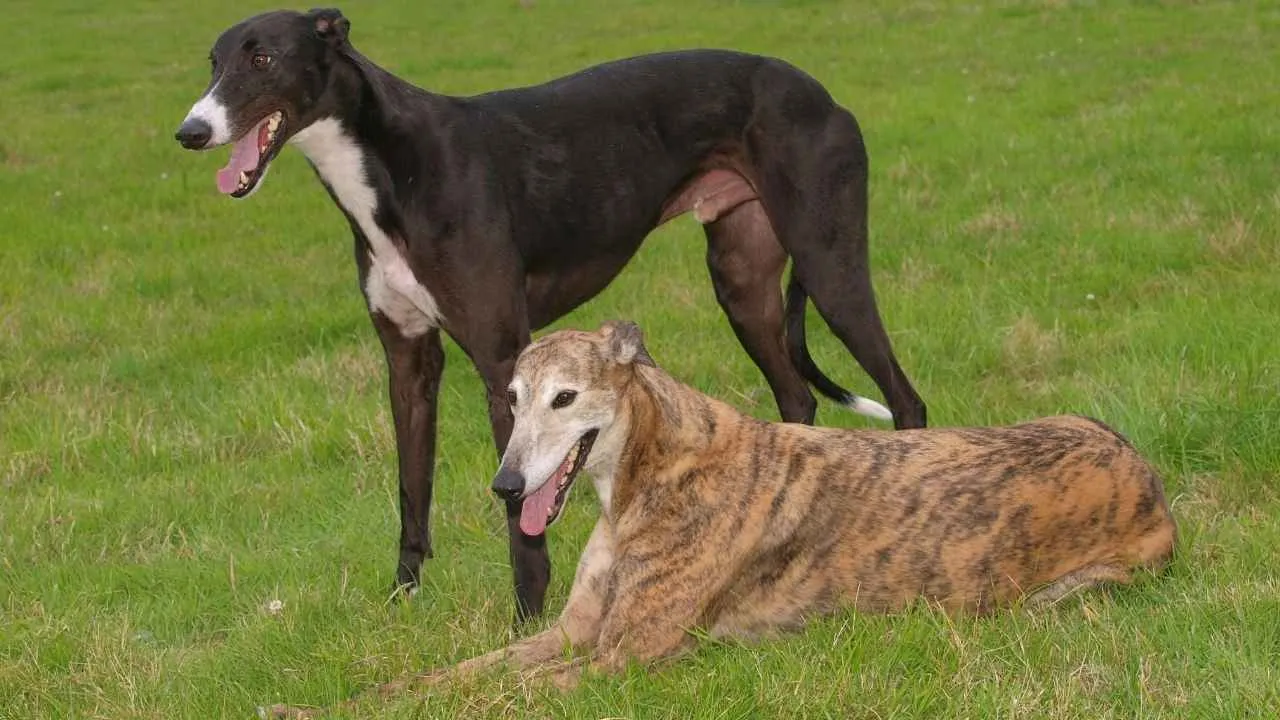
Greyhounds are friendly and faithful companions with a non-aggressive nature. Thanks to their high speed and robustness, they are the athletes of the dog world. Yet these calm dogs are perfectly happy to be couch potatoes.
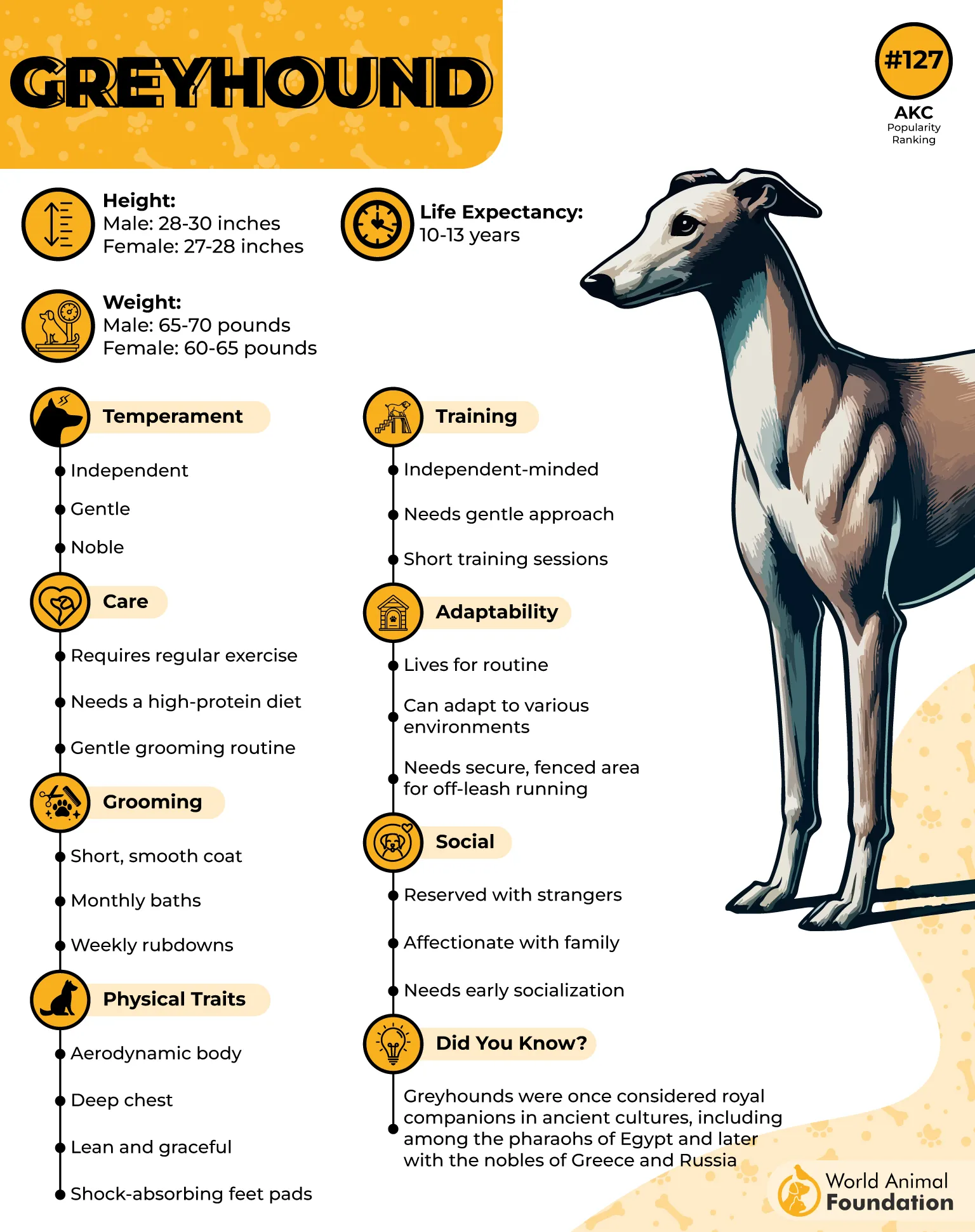
PetPlan mentions that they are independent dogs, well suited for calm and quiet homes. Greyhounds are happy to be alone sometimes. So if you are a busy pet parent, they may be the right fit for you.
Greyhounds prefer to use their energy in short bursts. However, regular exercise and mental stimulation are a must. Without daily exercise, Greyhounds can be prone to destructive behaviors like scratching and chewing.
Greyhounds have an extremely high prey drive. They are not suitable for homes with small pets like cats. Greyhounds are very intelligent and eager to please dogs, but can be a bit sensitive. They respond best to positive reinforcement-based training.
2. Basset Hound
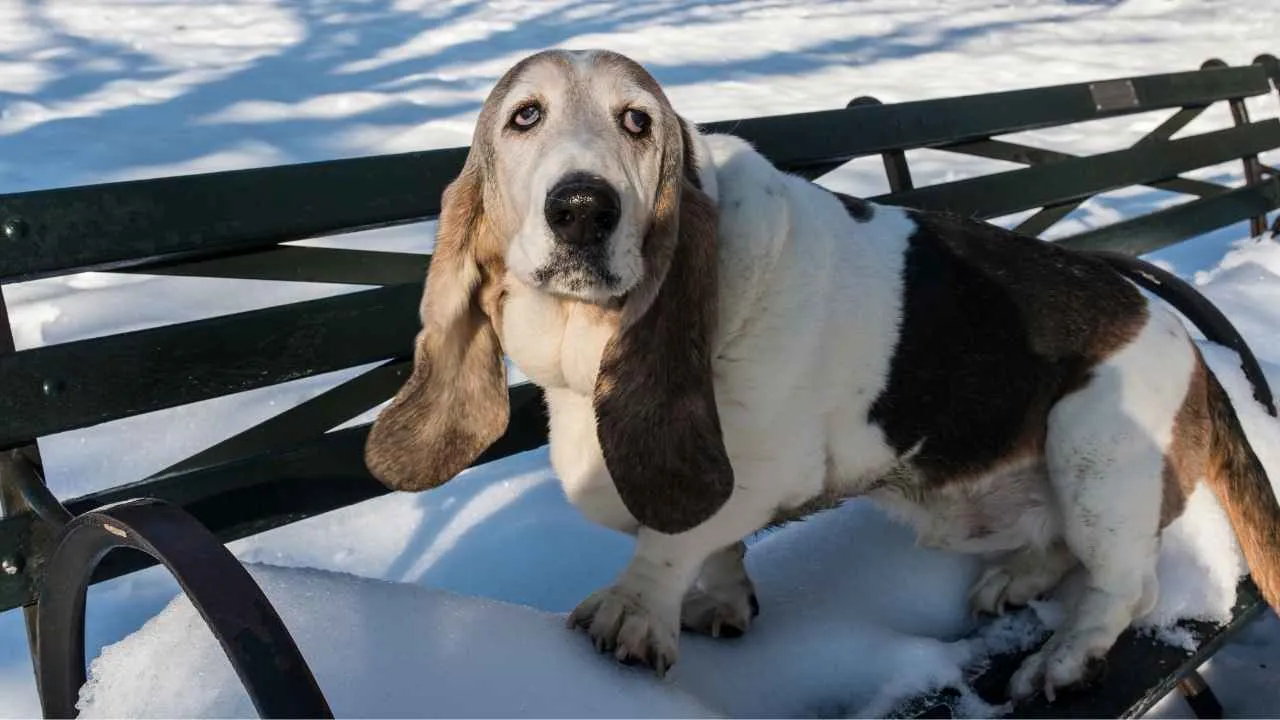
Originally bred in France, Basset Hounds are short and sturdy dogs with low-set bodies. These good-natured and friendly pooches were meant to be hunting dogs. They are generally affectionate with kids and other pets.
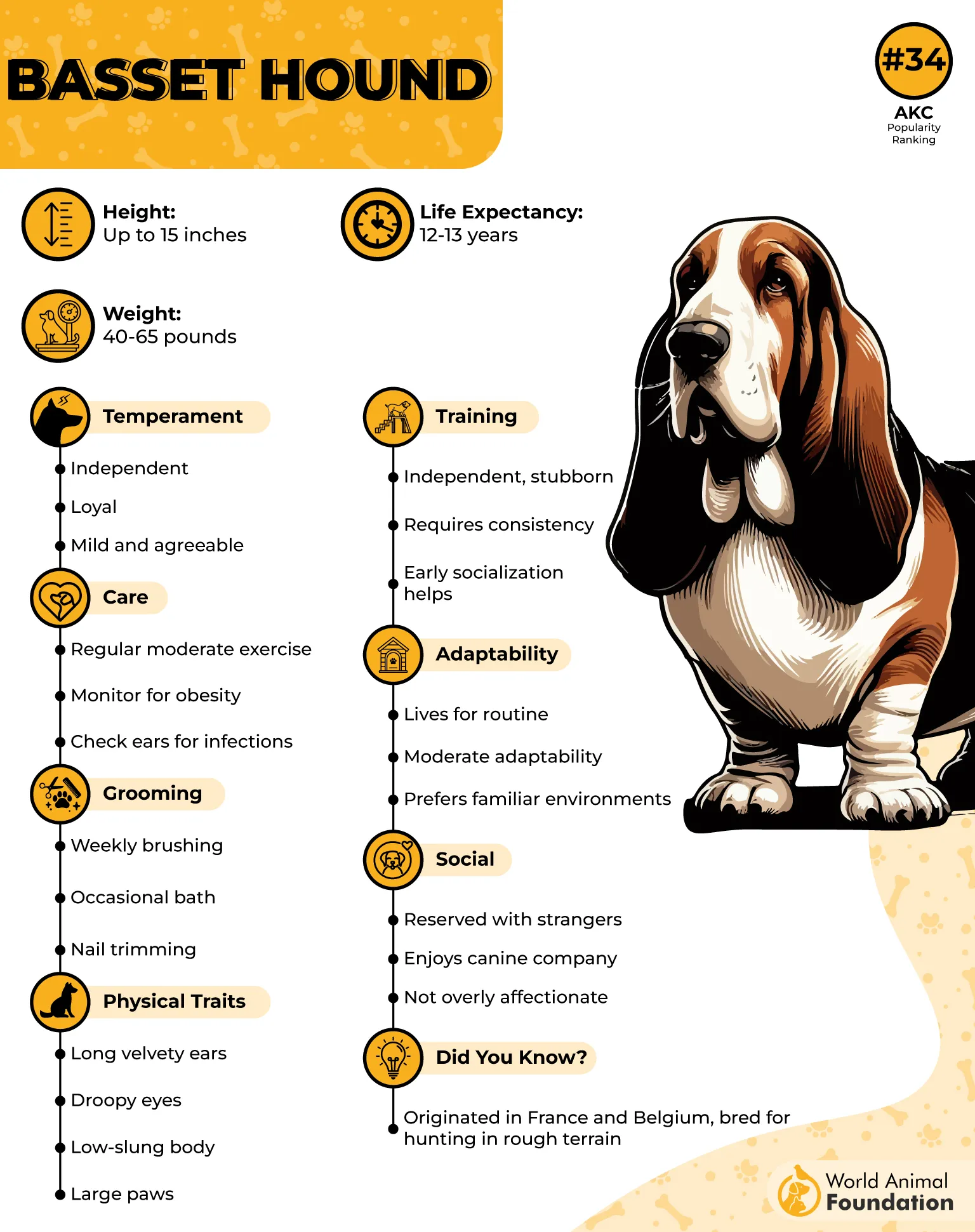
PetMD describes them as ‘calm dogs’ who can likely sleep in their dog bed all day long. So, you can leave them alone at least for a few hours. However, Basset Hound parents should take care of their exercise requirements, as the breed is prone to obesity and other health issues.
While they enjoy their alone time, Bassets cannot be left alone for long periods because they are prone to separation anxiety. They were bred to work in packs, so they are very sociable and get along nicely with other dogs.
Note: Basset Hounds vocalize a lot and have a loud, baying bark. This behvior can be managed through early training and proper socialization, but do not expect them to be quiet companions.
3. Shiba Inu
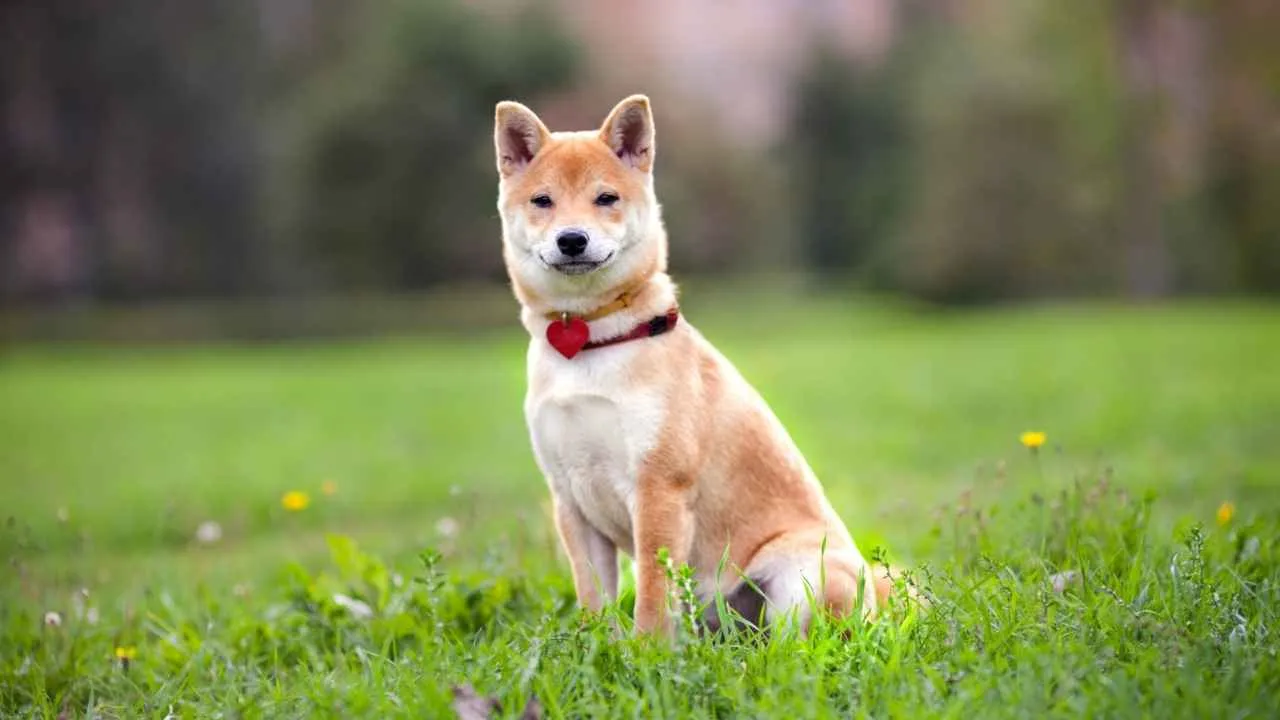
Shiba Inus are medium-sized dogs with foxy faces. Their bright eyes and plush coat grab instant attention. These Japanese Spitz dogs have active, friendly, and alert personalities. Thanks to their hunting background, Shiba Inus are an independent breed.
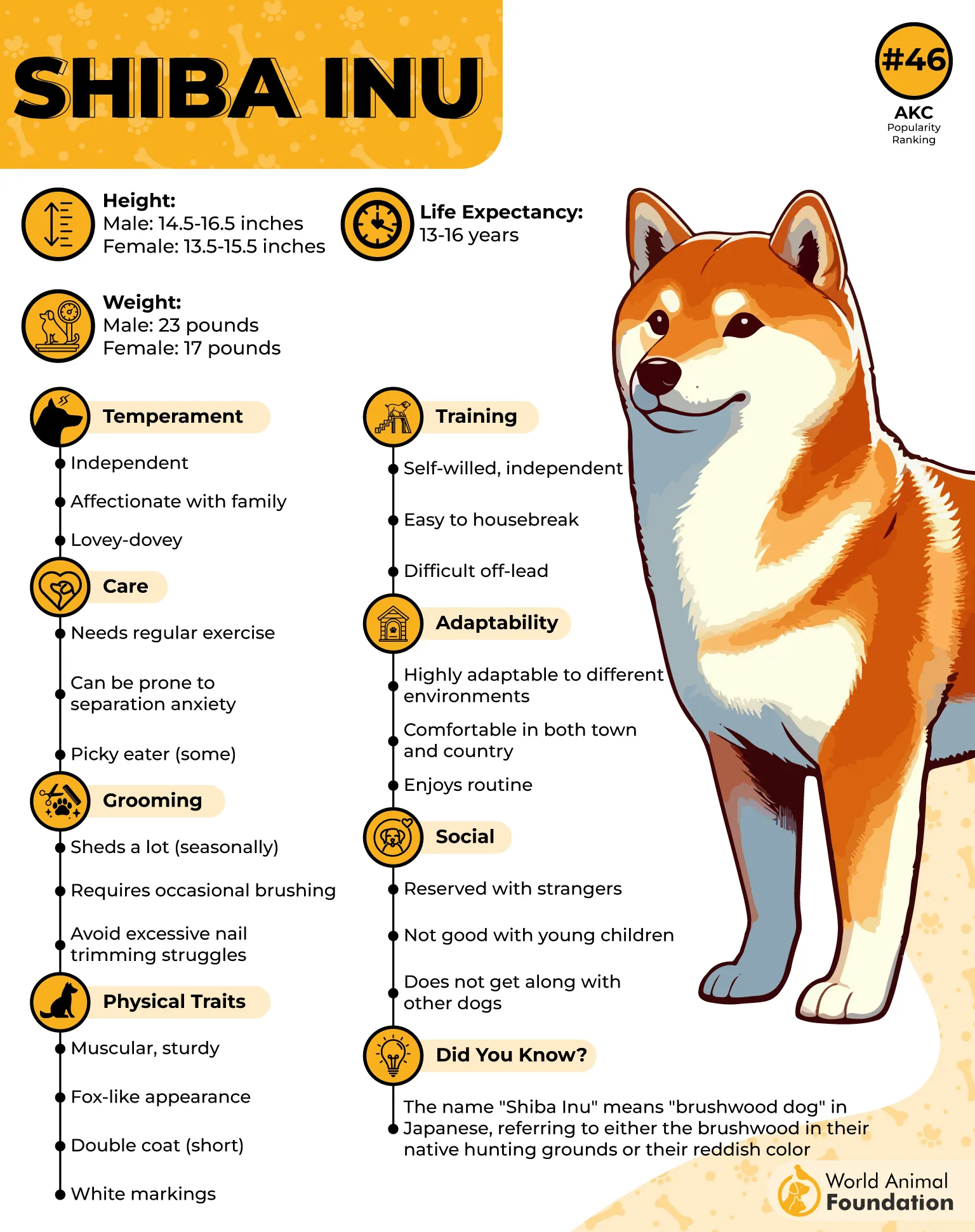
Shiba Inus have a very high prey drive. So you should always keep them on a leash or in a securely fenced yard. They are calm and playful dogs who tend to be reserved towards strangers. They are loyal to their humans, but also enjoy their alone time.
Some of them, however, may develop separation anxiety. Purina recommends at least an hour of daily exercise for physical and mental stimulation.
Their strong prey drive and stubborn streak make them a bit challenging for first-time dog owners. Training can be a bit challenging, but they respond well to positive reinforcement-based techniques like most dogs.
4. Basenji
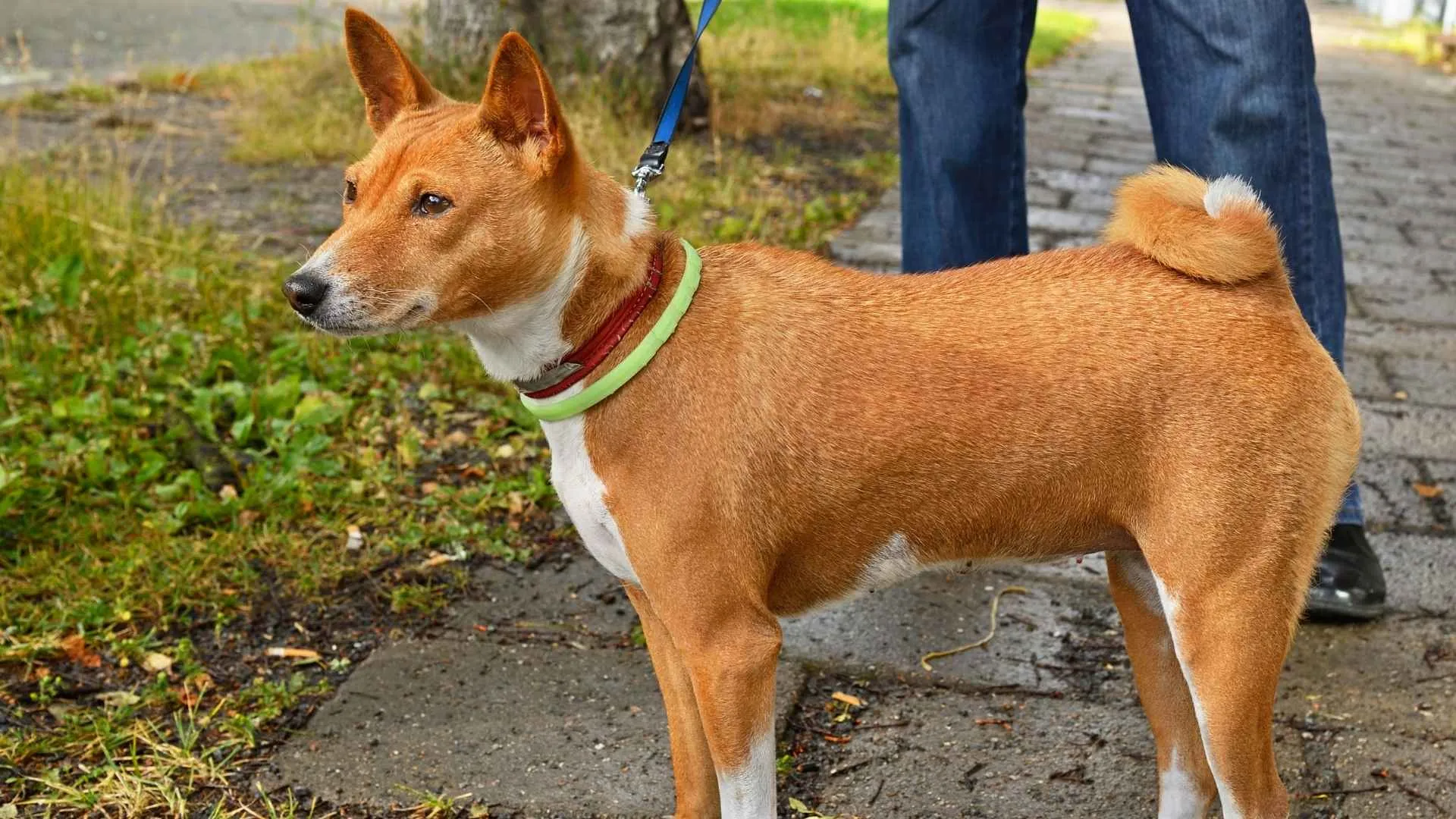
The famous ‘barkless dogs,’ Basenjis are known for their unique yodel or chortle-like vocalizations. These small- to medium-sized dogs were originally bred in Central Africa as hunting dogs. One of the oldest dog breeds, Basenjis are prized for their independence and cat-like demeanor.
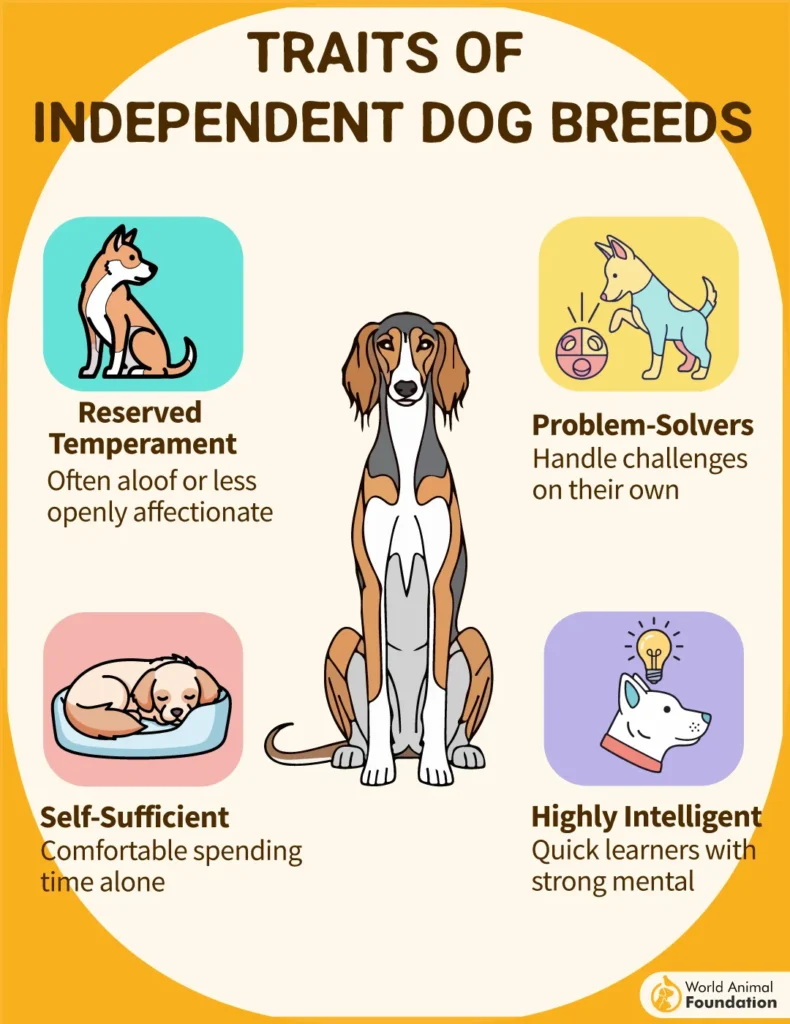
Due to their independent streak, Basenjis can spend some time alone. However, you cannot leave them alone for extended periods. Basenjis are curious dogs and have a tendency to be suspicious of strangers. They form strong bonds with their family and are immensely loyal to them.
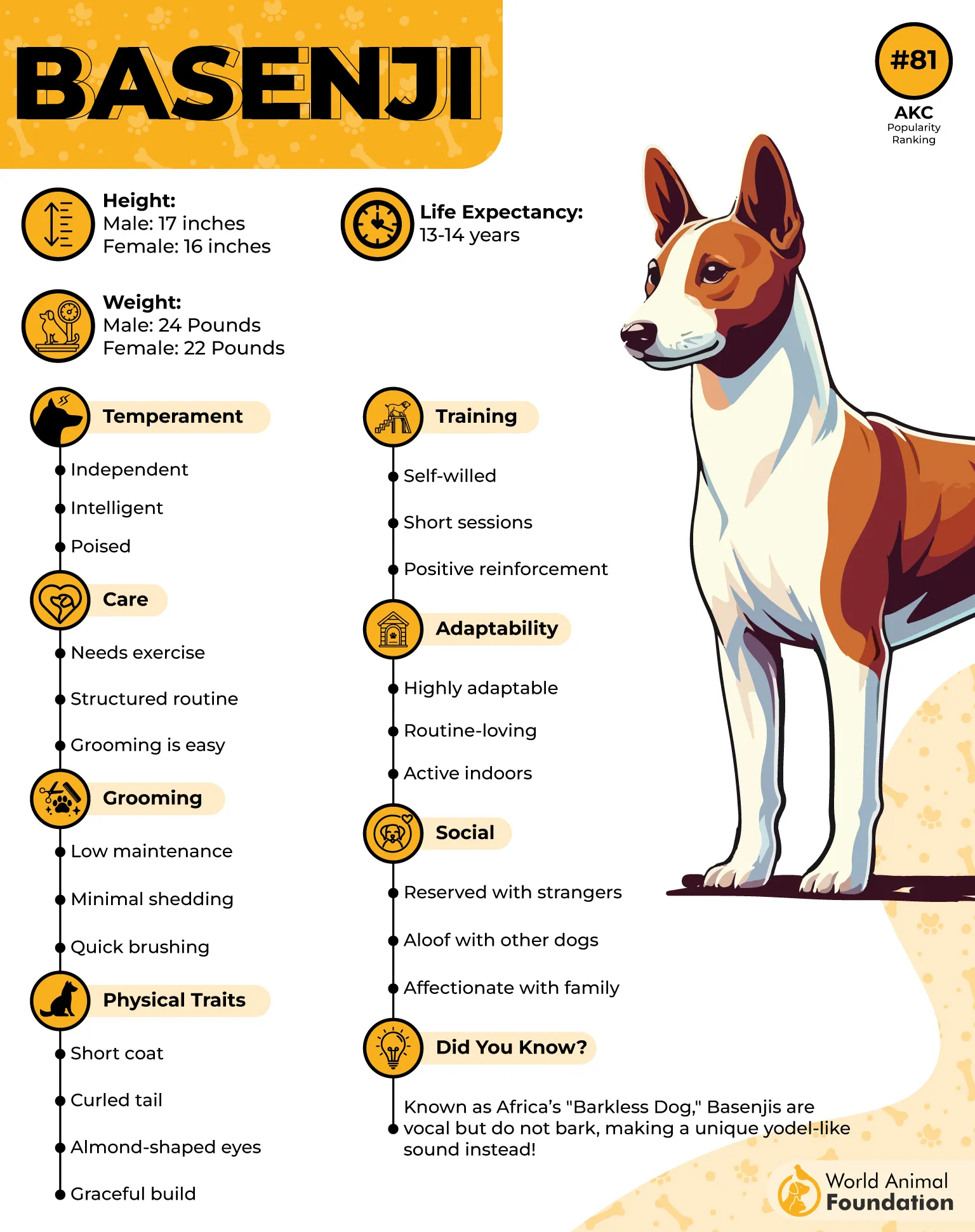
Basenjis have a playful and athletic personality. These self-contained canines need at least an hour of daily exercise for physical and mental enrichment. They possess exceptional problem-solving skills. So, interactive feeding toys and enrichment games keep their minds and bodies occupied.
Remember, Basenjis have a very strong instinct to chase and explore. They should always be kept on a leash or in a securely fenced area.
5. Shar Pei

Chinese Shar Pei are medium-sized dogs that originated in China during the Han dynasty. You can easily recognize them by their tiny eyes and ears, broad muzzle, and blue tongue. Shar Peis were originally bred to guard and herd livestock.
They were also used for hunting boars. This historical role demanded them to think independently with minimum instructions from their humans. Shar Peis have retained that independent streak, which is why they like their alone time.
However, you should leave them alone for no longer than four hours, mentions Pedigree. They are calm, loving, and affectionate with those they know, but are reserved towards strangers. Shar Peis are better suited for experienced owners.
These intelligent dogs learn quickly, but are stubborn, which can make training a bit challenging. Consistency is the key to successful training.
6. Bullmastiff
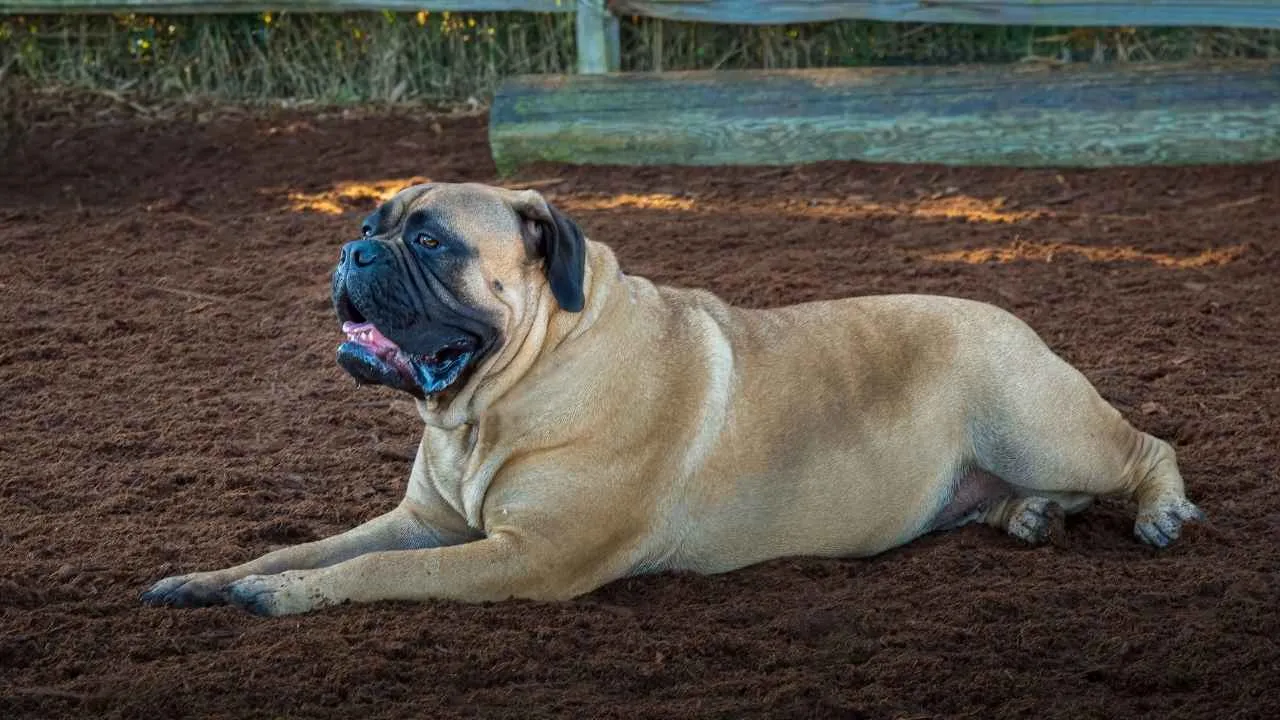
Bullmastiffs are compact, powerful, and muscular dogs who were originally bred in England in the 1800s. These natural protectors are immensely loyal to their humans and have a strong sense of vigilance.
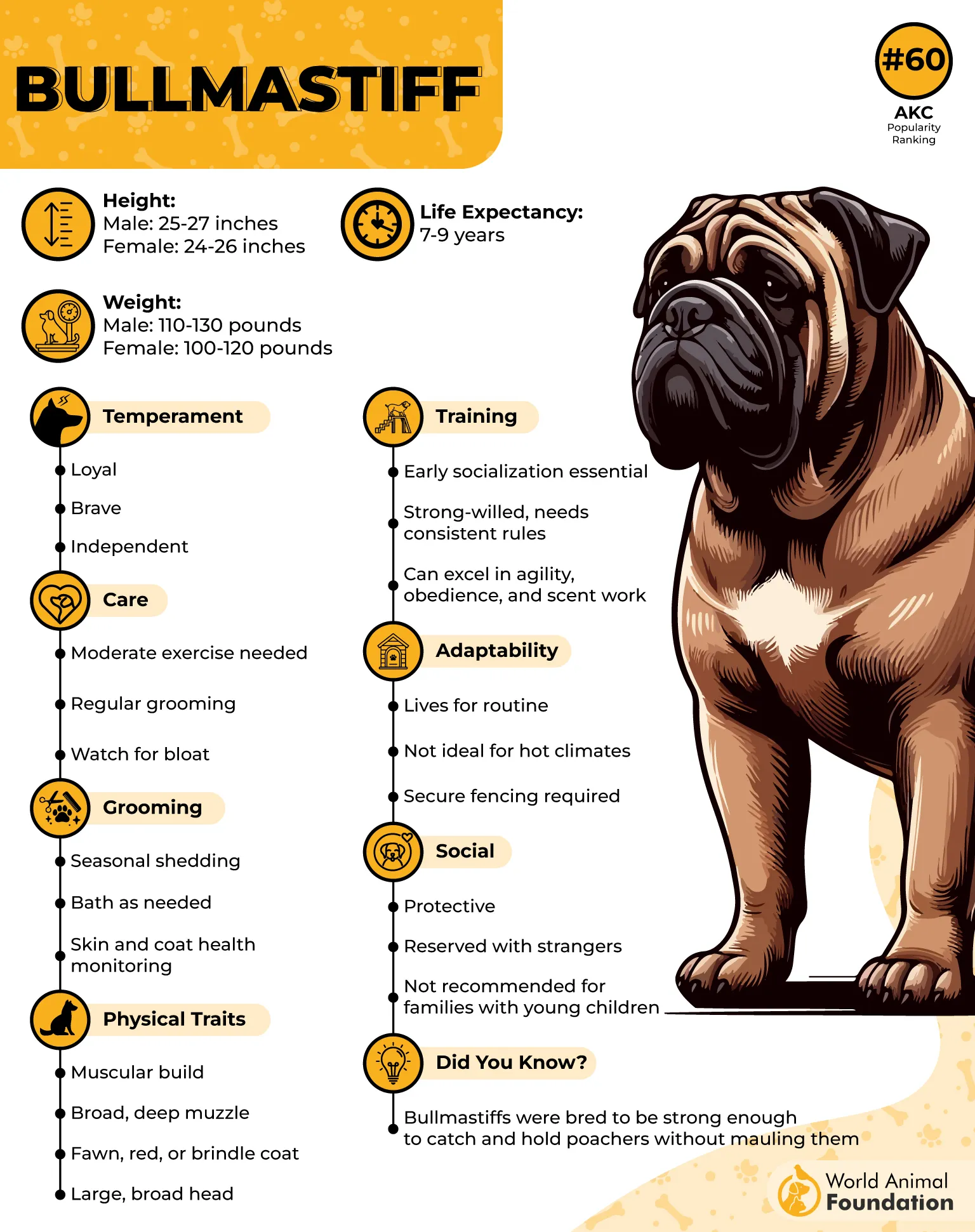
They will accept strangers only when introduced to them from an early age. Their strength, stubbornness, and protective instincts make them better suited for experienced pet parents. However, they have a tendency to try to become lap dogs.
While Bullmastiffs love spending time with their humans, you can leave them alone at least for a few hours with proper training and early socialization. At least an hour of moderate exercise every day provides adequate physical and mental stimulation.
7. Boston Terrier
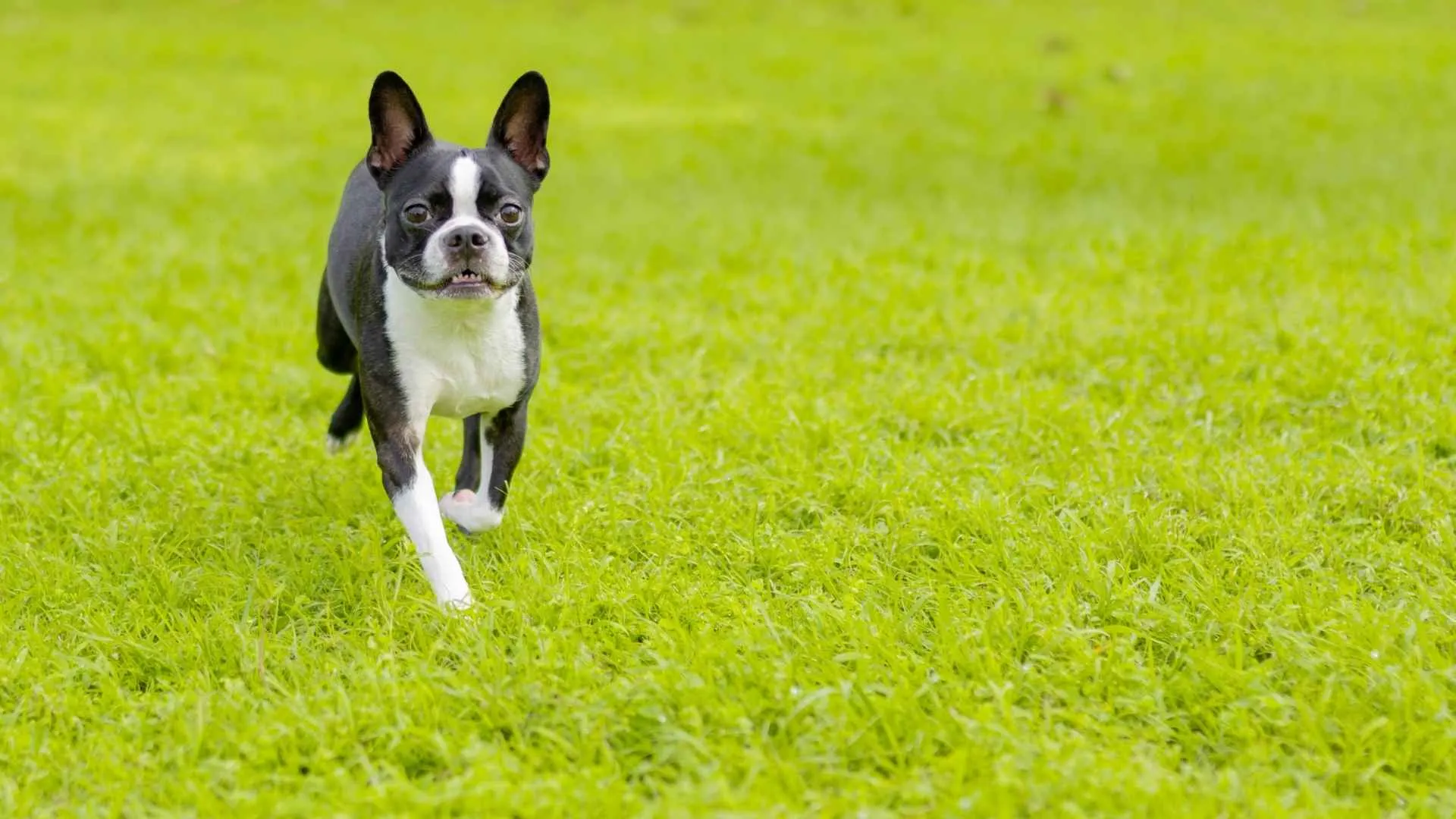
Boston Terriers are bright, amusing, and friendly dogs with an affectionate personality. Thanks to their good manners and tight-fitting tuxedo-like coat, they are often referred to as the ‘American Gentlemen.’ They love to spend as much time around their humans as possible.
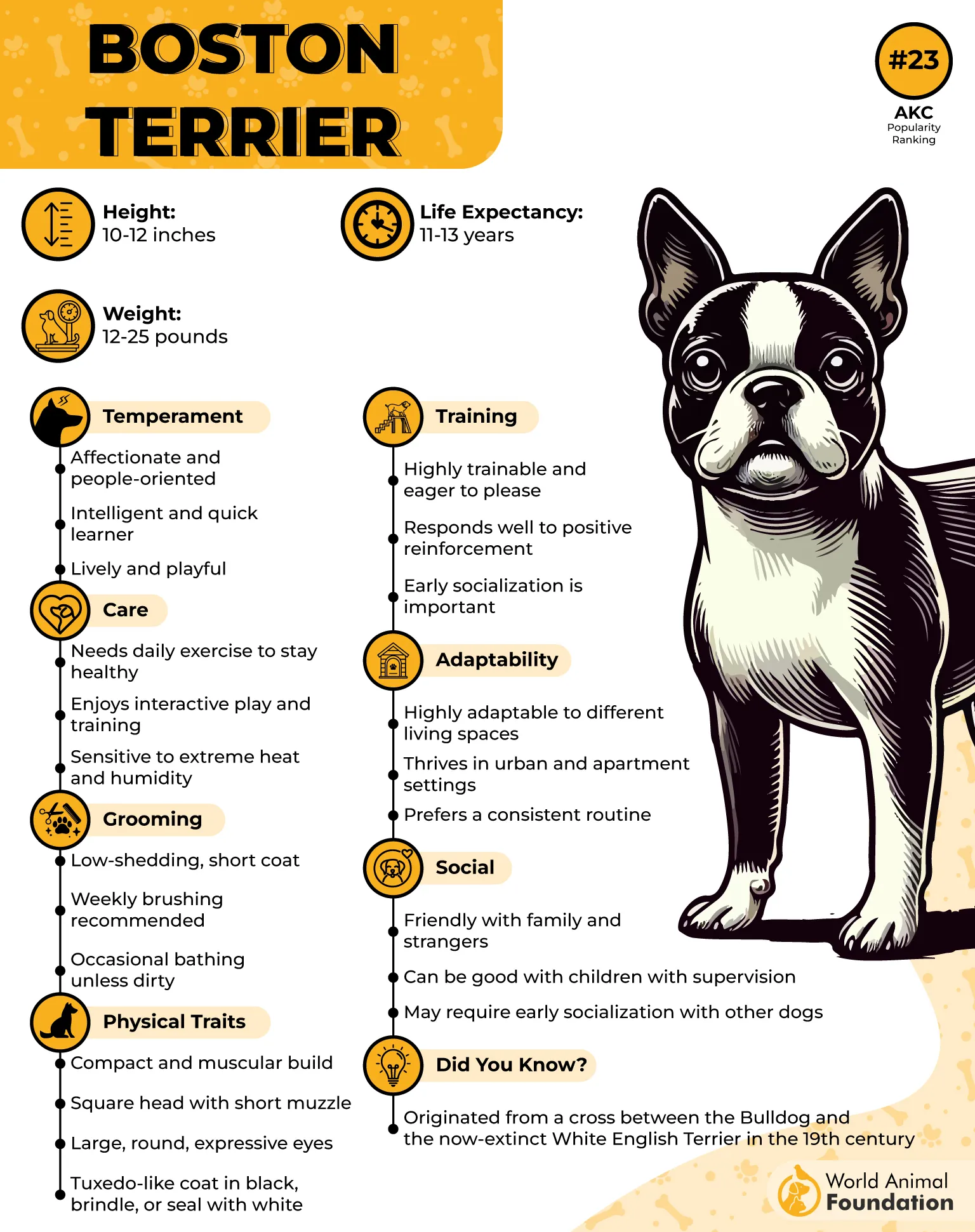
Having a playful and comical nature, Boston Terriers tend to be good with everyone, including kids, other pets, and even strangers. These active dogs need moderate daily exercise for physical and mental stimulation. They also do well in dog sports like agility and flyball.
Boston Terriers can be left alone for a few hours, but they should not routinely spend an entire day without human interaction. Otherwise, they may develop separation anxiety. Bostons are people-oriented dogs, but can be stubborn at times. They respond best to positive reinforcement-based training.
Note: Boston Terriers are brachycephalic dogs, having flat faces and short muzzles. You should not over-exercise them or leave them alone for extended periods.
Conclusion
Several calm and gentle dog breeds are known for having an independent streak. Independent dogs can spend at least a few hours alone, on their own. They thrive on human interaction and bond closely with their people, but value their own space as well.
Such dogs do not require constant human contact. Once their exercise and food needs are met, they are good to go. However, no dog should be left alone for several hours. Otherwise, they will become anxious or destructive.
