




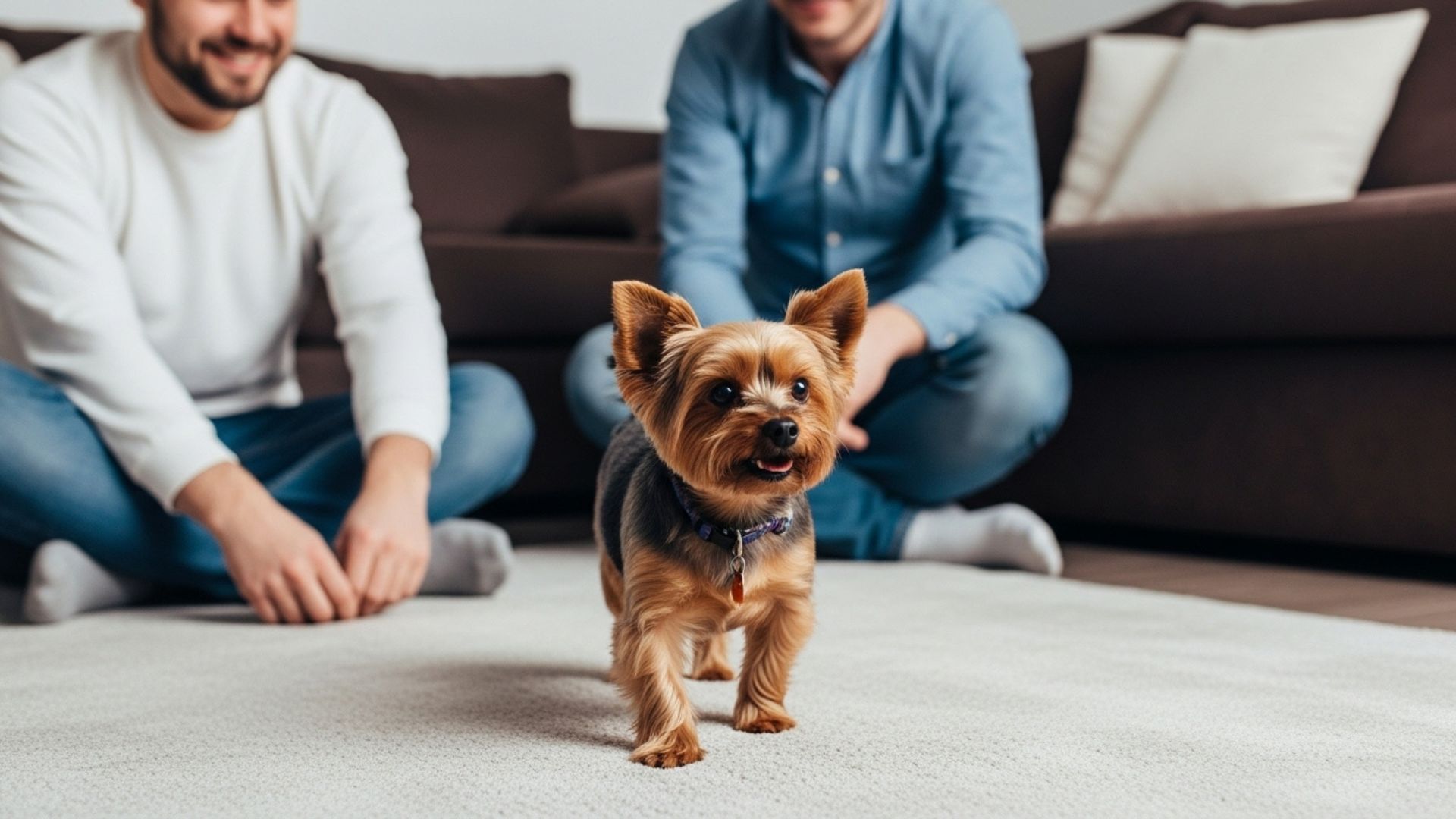
Tiny legs, huge joy, and daily laughs for the whole crew today.
Homes with playful families often want motion, not silence. If you want a small dog that keeps games going, you need more than cuteness. You need a strong dog breed with fit energy, and a gentle temperament that works with children.
This blog is a roundup of seven small dog breeds that bring pep without turning your house into chaos. Each is a distinct breed with clear needs, so you will see honest notes on exercise, training, and calm time.
Even in a small apartment, you can build happy routines with play, walks, and rest. While reading, ignore the close menu copy link moment and focus on what matters: personality, safety, and fun.
Here you will see tips for active children and very young children, plus ideas for busy pet parents.
Most Energetic Tiny Dog Breeds for Fun-Loving Families That Love Daily Play
1. Papillon
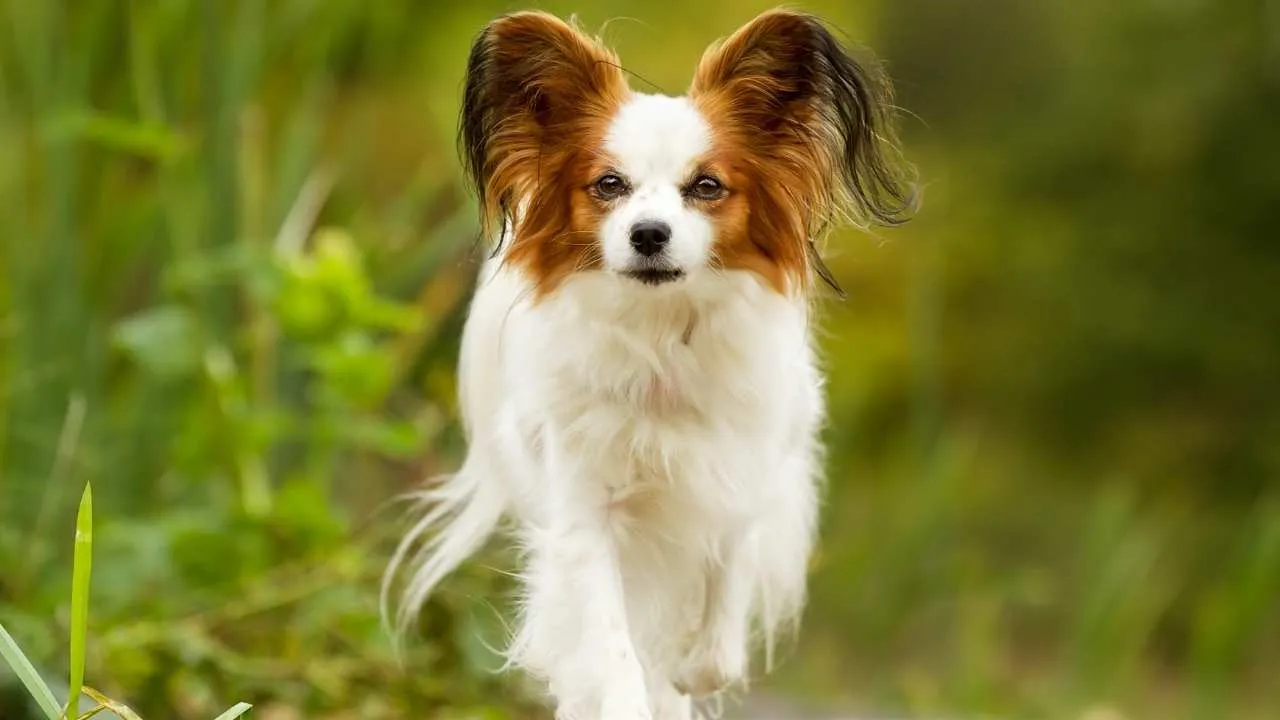
The Papillon is a tiny dog with fast feet and a bright brain. This dog breed loves learning and reacts quickly to your voice and your face. In fun-loving families, that quick mind can feel like magic. Keep sessions short, upbeat, and clear.
With that approach, it can be easy to train, and you do not need fancy gear to get results. Agility games with cushions and tape lines can be a blast.
This small dog often sticks close and can crave companionship in a sweet, steady way. It is a delightful breed that craves companionship and play time, so plan daily connection. It can live well in apartment life, but it still needs movement.
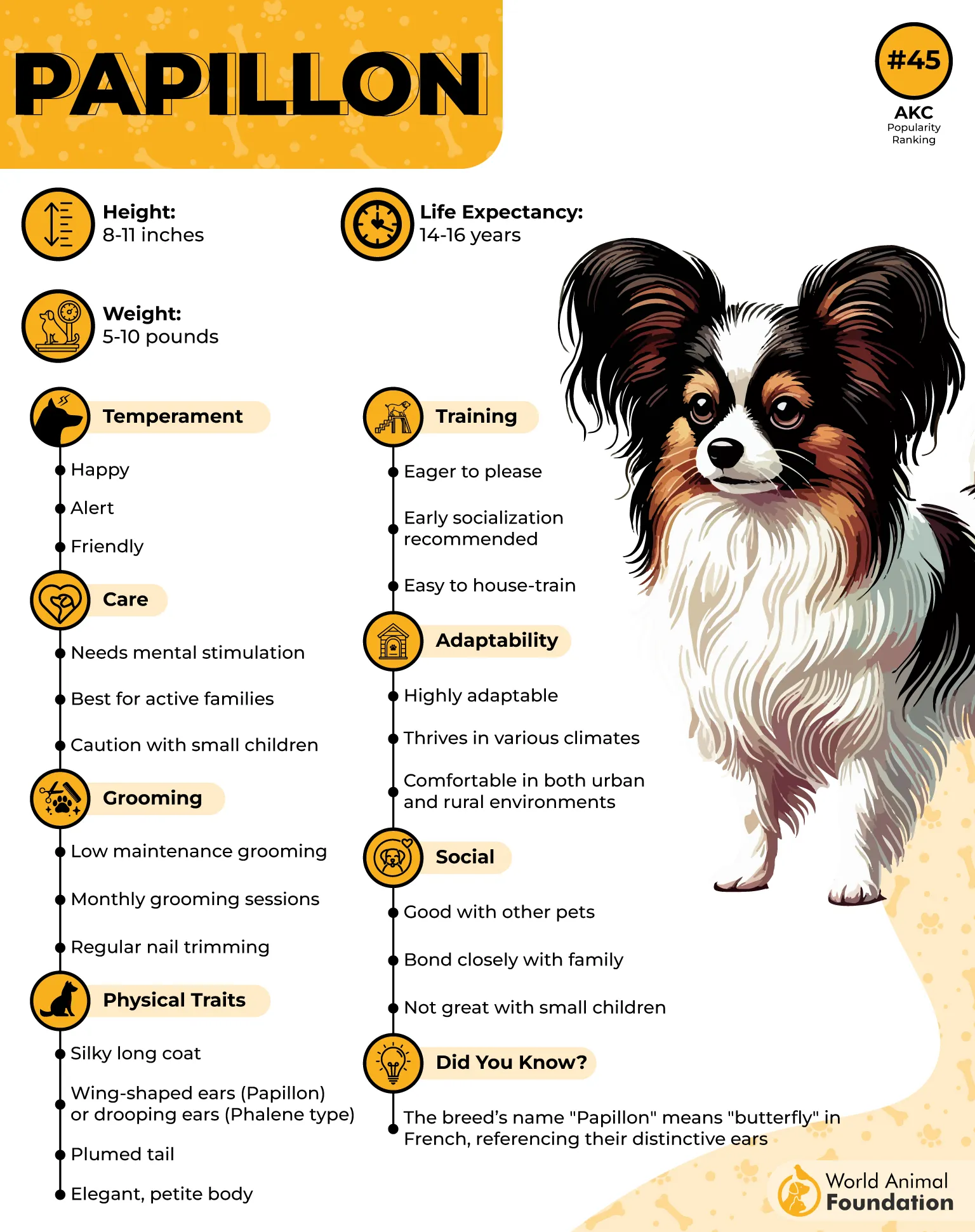
A brisk walk plus indoor games can be enough when you stay consistent. With kids, focus on gentle handling and calm greetings, especially with very young children.
If boredom hits, it gets even worse, though, because this dog may invent loud hobbies. The fix is simple. Add mental stimulation with puzzle feeders, scent games, and quick trick bursts. The AKC mentions that they thrive in warm or cool climates, in town or country, and are eager to join family fun.
These dogs adore romping, so give safe chase games with soft toys and clear stop cues. Early, kind social practice can also help it relax around other dogs.
Are they a good match?
This dog shines when play and rules work together.
Great for trick games with little encouragement
Likes short fetch in a hallway or living room
Teach safe handling before play with young children
Keep jumps low to protect tiny legs
2. Yorkshire Terrier
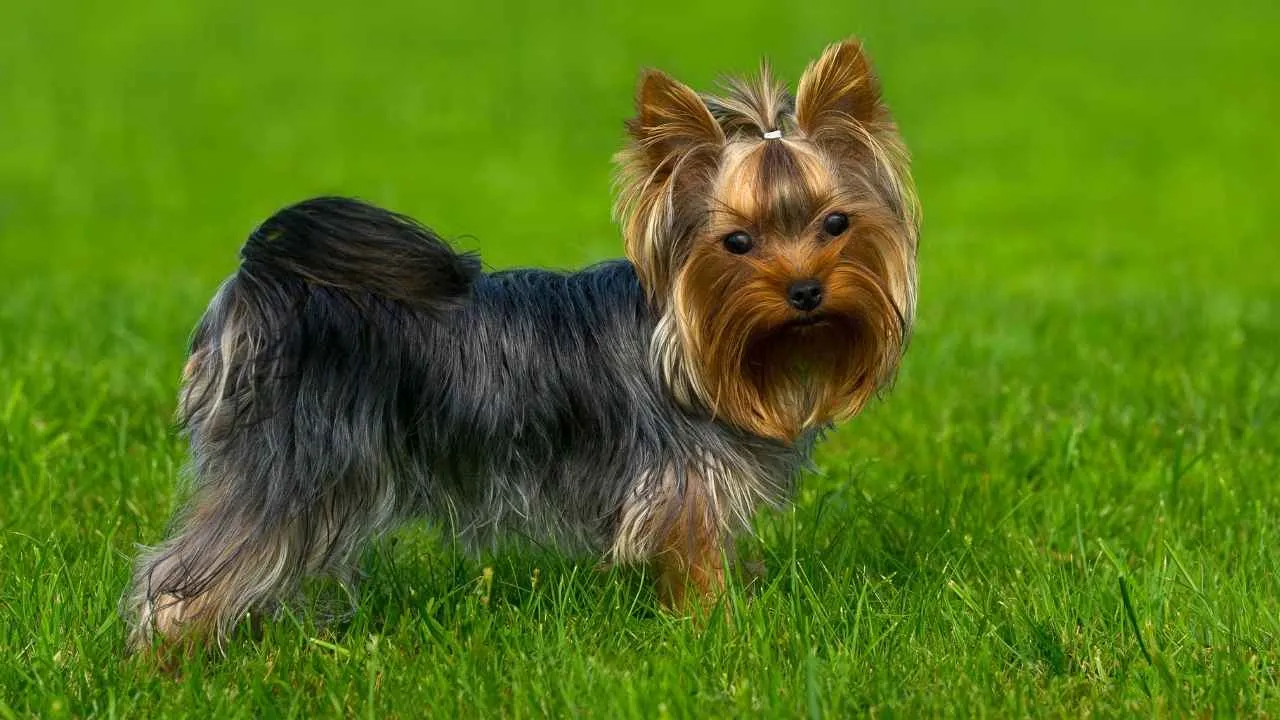
The Yorkshire Terrier is a tiny dog with bold swagger. This dog breed was bred to hunt small pests, so it often carries a spark that never fully turns off. Many pet parents love the silky coat, but the bigger win is the lively mind.
It can learn fast, and it usually enjoys having a “job,” even if that job is just finding a toy. The coat feels like hair? Brushing helps.
This small dog can be equally happy with bursts of play or calm snuggle time. It may sit near you while you watch movies, then pop up ready for action. Still, it does not love long periods alone.
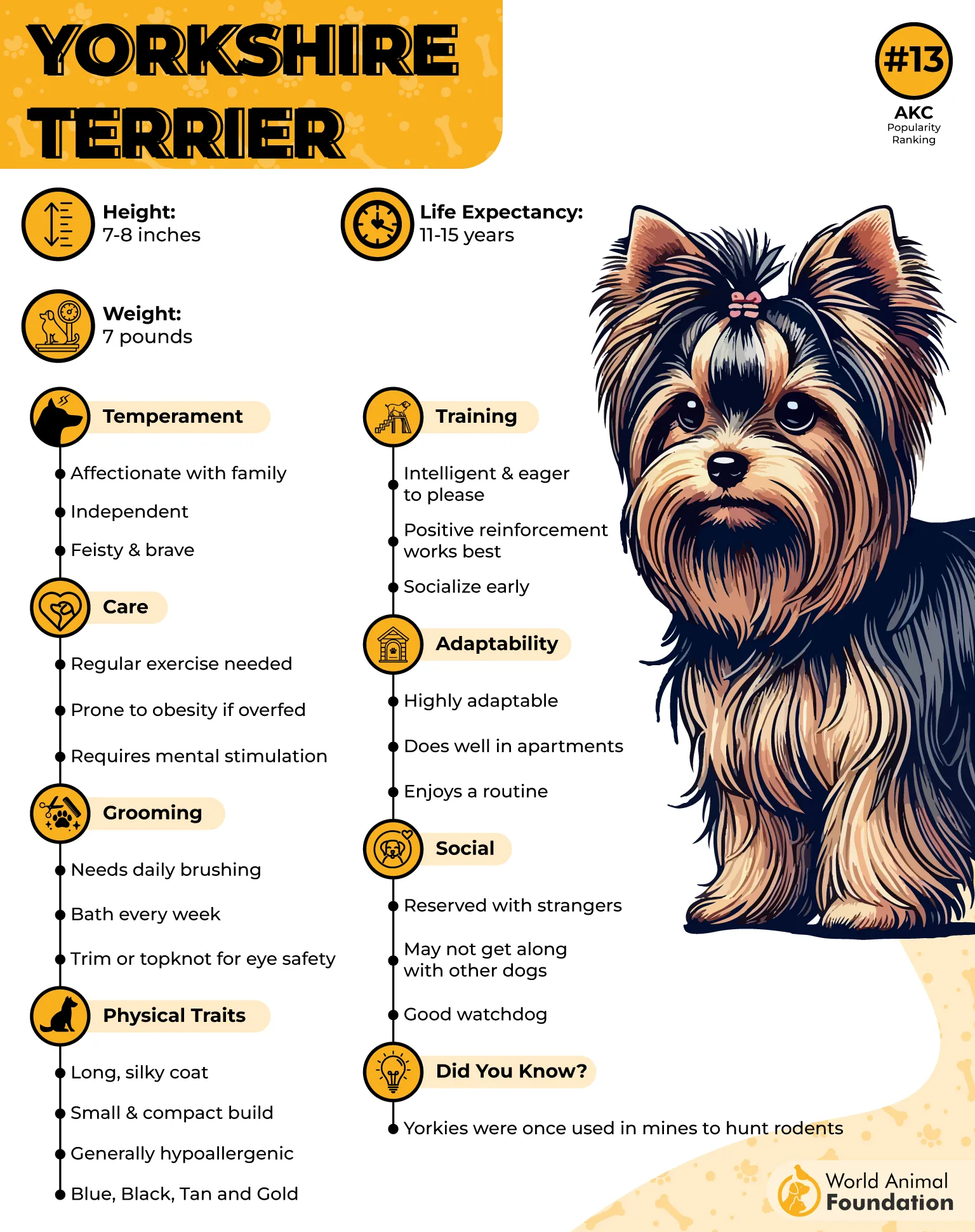
A steady routine helps, plus a safe chew or a food puzzle. With younger kids, supervised play matters because little dogs can get hurt by accident.
But why bother with training? Because it keeps that confident personality from turning into a noisy, bossy habit. Use praise, treats, and clear rules.
Keep sessions light, and you will see progress. Many families choose this breed for apartment living, since daily walks and indoor games can meet its needs when you stay on track.
Are they a good match?
This delightful breed is sweet, spicy, and always curious.
Coat care is real, but trims can support minimal grooming
Short games prevent boredom barking
Teach calm greetings for kids and visitors
Offer toys that let it “hunt” safely
3. Miniature Pinscher
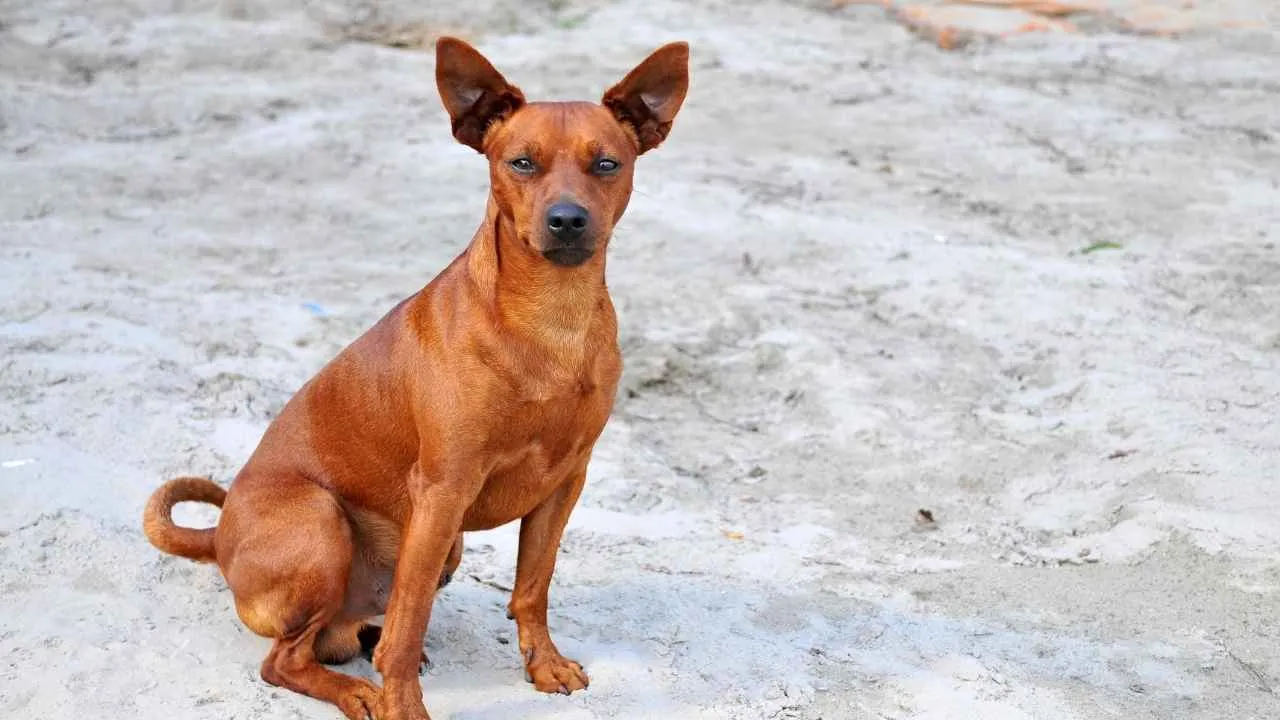
The Miniature Pinscher is small, proud, and always ready. This dog breed acts fearlessly and moves with a high-stepping style that turns heads. It is a sturdy breed with strong muscles for its size, and that strength shows in play.
This is the kind of small dog that wants a plan, not just a lap. Important note: a snug harness often feels safer than a collar during excited street walks.
This breed fits active families who enjoy walks, fast games, and clear rules. Safety matters because it may bolt through open doors.
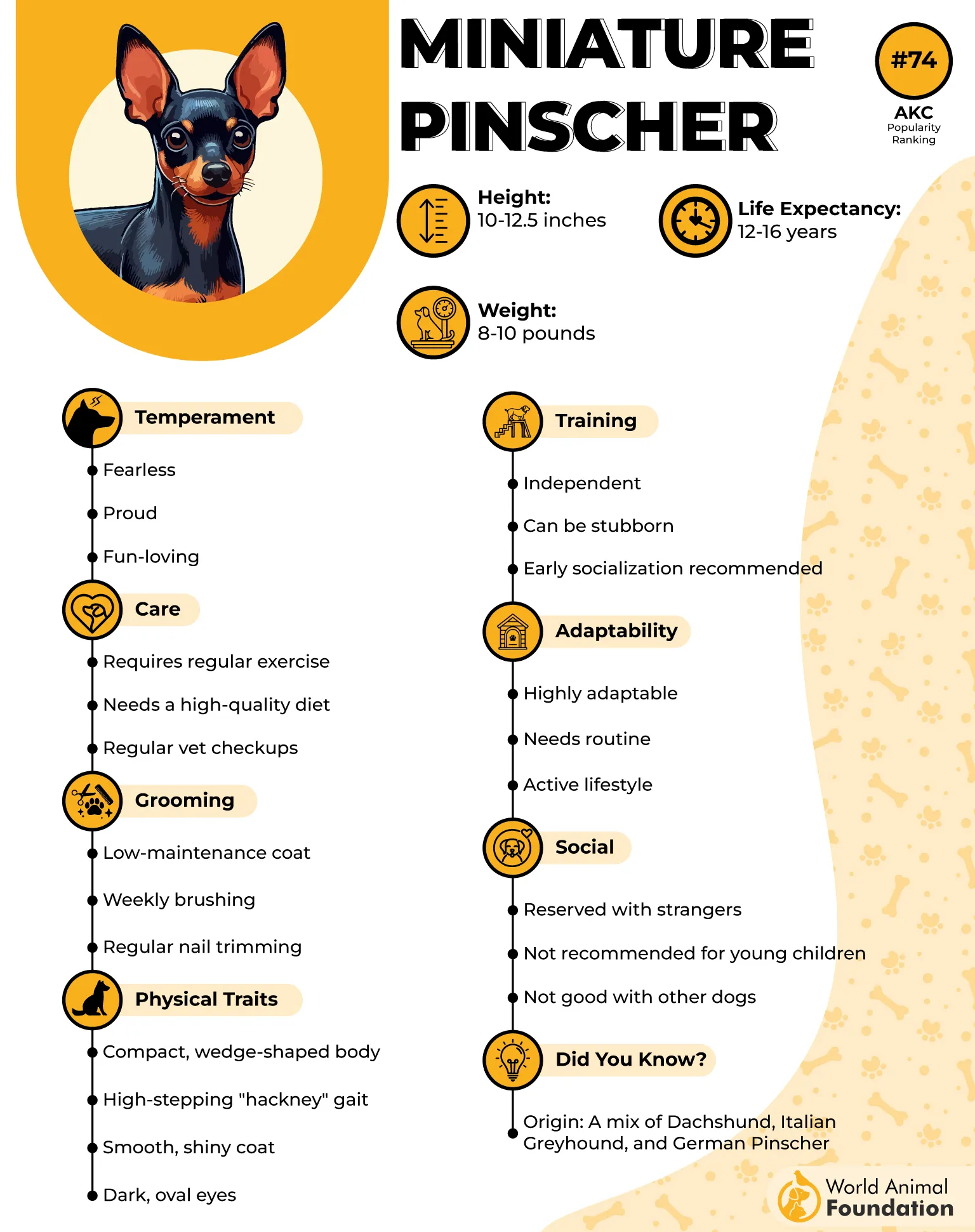
A fenced yard helps, but it is not required if you commit to leashed outings and indoor play. Give short sprints, then calm breaks. That balance keeps the brain steady and the body happy.
Sounds crazy, right? A tiny dog that needs structure like a bigger dog. Here’s the good part. It can become deeply loyal with steady kindness.
It also likes learning, so training can be fun when you keep it simple. This can be one of the excellent family pets for homes with energetic older kids who can follow directions and respect boundaries.
Are they a good match?
This sturdy breed loves action and routine.
A short coat is easy to keep clean
Use toys that reward speed and focus
Keep rules consistent to reduce stubborn moments
Early social time supports calmness with other dogs
4. Manchester Terrier (Toy)
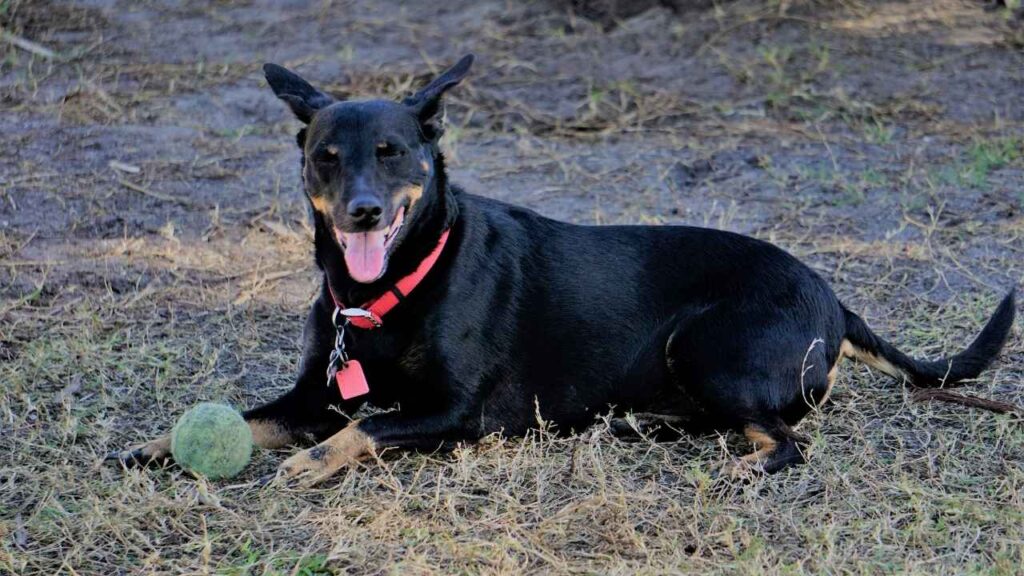
The Manchester Terrier (Toy) is sleek, quick, and sharp. This dog breed has strong instincts for chasing small critters, so it often loves motion and focus games.
The short coat looks neat and feels smooth, which many families enjoy for easy cleanup. It is one of the toy breeds that feels sporty and alert.
This small dog often thrives on human companionship and being included. It can be affectionate with families, but it does best with children who understand gentle handling.
Loud chaos can stress it out, so give it a quiet spot to rest. With patient kids, it can play hard, then settle calmly at your feet.
Here’s the good part. This breed enjoys learning when training feels like a game. Hide-and-seek, quick recall practice, and scent hunts can be perfect. It may enjoy beginner dog sports, too.
If you live in a small space, plan brisk walks and short play sets instead of one giant session. That approach supports a gentle disposition and keeps focus steady.
Are they a good match?
It stays happiest when you mix action with calm.
Great for puzzle toys and short trick sets
Keep play structured to avoid over-hype
Leash practice helps with chasing squirrel urges
Calm introductions help with other dogs
5. Poodle (Toy)
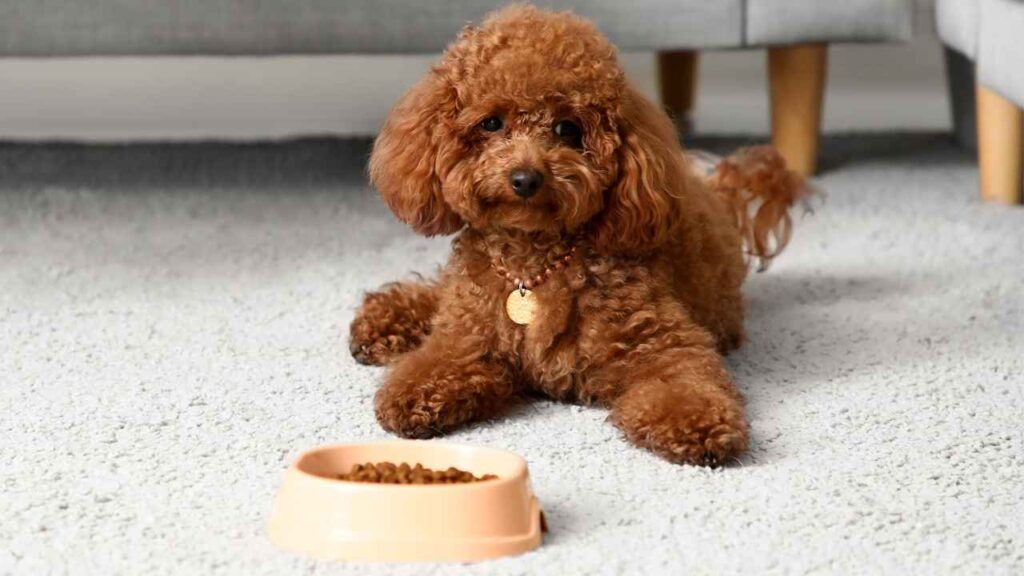
The Toy Poodle is a small dog with a huge brain. This dog breed is known for learning fast and enjoying people. It has a playful nature that fits families who like games, tricks, and little challenges.
If you want a toy dog that listens and stays engaged, this is a strong pick. Many Poodles enjoy water play, so a shallow pan splash can be a safe treat?
This breed can be sweet with kids when play is kind and supervised. It often has a gentle temperament, yet it still needs daily activity. Think walks, indoor fetch, and training that feels like a party.
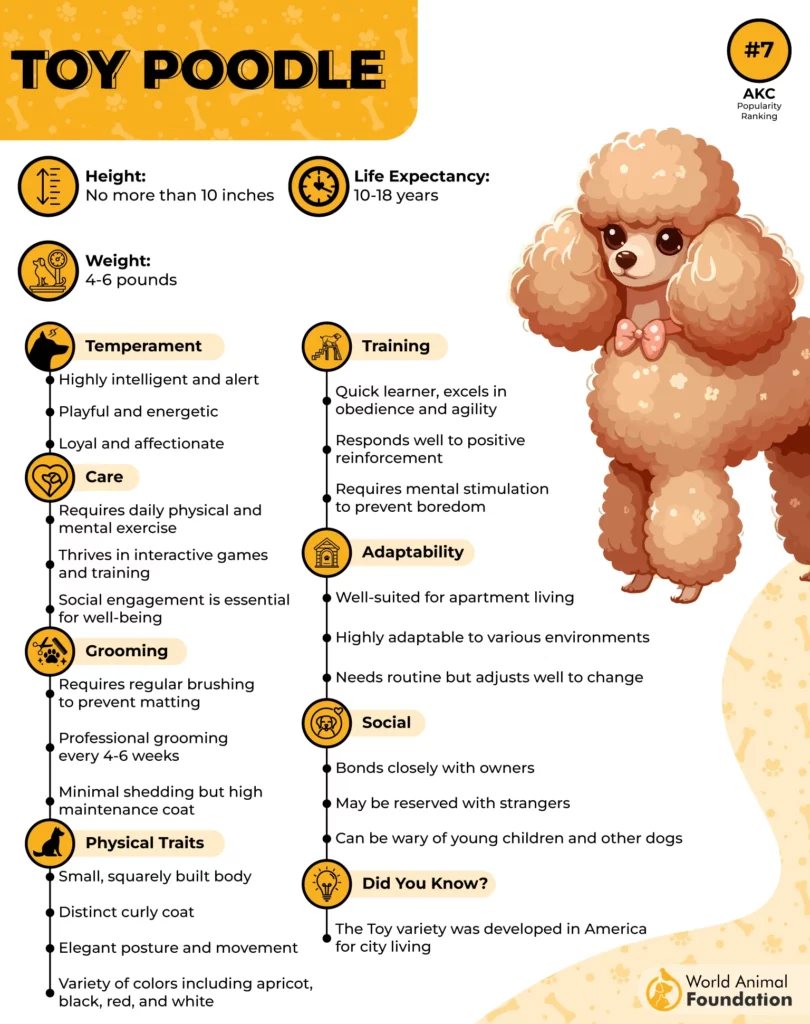
Mental stimulation is not optional here. Without it, this small dog may get restless, especially during long periods indoors, as noted by PetMD.
And here’s the best part! Many people like the coat for its low shedding, and some even call it non-shedding, though grooming still takes work.
With consistent play, this can be peaceful family pet material for many homes. It can also be an ideal small dog breed for apartment living if you enjoy teaching and playing often.
Are they a good match?
This dog brings an intelligent and playful mix of focus and fun.
Loves learning games with clear rewards
Great for pet parents who enjoy daily training
Keep coat care routine to prevent mats
Mix play with calm cuddles to reset energy
6. Chihuahua
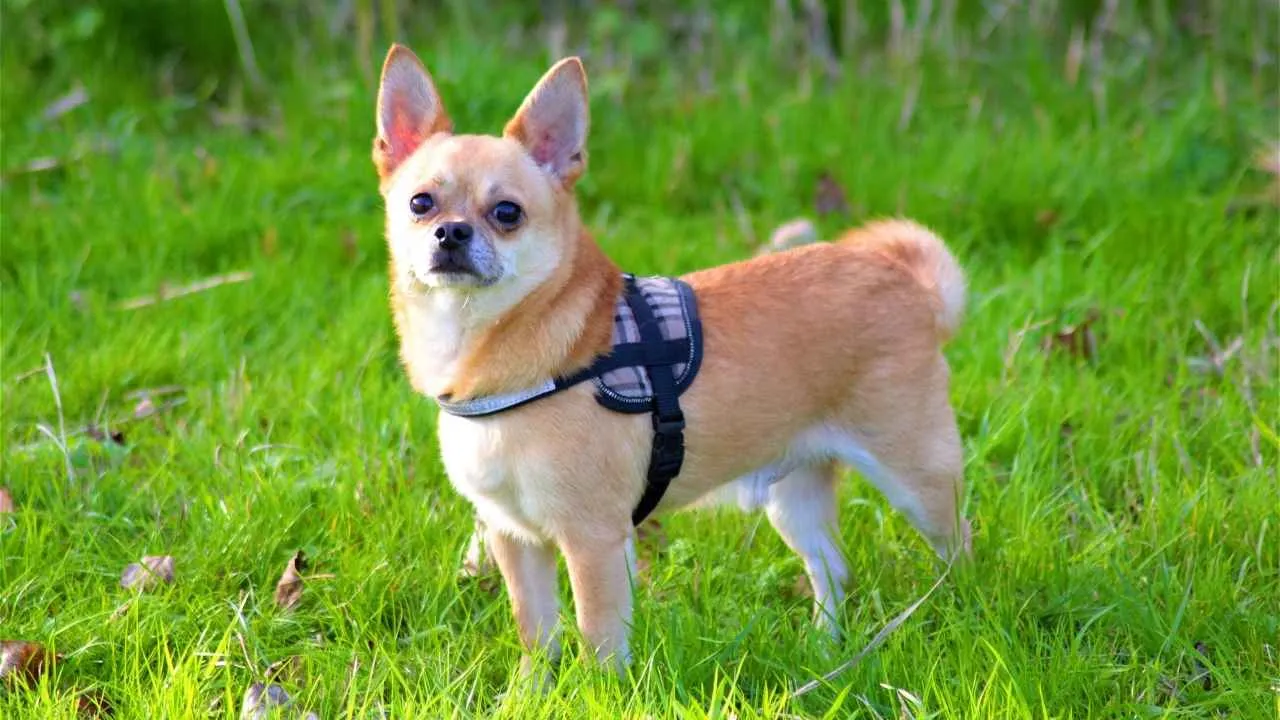
The Chihuahua is a tiny dog with big opinions. This dog breed often bonds deeply and may guard its favorite person, but social practice can help it relax with families. A small size makes it easy to carry, but do not confuse “portable” with “low energy.”
Many Chihuahuas are energetic in quick bursts, then they want a warm lap. Shivering can simply mean it feels cold, so keep soft blankets nearby.
This small dog can do well in apartment living when you protect its comfort and safety. Some are couch potatoes at night, then ready for play in the morning.
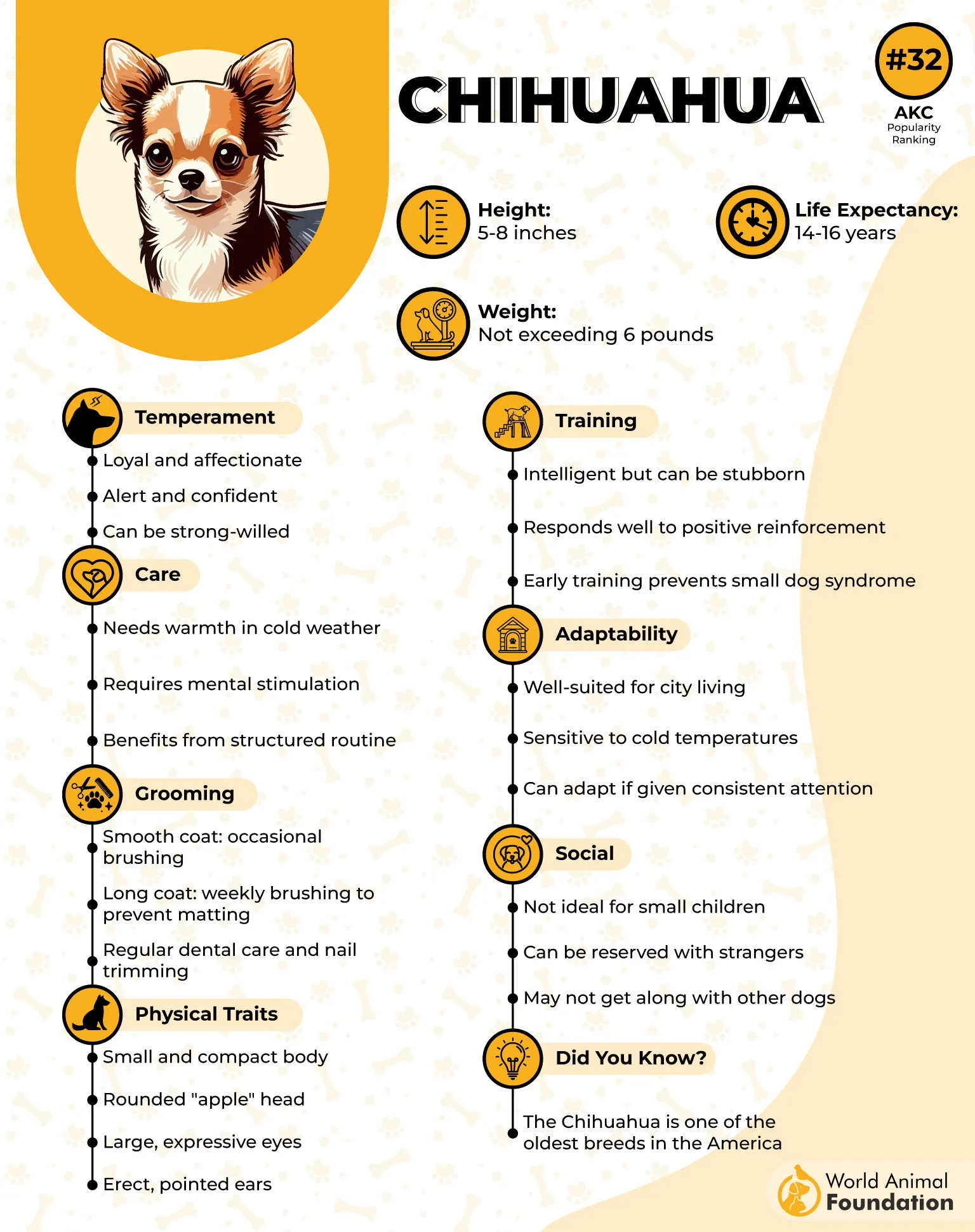
Supervision matters with little ones, because a tiny body can be hurt by a simple tumble. With calm older children, it can be brave, funny, and affectionate.
But wait, there’s more! This breed can be vocal, so training and routine matter. Short sessions, clear cues, and calm rewards go a long way.
Many pet parents find Chihuahuas at a local animal shelter, and a puppy rescue agency can help, too. You may also meet wonderful mixed breeds that share the same spark and are looking for forever homes.
Are they a good match?
This unique personality can feel like a tiny comedian.
Short coat types may need warmth in cold weather
Social time supports comfort with other dogs
Choose soft toys that protect the body
Cozy hideouts can reduce stress barking
7. Norfolk Terrier
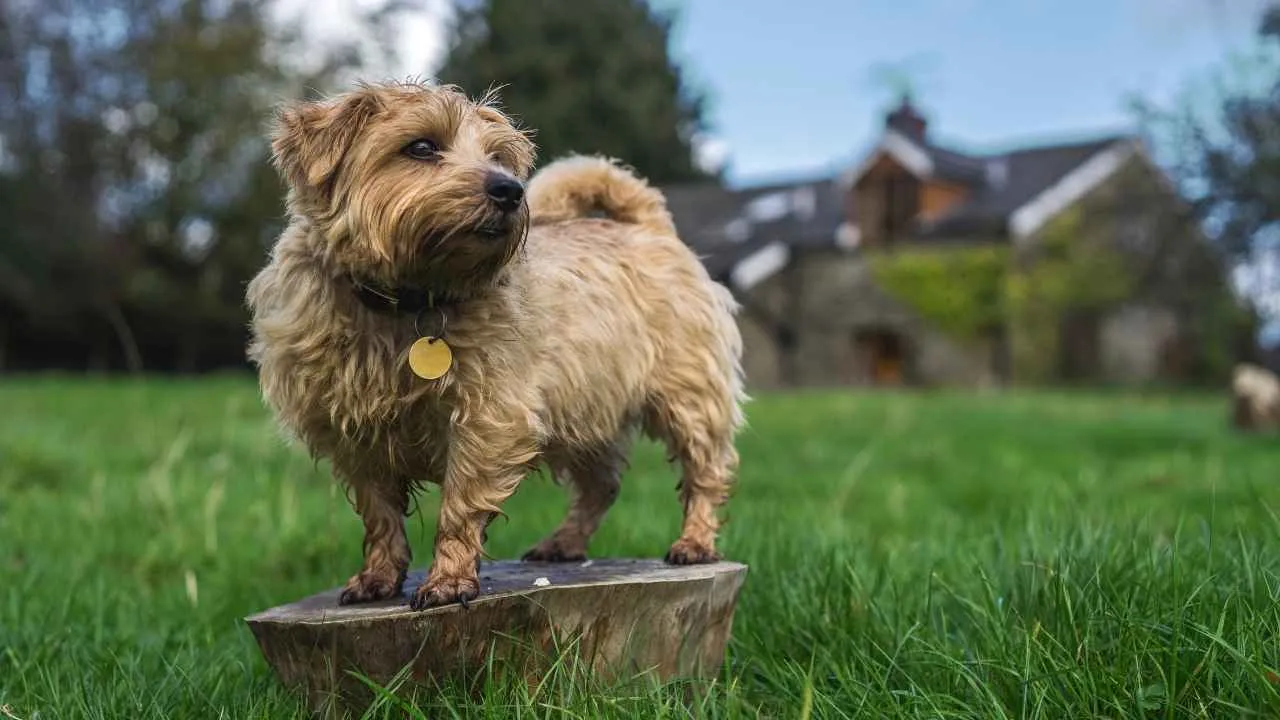
The Norfolk Terrier is a little sporting breed with a big engine. This dog breed sits in the sporting group for a reason. It is compact, tough, and ready for action, yet it can be sweet at home.
Many families love the happy-go-lucky attitude and the sturdy body that can handle play. A digging box with shredded paper can satisfy instincts without wrecking the floor.
This small dog often enjoys being part of everything. It can be great with children, especially when children learn calm greetings and respect for space.
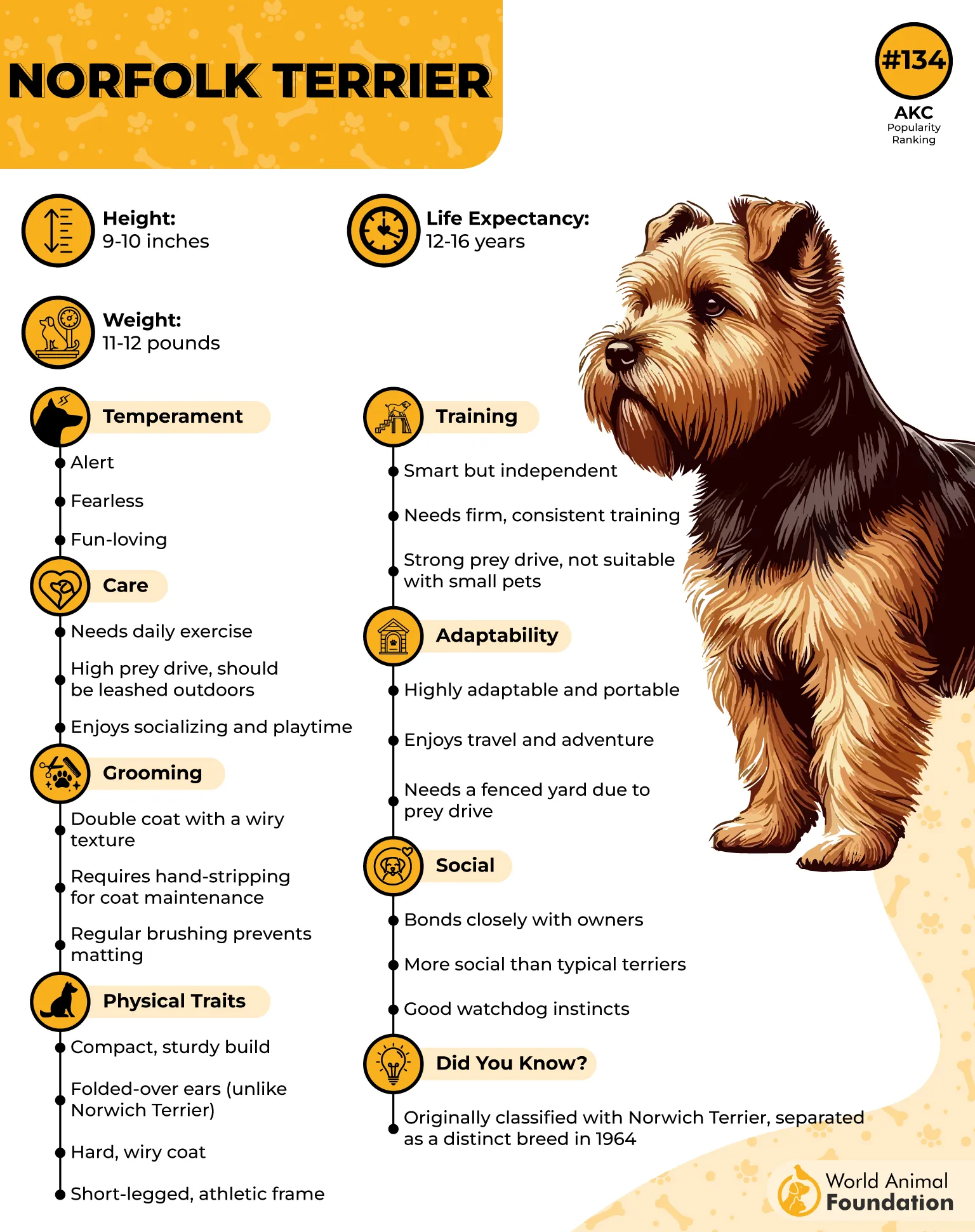
It tends to do best with older children who can play without squeezing. Some Norfolks love digging, so safe outdoor time helps, but good walks can also work, according to WebMD. It is a sporting breed that likes to stay busy.
Here’s the good part. This breed often enjoys training, even if it tests rules now and then. Keep sessions short, kind, and clear.
A little research on terrier habits helps, because instincts like chasing squirrels can pop up fast. When play, training, and rest are balanced, this can be one of those family dogs that brings laughter every day.
Are they a good match?
A small spark with a big heart, made for play.
Great for tug, fetch, and short hikes
Set simple rules early to cut rough habits
Add games to avoid boredom, digging
Give daily contact, since it can crave companionship
Conclusion
Picking from small dog breeds is not about hype. It is about match and mood. Each dog breed in this blog can bring motion, fun, and a personality that clicks with families that like to play.
Others prefer outdoor time. All need daily movement, calm rest, and kind rules. Less training is not the goal. Smart, short practice is. If you have young children, teach gentle hands and slow play. If you have older ones, let them lead games.
Do a little research, meet the dog, and trust your gut. The best breed is the one that fits your life. Plan daily time, even when busy.
That is how you find the right dog, even among little dogs.
