




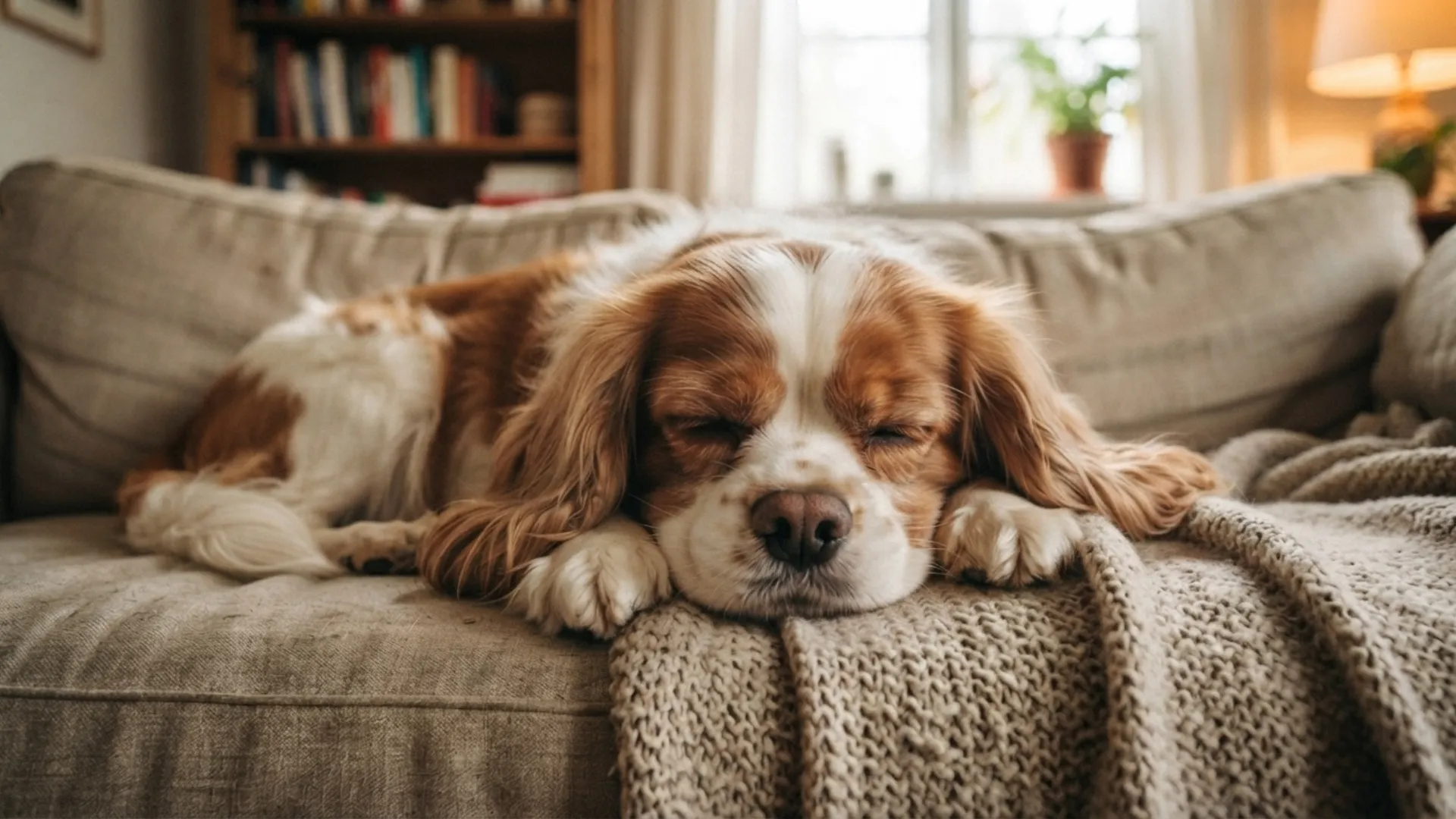
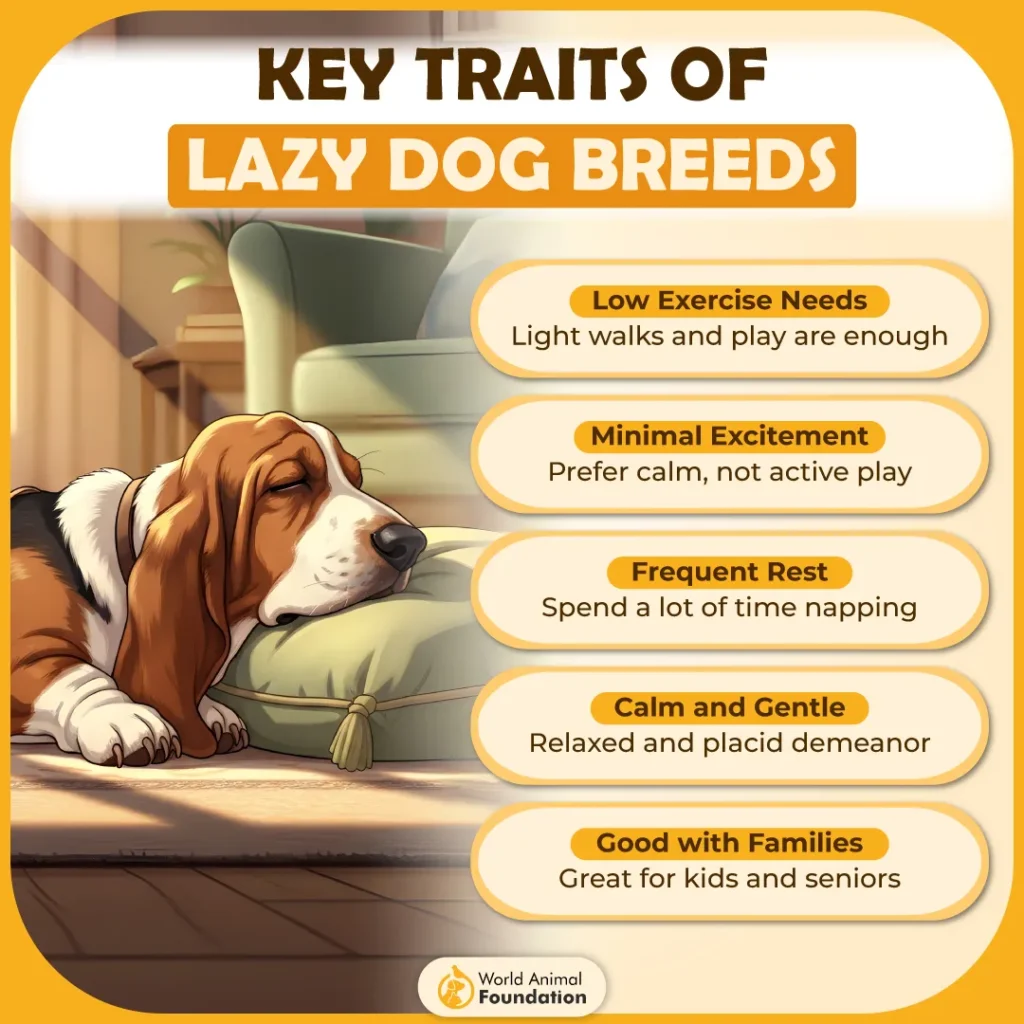
Not everyone is built for high-energy dogs that come running, howling, and panting the second they see you. They can’t sit still, and they always need something to do. Sure, that’s perfect for active families, but what about the people who’d rather take it easy?
Maybe you’re a homebody who loves curling up under a cozy blanket and watching a show. If so, you need a dog that fits into that lifestyle rather than adding one more thing to manage.
The good news is that not every dog is built for marathon energy. Plenty of gentle, easygoing breeds are perfectly happy just being wherever you are, content to be total couch potatoes.
These laid-back companions are always up for a good snooze, whether you’re living in a small apartment, working long hours, or simply looking for a peaceful buddy to share your downtime with. And since they typically have low to moderate exercise needs, they fit naturally into a relaxed lifestyle.
In this guide, we’ve rounded up 7 calm and quiet dog breeds, along with their temperament, exercise needs, and trainability. We’ll also break down just how laid-back or low-energy each one really is, so you can figure out which pup fits your home best.
Mild‑Mannered Dog Breeds That Love Couch Time
1. Cavalier King Charles Spaniel
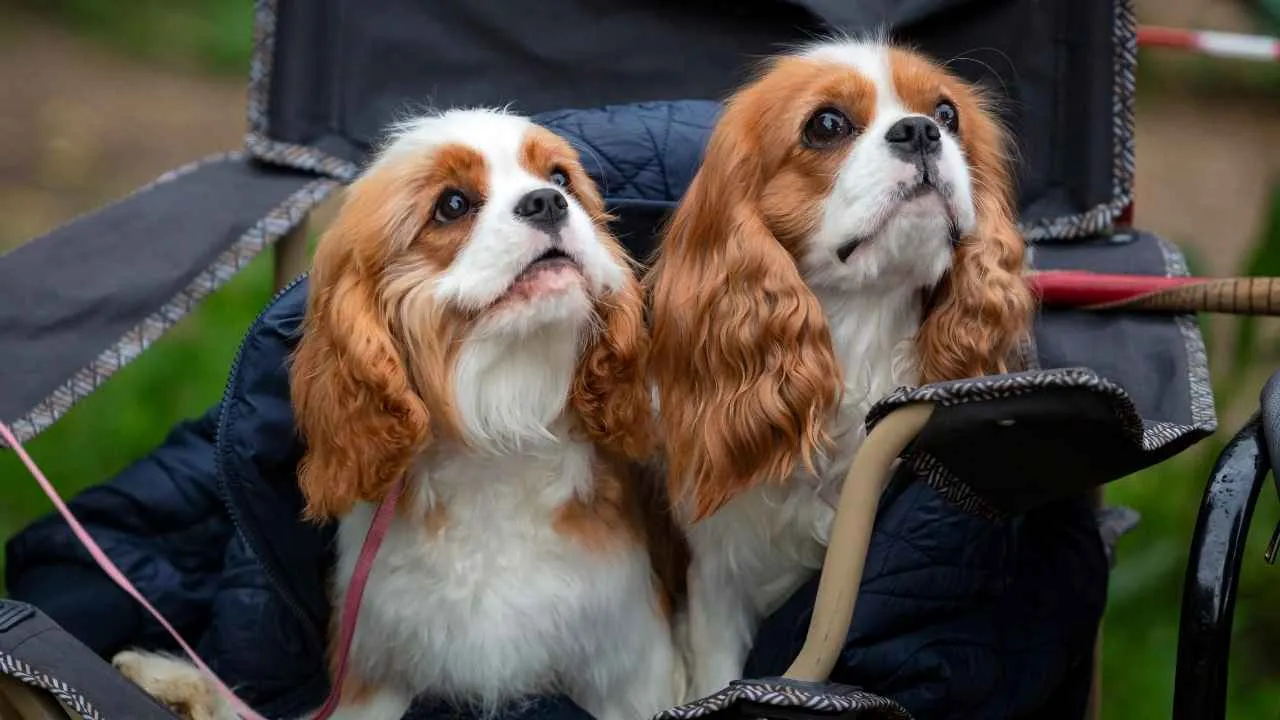
Cavalier King Charles Spaniels were selectively bred to be gentle lap dogs and companions for royalty. Sweet-natured, friendly, and quiet, they’re a great fit for peaceful households and first-time owners looking for a genuinely low-stress dog.
Their name traces back to King Charles I and his son, King Charles II, who reportedly brought these little dogs everywhere, including into Parliament. According to PetMD, Cavaliers have moderate exercise needs, usually around 20 to 30 minutes of casual activity a day.
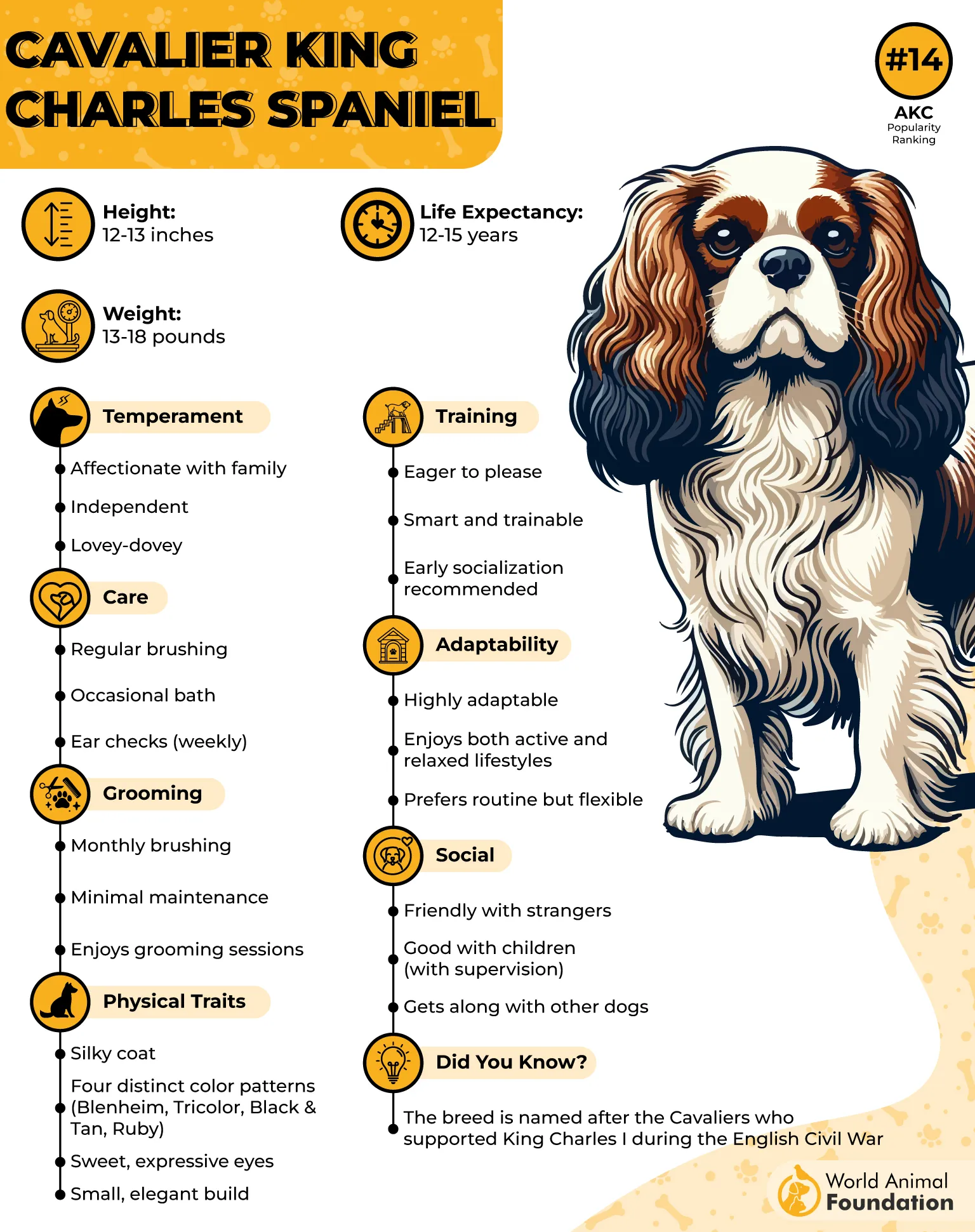
Once those needs are met, they’re more than happy to melt right into the couch. Cavaliers are also eager to please, patient, and sensitive, which means they respond best to positive reinforcement during training. Their medium-length, silky coat doesn’t shed much, though it does need regular brushing to prevent matting.
2. Pug

Pugs are famously clownish, affectionate, and deeply devoted to a slow-paced lifestyle. They may burn through bursts of playful energy, but at the end of the day, they’re just as happy lounging beside you or directly on top of you for some well-earned cuddles.
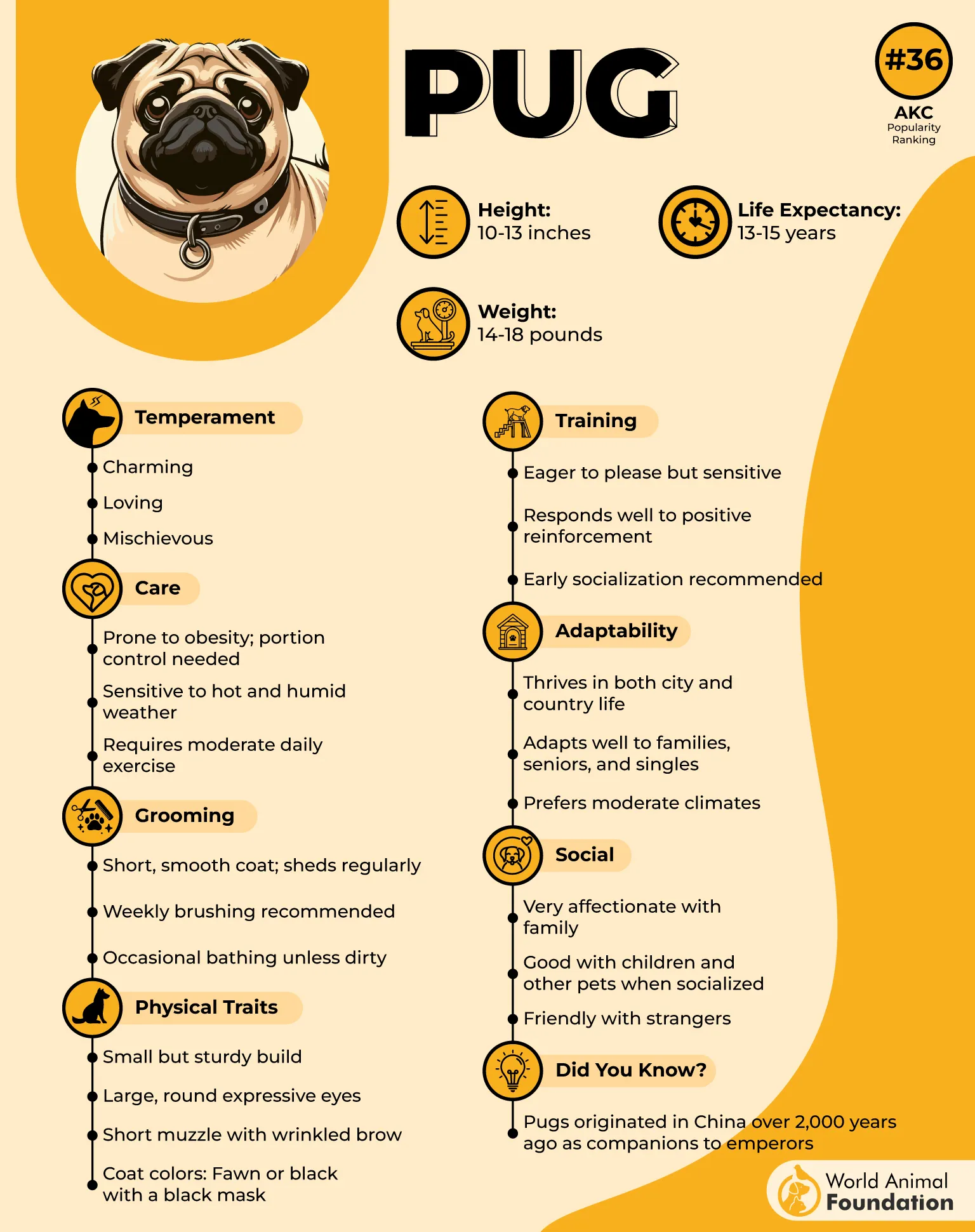
Pugs actually have fairly low to moderate exercise needs, typically doing well with just 15 to 20 minutes of light activity a day. Short walks around the block suit them best, and heavy exercise should be avoided altogether, since their flat faces can make breathing difficult during strenuous activity.
They’re highly trainable, though a stubborn streak can show up now and then, so a patient approach goes a long way. These lazy dog breeds tend to be a great match for homebodies and first-time pet owners. Just keep in mind that their short coat sheds heavily year-round, so weekly brushing is a must.
3. Pekingese
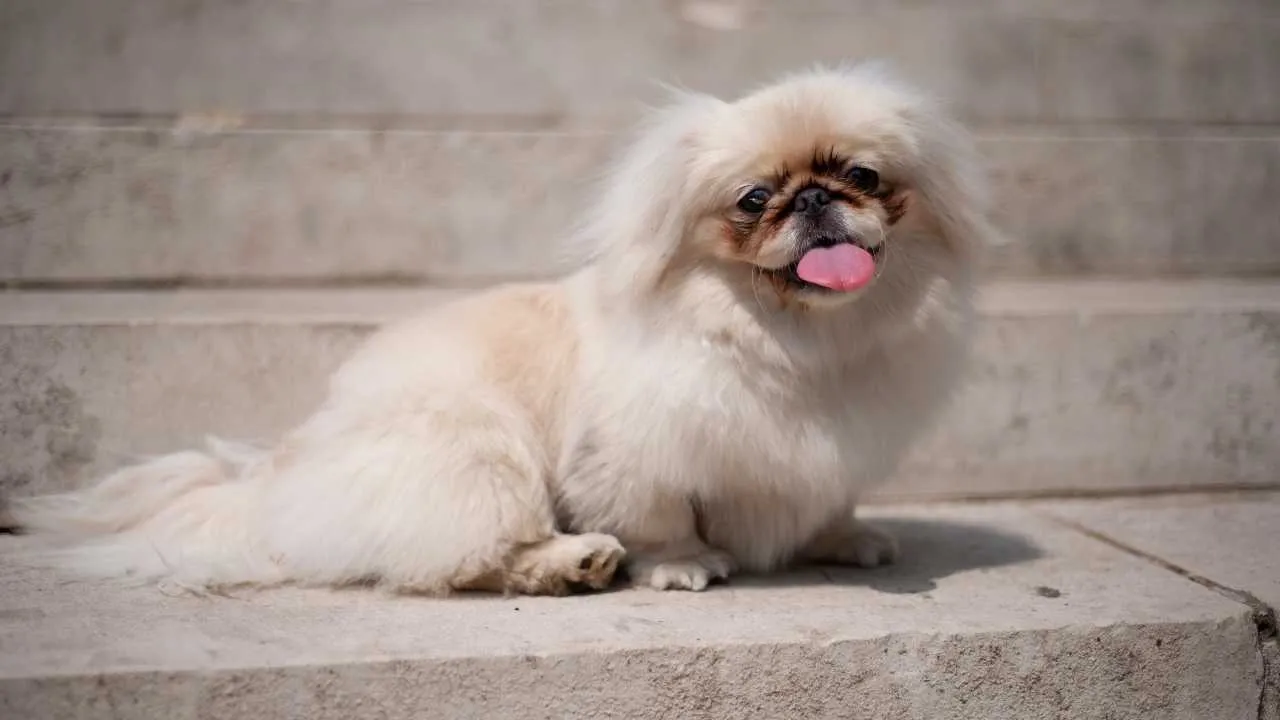
Pekingese are calm, deeply affectionate, and dignified little dogs that would much rather lounge on a soft cushion than run laps around the yard. Bred as sacred lap dogs for royalty within imperial palaces, they’ve picked up nicknames like “sleeve dogs,” “lion dogs,” and “sun dogs” over the centuries, according to the AKC.
These dogs have minimal exercise needs and are perfectly content with light activity, like a slow stroll around the block. As a flat-faced breed, they’re also prone to overheating, so strenuous exercise should be avoided altogether. Pekingese tire easily and simply don’t enjoy overexertion.
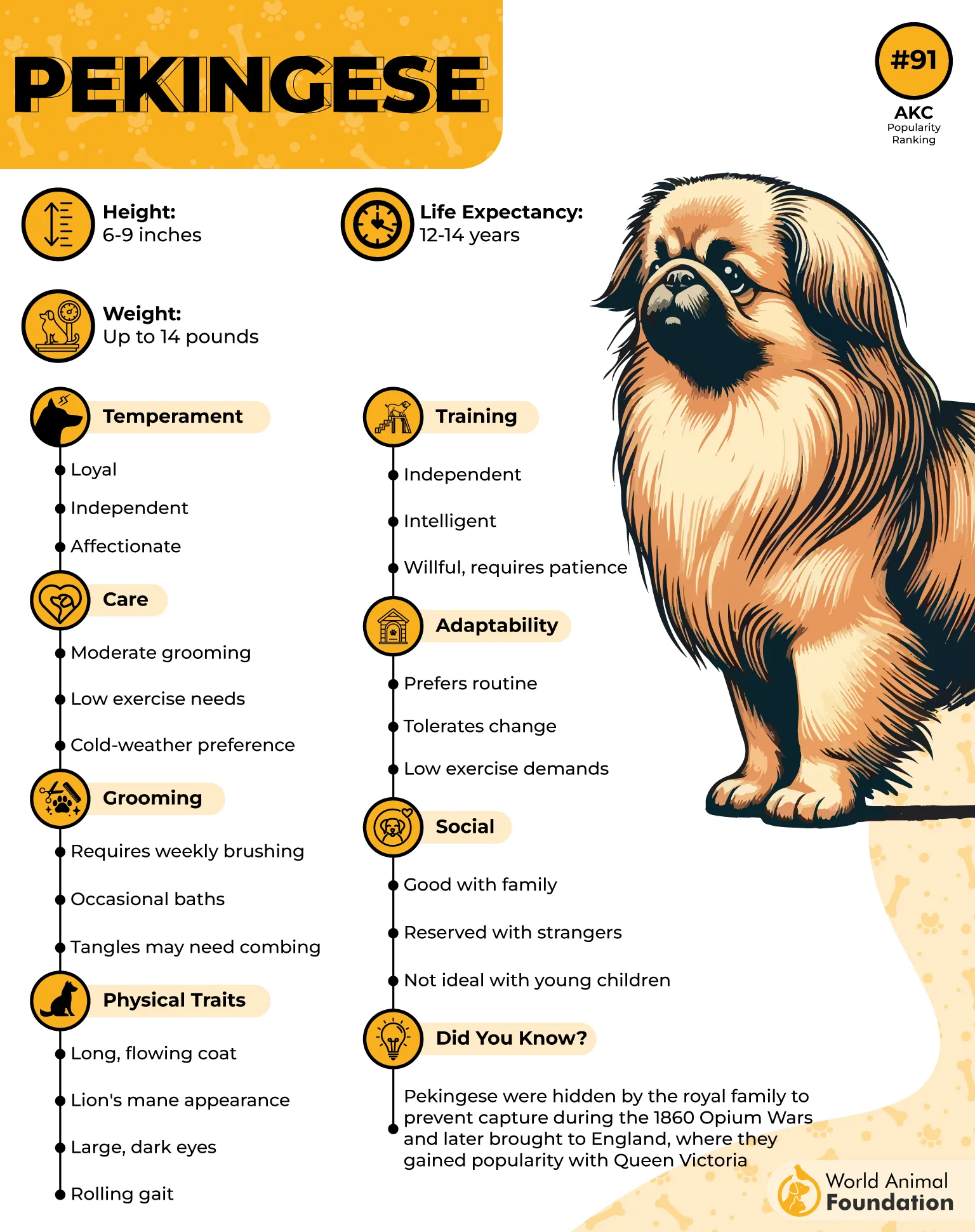
That said, they can be independent, stubborn, and strong-willed. Beginners can absolutely handle a Pekingese, but gentle patience and positive training methods go a long way. Their thick double coat sheds moderately and needs brushing about three to four times a week to stay in good shape.
4. Clumber Spaniel
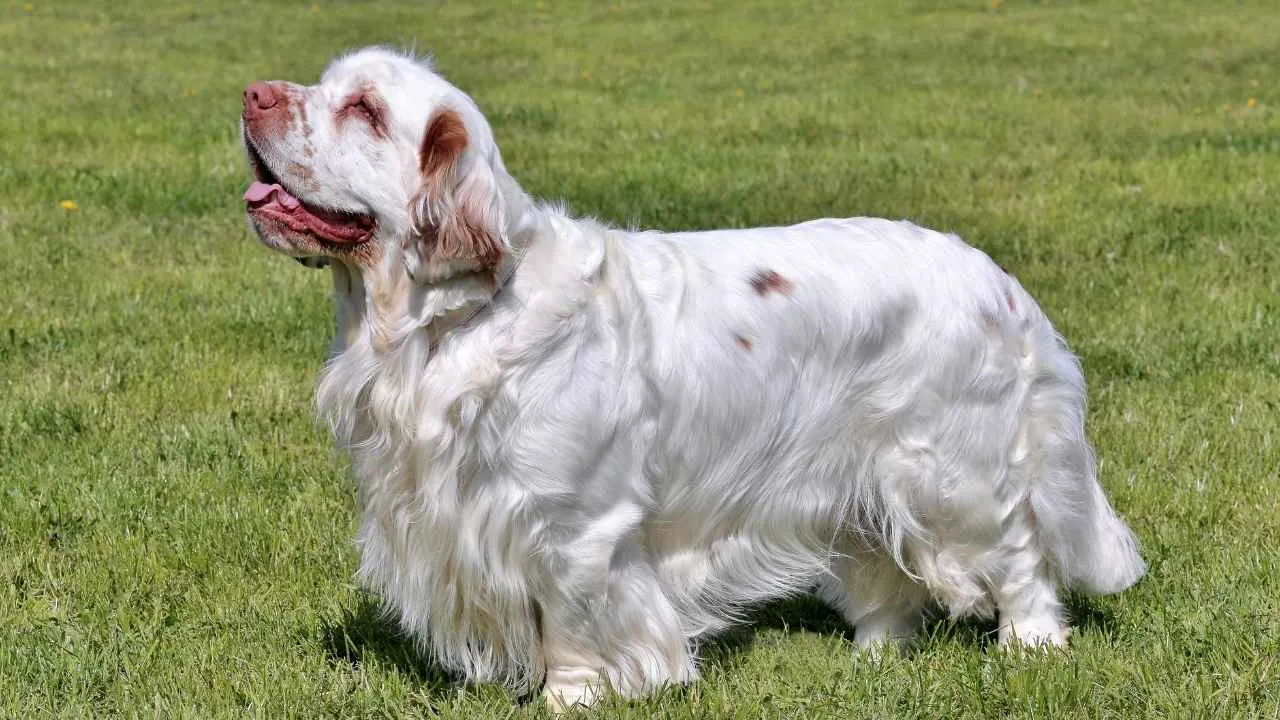
Clumber Spaniels are often affectionately called the “sleeping giants” of the spaniel world, and it’s easy to see why. Sweet, relaxed, and easygoing, these dogs were originally bred as heavy-boned, gentle retrievers of game birds, favoring steady, deliberate movement over the speed and high energy typical of other spaniel breeds.
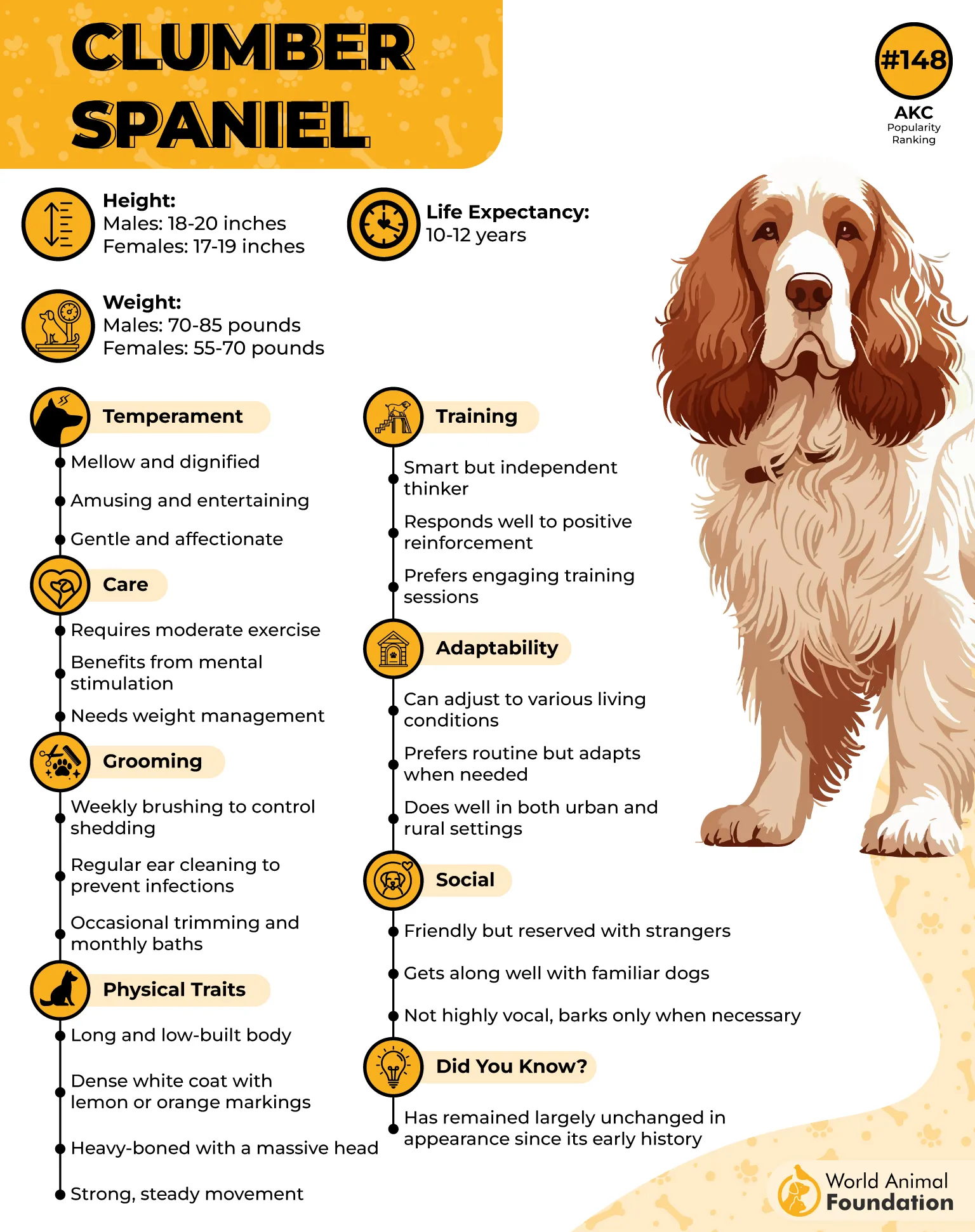
These medium-to-large dogs are happiest spending most of the day snoozing on the carpet, making them a great match for quiet, low-key households. According to VCA Hospital, Clumber Spaniels don’t rank very high in trainability rankings, though that hasn’t stopped them from winning plenty of hearts along the way.
They have moderate energy levels overall and tend to prefer relaxed walks and sniffing around the yard over any kind of high-speed running. Eager to please, gentle, and patient, they respond best to reward-based training, even with a mild independent streak thrown into the mix.
5. Great Dane
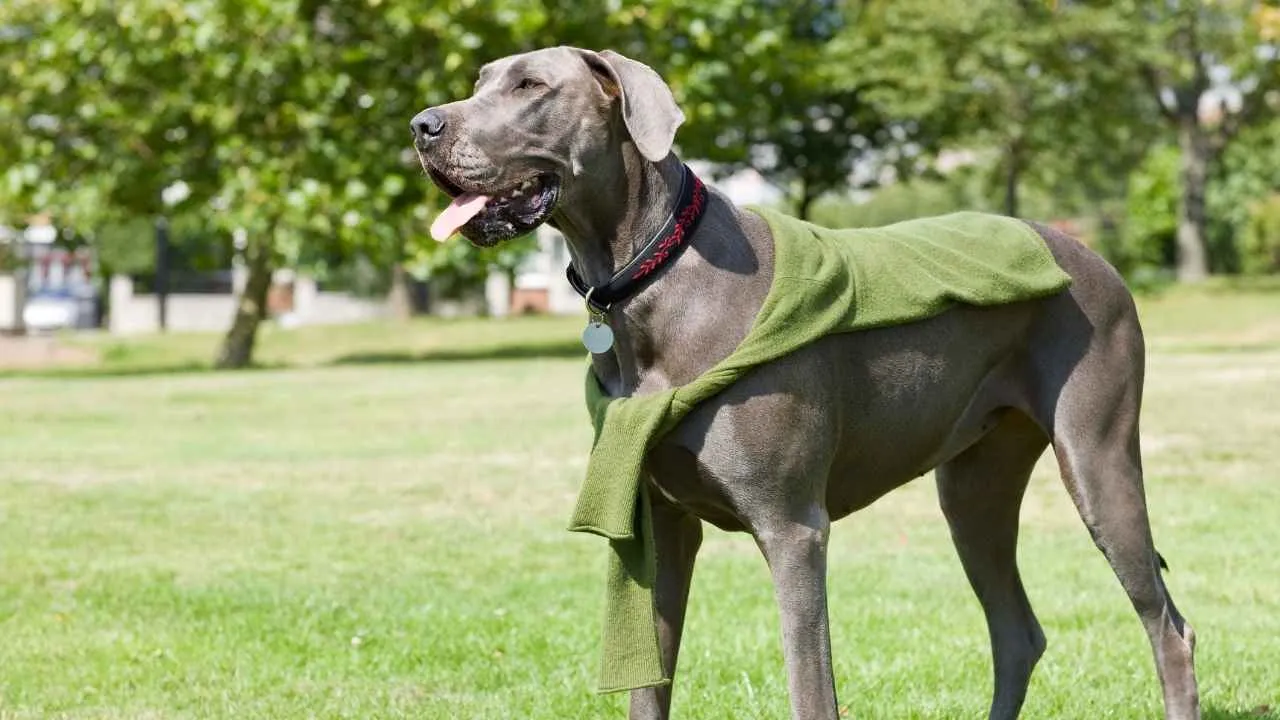
Great Danes are among the largest and tallest dog breeds in the canine world. Originally bred for hunting, they gradually evolved into watchful companions, with their intense hunting instincts giving way to the gentle, sweet nature they’re known for today, earning them the nickname “gentle giants.”
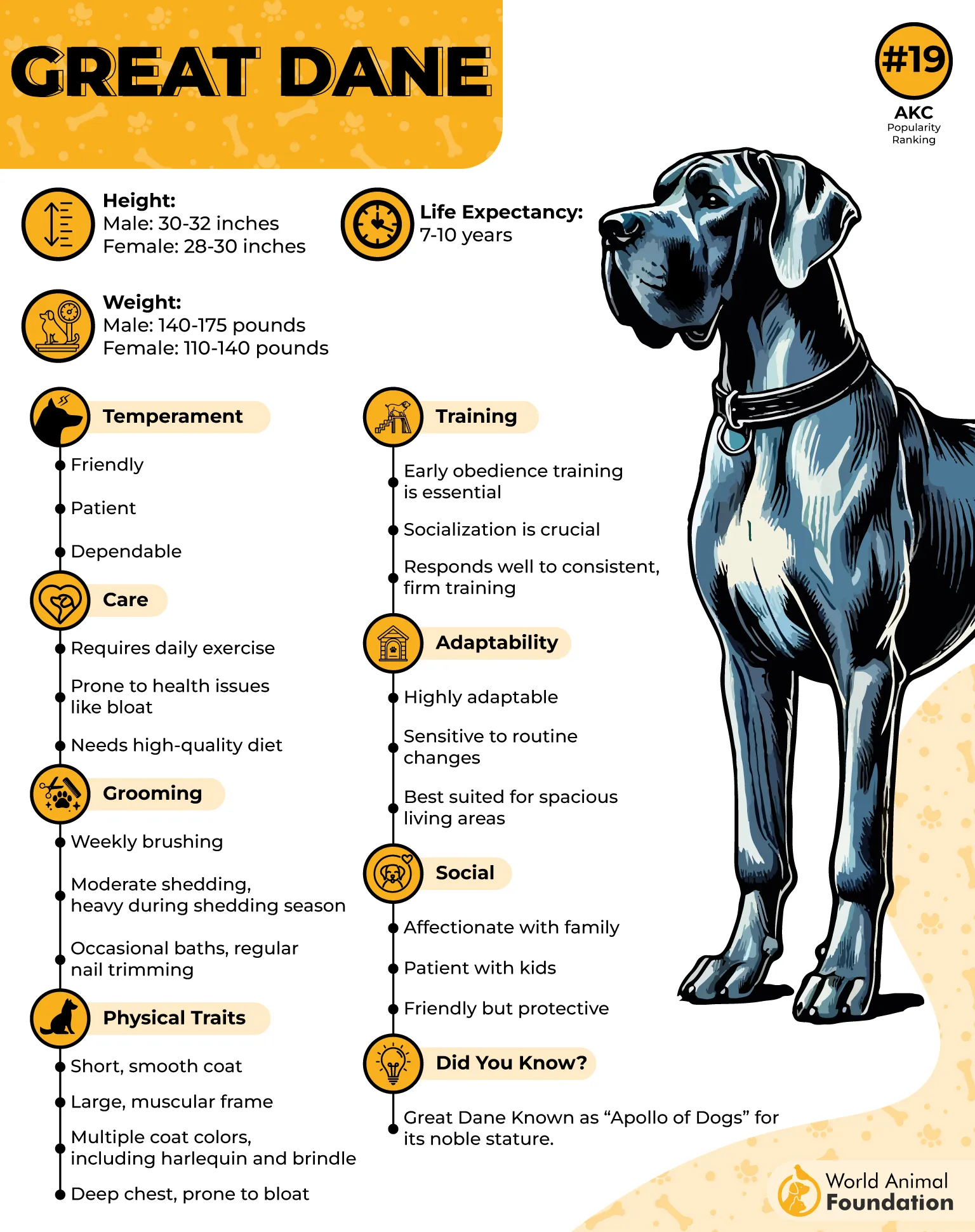
These long-legged dogs have moderate exercise needs, but make no mistake, they’re also true indoor loungers at heart, perfectly happy stretching out across an entire sofa. According to WebMD, Great Danes have moderate trainability and generally get along well with other dogs.
They’re relatively easy to train overall, though their sheer size can feel intimidating at first and call for a confident handler. Even first-time owners can manage a Great Dane comfortably with proper obedience training. Their short coat sheds moderately and needs weekly brushing to stay in good shape.
6. Newfoundland
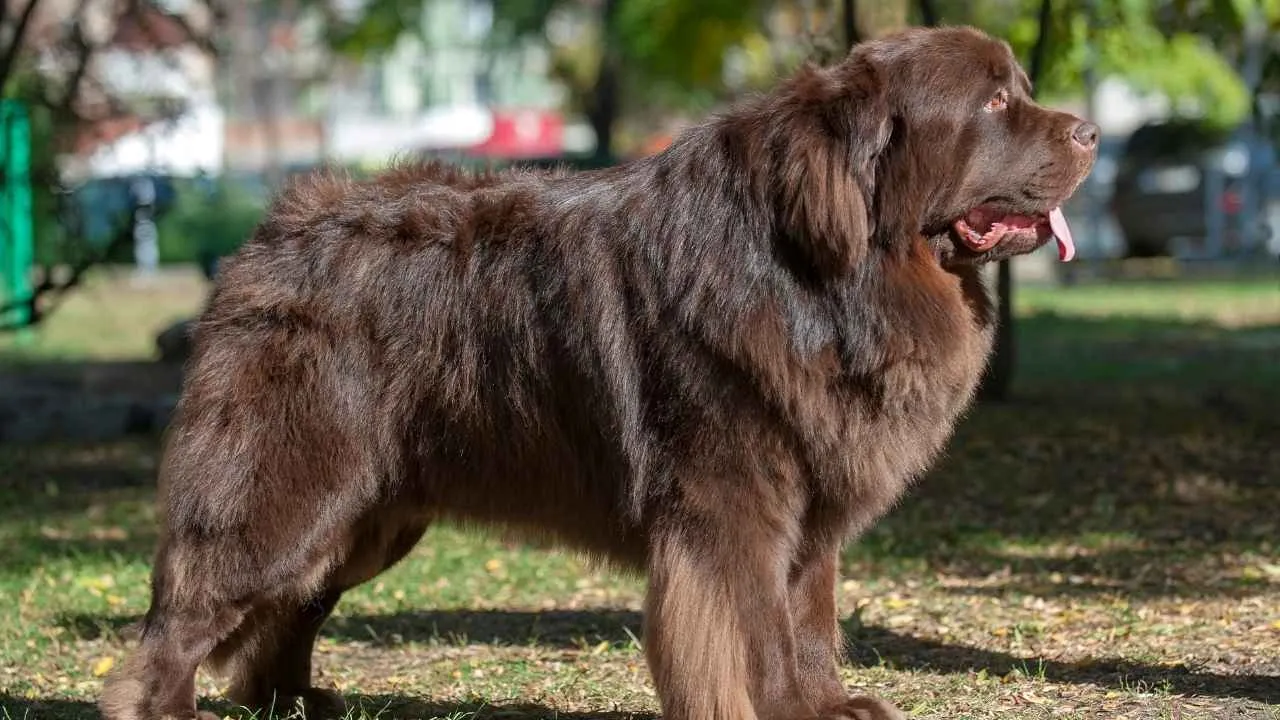
Newfoundlands are often called “gentle giants” and even “nanny dogs,” thanks to their patient, protective nature. These massive dogs are true indoor couch potatoes, more than happy sprawling out on a cool floor or soft rug whenever they get the chance. That sweet, mellow temperament is actually part of the breed standard itself.
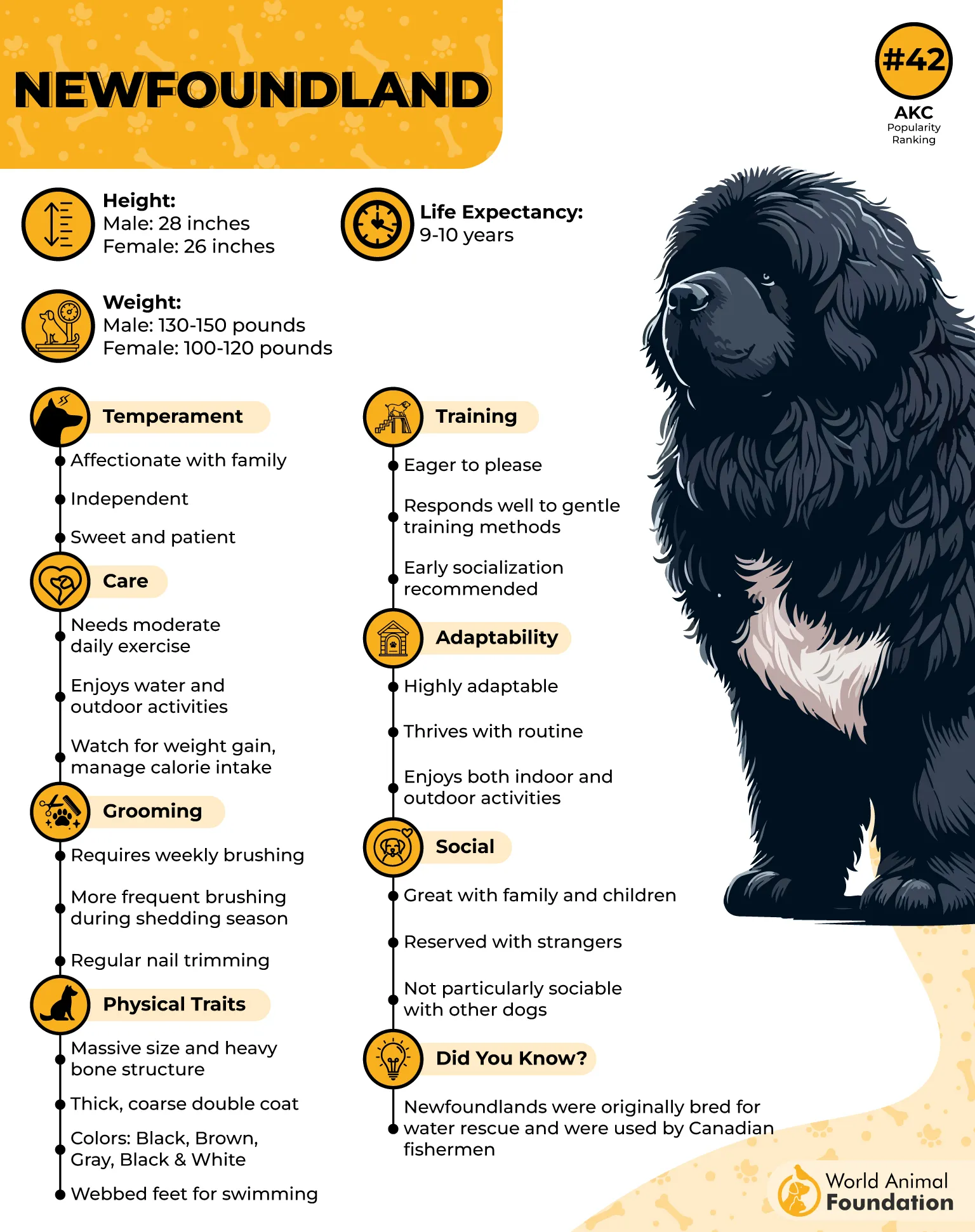
Newfoundlands rarely show aggression, which makes them wonderful therapy dogs. They can, however, experience separation anxiety if left alone too long. With low to moderate exercise needs, these dogs tend to be homebodies through and through, so much so that, as Omlet points out, you might actually have to coax a napping Newfie off the couch for a walk.
That said, Newfies have a genuine love for water and mud. Their webbed feet and water-resistant double coat make them natural swimmers. They shed moderately year-round and blow their coat during seasonal changes, so weekly brushing is typically enough to keep things under control.
7. Saint Bernard
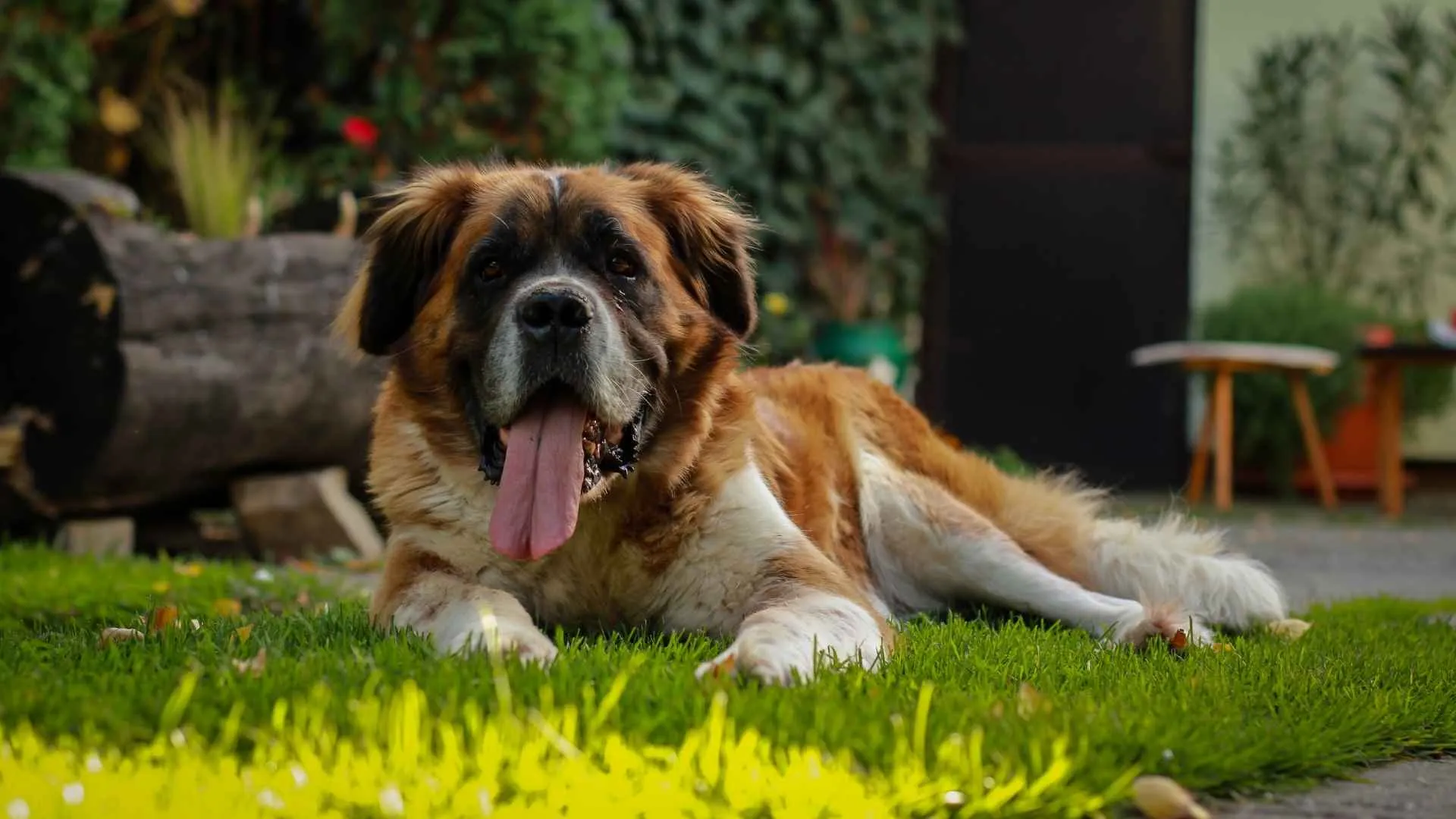
Saint Bernards are famous for their sweet, patient, and loyal personalities. Indoors, they act like giant, friendly teddy bears, true lovers of comfort who are more than happy to nap away most of the day, making them a wonderful match for homebodies.
That said, these powerful, muscular dogs still have moderate exercise needs. They enjoy relaxed, sniff-focused walks around the neighborhood, though their size makes them prone to overheating, so it’s best to schedule walks in the cooler morning hours.
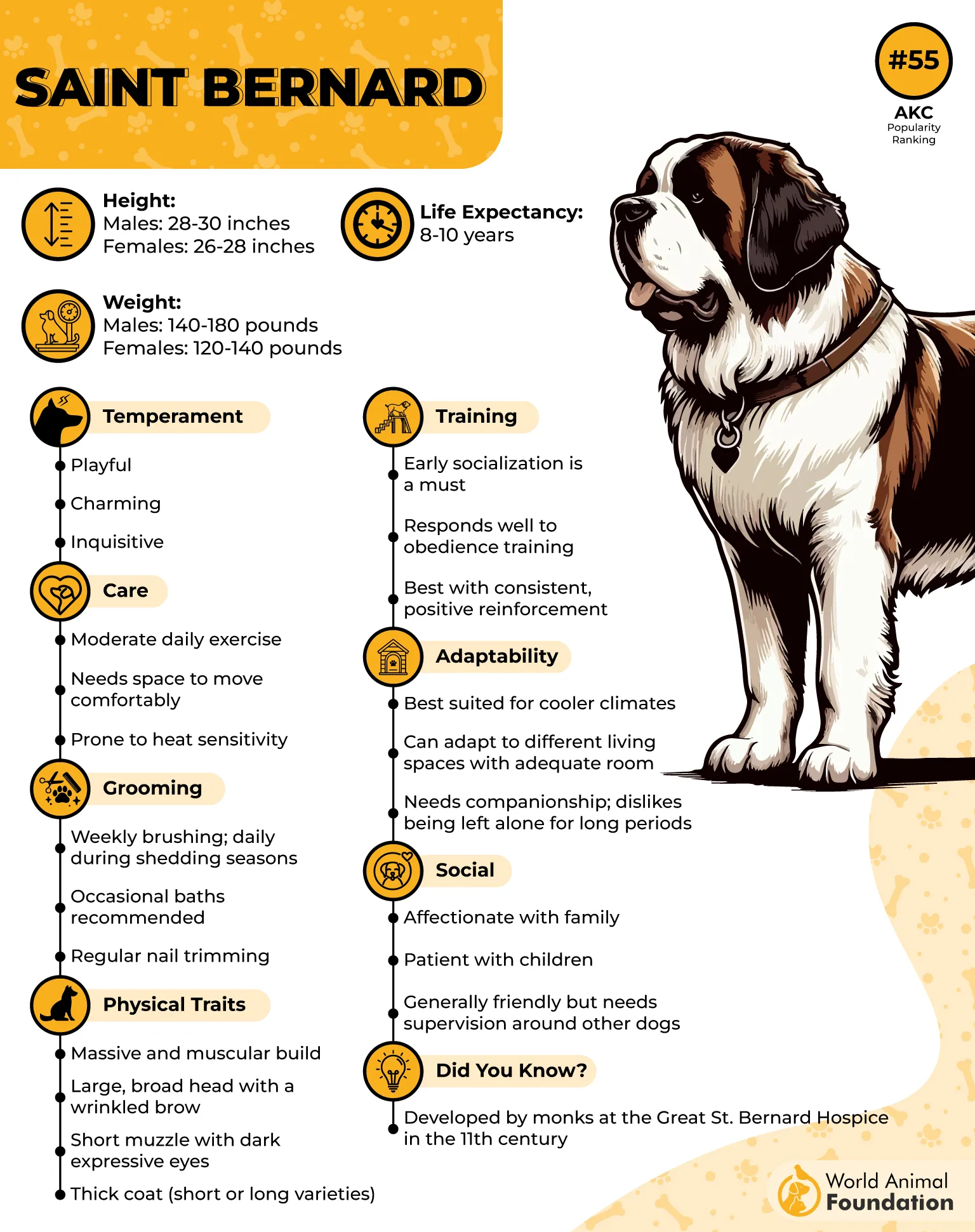
Saint Bernards are naturally eager to please and tend to be gentle, attentive listeners who respond beautifully to reward-based training, even if their sheer size can make handling a bit of a challenge at first.
These large dogs come in both long- and short-haired coat varieties, so grooming needs can vary depending on the individual dog. They tend to do well with children, though a fair amount of drool comes with the territory.
Conclusion
It’s easy to picture a small dog curling up for a nap, but it’s a bit harder to imagine a giant breed doing the same. That’s exactly why we’ve mixed things up here, featuring both small and giant dogs that genuinely love to lounge. On the bigger side, you’ve got Great Danes, Saint Bernards, and Newfoundlands, while Pugs and Cavaliers cover the small-dog end of the spectrum.
Every lazy dog breed on this list has low to moderate exercise needs and is more than happy to become a couch potato once its energy is spent. Some were originally bred as lap dogs, while others come from hunting backgrounds, yet all of them share that same laid-back, relaxed streak.
A few of these calm breeds are especially social too, thriving around kids and other pets. And while small dogs tend to adapt well to apartment living, the bigger breeds usually need a bit more space to stretch out comfortably.
So if you’re looking for an affectionate, calm dog breed for your home, it’s worth reading through each breed’s details to find the one that truly fits your lifestyle.
