




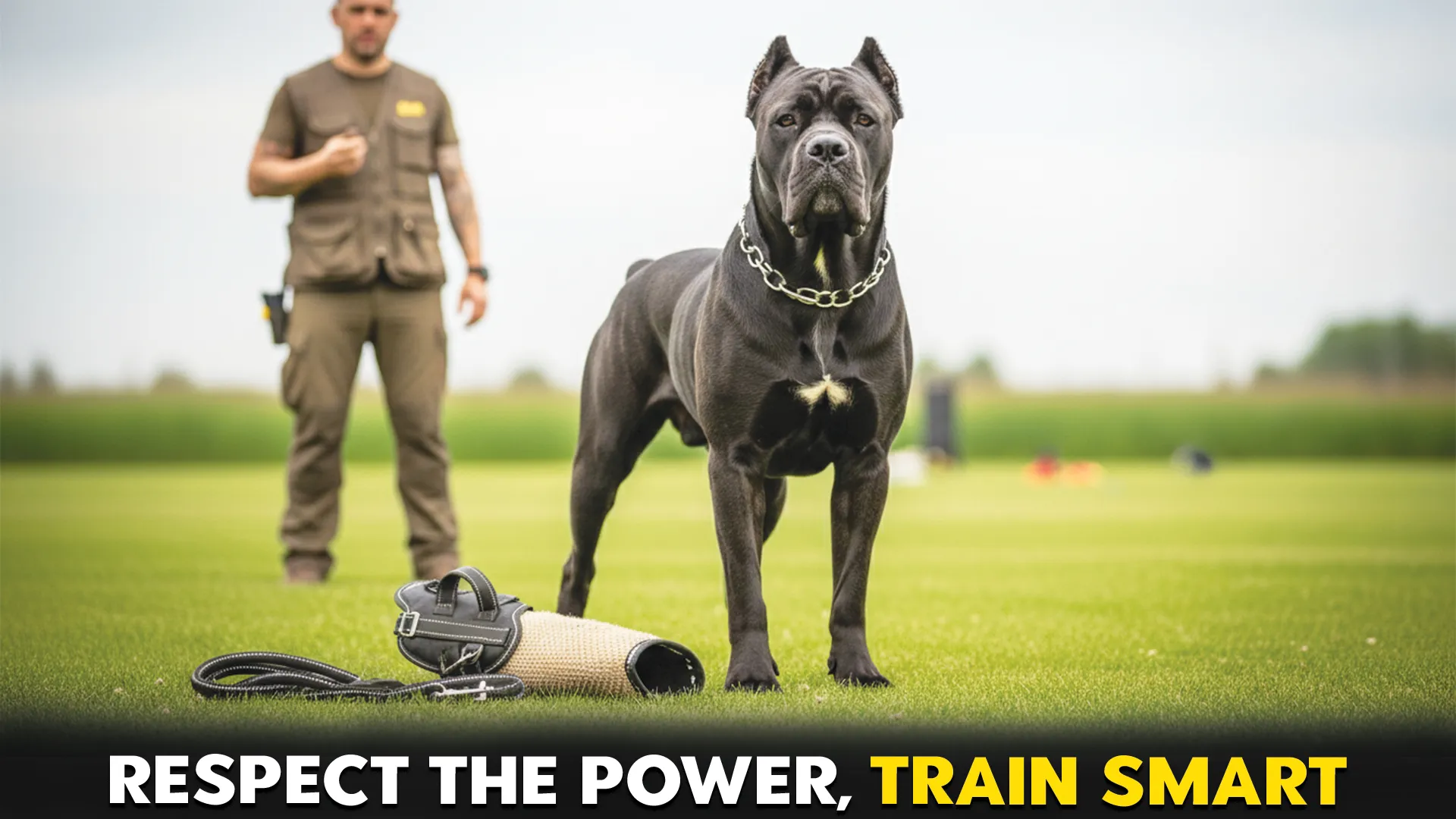
Some dogs make heads turn as soon as they come into a room. It is not in the way that they are loud or aggressive, but because they have presence. They are strong leaders, assertive breeds that are constructed with power, stamina, and the ability to act as effective guard dogs.
Nevertheless, it is not about having a mighty dog and being dominant but about discipline, leadership, and respect. Even the most faithful, powerful dog breed may prove to be hard to handle without proper training. These breeds are even employed in military and police forces, unlike other dogs.
These therapy dogs become peaceful guardians, reliable friends, and strongly attached members of the family with the proper guidance, organization, and dedication.
This guide discusses seven powerful breeds of dogs, which require careful ownership, proper training, and esteem.
Mighty Dog Breeds That Demand Respect and Training
1. Cane Corso
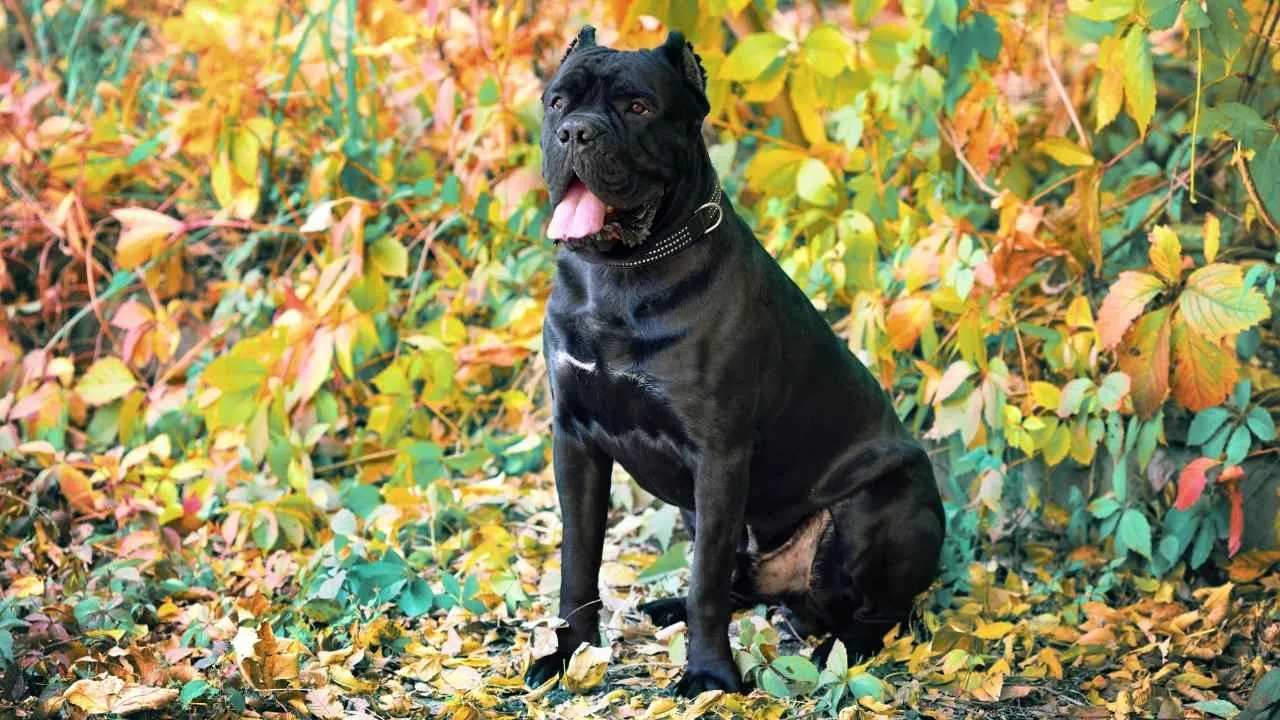
This high-energy, sleek coat breed excels in active households as a powerful, assertive guard dog that traces its origins to the old Roman guardianship dogs. This breed was developed to be strong due to its muscular build, is enduring, and can be successfully raised, often used in police work.
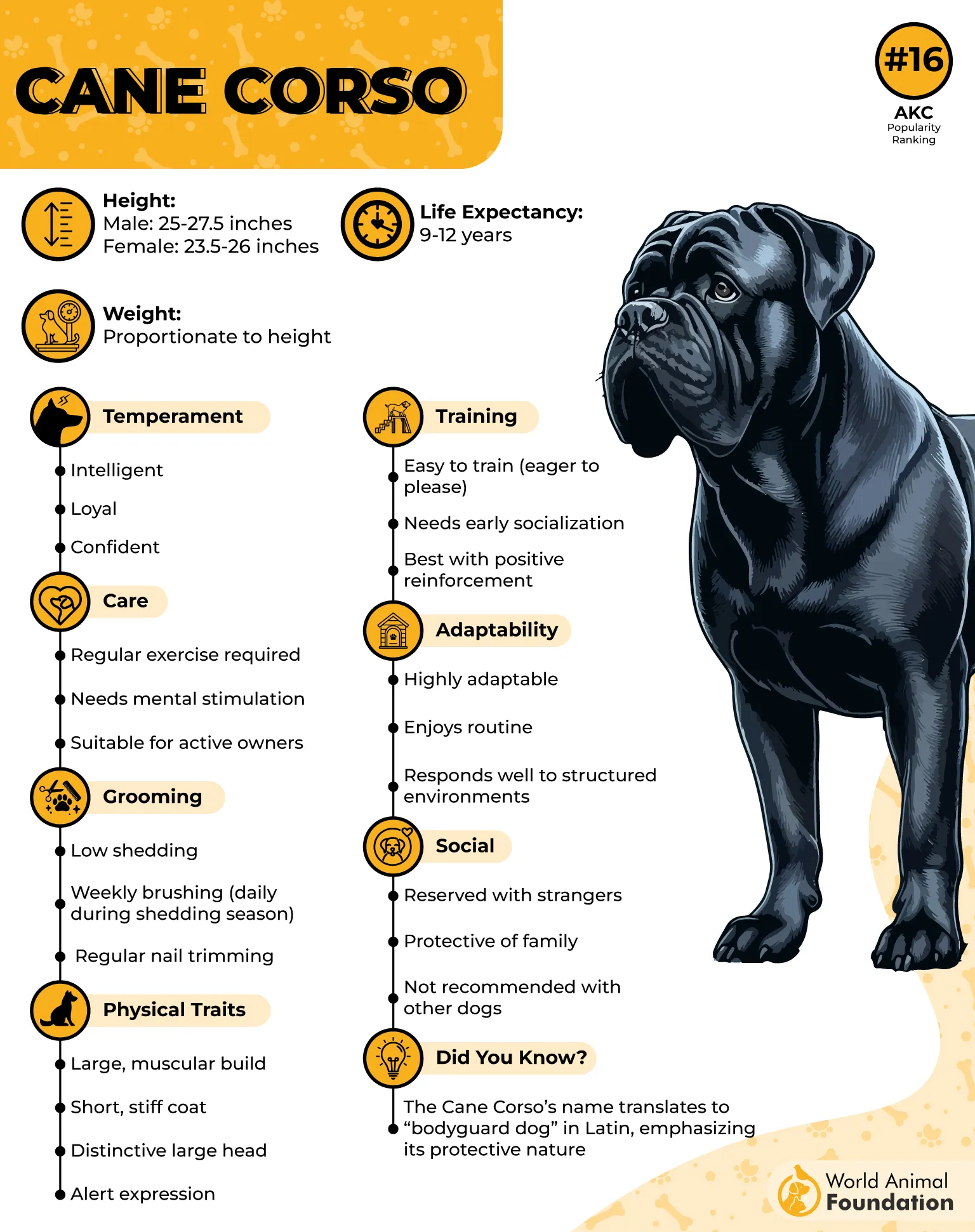
These fiercely loyal and highly intelligent dogs are not spontaneous. They reason and take strong actions when they sense an actual threat. Their intelligence ensures that they are very trainable dogs, but at the same time, they require strong leadership and active engagement, often used as police dogs.
As PetMD states, guardian breeds such as the Cane Corso need to be obedience trained early and socialized regularly to have them emotionally balanced and secure.
Why is it essential?
Extremely jealous nature, naturally protective
Expresses strong territorial consciousness
Demands skilled, experienced handlers
2. Newfoundland
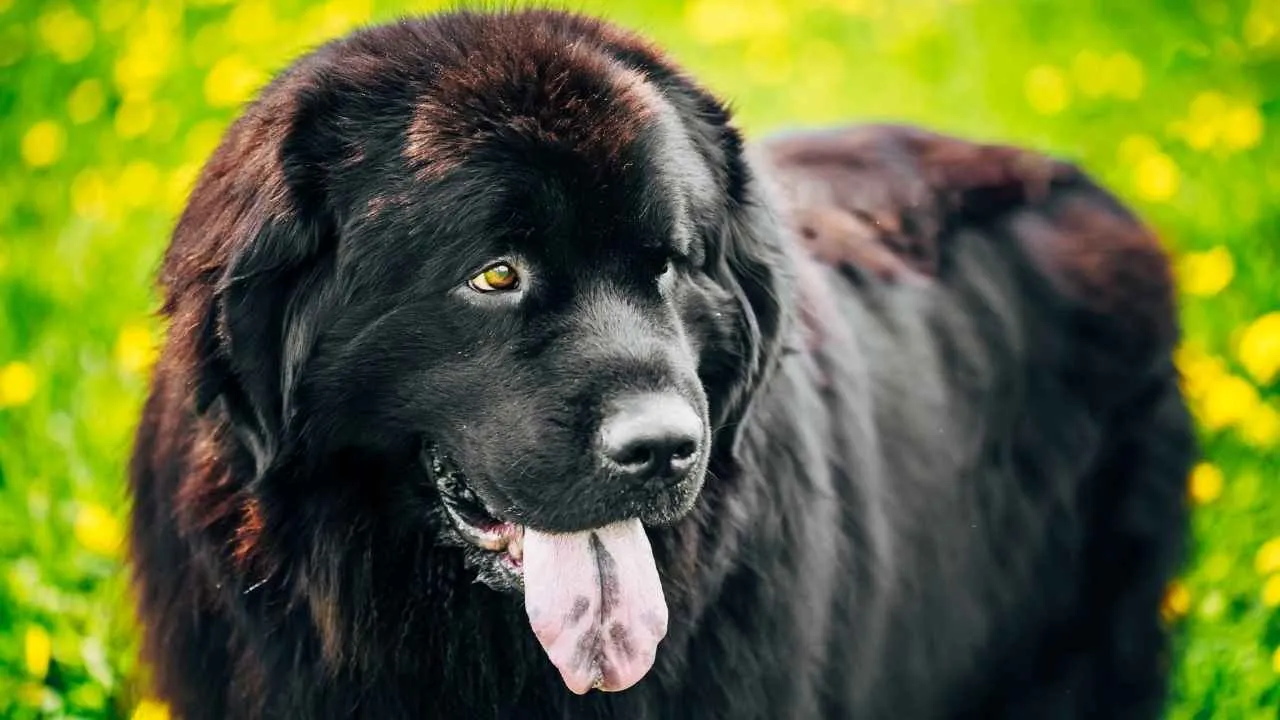
The Newfoundland might look cuddly at first sight due to its gentle nature, but it is not to be undervalued in its physical strength. Newfoundlands are very strong, can endure harsh arctic conditions, and are calm animals that were originally bred to be used as working dogs for fishermen.
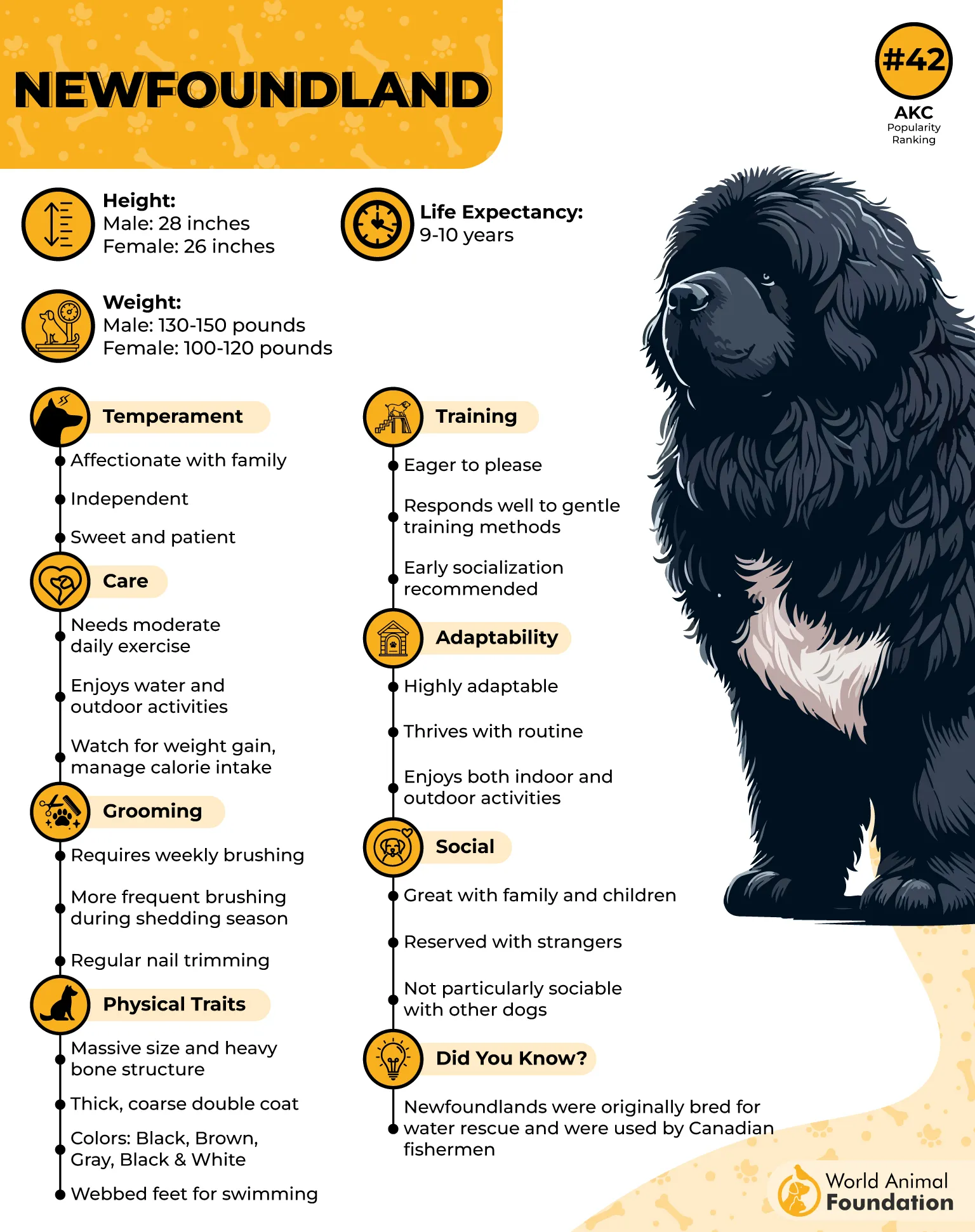
They are very peaceful in nature and, thus, good company within the family, but their size alone demands consistent training to make them safe to handle. Basic obedience, boundary training, and leash manners are important because they are weight and strength critical.
The American Kennel Club emphasizes the fact that Newfoundland dogs have a consistent character and tend to be strong and predictable, provided they are taught the right way.
Why is instruction essential?
Massive size and strength
Arranged limits of needs, protective nature
Capable of pulling heavy loads
3. Great Dane
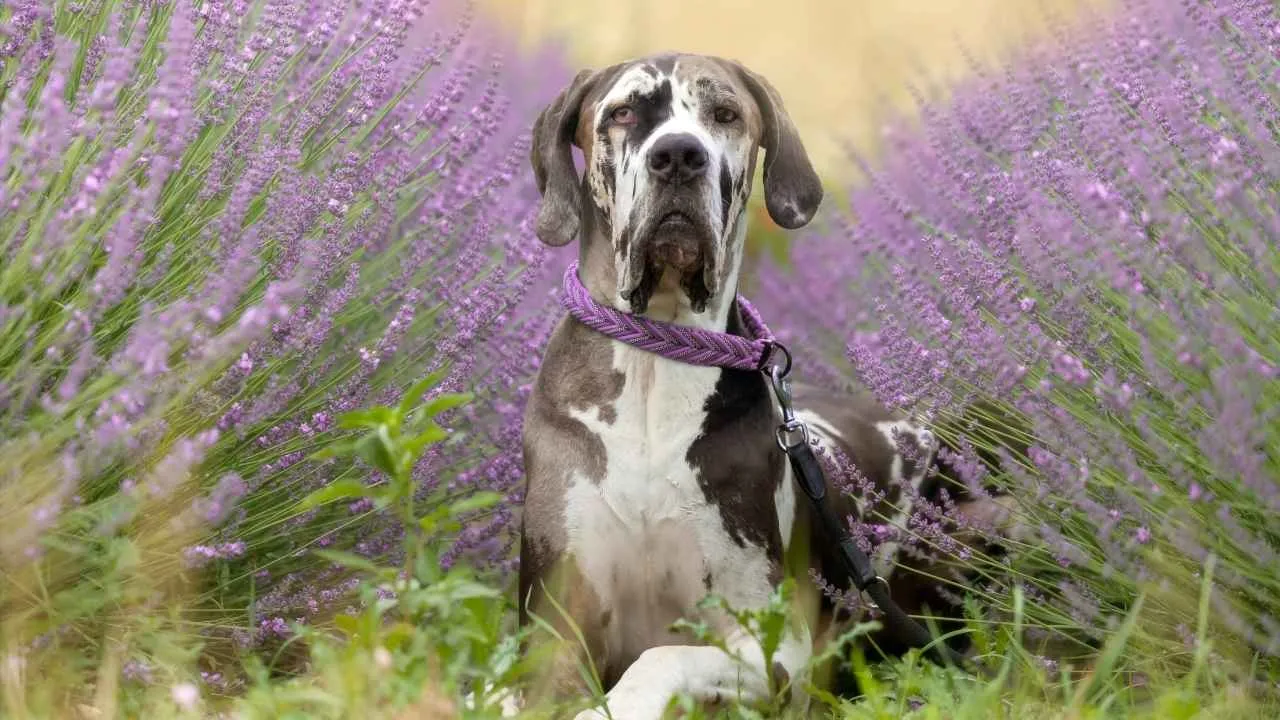
The Great Dane belongs to one of the tallest dog breeds in the world. They are mostly amiable or loving, but since they are physically strong, small behavioral problems may become severe without being trained.
Great Dane dogs have to be socialized at an early age and trained in obedience so that they are calm, controlled, and well-mannered. Impulse control should be taught, especially because these dogs are so large.
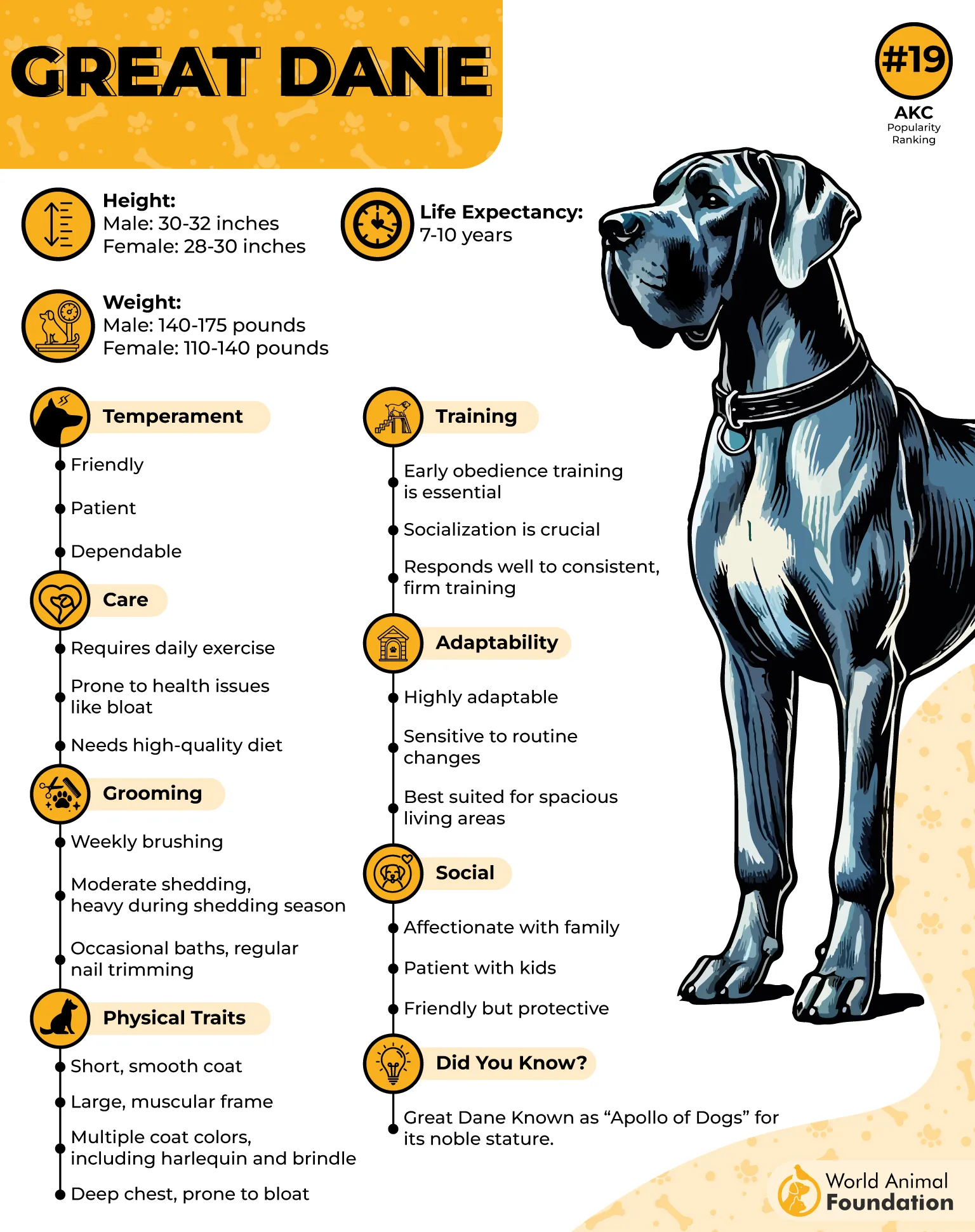
Britannica puts it that these hunting dogs are gentle giants, and their power cannot be directed with force but through patience and arrangement. This breed is well-suited for families with older children.
Why is instruction essential?
Enormous size and leverage
Can’t get aggressive when they hunt wild boar
Needs restraint and impulse control
Best instructed when puppies
4. Caucasian Shepherd Dog
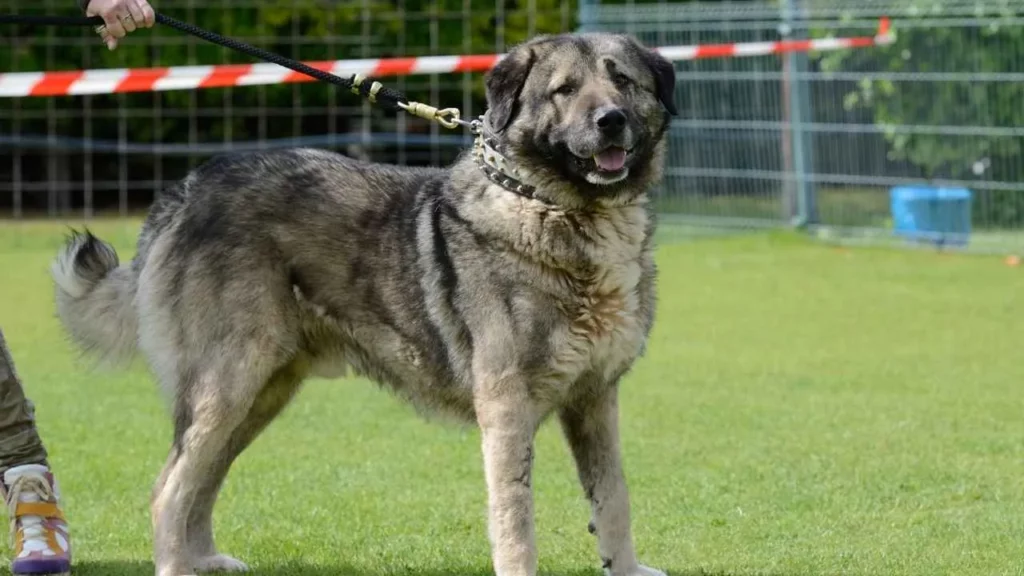
The Caucasian Shepherd Dog is one of the strongest guard dogs across the world, often employed in police forces. This service dog is naturally fearless, territorial, and independent, as originally bred to act as a livestock guardian as well as an estate guardian, acting as a natural deterrent against predators.
It is not a breed that is suitable for first-time dog owners. Caucasian Shepherd Dogs need strong, mature leadership and boundaries. They are very faithful to their families as they form strong bonds and are by nature suspicious of strangers, unlike other breeds.
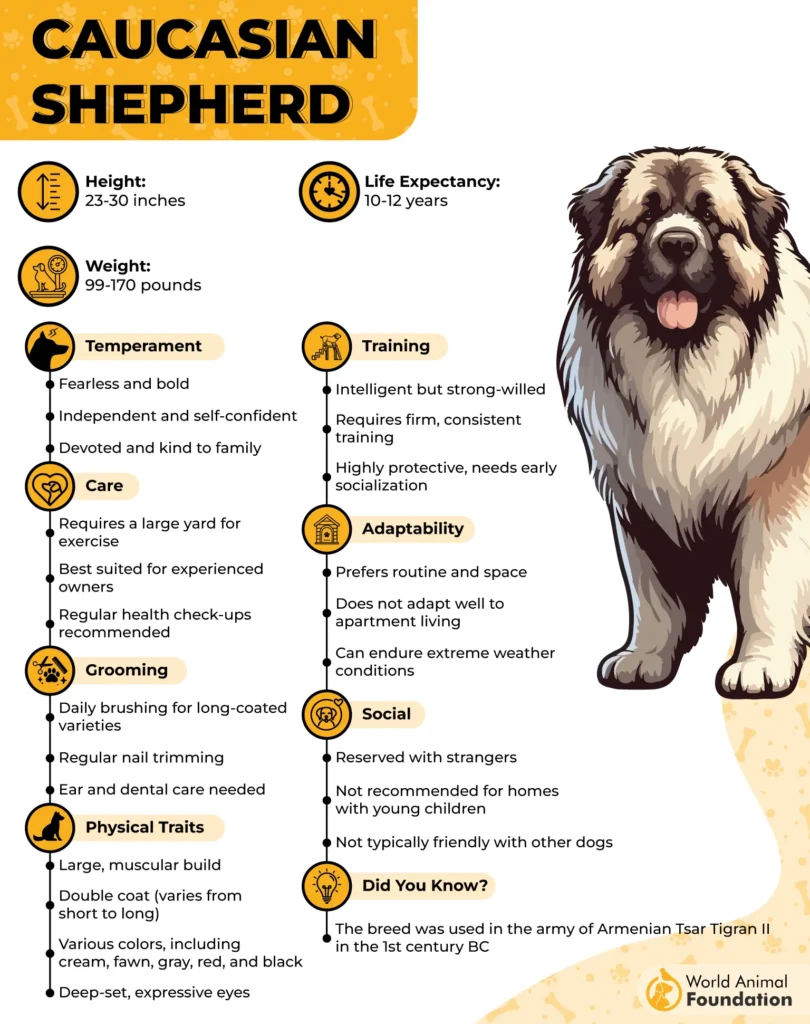
Having no mental stimulation and being exposed without any control, they may get too protective. Educated in the right way, they make unwavering guardians, undyingly loyal.
Why is instruction essential?
Strong guarding instincts, bond closely with owners
Independent decision-making
Demands skilled owners
5. Kangal
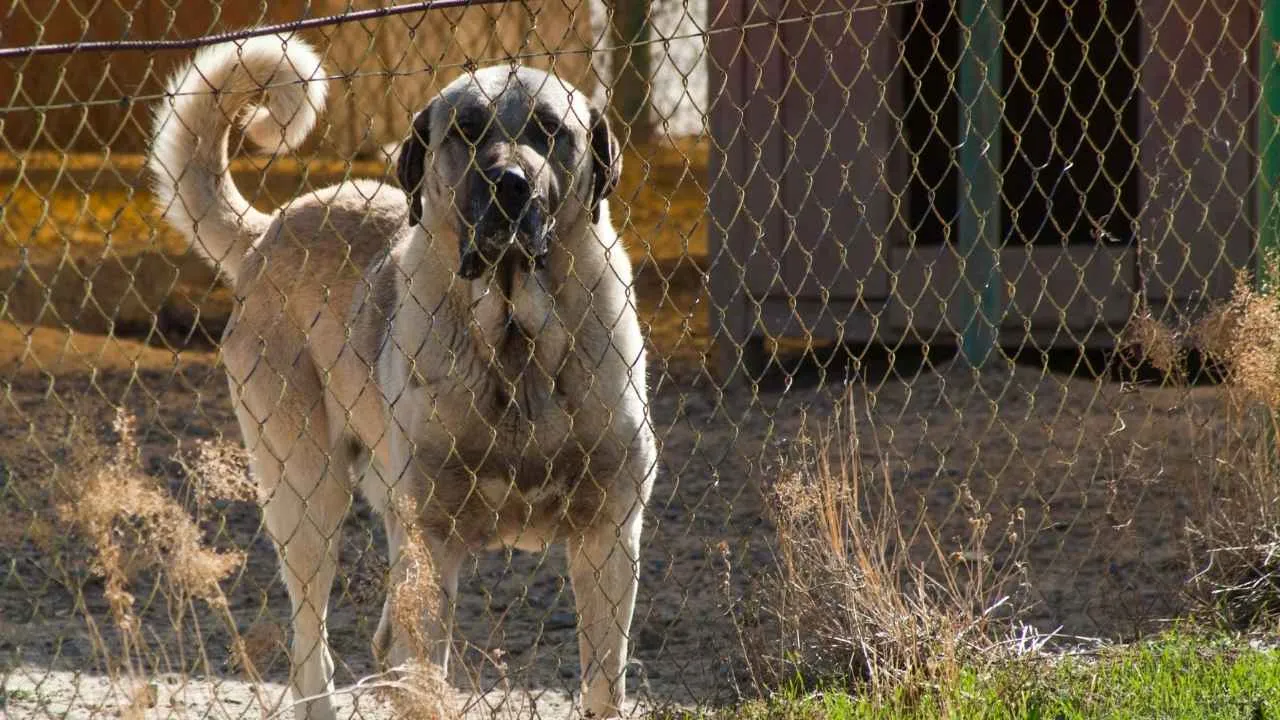
The Kangal is a great dog regarded for its ability as a big game hunter and its desire to protect. Having been bred as a protector of livestock against big predators, this breed has enormous bite strength and unshaken self-esteem.
Kangals are very reserved and self-composed and respond strongly to threats. They need to be socialized early in order to differentiate normal human behavior from actual danger.
Purina highlights that strong guardian breeds flourish best with calm authority and consistency, not punishment.
Why is instruction essential?
Needs moderated exposure to the environment
Grows well under strong leadership
Very powerful protective instincts
6. Mastiff
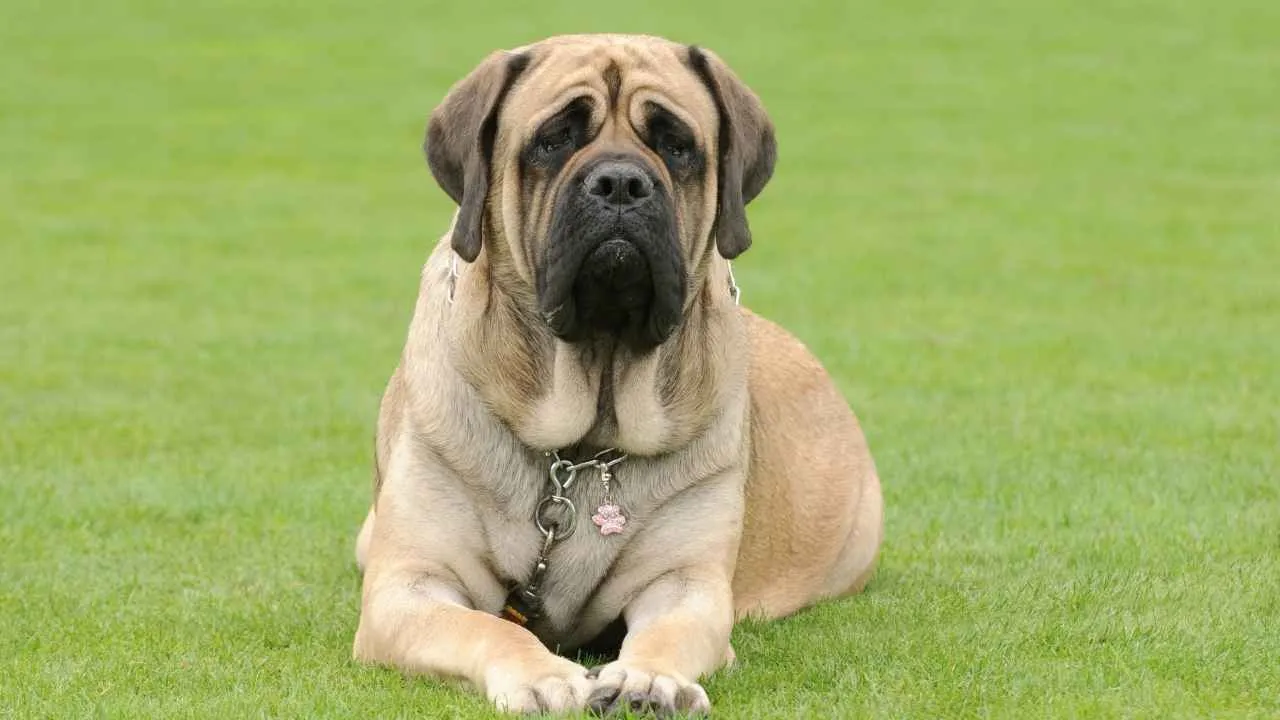
The Mastiff is among the most weighty type of dogs. Although they may seem imposing in appearance, Mastiff dogs tend to be kind and loving-but their force is to be respected.
The emphasis of instructing a Mastiff is more on management rather than aggression control. Leash discipline, calm greetings, and spatial awareness require teaching because of their size.
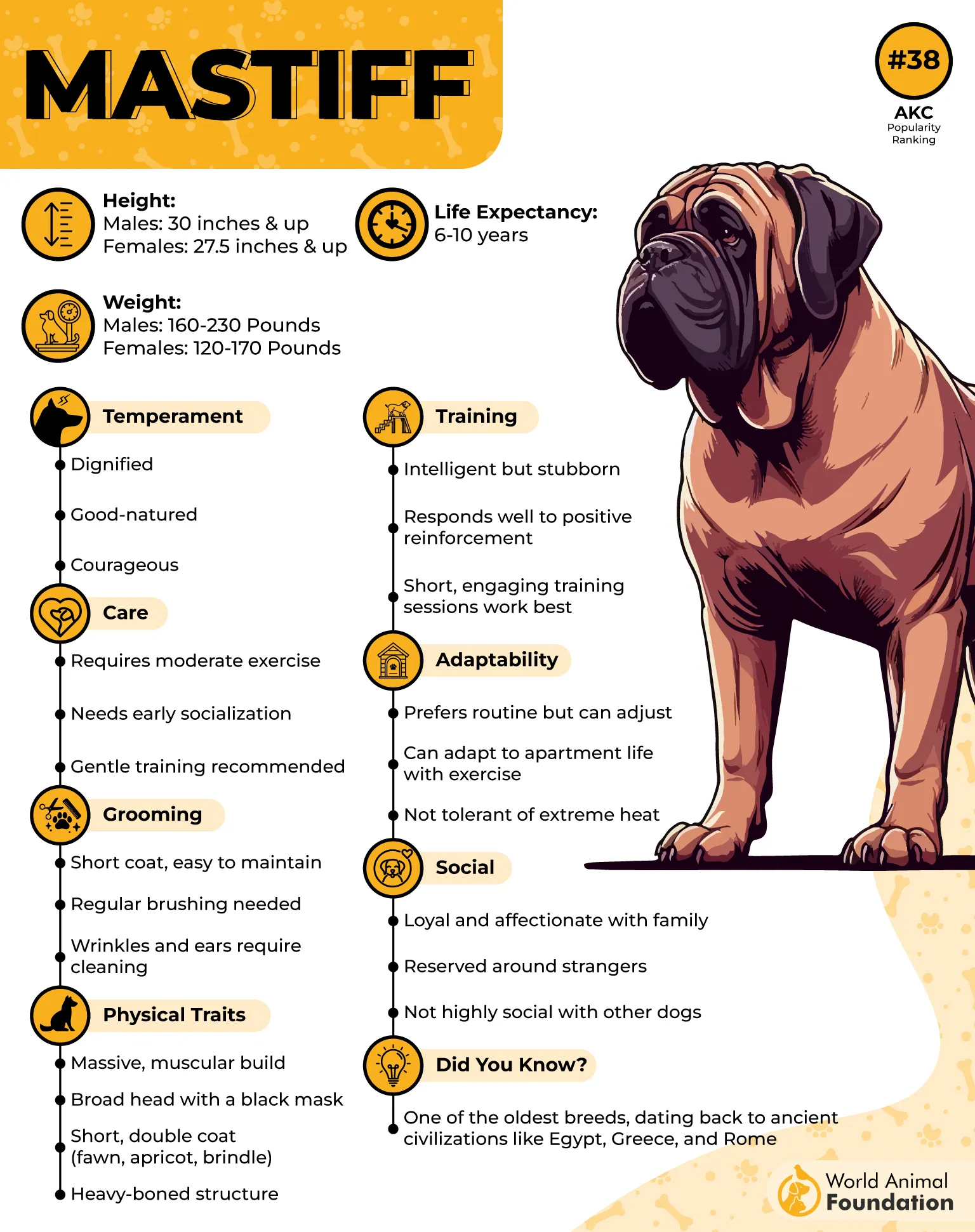
Mastiff dogs are good family guardians when they are well instructed and like to be close with the family rather than act in a confrontational way.
Why is instruction essential?
Monumental physique and power
Requires early behavioral conditioning
Needs assured yet nonchalant management
7. Saint Bernard
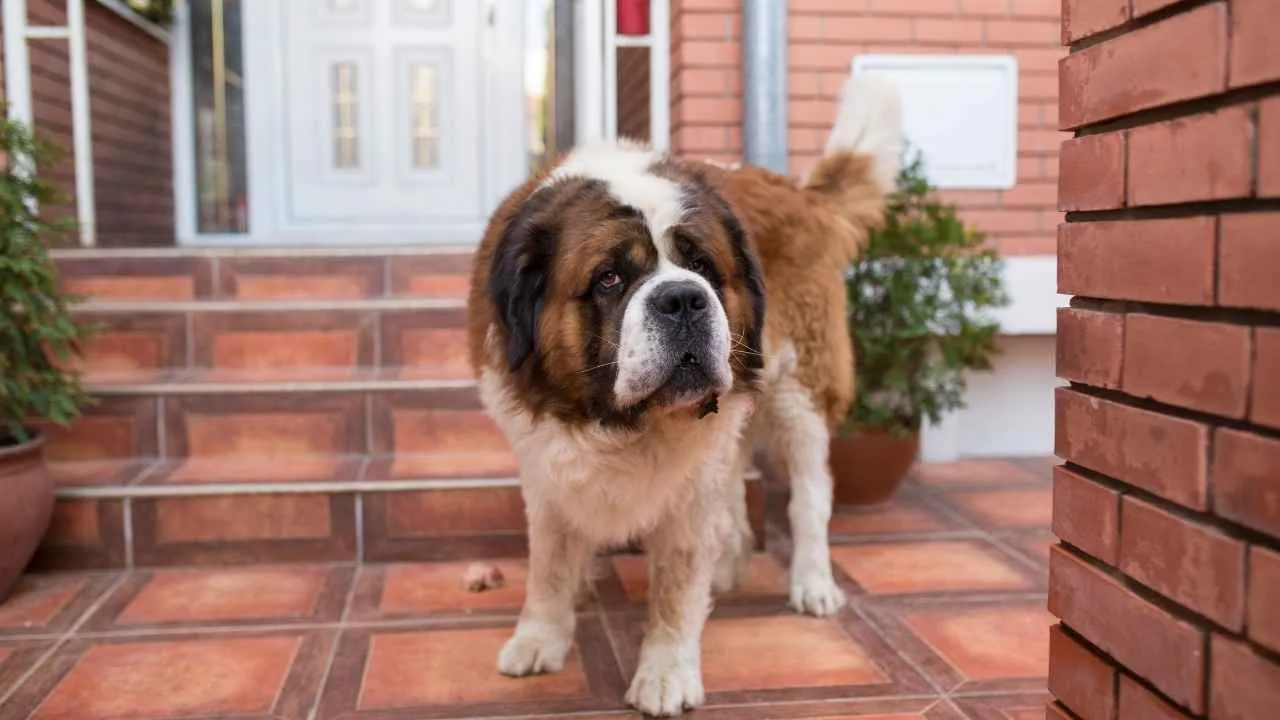
Saint Bernard dogs, originally known as rescue dogs, are strong, possess powerful endurance, and are known as calm problem solvers. These rescue dogs are not aggressive, but their size and power must be instructed well in order to avoid injuries as a result of accidents.
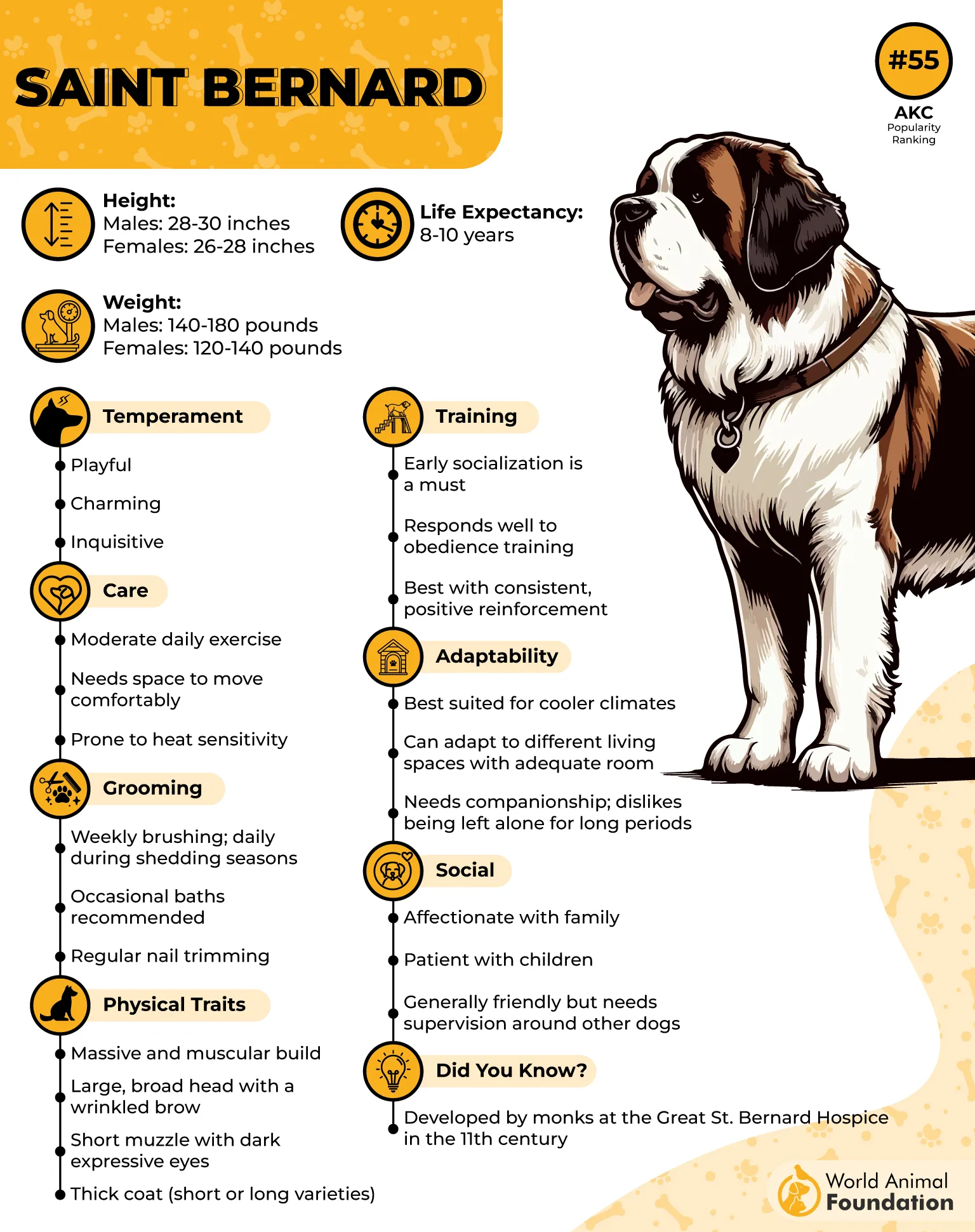
Saint Bernards are slow to mature and are well instructed through patience. Simple obedience, recall, and mild leash control are useful to ensure safety in daily scenarios. They also require regular grooming.
Saint Bernard dogs are easy to handle and will do whatever it takes to please their owners; therefore, they can be easily educated despite their size.
Why is instruction essential for dog owners?
Huge size and slow maturity
Require a consistent structure
Profit from early socialization
How To Instruct A Strong Dog: Leadership Without Force
It is not about dominance to instruct mighty dog breeds, but it is about gaining trust. These dogs respond best to:
Clear rules and consistency
Calm, confident leadership
Early socialization
An effective dog ownership of large dog breeds relies on responsible ownership and early obedience instruction, which will help form lifelong behaviors.
Conclusion
Powerful dogs are not evil in nature, but power is also an asset only when controlled. It takes patience, structure, and knowledge to instruct such breeds, and they end up being some of the most loyal and reliable companions anybody can have.
And the ownership of a strong dog is a liability, not an icon. The reward is a joint venture that is based on trust, discipline, and mutual respect between the dog and the household, making them excellent companions.
Therefore, because power is not about control, it is about balance. Keeping the right balance means proper schedules, including a routine in which your dog is properly educated; daily exercise makes sense as well in this regard.
