




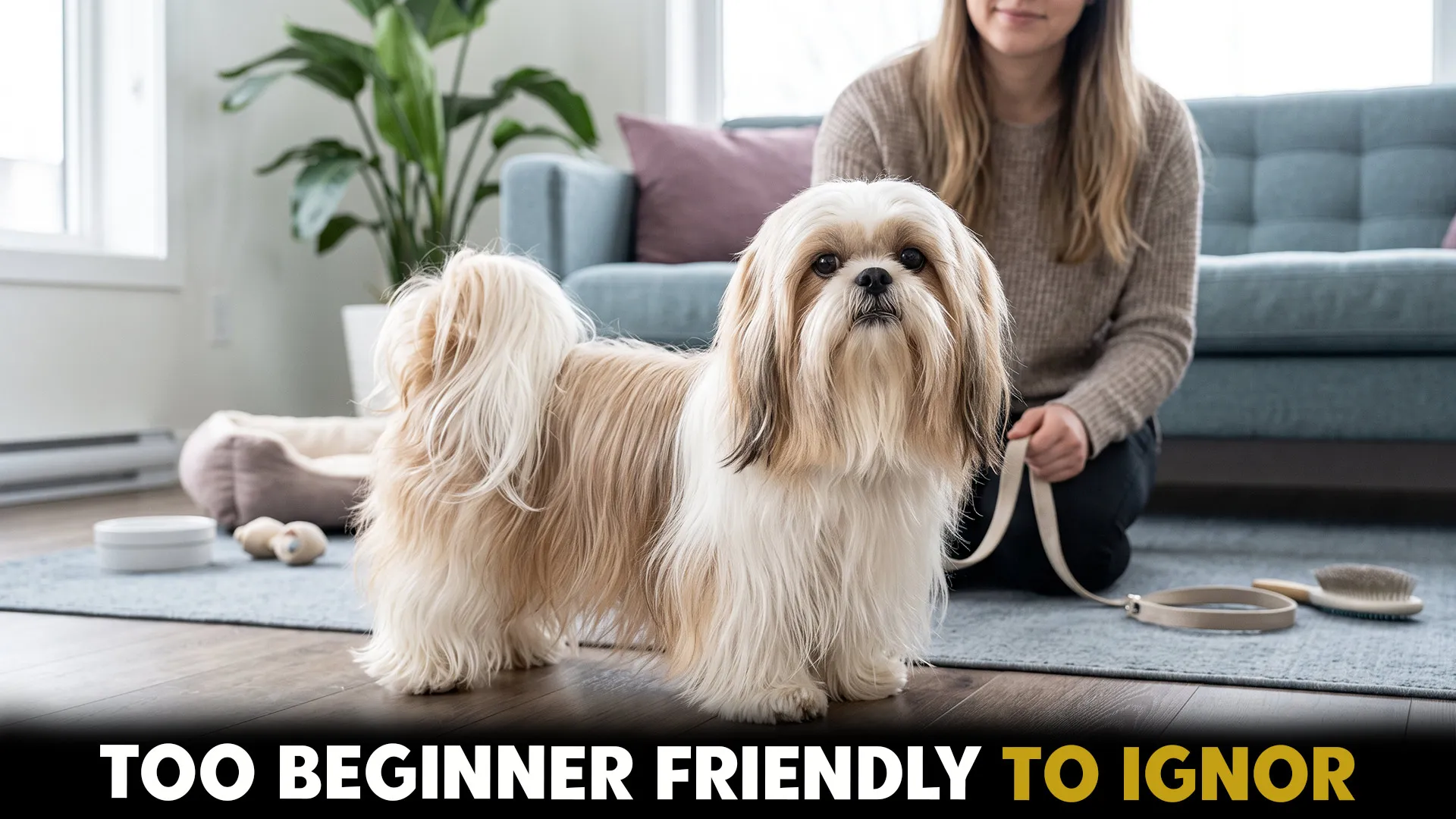
Bringing home your first dog is exciting, but choosing the right furry friend can feel a little overwhelming. The good news? Some dog breeds are naturally easier to train, friendly, adaptable, and perfect for beginners who are still learning the ropes of pet parenting.
Your first dog can turn an ordinary homecoming into the best part of your day. Suddenly, someone thinks your trip to the mailbox deserves a welcome party. But behind those happy tail wags are walks, training, grooming, and bills. The goal is not to find a dog that needs nothing. It is to find one whose needs fit your life.
This guide explores nine manageable dog breeds for first-time dog ownership, from outgoing retrievers to small companions with big personalities. Think of this list as a starting point, not a promise: your future buddy is an individual, not a breed checklist.
Top Manageable Dog Breeds for First-Time Dog Ownership
1. Labrador Retriever
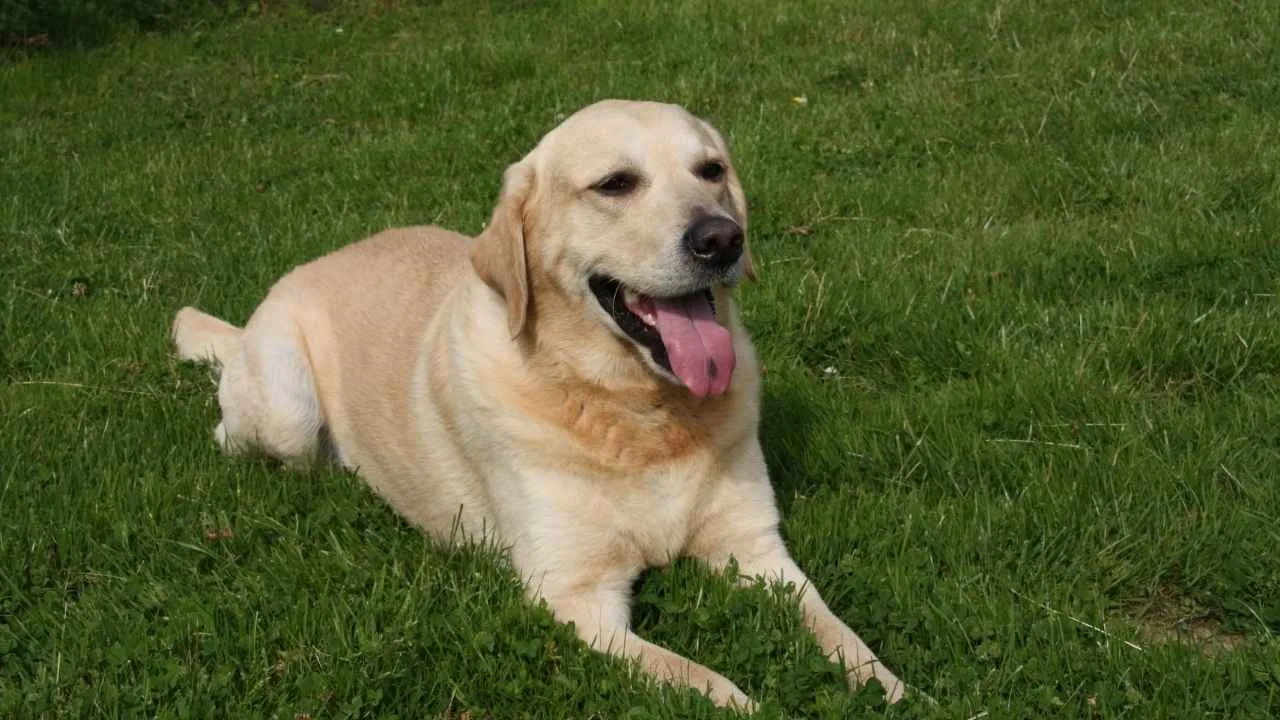
The large breed is descended from the St. John’s Water Dog in England. The primary purpose of the breed was to haul nets for fishermen. It is split into 2 lineages: the American (field-bred) and the English (show-bred), says Orvis.
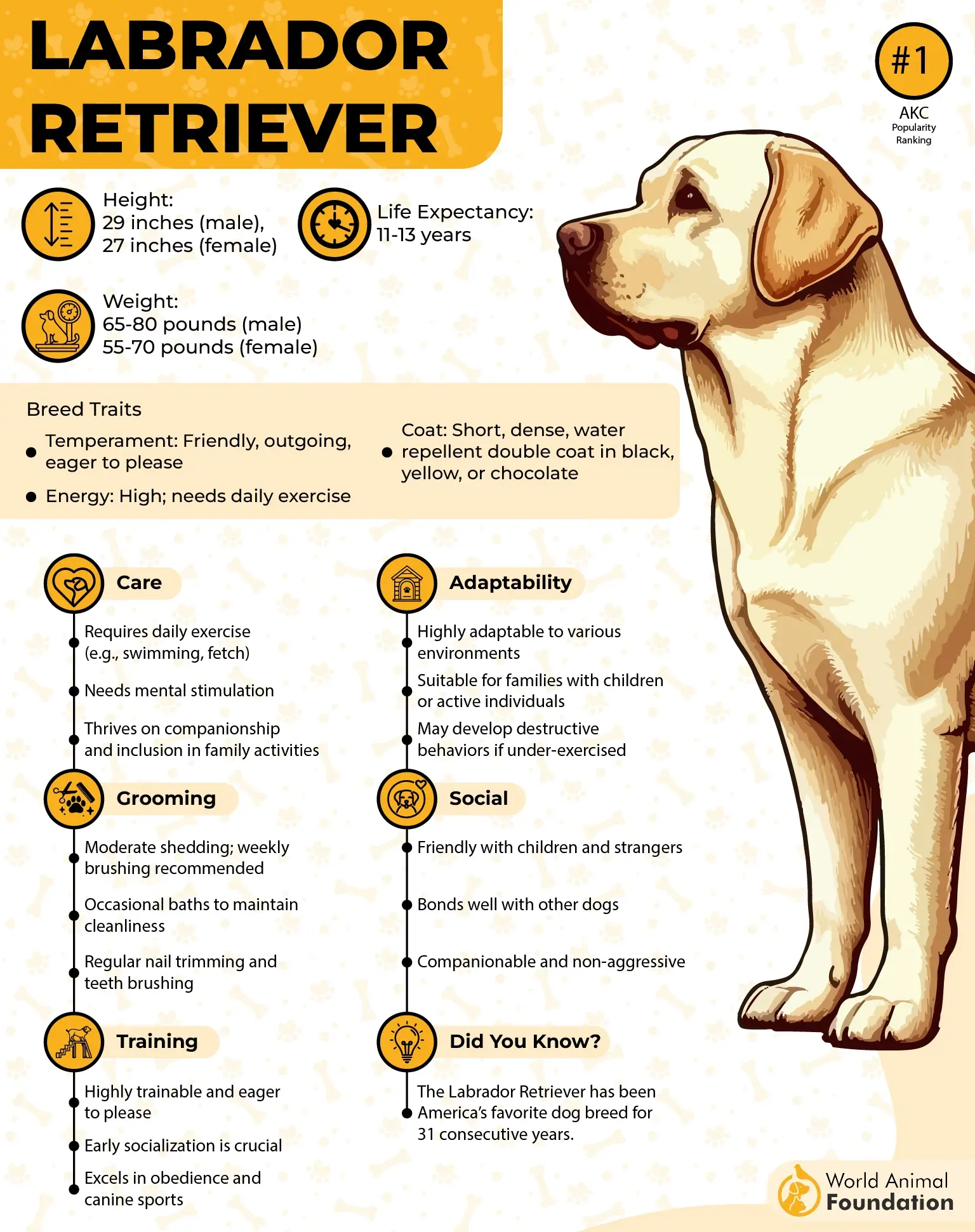
Designed with a soft mouth, the gentle giant tends to hold objects in its mouth without physically damaging them. It has a short, water-resistant double coat that does not need professional styling. It has a non-aggressive temperament and a high threshold for frustration, making it biddable.
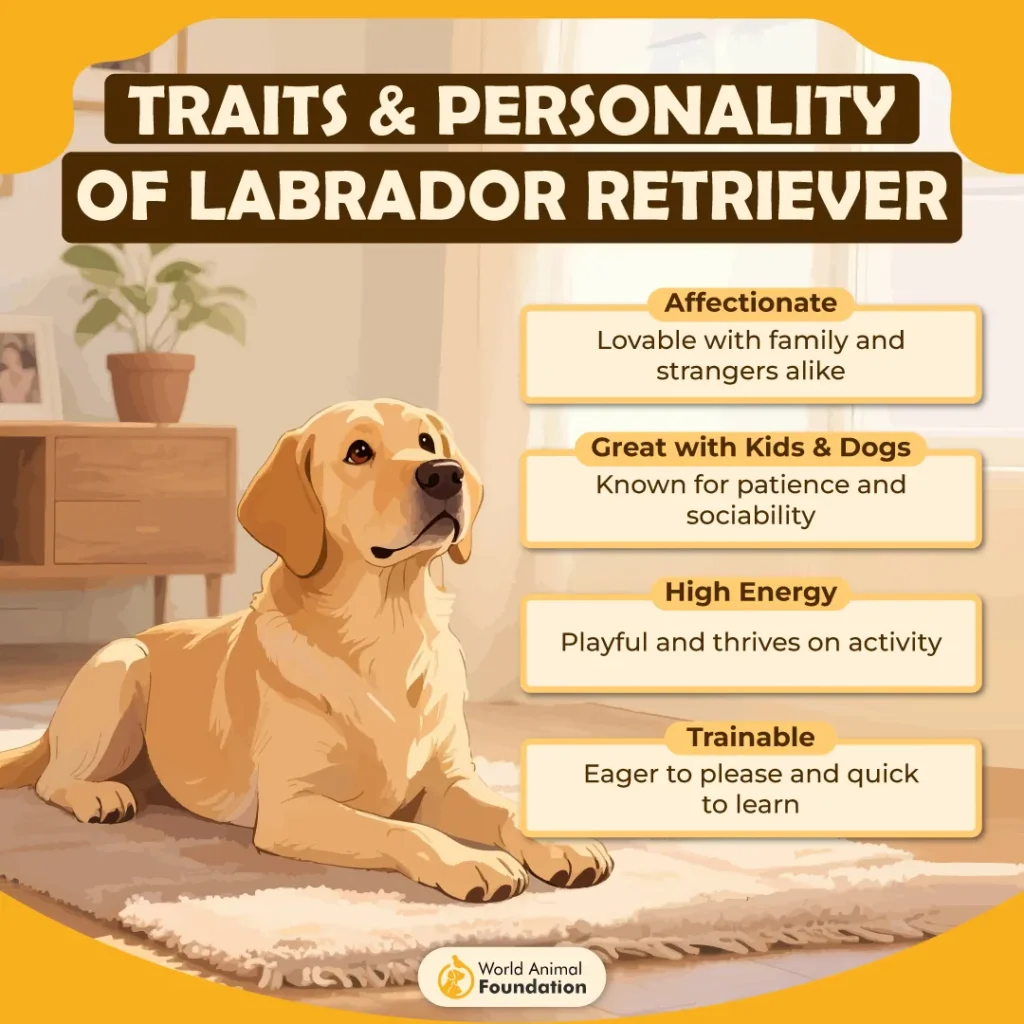
High food motivation gives a great advantage to first-time dog owners in training. Use the inductive retrieve method, rewarding the Lab for holding and returning the item. Keep the sessions short and non-repetitive.
2. Golden Retriever
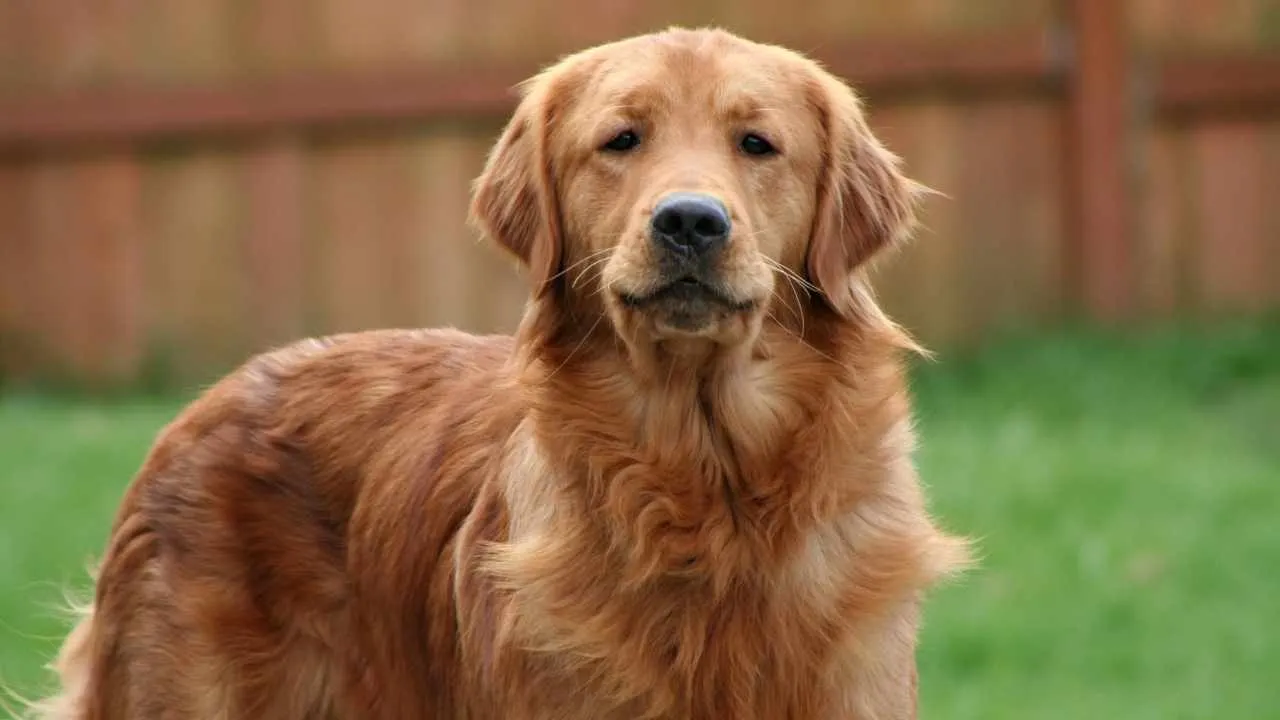
Sir Dudley Marjoribanks is credited with developing the first-ever Golden Retriever by crossing the English yellow colored retriever and the Tweed Water Spaniel in the mid-19th century. It was given the name in 1920.
As a gundog, it has strong senses of smell and hearing with a high tolerance for loud noises. Despite being a highly intelligent breed, it carries its neoteny into adulthood (up to 3 years), showing its eager-to-please side. The dog lacks territorial aggression. Since it is a velcro dog, the breed forms deep bonds with family.
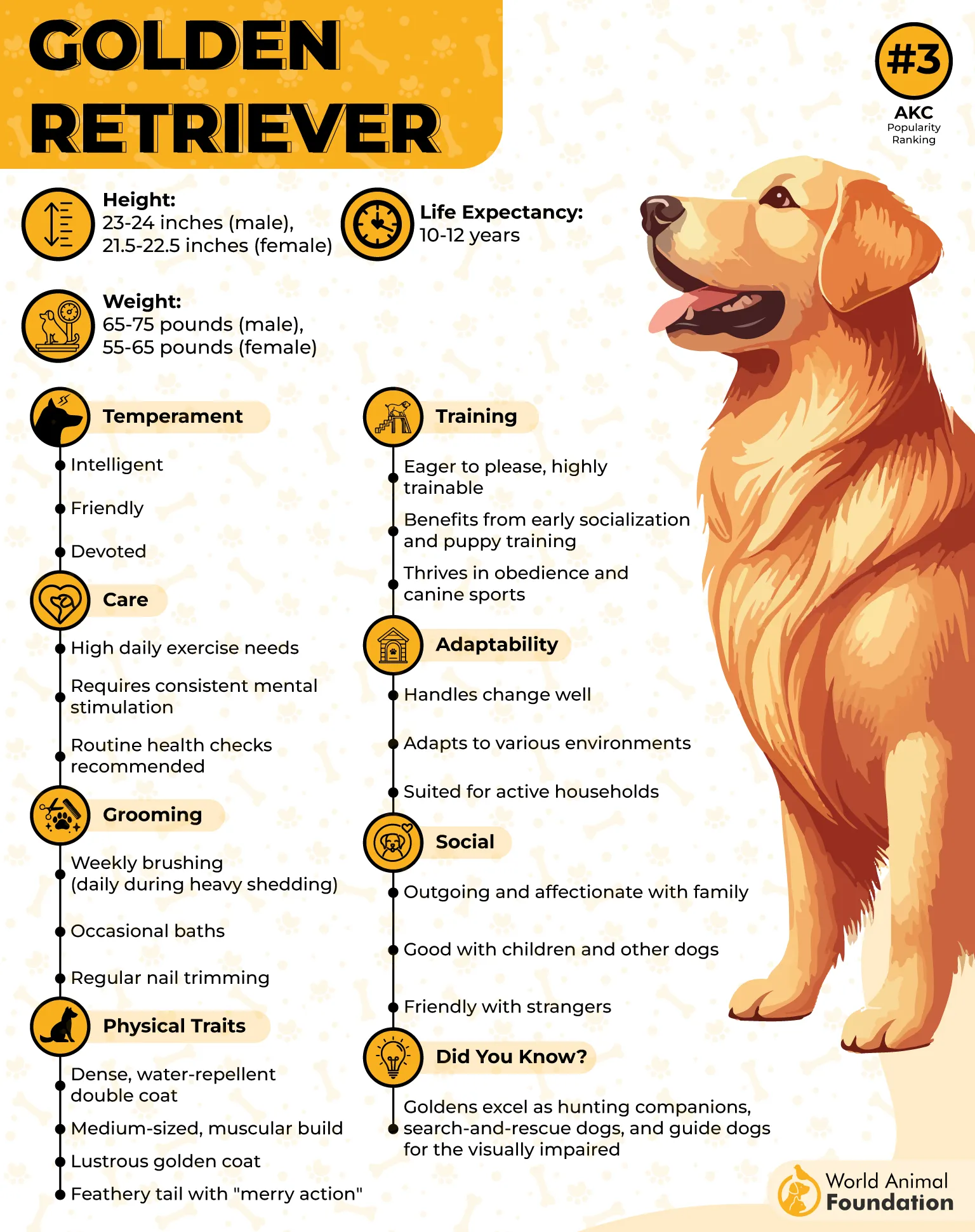
The innate social flexibility makes it thrive in multi-pet households. As the dog is naturally exuberant, go for functional impulse control by making it wait for the food. Early socialization til the age of 16 weeks is recommended.
3. Cavalier King Charles Spaniel
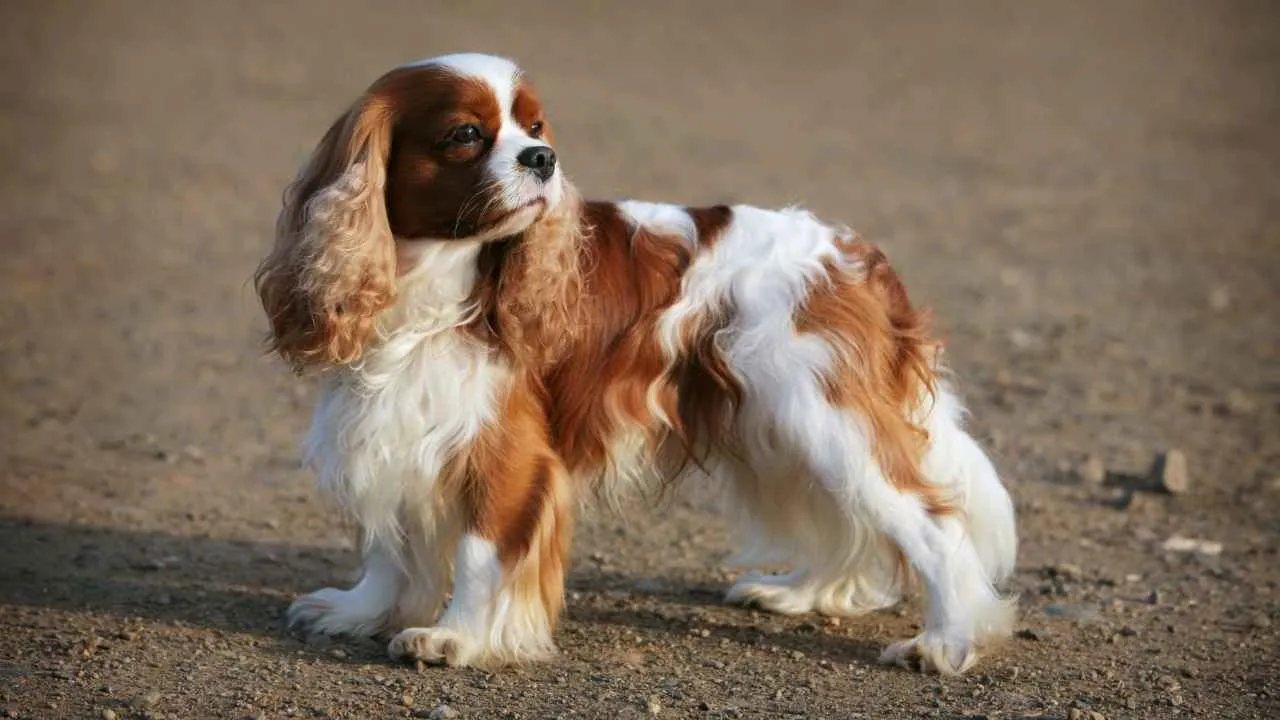
The small dog got its name in the 17th century in England, as King Charles I and his son were so fond of the breed that they even used to take it to the courts. The primary purpose of the breed was to serve as a lap and companion dog.
The largest of the toy breeds, the Cavalier King Charles Spaniel can easily be managed because of its small size. The dog has an affectionate nature and is not prone to excessive barking. Being a social butterfly, it makes good friends with children, family members, and strangers. As it can sleep for 18-20 hours a day, the breed is ideal for busy owners.
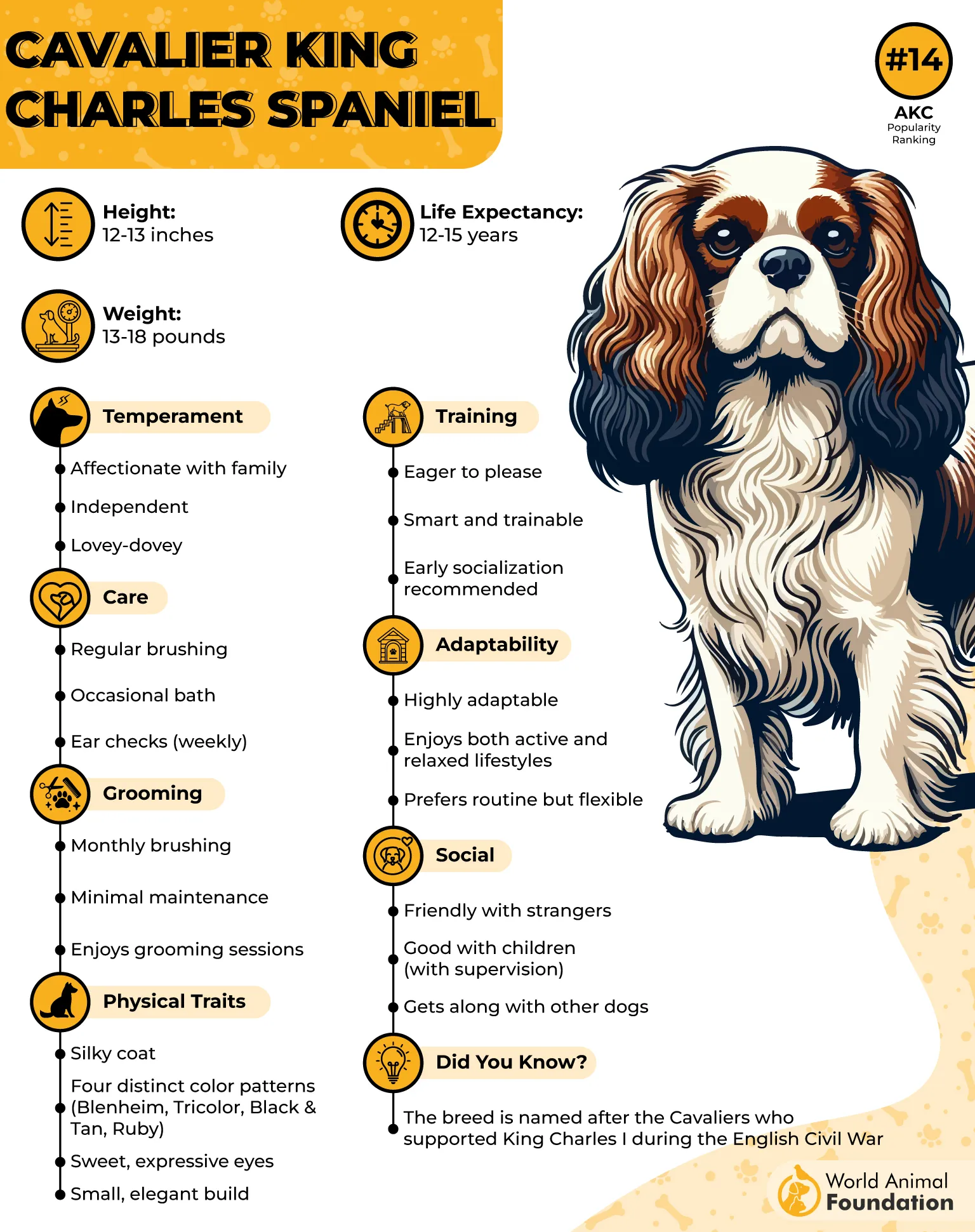
The dog thrives on high-value treats and verbal praise. Acclimate the breed to touch by handling its ears, paws, and neck paired with food rewards. Regular exercise for 30-60 minutes is recommended.
4. Miniature Poodle
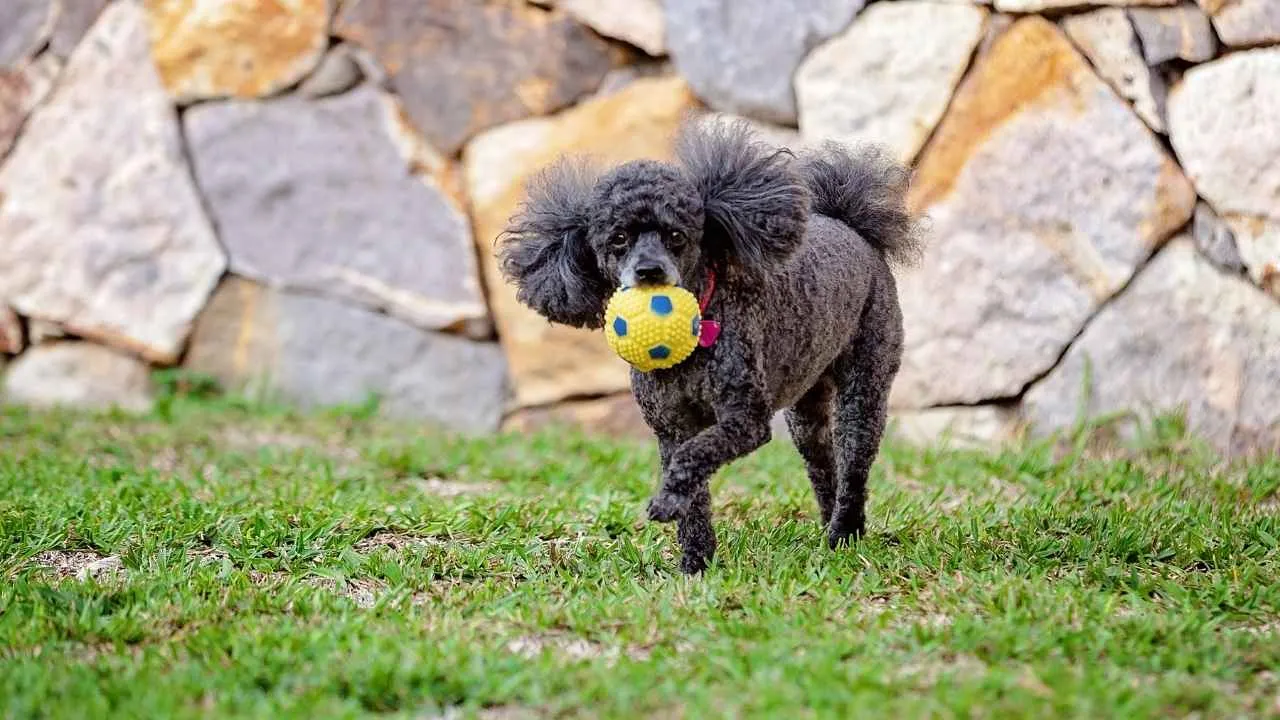
The breed was originally developed in Asia and made its way to Europe with herders. Developed as a hunting dog, the miniature Poodle was designed in Germany as a circus breed, as reported by the Omlet.
The dog possesses a single-layered coat that produces less dander. The balanced skeletal geometry supports daily physical activity, including running, jogging, and other tricks. The dog thrives on human companionship and lives approximately 18 years with minimal health issues.
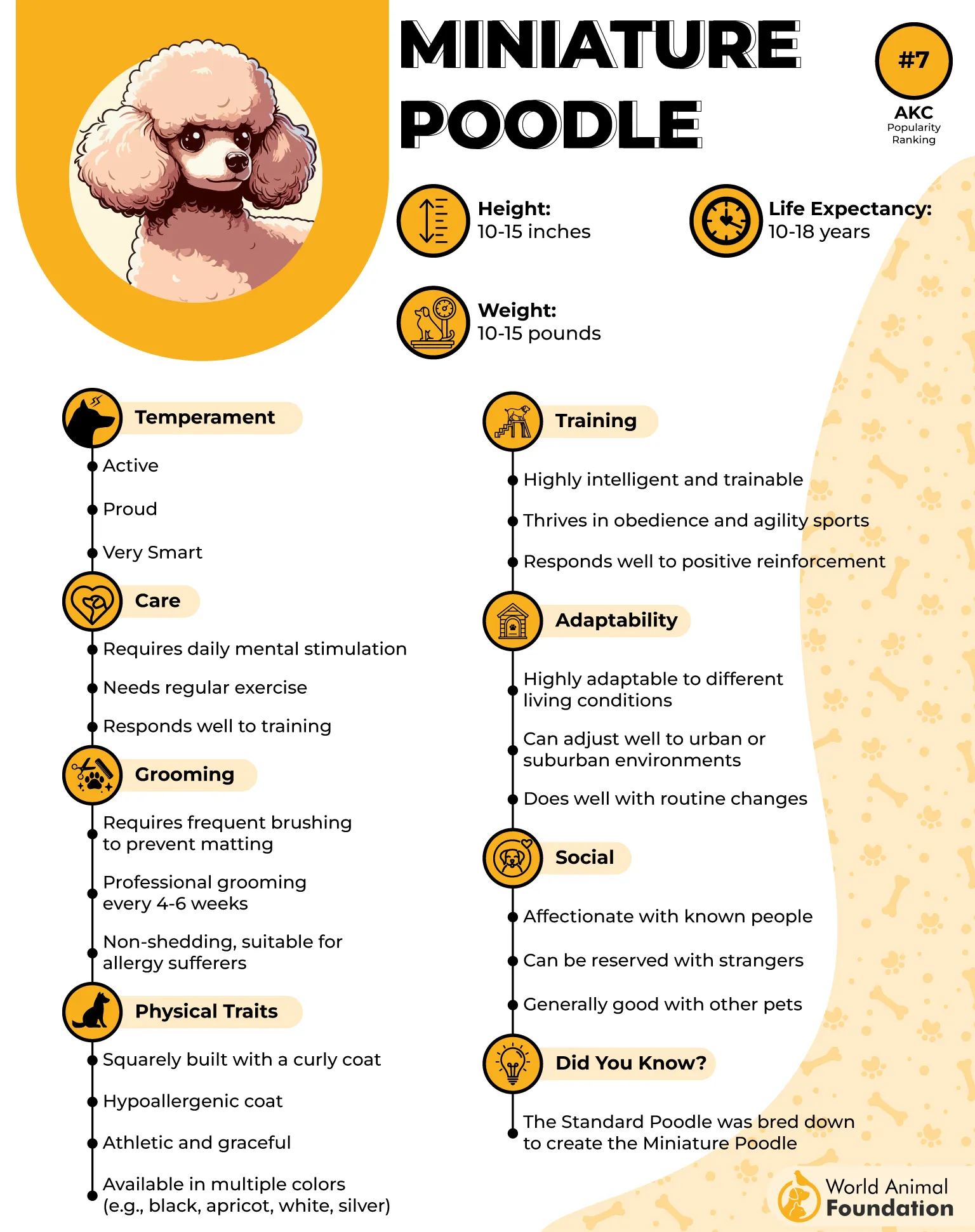
Ranked as the 2nd most intelligent canine breed, the dog needs 15-20 minutes for mental stimulation and 60 minutes for moderate exercise. Go for the 5-minute rule for puppies.
5. Bichon Frise
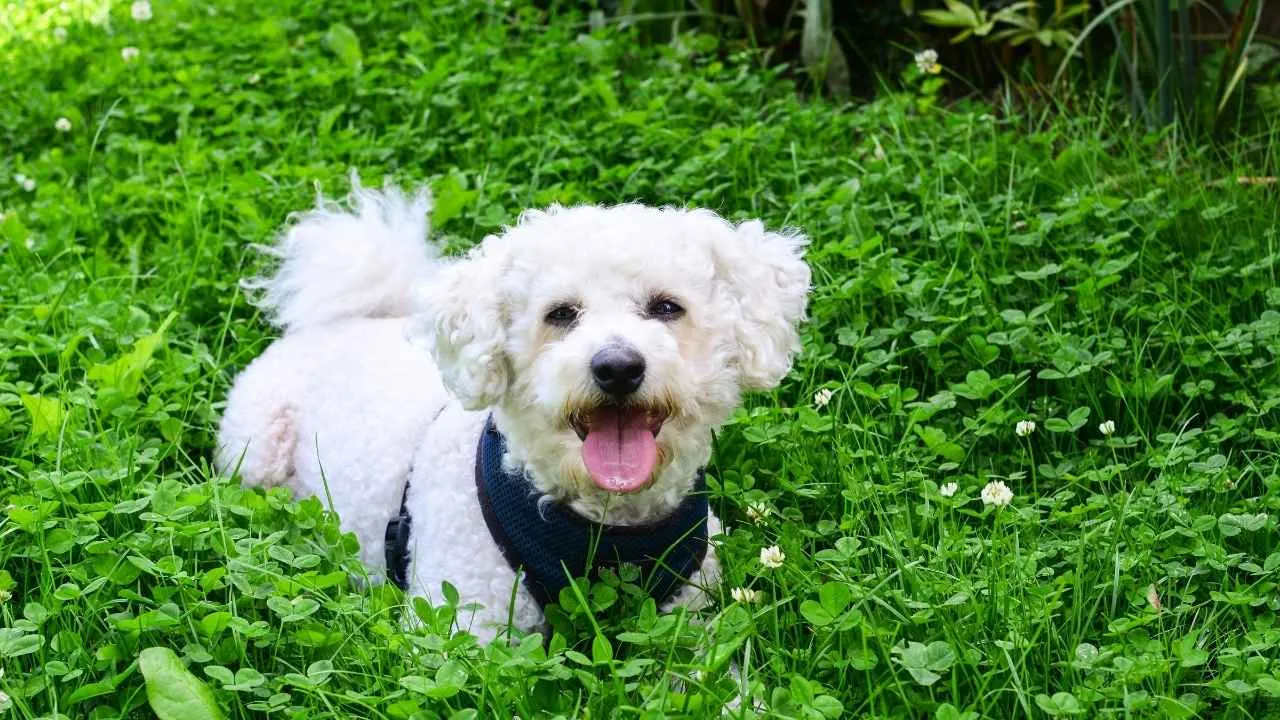
The small toy breed was developed in the Canary Islands, Spain, and became the favorite of European nobility in the 13th century. The white dog was introduced to America in 1955 and is known for its teddy bear-like appearance.
The dog has a friendly nature and lacks a strong prey drive and thus has no territorial bite habits. Built for sprinting rather than endurance, the dog is known for Bichon Blitz, where it zooms around the house followed by a prolonged resting phase. The adaptable nature makes it thrive in apartment living spaces and big mansions alike.
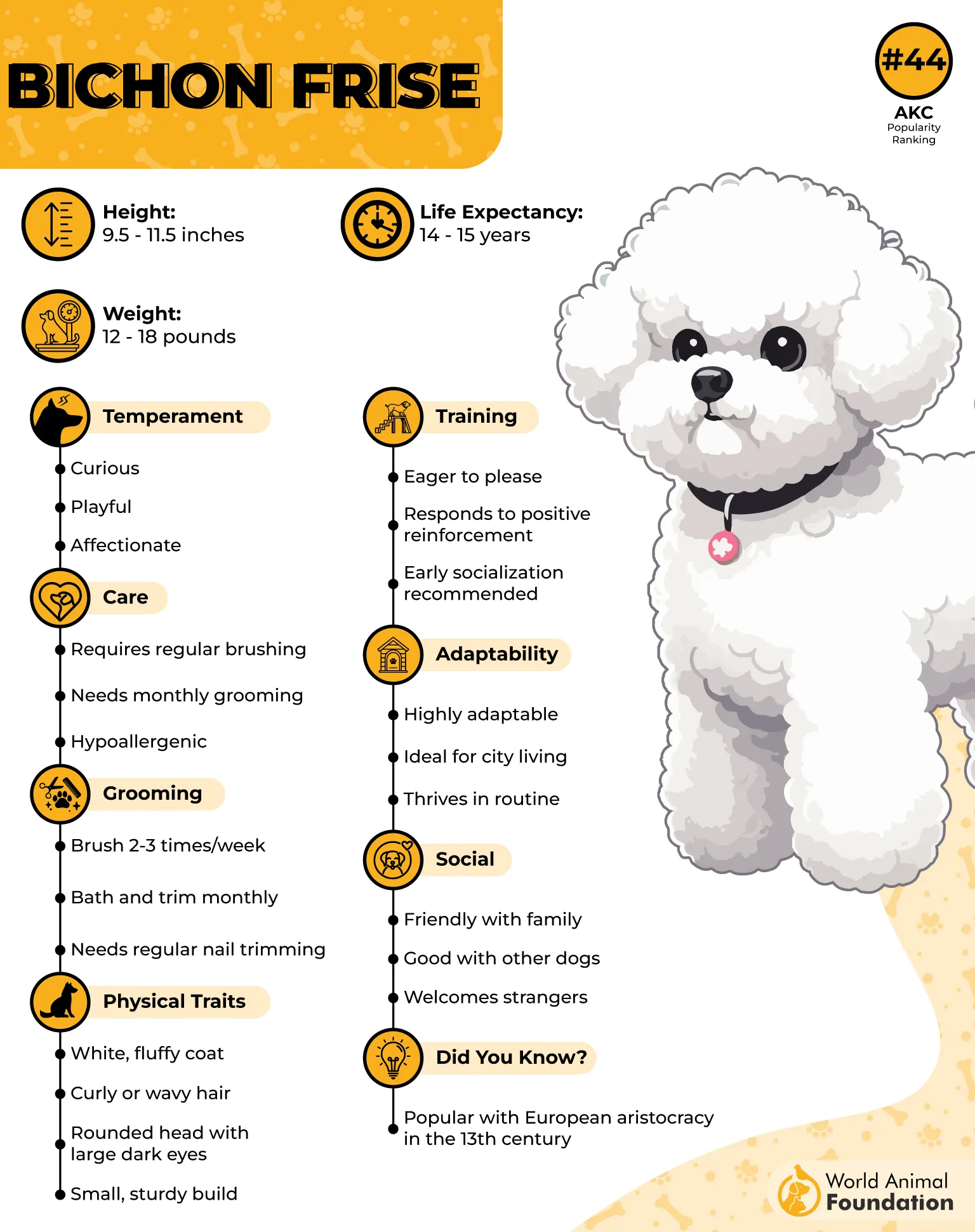
The dog is prone to frequent urination because of a small bladder. Crate training paired with regular outdoor trips is recommended for house training. The breed may develop separation anxiety when left alone for too long.
6. Shih Tzu
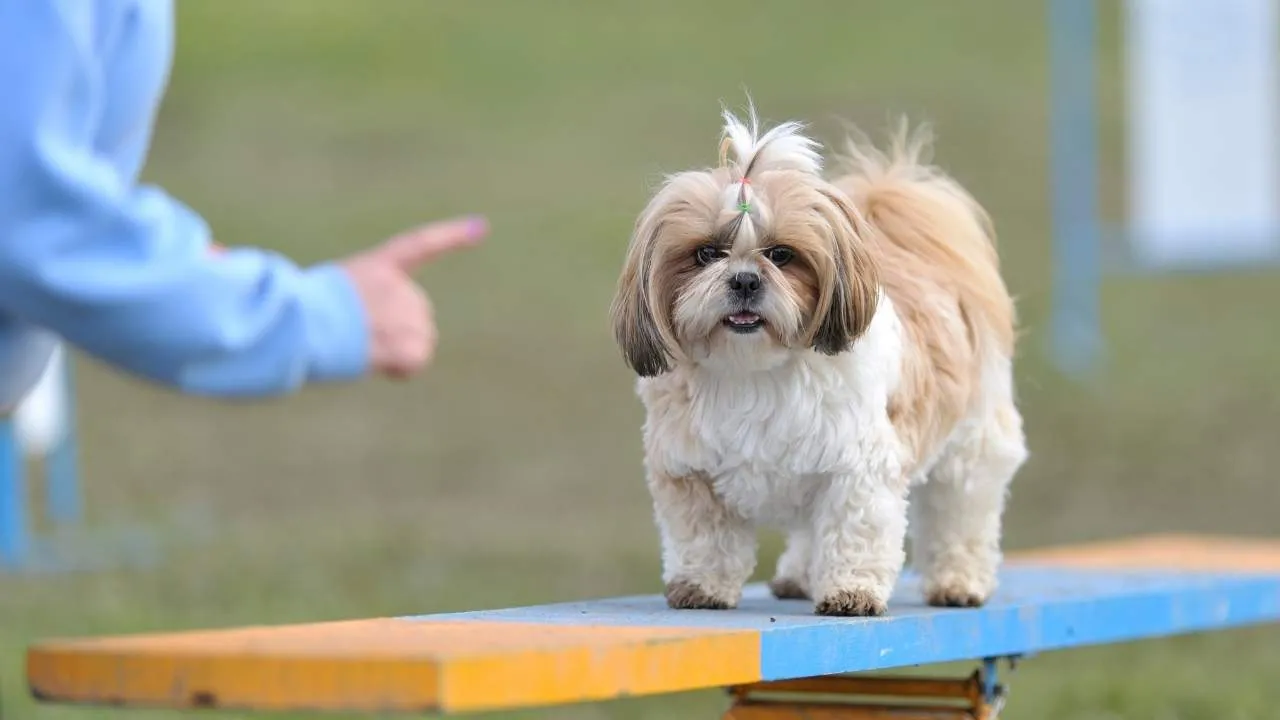
The ancient breed was developed by both the Tibetan royalty and the monks. Documents suggest that it was gifted to the Chinese royalty in 624 AD by the Byzantine Empire. It was not allowed to be traded outside China for centuries.
Since it is a brachycephalic breed, it has low aerobic stamina and needs 20-30 minutes of regular exercise. It was selectively bred to sit on high walls to look for visitors; the breed lacks natural herding instincts. It rarely shows aggression. The dog mirrors the owner’s emotions and energy levels, making it a perfect match for new dog owners.
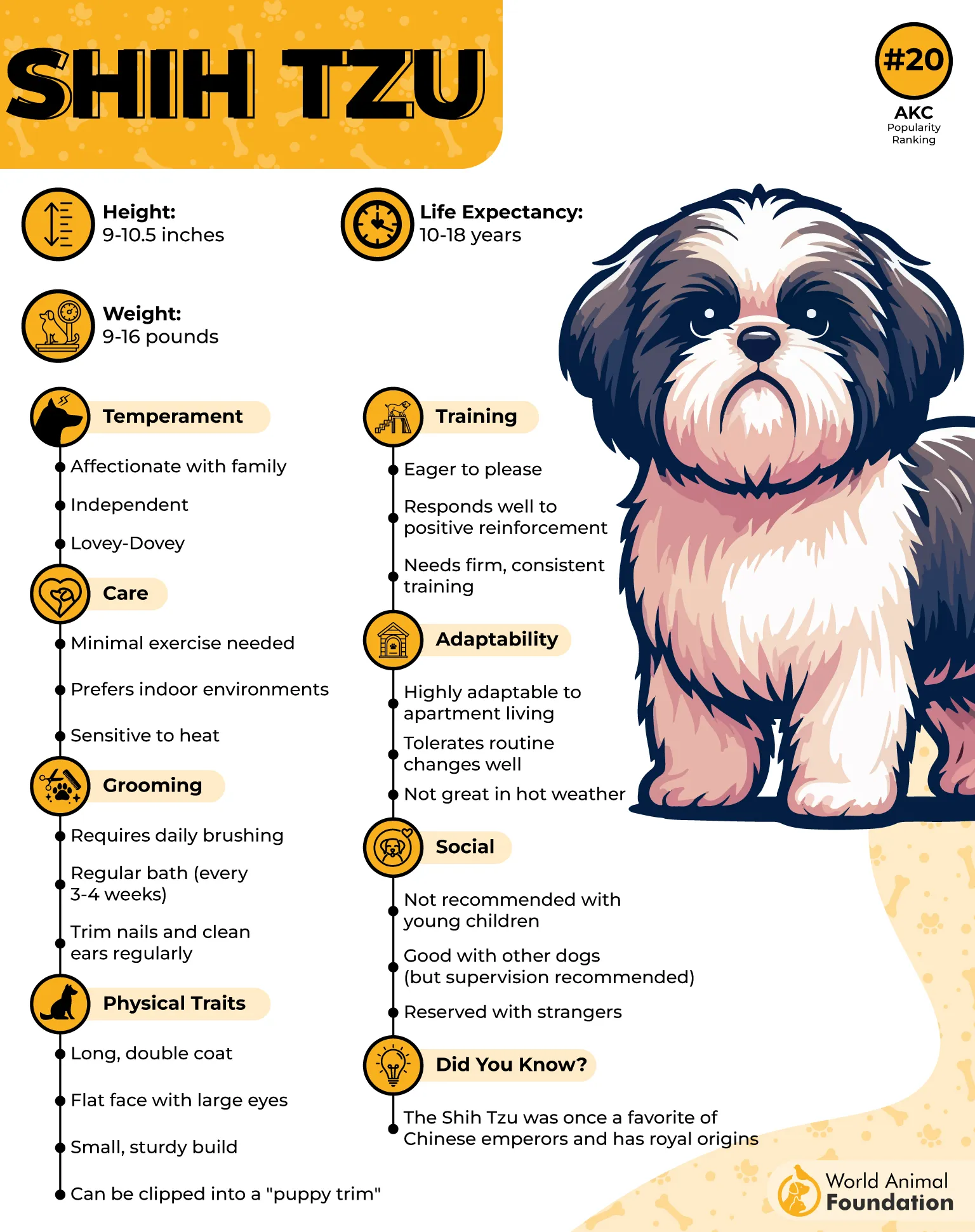
The Shih Tzu has an independent nature and does not respond well to negative reinforcement. The dog is sensitive to hot climates because of narrowed airways. A puppy cut (1-2 inches) is recommended to prevent extensive grooming.
7. Pug
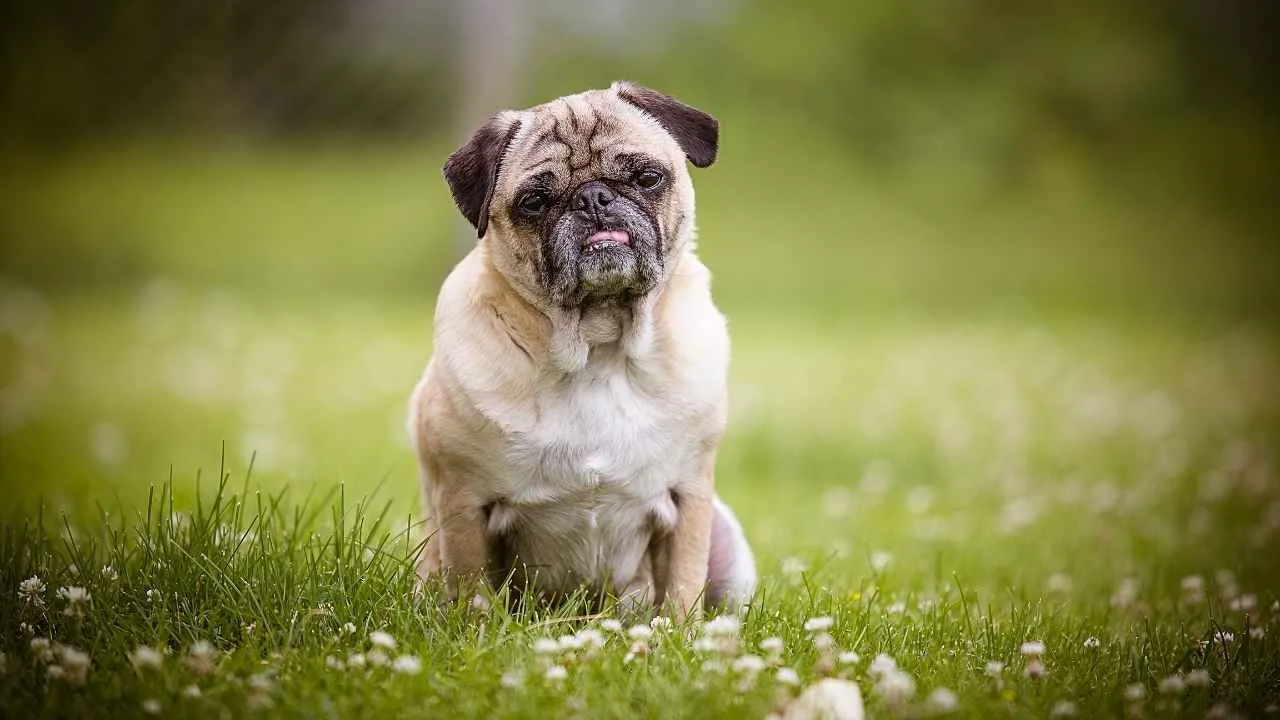
The small dog originated in China some 2,000 years ago and is known for having a short coat, wrinkly face, a curly tail, and snort-like breathing, says PetMD. The name comes from the word ‘Pungus,’ which means a clenched fist.
Because of the upper respiratory tract, it can not tolerate high-energy tasks. It is also not prone to territorial or alarm barking. The breed is at high risk of heat stroke above 27°C or in high humidity.
Since the breed is highly food-driven, it is prone to weight gain, which can lead to joint strain and breathing difficulties; thus, minimal exercise for 20-30 minutes is suggested.
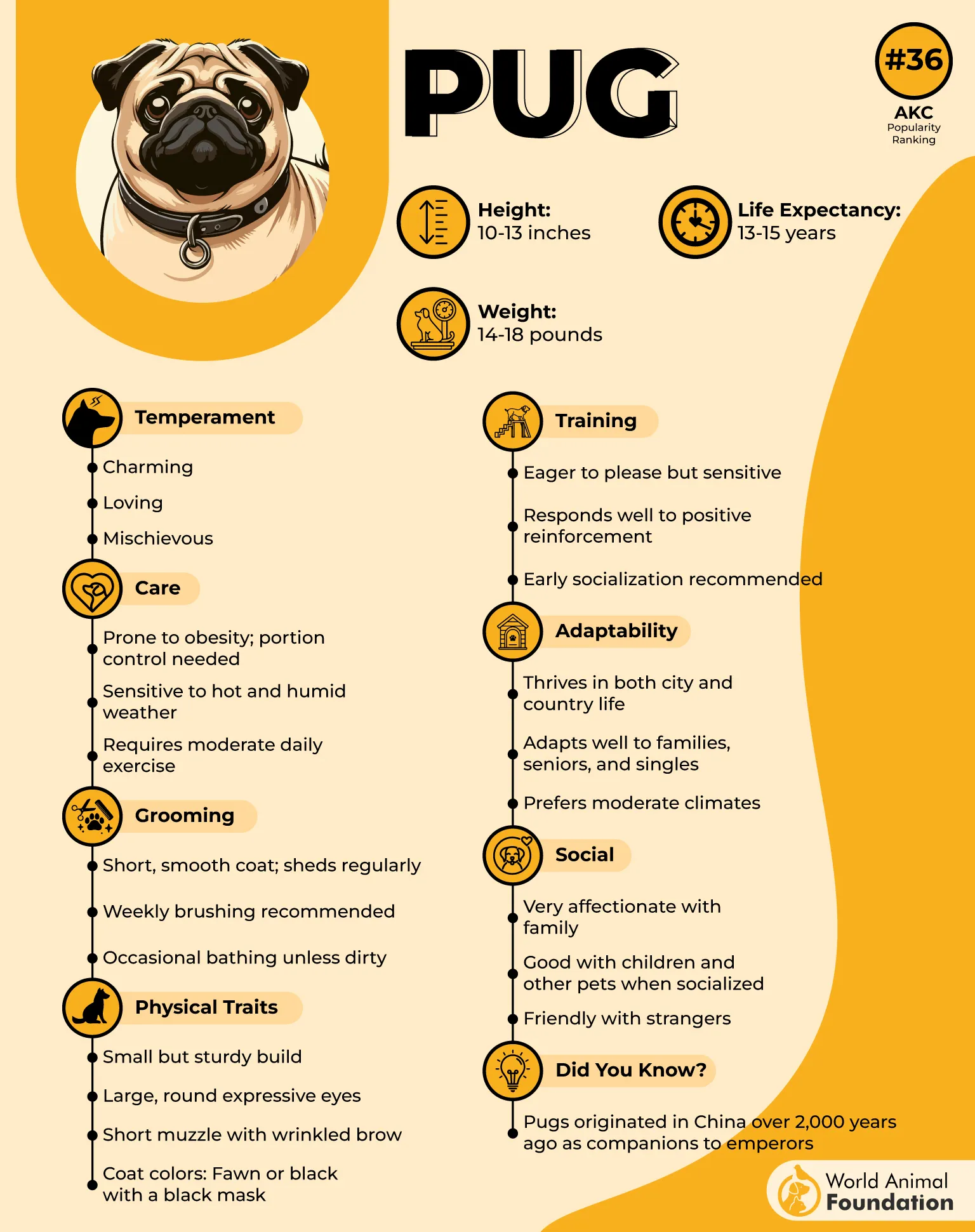
Opt for handling exercise by gently touching its paws, looking inside its ears, and holding its muzzle. Y-shaped harness is advised rather than a neck collar to avoid pressure on the trachea.
8. Maltese
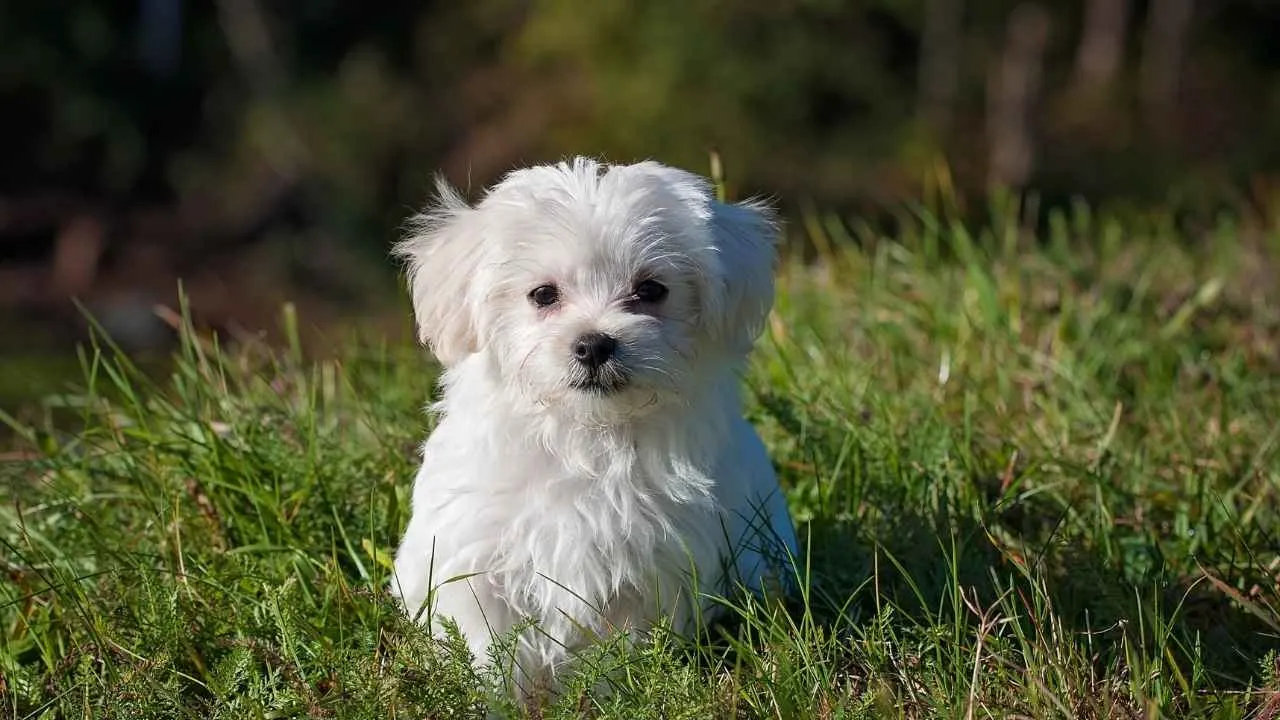
The history of the ancient breed dates back to 1,500 BCE, when it was developed in Malta and descended from the Spaniel and Spitz type dogs. The white dog entered Europe in the 14th century.
Since it has a keen sense of hearing, it makes a great indoor watchdog and alerts the owner of unusual activity without defensive hostility. The compact build naturally eliminates management challenges, such as leash-pulling and difficult crating. It has a single-layered, hair-like coat, cutting the cost for professional grooming.
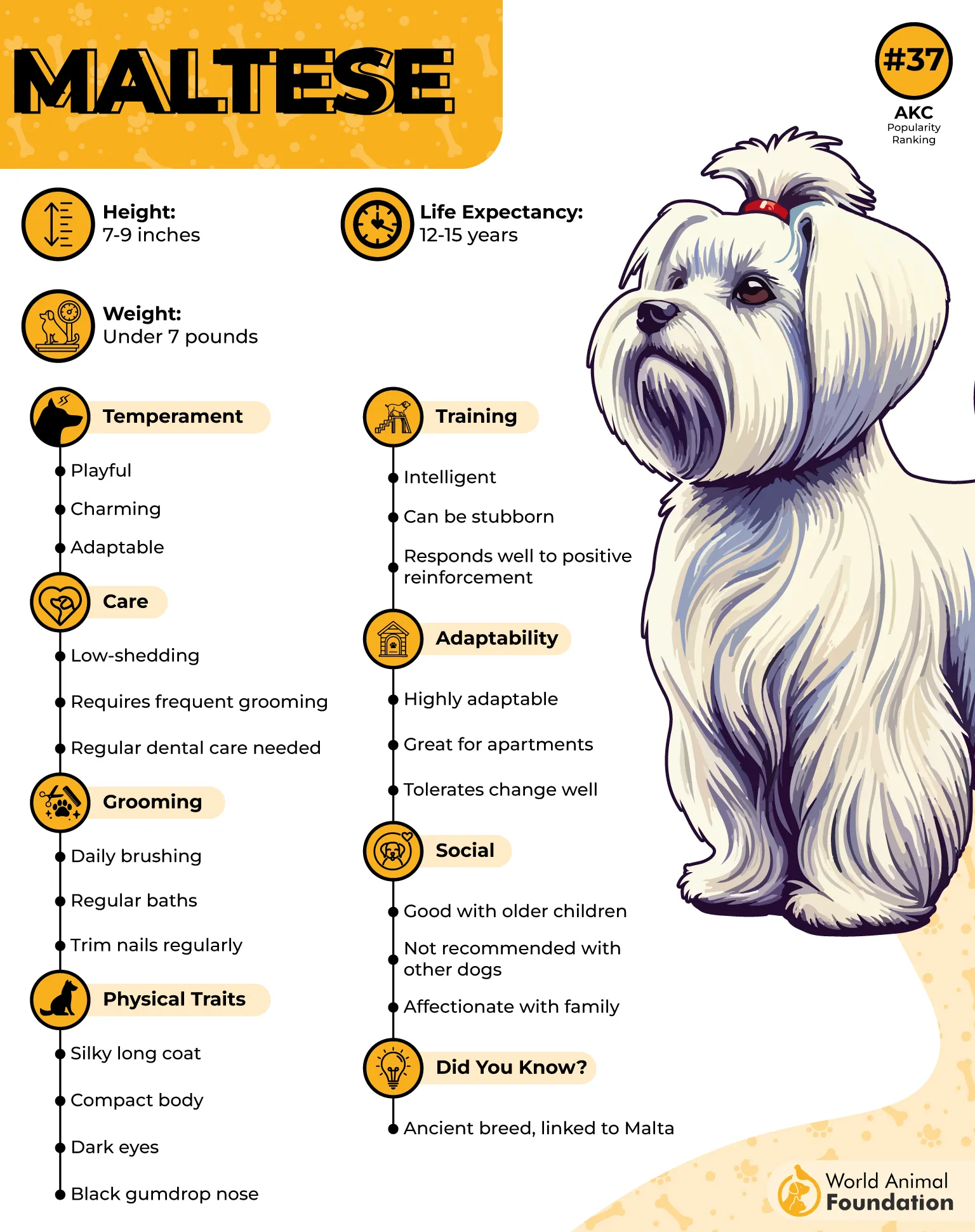
Avoid repeating commands and issue the cue once, or the dog can simply ignore the first few commands. The dog is sensitive to cold temperatures (below 7°C).
9. Papillon
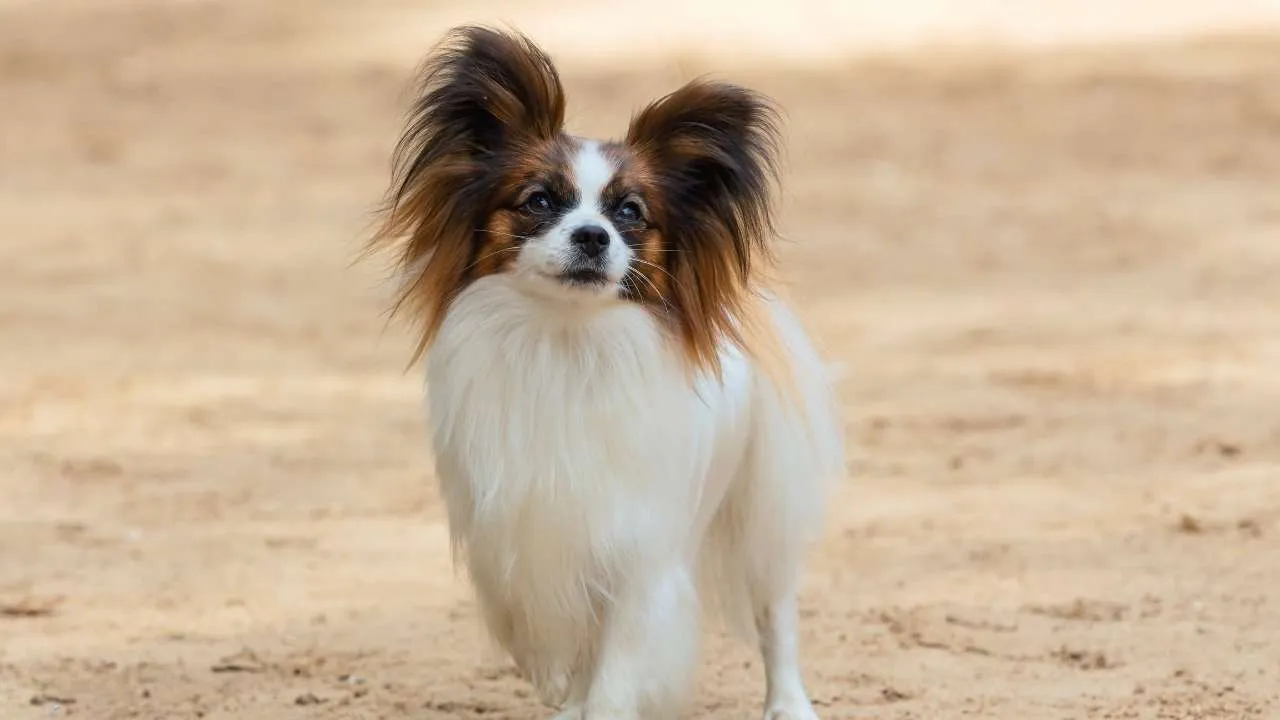
The dog was developed in France and was named for its butterfly-like unique ears, which are meant to detect faint sounds. Also known as the Dwarf Spaniel, the dog was once favored by the Spanish and Italian royalty.
Despite its small stature, the Papillon has an athletic and fine-boned structure, providing more stamina and fragility. The high intelligence leads to low stubbornness and high operational focus. The social butterfly is generally friendly with visitors and tends to sleep on the couch indoors.
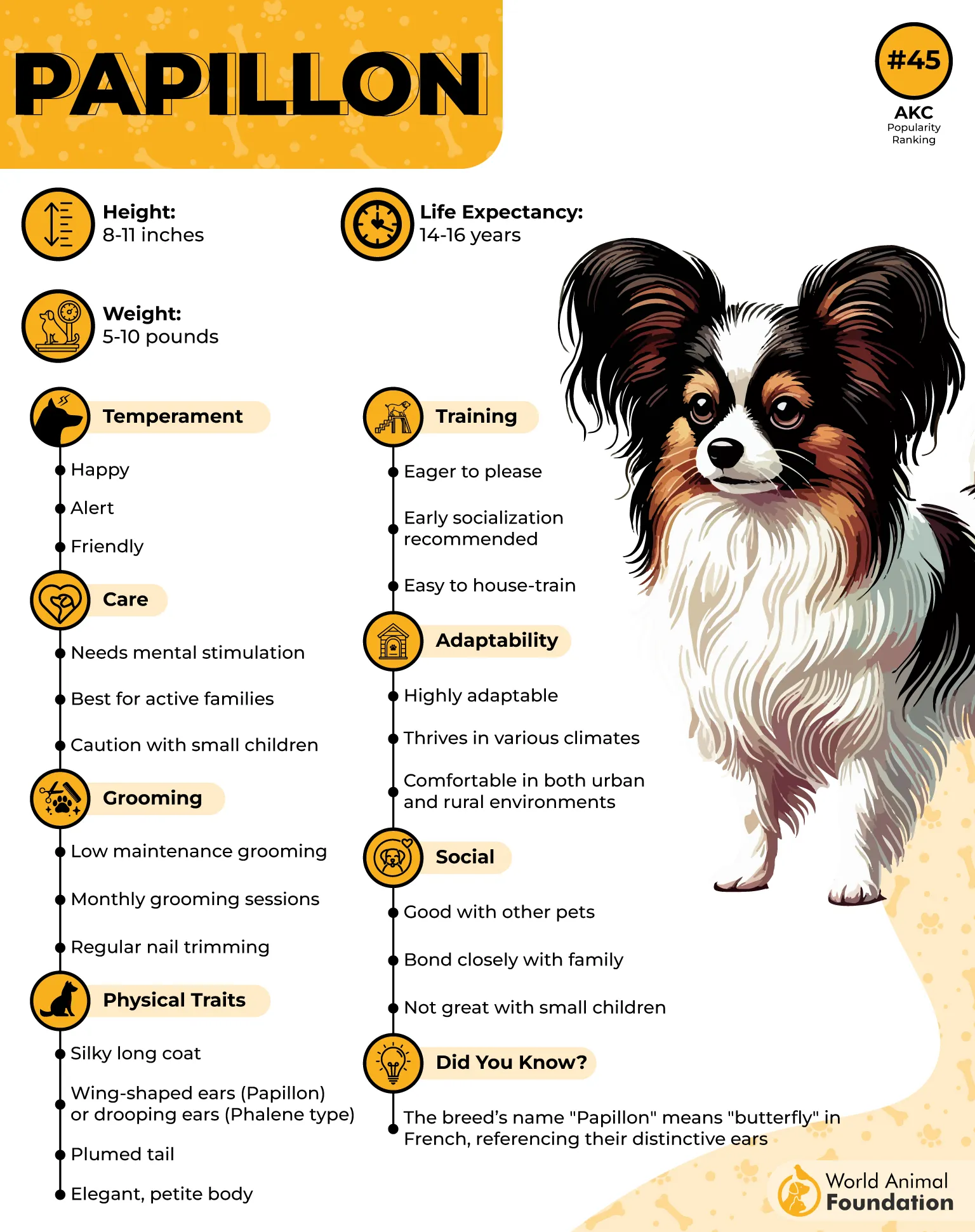
The breed loves to learn new fun tricks. High-impact exercise such as jumping and running is prohibited to prevent joint and spinal injuries. Monthly baths and regular nail trimming are recommended.
Conclusion
The right first dog should fit your ordinary Tuesday, not just your dream weekend. Picture the walks before work, the grooming costs, and the evenings when you feel tired. Which companion could you care for well on those days? That question matters more than a cute face or a popular breed name. Meet the dog, ask honest questions, and give yourself room to learn.
You do not need to be a perfect owner from day one. You do need patience, a realistic budget, and the willingness to show up. There will be muddy paws and the occasional stolen sock. With a thoughtful choice, those little messes can become part of a life you would not trade for a spotless couch.
