




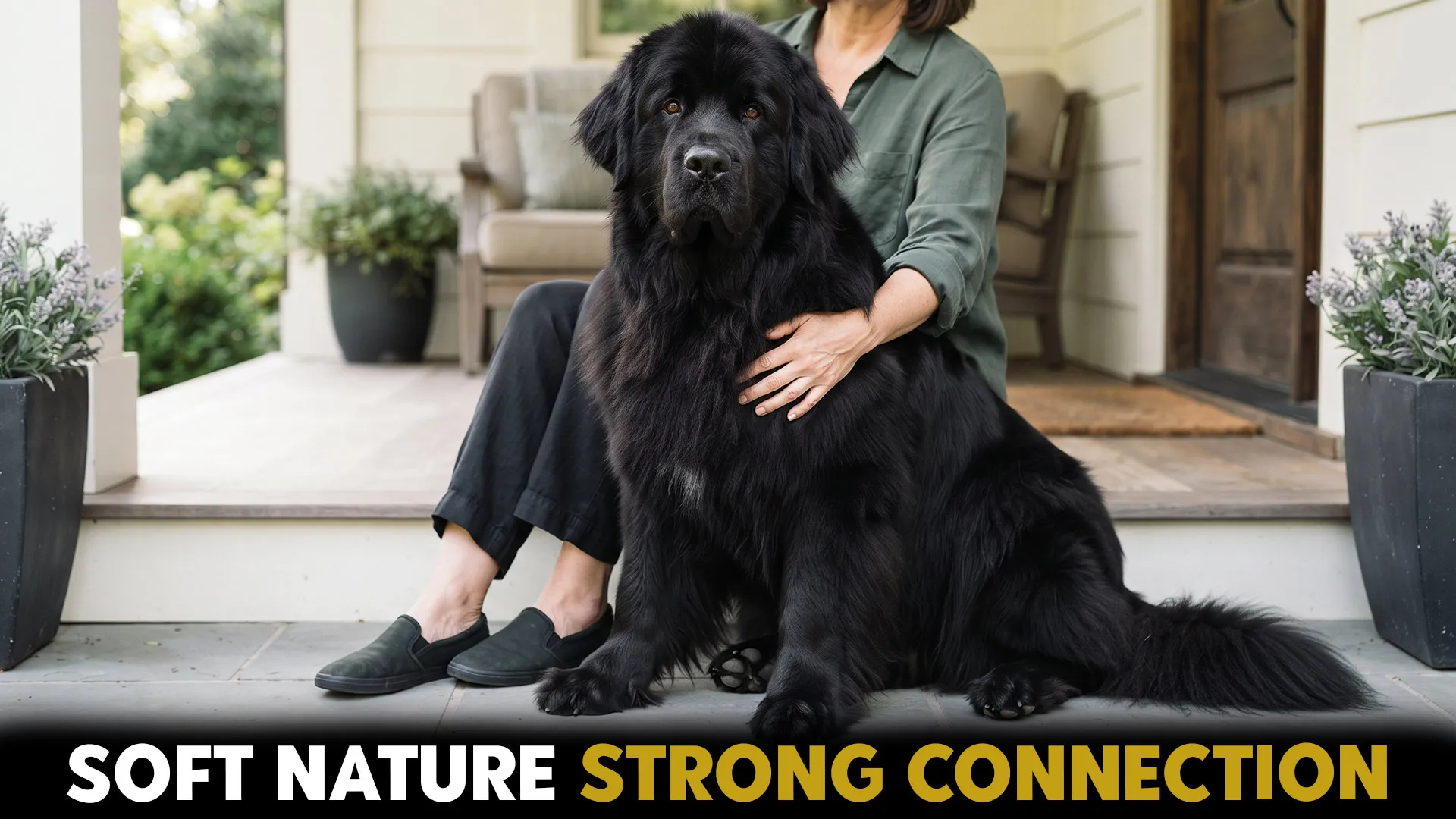
Some dogs seem to understand that not every moment needs a reaction. They can stay close while children play, remain composed when the household gets busy, and offer affection without constantly demanding attention. Interestingly, several of the gentlest breeds on this list were originally developed for physically demanding jobs such as guarding livestock, pulling carts, hunting, or rescuing people.
Patience in dogs does not necessarily mean being inactive or easygoing in every situation. A breed may have plenty of energy outdoors yet become remarkably calm once its exercise needs are met. Their loyalty can also look different from one breed to another, ranging from quietly following their favorite person around the house to instinctively watching over the entire family.
These ten breeds showcase that softer side of canine companionship. From the imposing Cane Corso to the elegant Greyhound, each has a different history, appearance, and way of expressing devotion.
Loyal Dog Breeds With the Softest, Most Patient Demeanor
1. Cane Corso

The Cane Corso traces its ancestry to ancient Italy, with roots linked to the large dogs used during the Roman era.
After the Roman period, these dogs became valuable farm companions, taking on jobs that included guarding property and livestock, hunting, and even pulling carts.
A Short Coat With a Surprisingly Active Routine
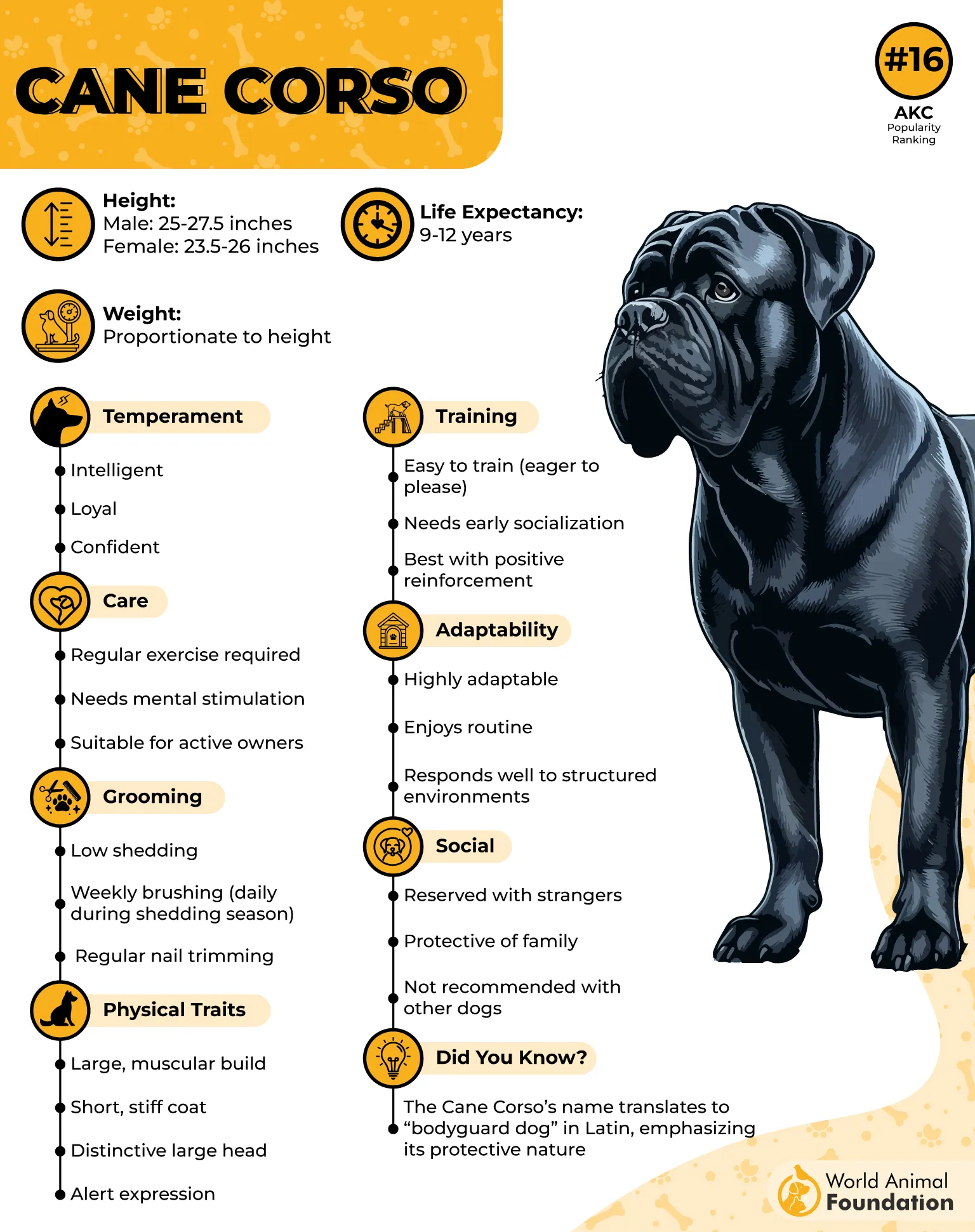
The Cane Corso has a short coat that does not require elaborate grooming, although regular brushing helps remove loose hair and keeps the coat tidy.
This athletic mastiff benefits from daily walks, structured activity, training sessions, and opportunities to use both its body and its intelligence.
Loyalty That Feels Almost Like Personal Protection
One of the Cane Corso’s most distinctive qualities is its deep attachment to its household. Rather than being an indiscriminately social dog, it tends to form a particularly strong connection with its family and remain aware of what is happening around them.
With appropriate socialization and training, that protective instinct can exist alongside a calm, affectionate presence at home.
2. Bernese Mountain Dog
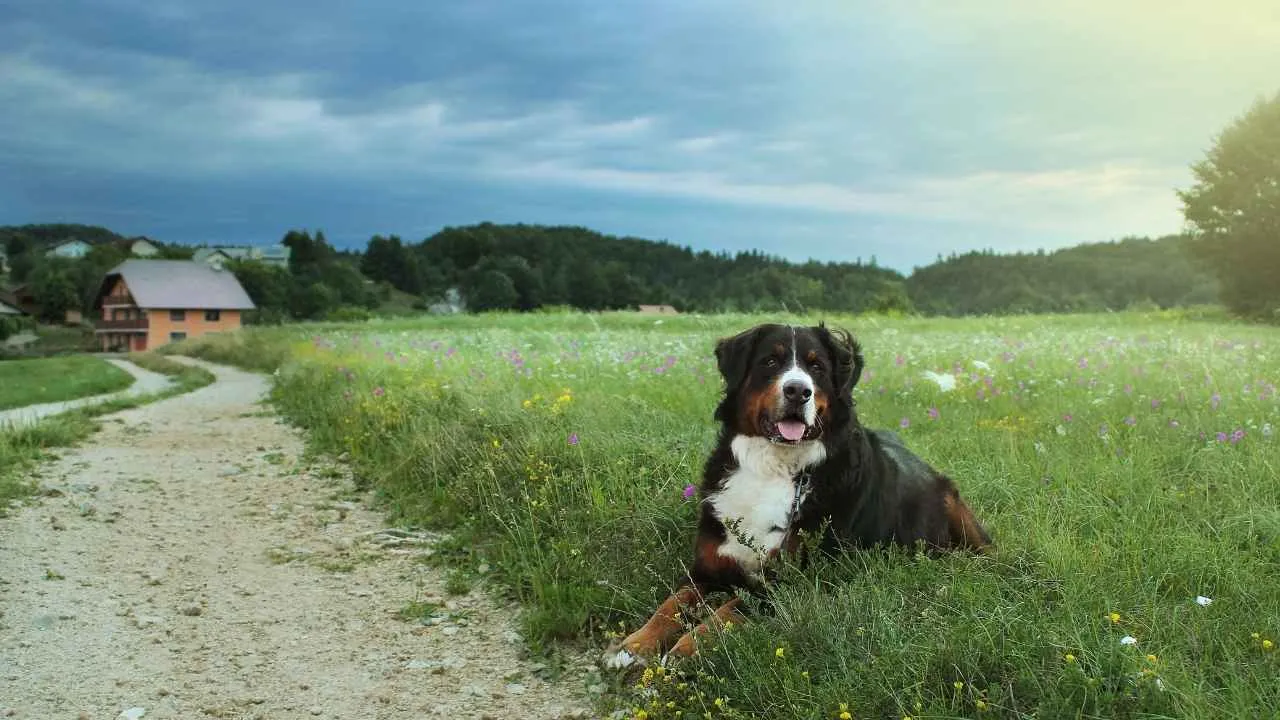
The Bernese Mountain Dog originated in Switzerland and belonged to a group of versatile farm dogs used for a variety of practical jobs, as per PDSA. Their ancestors were associated with cart pulling, cattle work, guarding, and other tasks around farms in the Swiss countryside.
Over generations, their usefulness as working dogs developed alongside the gentle personality that has made them popular as family companions today.
That Long Coat Needs Regular Attention
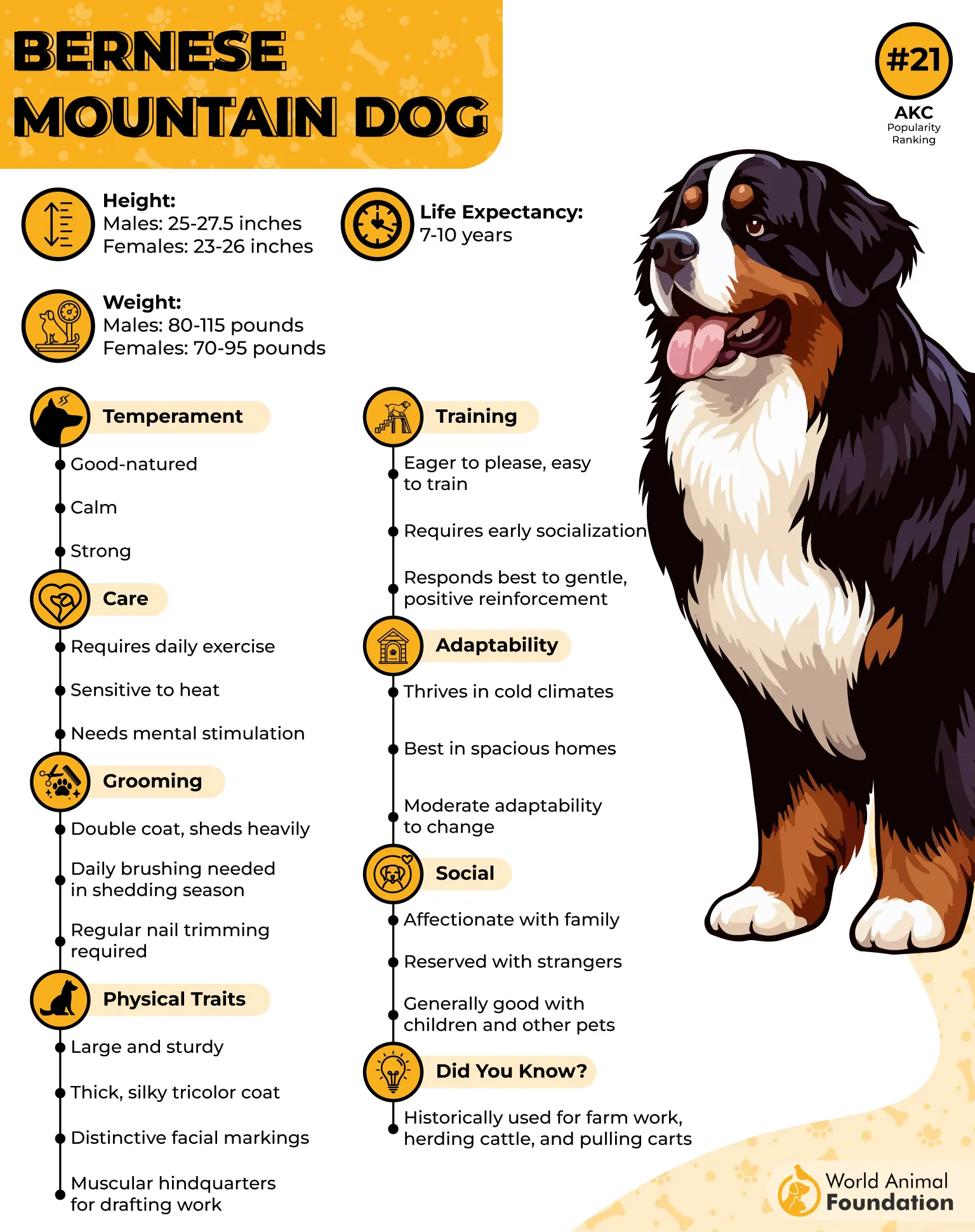
The Bernese Mountain Dog’s beautiful double coat is one of its most recognizable features, but it also means grooming cannot be ignored. Frequent brushing helps control shedding and prevents the long hair from becoming tangled.
Exercise should be moderate and consistent rather than excessively strenuous, with walks, outdoor activities, and family outings often providing enough stimulation for an adult dog.
A Patient Companion With a Soft Expression
Berners are particularly appreciated for their sweet and calm nature. They can be playful when invited but are often content simply being part of whatever their human family is doing.
Their gentle disposition can make them especially endearing around families, where their affectionate personality and willingness to stay close become a major part of their appeal.
3. Newfoundland

The Newfoundland developed on the Canadian island that shares its name, where large working dogs became indispensable companions to fishermen.
These powerful dogs were valued for their strength, swimming ability, and endurance, helping with tasks such as pulling fishing nets and hauling carts.
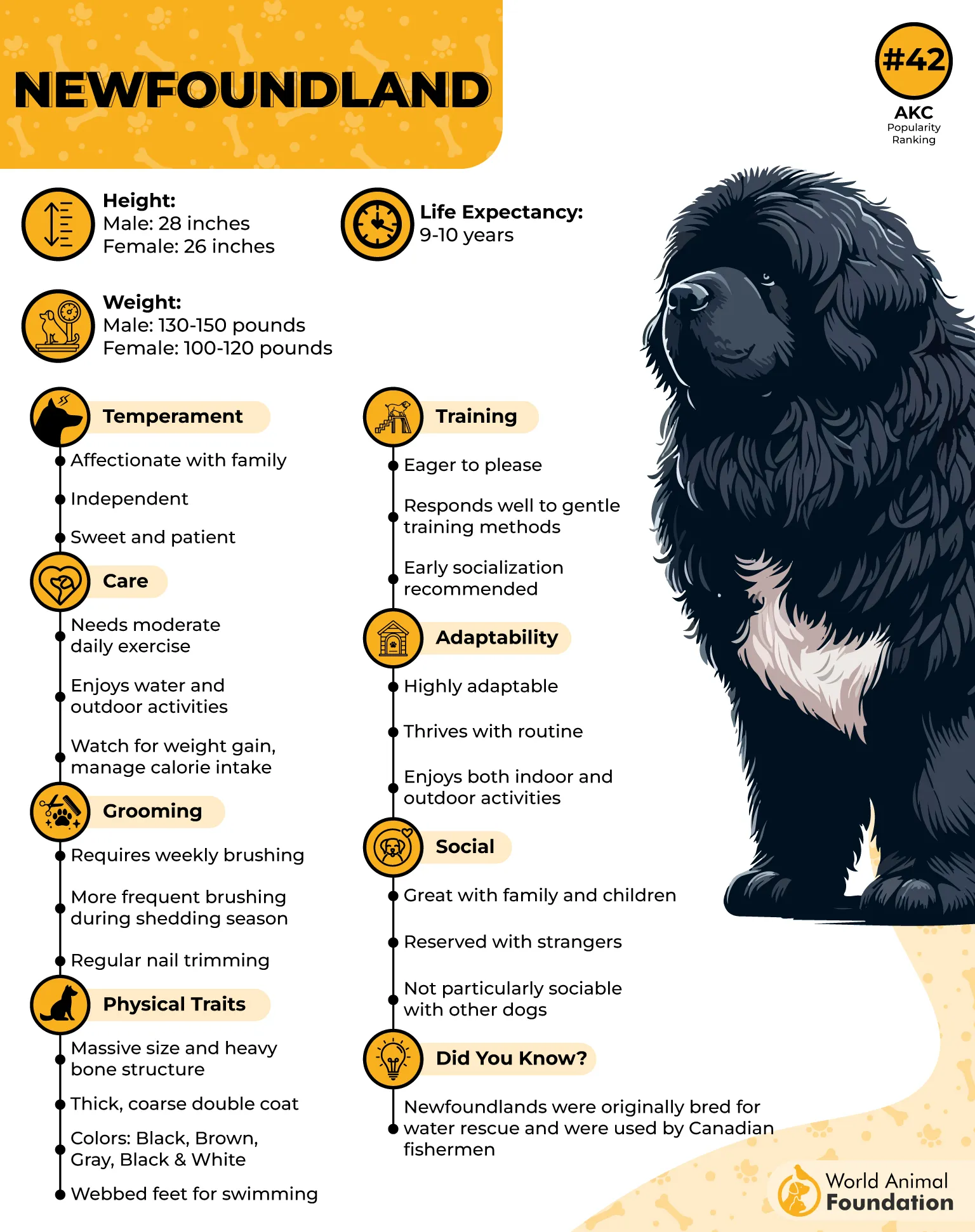
Thick Fur and a Love for Activity
Newfoundlands have a dense, water-resistant double coat that calls for regular brushing, particularly because their heavy fur can trap loose hair and develop tangles.
Their exercise routine should include daily movement, but they are especially suited to activities that make use of their natural abilities.
A Gentle Giant With a Rescue-Dog Heart
Few breeds have such a strong association with helping people. The Newfoundland’s history of working around fishermen and water contributed to its reputation as a dependable, benevolent companion.
Its patient nature is one reason this nanny dog breed has long been admired as a family dog, particularly when its enormous size is matched with appropriate training and supervision.
4. Great Dane
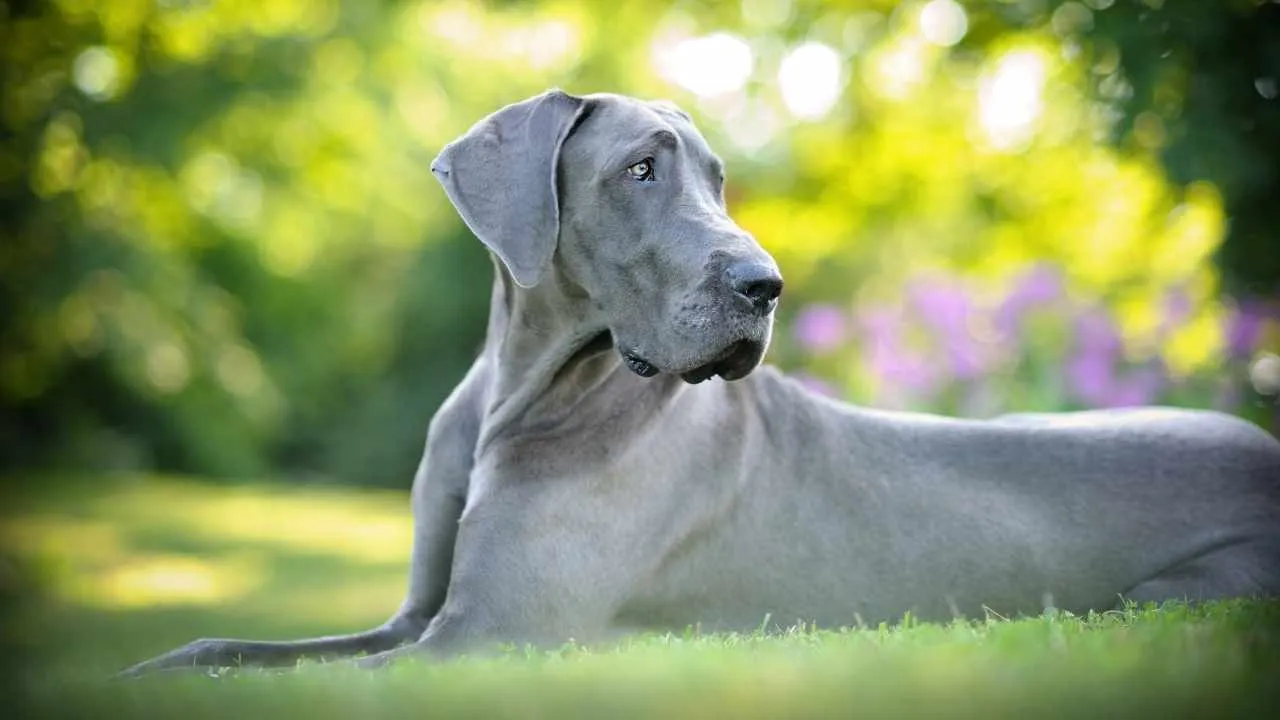
Although commonly associated with Denmark because of its name, the Great Dane’s development is strongly connected to Germany.
As the breed’s original working purpose disappeared, breeders gradually emphasized a more dependable and companionable temperament, helping transform the once fierce hunting dog into the gentle giant familiar today.
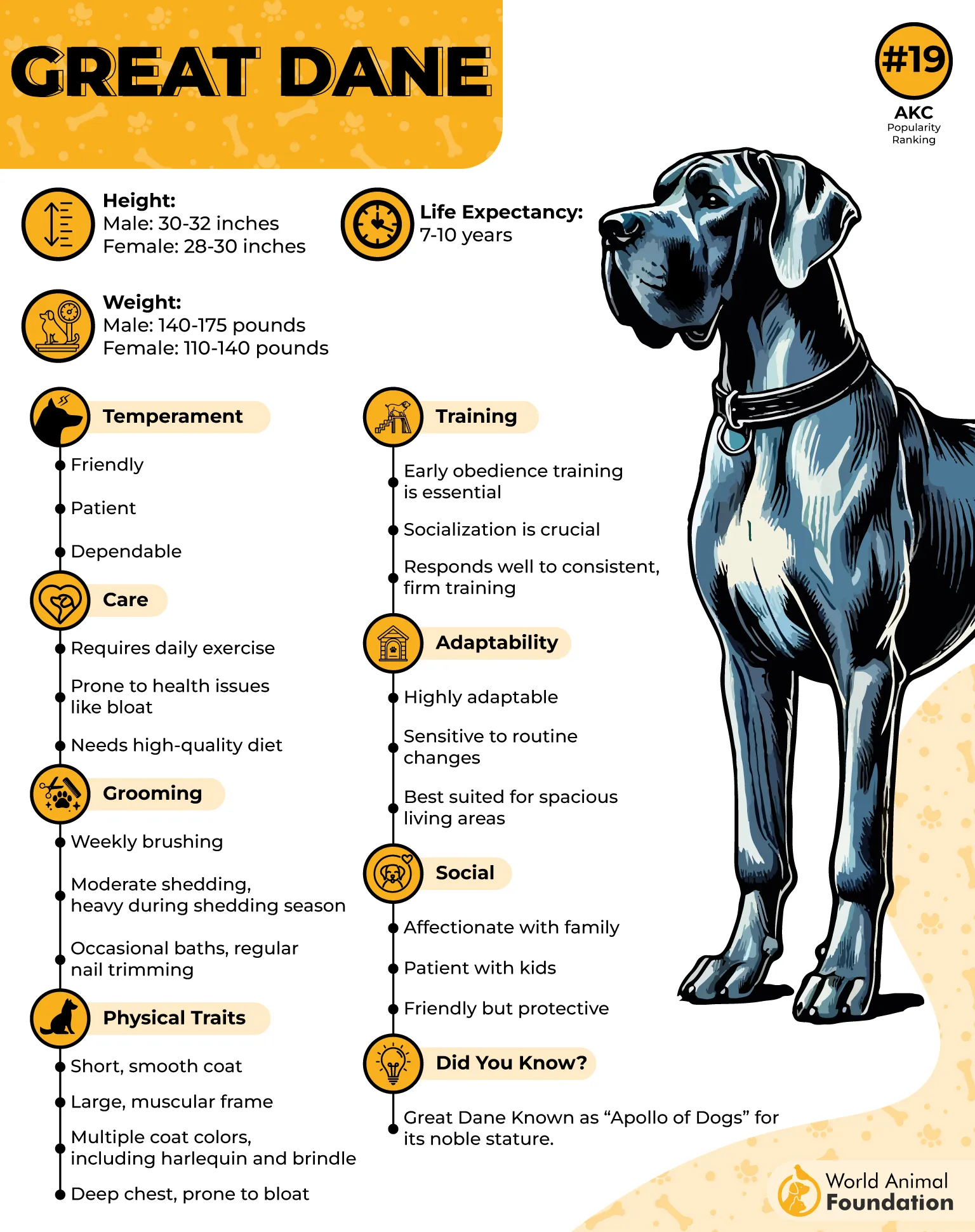
Easy Coat Care, But Plenty of Room to Stretch
The Great Dane’s short, smooth coat is relatively straightforward to maintain, with routine brushing enough for general upkeep. Its body, however, needs thoughtful exercise.
Daily walks and play are useful, but young Danes in particular should not be pushed into excessive or high-impact activity while they are still growing.
The Gentle Giant Reputation Is Well Earned
The Great Dane’s enormous height can make it look intimidating at first glance, yet the breed is widely known for its affectionate family nature.
A well-socialized Dane may prefer quietly staying near its people rather than constantly seeking action. That contrast between towering stature and soft household behavior is one of the breed’s most memorable characteristics.
5. Irish Wolfhound
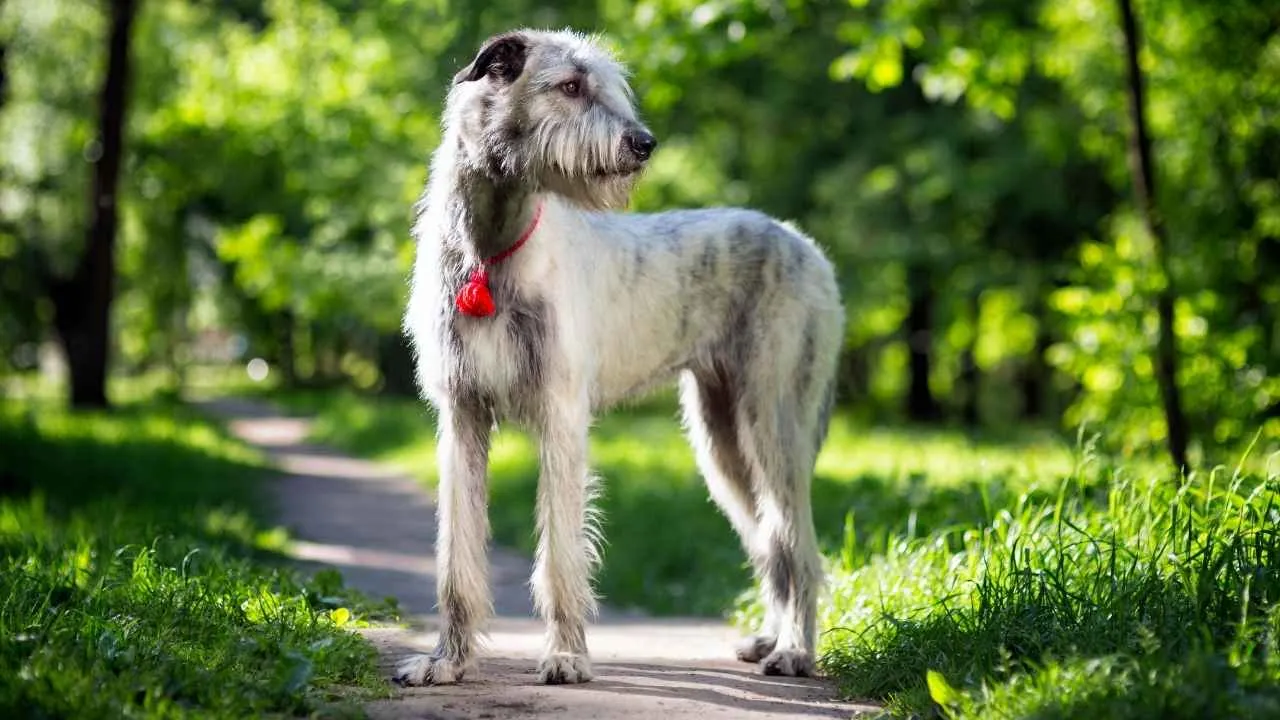
The Irish Wolfhound has a history that reaches back to ancient Ireland, where large hounds were prized for hunting wolves and other substantial game, as per PetMD.
When wolves eventually disappeared from Ireland, the breed’s original purpose vanished with them, and its numbers declined severely before dedicated breeders worked to restore it during the nineteenth century.
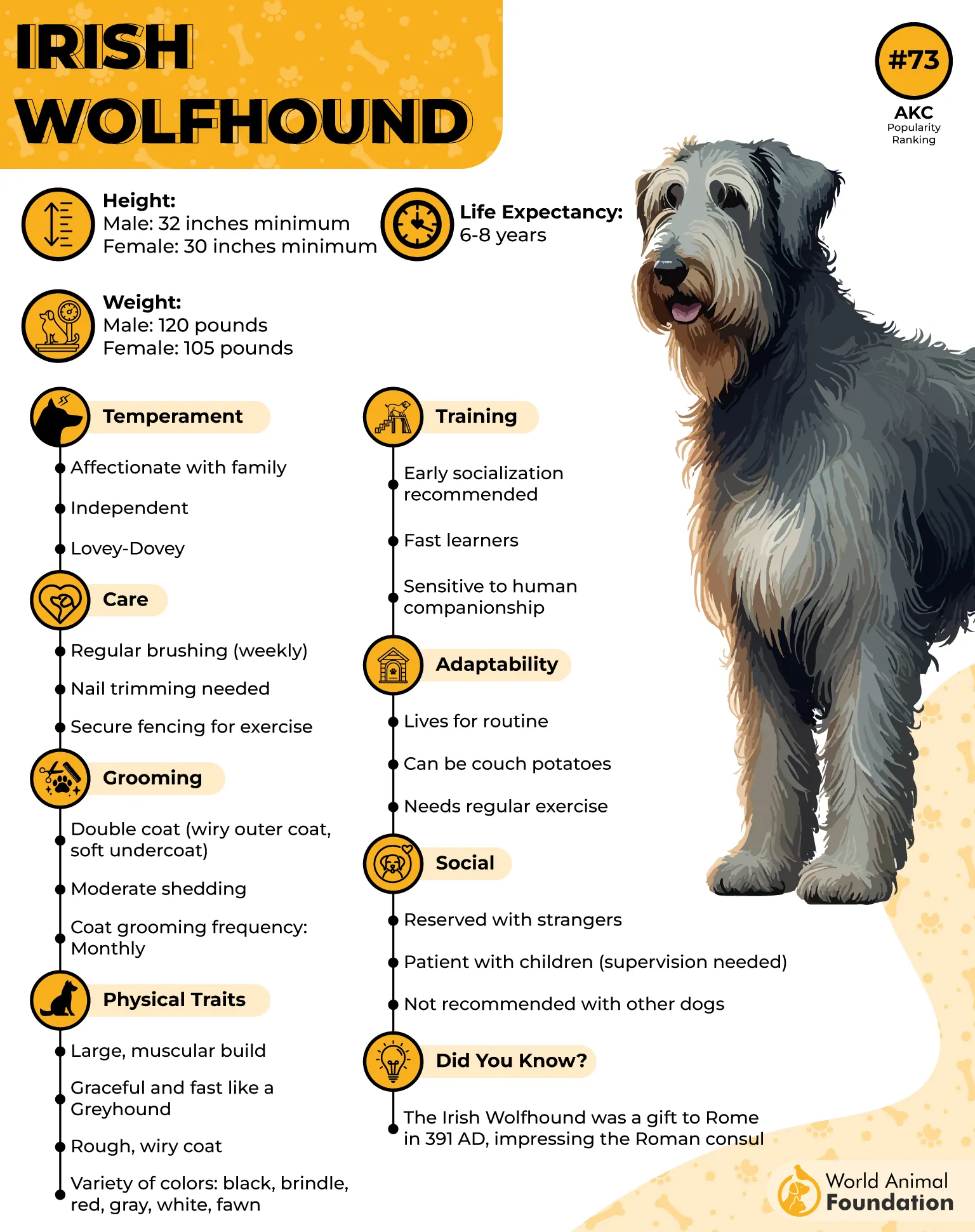
A Rough Coat and a Need for Regular Movement
The Irish Wolfhound’s wiry coat benefits from regular brushing and occasional attention to keep it neat. Despite its giant frame, this is not a breed that should simply be left to lounge all day.
It needs regular walks and room for controlled movement, although exercise should be appropriate for the dog’s age and physical development rather than excessively demanding.
A Former Wolf Hunter With a Surprisingly Tender Nature
The Irish Wolfhound may have once been expected to confront wolves, but its modern temperament is remarkably different from that history. The breed is famous for its gentle and dignified personality, often forming a close bond with its household.
Its calm interaction with people is particularly striking when contrasted with the formidable role it once performed.
6. Saint Bernard
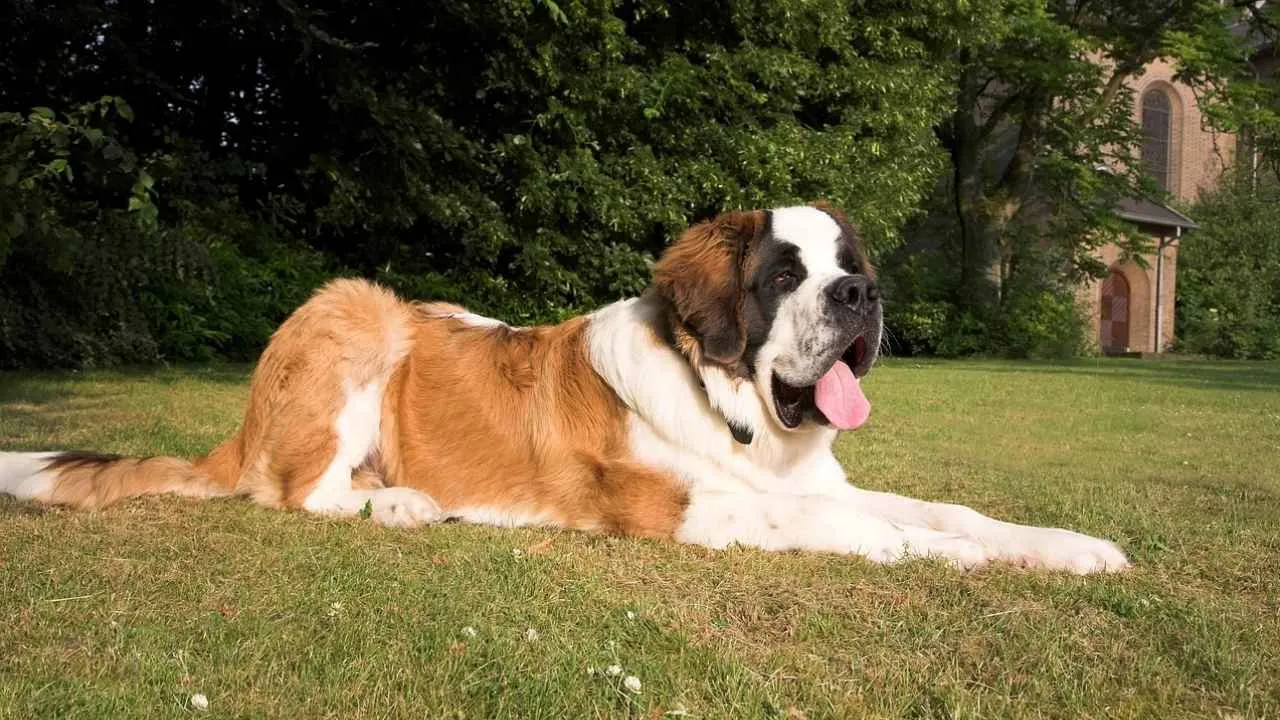
The Saint Bernard’s story began in the Swiss Alps, where monks at the Great St. Bernard Hospice relied on large dogs to assist travelers crossing a dangerous mountain route, according to the AKC.
Over time, these dogs became associated with rescue work, helping locate and assist people caught in severe Alpine conditions. Their history is therefore closely tied to service, endurance, and working alongside humans in some of Europe’s harshest terrain.
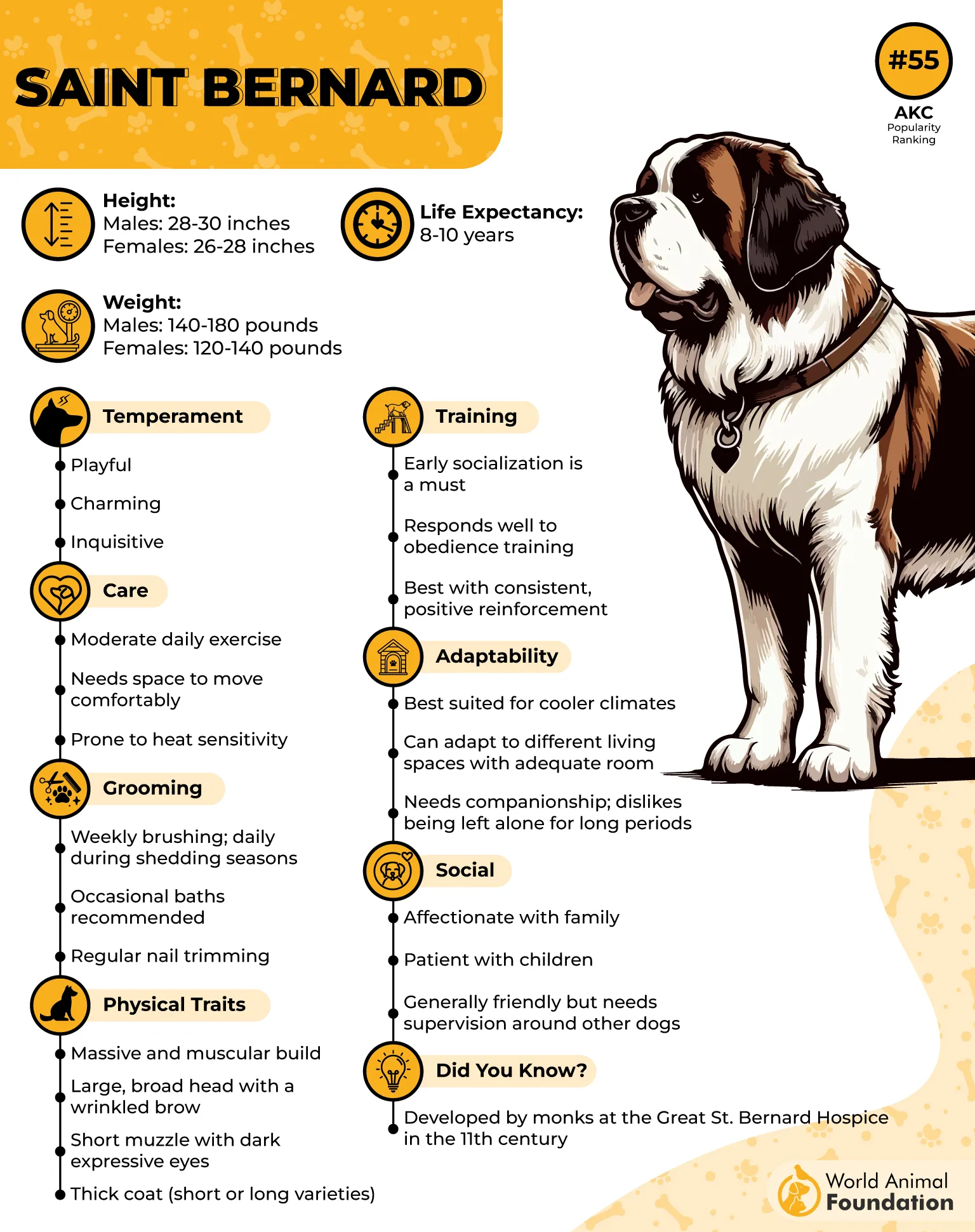
Heavy Shedding Calls for Consistent Grooming
Saint Bernards can have either short or long coats, and both varieties require routine grooming. Brushing helps manage loose hair and keeps the coat in good condition, while nails, ears, and general hygiene should also be monitored.
Their exercise requirements are moderate; regular walks and relaxed outdoor activity are preferable to forcing a giant dog into intense physical exertion.
The Classic Patient Family Dog
The Saint Bernard’s reputation for patience is deeply connected to its working history. These dogs needed to remain dependable in difficult surroundings and work around people without becoming uncontrollable.
Today, that steady nature can make them affectionate household companions, although their enormous size means manners and early training are particularly important.
7. Tibetan Mastiff
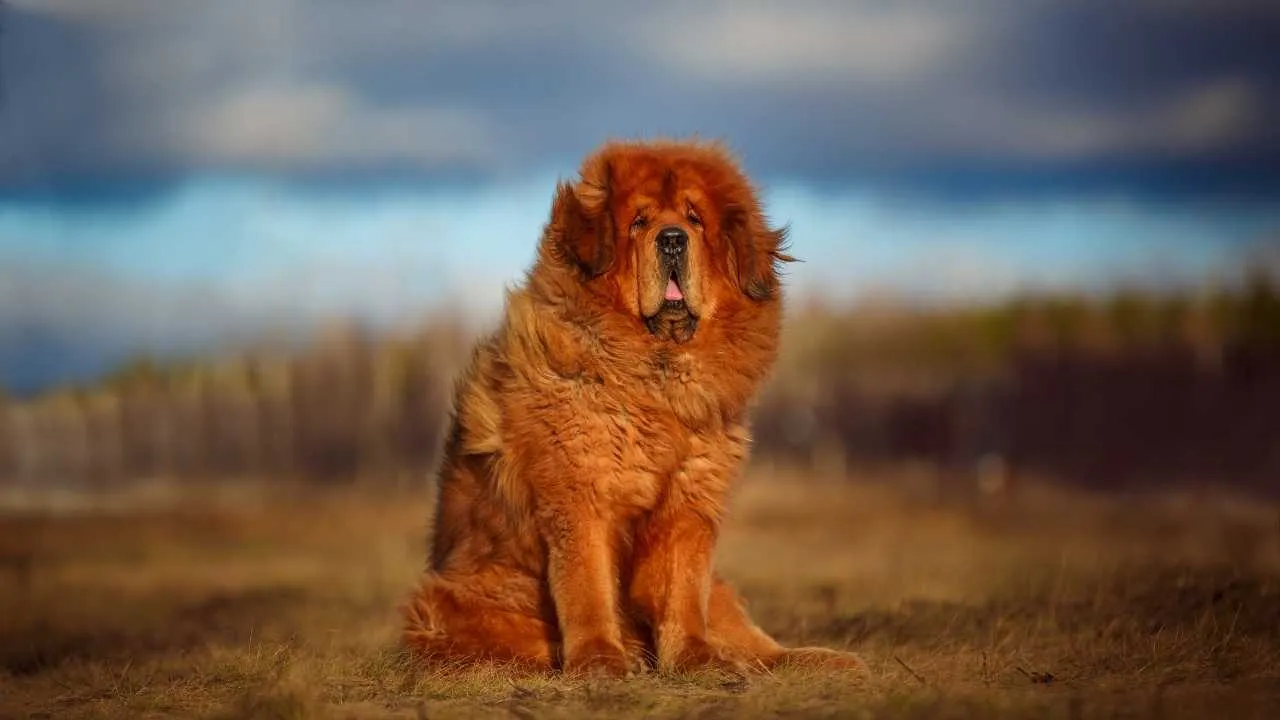
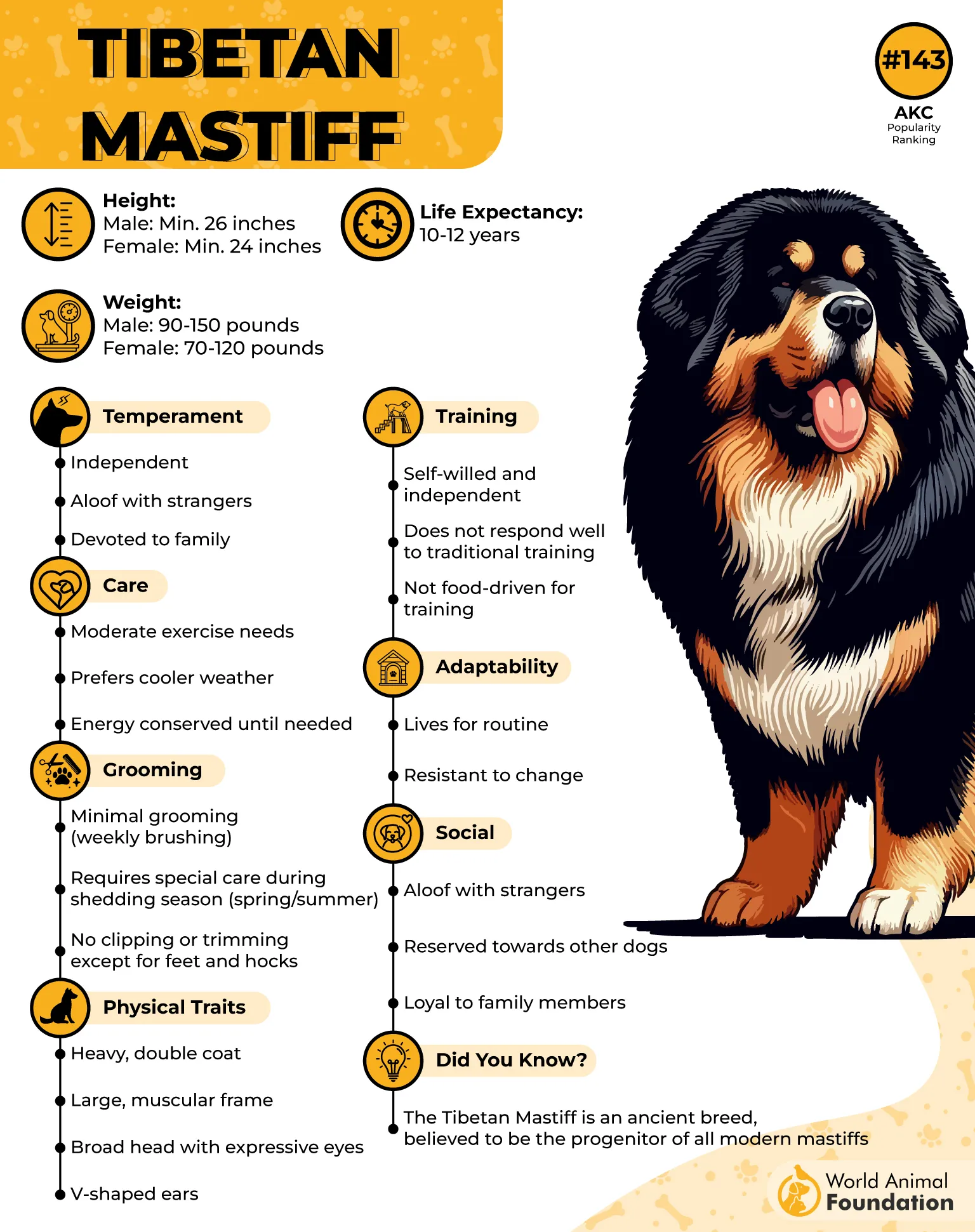
The Tibetan Mastiff is considered one of the world’s oldest guardian breeds, with a history stretching back thousands of years in Tibet.
Rather than being developed primarily as a conventional livestock guardian, these dogs traditionally watched over homes, monasteries, camps, and property. The isolation of the Himalayan region helped preserve many of the breed’s distinctive characteristics for generations.
A Mountain Coat Built for Harsh Weather
The Tibetan Mastiff’s heavy double coat is designed for demanding cold-weather conditions. For much of the year, weekly brushing may be sufficient, but the breed experiences a particularly heavy seasonal shed when its undercoat comes out.
Exercise needs are generally moderate, with walks, exploration, and mental stimulation more appropriate than endless repetitive activity.
Devotion Expressed Through Watchfulness
The Tibetan Mastiff has a very different style of loyalty from breeds that constantly seek physical affection. It may quietly observe its surroundings, monitor unfamiliar activity, and remain close to the people or territory it considers its own.
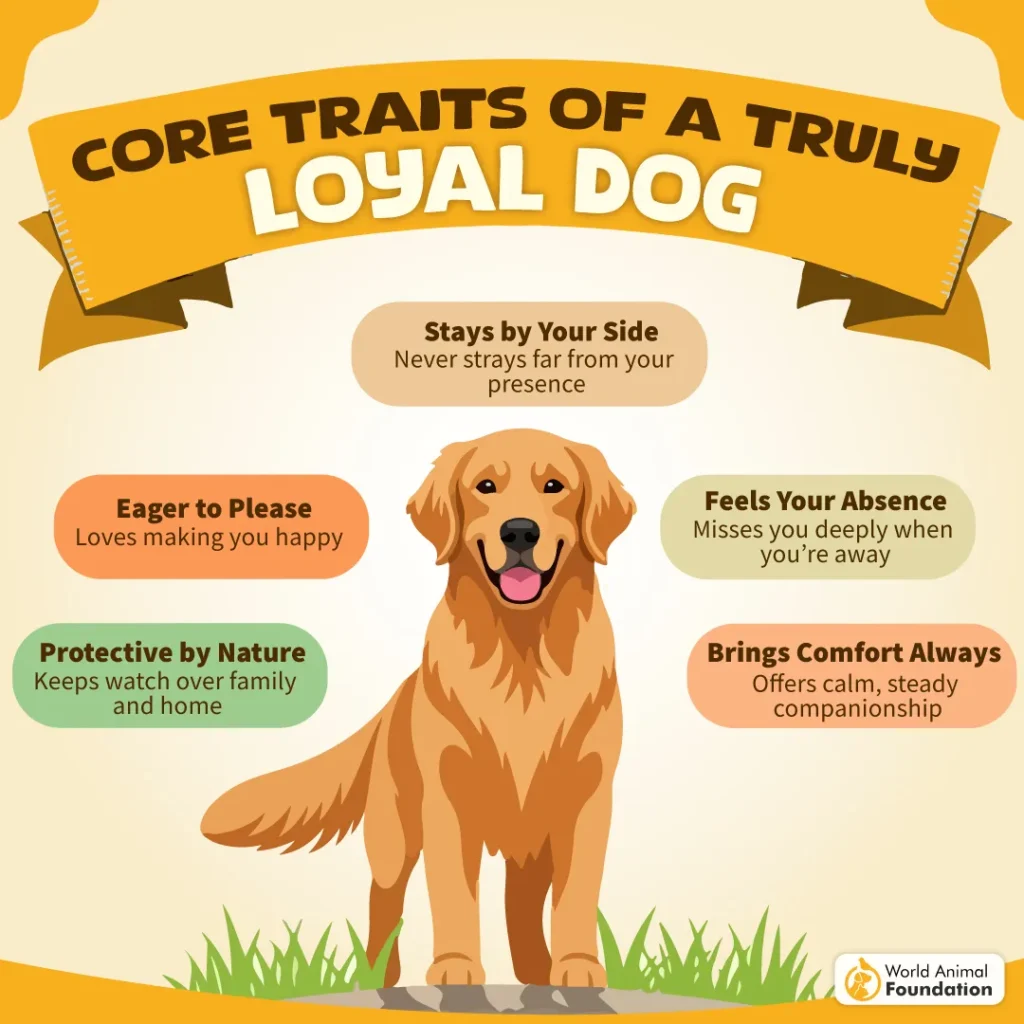
Its independence and protective nature mean that patient training and early socialization are especially important.
8. Greyhound
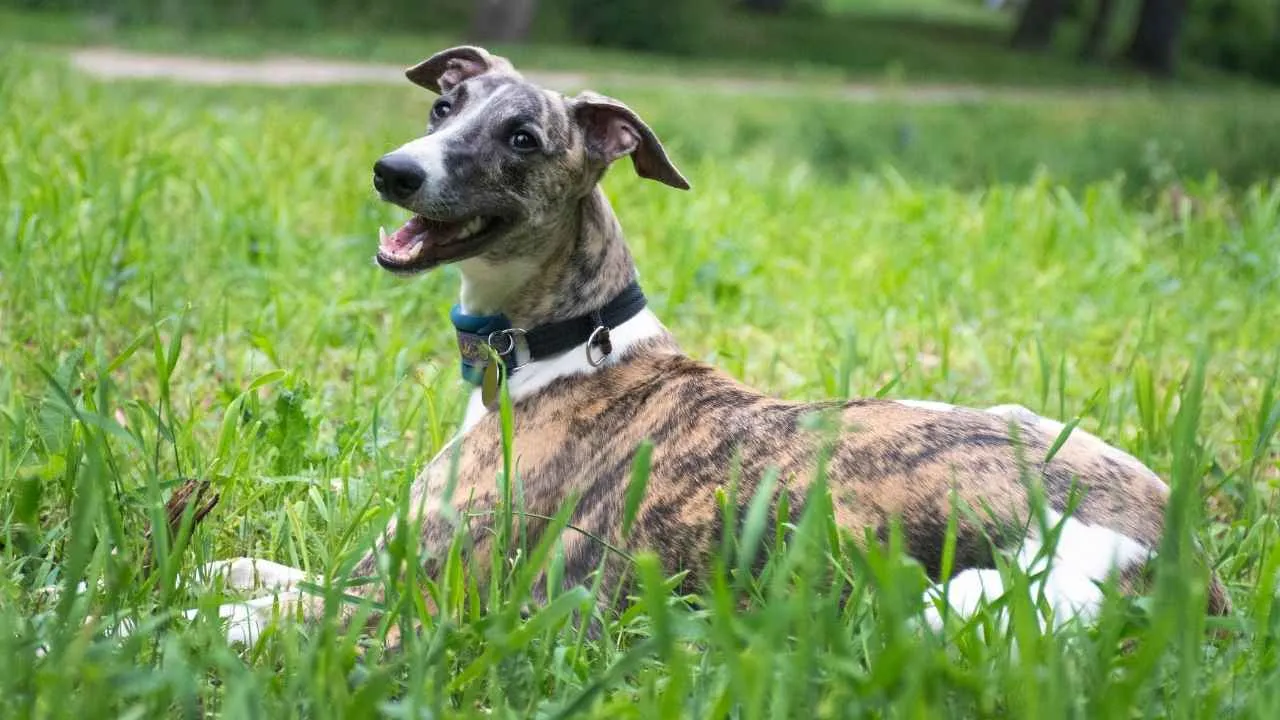
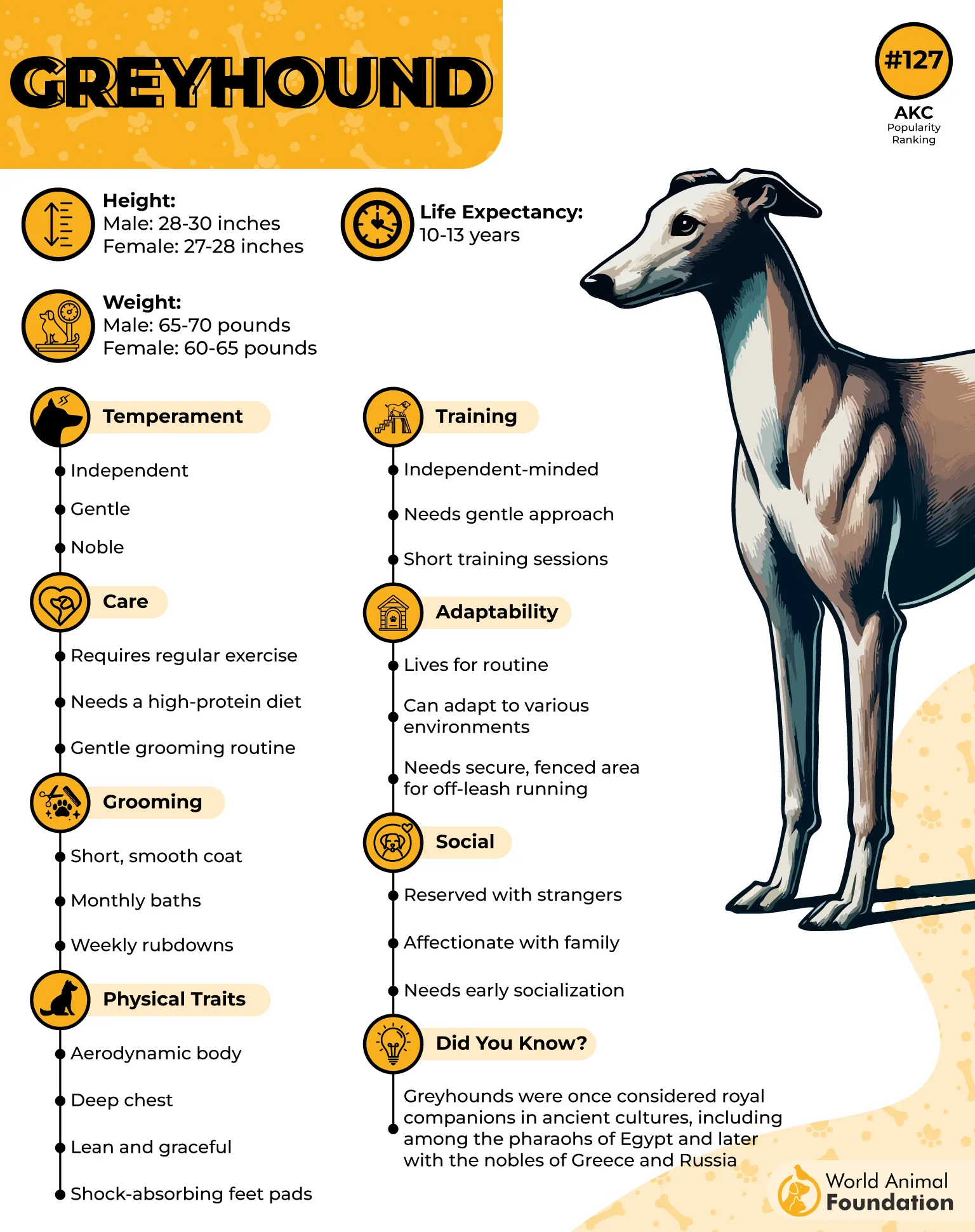
The Greyhound is among the oldest recognizable dog types, with evidence of Greyhound-like dogs appearing in ancient Egyptian artwork thousands of years ago, as per VCA Animal Hospitals.
Historically, these swift sighthounds were used to pursue animals such as hare and deer, relying on extraordinary vision and speed rather than scent to chase their quarry. Their reputation as racing dogs is only one chapter in a much older history.
Minimal Coat Maintenance With a Need for Short Bursts
The Greyhound’s fine, short coat makes grooming relatively uncomplicated. A soft brush or grooming mitt can help remove loose hair and keep the skin healthy.
Despite their reputation for speed, Greyhounds do not necessarily need hours of exercise every day. They benefit from regular walks and opportunities for controlled running, followed by plenty of quiet rest.
A Sprinter That Can Be Exceptionally Soft at Home
The Greyhound’s gentle personality is one of the breed’s most interesting contrasts. A dog capable of explosive speed can spend much of its home life resting peacefully beside its people.
Many Greyhounds are affectionate without being excessively demanding, making their calm companionship quite different from the high-energy image people may associate with athletic hounds.
9. Great Pyrenees
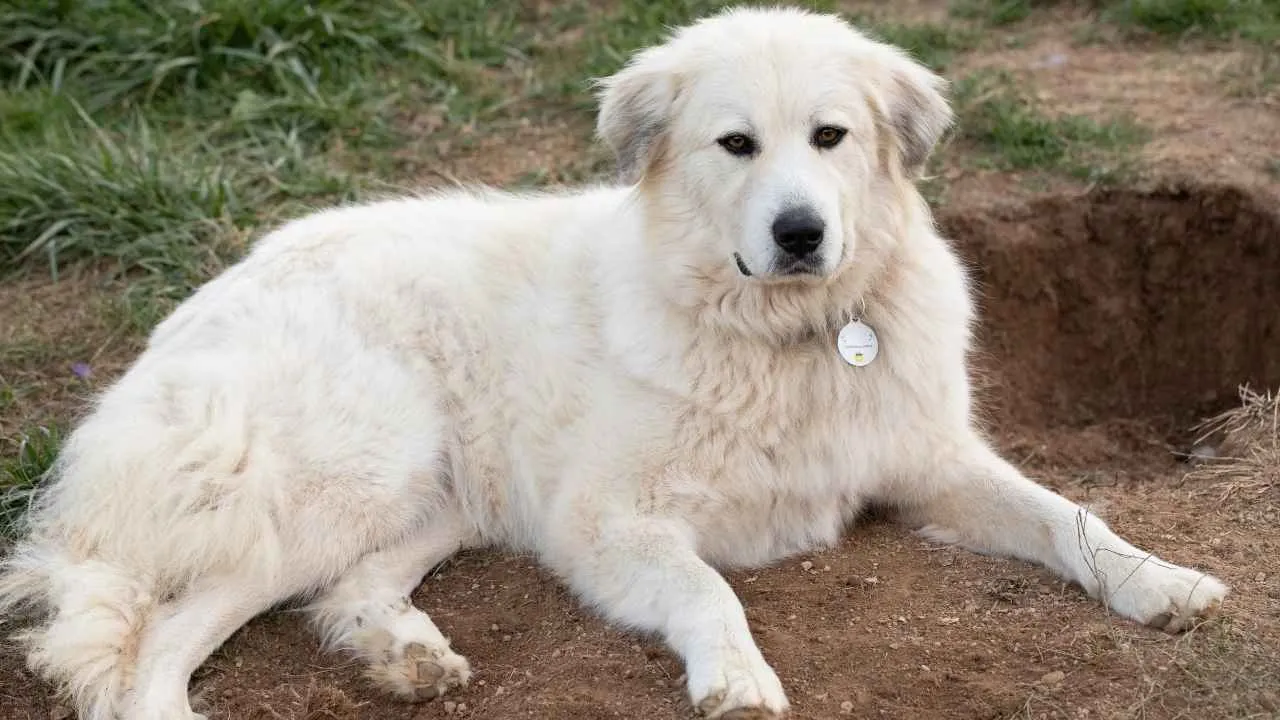
The Great Pyrenees developed in the mountainous region between France and Spain, where its ancestors protected sheep and homesteads from predators. These loyal dogs were trusted to work independently, often staying with flocks without constant human direction.
Their ability to remain calm around livestock while responding when wolves or bears approached helped shape the breed’s distinctive guardian temperament.
That Majestic White Coat Is a Commitment
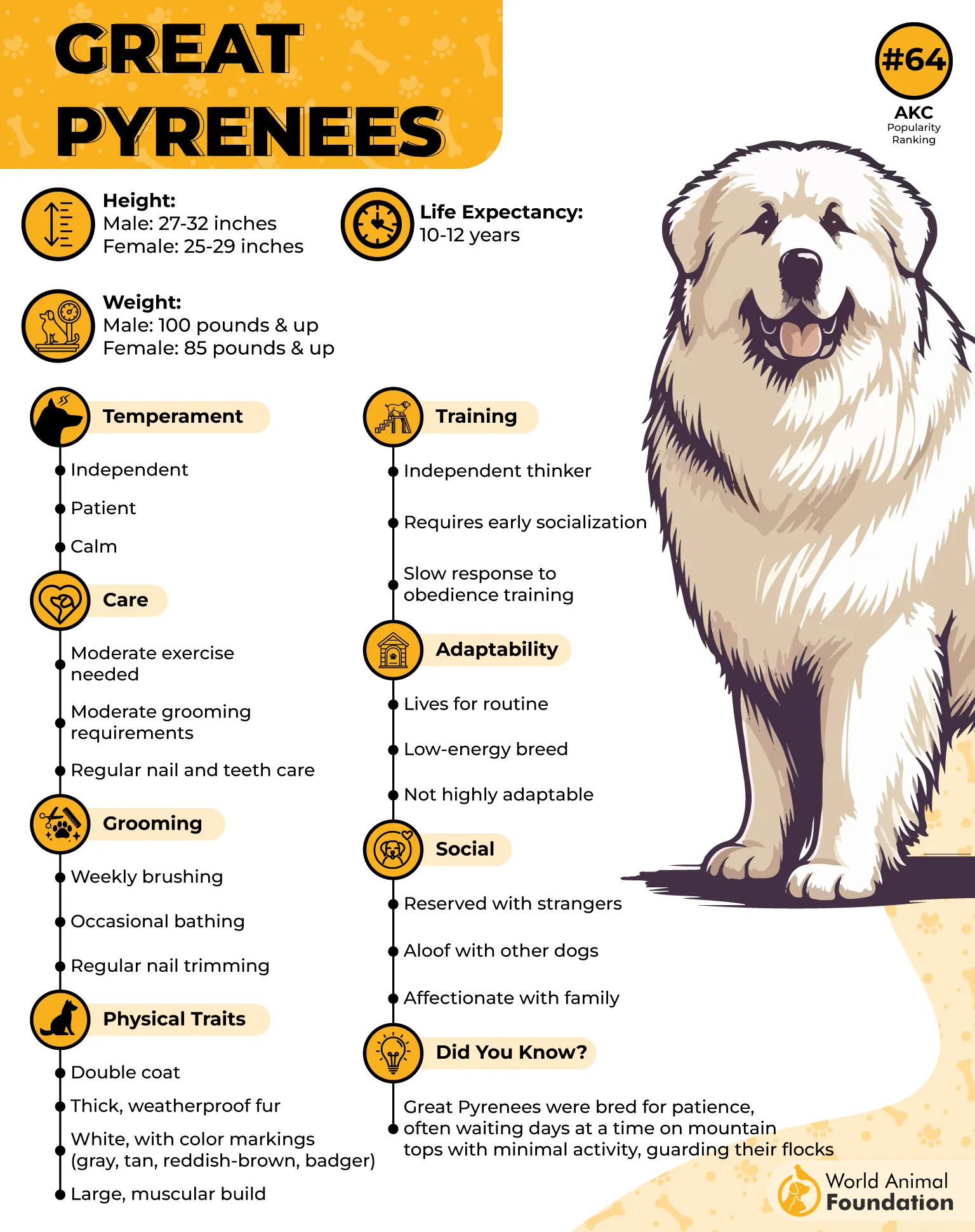
The Great Pyrenees has a thick double coat that protects it from harsh weather but requires regular care. Weekly brushing is generally necessary, with more frequent grooming during seasonal shedding periods.
Exercise should provide opportunities to walk, explore, and stay mentally occupied, but this breed is not typically suited to endless high-intensity activity.
Calm, Patient, and Naturally Protective
Great Pyrenees dogs can be remarkably patient with the people and animals they consider part of their family. Their guardian background means they often prefer observing a situation before reacting rather than immediately rushing into it.
This quiet confidence can make them wonderfully composed companions, although their independent decision-making means they benefit from consistent training and socialization.
10. Leonberger
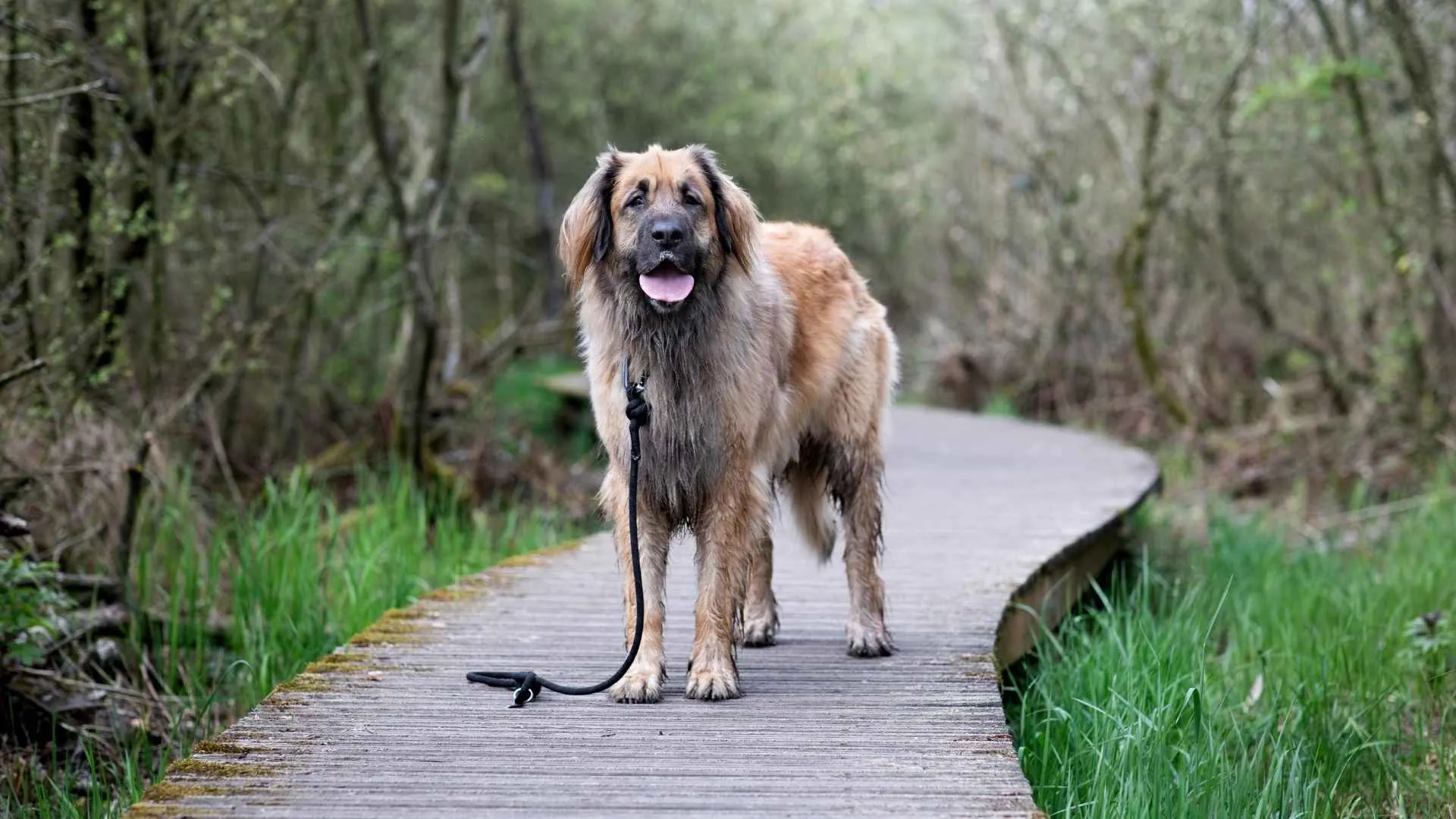
The Leonberger originated in Germany during the nineteenth century and was developed in the city of Leonberg. Breed development is generally associated with Heinrich Essig, who began producing Leonberger in the 1840s.
Historical accounts connect their development with large dogs including the Landseer Newfoundland and Saint Bernard, with Great Pyrenees also reportedly contributing later, although some details of the early breeding program remain uncertain.
A Luxurious Coat That Rewards Routine Care
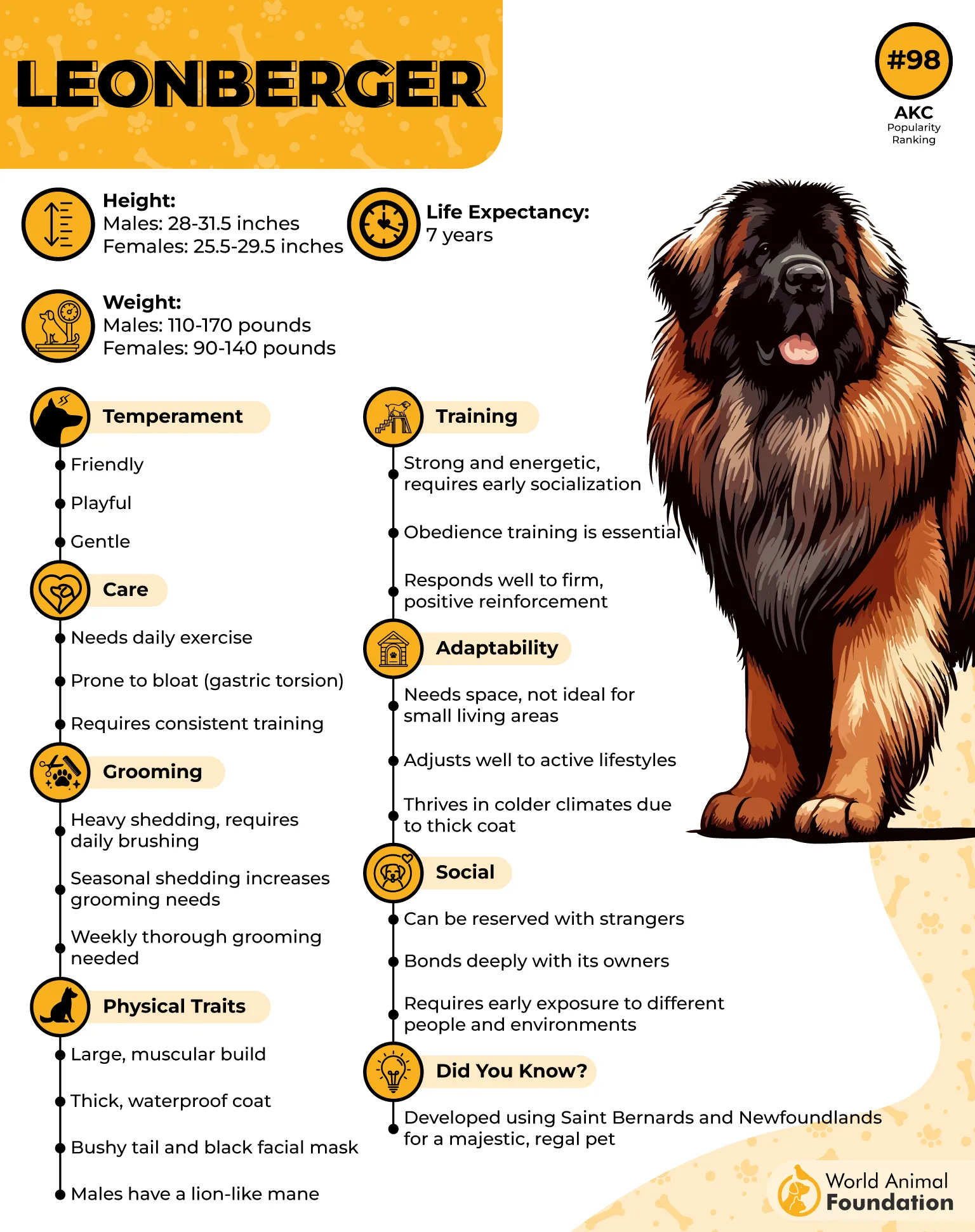
The Leonberger’s long, abundant coat requires regular brushing to keep it free from tangles and excessive loose hair. Grooming becomes particularly important around areas where the coat is thicker, as per Hill’s Pet.
These dogs also need consistent daily activity, such as long walks, outdoor exploration, obedience work, or interactive family activities that allow them to use their large bodies without turning exercise into exhausting repetition.
A Giant Dog Bred With an Affectionate Temperament
The Leonberger was deliberately developed with temperament in mind, and historical accounts emphasize the goal of producing a stable, affectionate dog despite its impressive size. That combination remains one of its defining qualities.
Rather than matching its enormous appearance with a harsh personality, the Leonberger is often described as gentle, playful, and people-oriented, giving it a distinctly soft character beneath its lion-like appearance.
Conclusion
A gentle demeanor does not remove the responsibilities that come with owning an affectionate dog breed. Large and powerful breeds in particular need appropriate socialization, training, exercise, grooming, and supervision. When those needs are properly met, their calm personalities can become one of the most rewarding parts of sharing a home with them.
Some stay physically close to their families, others quietly observe their surroundings, while certain breeds show devotion through an instinctive desire to protect.
Their histories also reveal why these temperaments developed in the first place. Most loyal dog breeds originally bred for rescue needed reliability, farm companions needed steadiness, livestock guardians needed patience and independence, and family-oriented breeds were increasingly shaped for stable interaction with people.
The softest dogs are not always the smallest ones. Sometimes, the biggest paws in the house belong to the dog with the most patient heart.
